
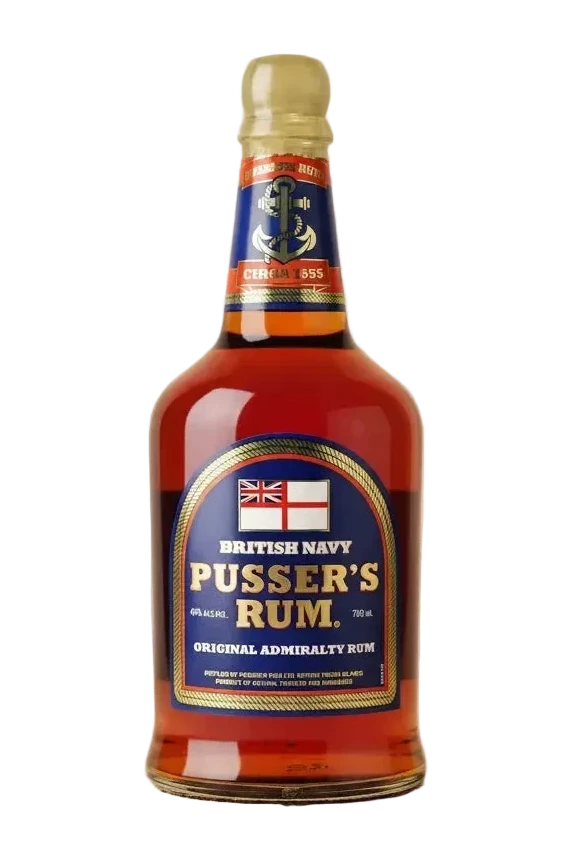
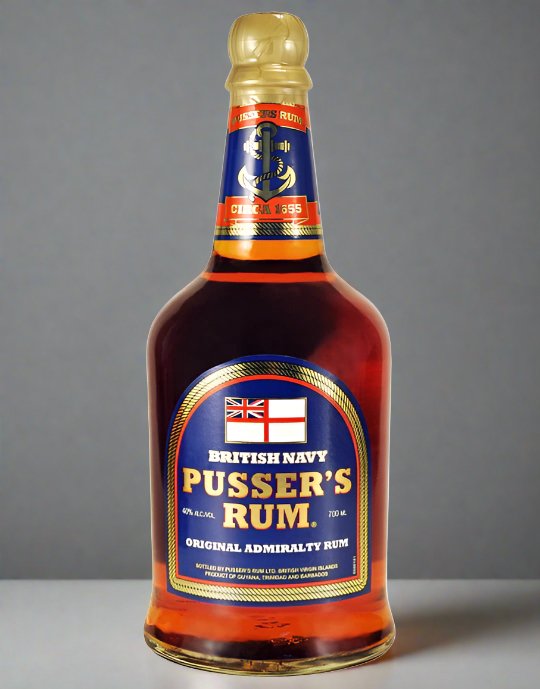
Pussers Navy Rum Blue Label
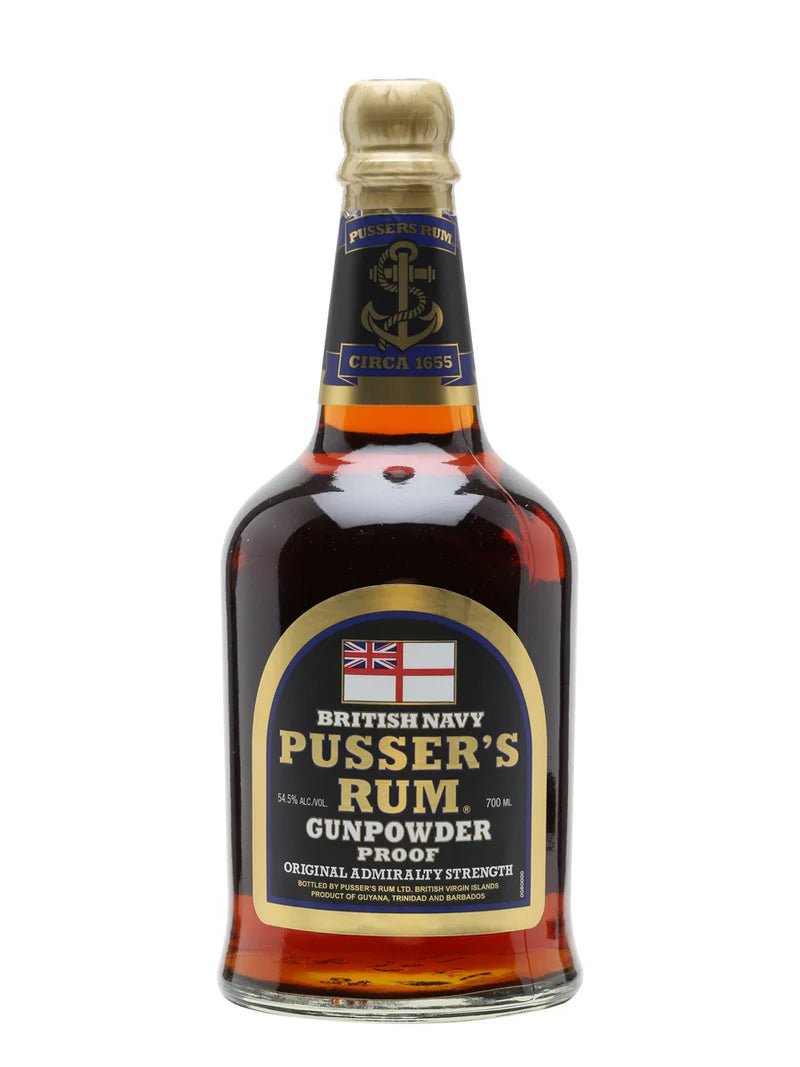
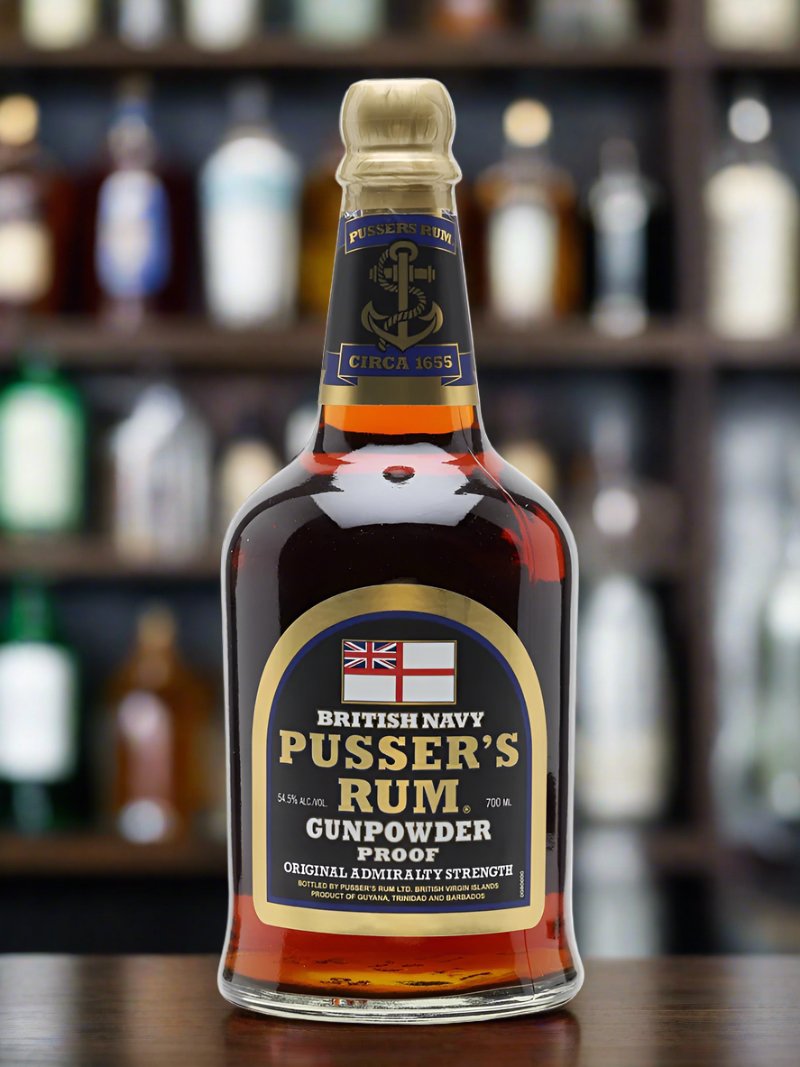
Pussers Rum Gunpowder Proof 54.5%ABV
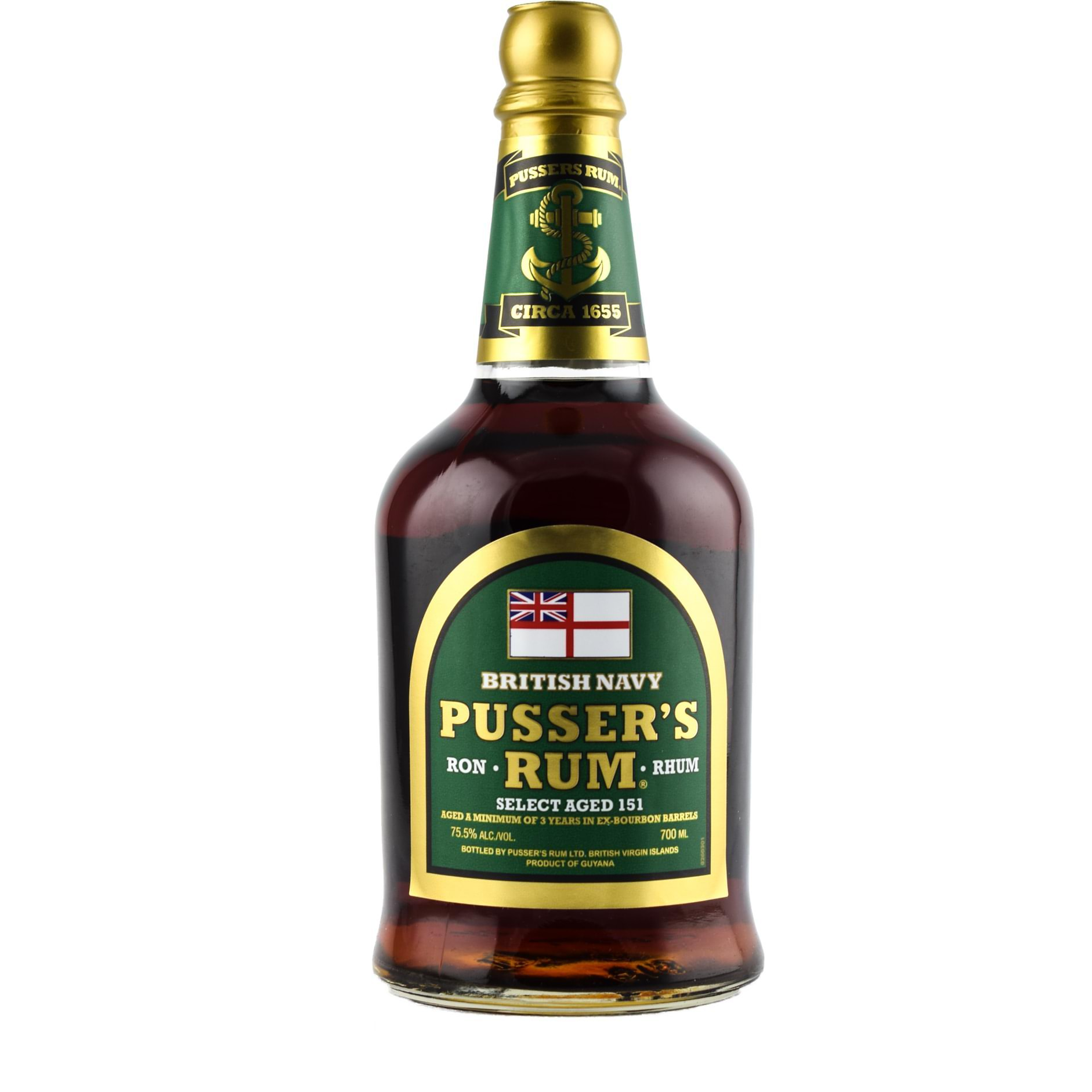
Pussers Rum 151 High Strength 75.5% ABV
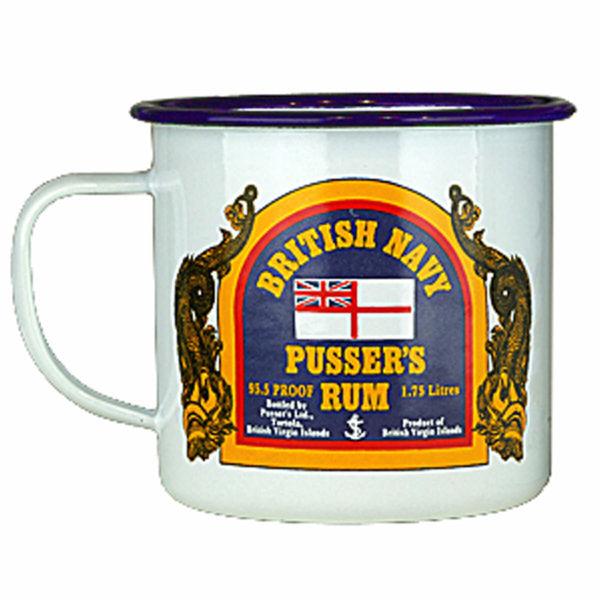
Pusser's Mugs
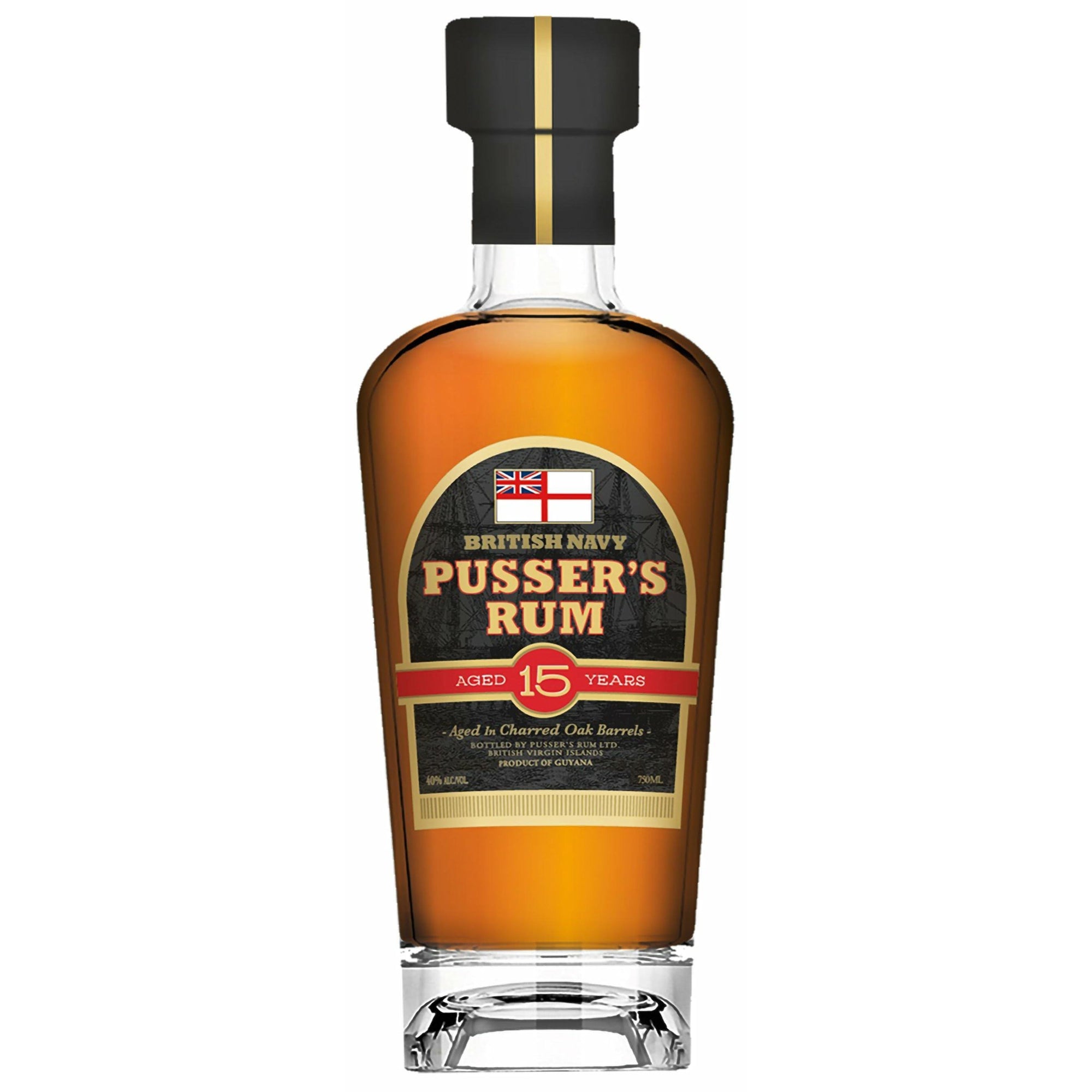
Pussers Rum 15yo "the Crown Jewel"
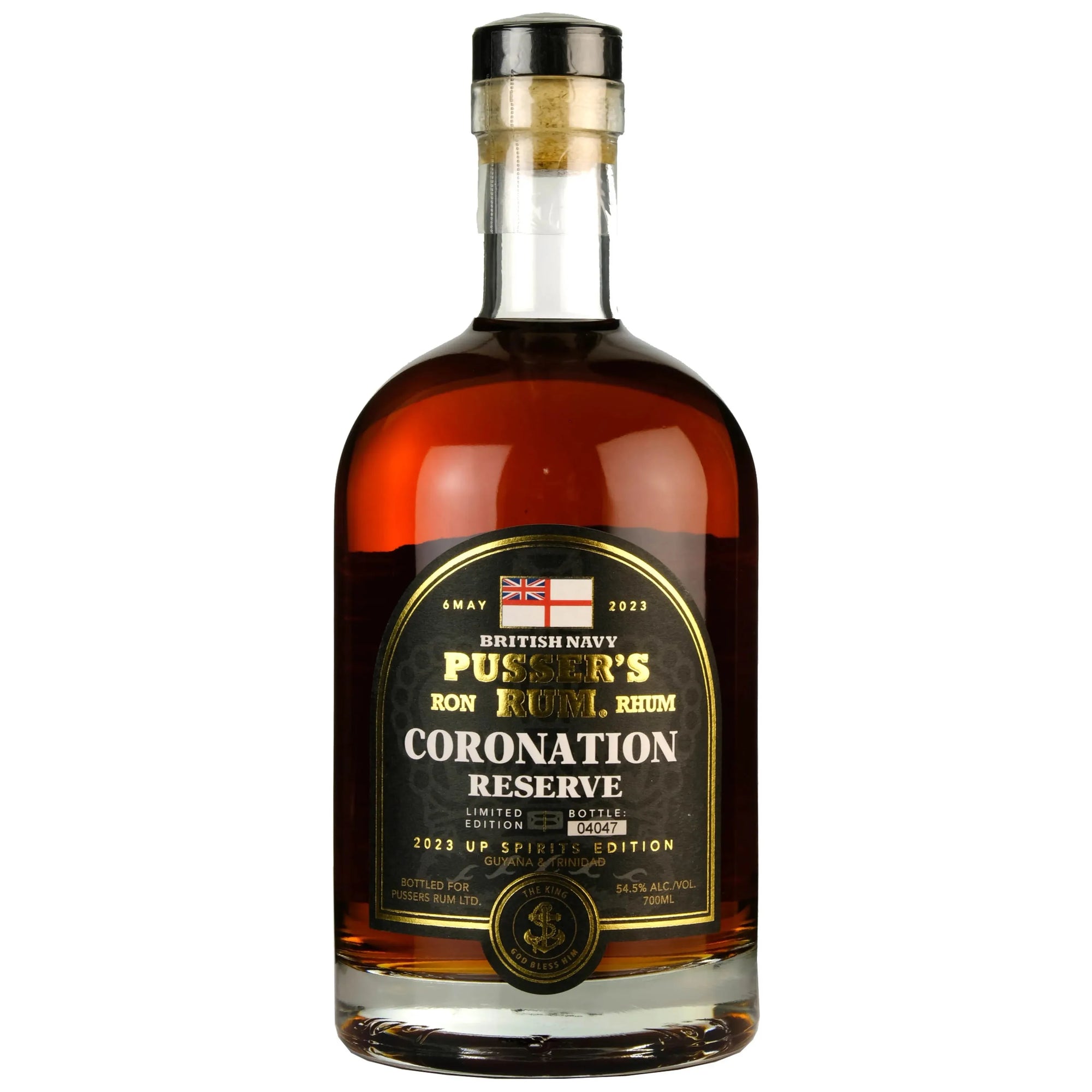
Pusser's Rum Conoration 54.5% 700ml
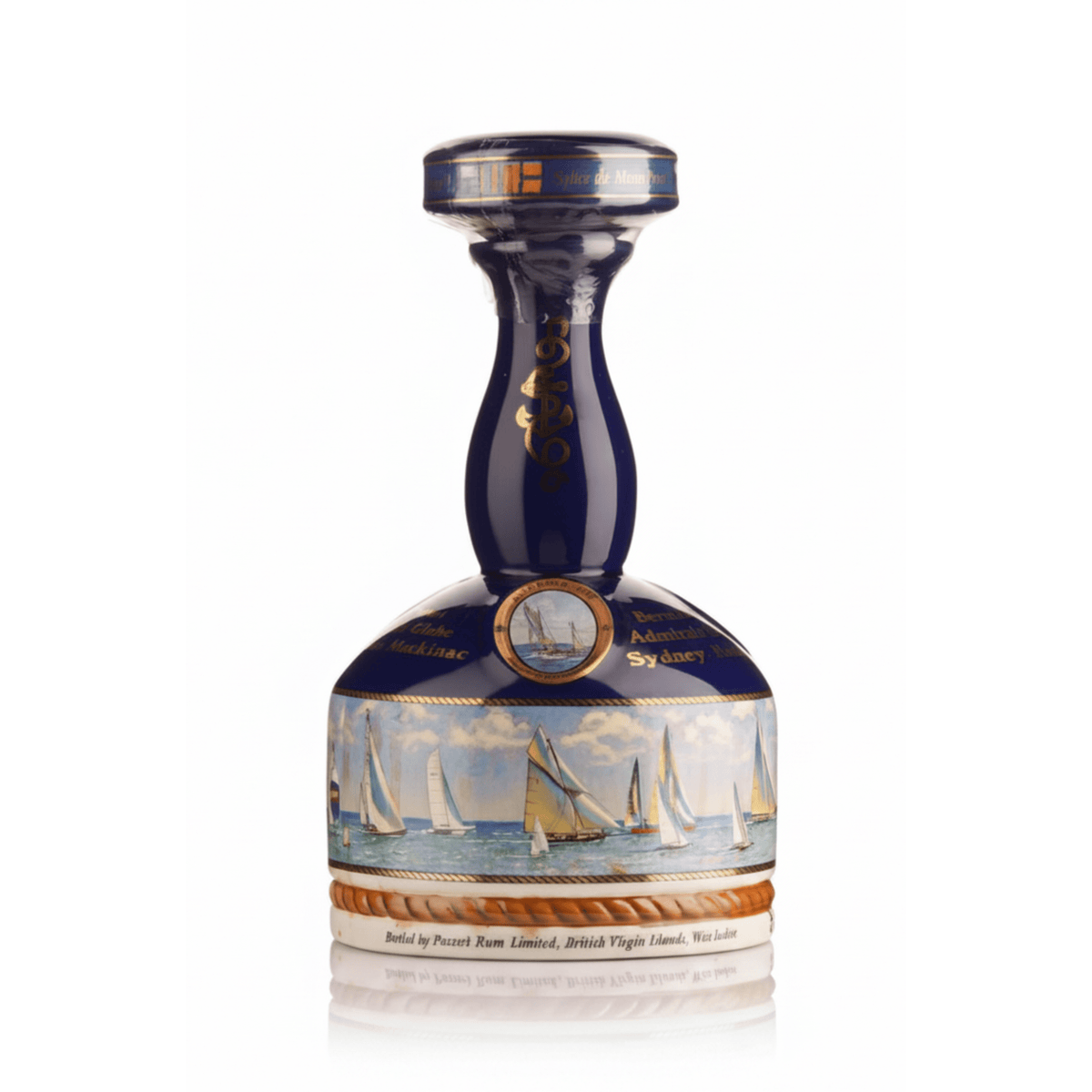
British Navy Pusser's Rum Yachting Porcelain Ships Decanter 1000mL
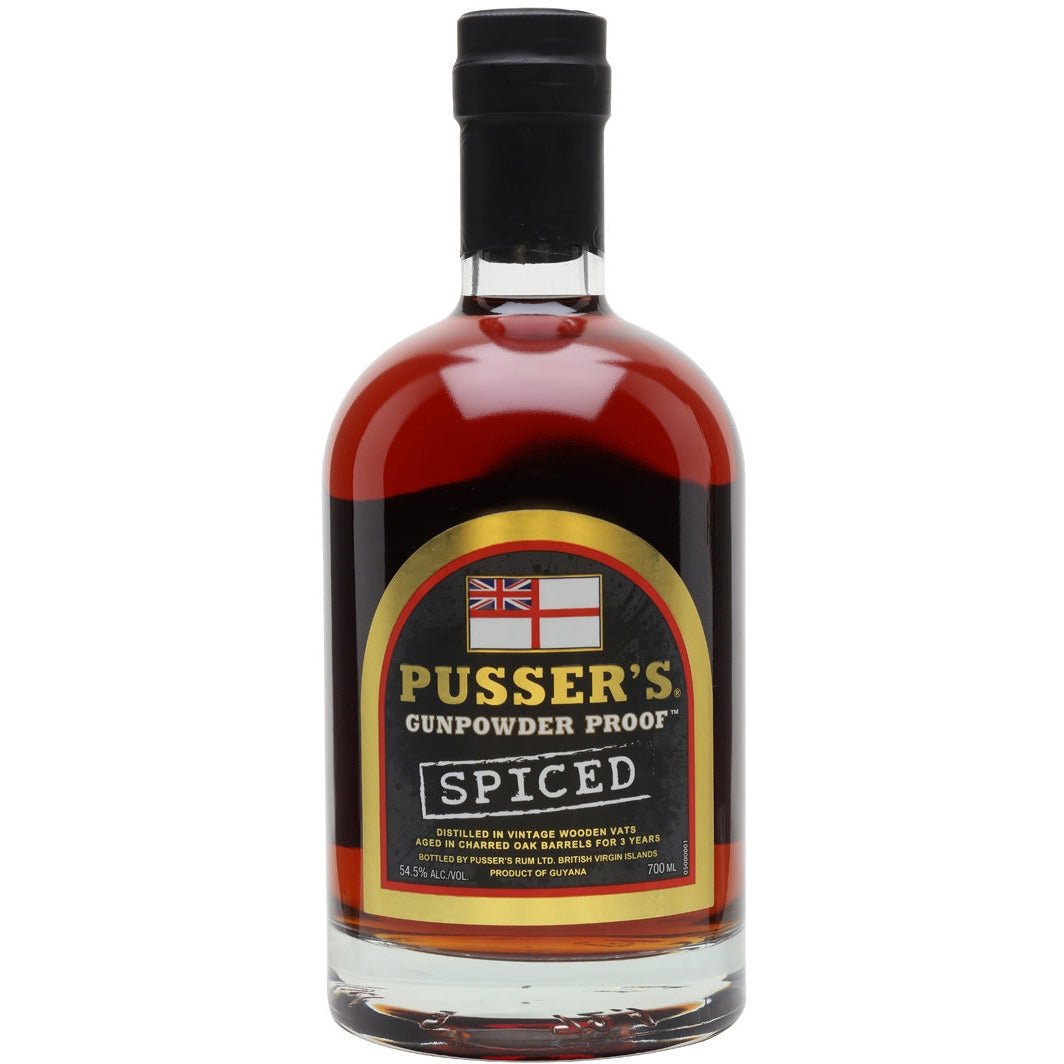
Pusser's Rum Spice Rum Gunpowder 54.5% ABV
About Pusser's Rum
Pusser's is bottled to the blend the Royal Navy actually issued, and the range here covers the whole line rather than the one bottle most retailers stock.
Blue Label is the standard, the Admiralty style Demerara blend at the strength most people start with. Gunpowder Proof at 54.5% is the historically accurate one: the strength at which rum could be poured over gunpowder and the powder would still light, which is how a purser's measure was proved honest.
Above that sits the 151 at 75.5%, an overproof for tiki work rather than sipping, and the 15 Year Old Crown Jewel, which is the bottle to open neat.
The Spiced Gunpowder, the Coronation bottling and the Deptford Reserve rotate through as stock allows.
Pusser's Mugs are here too. They are not a novelty: the Painkiller was created at the Soggy Dollar Bar in the British Virgin Islands and Pusser's owns the trademark, so the mug and the drink belong together.
If you already drink Pusser's and want to compare, the Guyanese Demerara stills that make it also make El Dorado, and the difference between a Navy blend and a straight aged Demerara is worth tasting side by side.
History
The Royal Navy issued a daily rum ration from 1655, when Vice Admiral William Penn's fleet took Jamaica and rum replaced the beer and brandy that had been standard. From 1740 Admiral Edward Vernon ordered the ration diluted with water, and the mixture took his nickname, Old Grog.
The purser, pronounced and eventually spelled pusser, was the officer who issued it. The blend was Demerara-led, drawn from Guyana, and the Admiralty specified it closely.
The ration ended on 31 July 1970, a date still marked as Black Tot Day. Sailors wore black armbands and held mock funerals for the tot.
Pusser's Rum was founded in 1979 with Admiralty permission to bottle the original blend commercially, on condition that a share of proceeds go to the Royal Navy Sailors' Fund, the naval charity known as the Tot Fund. That arrangement is the reason this is not simply a rum styled after Navy rum, but the recipe itself.
Gunpowder Proof survives from the same tradition. Before hydrometers, a purser proved the strength of a cask by wetting gunpowder with it and applying a flame.
Which rums can honestly call themselves navy rum today is a fair question, and our navy rum guide answers it alongside the story of the tot.
How to drink it
Blue Label is a mixing rum first. The Painkiller is the drink it was made for: rum, pineapple juice, orange juice and cream of coconut, shaken hard and finished with fresh grated nutmeg over the top. The nutmeg is not optional, it is half the aroma.
For grog, the historical serve, use two parts water to one part rum with lime and a little sugar. It sounds austere and it is surprisingly good.
Gunpowder Proof at 54.5% is the better choice in any cocktail where a standard rum gets lost. It carries through pineapple, ginger and citrus without thinning out. A Dark and Stormy made with it is a different drink to one made at 40%.
The 151 is for floating, flaming and tiki builds. Treat it with respect and never pour it near an open flame.
The 15 Year Old Crown Jewel wants a tulip glass, room temperature and nothing added. Expect molasses, dried fruit, toffee and a long dry finish.
Common questions
What is Pusser's rum?
The Royal Navy's rum, bottled commercially. Pusser's was founded in 1979 with Admiralty permission to bottle the original blend, on condition that a share of proceeds goes to the Royal Navy Sailors' Fund, the naval charity known as the Tot Fund. That arrangement is the reason this is not simply a rum styled after navy rum but the recipe itself. The blend is Demerara led, drawn from Guyana.
Why is it called Pusser's?
From purser, the officer who issued the daily rum ration. Sailors pronounced it pusser, and the spelling followed. The Navy issued rum from 1655, and from 1740 Admiral Edward Vernon ordered the ration diluted with water; the mixture took his nickname, Old Grog. The ration ended on 31 July 1970, a date still marked as Black Tot Day.
Which Pusser's should I buy: Blue Label, Gunpowder Proof, the 15 Year Old or the 151?
Blue Label is the mixing rum and the one to start with. Gunpowder Proof at 54.5 per cent is the better choice in any cocktail where a standard rum gets lost: it carries through pineapple, ginger and citrus without thinning out. The 15 Year Old Crown Jewel is the bottle to open neat, in a tulip glass at room temperature. The 151 is for floating and flaming in tiki builds, not for sipping.
What is special about Pusser's rum?
It is the Royal Navy blend rather than a rum styled after one. Pusser's was founded in 1979 with Admiralty permission to bottle the original recipe, on condition that a share of proceeds goes to the Royal Navy Sailors' Fund, the naval charity known as the Tot Fund. The blend is Demerara led, drawn from Guyana, which is where the heavy molasses character comes from.
Does Pusser's Gunpowder Proof taste like the real Royal Navy tot?
It is bottled to the Admiralty blend, and Gunpowder Proof is the historically accurate strength at 54.5 per cent. The name comes from the test a purser used before hydrometers existed: rum was poured over gunpowder and lit, and if the powder still took, the cask had not been watered. The grog serve is the closest you will get to the ration itself, two parts water to one part rum with lime and a little sugar.
More from this origin and style: