
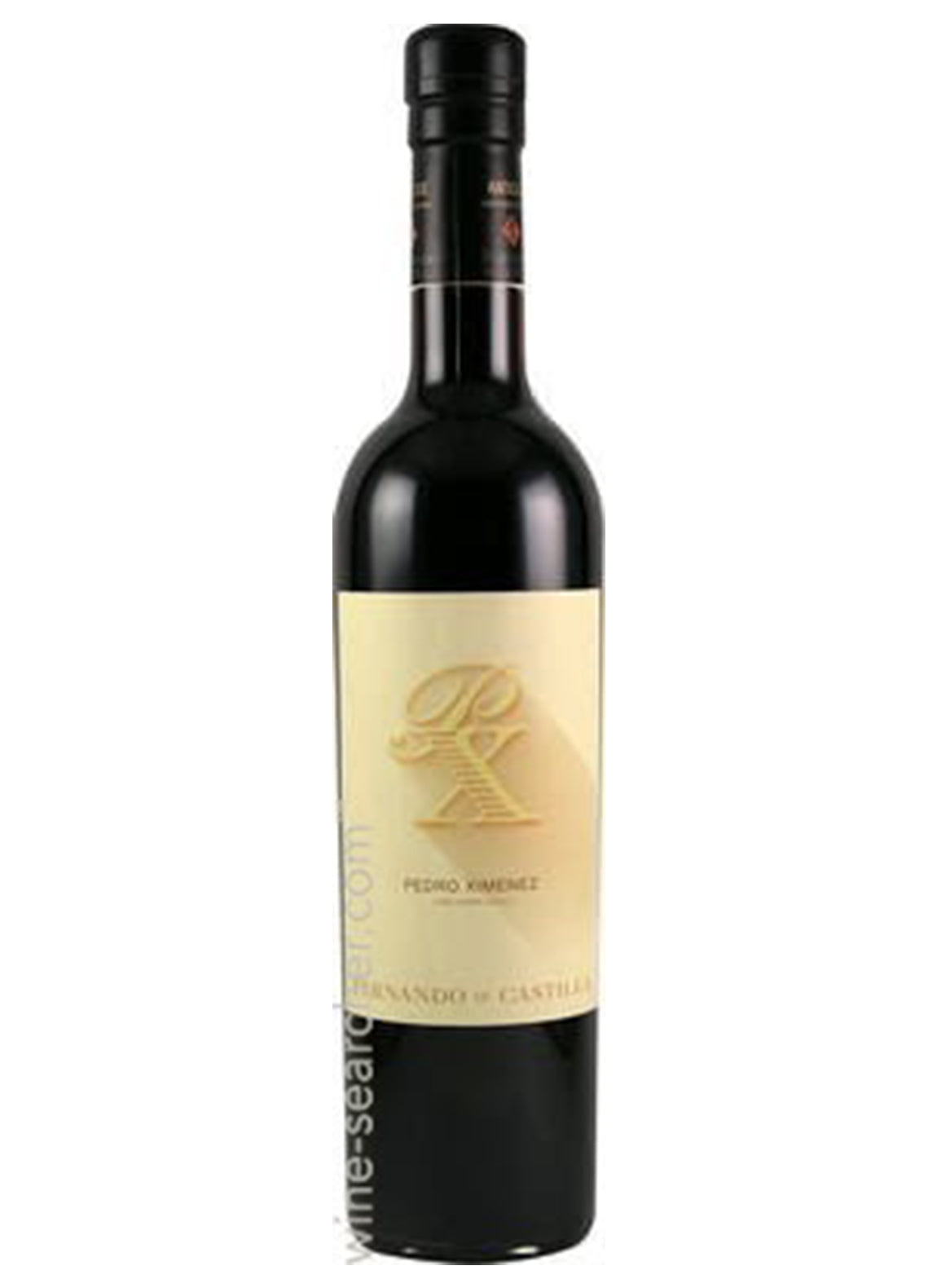
Fernando de Castilla PX 750ml
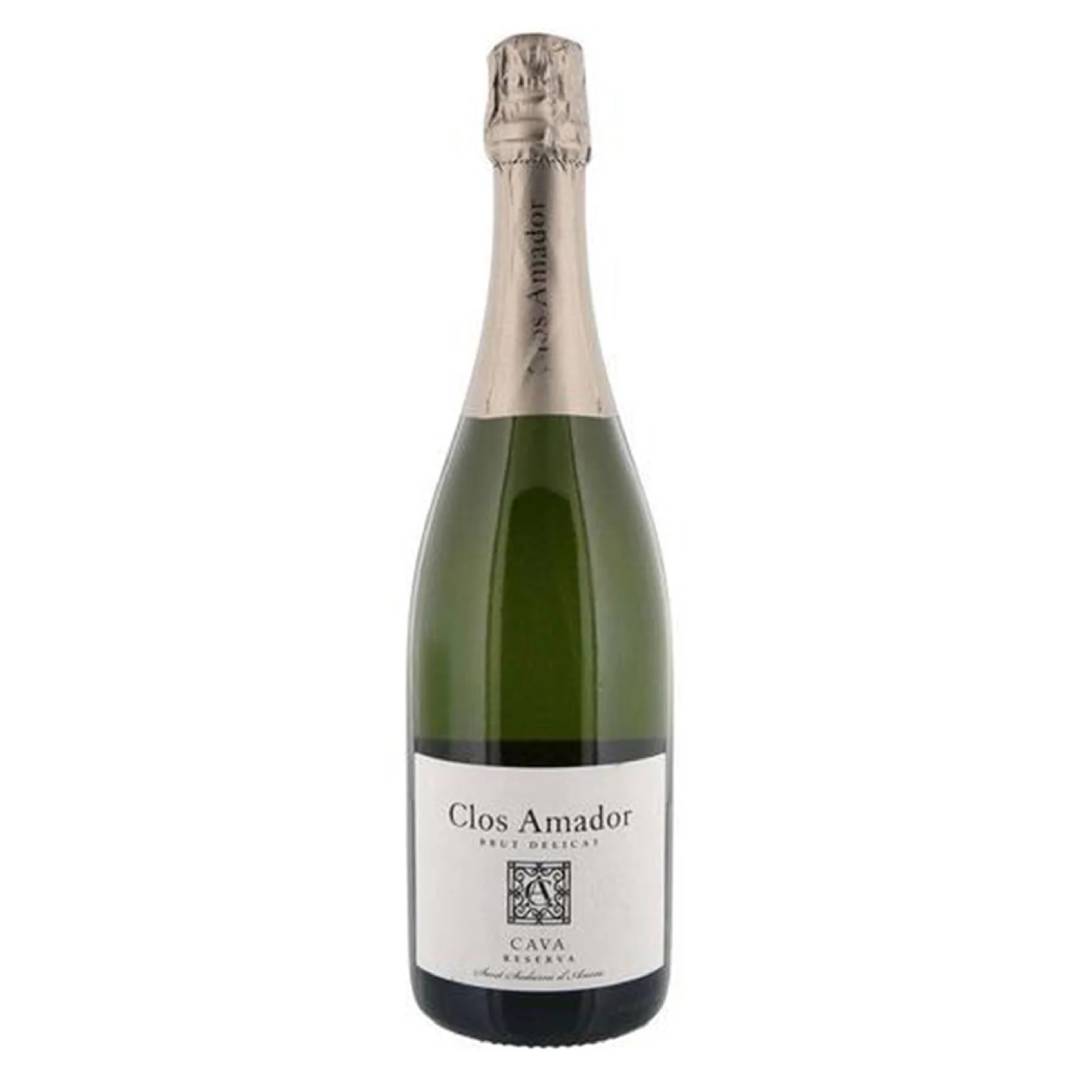
Pere Ventura Clos Amador NV
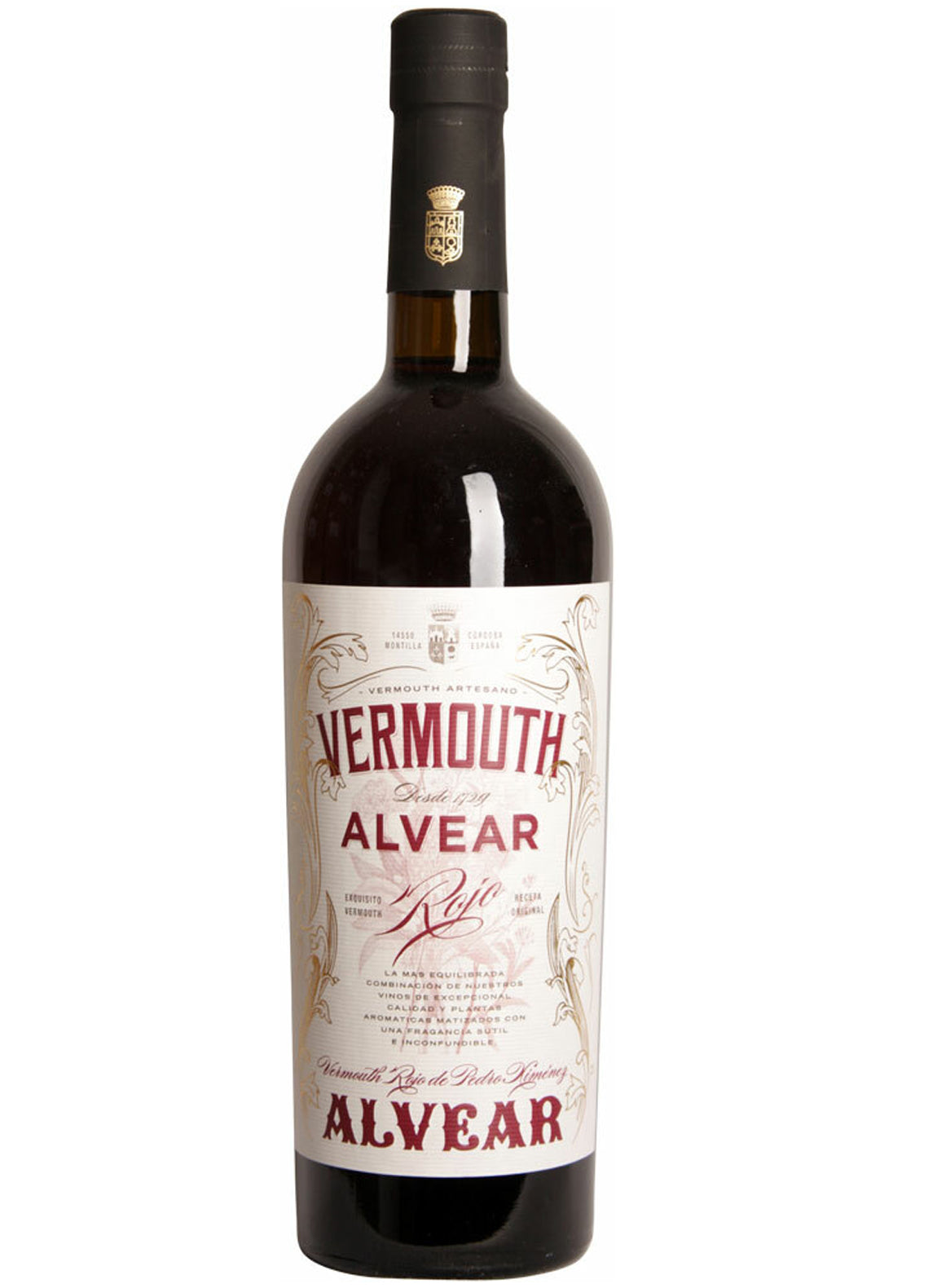
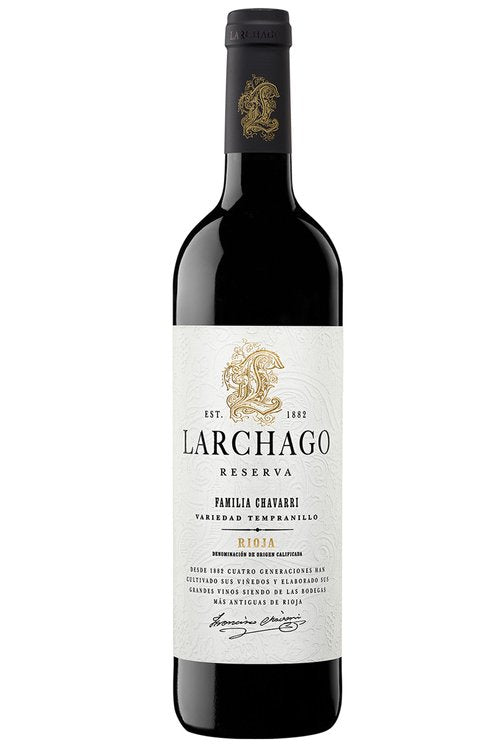
Familia Larchago Reserva 2017
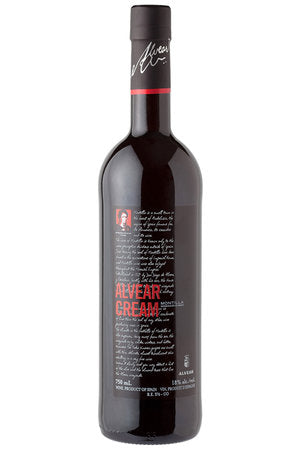
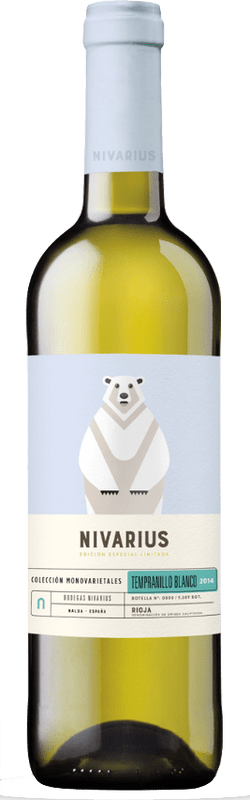
Nivarius Tempranillo Blanco 2024
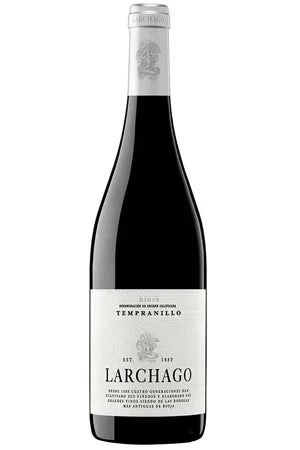
Familia Larchago Tempranillo 2023
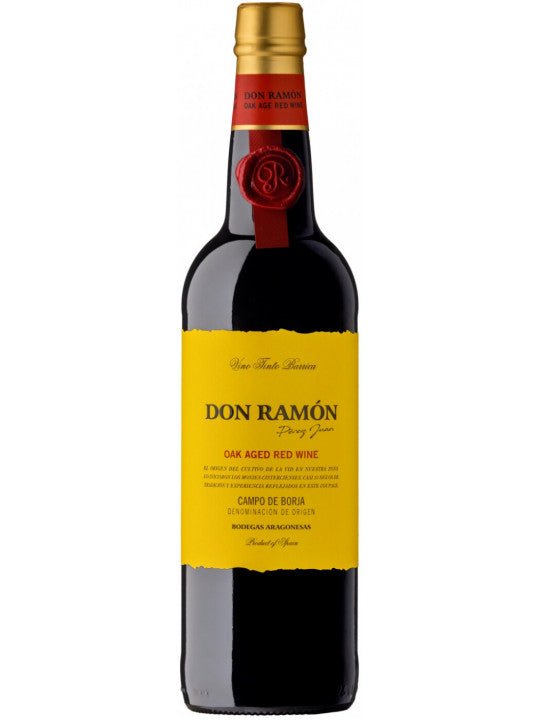
Aragonesas Don Ramon 2022
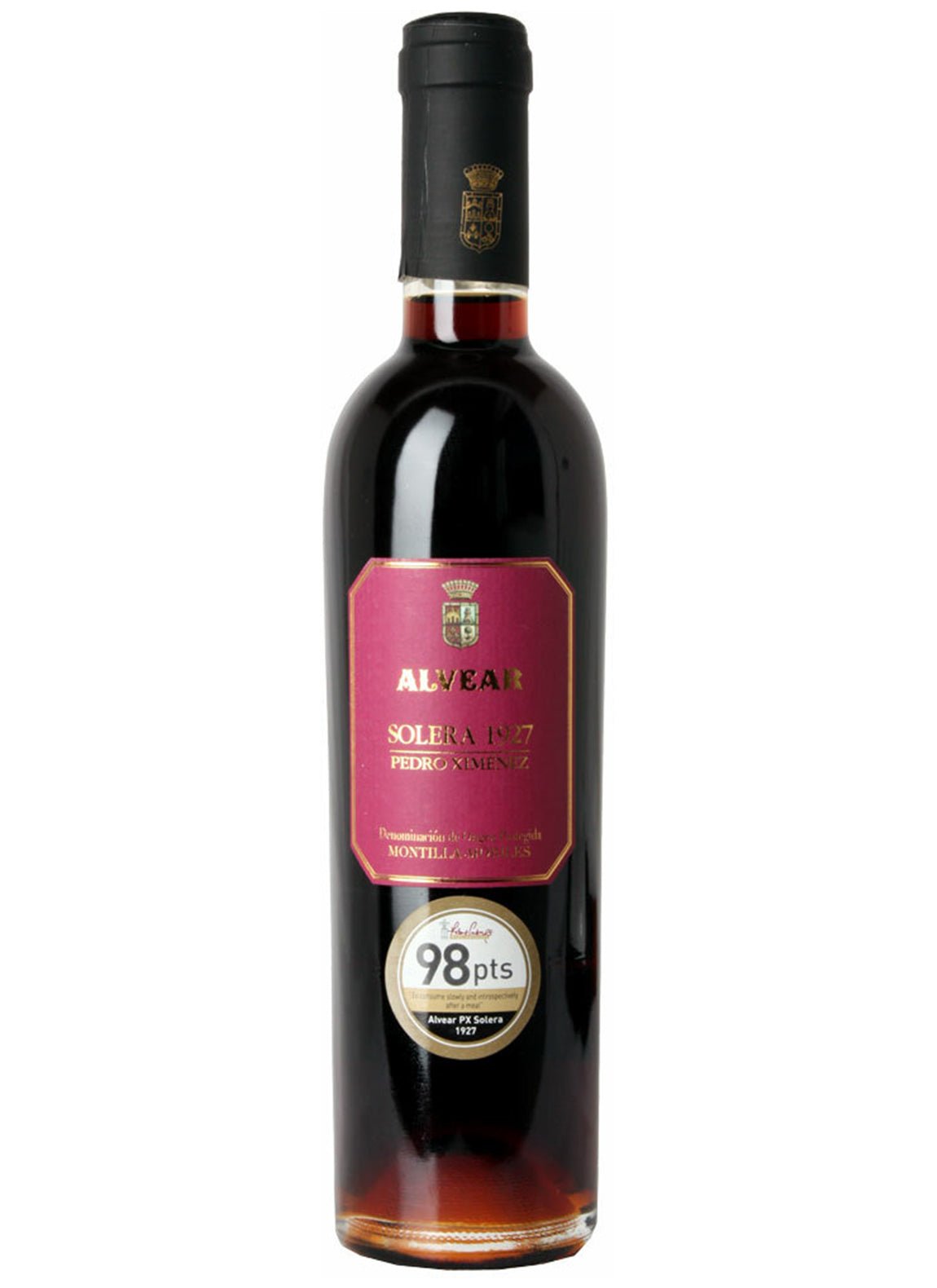
Alvear Pedro X 1927 375ml
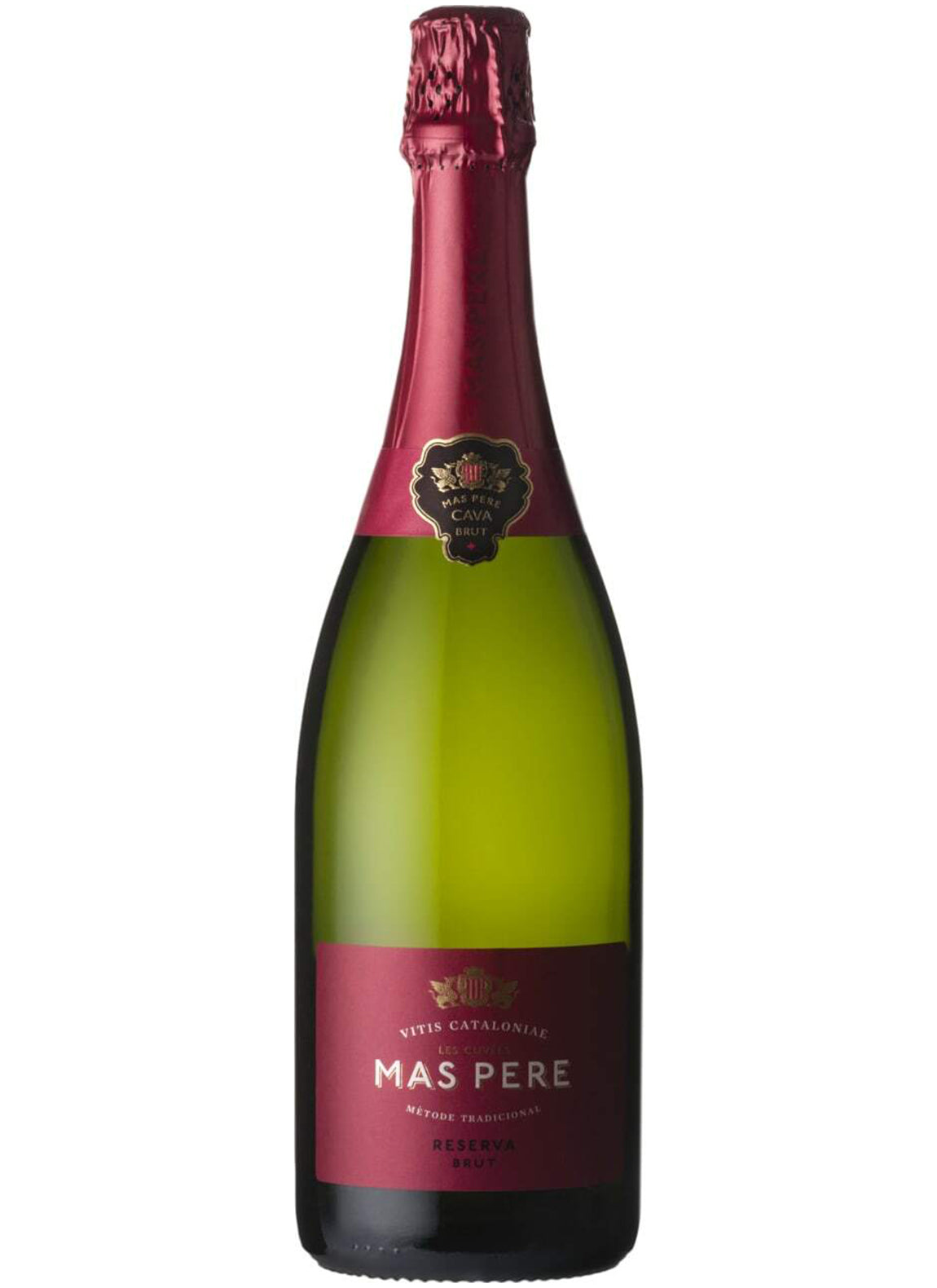
Pere Ventura Mas Pere Brut Selección Cava
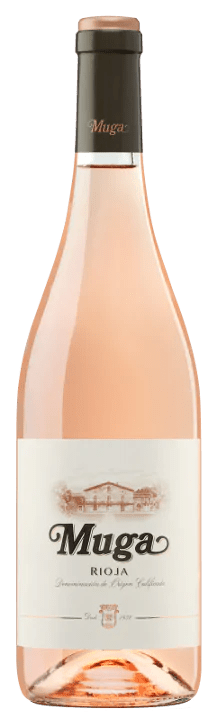
Muga Rosado 2024
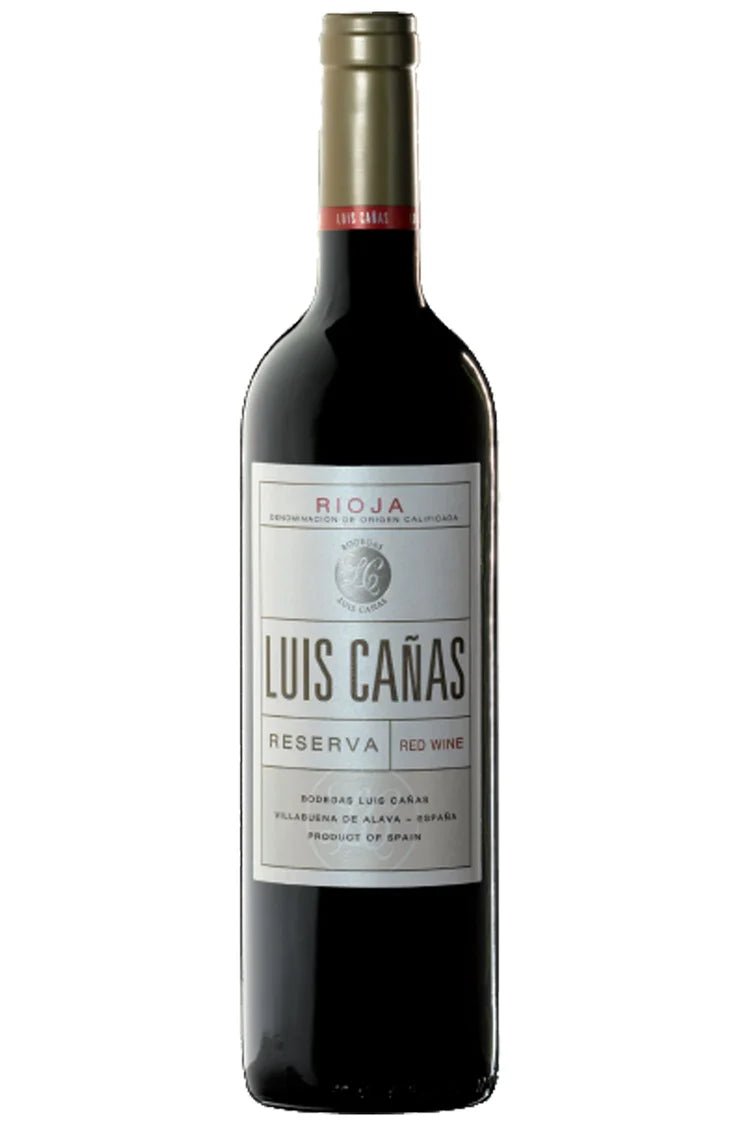
Luis Canas Rioja Reserva 2018
Luis Canas Rioja Reserva 2019
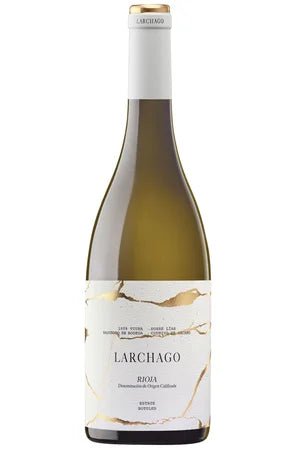
Familia Larchago Blanco 2023
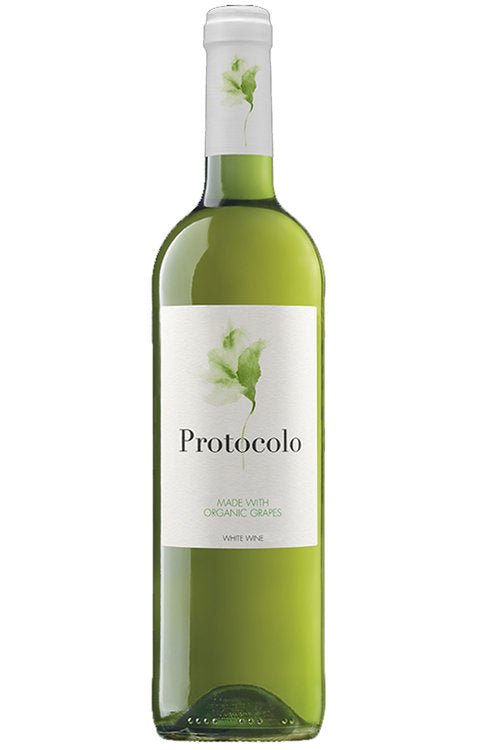
Protocolo Blanco Organico 2025
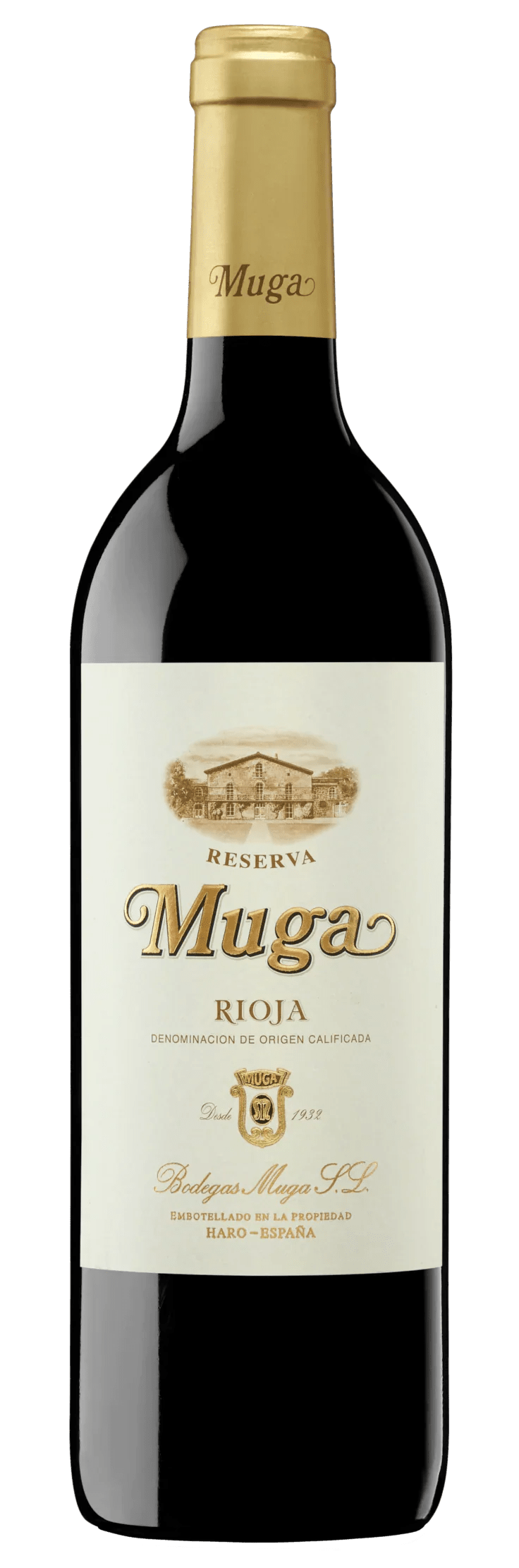
Muga Rioja Reserva 2022
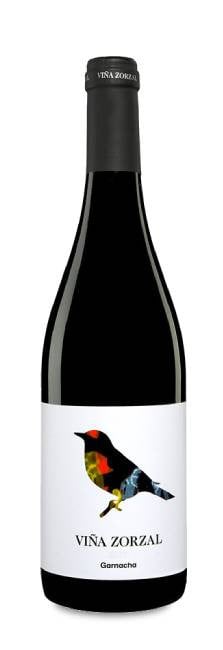
Vina Zorzal Garnacha 2023
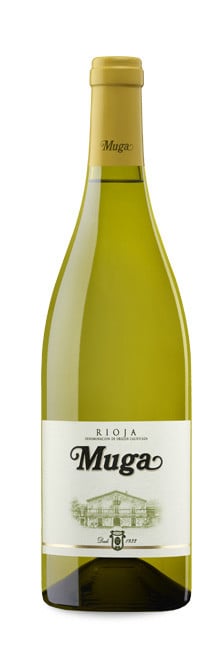
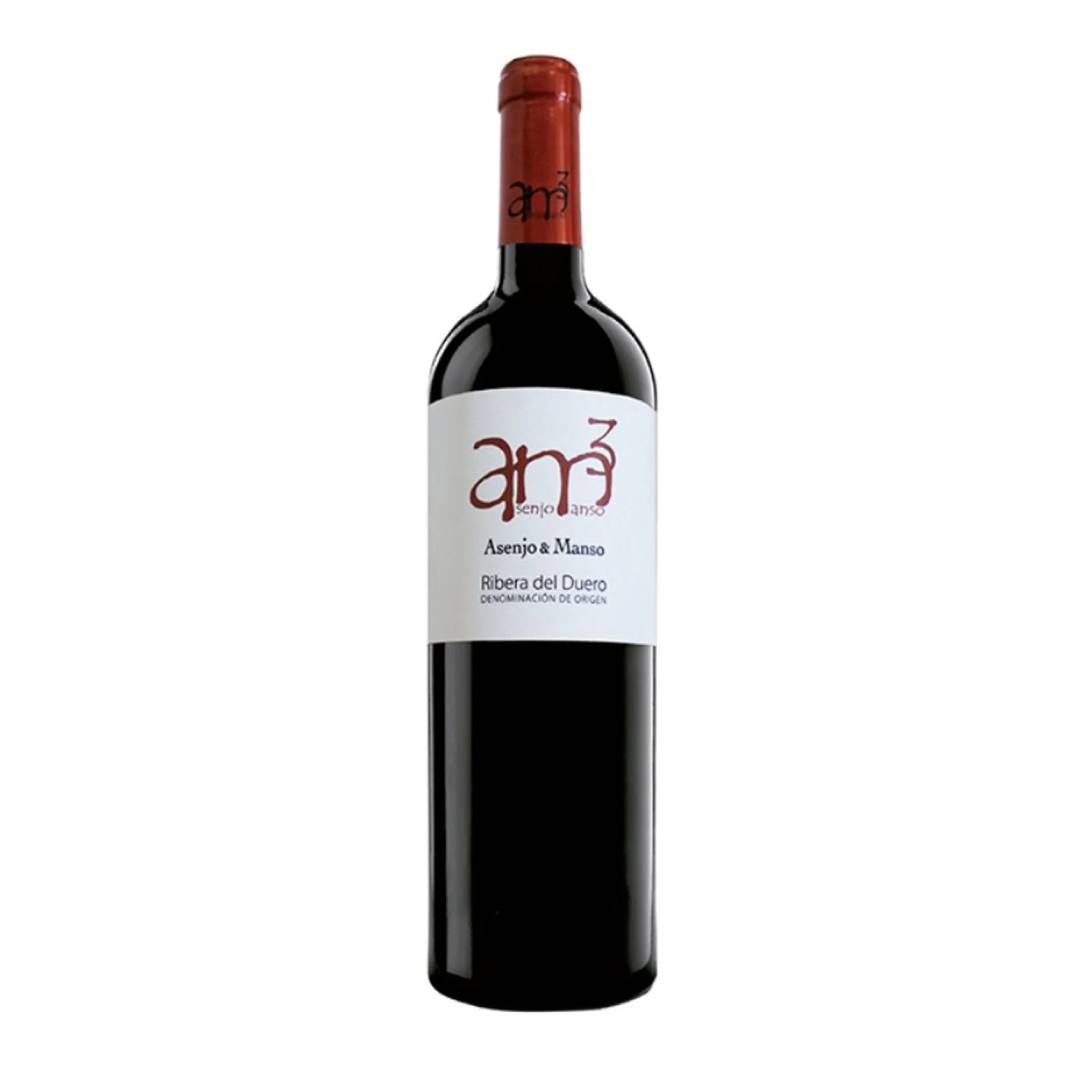
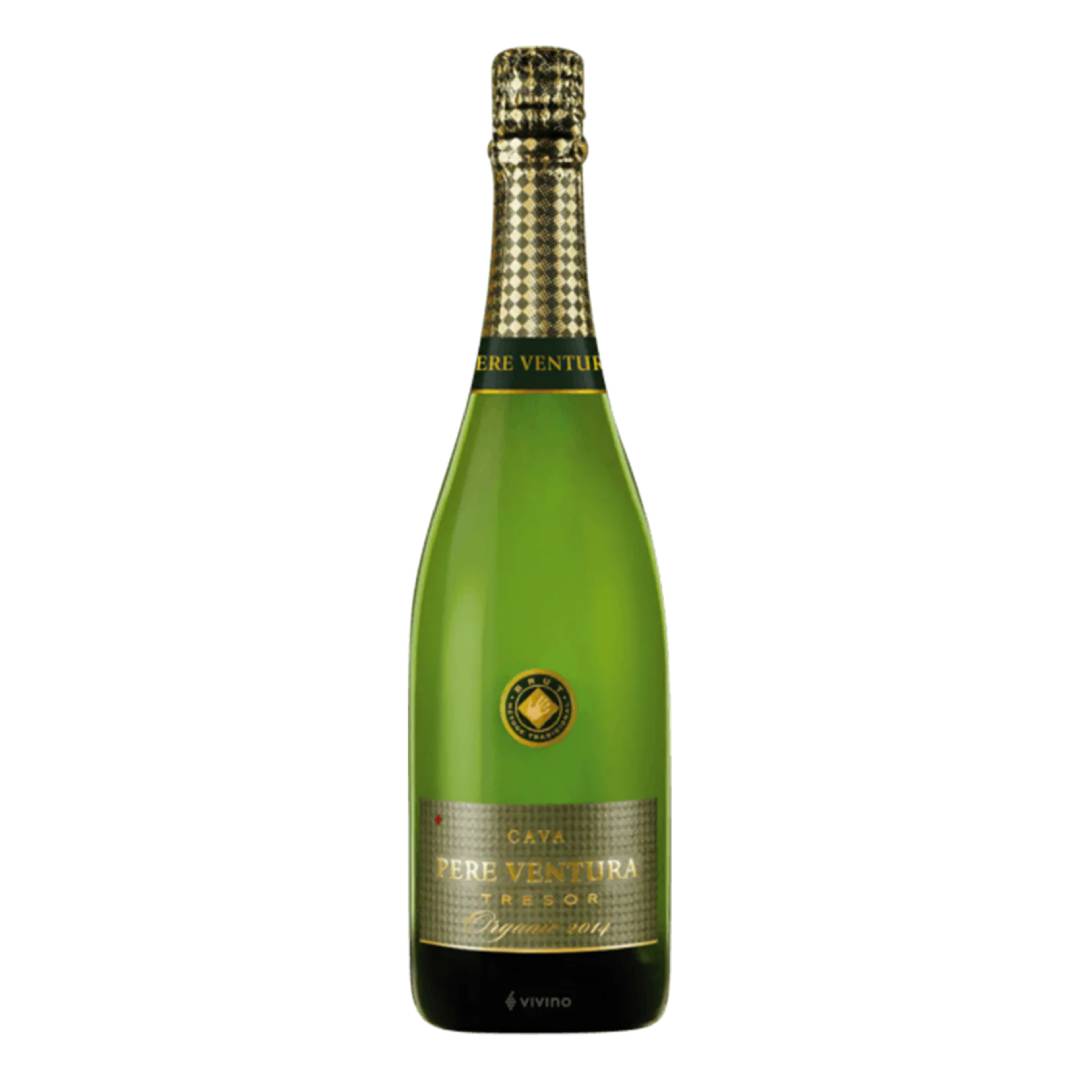
Pere Ventura Organic Cava
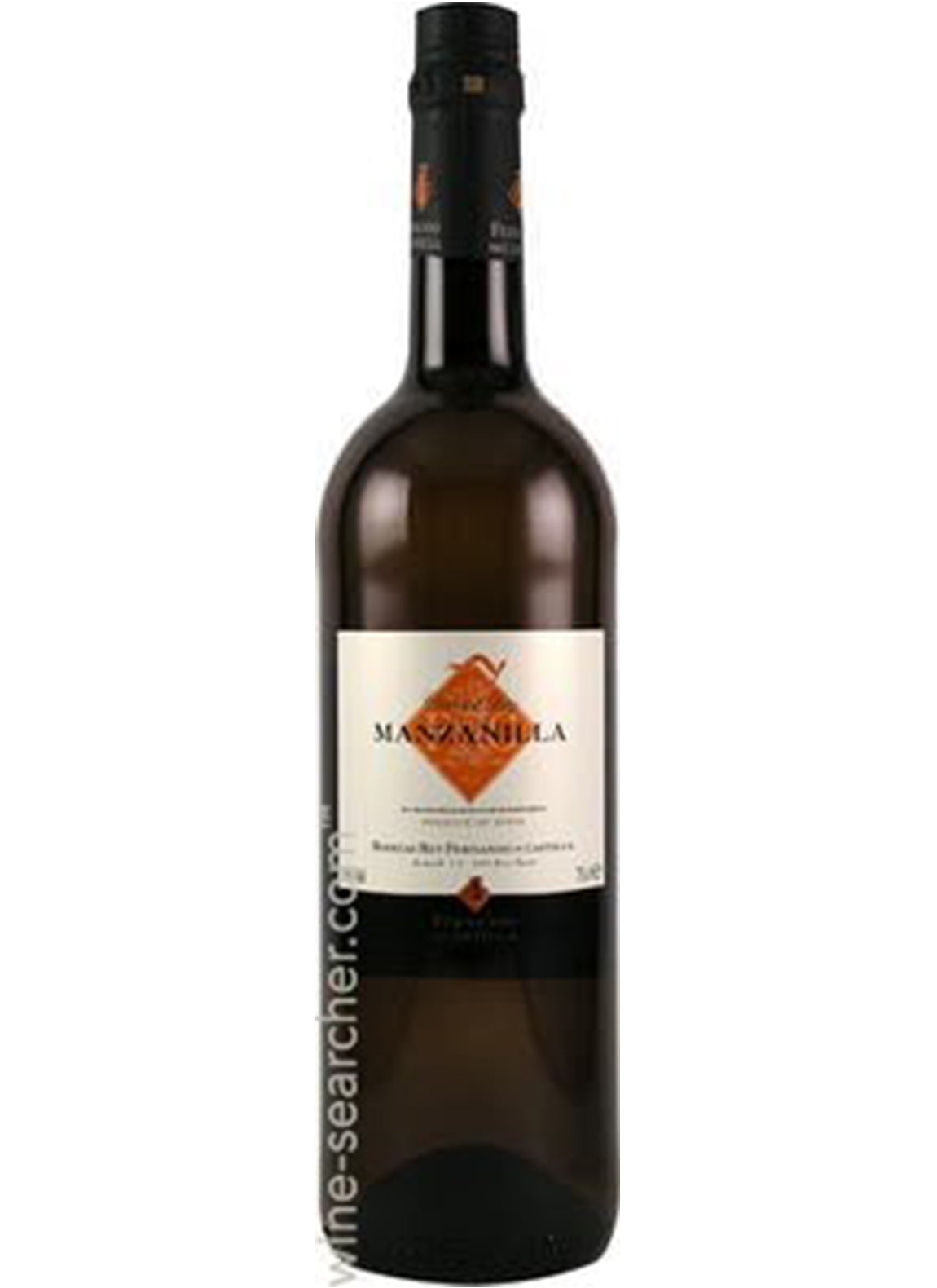
Rey Fernando de Castilla Manzanilla 375ml
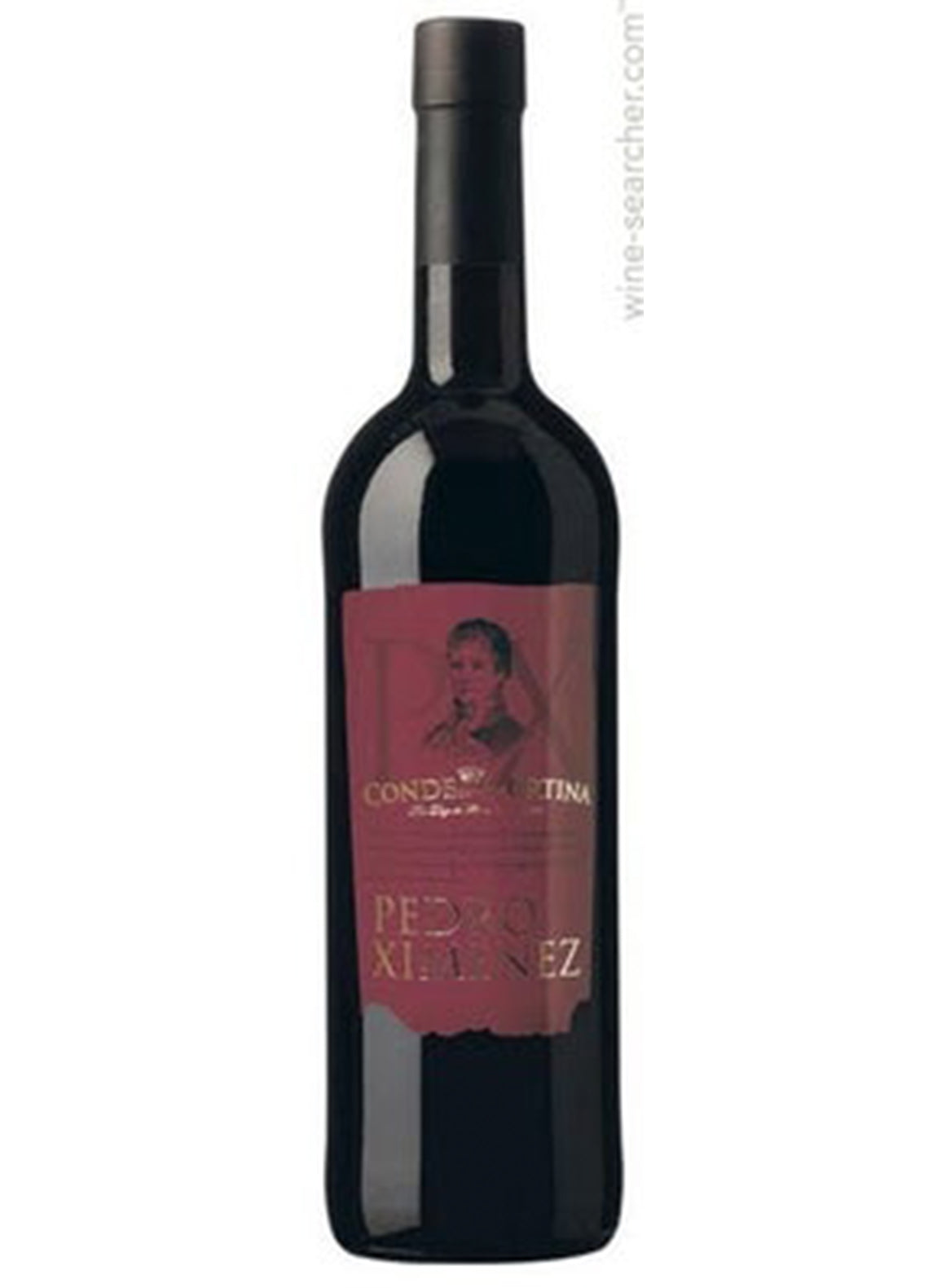
Alvear PX Conde de la Cortina
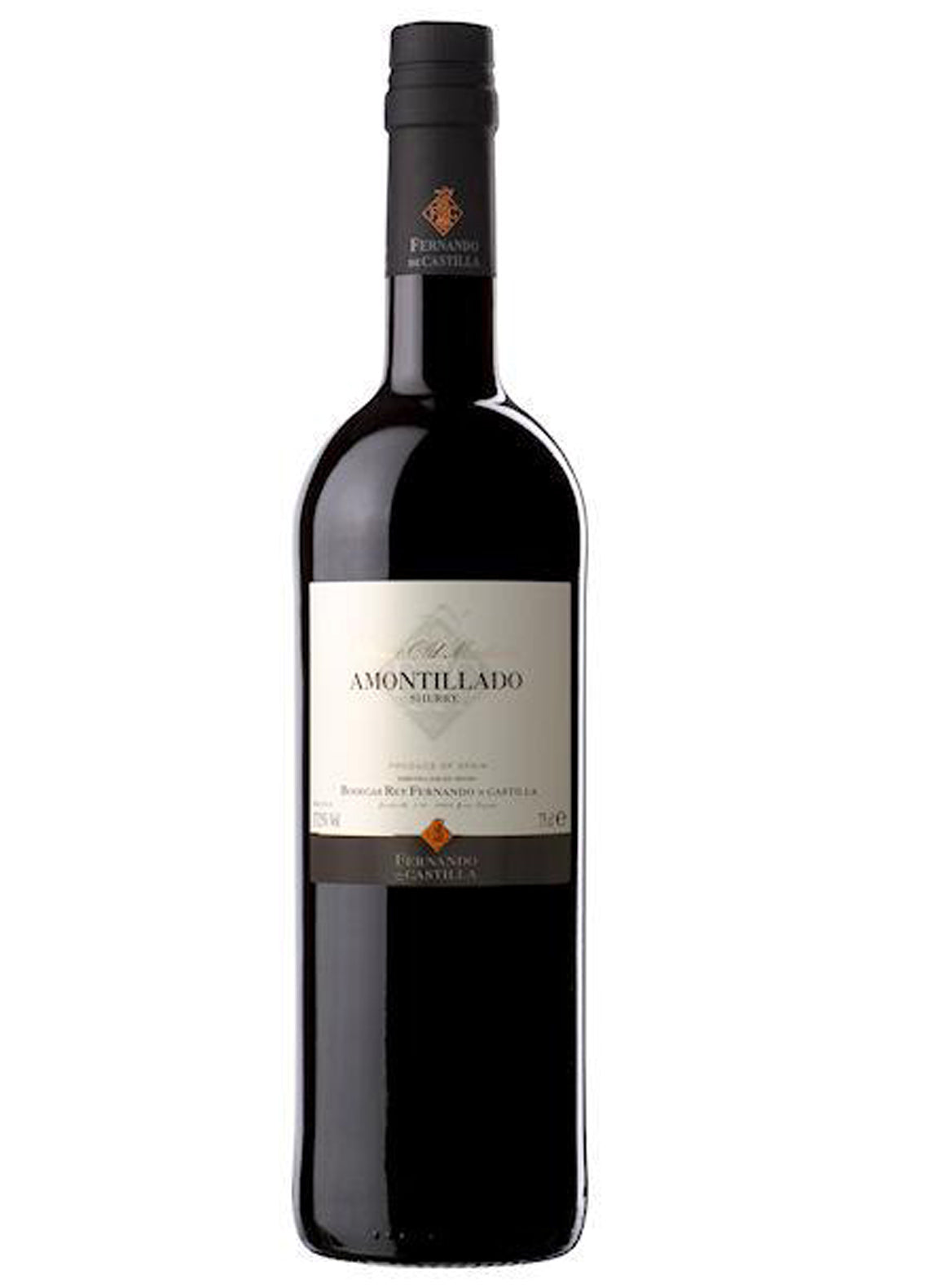
Fernando de Castilla Amontillado
About Spanish Wines
Spain has more land under vine than any other country, and the range here covers its main threads rather than concentrating on one region.
The reds are led by tempranillo. Rioja is represented by Familia Larchago, Muga, Luis Canas and Lopez de Heredia, and Ribera del Duero by Asenjo and Manso. The two regions grow the same grape to very different ends: Rioja is traditionally softer and more oak influenced, Ribera darker and more structured. Garnacha appears through Bodegas Aragonesas in Campo de Borja.
The whites are worth as much attention. Albarino from Rias Baixas on the Atlantic coast is saline and citrus driven and belongs with seafood. Rueda contributes verdejo, and Muga Blanco shows what Rioja does with white grapes.
Cava comes from Pere Ventura in Penedes.
The fortified wines are a significant part of this range. Fernando de Castilla covers sherry from Jerez, and Alvear works in Montilla-Moriles further inland. Both are also gathered on the sherry page.
History
Phoenician traders established vineyards around Cadiz roughly three thousand years ago, and Jerez has been making fortified wine continuously ever since, which makes it one of the oldest wine industries in the world.
Rioja's modern character owes a great deal to France. When phylloxera devastated Bordeaux in the late nineteenth century, French merchants and winemakers crossed the Pyrenees looking for wine to replace what they had lost, and brought their barrel ageing practices with them. The Rioja system of Crianza, Reserva and Gran Reserva, which classifies wine by how long it has spent in oak and bottle before release, dates from that period.
That system is unusual and useful. In most of Europe the label tells you where a wine is from. In Rioja it also tells you how long the producer held it back, which means a Reserva has already been aged for you.
The other defining feature of Spanish viticulture is old vines. Much of the country's garnacha and tempranillo grows on low yielding bush vines planted decades ago, often at altitude, and the concentration in the fruit comes from that rather than from winemaking.
Rias Baixas and albarino are a recent story by comparison. The region was only formally recognised in 1988 and has grown rapidly since.
How to drink it
Serve Rioja and Ribera at sixteen to eighteen degrees. In an Australian summer that means half an hour in the fridge before opening. Younger, unoaked Spanish reds can go cooler still, around fourteen, and are better for it.
The Rioja ageing terms are the most practical thing on the label. Crianza has spent a minimum period in oak and bottle and is ready now. Reserva has had longer and is more complete. Gran Reserva is only made in strong years and has already had many years of ageing before release, so it needs no cellaring from you.
Albarino and verdejo want eight to ten degrees and should be drunk within a couple of years of the vintage.
Sherry deserves separate handling. Fino and Manzanilla are dry, low in alcohol relative to other fortified wines, and must be treated like white wine: serve cold, and finish the bottle within a week of opening. Amontillado, Oloroso and PX are oxidative and will keep for a month or more.
For food, Rioja with lamb and grilled meat, albarino with seafood, Fino with almonds and jamon, PX poured over ice cream. Explore tempranillo and Italian wine alongside.