
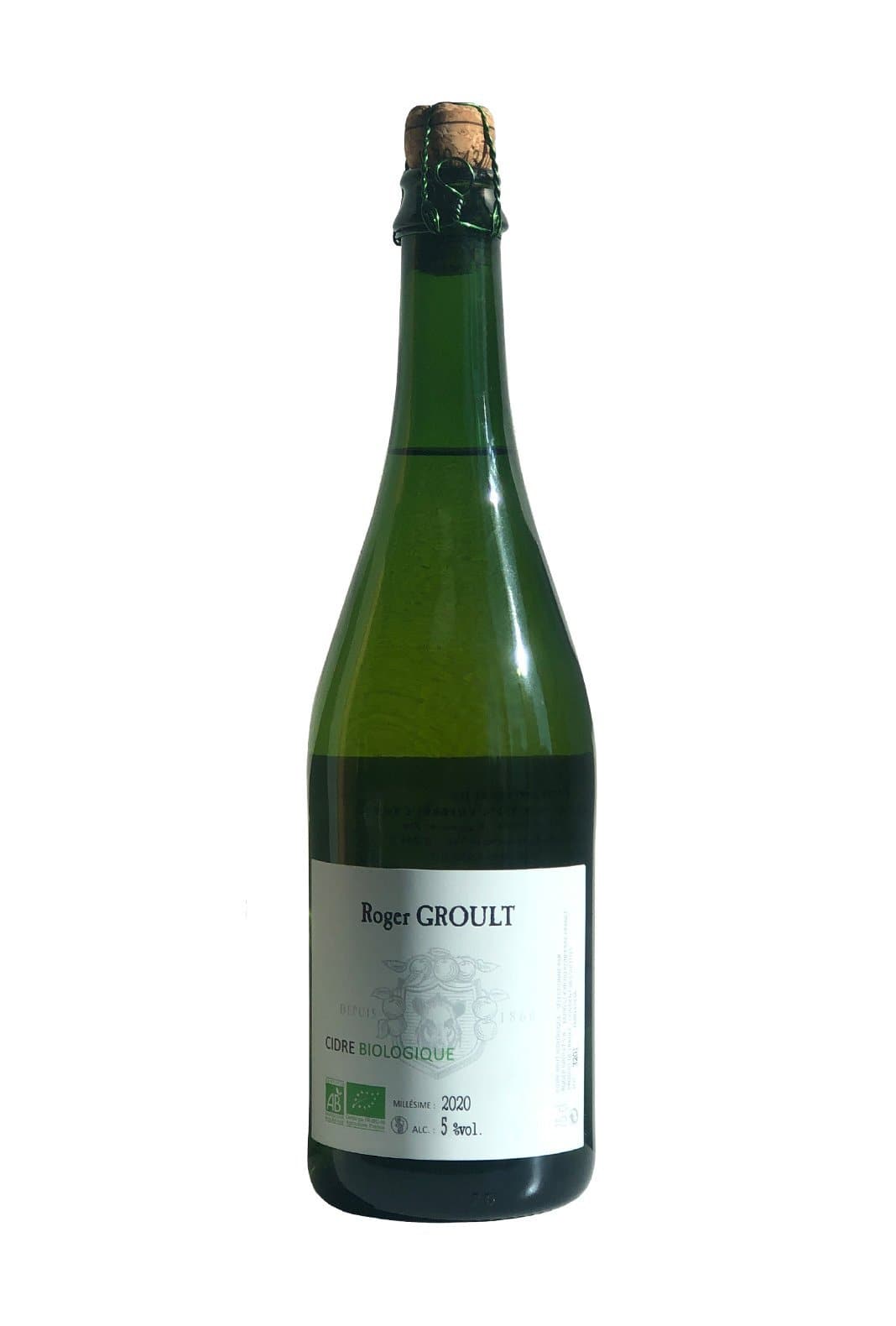
Roger Groult Organic Apple Cider Pays D'Auge 5.5% 750ml
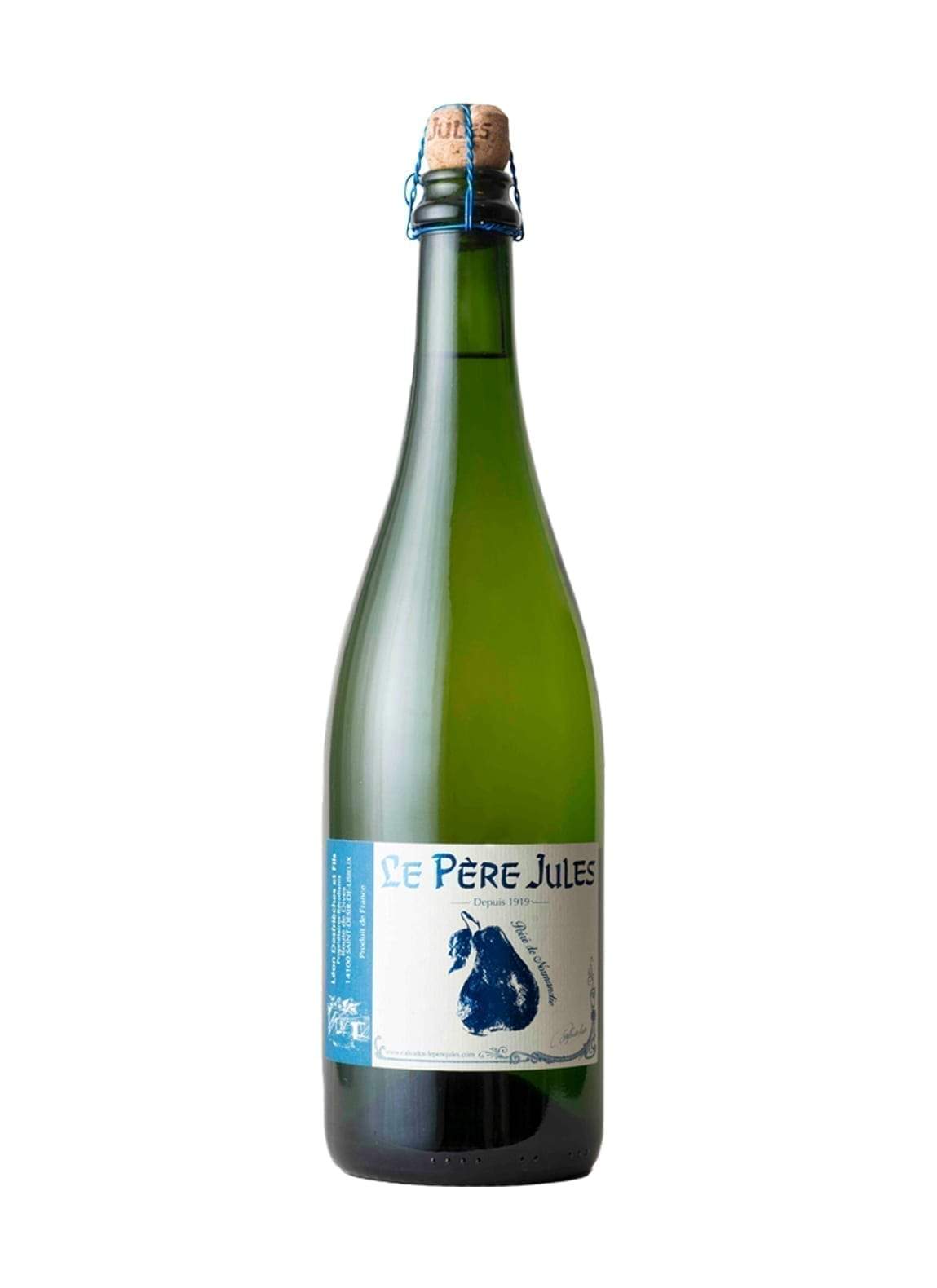
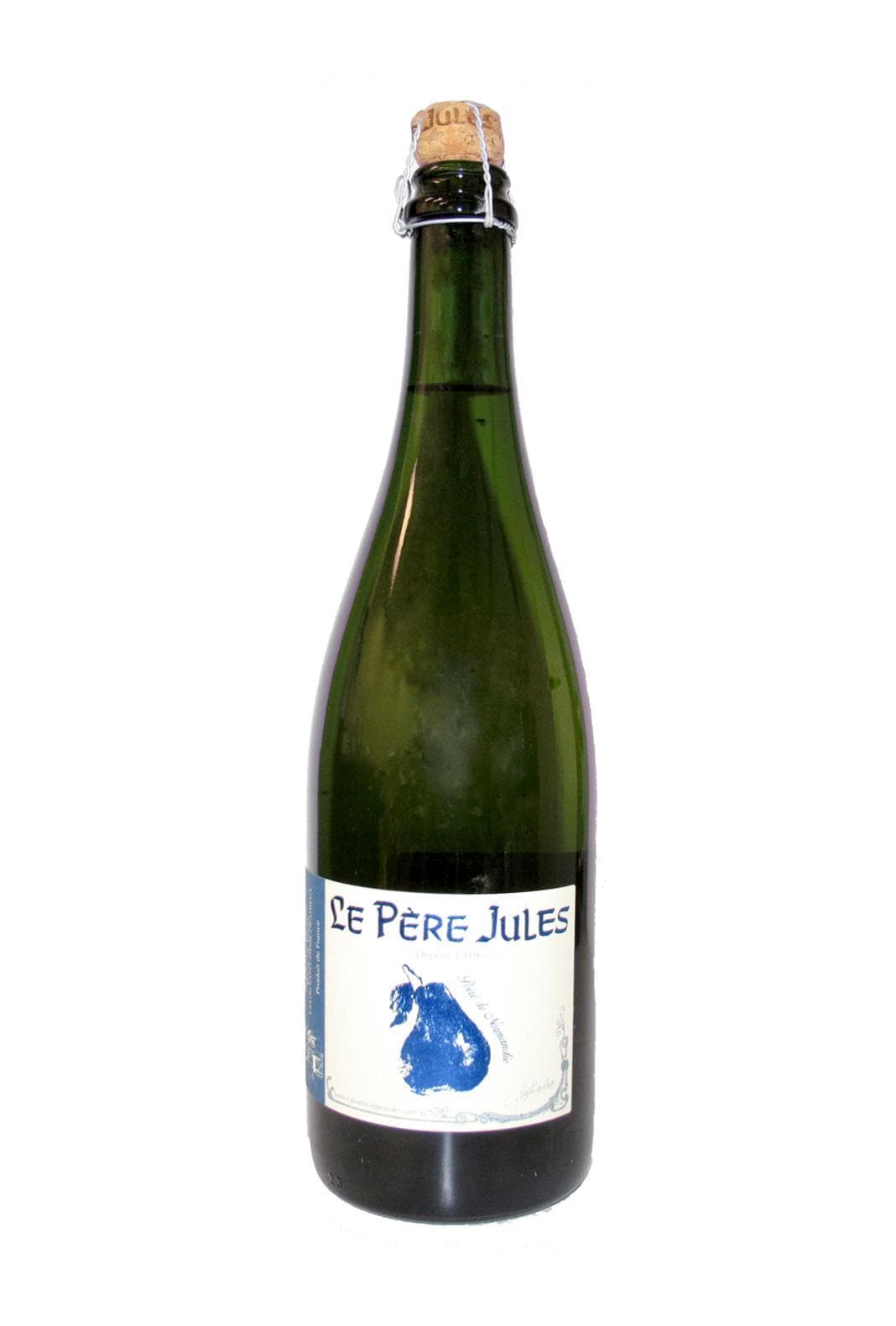
Pere Jules Poire Bouche (semi-dry Pear cider) Pays d'Auge 4% 750ml
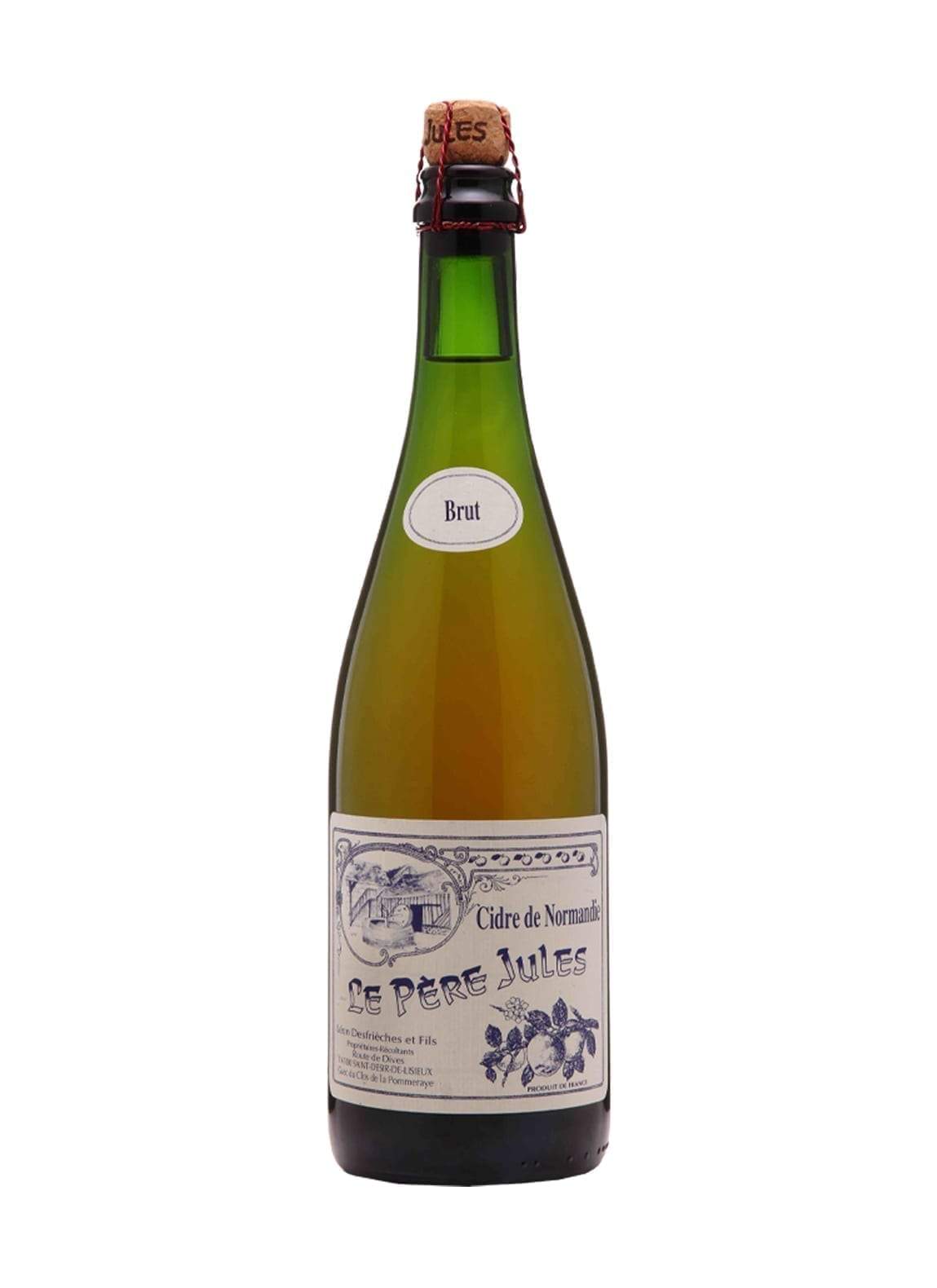
Pere Jules Cidre Brut Bouche (dry Apple Cider) Pays d'Auge 5% 750ml
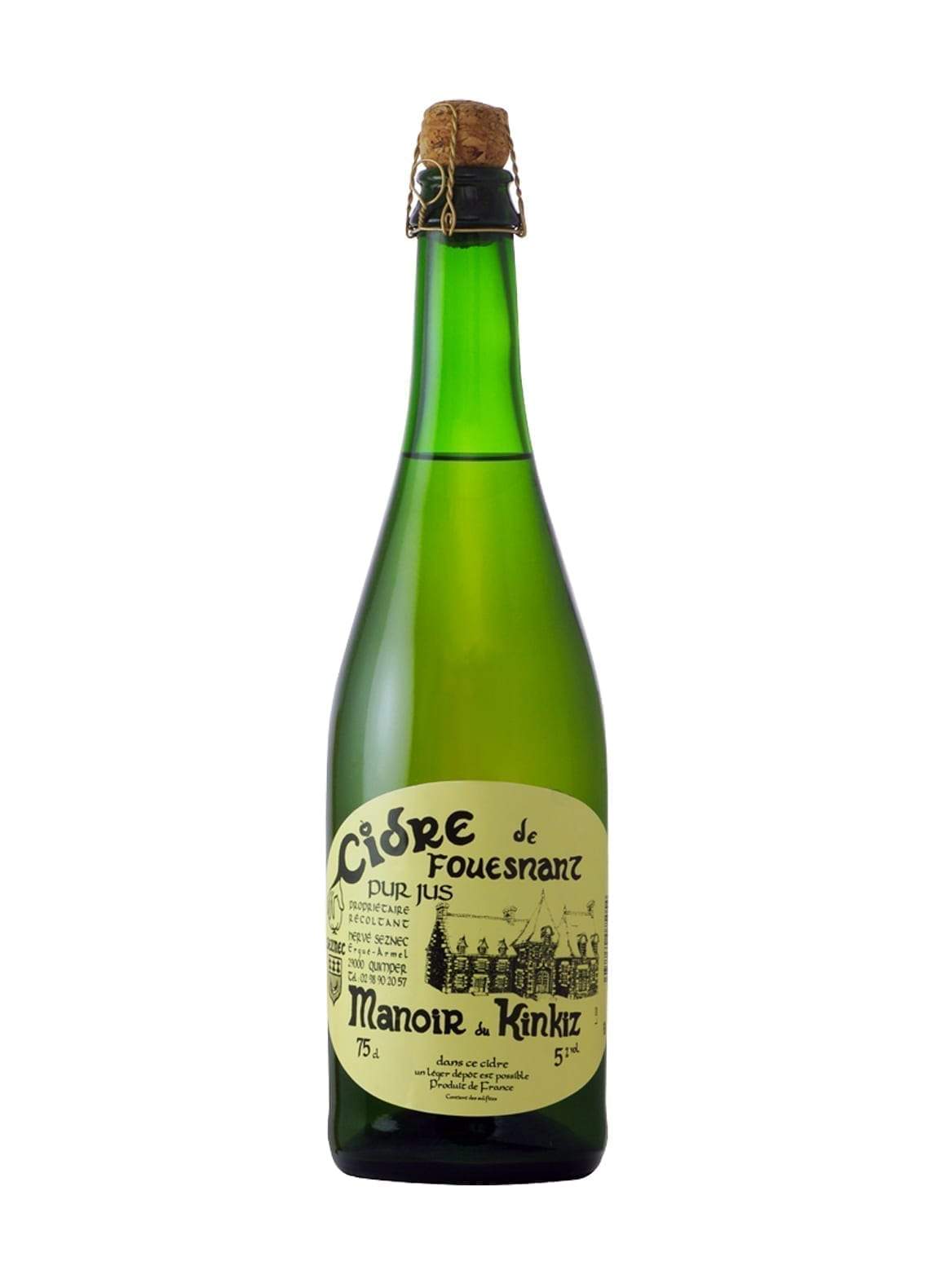
Manoir Kinkiz Cidre 'Fouesnant' (semi-dry apple cider) 6% 750ml
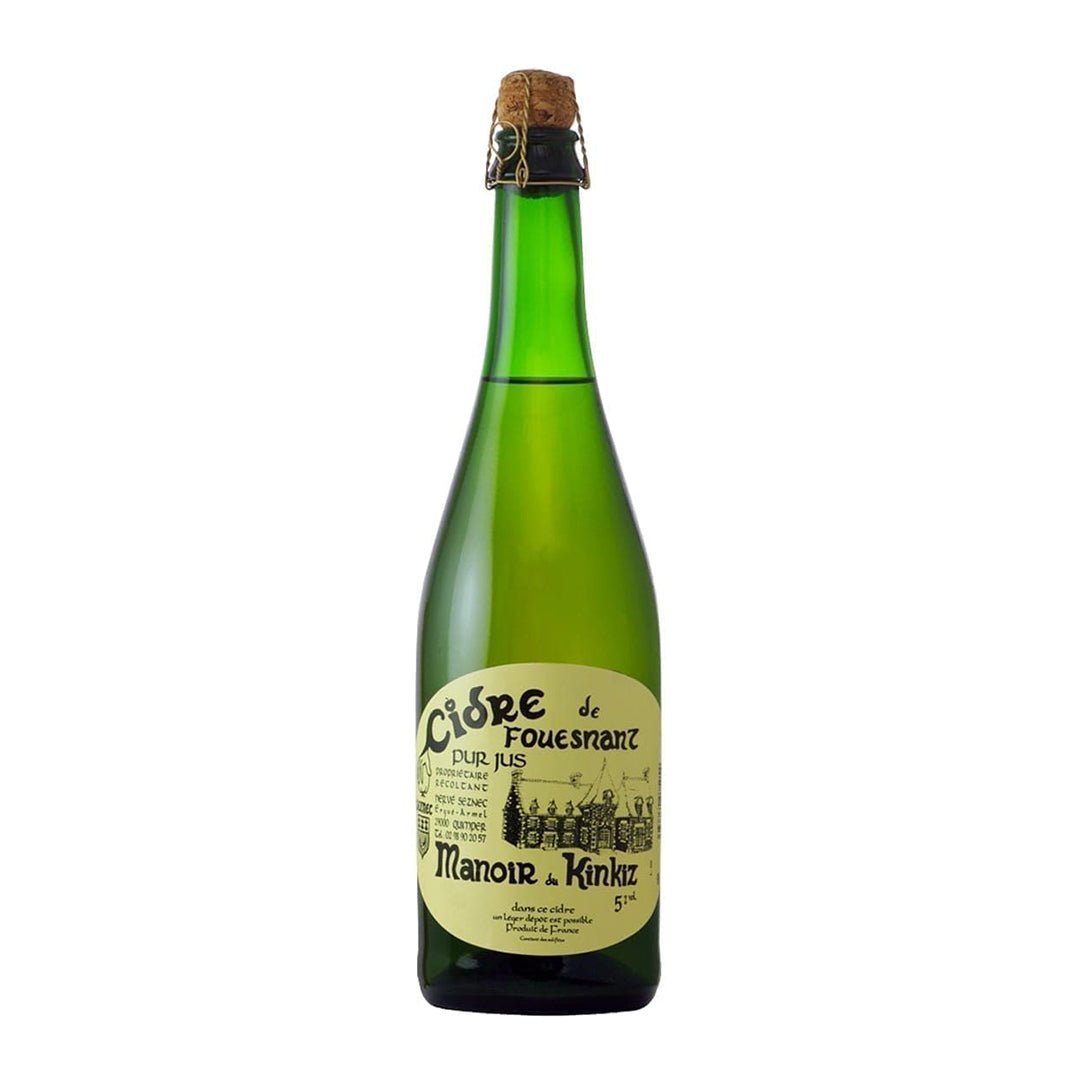
Manoir Kinkiz Cidre 'Fouesnant' (semi-dry apple cider) 6% 375ml
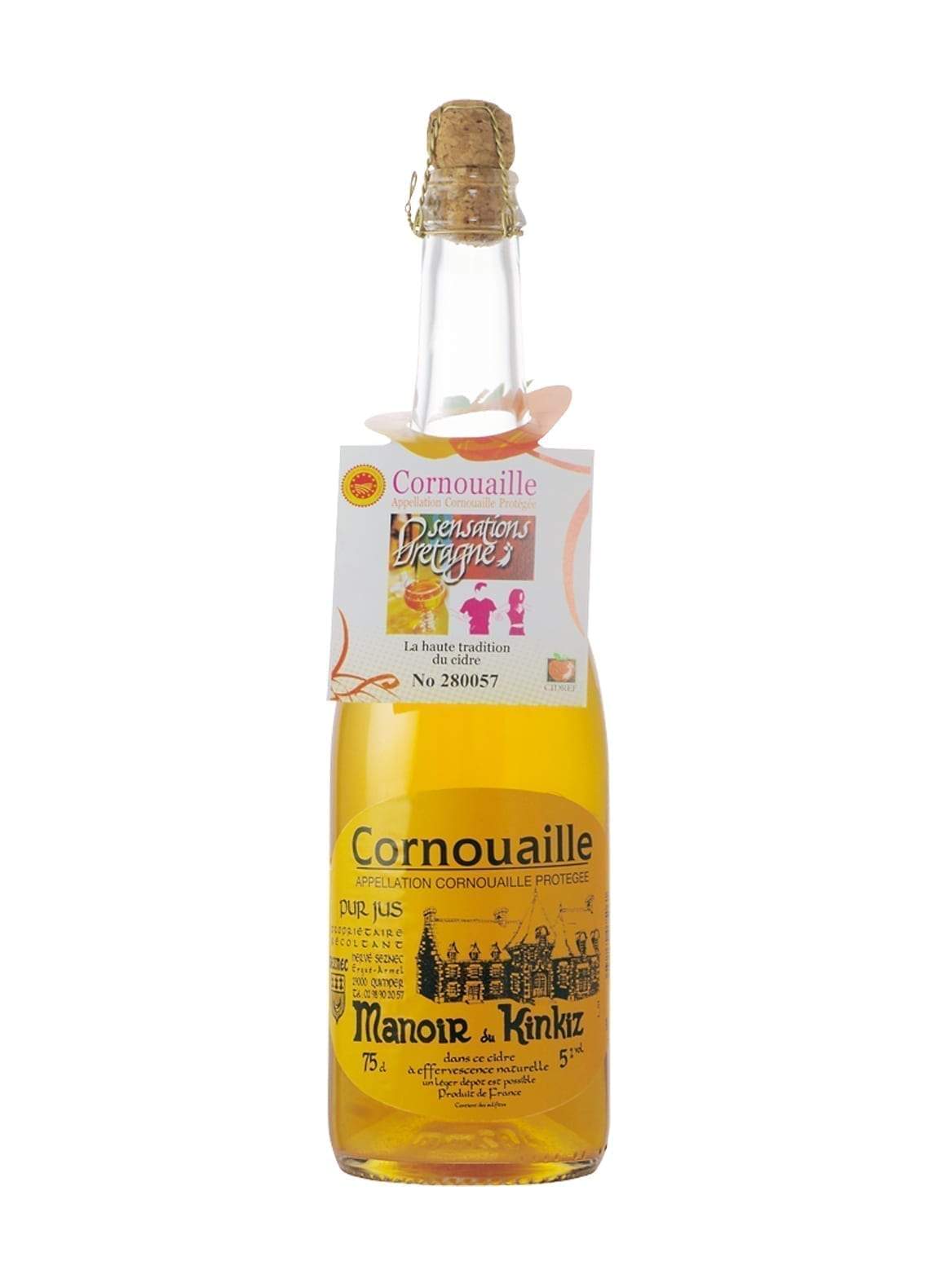
Manoir Kinkiz Cidre 'Cornouaille' (dry apple cider) 5.5% 750ml
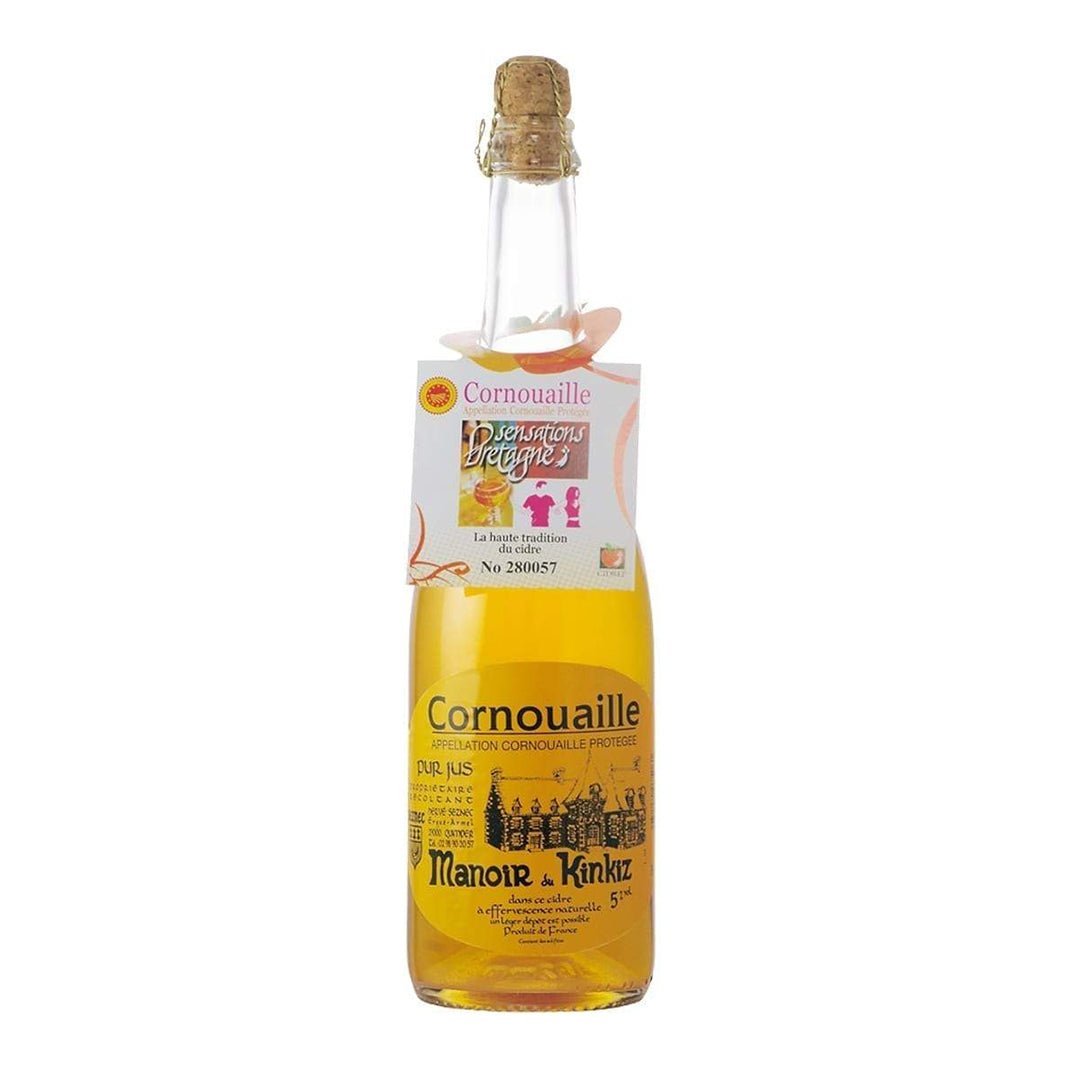
Manoir Kinkiz Cidre 'Cornouaille' (dry apple) Cider 5.5% 375ml
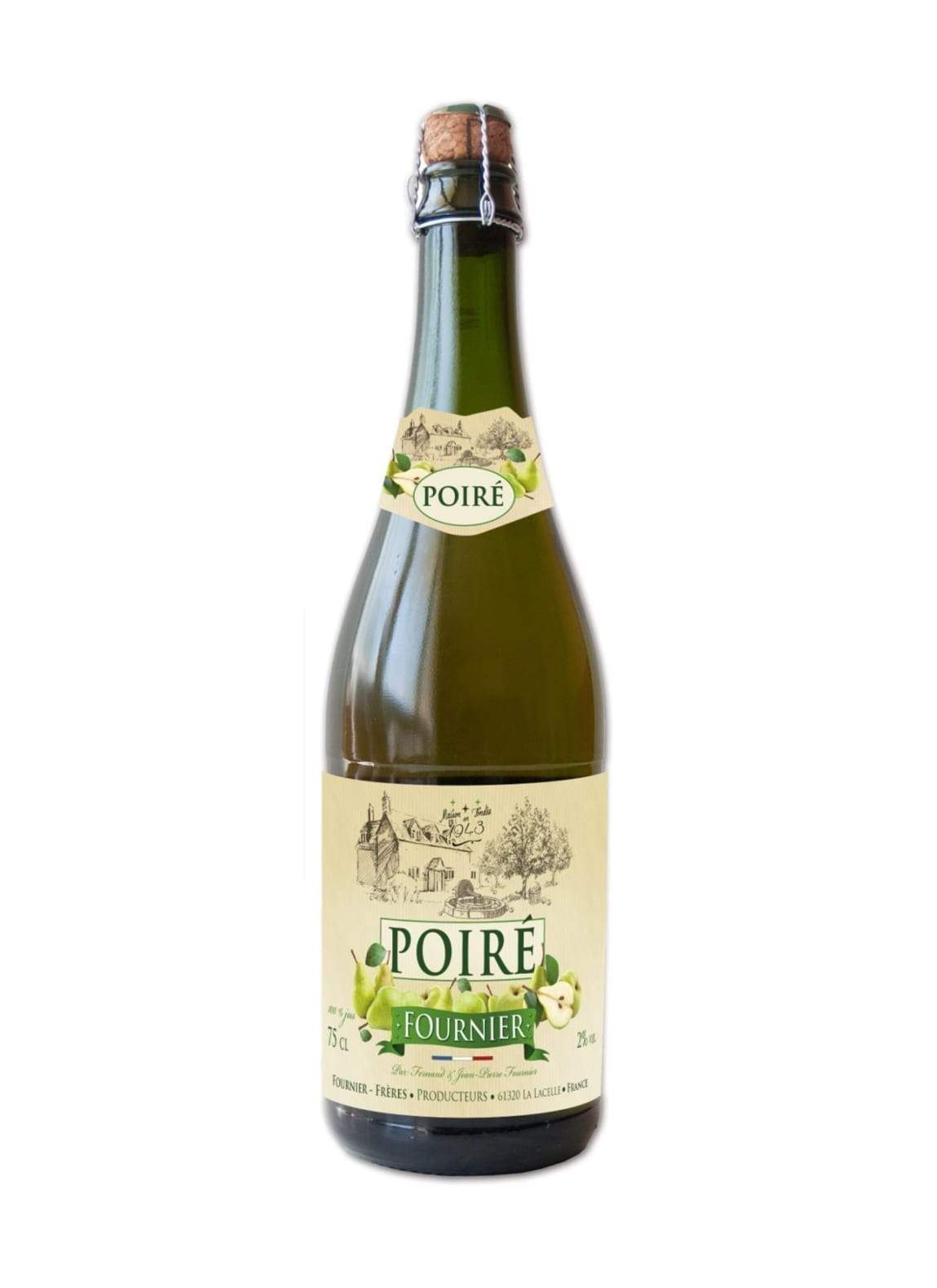
Fournier Poire (Pear Cider) 2% 750ml
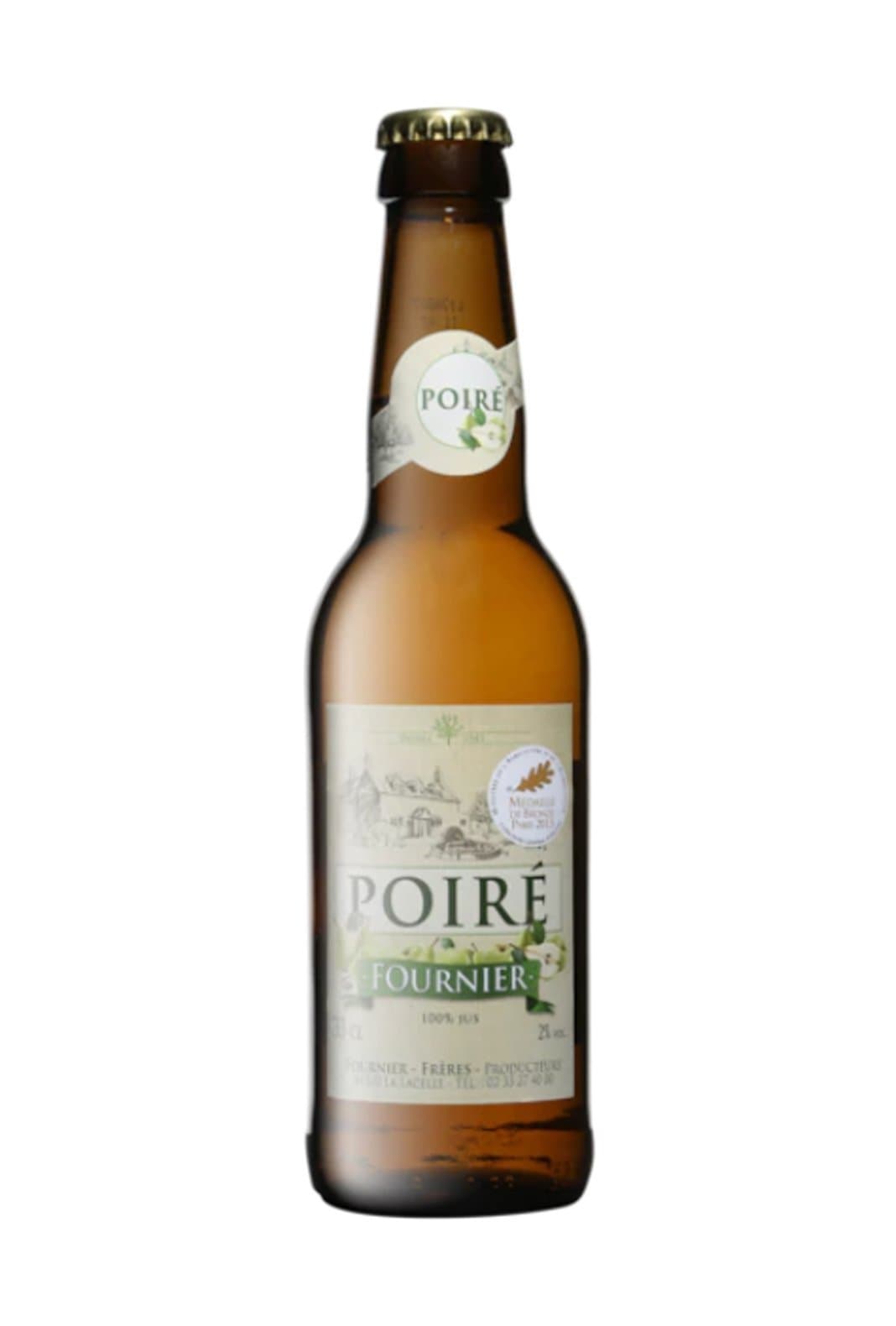
Fournier Poire (Pear Cider) 2% 330ml
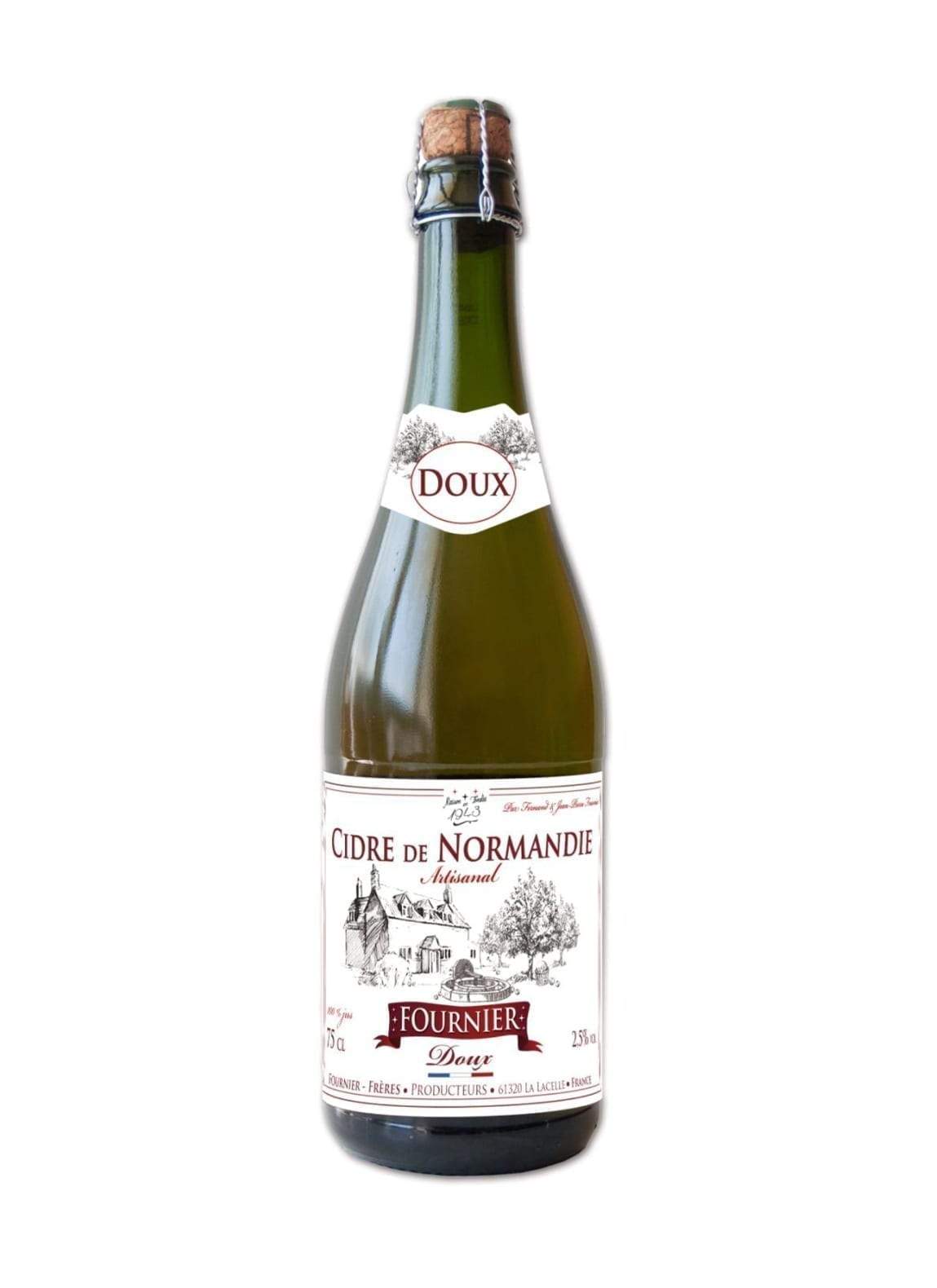
Fournier Doux Cidre de Normandie sweet apple cider) Artisanal 2.5% 750ml
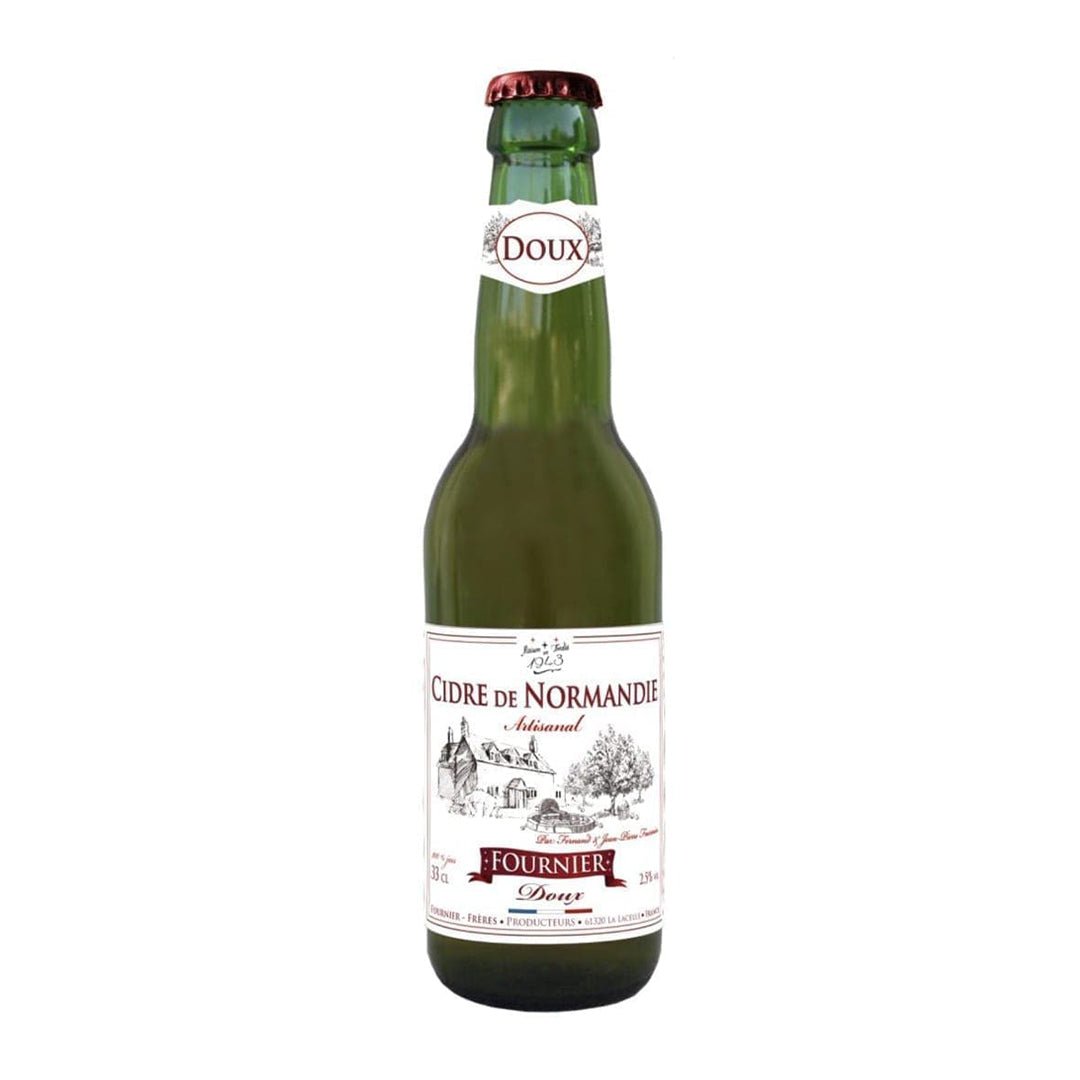
Fournier Doux Cidre de Normandie (Sweet Apple Cider) Artisanal 2.5% 330ml

Fournier Brut Cidre de Normandie (dry apple cider) Artisanal 4.5% 750ml
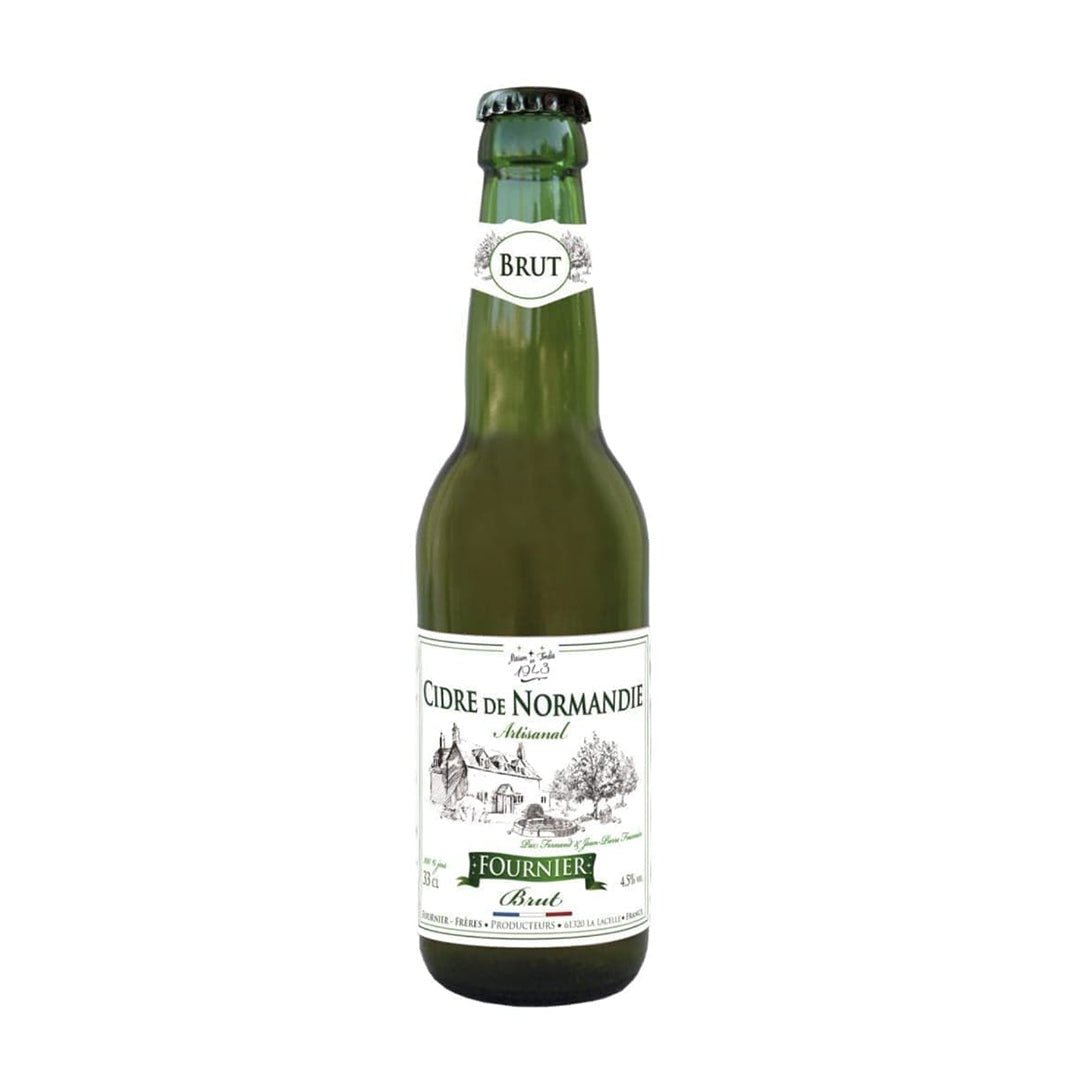
Fournier Brut Cidre de Normandie (dry apple cider) Artisanal 4.5% 330ml
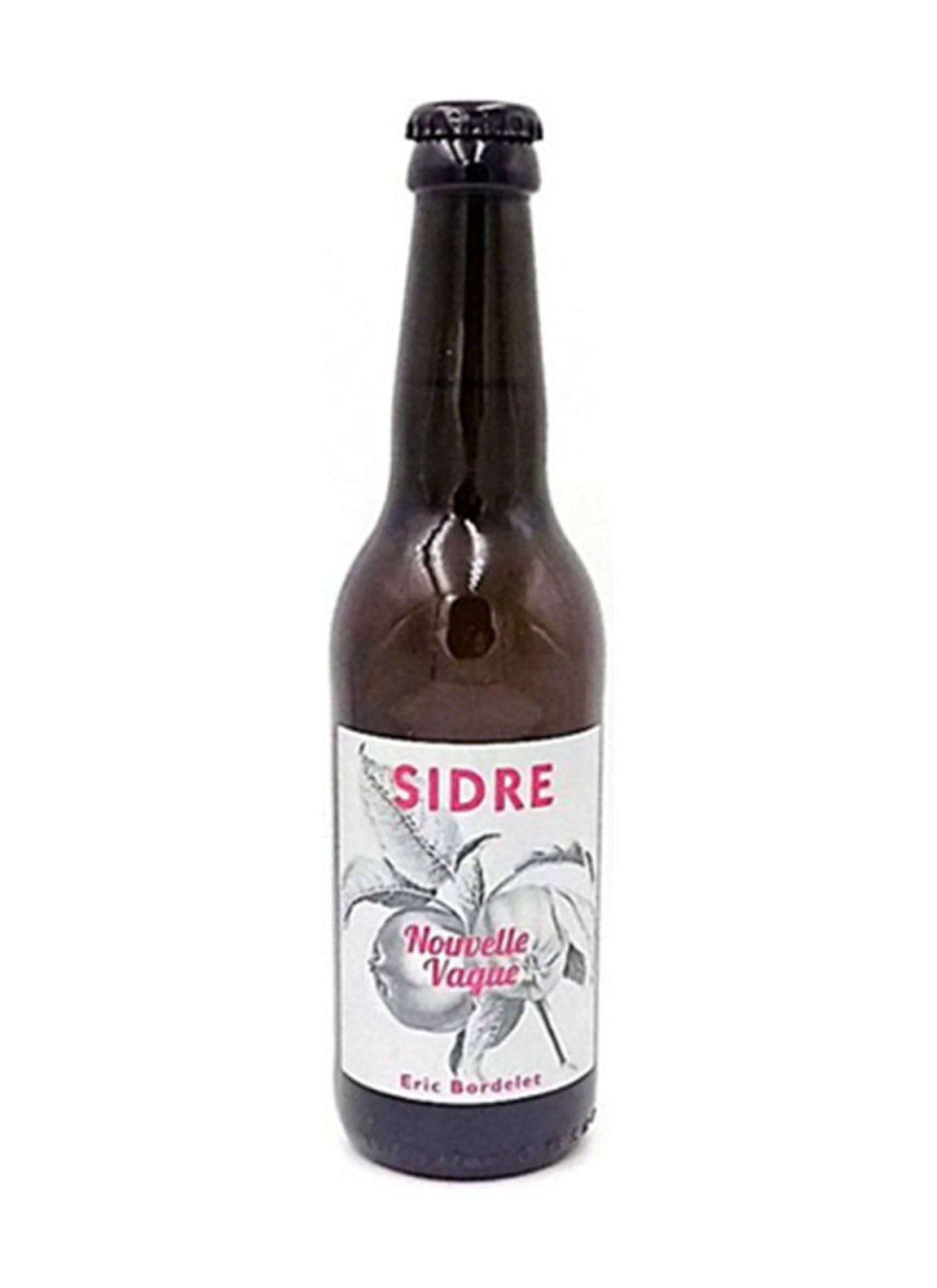
Bordelet Nouvelle Vague 330
About Cider
This page is small and entirely French. There is no local or imported mixed range here, and it is better to say that than to imply otherwise: every cider stocked comes from Normandy or Brittany.
Normandy is represented by Fournier Freres, Le Pere Jules and Roger Groult, and Brittany by Manoir du Kinkiz at Quimper, whose Cornouaille and Fouesnant bottlings carry the names of their local appellation and commune. Eric Bordelet's Nouvelle Vague sits alongside them.
Styles follow the French labelling rather than the English one. Brut is dry, doux is sweet, and the bottlings marked bouche are the ones finished with their own residual sugar and bottle conditioned rather than carbonated. Poire is pear rather than apple, which the English speaking world usually calls perry.
Strength is the other thing the labels tell you and it varies more than people expect. The Fournier poire sits at 2 per cent and the doux at 2.5, the bruts at 4.5, and the Kinkiz bottlings at 5.5 and 6. That range is wide enough that two ciders on this page are not really the same kind of drink, so the label is worth reading before you choose.
Cider apples are not eating apples. The varieties grown for cider in Normandy and Brittany are bitter and bittersweet, high in tannin and often unpleasant to eat raw, and that tannin is what gives a good dry cider its grip.
Several of these producers also distil, and our guide to the apple spirits of Normandy follows the same fruit into the still.
History
Cider is old, and in northern France it is agricultural rather than industrial in origin. Apples suited the climate of Normandy and Brittany where vines did not, and orchards were planted as a matter of practicality: a crop that stored badly as fruit kept well as a drink.
Written records of organised cider making in Normandy run from the medieval period, and by the sixteenth century growers there had begun selecting and naming varieties specifically for pressing rather than eating. That selection work is the reason cider apple names still cluster in the region.
The trade grew through the seventeenth and eighteenth centuries, and cider became the everyday drink of much of the French north west, in the way that wine was further south. It travelled too, as a ship's provision that kept better than water.
The twentieth century was hard on it. Two wars, the loss of orchard land, and the rise of beer and industrial drinks pushed production down a long way from its peak. Appellation systems were the counterweight. Cornouaille in Brittany and the Normandy appellations set rules about varieties, pressing and fermentation, and gave the surviving farm producers something to point at.
What has happened since the 1990s is a slow recovery built on those rules, with small producers bottle conditioning, working with named orchards and treating cider as something to be read from a label rather than poured from a keg. The bottles on this page belong to that group.
How to drink it
Serve it cold, in a wide glass rather than a tall one. A tumbler or a small wine glass works better than a beer glass, because the aromatics in a bottle conditioned cider are closer to wine than to lager.
Open the bruts carefully. The bouche styles finish fermenting in the bottle, so they carry real pressure and a live yeast sediment. Stand the bottle upright for an hour first if it has been lying down, and pour steadily rather than tipping it.
Sweetness and strength move together here. The lower strength bottles are the sweeter ones, because the fermentation was stopped with sugar still in the juice, and the dry bruts are stronger for the same reason. If you want something to drink through a long lunch, the doux and the poire are the gentler choice. If you want something with grip to go with food, take a brut.
At the table, dry cider does what a crisp white wine does. It works with pork, with roast chicken, with cured meat and with hard and washed rind cheese, and it stands up to anything fried. The Normandy habit of drinking it with galettes and crepes is worth copying.
Once opened, a bottle will keep a day or two in the fridge but it will lose its sparkle. These are 750ml and 330ml formats for a reason: the small bottles exist so a single glass does not cost you the rest.