
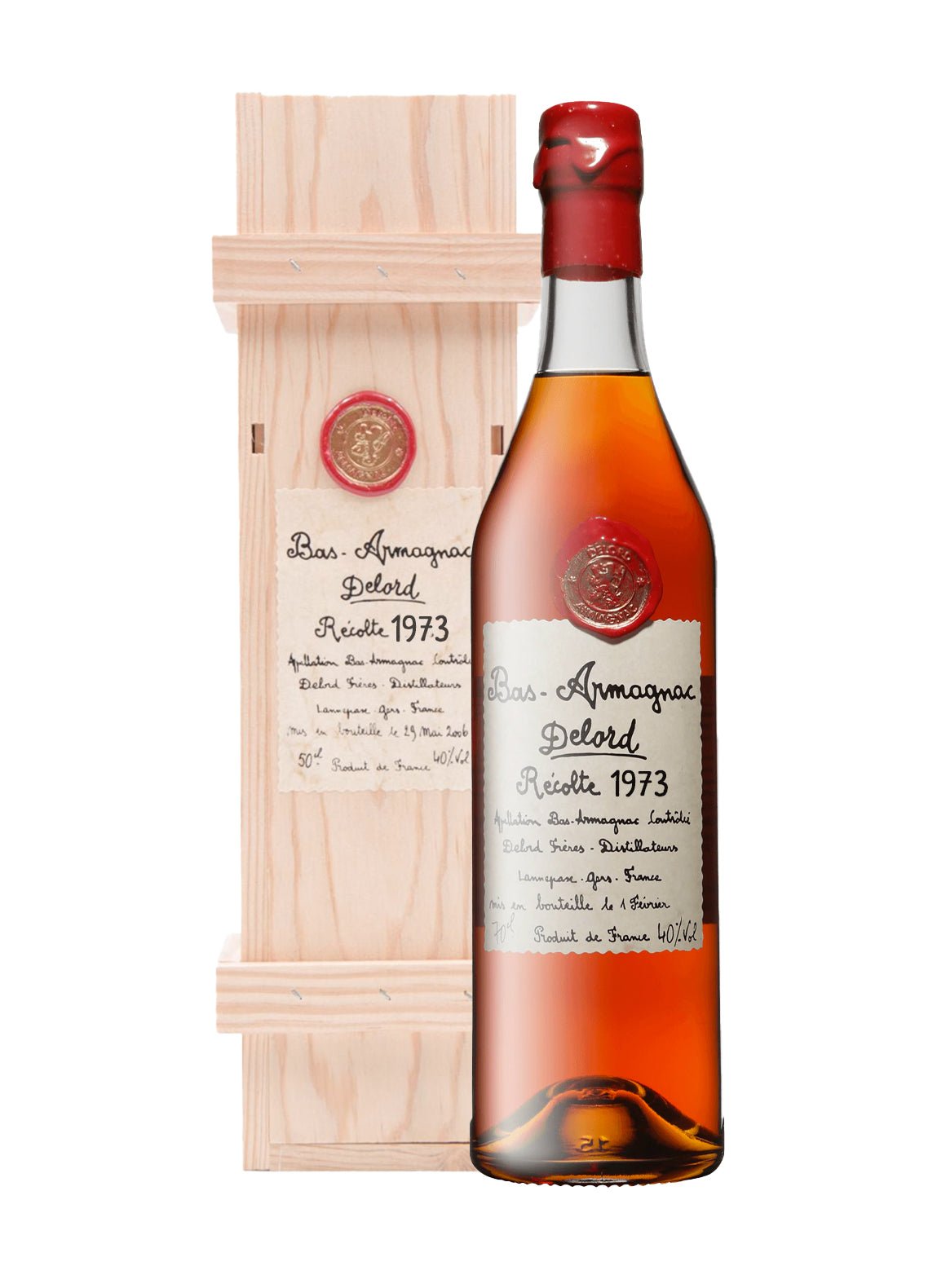
Delord 1973 Bas Armagnac 40% 700ml
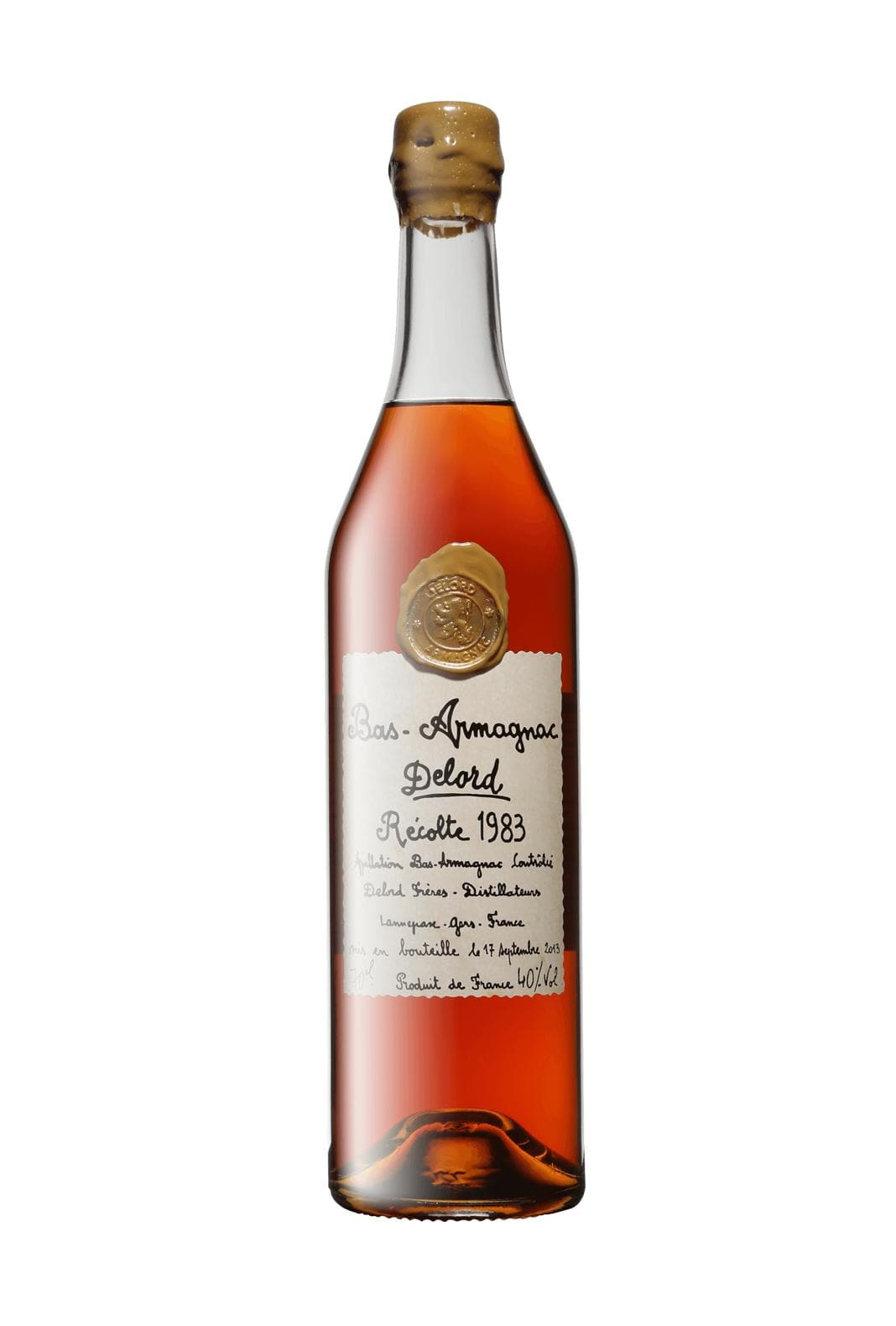
Delord 1983 Bas Armagnac 40% 700ml
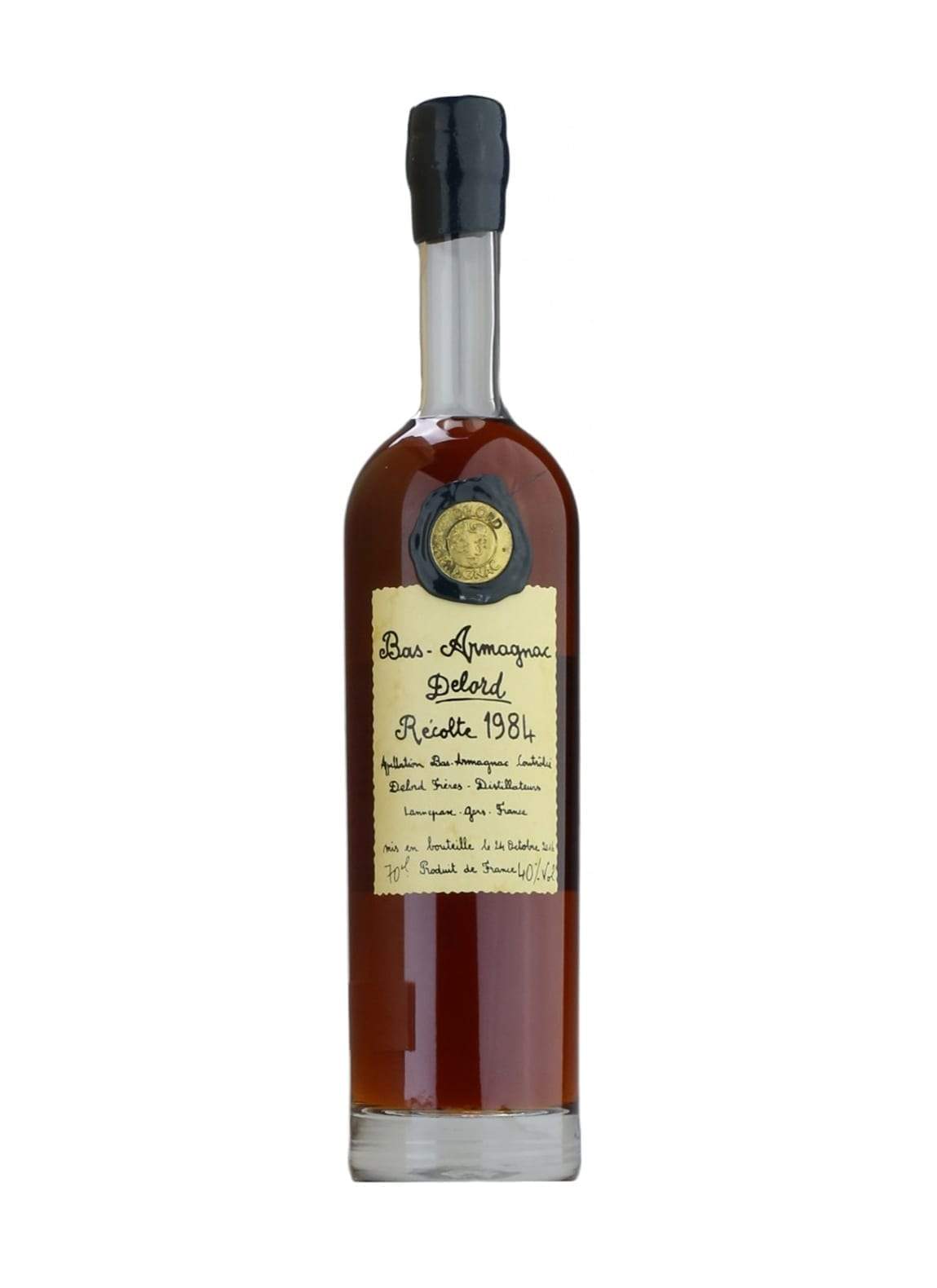
Delord 1984 Bas Armagnac 40% 700ml
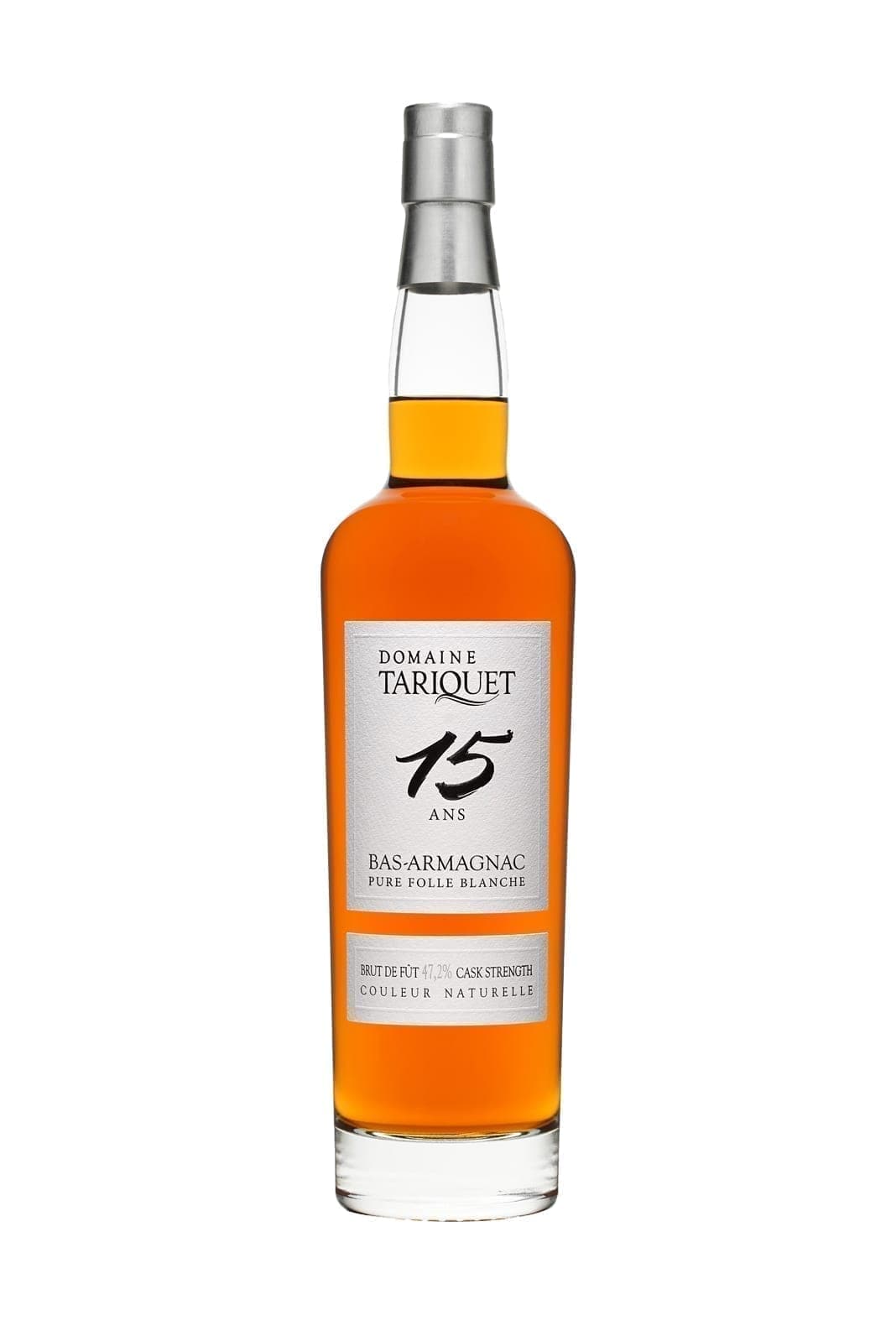
Domaine Tariquet Bas Armagnac Folle Blanche 15 years 46.8% 700ml
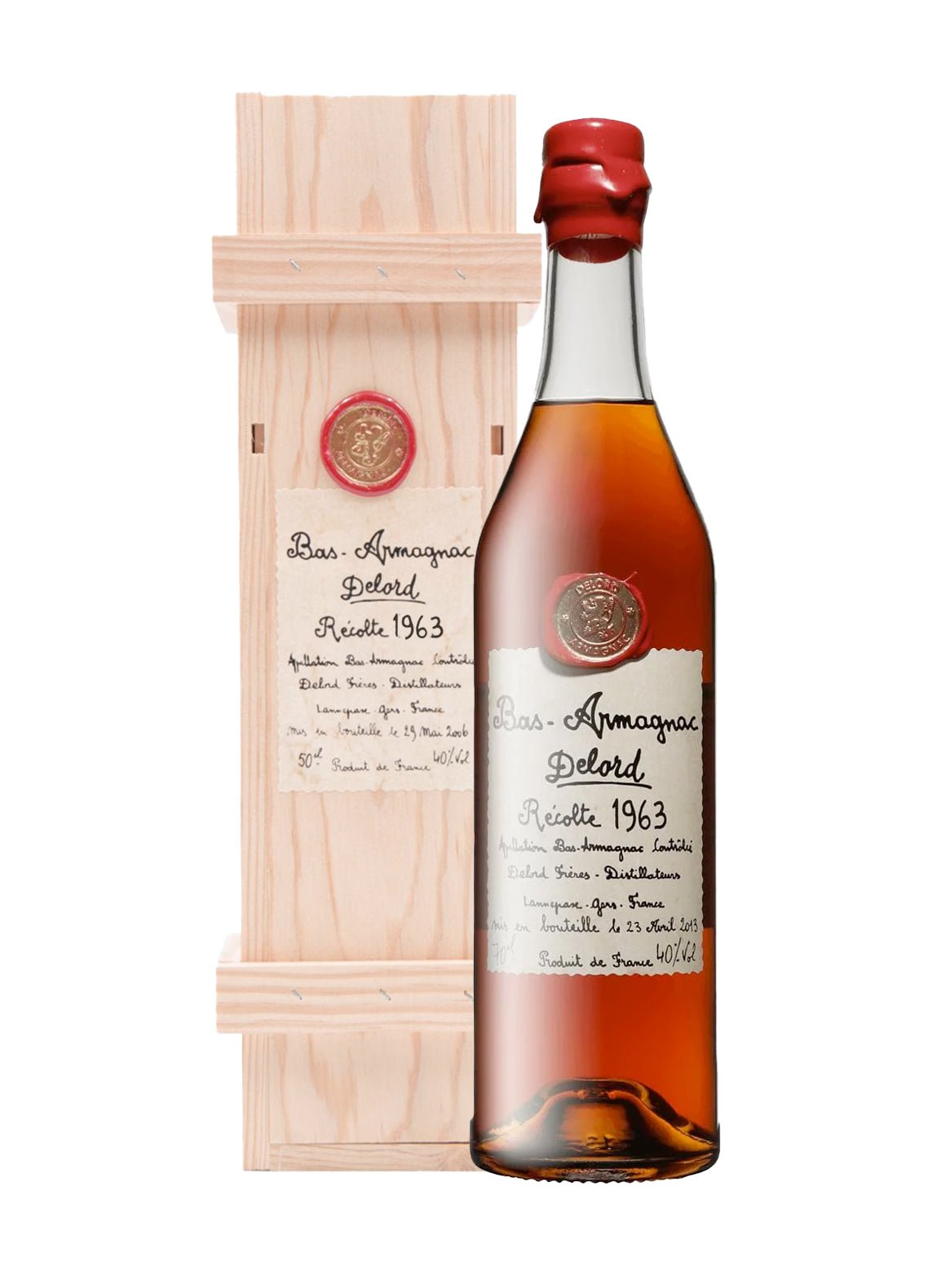
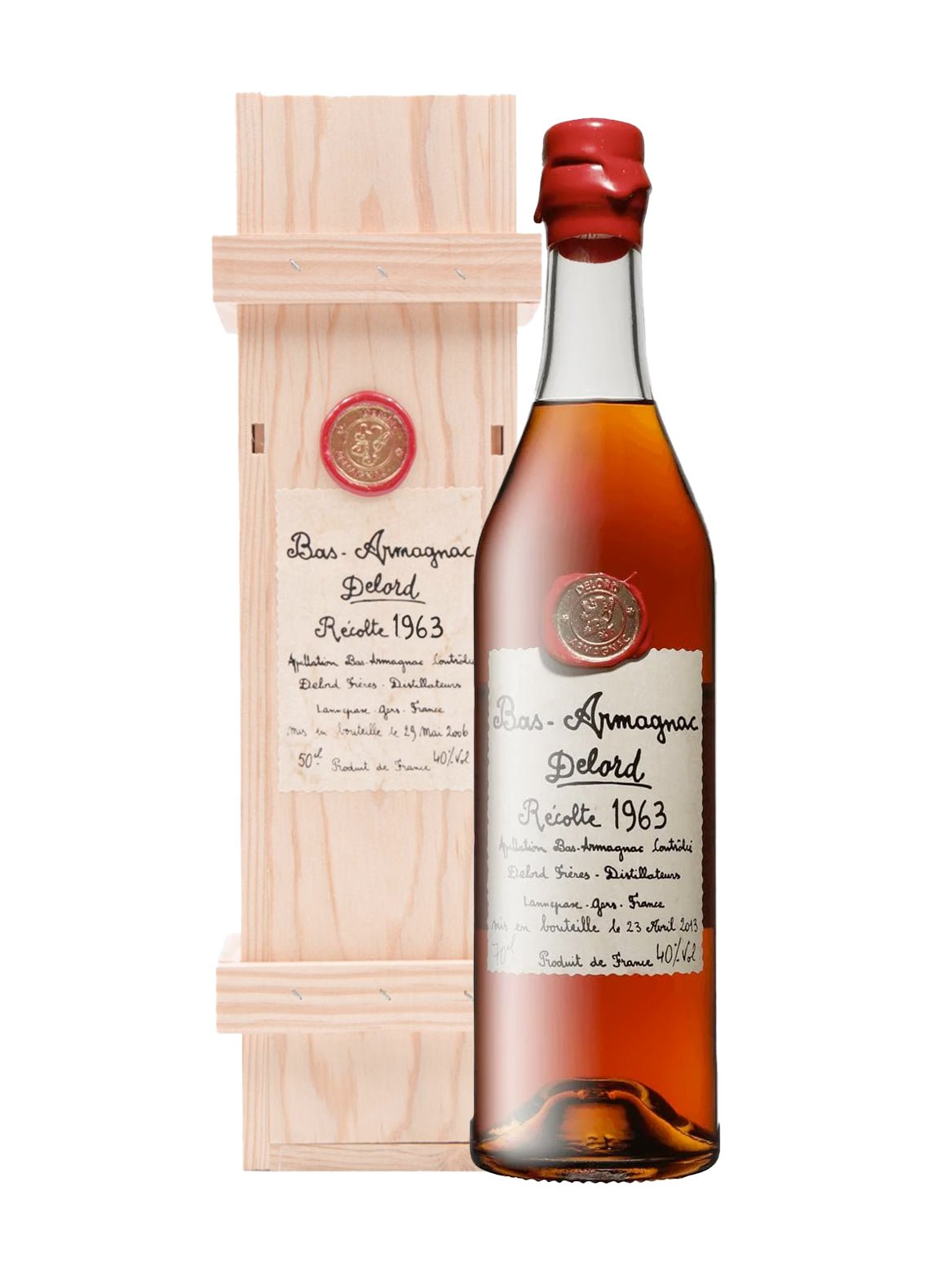
Delord 1963 Bas Armagnac 40% 700ml
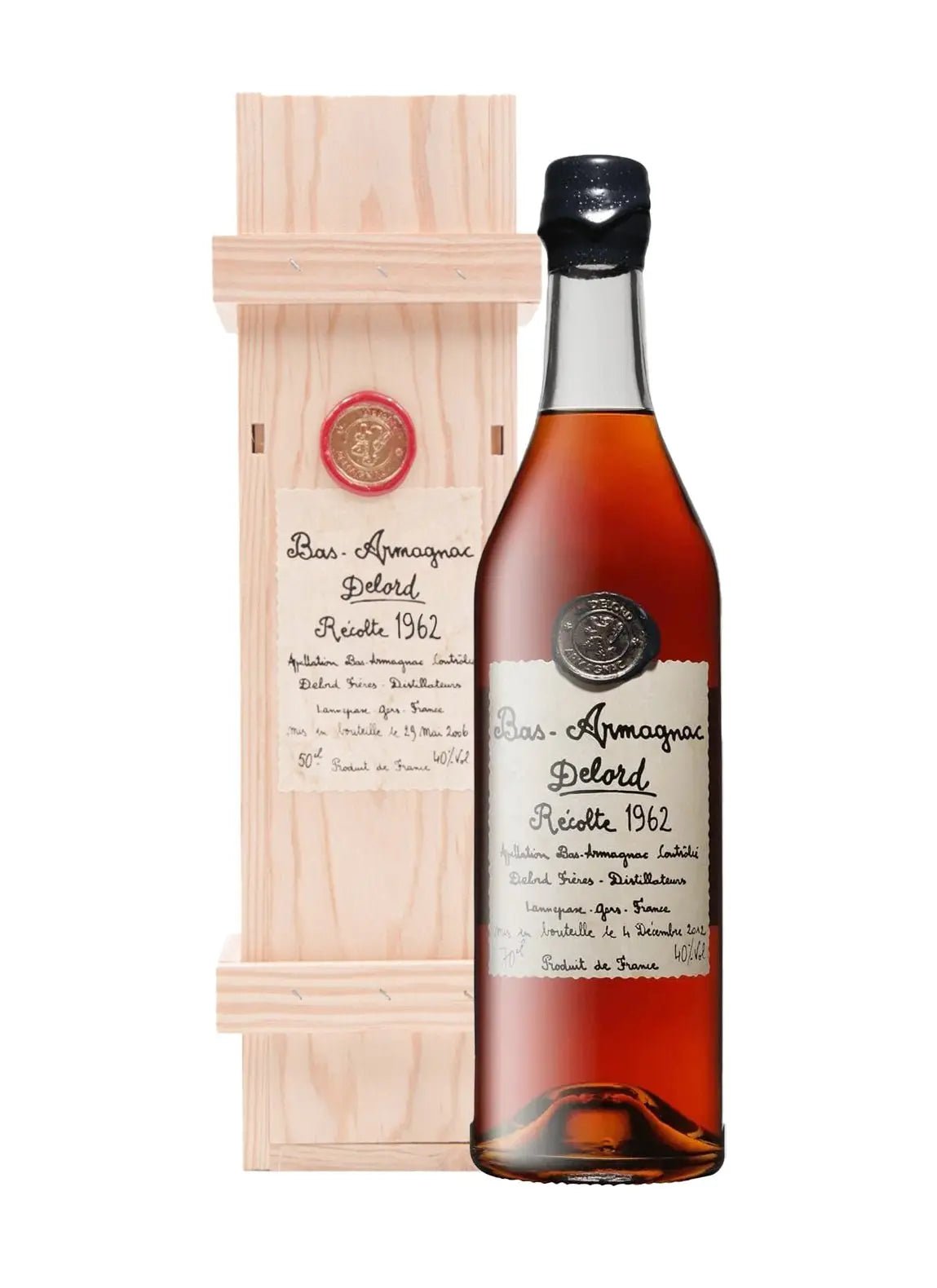
Delord 1962 Armagnac 40% 700ml
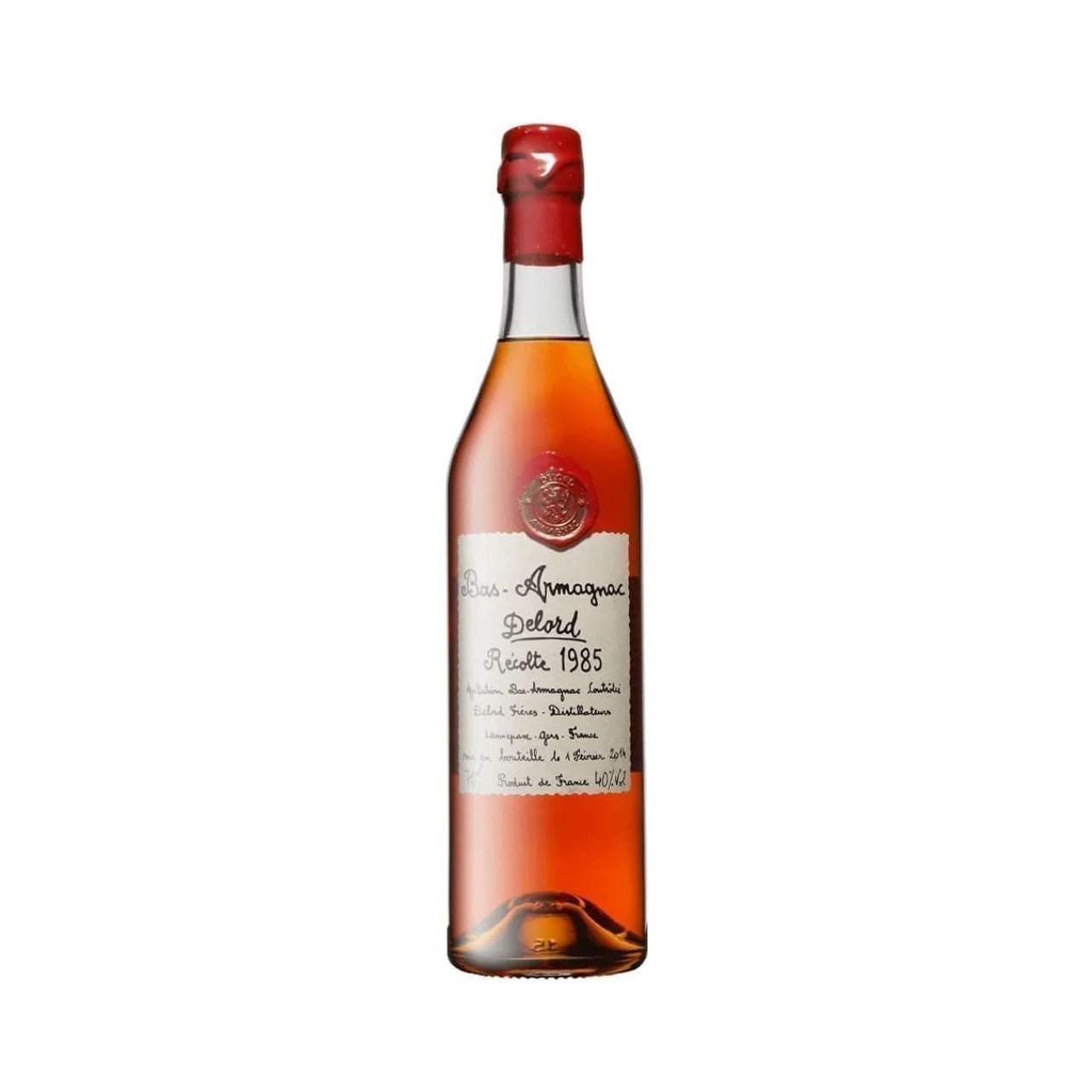
Delord 1985 Bas Armagnac 40% 50ml
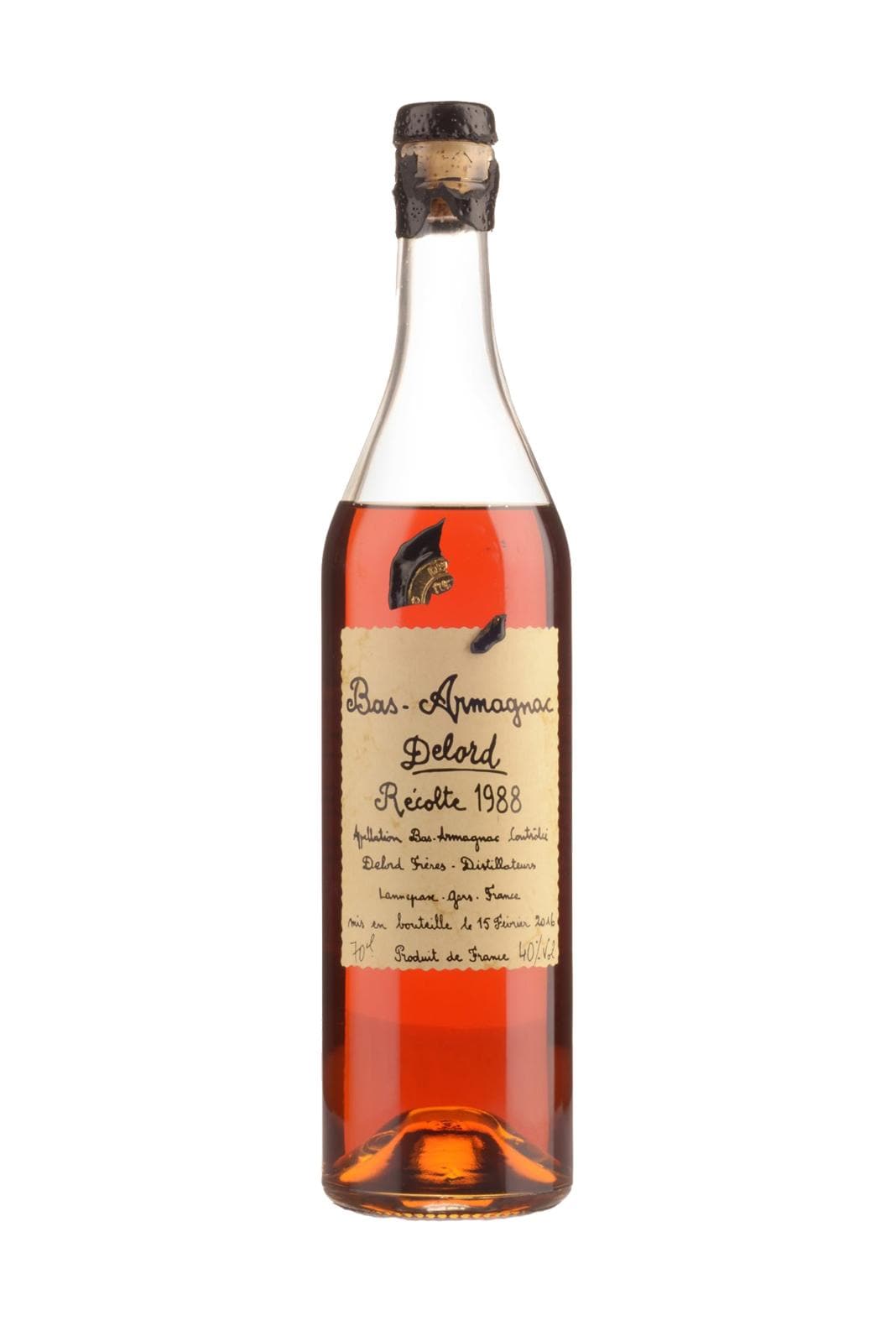
Delord 1988 Bas Armagnac 40% 700ml
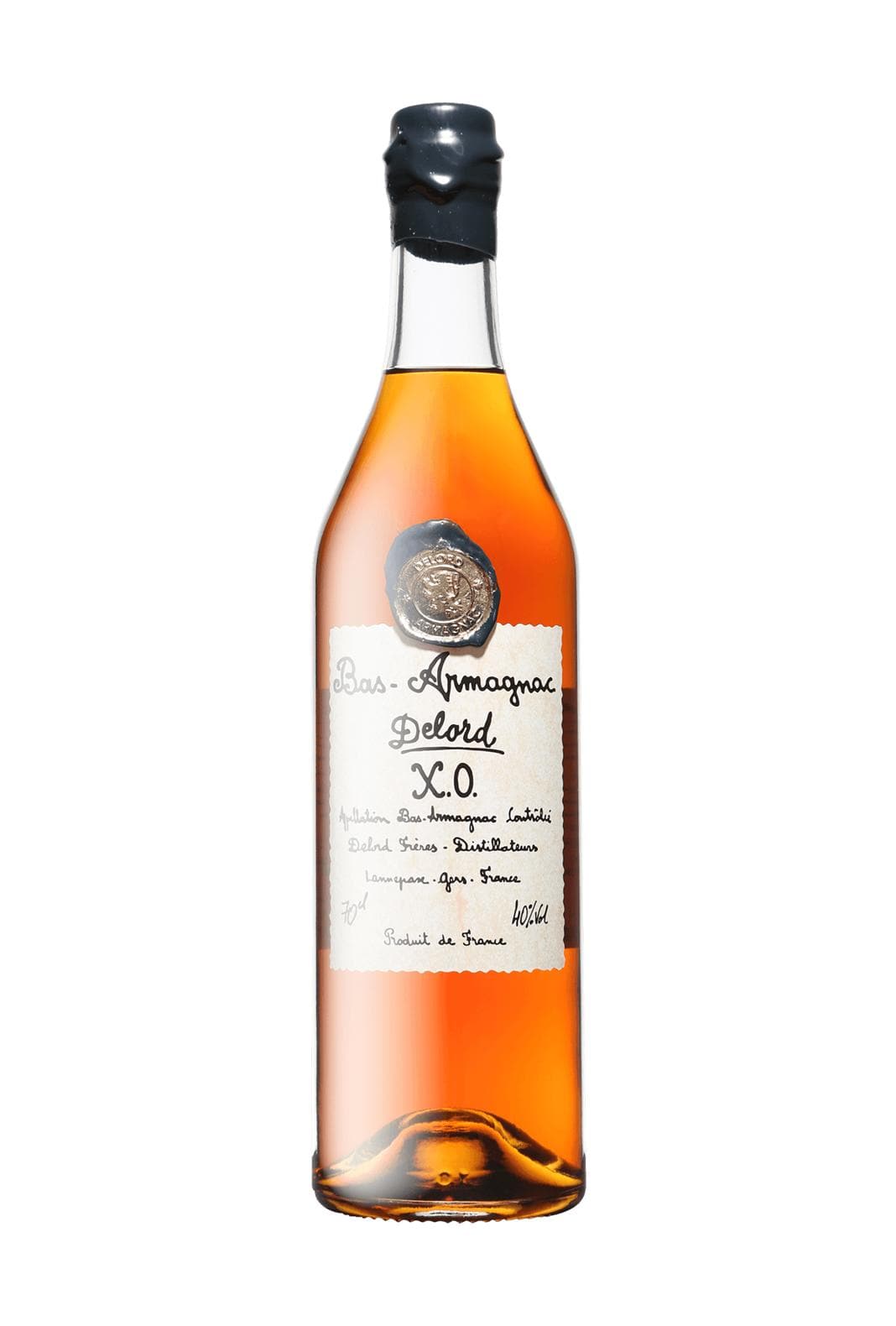
Delord XO 10 years Bas Armagnac 40% 700ml
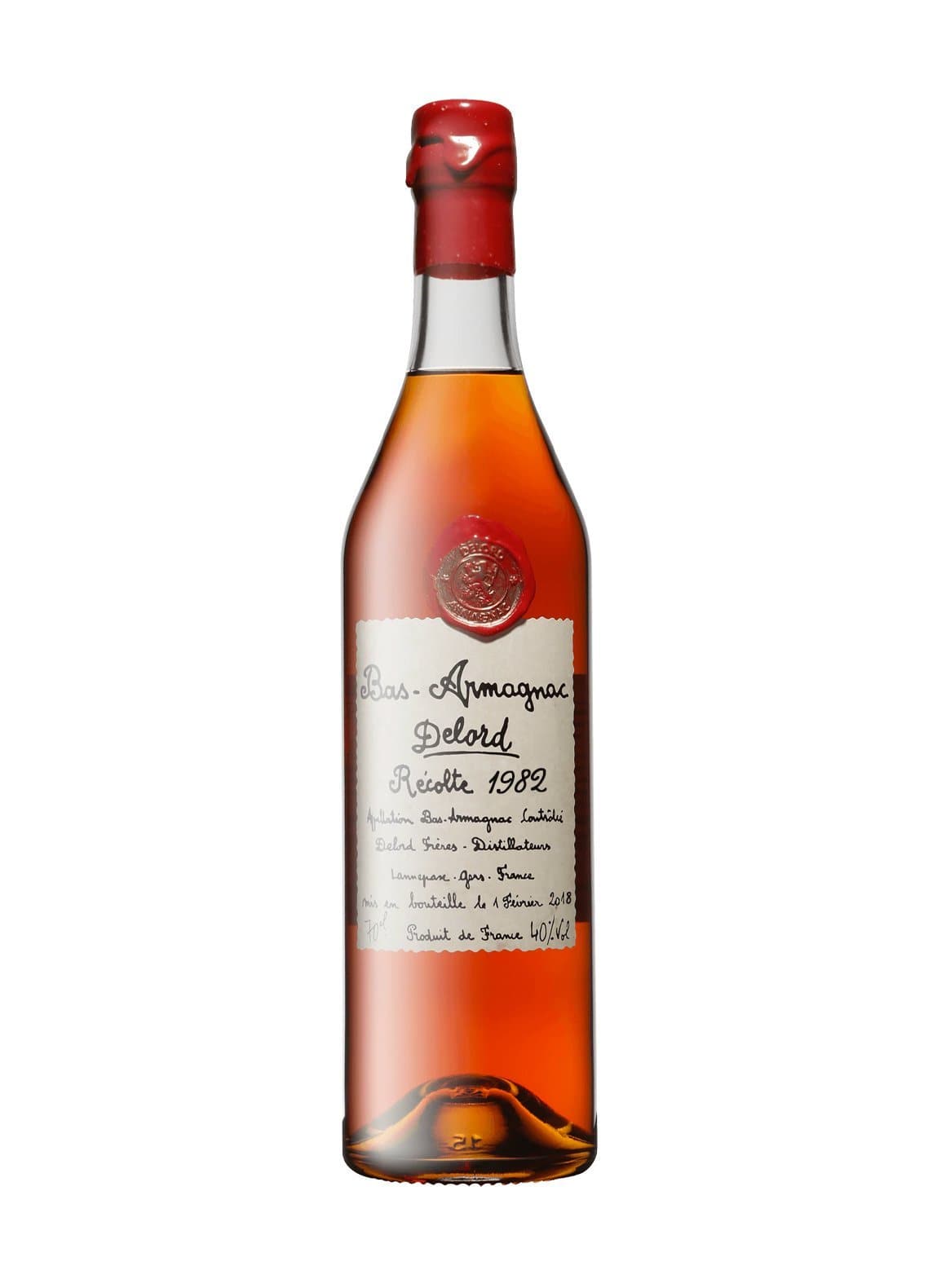
Delord 1982 Bas Armagnac 40% 700ml
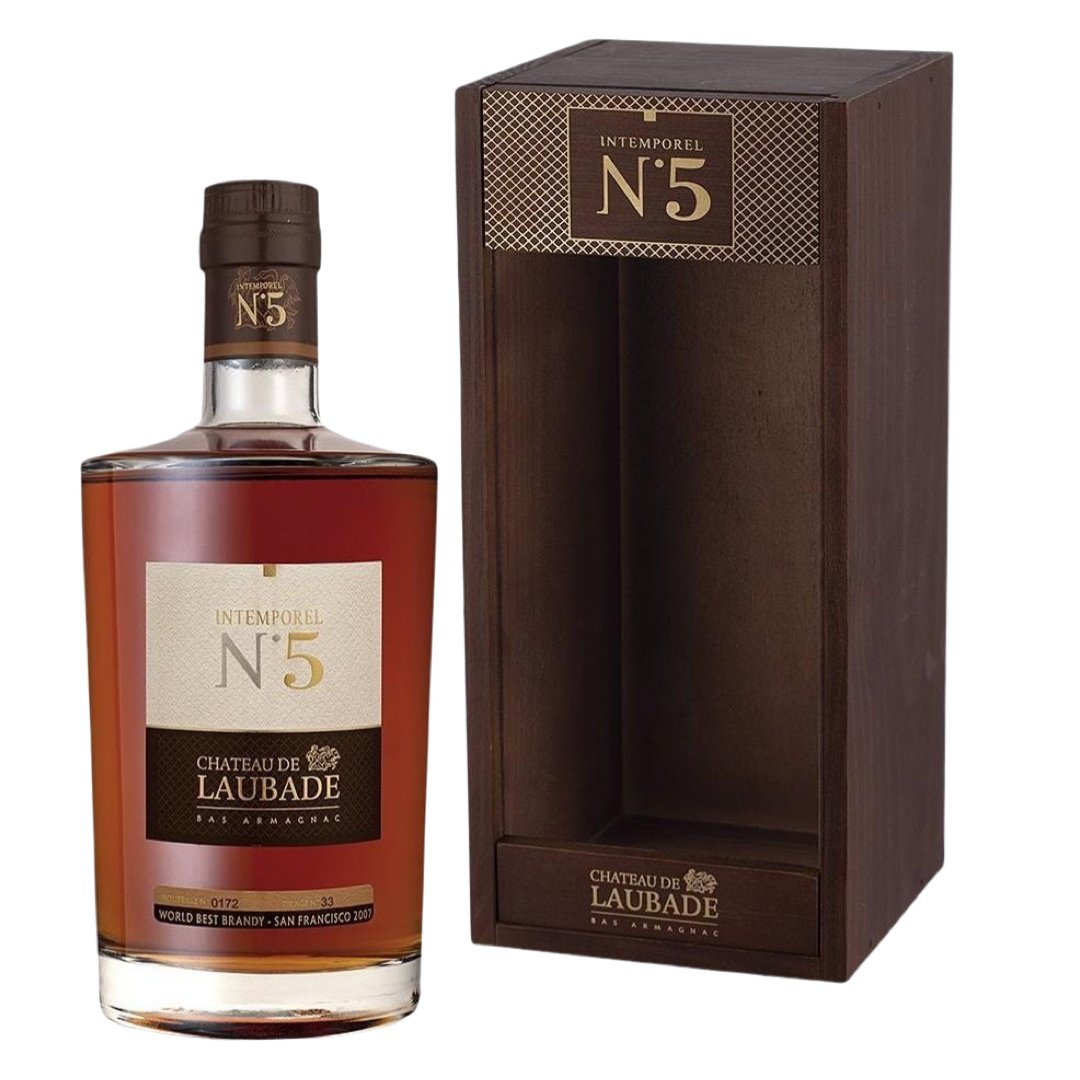
Chateau de Laubade Bas Armagnac Intemporel Nº5 40% 700ML
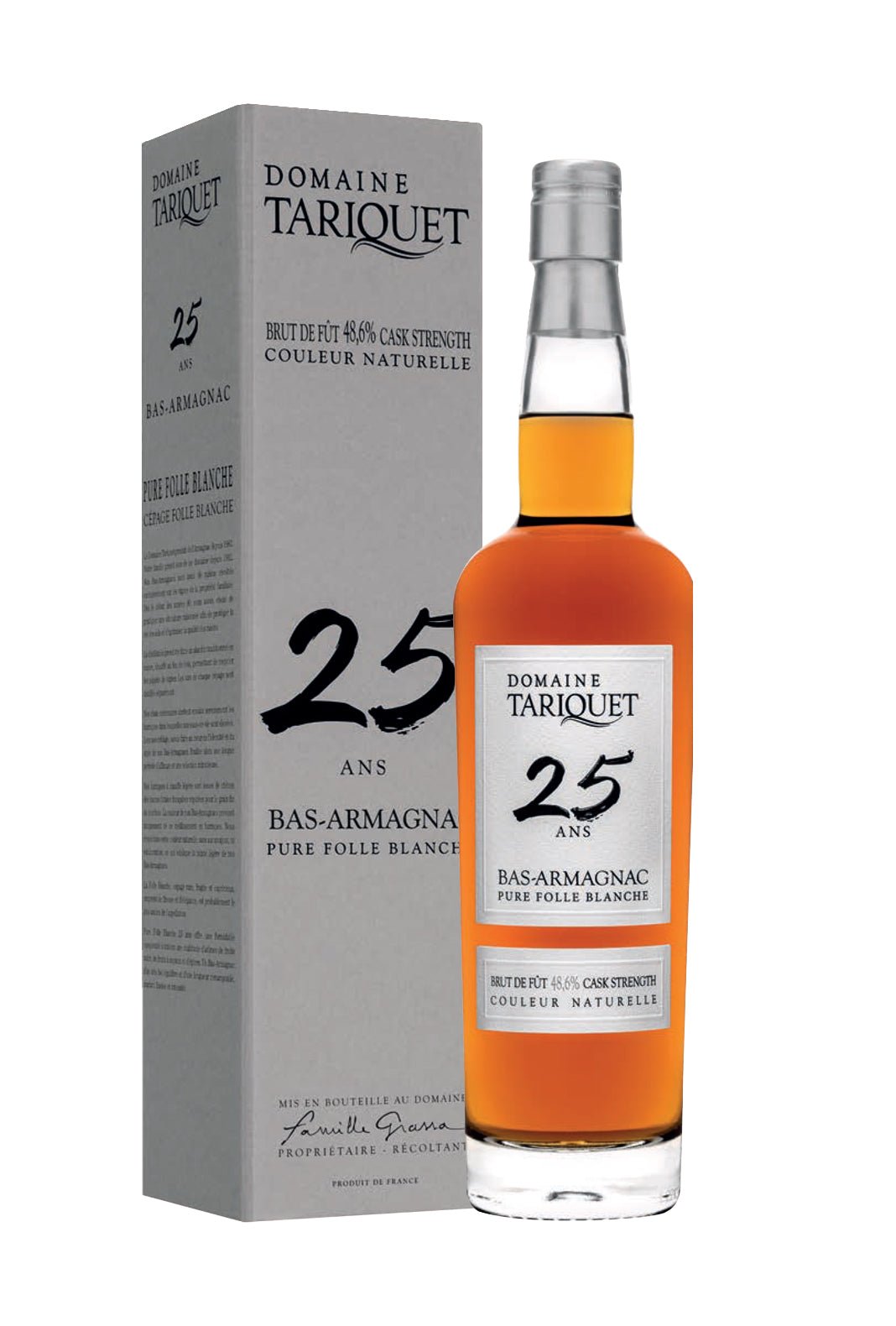
Domaine Tariquet Bas-Armagnac 25 years Pure Folle Blanche 48.6% 700ml
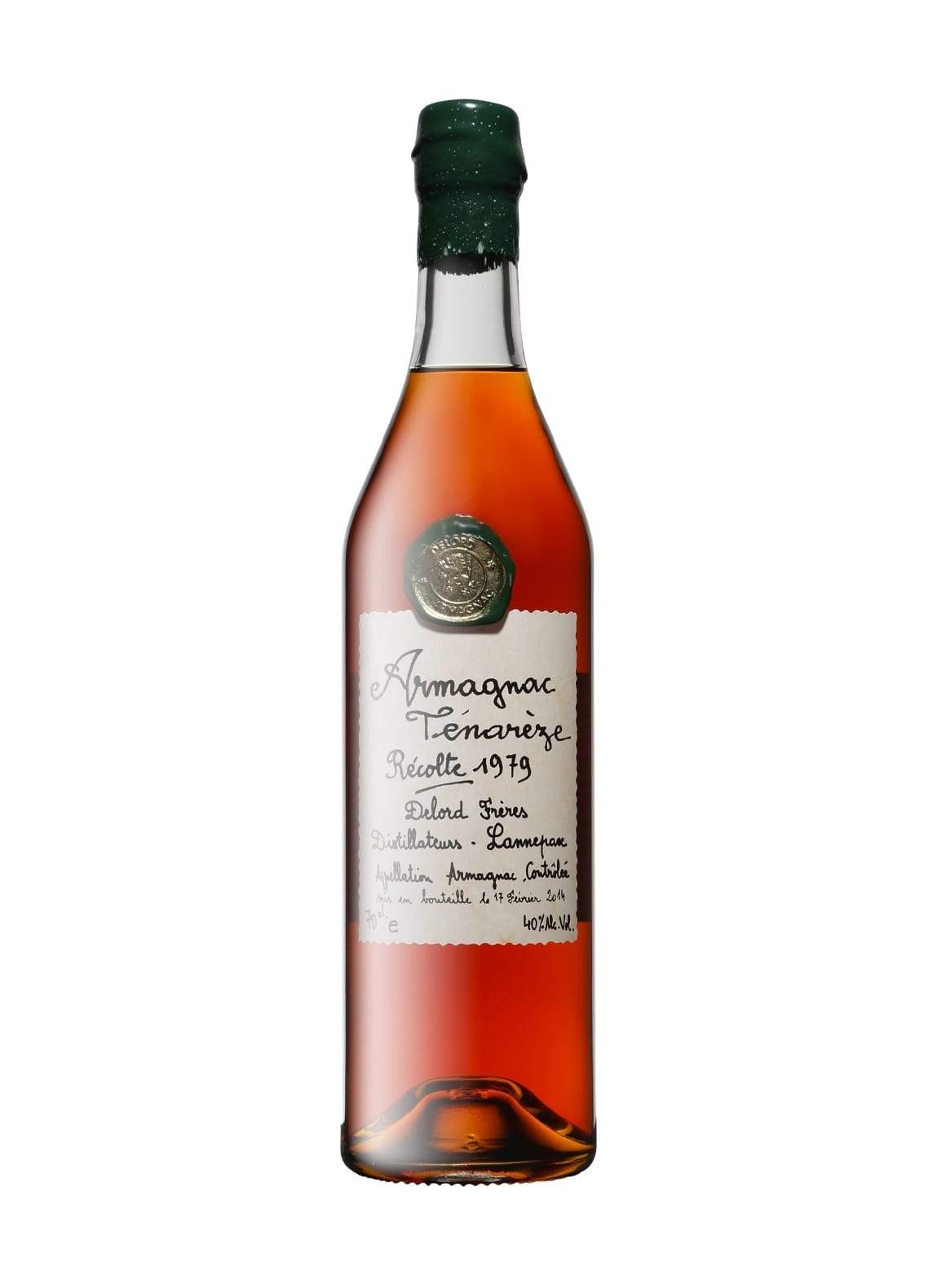
Delord 1979 Armagnac-Tenareze 40% 700ml
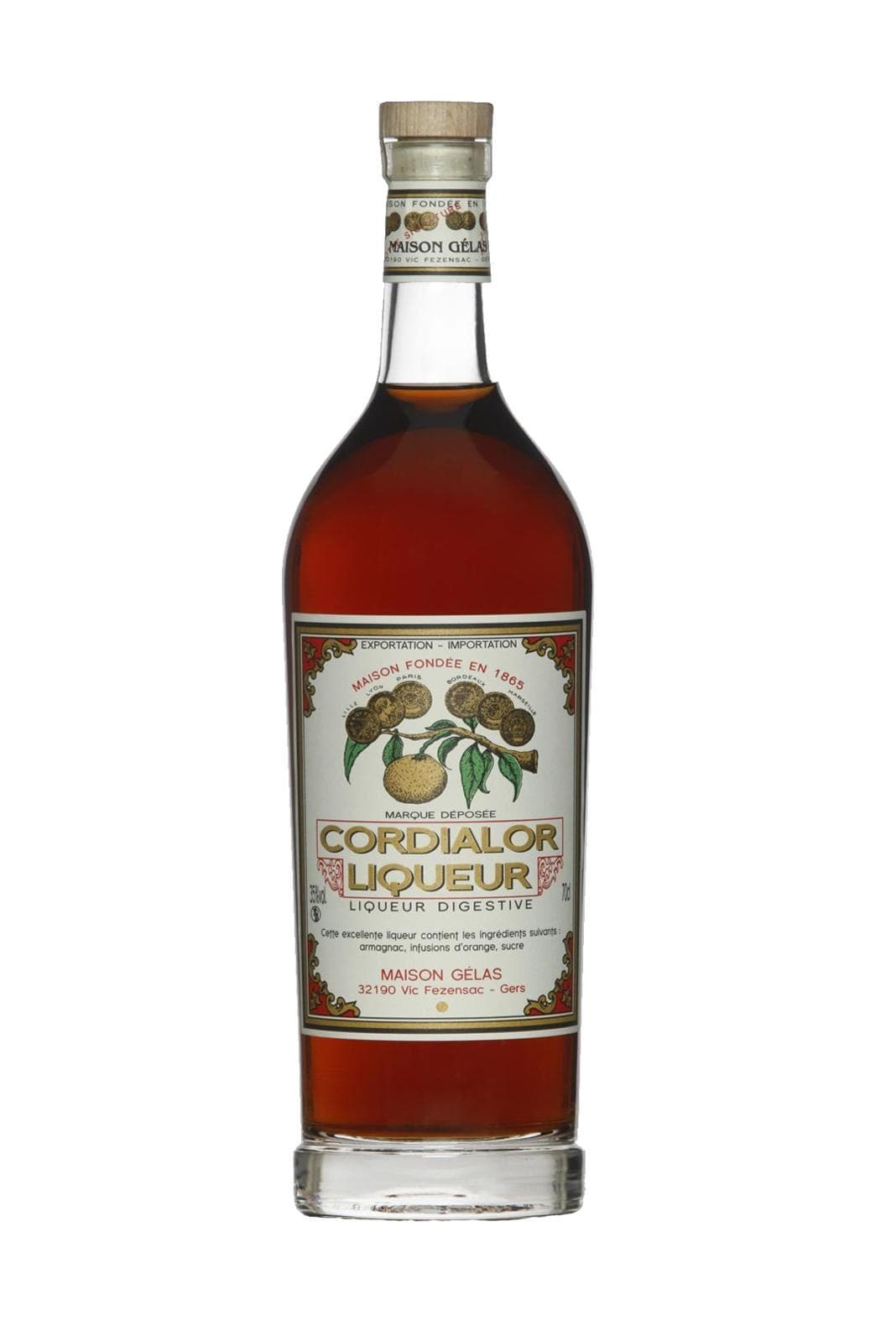
Gelas Cordialor Liqueur d'Orange et Armagnac (Green orange skins) 700ml 35%
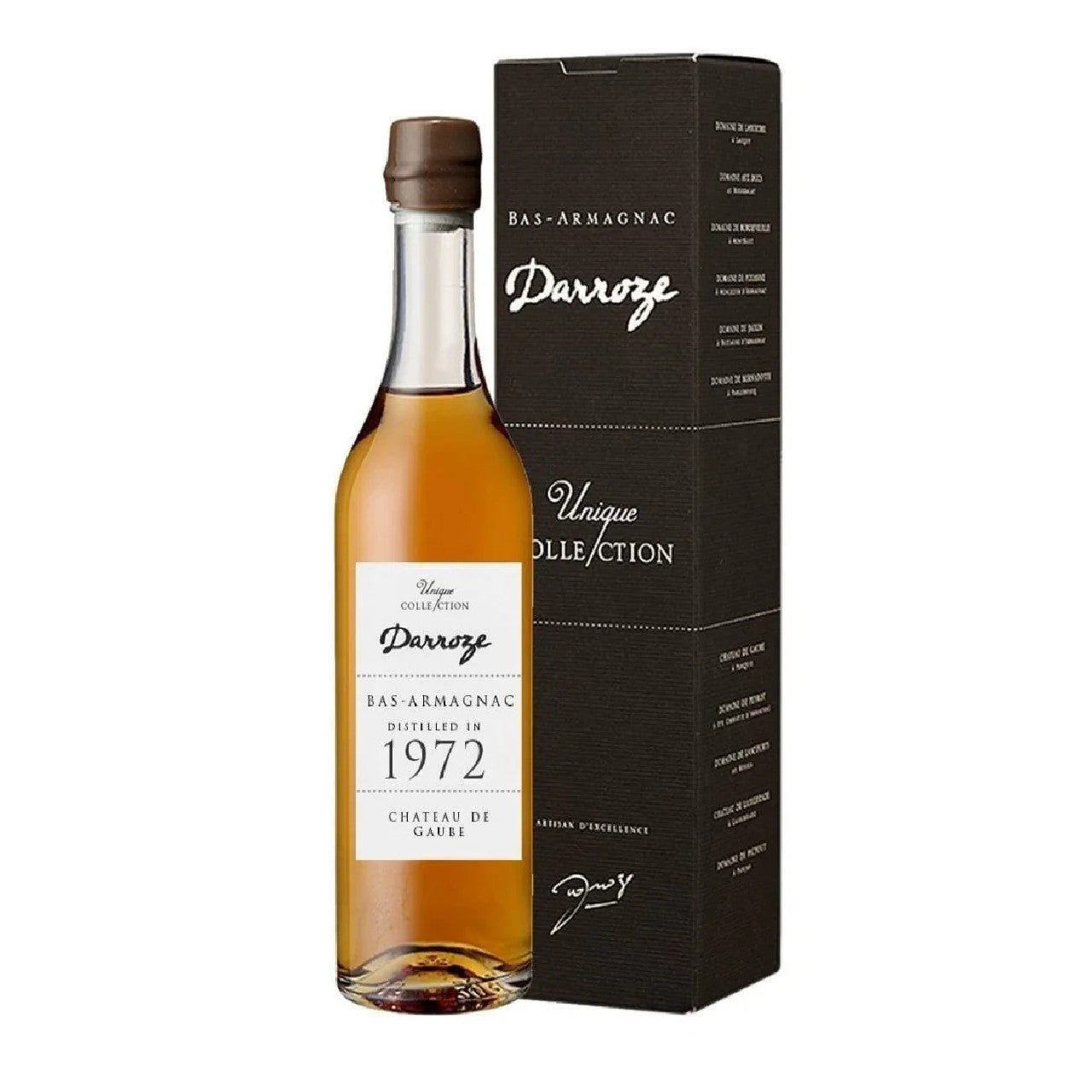
Darroze 1972 Gaube Grand Bas Armagnac 43.4% 200ml
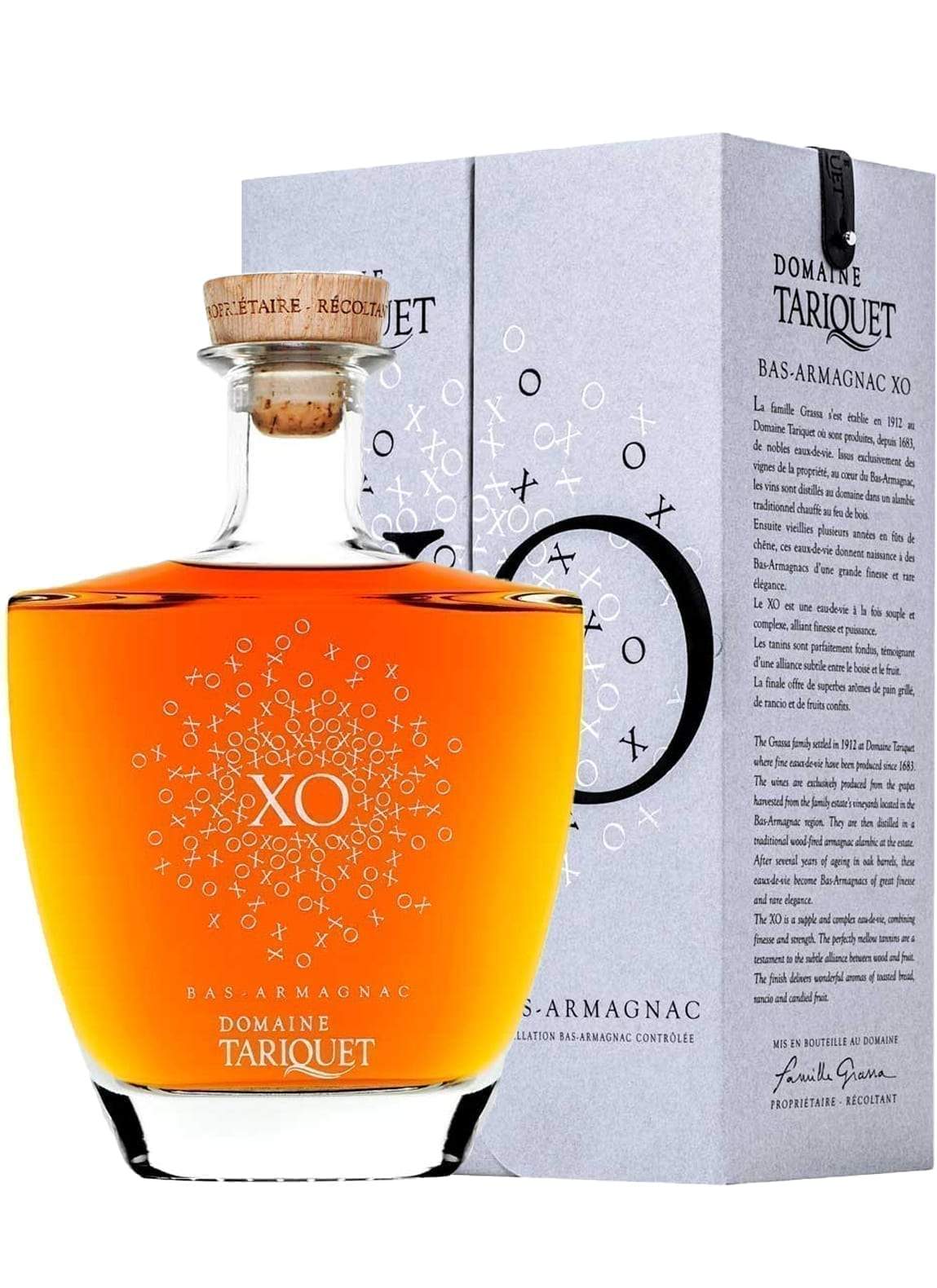
Domaine Tariquet Bas Armagnac XO 15 years Equilibre 40% 700ml
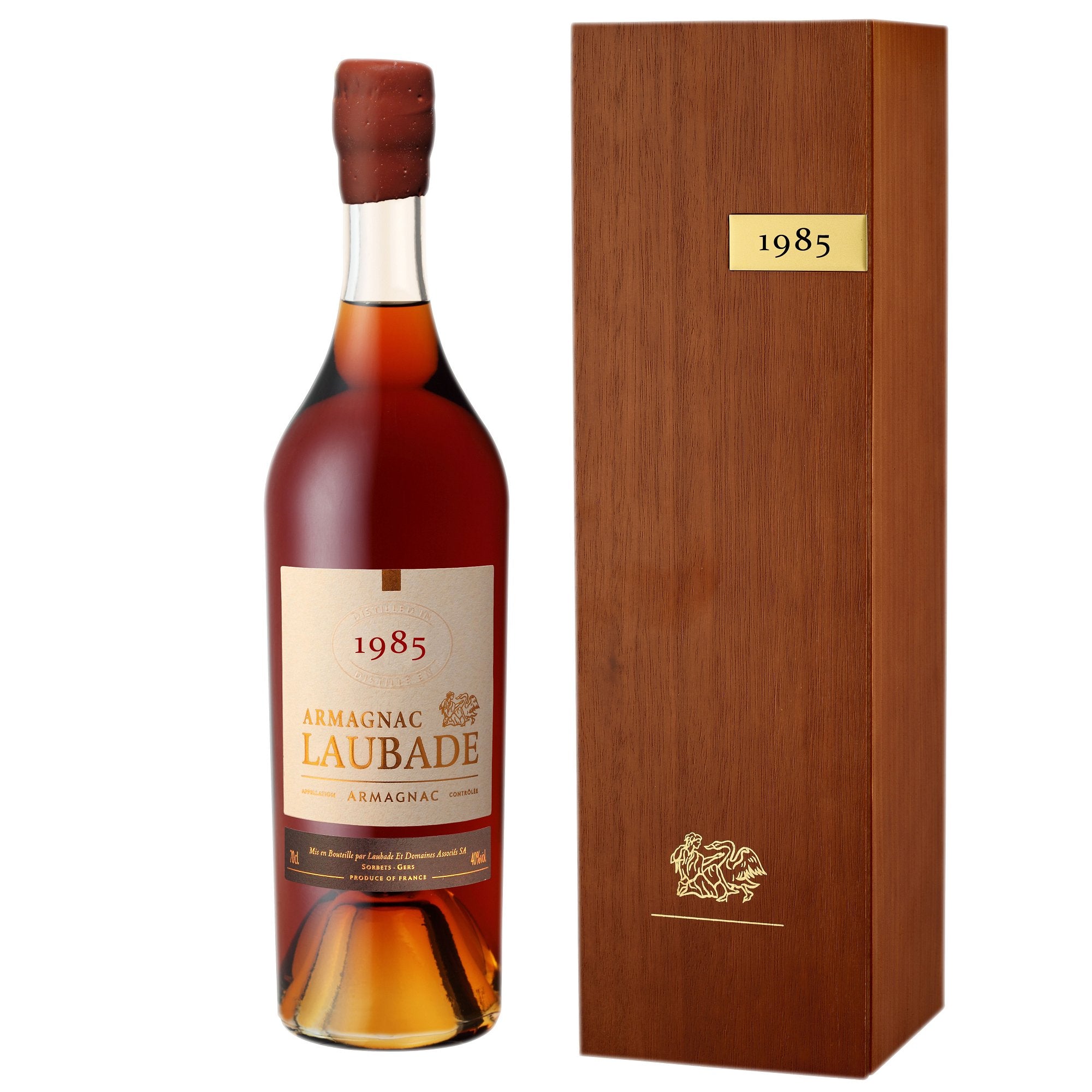
Chateau de Laubade Bas Armagnac Vintage 1985 40% 700ML
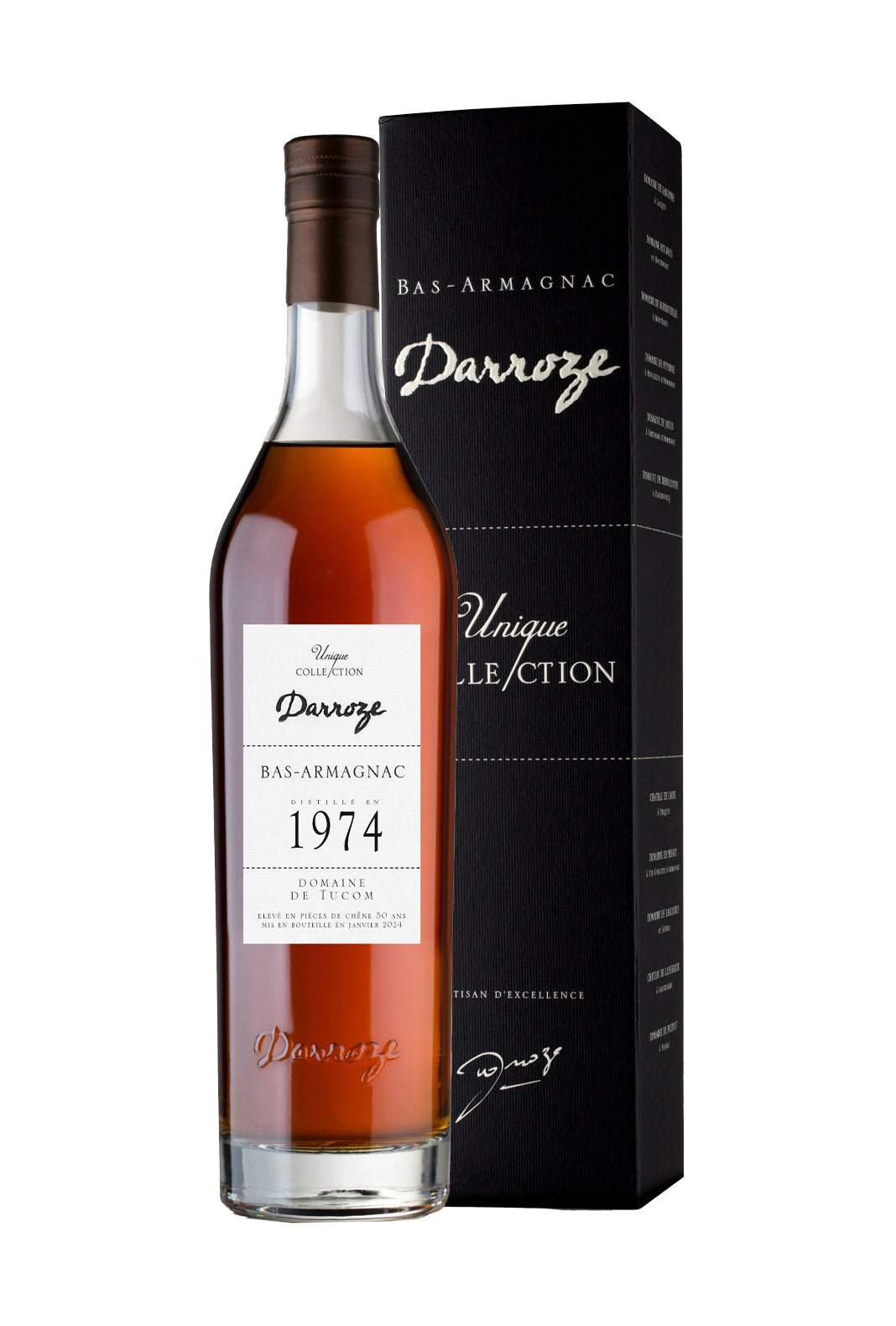
Darroze 1974 Tucom Grand Bas Armagnac 46% 700ml
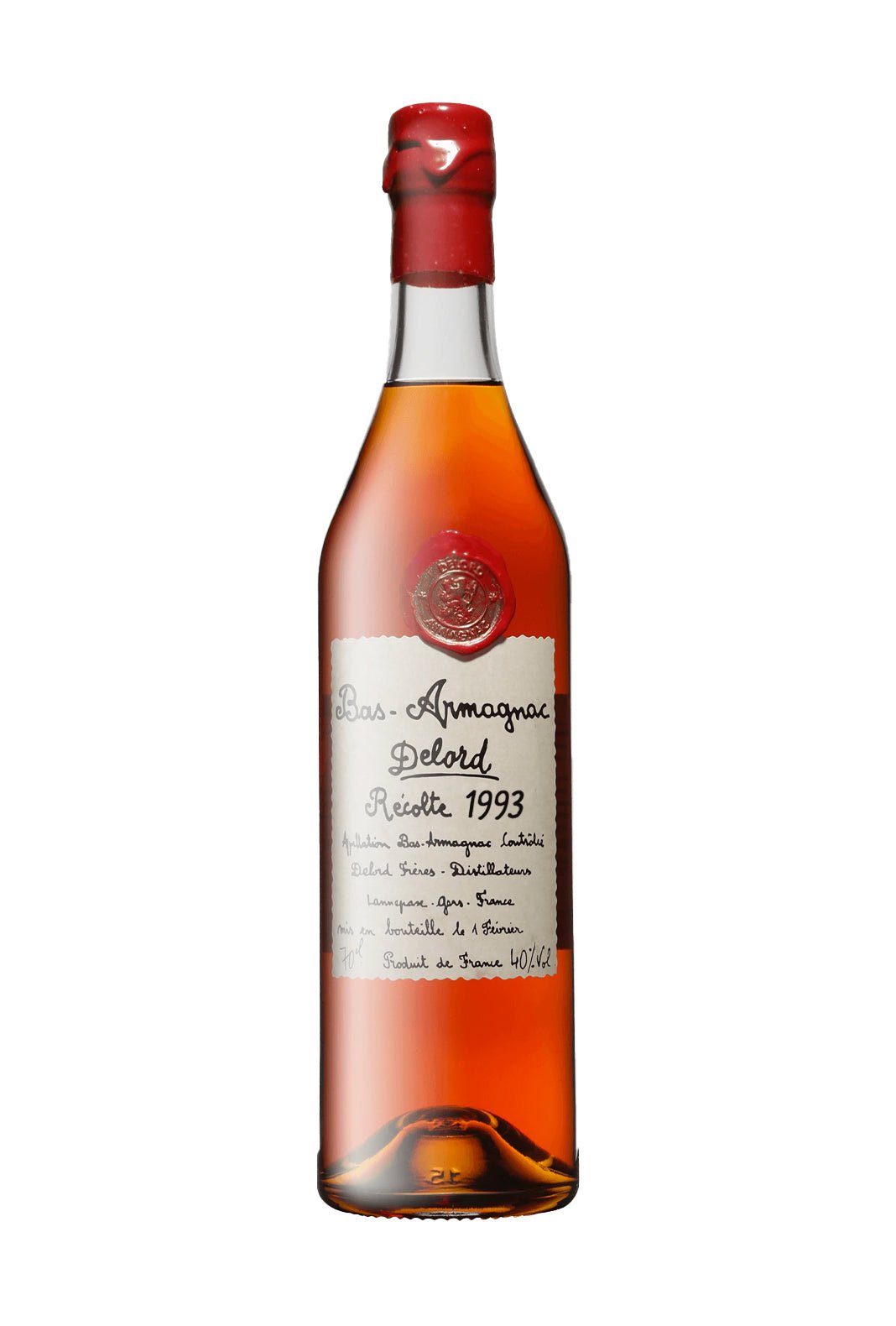
Delord Bas Armagnac 1993 40% 700ml
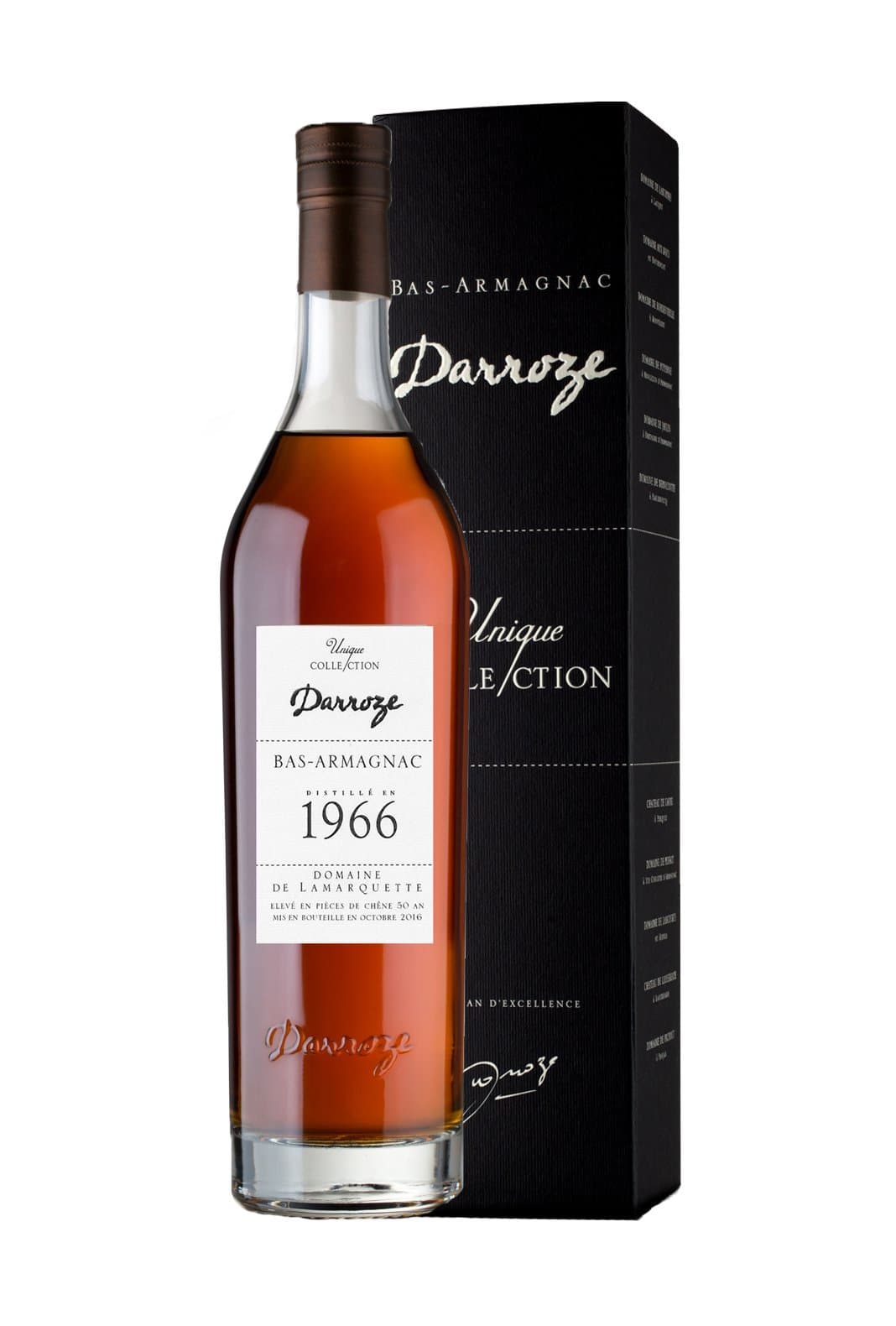
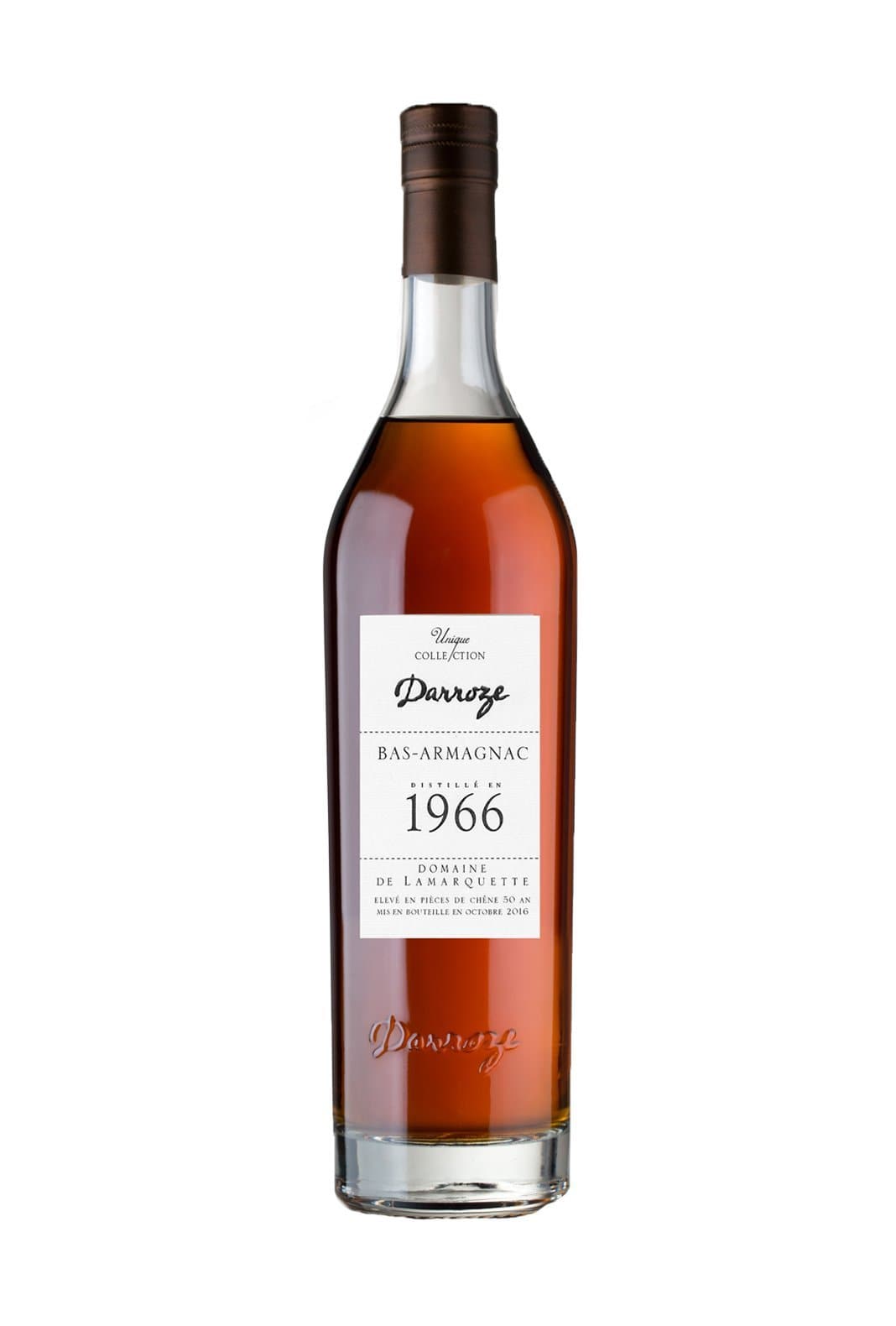
Darroze Bas Armagnac Chateau de Gaube 1966 45.10% 700ml
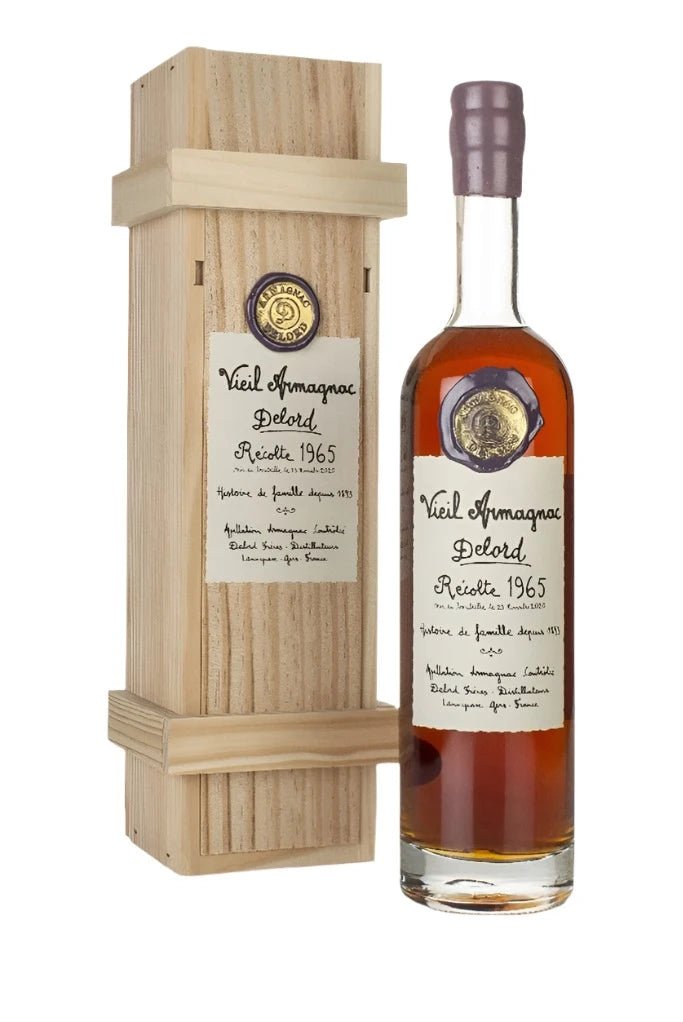
Delord 1965 Bas Armagnac 40% 700ml
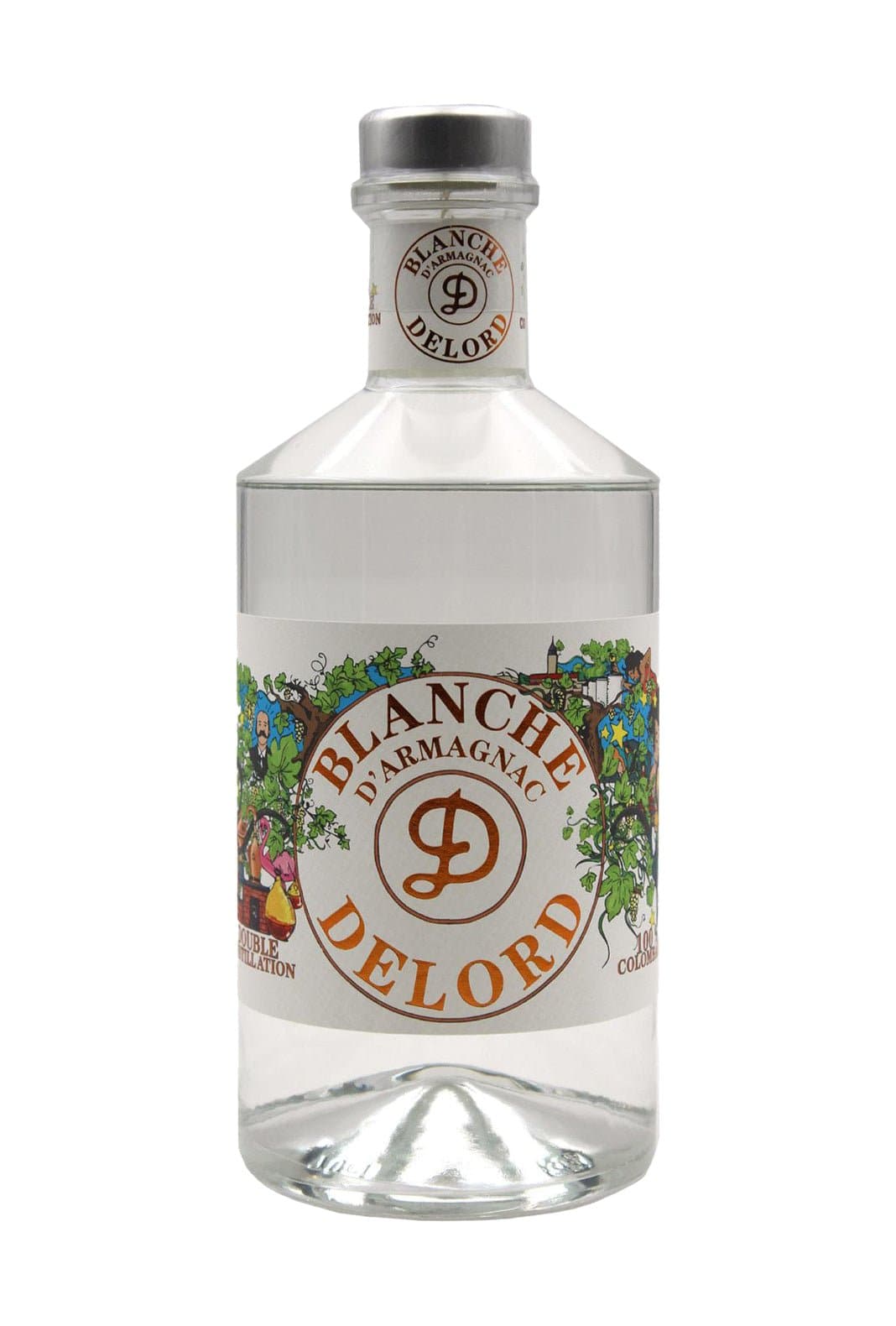
Delord Blanche d'Armagnac 42% 700ml
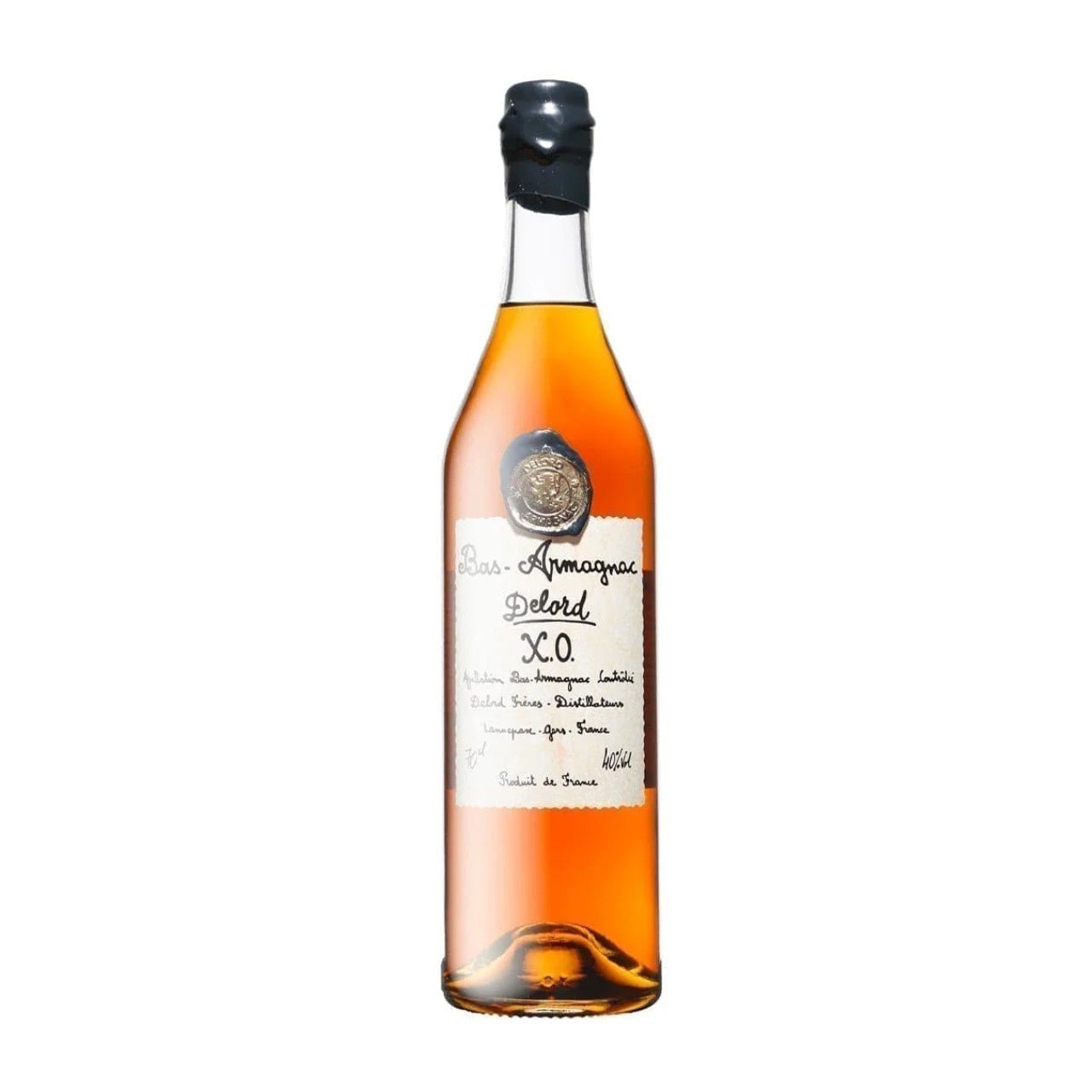
Delord XO 10 years Bas Armagnac 40% 200ml
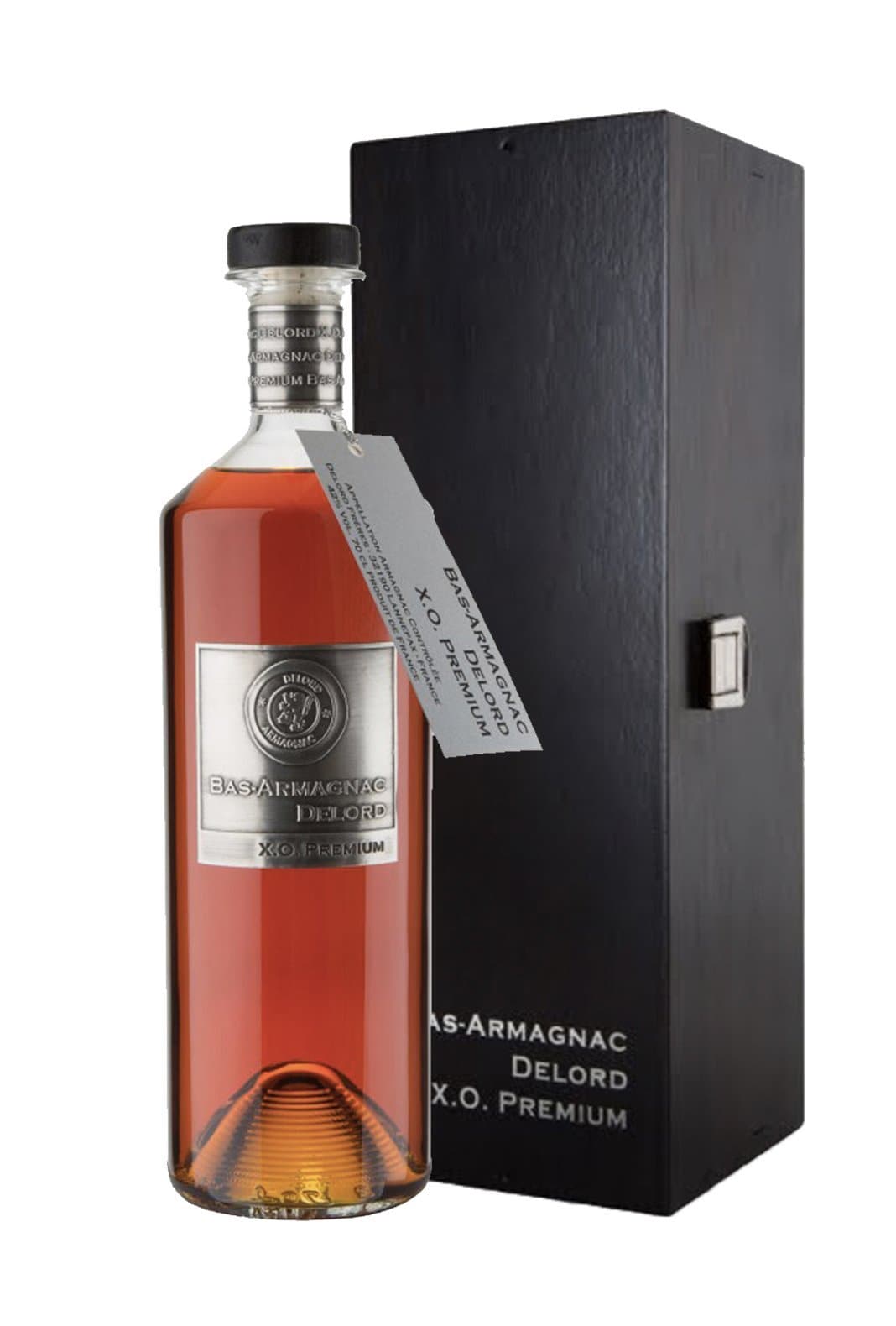
Delord Bas Armagnac XO Premium 25-40 years 42% 700ml
About Armagnac
Armagnac is the range this shop was built on, and it shows in the depth. Delord accounts for the largest single block: the XO 10 Year as the approachable entry point, the XO Premium blended from 25 to 40 year old stock, Blanche d'Armagnac unaged, and a run of single vintages that reaches back to 1962 and 1963. Francis Darroze sits at the collector end, bottling single estates rather than blends, so a Chateau de Gaube 1966 tastes of one property and one year rather than a house style.
Chateau de Laubade brings the Intemporel No.5 alongside vintages from 1983, 1985 and 1995. Domaine Tariquet contributes the XO 15 Year Equilibre and a Folle Blanche 15 Year at 46.8%, which is the bottle to reach for if you want the grape rather than the oak. Castarede and Comte de Lamaestre fill in older vintages.
The range runs from 50ml Delord vintages, worth buying purely to taste a 1985 without committing, through to the rarest Darroze single estates. If you are shopping for a birth year, the vintage pages are organised by year rather than by producer.
Choosing a birth year bottle takes more than matching the number on the label, and our guide to birth year spirits sets out what to check first.
History
Armagnac is the older of France's two great brandies, with records of distillation in Gascony dating from the early 1300s, roughly two and a half centuries before Cognac was being made commercially. It has stayed smaller and more agricultural ever since. Most Armagnac still comes from family estates that grow their own grapes, distil their own wine and bottle under their own name, which is why single vintages are common here and rare elsewhere.
The region divides into three appellations. Bas Armagnac, on sandy soils in the west, produces the most prized spirit and accounts for most of what is bottled for export. Tenareze sits to the east and gives a firmer, more structured style. Haut Armagnac is the smallest.
Four grapes dominate: Ugni Blanc, Folle Blanche, Baco and Colombard. The defining technical difference from Cognac is the still. Armagnac is traditionally distilled once, in a continuous column still called the alambic armagnacais, at a lower strength. Less alcohol is stripped out, so more of the grape and more texture survives into the barrel. That single distillation is the reason Armagnac tastes rounder and fruitier than Cognac at the same age.
The two French brandies are constantly confused, so our Armagnac versus Cognac comparison sets out the real differences, and the history of the category goes back further still.
How to drink it
Serve Armagnac in a tulip glass rather than a balloon. A wide bowl looks the part but pushes alcohol vapour straight at your nose and flattens the fruit. Pour a small measure, leave it for a few minutes and let the prune, dried apricot and toasted oak open up before the first sip. No ice, no water, unless it is a cask strength bottling above 48% where a few drops will genuinely help.
Room temperature in a Melbourne winter is about right. In summer, do not be afraid to bring it down a couple of degrees.
Younger Armagnac, anything in the VS to VSOP range or a Blanche, works well in cocktails. Swap it for Cognac in a Sidecar or a Vieux Carre and you get more grape character and a drier finish. The Blanche d'Armagnac is unaged and behaves like a fruit-driven eau de vie, so it holds up in a highball with tonic and a slice of orange.
Older vintages are for sipping, ideally after a meal with something simple alongside. Dark chocolate, a hard sheep's cheese, or nothing at all.