
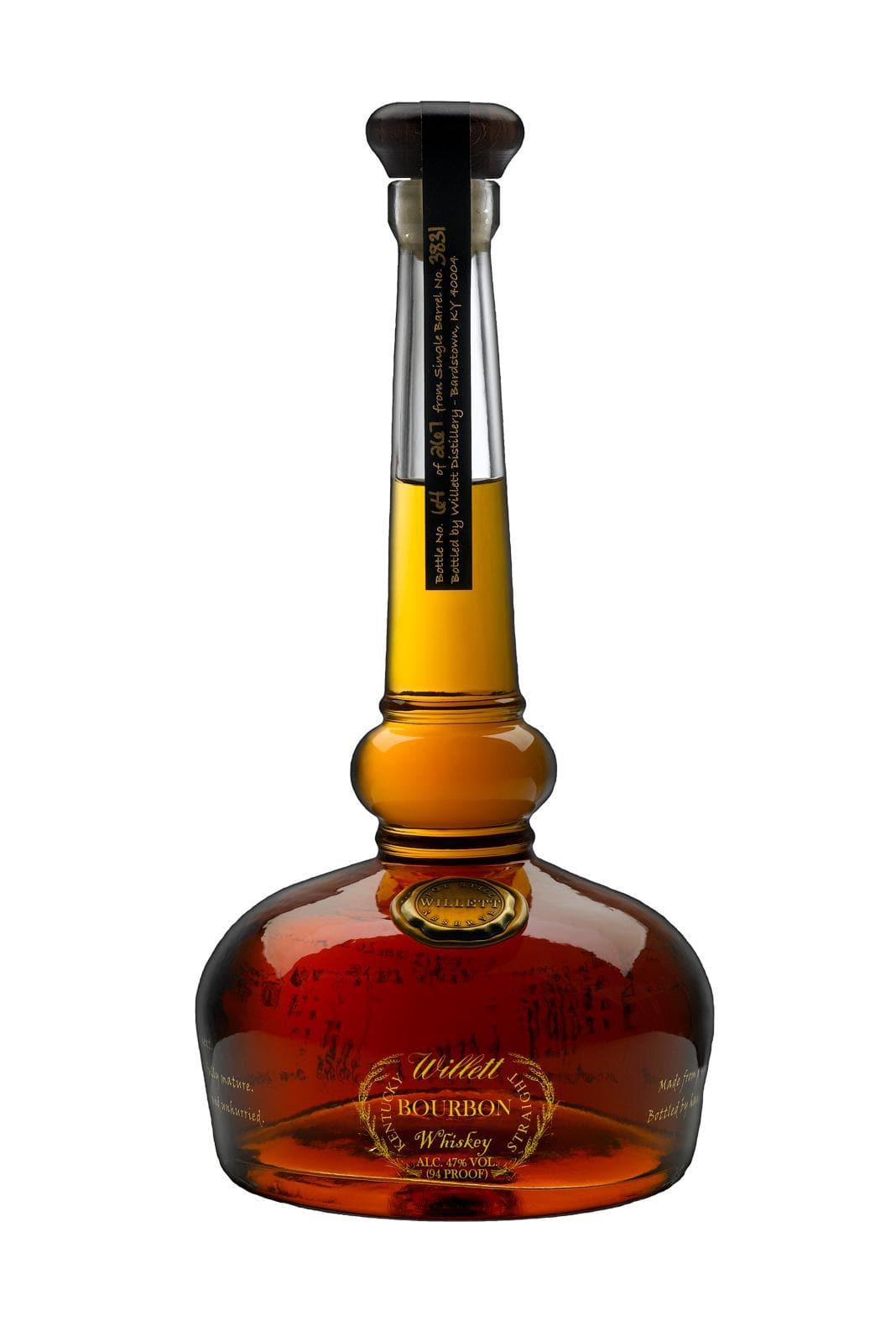
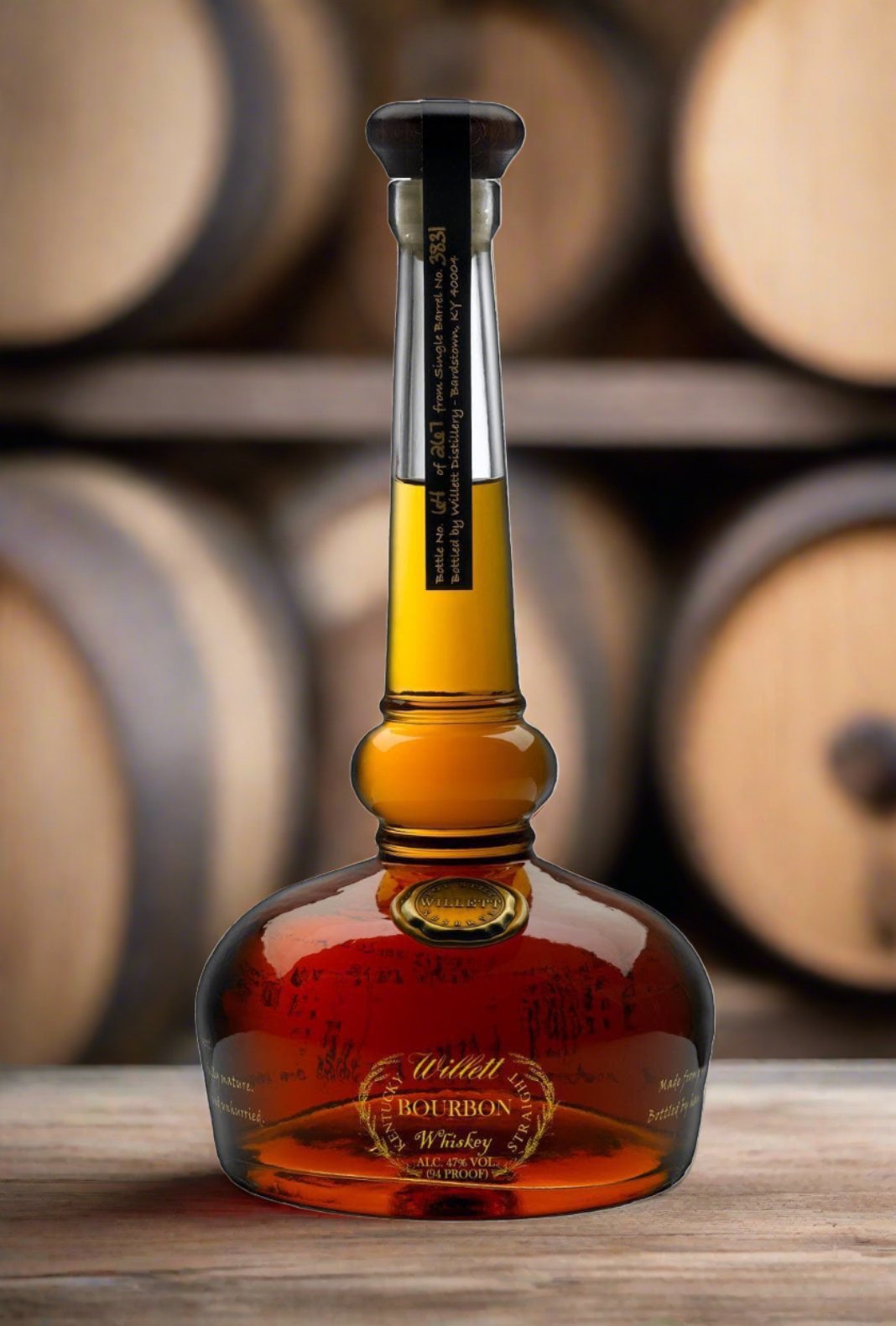
Willett Family Kentucky Straight Bourbon Whiskey Pot Still Reserve 47% 750ml
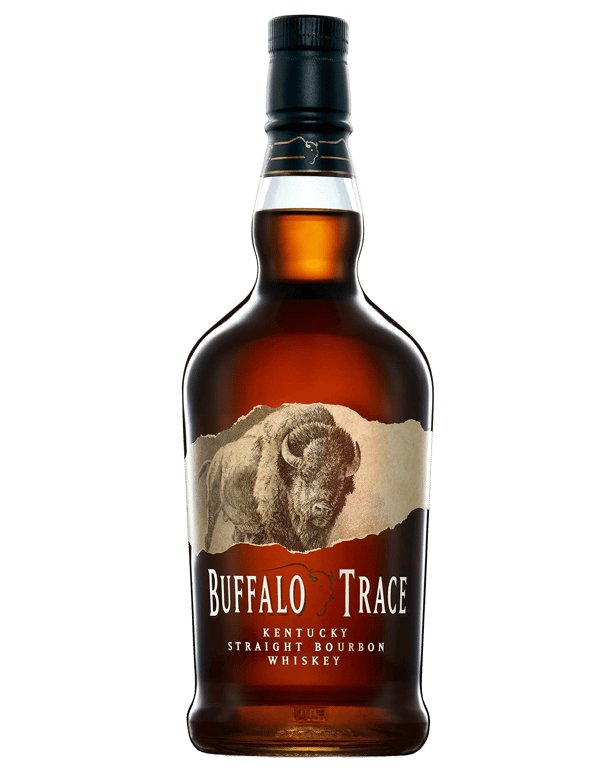
BUFFALO TRACE BOURBON 700ML 40%
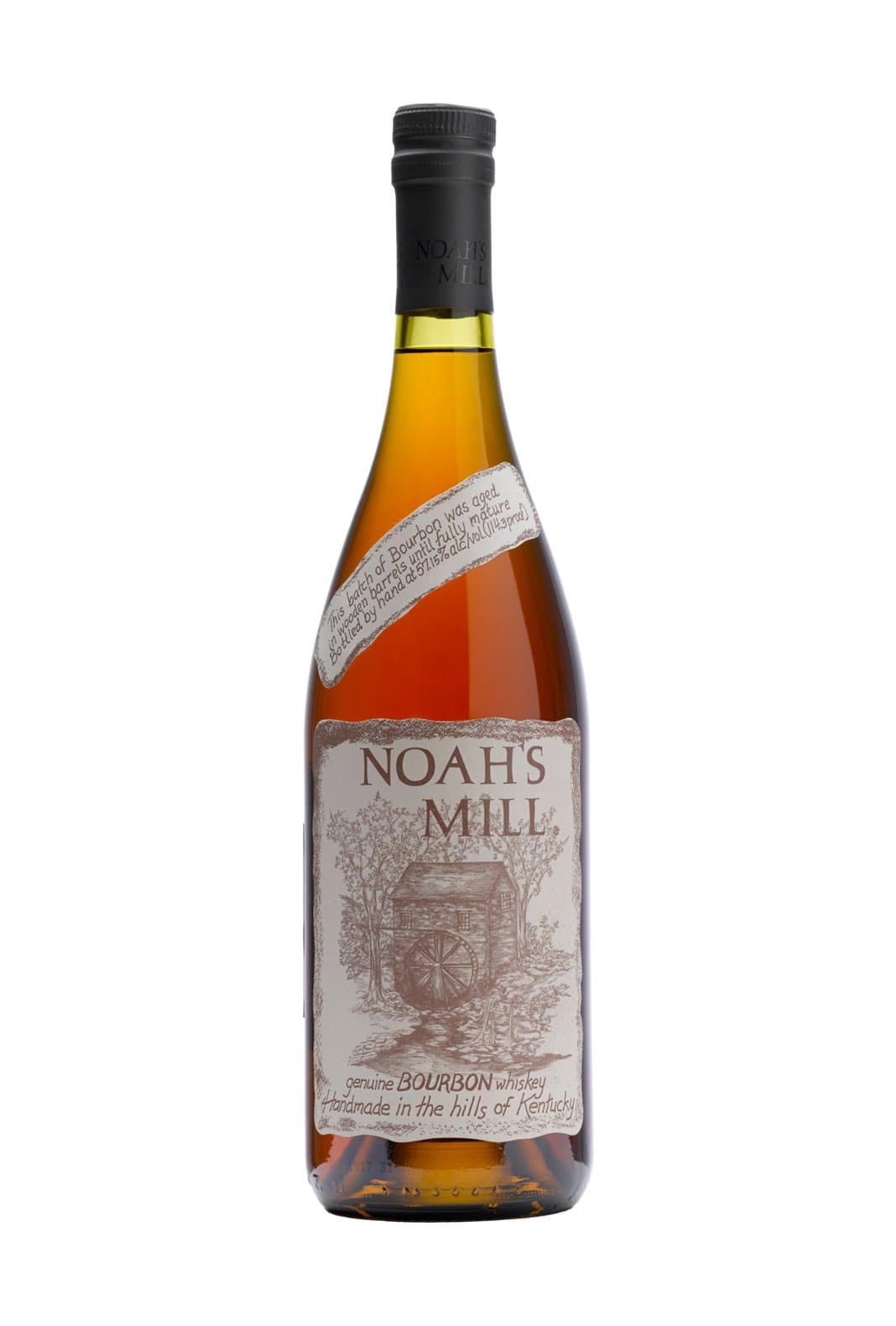
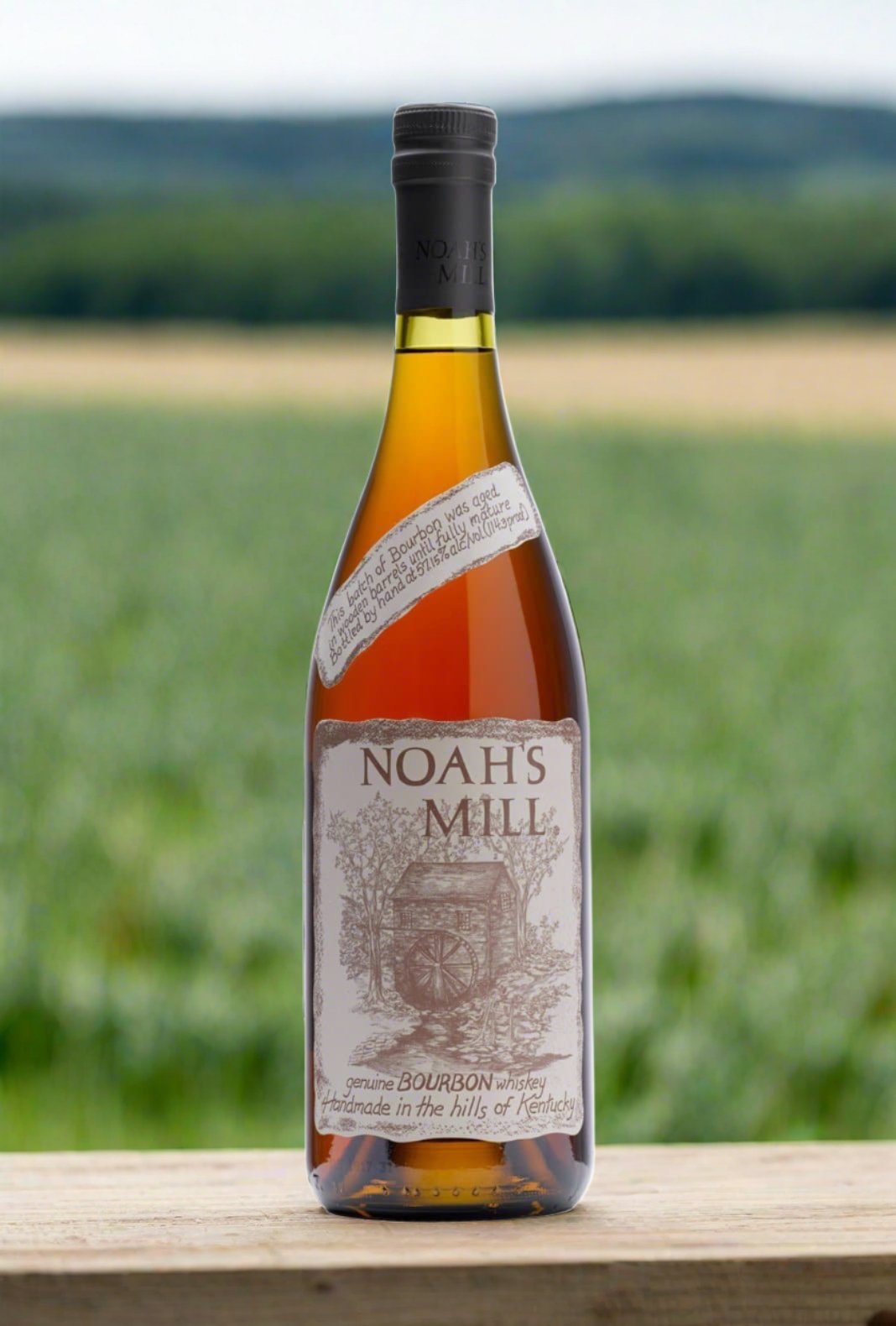
Noah's Mill Bourbon 57.15% 750ml
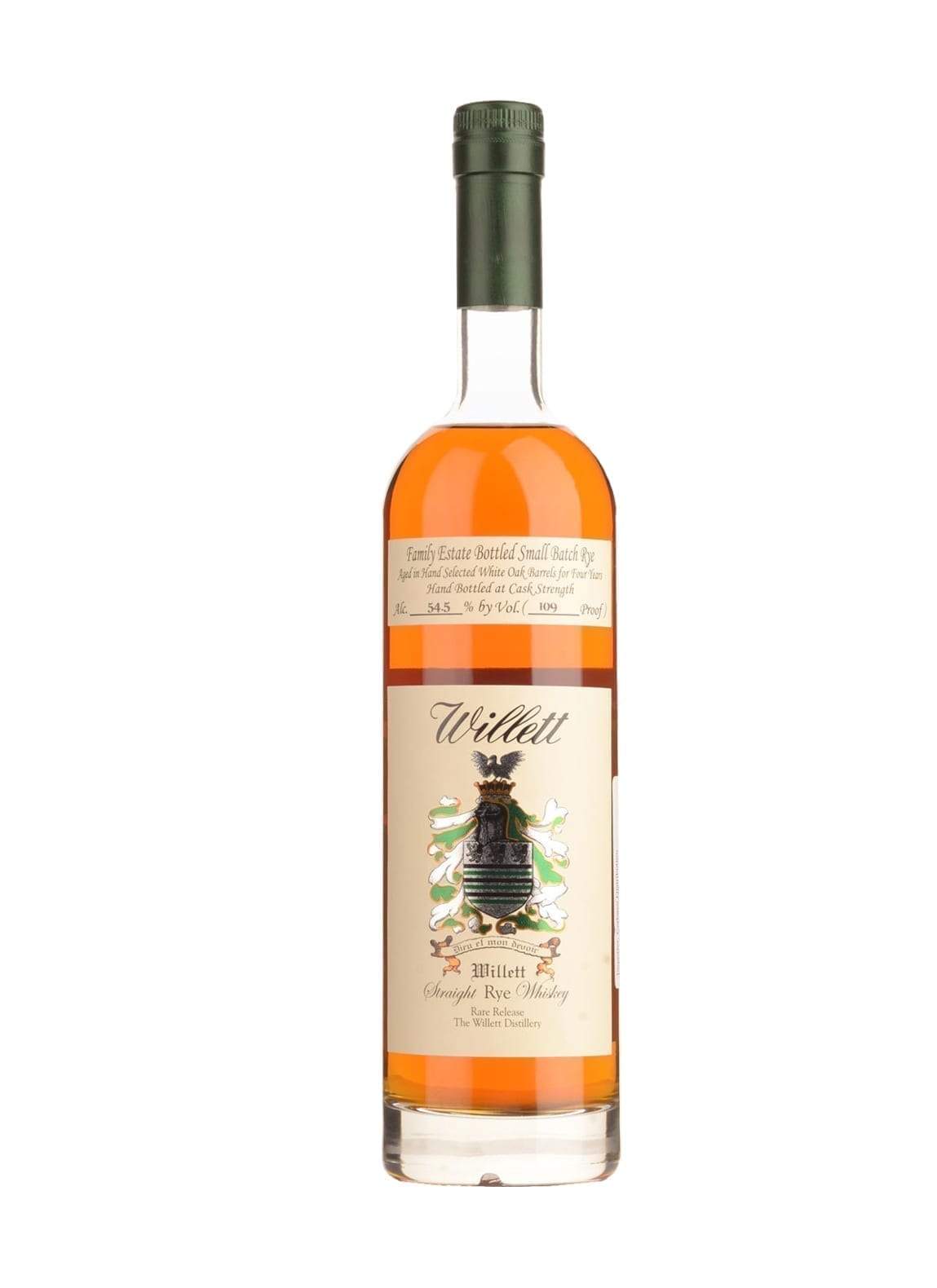
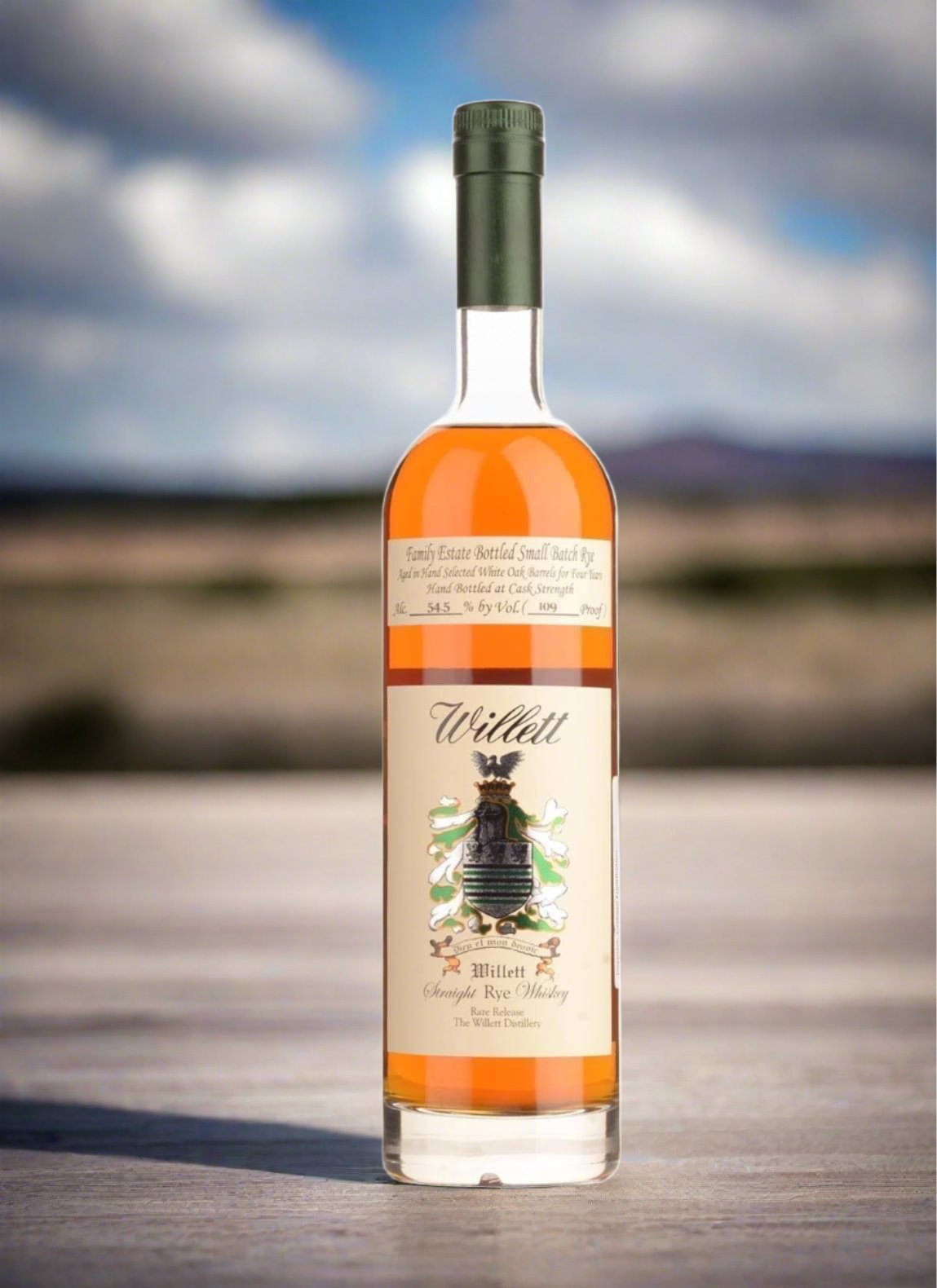
Willett Family Rye Whiskey 4 years Small Batch 54.5% 750ml
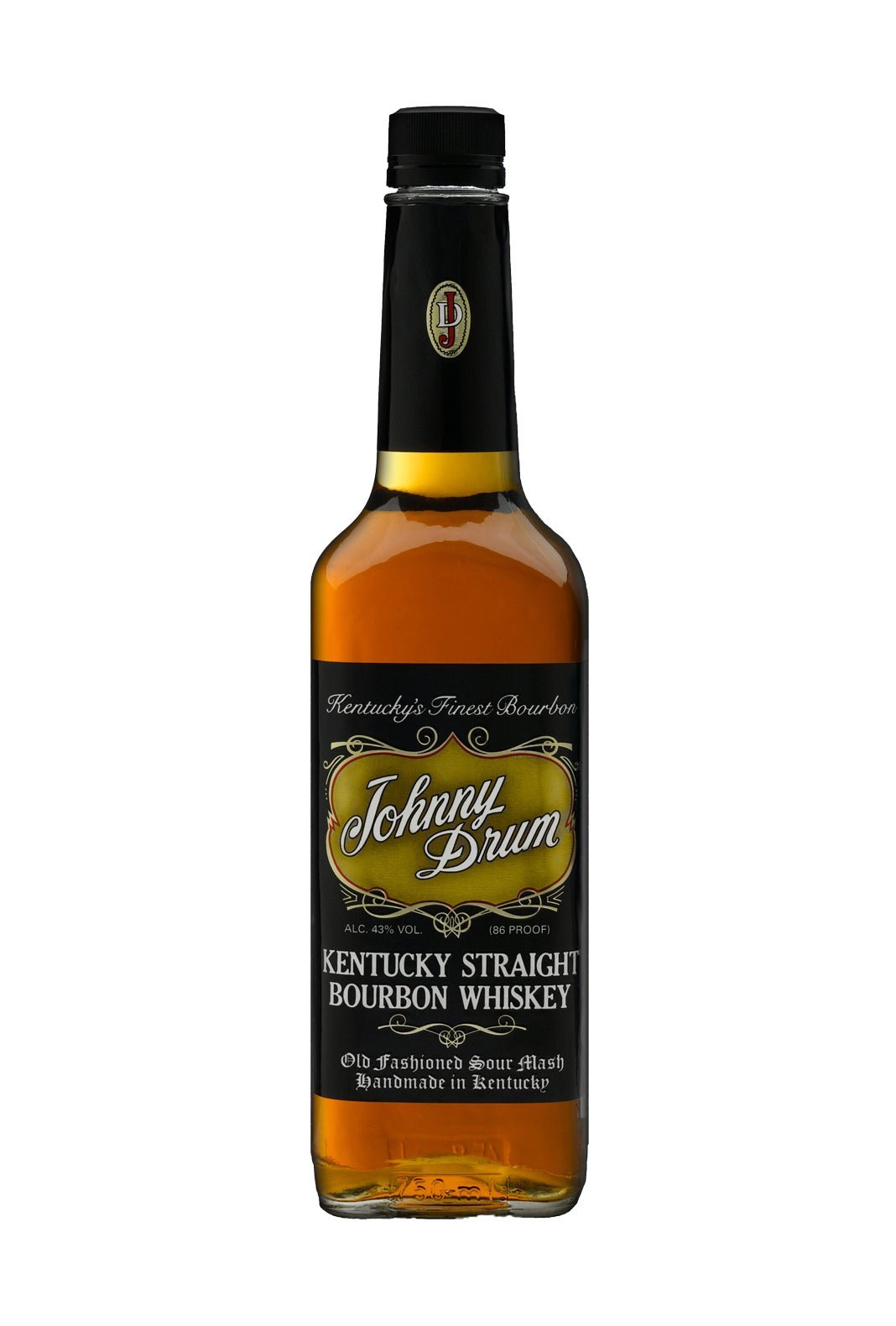
Willett Johnny Drum Black Label Bourbon 43% 750ml
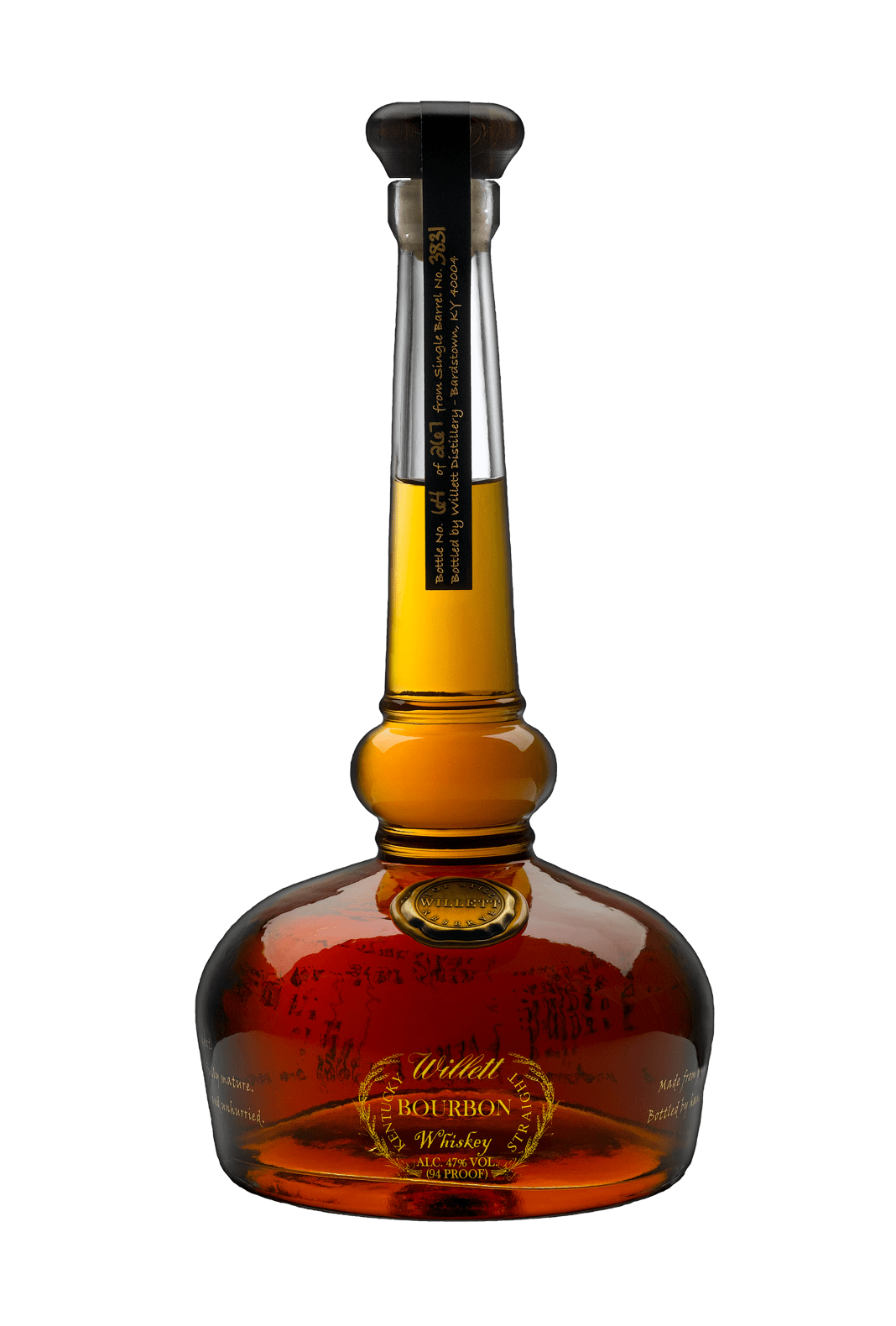
Willett Bourbon Pot Still Reserve 47% 1.75L
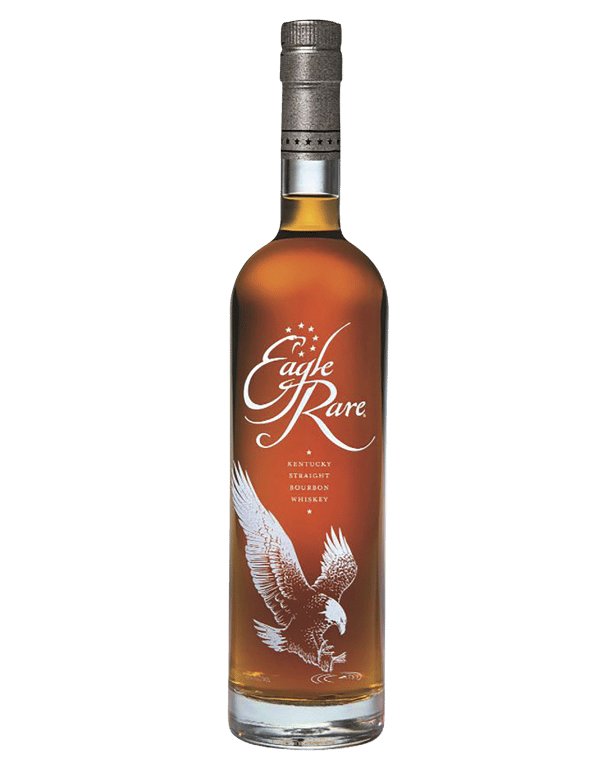
EAGLE RARE 10 YEAR Whisky 700ML
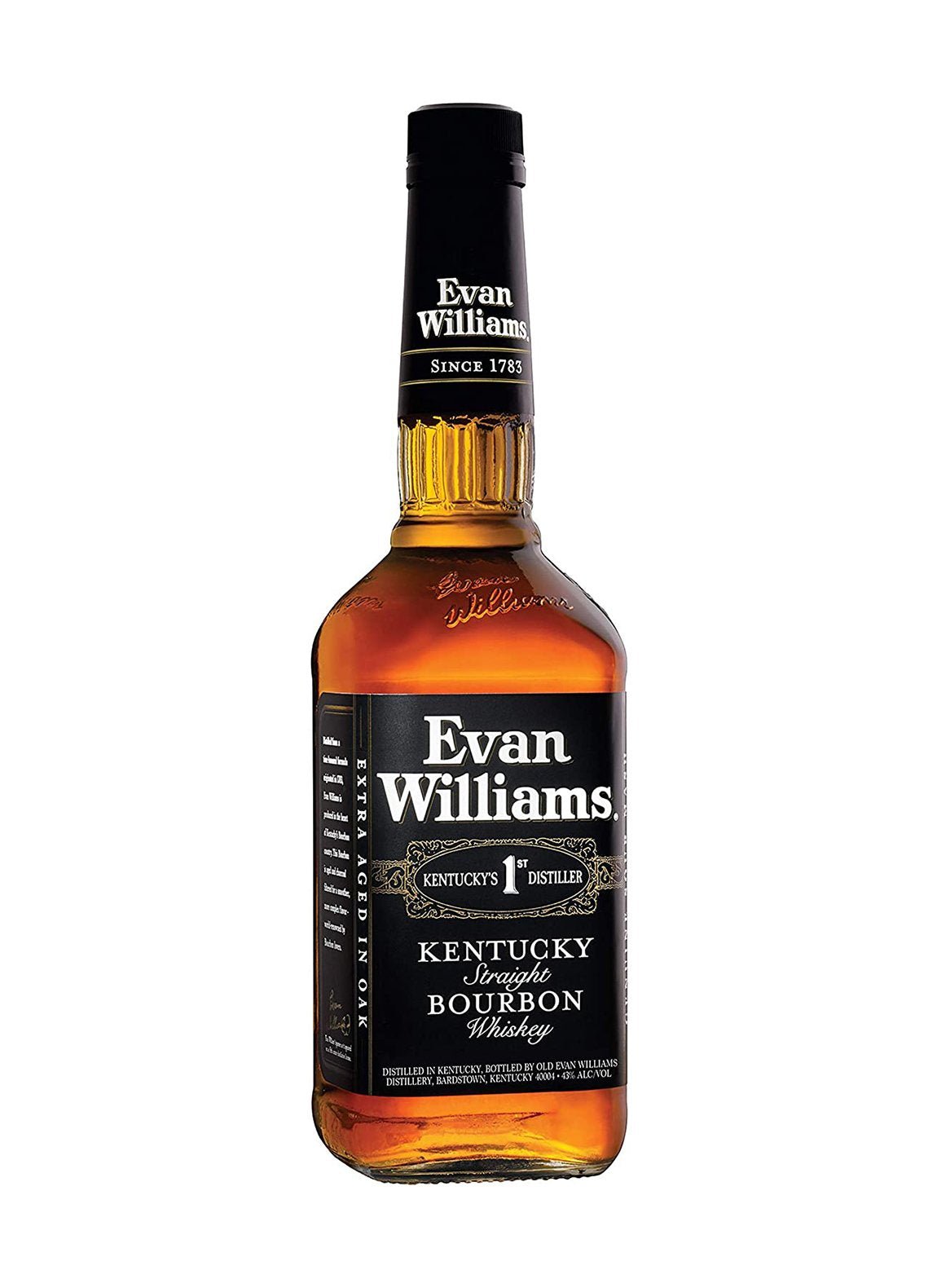
Evan Williams Black Label 700
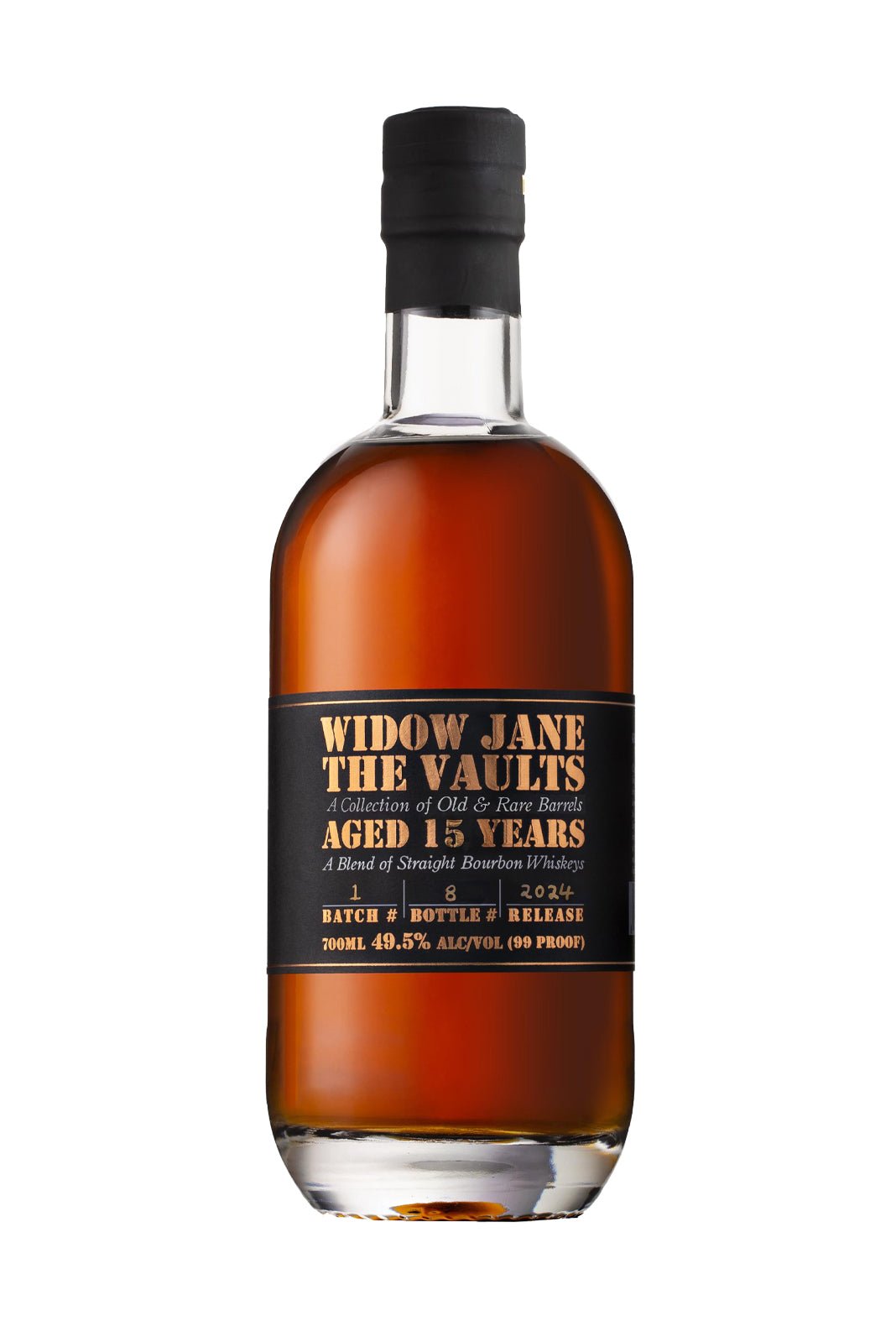
Widow Jane Bourbon Vault 15 yrs Whisky 49.5% 700ml
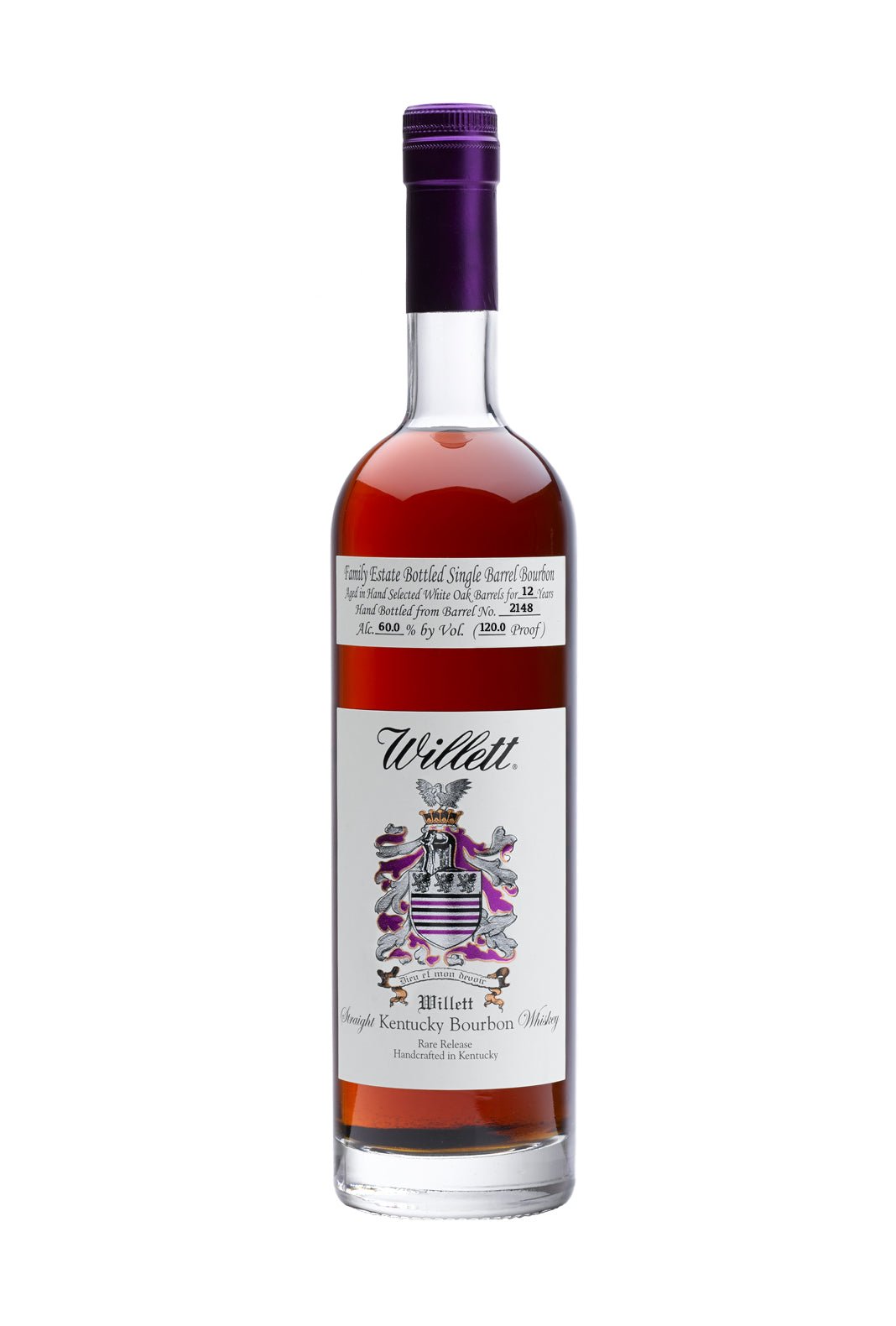
Willett 12 Year Bourbon Special Edition 60% 750ml
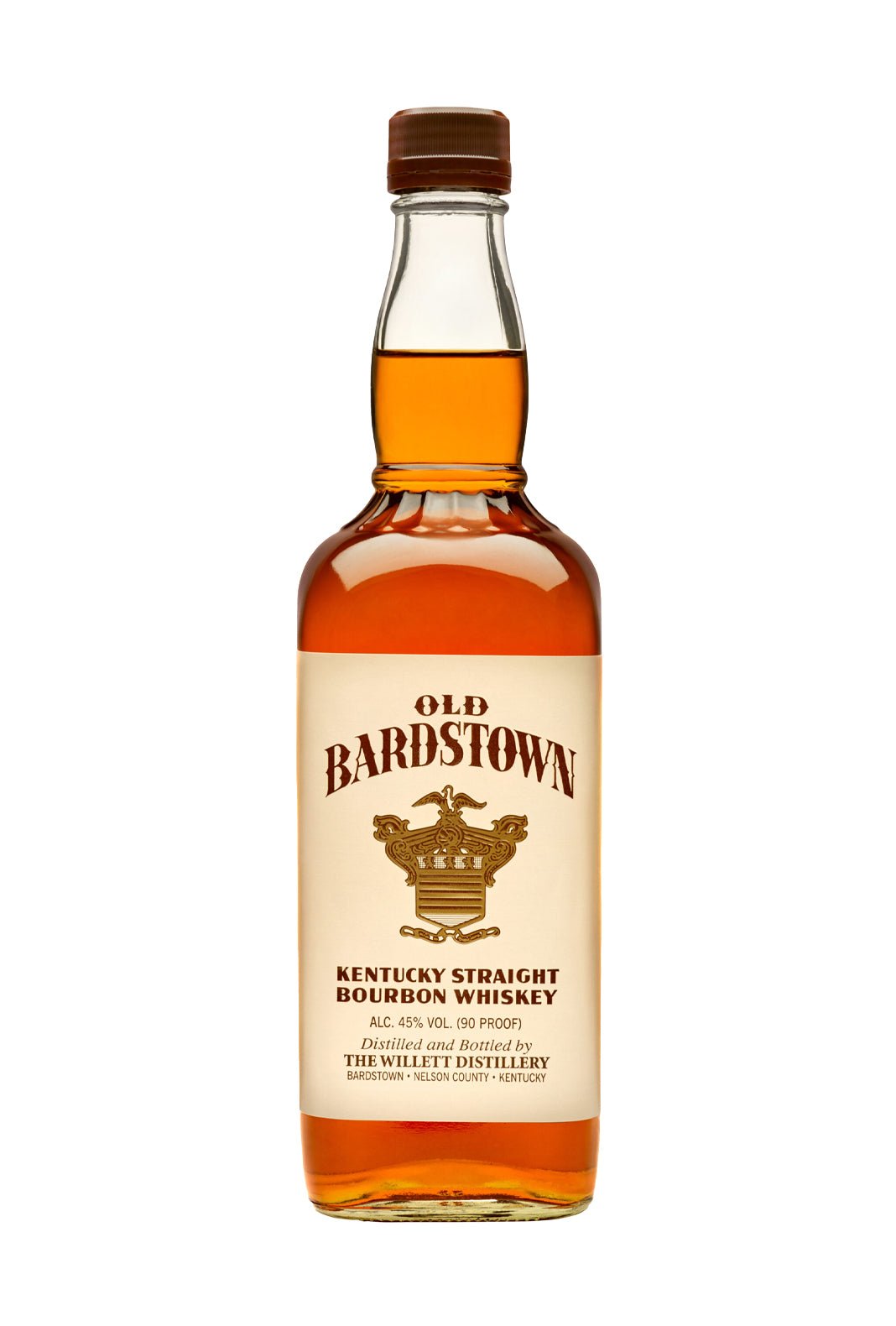
Willett Old Bardstown 45% 750ml
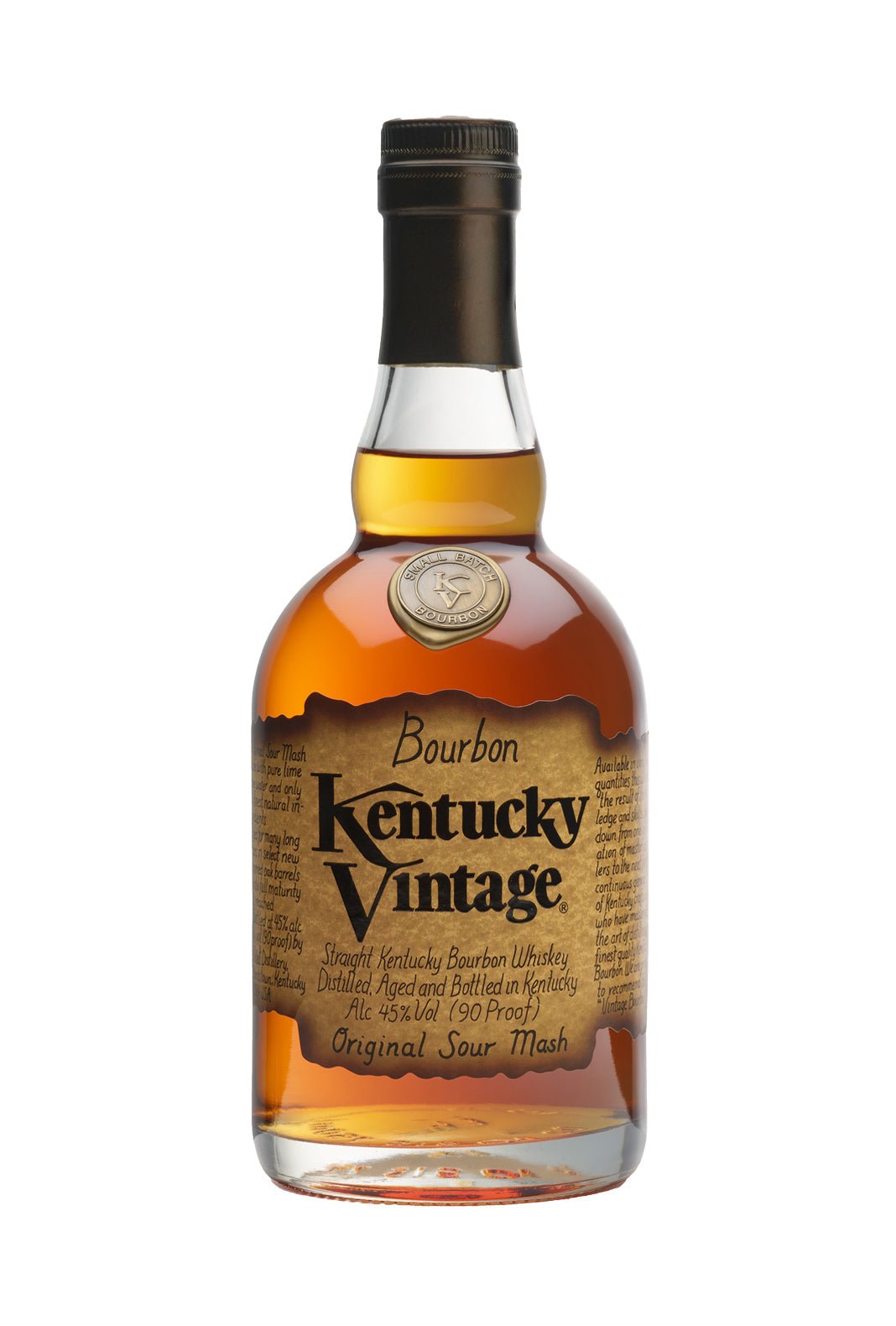
Willett Kentucky Vintage Bourbon 45% 750ml
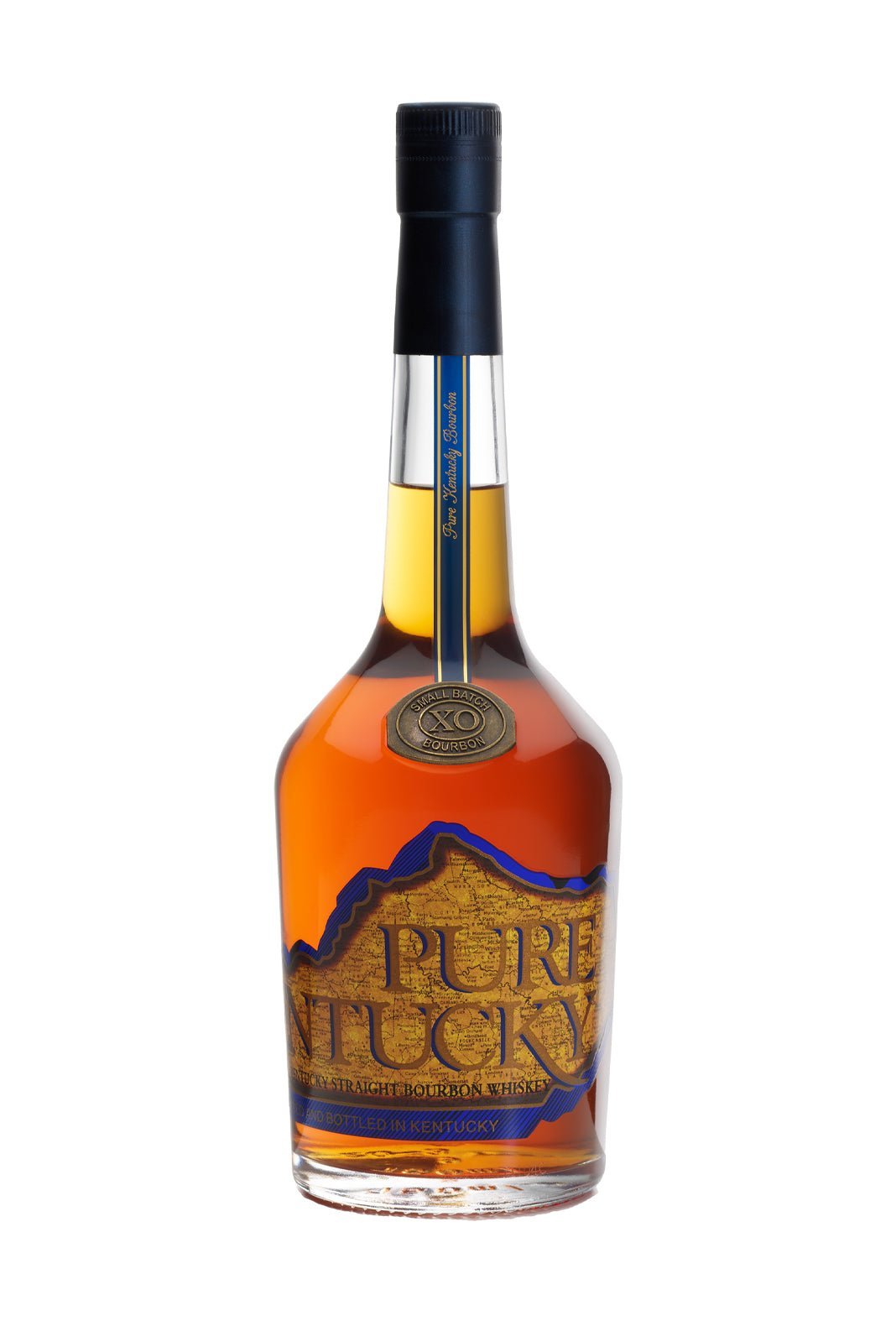
Willett Pure Kentucky Bourbon 53.5% 750ml
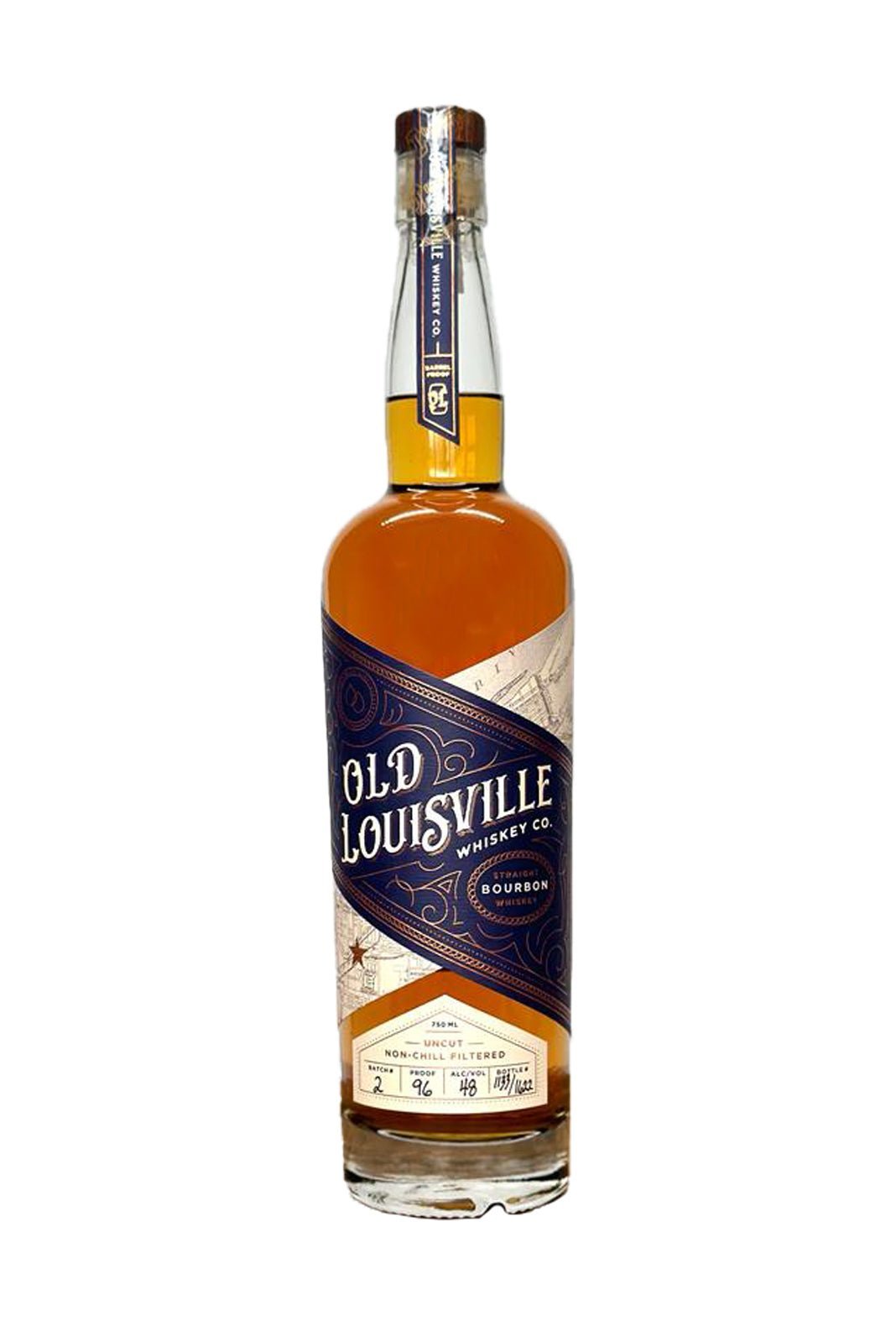
Old Louisville Bourbon Batch 2 48% 750ml
Canberra distillery Bourbon Cask Whisky 500ml
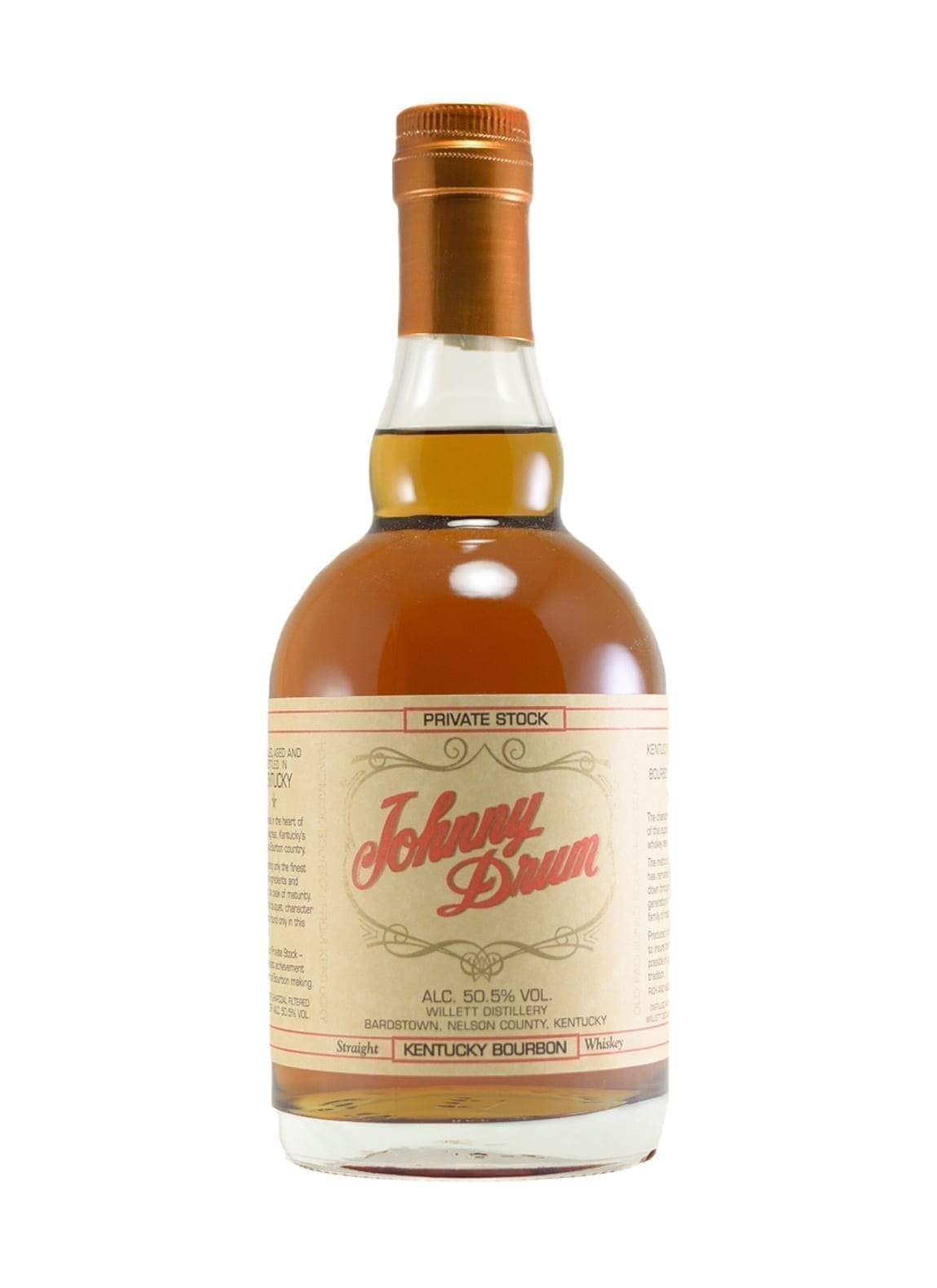
Johnny Drum Private Stock Bourbon 50.5% 750ml
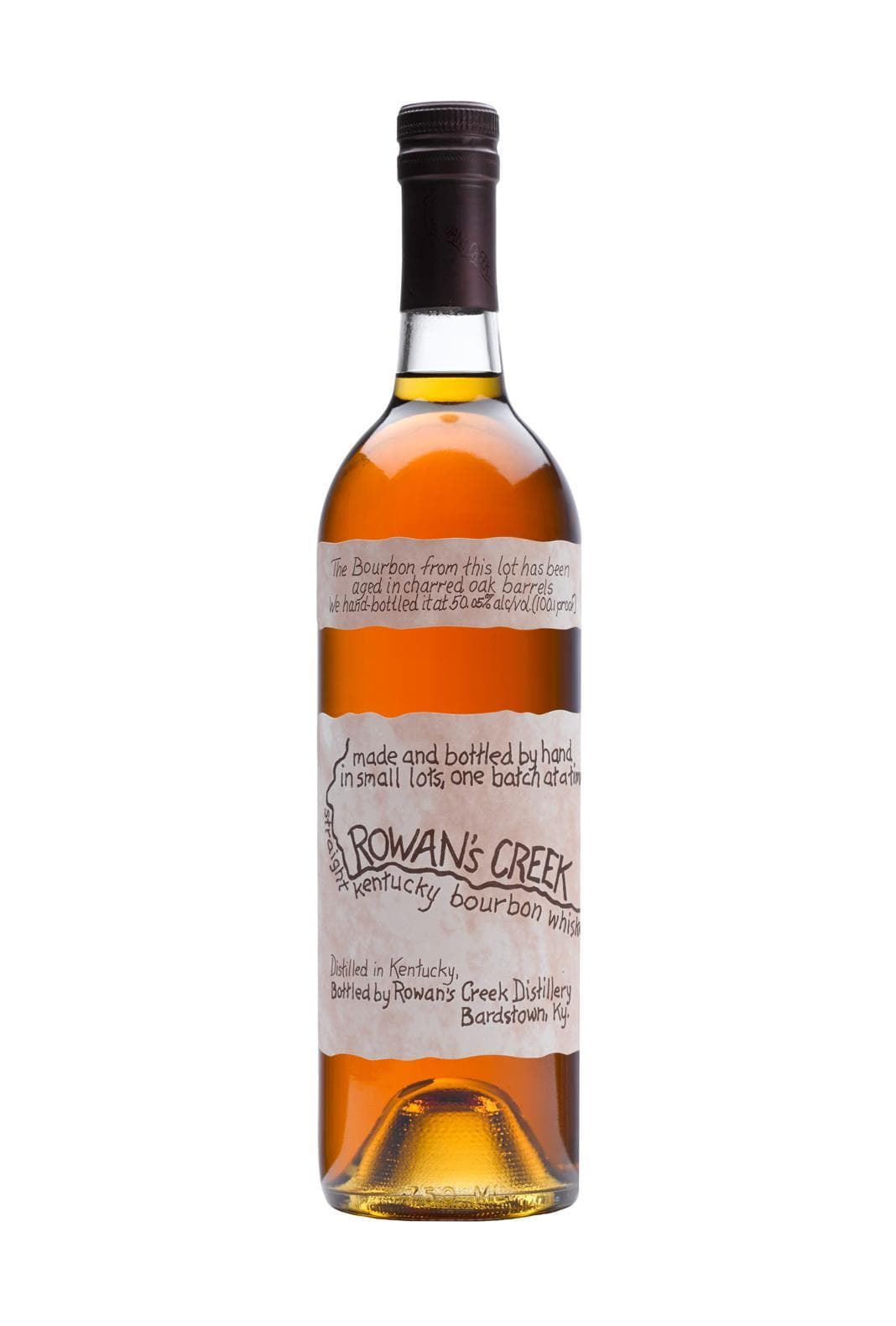
Rowans Creek Bourbon 50.05% 750ml
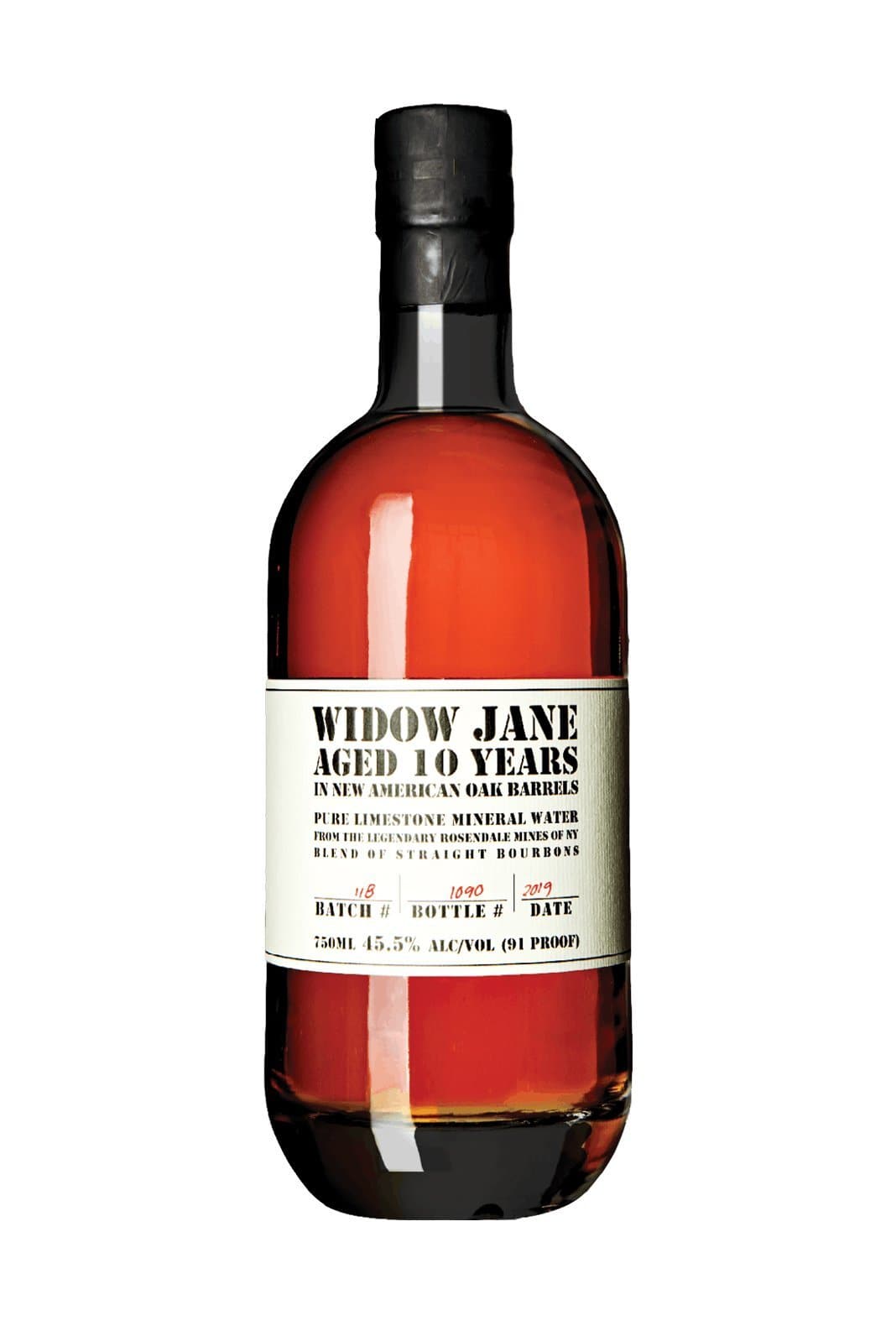
Widow Jane Bourbon 10 years 45.5% 700ml

Elijah Craig Small Batch Bourb
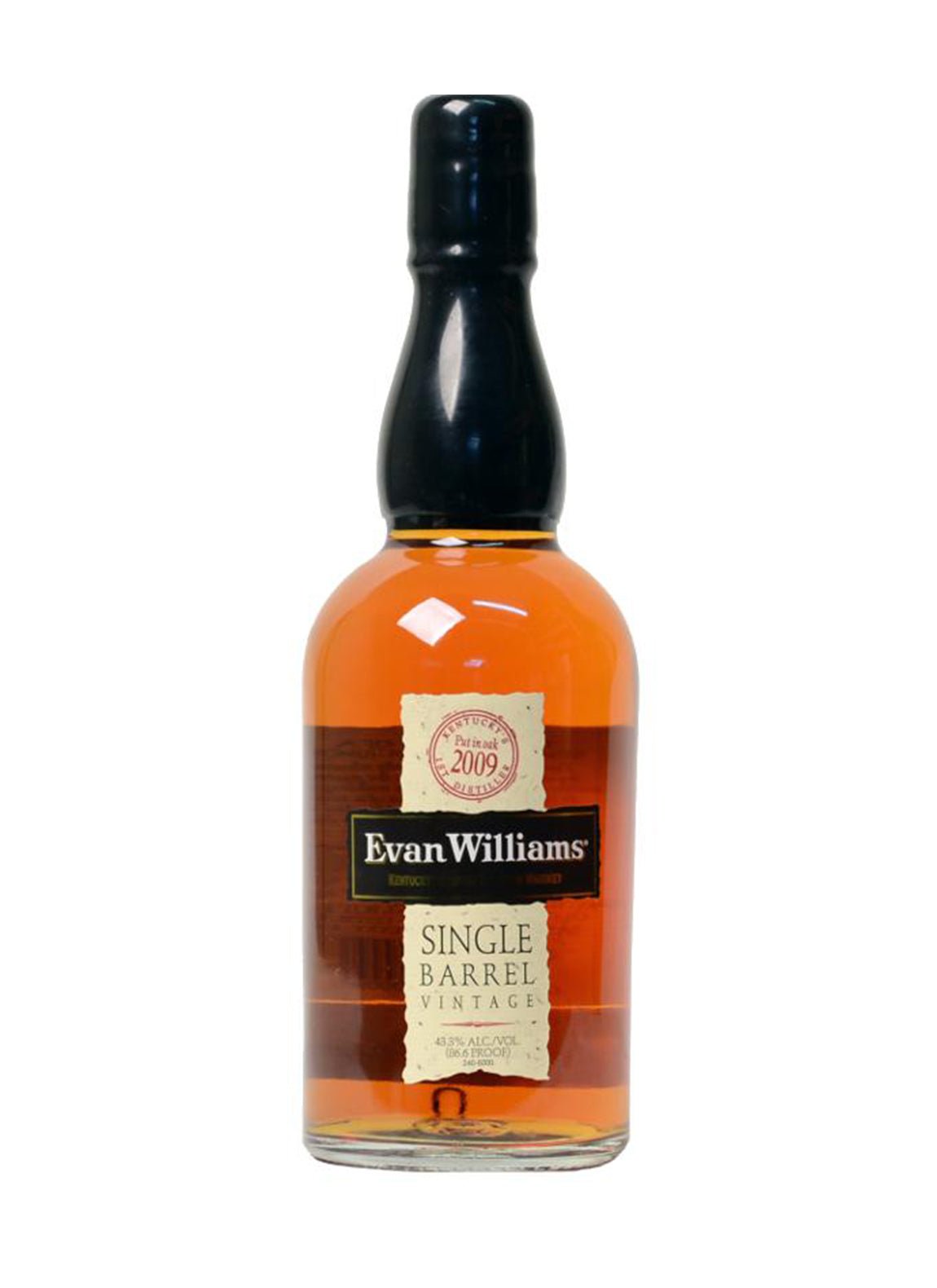
Evan Williams Sgle Barrel 700m
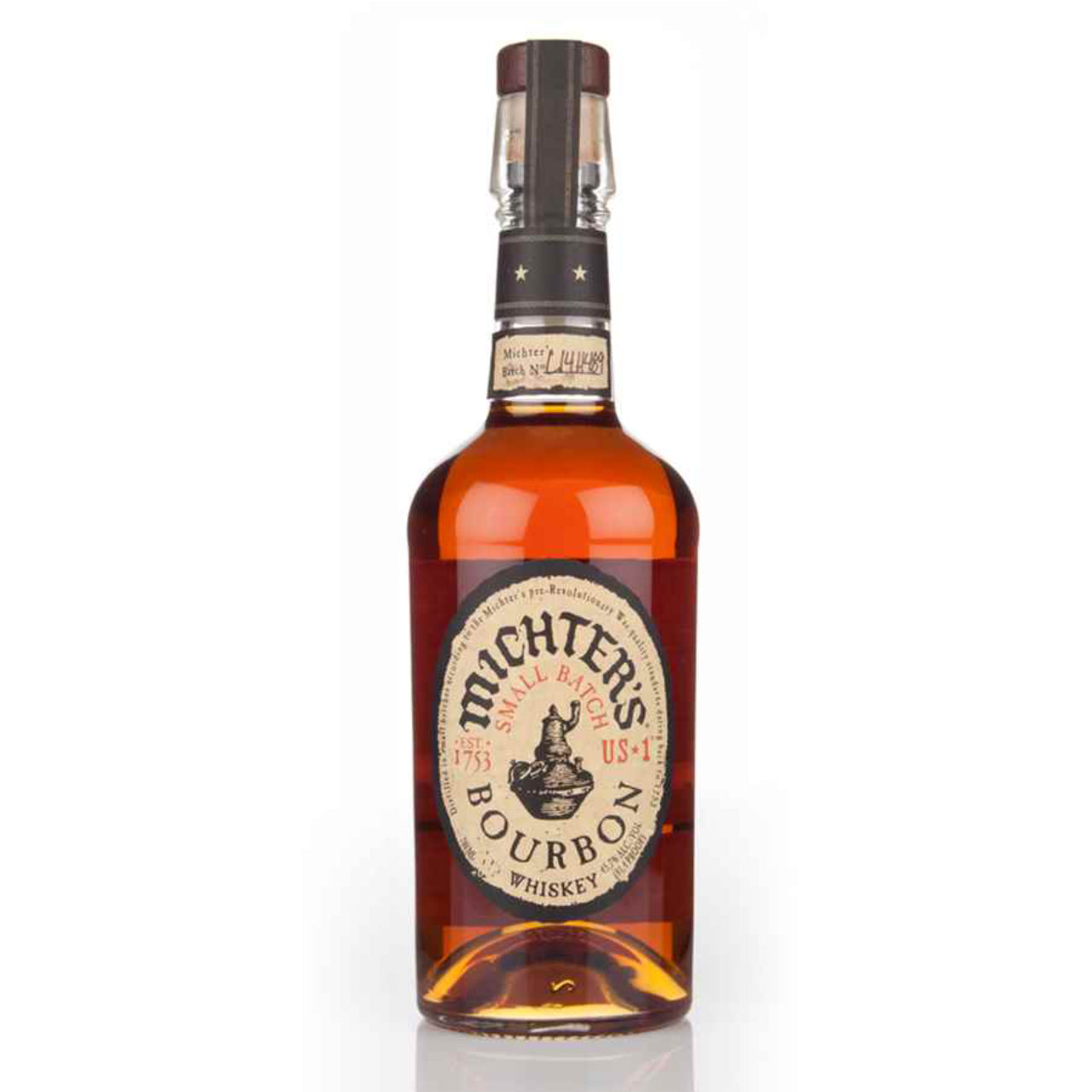
Michter's US 1 Bourbon Whiskey
About Bourbon
Bourbon is defined by rules rather than by geography. The mash must be at least 51 per cent corn, it must be aged in new charred oak, and straight bourbon means at least two years in wood with nothing added but water. Kentucky is where most of it is made, but the law does not require it: Widow Jane distils in Brooklyn, New York.
The terms on these labels are worth knowing, because they are what separates two bottles that otherwise look alike.
Small batch means a blend of a limited number of barrels, and Elijah Craig Small Batch is the familiar example. Single barrel means one cask bottled on its own, so Evan Williams Single Barrel varies from release to release. Cask strength or barrel proof means undiluted, which is why the Willett 12 Year Special Edition arrives at 60 per cent, Noah's Mill at 57.15 per cent, Pure Kentucky at 53.5 per cent and Johnny Drum Private Stock at 50.5 per cent.
Willett is the deepest part of this range. The family bottles Noah's Mill, Rowan's Creek, Johnny Drum, Old Bardstown, Kentucky Vintage, Pure Kentucky and the Pot Still Reserve, and the distillery is still family owned and run by Thompson Willett's grandchildren.
For more of the same shelf see Willett and rye whisky, or the full whisky range.
Straight, bottled in bond, single barrel and small batch are set out side by side in our guide to the types of bourbon, the quickest way to work out which of these bottles suits you.
History
Bourbon grew out of what American farmers could grow. Corn thrived where barley struggled, and distilling turned a bulky harvest into something that could be stored and carried. By the late eighteenth century whiskey was being made across Kentucky, Tennessee and Pennsylvania.
The new charred oak barrel is the detail that made the category what it is. Charring the inside of a fresh cask caramelises the wood sugars, and because a bourbon barrel may only be used once, every bottle takes its colour and much of its flavour from wood that has given nothing away before. It is also the reason the rest of the whisky world has so many ex bourbon casks to fill.
Prohibition closed almost everything between 1920 and 1933, and the industry that came back was smaller and more consolidated. The decades from the 1960s to the 1990s were lean ones, when bourbon was unfashionable and the good stock sat in warehouses waiting.
The recovery has been dramatic. Age stated, single barrel and cask strength bottlings that barely existed as commercial categories a generation ago are now the reason people collect. Widow Jane, founded in Brooklyn in 2012, belongs entirely to that revival, and the older Kentucky names have all pushed further up the range since.
How to drink it
Start neat, in a small glass, at room temperature. Bourbon between 40 and 47 per cent shows what it has without help: corn sweetness, vanilla and caramel from the char, and a dry oak finish.
Above 50 per cent, add water a few drops at a time. Noah's Mill at 57.15 per cent, Johnny Drum Private Stock at 50.5 per cent and the Willett 12 Year at 60 per cent all open up noticeably, and it is worth tasting before and after so you find your own point rather than someone else's.
Ice is a choice rather than a mistake. One large cube chills slowly and mutes the alcohol. Crushed ice dilutes fast and turns a sipping bourbon into a long drink, which is fine if that is what you wanted.
For an Old Fashioned use a robust bourbon, two dashes of aromatic bitters, a bar spoon of sugar syrup and an orange twist. A higher proof bottling survives the dilution better than a 40 per cent one.
For a Manhattan, two parts bourbon to one part sweet vermouth with a dash of bitters, stirred and strained into a chilled glass. A rye makes the same drink drier.
Common questions
Is bourbon the same as whiskey?
Bourbon is a type of whiskey, not a separate spirit. All bourbon is whiskey; most whiskey is not bourbon. What makes it bourbon is the recipe and the wood: a mash of at least 51 per cent corn, aged in new charred oak. Straight bourbon adds a minimum of two years in that wood with nothing put in but water.
Is there an Australian bourbon?
No, and there cannot be. Bourbon is a United States designation: it has to be made in the United States to a mash of at least 51 per cent corn and aged in new charred oak. An Australian distillery can mature its whisky in ex bourbon casks, which is what the Canberra Distillery bottling filed on this page is, but that makes it an Australian whisky finished in bourbon wood, not a bourbon.
What is the smoothest bourbon to drink straight?
Lower strength and more time in wood generally make for an easier neat pour. Eagle Rare 10 Year Old at 45 per cent and Michter's US 1 at 45.7 per cent are gentler starting points than a cask strength bottling. If you do want to drink a high proof bourbon neat, add a few drops of water first: it takes the heat off without flattening the flavour.
What is the best bourbon in Australia for beginners?
Something in the low to mid forties that you can both sip and mix, rather than a cask strength bottling. Buffalo Trace at 40 per cent, Evan Williams Black Label and Elijah Craig Small Batch all do that job. Once you know whether you prefer the sweeter or the spicier end, the cask strength Willett bottlings and the older Widow Jane releases are the obvious step up.