
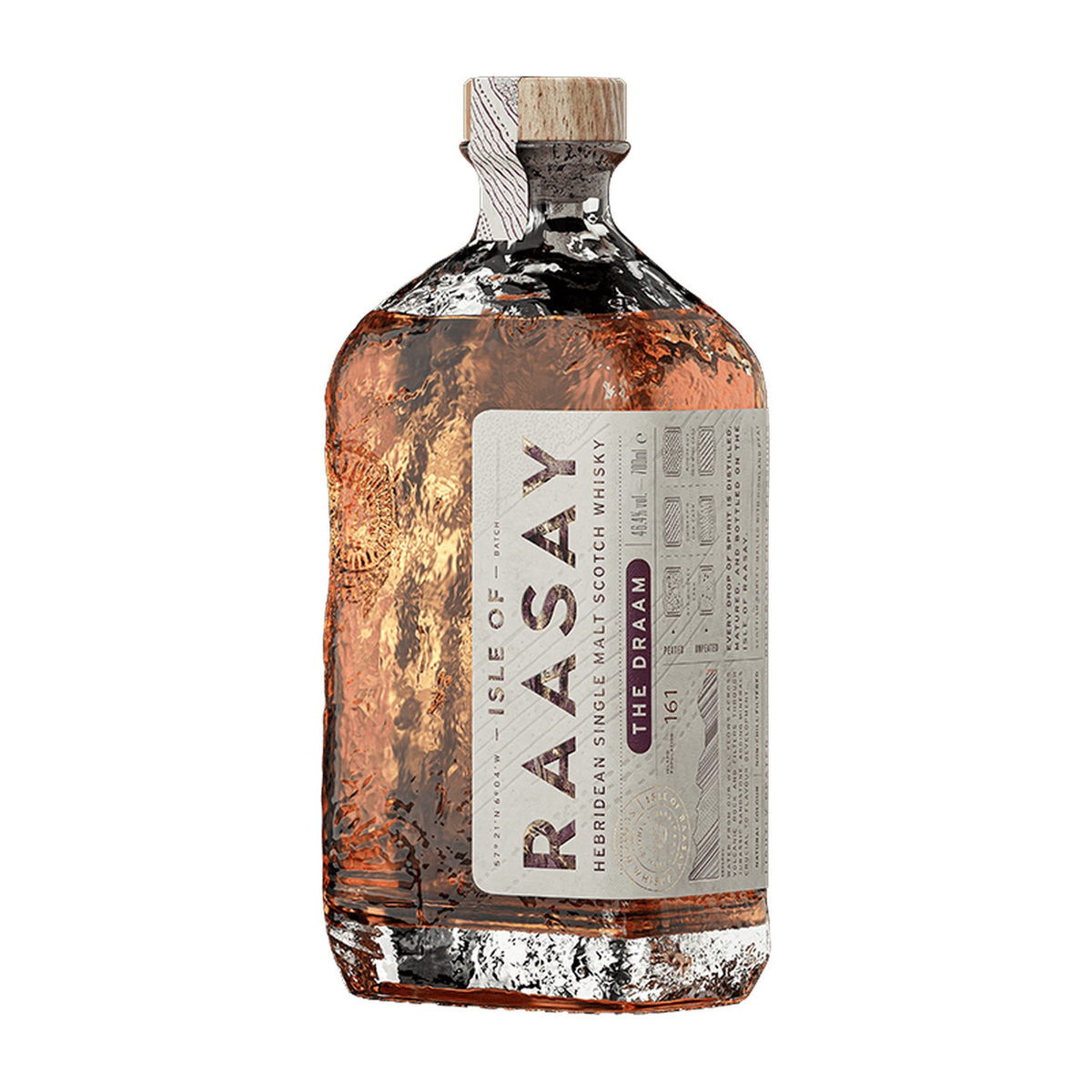
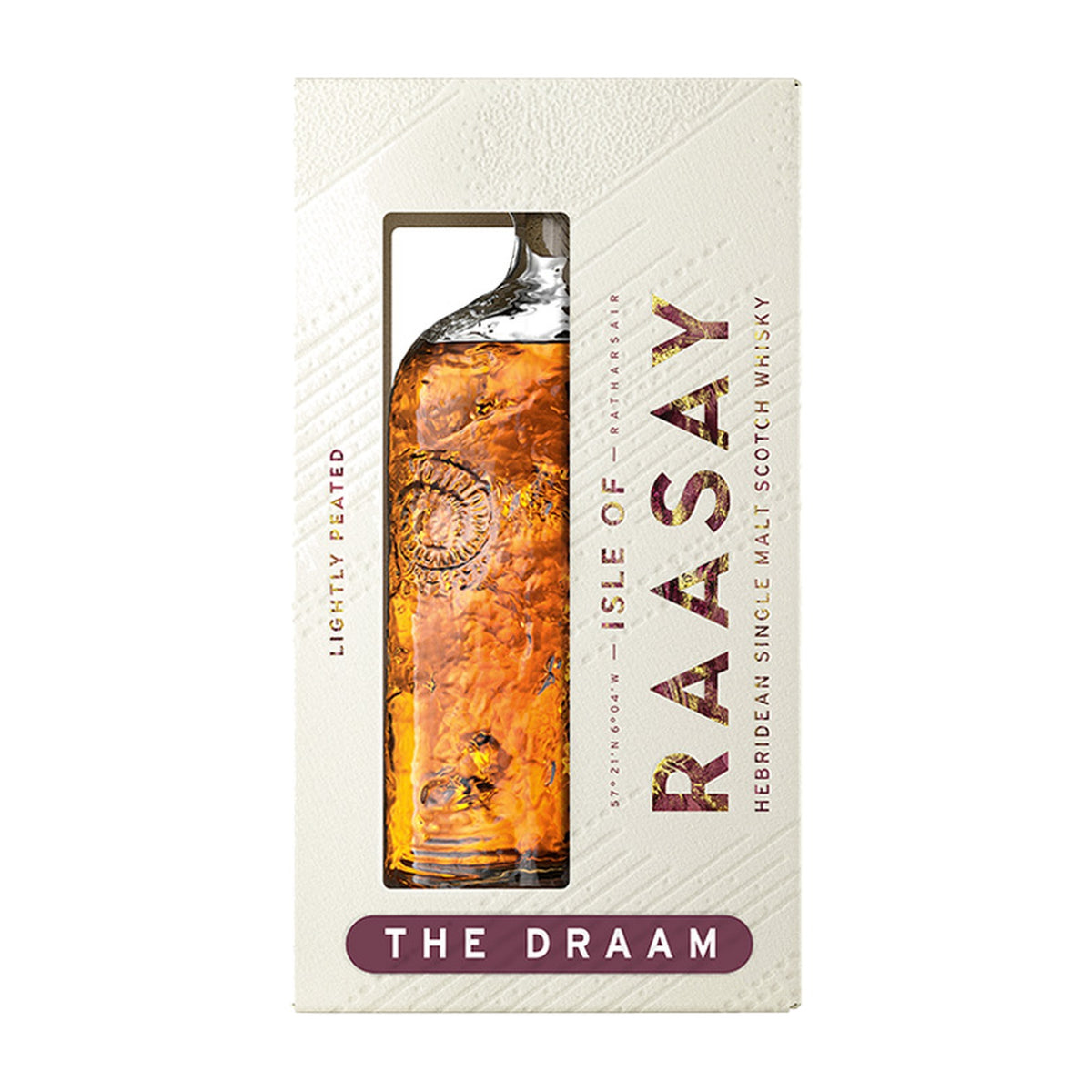
Isle of Raasay "The Draam" Single Malt Whisky 700ml
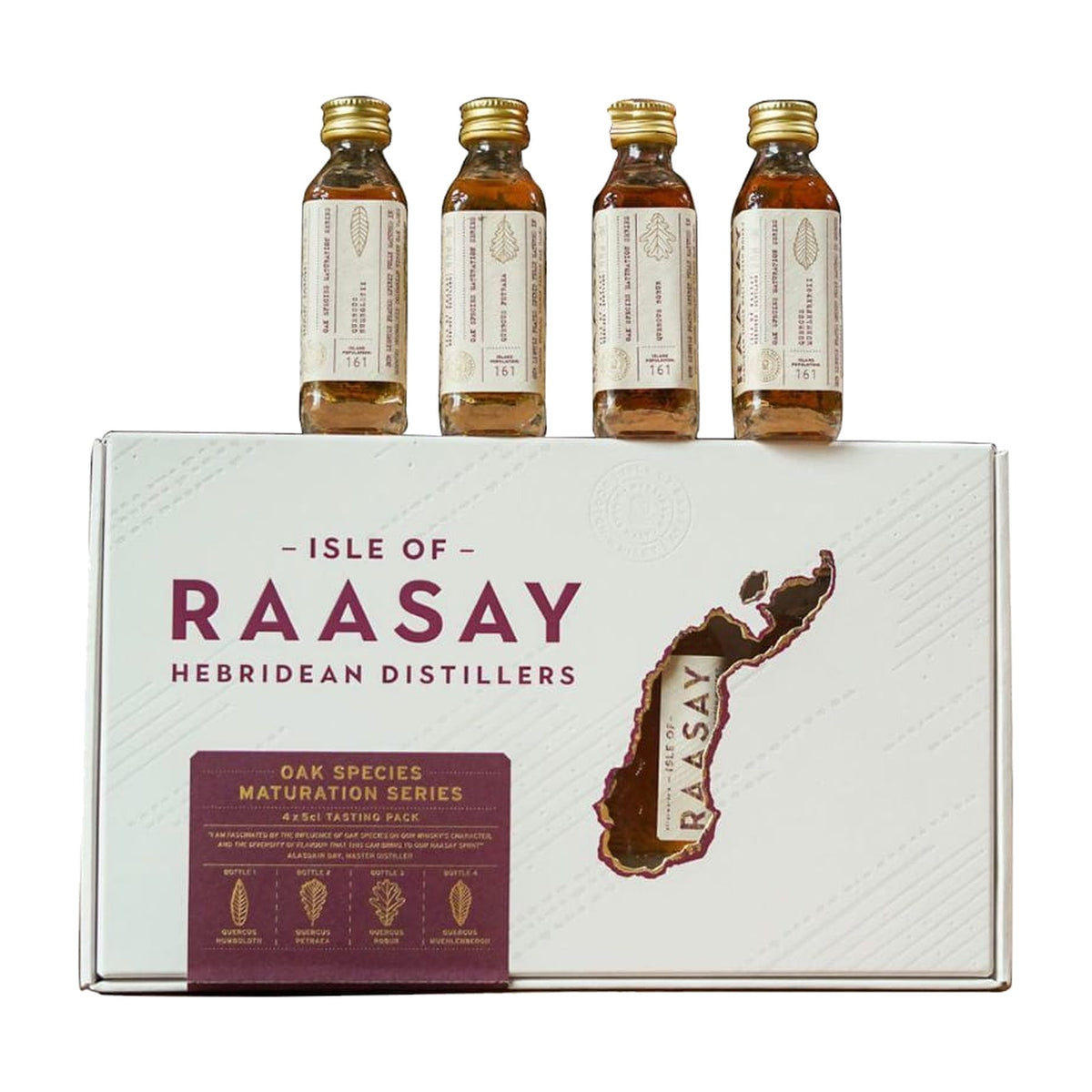
Isle of Raasay Distillery "Oak Species Maturation" Tasting Pack 4 x 50ml
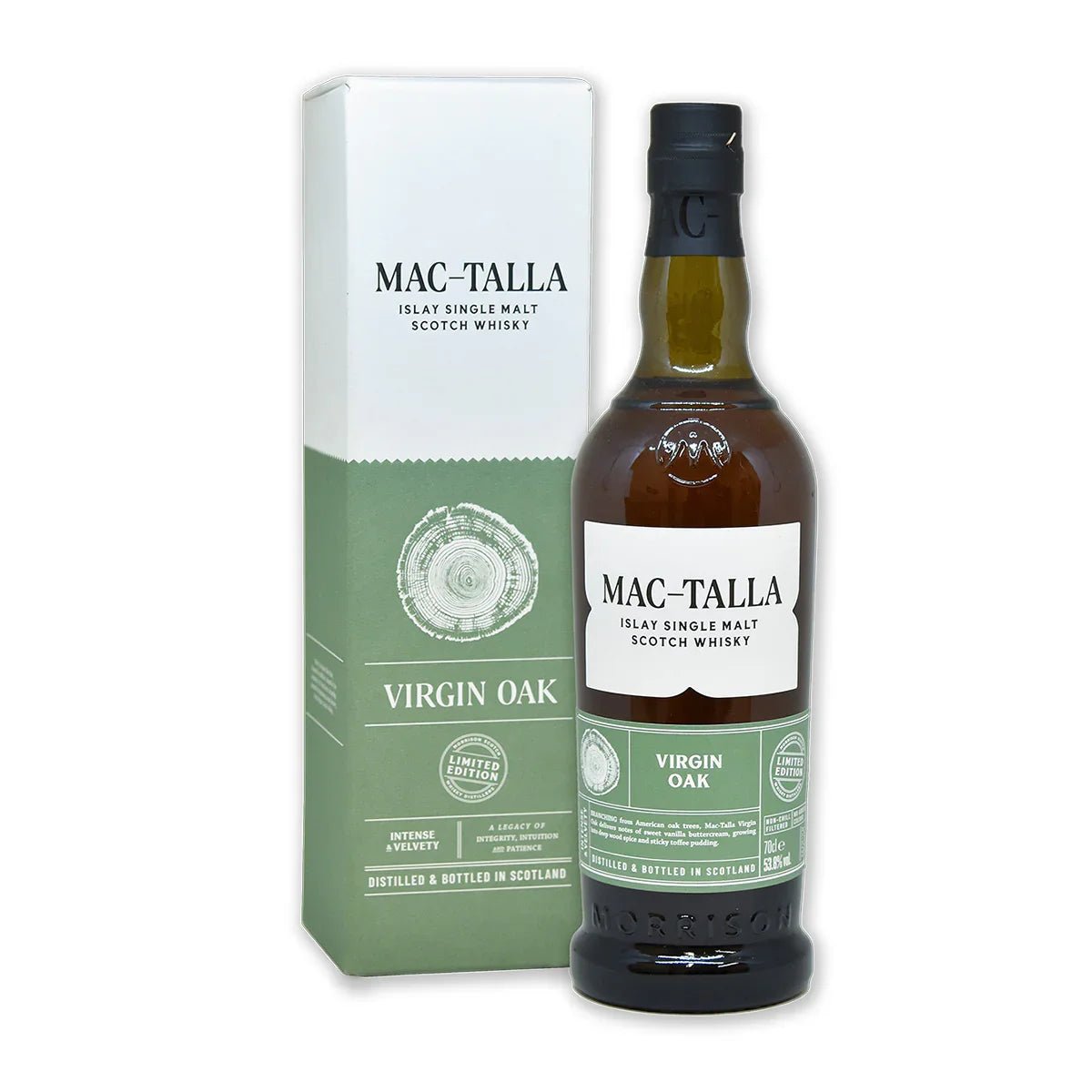
Mac-Talla 'Virgin Oak' 2025 Limited Edition Islay Scotch Whisky 700ml
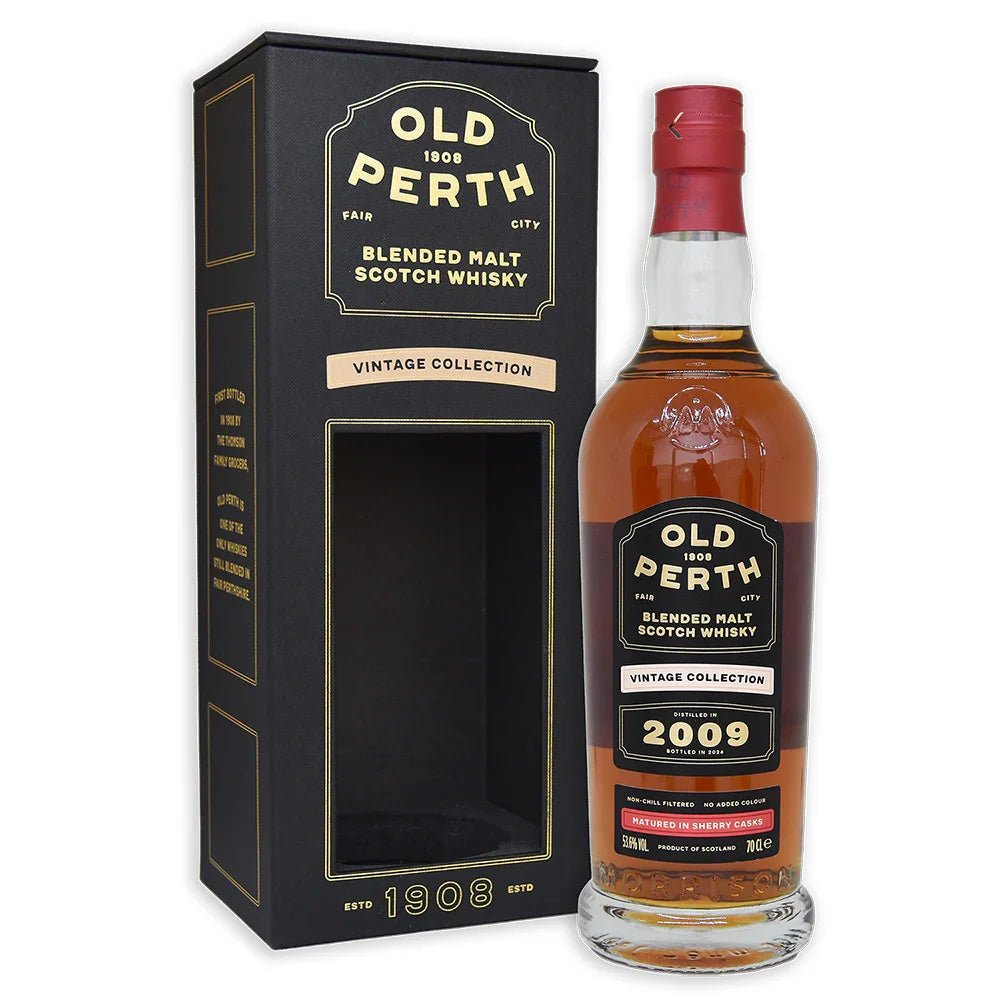
Old Perth 2009 Vintage Release No.4 Blended Malt Scotch Whisky 700mL
Finn Thomson Whisky - Invergordon 1974 50YO 700mL 46.1%
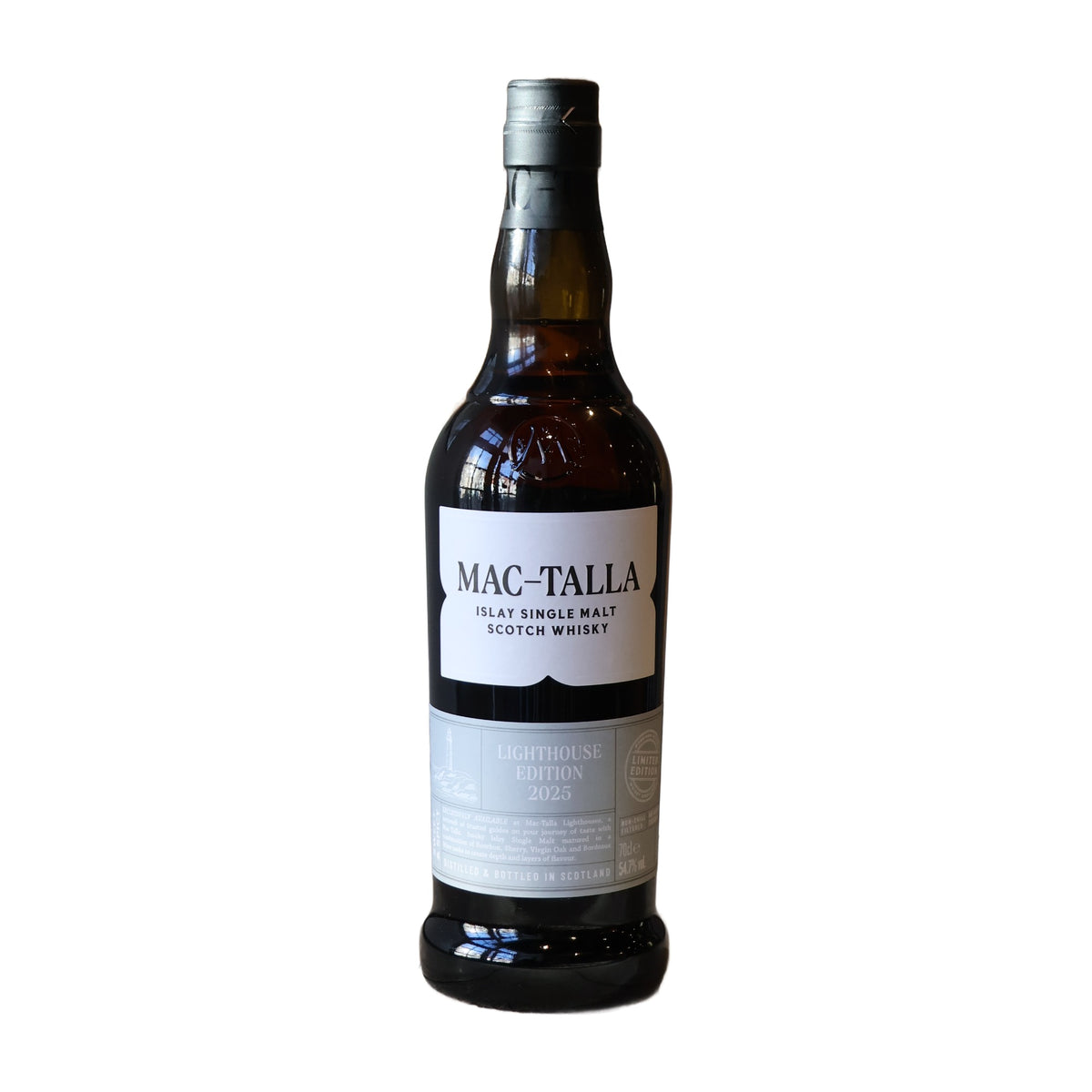
Mac-Talla Lighthouse Edition 2025 Islay Single Malt Scotch Whisky
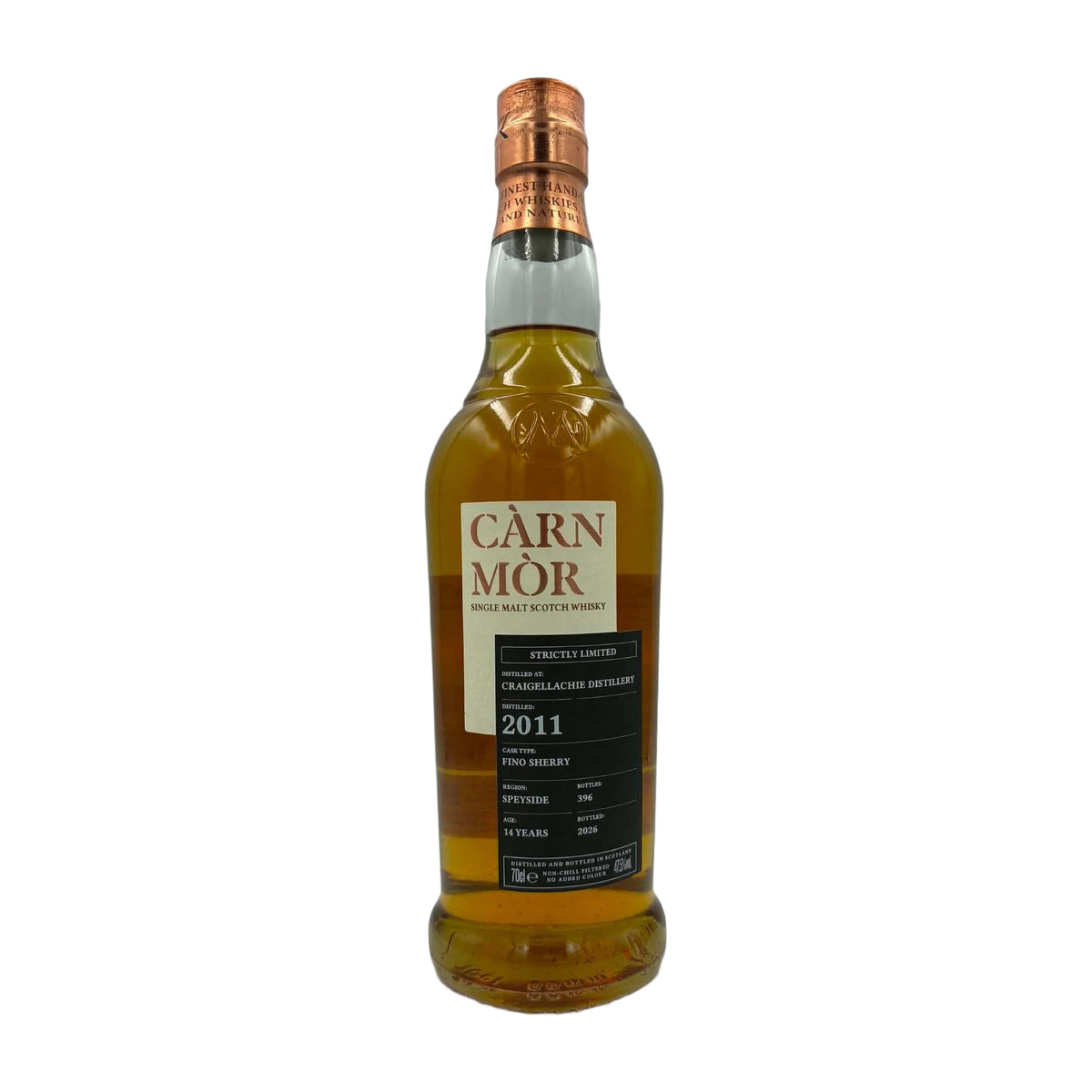
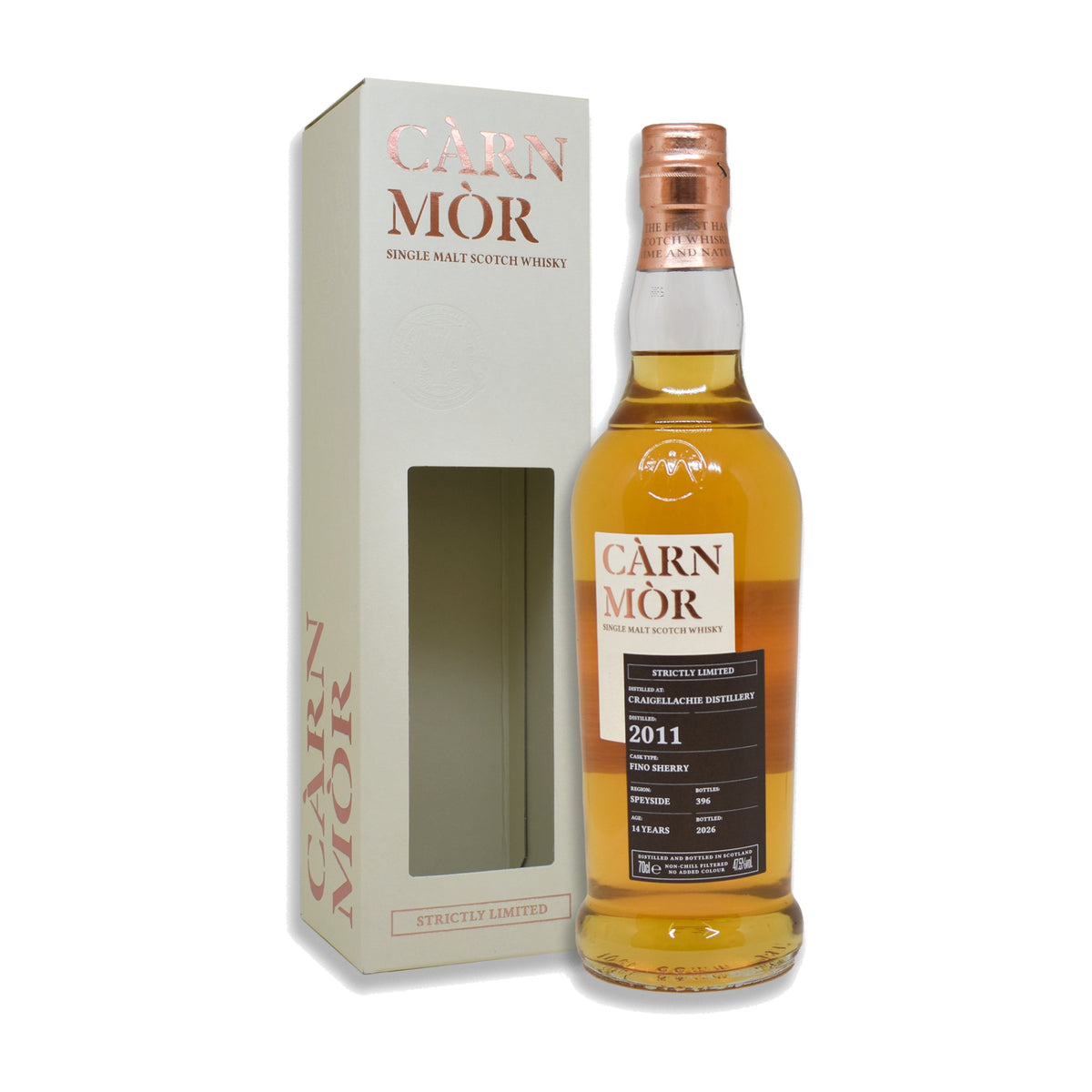
Craigellachie 14 Year Old 2011 Fino Sherry Cask Carn Mor Strictly Limited 700ml
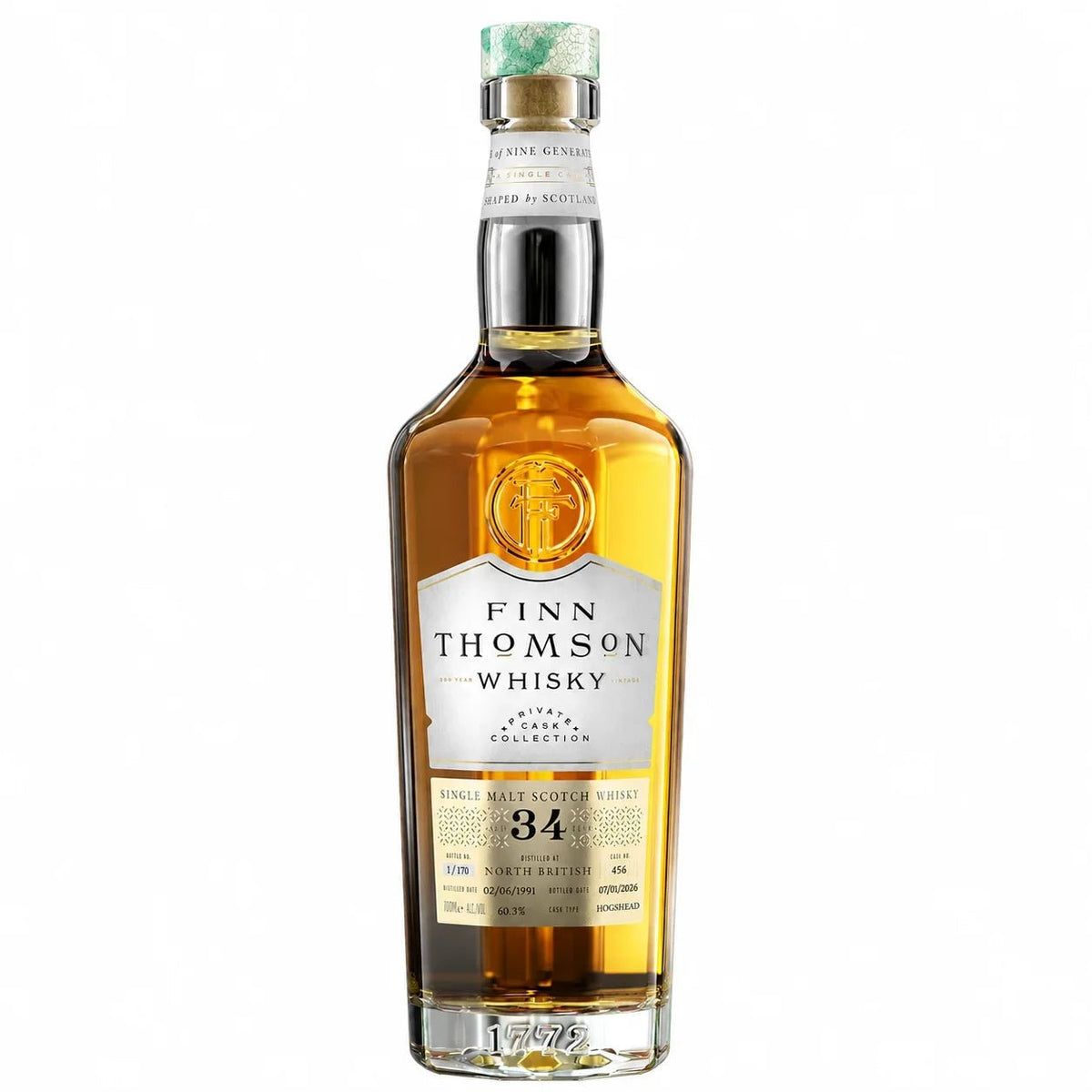
Finn Thomson Whisky North British 1991 34YO 60.3% 700ml
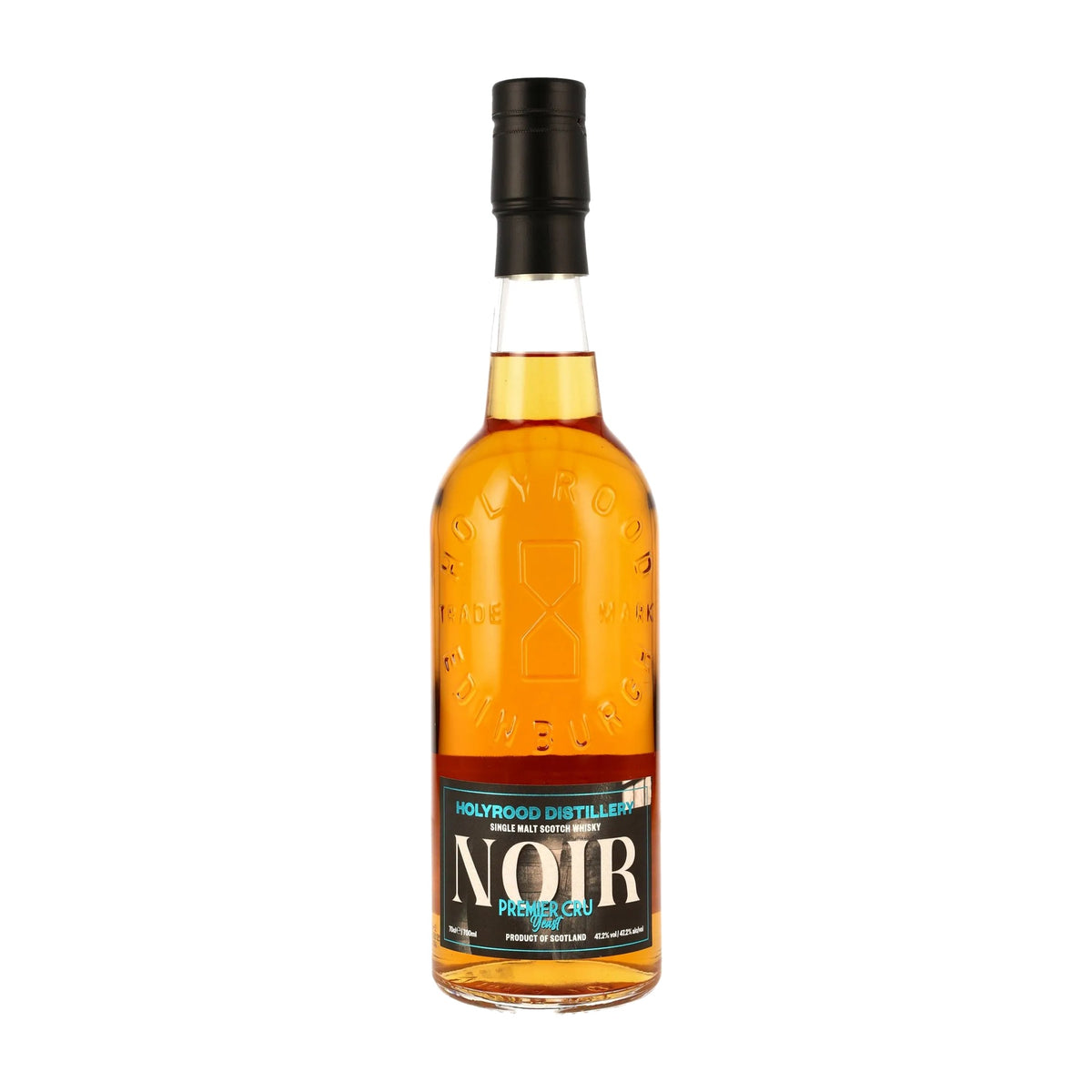
Holyrood Noir Premier Cru Yeast Single Malt Scotch Whisky 700ml
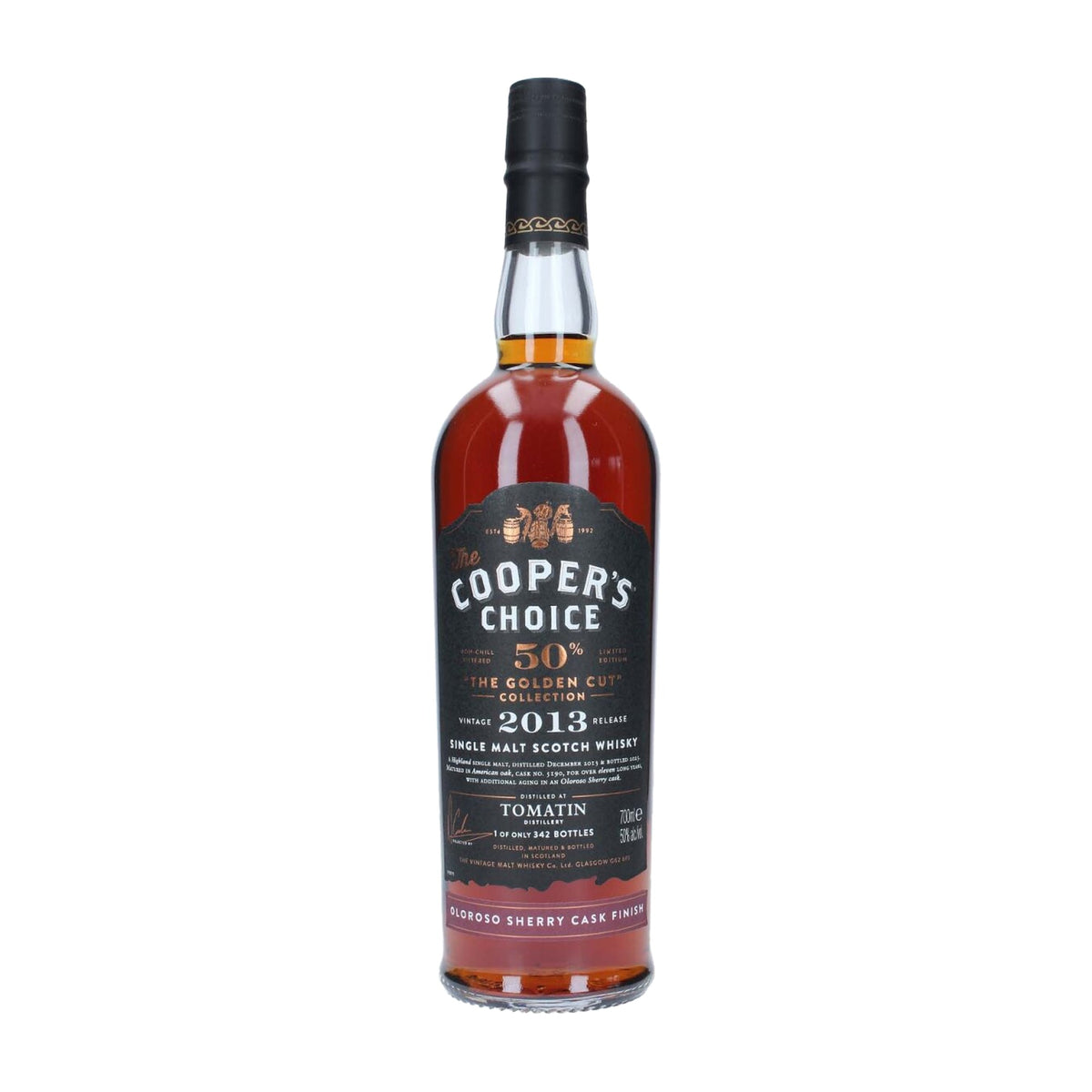
Golden Cut Tomatin 11YO by The Coopers Choice 700ml 50%
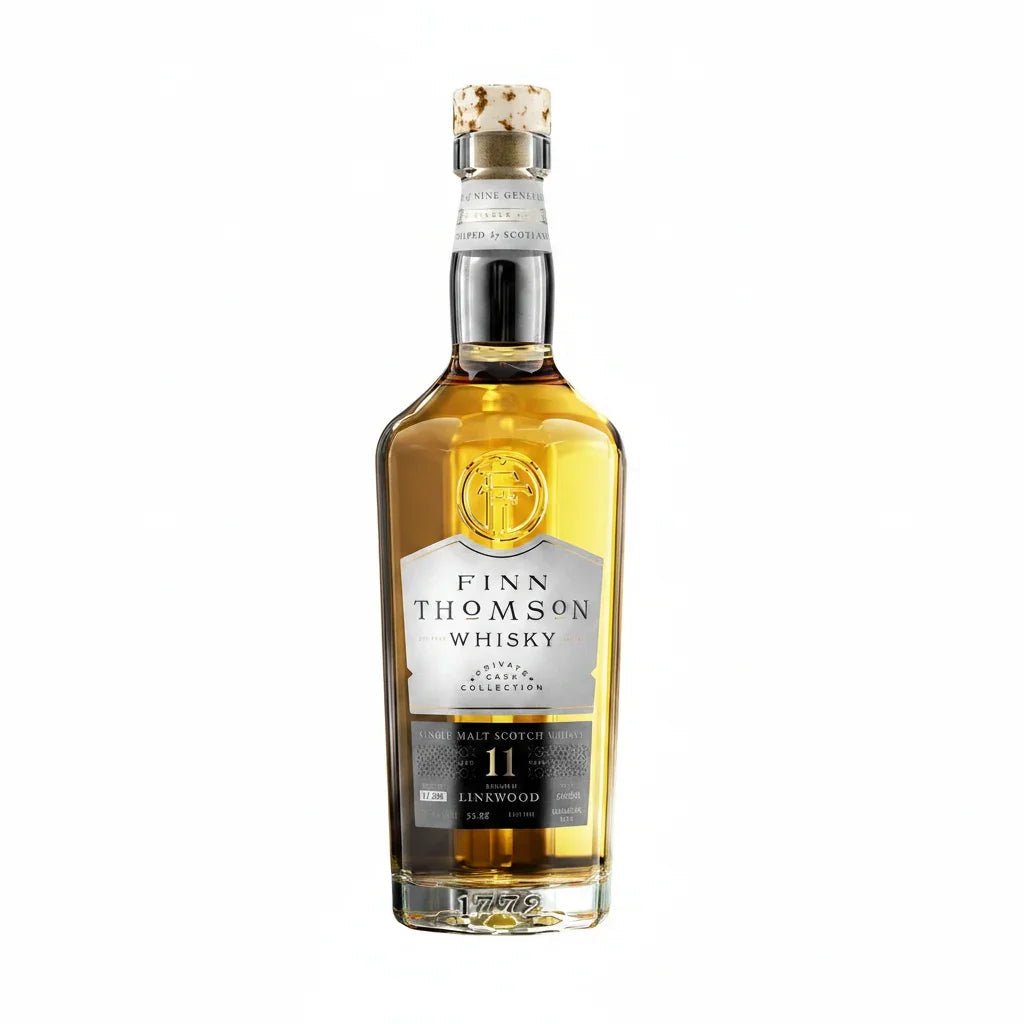
Finn Thomson Whisky Linkwood 2014 Jamaican Rum Cask Fin. 11YO 55.8% 700ml
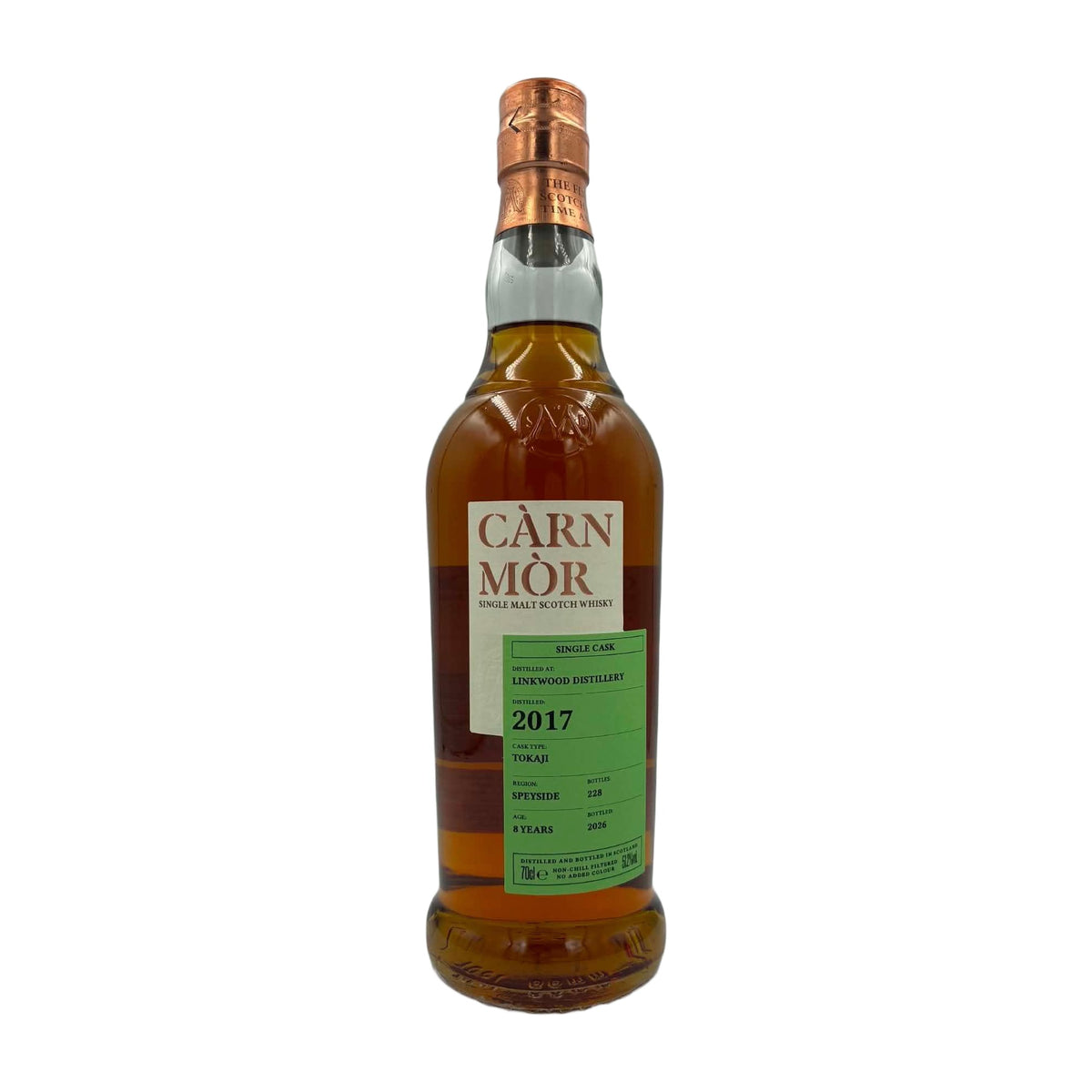
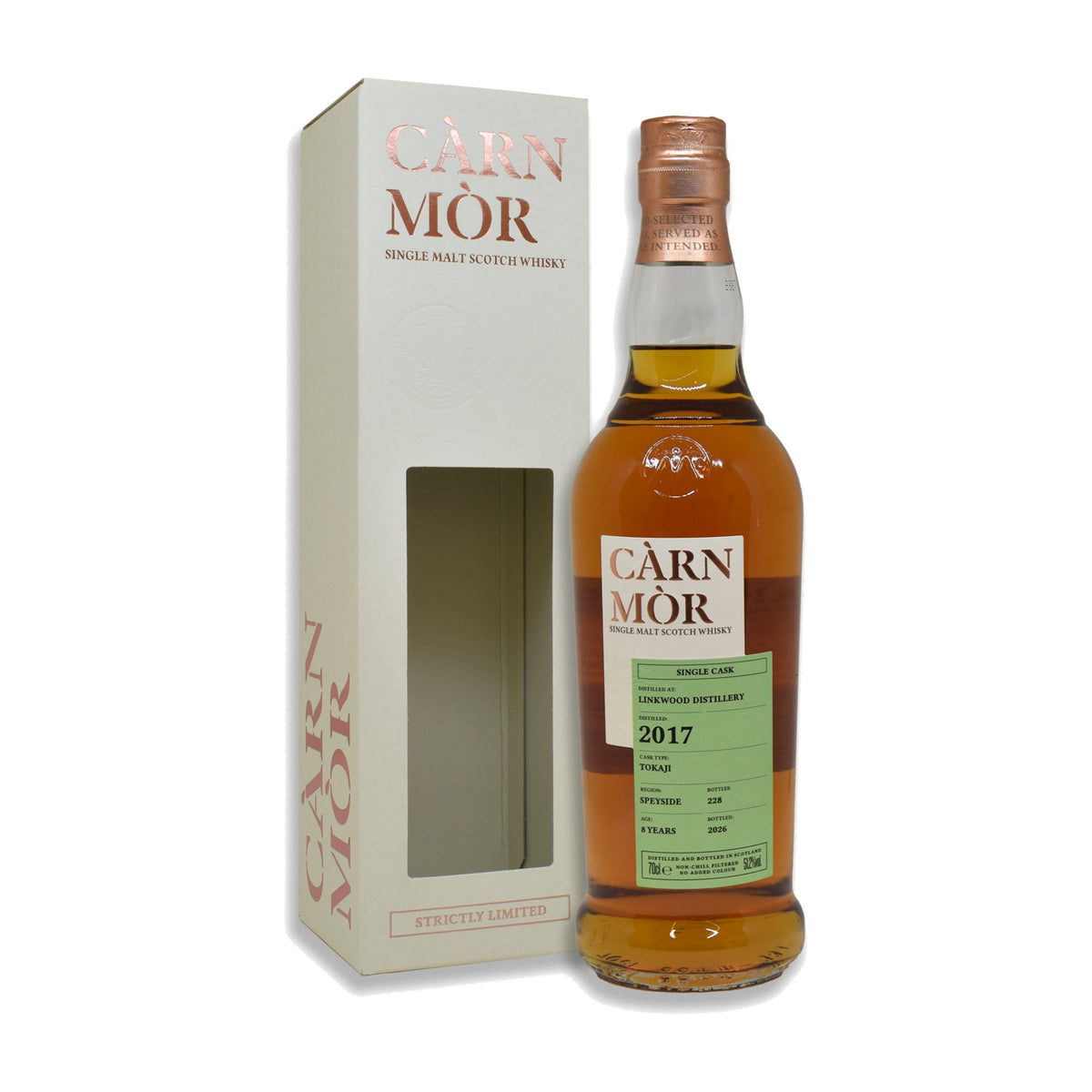
Linkwood 8 Year Old 2017 Tokaji Cask Càrn Mòr Strictly Limited 700ml
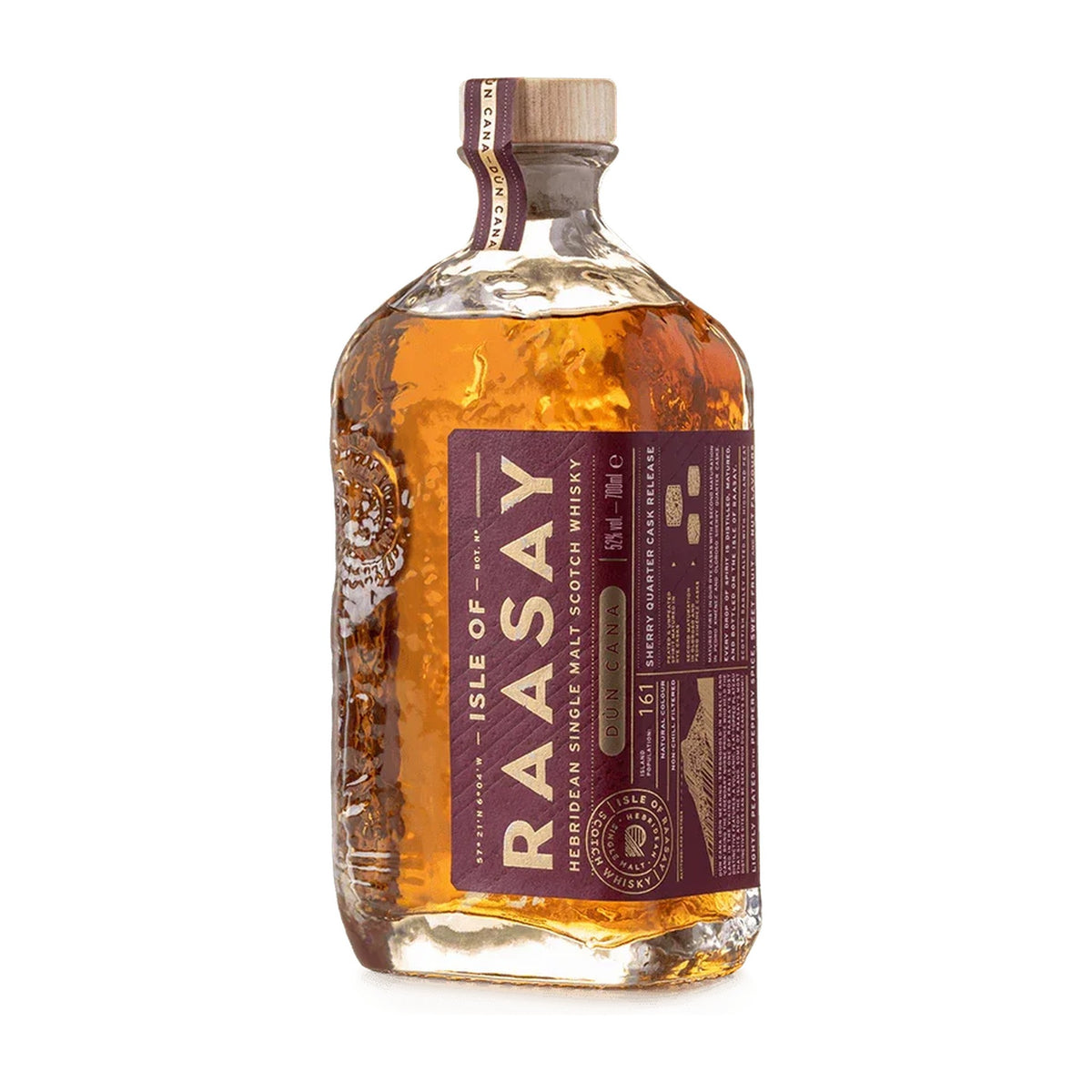
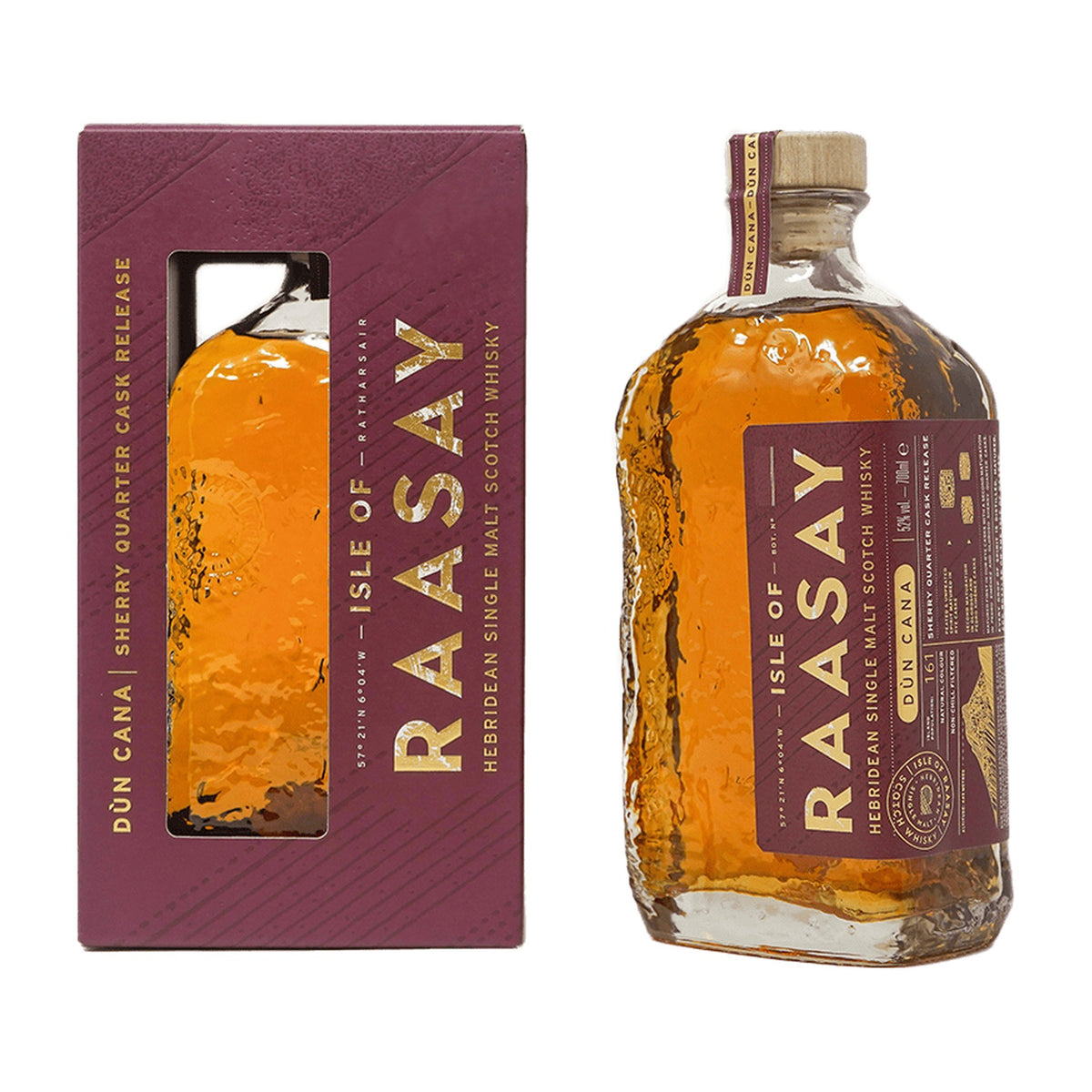
Isle of Raasay Dùn Cana Sherry Quarter Cask Scotch Malt Whisky 3rd Edition
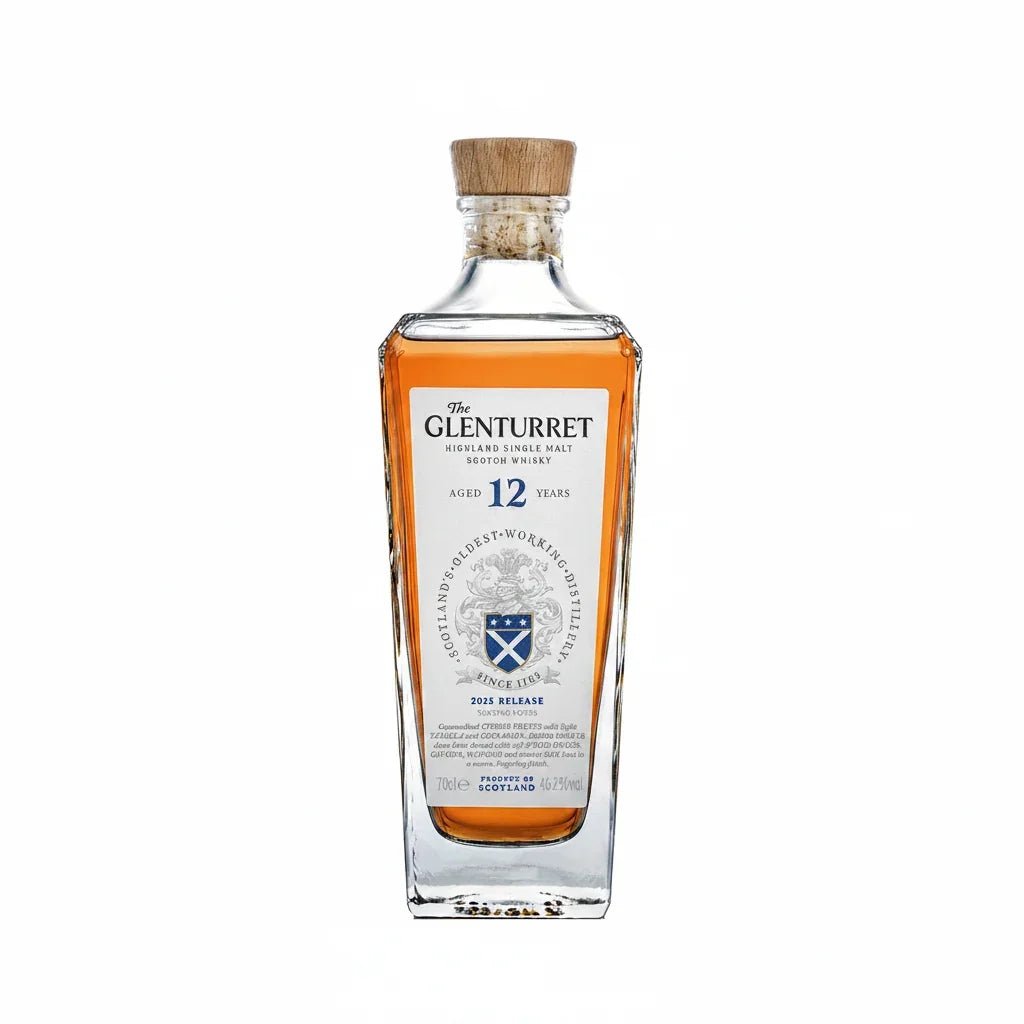
The Glenturret 12 Year Old 2025 release 46.2% ABV 700ml
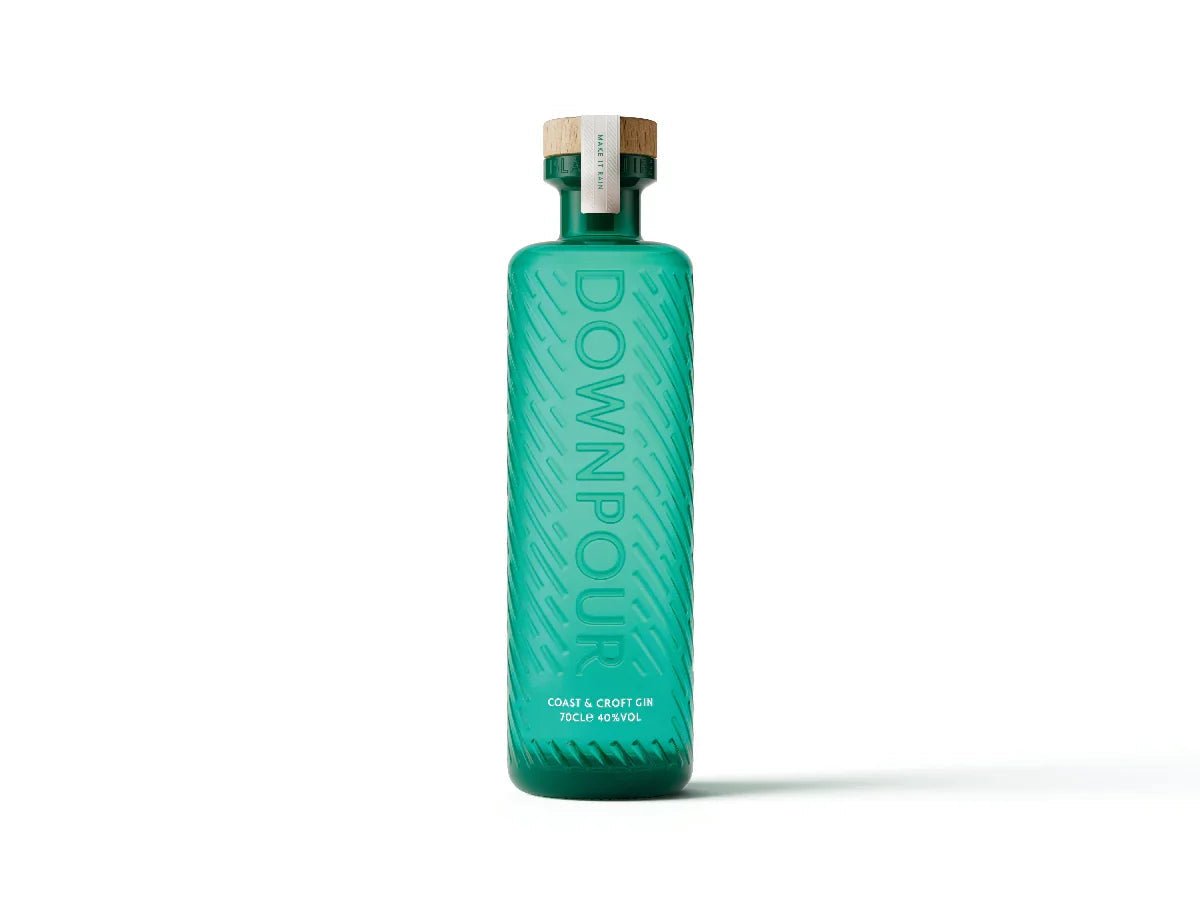
Downpour Coast & Croft Scottish Gin 40% 700ml
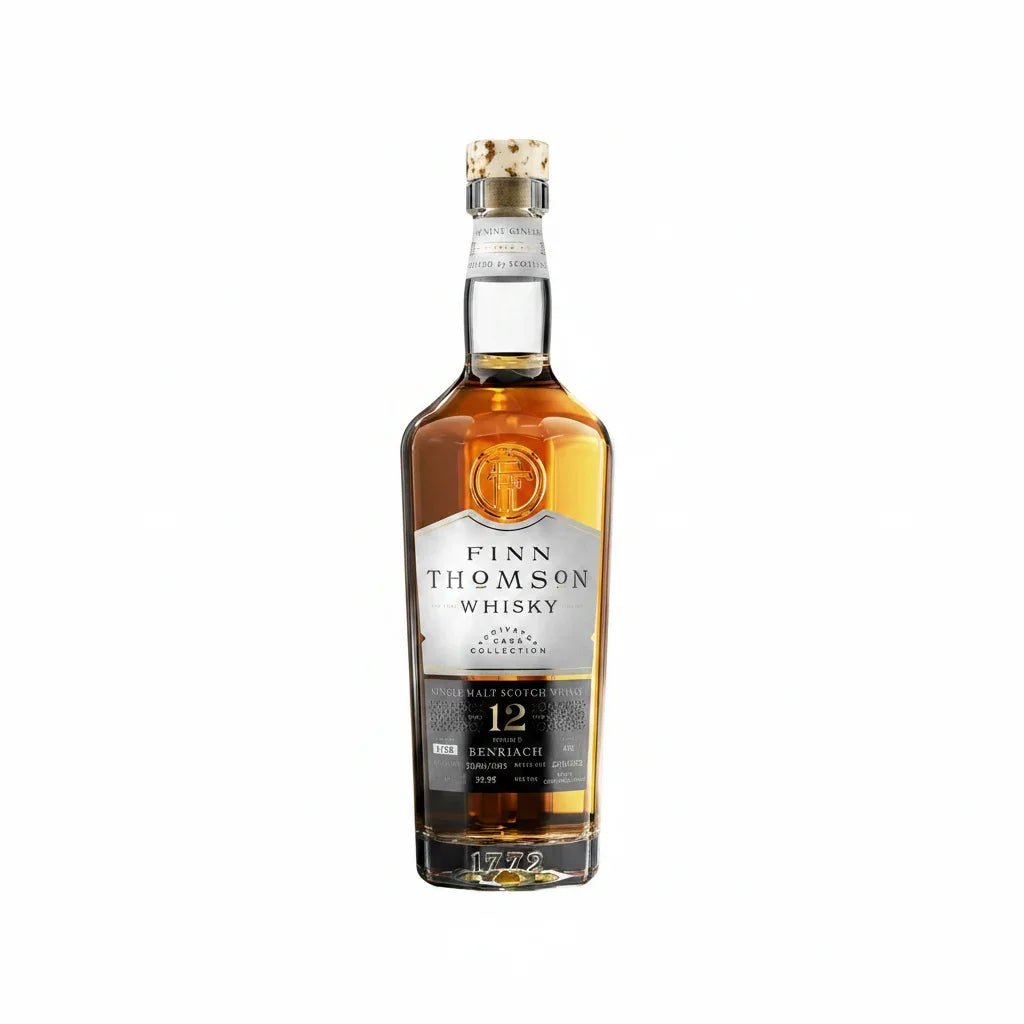
Finn Thomson Whisky Benriach 2013 Vin de Constance Fin. 12YO 52.9% 700ml
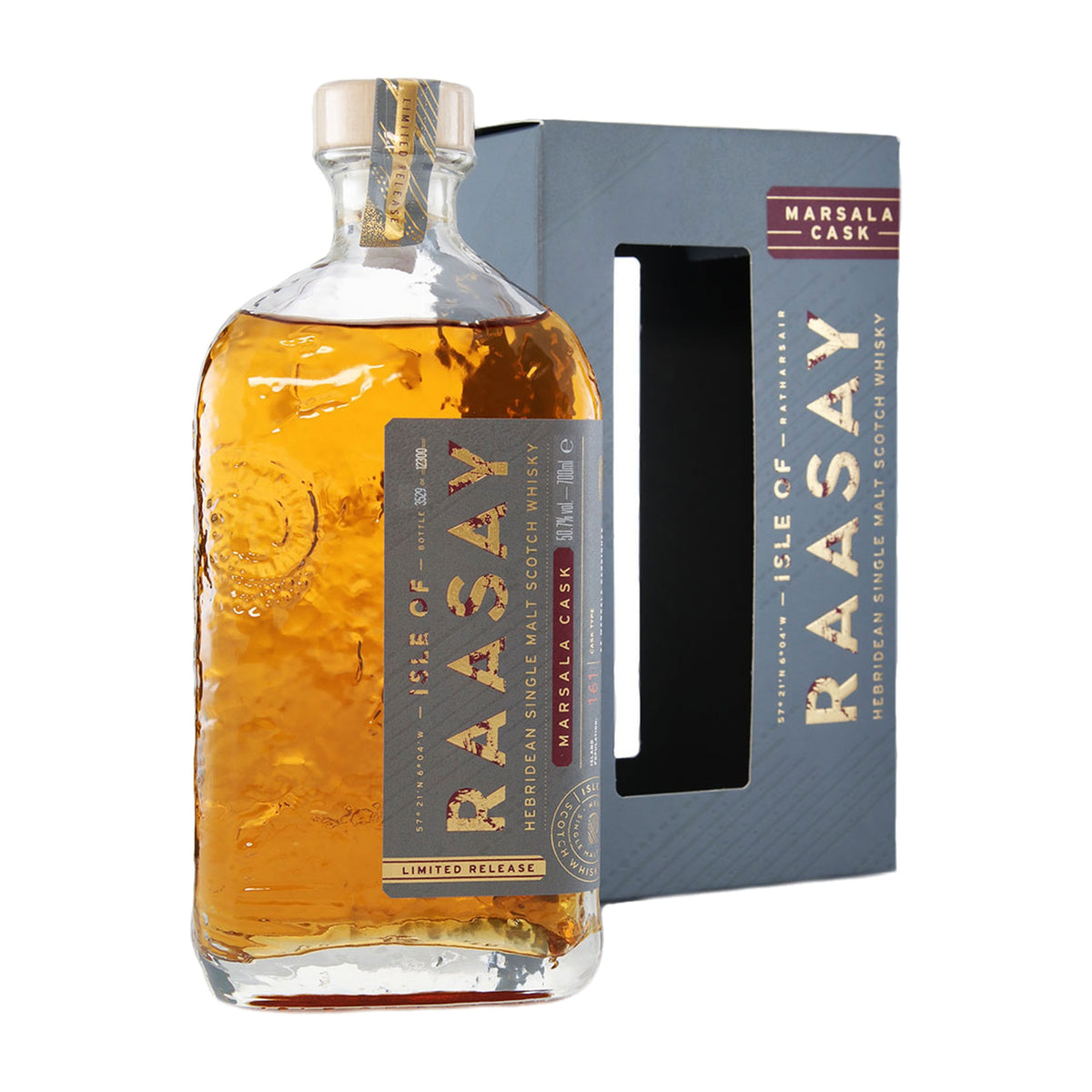
Isle of Raasay Marsala Cask – Limited Release 700ml 50.7%
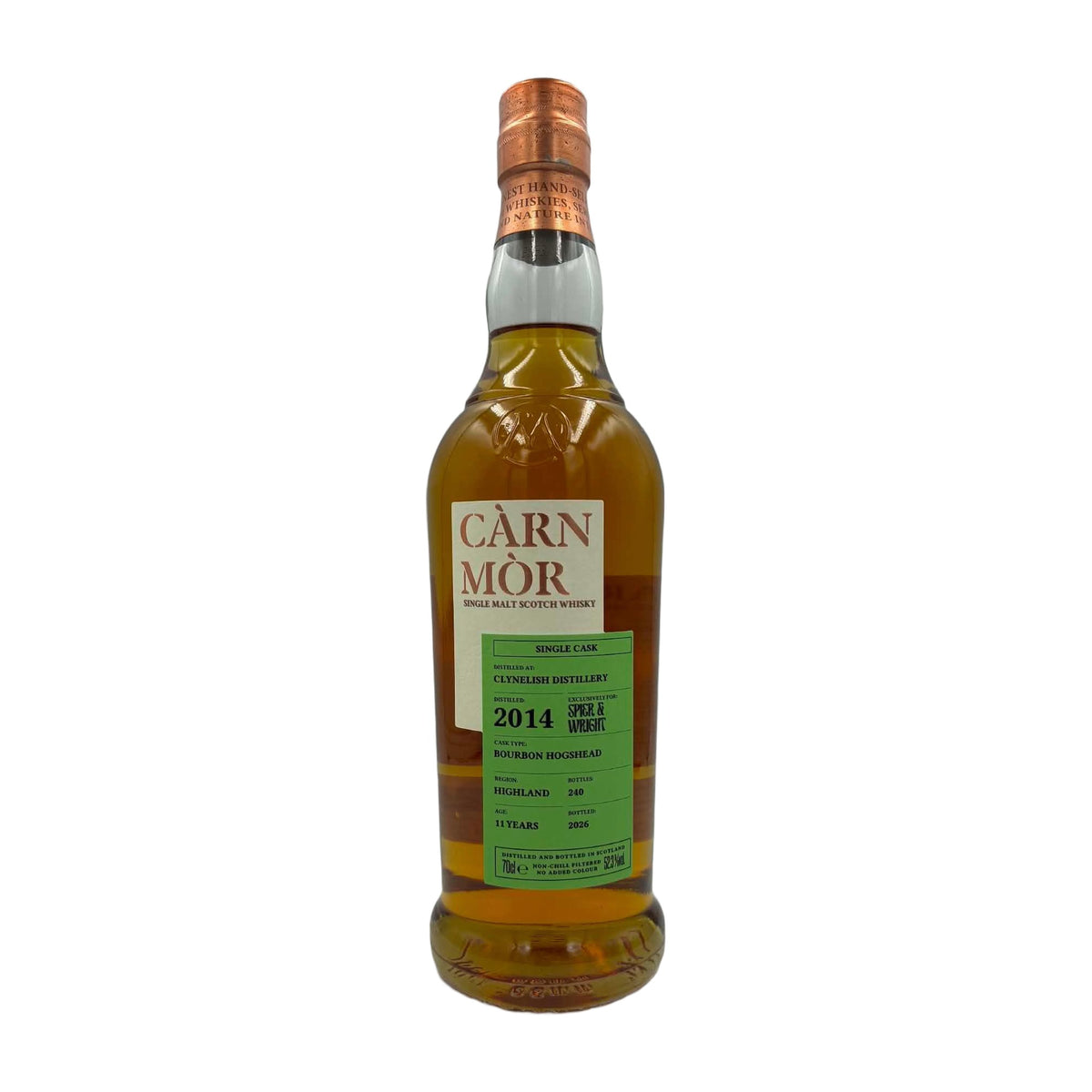
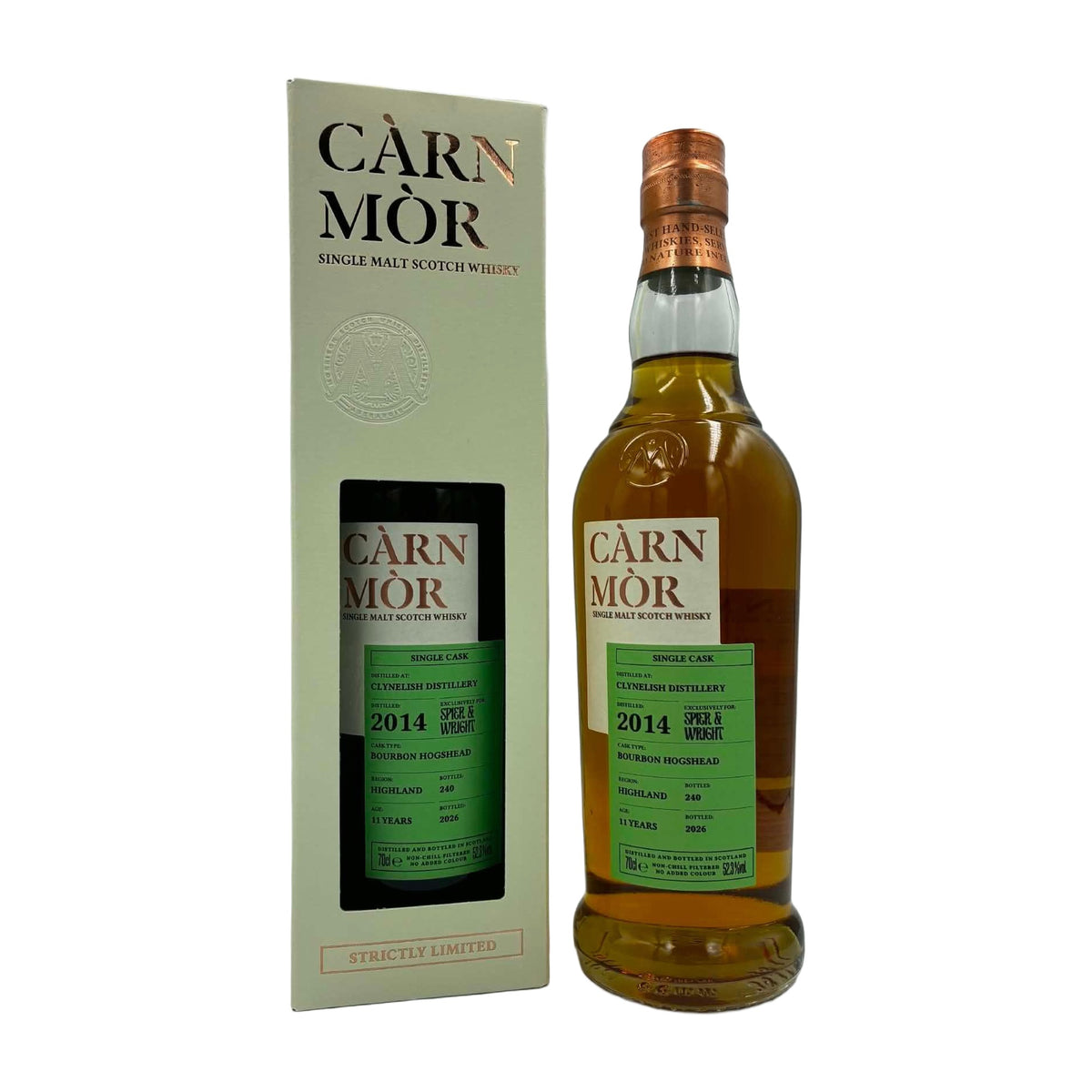
Carn Mor Clynelish Spier & Wright Single Cask 2014 11yr 52.3%
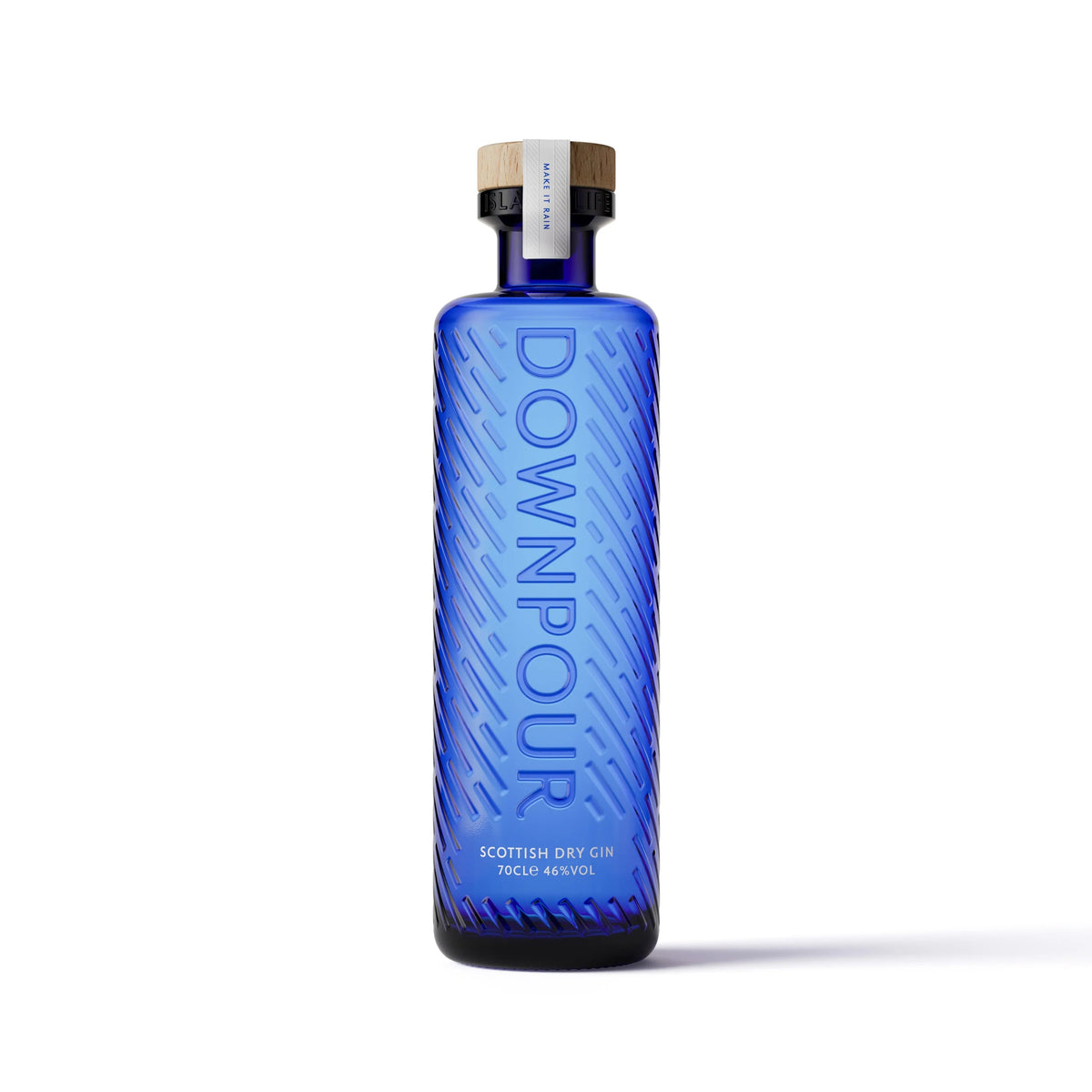
Downpour Scottish Dry Gin 46% 700ml
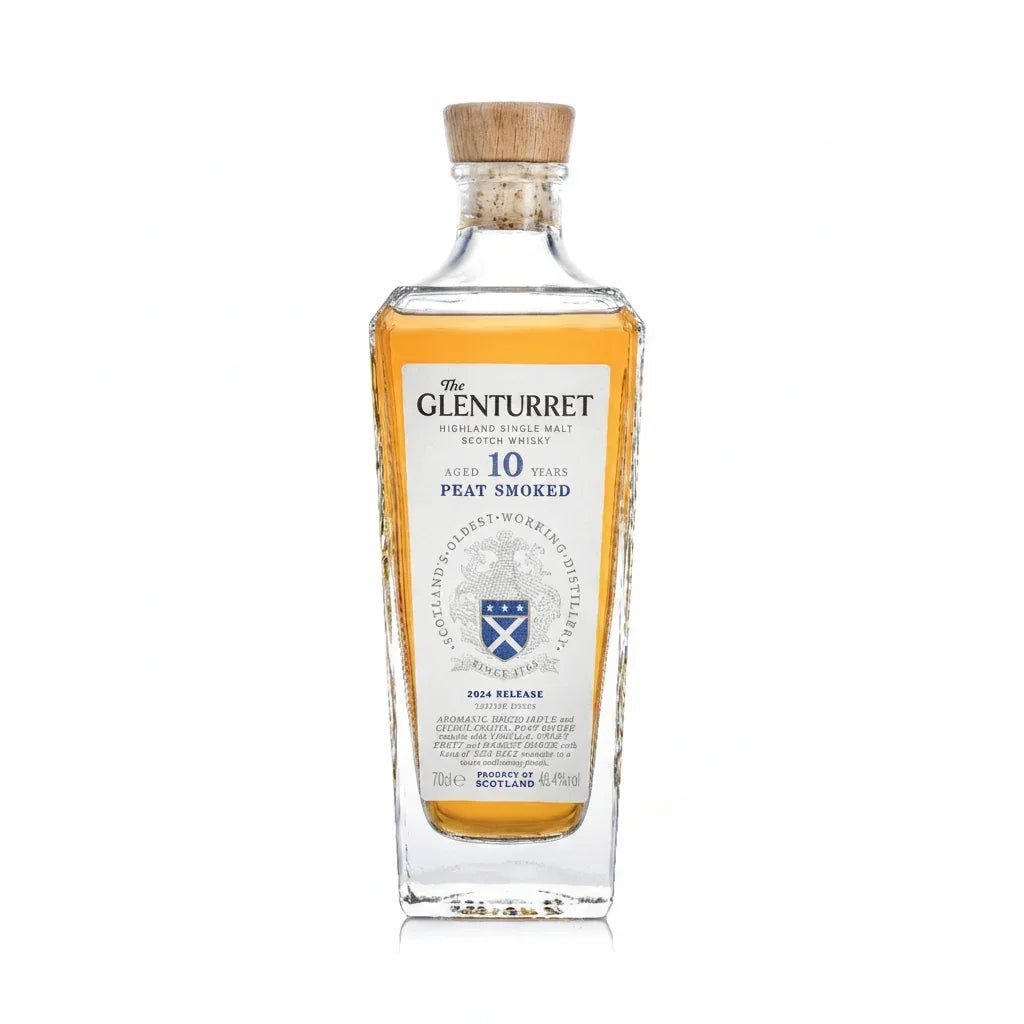
The Glenturret 10 Year Old Peat Smoked 2025 release 48.4% ABV 700ml
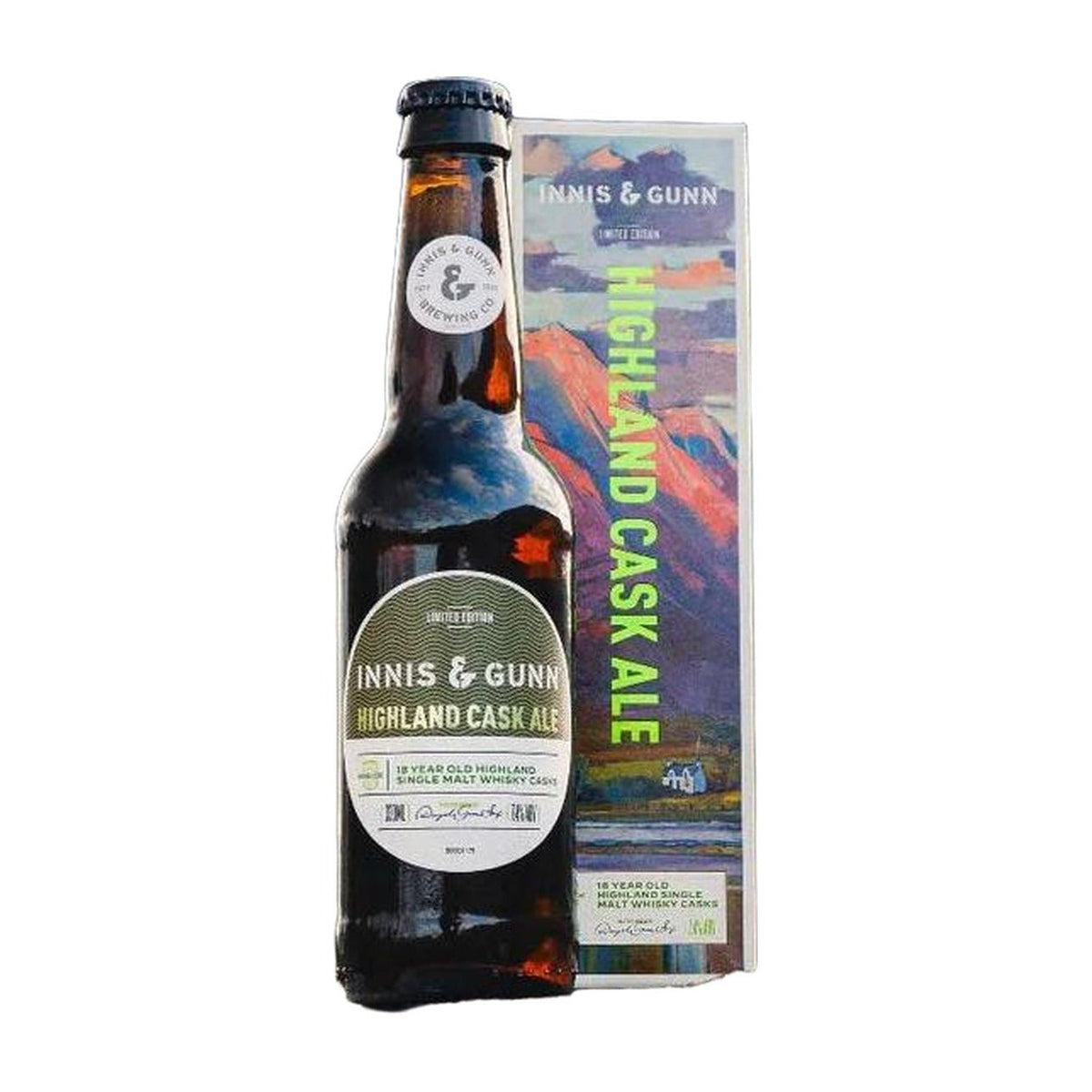
Innis & Gunn 'Highland Whisky Cask' 2025 LE Scottish Ale 330mL
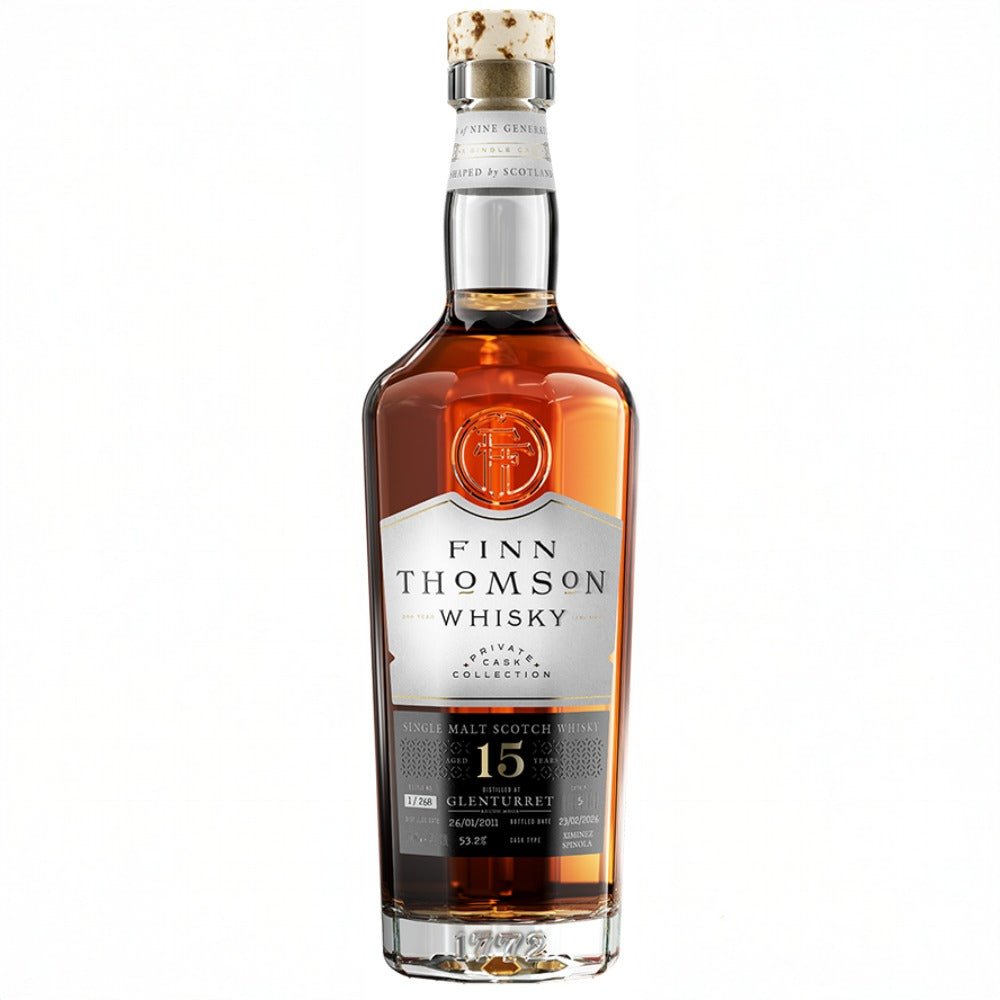
Finn Thomson Whisky - Glen Turret 2011 Sherry Cask 15YO 53.2%
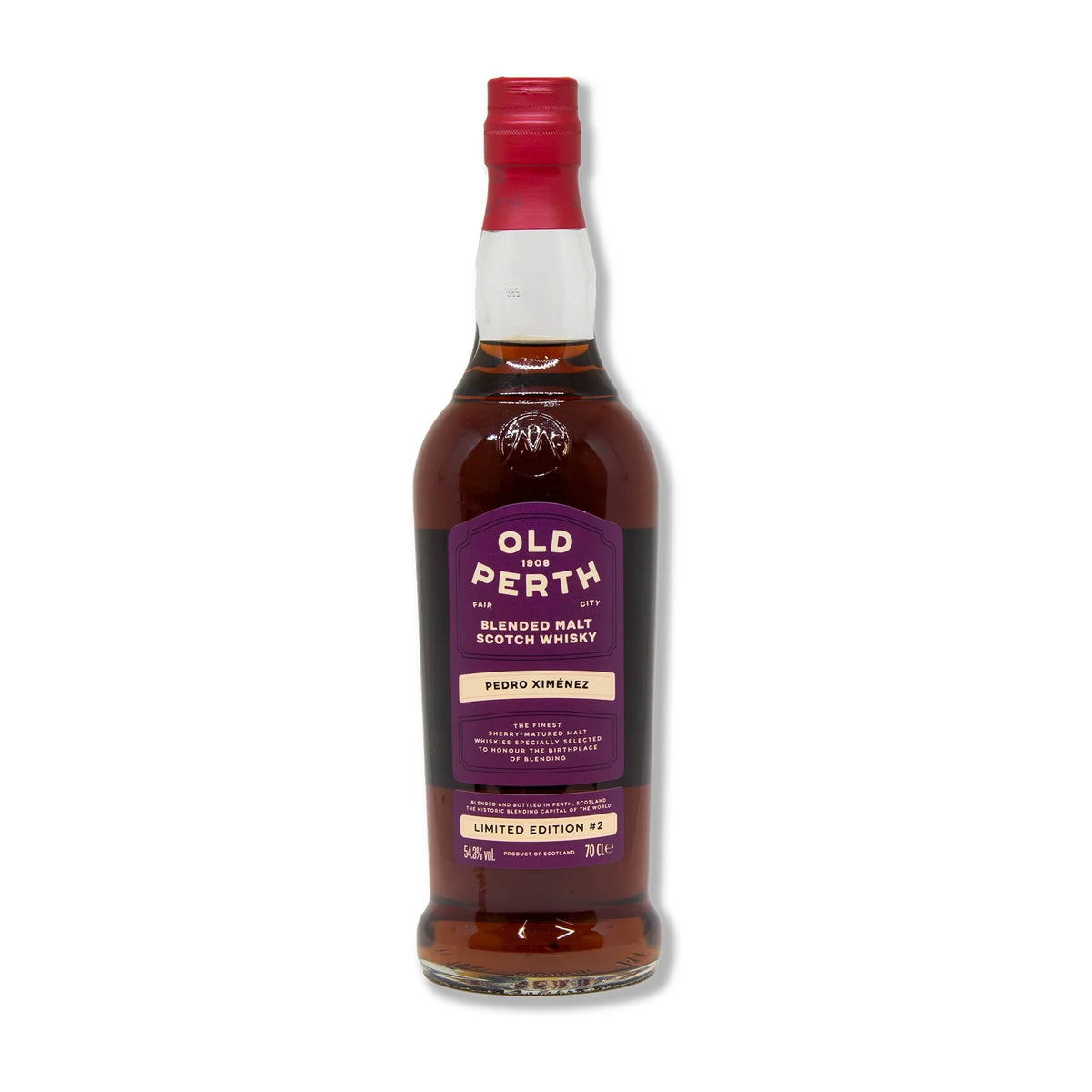
Old Perth PX Cask Limited Edition #2 Scotch Whisky 700mL
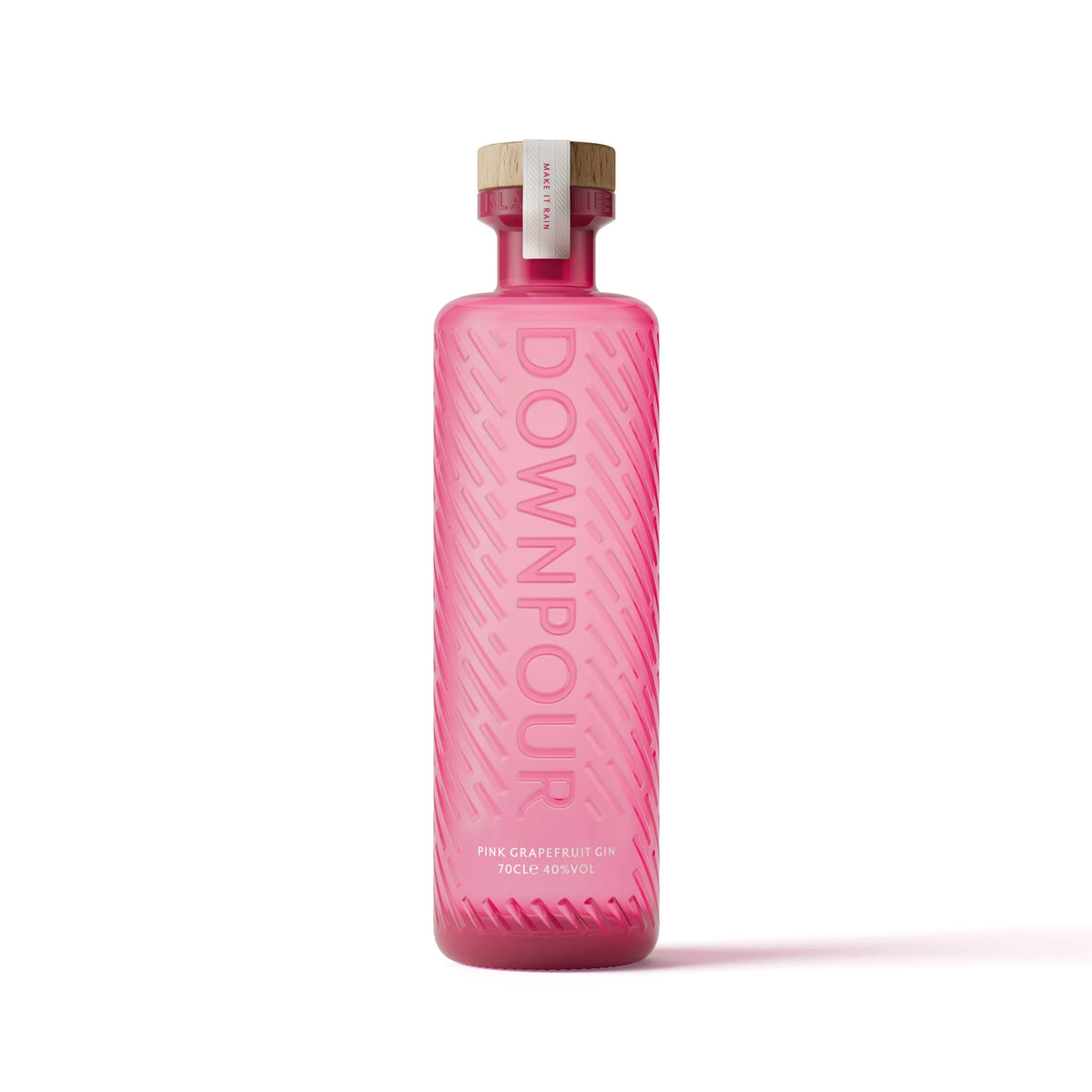
Downpour Pink Grapefruit Scottish Gin 40% 700ml
About New Arrivals
This page is built by rule rather than by hand. A bottle appears when it is flagged as new and there is stock behind it, and it drops off again once either of those changes, so the list reads differently most weeks. The mix follows what the wine and spirits calendar is doing. Wine is usually the largest share, split between Australian producers and European ones, with France, Spain and Italy the regular sources, and it arrives in waves as each vintage is released. Spirits land differently, in parcels rather than continuous supply: single malt from Japan, the United States and France, Irish whiskey, calvados and cognac from Normandy and Charente, armagnac and eau de vie from Gascony and Alsace, rum from independent bottlers, agave spirits from Mexico, and sake from Nagano. Vermouth, Italian aperitivi and French liqueurs turn up in smaller numbers. The practical use of the page is timing. If you already follow a producer, this is where the next vintage or the next cask release shows up first, often before it has settled into the category pages. If you are looking for something unfamiliar, it is a shorter and far more current list than working through Australian wines or French wines in full. Everything on it is delivered across Australia (exc. NT).
History
The rhythm behind a page like this is the vintage calendar, and there are two of them. Southern hemisphere fruit is picked between February and April, so an Australian or New Zealand white can be bottled and on sale within months of harvest. Northern hemisphere picking runs from late August into October, and European wine then has to cross the world, roughly six weeks at sea in temperature controlled containers, which is why a French vintage generally reaches Australia a year or more after it was grown. Reds held in barrel arrive later again. Spirits work on a different clock entirely. Calvados, cognac and armagnac carry their age from the day they are laid down, so a release date says nothing about when the fruit was picked, and independent bottlers buy single casks that yield a few hundred bottles and then never repeat. Sake sits closer to wine, brewed through the cold months and best drunk young. What changed most in Australia was distribution. Until the 1990s a handful of importers effectively set the national range, and small growers and distillers had no route in at all. Cheaper freight, direct relationships with producers and online retail broke that open, which is why a list of new arrivals now carries houses whose entire annual output would once have been too small to bother shipping.
How to drink it
Read a new listing for three things before anything else: strength, vintage or age, and bottle size. A spirit at 46 percent or above is usually bottled without chill filtration and made to be tasted rather than mixed, a 500ml bottle often signals a small batch, and a vintage tells you whether a wine is ready now or wants another year. Buy one bottle of an unfamiliar producer rather than a case, and if it works, go back promptly, because single casks and small parcels do not return. New vintages of a wine you already know are the safest purchase on any list like this. When it arrives, give a young red an hour of air and serve whites at about 10 degrees. Store spirits upright so the liquid is not sitting against the cork, and keep cork sealed wine on its side, away from light and heat. An opened bottle of spirit is fine for a year or two, and fades faster once it is below half. It helps to keep a fixed reference at home to taste new things against: something like Camarena Blanco for agave, Dublin's Own for light whiskey, or a Nagano Meijo junmai daiginjo for sake. More in whisky, sake and calvados.