
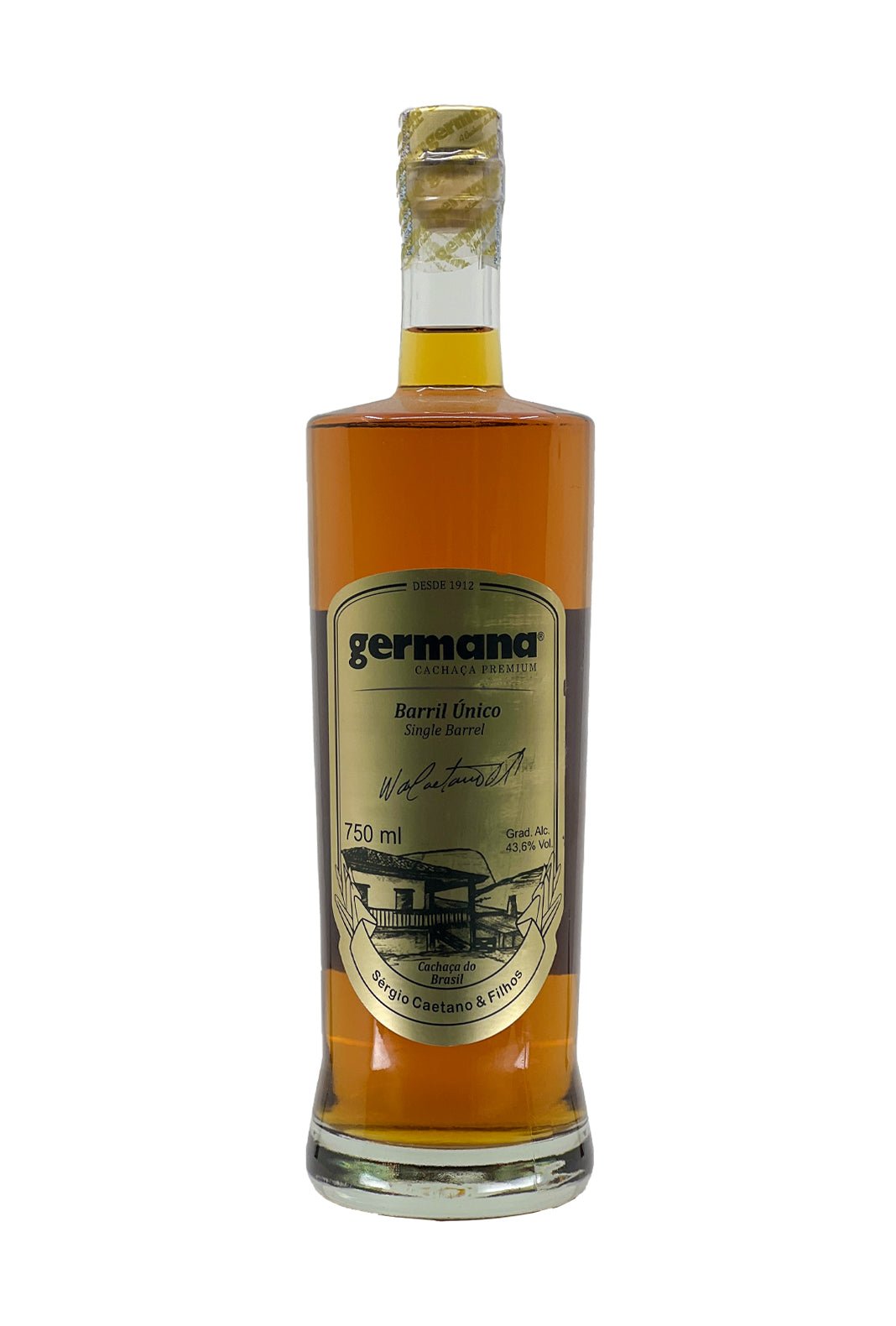
Germana Cachaca Single Barrel 43.6% 700ml
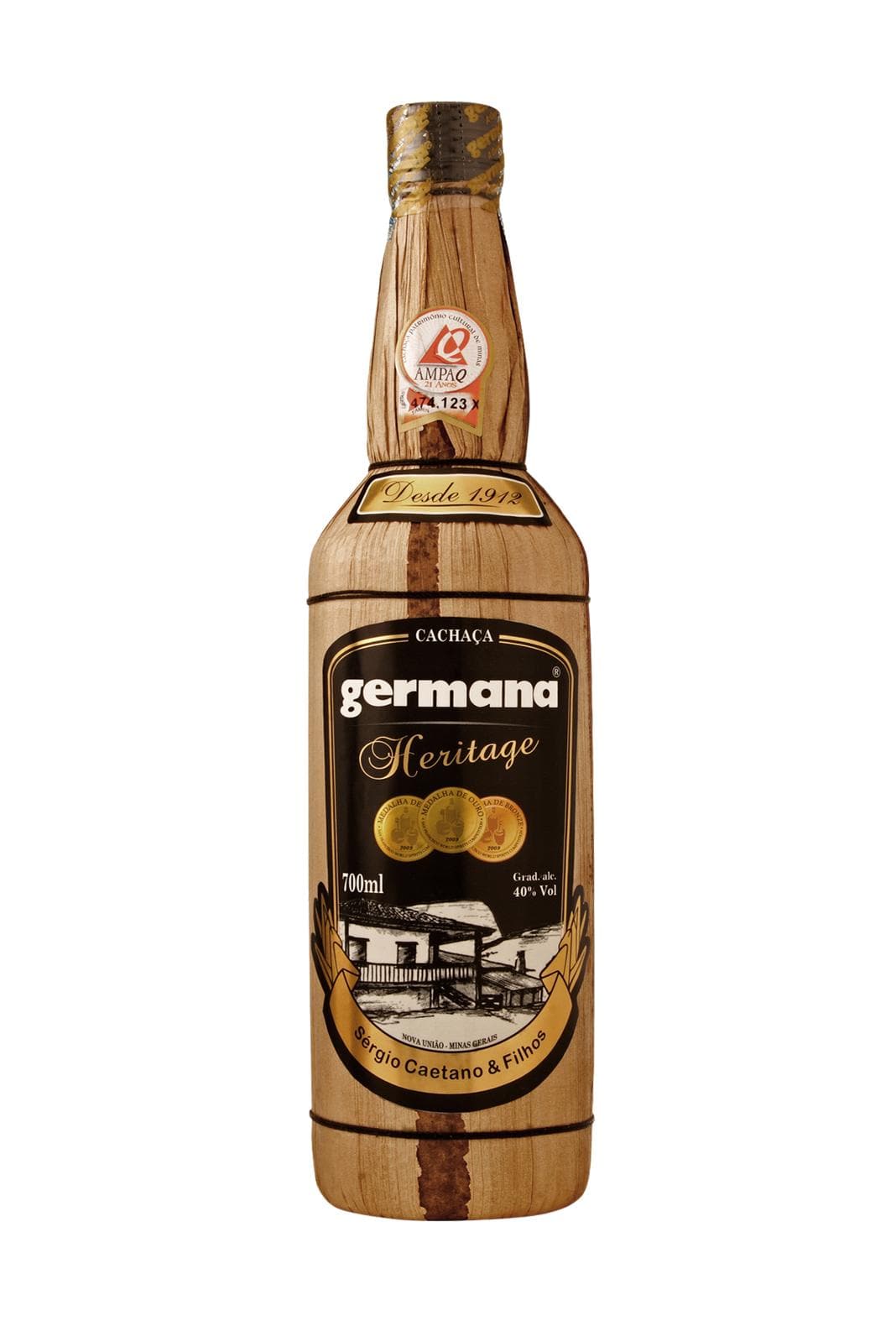
Germana Cachaca Heritage 10 years 40% 700ml
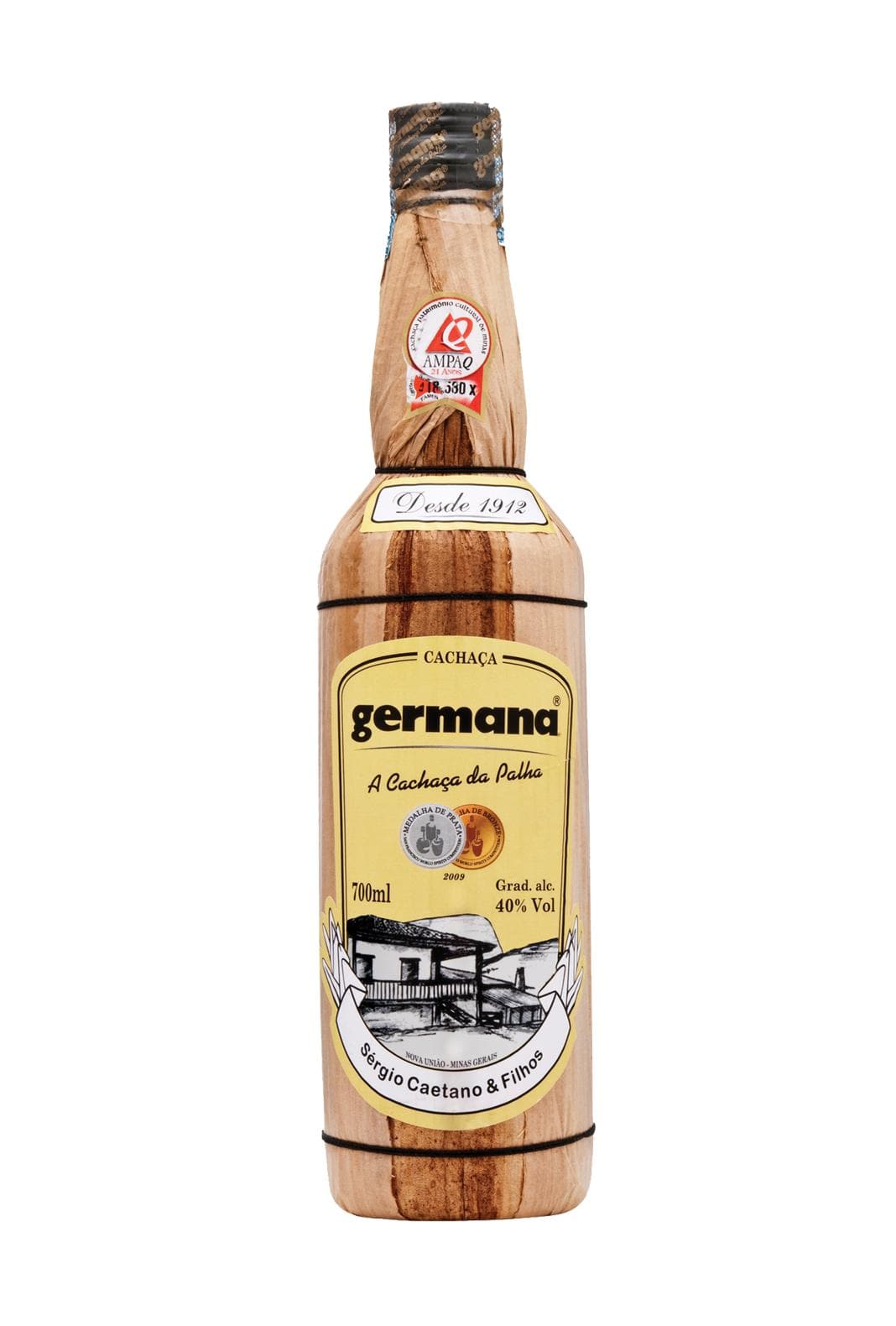
Germana Cachaca 2 Years 40% 700ml
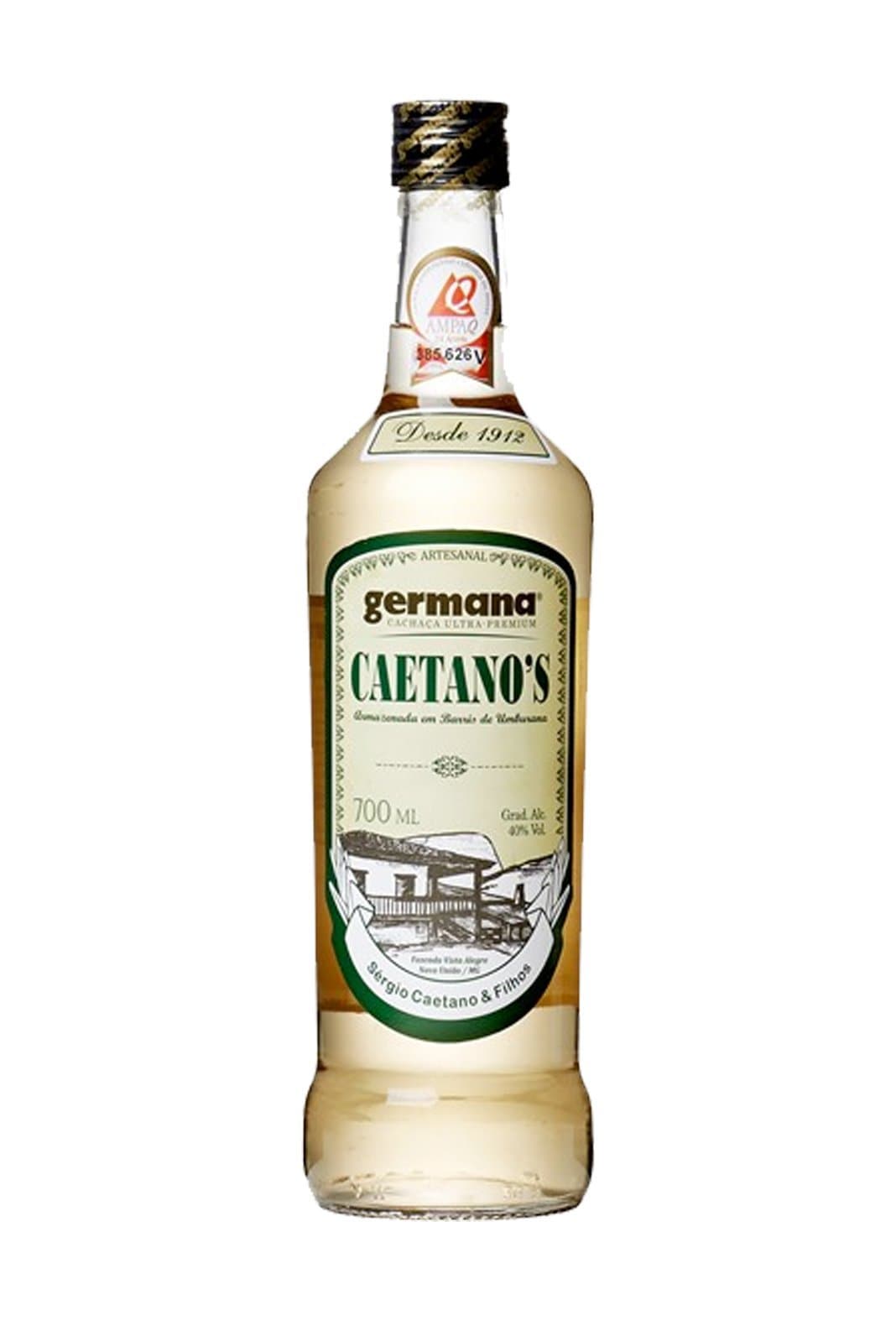
Germana Cachaca Caetano's Umburana wood cask 40% 700ml
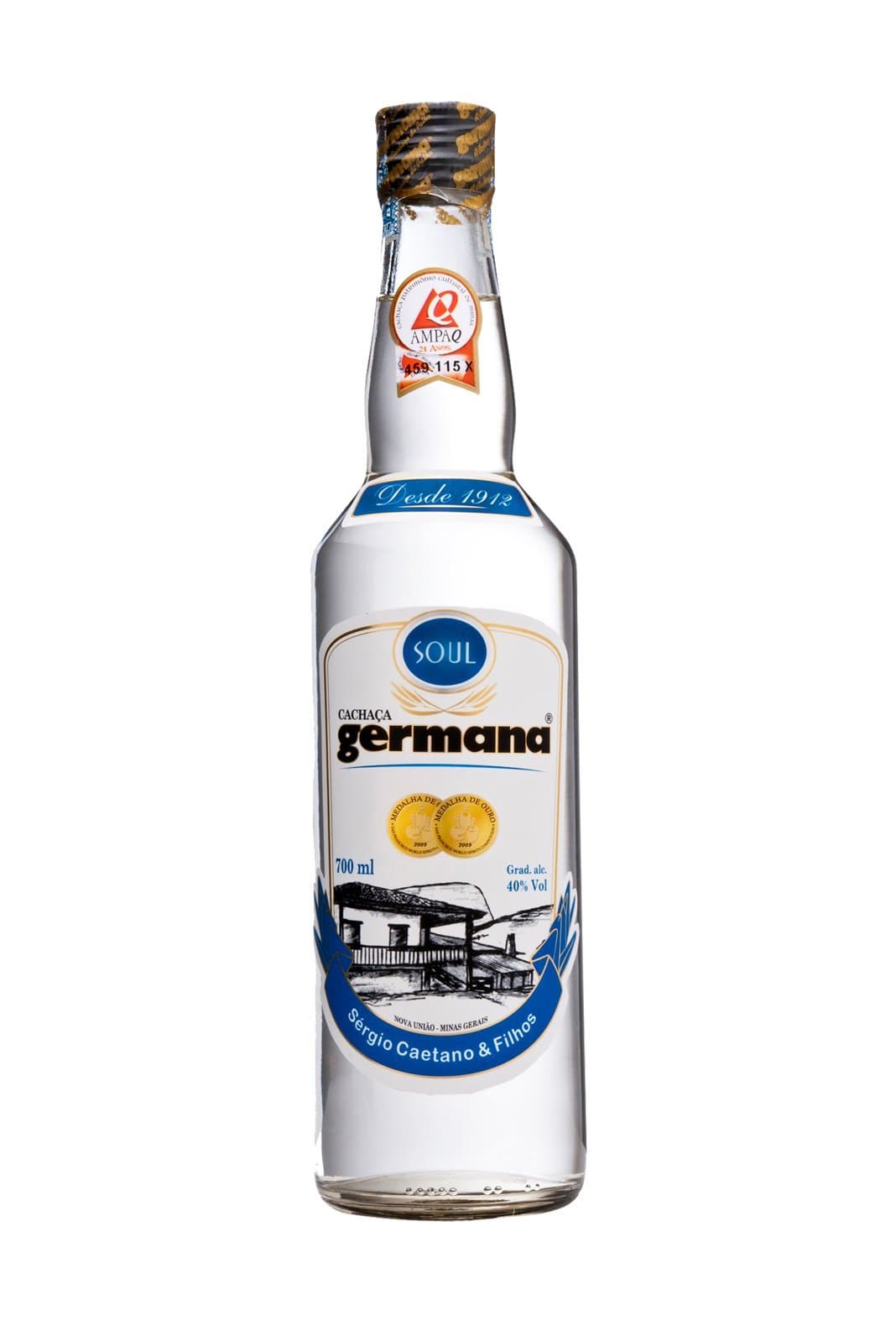
Germana Cachaca Soul (White) 40% 700ml
About Cachaca
Every bottle here is Germana, a family distillery in Minas Gerais, and the range is small enough to explain in a paragraph.
Soul is the unaged white. This is the caipirinha bottle, and it is a long way from the industrial cachaca most Australians have met: grassy, floral and clean rather than harsh.
The 2 Year sits in the middle, rested long enough to soften without losing the cane.
Single Barrel at 43.6% is the step up, drawn from one cask rather than blended.
Heritage at 10 years is the sipping bottle. A decade in wood turns cachaca into something closer to a fine aged brandy, and it is the bottle to reach for if you think you do not like cachaca.
Caetano's, aged in umburana, appears when stock allows. Umburana is a Brazilian hardwood that gives cinnamon and vanilla notes you will not find in any oak-aged spirit, and it is worth trying purely because nothing else tastes like it.
If you like cachaca, rhum agricole is its closest relative: both are distilled from fresh cane juice rather than molasses.
What cachaca is, how it really differs from rum, and what the aged label terms mean are covered in our cachaca guide.
History
Cachaca is the oldest distilled spirit in the Americas. Portuguese colonists were distilling fermented sugarcane juice in Brazil by the 1530s, more than a century before rum appears in the Caribbean record.
It was the drink of the enslaved and the poor for most of its history, and the Portuguese crown repeatedly tried to suppress it to protect imports of grape brandy from home. Those bans failed, and cachaca became bound up with Brazilian independence politics as a result.
Legally it is distinct from rum. Brazilian law requires cachaca to be made in Brazil from fresh sugarcane juice, fermented and distilled to between 38 and 48 per cent. Rum is usually molasses-based and has no equivalent restriction. Since 2013 the United States has recognised cachaca as a distinctive Brazilian product rather than a type of rum, and other markets have followed.
The other real difference is wood. Where Scotch and rum sit in oak, cachaca is aged in Brazilian timbers such as umburana, amburana, jequitiba and balsamo, each of which contributes flavours the international spirits world has almost no other access to.
Martinique answered the same question about cane juice quite differently, and our rhum agricole guide sets the two traditions side by side.
How to drink it
The caipirinha is the reason to own a bottle of white cachaca, and it is a simple drink done badly almost everywhere. Half a lime cut into wedges, two bar spoons of sugar, muddled together in the glass, then cachaca poured over crushed ice and stirred. Muddle the lime and sugar, not the lime skin to death: over-muddling releases bitterness from the pith.
Use the Soul for this. An aged cachaca in a caipirinha is a waste of both.
The batida is the other Brazilian standard: cachaca, condensed milk and fruit, blended.
Aged cachaca, particularly the 10 Year Heritage, should be treated as a sipping spirit. Tulip glass, room temperature, nothing added. It sits somewhere between an aged agricole and a young cognac, with the wood giving spice rather than sweetness.
For a straightforward comparison at home, pour the Soul against an agricole blanc. Both are fresh cane spirits, and the difference between Brazilian and Martinican practice becomes obvious in one sip.