
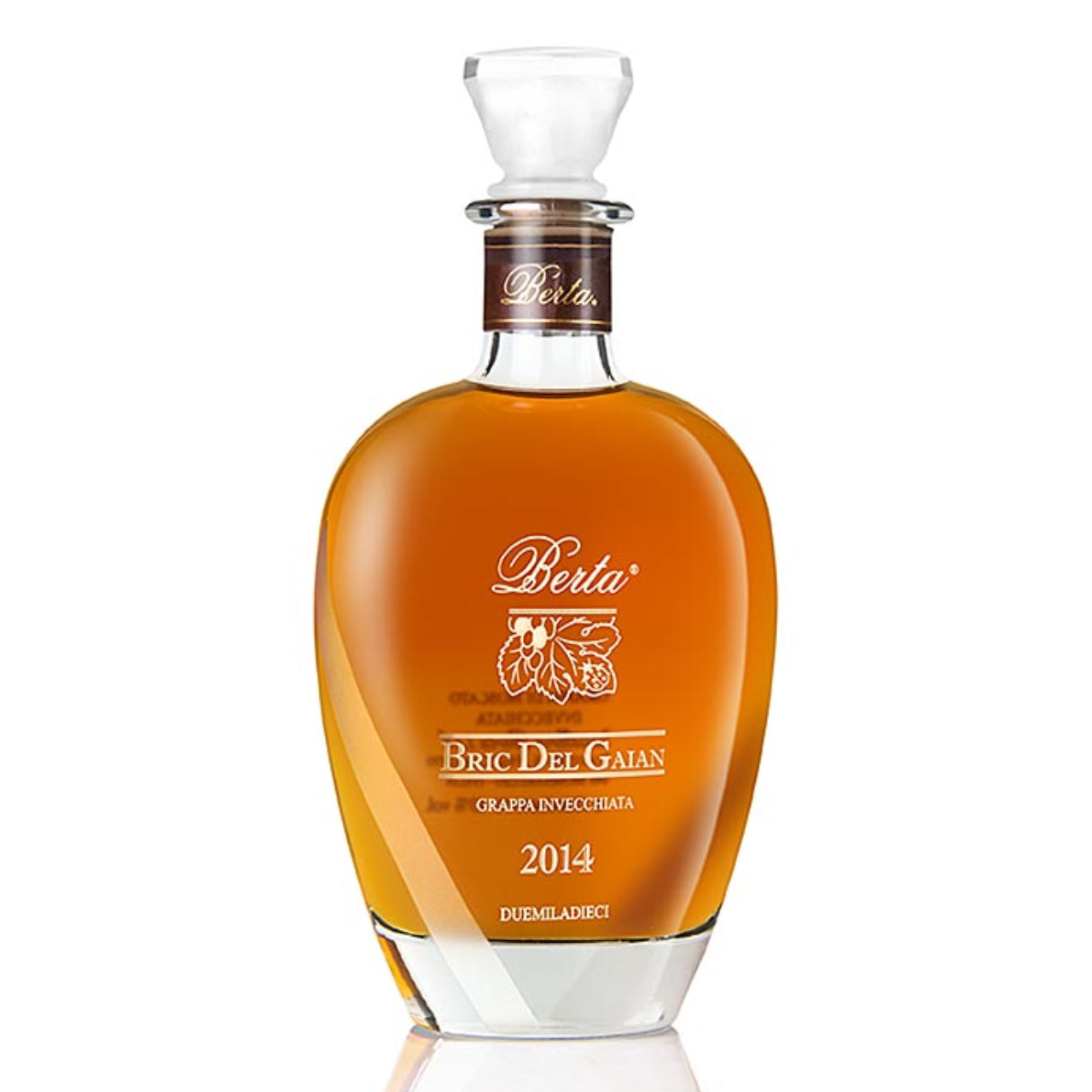
BERTA Bric Del Grappa 700ml
CASTELLARE Grappa di Sangiovet
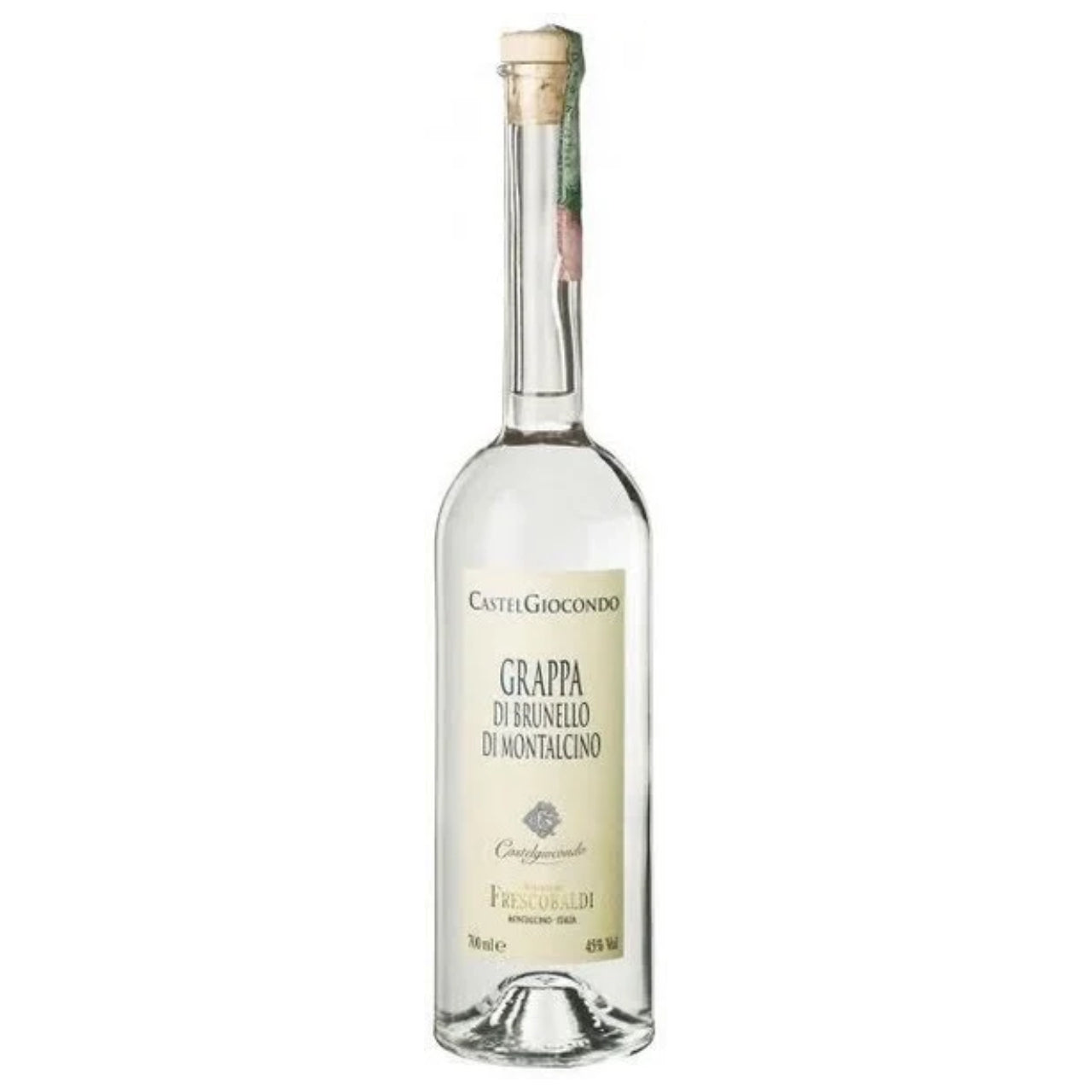
FRESCOBALDI Grappa di Brun
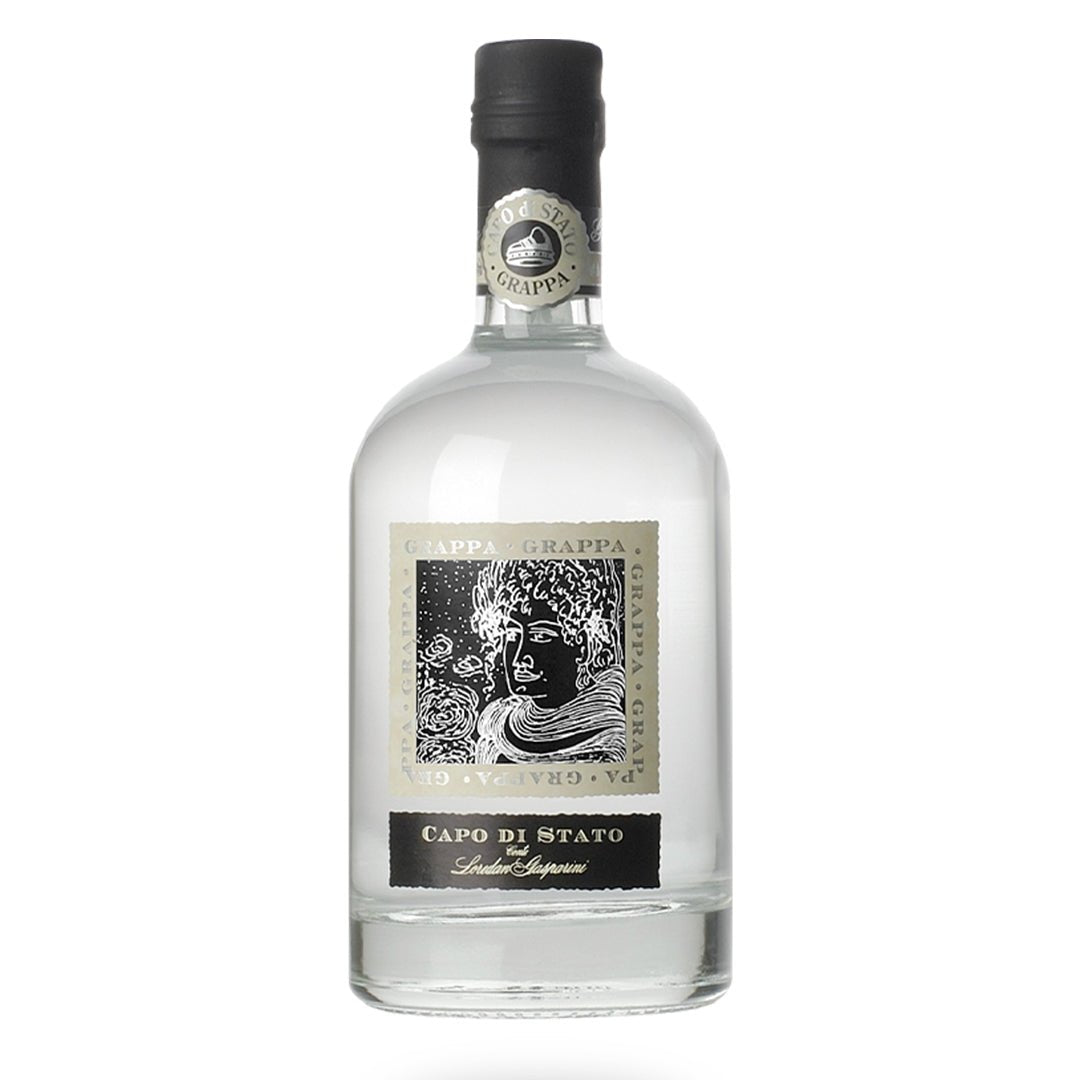
LOR GASP Grappa Capo di Stato
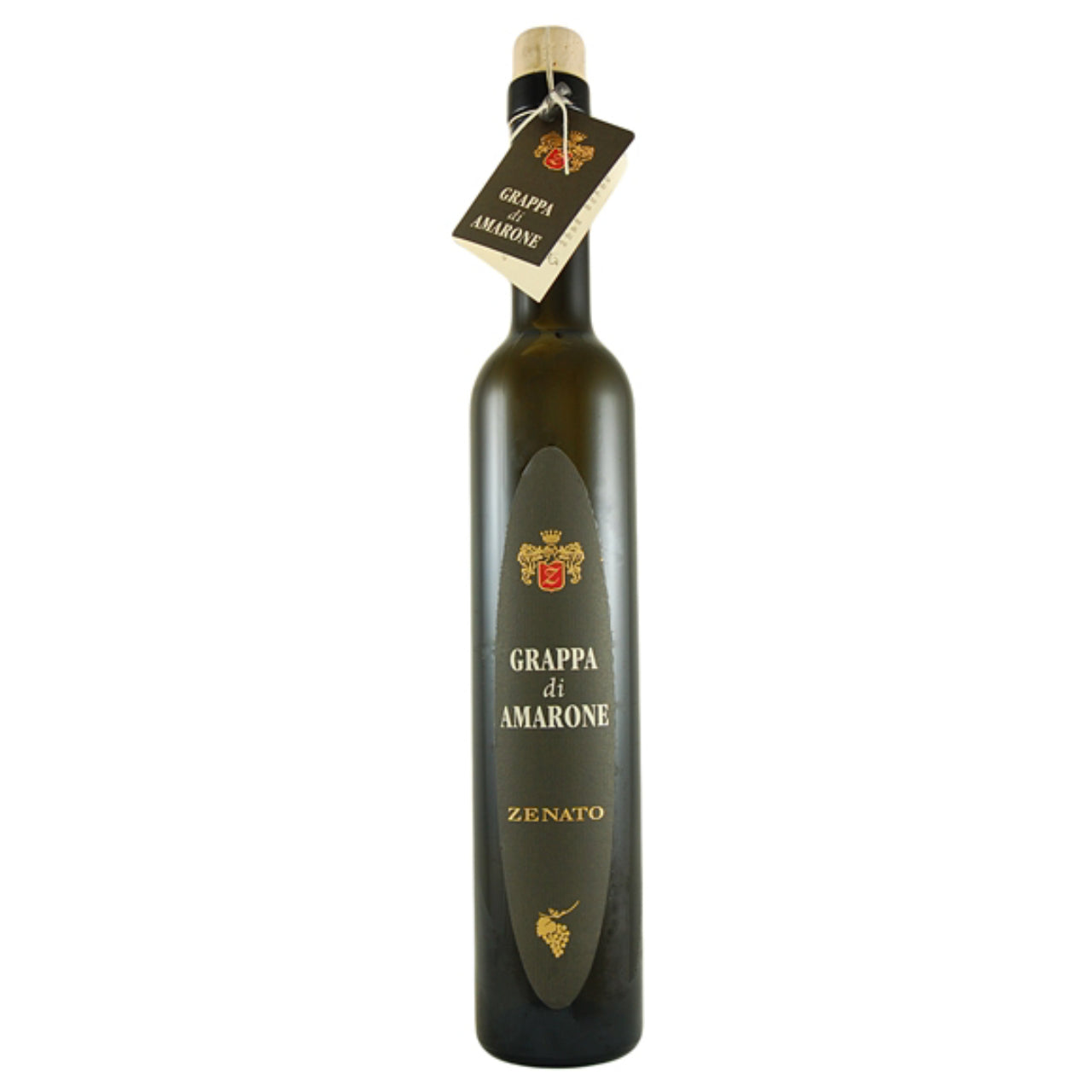
ZENATO Grappa di Amarone
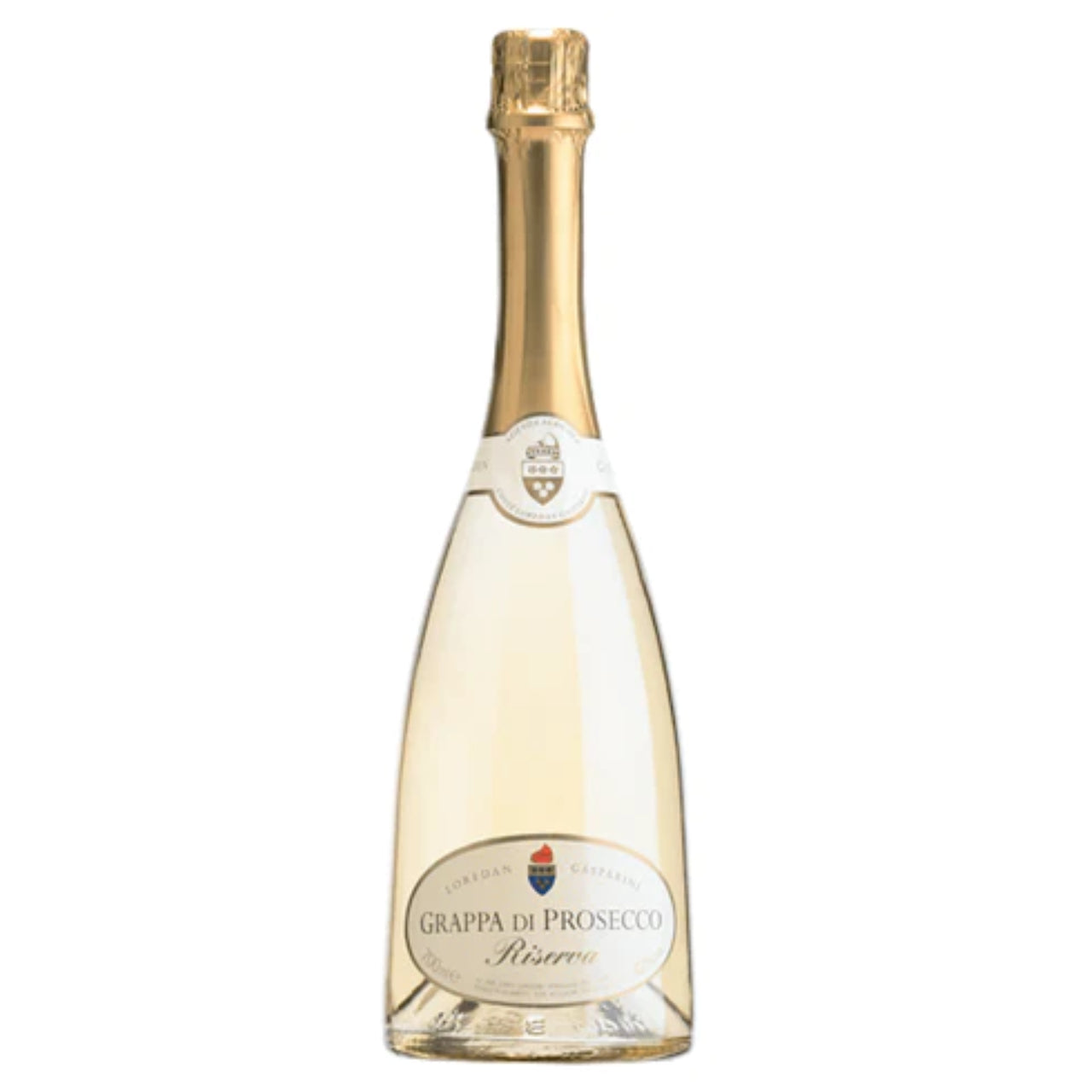
Loredan Grappa Prosecco 500ml
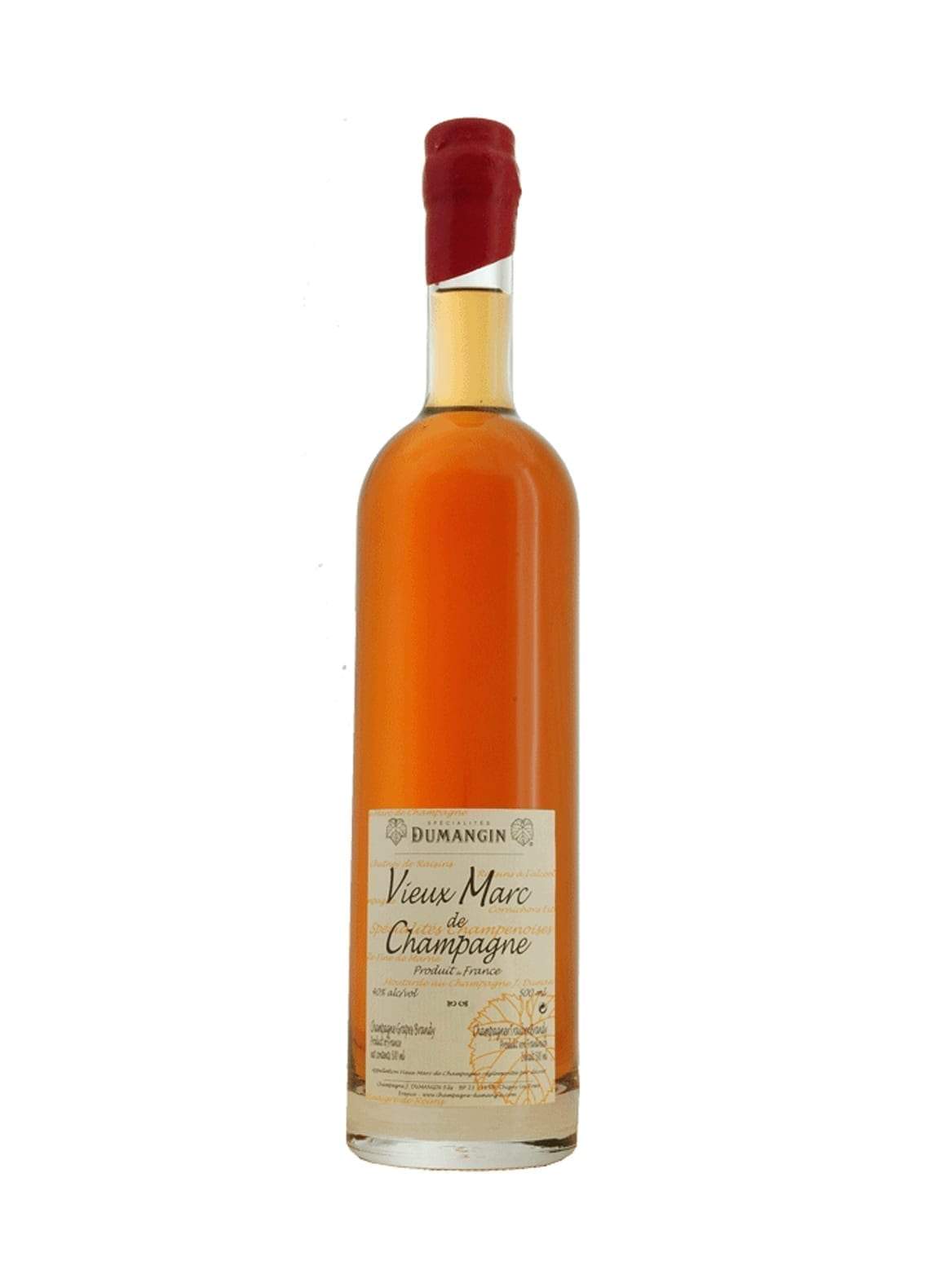
Dumangin Vieux Marc de Champagne 6 years 40% 700ml
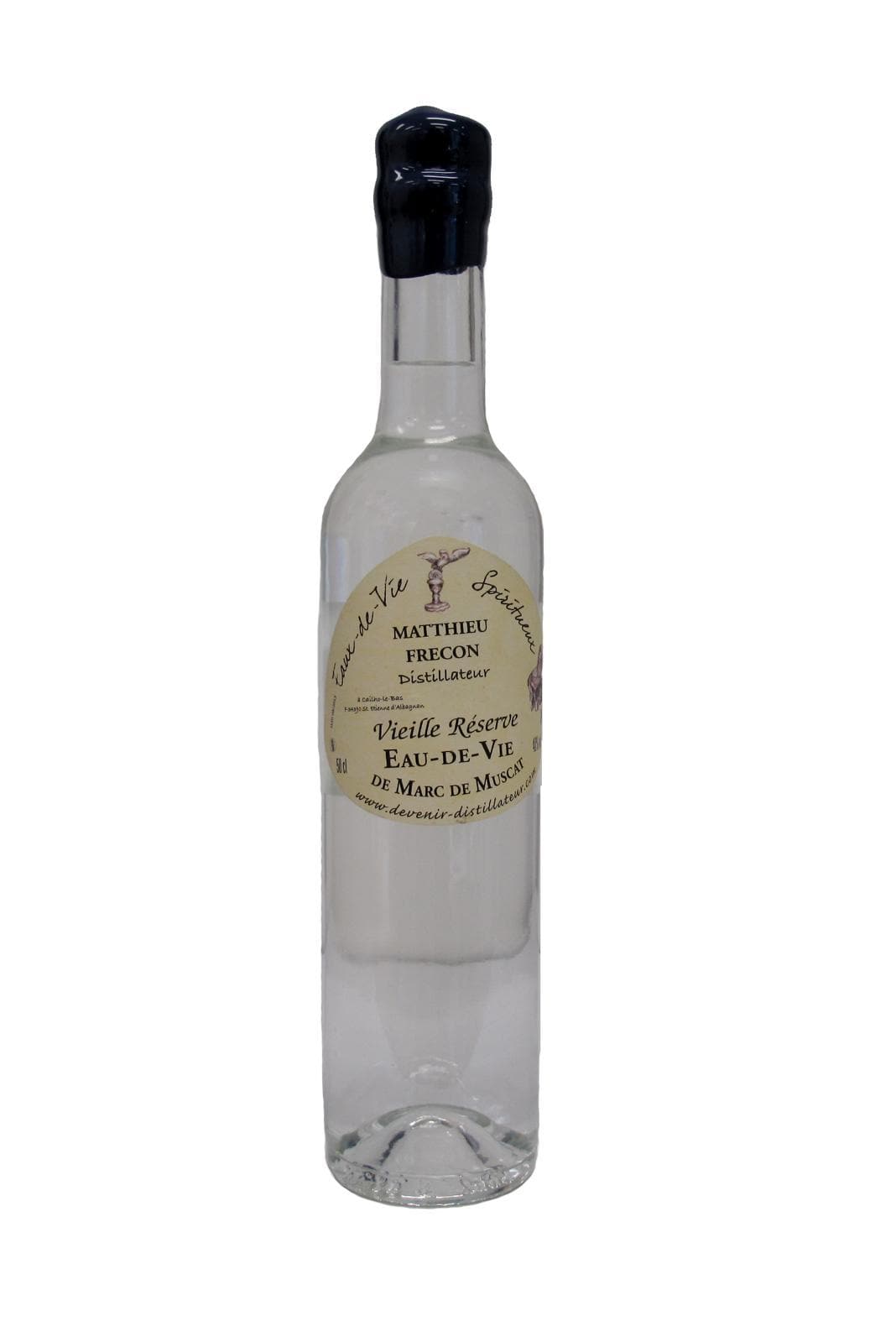
Bouilleur Marc de Muscat Vieille Reserve 40% 500ml
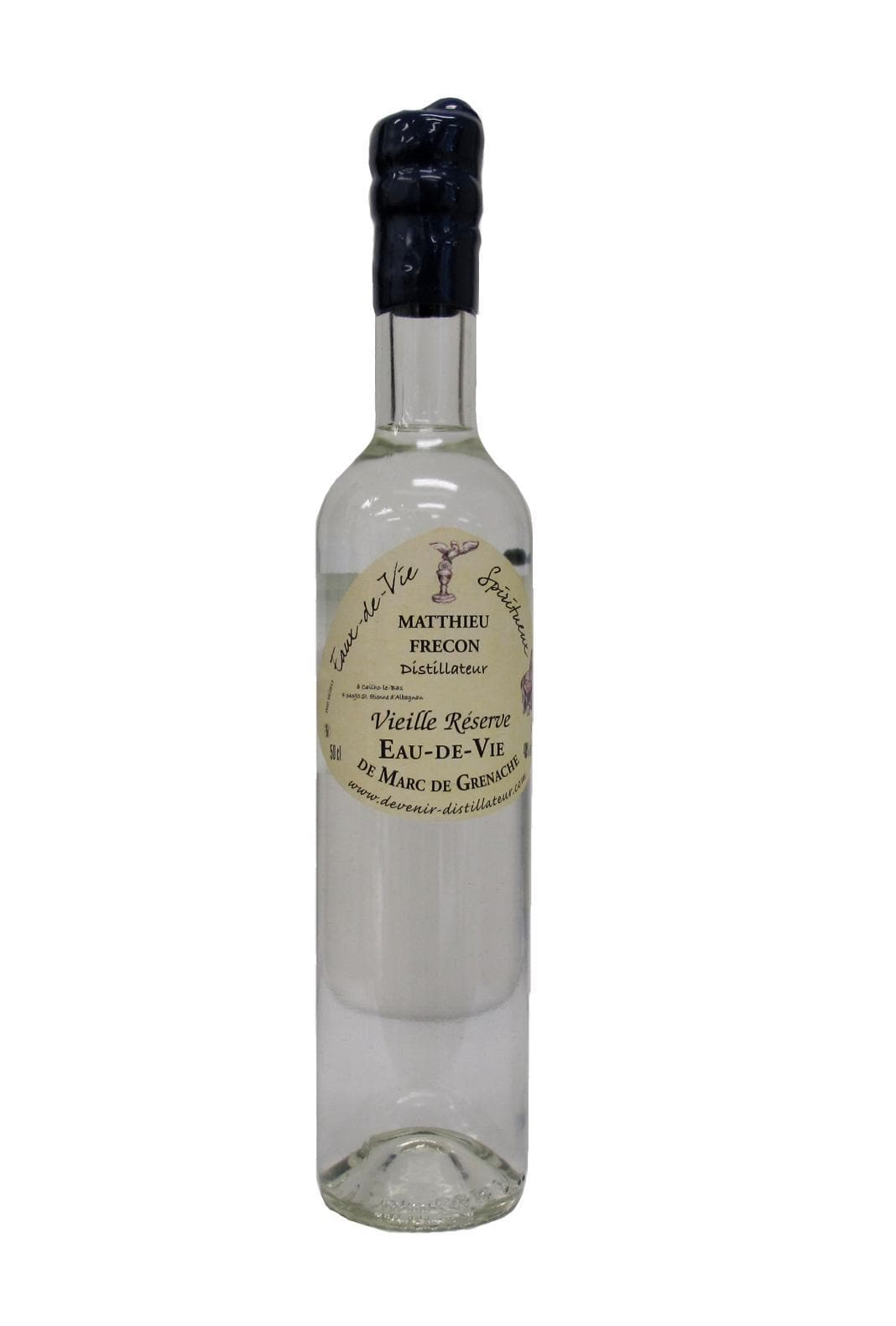
Bouilleur Marc de Grenache 6 years 40% 500ml
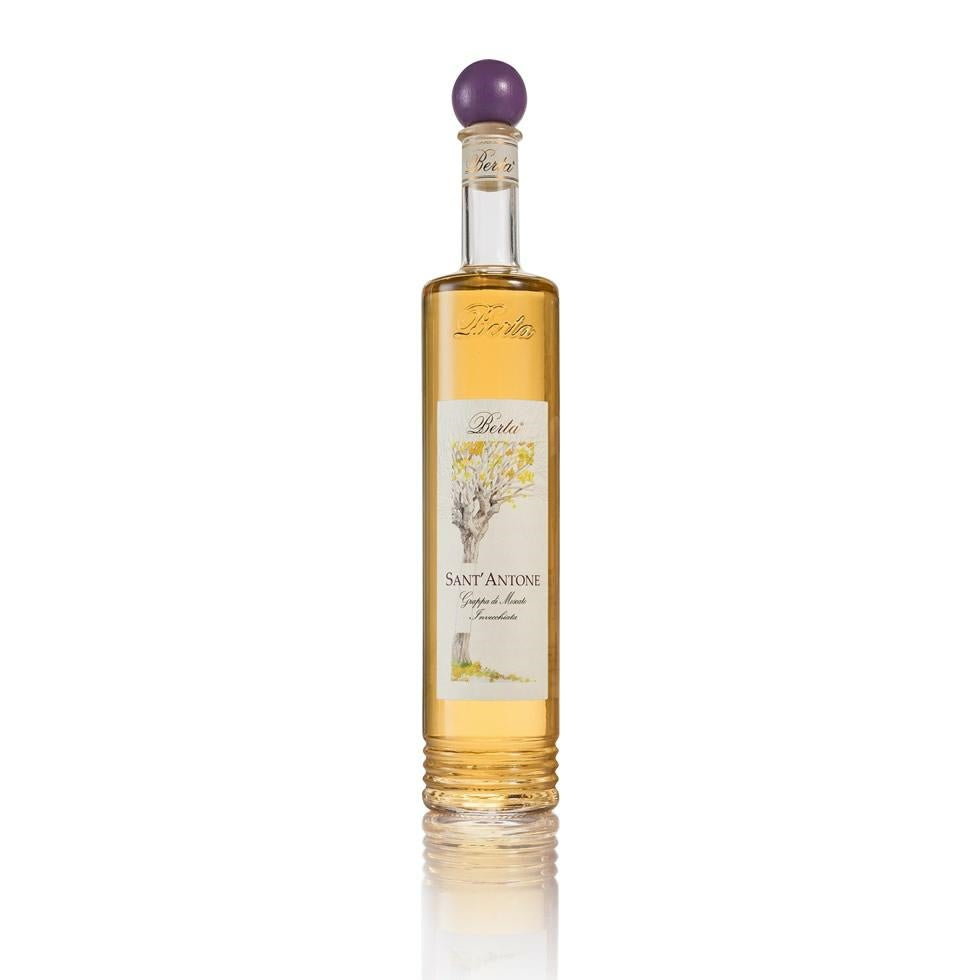
BERTA Sant'Antone Mosc Grappa
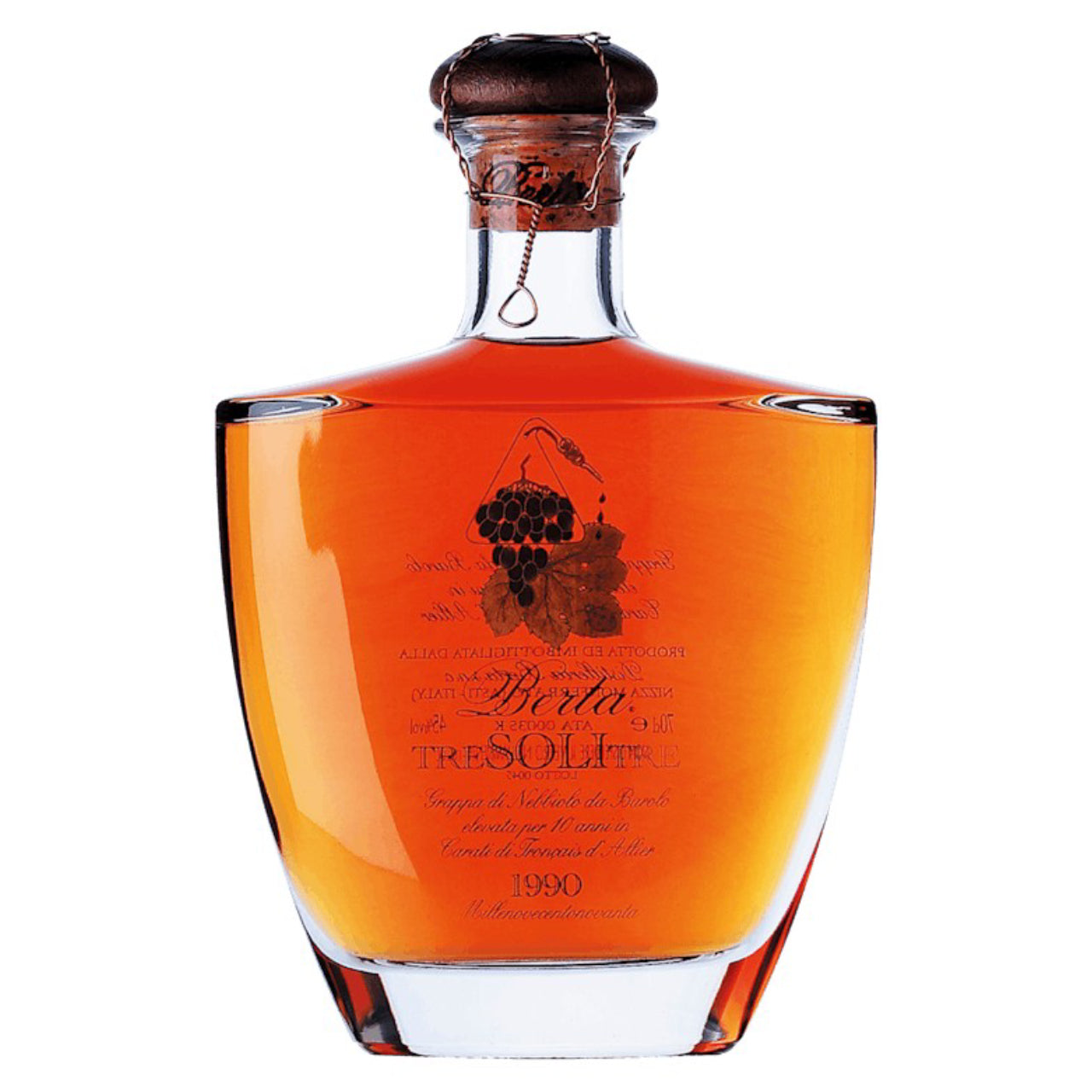
BERTA Tre Soli Grappa 700ml
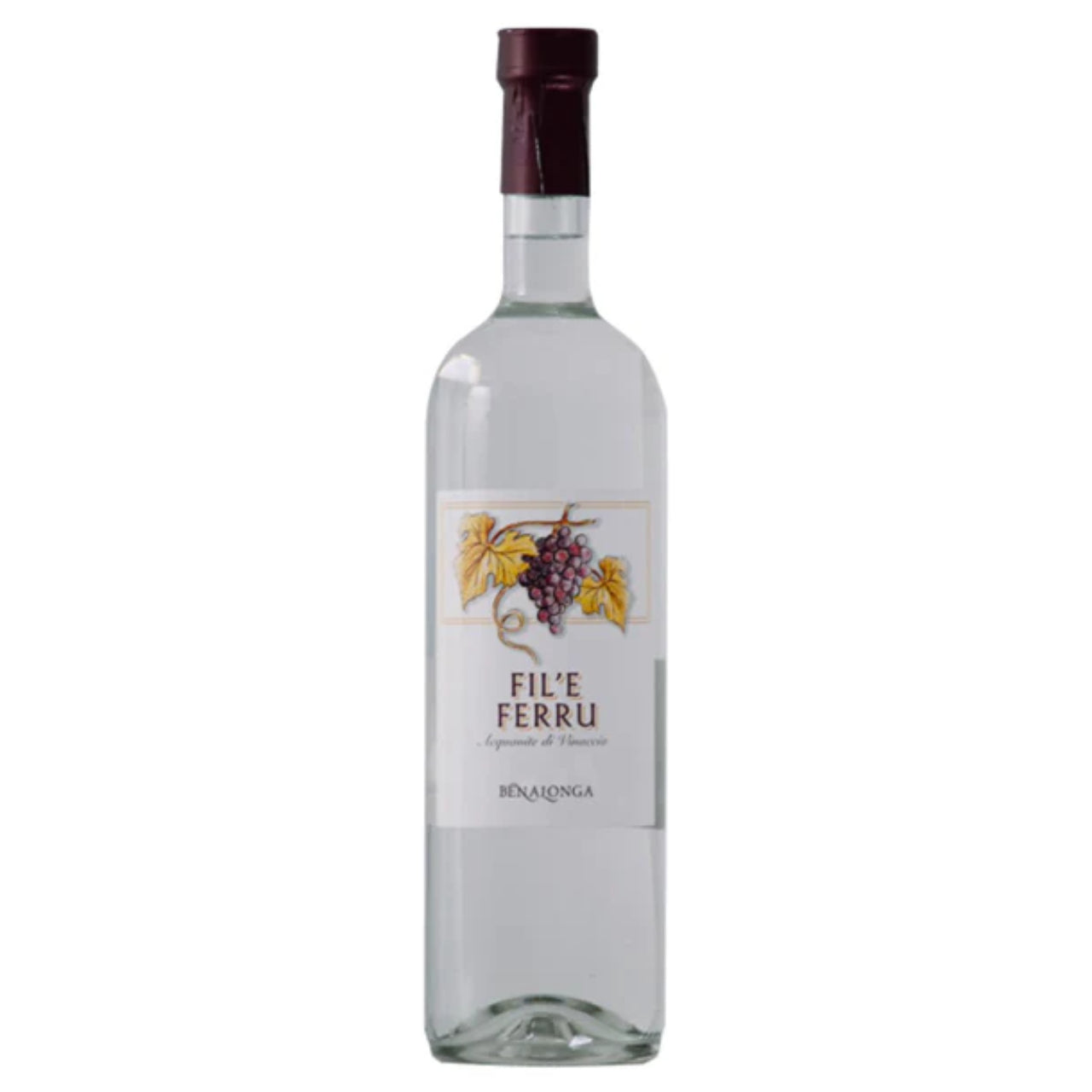
Arg Filu Ferru Benalonga Grapp
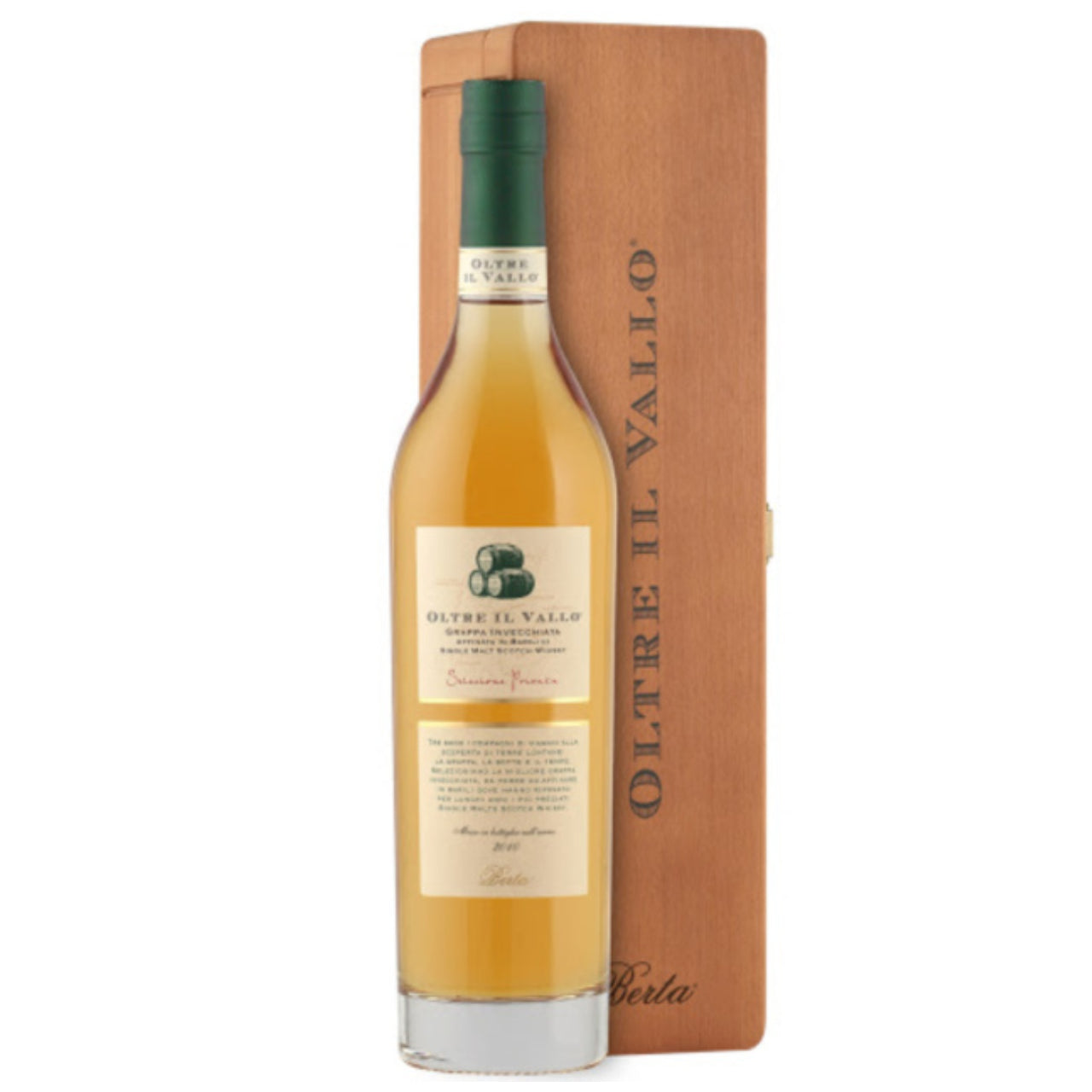
Berta Oltre il Vallo 3YO 43%

Duca di Castel Gr Marsala 500
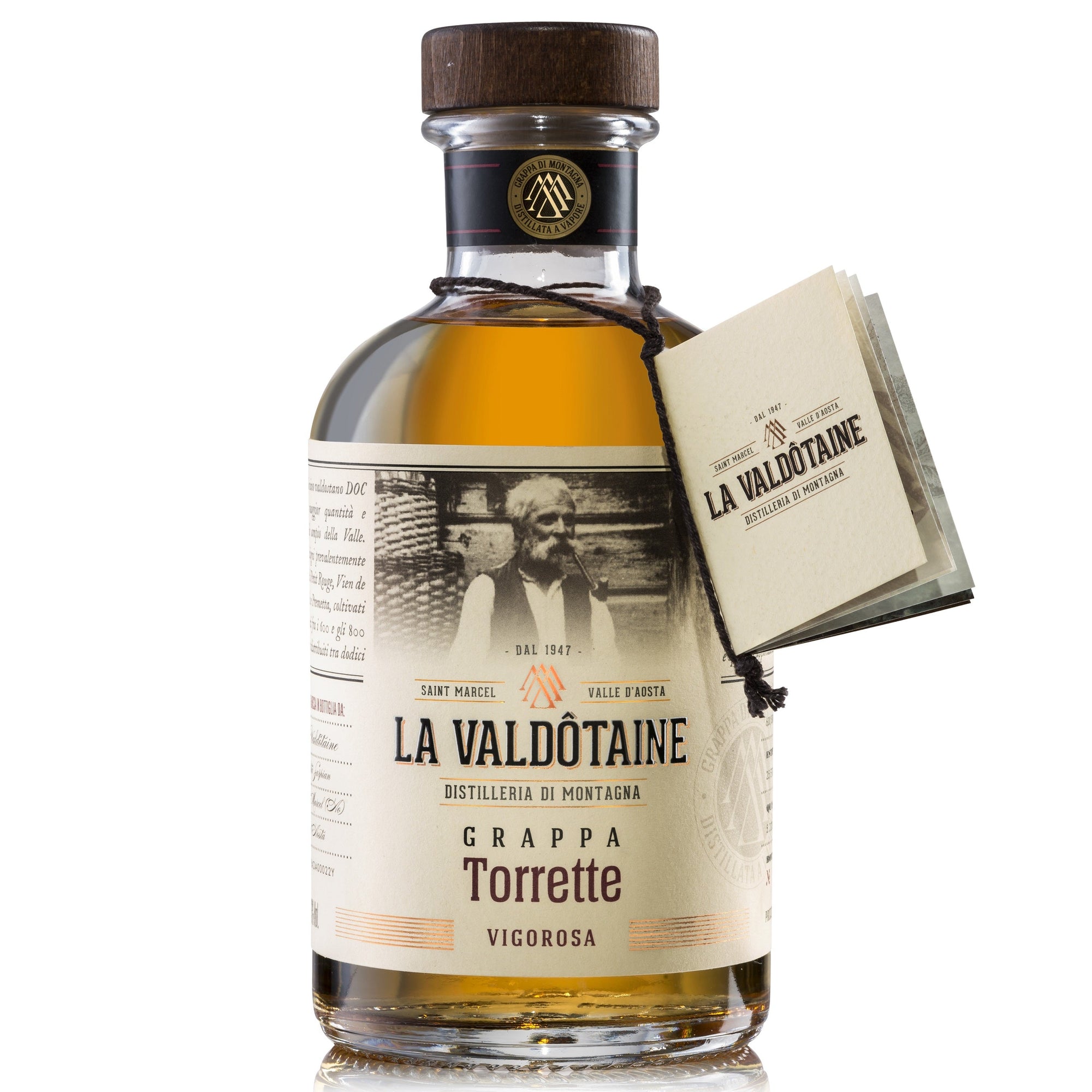
La Valdotaine Torrette Grappa 43% 500ML
About Marcs & Grappa
Grappa is distilled from the skins, seeds and stems left after grapes are pressed, and the Italian producers here bottle it by grape and by estate rather than as an anonymous house style. That is the whole appeal. A grappa made from Amarone pressings does not taste like one made from Prosecco.
Berta, at Mombaruzzo in Piedmont, is the deepest part of the range: Bric del Grappa, Roccanivo, Tre Soli, Sant'Antone, Paolo and the three year old Oltre il Vallo, most at 40 to 43 per cent.
From the Veneto, Zenato at Peschiera del Garda bottles a Grappa di Amarone, made from the dried grapes that Amarone leaves behind. A Capo di Stato grappa at 48 per cent comes from Venegazzu, and Loredan's is distilled from Prosecco.
Tuscany brings Castellare di Castellina's Grappa di Sangiovese, made at Castellina in Chianti, and Frescobaldi's grappa from Florence. La Valdotaine at Saint Marcel in the Valle d'Aosta, Arnaldo Caprai and Donnafugata fill out the rest, along with a Filu 'e Ferru grappa from Serdiana in Sardinia.
The French side of the page is small: a six year old Vieux Marc de Champagne from Dumangin and two bottlings from L'Atelier du Bouilleur.
The wines these grappas came from are on the site too. See Italian wines for the Zenato, Frescobaldi and Castellare bottles themselves, or brandy for the wider family.
What grappa is, why it must be Italian, and what invecchiata, riserva and grappa di prosecco mean are all explained in our grappa guide.
History
Grappa began as thrift. Pressing grapes for wine leaves a mass of skins, seeds and stems still holding sugar and alcohol, and distilling it turned a by product into something that could be kept and sold. For centuries it was a farm spirit, made roughly and drunk young, and its reputation reflected that.
The change came in the second half of the twentieth century, when producers began treating the pressings the way winemakers treat fruit: fresh rather than left to spoil, distilled promptly, in copper stills, one grape variety at a time. Single variety bottling is the innovation that turned grappa from a rough digestivo into something you compare the way you compare wine.
Estate grappa follows the same logic a step further. When a wine house distils the pressings of its own vineyards, the grappa carries the grape and the site of the wine it came from. Castellare's comes from sangiovese at Castellina in Chianti. Zenato's comes from the dried grapes of Amarone.
Ageing is the other axis. Young grappa is clear and sharp with the grape at the front. Time in wood, as in Berta's older bottlings, turns it amber and softens it towards the texture of an aged brandy without losing the character of the skins underneath.
How to drink it
Serve young, unaged grappa cold, around nine to twelve degrees, in a small tulip glass. Straight from the fridge is close enough. Cold keeps the alcohol in check and lets the grape aromatics through.
Aged grappa is the opposite. Serve it at room temperature in a slightly larger glass, the way you would an aged brandy, and give it a few minutes of air first.
Pour small measures. At 40 to 48 per cent these are after dinner spirits, and the second sip tells you more than the first.
The classic Italian use is the caffe corretto: a shot of espresso with a splash of grappa in it, or served alongside in its own glass. The ammazzacaffe, the coffee killer, is the same idea in the other order, a small glass of grappa after the coffee has been drunk.
With food, grappa goes with hard aged cheese, dark chocolate, almond biscuits and anything else you would use to finish a long meal.
If you are buying a first bottle, take a young single variety grappa rather than an aged one. It is the clearer demonstration of what the category actually is.
More from this origin and style: