
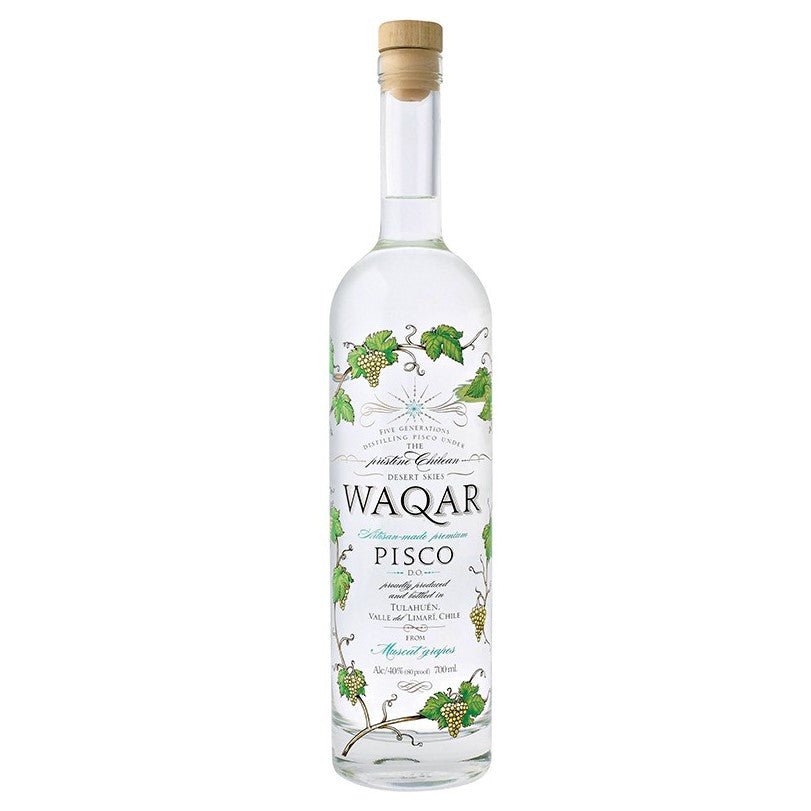
Pisco Ultra Premium Waqar 40% 700mL
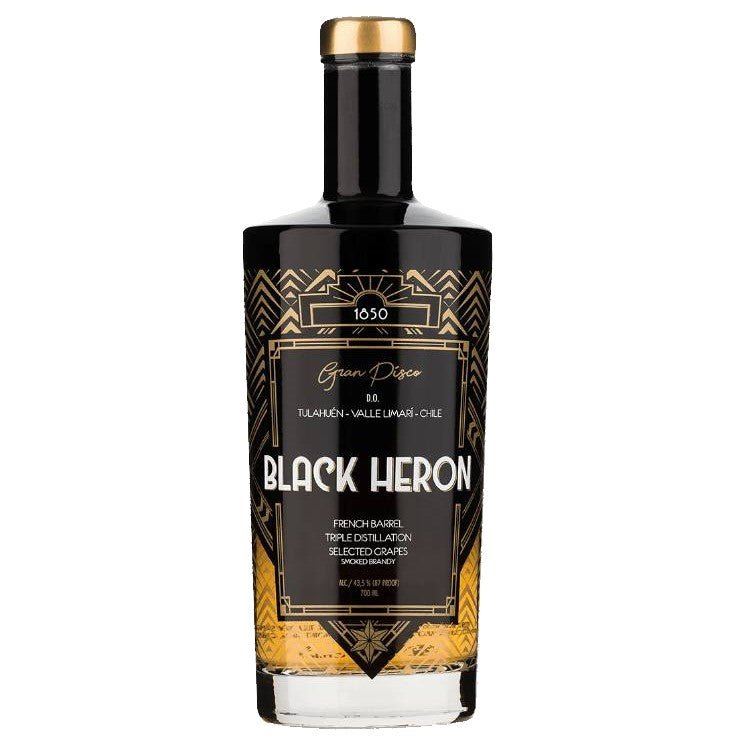
Pisco Ultra Premium Black Heron 43.5% 700mL
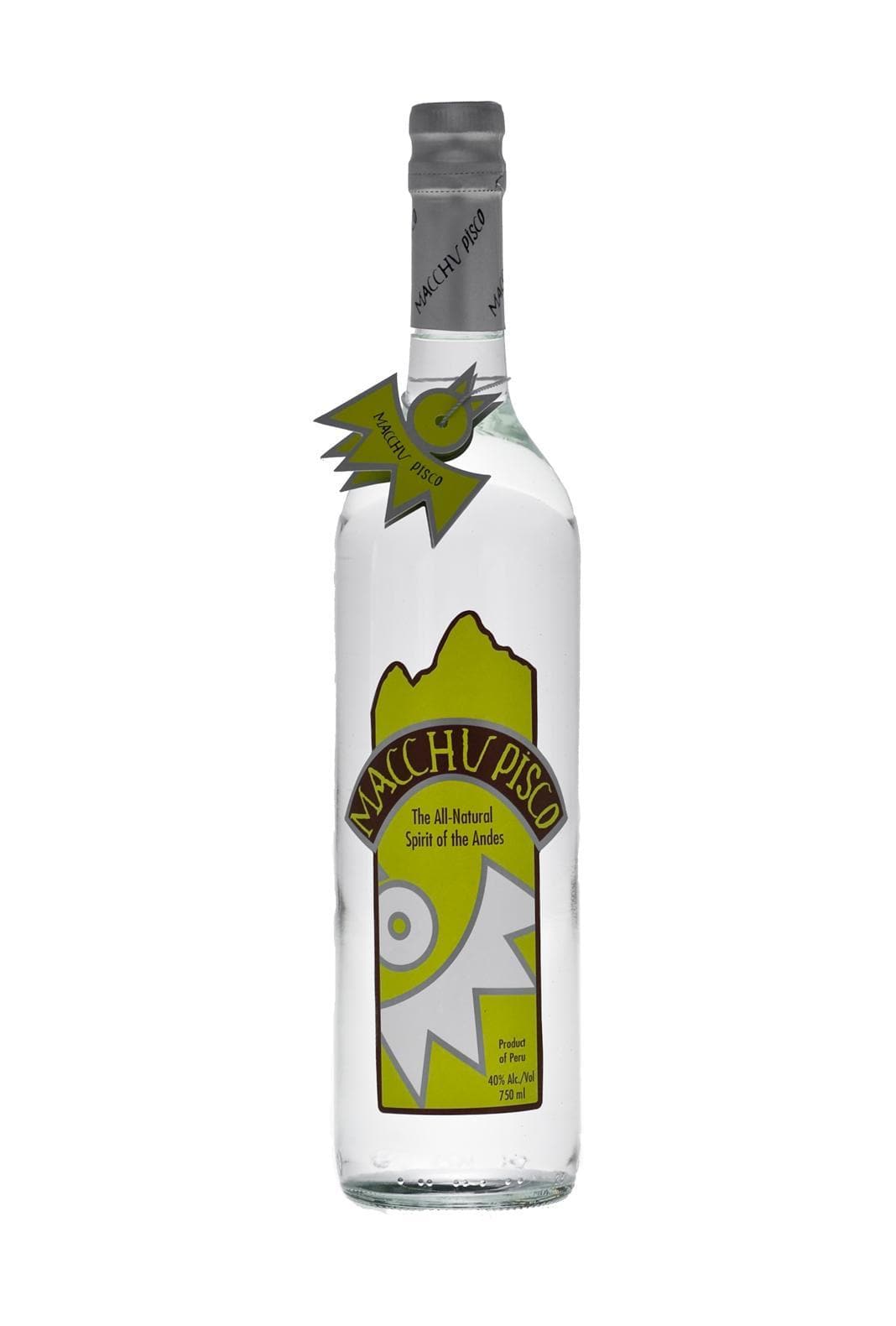
Macchu Pisco Pisco 40% 700ml
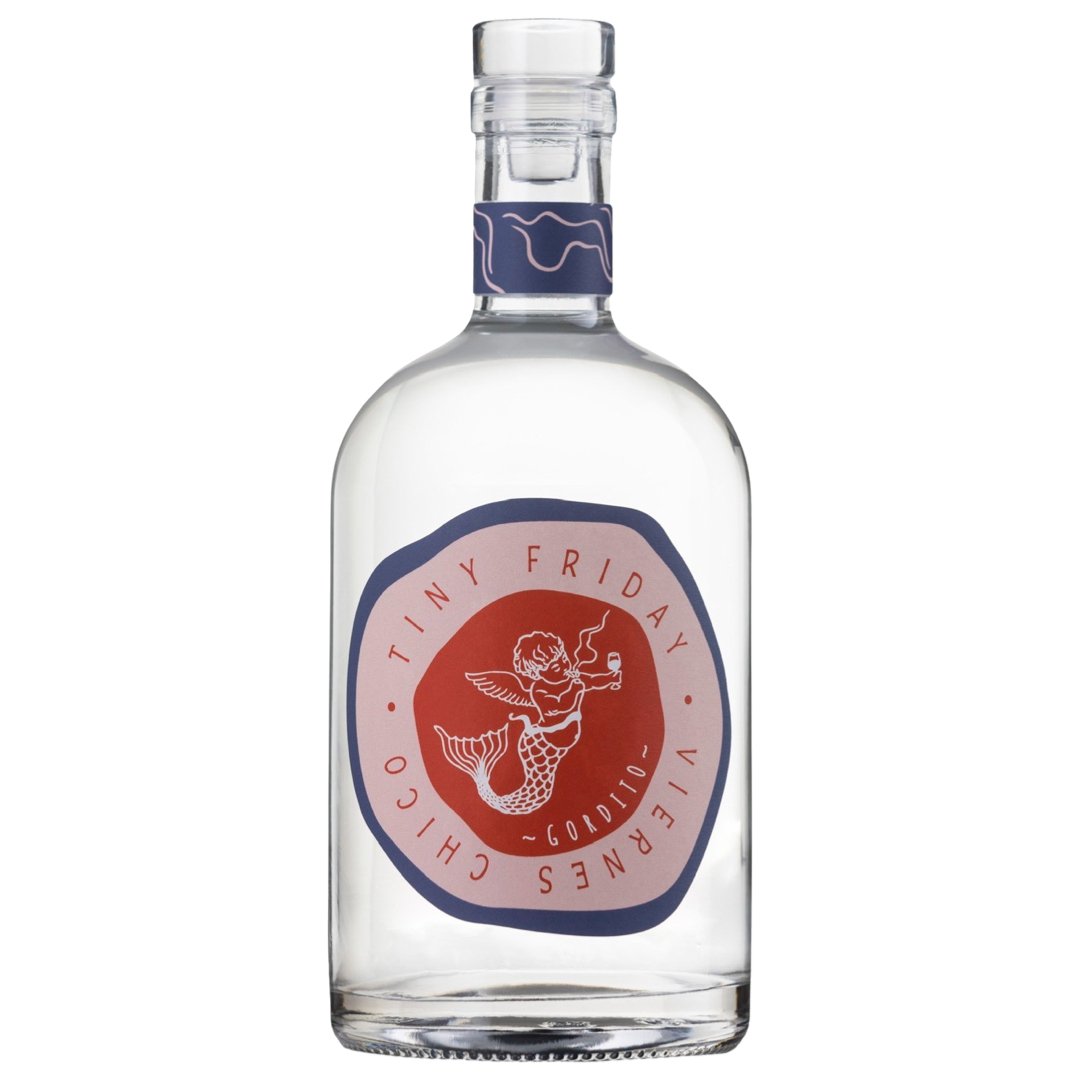
Tiny Friday Gordito 40% 500ML
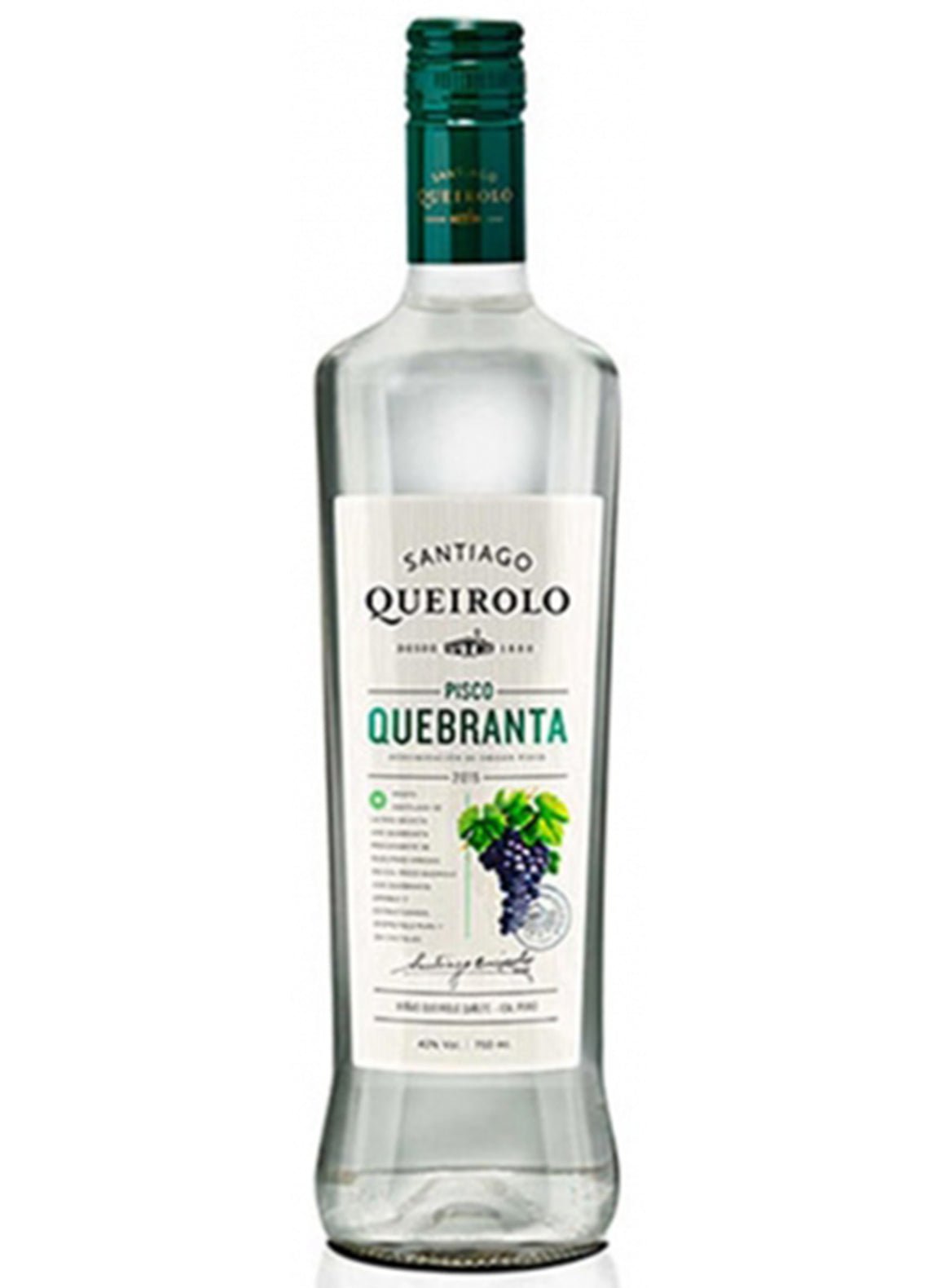
Santiago Queirolo Pisco Quebranta 700ml
About Pisco
Pisco is made in both Peru and Chile, the two countries disagree about almost everything to do with it, and this page carries both so you can judge for yourself.
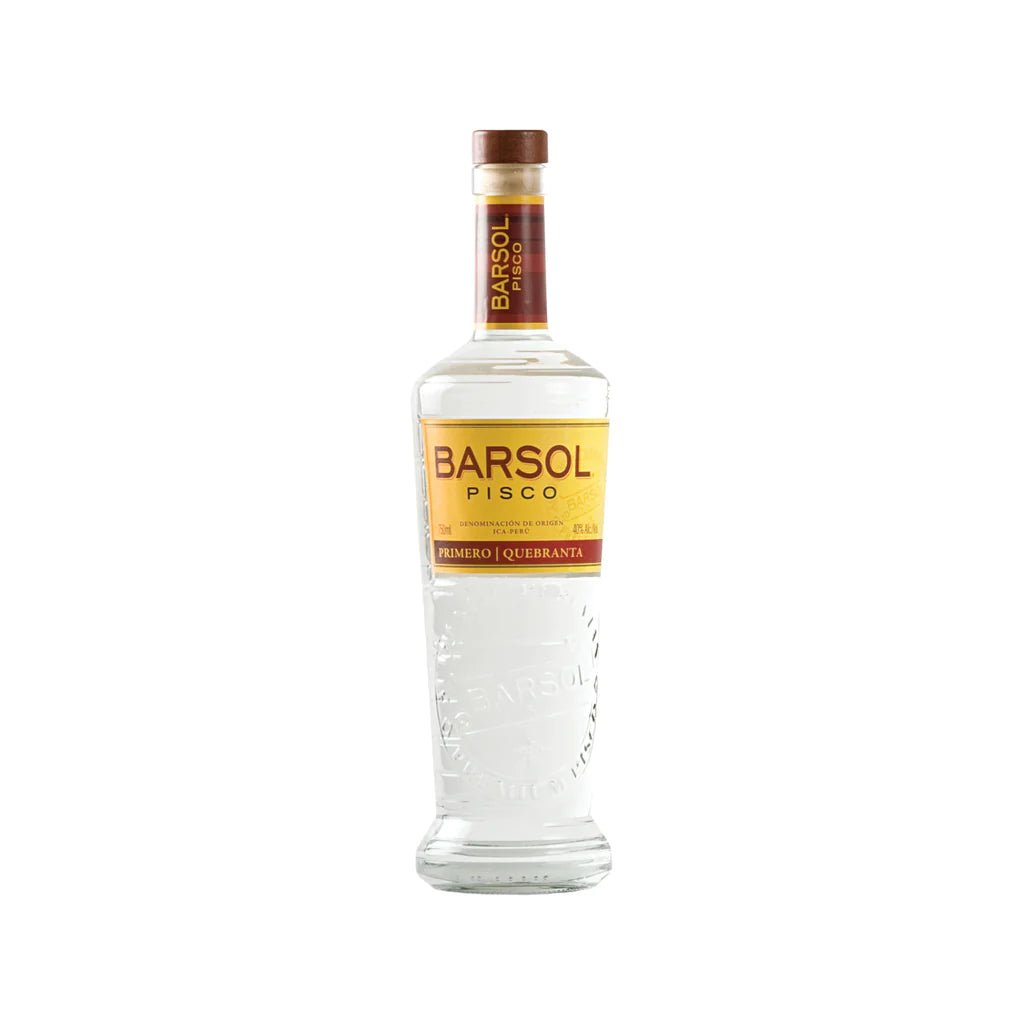
From Peru: BarSol Quebranta, made from the Quebranta grape, which is the workhorse variety and the traditional base for a pisco sour, and Macchu Pisco, founded and run by sisters in the Ica valley.
From Chile: Waqar, made from Muscat grapes, which gives a more floral and aromatic spirit than the Peruvian style, and Santiago Quabrante when it is in.
Black Heron sits alongside them at 43.5%.
Tiny Friday's Gordito is made in South Australia, which makes it an unusual thing to find on a pisco shelf anywhere.
The practical difference between the two national styles matters more than the politics. Peruvian pisco must be distilled to bottling strength with no water added afterwards, and never touches wood. Chilean pisco may be diluted and may be rested in wood. A Peruvian pisco is therefore a more concentrated, drier spirit; a Chilean one is usually softer and more perfumed.
The two sets of rules are set out in full in our pisco guide, along with how to drink it and which bottle to start with.
History
Pisco is grape brandy, and it exists because sixteenth century Spanish settlers in South America had abundant grapes and an expensive import problem. Rather than ship orujo from Spain, they distilled their own fermented grape juice. The name comes from the Peruvian port town of Pisco, from where it was shipped.
Both Peru and Chile claim it as a national spirit and both have legal frameworks protecting the name, which are not compatible with each other. The dispute is genuine, long running and taken seriously in both countries.
The rules diverge in ways that show up in the glass. Peru permits eight specific grape varieties, requires distillation to final strength in a single pass with nothing added afterwards, and forbids ageing in any vessel that would alter the spirit. Chile allows a wider range of practices including dilution and wood contact, and grades its pisco by strength.
The pisco sour is the drink that carried it internationally. It was created in Lima in the early 1920s at the Morris Bar by Victor Vaughen Morris, an American expatriate, and both countries now claim the cocktail as well.
Pisco has a section of its own in our brandy guide, which sets the Peruvian and Chilean rules against how the rest of the world distils wine.
How to drink it
The pisco sour is where most people start and it is worth making properly. Sixty millilitres of pisco, 30ml of fresh lime juice, 20ml of sugar syrup and one egg white. Dry shake without ice first to build the foam, then shake again hard with ice, strain into a coupe and put three drops of Angostura on the foam.
Use a Peruvian Quebranta for this. It is what the drink was built around and the Chilean muscat styles can read as perfumed against the lime.
The chilcano is the everyday Peruvian serve and far easier: pisco, ginger ale, lime and ice in a tall glass. It is an excellent summer drink and takes ten seconds.
Aromatic Chilean pisco is better neat or over a single large ice cube, where the muscat character has room.
Do not chill pisco to death. Around 12 degrees is enough. Straight from the freezer it goes mute.
More from this origin and style: