
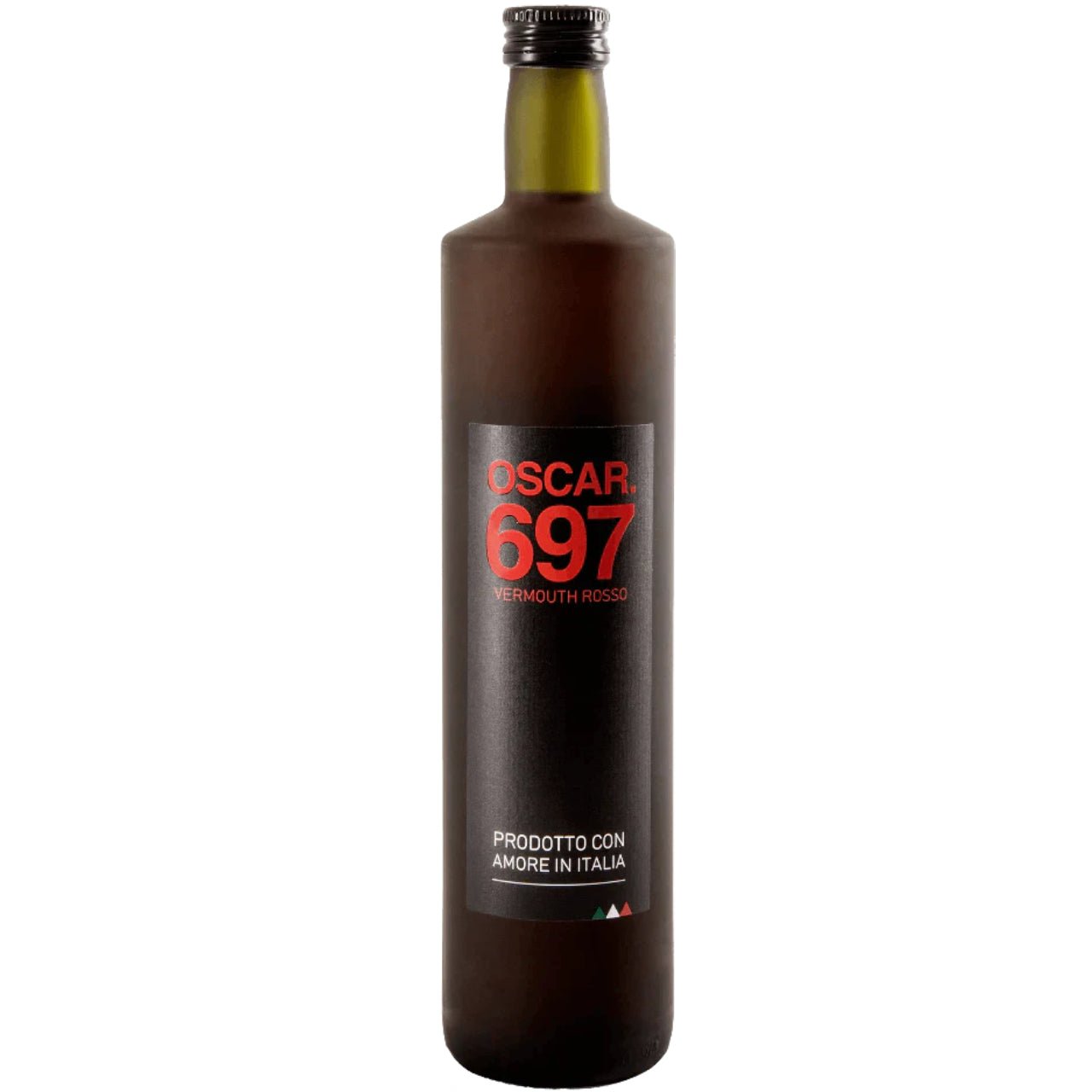
Oscar 697 Rosso Vermouth
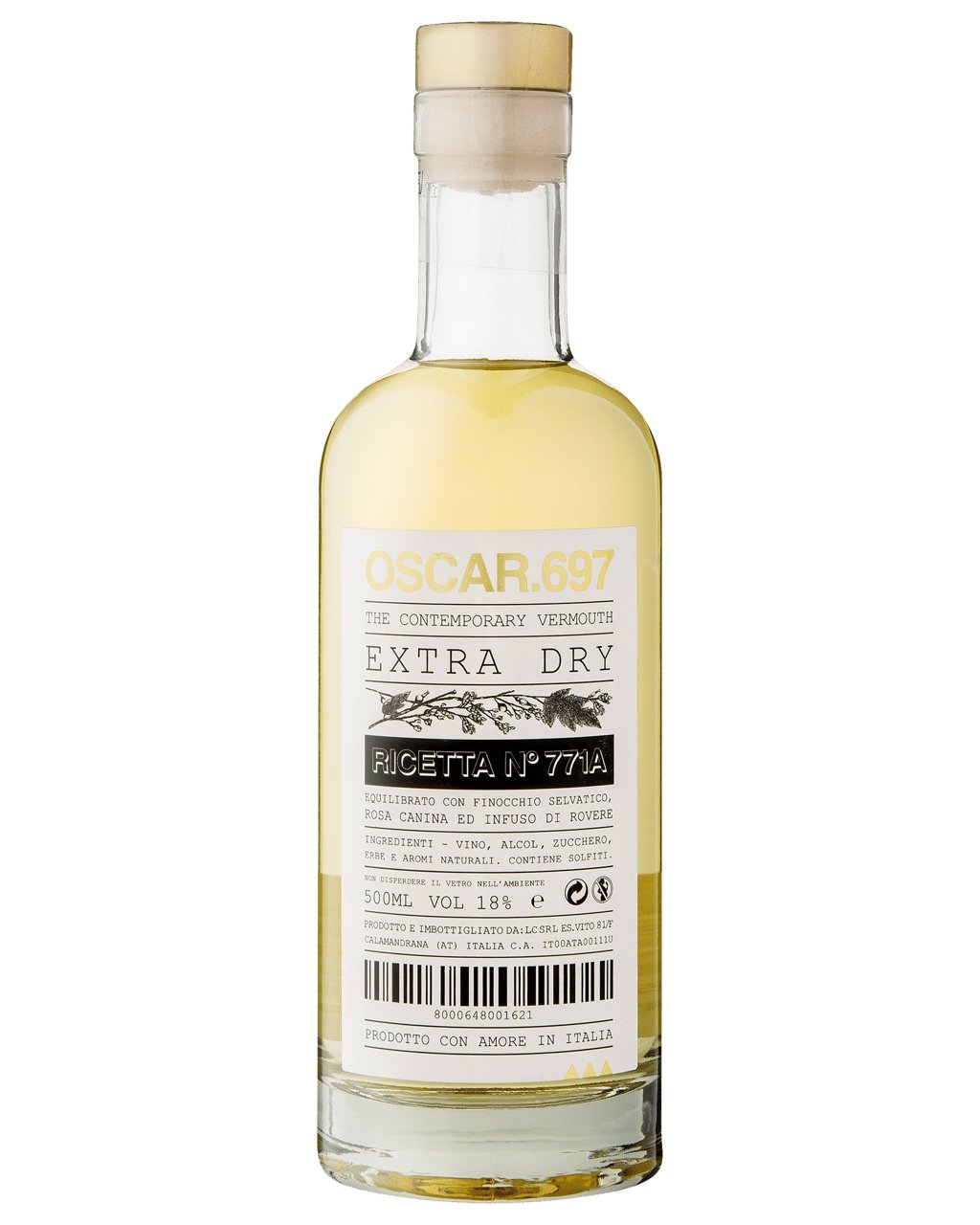
Oscar 697 Extra Dry Vermouth

Maidenii Dry Vermouth 375ml 19%
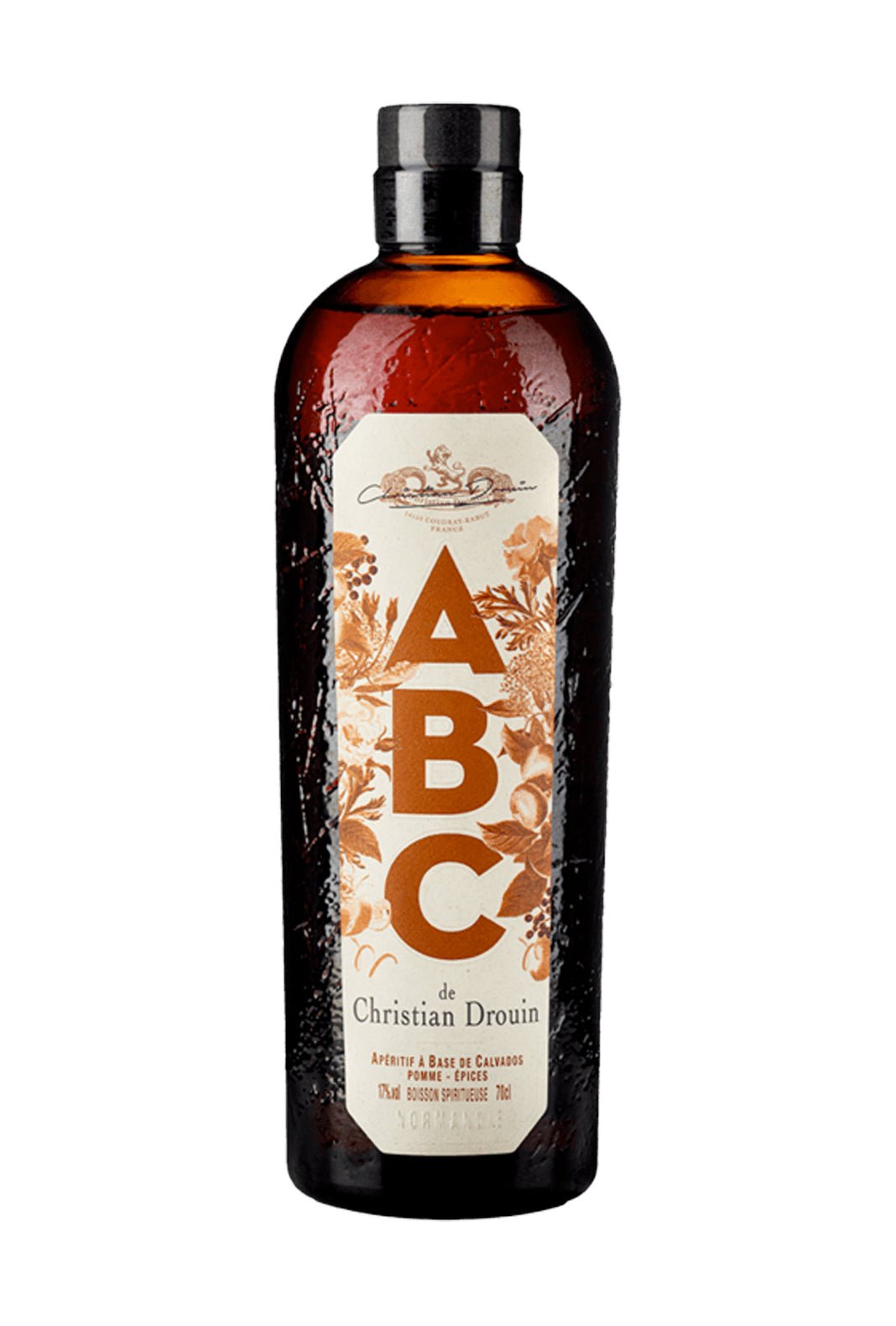
Christian Drouin ABC Apple Aperitif Vermouth 17% 700ml
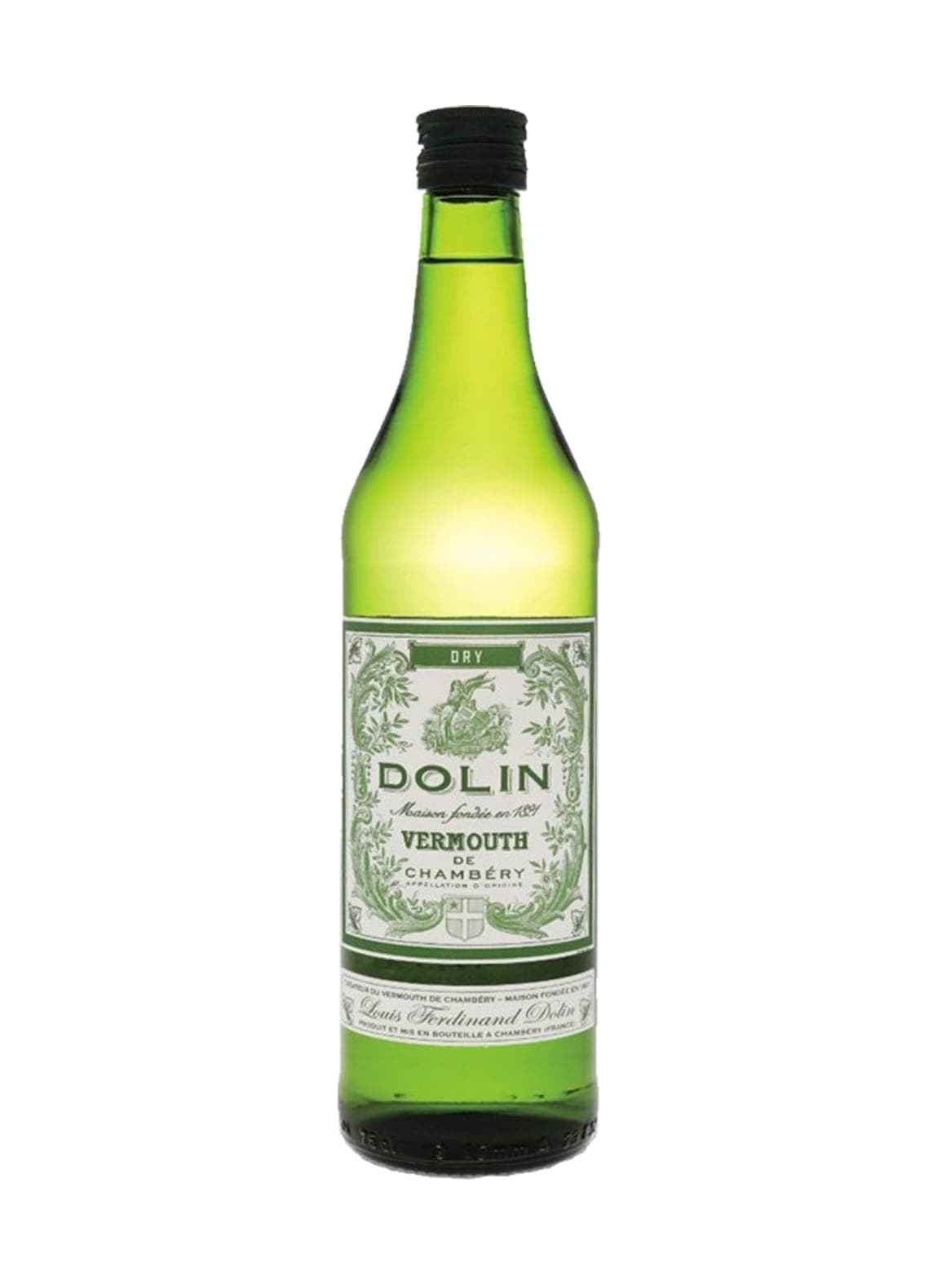
Dolin Vermouth Dry 17.5% 750ml
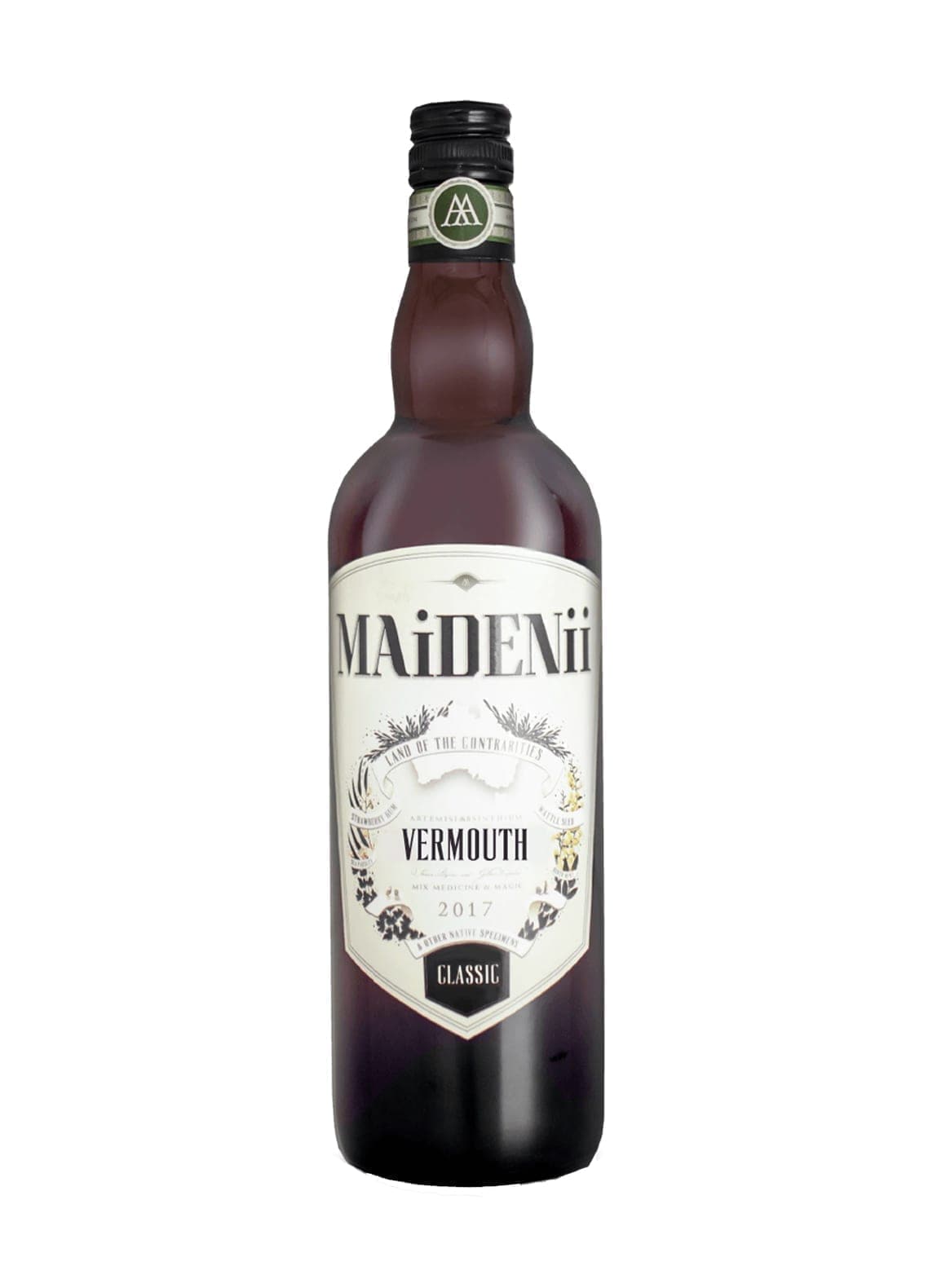
Maidenii Classic Vermouth 16% 750ml

Maidenii Dry Vermouth 750ml 19%
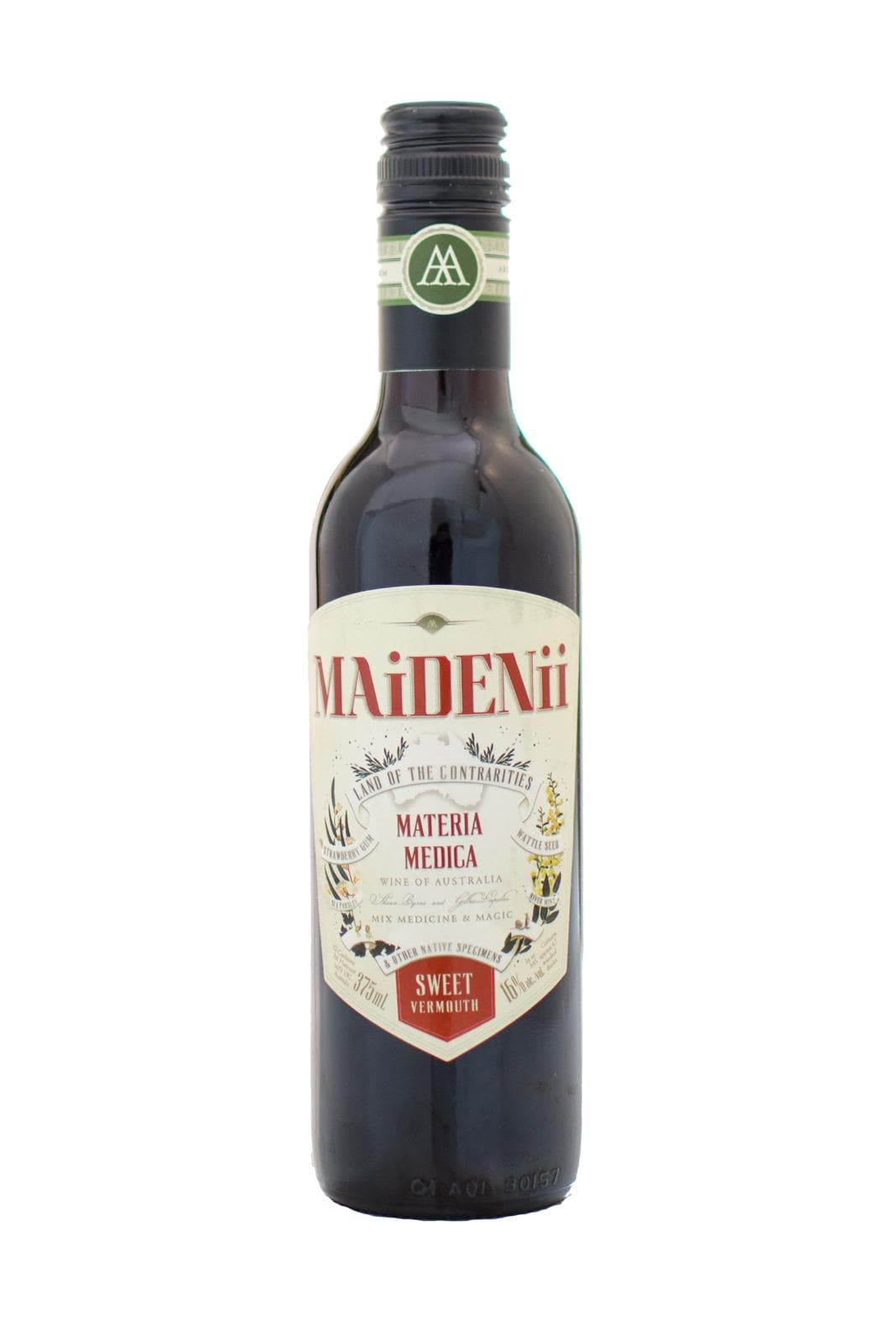
Maidenii Sweet Vermouth 375ml 16%
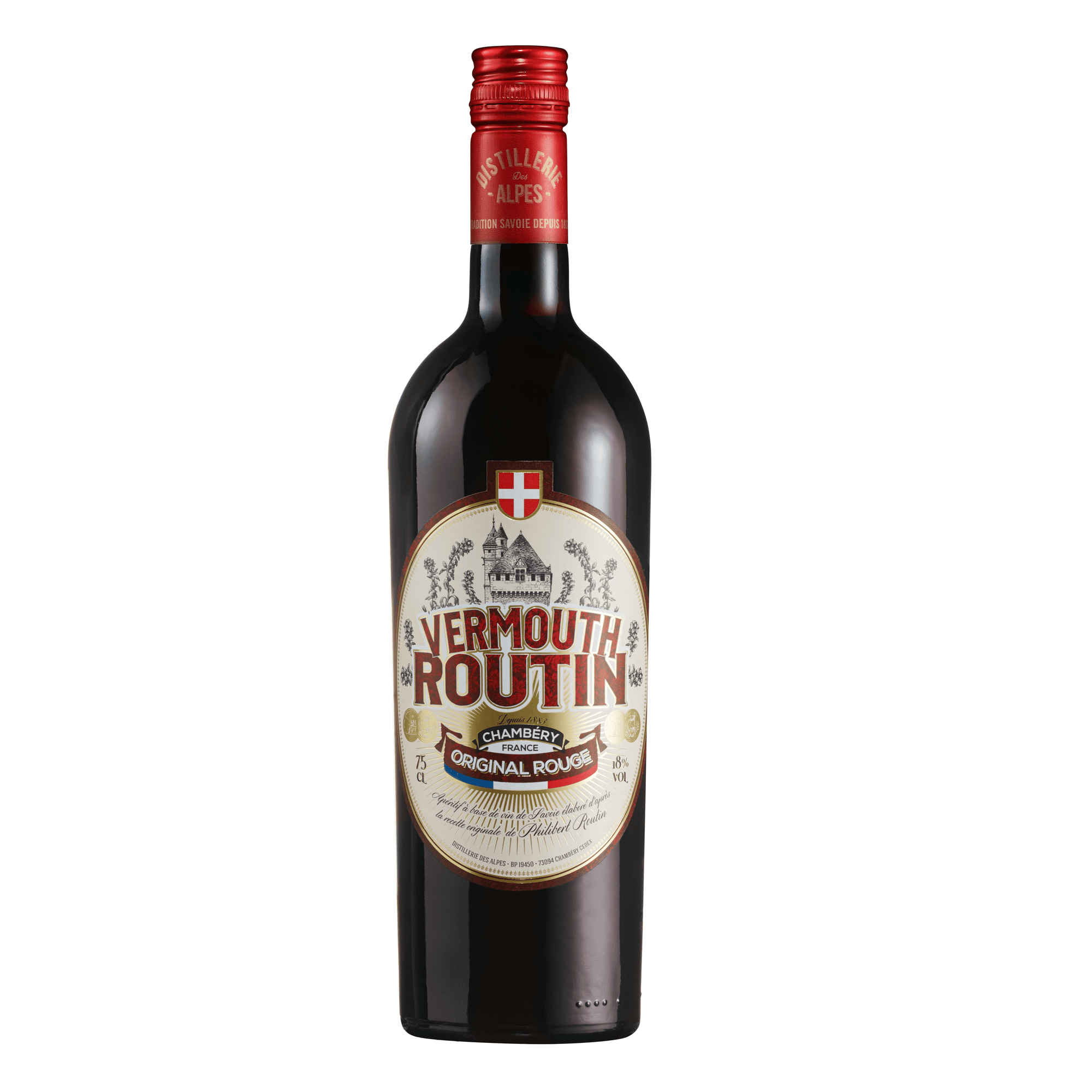
Routin Red Vermouth 16.9% 750ML
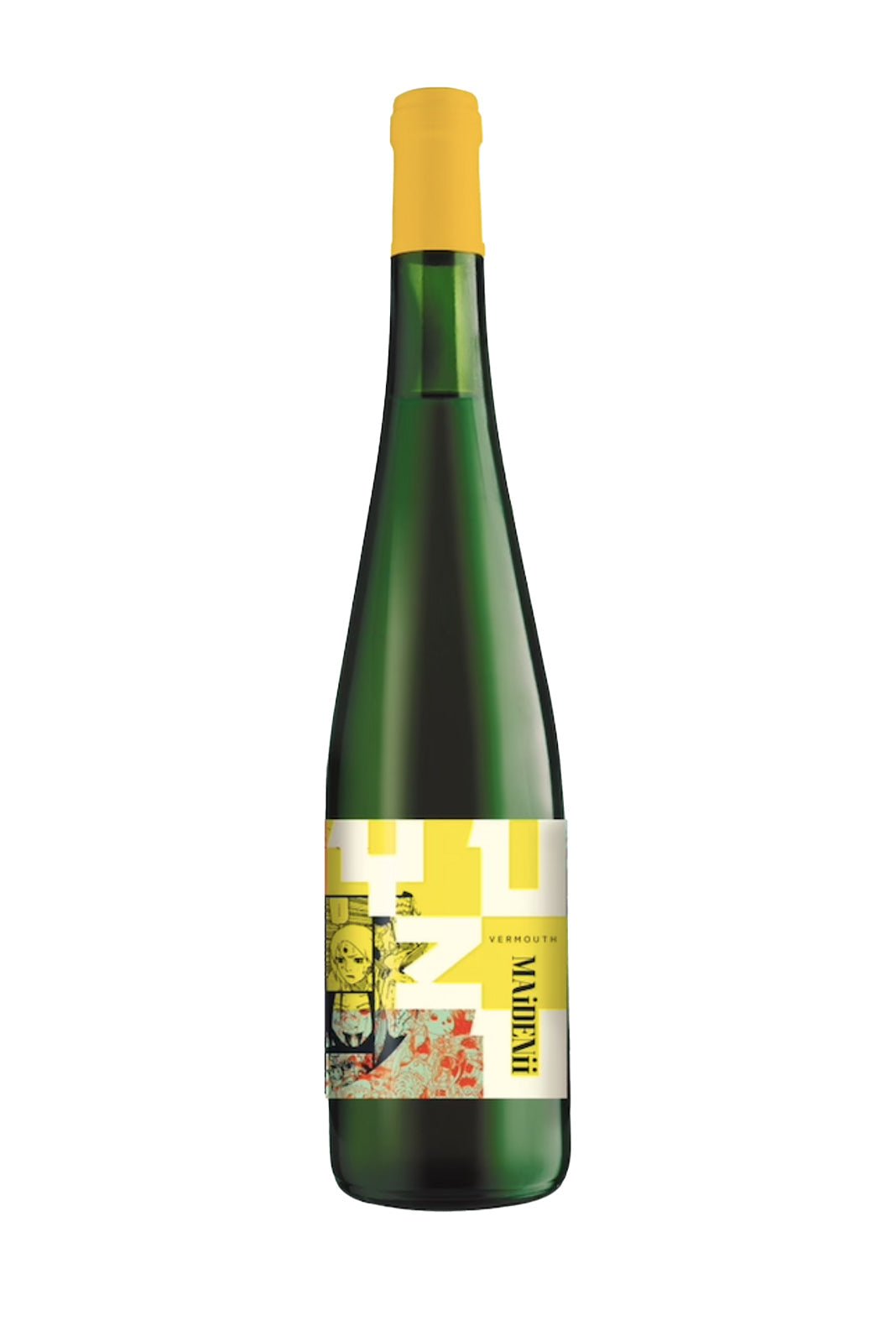
Maidenii Yuzu Vermouth 19% 750ml
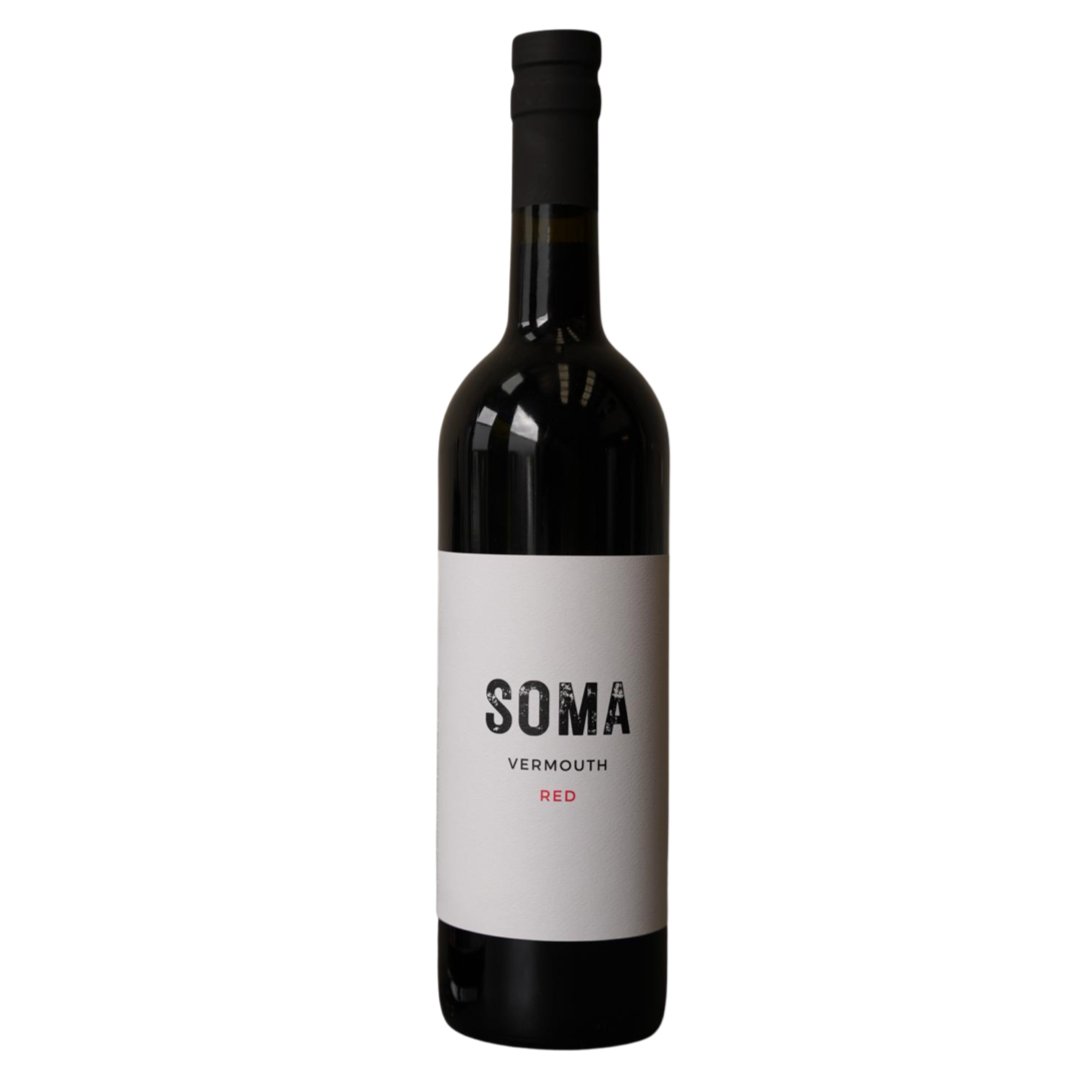
Autonomy Soma Red Vermouth 18% 750ML
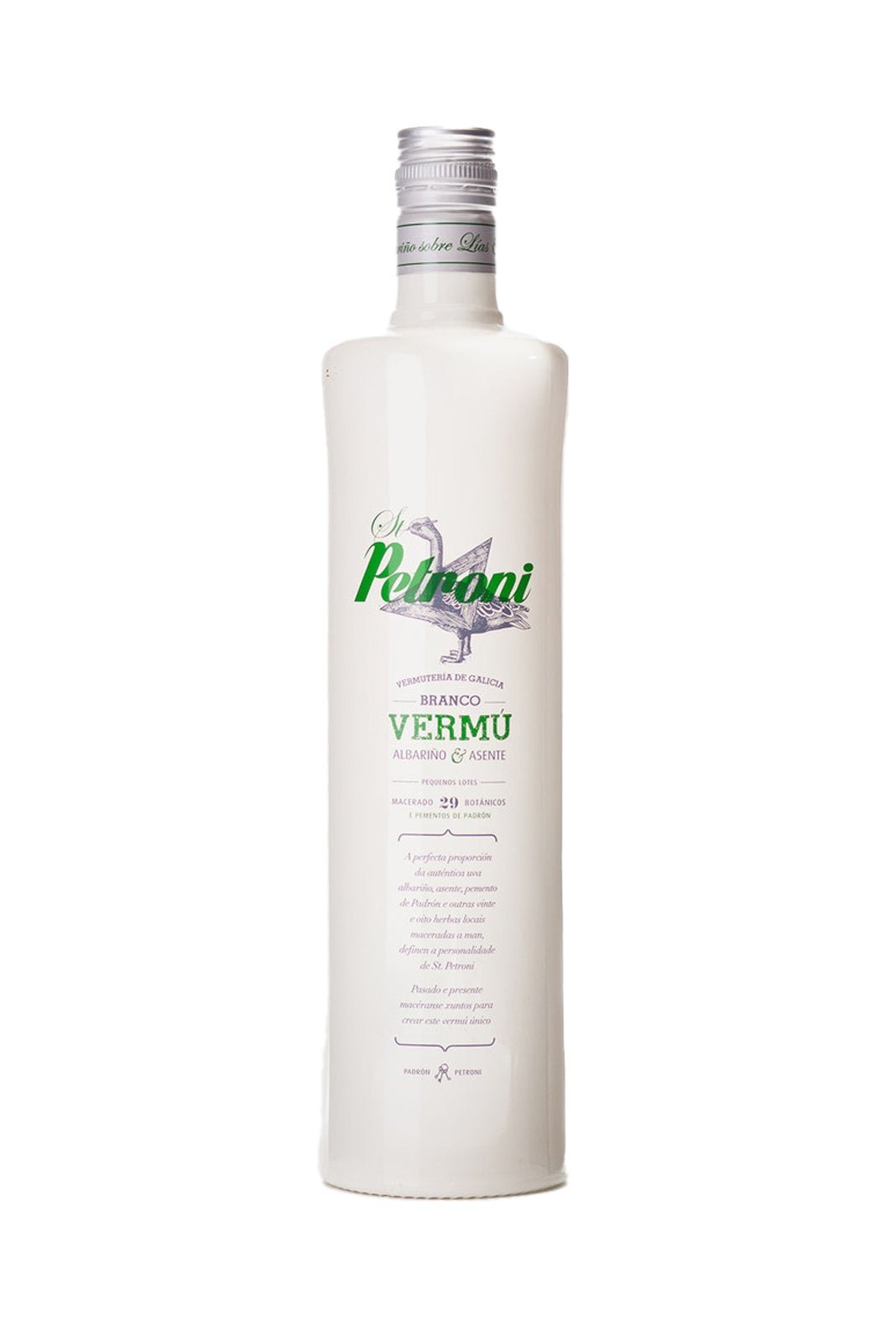
St. Petroni White Vermouth 15% 1000ml
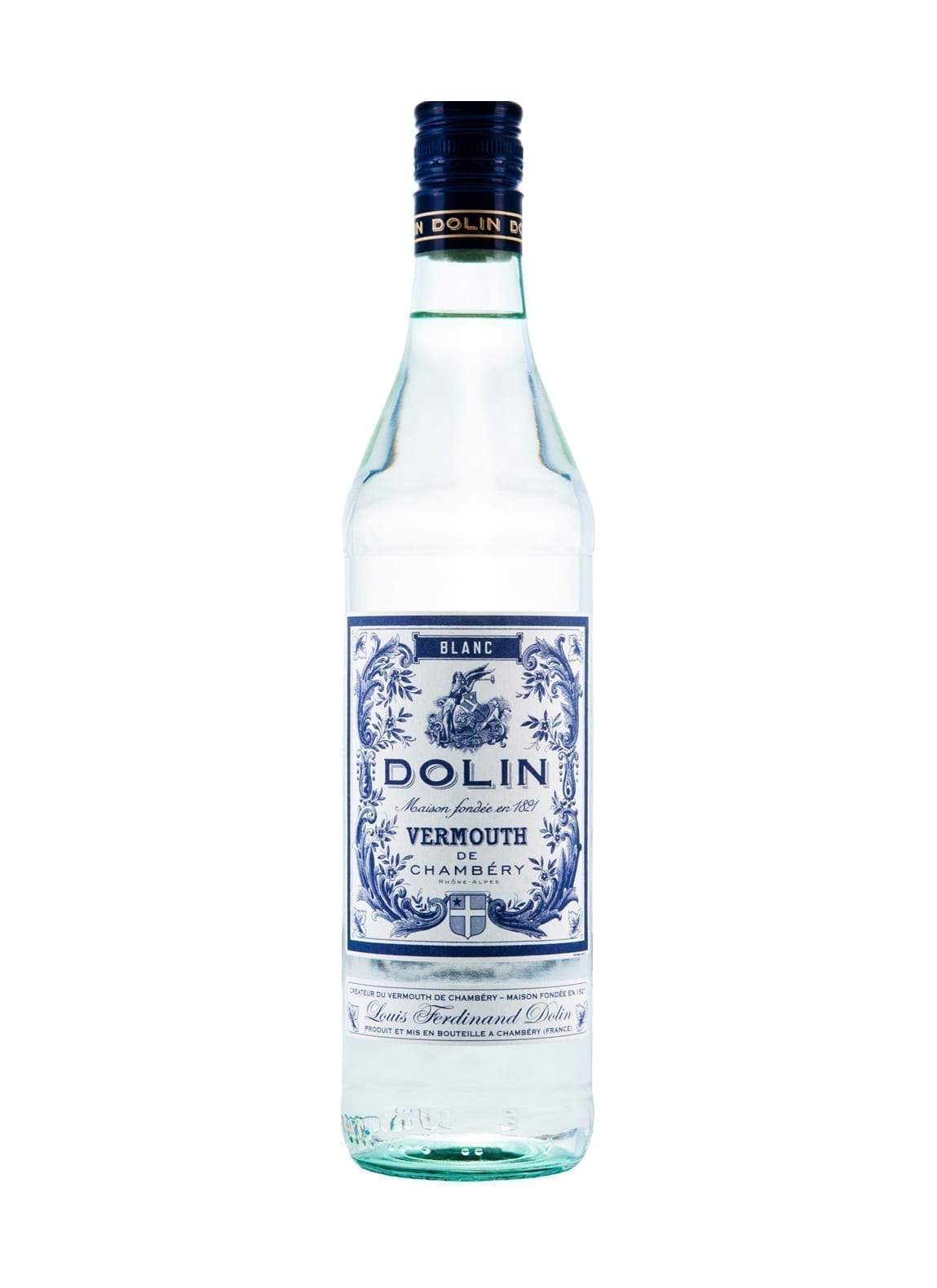
Dolin Vermouth Blanc (White) 16% 750ml
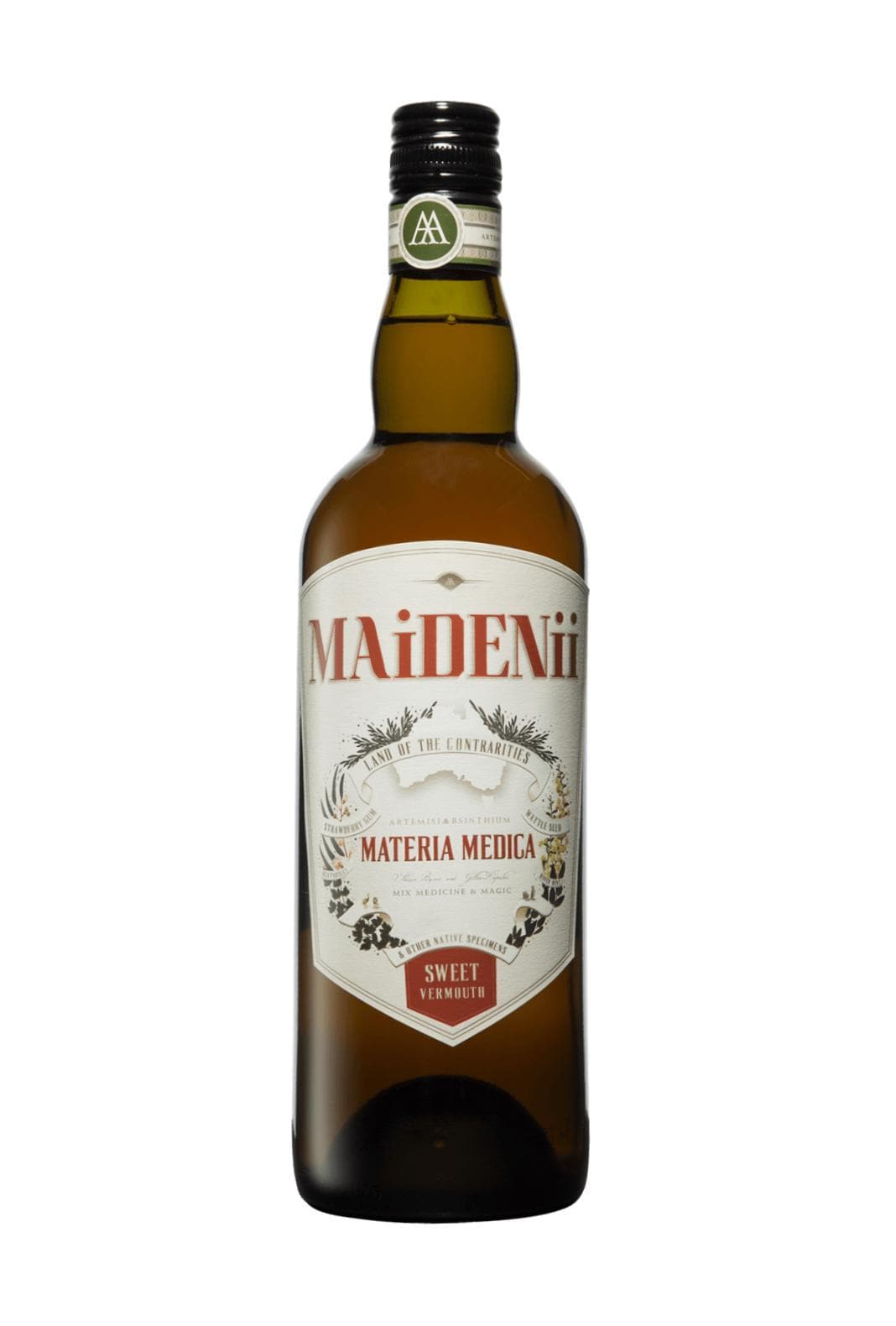
Maidenii Sweet Vermouth 750ml 16%
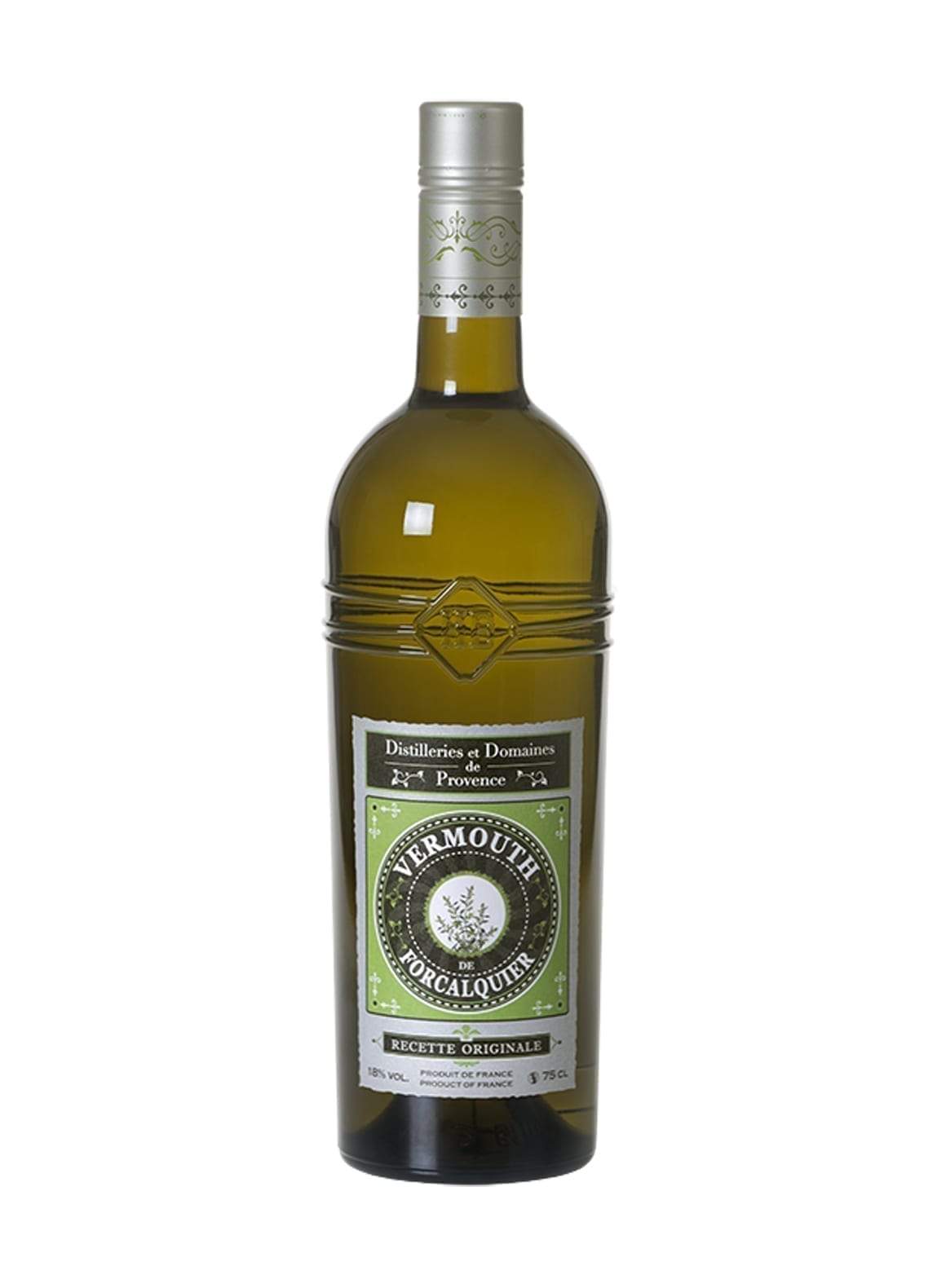
Distilleries et Domaines de Provence Vermouth Forcalquier 18% 750ml
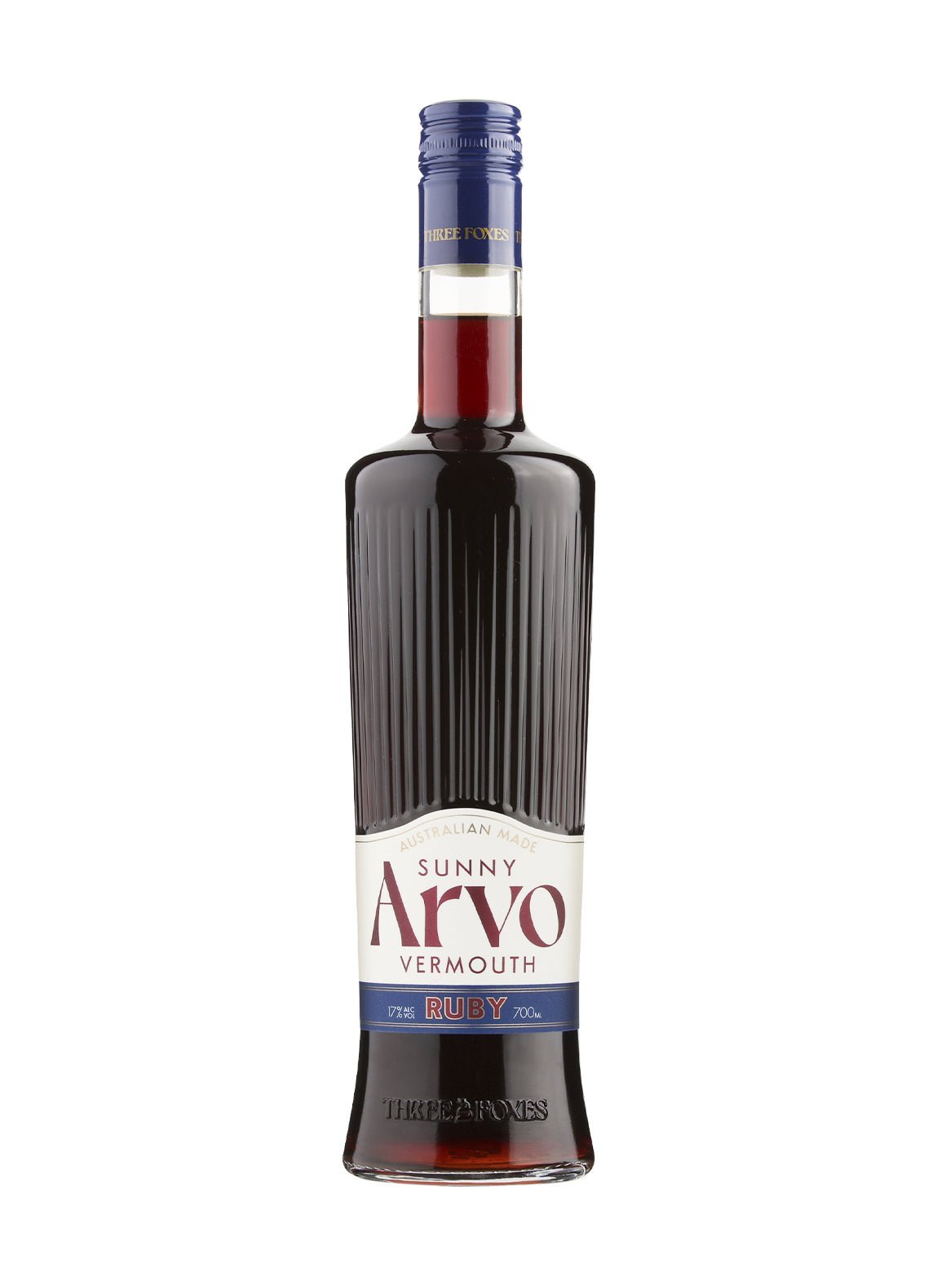
Three Foxes Sunny Arvo Ruby Vermouth 17% 700ml
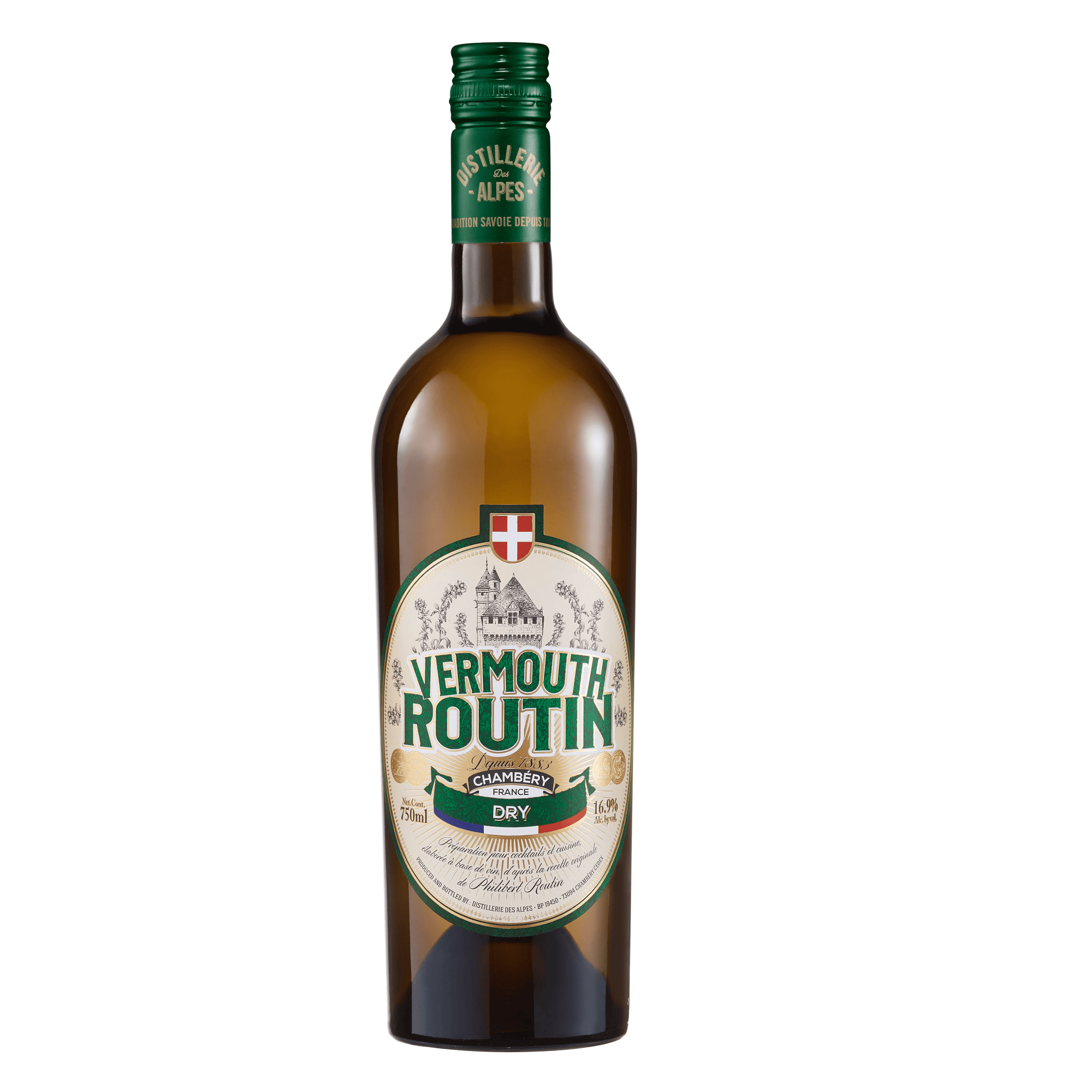
Routin Dry Vermouth 16.9% 750ML
Routin Vermouth Blanc 16% 750ML
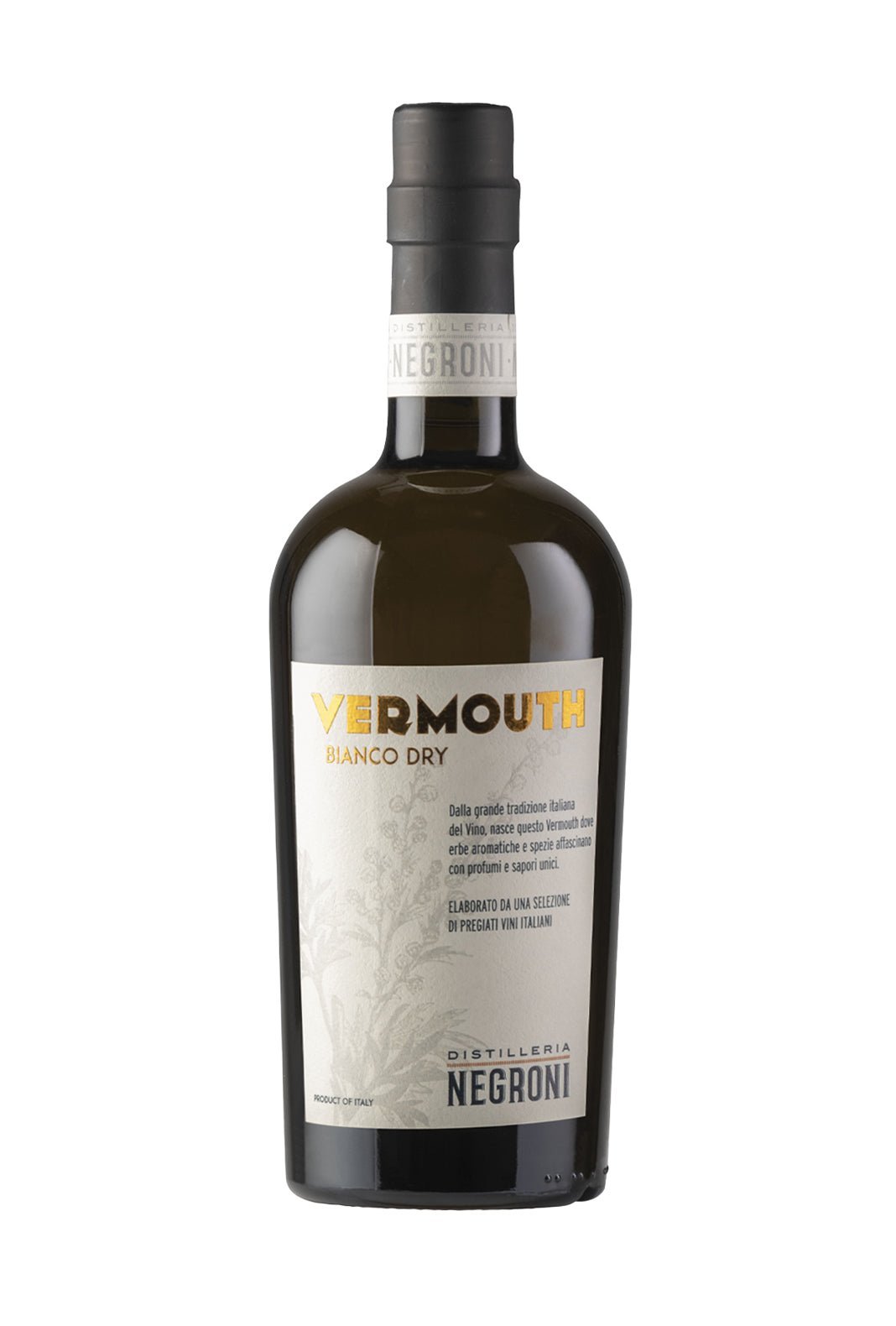
Distilleria Negroni Vermouth Bianco 18% 750ml
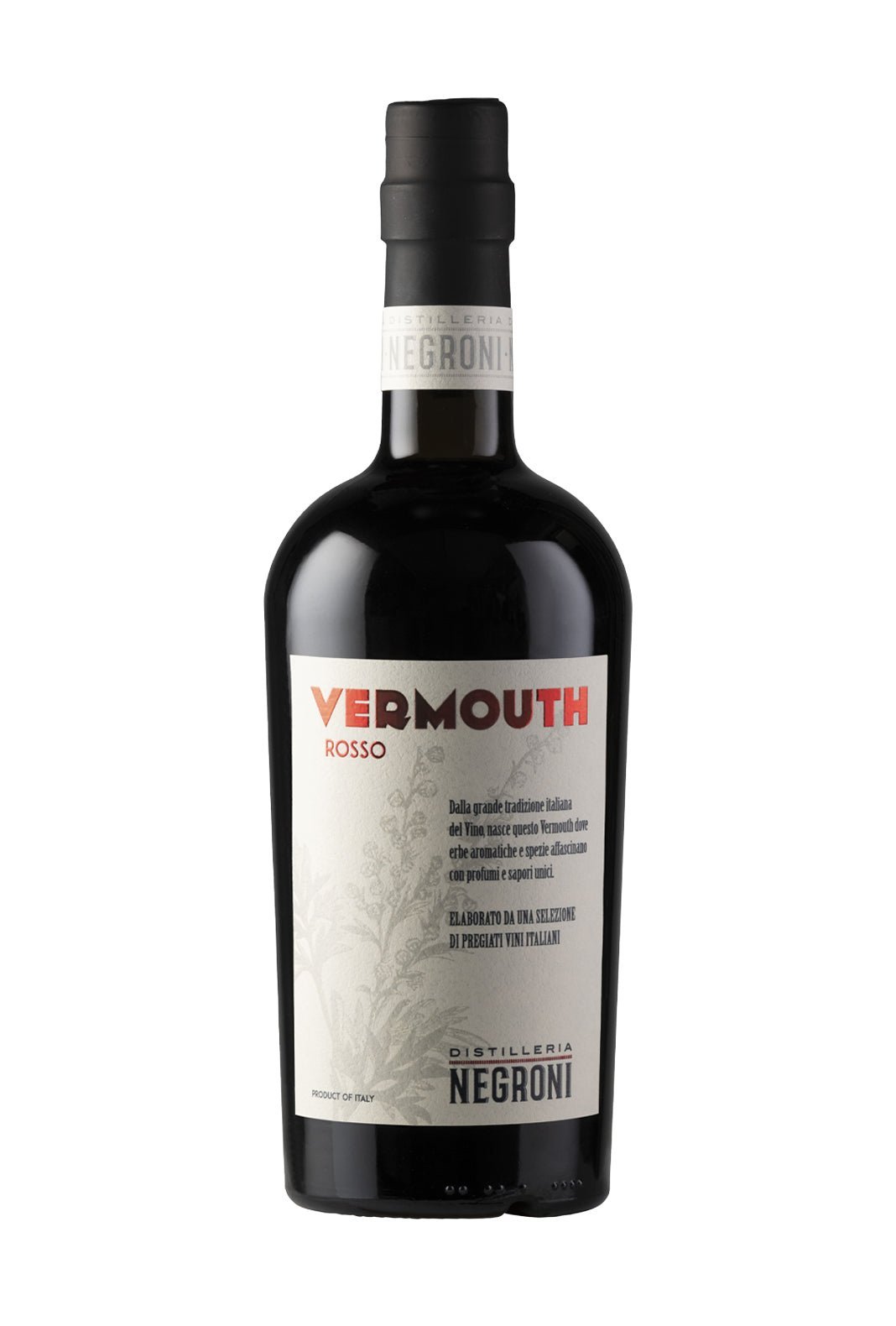
Distilleria Negroni Vermouth Rosso 18% 750ml
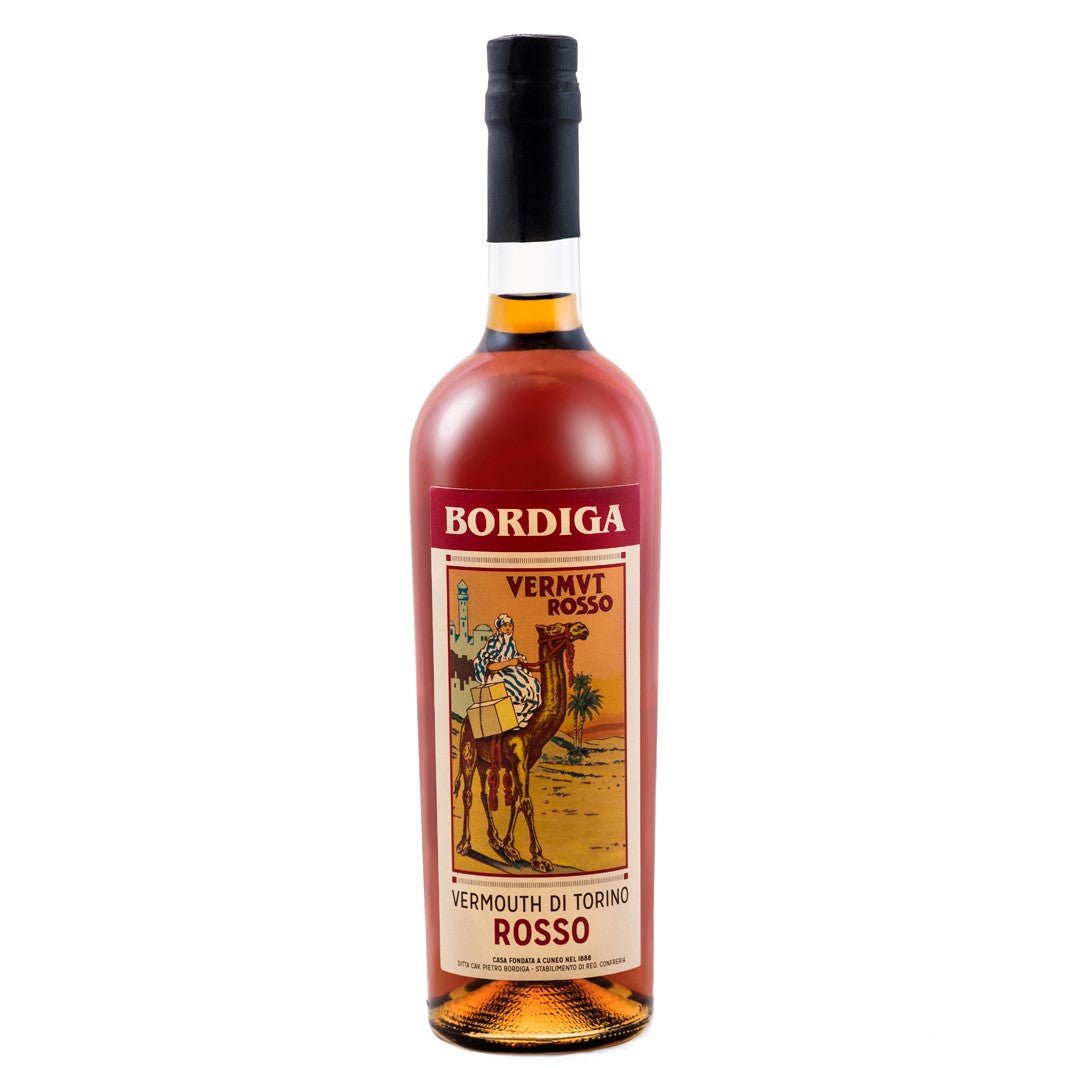
Bordiga Vermouth di Torino Rosso 18% 750ML
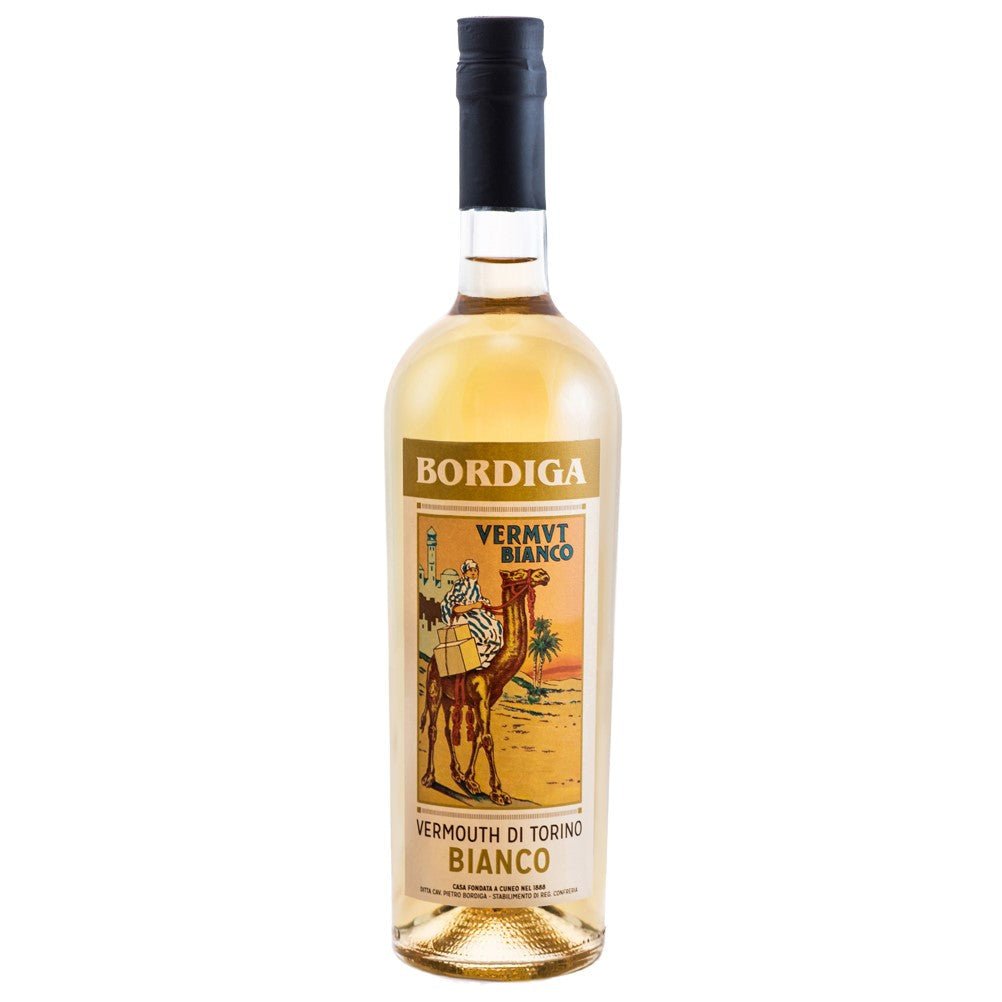
Bordiga Vermouth di Torino Bianco 18% 750ML
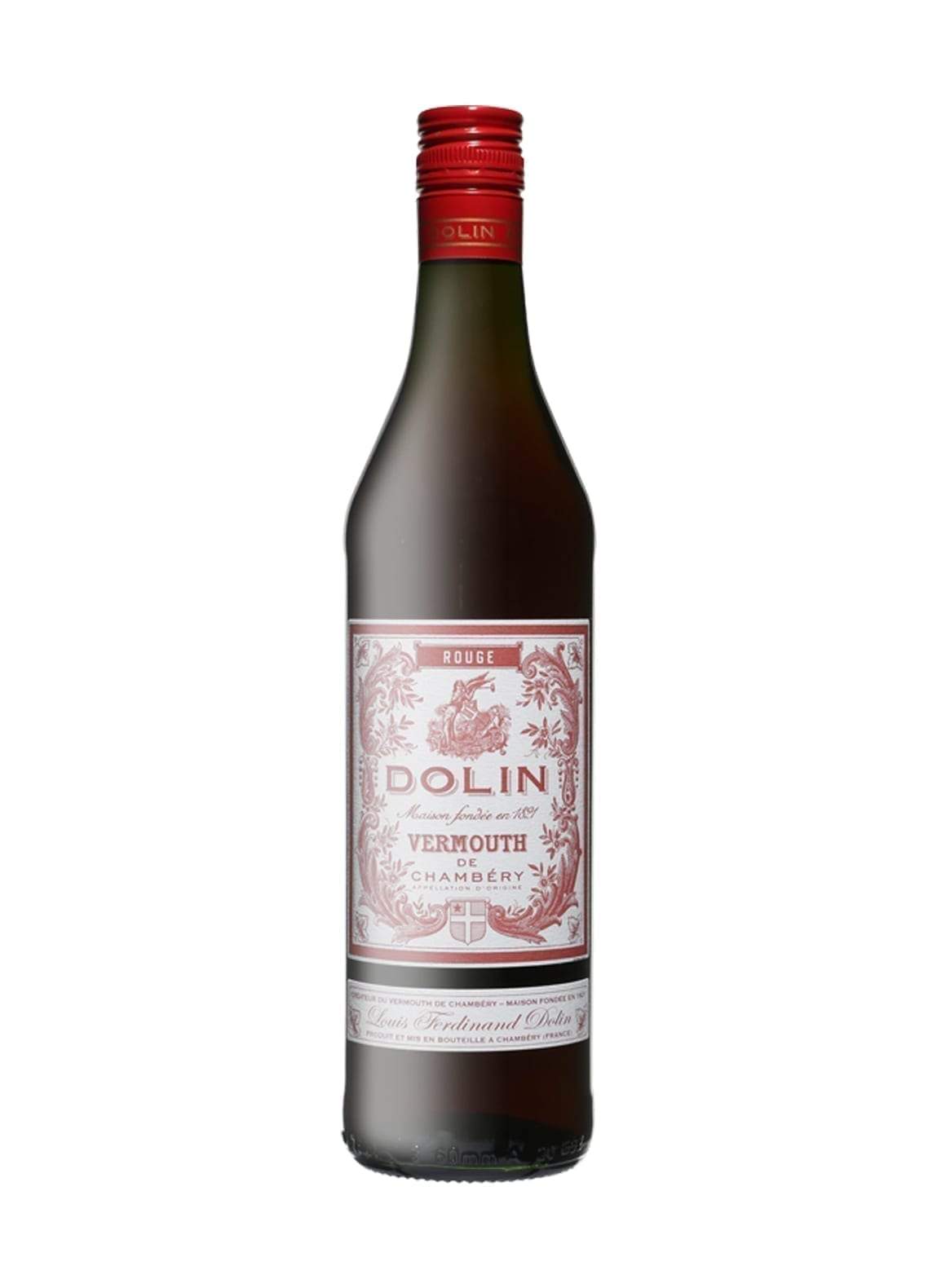
Dolin Vermouth Rouge (Red) 16% 750ml
About Vermouth
Vermouth is wine first. The law that governs it in Europe requires wine to make up most of the finished drink, fortification to bring it up to between about fifteen and twenty two per cent, and flavouring that includes Artemisia, the wormwood family the name comes from. Everything else, the sugar level, the other botanicals and the colour, is the house recipe.
France is represented by Dolin of Chambery, in dry, blanc and rouge, and by Routin, also from Savoie, in red, dry and blanc. Distilleries et Domaines de Provence makes the Forcalquier vermouth, and Christian Drouin bottles an apple based version that sits slightly outside the usual definition.
Italy brings the Turin tradition. Bordiga makes Vermouth di Torino in rosso and bianco, Distilleria Negroni makes a bianco and a rosso, and Oscar 697 covers rosso and extra dry. Vermouth di Torino is a protected designation, which is a stricter thing than a style name.
Australia is unusually well represented for a category this old. Maidenii has the deepest line here, in dry, classic, sweet and a yuzu version, Three Foxes makes the Sunny Arvo ruby and Autonomy the Soma red. Spain adds Alvear and St Petroni.
The practical split is dry against sweet. Dry vermouth is pale, low in sugar and built for a martini or for drinking cold on its own. Rosso and rouge are sweeter and darker, and they are what a Negroni or a Manhattan is built on. Bianco and blanc sit between the two, sweet but pale.
History
Wine steeped with wormwood is ancient, and versions of it are recorded in Greek, Roman and Chinese medical writing. The German word wermut, wormwood, is where vermouth gets its name, and the drink existed as a household preparation long before it was a commercial product.
The modern category dates from late eighteenth century Turin. Antonio Benedetto Carpano is usually credited with the first commercial sweet vermouth in the 1780s, and the Turin houses that followed turned it from a medicinal tonic into something drunk for pleasure, poured in cafes through the day. France developed the drier, paler style shortly after, with Chambery and Marseille as the two centres, and Joseph Chavasse founded what became Dolin at Chambery in the 1820s.
The two styles met the cocktail. From the second half of the nineteenth century the martini, the Manhattan, the Americano and later the Negroni all depended on vermouth, and the global bar trade carried both French and Italian houses with it.
The twentieth century treated it badly. Vermouth became a dusty bottle kept at room temperature for years and used a teaspoon at a time, and the category shrank to a handful of industrial brands.
The recovery since the 2000s has come from two directions: the Italian and French houses returning to older recipes and protected designations, and new producers in Australia, Spain and elsewhere treating vermouth as a local product made from local wine and local botanicals.
How to drink it
Two rules cover most of it. Serve it cold, and keep the open bottle in the fridge.
Vermouth is wine, and it oxidises like wine. An opened bottle is good for roughly a month in the fridge and noticeably tired after that. A bottle that has stood in a warm cupboard for a year is not the drink the producer made, and it is the reason so many people think they dislike vermouth.
On its own it is better than its reputation. Pour dry vermouth cold over ice with a twist of lemon, or rosso over ice with soda and a slice of orange, which is the Italian afternoon drink and sits at a strength well below a spirit.
In cocktails the ratio is where the thinking goes. A martini is gin or vodka with dry vermouth, and how much vermouth is a matter of taste rather than a rule. A Manhattan is whisky with rosso and bitters. A Negroni is equal parts gin, rosso and a bitter aperitivo. An Americano drops the gin from the Negroni and adds soda.
Stir these drinks rather than shaking them, over plenty of ice, and strain into a chilled glass.
In the kitchen, dry vermouth does everything white wine does in a pan sauce and keeps far longer in the fridge, which makes it the more practical bottle to have open.