

Dubonnet Rouge Aperitif 14.8% 750ml
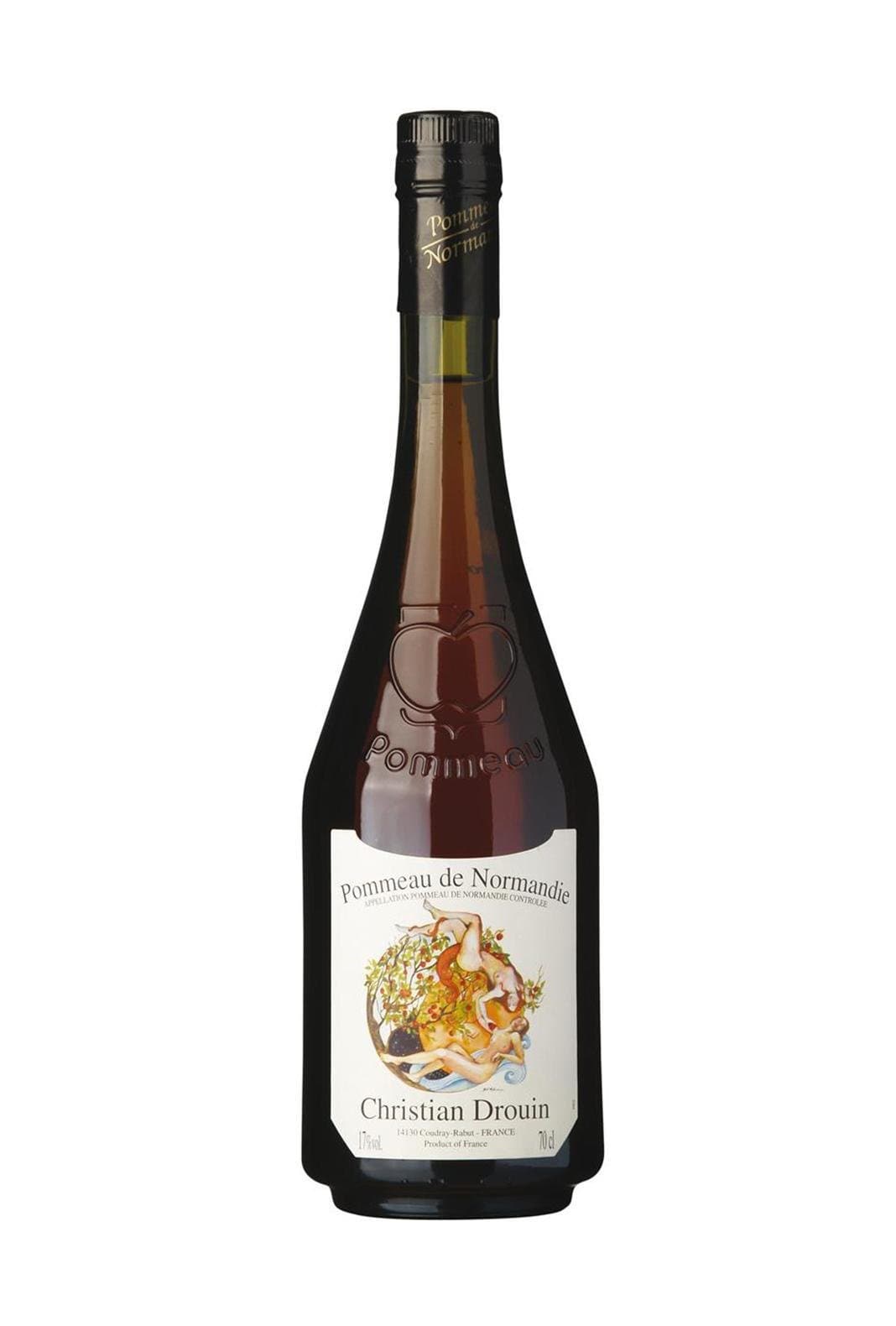
Lauriston Pommeau de Normandie Christian Drouin 17% 700ml
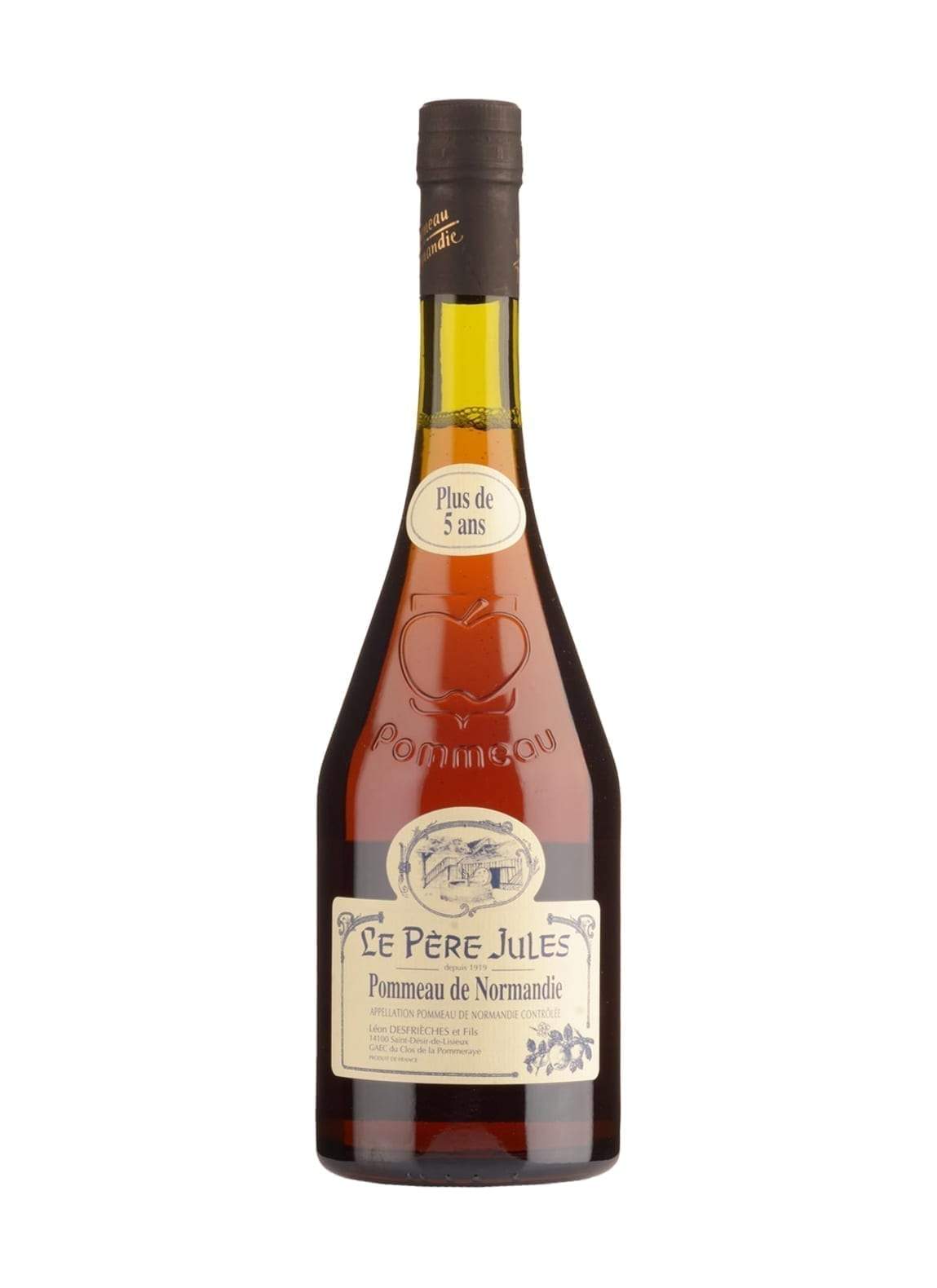
Pere Jules Pommeau de Normandie AOC (apple juice + Calvados) 5 years 17% 700ml
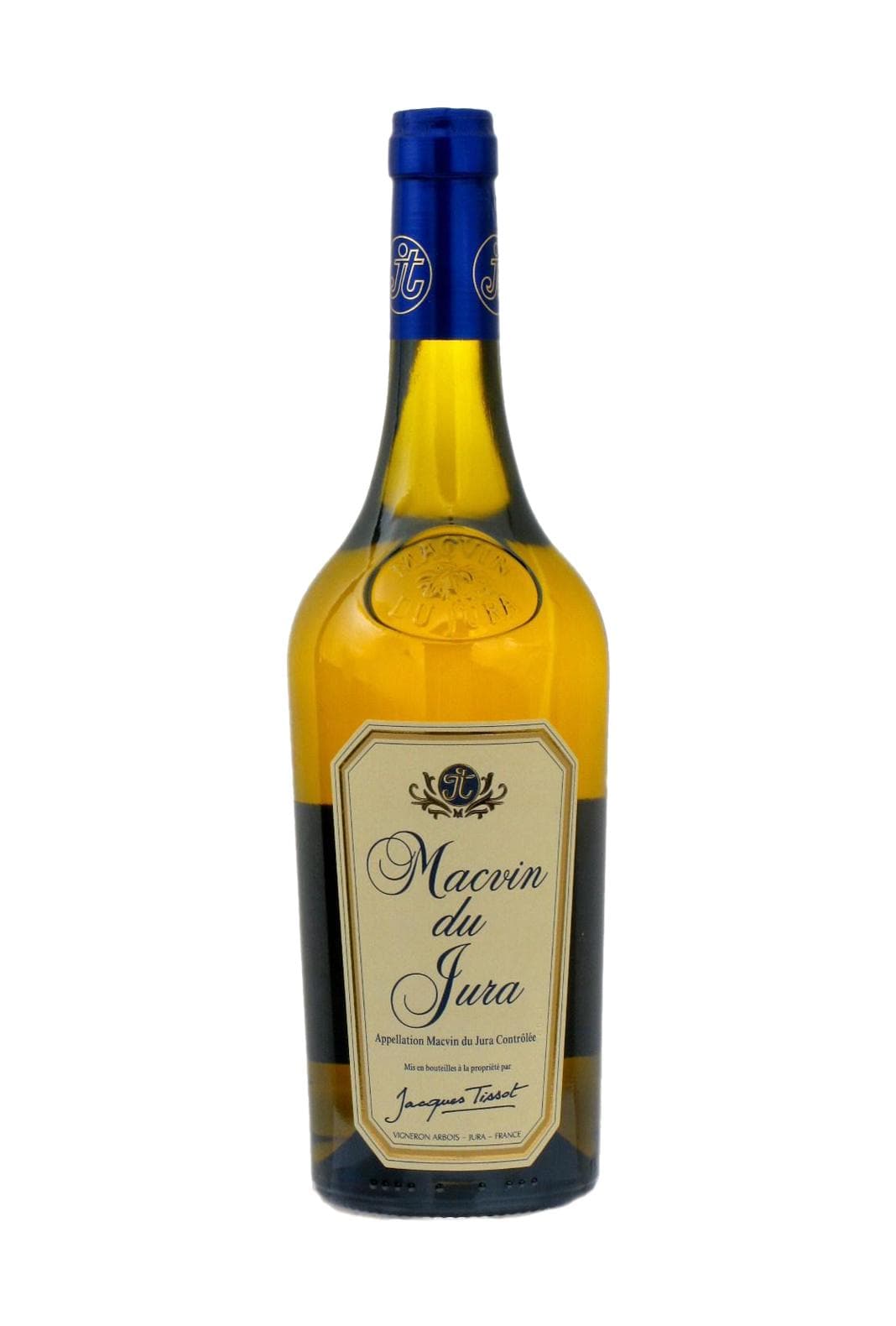
Tissot Macvin Blanc du Jura 17% 750ml
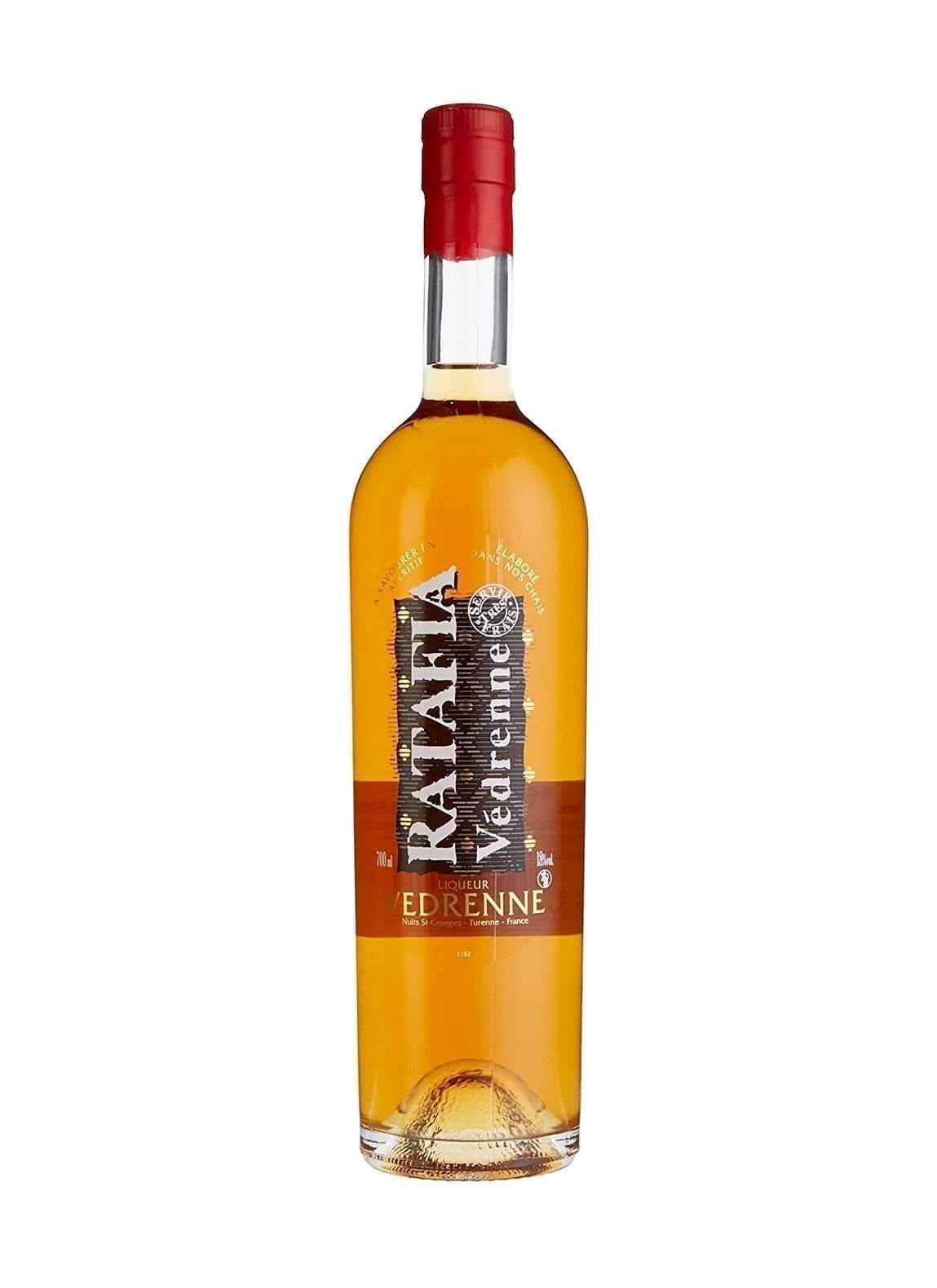
Vedrenne Ratafia de Bourgogne 18.5% 700ml

Distillerie et Domaines de Provence 'Rinquinquin a la Peche' (Peach) Aperitif 15% 750ml
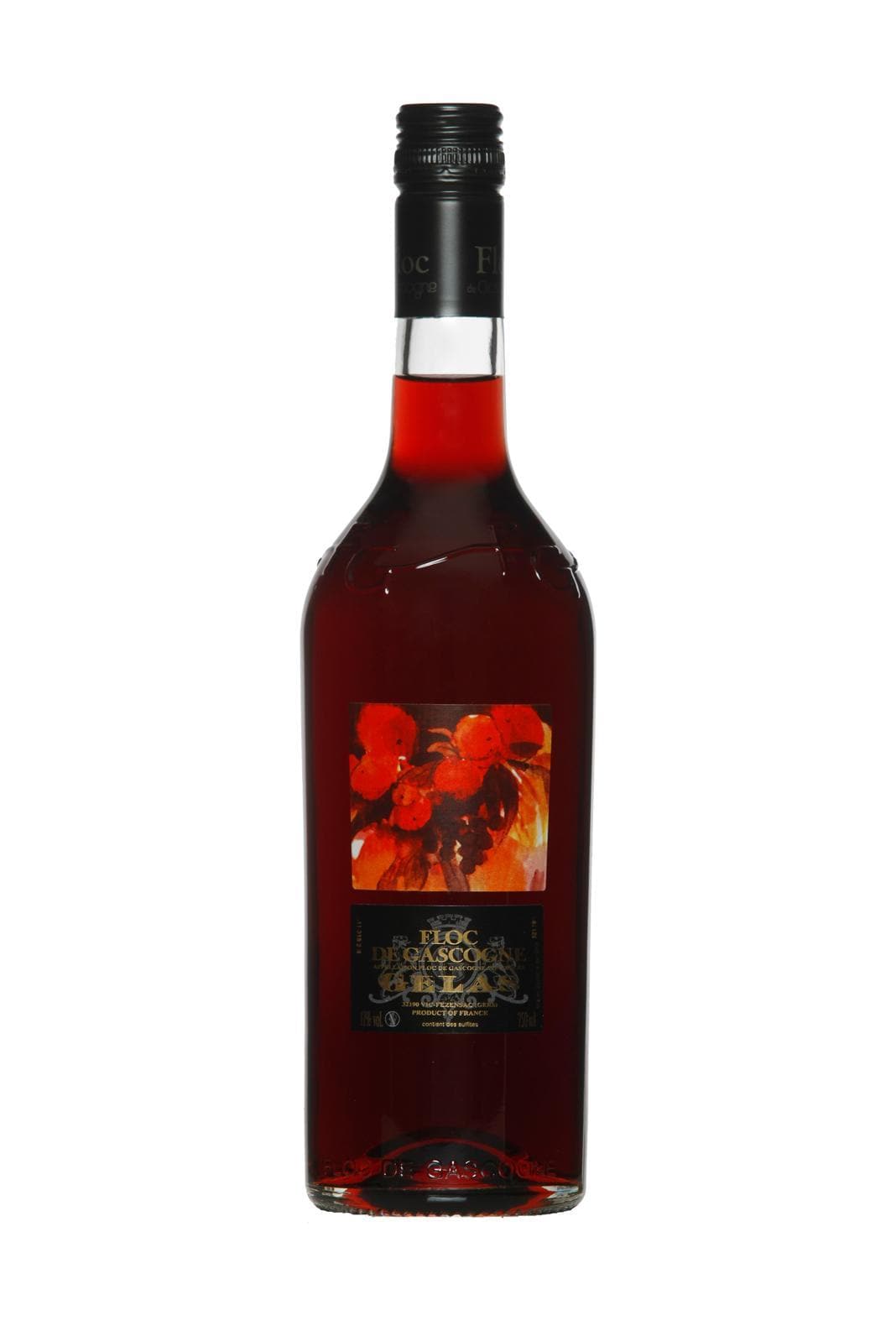
Gelas Floc de Gascogne Rose (Pink Mistelle) (Armagnac + Fresh red grape juice) 750ml 17%
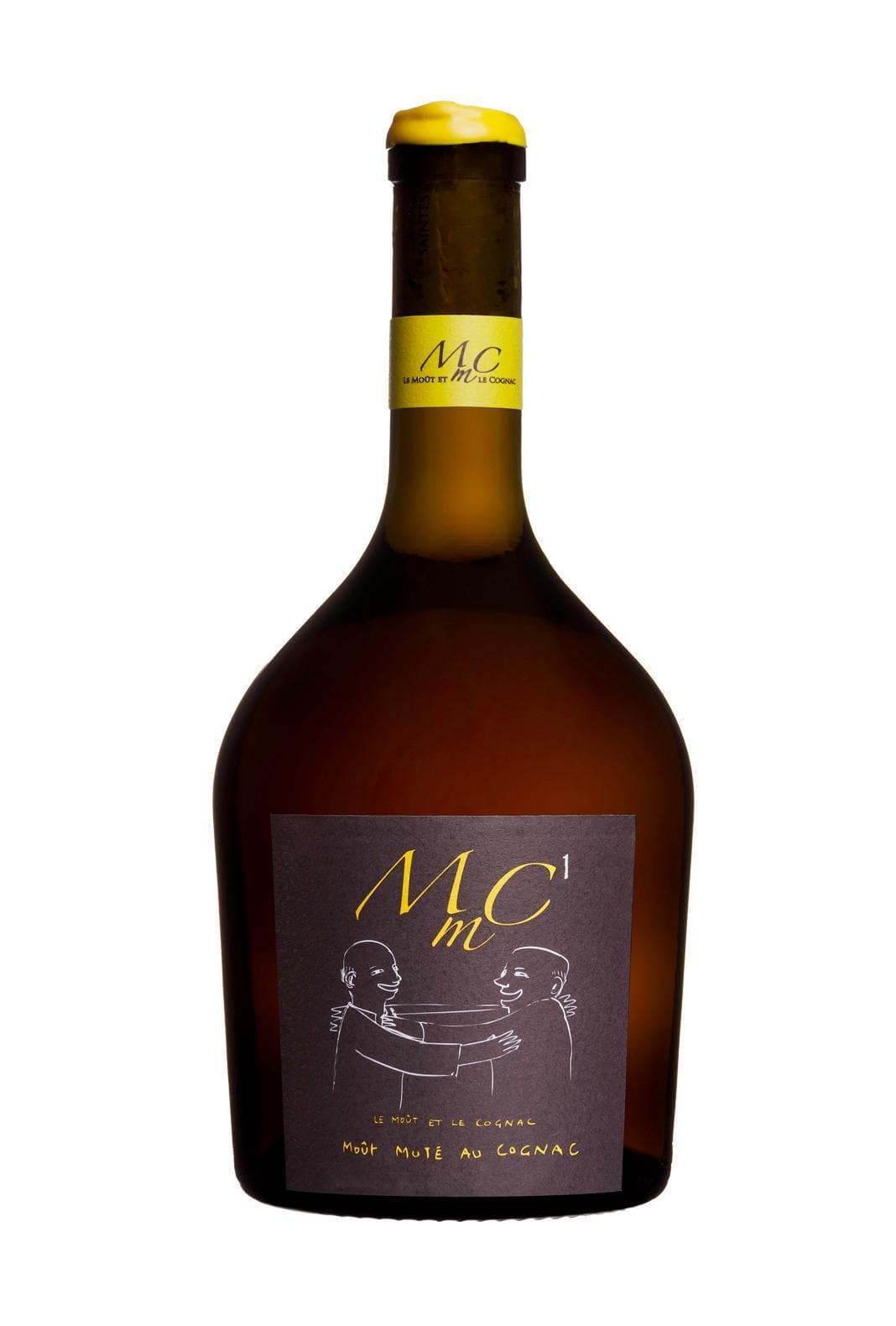
Grosperrin MMC 1 Mistelle-type Pineau des Charentes 7 years 17% 750ml
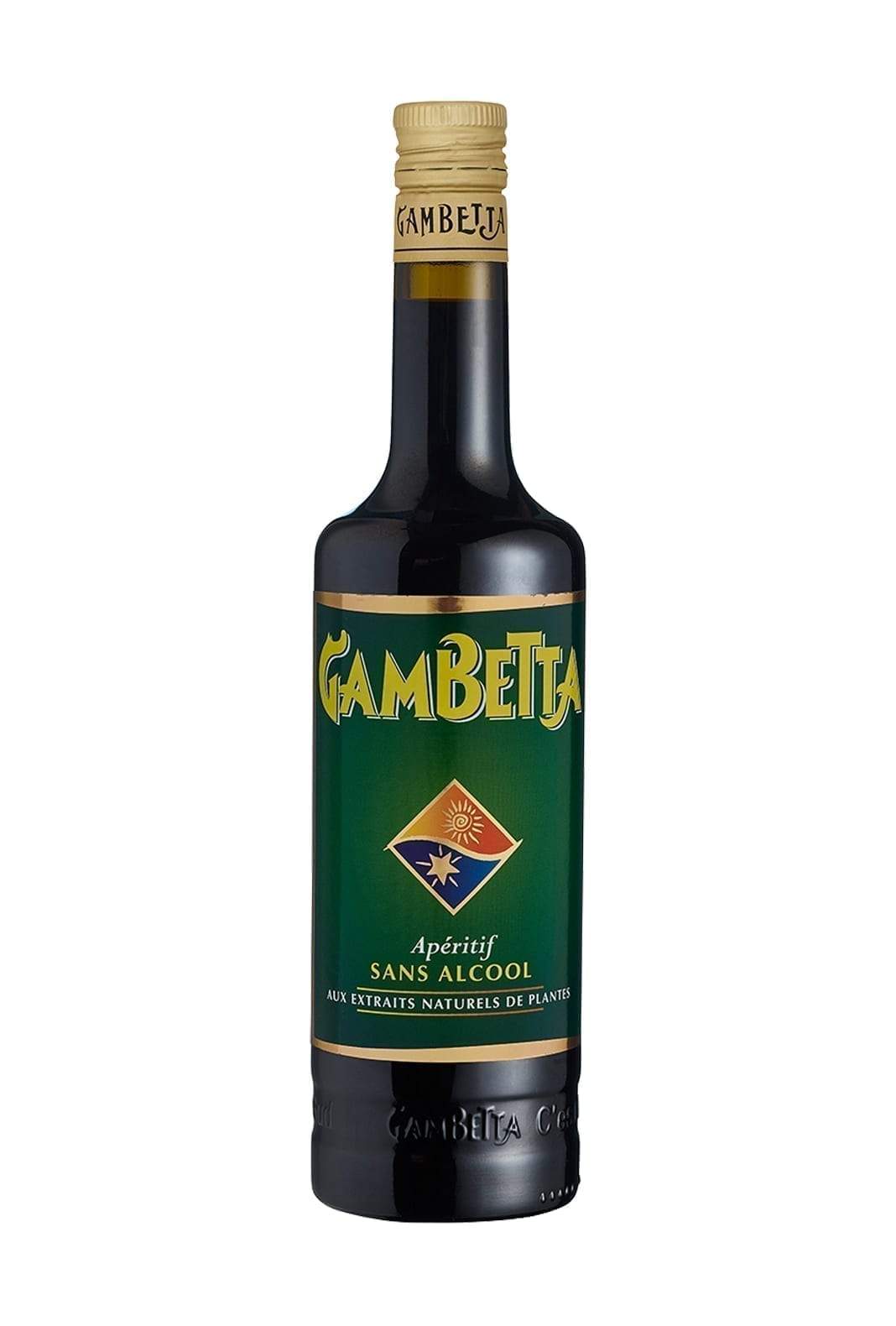
Gambetta Non-Alcoholic Traditional Aperitif 750ml
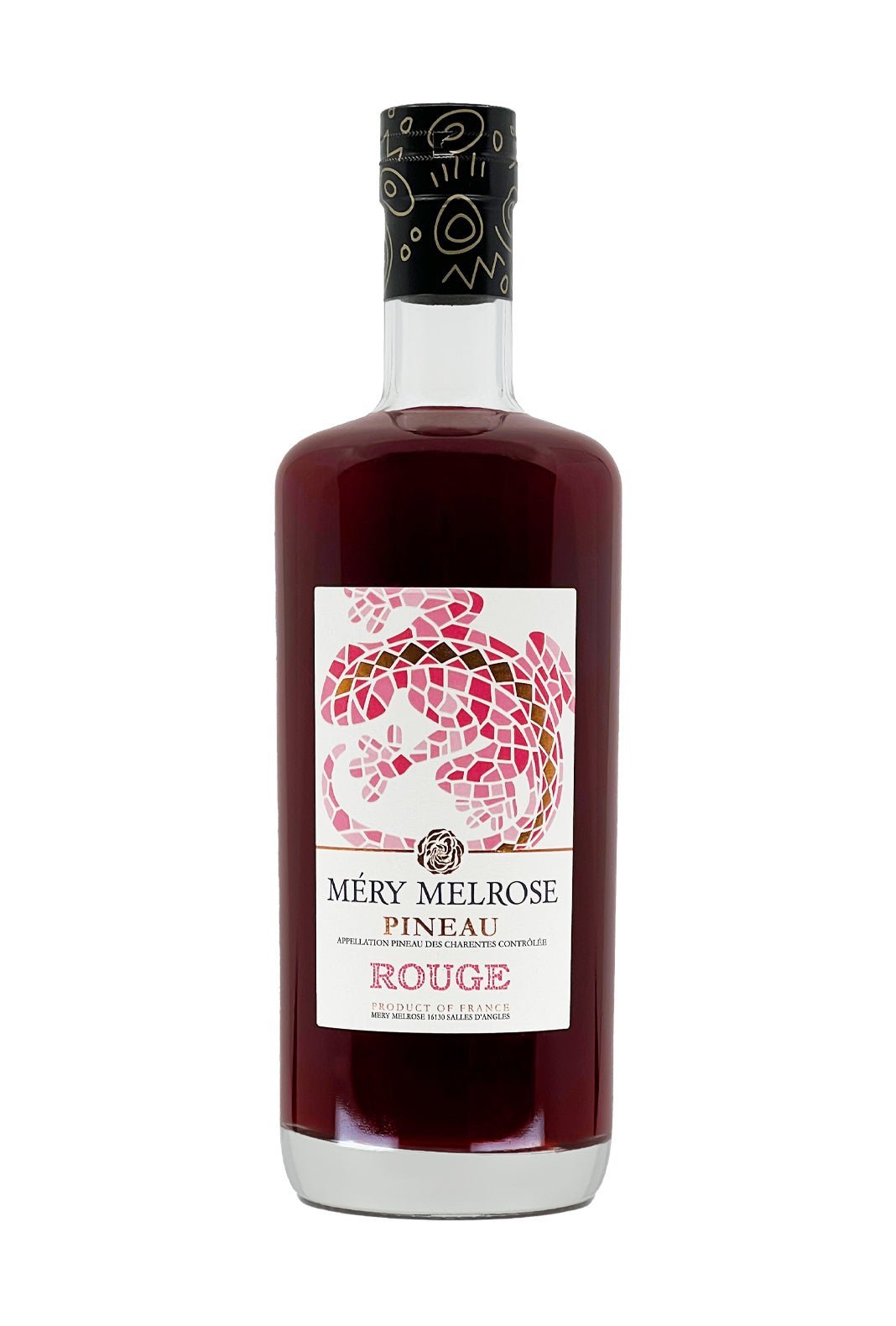
Mery Melrose Pineau des Charentes Rouge (Red) Organic 16.5% 750ml
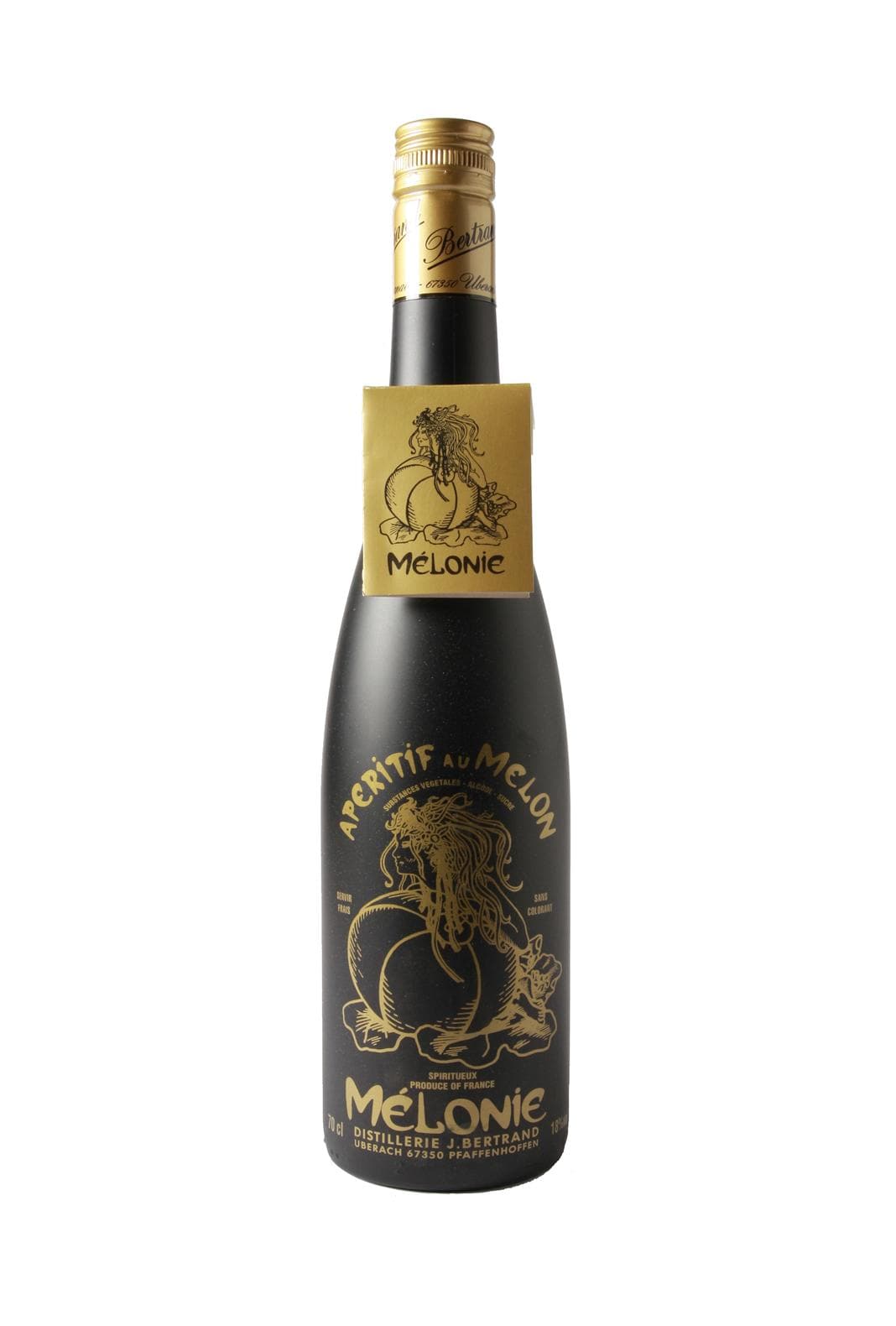
Bertrand Liqueur 'Melonie' Aperitif au Melon (Melon) 18% 700ml
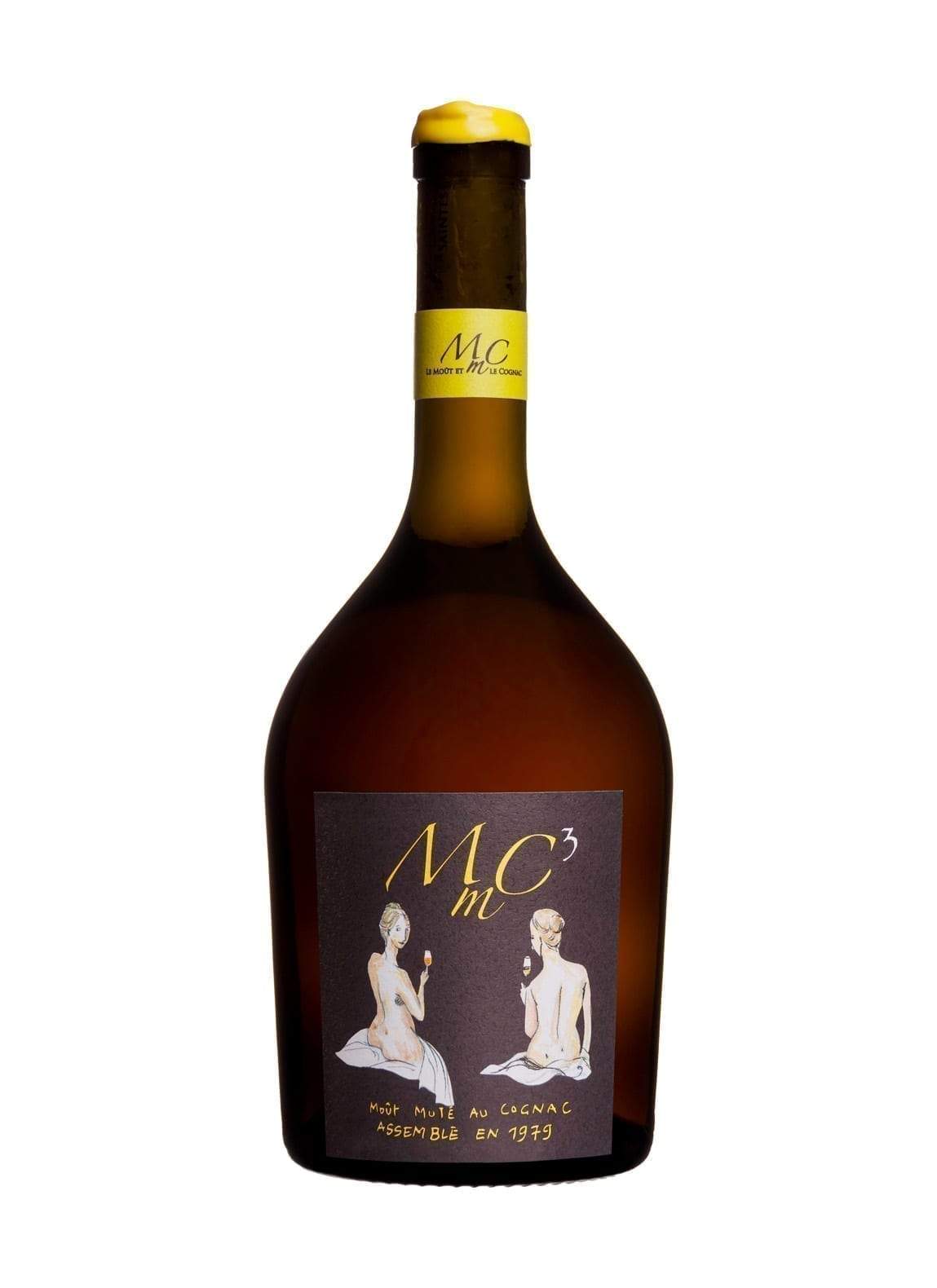
Grosperrin MMC 3 1979 Mistelle-type Pineau des Charentes 17% 750ml
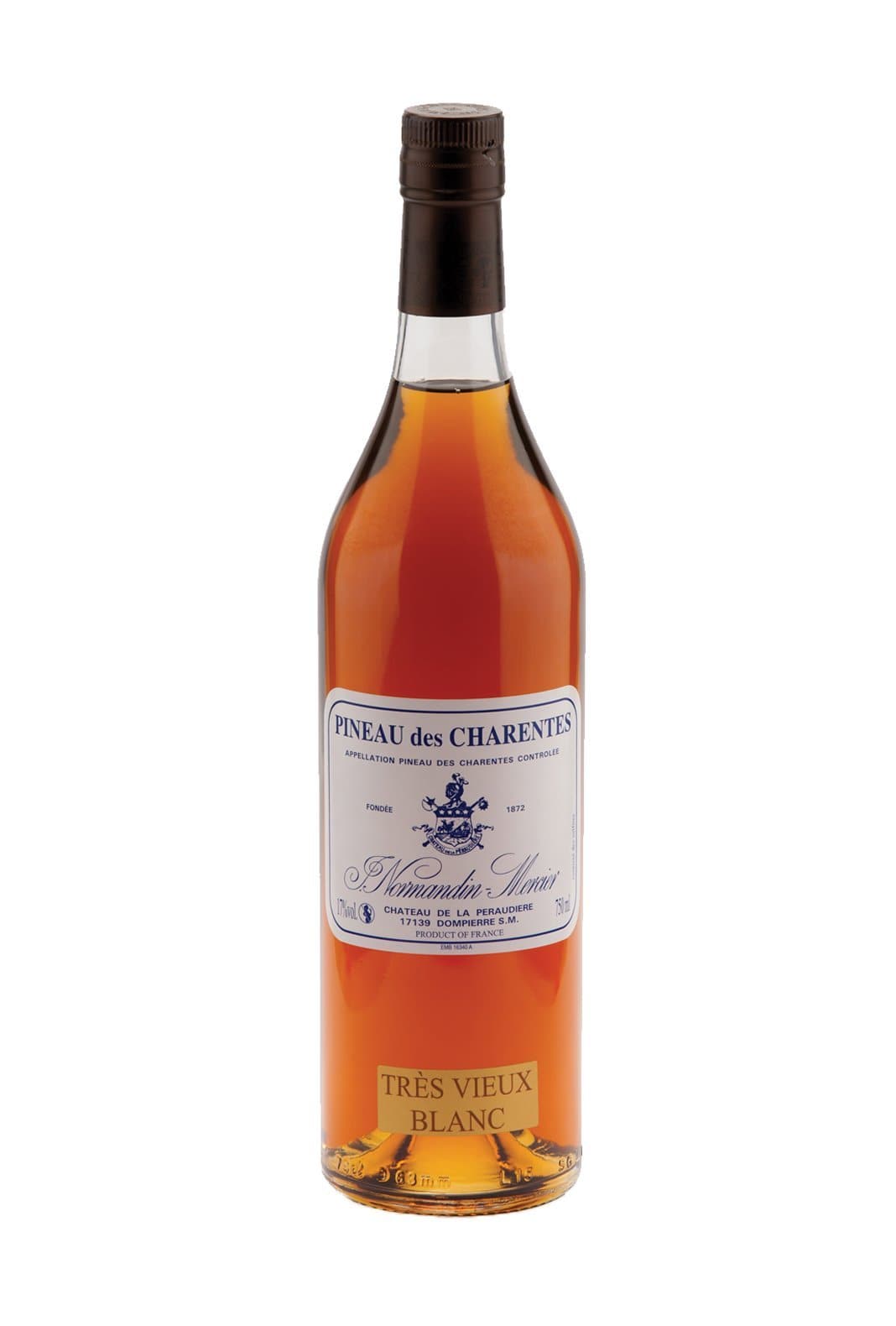
Normandin-Mercier Aperitif Pineau des Charentes Blanc (White) Tres Vieux 12 years 17% 750ml
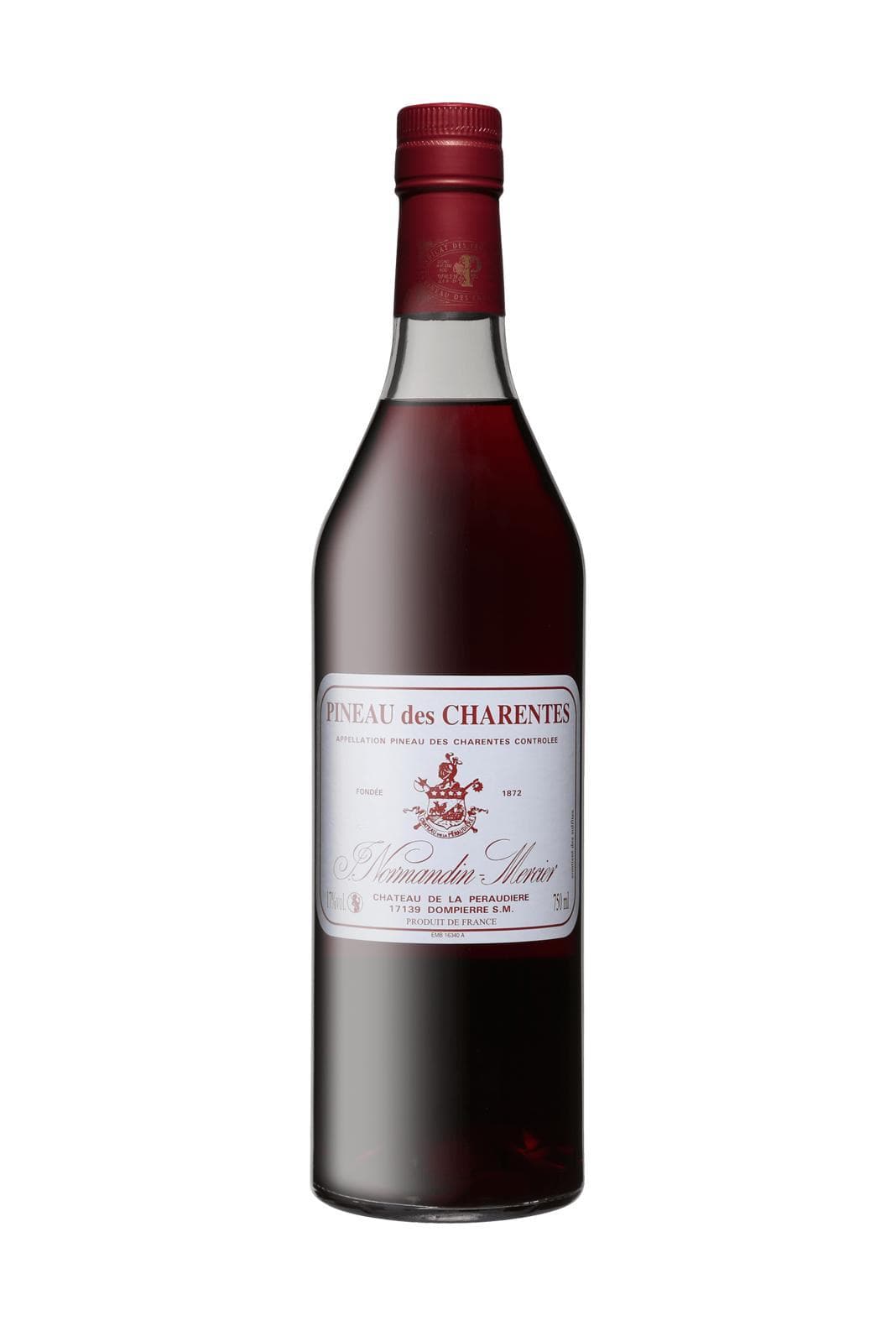
Normandin-Mercier Aperitif Pineau des Charentes Rouge (Red) 4 years17% 750ml
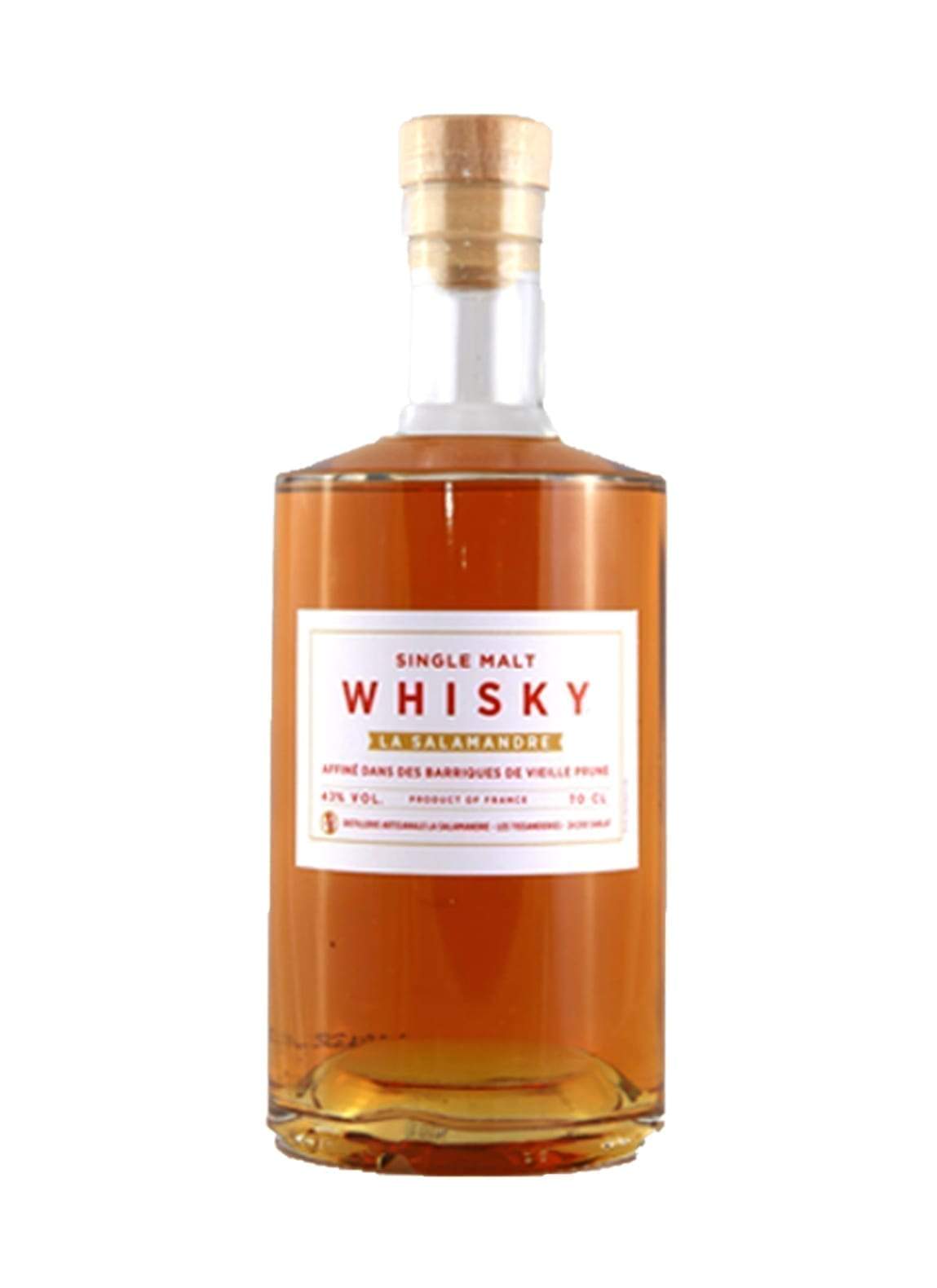
La Salamandre French Whisky Single Malt 8YO 43% 700ml
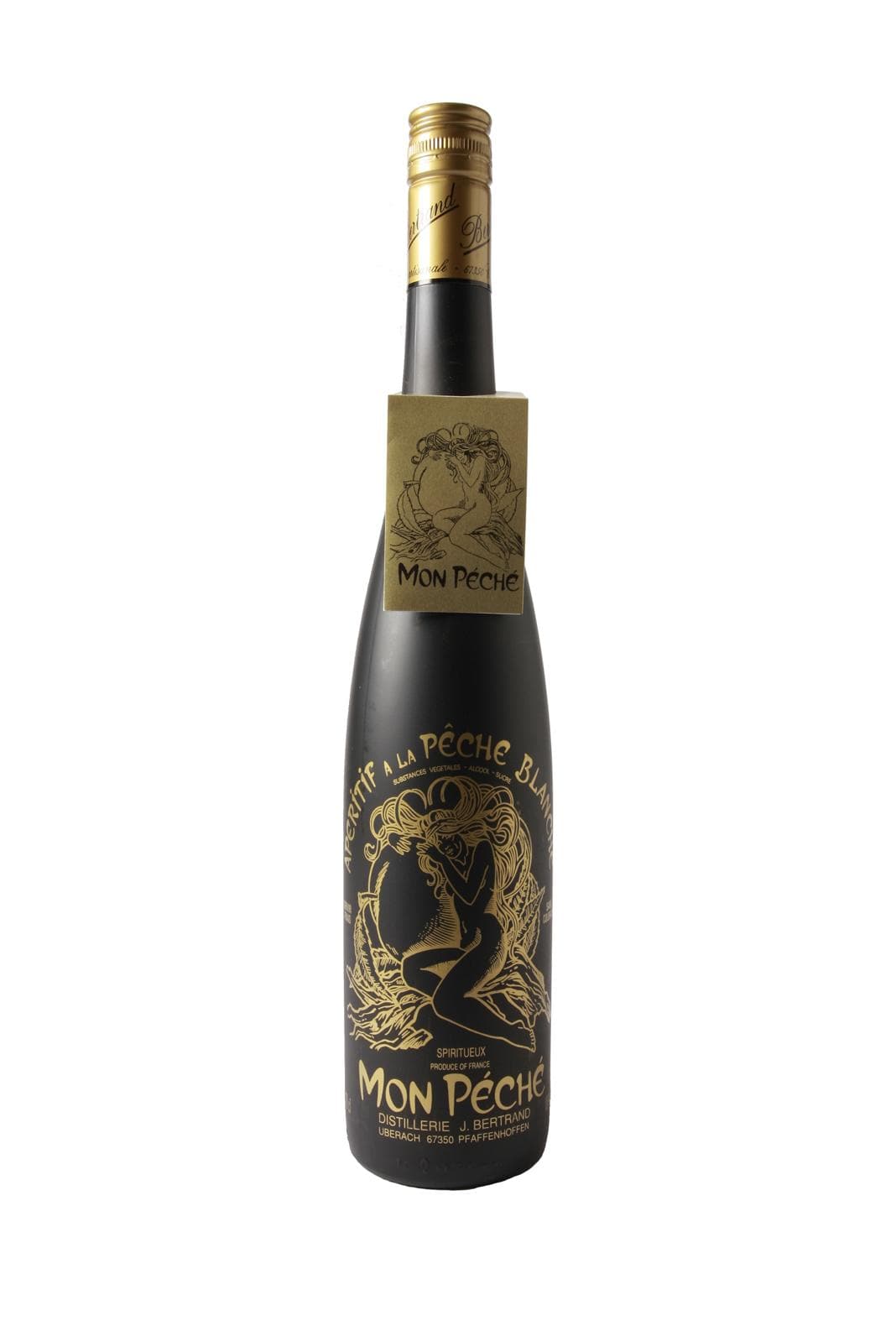
Bertrand Liqueur 'Mon Peche' Aperitif a la peche Blanche (White Peach) 18% 700ml
About French Aperitifs
The idea behind this page is one technique rather than one region. A mistelle is juice that has spirit added to it before fermentation rather than after, so the yeast never gets going and the natural sugar stays where it is. The result is sweet, low in alcohol by spirit standards, and tastes much more of fruit than of distillate.
Each region names its own version and pairs it with its own spirit. Pineau des Charentes is grape must with Cognac, and it is here from Grosperrin, Mery Melrose and Normandin-Mercier, in white and red, with bottlings that have spent four, seven and twelve years in cask. Floc de Gascogne is grape must with Armagnac, represented by the Gelas rose. Macvin du Jura is must with marc du Jura, from Tissot. Ratafia de Bourgogne follows the same logic in Burgundy, from Vedrenne.
Normandy swaps the fruit. Pommeau de Normandie is apple juice with Calvados, and it is on this page from Le Pere Jules, whose AOC bottling has five years in cask, and from Christian Drouin under the Lauriston label.
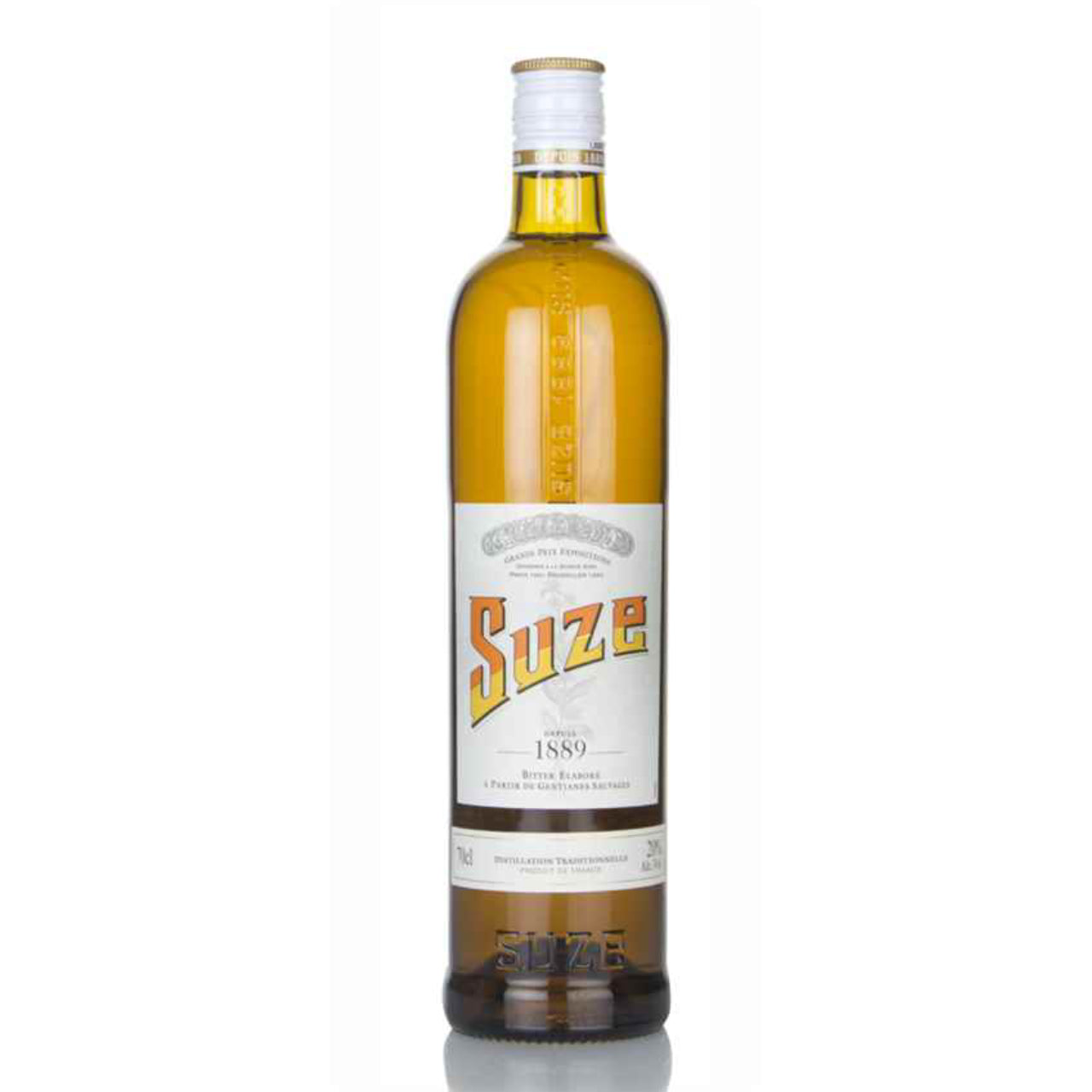
Sitting alongside them are a few bottles that are not mistelles but belong to the same moment in the day: Dubonnet Rouge, Suze, the Bertrand melon bottling and a Gambetta with no alcohol in it at all.
Strengths cluster between sixteen and eighteen per cent, and most bottles are 700ml or 750ml.
The Normandy end of this page, Pommeau and the spirit behind it, is covered in our guide to the apple spirits of Normandy.
History
The mistelle technique is old and its origin is agricultural. A grower who distilled had spirit on hand at harvest, and adding it to fresh must stopped fermentation dead. That gave a stable, sweet drink from juice that would otherwise have to be made into wine, and it used up the parts of the crop that were not wanted for anything else.
The Charentes has the most often repeated origin story, and like most such stories it involves an accident: a sixteenth century grower is said to have poured must into a barrel that still held brandy, and found it worth drinking some years later. Whether or not that is literally true, Pineau des Charentes was a local and largely unsold product for centuries before it was commercialised in the 1920s and given its appellation in 1945.
Floc de Gascogne and Macvin du Jura followed the same path from farmhouse to appellation much later, both recognised in the 1990s. Pommeau de Normandie was recognised in the same period.
Ratafia is the broadest word of the group. It has been used across France, and in Champagne and Burgundy in particular, for fortified must of this kind, and it has also been used loosely for other steeped preparations.
What all of them share is that they were made to be drunk locally, by the people who grew the fruit, and they only became export products in the last hundred years.
How to drink it
Cold, in small glasses, before a meal rather than after it. These are the drinks that the French have with something salty an hour before dinner, and at sixteen to eighteen per cent they are built for that job.
Serve them properly chilled, around six to eight degrees. White Pineau and the Floc rose want to be cold enough to taste fresh rather than syrupy, and a warm glass of either is unpleasantly sweet.
At the table, the pairings are local and they work. White Pineau with melon or with oysters, red Pineau and Macvin with pate and with hard cheese, Pommeau with anything involving apple, pork or a washed rind cheese. The older cask aged bottlings, the twelve year Normandin-Mercier and the seven year Grosperrin, have enough nutty oxidative character to stand up to blue cheese and to walnut tart at the end of a meal instead.
They mix better than their reputation suggests. Pineau with tonic and a slice of orange is a long, low strength drink, and Dubonnet with gin is a classic build in its own right.
Once opened, treat them like fortified wine. Keep them in the fridge and finish them within a few weeks. They will not spoil quickly, but they will flatten.
Dubonnet started life as a quinine tonic rather than something to drink before dinner, and our history of the Gin and Dubonnet traces how it became a cocktail.