
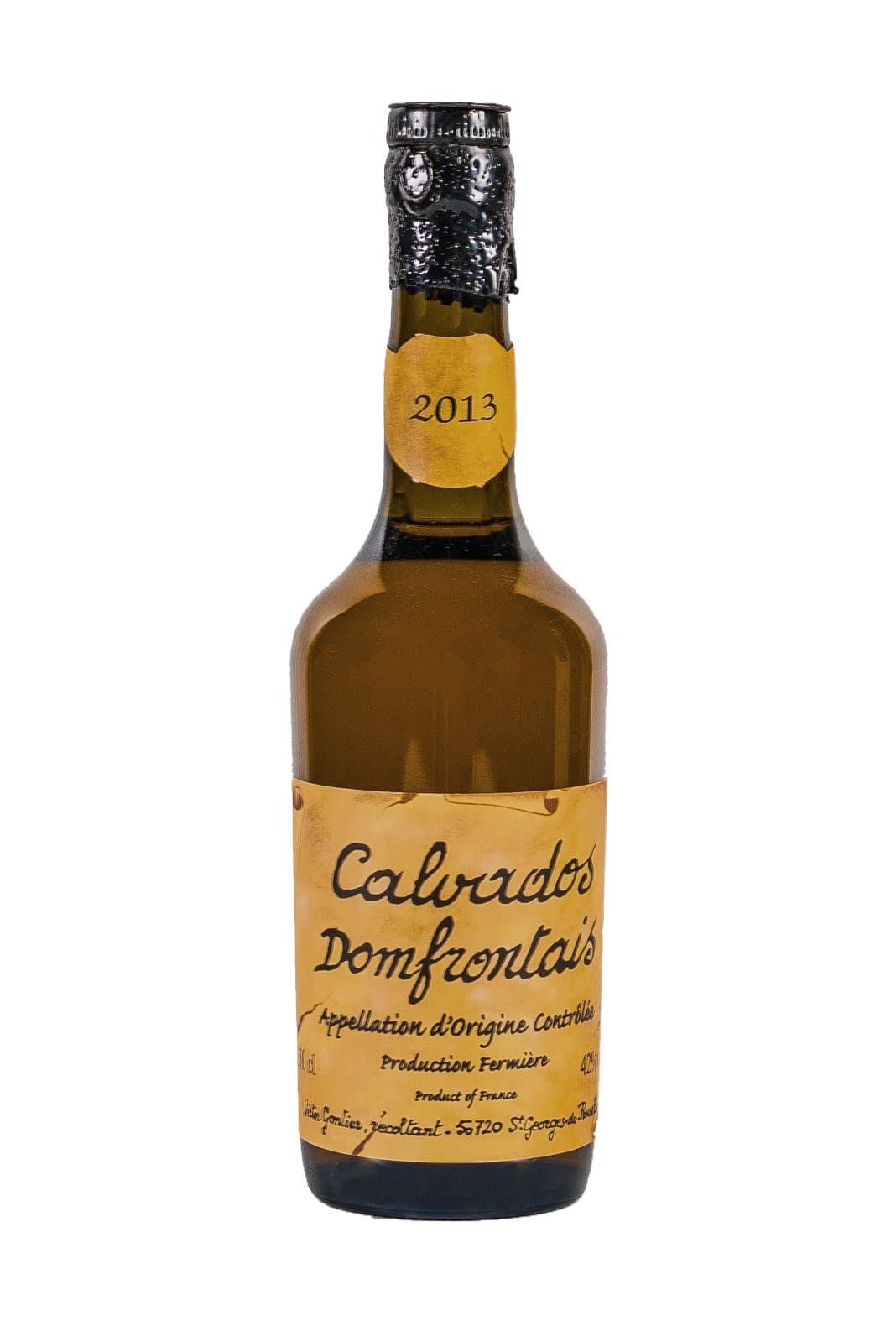
Victor Gontier Calvados Domfrontais 2013 40% 500ml
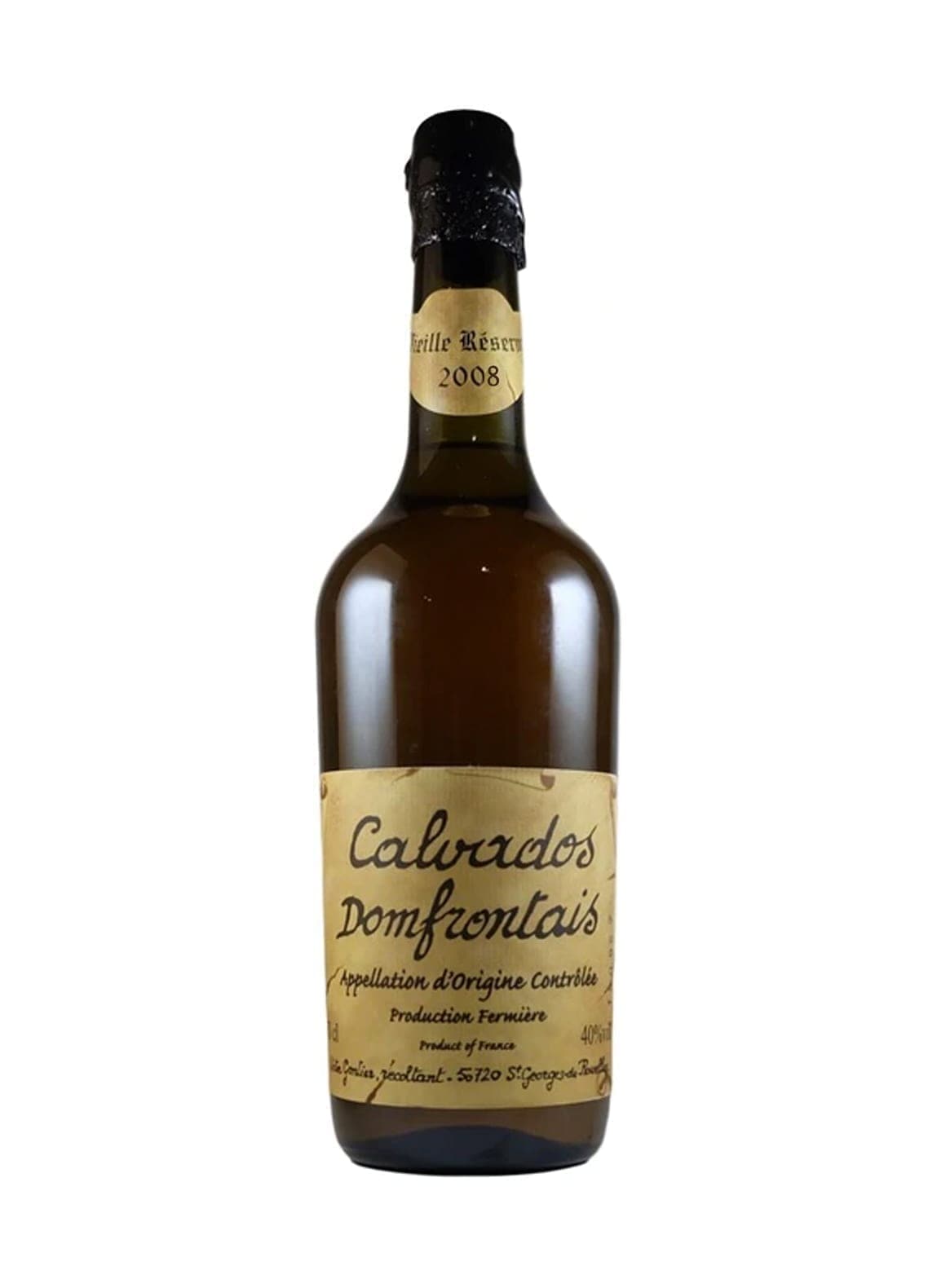
Victor Gontier Calvados Domfrontais 2008 42% 500ml
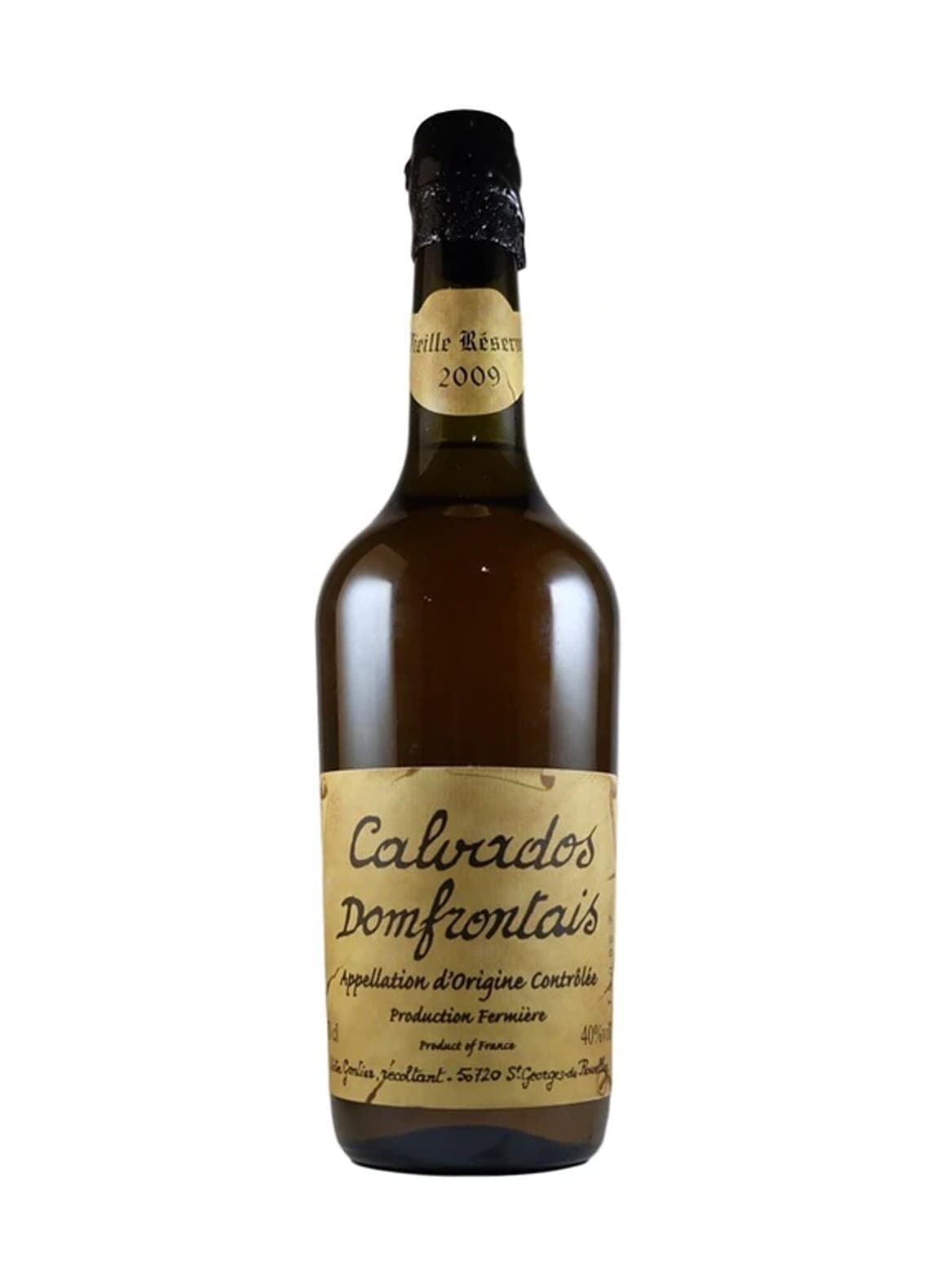
Victor Gontier Calvados Domfrontais 2009 42% 700ml
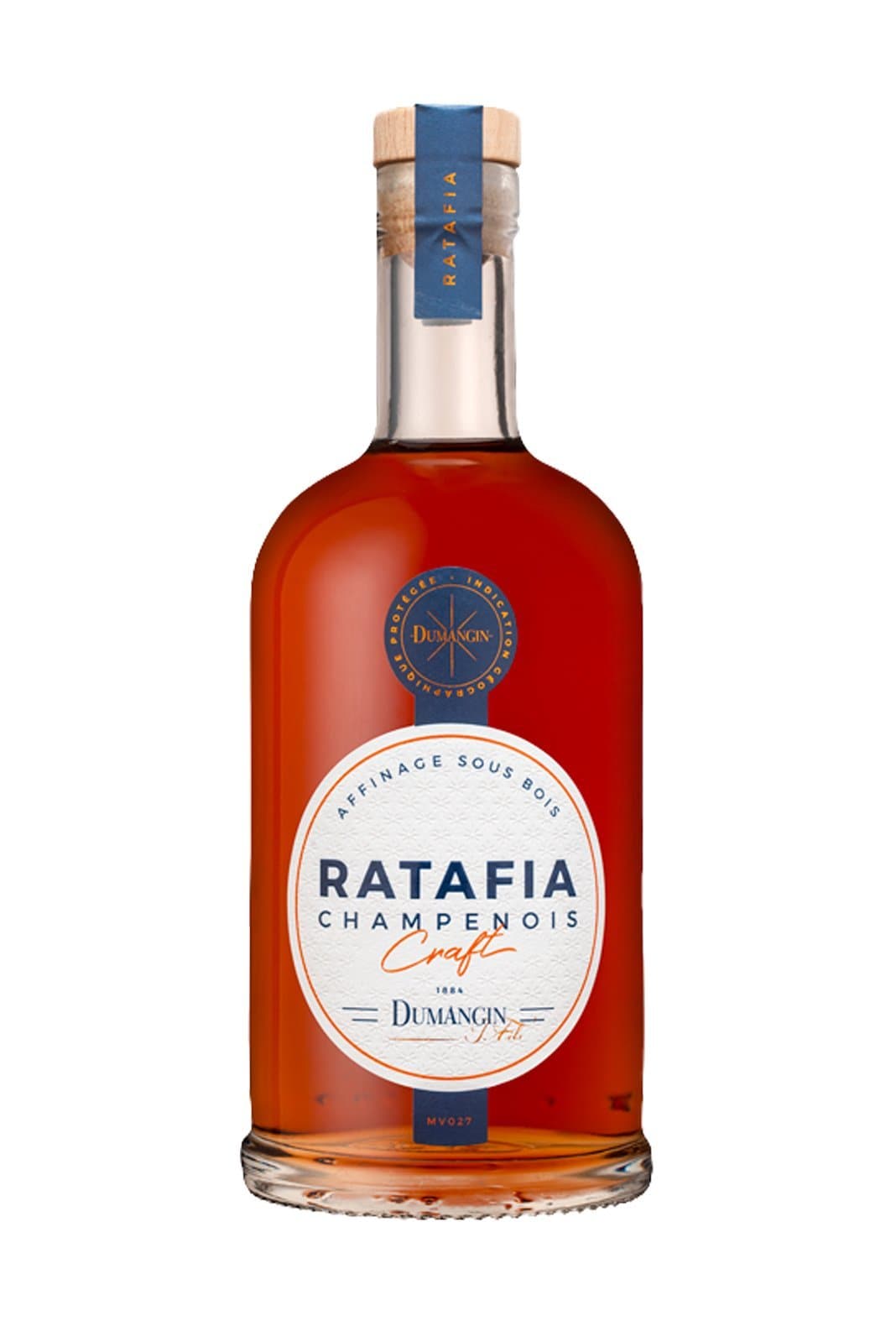
Dumangin Ratafia de Champagne 3 years+ 18% 750ml
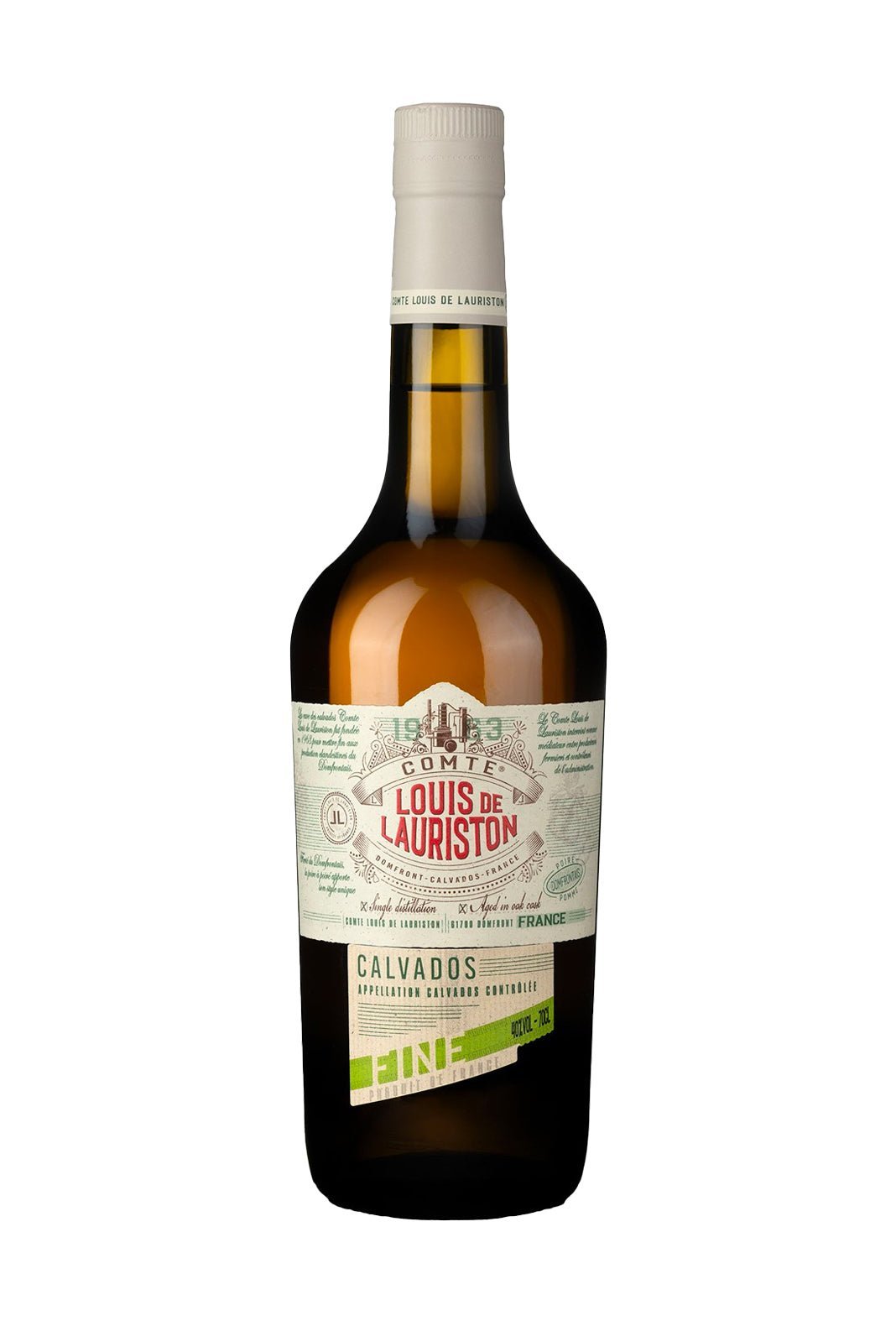
Comte Louis de Lauriston Calvados Domfrontais Fine 2 years 40% 700ml
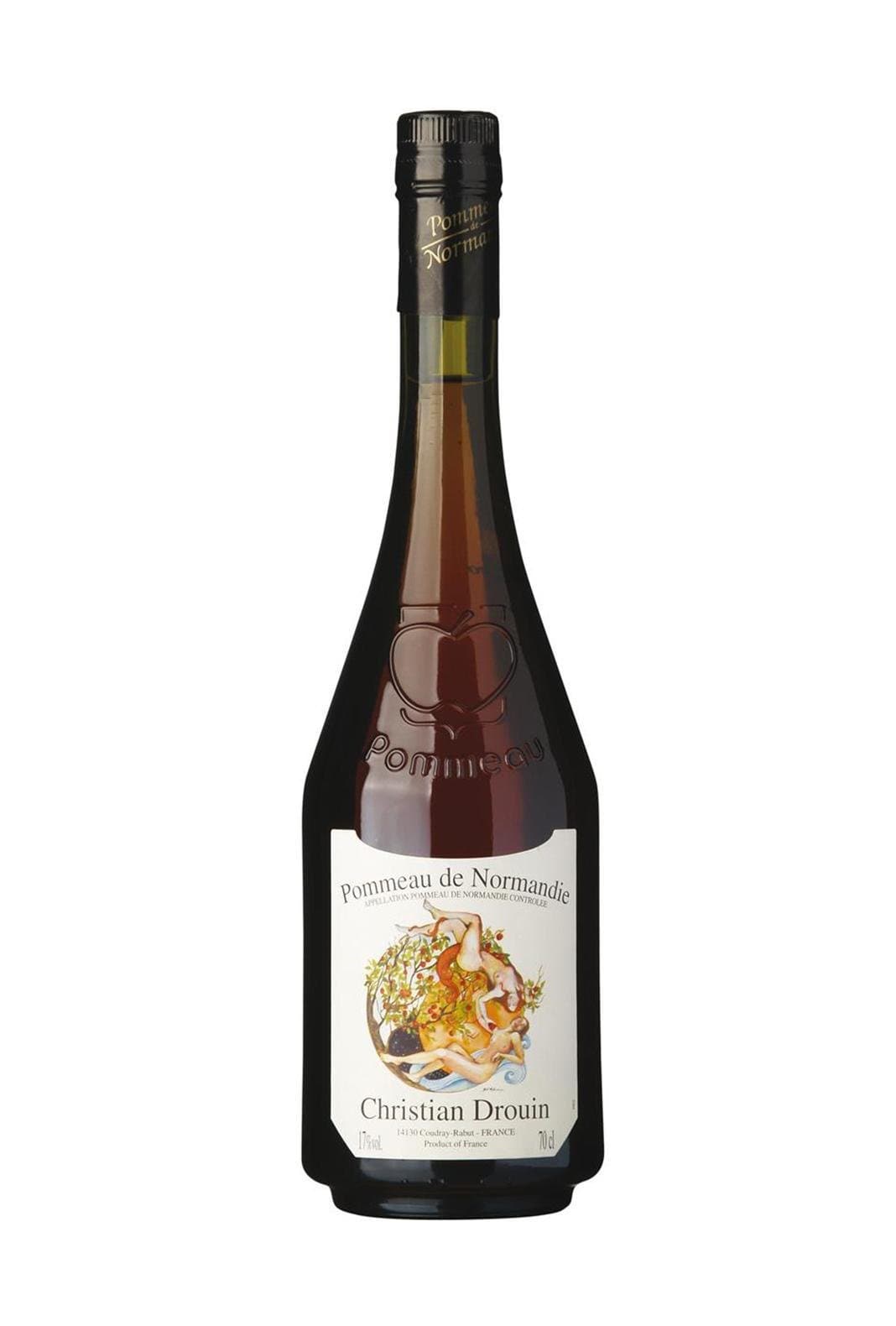
Lauriston Pommeau de Normandie Christian Drouin 17% 700ml
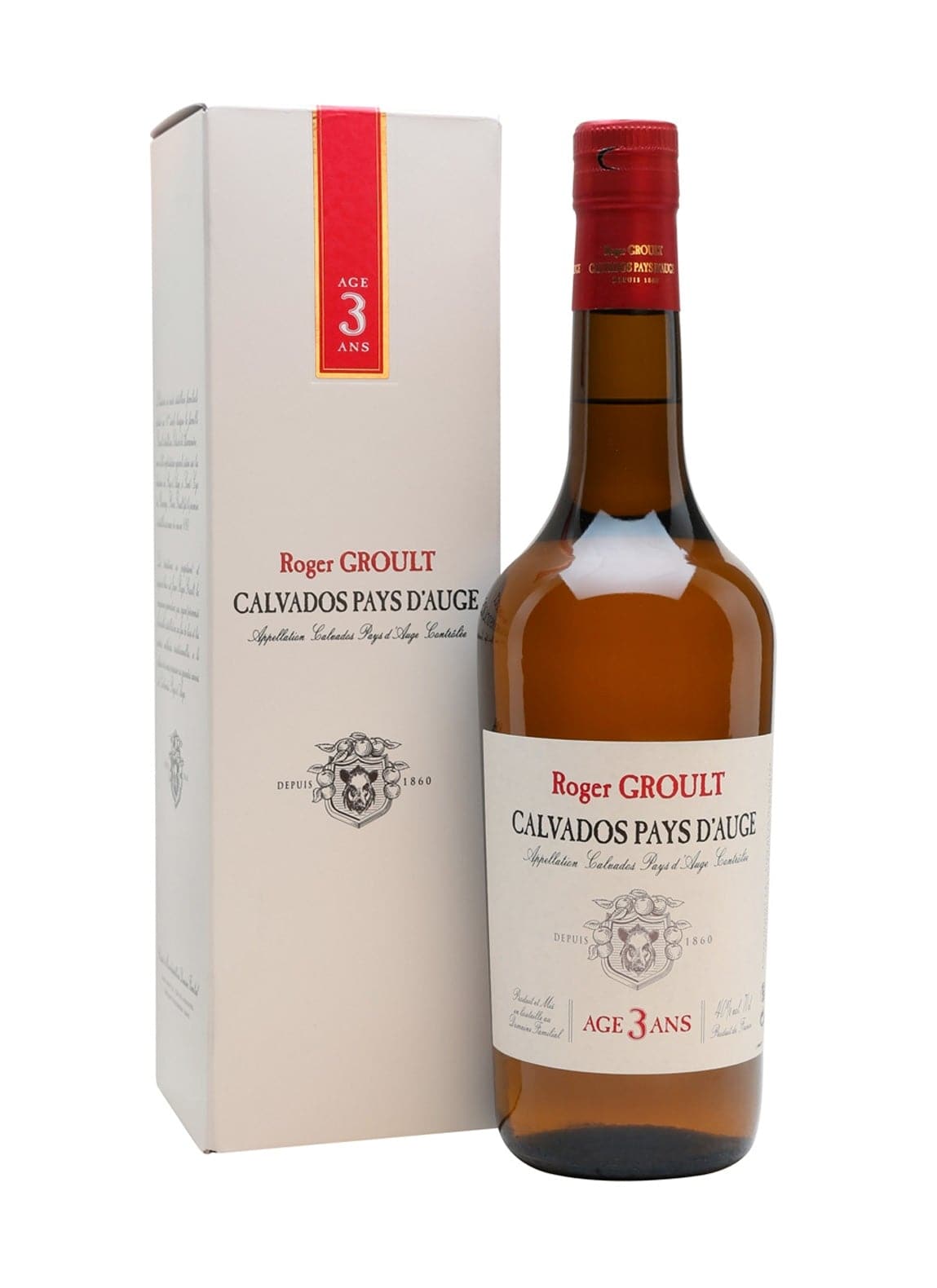
Roger Groult Calvados Pays D'Auge 3 years 40% 700ml
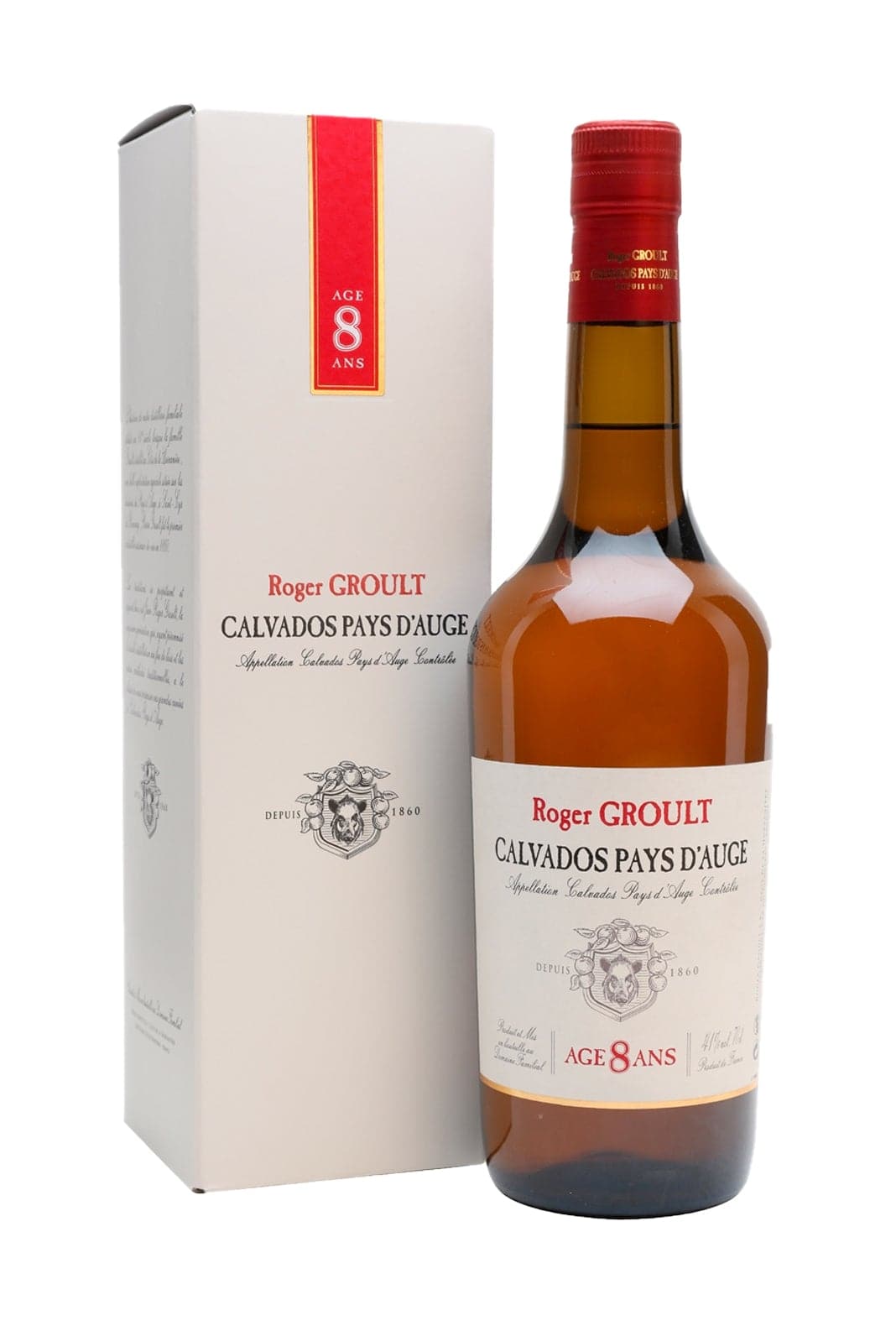
Roger Groult Calvados Pays D'Auge 8 years 41% 700ml
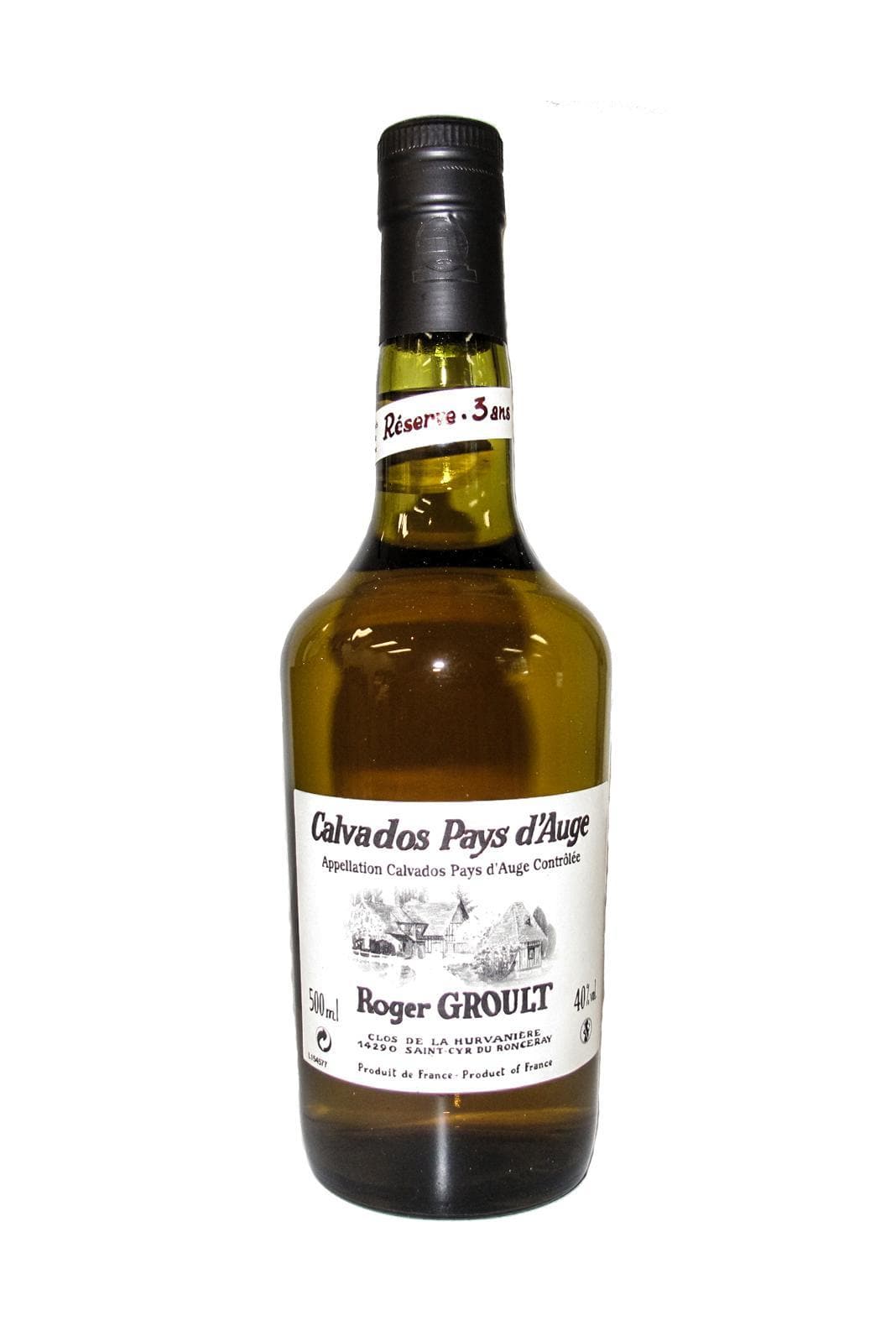
Roger Groult Calvados Pays D'Auge 3 years 40% 500ml
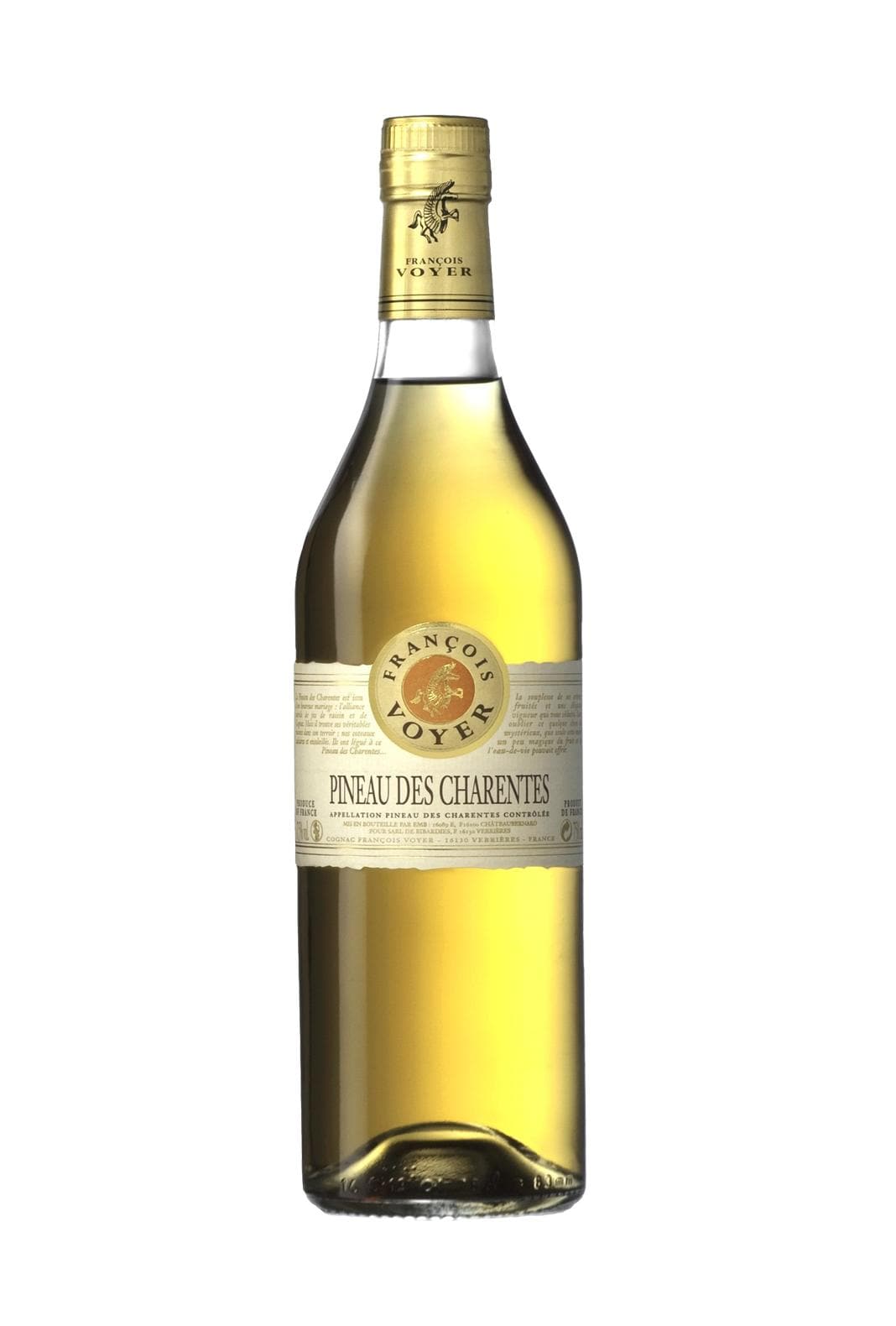
Francois Voyer Pineau des Charentes Blanc (White Mistelle) 17.5% 750ml
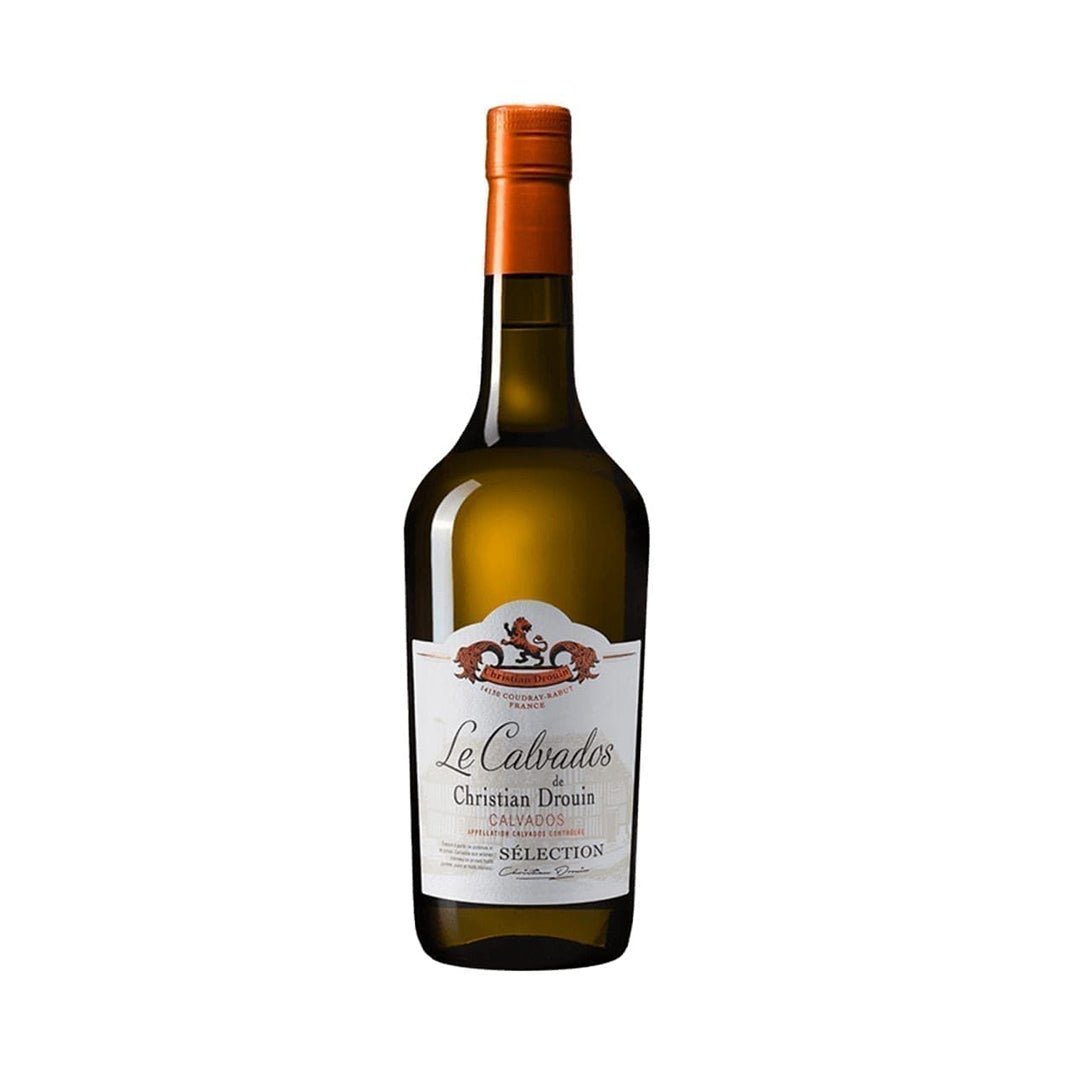
Christian Drouin Selection Calvados 40% 350ml
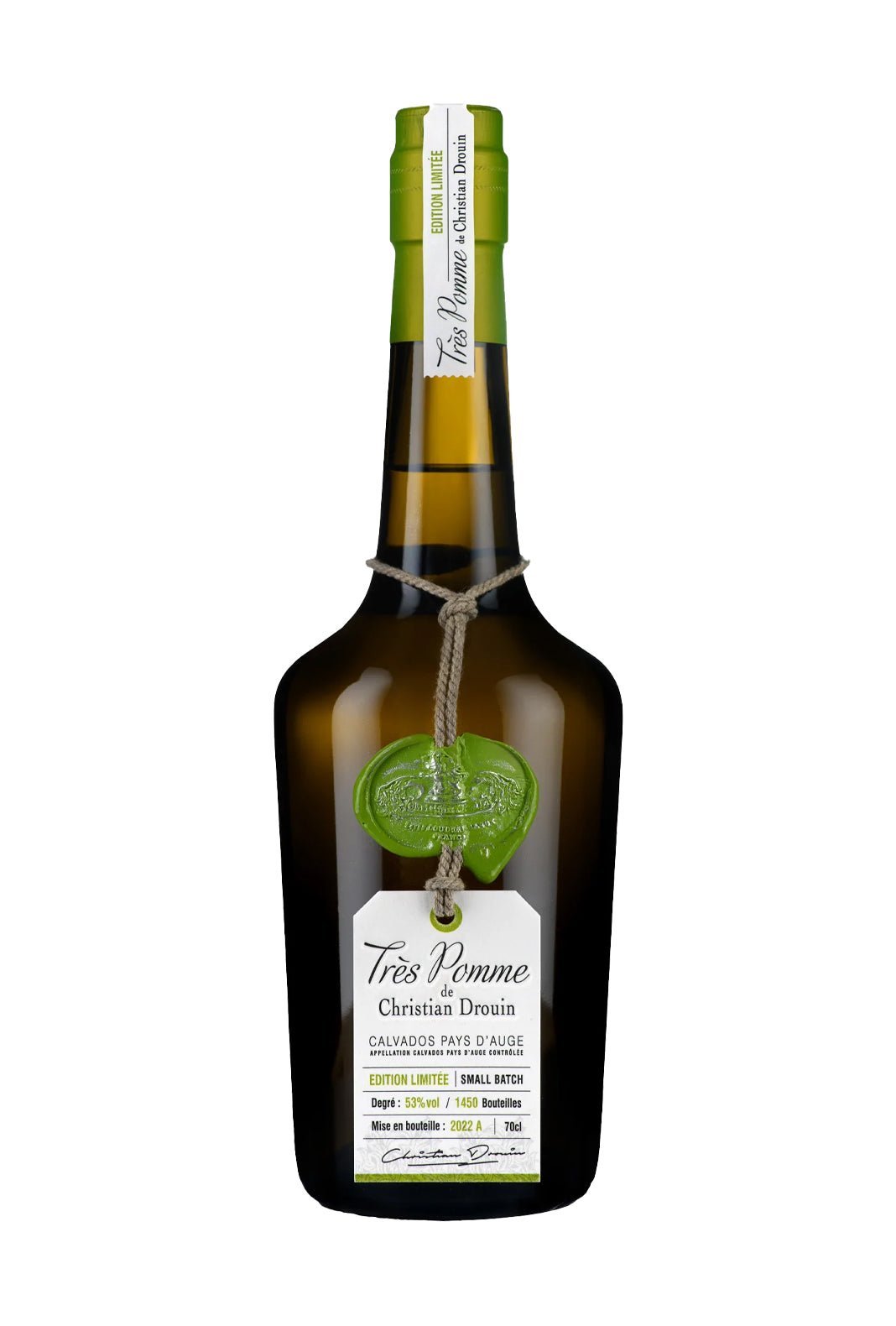
Christian Drouin Tres Pomme Calvados 53% 700ml
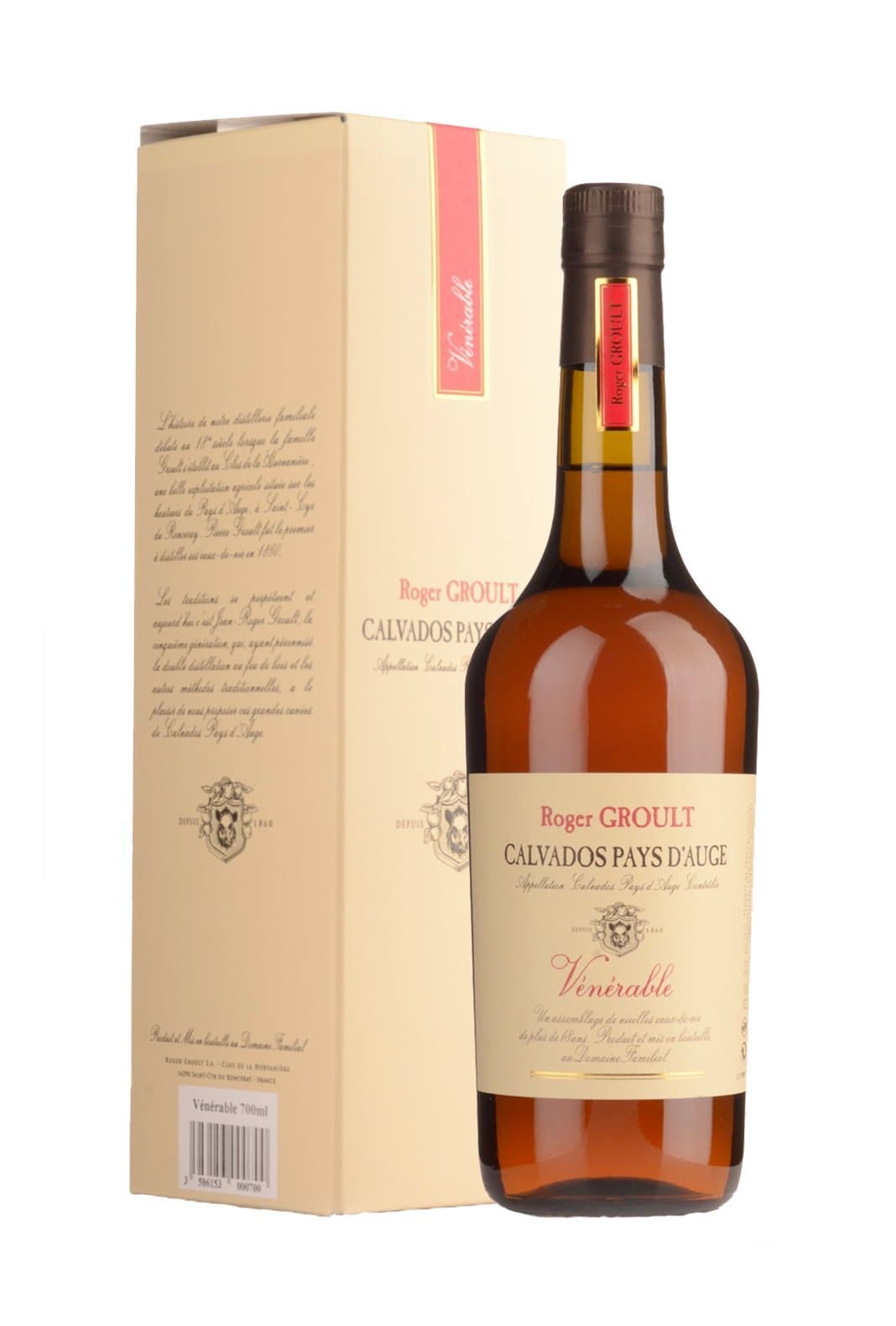
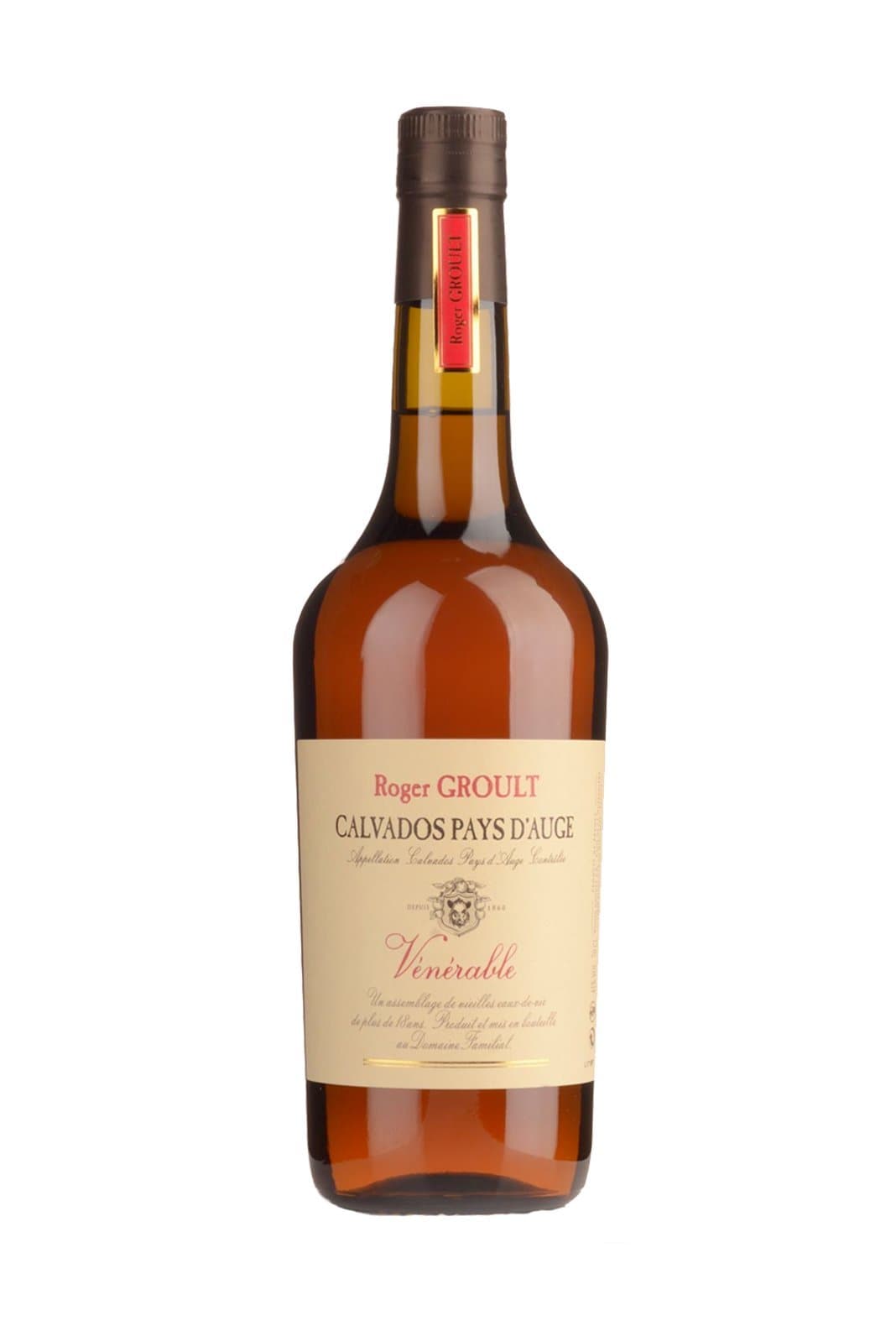
Roger Groult Calvados Pays D'Auge Venerable 18 years 41% 700ml
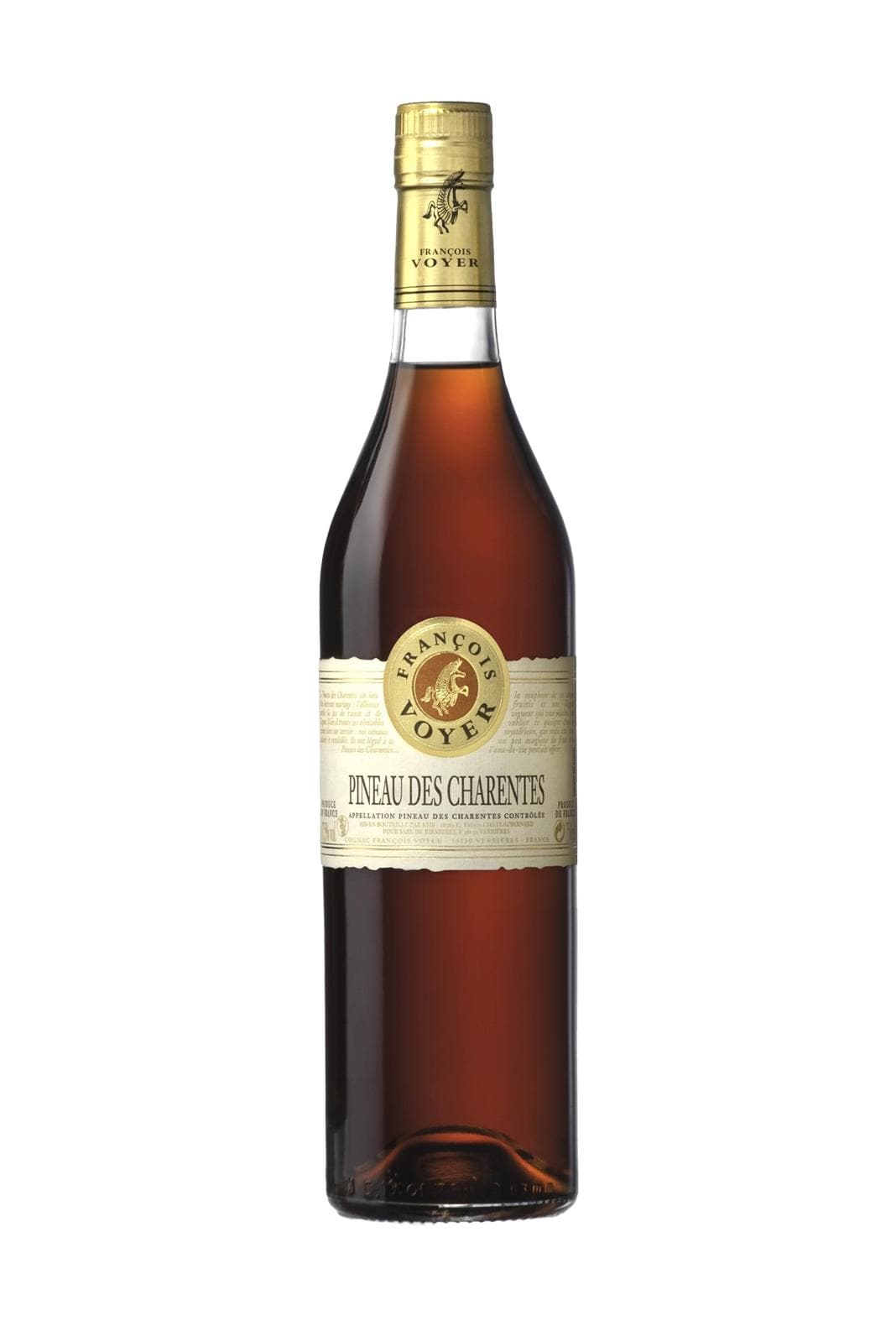
Francois Voyer Pineau des Charentes Rouge (Red Mistelle) 17.5% 750ml
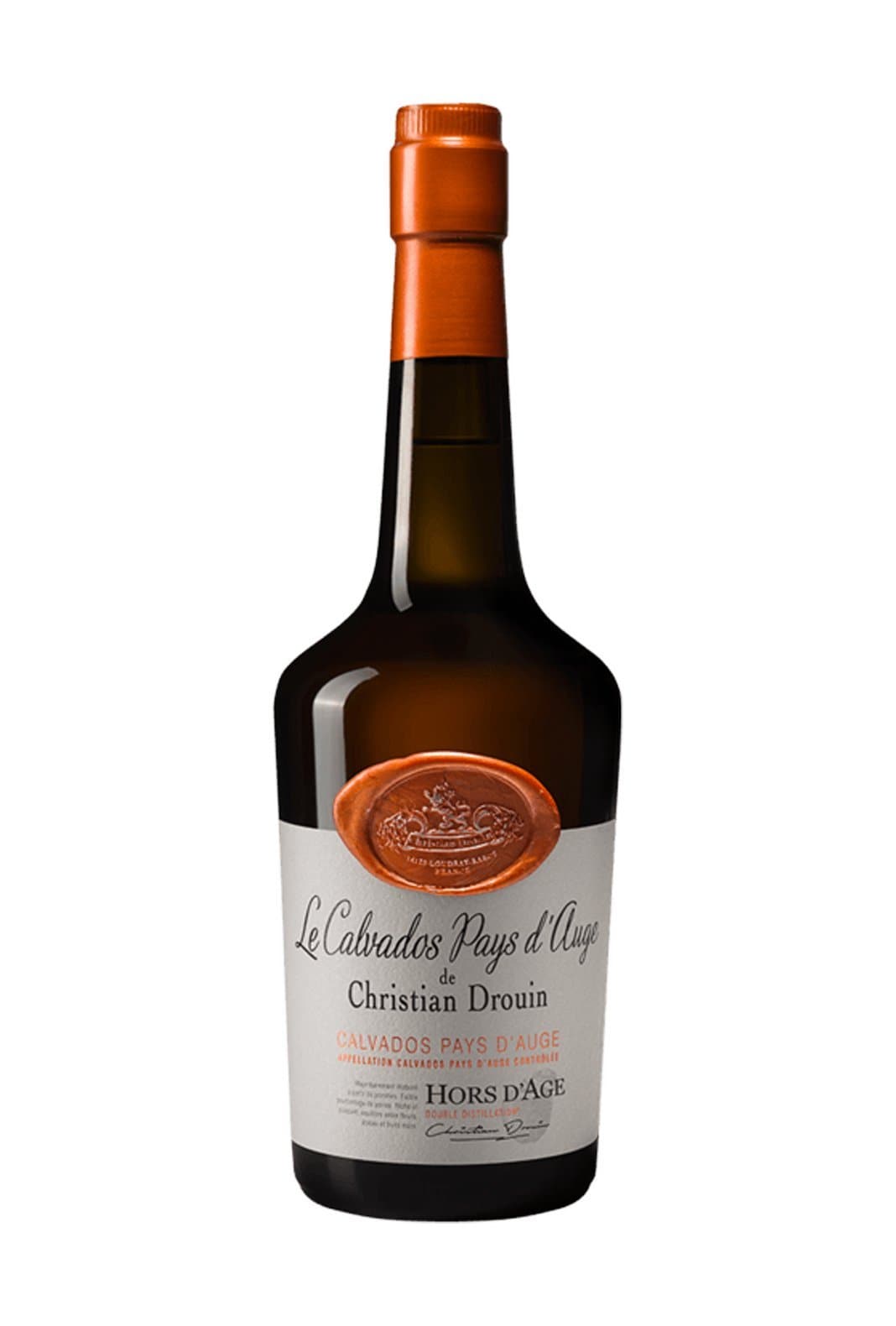
Christian Drouin Hors D’Age Calvados Pays d’Auge 42% 700ml
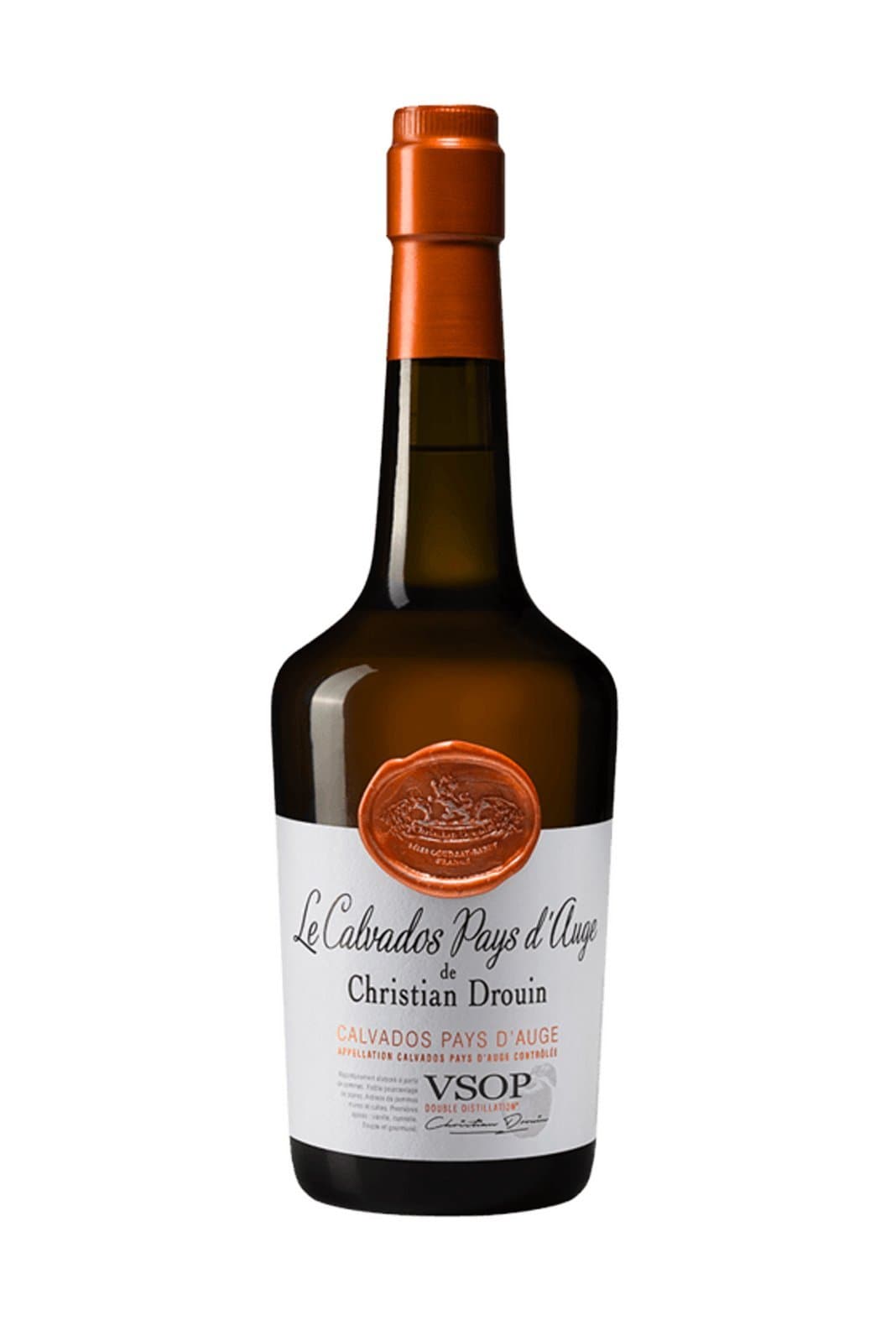
Christian Drouin VSOP Pale & Dry Calvados Pays d’Auge 40% 700ml
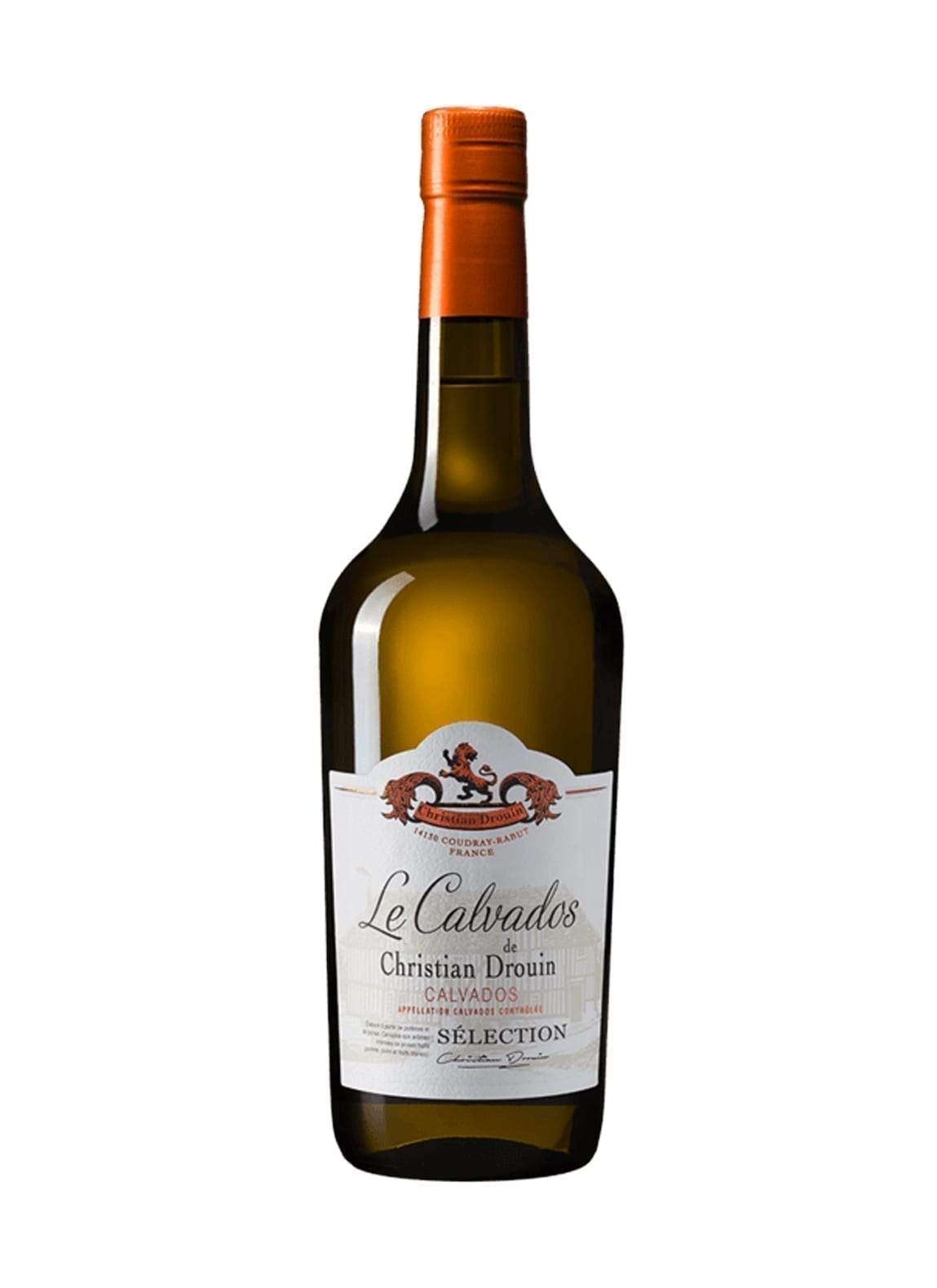
Christian Drouin Sélection Calvados 40% 700ml
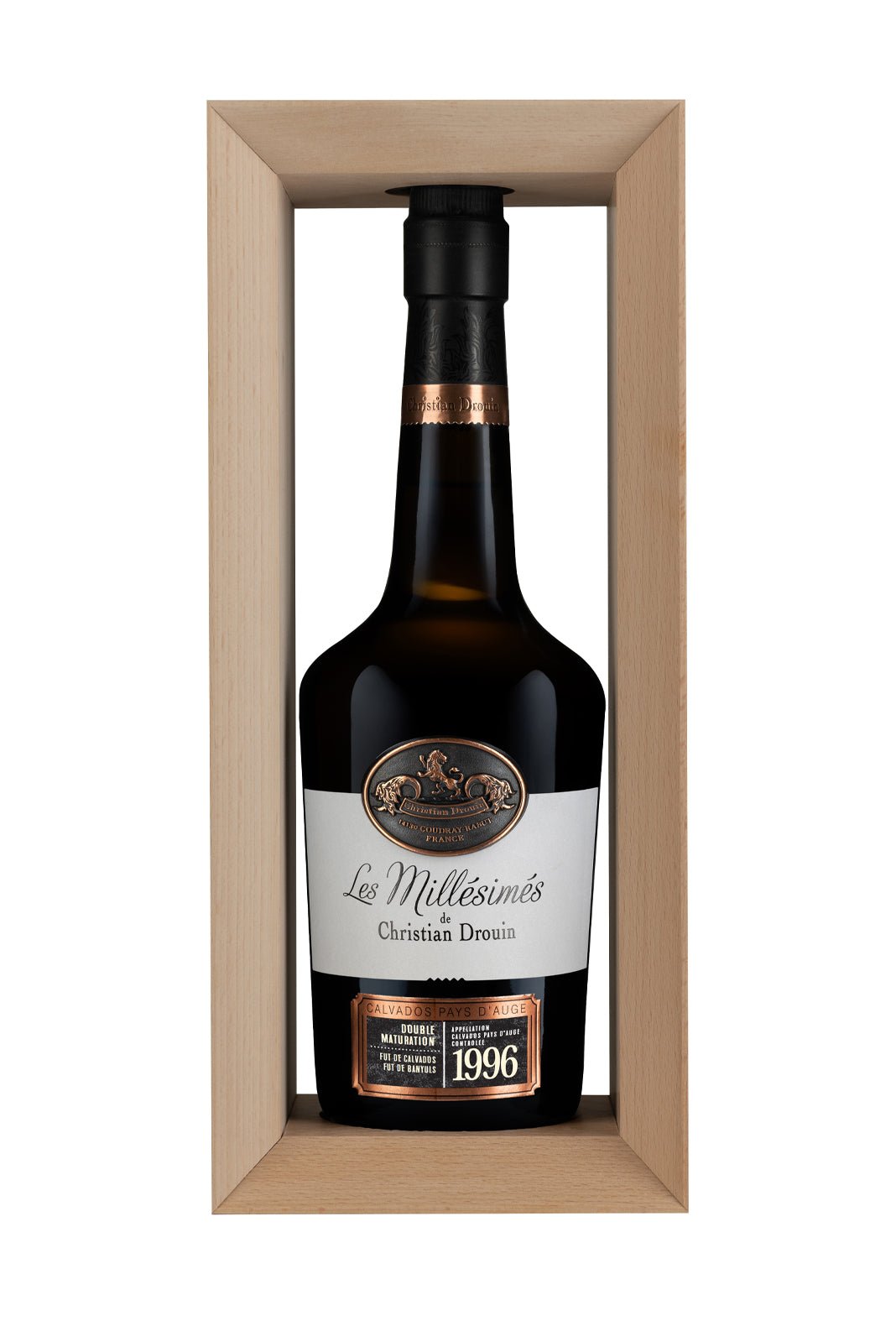
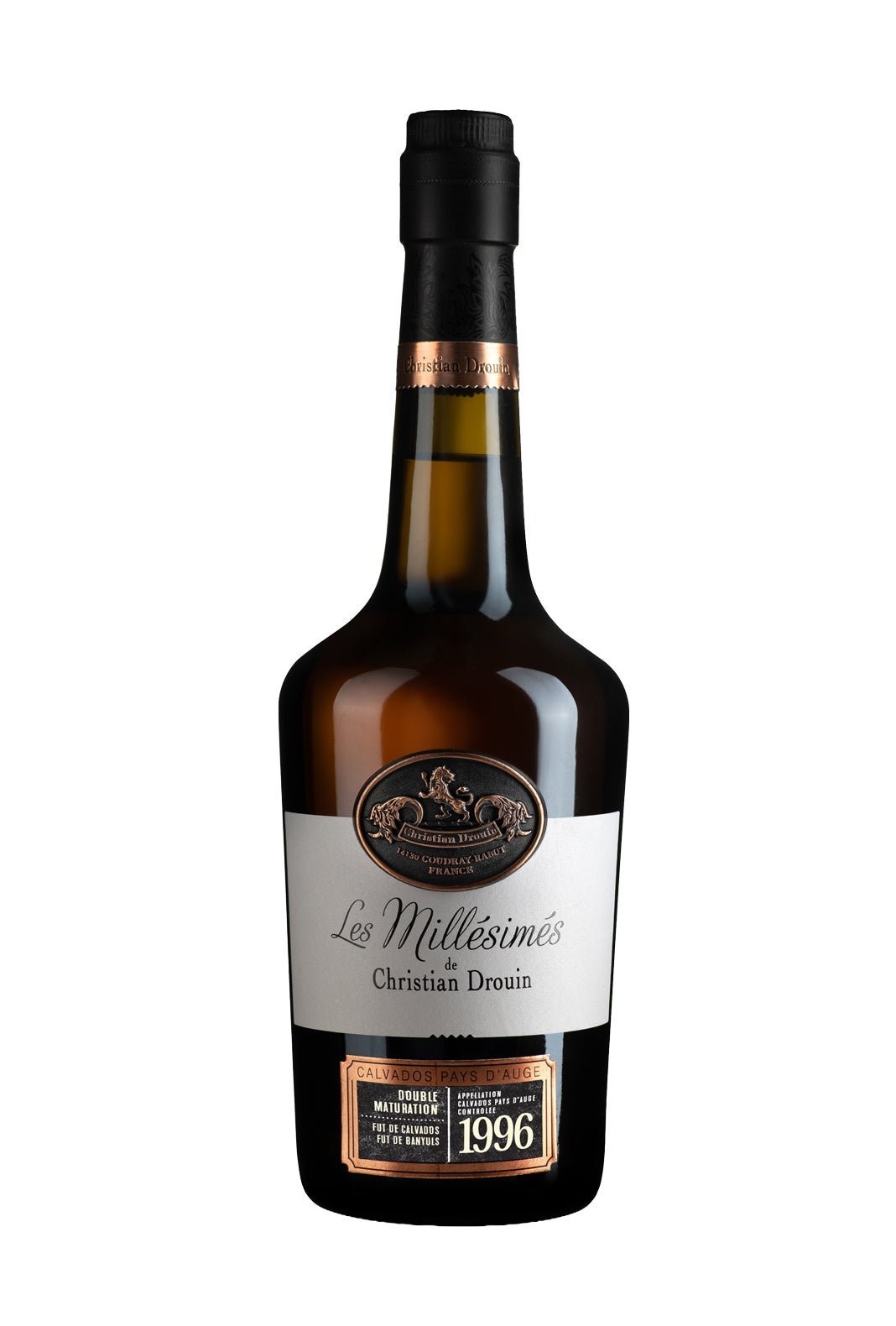
Christian Drouin 1996 Calvados Pays d'Auge 42% 700ml
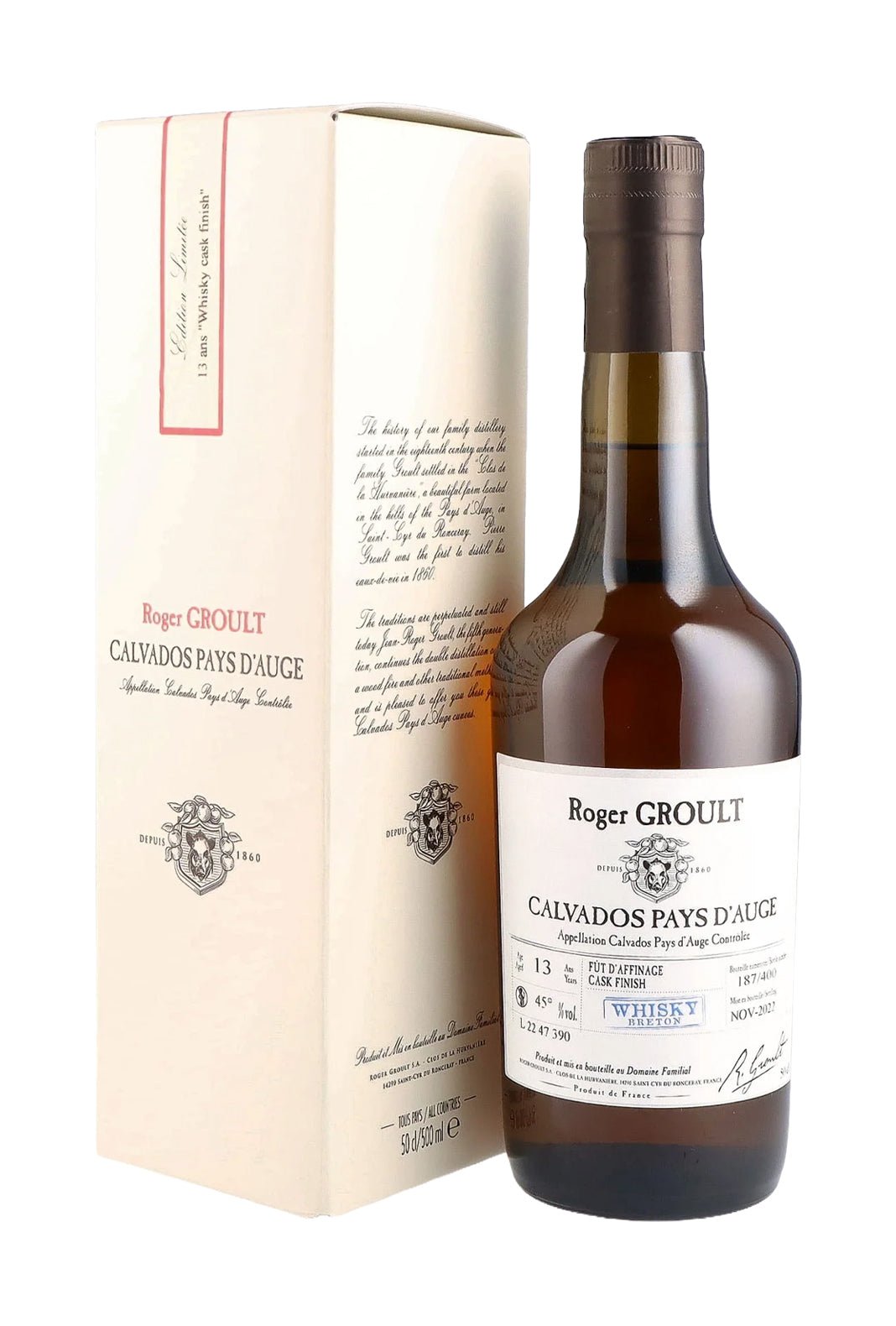
Roger Groult Whisky Cask Finish Calvados 45% 500ml
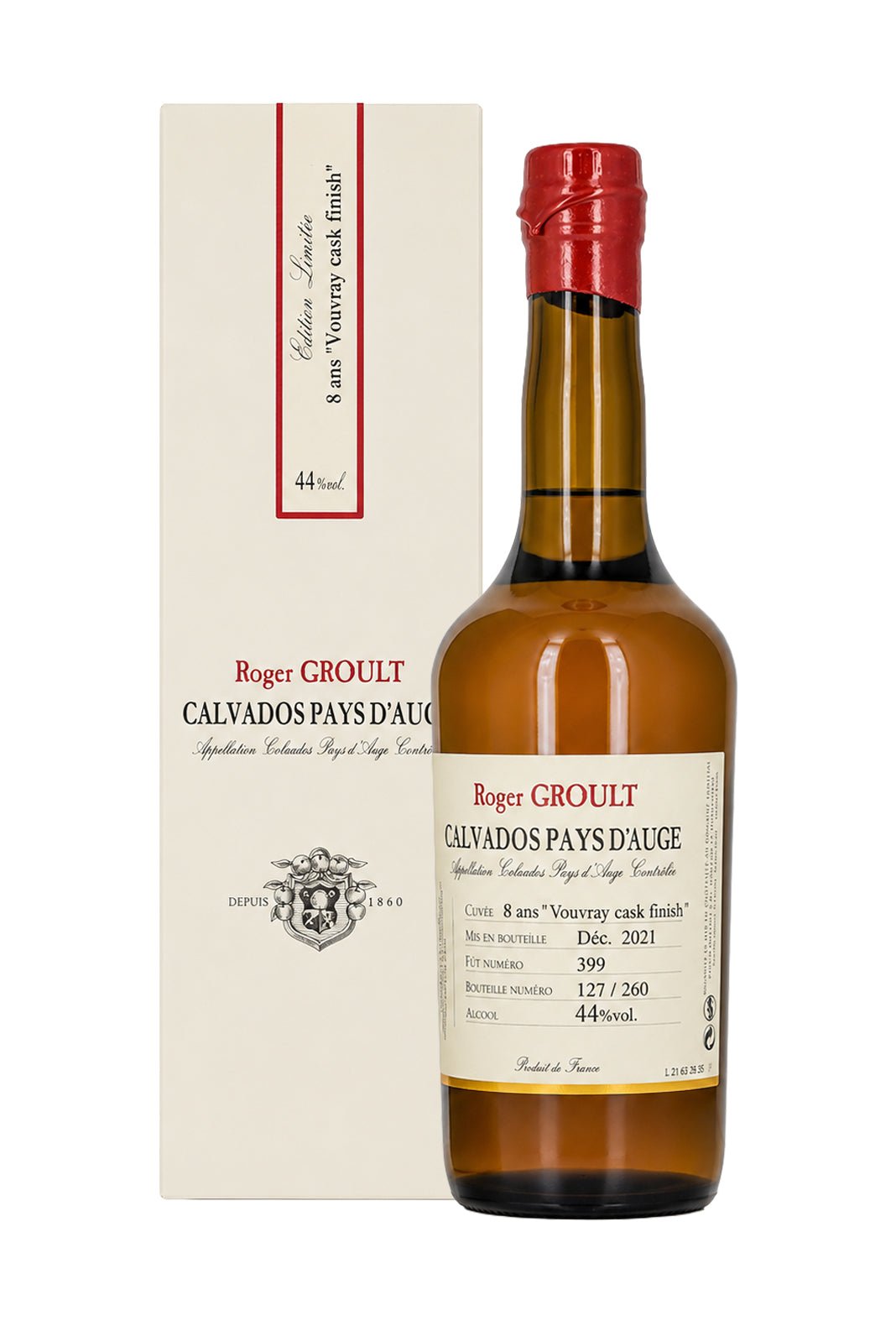
Roger Groult Calvados Vouvray Pays d'Auge 44% 500ml
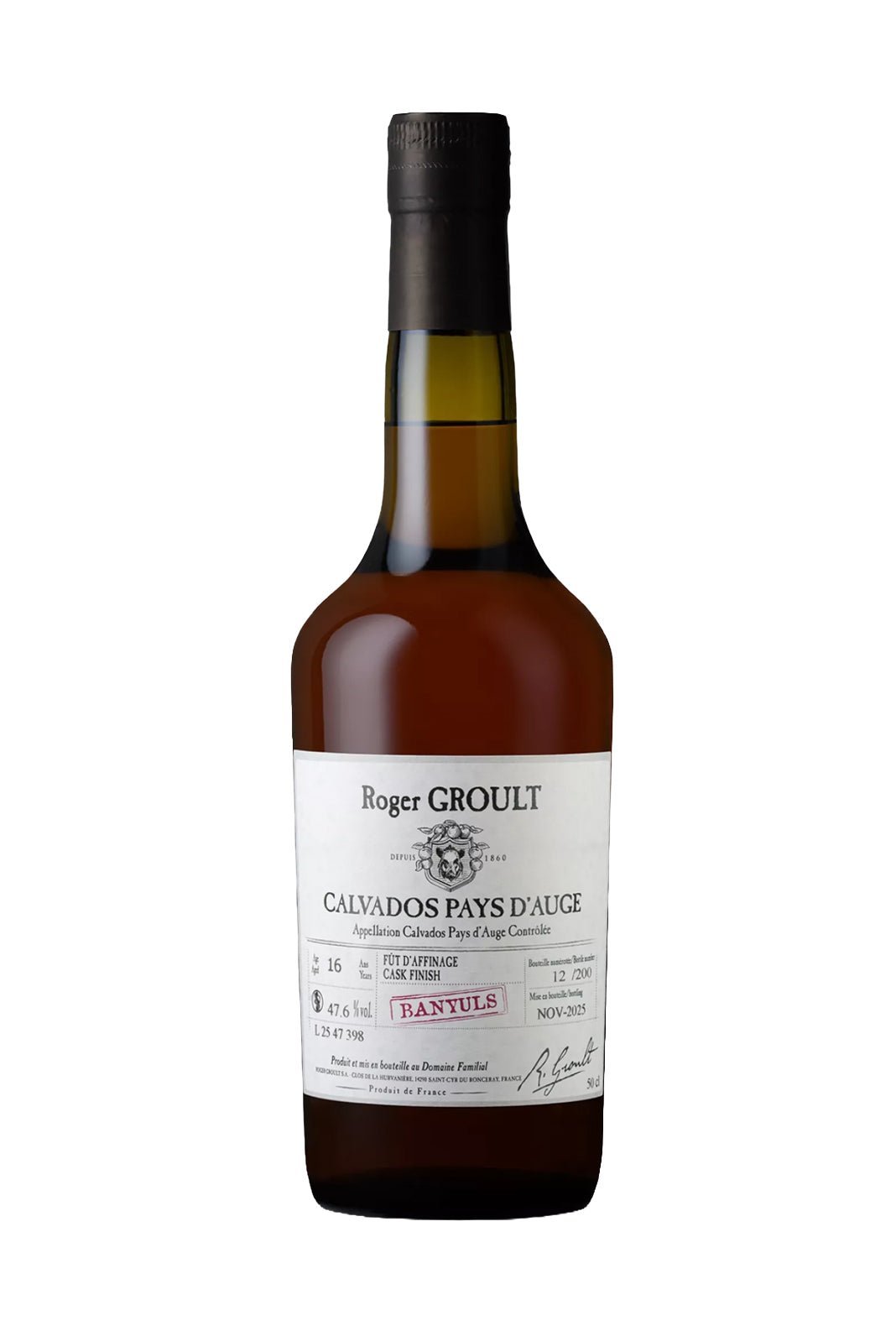
Roger Groult Calvados Banyuls Pays d'Auge 47.6% 500ml
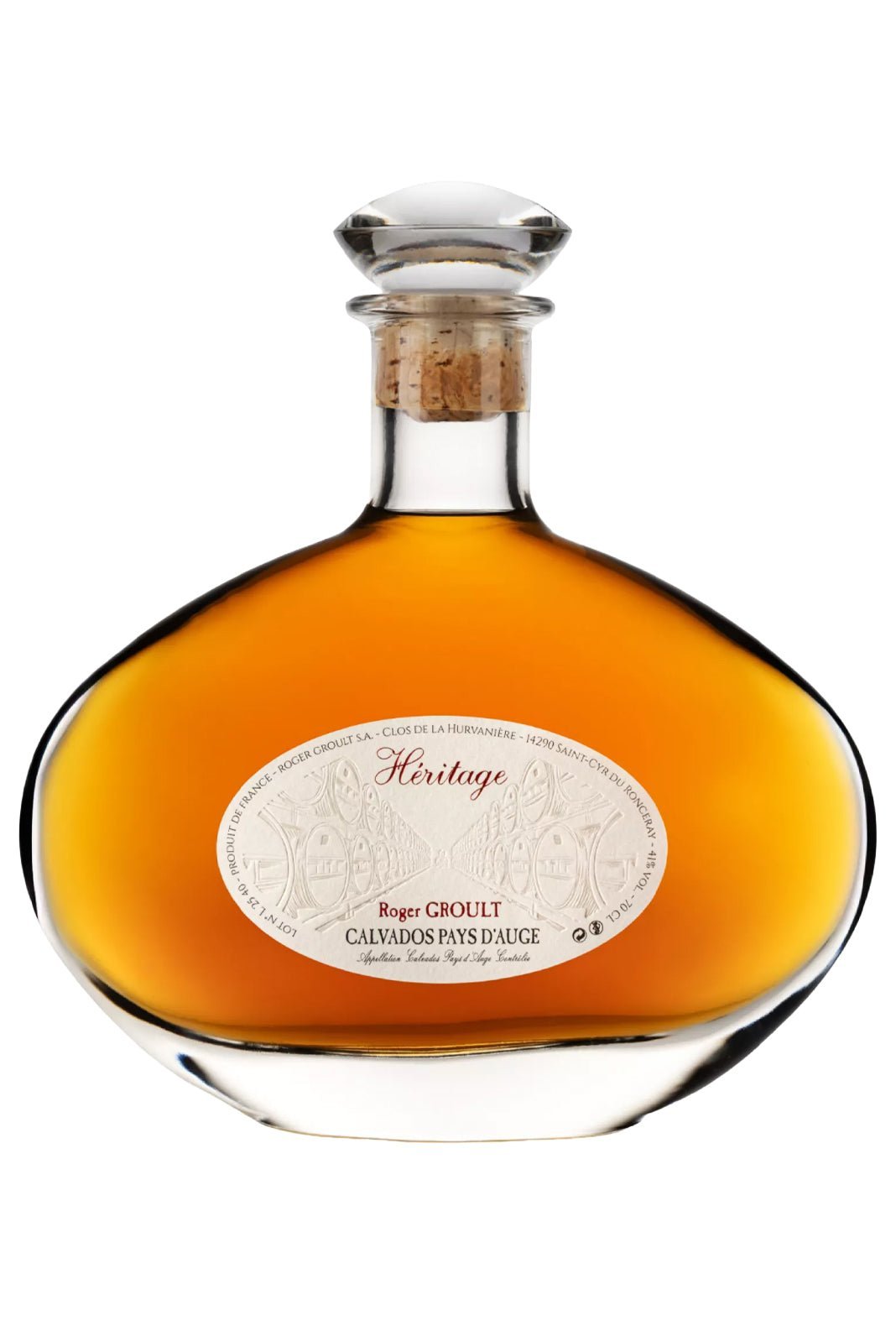
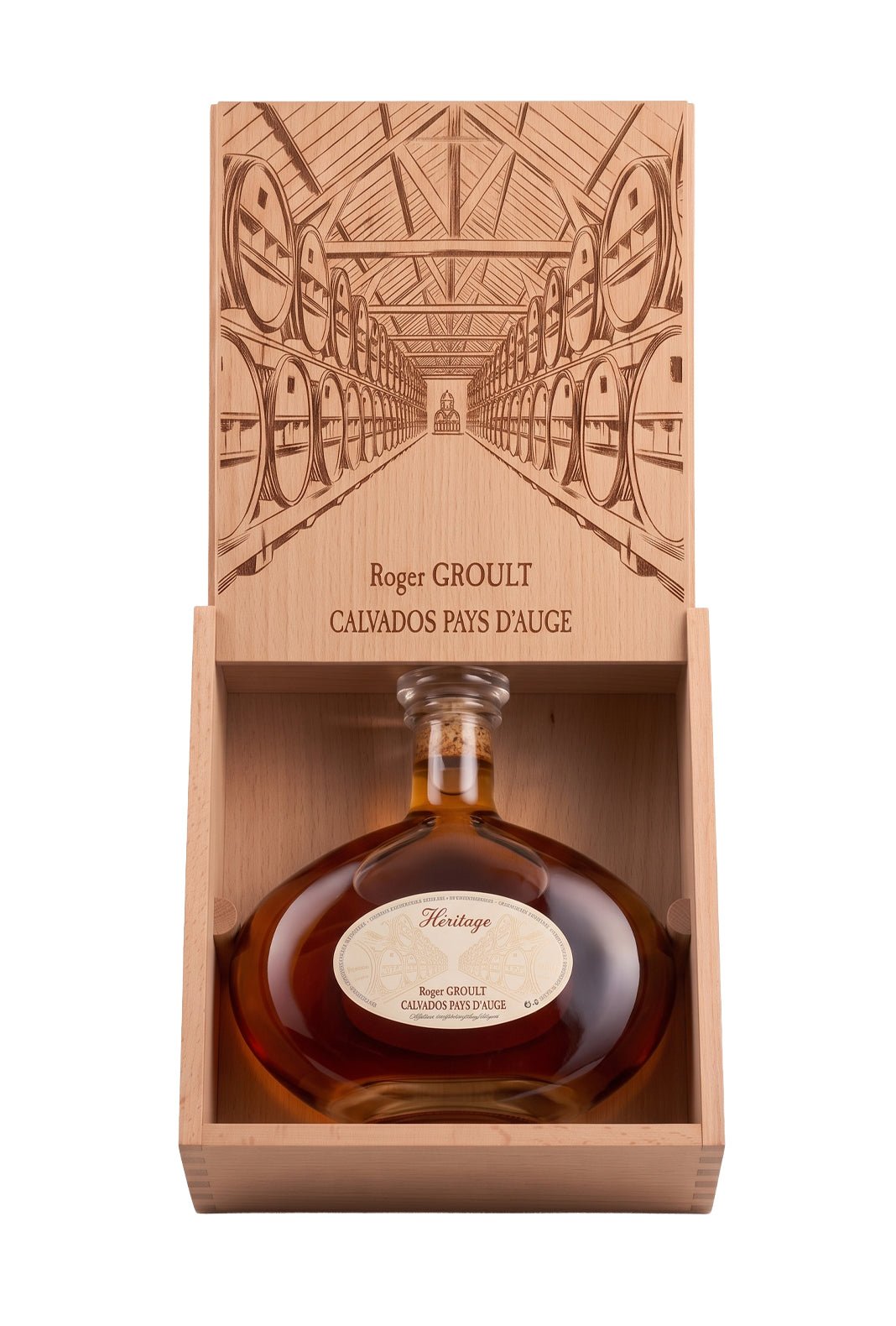
Roger Groult Calvados Heritage Pays d'Auge 41% 700ml
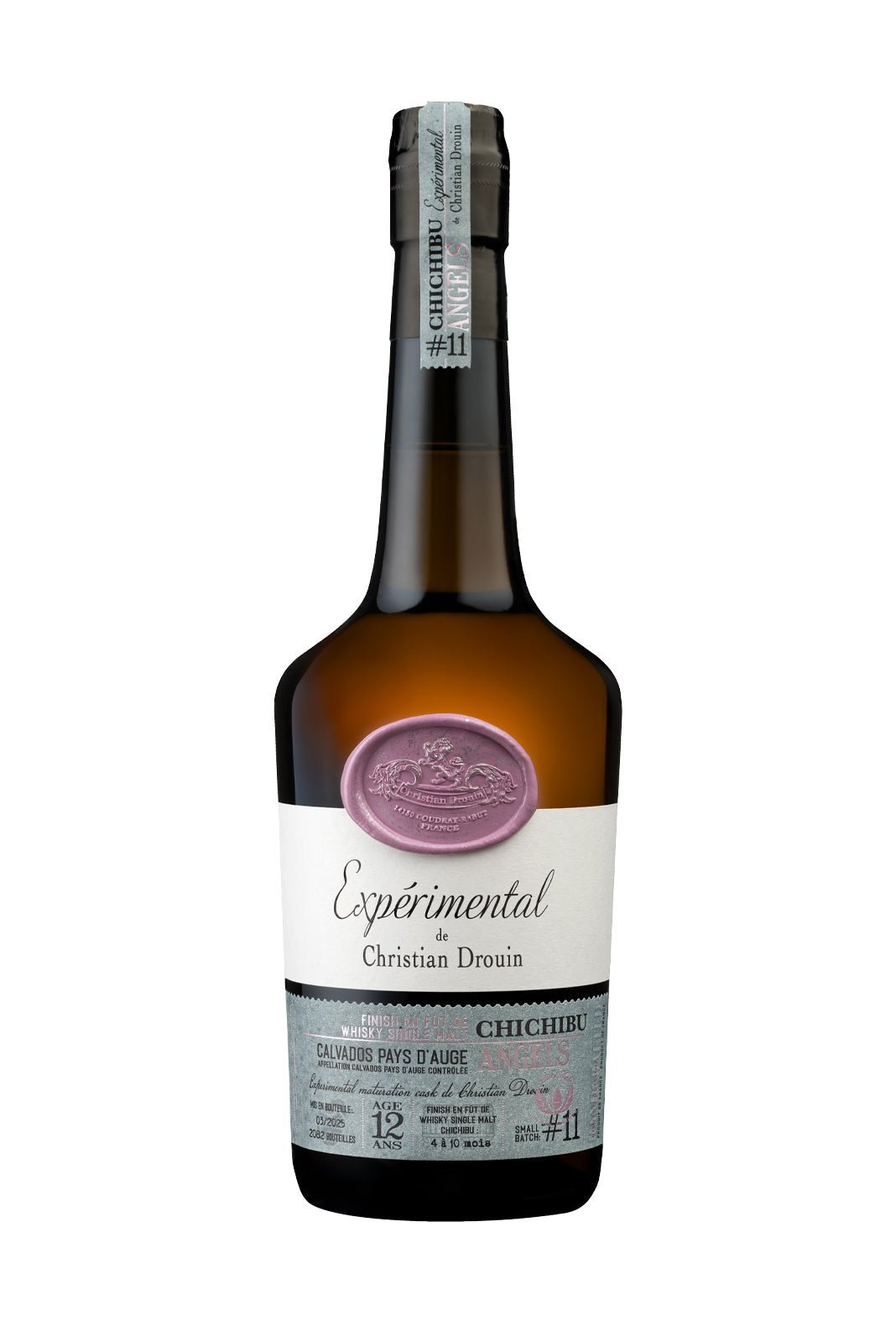
Christian Drouin Chichibu Angels Casks 12 years 45.3% 700ml
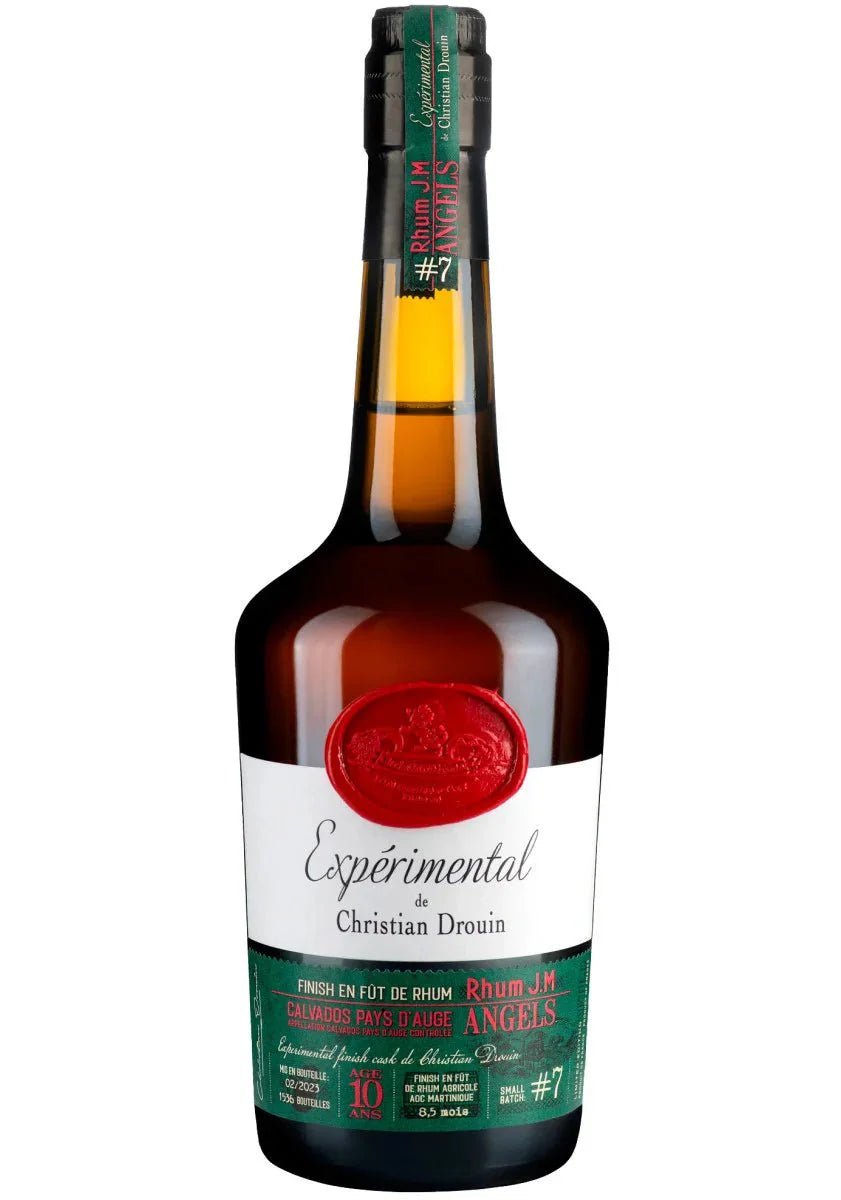
Christian Drouin Calvados 10 Years JM Rhum finish 46.5% 700ml
About Calvados
Four Normandy houses carry this range, and each one is doing something different.
Christian Drouin is the largest presence, from the Selection in 350ml and the Reserve, through Hors d'Age Pays d'Auge, to single vintages including 1970, 1973, 1979, 1988, 1992, 1993, 1999 and 2004. Drouin also runs the most interesting cask programme in Calvados: a 12 year finished in Chichibu casks, a 10 year in JM Rhum casks and a 19 year in Foursquare rum casks. Tres Pomme at 53% is the one to try if you want apple at full volume.
Roger Groult offers a clean vertical in Pays d'Auge at 3, 8 and 18 years. Pierre Huet runs even longer, from a 2 year Fine up to Cordon Or at 30 years and Prestige at 38 years plus.
Victor Gontier and Comte Louis de Lauriston represent Domfrontais, the pear-led appellation, which tastes noticeably lighter and more floral than Pays d'Auge. Pommeau, the blend of fresh apple juice and Calvados, sits alongside them as an aperitif.
History
Calvados is distilled cider, and Normandy has been making it for a very long time. The first written record of apple spirit being distilled in the region dates from 1553, and by the seventeenth century a distillers' guild was operating. The name came later, from the department created after the French Revolution.
There are three appellations and they are not interchangeable. Calvados Pays d'Auge is the strictest: double distillation in a pot still, a minimum two years in oak, and fruit from a defined area around Lisieux. Calvados Domfrontais requires at least thirty per cent pears in the blend and a minimum three years in barrel, which gives a lighter, more perfumed spirit. Calvados AOC covers the wider region and permits column distillation.
The orchards matter as much as the still. Producers work with dozens of cider apple varieties sorted into sweet, bitter, bittersweet and acidic, blended before fermentation the way a winemaker blends grapes. The cider is fermented dry over several months, then distilled and put into oak, where it slowly moves from sharp orchard fruit towards baked apple, caramel and eventually leather and tobacco.
Calvados is the odd one out in a family built on grapes, and our brandy guide shows where it stands against Cognac, Armagnac and the fruit eaux de vie.
How to drink it
Young Calvados, anything labelled Fine or up to about four years, is a cocktail spirit. It makes an excellent Sidecar, and swapping it into a Jack Rose or an Old Fashioned gives you something drier and more orchard-driven than either bourbon or brandy. A simple long drink of Calvados, apple juice and a squeeze of lemon over ice is hard to beat in warm weather.
From roughly eight years upward, drink it neat. Use a tulip glass, serve at room temperature, and give it a minute in the glass. Expect baked apple and pastry first, then vanilla and spice from the oak, then dried fruit and nuts in the older bottlings.
The Normandy habit is the trou normand, a small glass of Calvados taken mid meal to reset the palate between courses. It sounds like folklore and it works.
Pommeau is different again: 17% and sweet, best chilled and served before dinner, or with a slice of tarte tatin or a wedge of Camembert after it.