
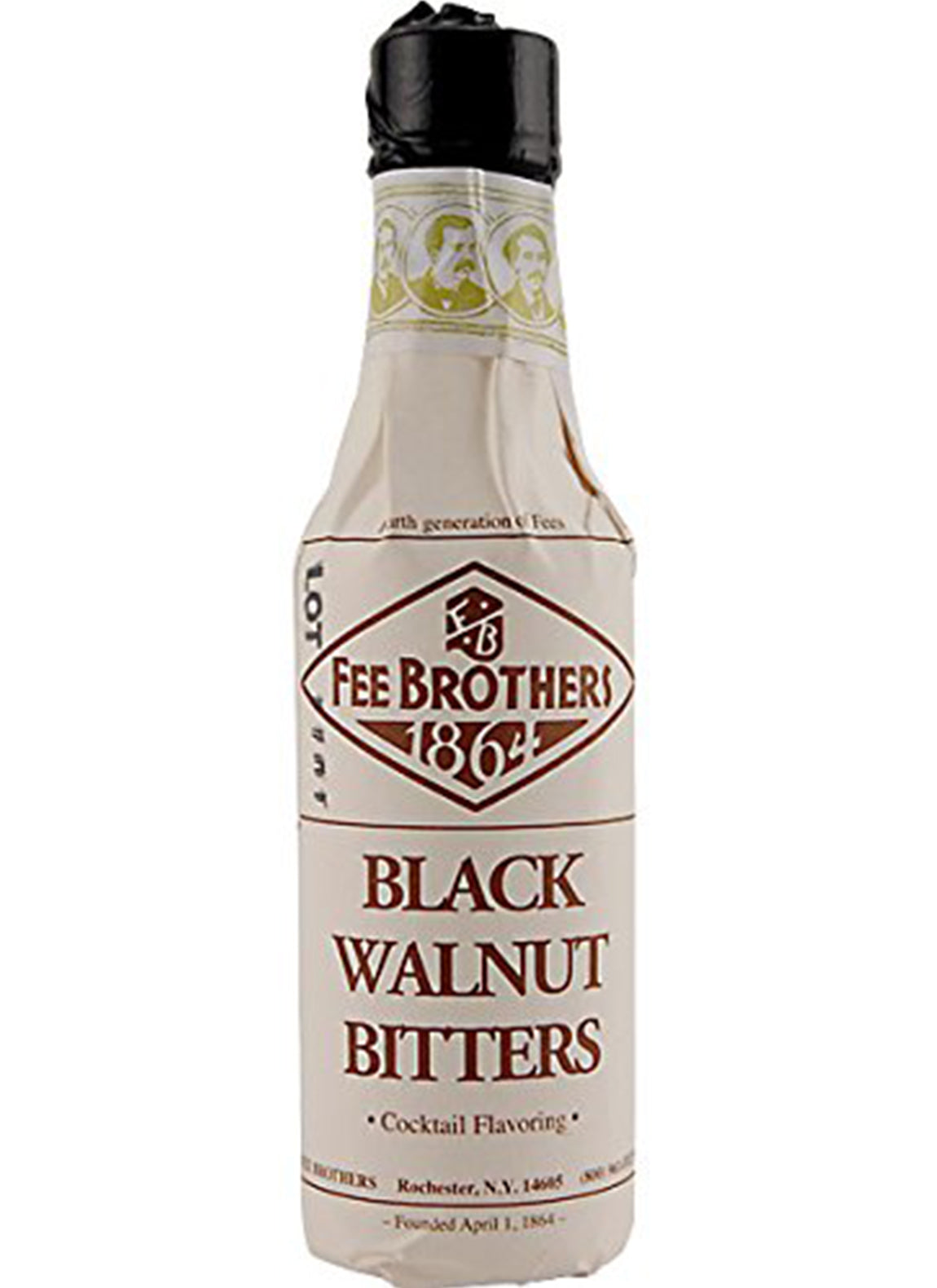
Fee Brothers Walnut Bitters
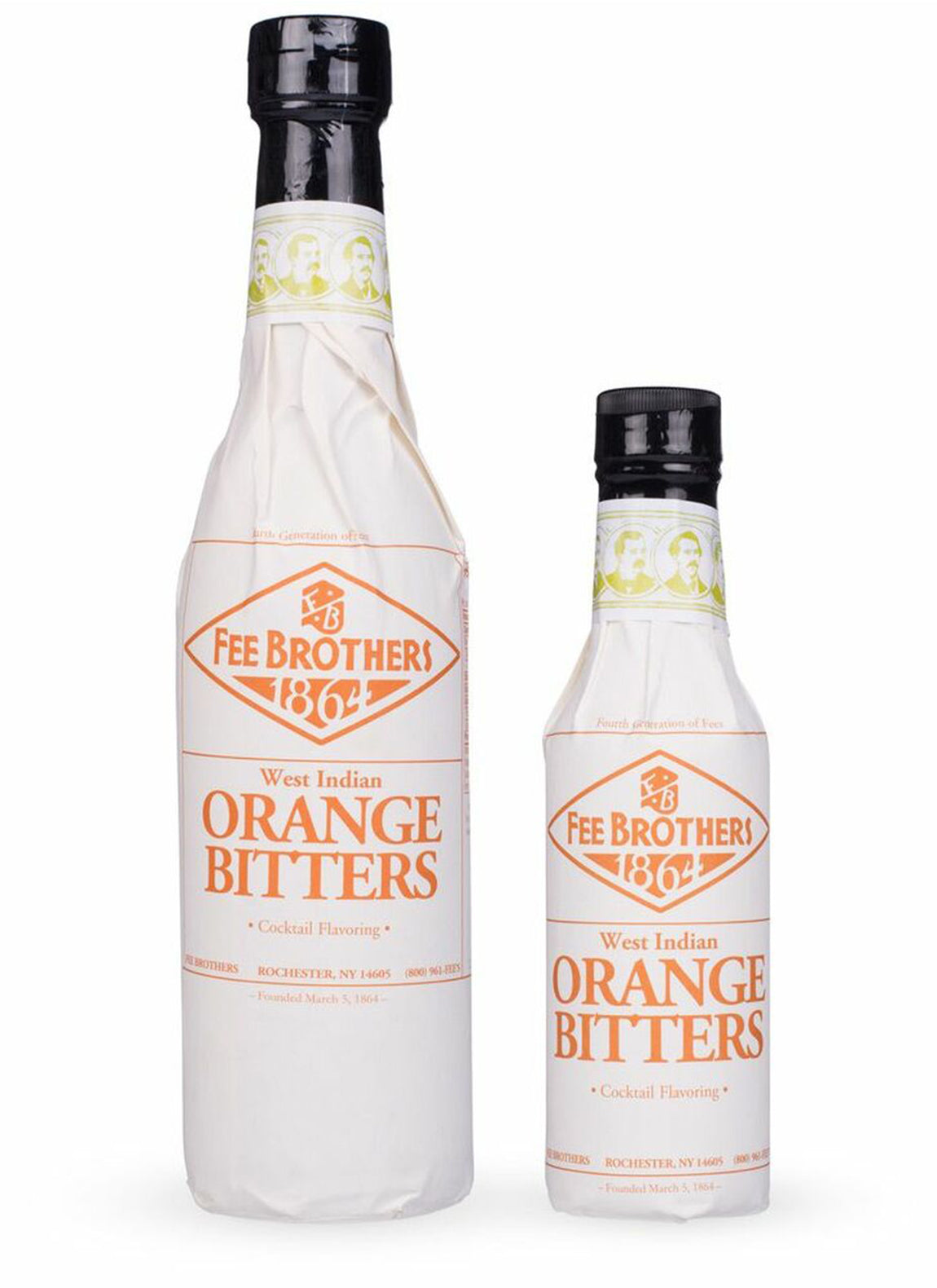
Fee Brothers Orange Bitters
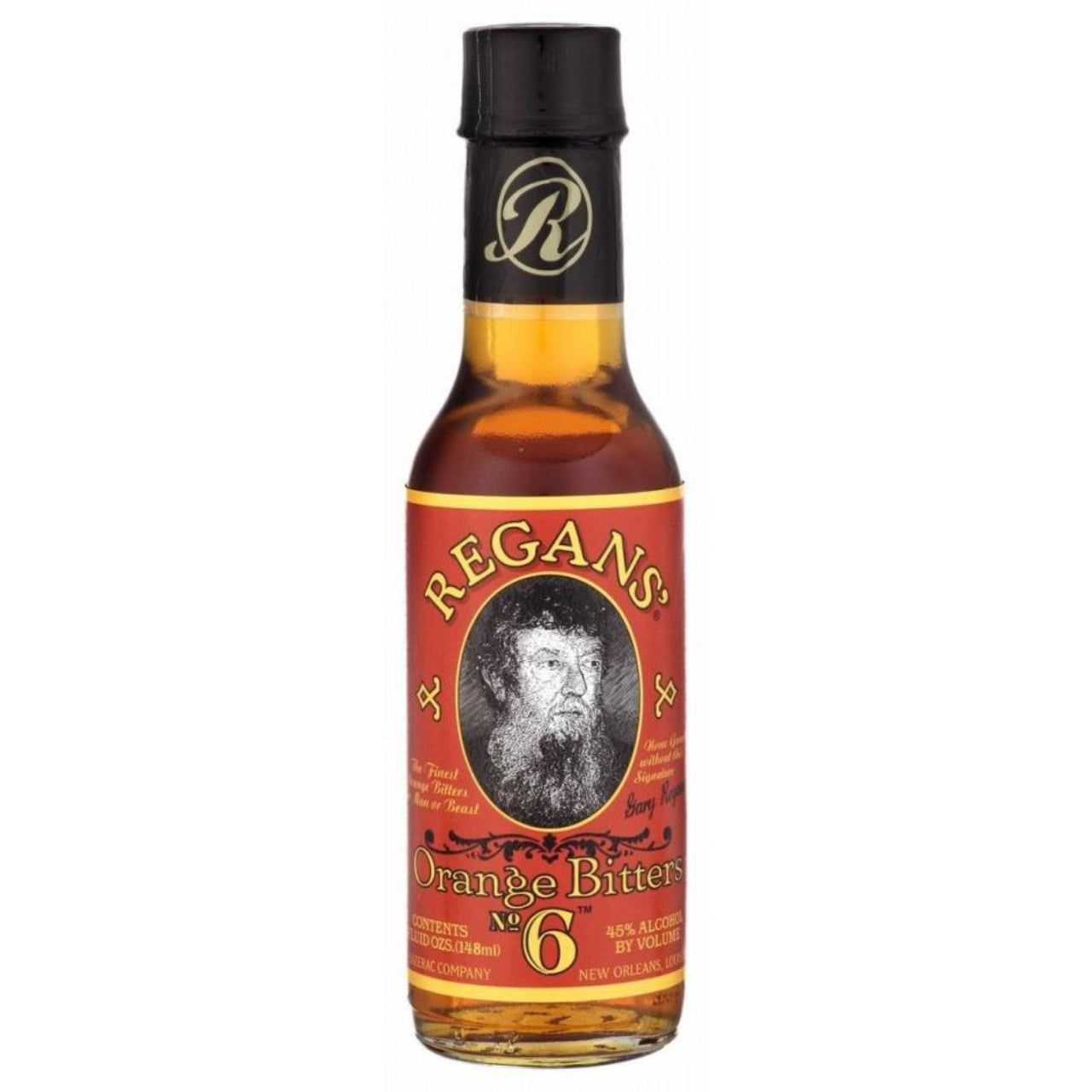
REGAN'S ORANGE BITTERS 146ML
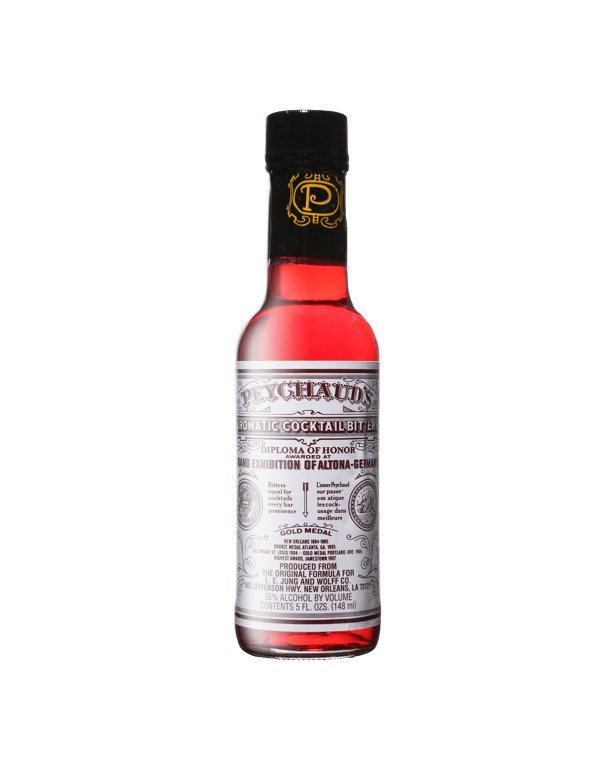
PEYCHAUDS BITTERS 146ML
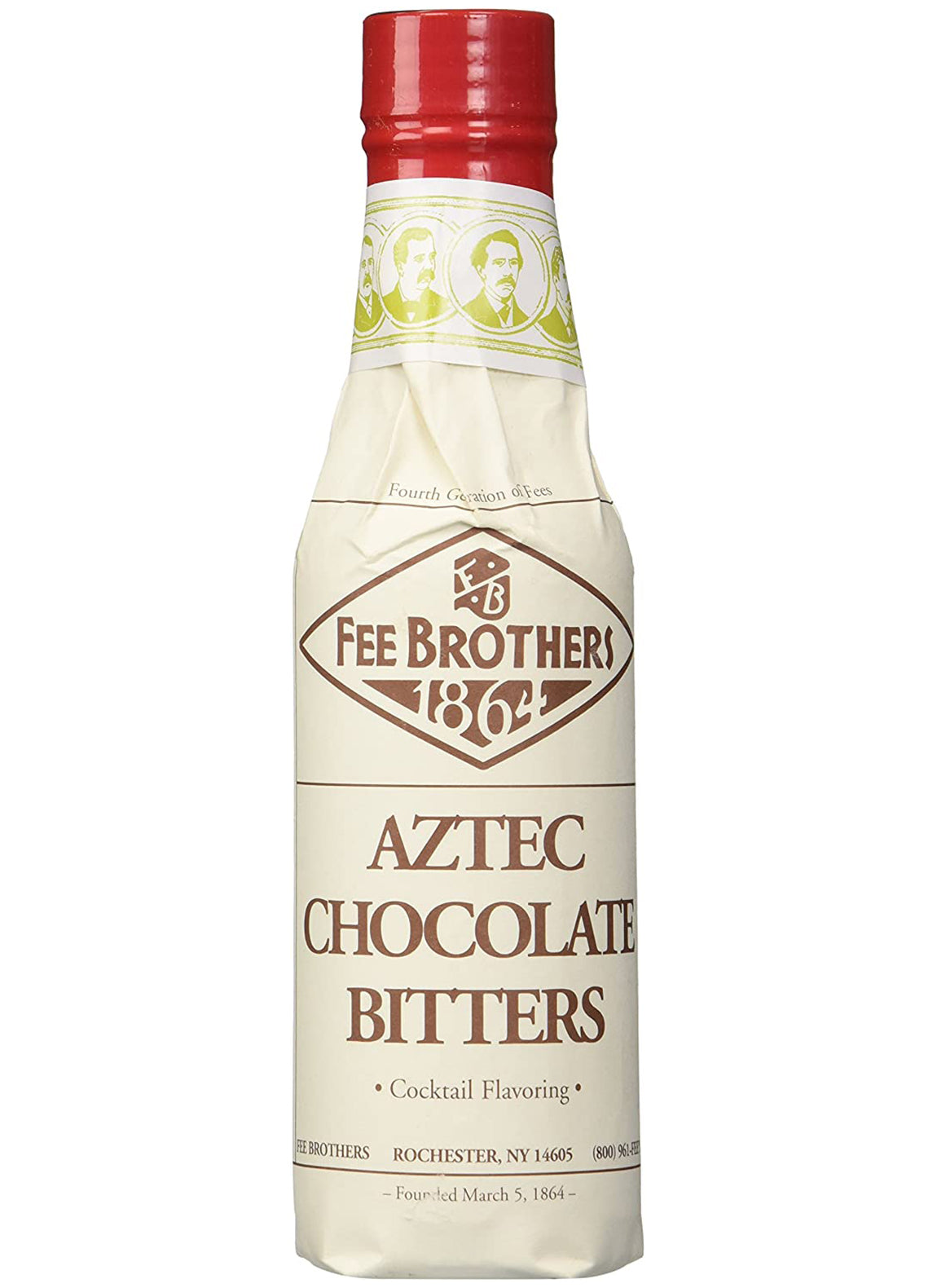
Fee Brothers Aztec Chocolate B
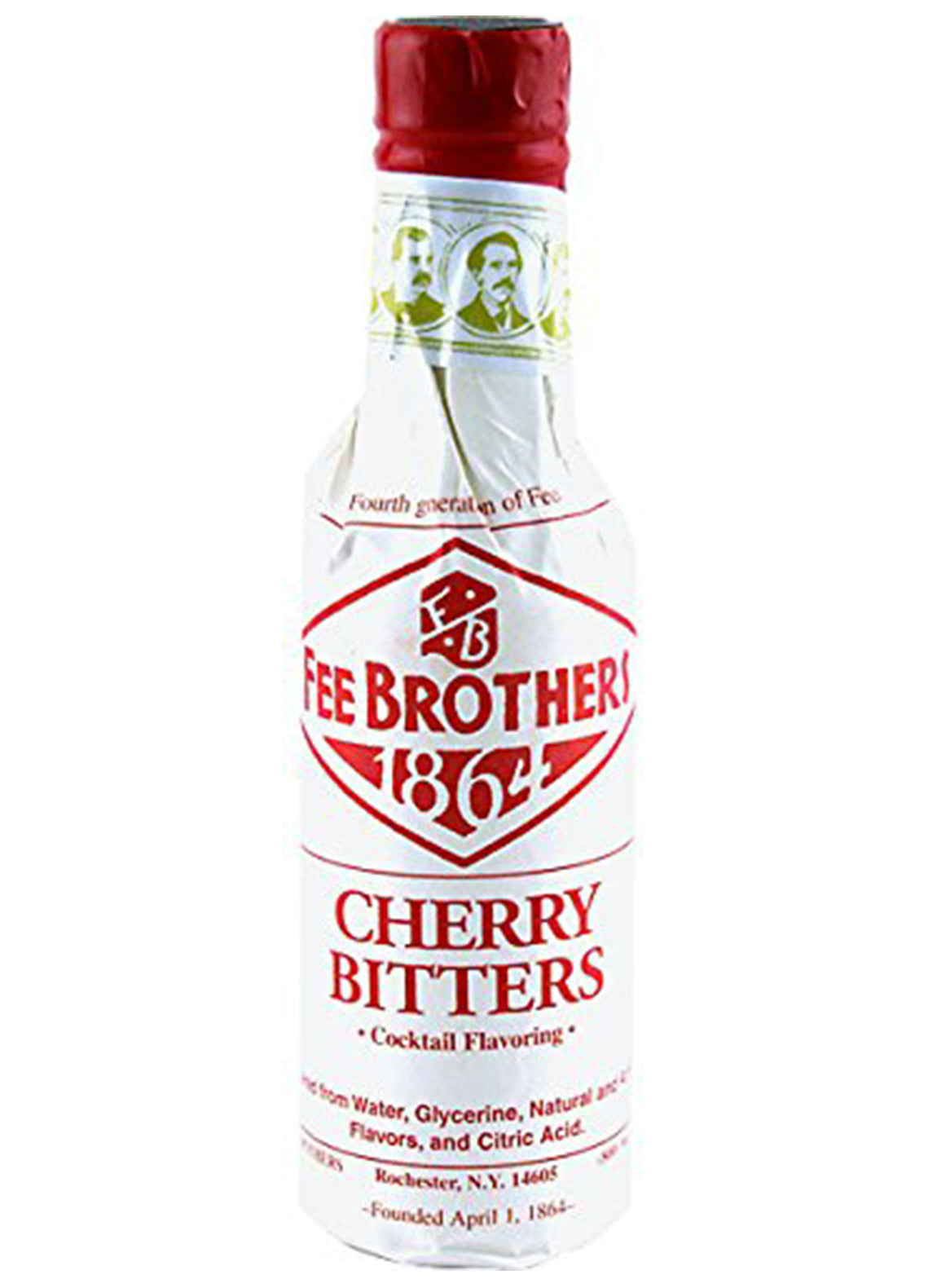
Fee Brothers Cherry Bitters
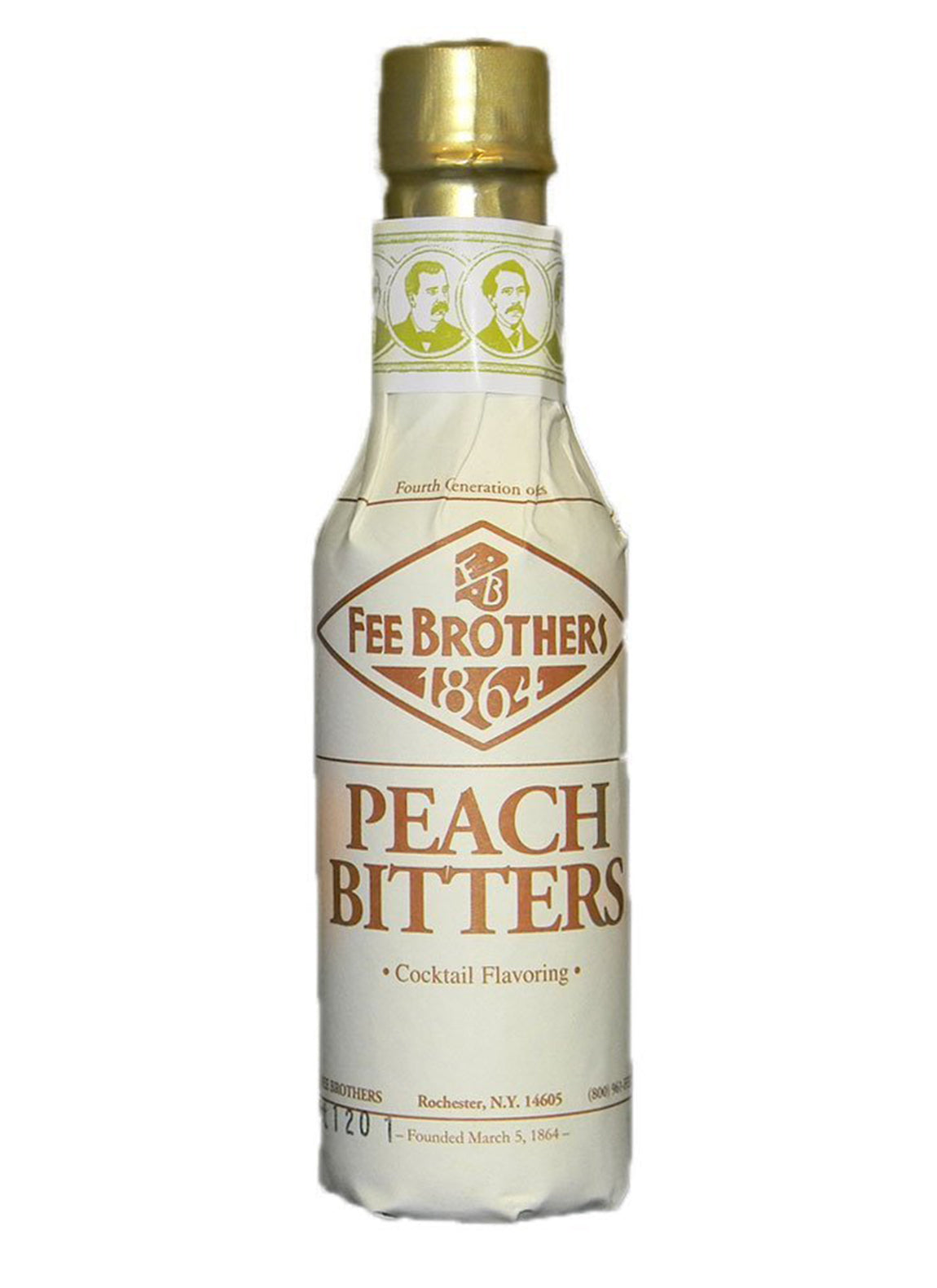
Fee Brothers Peach Bitters

Dolin Bitter de Chambery 16% 750ml
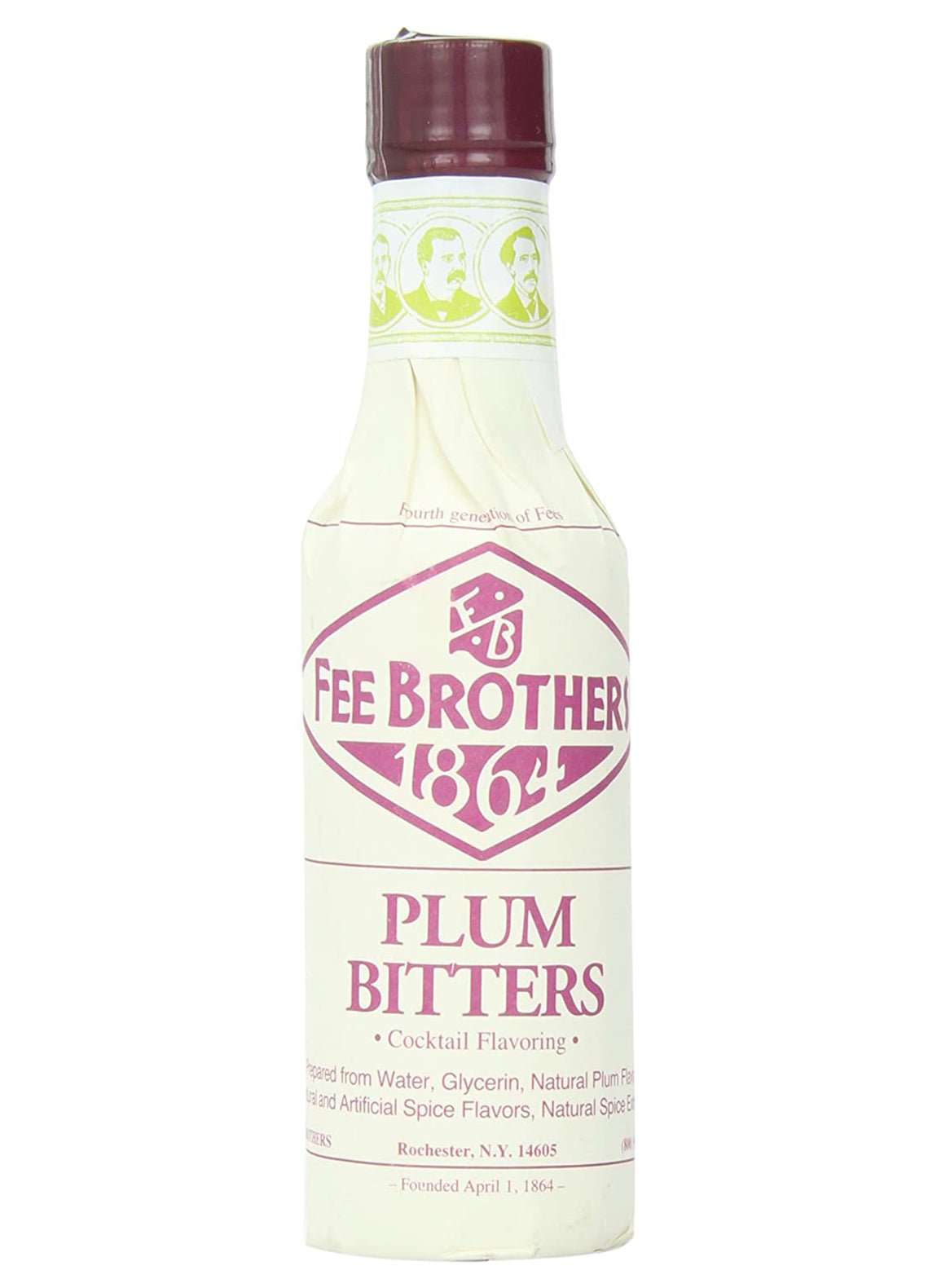
Fee Brothers Plum Bitters
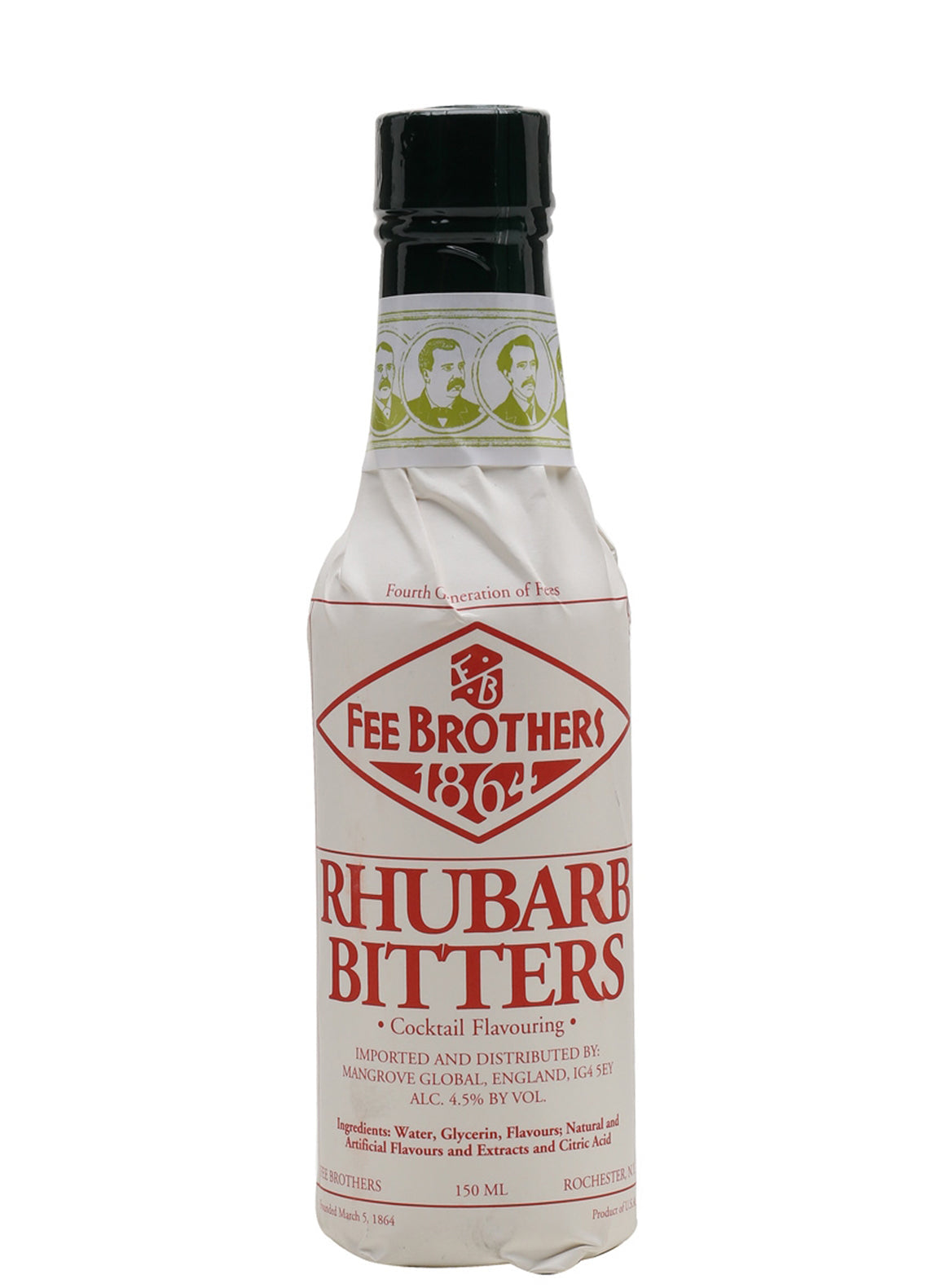
Fee Brothers Rhubarb Bitters
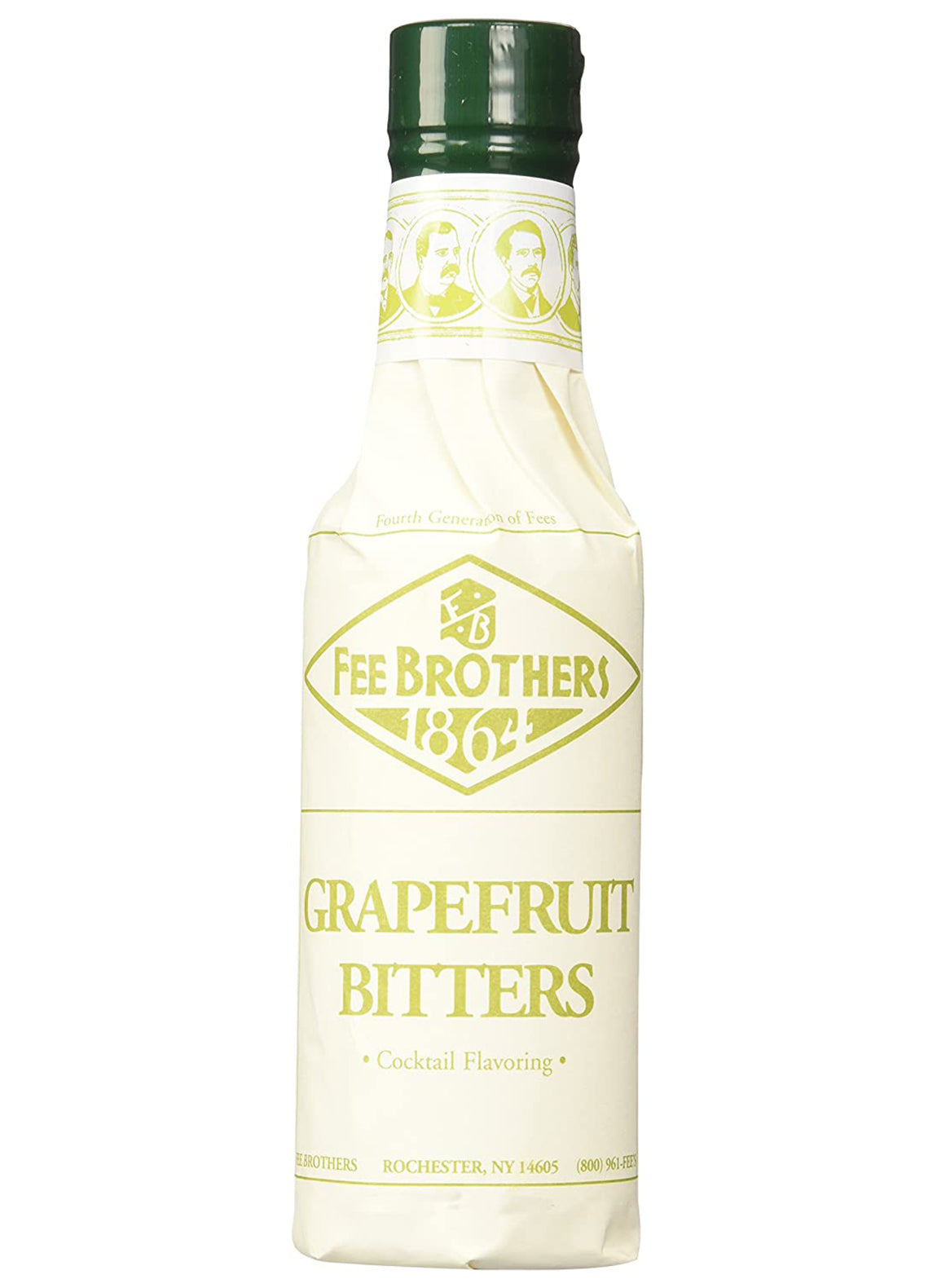
Fee Brothers Bit. Grapefruit
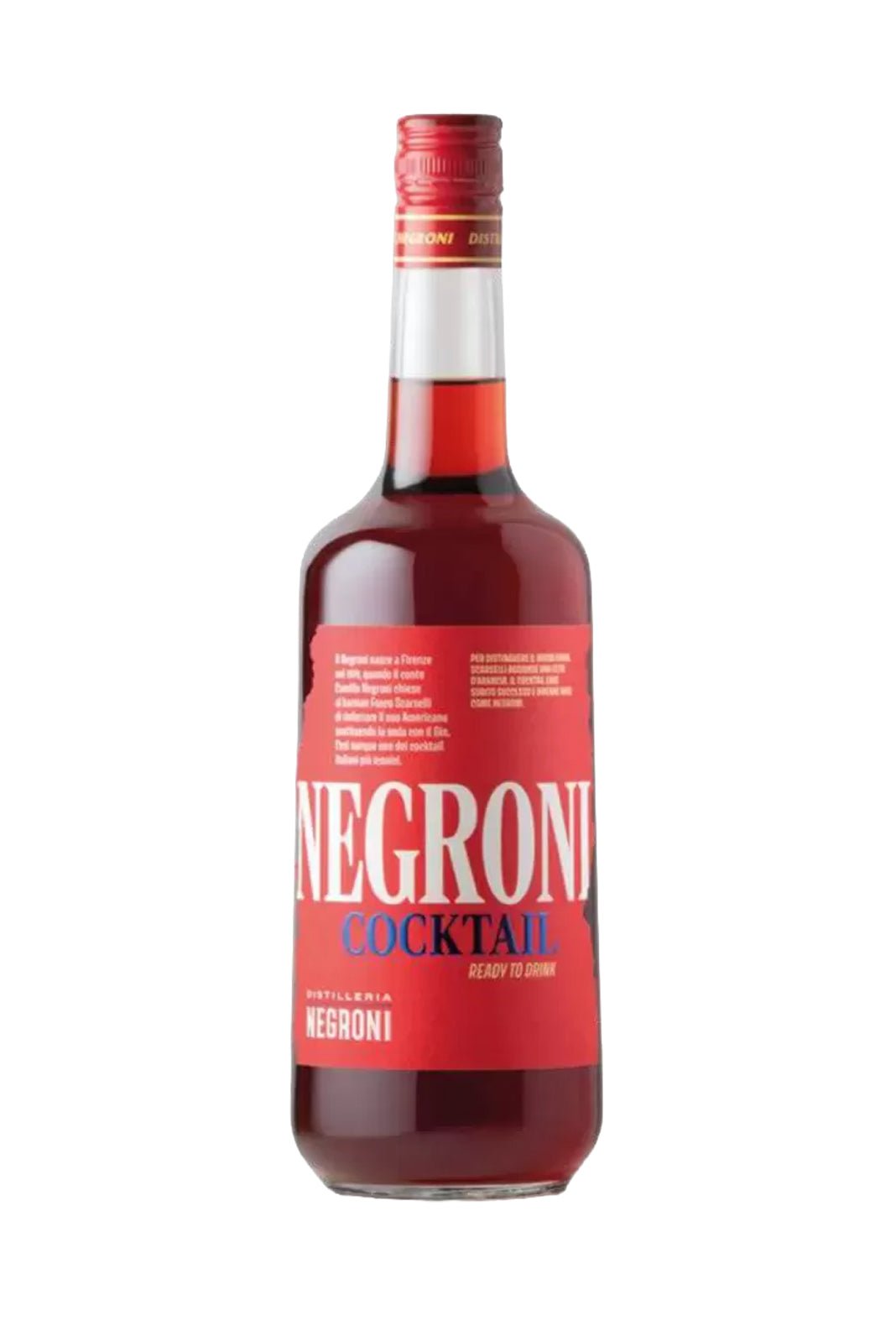
Distilleria Negroni (Venegazzu) Negroni Cocktail 22% 1LTR
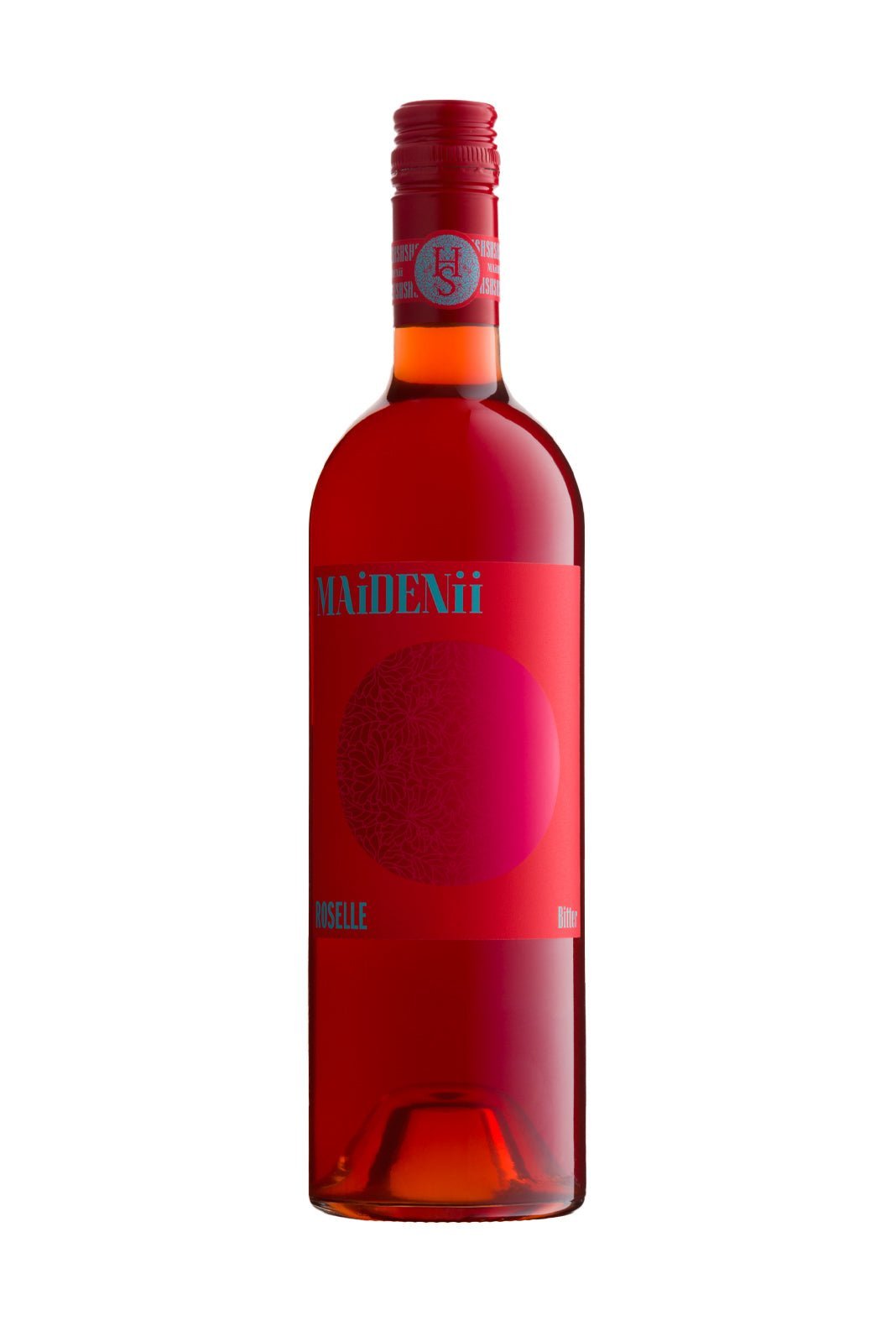
Maidenii Roselle Bitter 22% 750ml
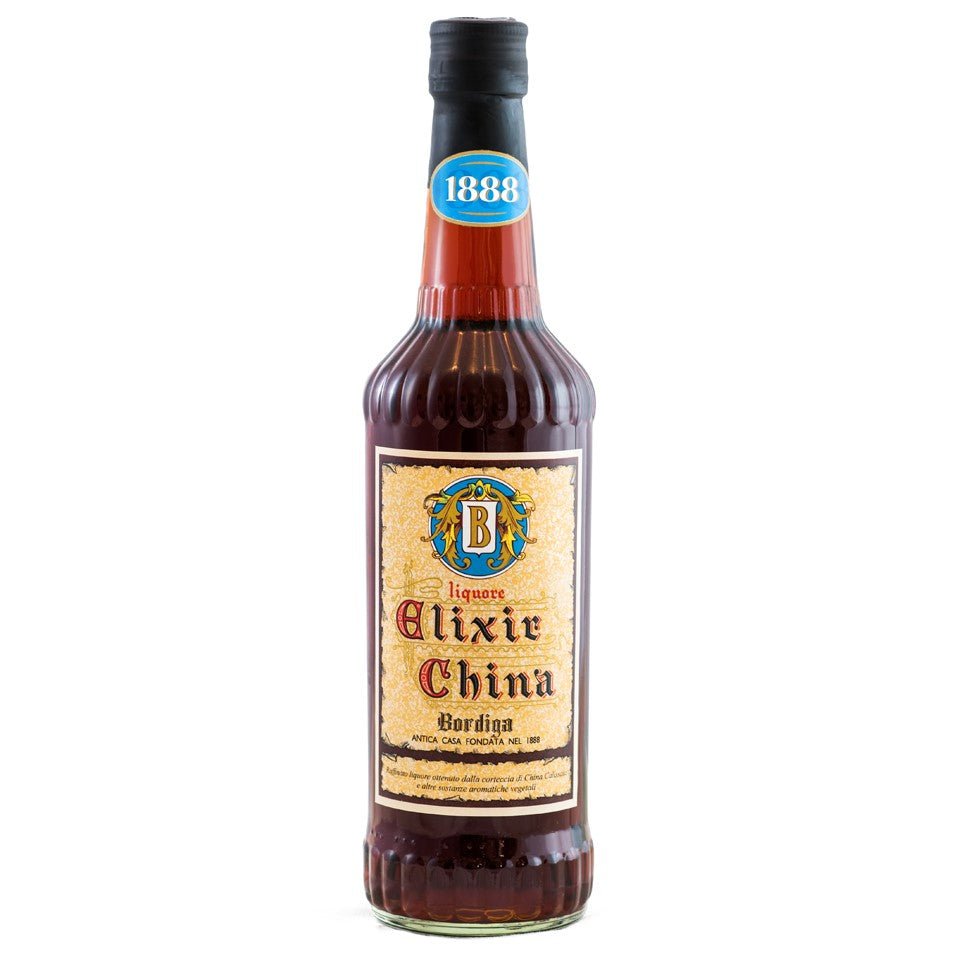
Bordiga Elixir China 30% 700ML
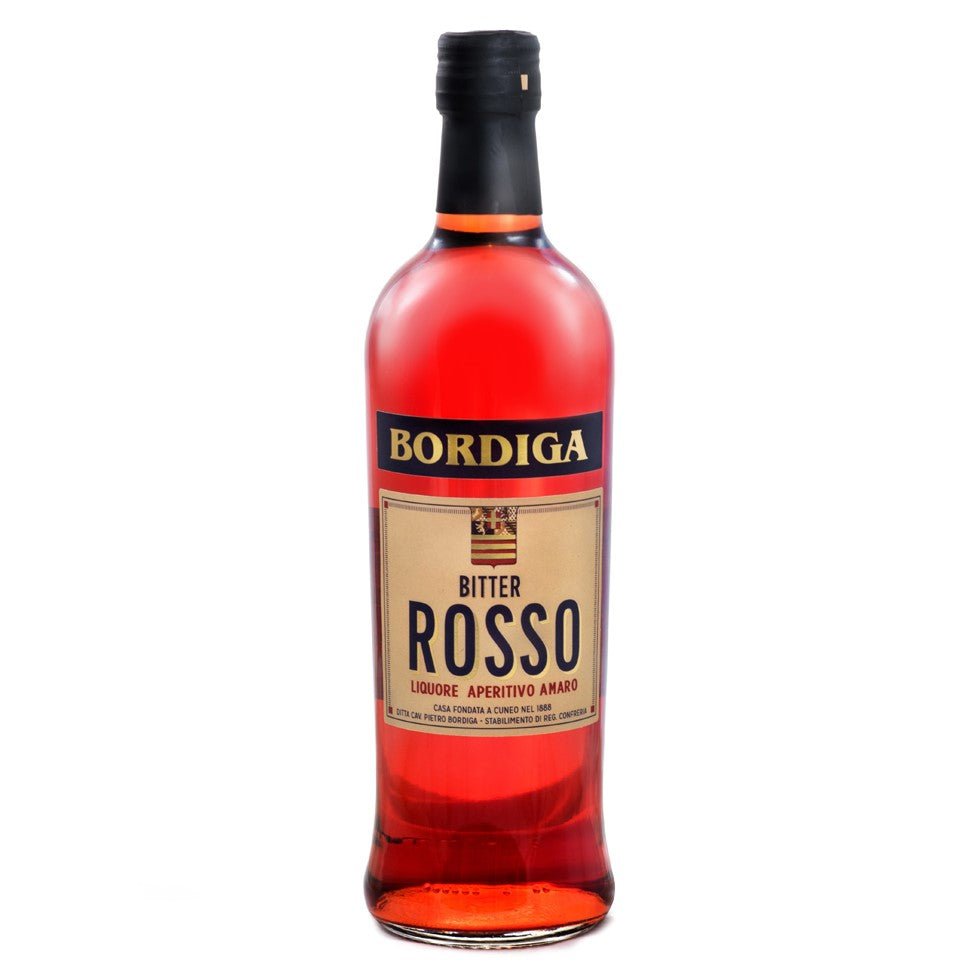
Bordiga Bitter Rosso 21% 700ML
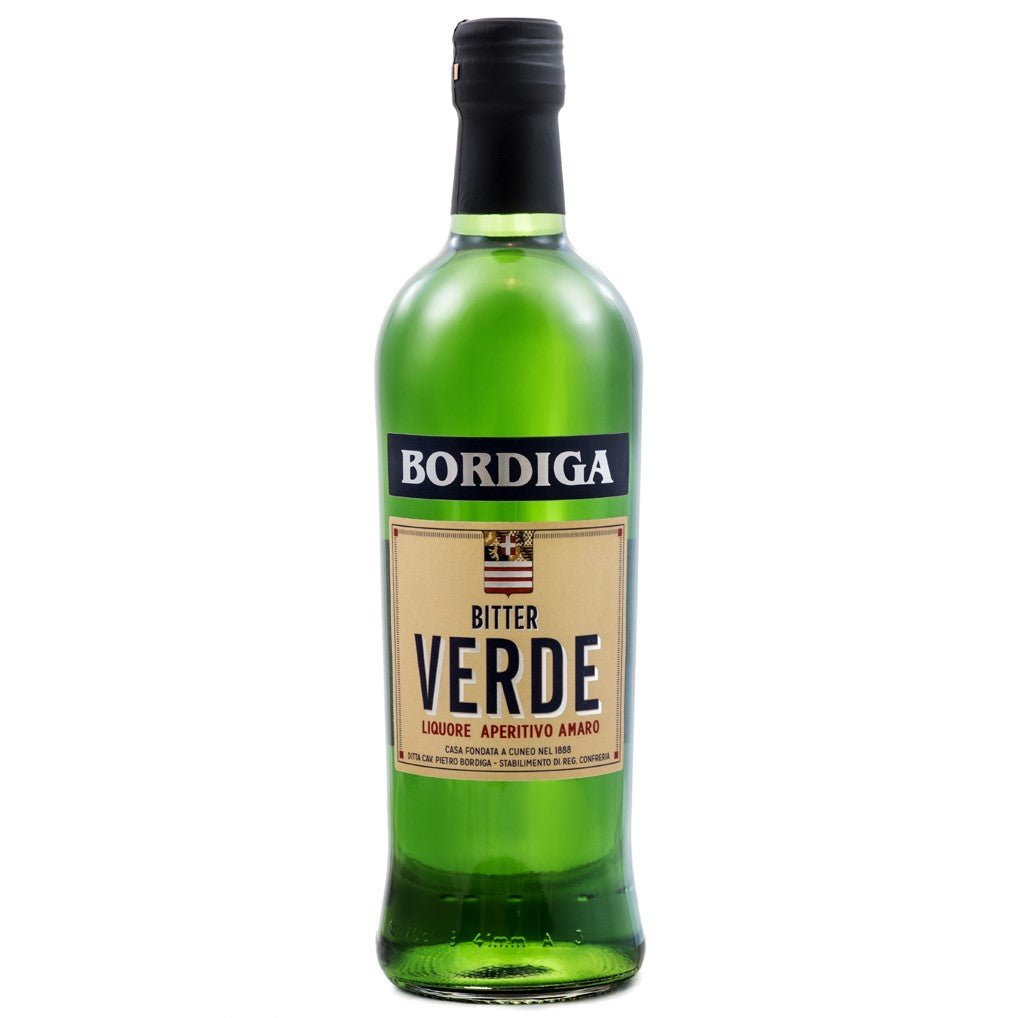
Bordiga Bitter Verde 20% 700ML
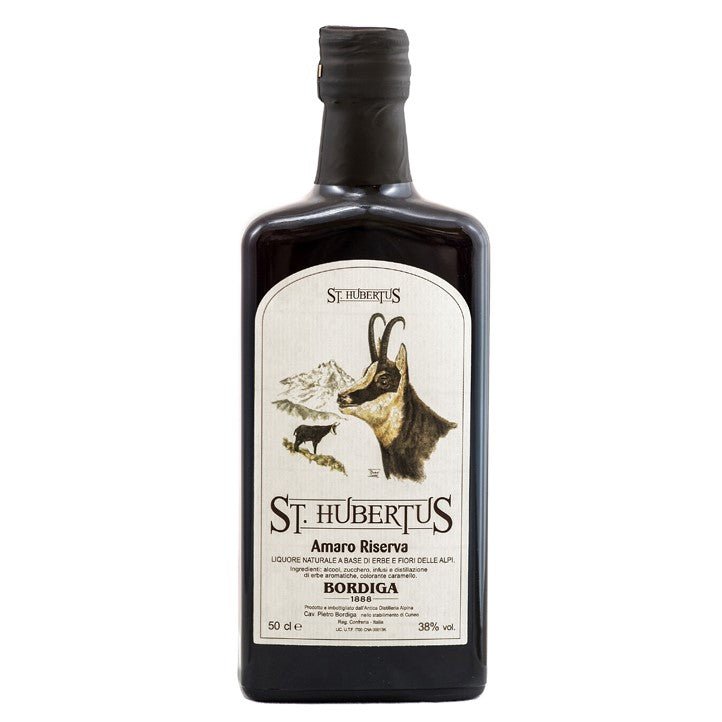
Bordiga Amaro Riserva St. Hubertus 38% 700ML
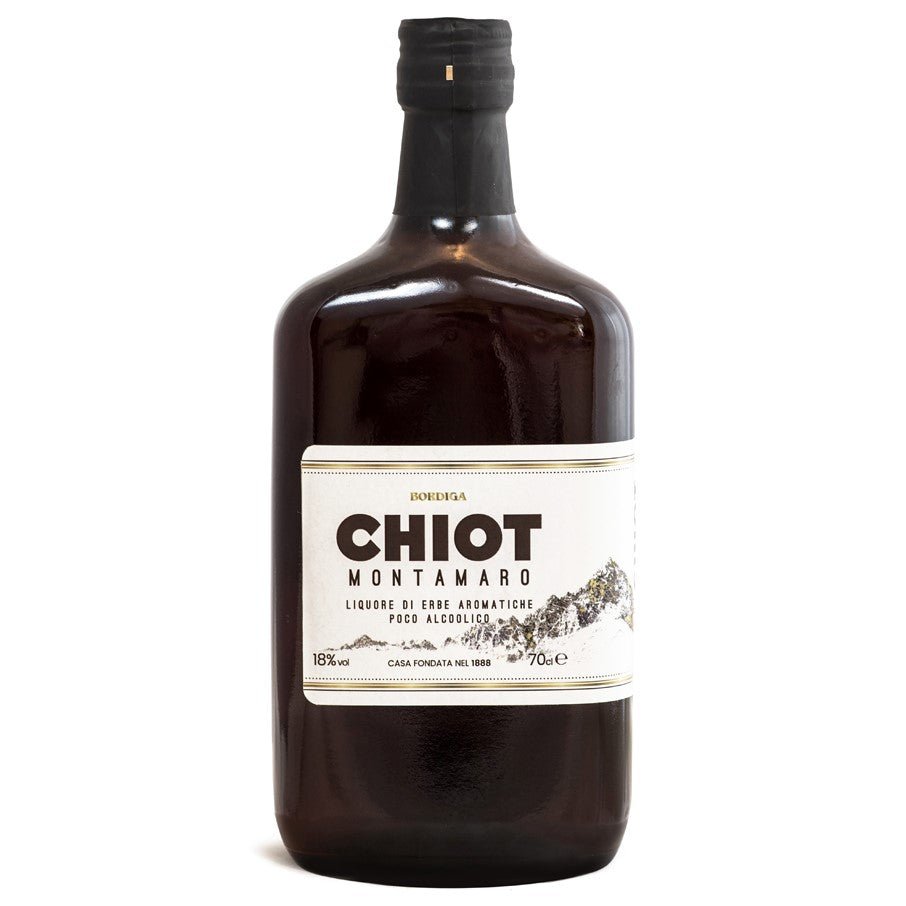
Bordiga Amaro Chiot Montamaro 18% 700ML
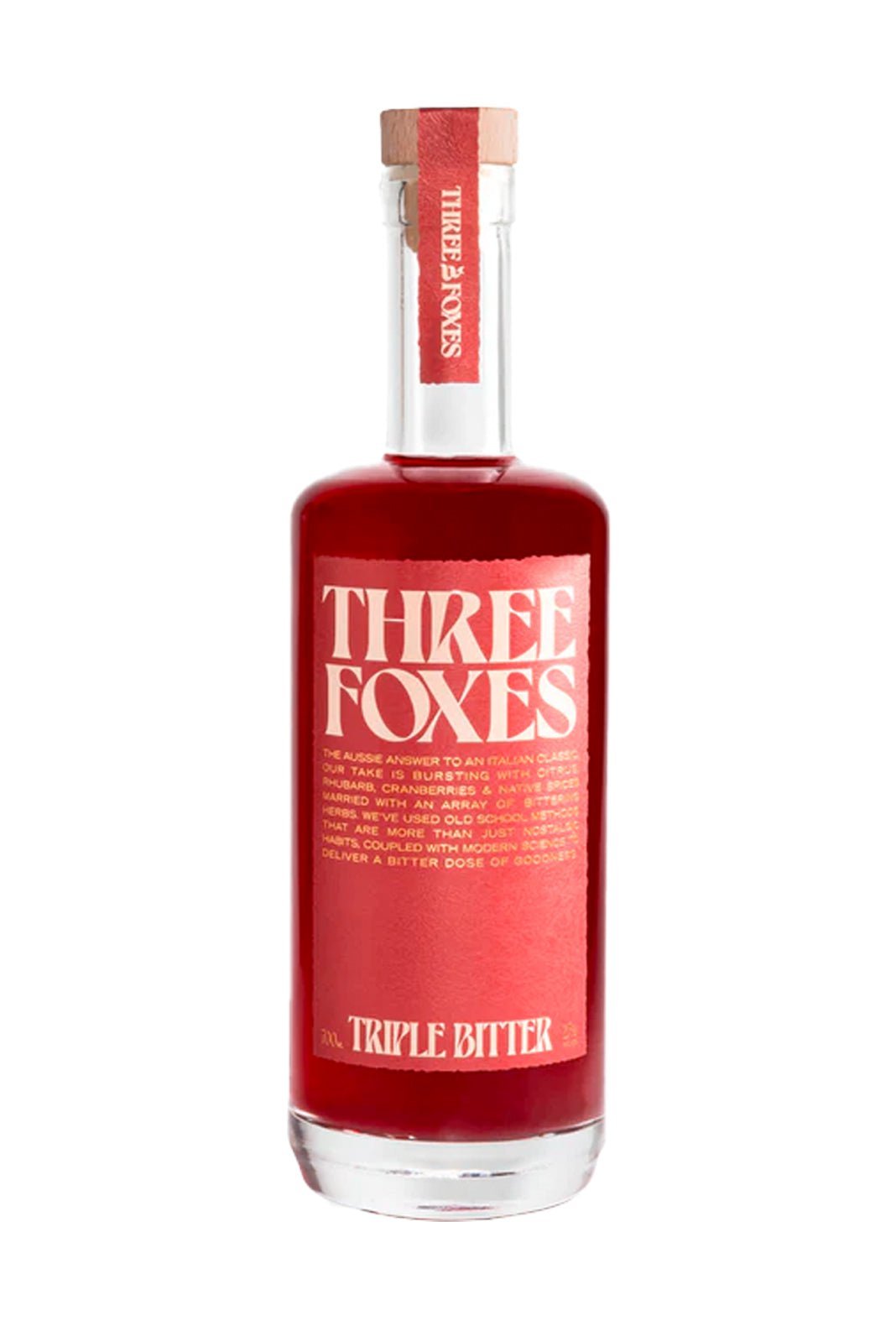
Three Foxes Triple Bitter 27% 700ml
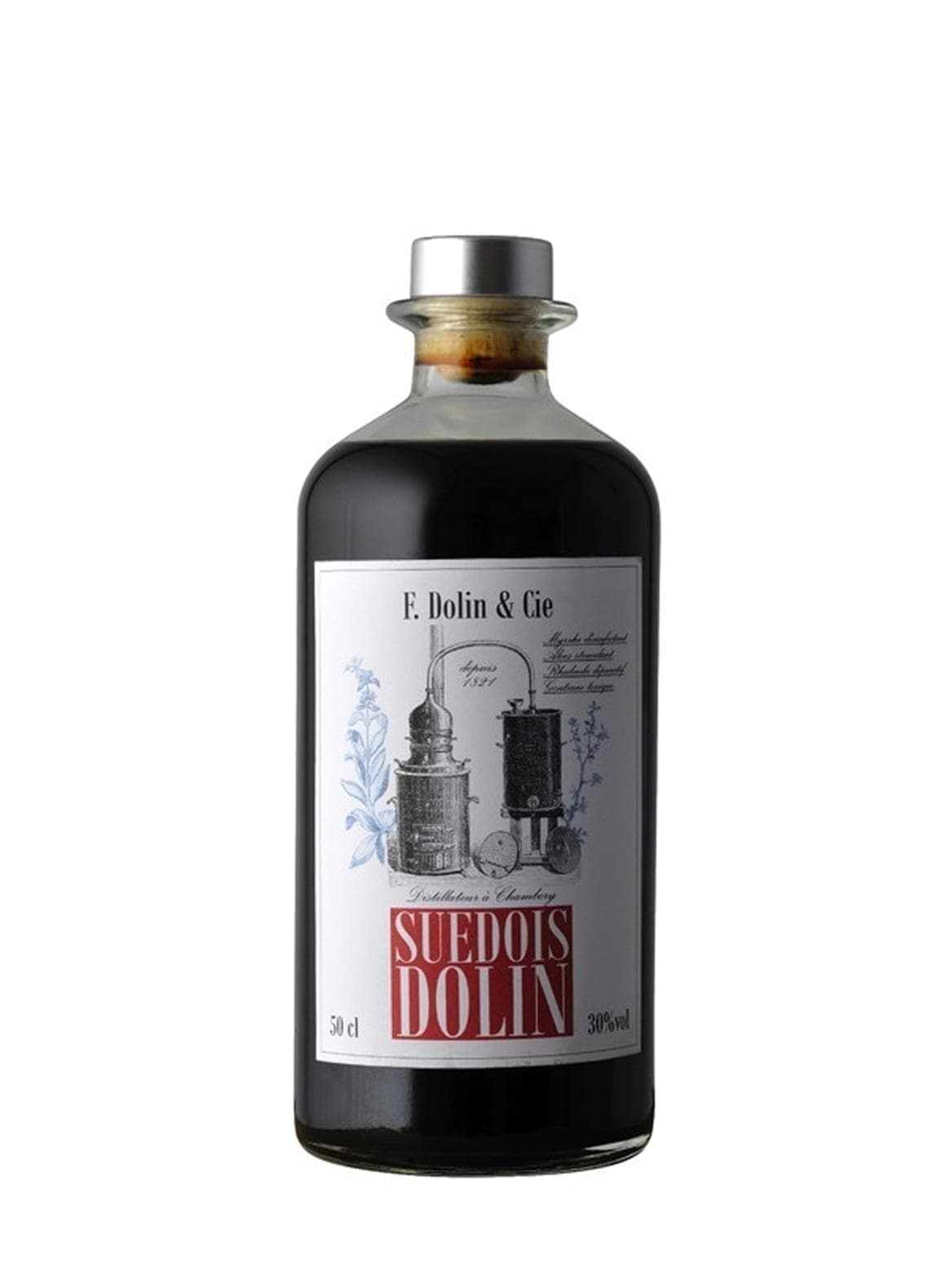
Dolin Suedois Bitter 30% 500ml
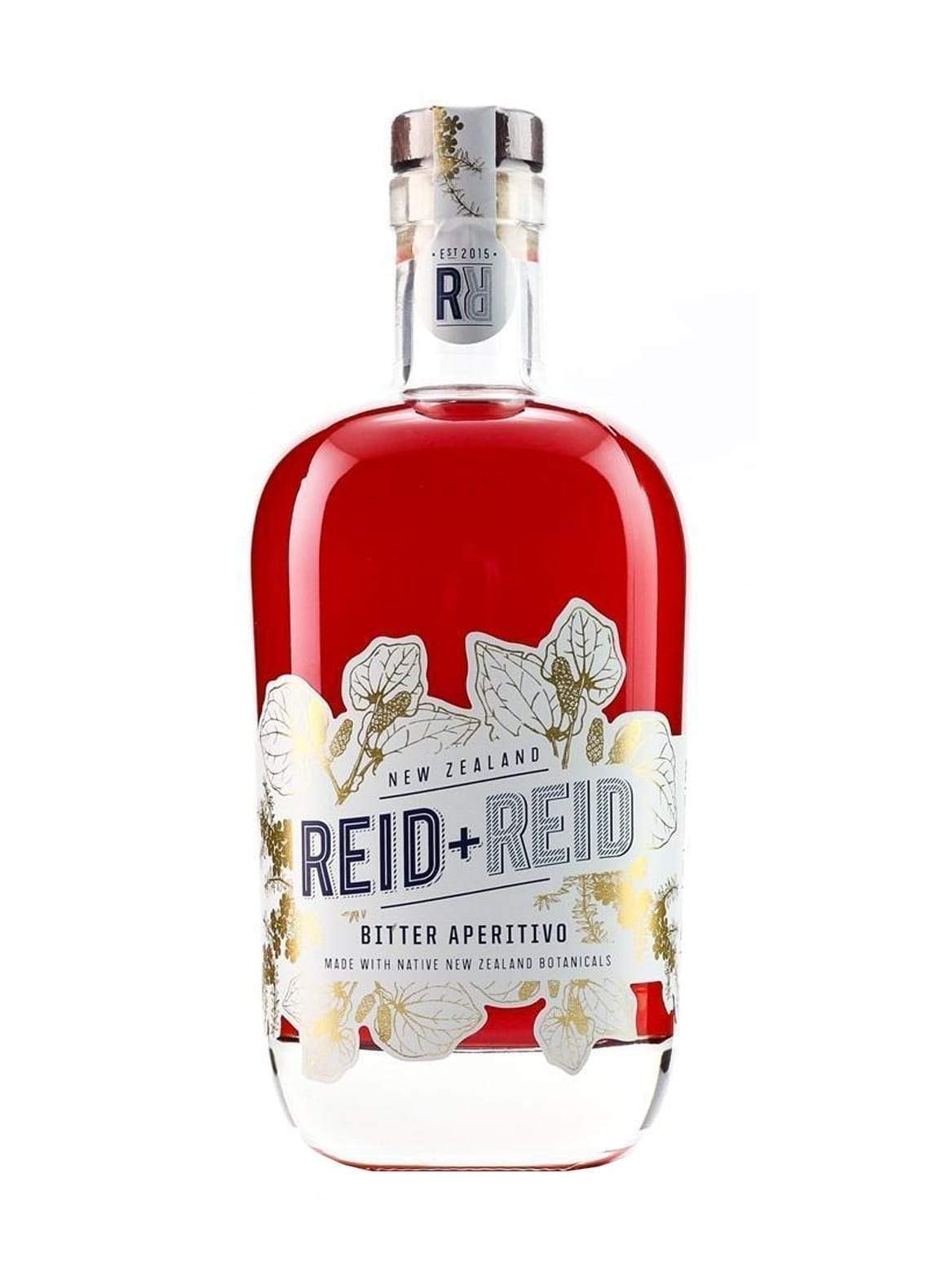
Reid & Reid Bitter Red Aperitivo 25% 700ml
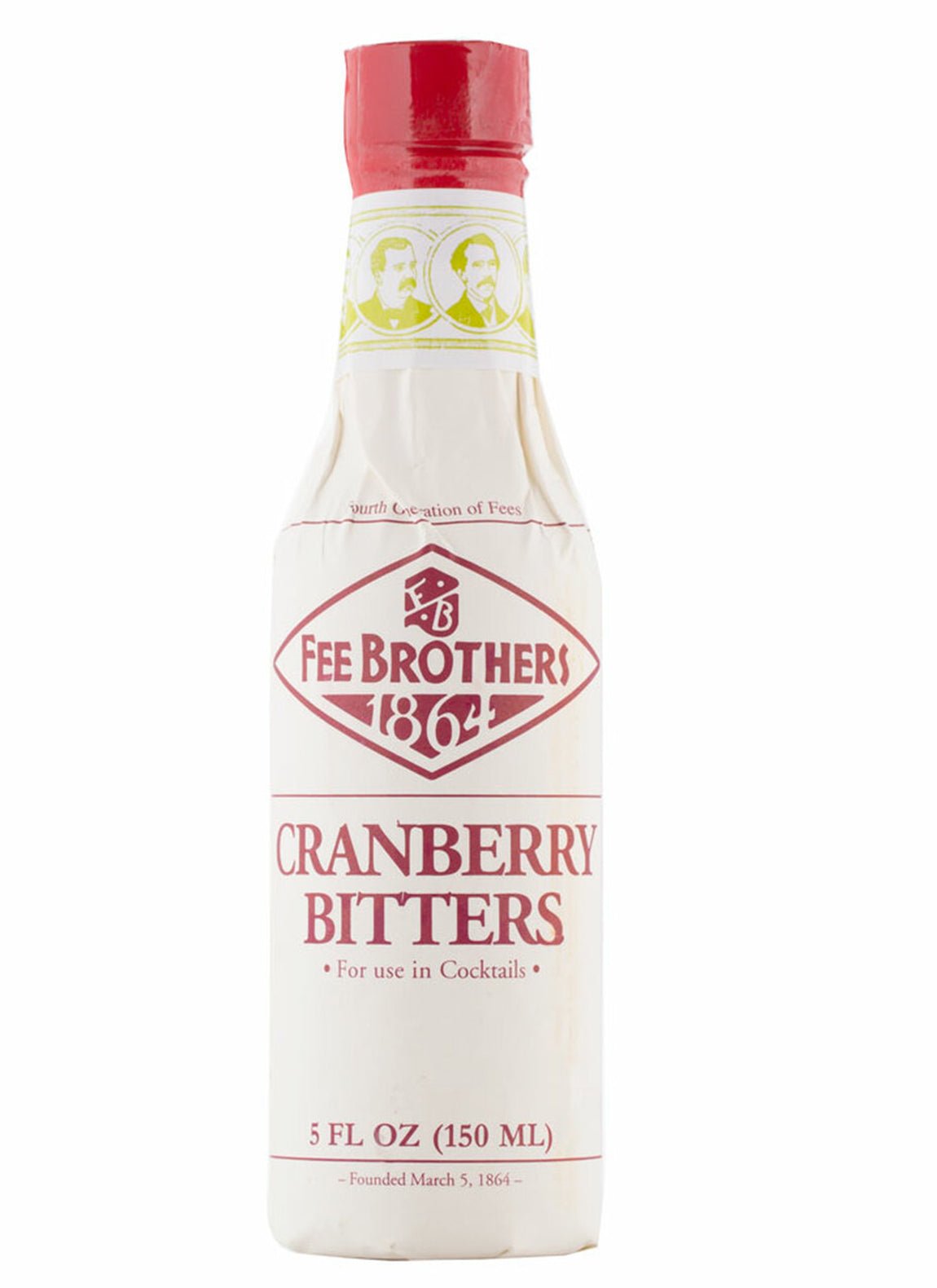
Fee brothers Cranberry Bitters
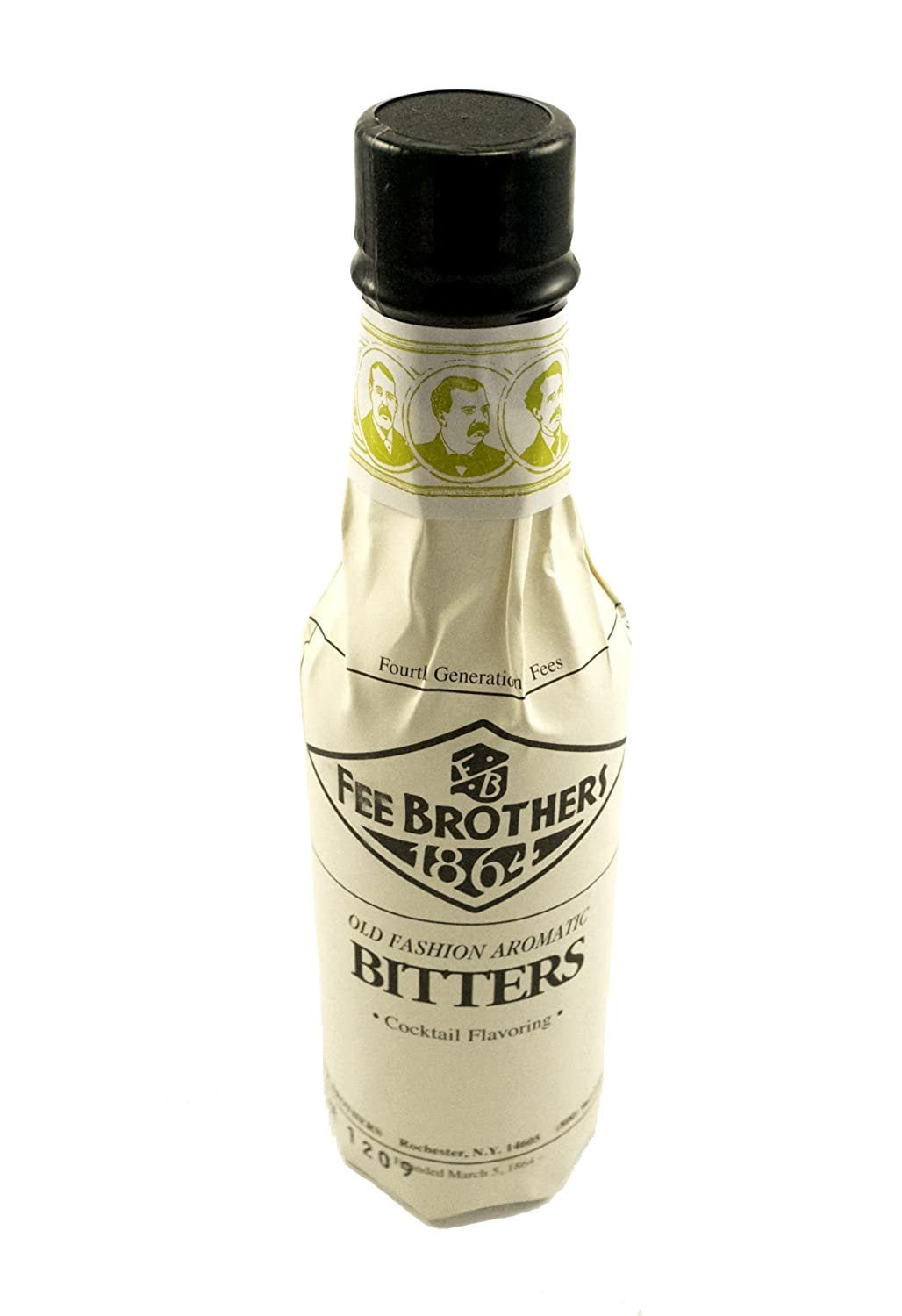
Fee Brothers Old Fash Bitters
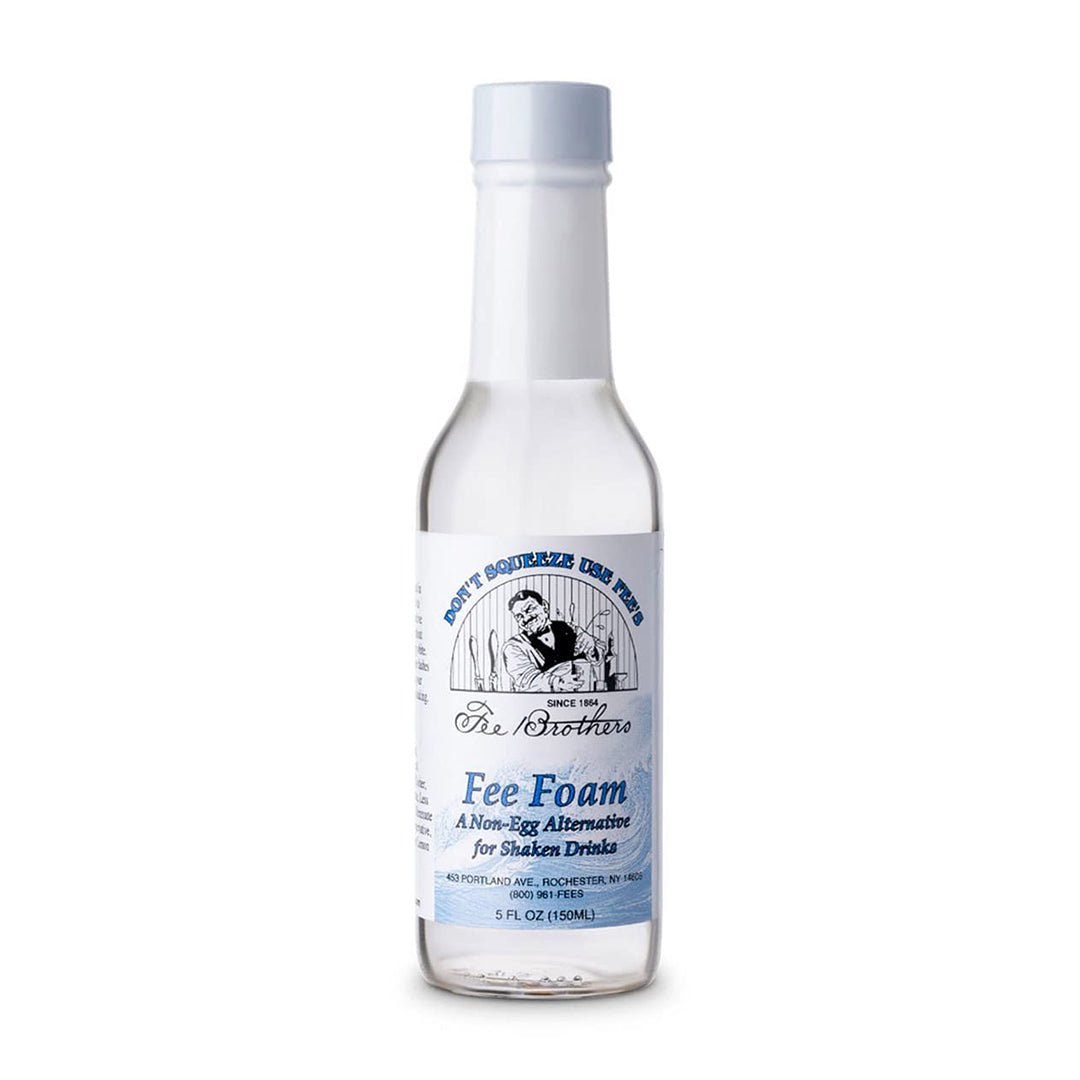
Fee Brothers Foam 150ml
About Bitters
Bitters are two different things that share a name. The first is the dasher bottle: a concentrated infusion of bark, root, peel and spice, used a few drops at a time to give a drink structure. The second is the bitter liqueur, poured in measures and drunk on its own or built into a cocktail. Both are here.
Fee Brothers of Rochester, New York makes most of the dasher range. Old Fashioned aromatic and Whiskey Barrel Aged for stirred drinks, Orange, Lemon and Grapefruit for citrus, Cherry, Peach, Plum and Cranberry for fruit, and Aztec Chocolate, Walnut, Mint, Celery and Rhubarb for everything else. Regan's Orange Bitters and Peychaud's, made in New Orleans, sit alongside them.
Australia is well represented. Convict Bitters makes an aromatic and a Hellfire Chilli, both at 46 per cent. Three Foxes bottles a Triple Bitter at 27 per cent, and Maidenii makes the Roselle Bitter and the Bitter Amer Nocturne.
The bitter liqueurs are mostly Italian. Bordiga, founded in Cuneo in Piedmont in 1888, makes Bitter Rosso, Bitter Verde, the Amaro Riserva St Hubertus, the Chiot Montamaro and a Fernet. Distilleria Negroni bottles a ready mixed Negroni, and Dolin makes the Bitter de Chambery.
For the Italian bitter liqueurs on their own see amaro, and for the rest of the mixing shelf see liqueurs and cocktail enhancers.
The two meanings of the word are untangled in our bitters guide, which also covers bitter rosso, amaro and fernet and suggests a bottle for each.
History
Bitters began as medicine. Nineteenth century apothecaries sold botanical tinctures as digestive remedies, and the same bottles moved behind the bar once drinkers worked out that a few drops of something bitter made a sweet drink taste finished rather than cloying.
Peychaud's carries that history in its name and is still made in New Orleans. Fee Brothers has been making flavourings in Rochester, New York since 1864.
In Italy the same idea took a different shape. Rather than a concentrated dasher, distillers made bitter liqueurs to be drunk in measures: the bitters that give a Negroni or an Americano its spine, and the amari poured after a meal. Bordiga has been doing this in Cuneo since 1888.
The cocktail revival of the past two decades brought the dasher bottle back. For most of the twentieth century a well stocked bar carried one or two bitters and used them sparingly. Today a single house may offer a dozen or more flavours, and Australian distillers have joined in: Convict, Three Foxes and Maidenii all make their own.
The thread running through all of it is the one the apothecaries found first. Bitterness is the taste that stops a drink being one dimensional, and a very small amount of it changes a great deal.
How to drink it
Use dashing bitters in drops, not measures. Two or three dashes is the standard for an Old Fashioned or a Manhattan, and the difference between two dashes and none is larger than most people expect.
Match the bitters to the base. Aromatic and whiskey barrel aged bitters belong with brown spirits. Orange bitters lift gin, and a small amount goes into a Martini. Peychaud's is what the Sazerac calls for: the official recipe is cognac, absinthe, a sugar cube and two dashes of Peychaud's. Cherry, peach and plum work in stirred drinks that need fruit without more sugar.
The savoury flavours are as useful in the kitchen as behind the bar. Celery bitters in a Bloody Mary, Aztec Chocolate over a stirred agave drink, mint in a julep when you want the aroma without more leaves.
The bitter liqueurs are poured rather than dashed. Bitter Rosso with equal parts gin and sweet vermouth makes a Negroni. Swap the gin for soda and you have an Americano. Fernet is an after dinner pour, neat and cold, in a small glass.
Bitters keep almost indefinitely. Store them upright and out of sunlight.
More from this origin and style: