
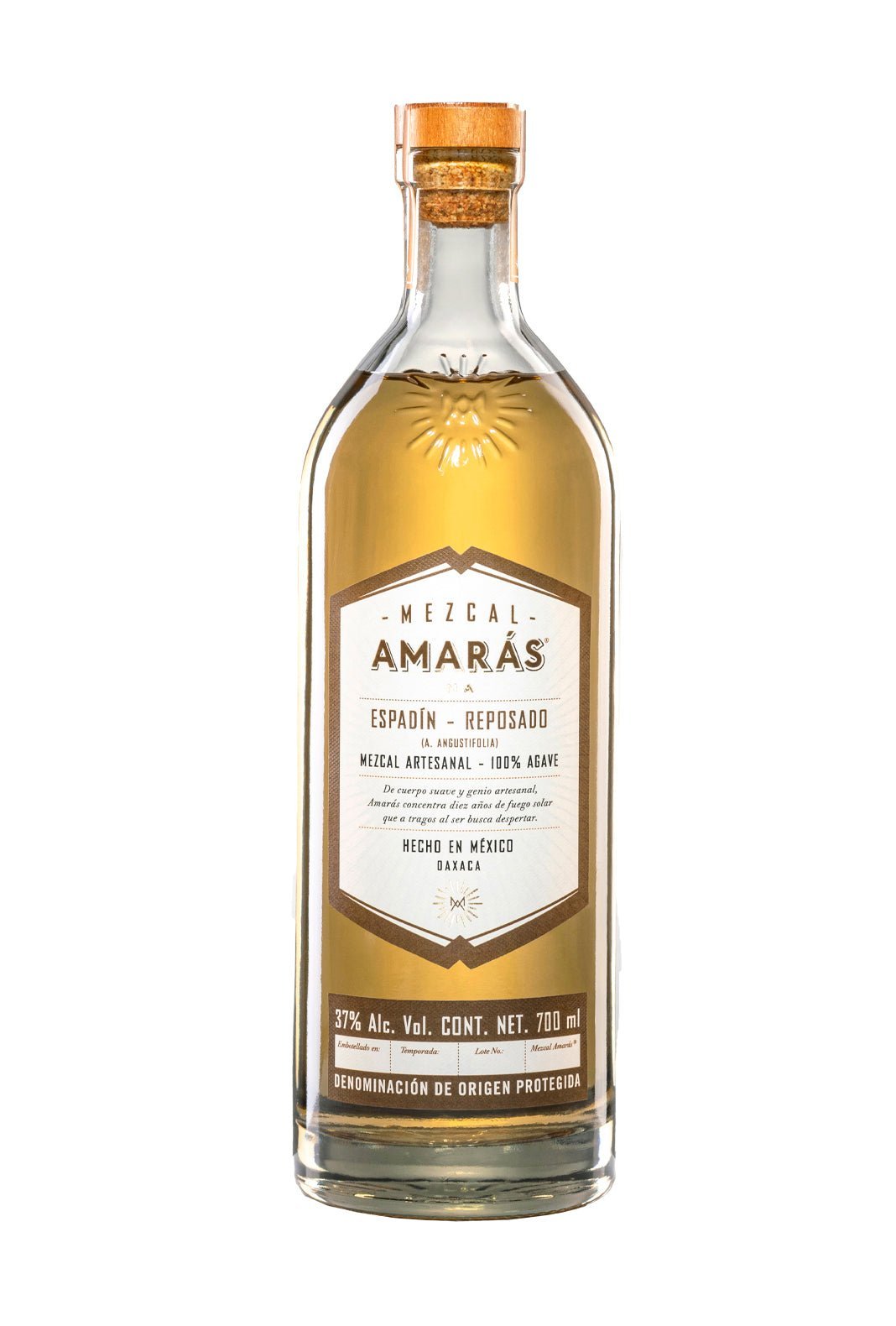
Mezcal Amares Reposado Espadin 37% 700ml
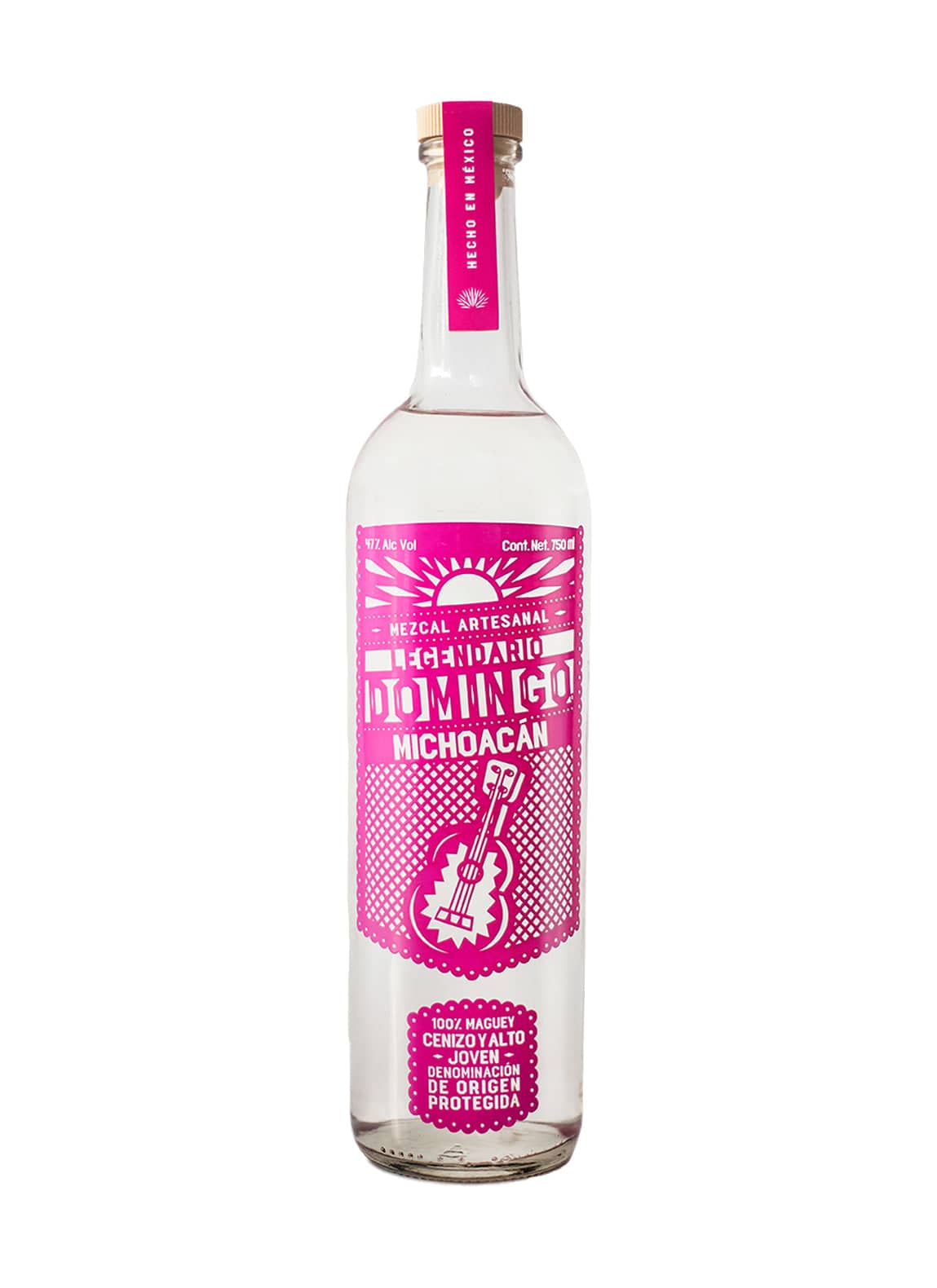
Domingo Mezcal Michoacán Ensamble 46% 700ml
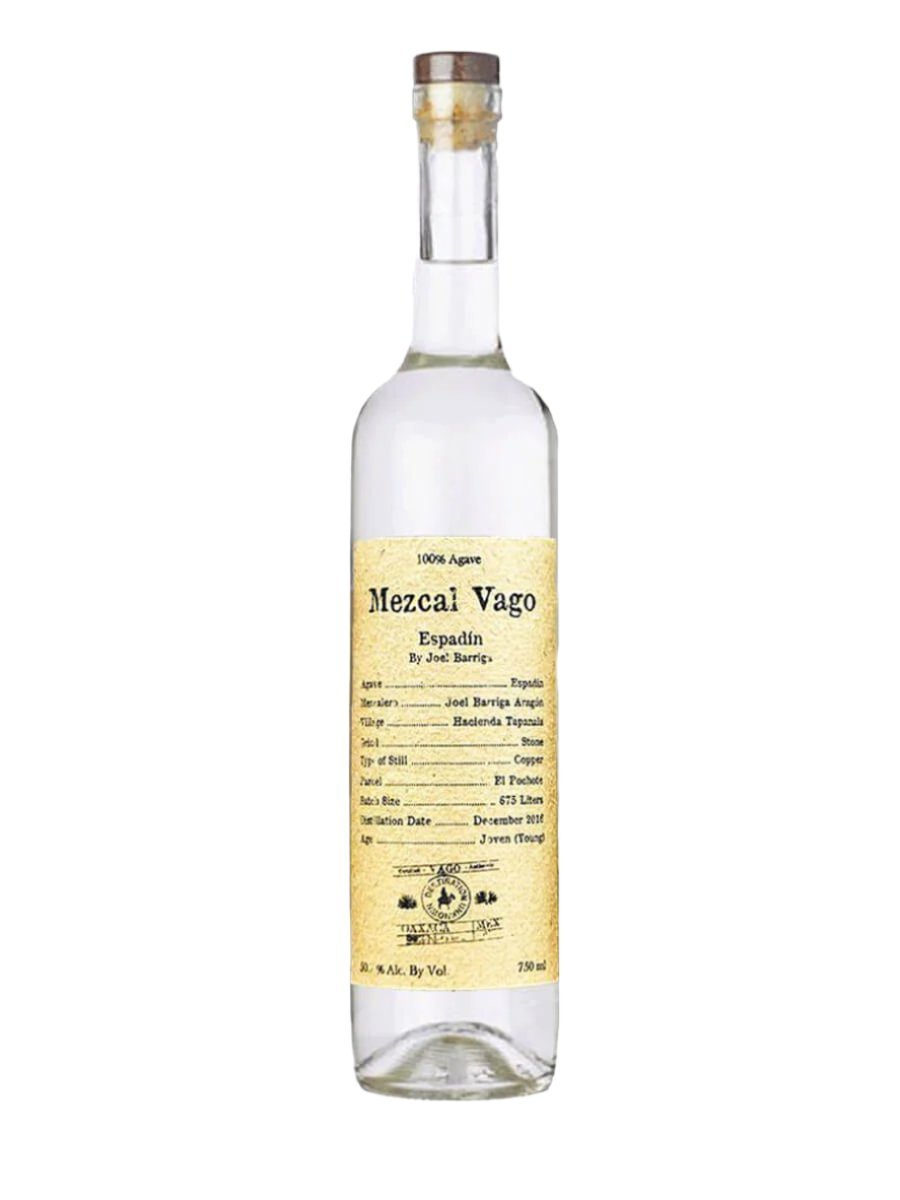
Vago Espadin Mezcal Barriga 50.5% 700ml
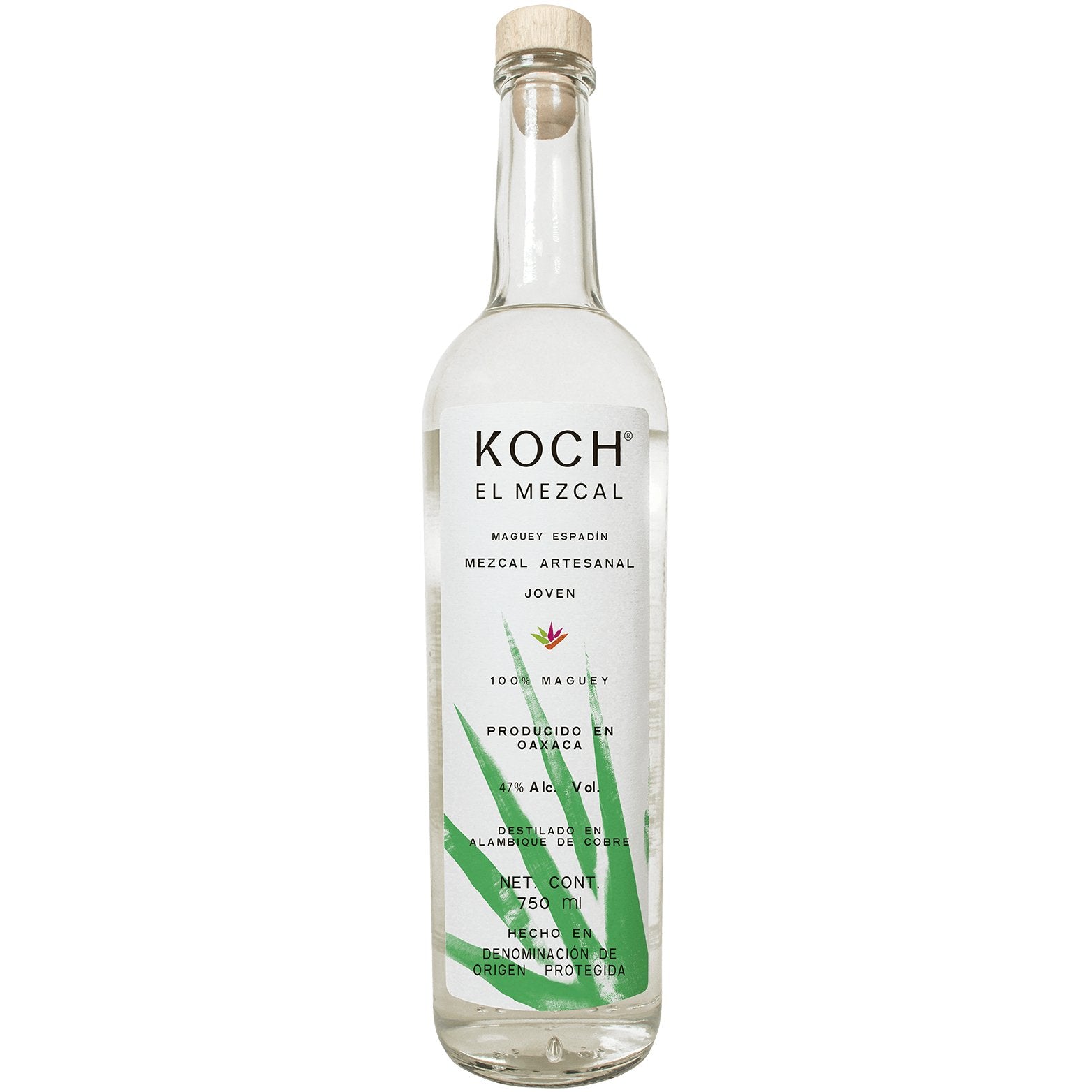
Koch El Mezcal Artesanal Maguey Espadín 47.08% 750ML
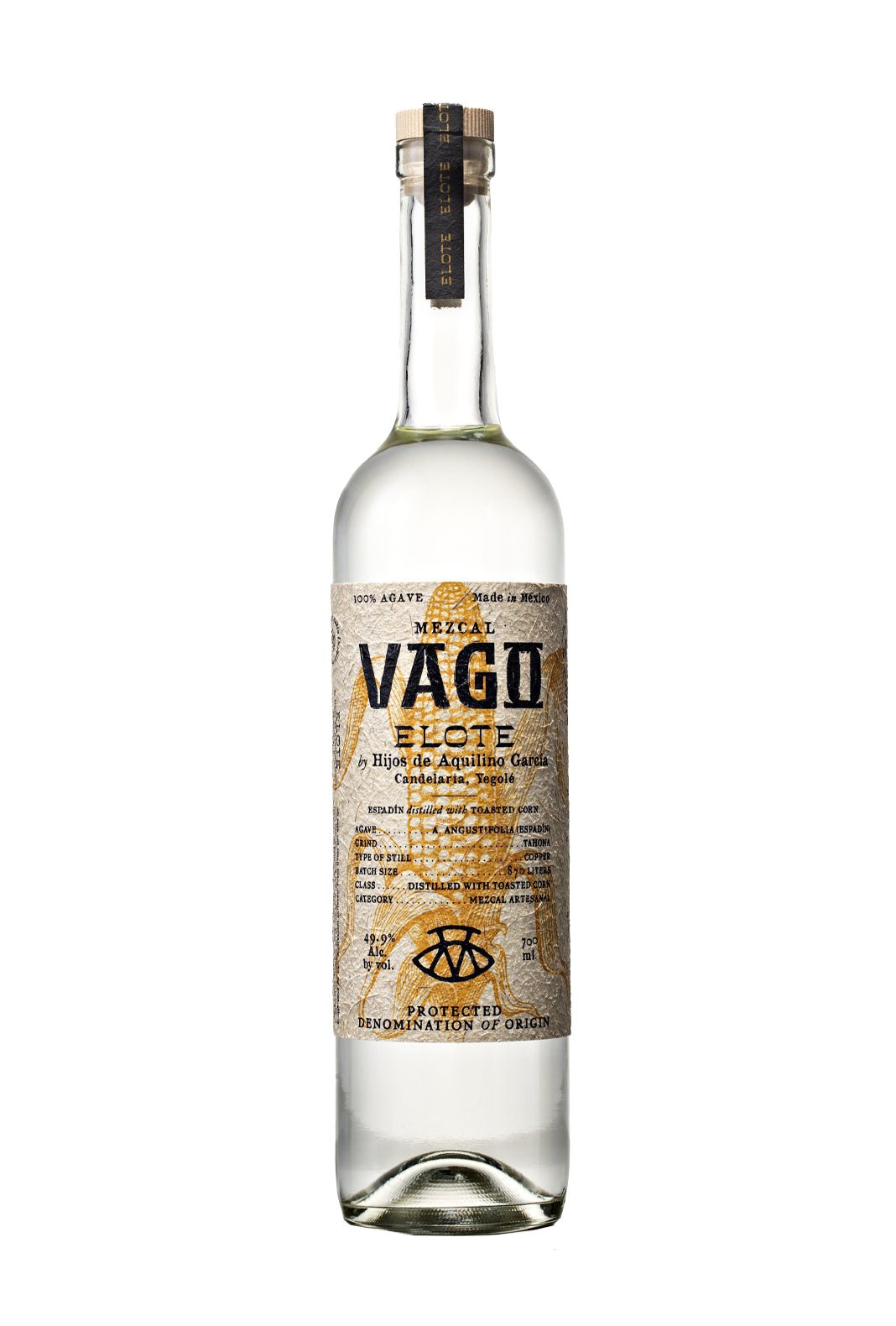
Mezcal Vago Elote Hijos 49.8% 700ml
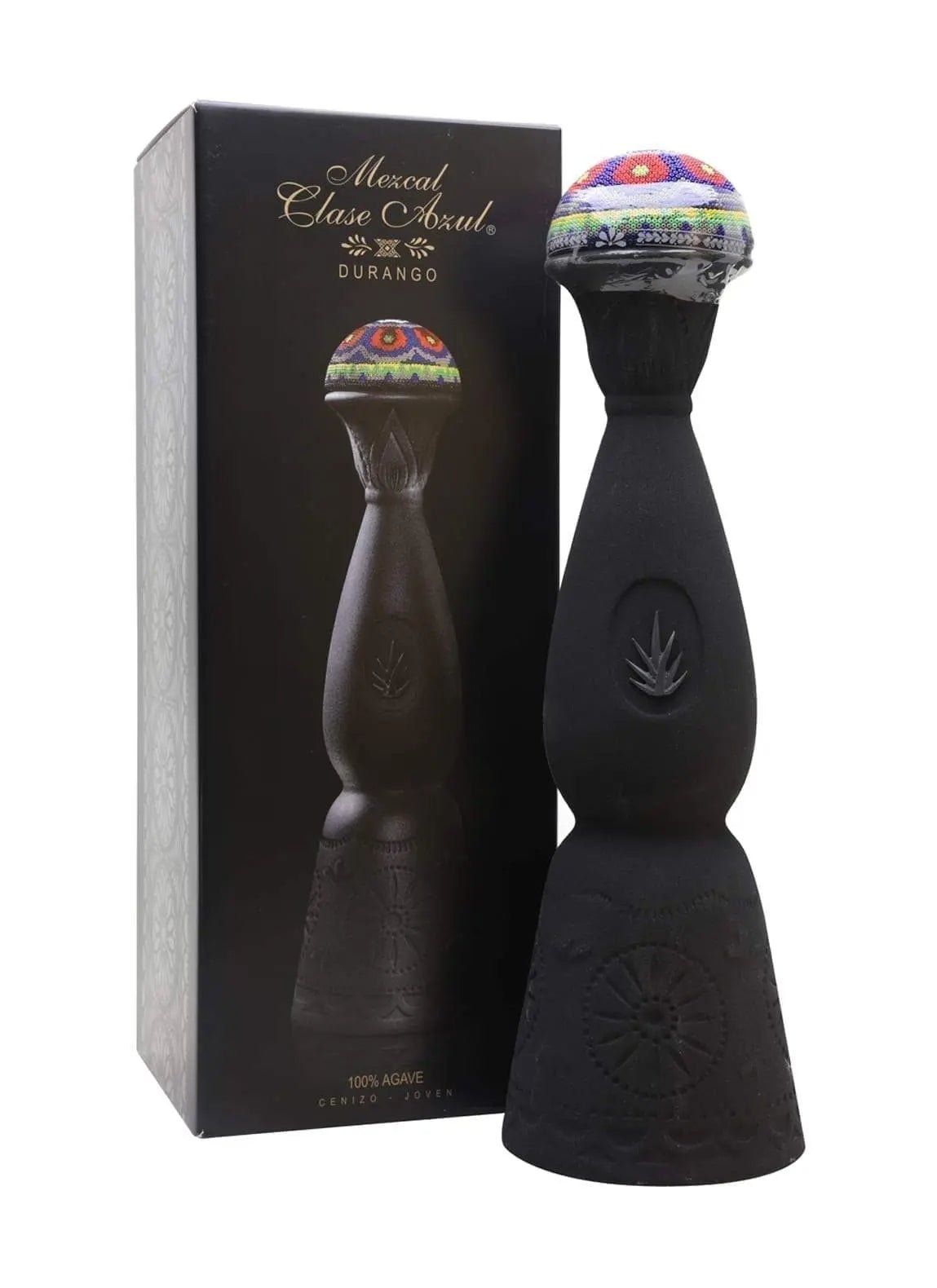
Clase Azul Mezcal 40% 750ml
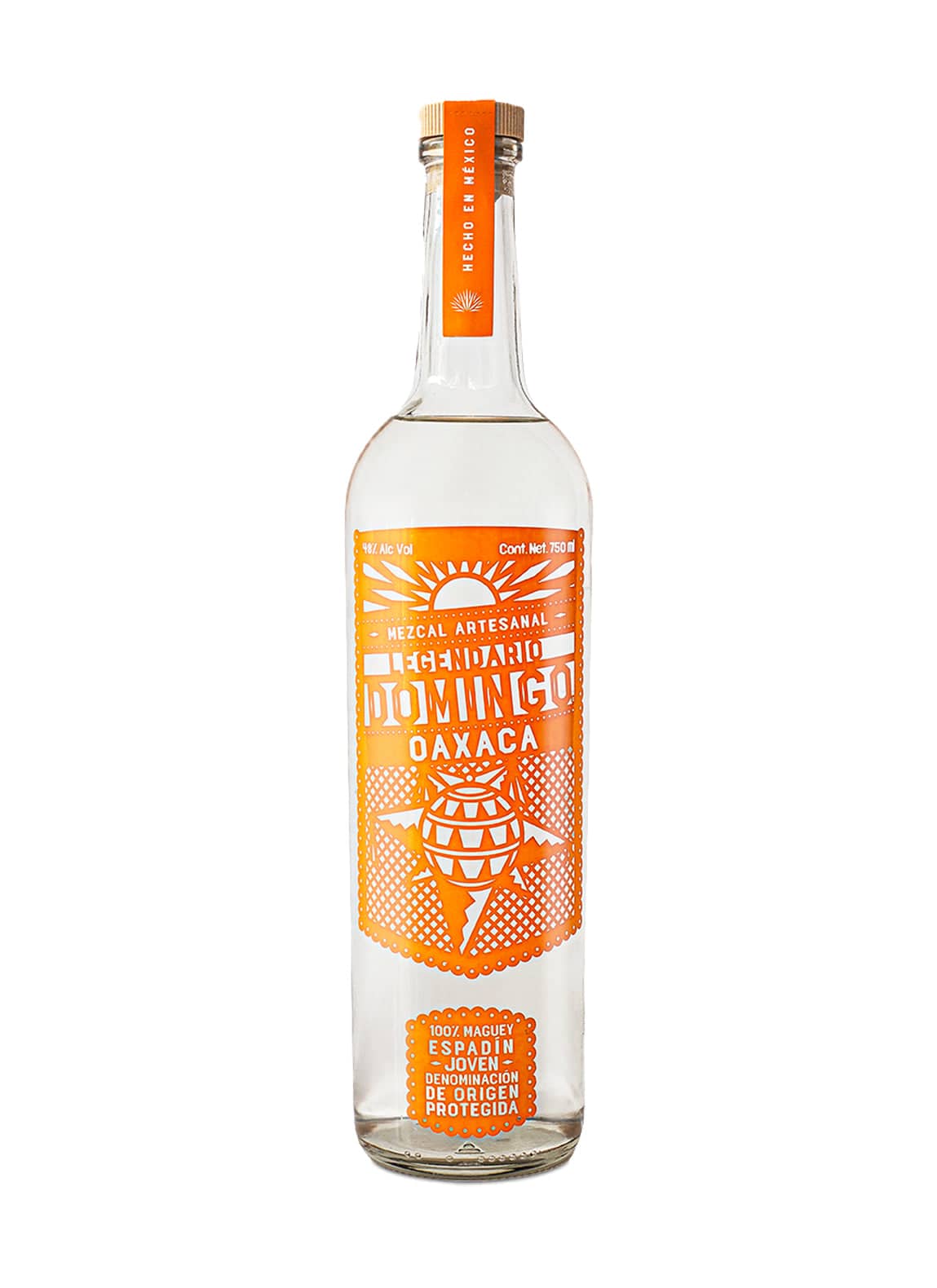
Domingo Mezcal Especial Espadín Oaxaca 48% 700ml
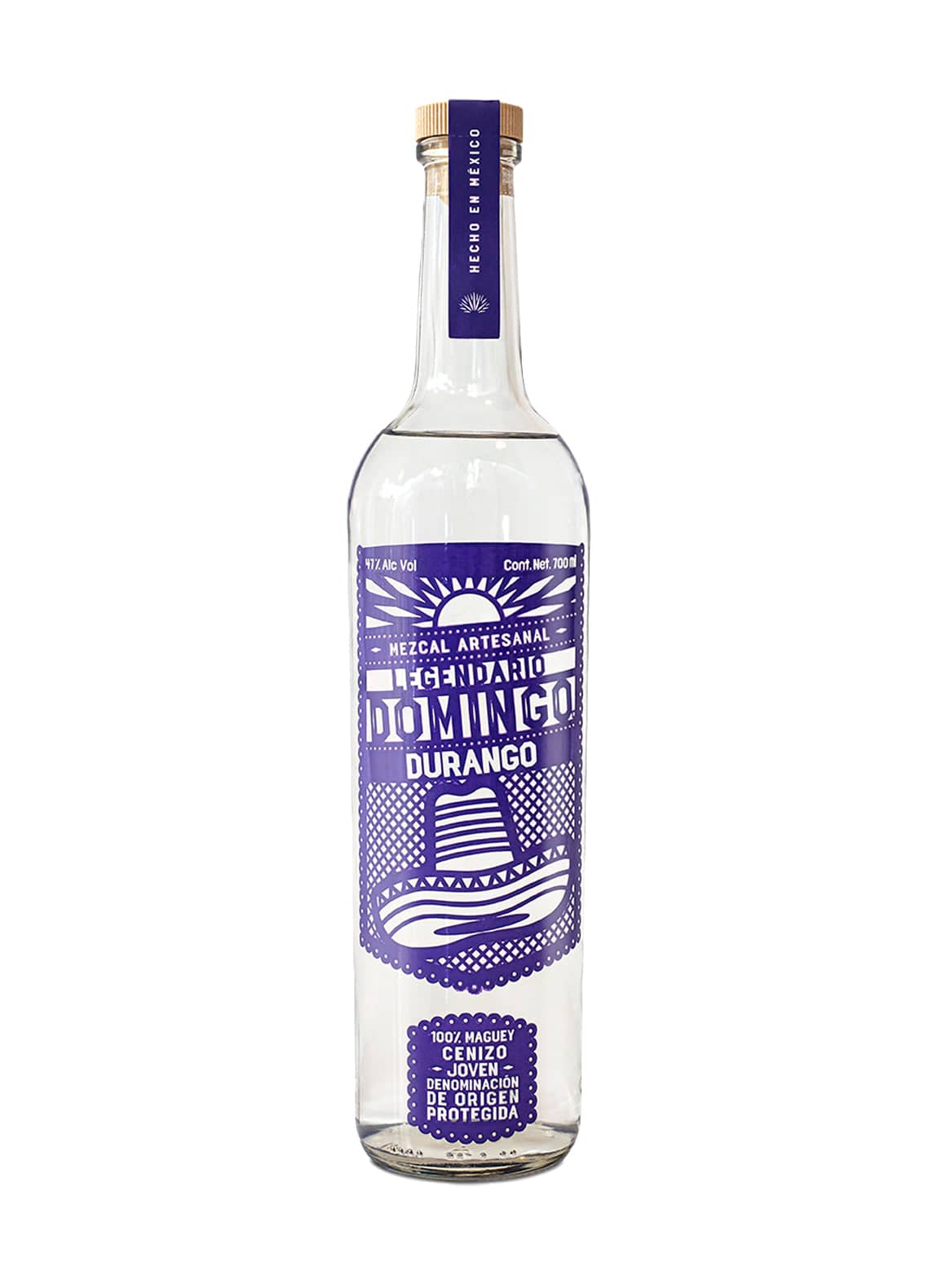
Domingo Mezcal Durango Cenizo 47% 700ml
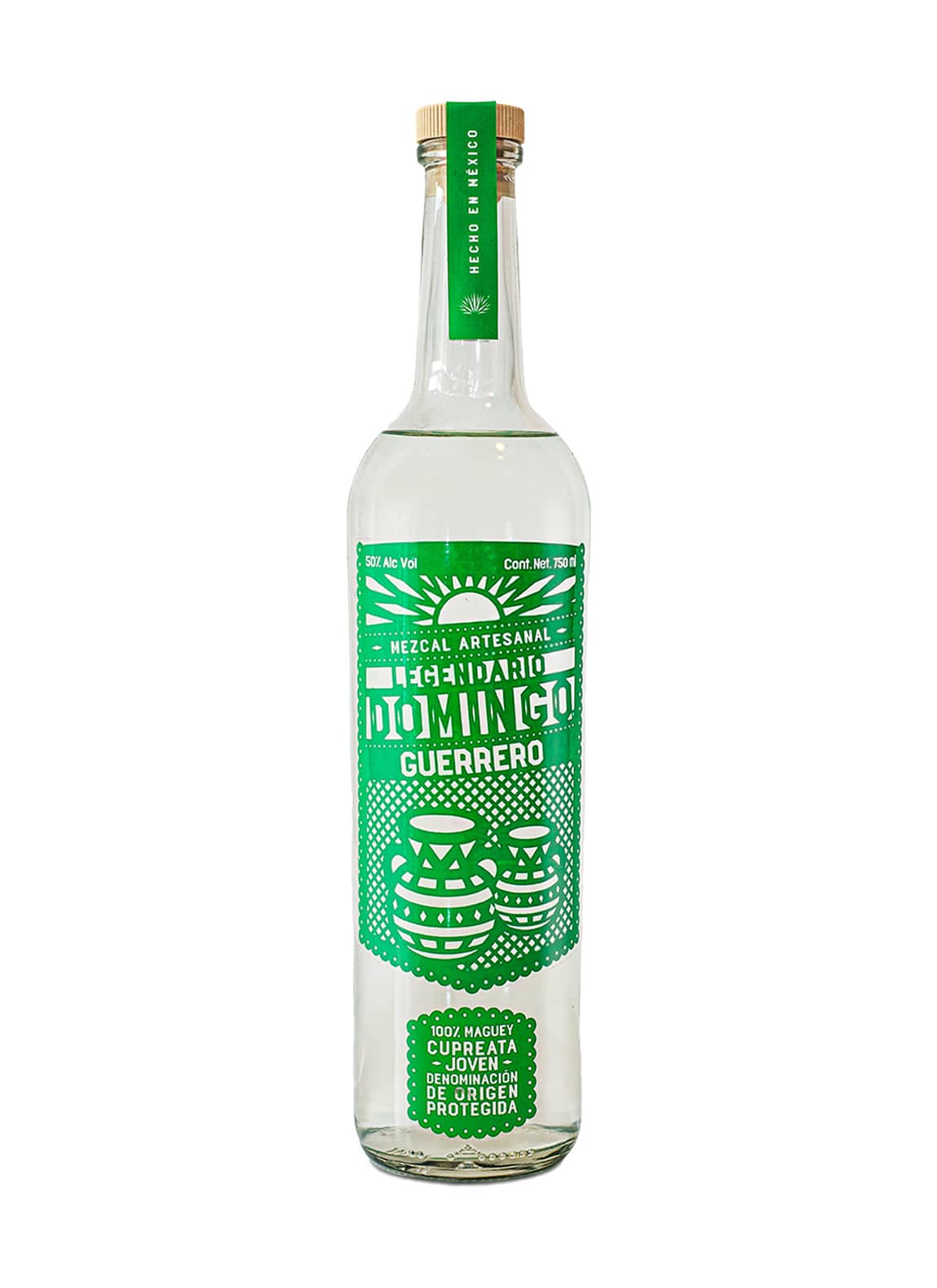
Domingo Mezcal Guerrero Papalote 47% 700ml
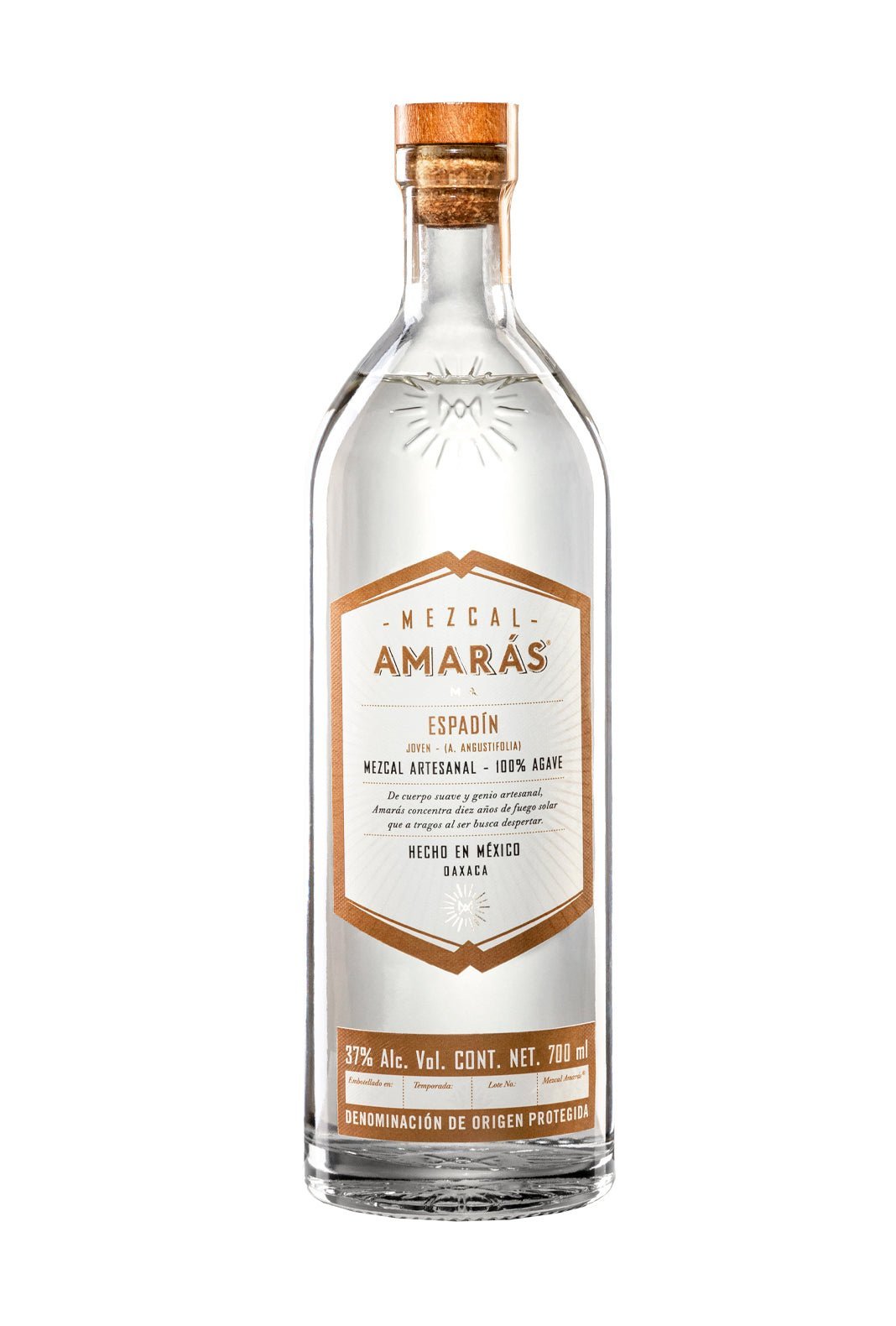
Mezcal Amares 100% Espadin 37% 700ml
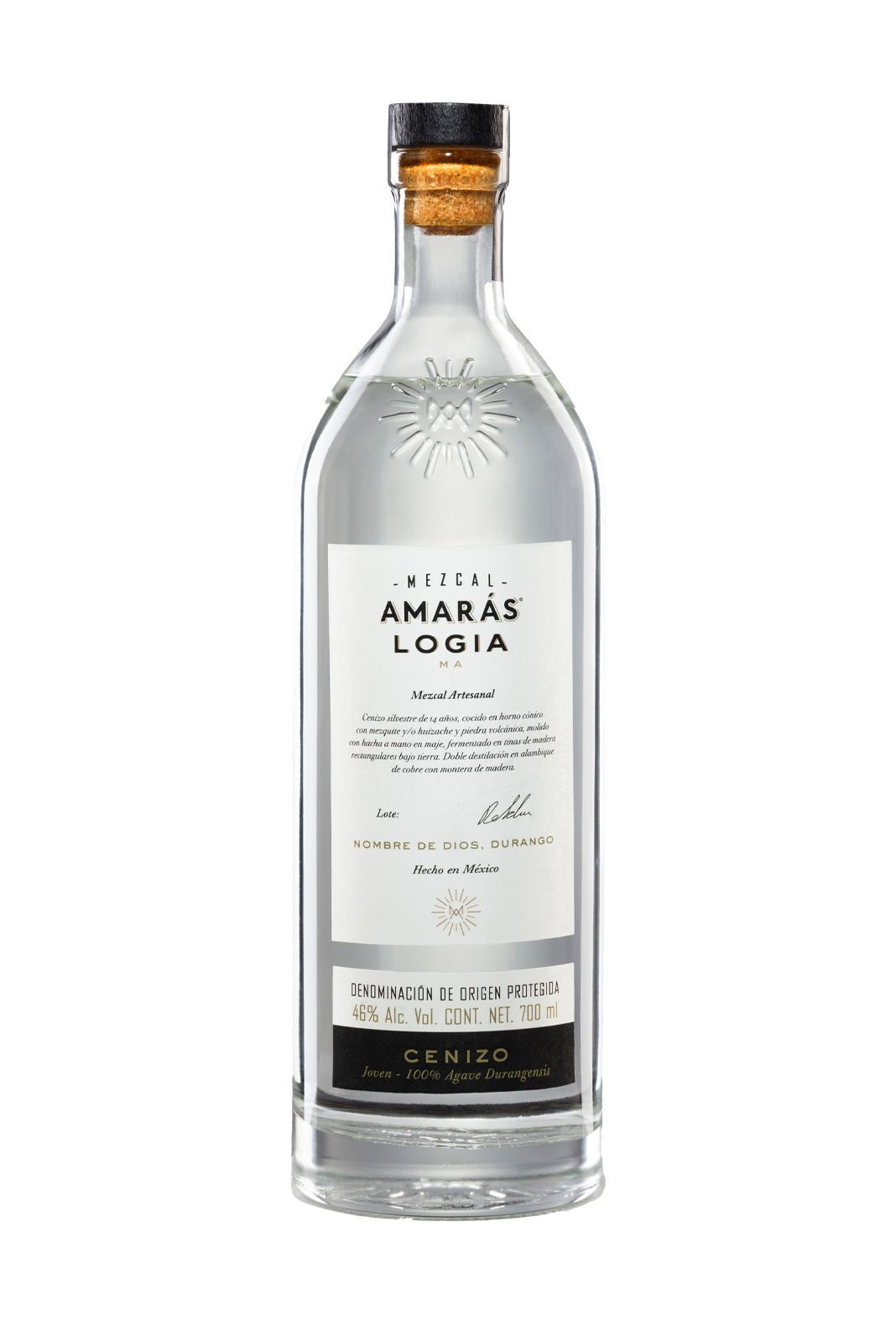
Mezcal Amares Logia Cenizo 43% 700ml
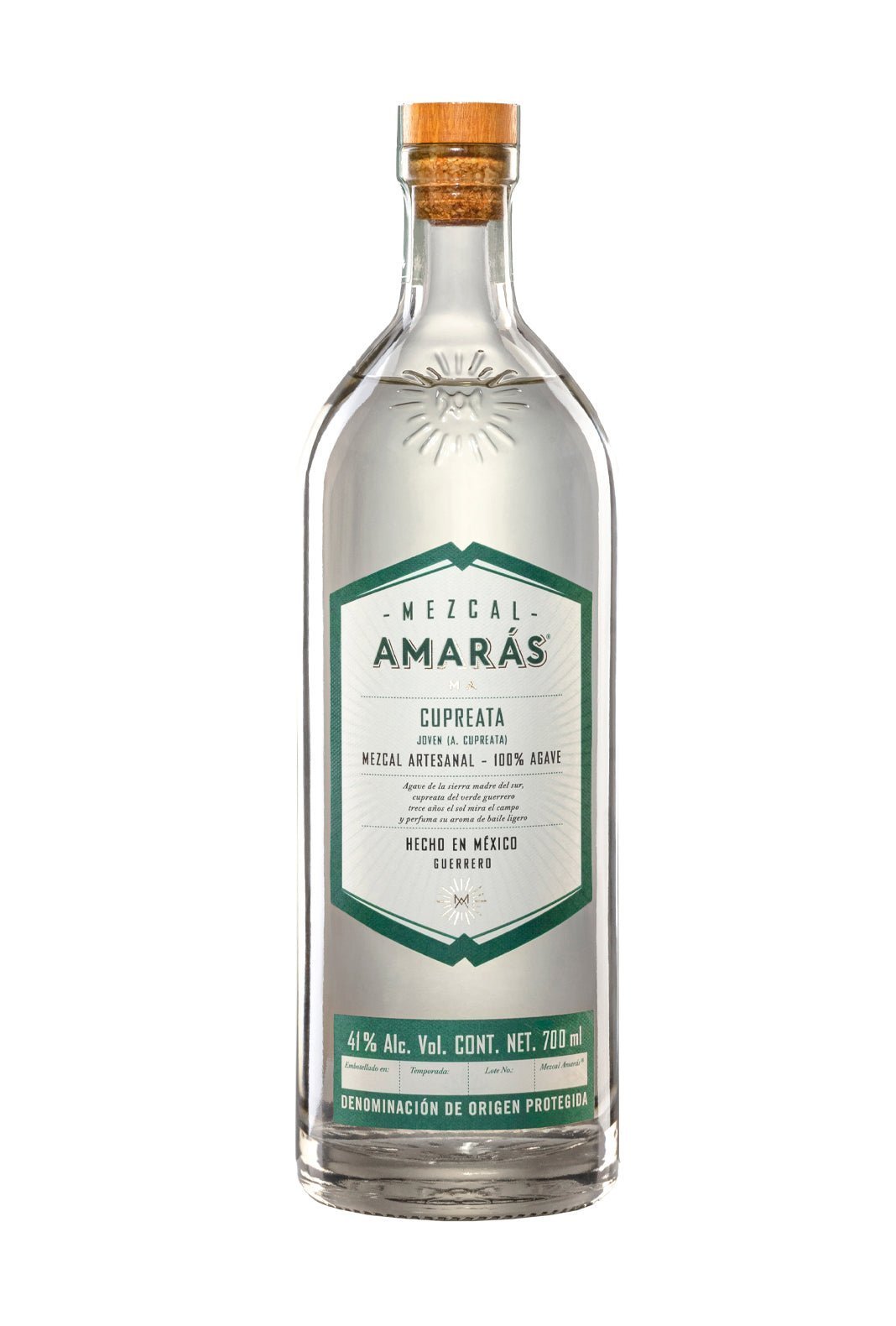
Mezcal Amares Cupreata 41% 700ml
About Mezcal
Mezcal is agave spirit, and the agave is the thing to read on the label. Tequila must be made from blue weber agave; mezcal may be made from a long list of species, and which one was used changes the drink more than anything else in the process.
This page is weighted to espadin, the cultivated agave that most mezcal is made from, in bottlings from Mezcal Amares, Domingo, Vago and Koch. Beyond it the range opens out. Cenizo comes from Durango, in bottlings from Domingo and from the Amares Logia. Cupreata and papalote both come from Guerrero, where papalote is a wild agave harvested rather than planted. Domingo's Michoacan bottling is an ensamble, several agaves fermented and distilled together. Vago's Elote is distilled a second time with toasted corn, which is a traditional Oaxacan practice rather than a flavouring.
Strengths run wider than most spirits categories, from 37 per cent to just over 50, and in mezcal that is not a detail. Traditional producers bottle at the strength the still delivered rather than cutting to a house standard, so a higher number often means less water rather than a heavier drink.
Clase Azul's mezcal sits here too, alongside its tequilas elsewhere on the site.
How mezcal and tequila actually differ, from species to cooking method, is set out in our mezcal guide.
History
Agave was worked long before distillation reached Mexico. The plant was cooked, fermented and drunk as pulque across Mesoamerica, and the cooked core of the agave was food as well as drink.
Distillation arrived with the Spanish in the sixteenth century, and the technique met a plant that was already central to local life. What emerged was a farm spirit made wherever agave grew, with methods shaped by what was to hand: a pit dug in the ground and lined with hot rock to cook the agave, a stone wheel turned by a horse to crush it, open wooden vats for fermentation, and small copper or clay pot stills.
For most of its life mezcal was local and largely undocumented, made in villages for villages. Industrial tequila, built on steam ovens and column stills in Jalisco, took the international market from the nineteenth century onward while mezcal stayed domestic.
The denomination of origin came in 1994 and now covers a defined list of states, which is why a Durango or Guerrero bottling can carry the name as legitimately as an Oaxacan one. Since then the category has grown fast abroad, and with that growth has come pressure on wild agave species that take many years to mature and are harvested rather than farmed.
The bottles here reflect that shift: named agave, named state, and in several cases a named village or distiller rather than a brand alone.
The pit roasting that separates mezcal from oven cooked tequila is explained in our Clase Azul guide, with the tequila buying guide covering the other side.
How to drink it
Neat and at room temperature, in a small wide vessel. The traditional copita is a shallow clay or ceramic cup, and a small tulip glass does the same job. Avoid a shot glass, which hides the aroma and encourages the wrong pace.
Take a small first sip and let it sit before you swallow. Mezcal at 45 or 50 per cent will read hot on the first taste and much less so on the second, once your palate has adjusted, and it is worth waiting through that rather than reaching for ice.
Do not chill it and do not add ice to the good ones. Cold flattens the smoke and the vegetal character that you are buying. Water is a fairer adjustment: a few drops in a 50 per cent bottling opens it out the same way it does in cask strength whisky.
Sangrita, the sweet and spicy chaser drunk alongside in Mexico, works better than salt or lime. Orange with a little chilli salt is the other traditional pairing.
In cocktails, mezcal substitutes for tequila and changes the drink. A mezcal margarita and an Oaxaca Old Fashioned are the two standard builds, and both work better with an espadin than with a scarce wild agave bottling, which is worth drinking on its own terms.
Sip it slowly. These are not drinks that reward speed.