
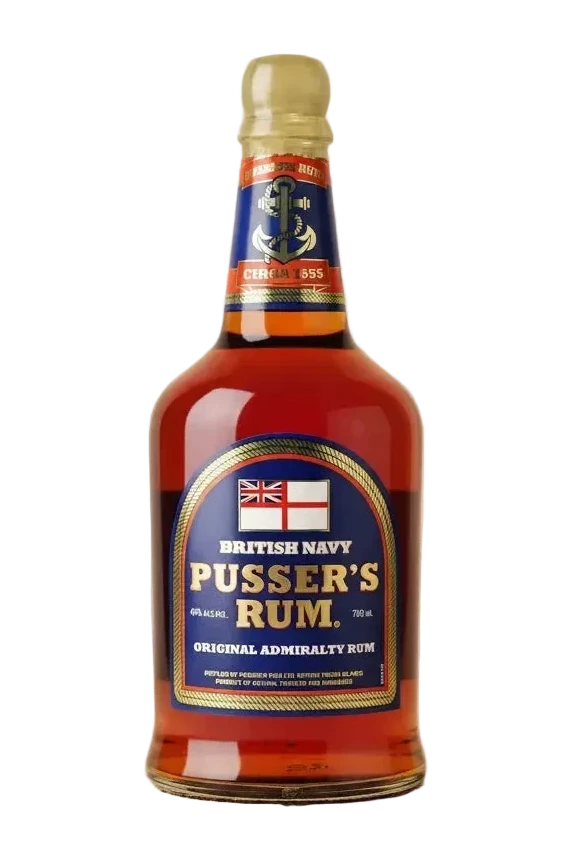
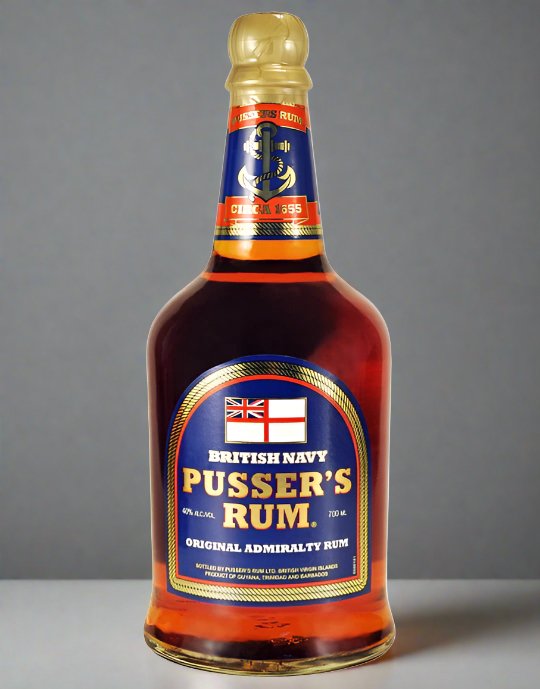
Pussers Navy Rum Blue Label
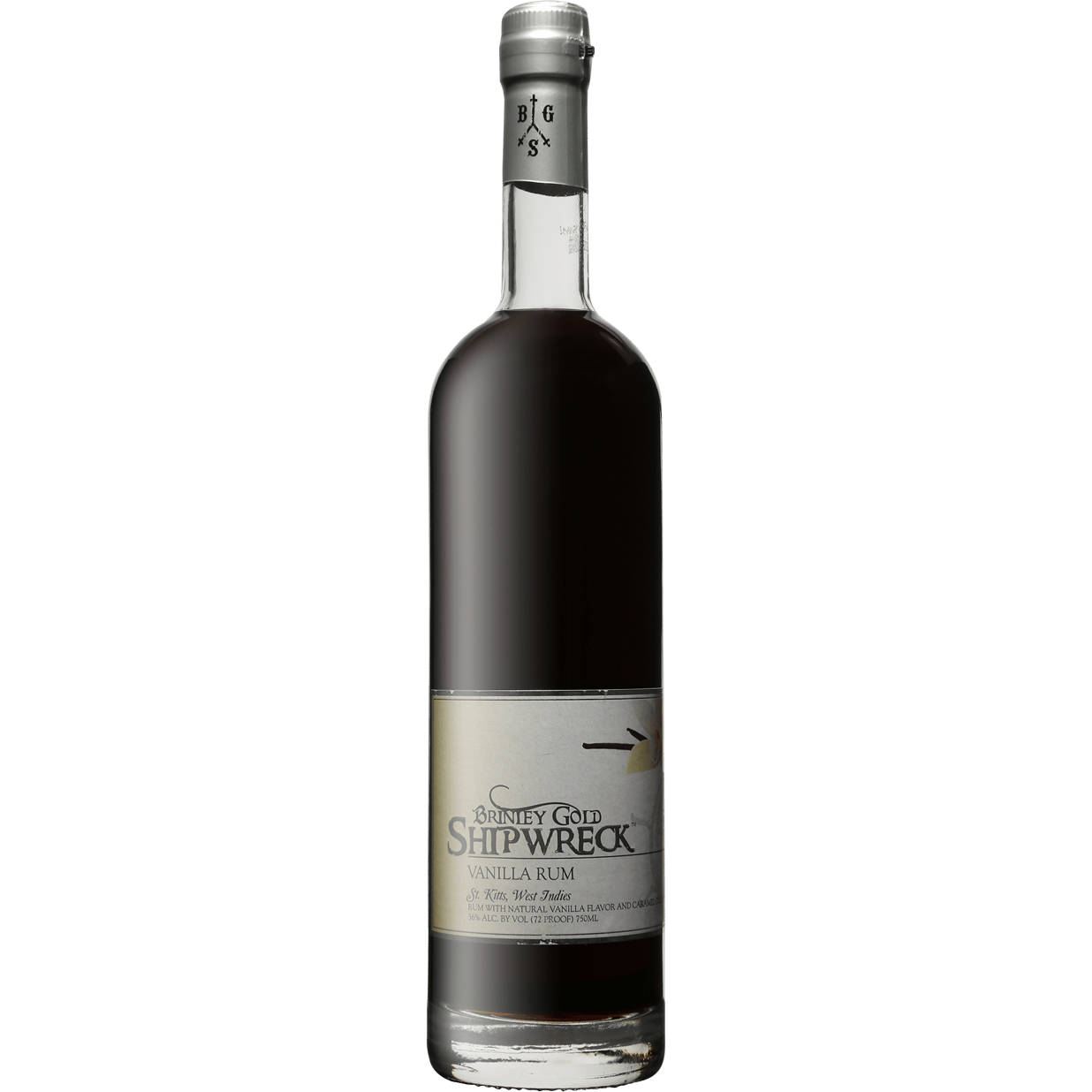
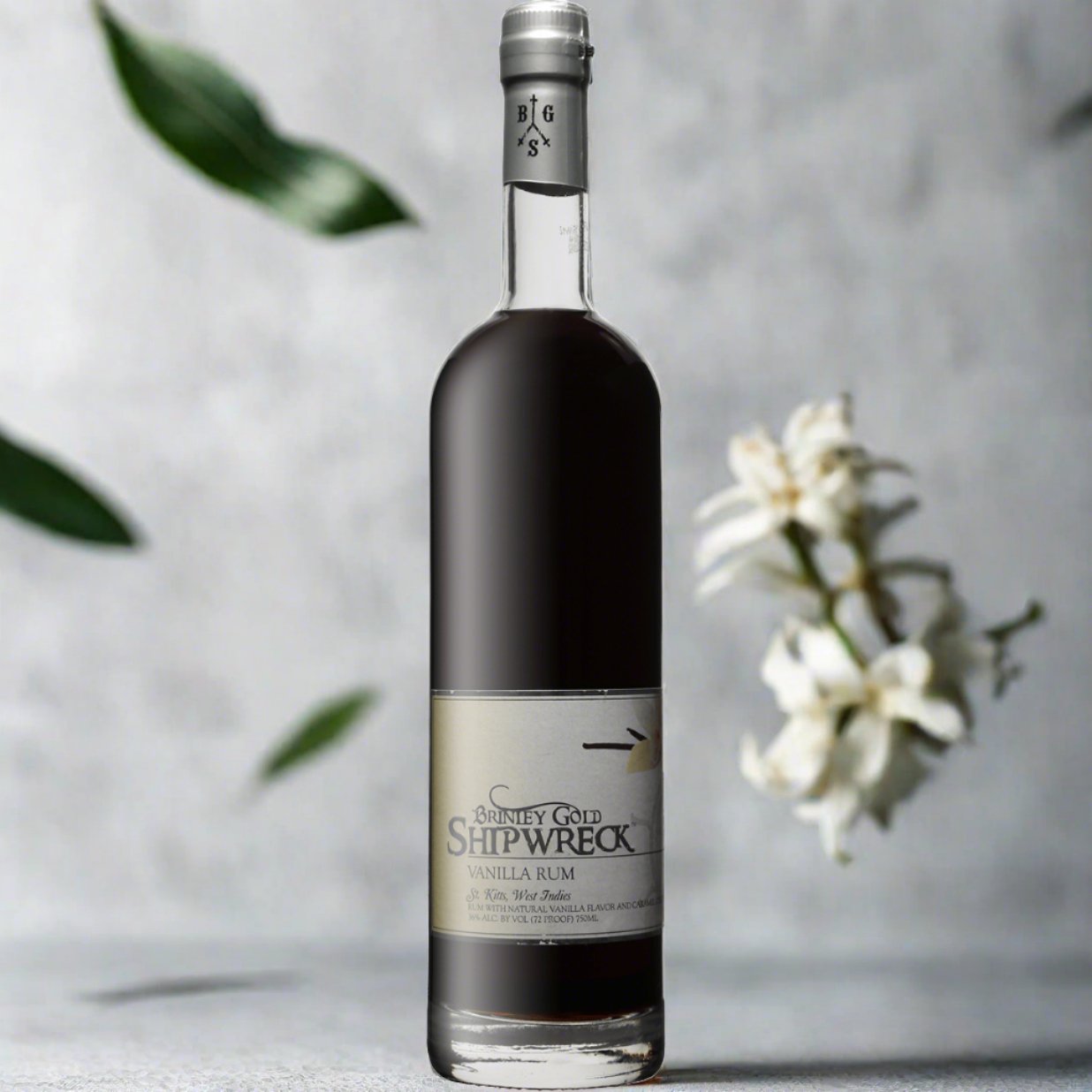
Shipwreck Vanilla Rum
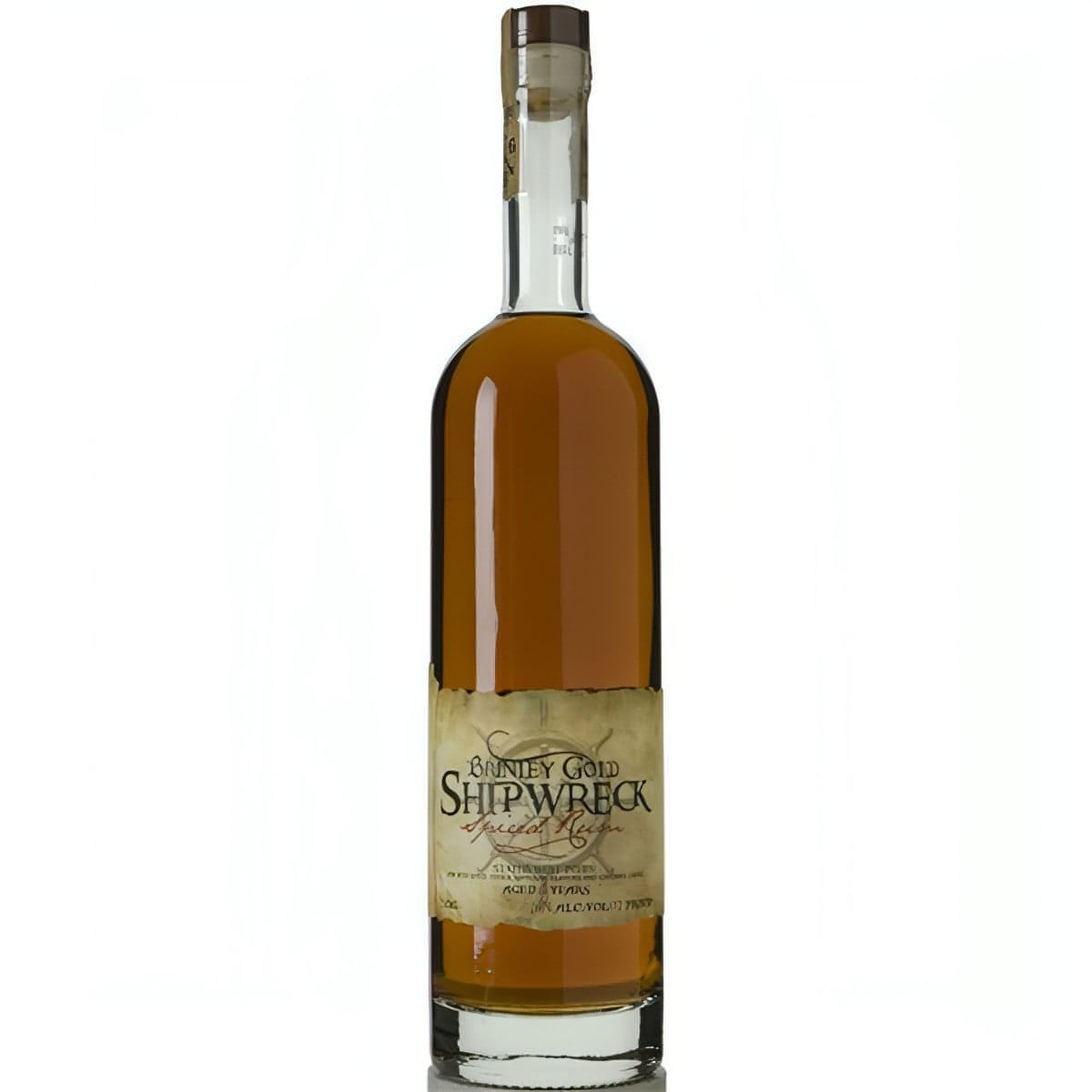
Shipwreck Spiced Rum
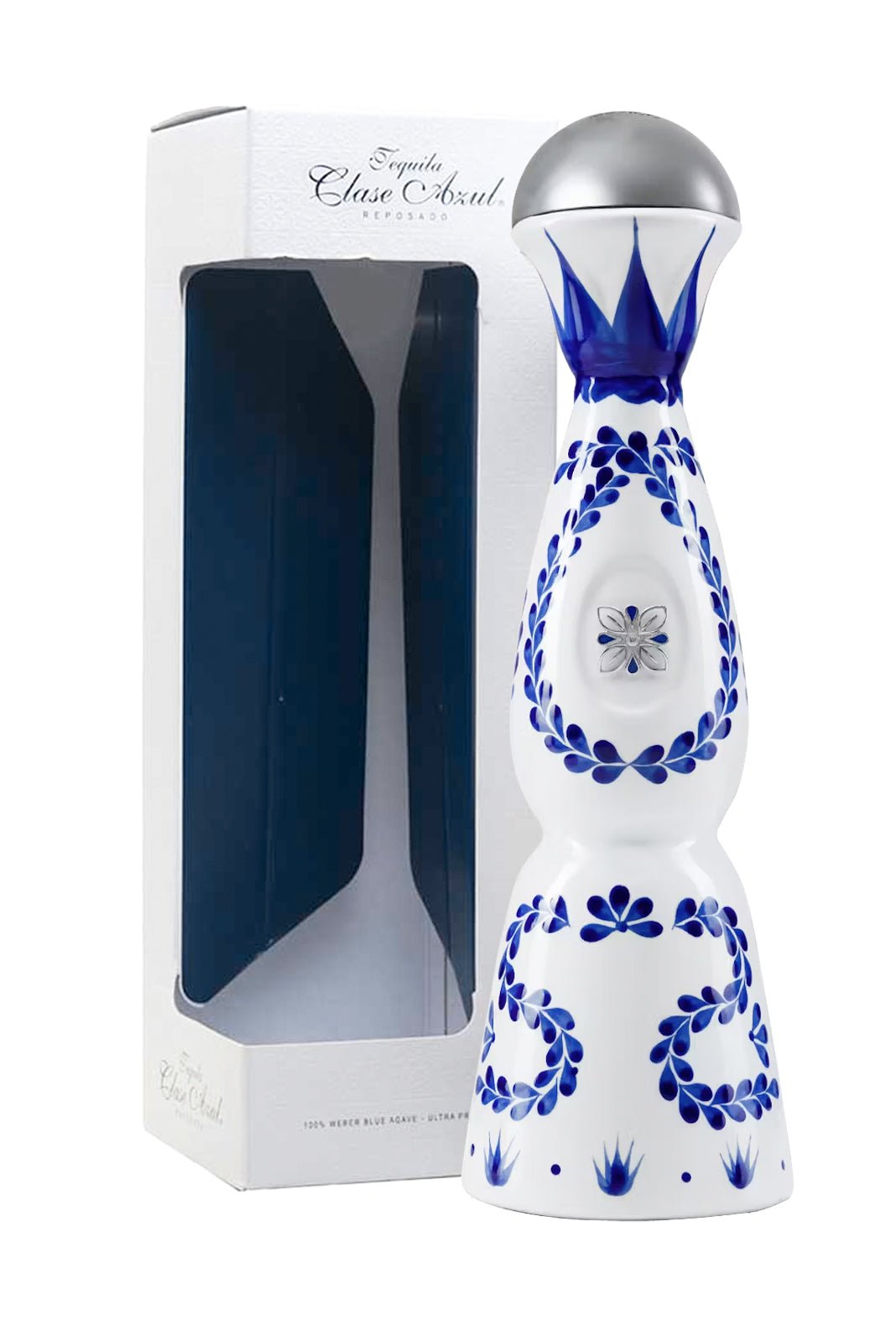
Clase Azul Tequila Reposado 750ml
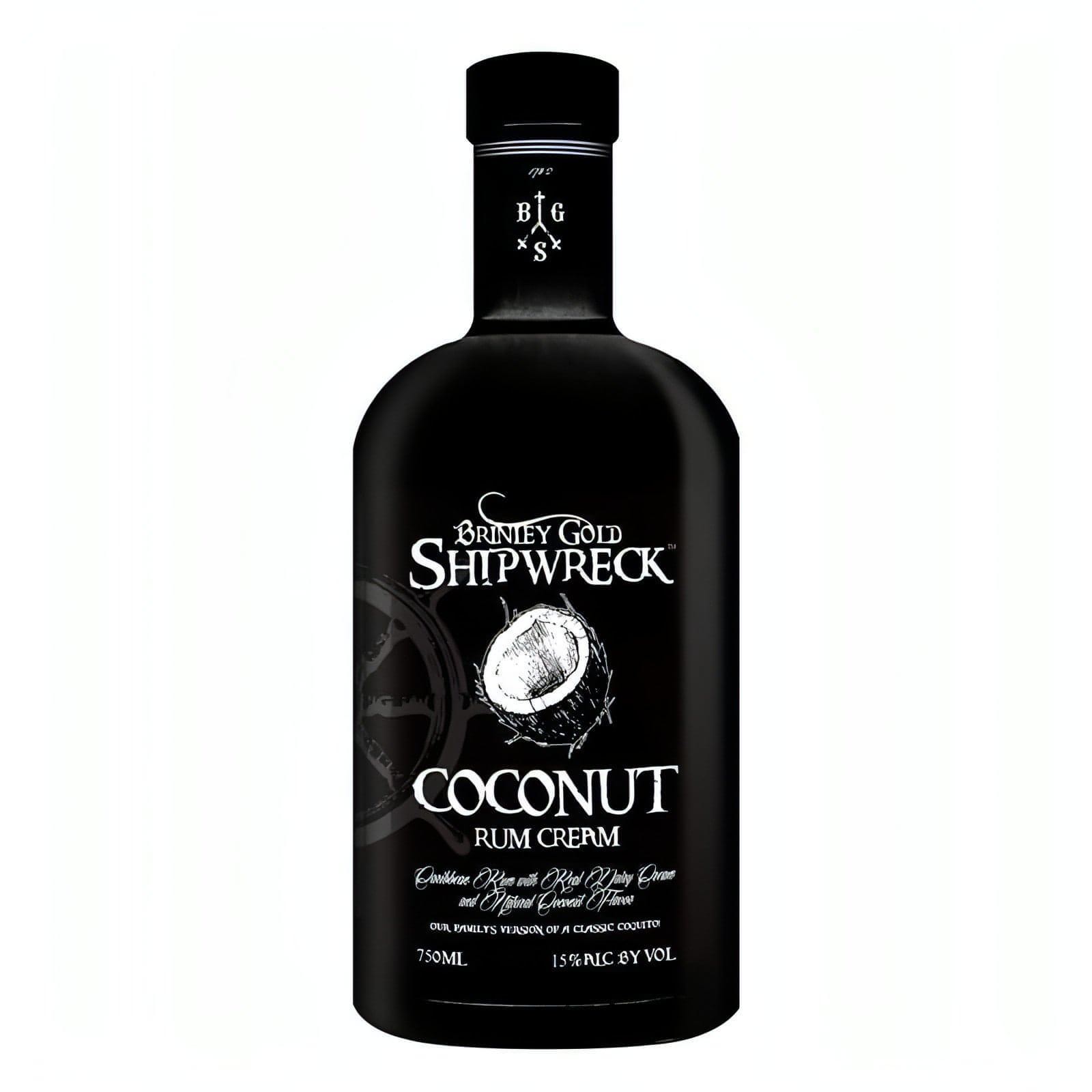
Shipwreck Coconut Rum cream
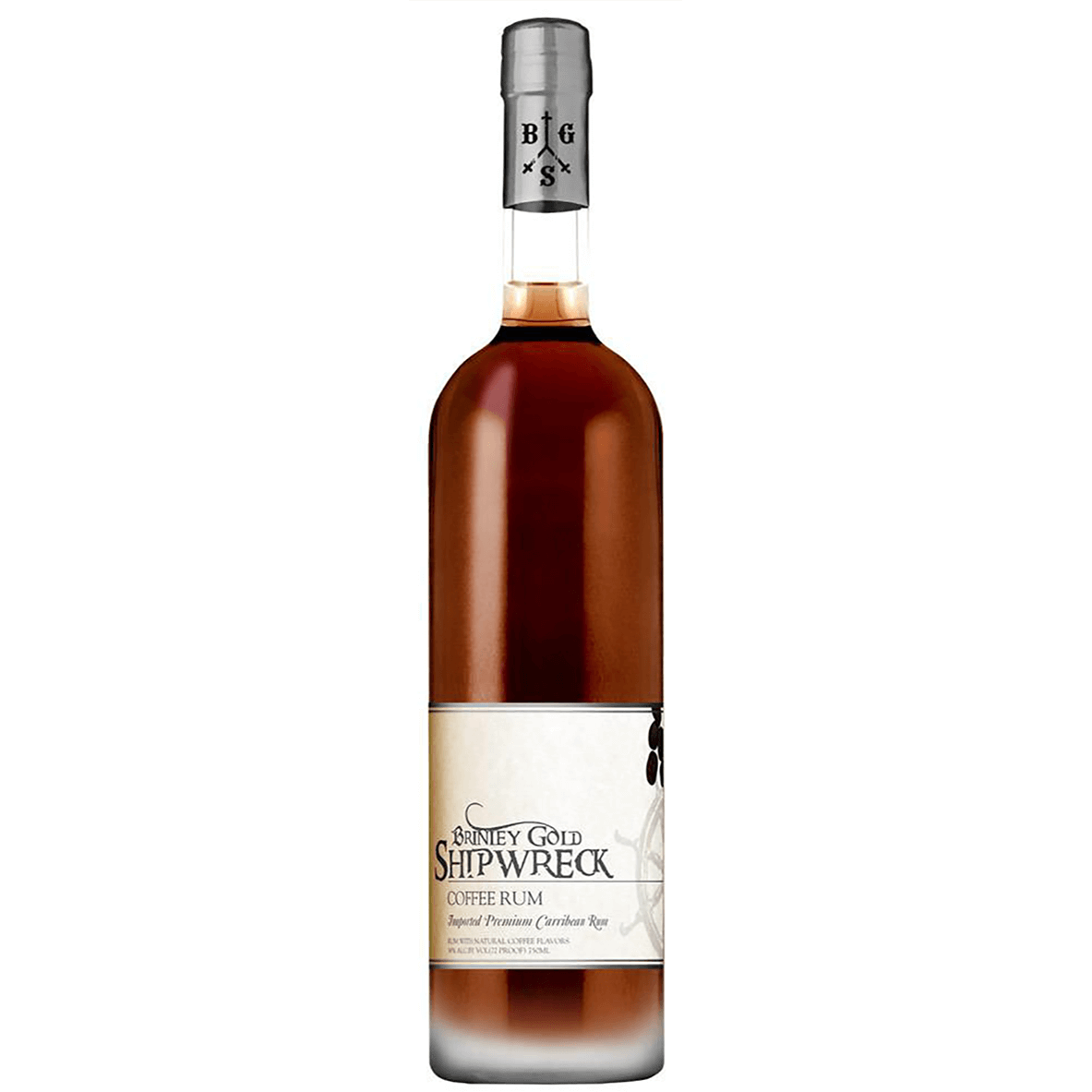
Shipwreck Coffee Rum
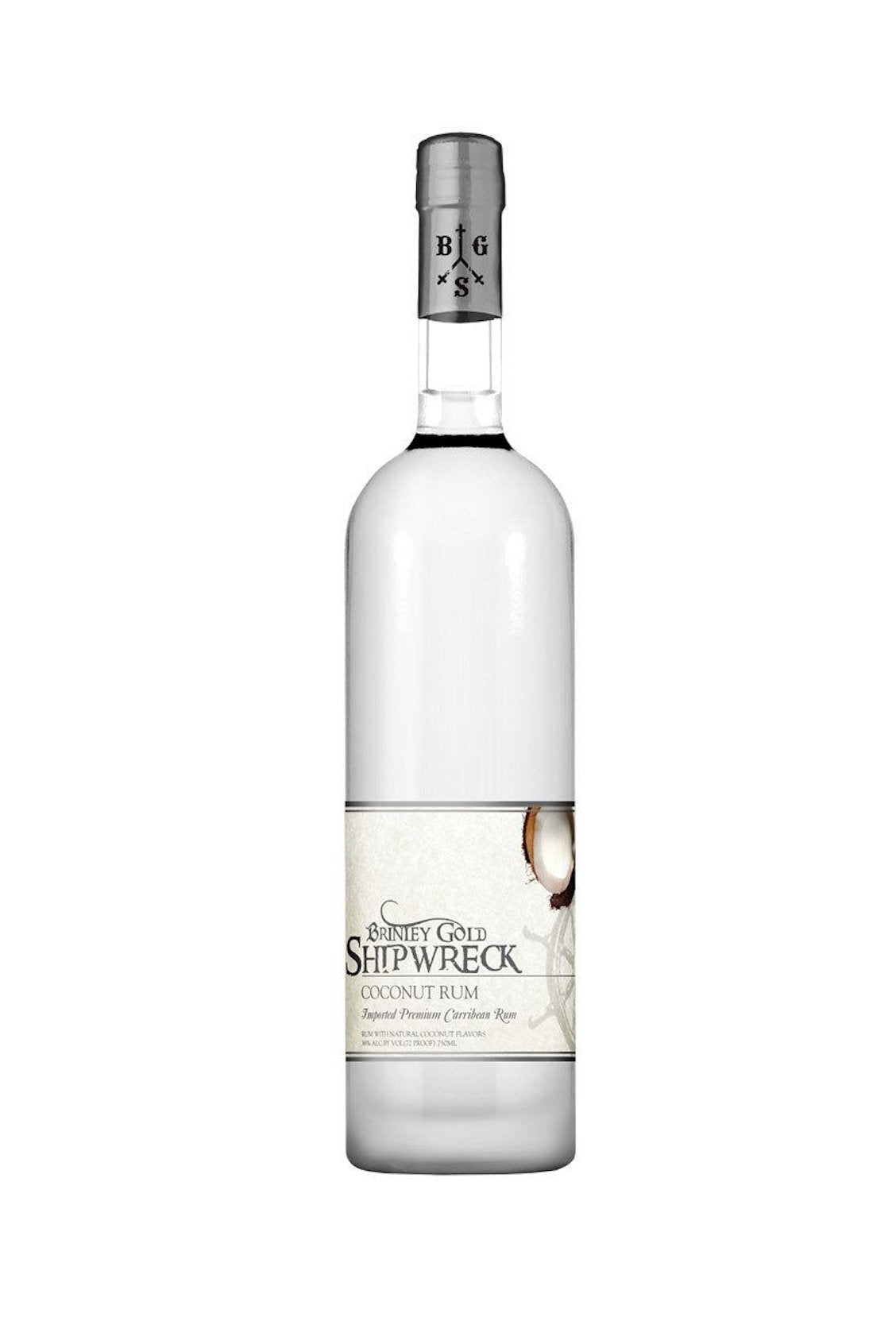

Shipwreck Coconut Rum
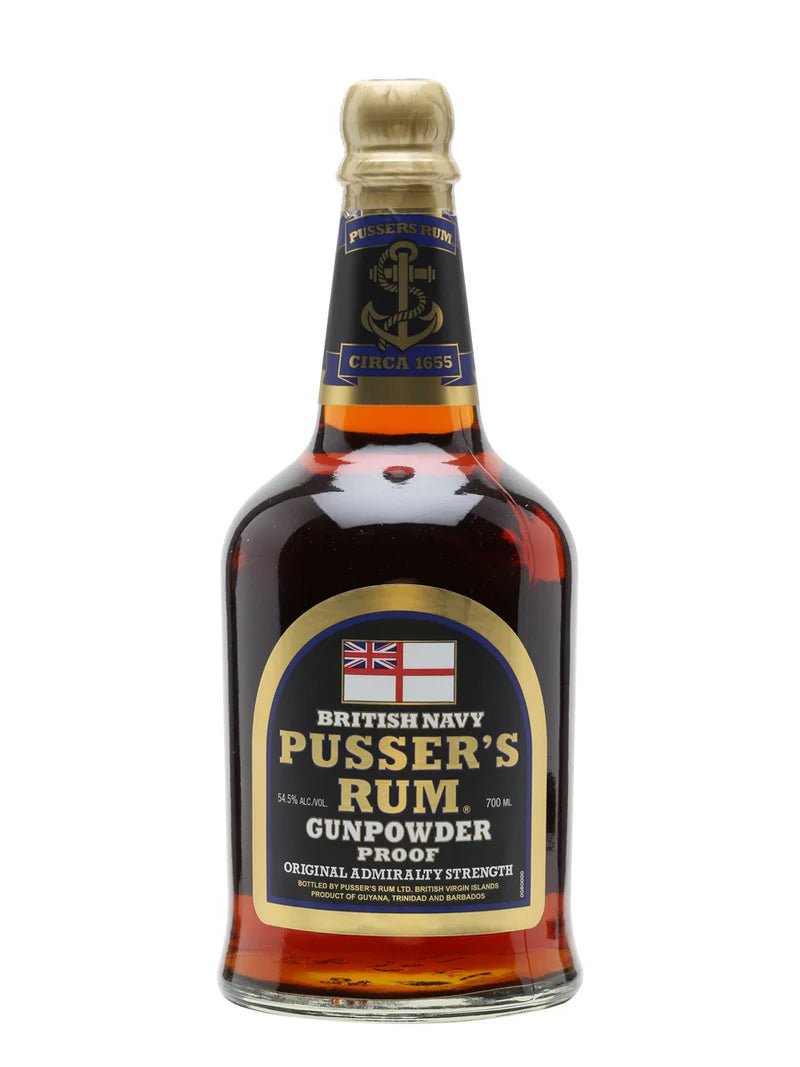
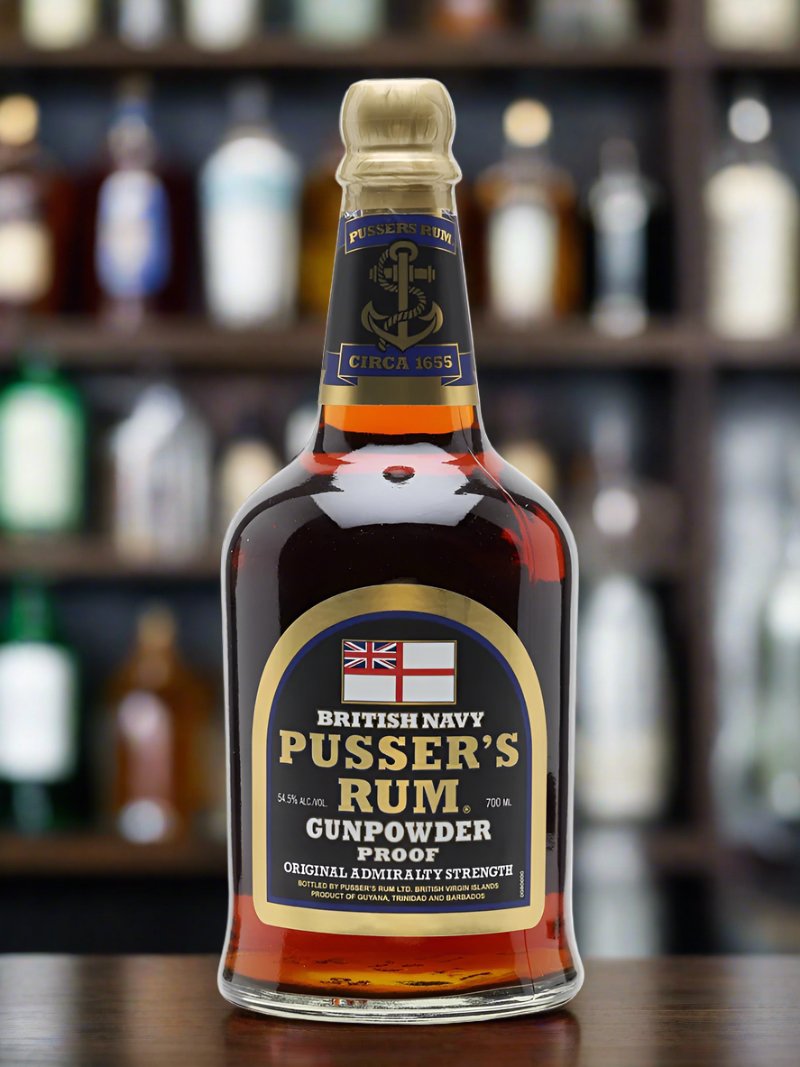
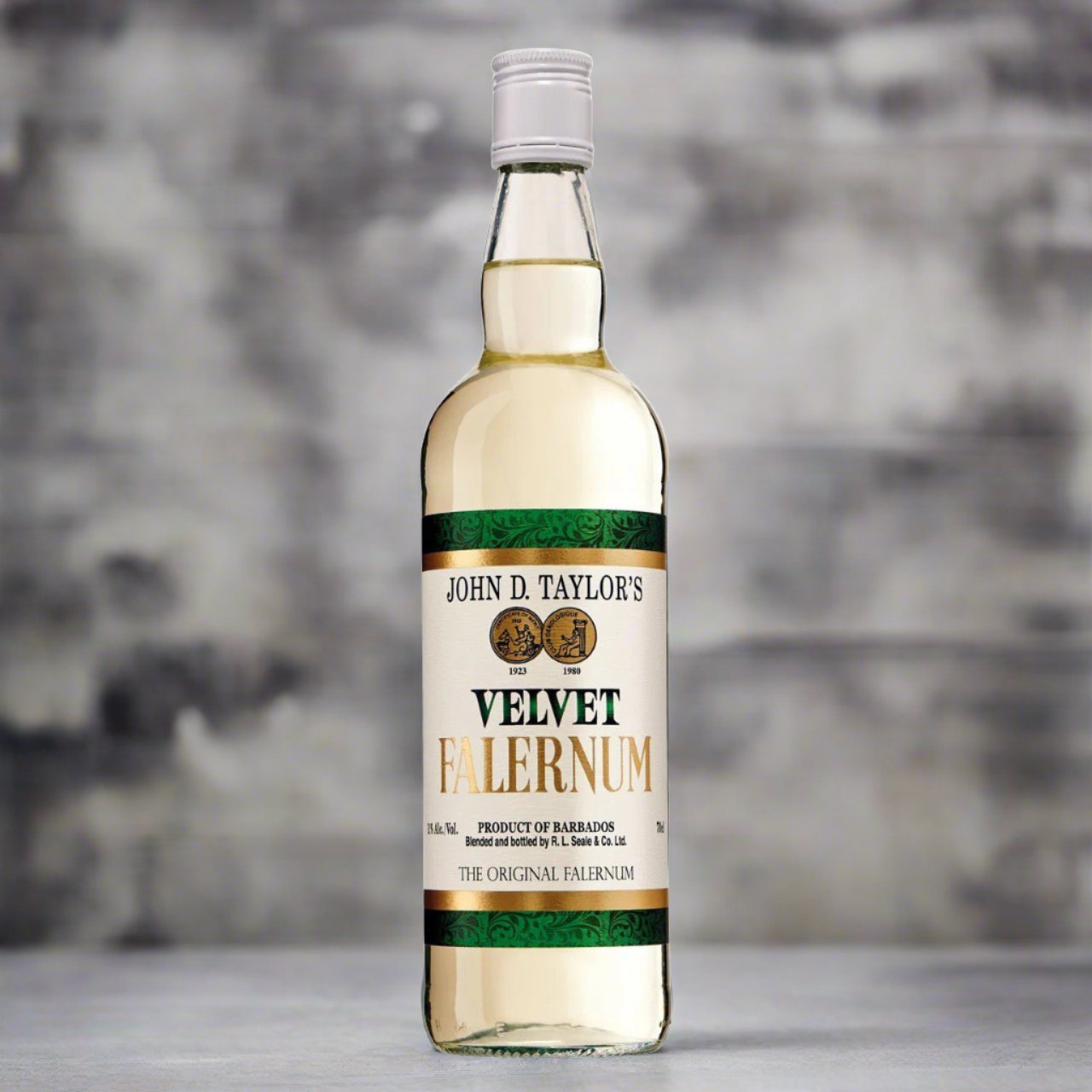
Pussers Rum Gunpowder Proof 54.5%ABV
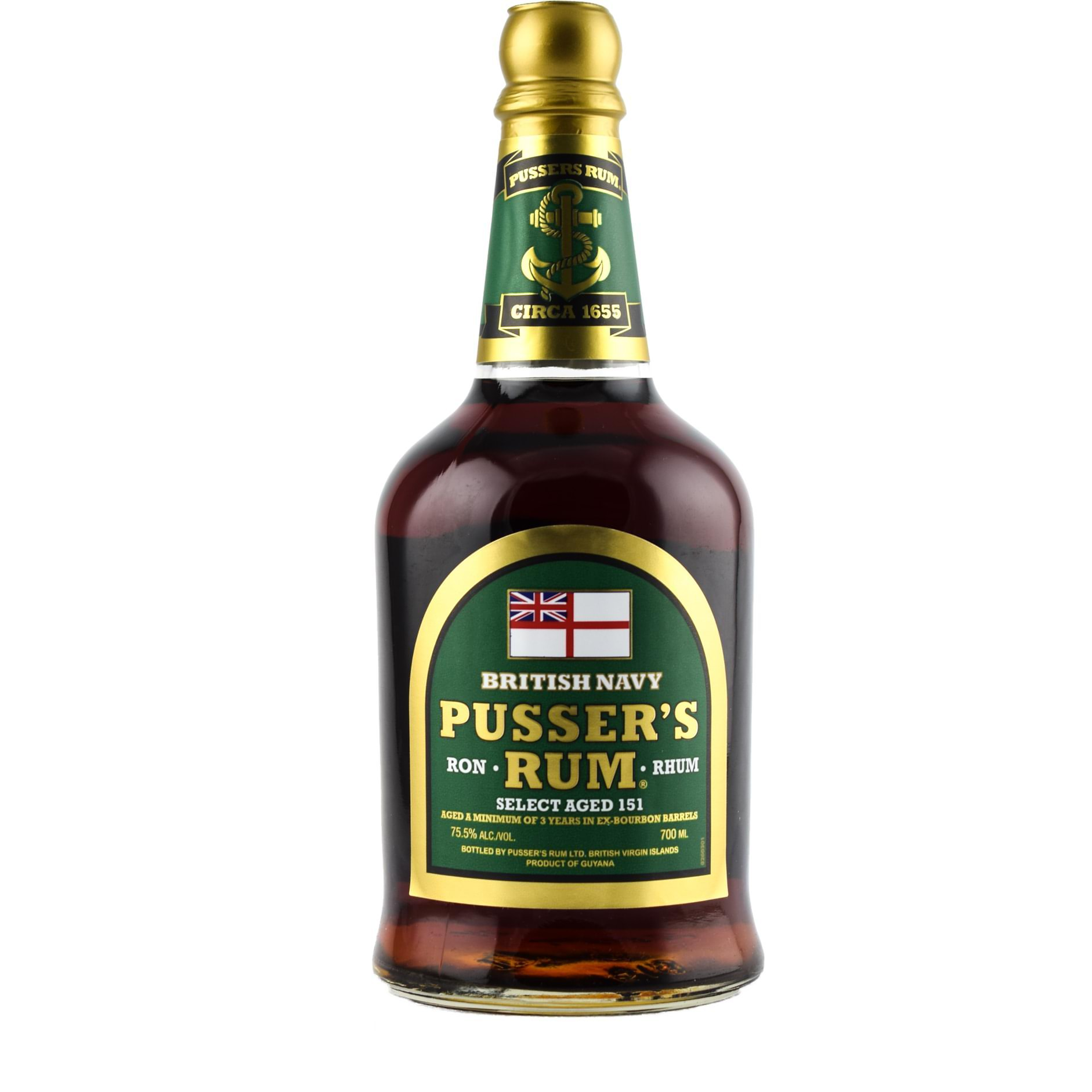
Pussers Rum 151 High Strength 75.5% ABV
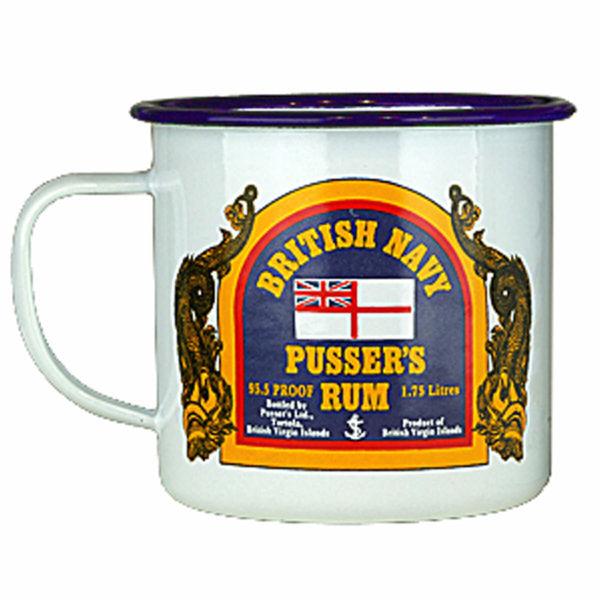
Pusser's Mugs
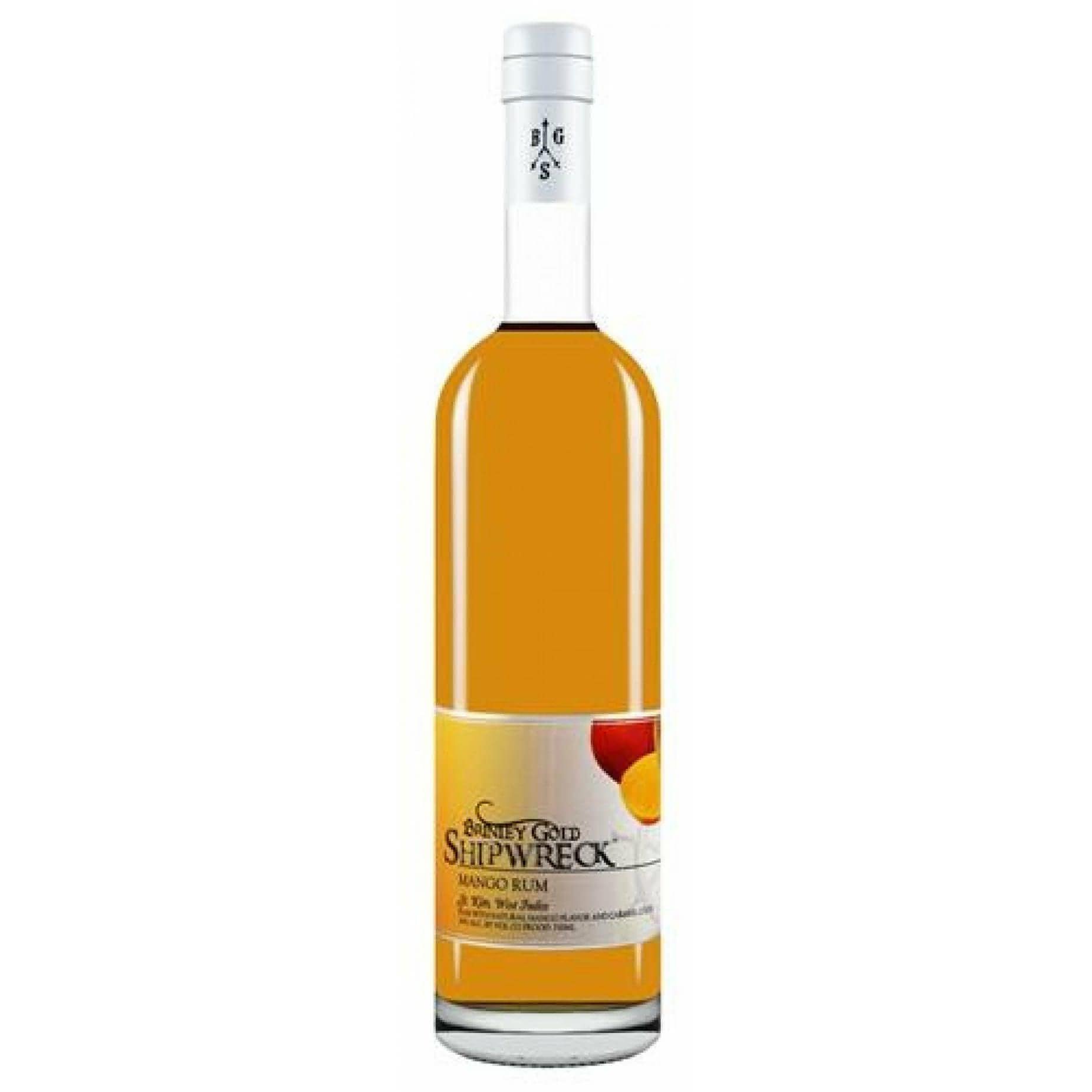
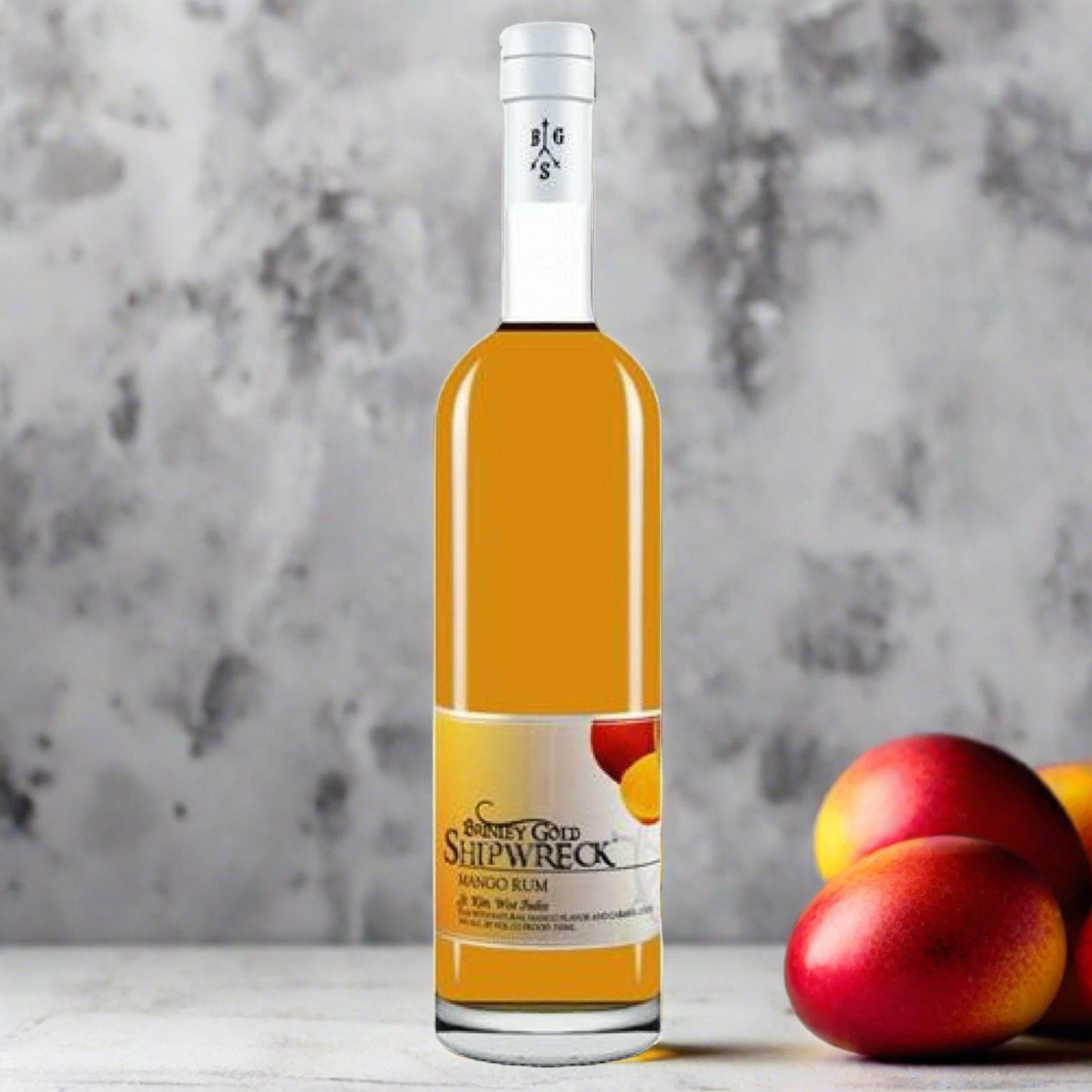
Shipwreck Mango Rum
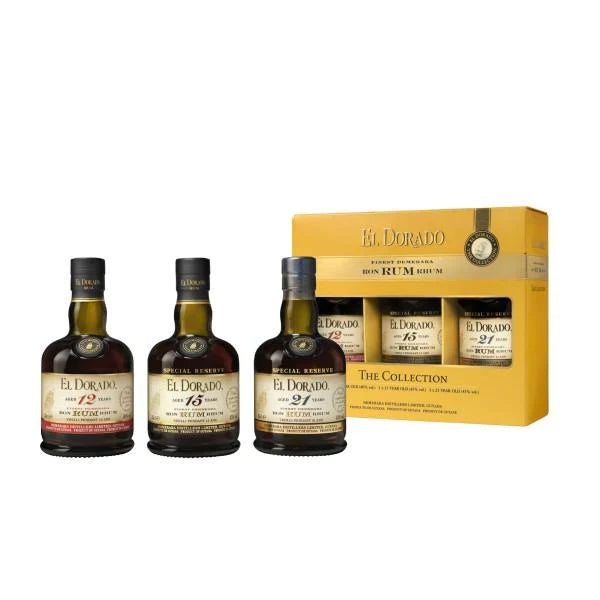
El Dorado Gift Pack Super Premium Rum
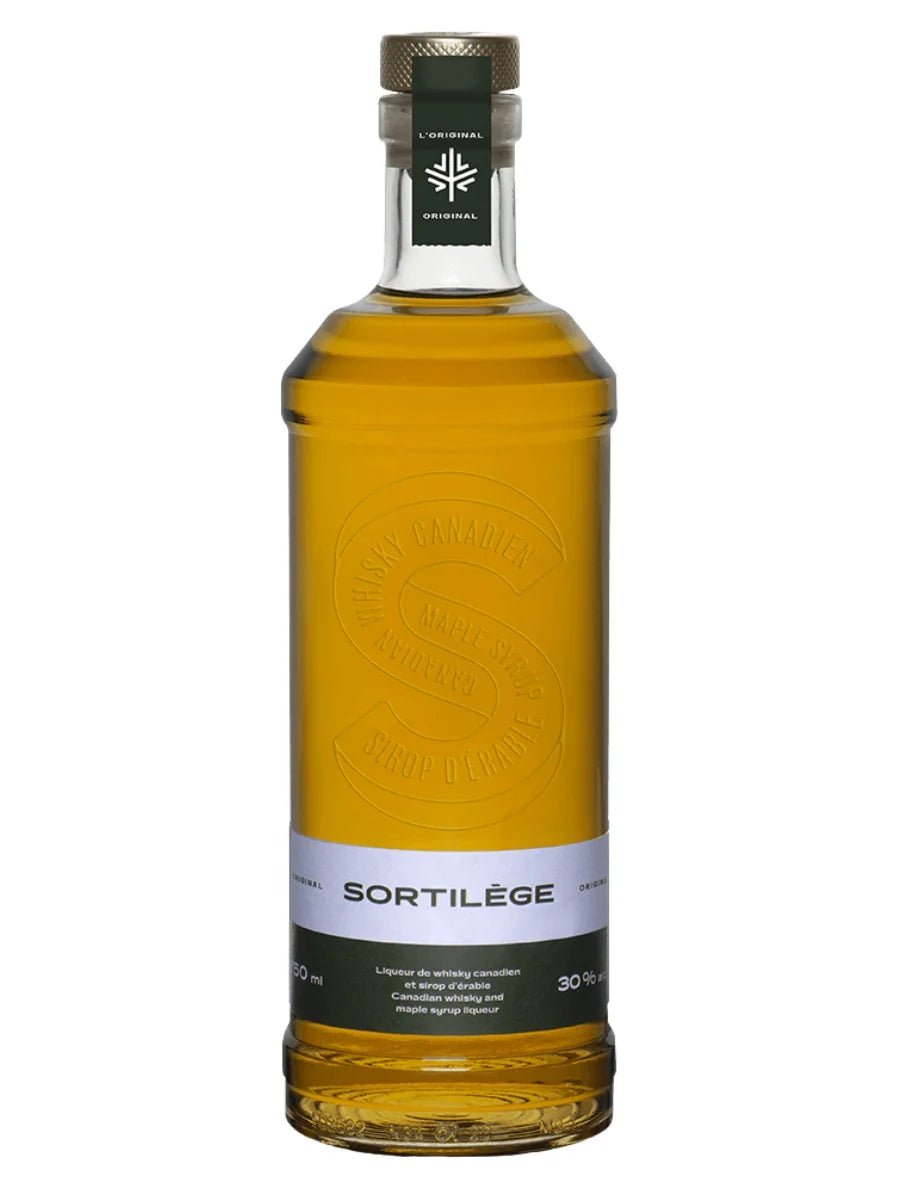
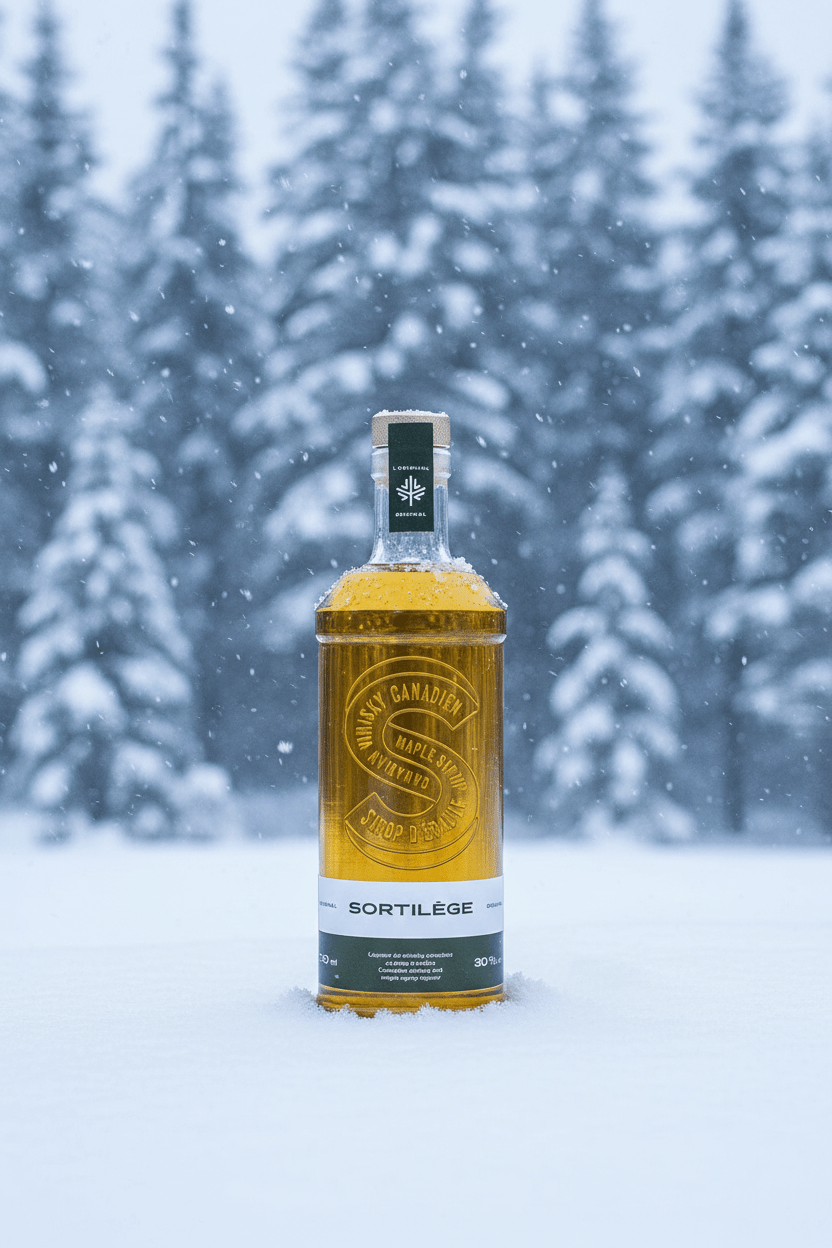
Sortilege Canadian Whisky and Maple Syrup 30% 700ml
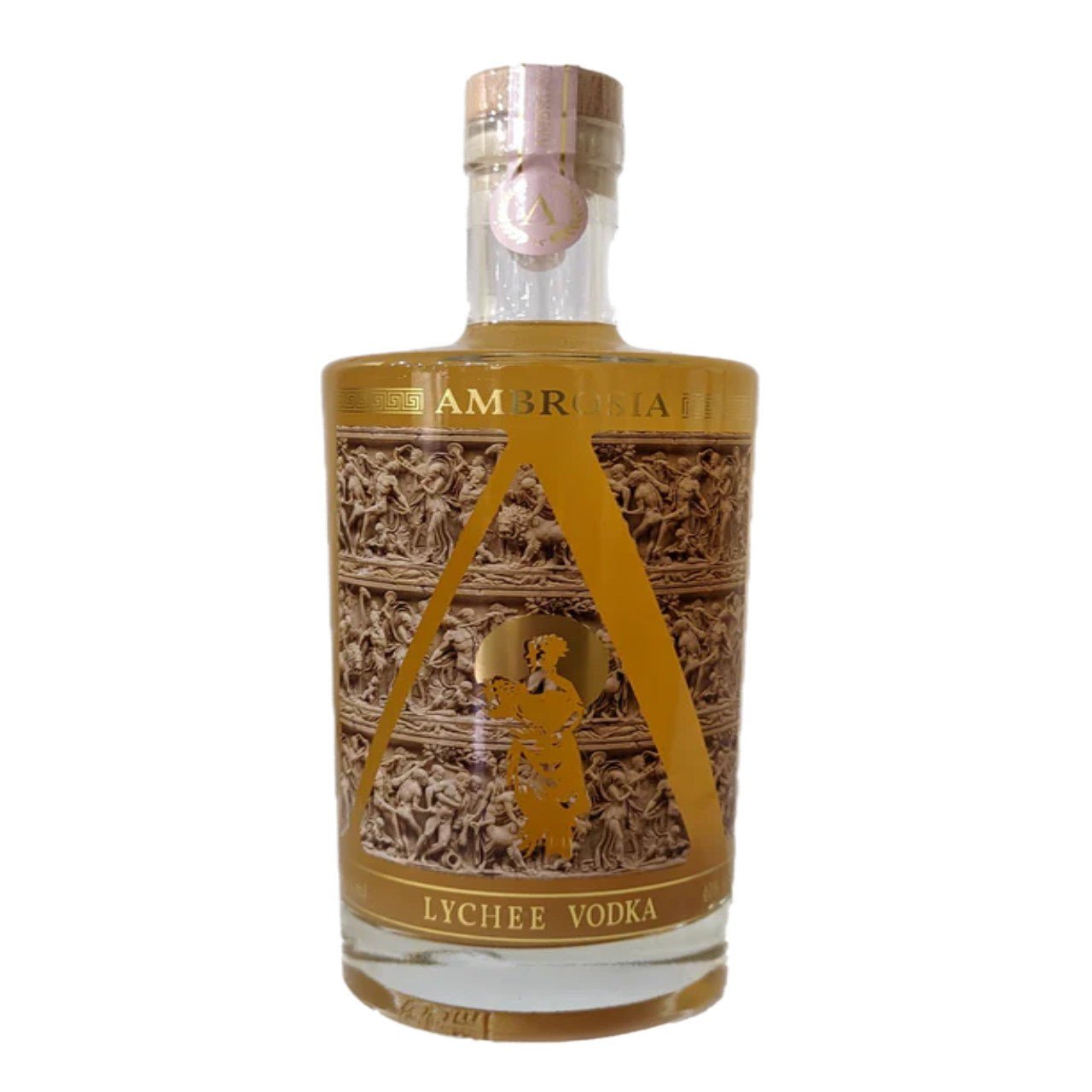
Ambrosia Lychee Vodka 700ml
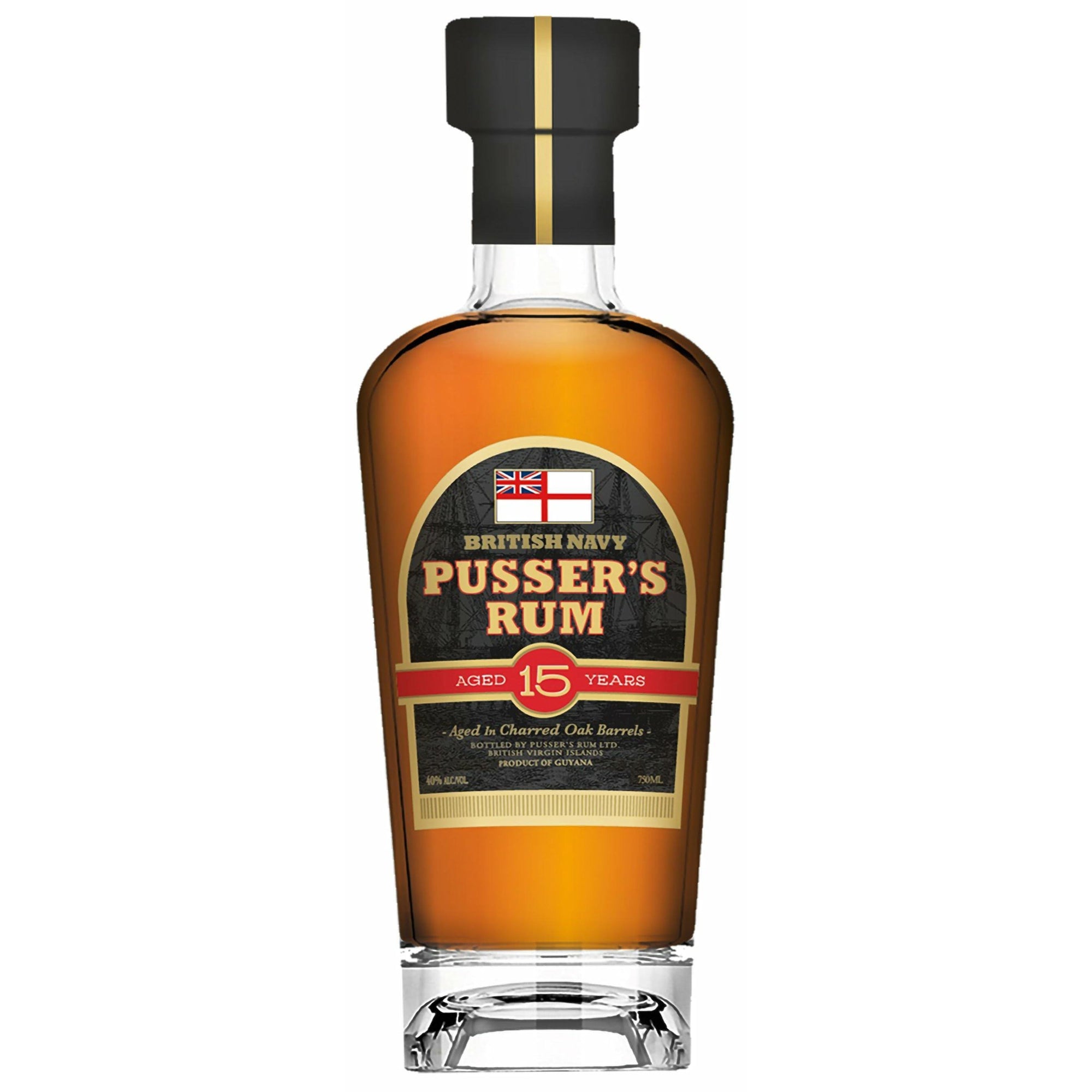
Pussers Rum 15yo "the Crown Jewel"

Dubonnet Rouge Aperitif 14.8% 750ml
Rhubi Mistelle Rhubarb Liqueur
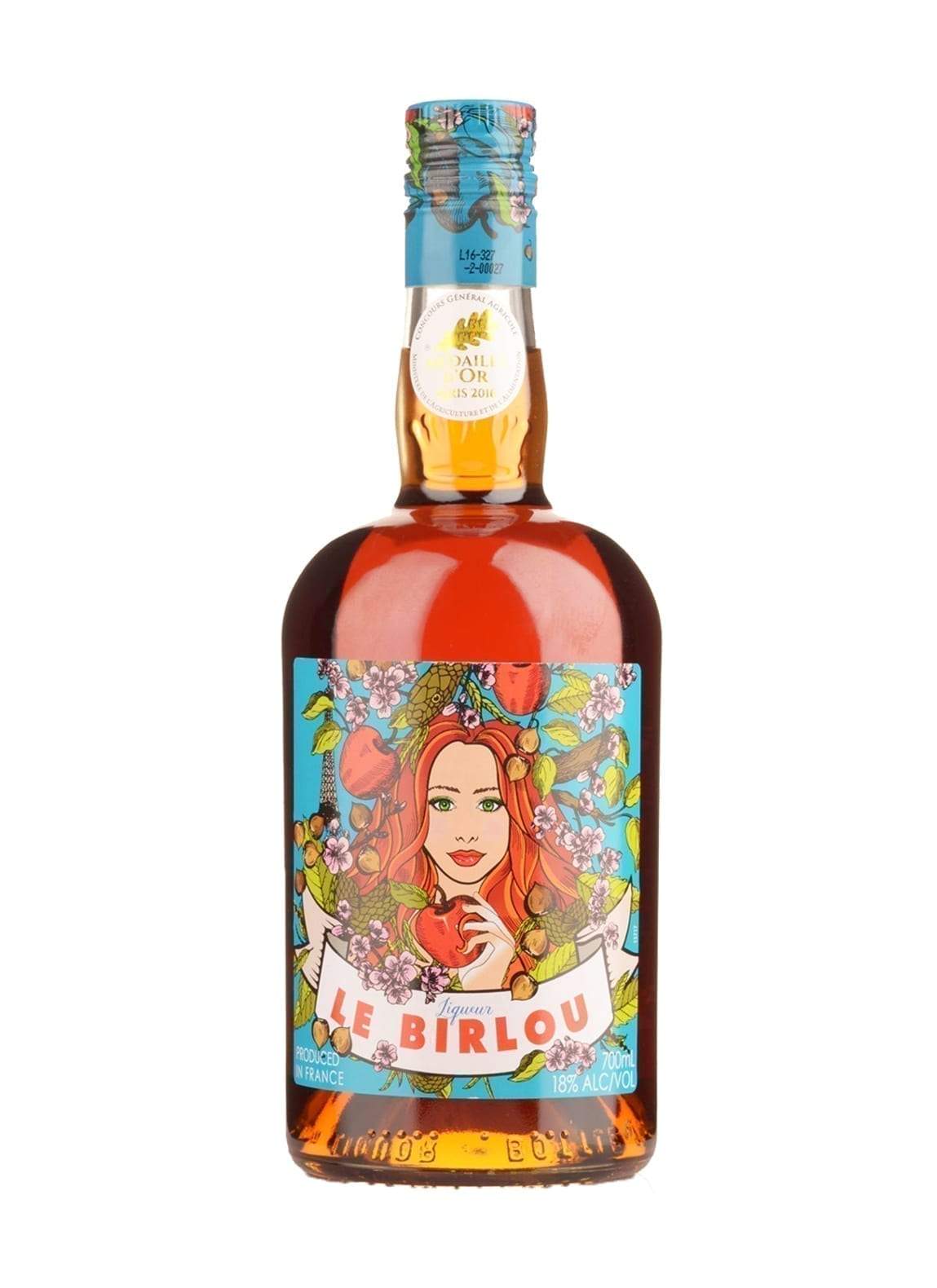
Vedrenne Aperitif 'Le Birlou' (Chestnut & Apple Liqueur) 20% 700ml
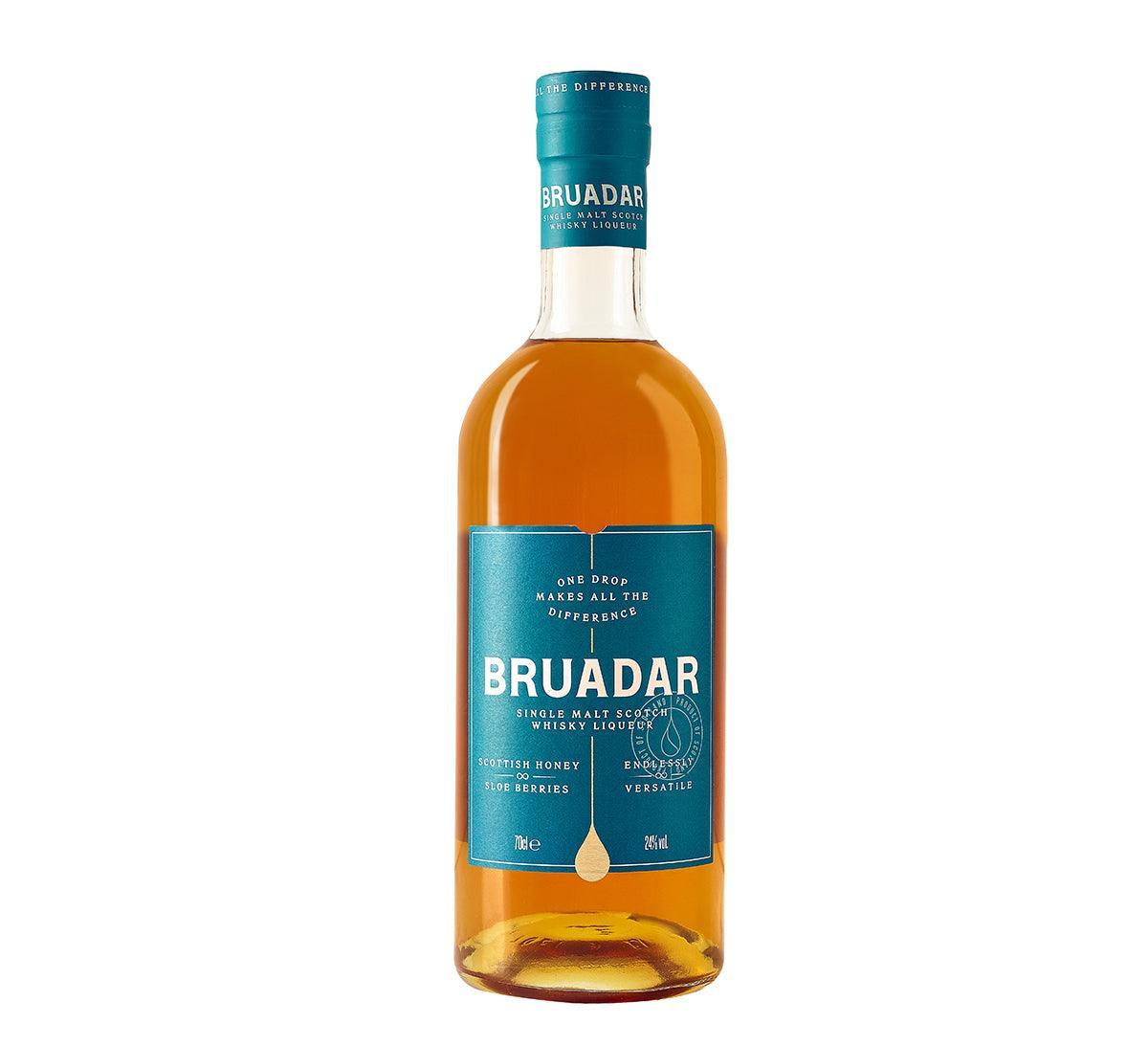

Bruadar Single Malt Scotch Whisky Liqueur 700mL
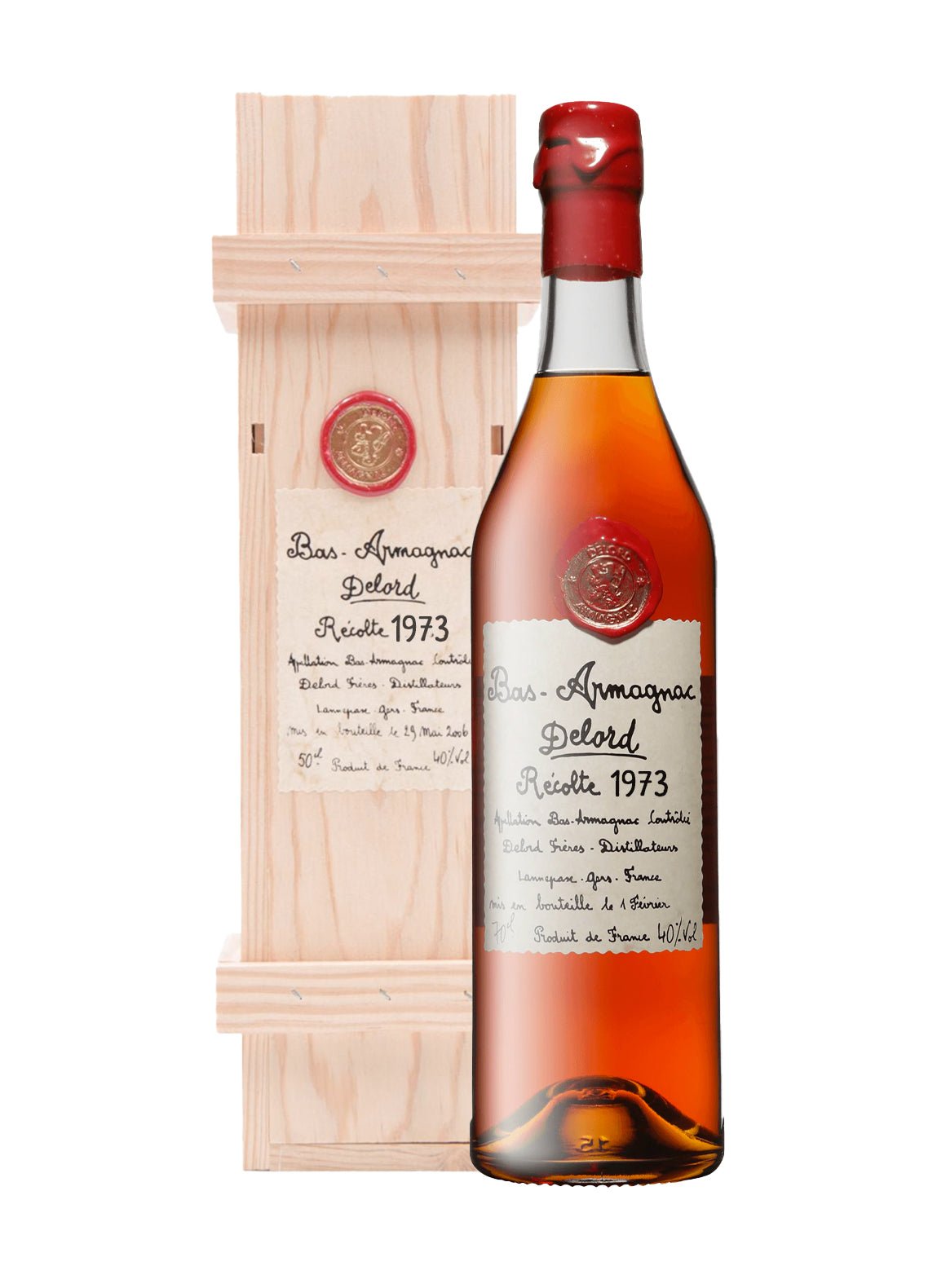
Delord 1973 Bas Armagnac 40% 700ml
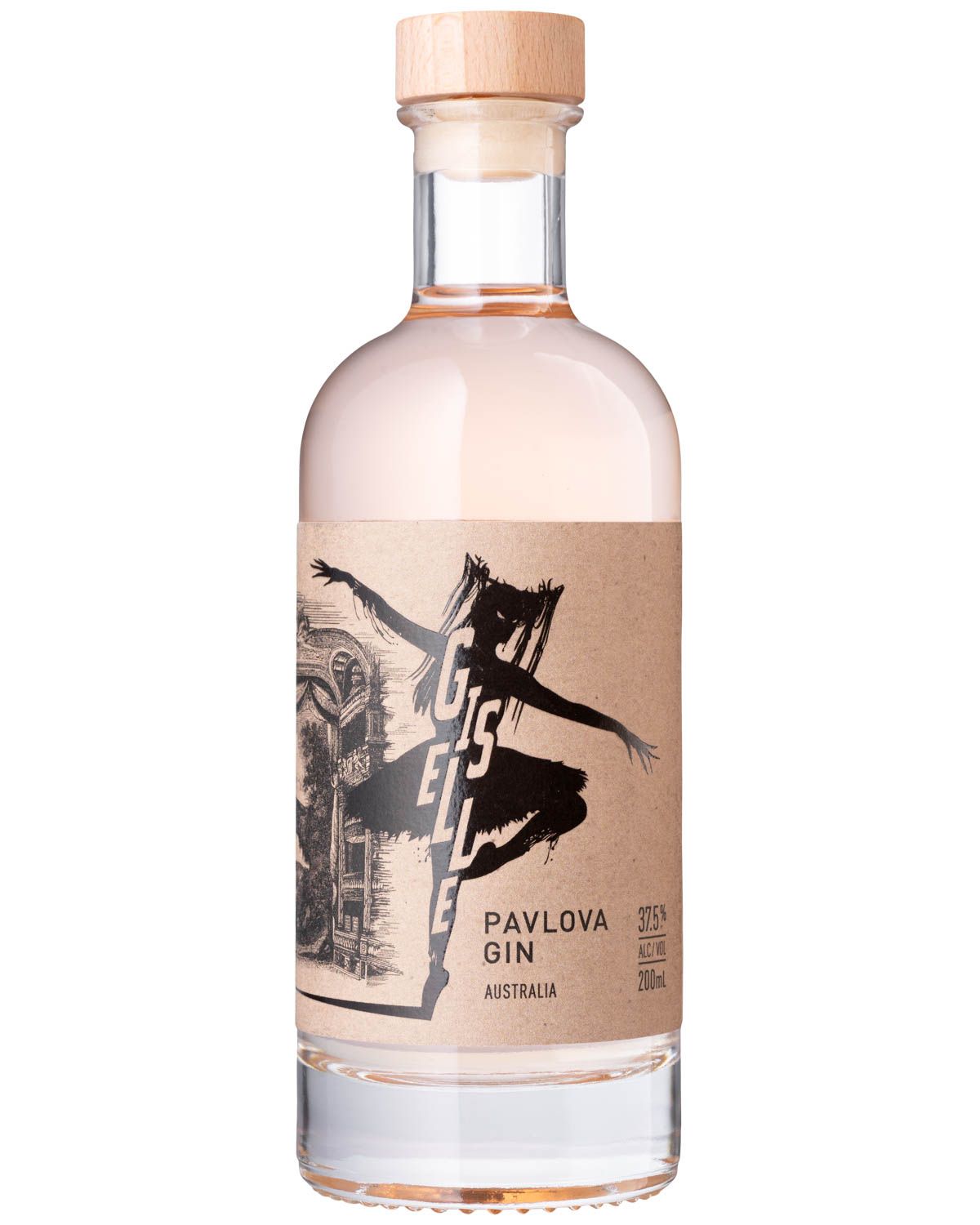
Giselle Pavlova Gin 37.5% 200ml
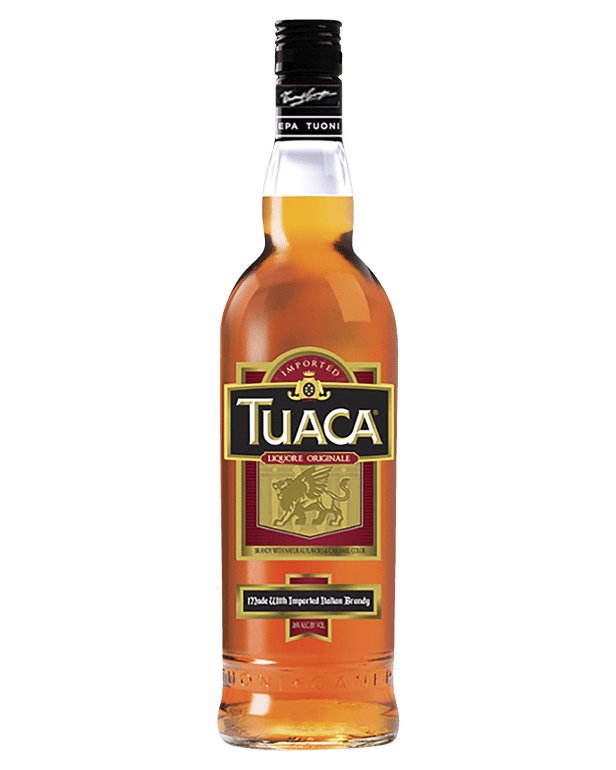
About Spirits
This page is the umbrella for everything distilled on the site, which makes it useful for browsing and slow for buying. The category pages below it are the better route if you already know what you are after.
By volume the range is unusual for an Australian retailer. Liqueurs make up more of this page than any other category, followed by rum, whisky and armagnac. Gin, cognac and calvados each hold a substantial block of their own, and then come aperitifs, vodka, vermouth, tequila, brandy, unaged fruit spirit, bourbon, mistelles, mezcal, marc, cachaca and absinthe.
By origin, France supplies more bottles here than everywhere else combined, which is what gives the armagnac, cognac, calvados, liqueur and marc pages their depth. Australia comes next, concentrated in gin, whisky, vodka, liqueur and vermouth from distillers such as Archie Rose, Starward, Lark, Bakery Hill, Four Pillars, Maidenii, Never Never and Canberra Distillery. After those two come Martinique, Italy, the United States, Scotland and Mexico, then Mauritius, Japan, Guyana, Barbados, Guadeloupe, Canada, Germany, St Kitts, Haiti and a short tail of others.
That shape is worth saying plainly, because it tells you where the range is deep and where it is thin. If you want cane juice rum from Martinique, single vintage armagnac, Normandy apple brandy or a French fruit liqueur, there is a great deal to choose from. If you want Islay single malt or Kentucky bourbon, the selection is real but smaller.
Brandy is the category most people find hardest to navigate, and our brandy guide sets out how cognac, armagnac and calvados differ. For the cane side, types of rum explained does the same job.
History
Distilling reached Europe through the Arabic speaking world, where the still was refined for perfume and medicine, and the technique moved north through Spain and Italy from around the twelfth century. The early European stills were worked by apothecaries and by religious houses, and the language has stuck: aqua vitae, eau de vie, uisge beatha and akvavit all say water of life in different tongues.
What turned a medicinal curiosity into a trade was agriculture. Distillers worked with whatever the local farm produced. Grain in Scotland and Ireland, wine in Gascony and the Charente, apples and pears in Normandy, sugar cane in the Caribbean after European colonisation, agave in Mexico, stone fruit in Alsace and the Vosges. Most of the categories on this page are simply that local answer, carried forward and then protected by law.
Protection came late. Cognac, armagnac and calvados were given defined boundaries and rules in the first half of the twentieth century, and tequila, mezcal and the cane juice rum of Martinique followed with denominations of their own. A modern label is legible because of those systems: it tells you where the spirit is from, what it was made from, and often how long it spent in wood.
The continuous still, patented in the 1830s, split the industry in two. It made light, high strength spirit cheaply, which is the basis of most vodka, gin and blended whisky. Pot distilling stayed with the categories that wanted the raw material to show through.
Australia's own distilling industry is the newest part of this page, largely rebuilt since the 1990s after licensing rules changed.
How to drink it
Start with the strength on the label, because it sets the measure. Most of what is here sits between 37 and 50 per cent, and a standard pour of 30ml is the sensible unit for a spirit meant to be sipped.
Neat is the default for anything aged in wood. A small tulip shaped glass concentrates the aroma better than a tumbler, and a few drops of water genuinely change what you taste in a cask strength whisky or a high proof rum, opening out the fruit and softening the alcohol. Add it slowly and stop when it tastes right to you.
Ice is a trade off. It dulls aroma and thickens texture, and one large cube melts far more slowly than several small ones, which matters if you want the drink to stay the same from the first sip to the last.
Unaged and lightly aged spirits are usually better cold or mixed. Vodka, blanco tequila, white rum and most unaged fruit spirit are made for that. Gin belongs with tonic or in a stirred drink.
Aperitifs, vermouth and mistelles are lower in strength and belong in the fridge once opened, where they hold for a few weeks rather than indefinitely. Everything above about 20 per cent is stable in the bottle for years if kept upright, out of sunlight and away from heat, though a bottle that is almost empty will fade over months because of the air above the spirit.
Drink less of something good rather than more of something ordinary.
Buying for somebody else is a different exercise entirely, and our gift guide by personality matches a bottle to the person rather than to the occasion.