
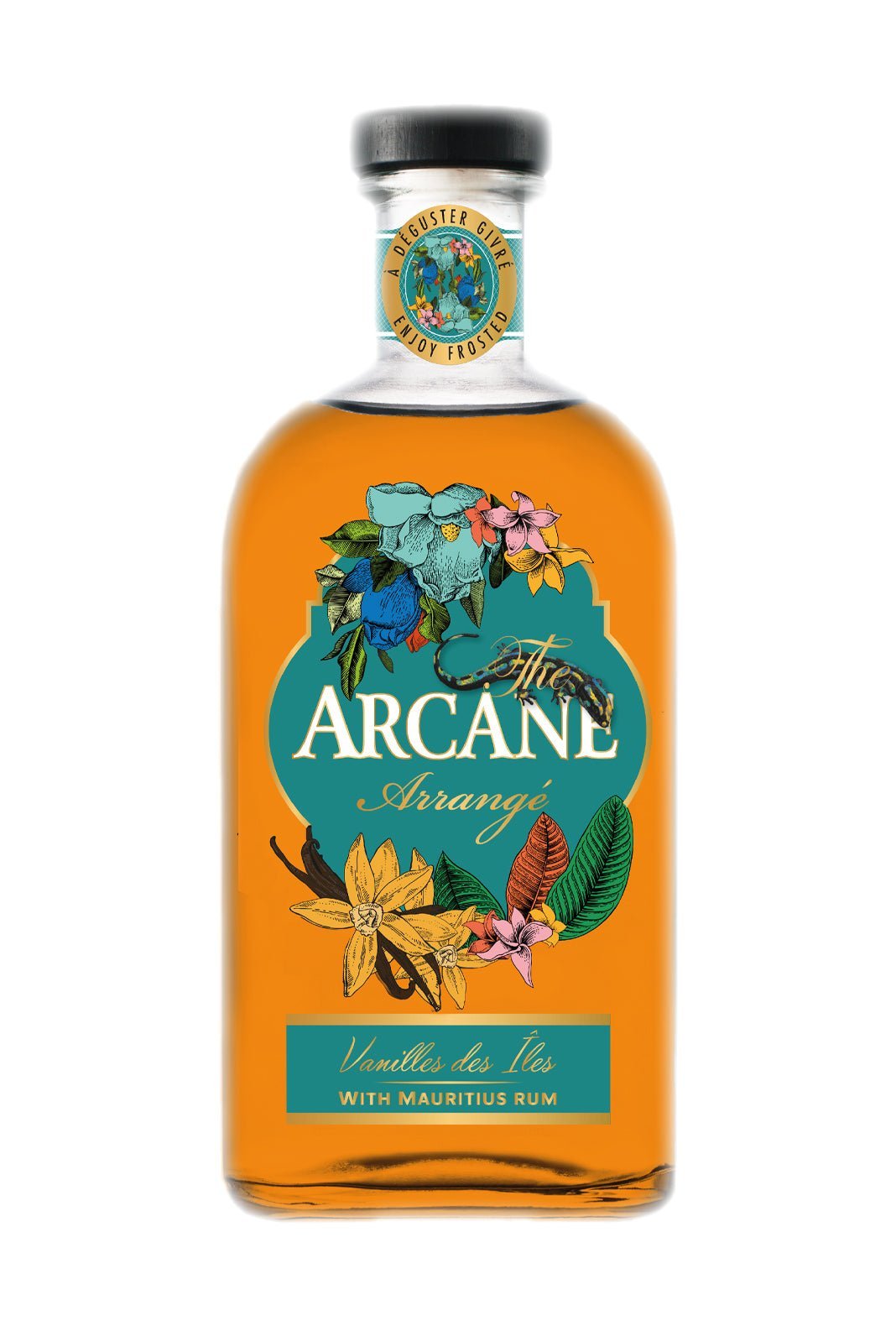
Arcane Rum Arrange Vanilla 40% 700ml
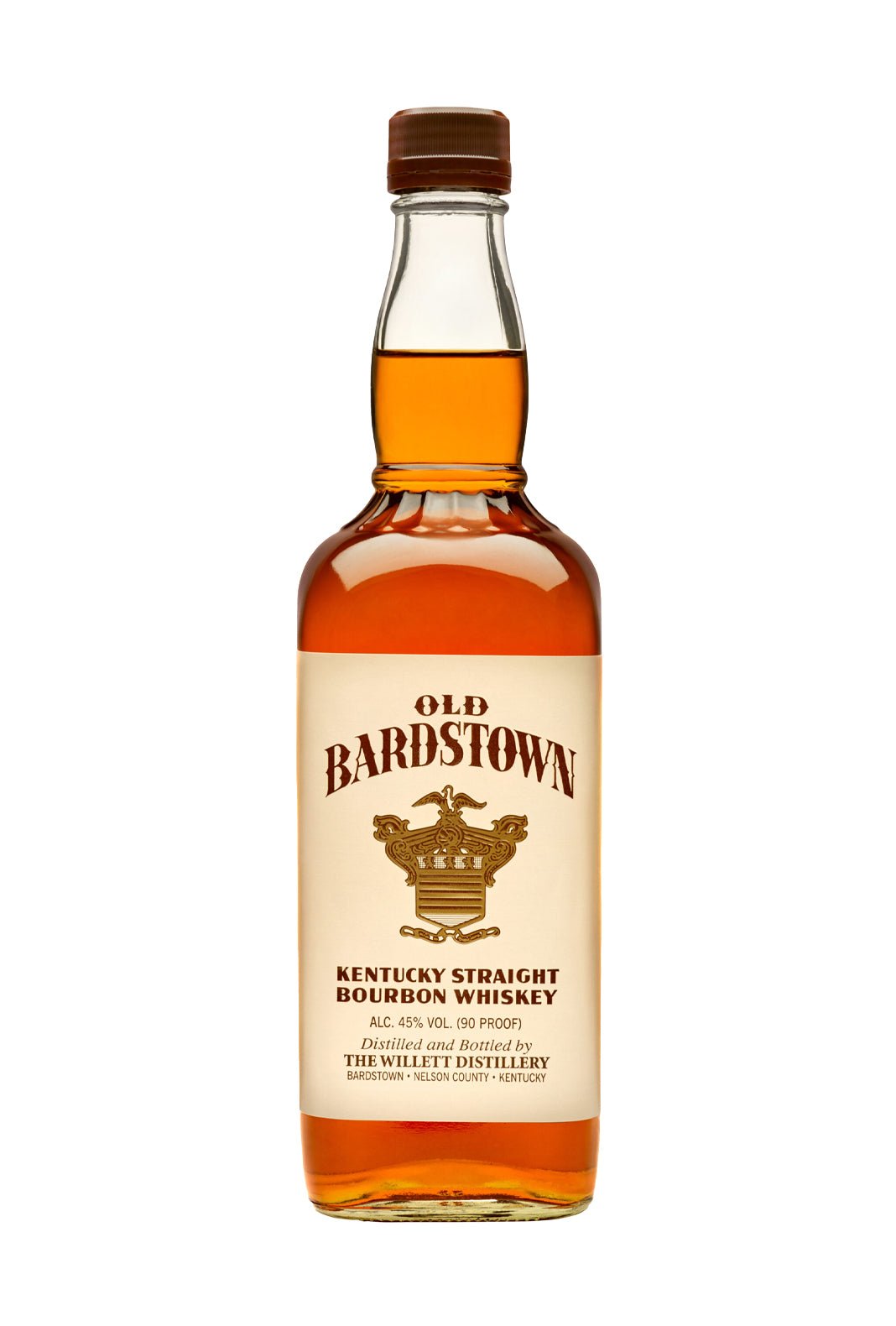
Willett Old Bardstown 45% 750ml
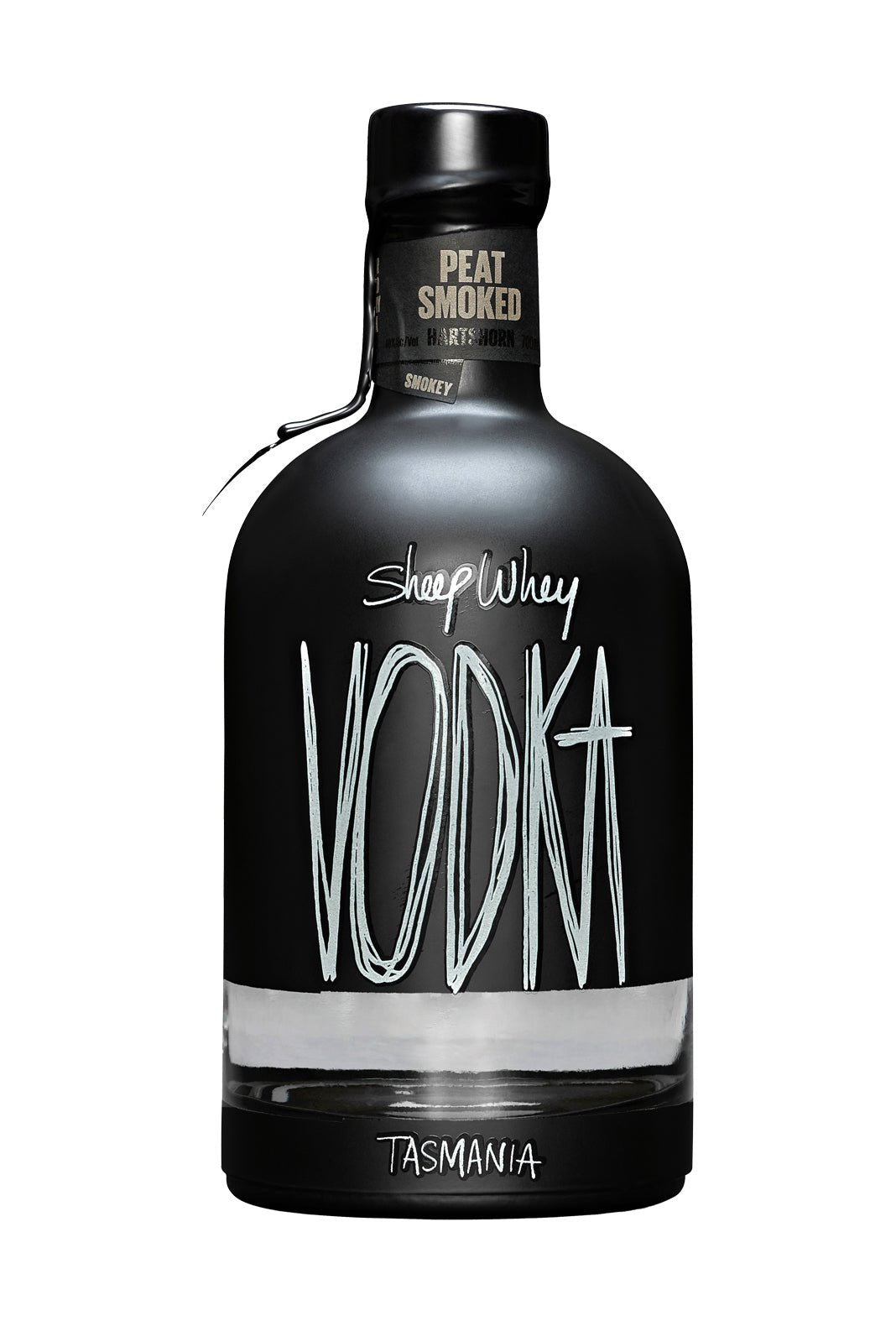
Hartshorn Peat Smoked Sheep Whey Vodka 40% 500ml
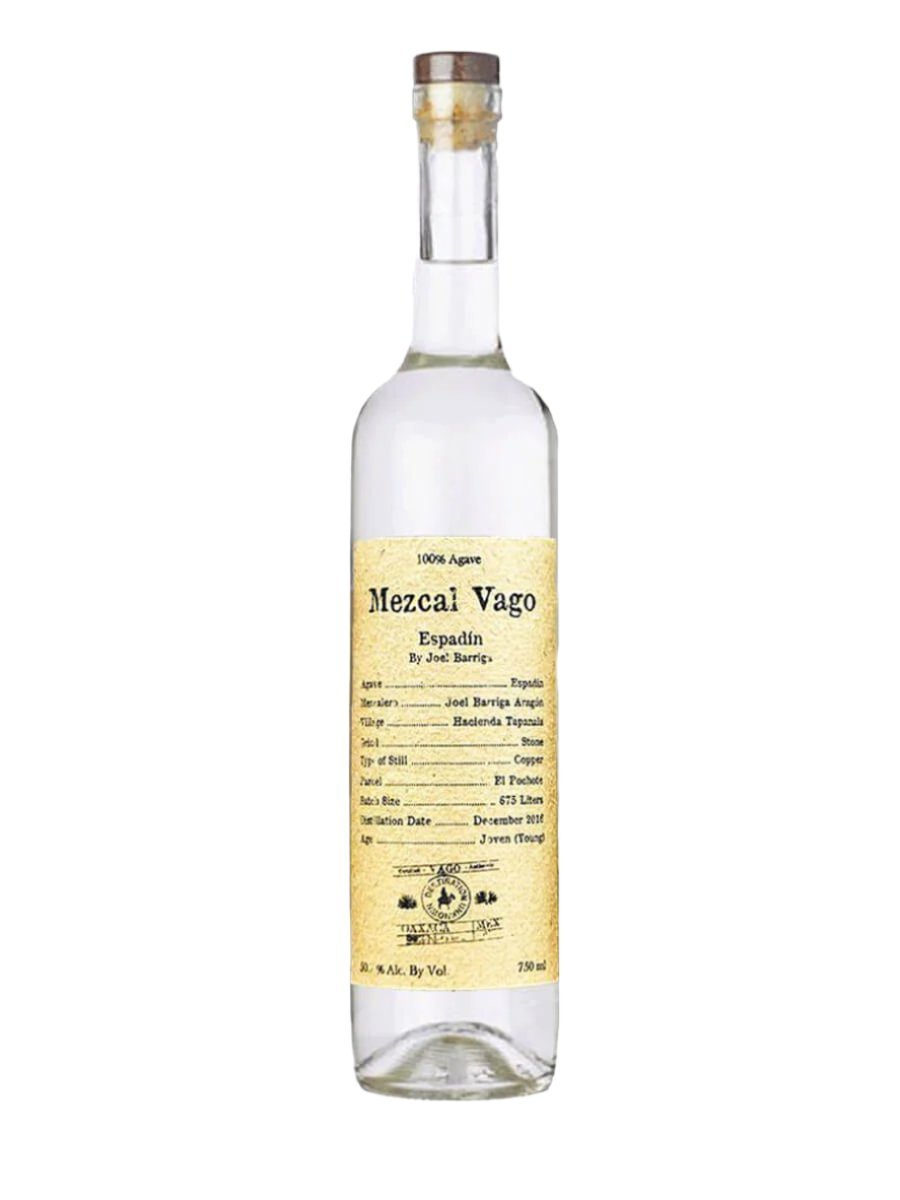
Vago Espadin Mezcal Barriga 50.5% 700ml
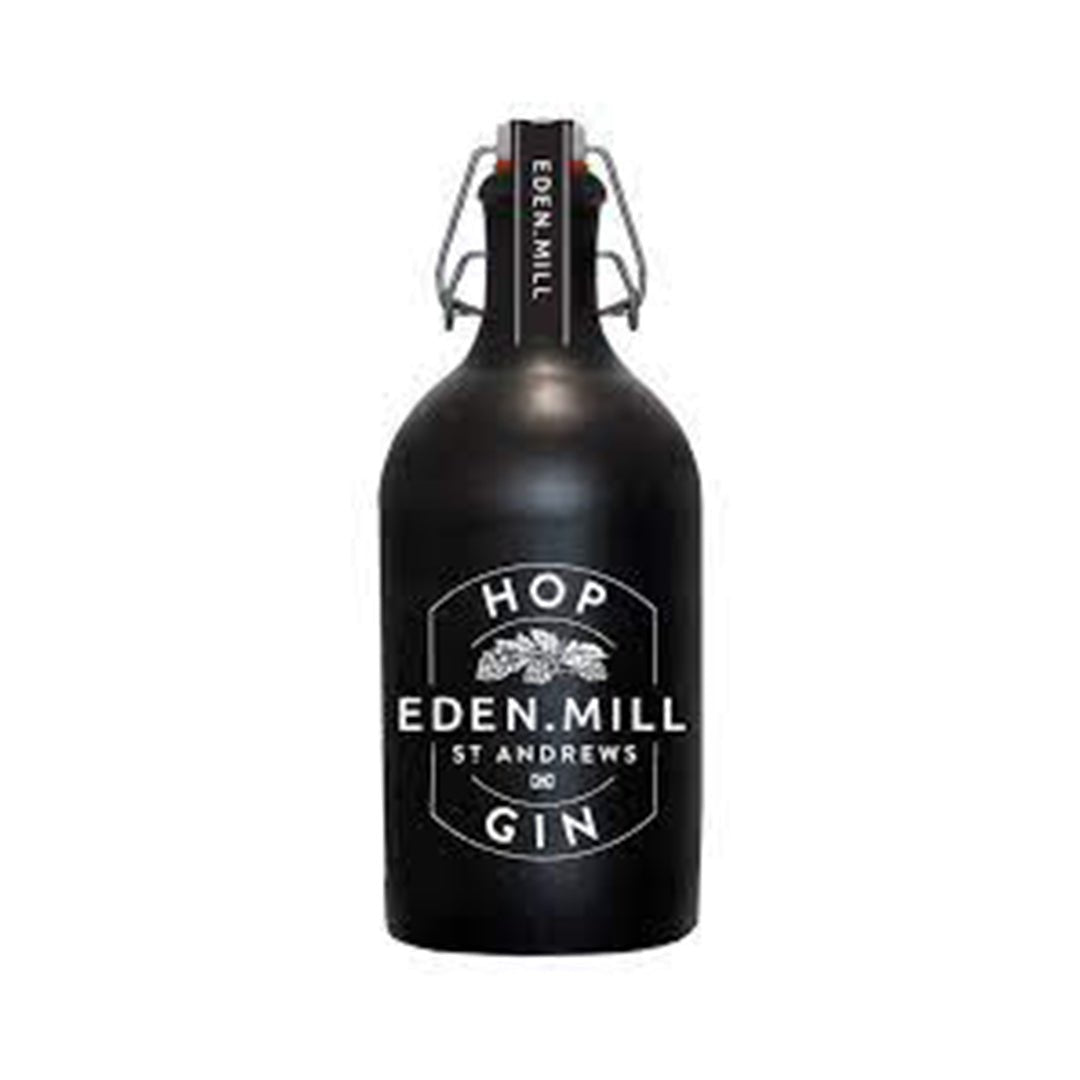
Eden Mill Hop Gin 46% 500ml
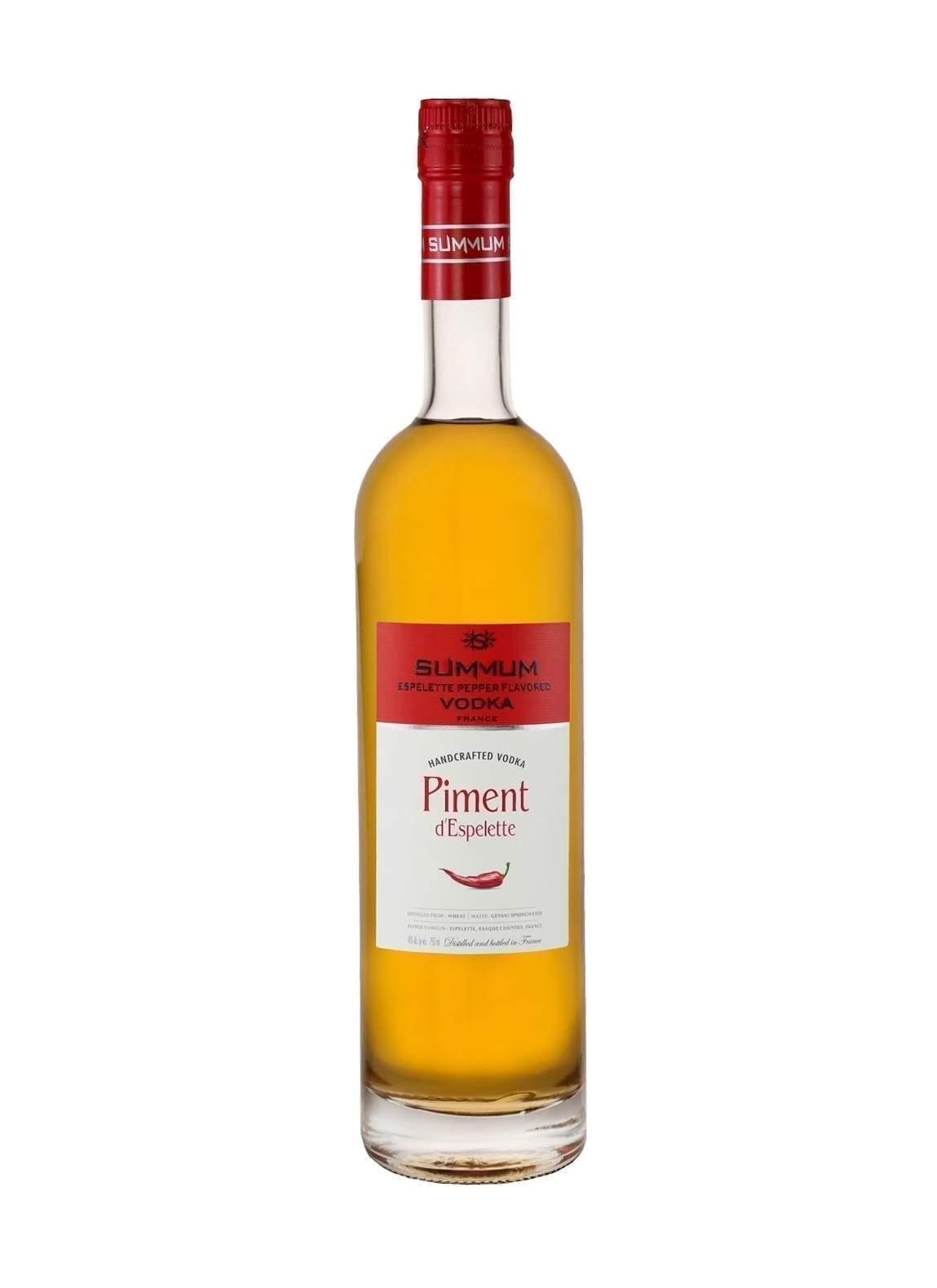
Summum Chilli Vodka 40% 750ml
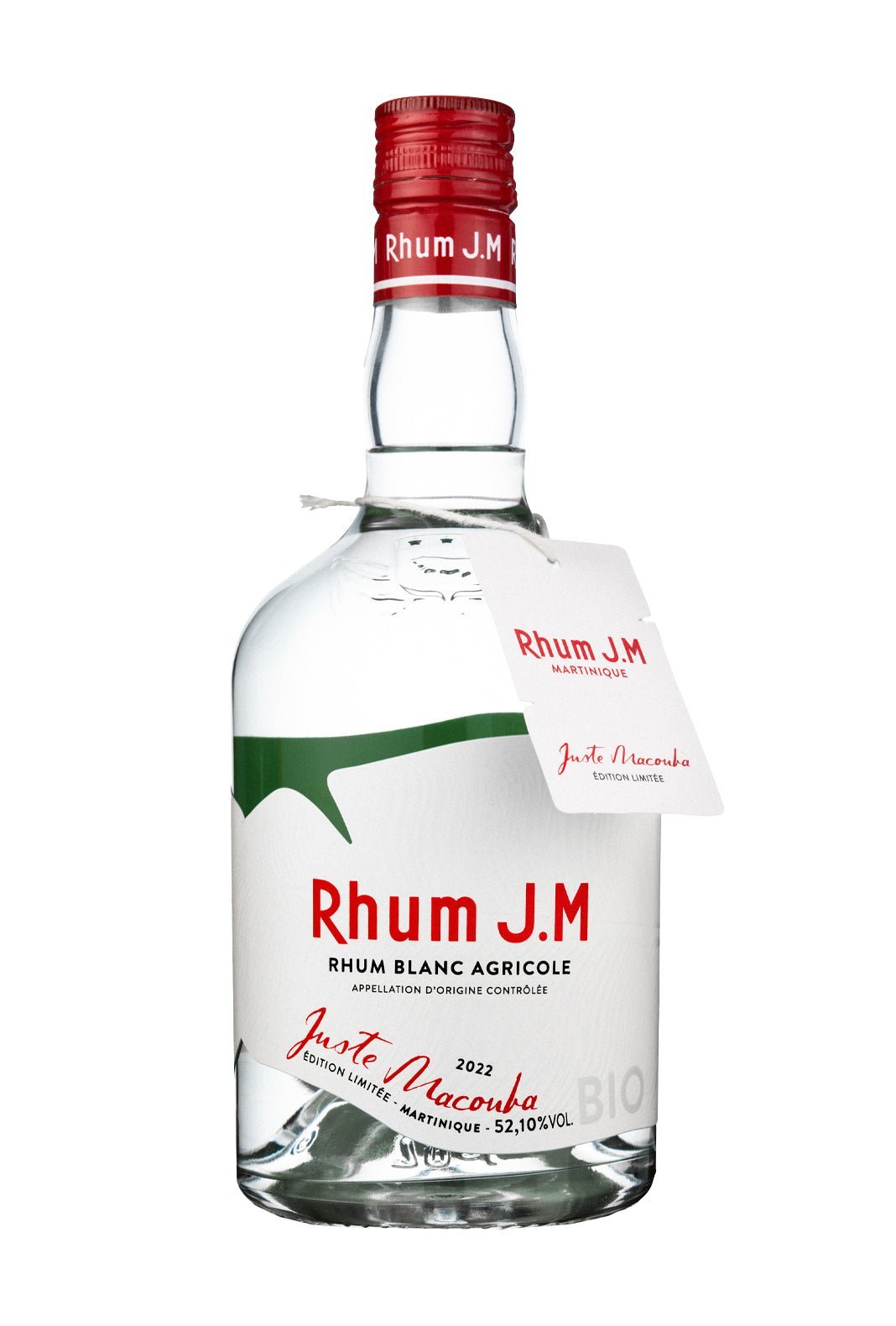
JM Rhum Juste Bio Macouba White 52.1% 700ml
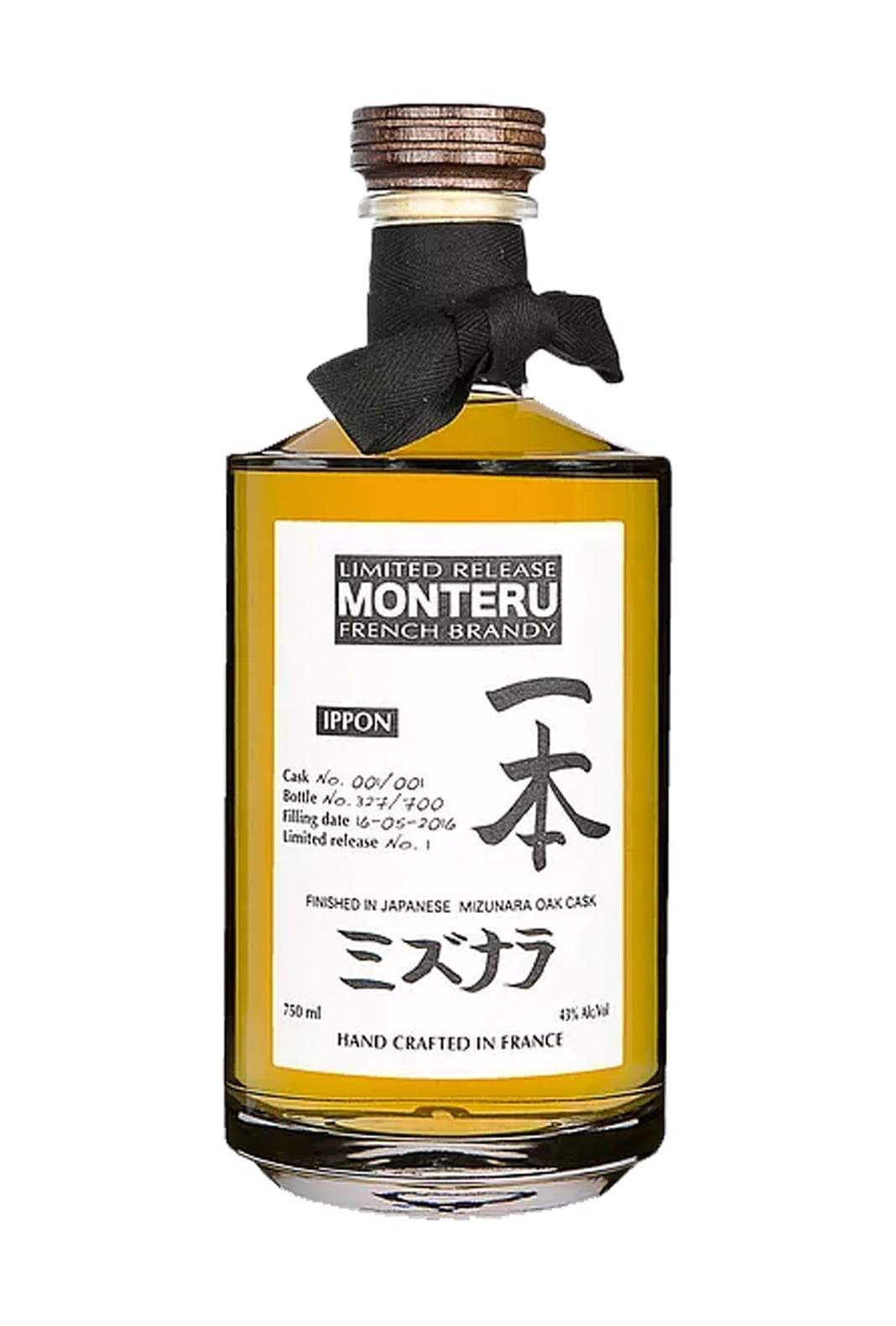
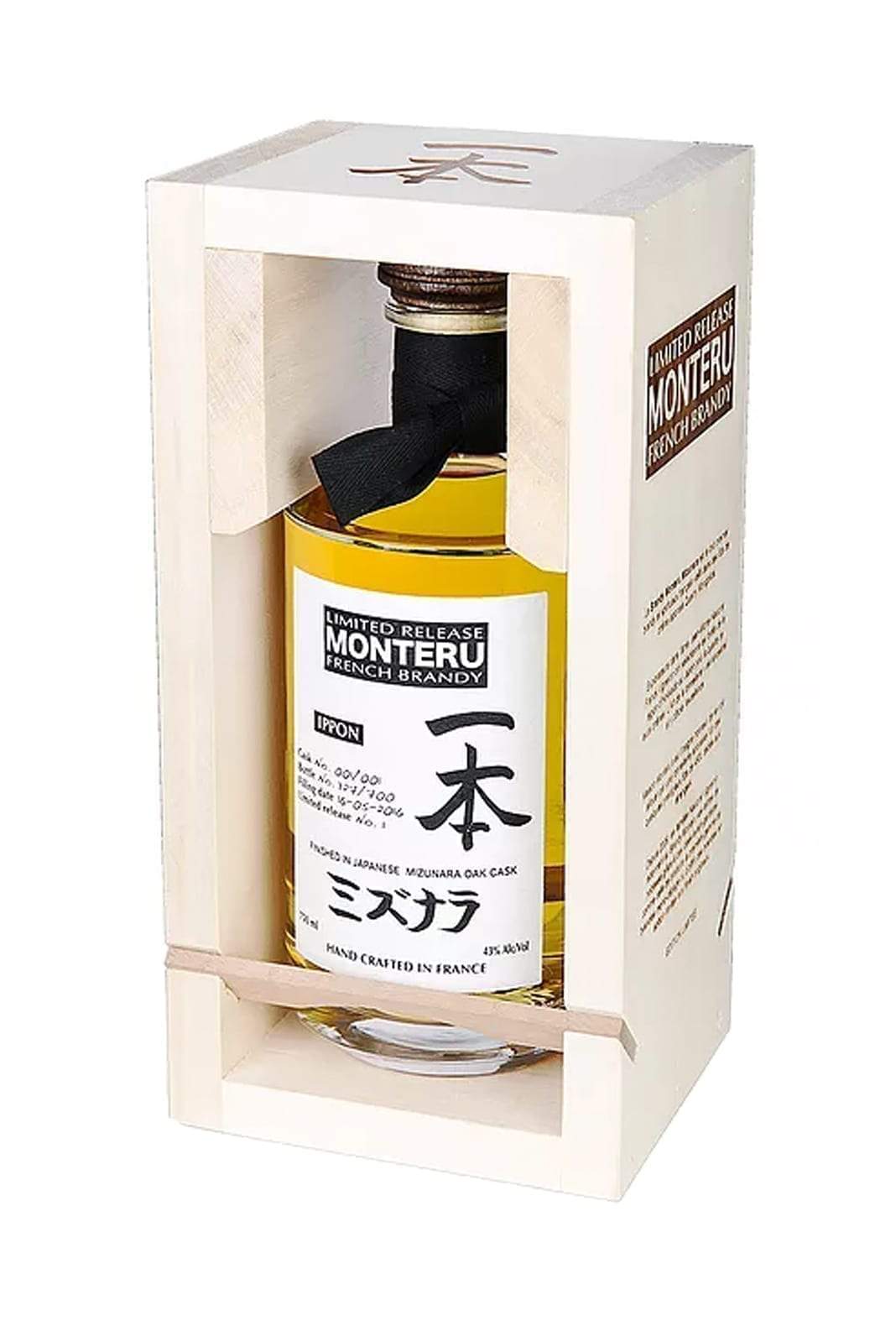
Naud Monteru Mizunara Cask Finish 43% 700ml
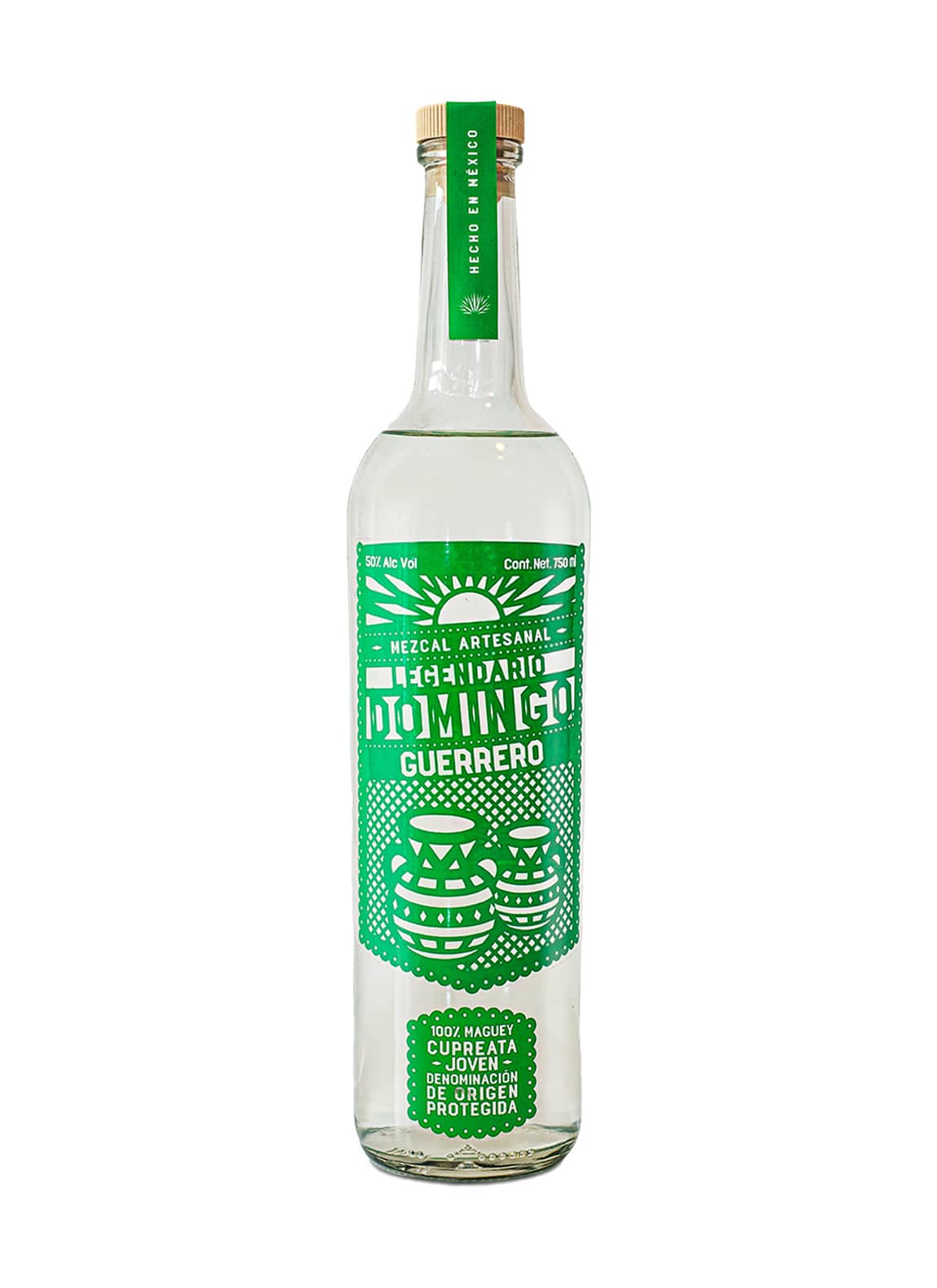
Domingo Mezcal Guerrero Papalote 47% 700ml
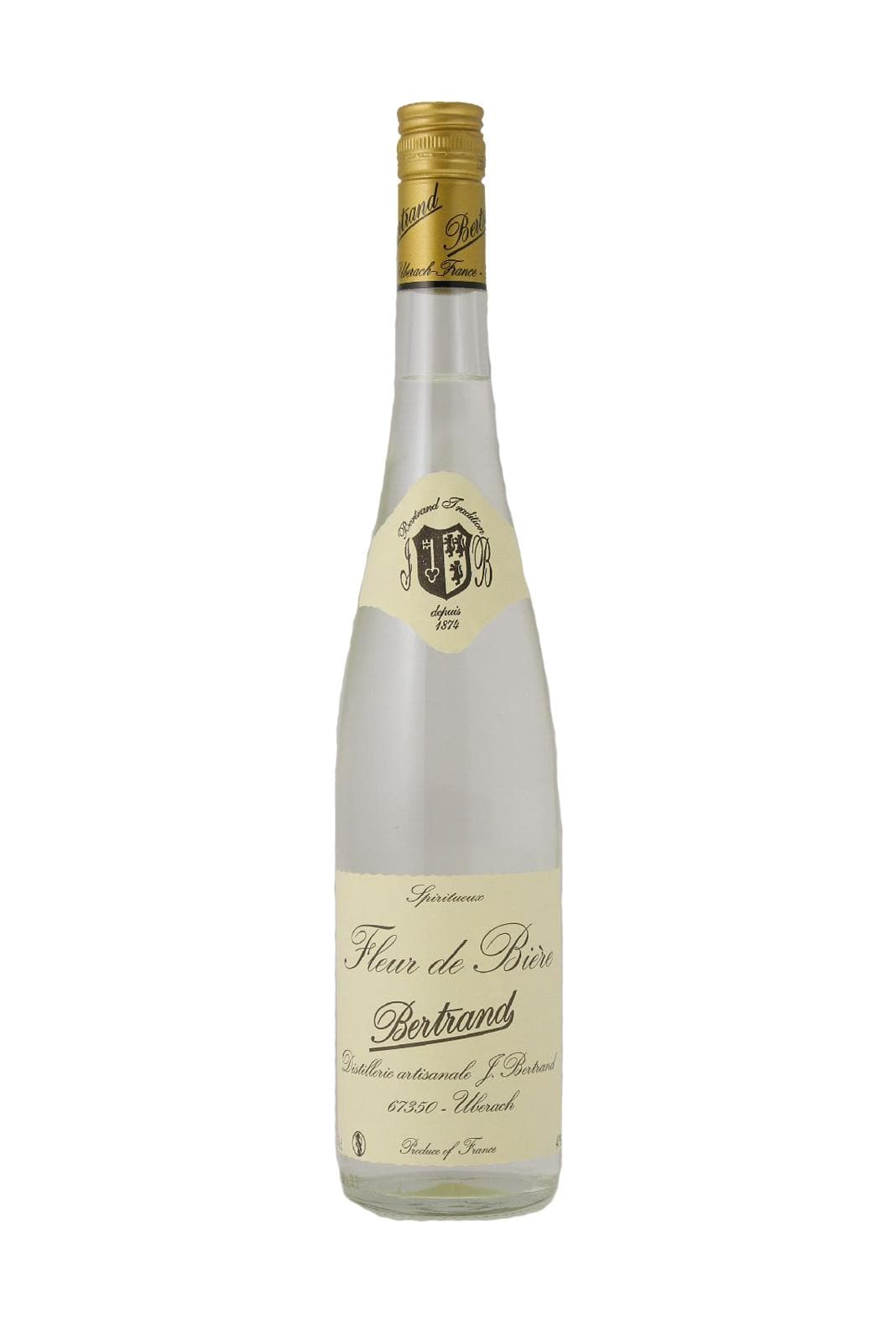
Bertrand Eau de Vie de Fleur de Biere (Distilled Beer) 40% 700ml
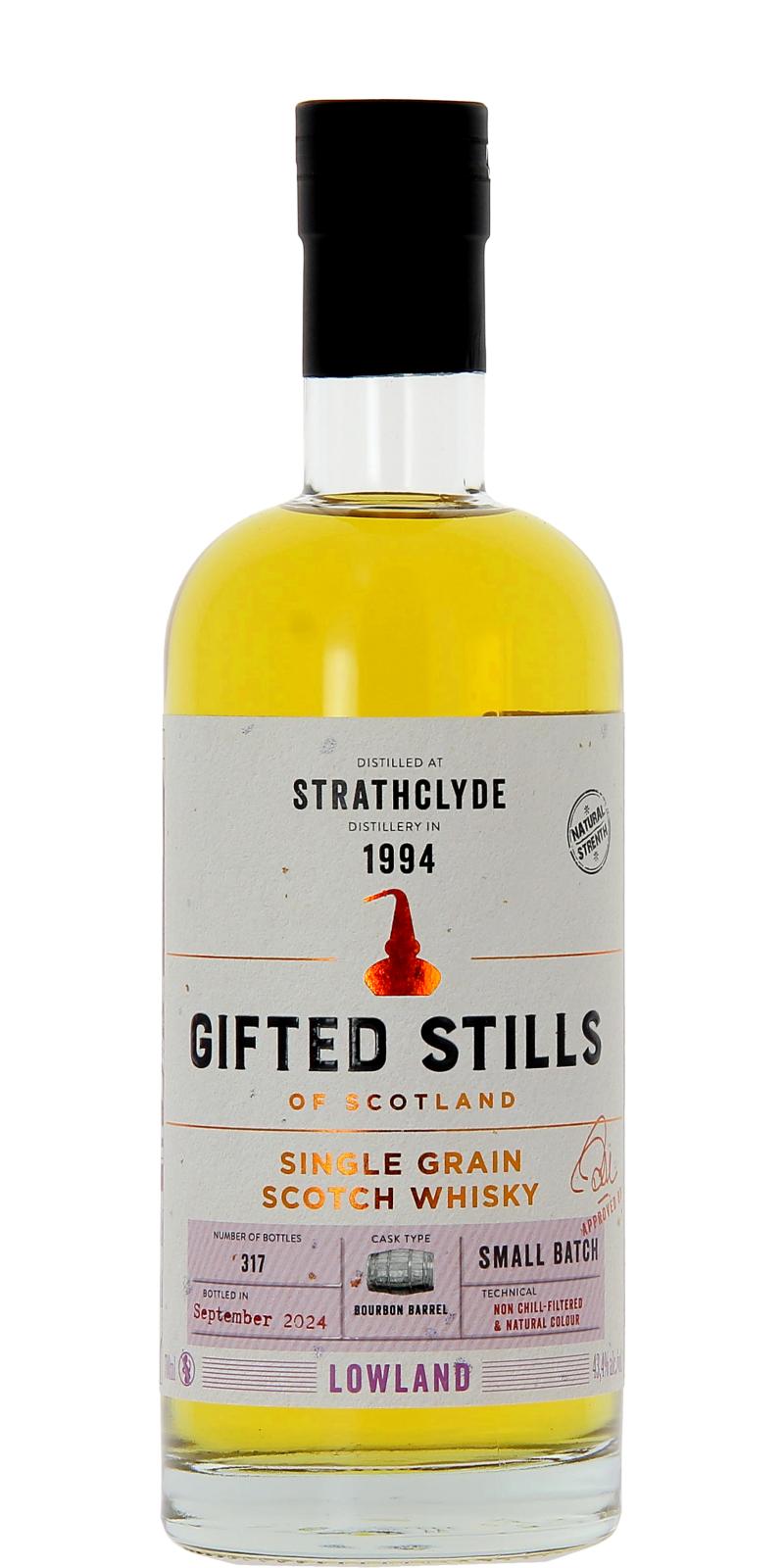
Jean Boyer Strathclyde 1994/2024 Gifted Stills Whisky 43.4% 700ml
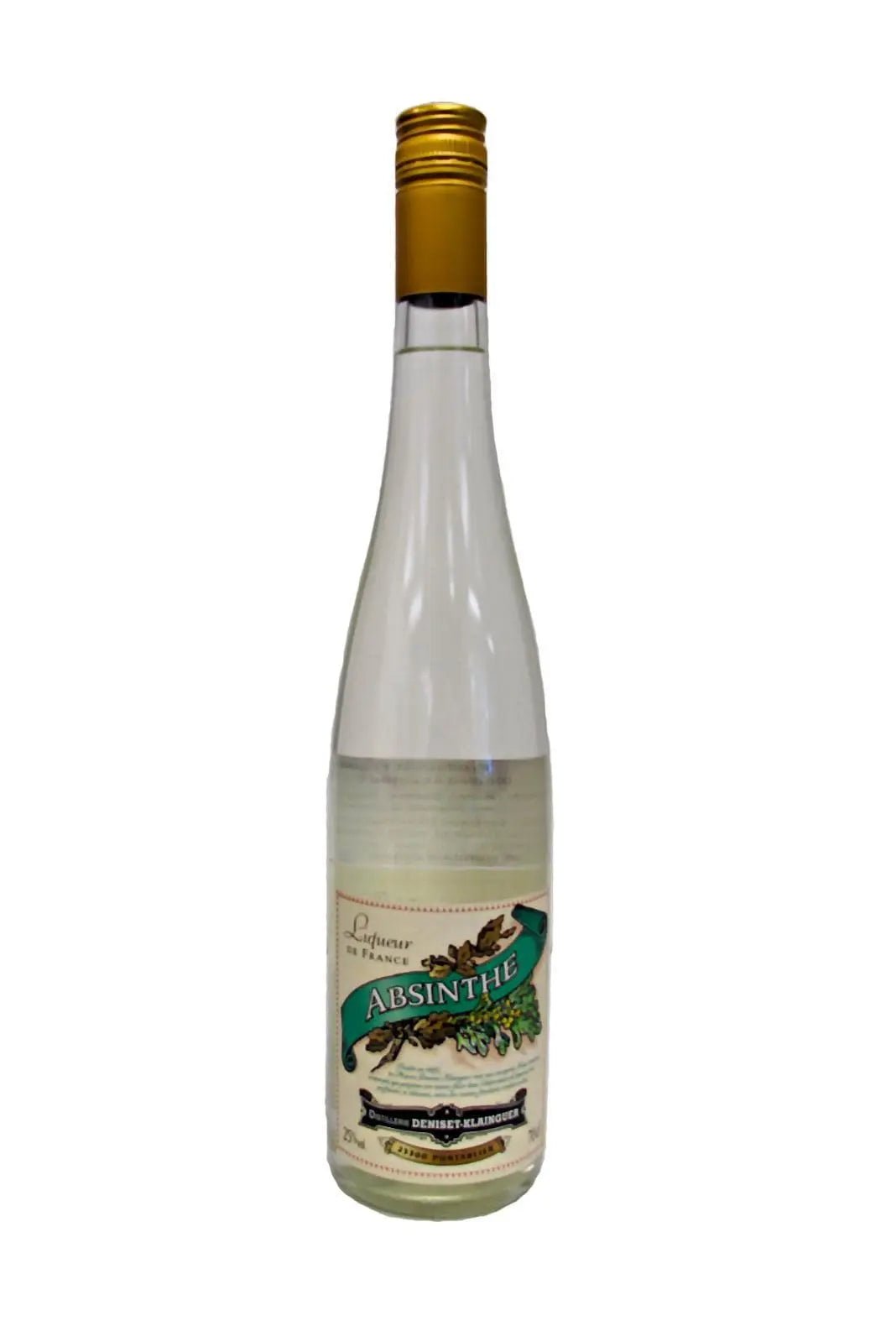
Distillerie Pernot Liqueur d'Absinthe 25% 700ml
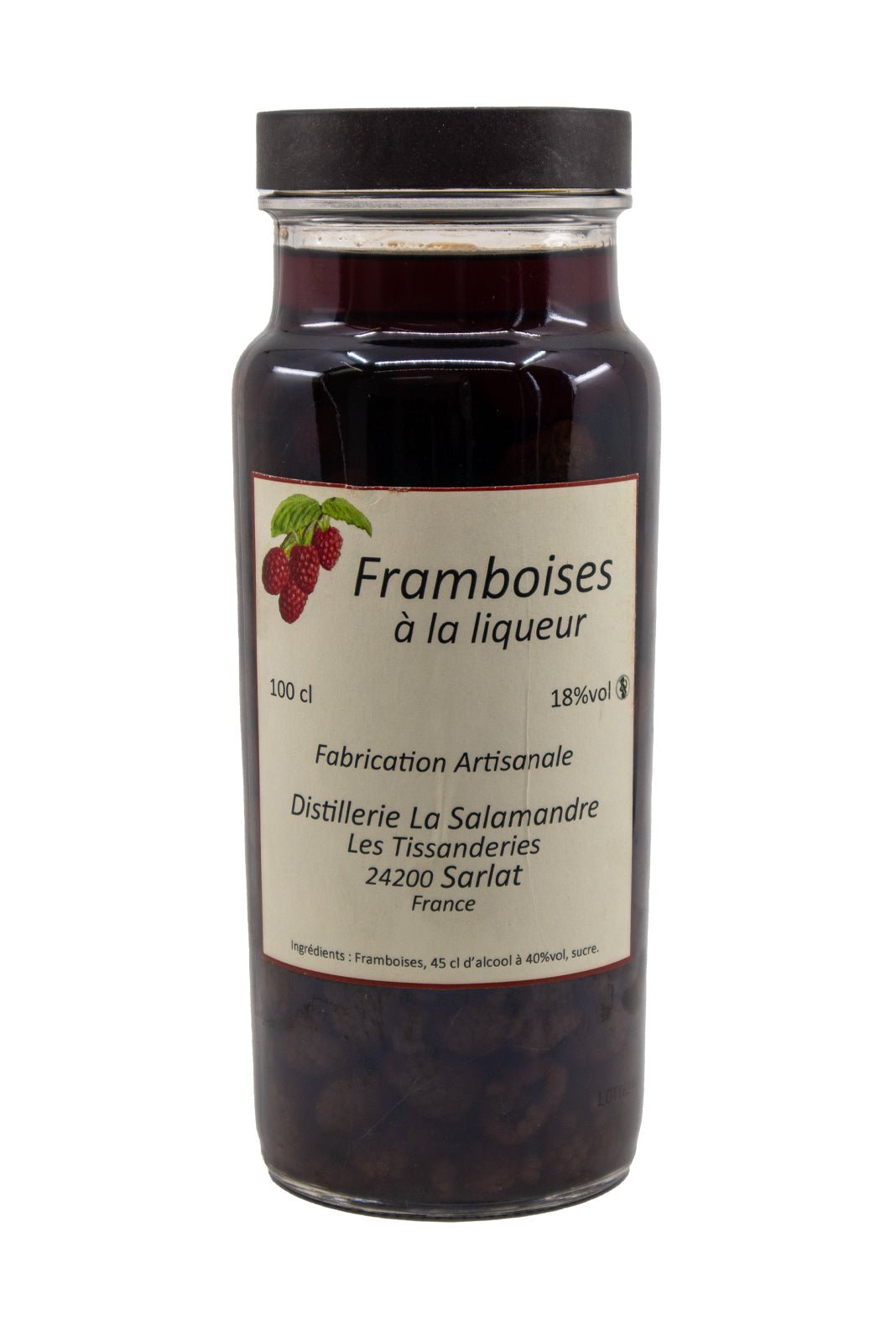
Salamandre Framboises a la Liqueur (Raspberries in Liqueur) 18% 1000ml
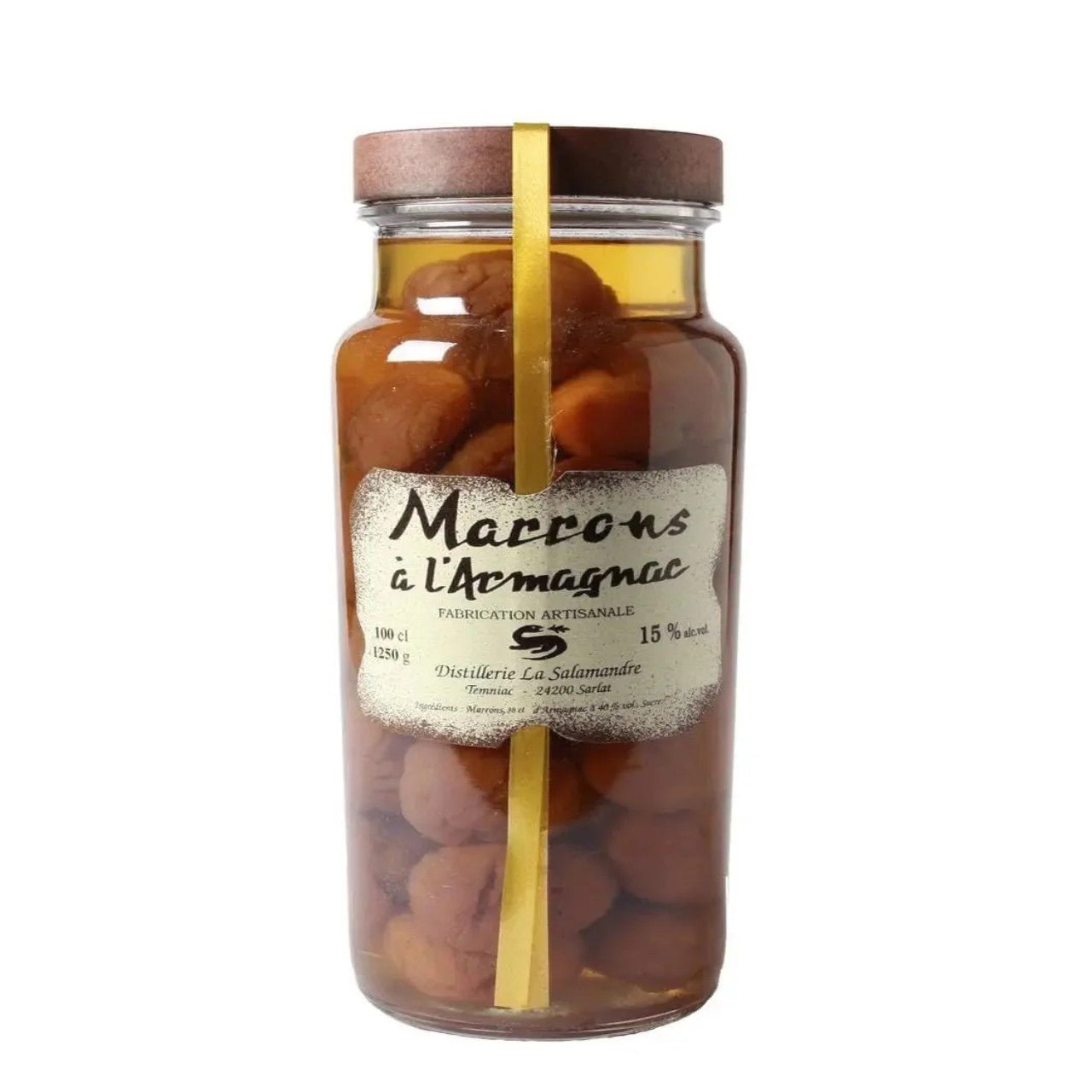
Salamandre Marrons a l'Armagnac (Chestnuts in Armagnac) 18% 1000ml
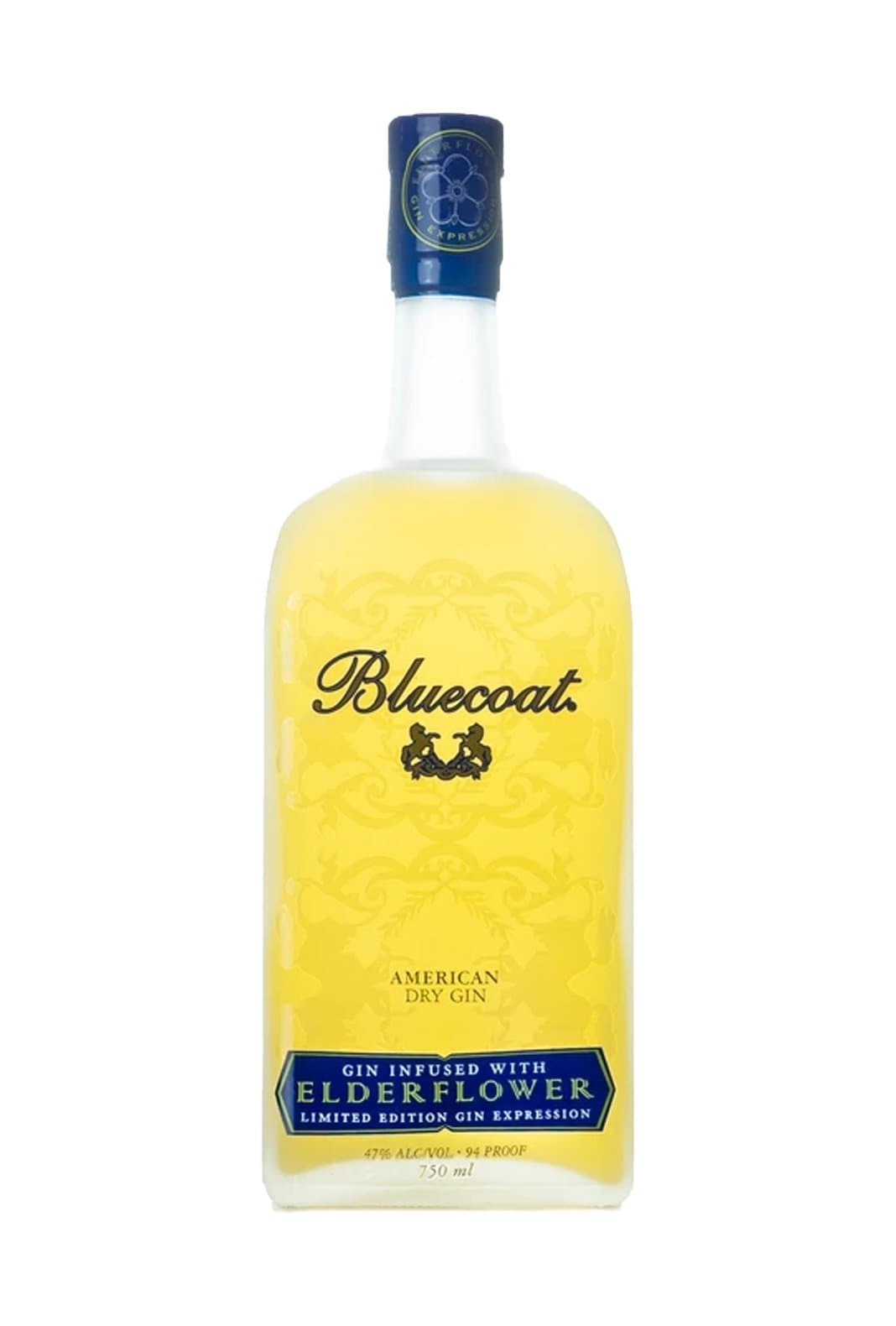
Bluecoat American Elderflower Gin 47% 700ml
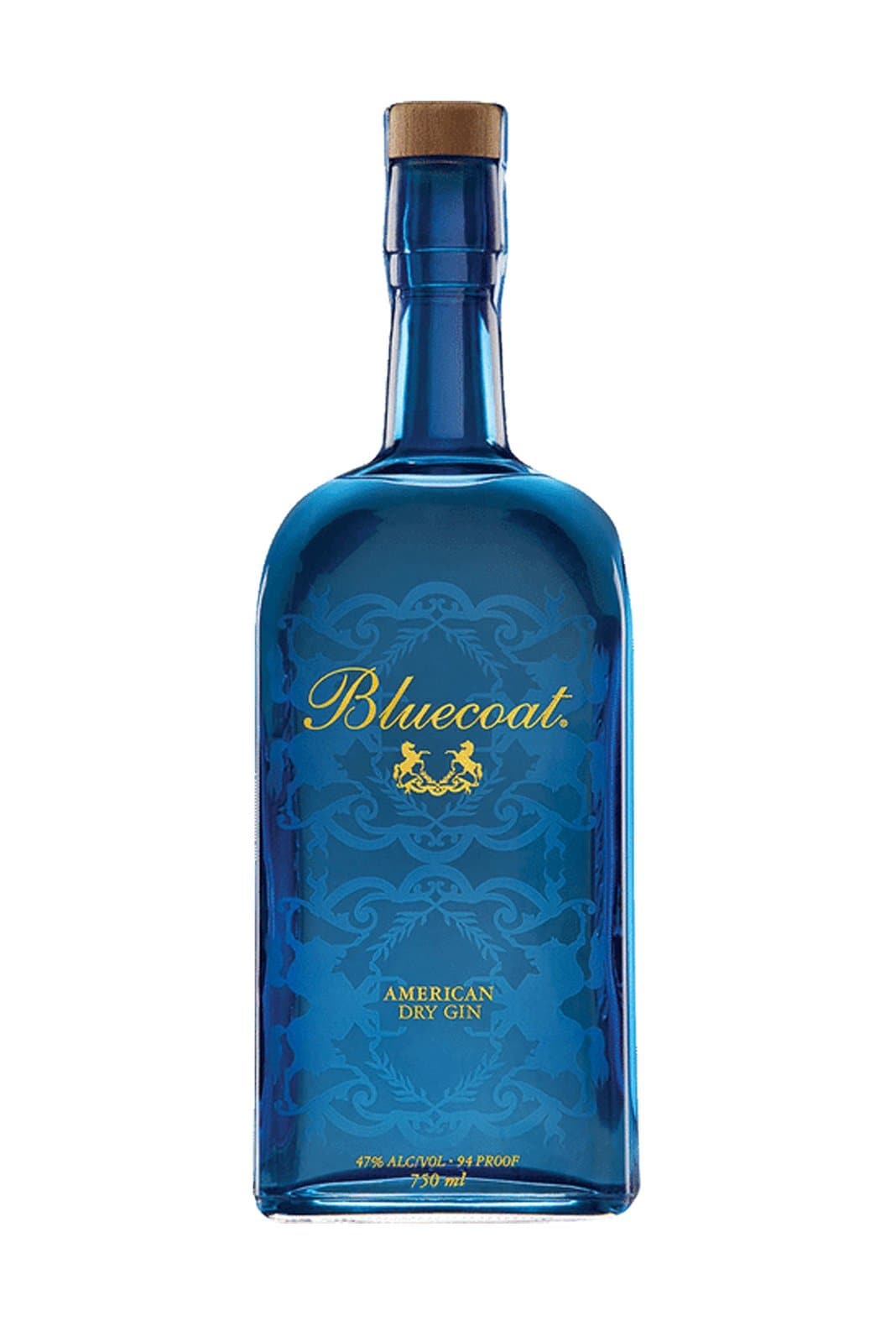
Bluecoat American Gin 47% 700ml
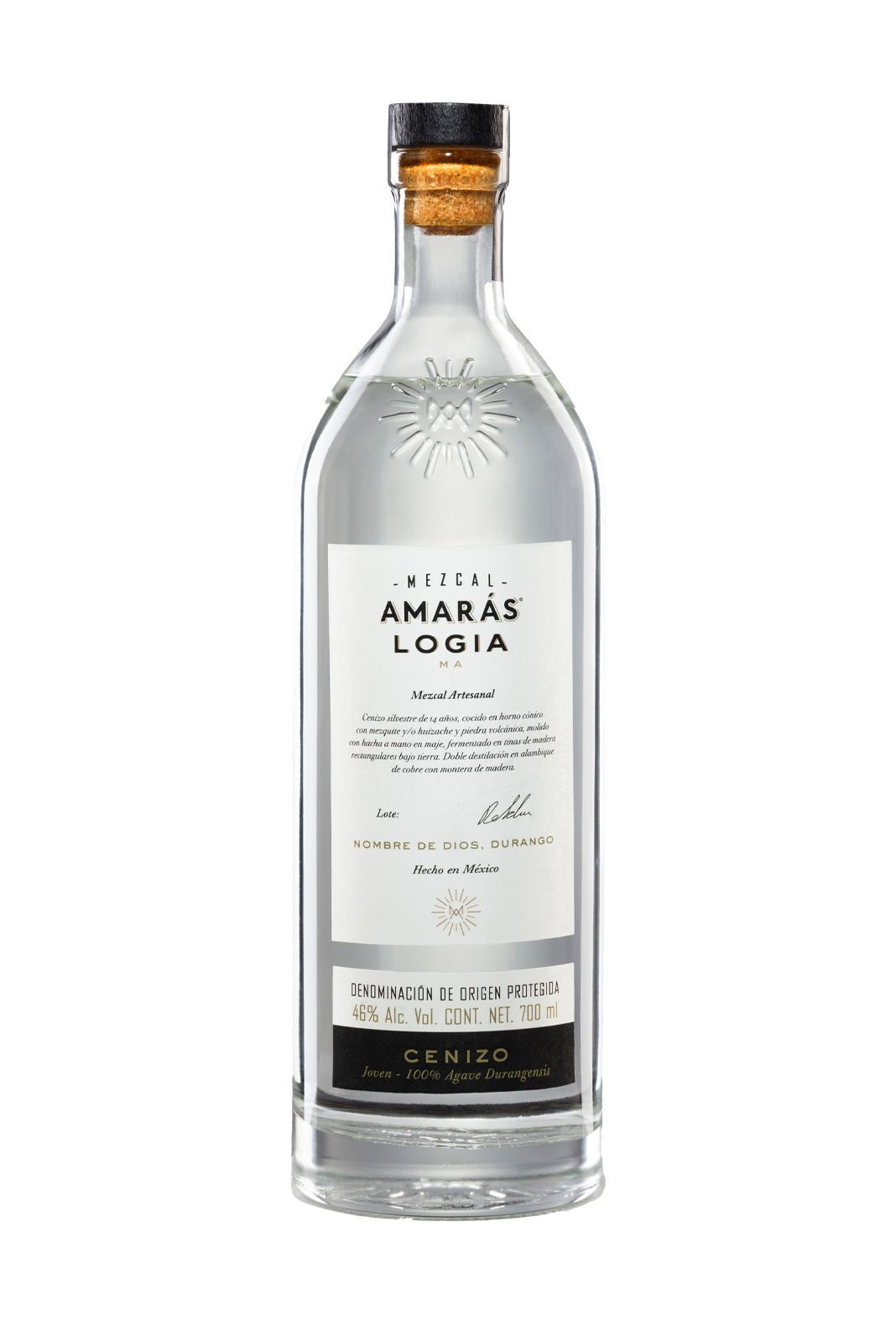
Mezcal Amares Logia Cenizo 43% 700ml
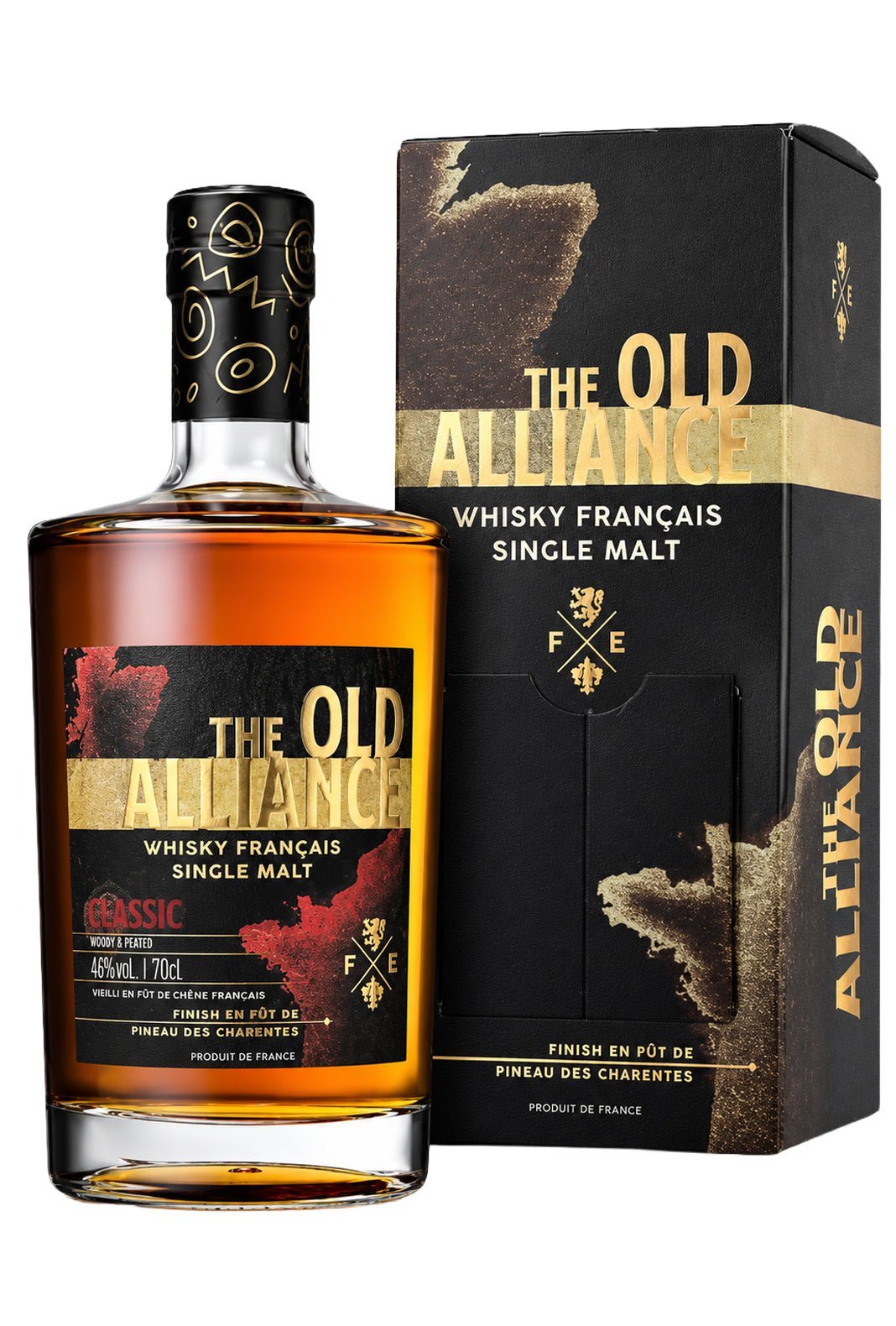
Mery Melrose Whisky Old Alliance Classic 46% 700ml
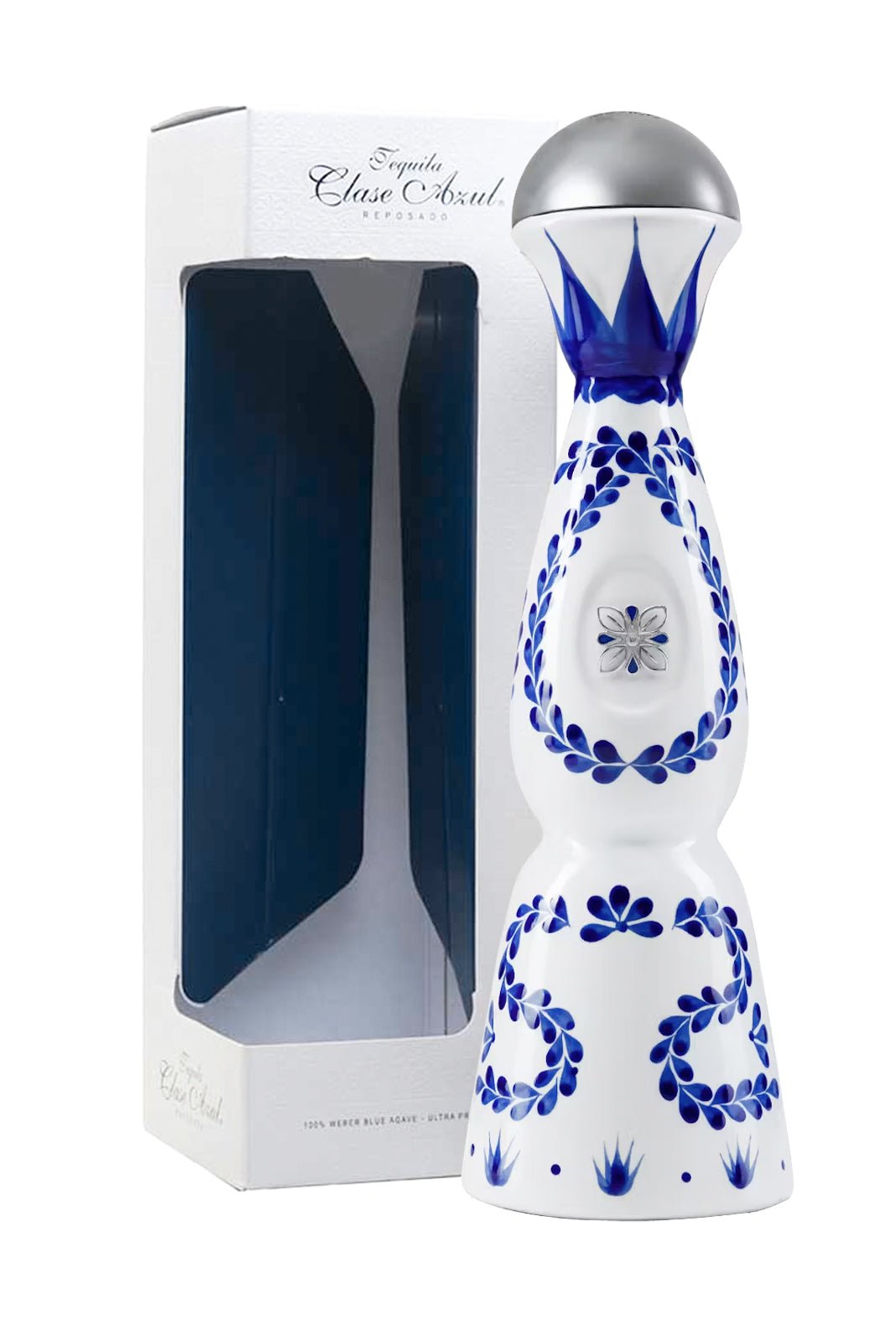
Clase Azul Tequila Reposado 750ml
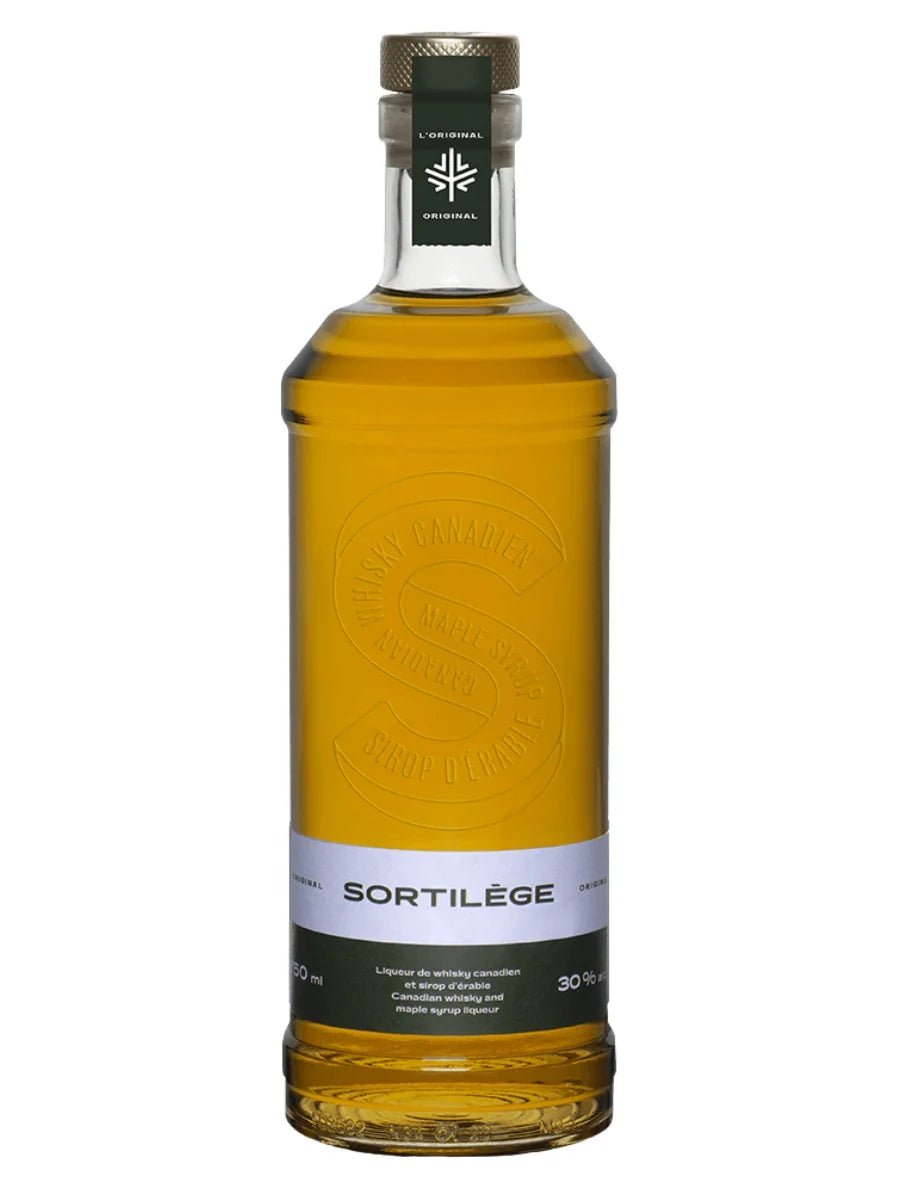
Sortilege Canadian Whisky and Maple Syrup 30% 700ml
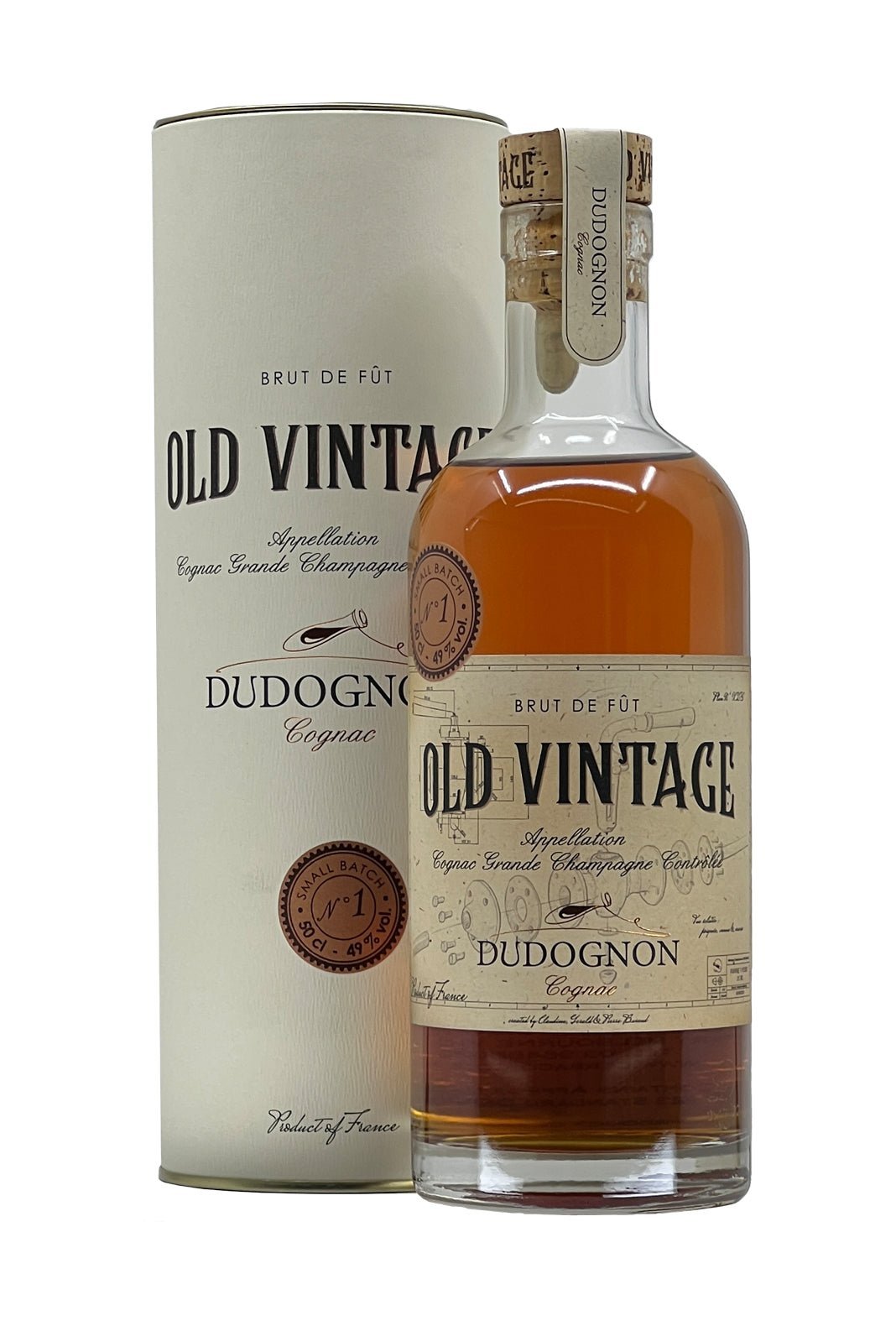
Dudognon Cognac Grande Champagne 25 years 49% 500ml
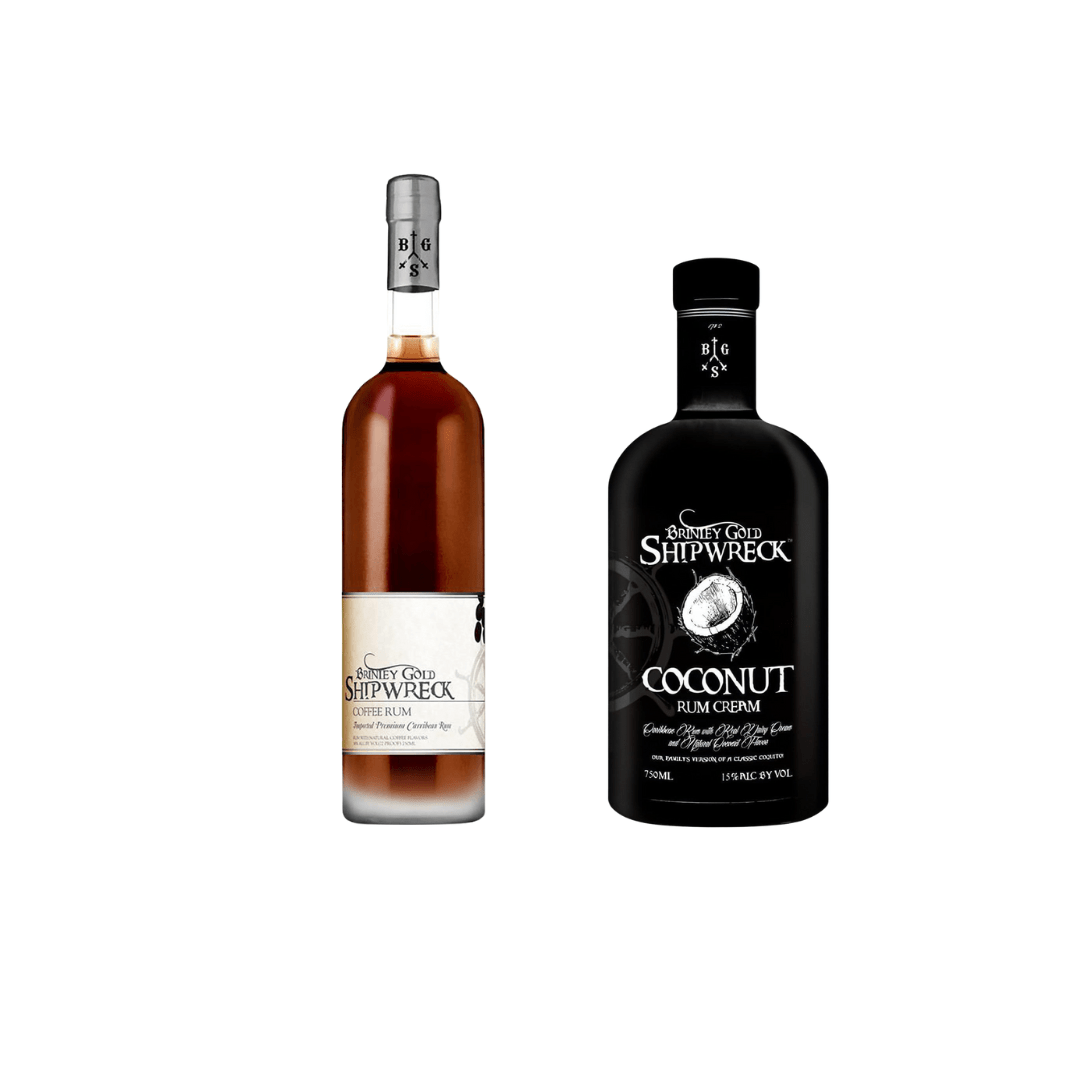
Shipwreck Coffee & Coconut Cream Bundle
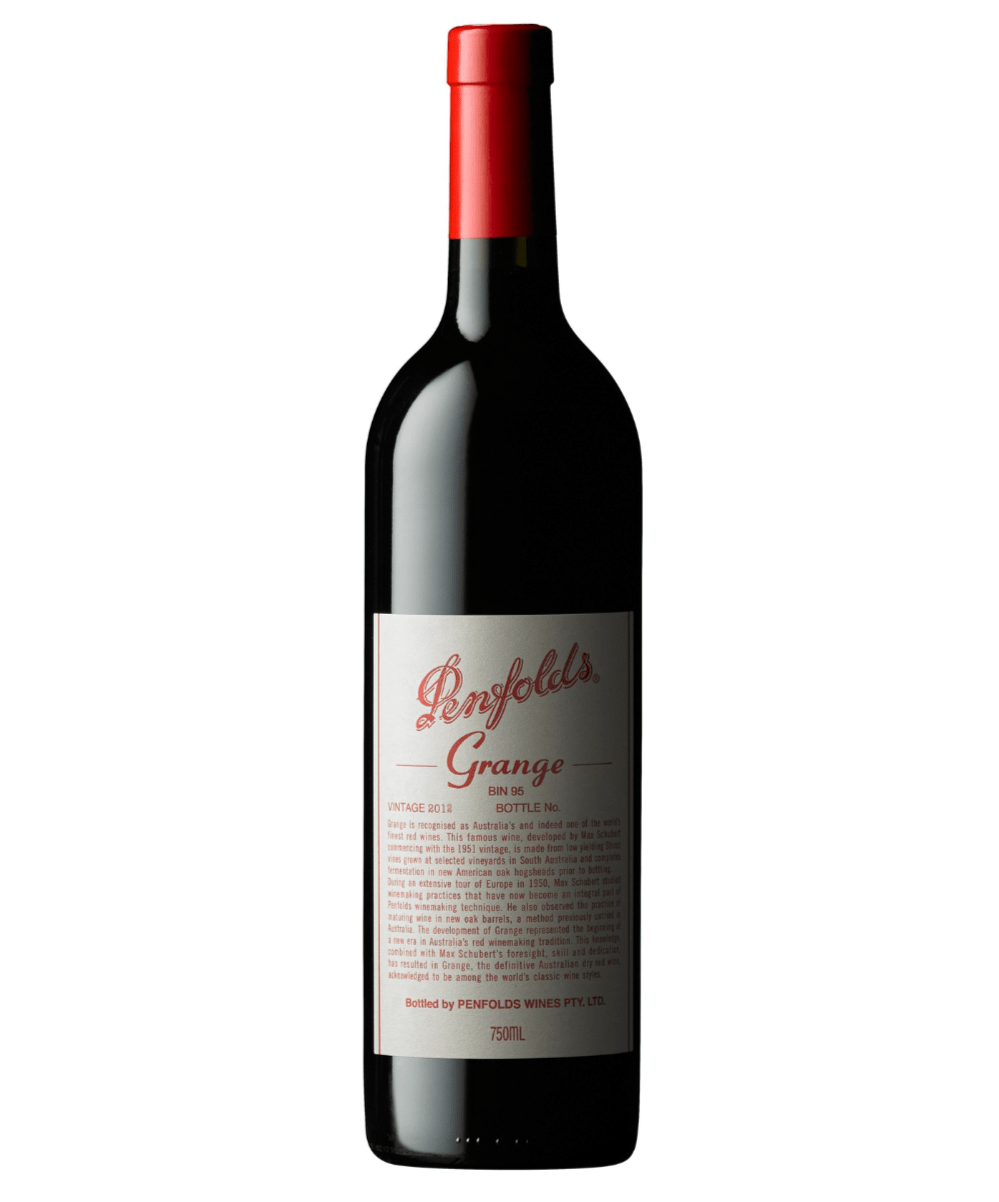
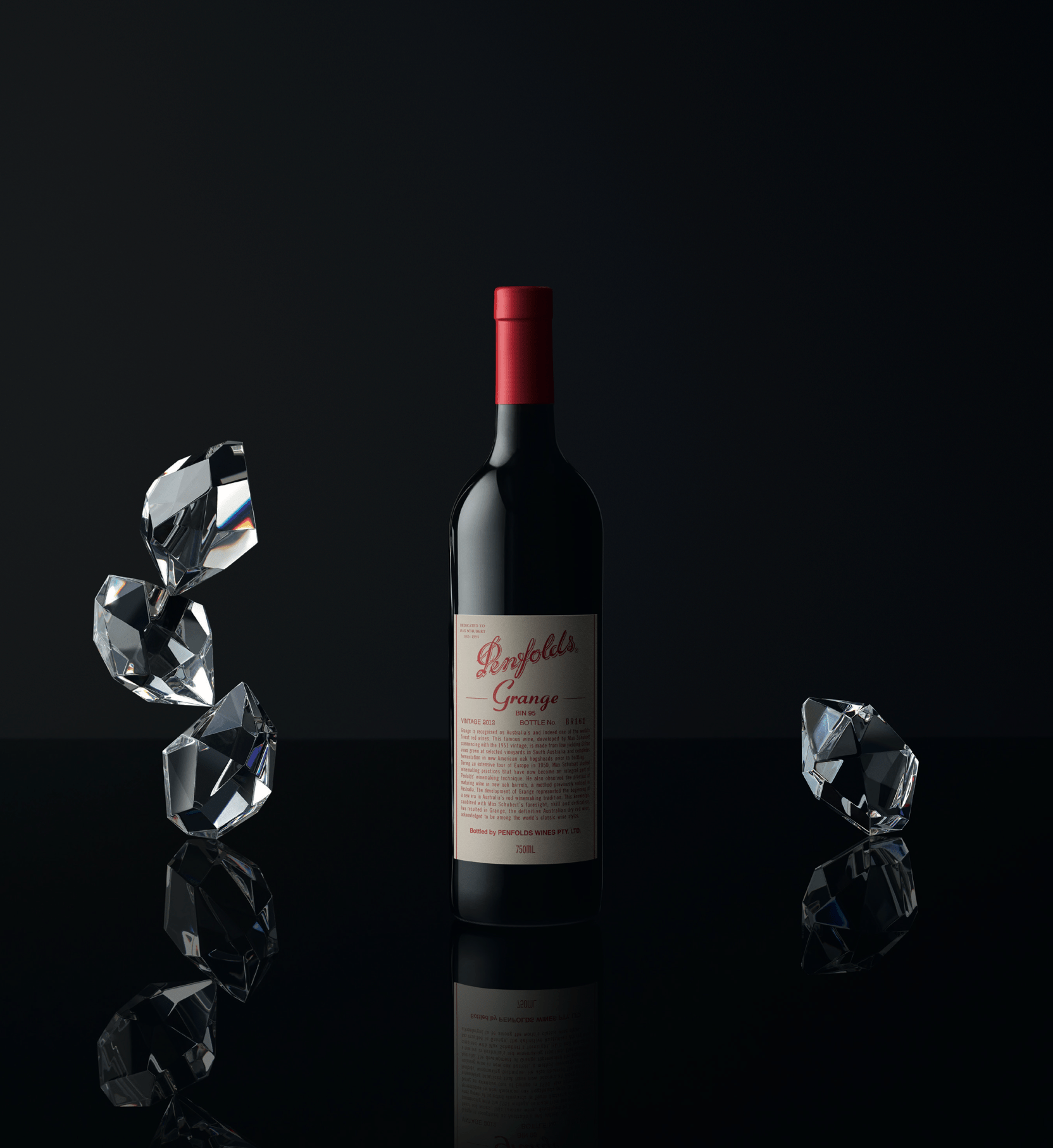
Penfolds Grange 2012
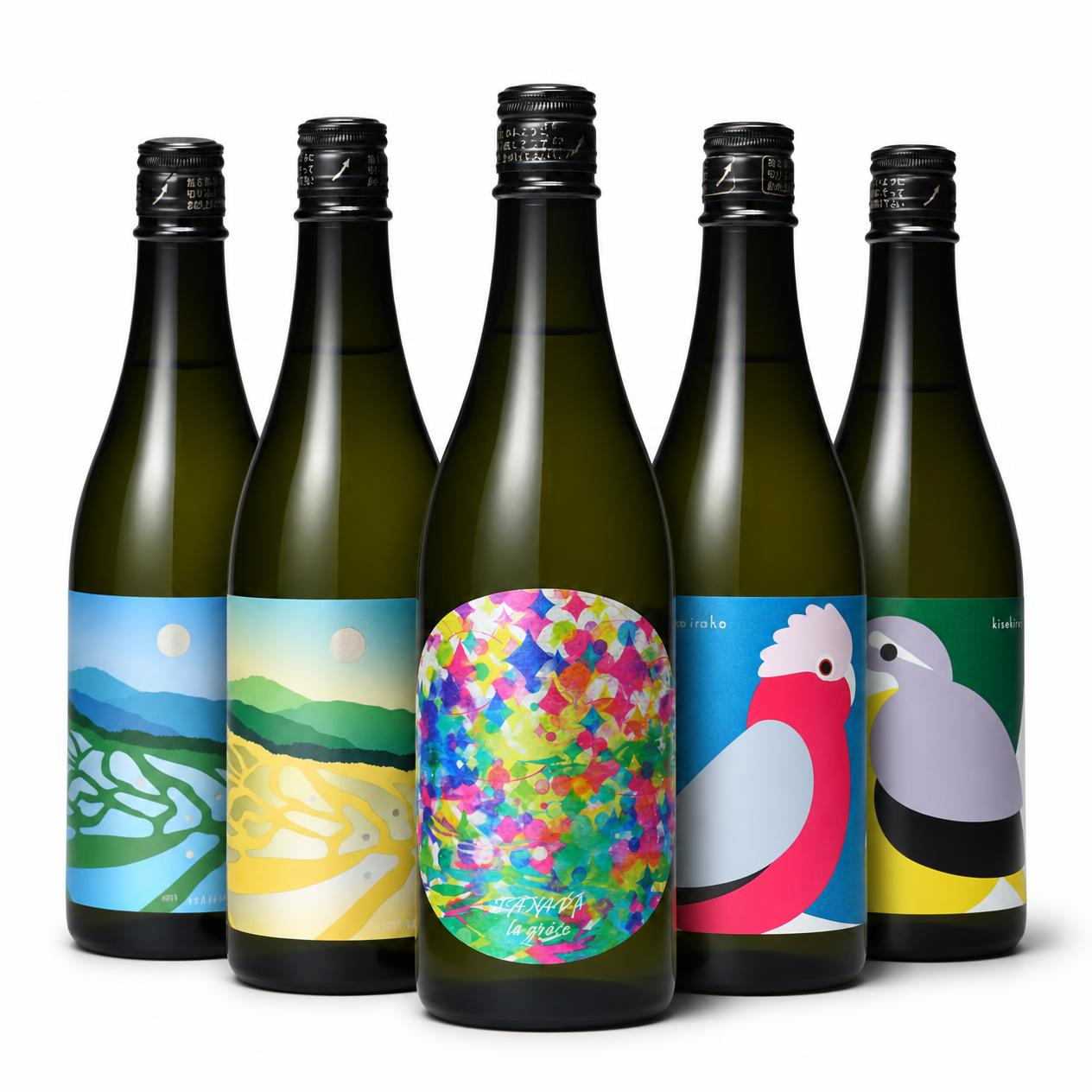
Nagano Meijo Sake 5 Pack
About Promotions
This page collects whatever is currently on offer, and it is assembled automatically rather than curated, so the contents turn over week to week. What stays consistent is the shape of it. Gin appears most often, from American producers such as Bluecoat in Philadelphia and from Scottish ones such as Eden Mill. Rum is close behind, covering agricole from Martinique, spiced and flavoured styles from Mauritius, and Australian made bottlings. Whisky runs from Kentucky bourbon through independent Scotch to French malt and Canadian. Agave spirits show up as both tequila and mezcal, from small mezcal producers in Oaxaca and Guerrero through to the large luxury tequila houses. Then the smaller categories: vodka, sake, absinthe, French fruit liqueurs, whole fruit preserved in liqueur or armagnac, and the occasional wine. Bottles arrive here for ordinary trade reasons. A vintage changes, a producer redesigns a label, a batch finishes, an importer clears the last of a shipment, or two products from one distillery get put together as a bundle. None of that tells you anything about what is in the glass, so judge each bottle on the same terms you would anywhere else on the site. If nothing here suits, new arrivals is the other page worth checking regularly. Everything is delivered across Australia (exc. NT).
History
Buying spirits in Australia has been shaped less by taste than by law. Licensing sits with each state rather than the Commonwealth, a legacy of colonial legislation carried through federation, which is why trading hours, packaged sales and delivery rules still differ across borders and why an online retailer operates under a licence issued in its home state. The restrictions ran deep for most of the twentieth century. Early closing, remembered as the six o'clock swill, was brought in during the First World War and survived in New South Wales until 1955 and in Victoria until 1966, which crushed drinking into a rushed hour after work and rewarded volume over anything else. Retail was equally narrow, built around a small number of national brands, with anything unusual reaching drinkers through specialist merchants in the capital cities. Two things opened it up. Freight and import costs fell in real terms from the 1980s, and Australian craft distilling became legally viable in 1992, when the rule requiring a still of at least 2,700 litres was changed after lobbying from Tasmania. Distilleries followed there first and then in every other state. The result is that a list like this one can put a Philadelphia gin, a Martinique rhum, a Mexican mezcal and a Tasmanian sheep whey vodka next to each other, which would have been unimaginable in a suburban bottle shop two generations ago.
How to drink it
Treat an offers page as a way to try a category, not as a reason to buy something you would not otherwise want. Check the strength first, because it tells you most about how a spirit was made and how to serve it. A gin above 45 percent, such as Bluecoat American Gin, will hold its shape in a negroni where a softer one disappears. Taste gin with tonic at one to three over plenty of ice, and pick a garnish that follows the botanicals rather than reaching for lime by default. White agricole rum, Rhum JM Macouba among them, is grassy and strong because it is distilled from fresh cane juice rather than molasses, so use it in a ti punch with lime and cane syrup instead of mixing it long. Mezcal and bourbon both want a small glass at room temperature and no more than a splash of water. Whole fruit in spirit, such as Salamandre chestnuts in armagnac, goes over ice cream or beside coffee. Store everything upright and out of sunlight, and decant a spirit into a smaller bottle once it drops below half, since air does more damage than time. Browse gin, rum, mezcal and whisky for the full ranges.