
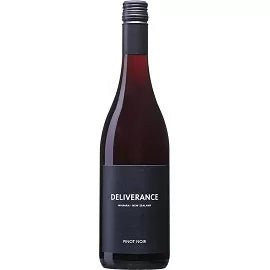
Deliverance Pinot Noir
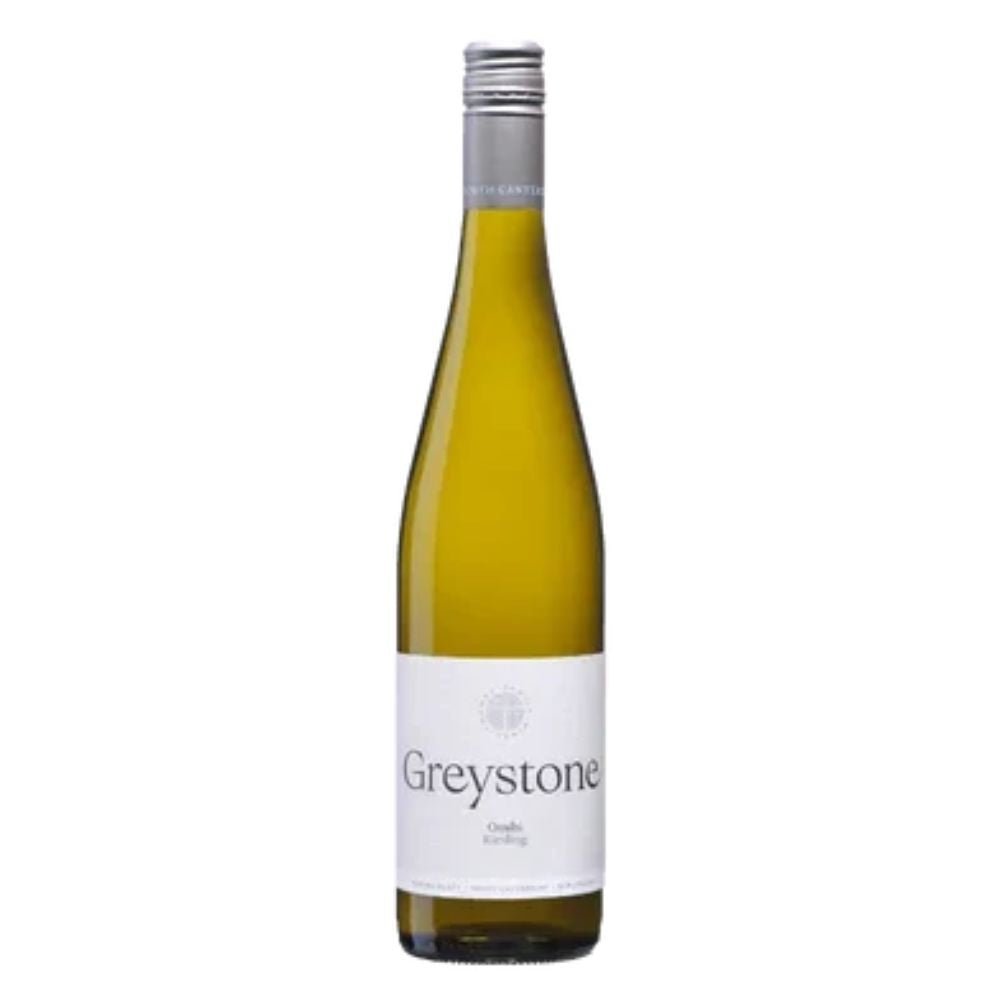
Greystone Omihi Riesling 2021
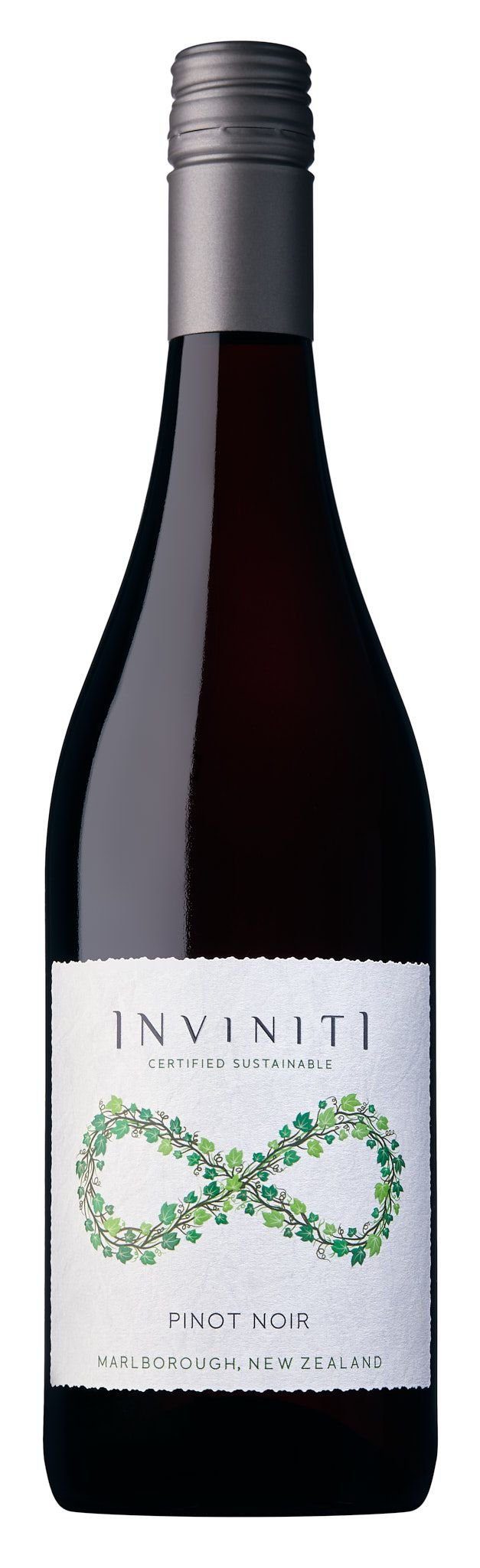
Inviniti Pinot Noir 2023
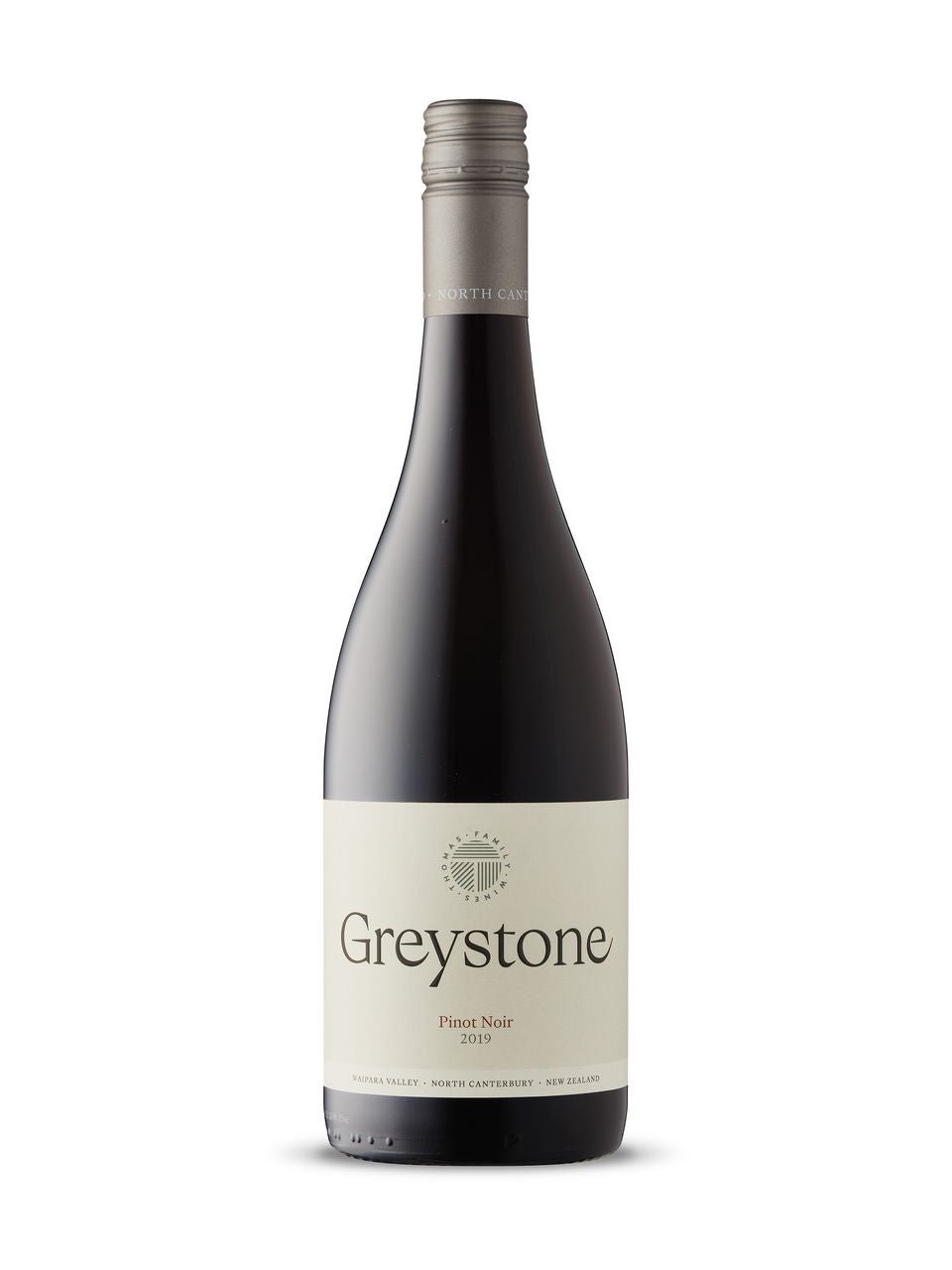
Greystone Pinot Noir
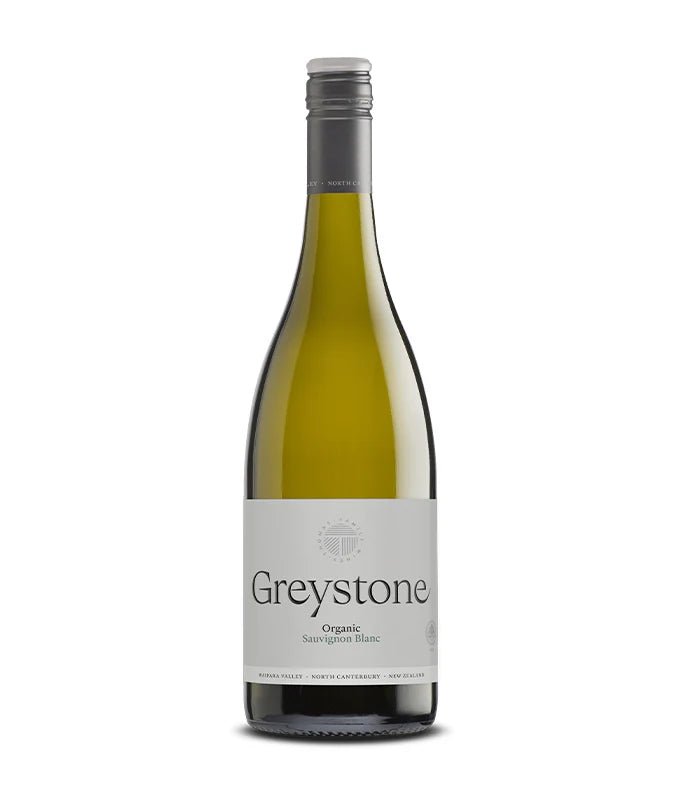
Greystone Sauvignon Blanc 2023
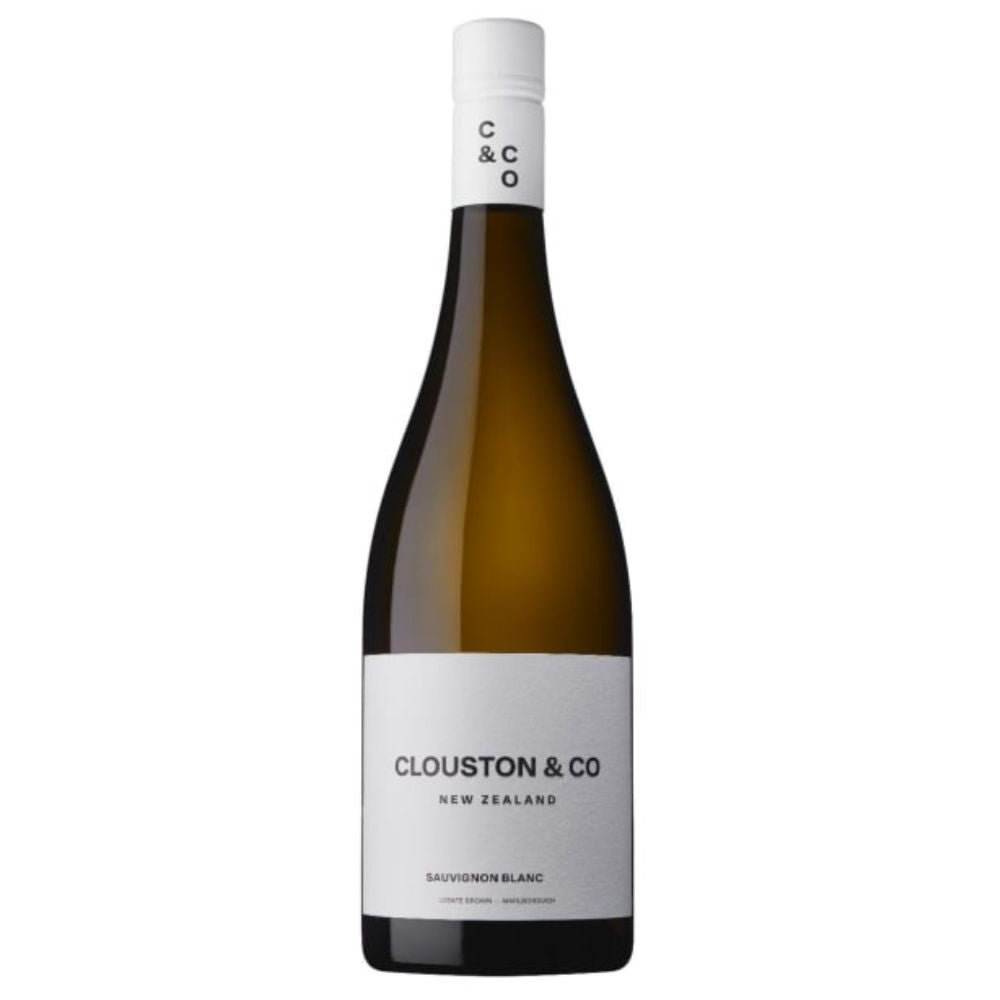
Clouston & Co Sauvignon Blanc
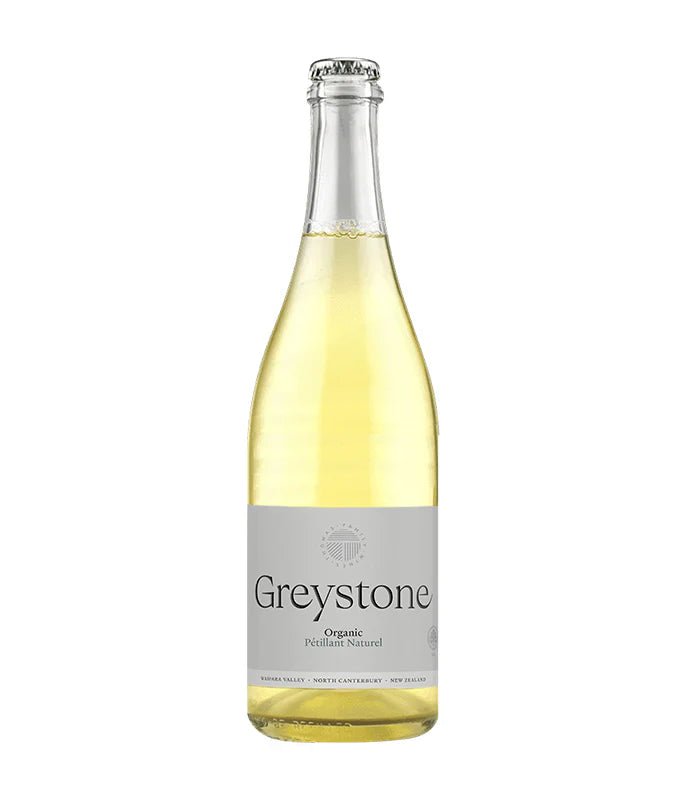
Greystone Petillant Naturel 2022
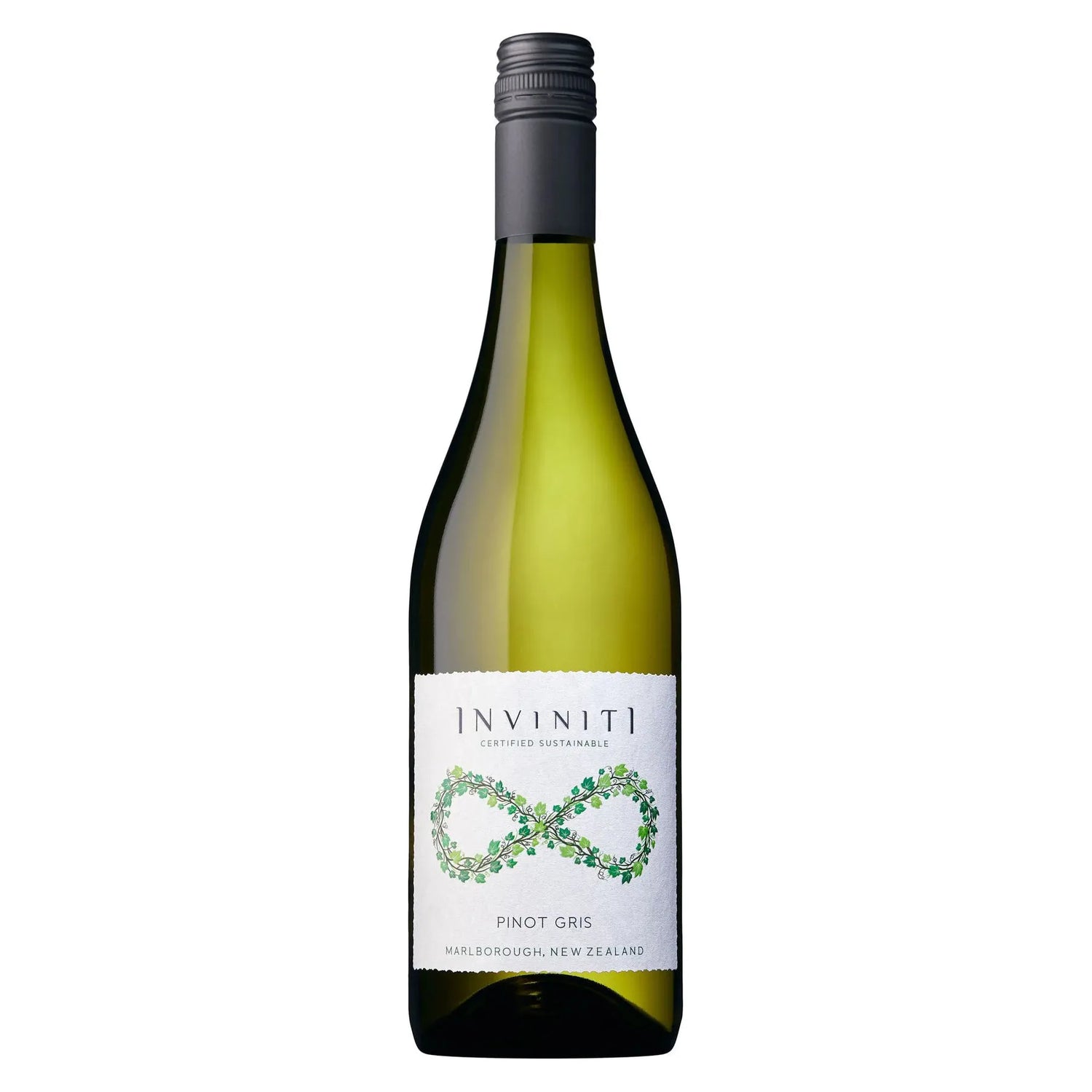
Inviniti Pinot Gris 2023
About New Zealand Wines
New Zealand makes wine in a narrow climatic band that produces something no warm country can copy: high natural acidity and very pronounced aromatics. This is a compact range built around that.
Marlborough Sauvignon Blanc is the wine the country is known for, all passionfruit, cut grass and grapefruit with a sharp line of acidity through it. Alongside it sits pinot gris, picked riper and carrying more texture.
Pinot noir is the other half of the New Zealand story and the one that has grown in reputation fastest. It is represented here by Inviniti and Gate 20 Two alongside the Mahi bottling. New Zealand pinot sits stylistically between Burgundy and the warmer New World: more red fruit and less earth than the former, more restraint and structure than the latter.
For the closest local comparisons, look at Tasmanian and Mornington Peninsula wines in the Australian range.
History
New Zealand's modern wine industry is astonishingly young. Serious commercial plantings in Marlborough began only in 1973, when Montana put sauvignon blanc into what had been sheep country on the Wairau Plains. Almost nobody expected much of it.
What emerged was a style of sauvignon blanc unlike anything in the Loire, where the grape had its established home. The combination of long sunshine hours, cool nights and free draining stony soils produced fruit with both intense aromatics and searing acidity, and by the mid 1980s the wine had become an international phenomenon. It remains one of the fastest ascents any wine region has made.
Pinot noir followed a slower and more difficult path. Plantings spread through Martinborough, Marlborough and Central Otago from the 1980s, and it took two decades of learning which sites suited the grape before the results became consistently convincing.
The country has also been an environmental leader. Sustainable Winegrowing New Zealand, launched in the 1990s, now certifies the overwhelming majority of the national vineyard area, and New Zealand was among the earliest adopters of screwcap closures alongside Australia.
Marlborough now accounts for the clear majority of national production, which is unusual concentration for any wine producing country.
How to drink it
Sauvignon blanc is best at eight to ten degrees. Colder than that and the aromatics that justify the wine disappear. It is also a wine to drink young: buy the current vintage and open it within two years.
Pinot gris wants a similar temperature. New Zealand versions tend to be richer and slightly off dry compared with Italian pinot grigio, which makes them better with food and less suited to drinking on their own.
Pinot noir should be served cool, around fourteen to sixteen degrees, which in most Australian houses means time in the fridge. It is the red most damaged by warmth: above eighteen degrees the alcohol dominates and the perfume vanishes. Use a large bowled glass.
For food, sauvignon blanc is one of very few wines that works with goat's cheese, asparagus and green herbs, all of which defeat most whites. It also handles oysters and ceviche. Pinot noir suits duck, mushrooms, salmon and roast pork.
For related styles, browse sauvignon blanc, pinot noir and pinot grigio.