
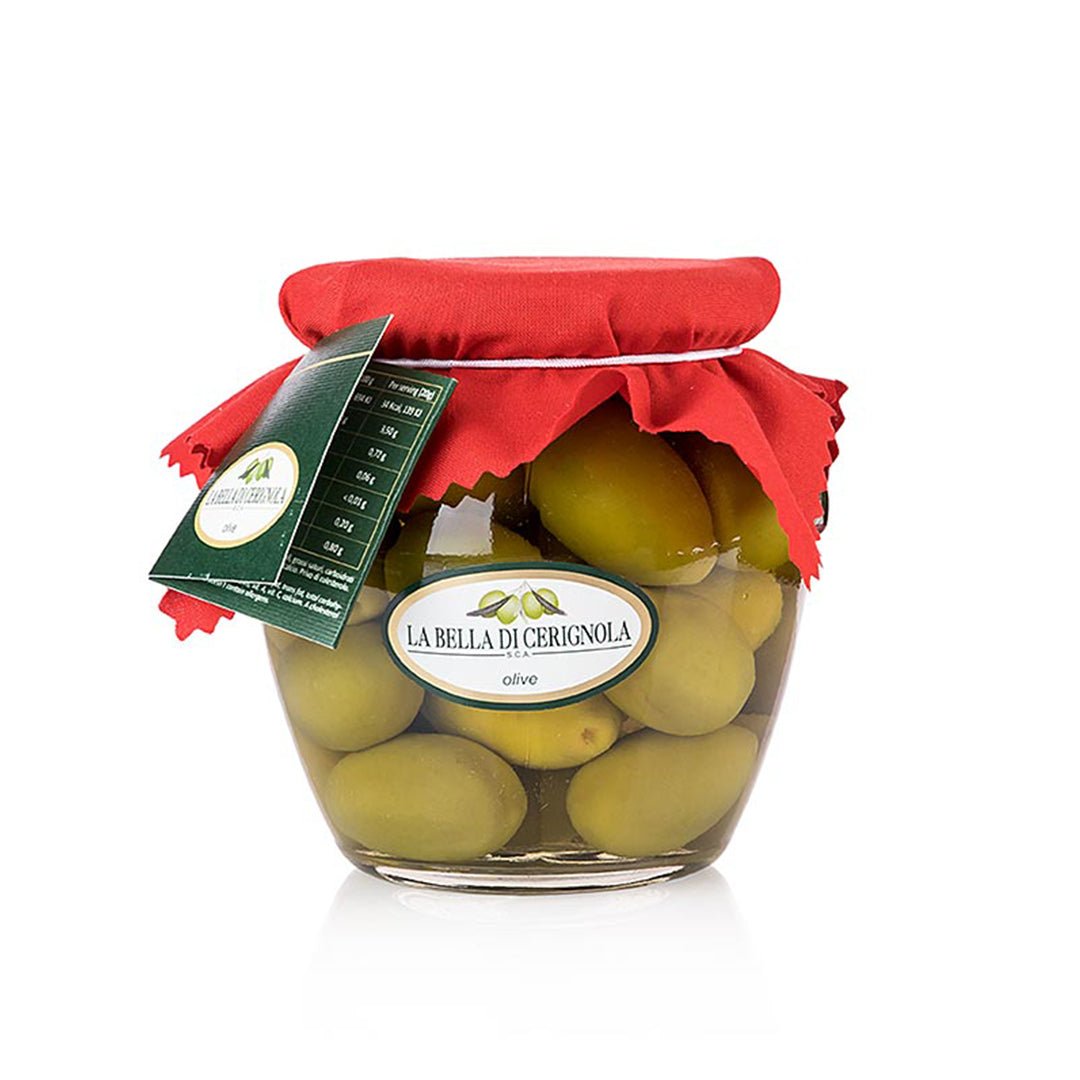
Cerignola Queen Olives 3kg Jar
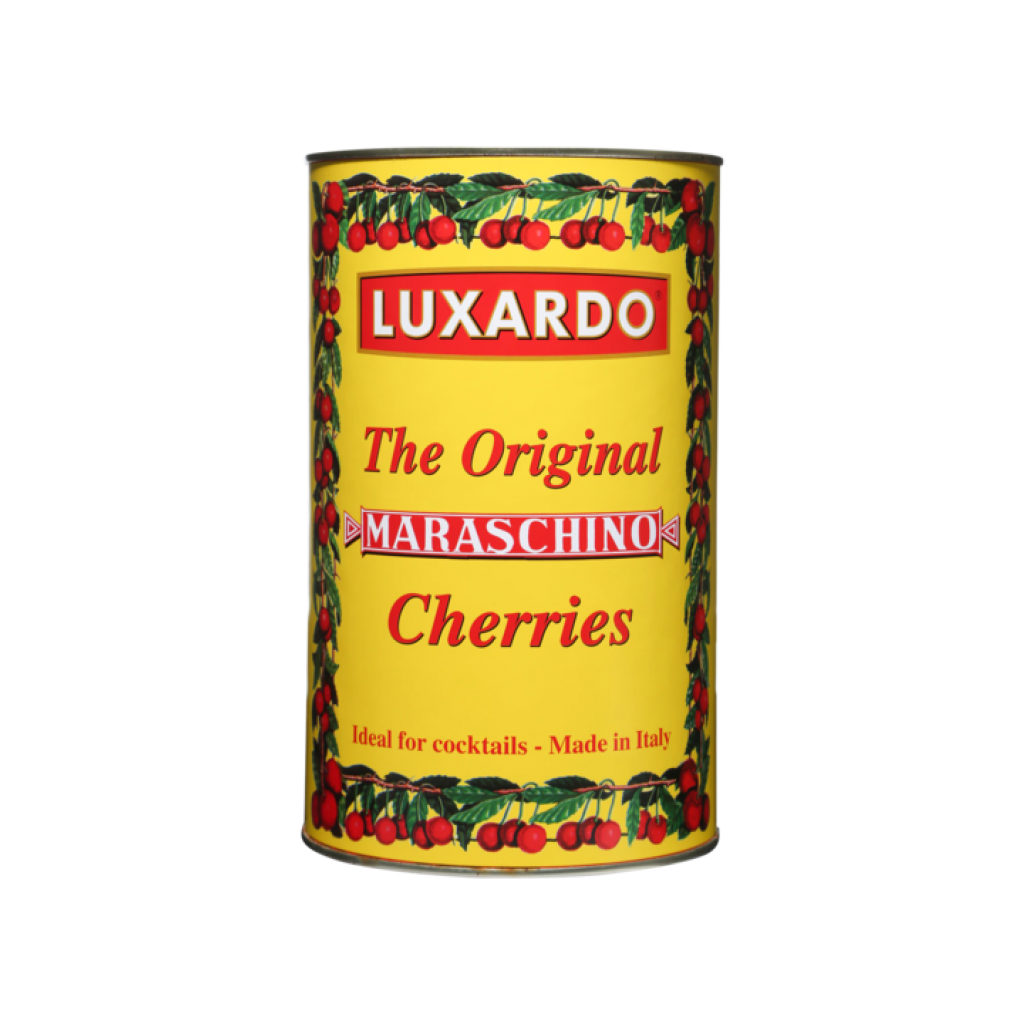
Luxardo CHERRIES 5.6kg tin
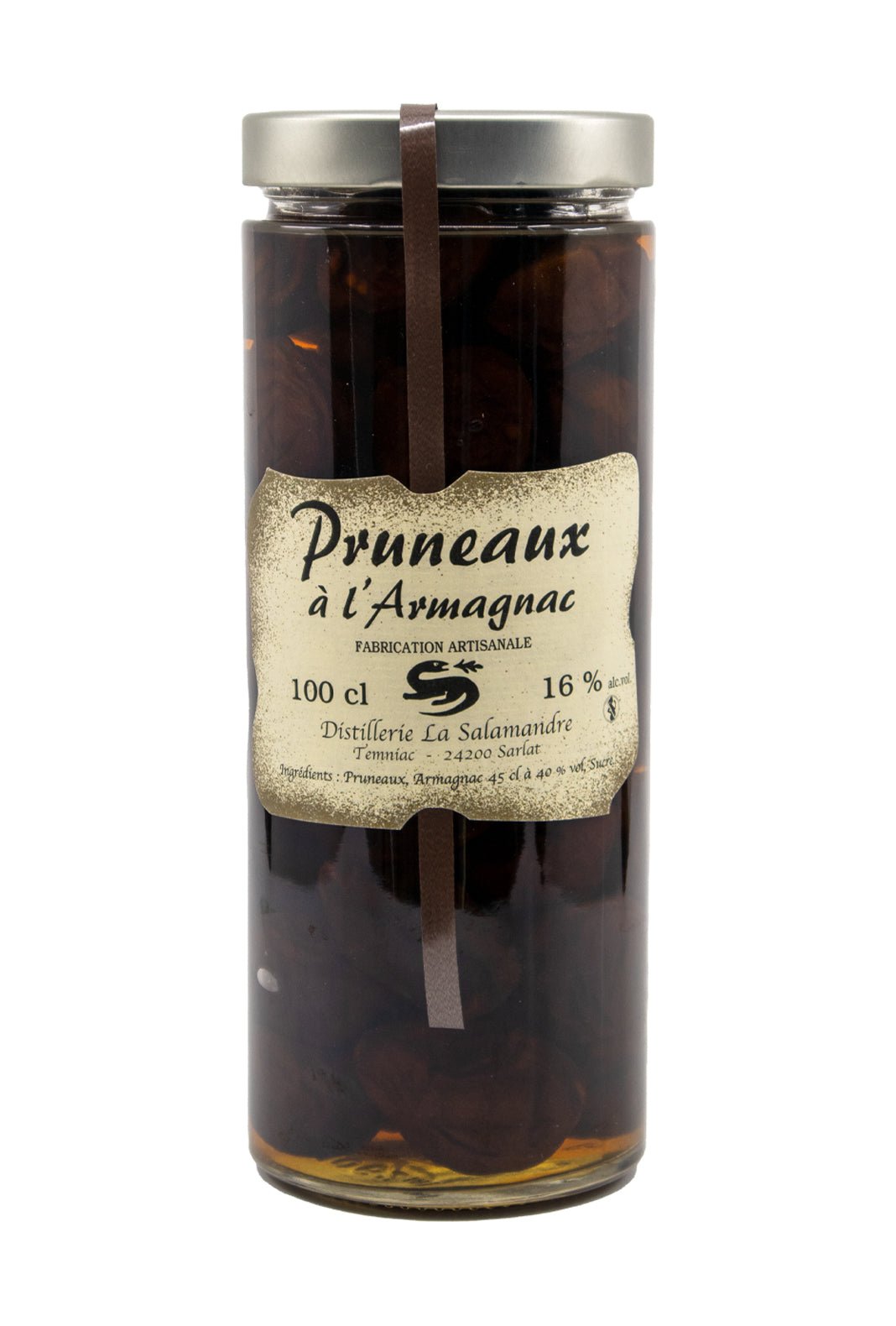
Salamandre Pruneaux a l'Armagnac (Prunes in Armagnac) 18% 1000ml
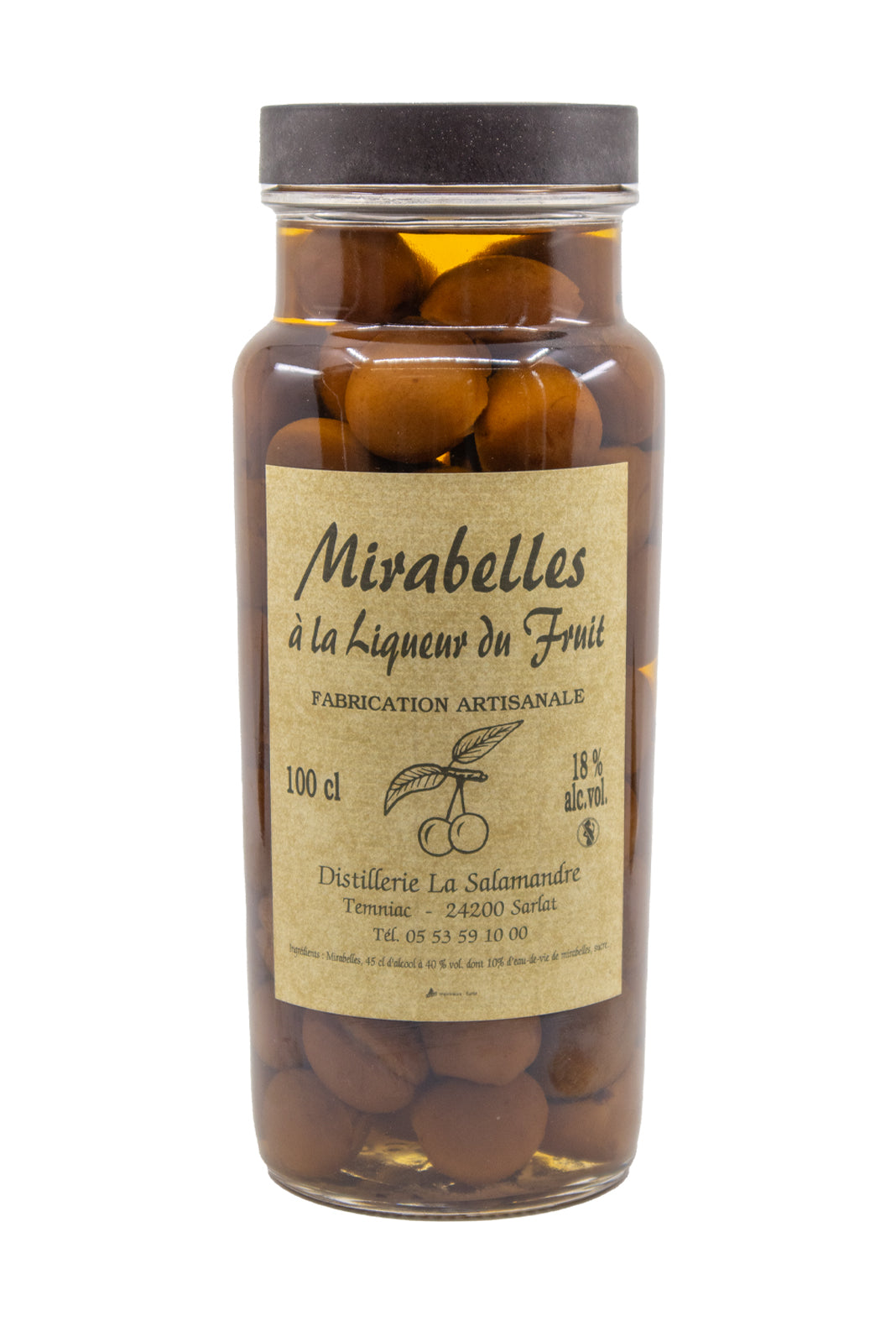
Salamandre Mirabelles a la Liqueur (Cherry Plums in liqueur) 18% 1000ml
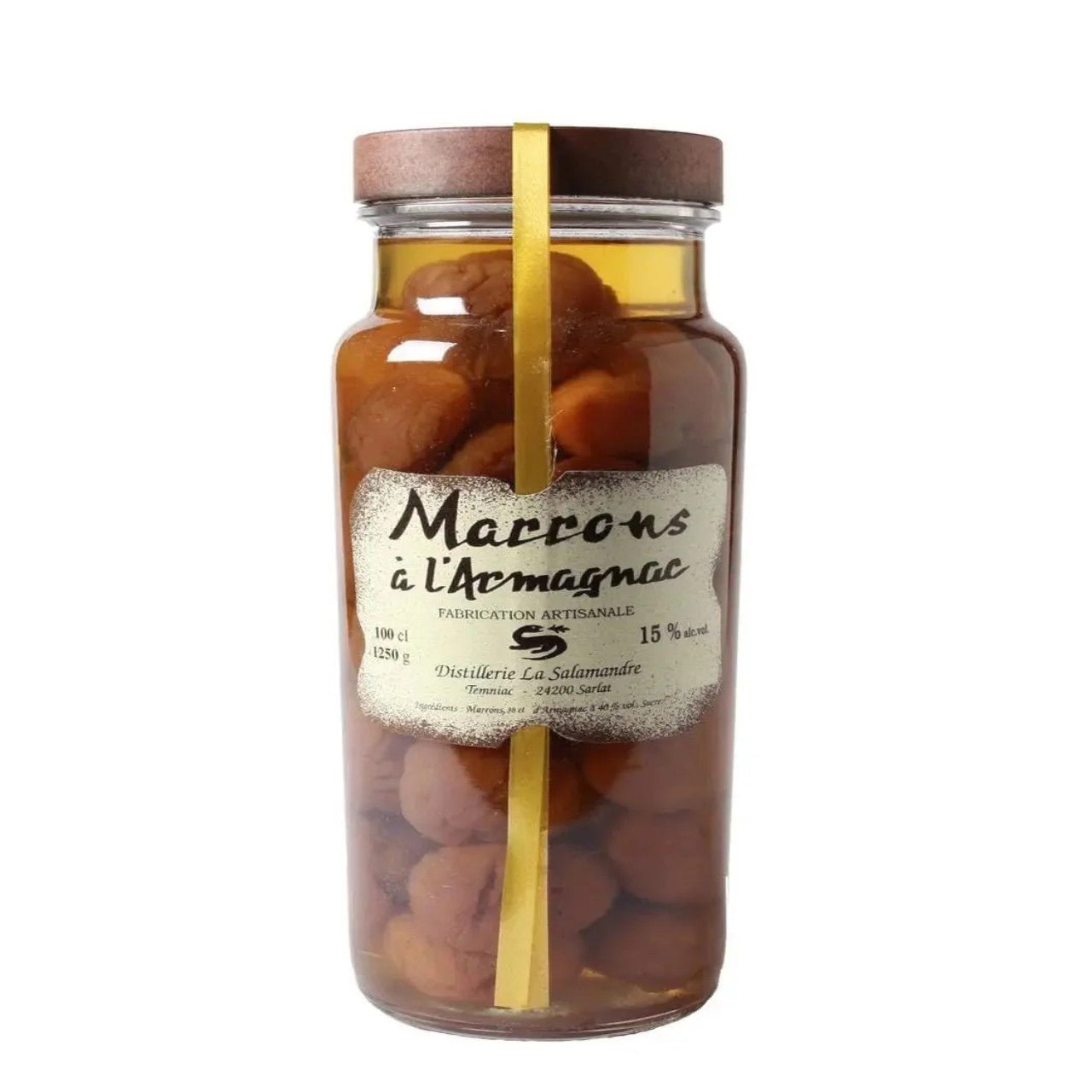
Salamandre Marrons a l'Armagnac (Chestnuts in Armagnac) 18% 1000ml
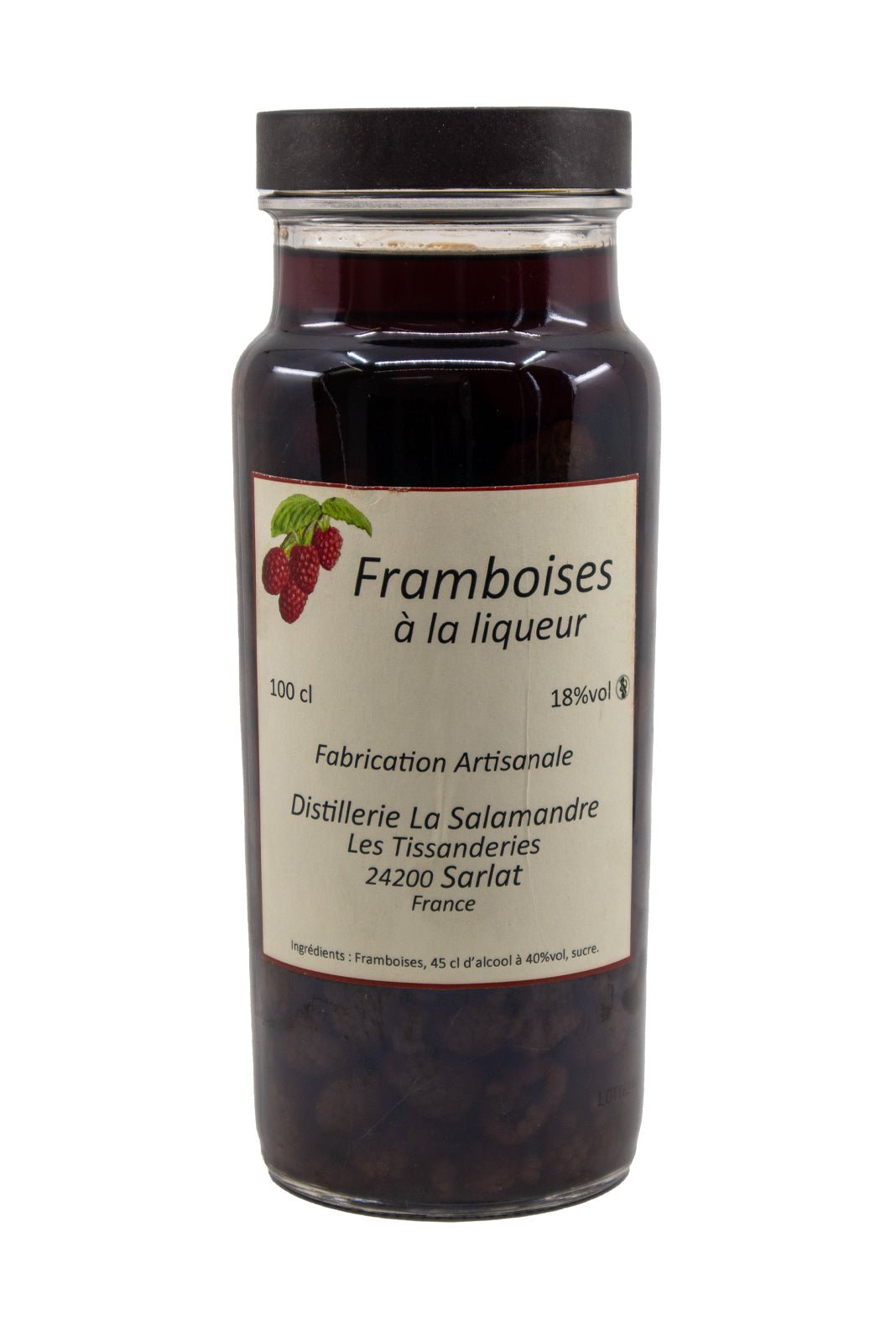
Salamandre Framboises a la Liqueur (Raspberries in Liqueur) 18% 1000ml
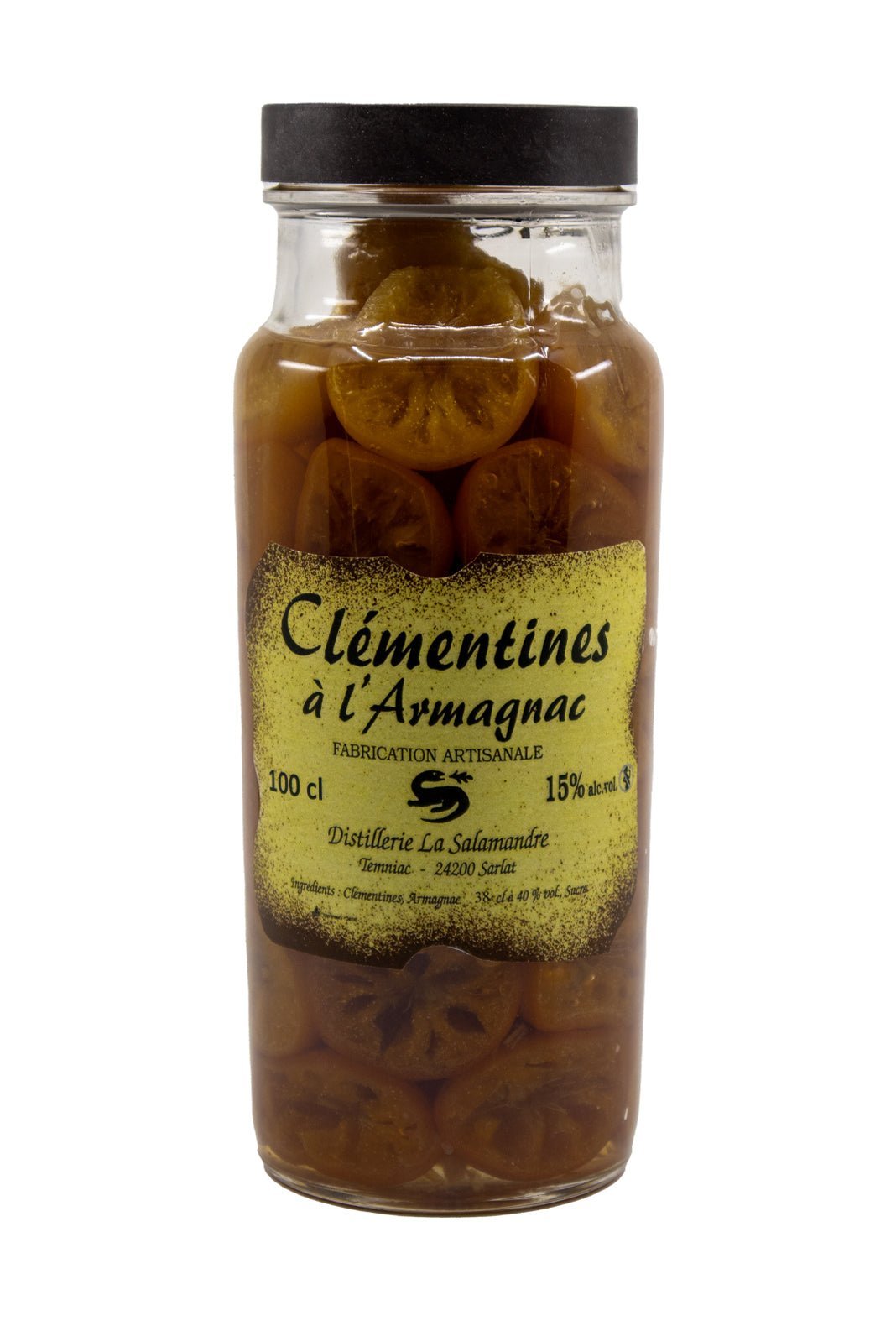
Salamandre Clementines a l'Armagnac (Mandarins in Armagnac ) 15% 1000ml
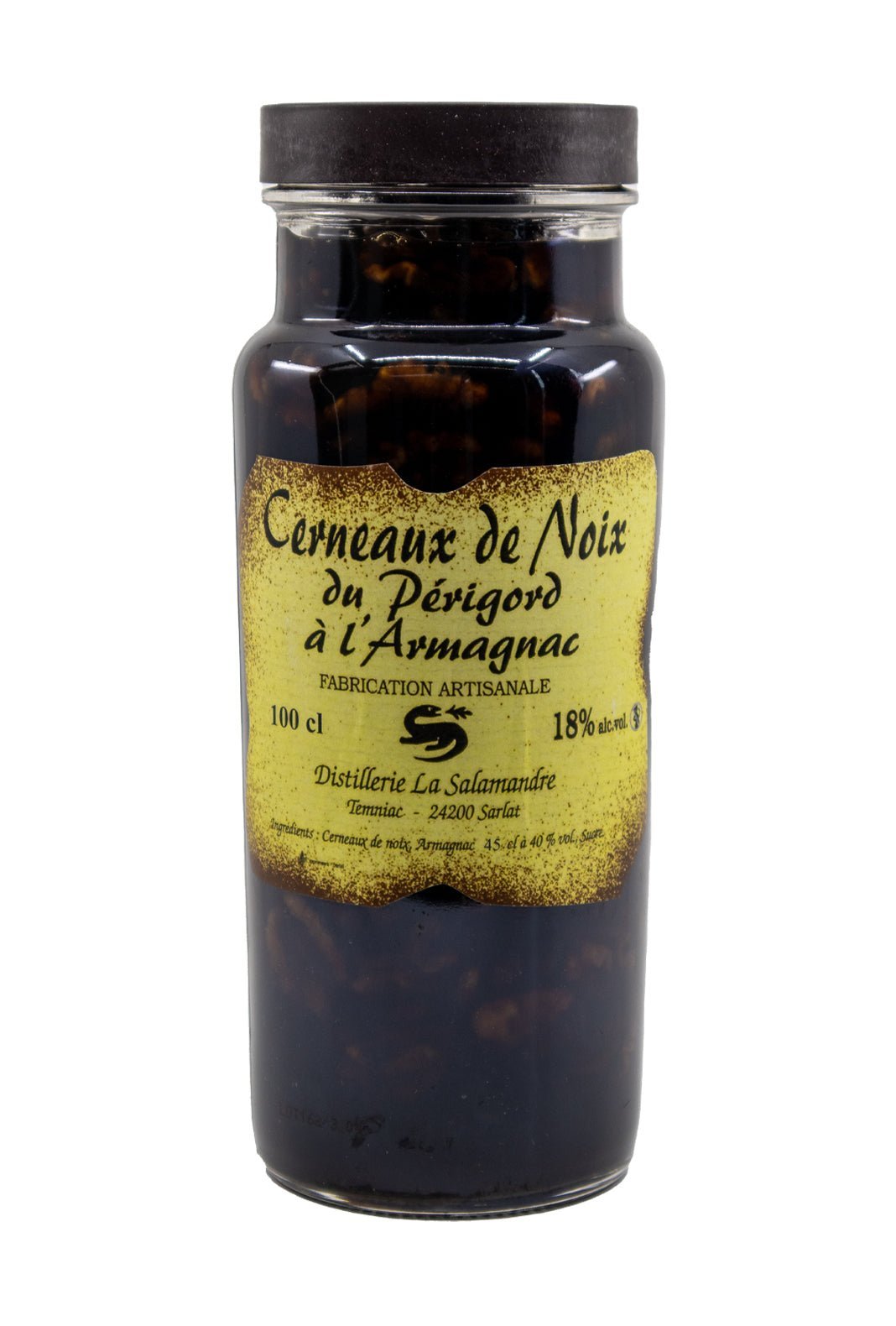
Salamandre Cerneaux de Noix a l'Armagnac (Walnut halves in Armagnac ) 18% 1000ml
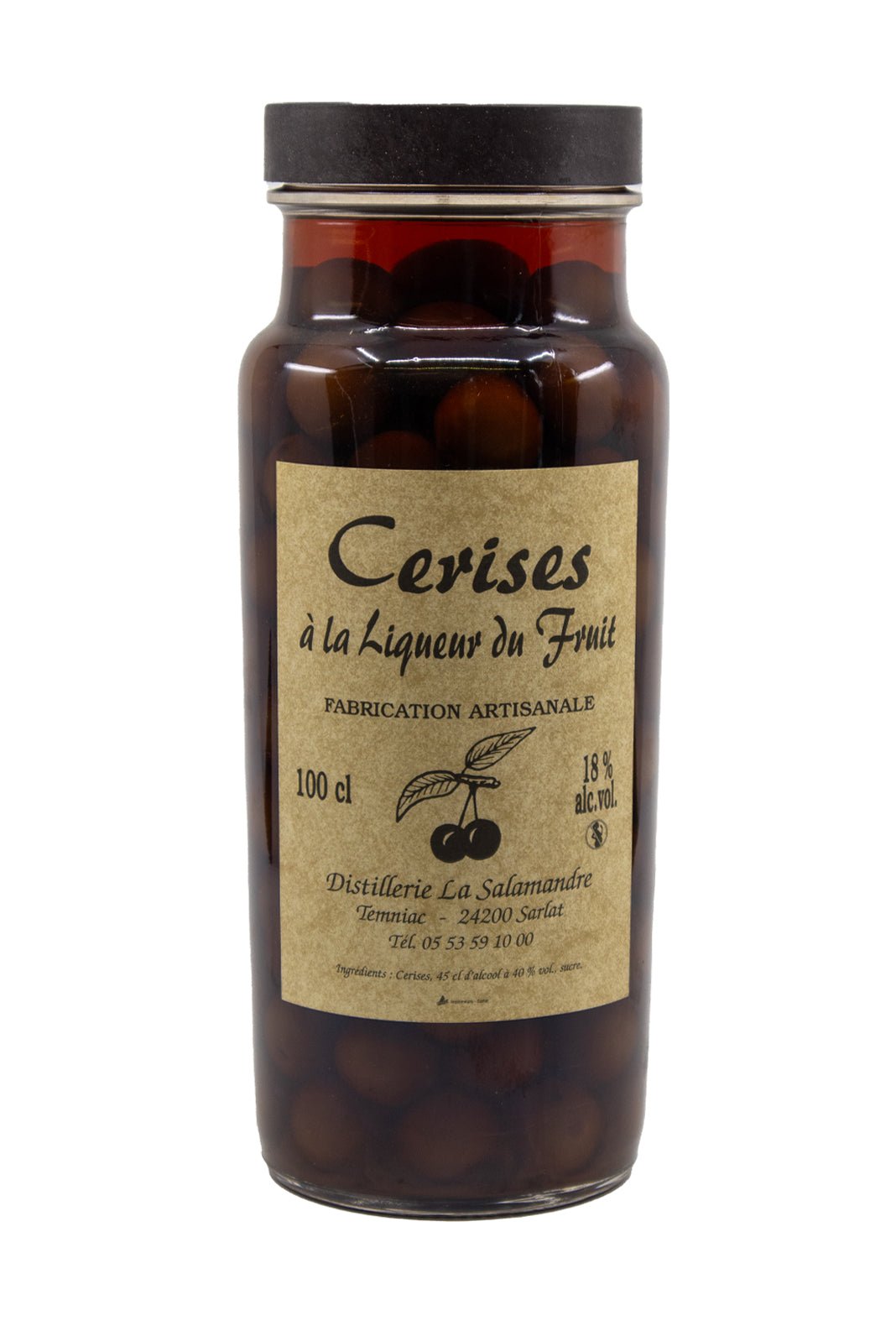
Salamandre Cerises a la Liqueur (Cherries in liqueur) 18% 1000ml
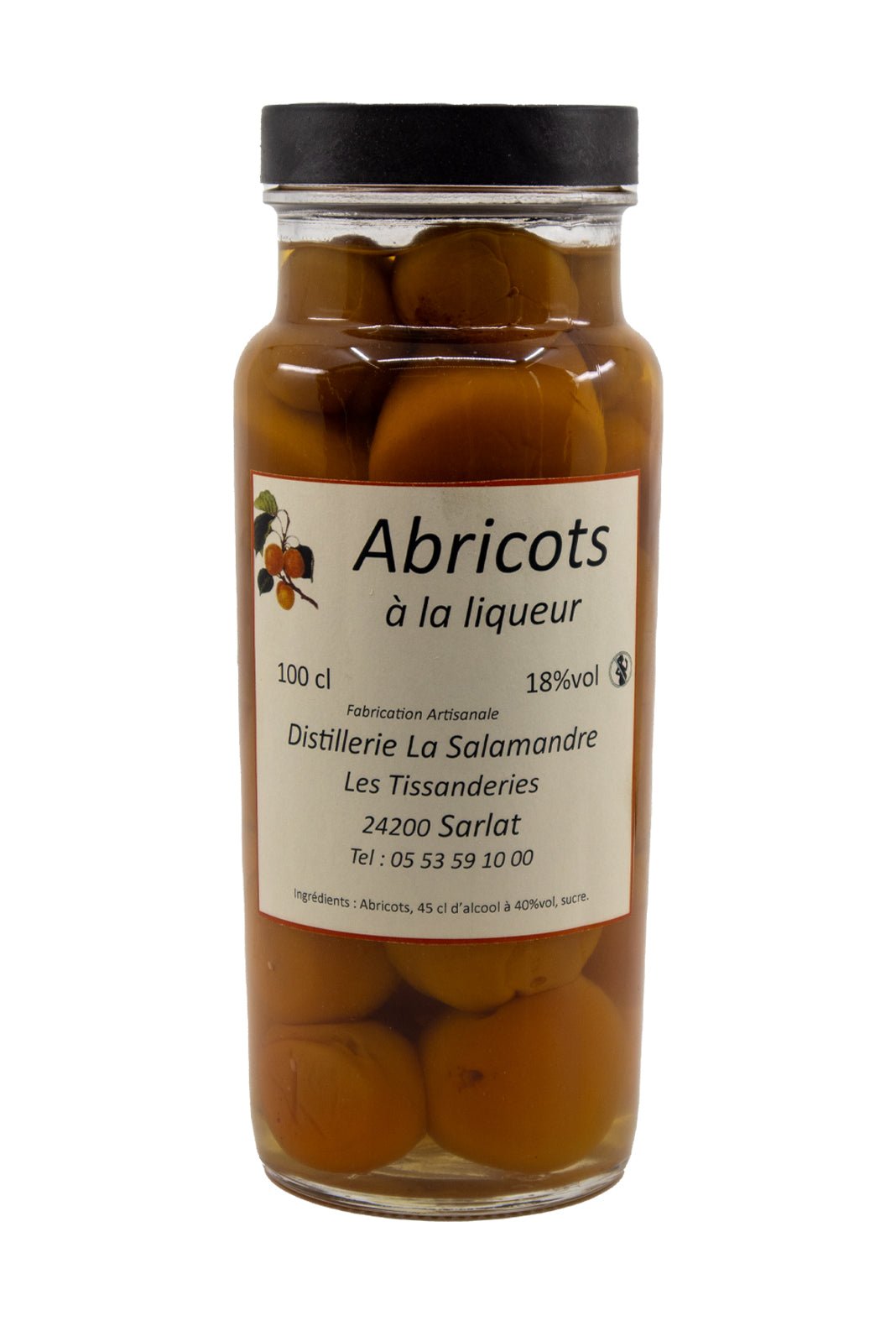
Salamandre Abricots a la Liqueur (Apricots in Liqueur) 18% 1000ml
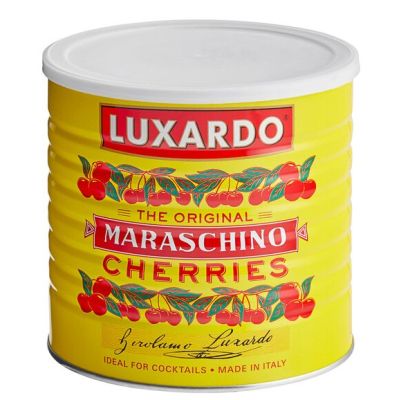
Luxardo CHERRIES 1000g Tin
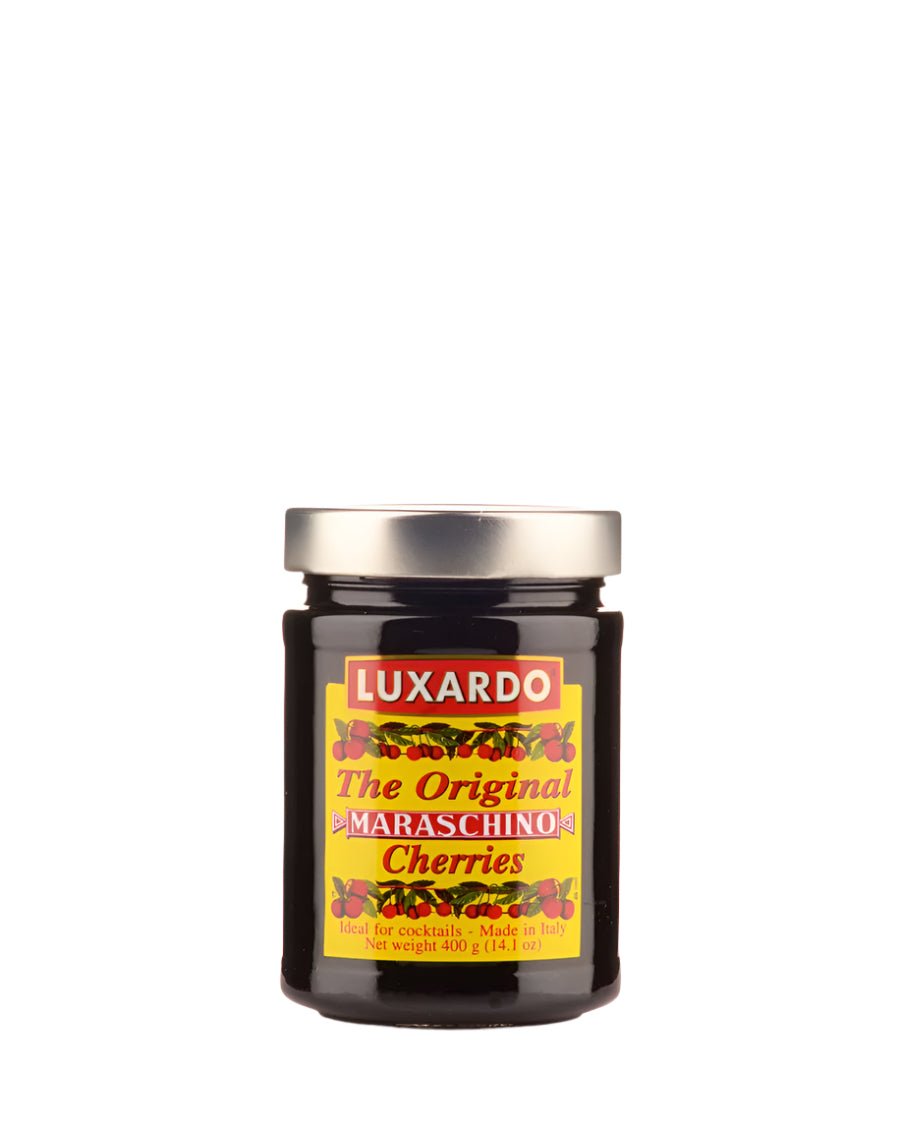
Luxardo CHERRIES 400g
About Fruits in Spirits
Two producers carry this page, and they do quite different things.
La Salamandre, a French distiller, puts whole fruit into spirit in one litre jars. Prunes, chestnuts, clementines and walnut halves go into brandy; mirabelles, cherries, apricots and raspberries go into a sweeter liqueur. They sit between fifteen and eighteen per cent, which means the liquid is as much the point as the fruit: what you have at the end of the jar is a flavoured brandy worth pouring over ice cream or into a glass.
Luxardo supplies the cherries. These are marasca cherries candied in their own syrup rather than steeped in alcohol, and they are the reference product for anyone building a proper Manhattan or Old Fashioned. They come in a 400 gram jar, a one kilogram tin and a 5.6 kilogram catering tin.
One item on the page is a tagging quirk rather than a category member: a large jar of Italian Cerignola olives, which is a catering line and has nothing to do with fruit in spirit. It is listed here because of how it was tagged, and it is worth saying so rather than pretending the page is tidier than it is.
Preserving fruit in alcohol is old domestic practice, and the commercial versions here do the same thing with better fruit and a better base spirit than most households would use.
History
Putting fruit into alcohol is one of the oldest forms of preservation, and it predates any of the commercial products here. Alcohol above a certain strength stops spoilage, so a summer glut of cherries or plums could be kept through winter in a jar. Rural France, Italy and central Europe all have versions of the habit, and in many households it was done with the distillate the family had made themselves.
Two separate traditions meet on this page. The first is the French one, where whole fruit goes into brandy or liqueur and both the fruit and the liquid are consumed, often as a digestif at the end of a long meal. Prunes in brandy from the south west are the archetype.
The second is the maraschino cherry, which is a different lineage entirely. It begins with the marasca cherry of the Dalmatian coast and the maraschino liqueur distilled from it, a product the Luxardo family built its business on from the early nineteenth century. Cherries preserved in that liqueur became a luxury confection and then a bar staple.
What happened next is a cautionary tale about names. Through the twentieth century the American market filled with bright red, brine cured, artificially coloured cherries sold under the same word, and they are not the same product. The revival of classic cocktails from the 1990s onward brought the original style back, which is why a proper dark maraschino cherry is now a normal thing to find on a bar.
How to drink it
Take the jar seriously as two ingredients rather than one.
The fruit is the obvious half. Spoon La Salamandre prunes, cherries or apricots over vanilla ice cream, a plain custard or a slice of cake, at the end of a meal. Two or three pieces are plenty, because the fruit has absorbed the spirit and carries it. The walnut halves and chestnuts in brandy work better with cheese than with dessert.
The liquid is the half people throw away, and they should not. At fifteen to eighteen per cent it is a flavoured brandy or liqueur in its own right. Pour a small measure cold, use it to deglaze a pan for a fruit sauce, or add it to sparkling wine.
The Luxardo cherries belong in a glass rather than on a plate. One in a Manhattan, one in an Old Fashioned, and a small spoon of the syrup if you want the drink slightly sweeter and darker. They are also good on their own with coffee.
Once opened, keep both in the fridge. The spirit jars will hold for months because the alcohol does the work; the cherries are a syrup product and should be treated like any other opened preserve and used within a few weeks.