
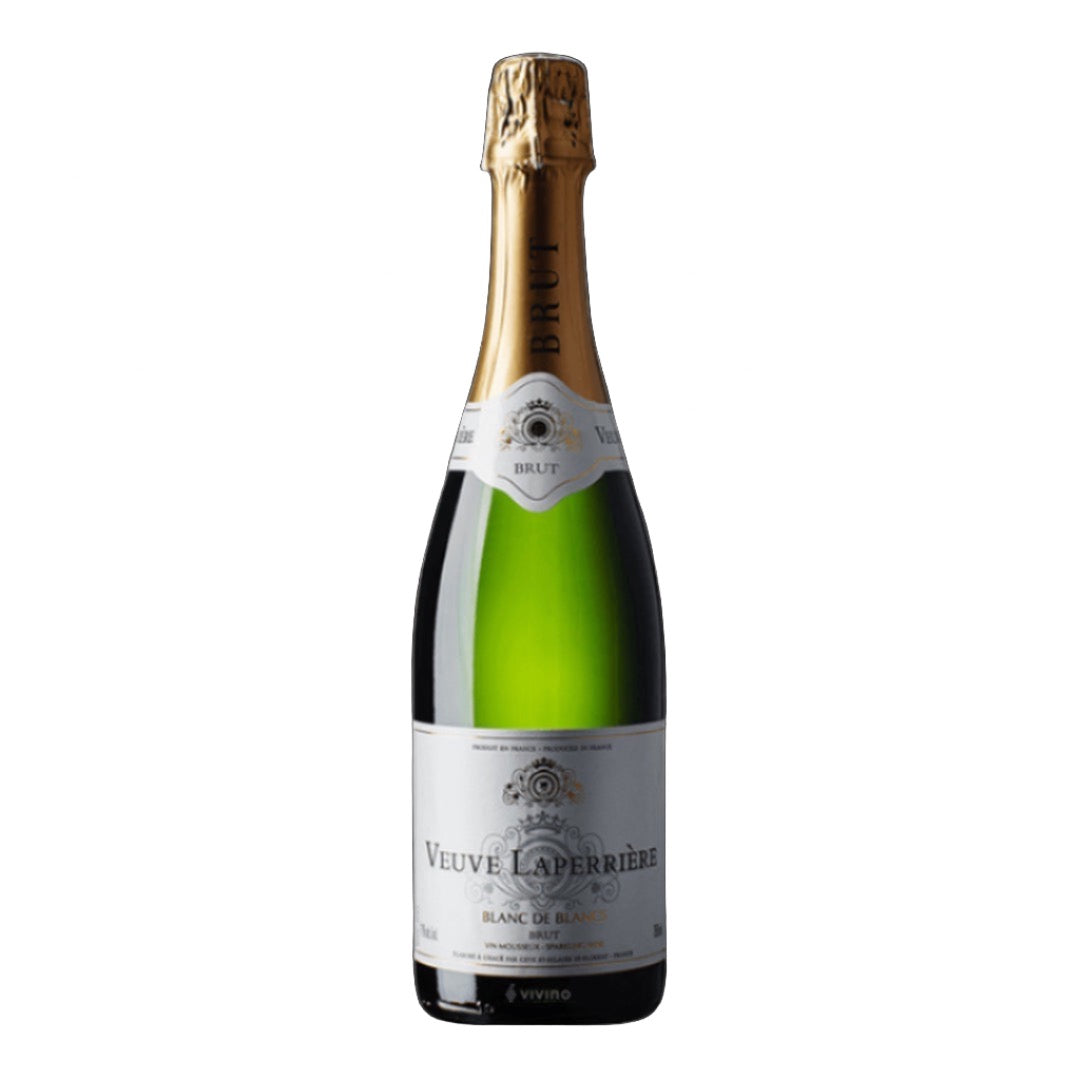
Veuve Laperriere Blanc de Blancs Brut
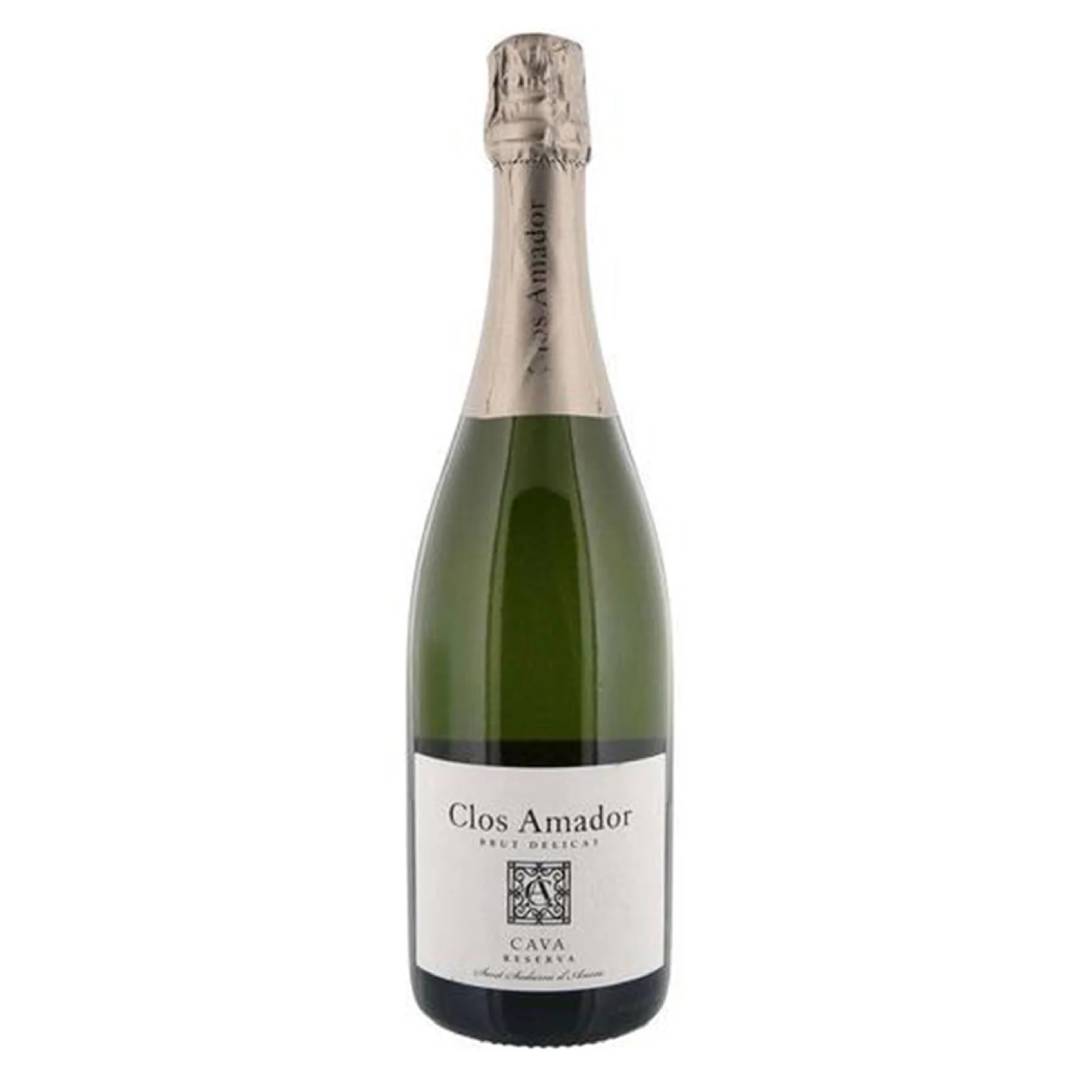
Pere Ventura Clos Amador NV
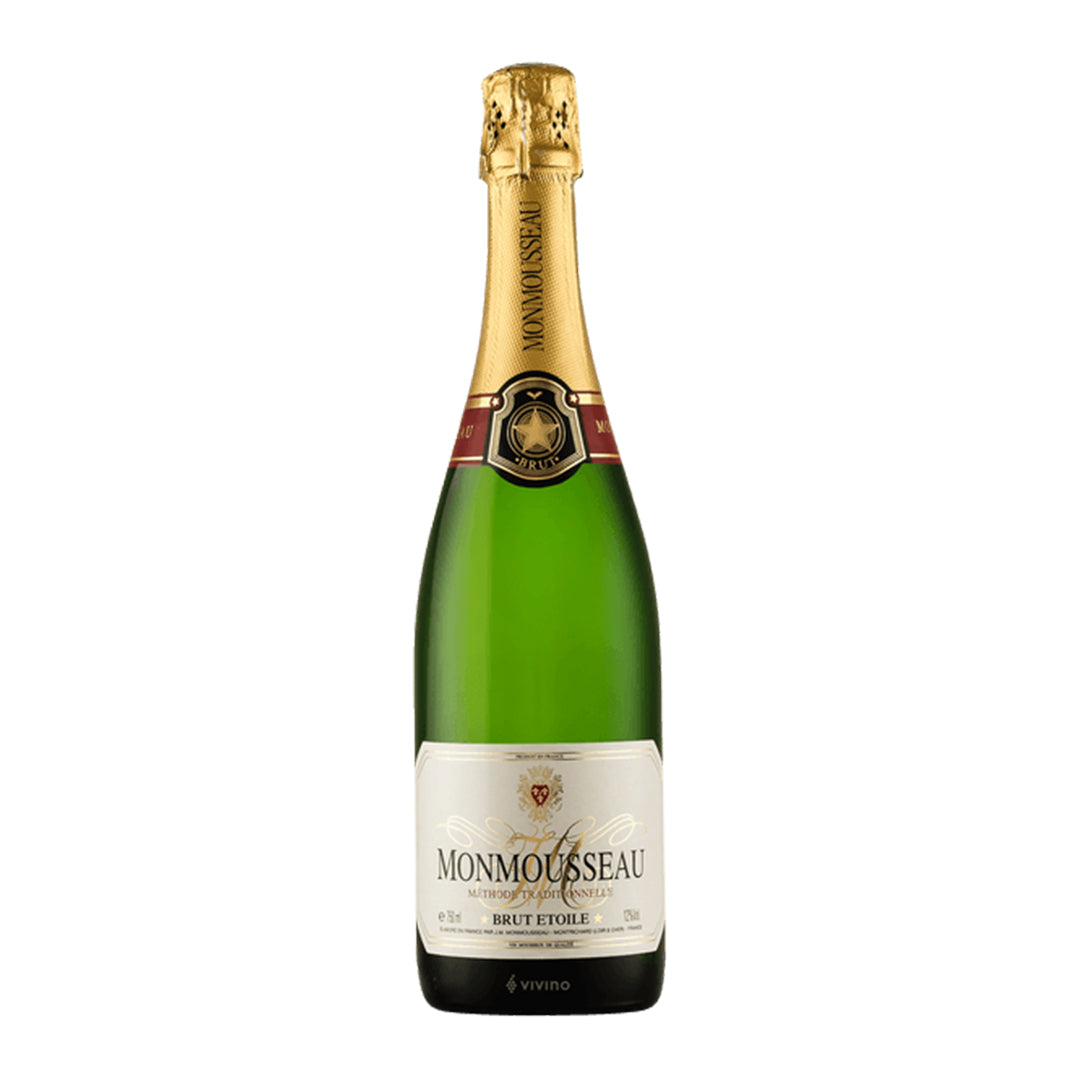
Monmousseau Brut Etoile 750ml
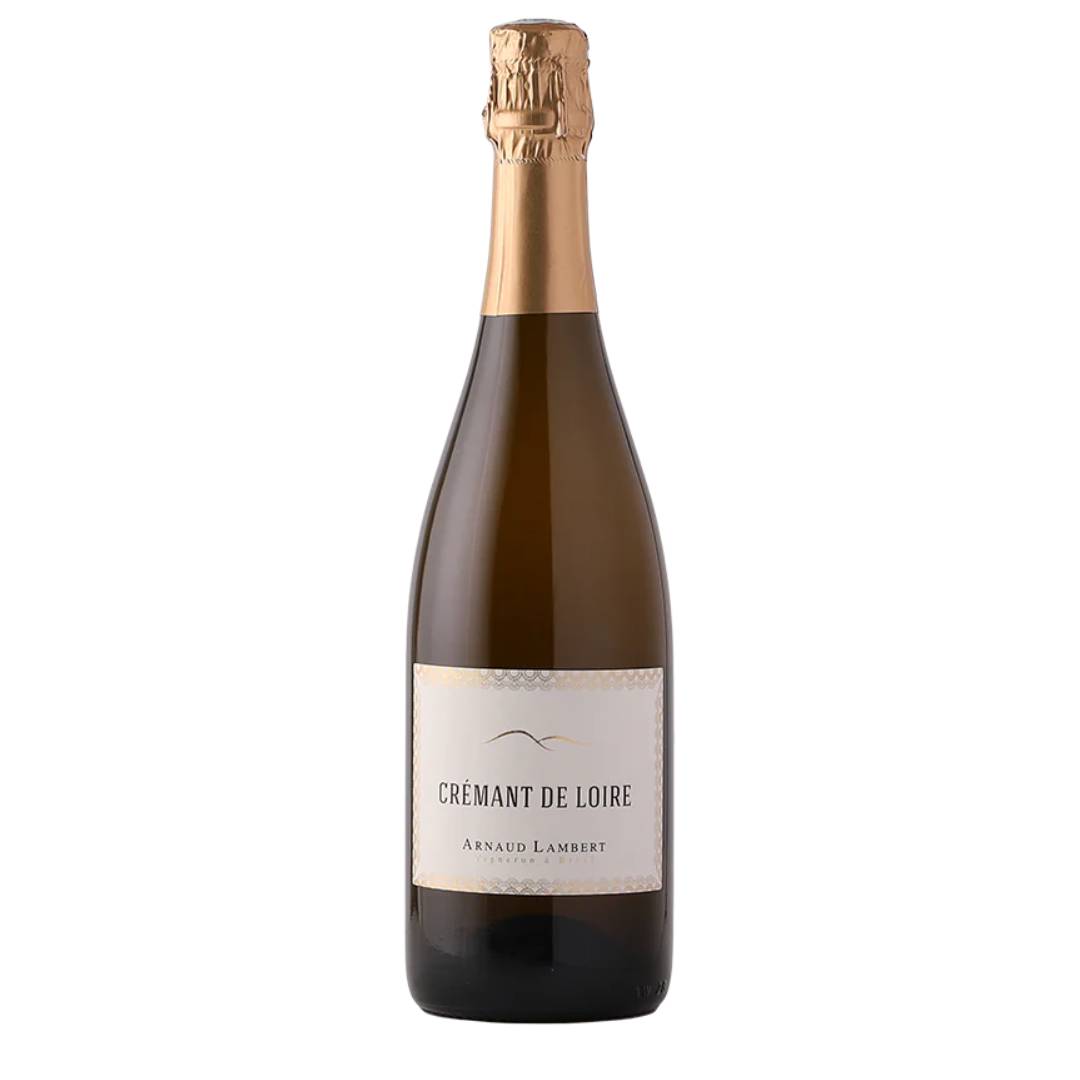
Arnaud Lambert Cremant NV Arnaud Lambert Crémant de Loire Chenin Blanc NV
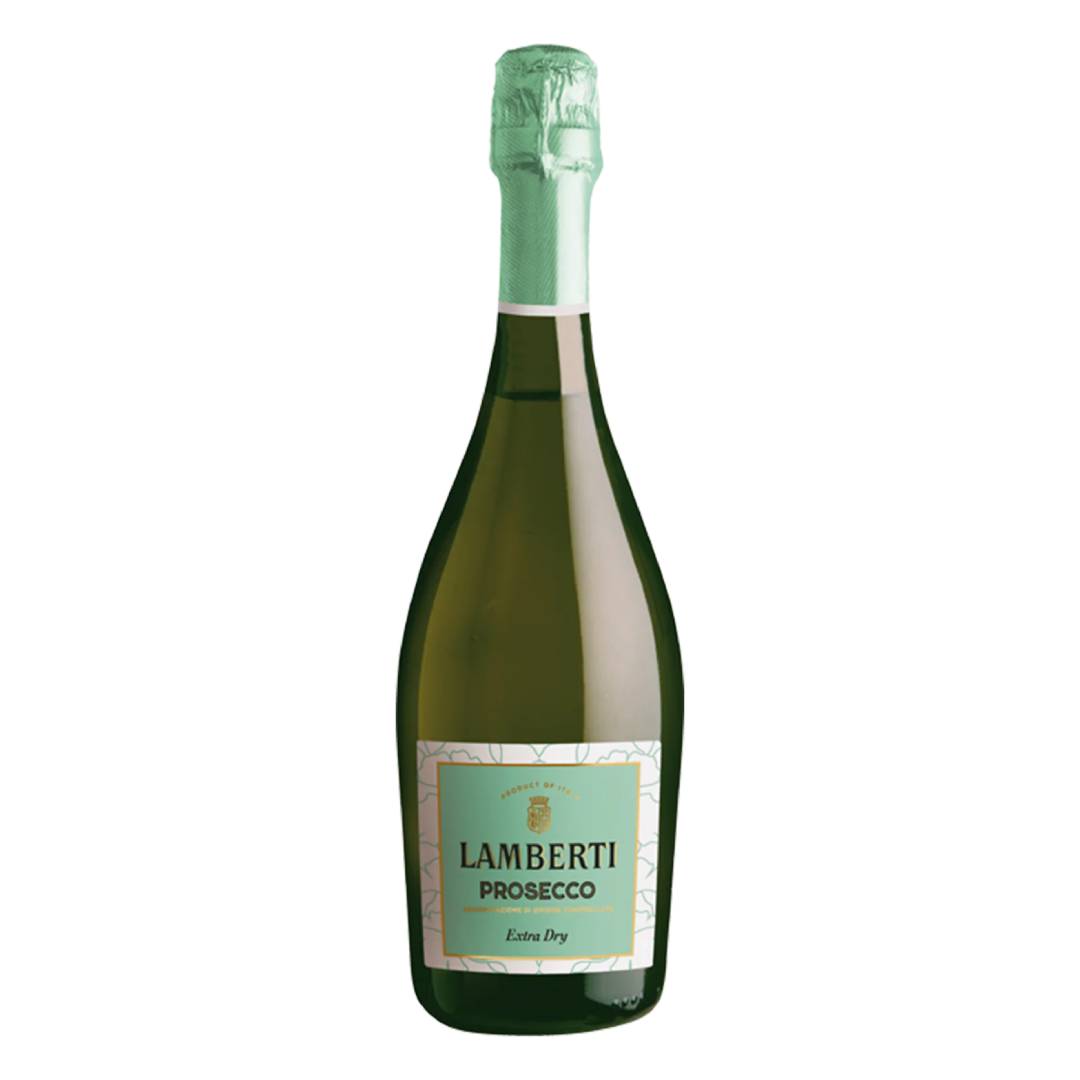
Lamberti Prosecco DOC extradry
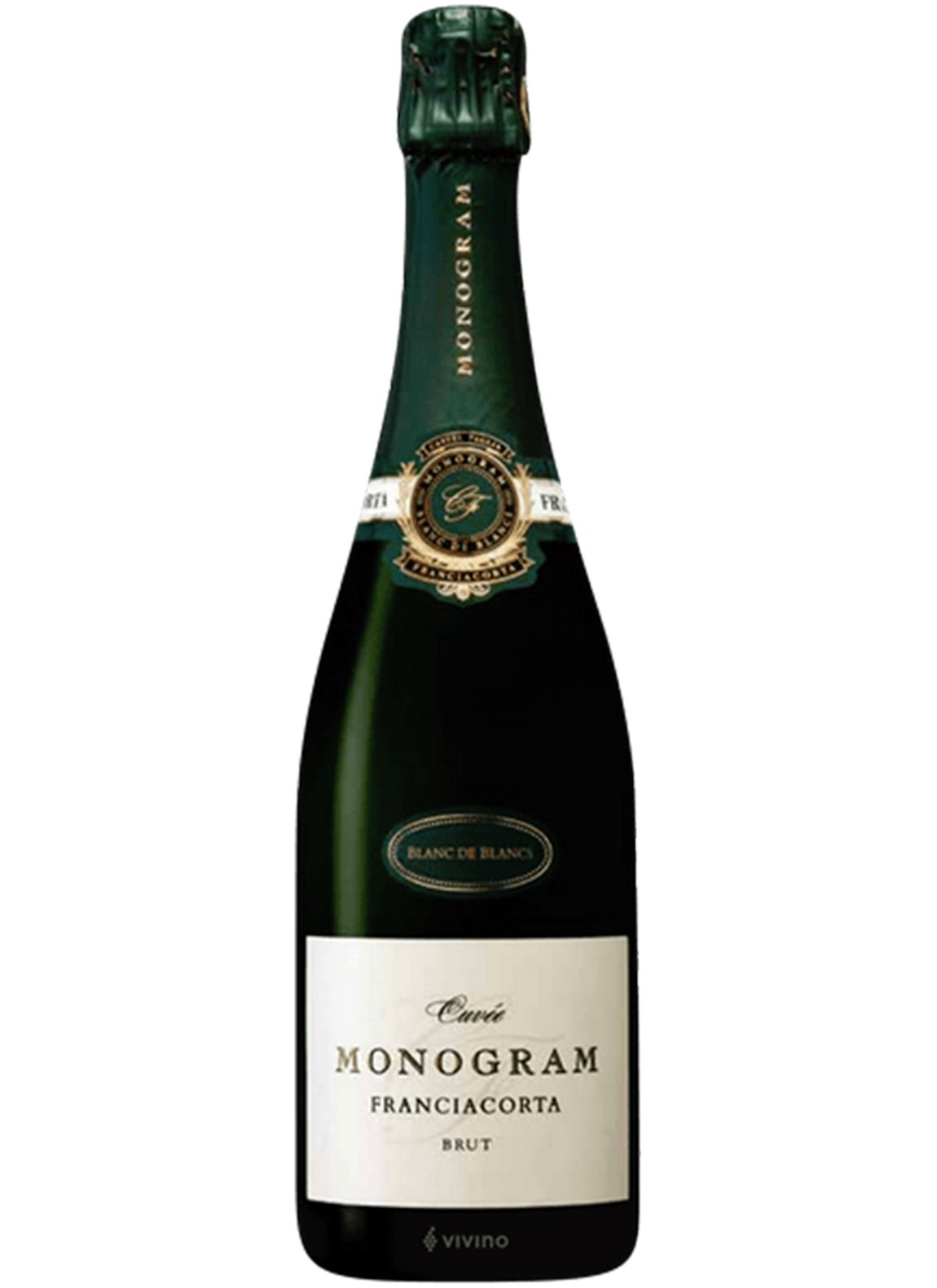
Monogram Blanc de Blancs Franciacorta
Maison Labet Cuvee Loraine NV
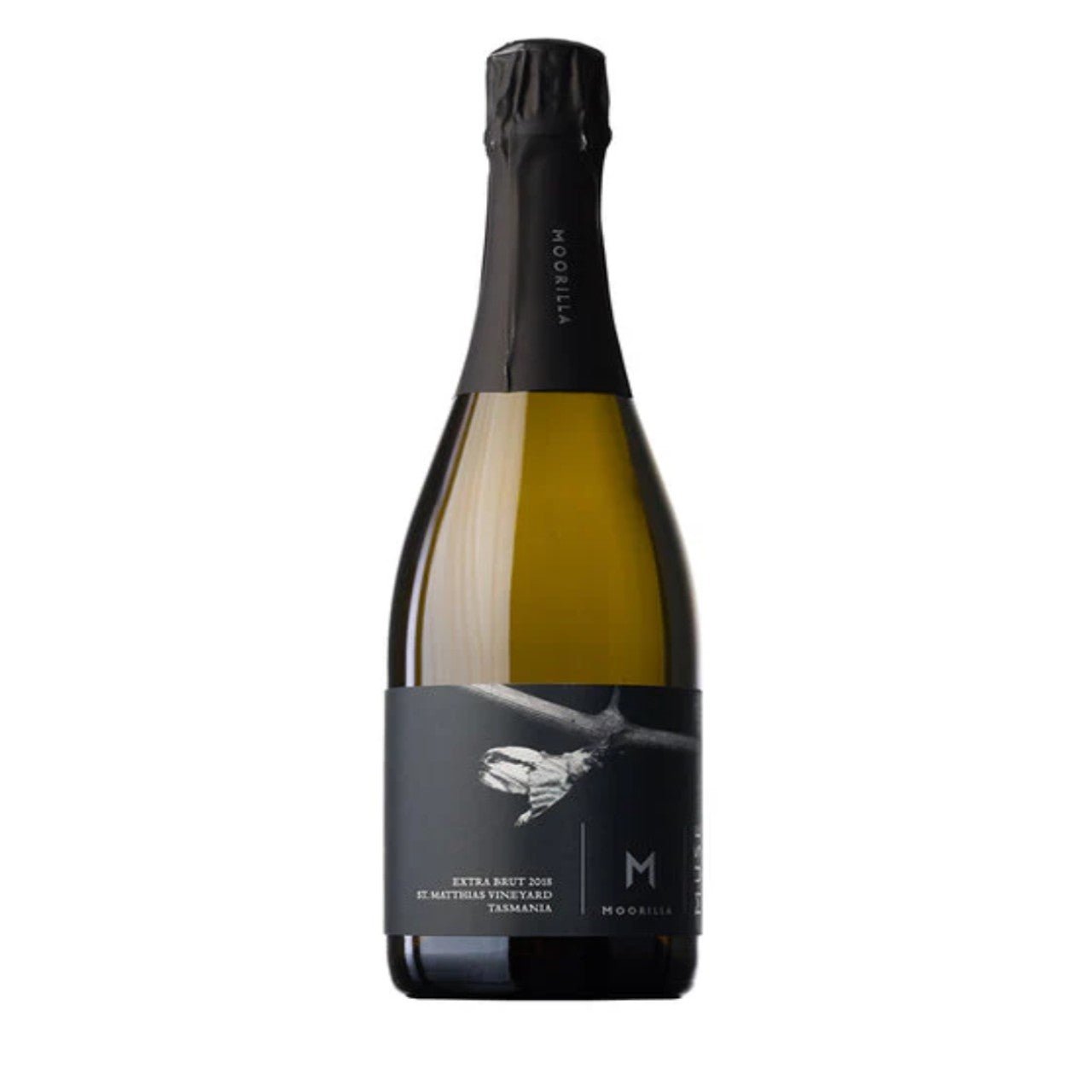
Moorilla Muse Extra Brut 2018
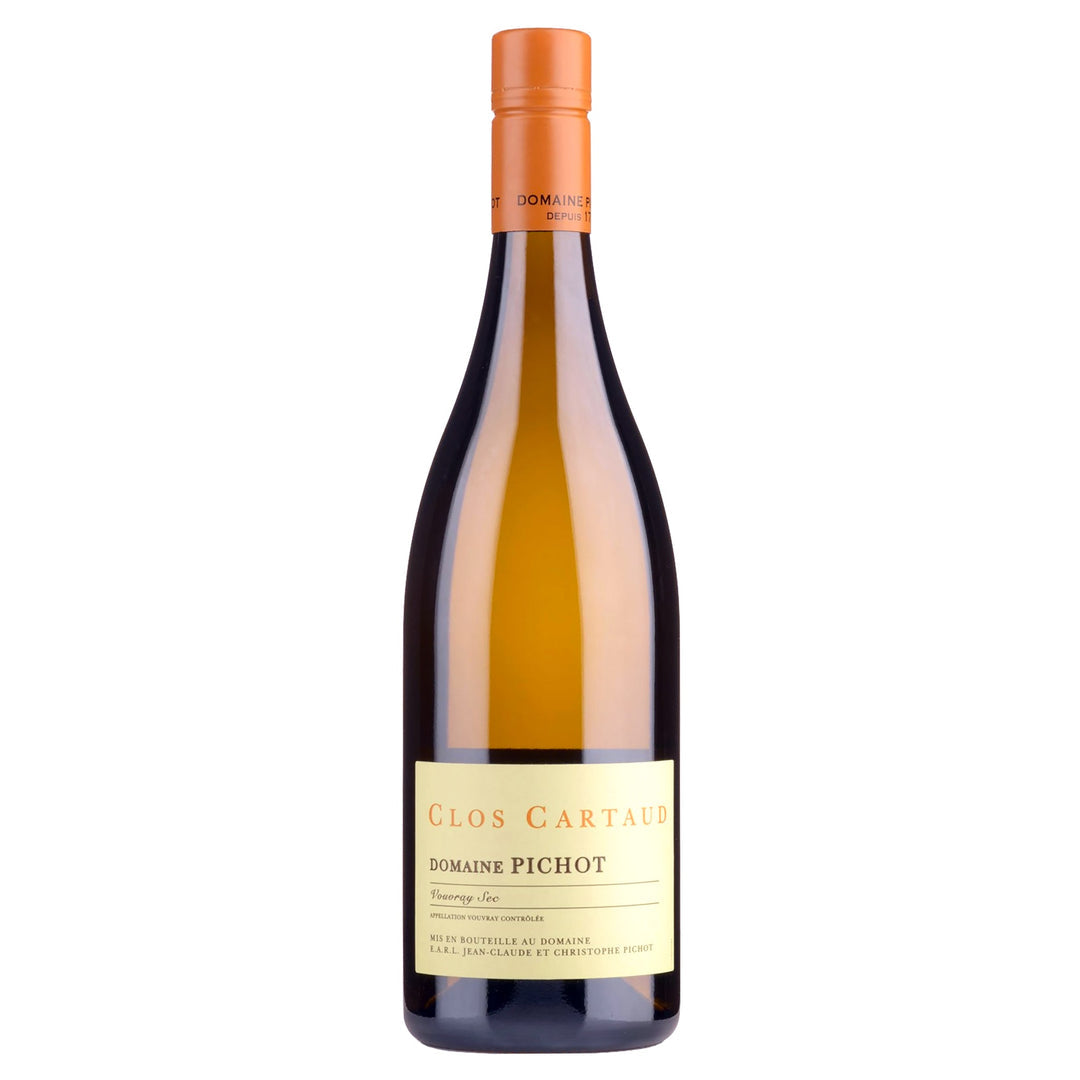
Domaine Pichot Vouvray Clos Cartaud Sec 2022
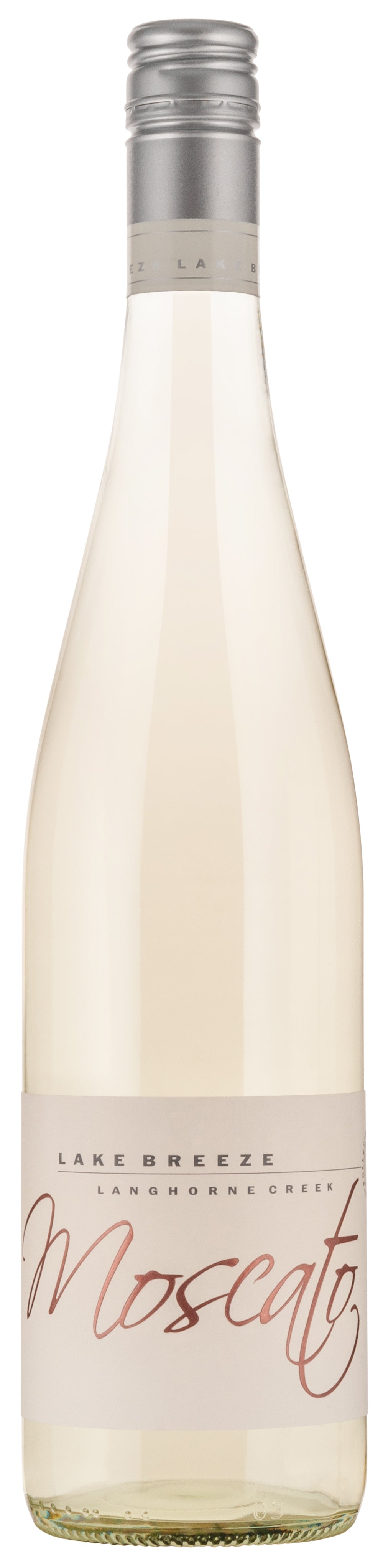
Lake Breeze Moscato 2026
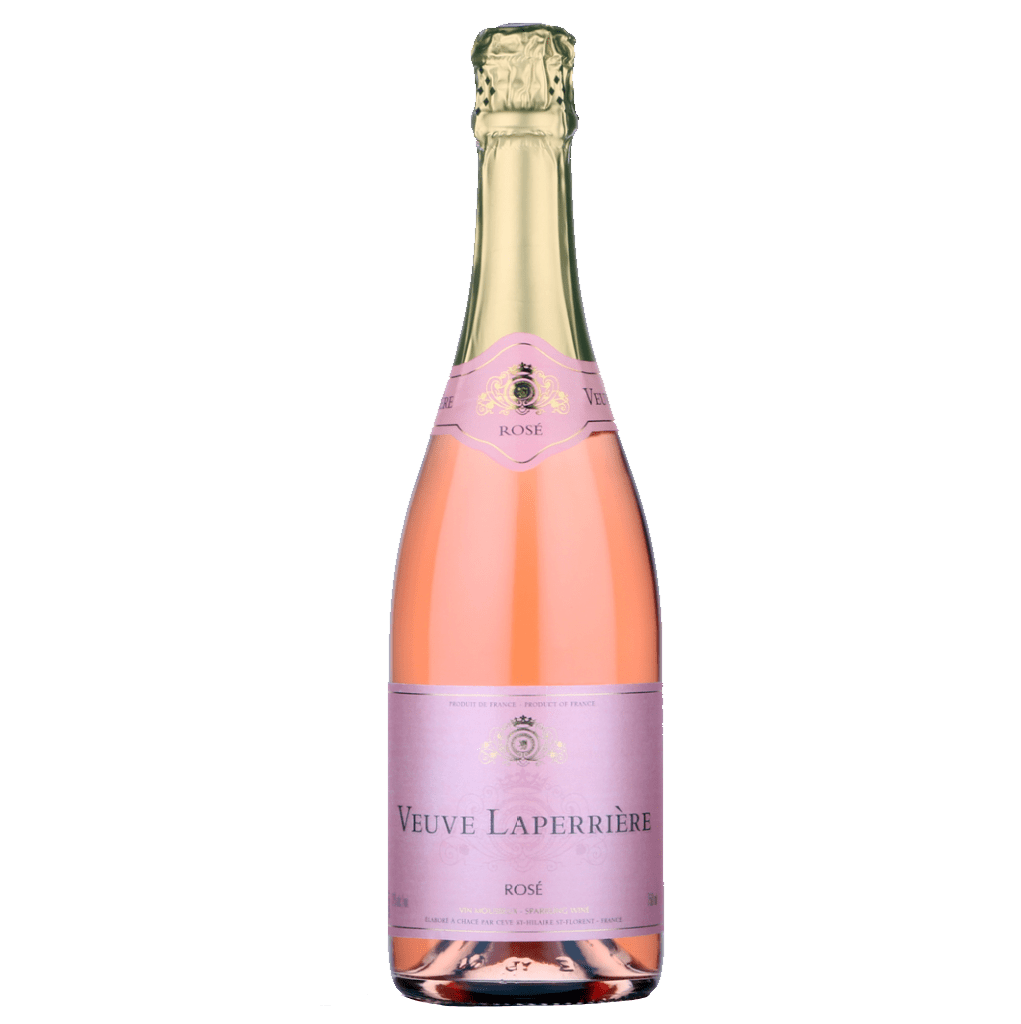
Veuve Laperriere Rose
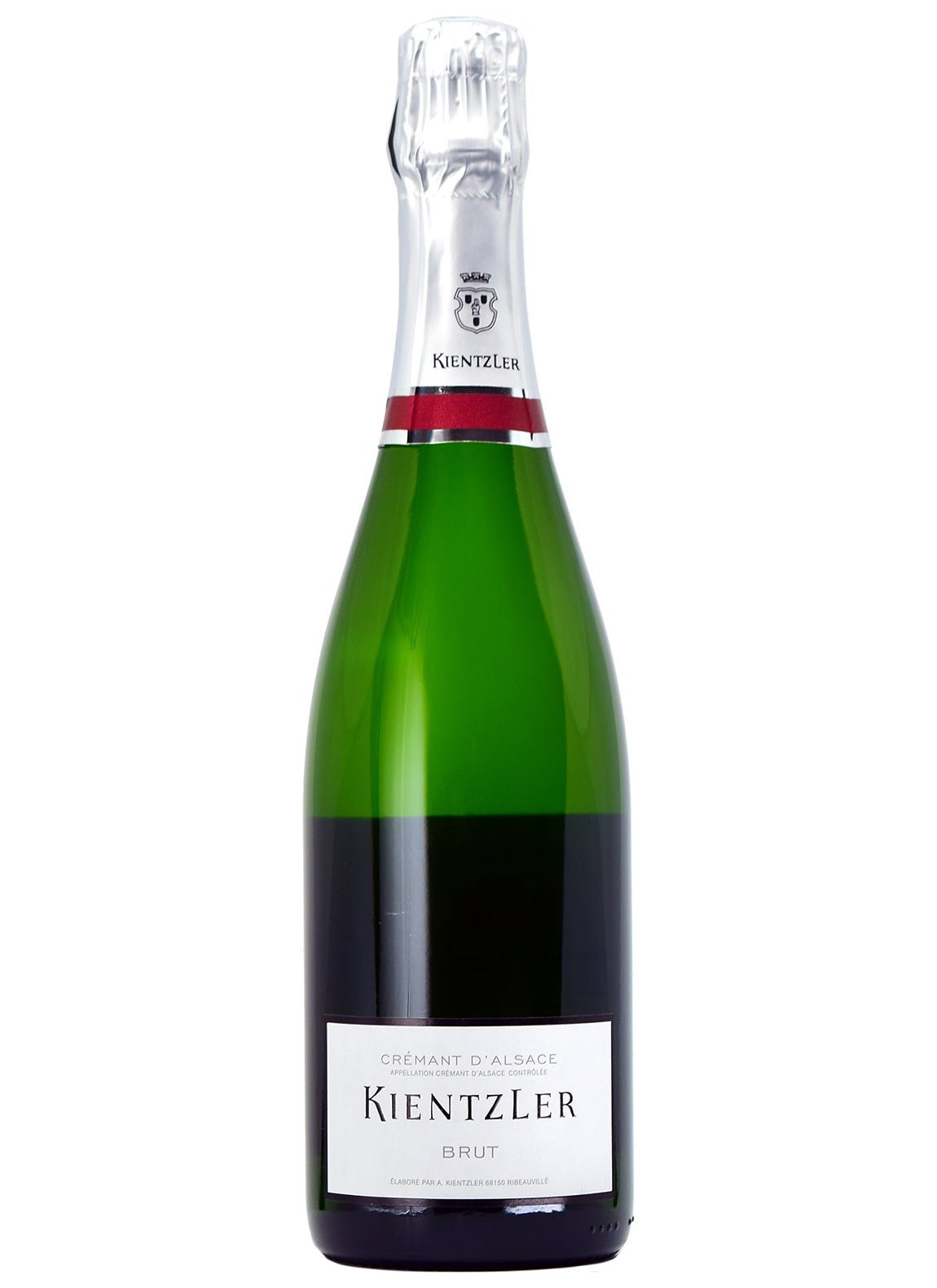
Kientzler Cremant d'Alsace NV
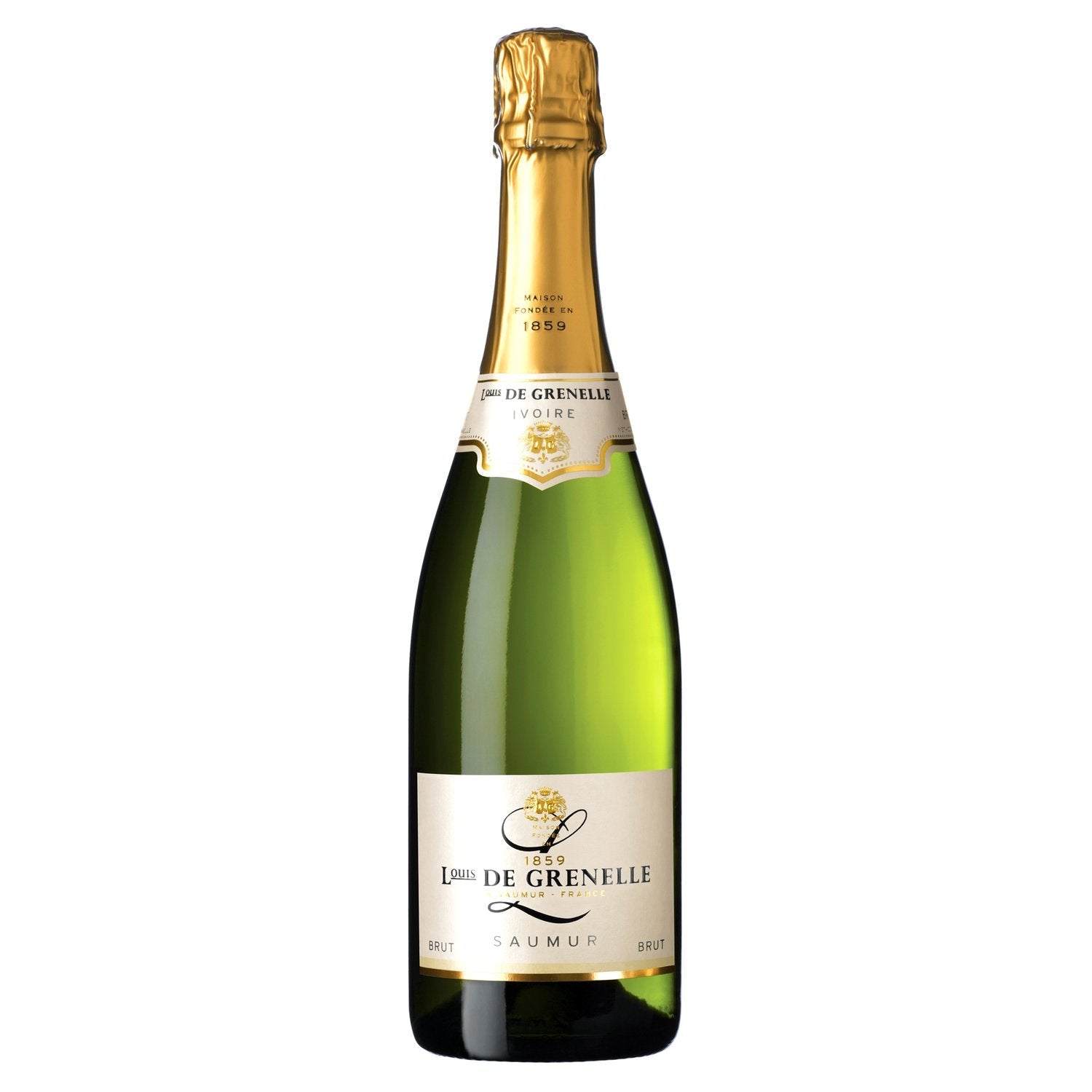
Louis de Grenelle Saumur Ivoire Brut NV
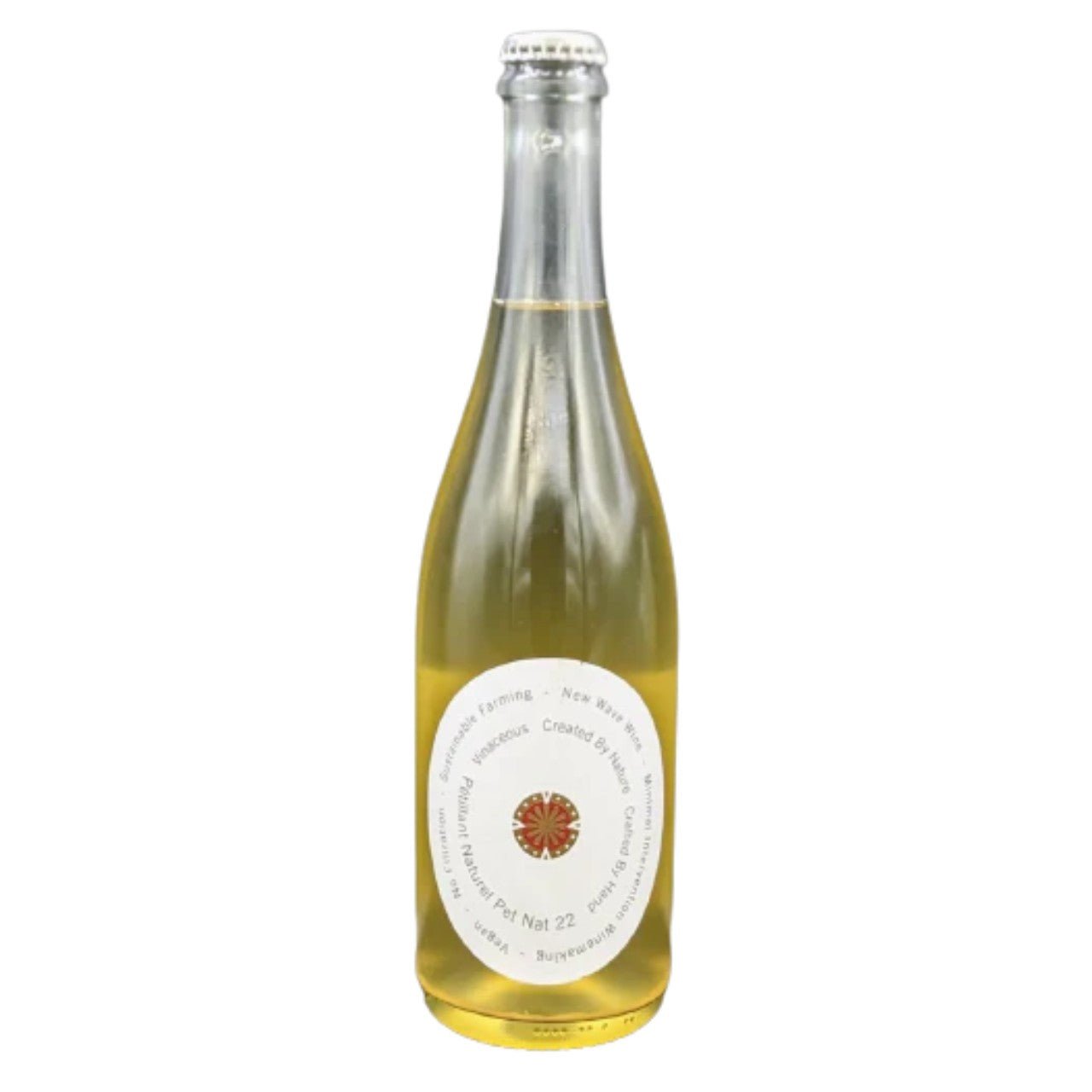
Vinaceous Pet Nat 2022
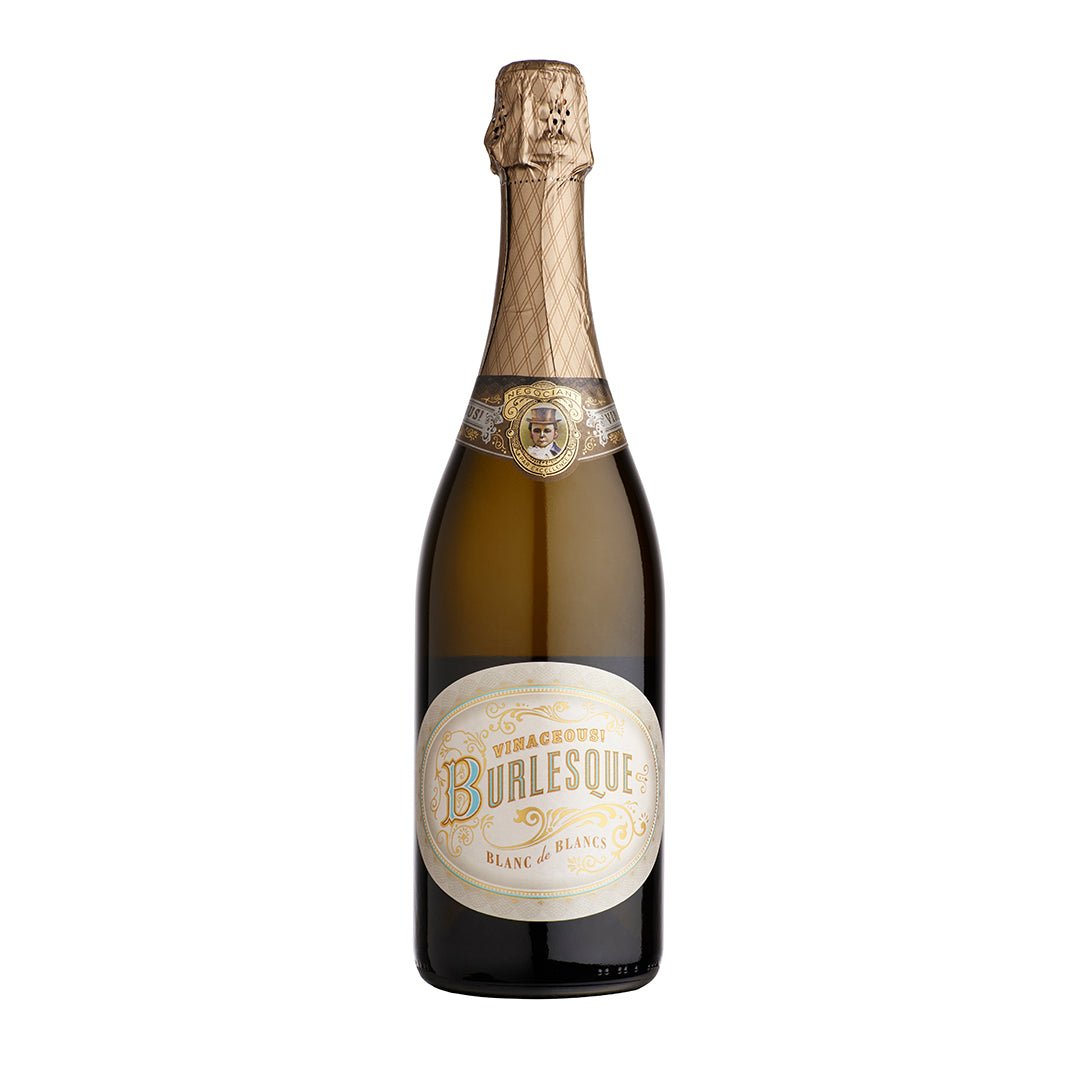
Vinaceous Burlesque Sparkling
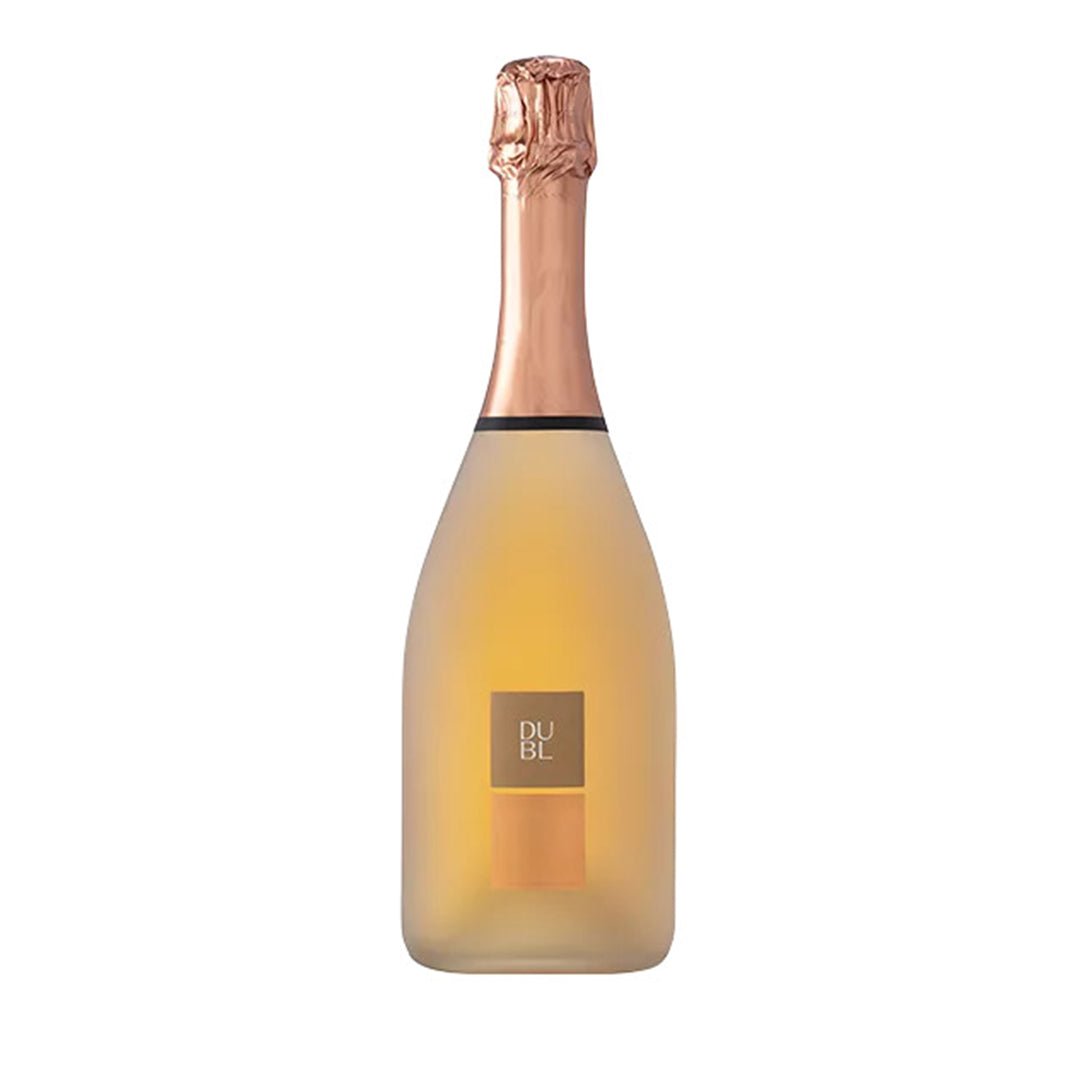
Feudi Dubl Sparkl Aglian Brut
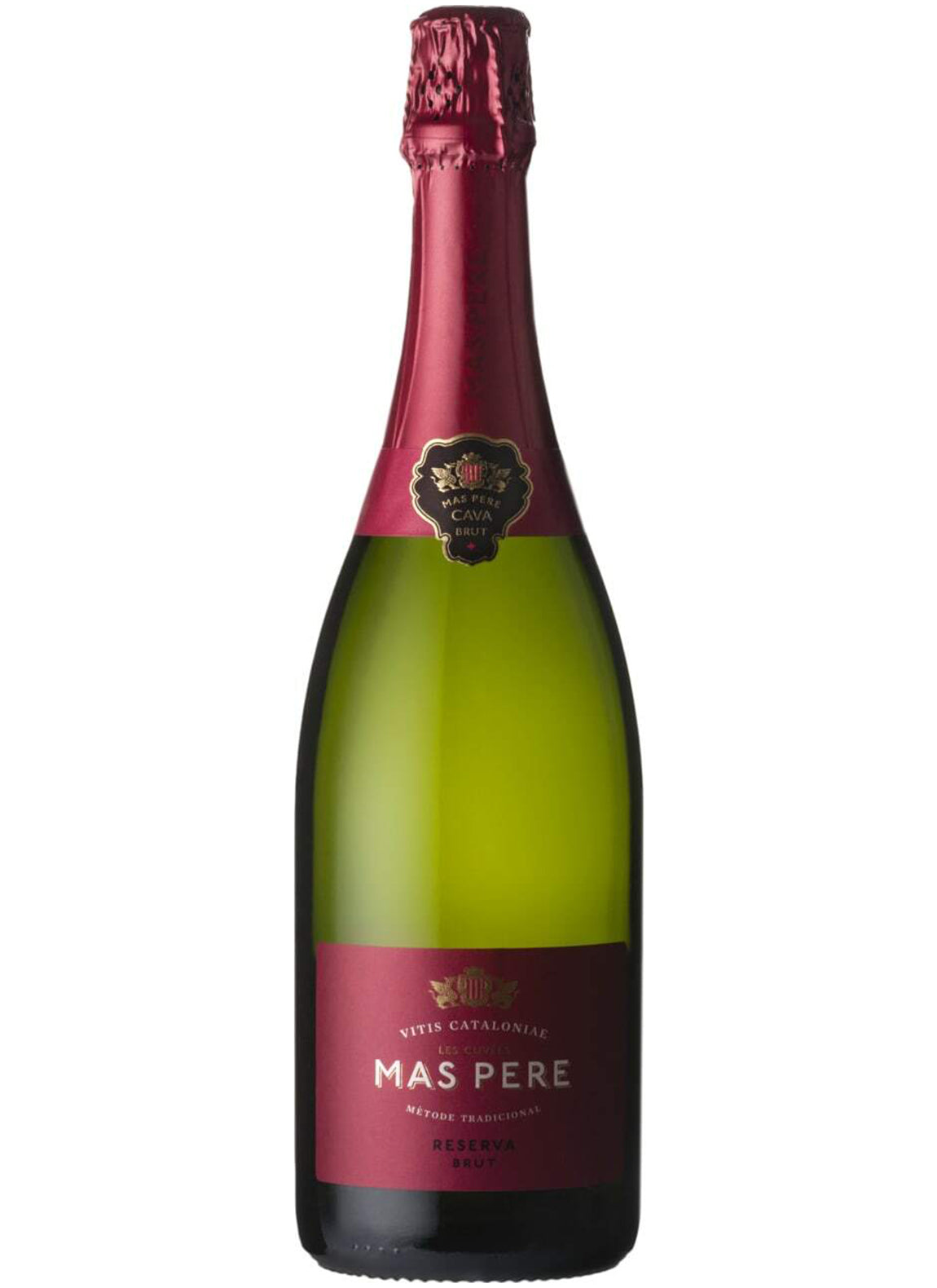
Pere Ventura Mas Pere Brut Selección Cava
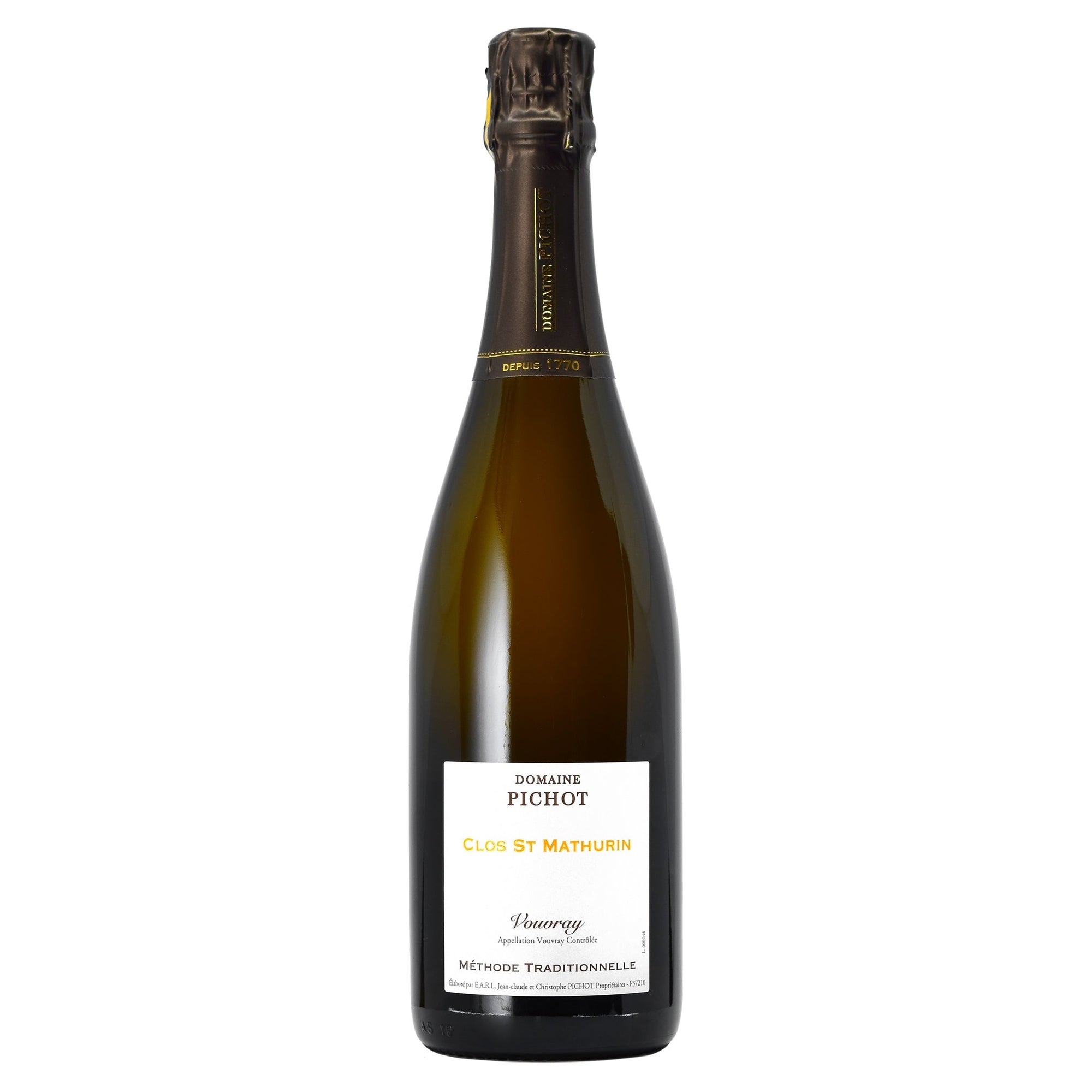
Domaine Pichot Clos Saint Mathurin Brut 2023
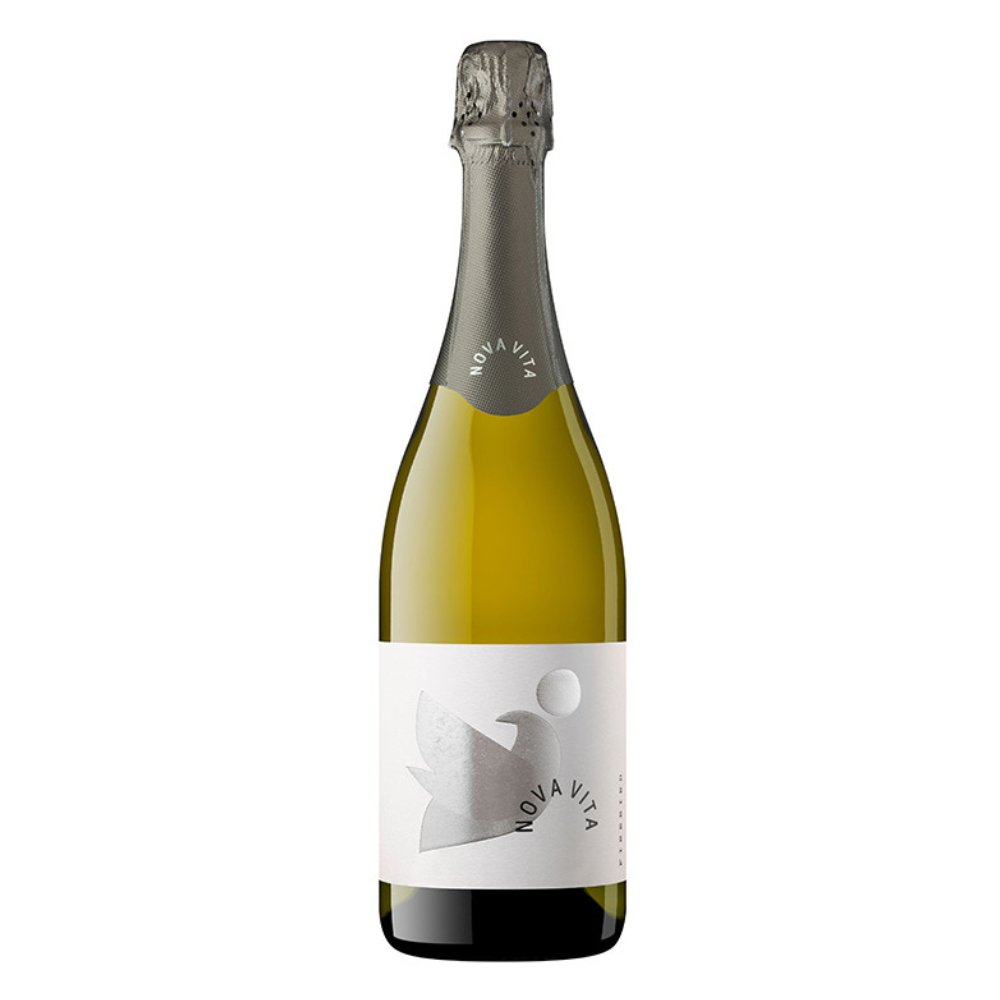
Nova Vita Firebird Sparkling Pinot Noir Chardonnay
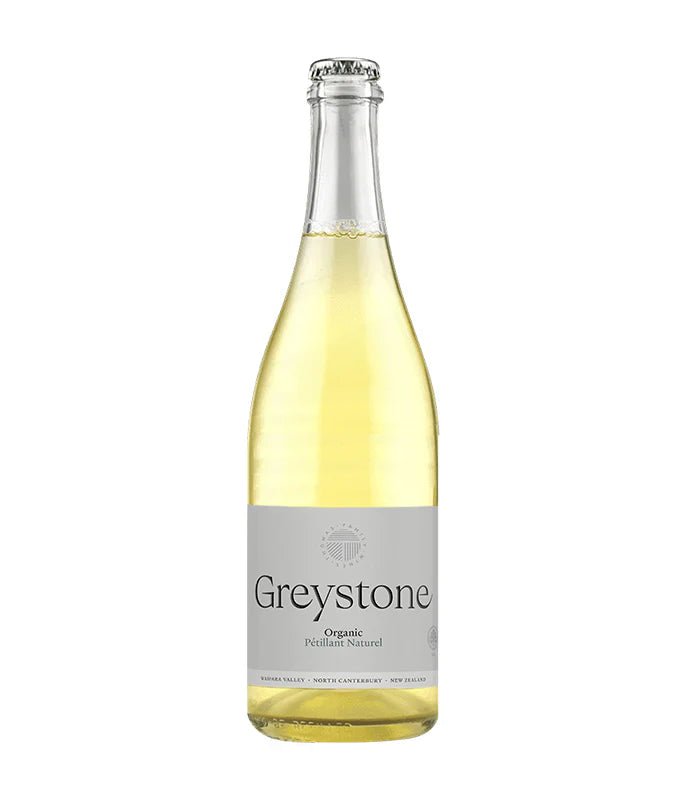
Greystone Petillant Naturel 2022
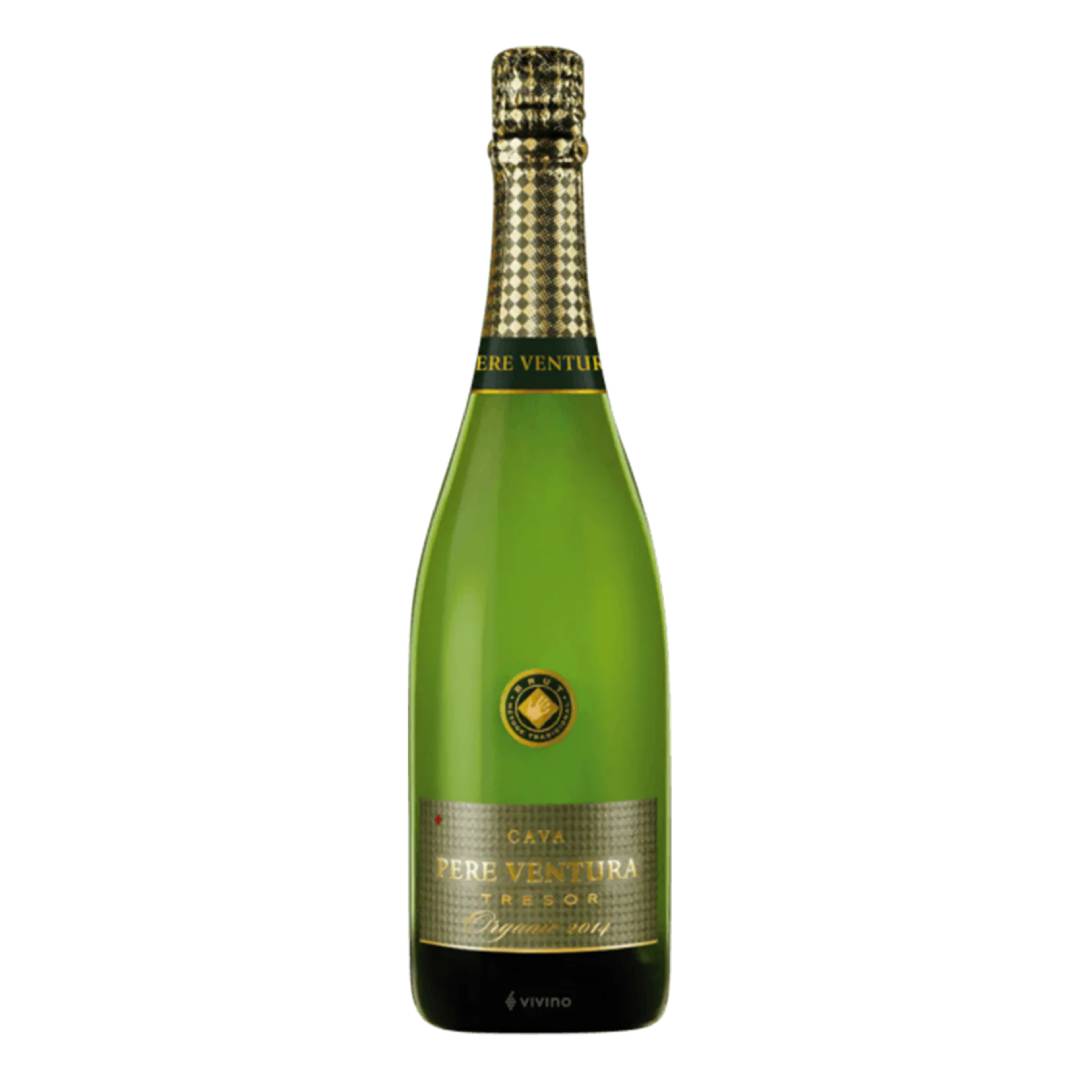
Pere Ventura Organic Cava
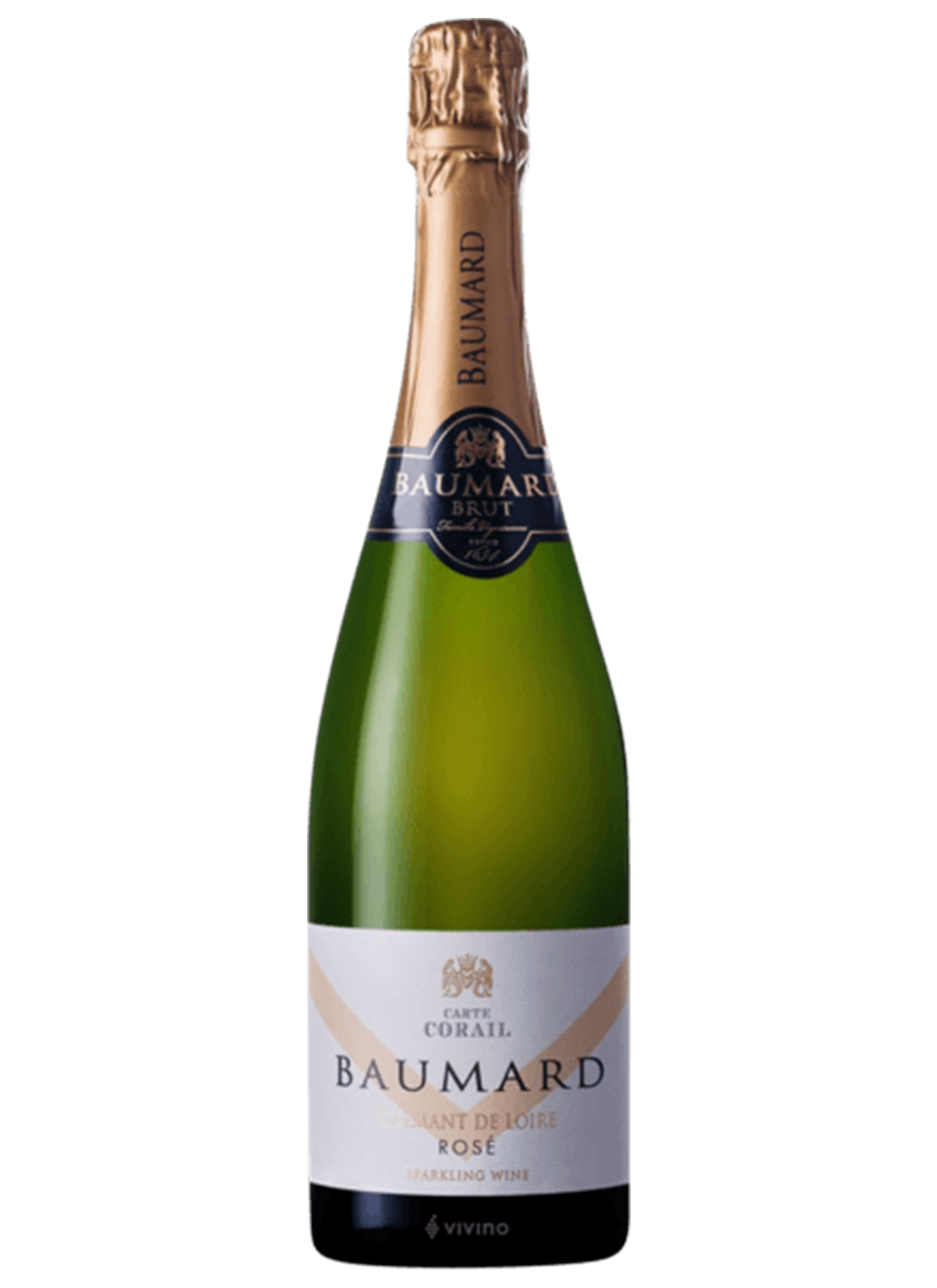
Baumard Carte Corail Sparkling NV
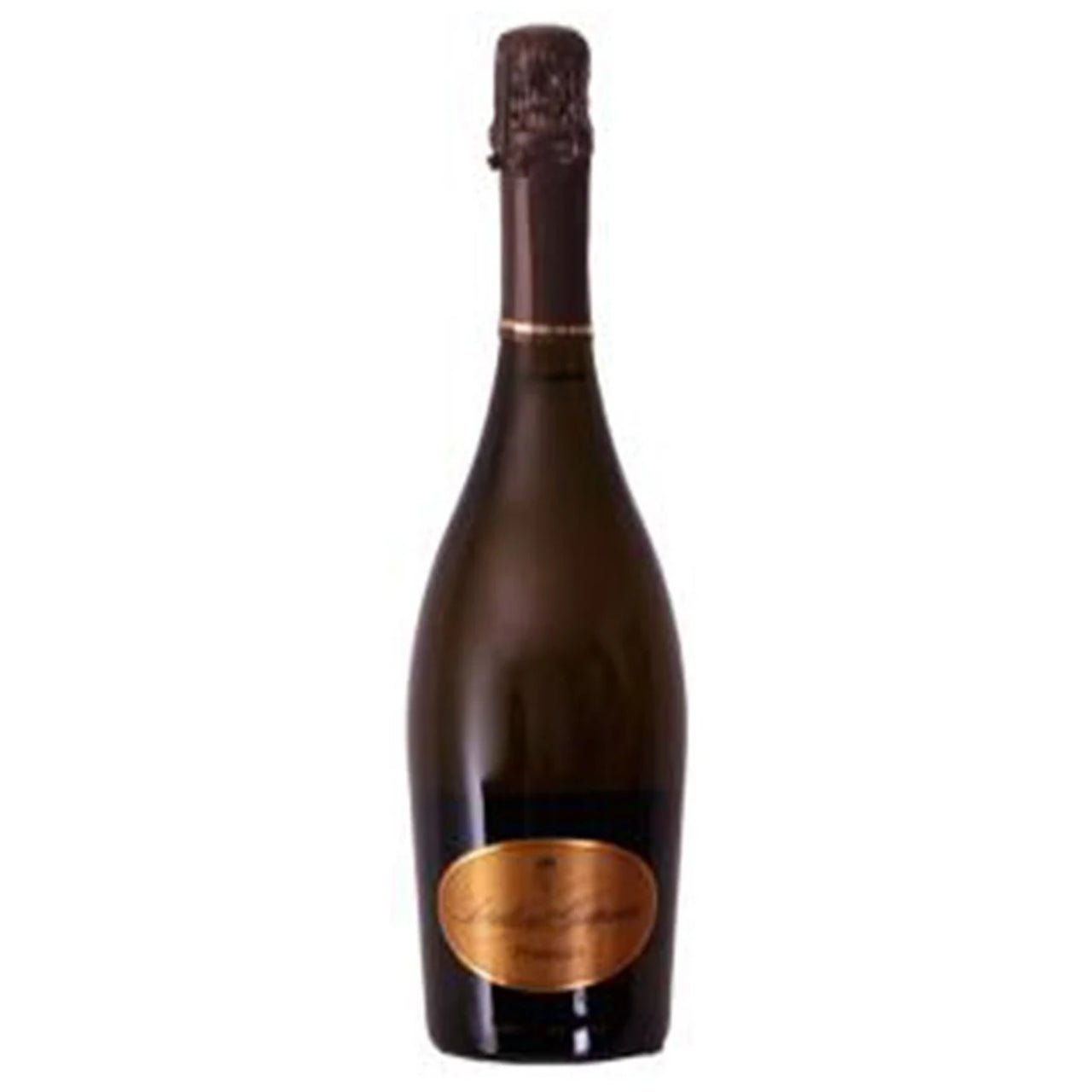
Loredan GASPARINI- Prosecco
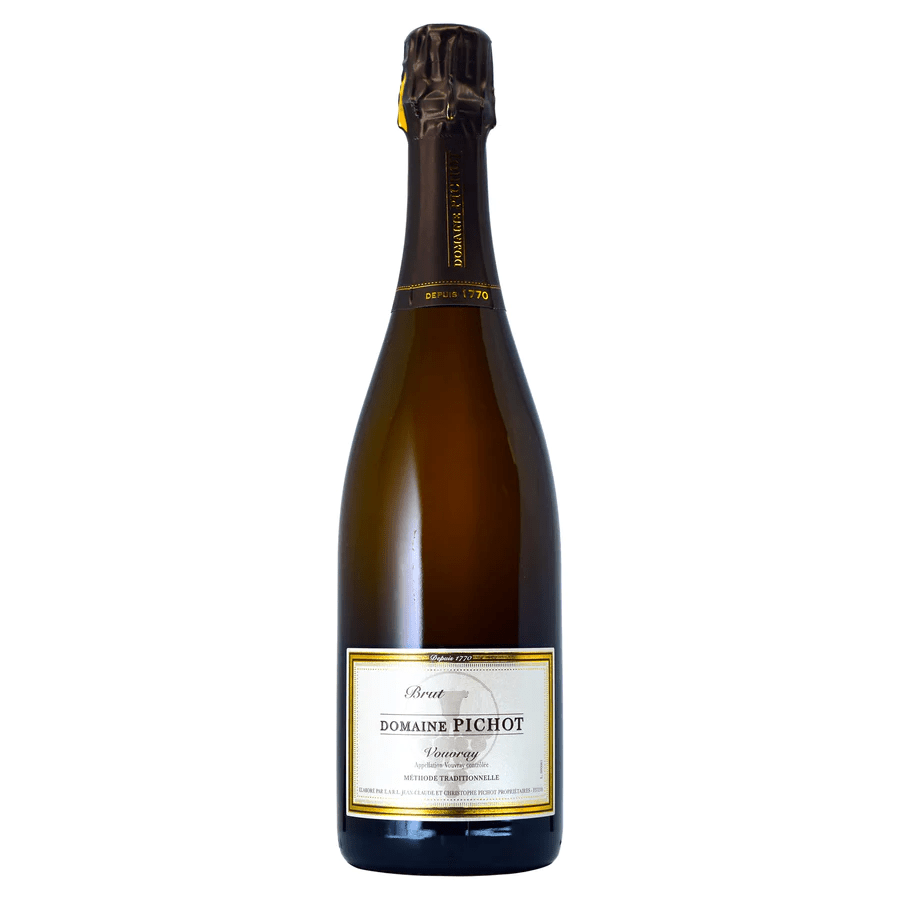
Domaine Pichot Vouvray Brut 2023
About Sparkling Wine
This collection covers every route to a bubble, which makes it a useful place to work out what you actually like before committing to a category.
The French wines outside Champagne are the value story. Cremant is traditional method sparkling made in French regions other than Champagne, held to a minimum period on lees and hand harvested, and the Loire producers here include Monmousseau, Louis de Grenelle and Arnaud Lambert in Saumur. Domaine Pichot works in Vouvray, where the grape is Chenin Blanc rather than Chardonnay and the wine carries an orchard fruit and honeyed character that Champagne does not have. Kientzler brings the Alsace version.
Spain is represented by Pere Ventura, a Cava producer in Sant Sadurni d'Anoia. Cava uses the same bottle fermentation as Champagne but with the native Macabeo, Xarel-lo and Parellada, which gives a drier, more savoury and slightly earthy result.
Italy appears through Prosecco, made in tank rather than bottle, and Australia through Tasmanian and Adelaide Hills traditional method wines, pet nat and sparkling shiraz.
If you want to go deeper into any one strand, see Champagne, Prosecco and Australian sparkling.
History
Almost every sparkling wine in the world is made by one of three methods, and knowing which is which explains most of the price differences on this page.
The traditional method puts the second fermentation inside the sealed bottle the wine is sold in. The wine rests on the spent yeast for months or years, which builds the bready, nutty complexity and the fine persistent bead. It is slow and labour intensive, and it is used for Champagne, Cremant, Cava and the better Australian sparkling wines.
The tank method runs the second fermentation in a pressurised vessel and then bottles the finished wine under pressure. It is faster and cheaper, and because the wine spends little time with the yeast it keeps the fresh fruit character of the grape. Prosecco is the best known example.
The ancestral method is the oldest of the three and the simplest. The wine is bottled while its first fermentation is still going, and the remaining carbon dioxide is trapped. Nothing is added and nothing is removed, which is why pet nat is often cloudy and varies from bottle to bottle.
Cremant deserves particular attention. The rules were tightened in 1975 to protect the term, and the wines now come from defined regions including the Loire, Alsace, Burgundy, Bordeaux, Limoux and the Jura.
The traditional method was worked out and codified in one region above all, and our Champagne guide follows how those rules settled into their present form.
How to drink it
Temperature depends on method. Traditional method wines show best between eight and ten degrees, and vintage or blanc de blancs bottles can go a degree or two warmer. Tank method wines such as Prosecco want to be colder, six to eight. Pet nat should be thoroughly chilled, which also reduces the chance of it foaming out of the bottle.
Drop the flute. A tulip shaped white wine glass gives the wine room to release aroma, and the difference is immediate. Save the flute for a toast where the look matters more than the drink.
To open a bottle safely, hold the cork still and turn the bottle rather than the cork. Keep a thumb over the top from the moment the wire cage comes off, and aim for a quiet sigh rather than a bang, which preserves the bubble.
Once opened, a proper sparkling wine stopper will keep a bottle drinkable for two to three days in the fridge. The teaspoon in the neck does nothing.
For food, Cava suits fried food and jamon, Cremant handles cheese and roast chicken, and Prosecco belongs with salty snacks. Browse white wine and rose for still alternatives.