

Guides and tasting notes
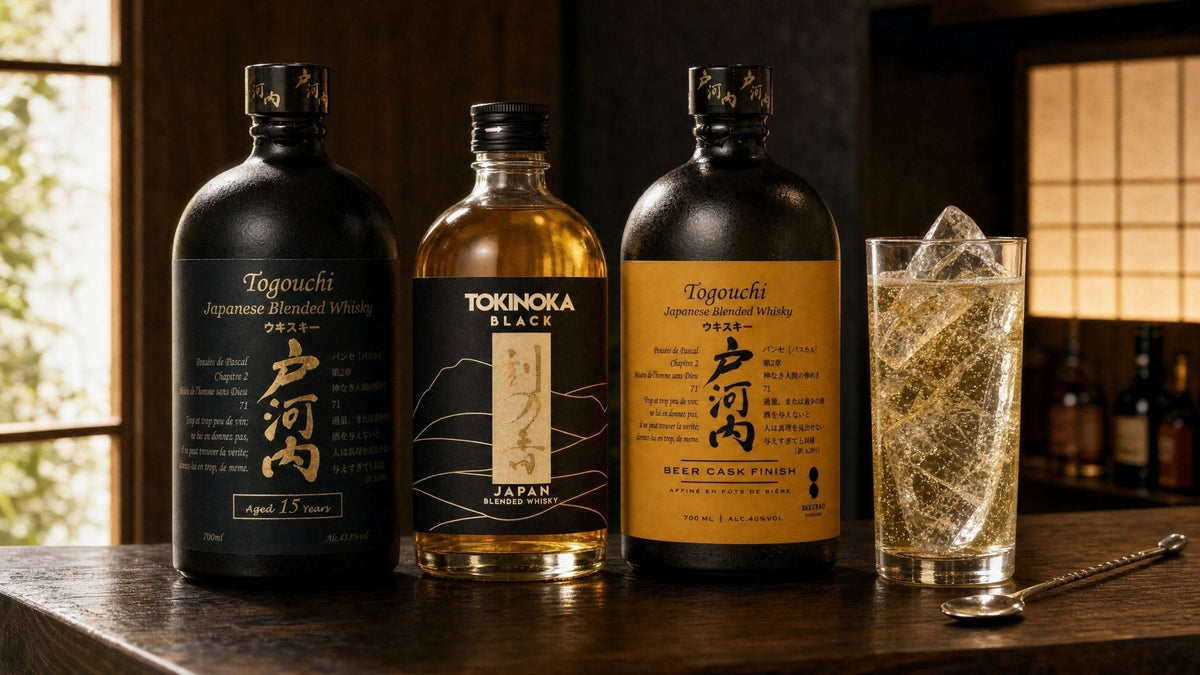
Japanese Whisky Explained: What the Label Means and What to Buy
What Japanese whisky actually means on a label since the industry standard took full effect, how to build a proper highball and mizuwari, and an honest guide to seven Japanese blends.
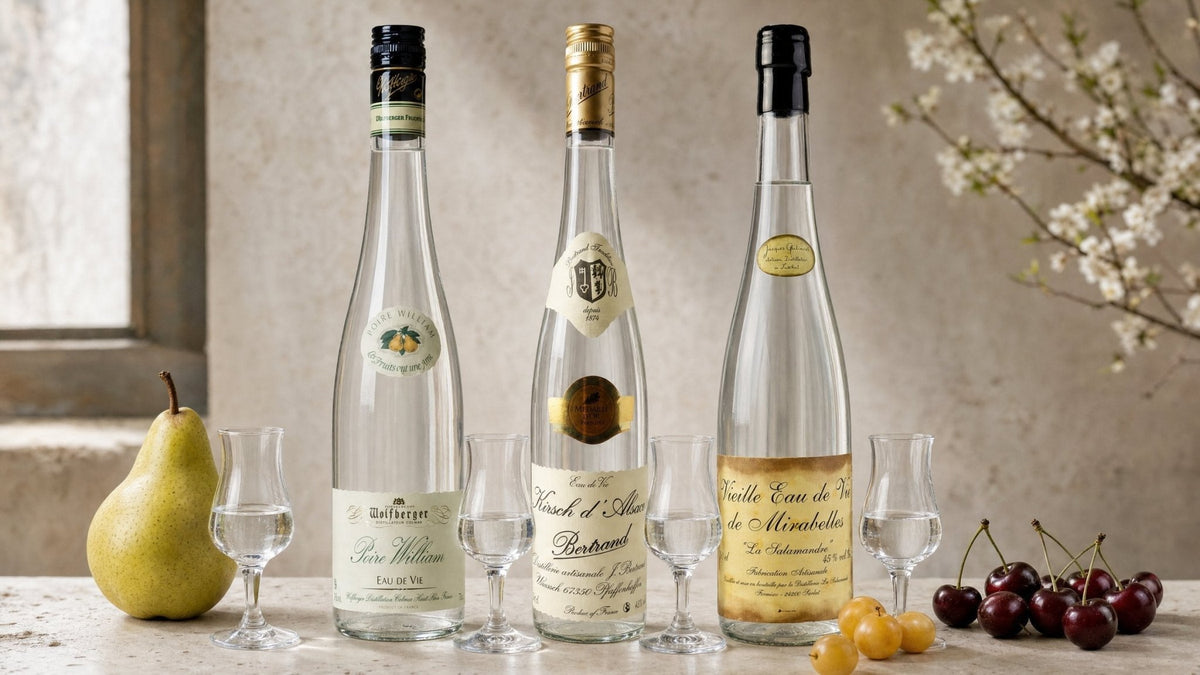
What Is Eau de Vie? Fruit Brandy, Kirsch and Williams Pear Explained
Eau de vie is clear fruit spirit, usually unaged, that tastes vividly of pear, cherry or plum. How it is made, how it differs from brandy and schnapps, how to serve it and which bottles to start with.
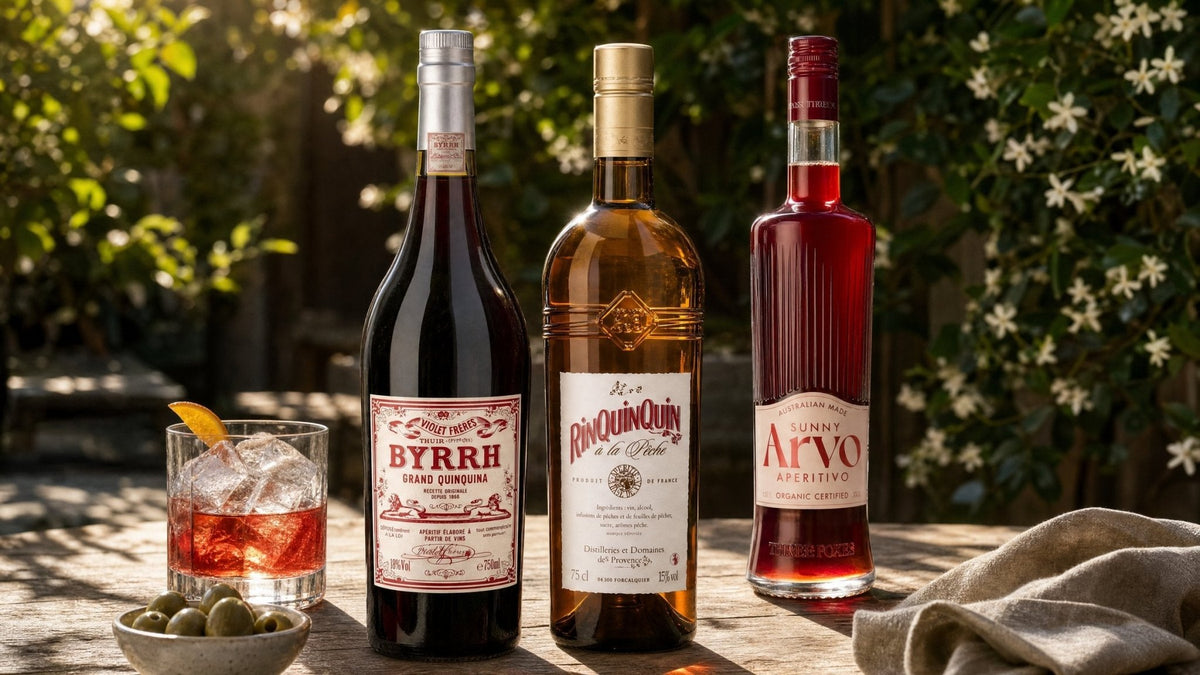
What Is an Aperitif? Types, Examples and How to Drink Them
An aperitif is the drink that opens the evening. Here are the main families, from quinquina and gentian to bitter red aperitivo and fruit wines, with easy serves and bottles to start with.
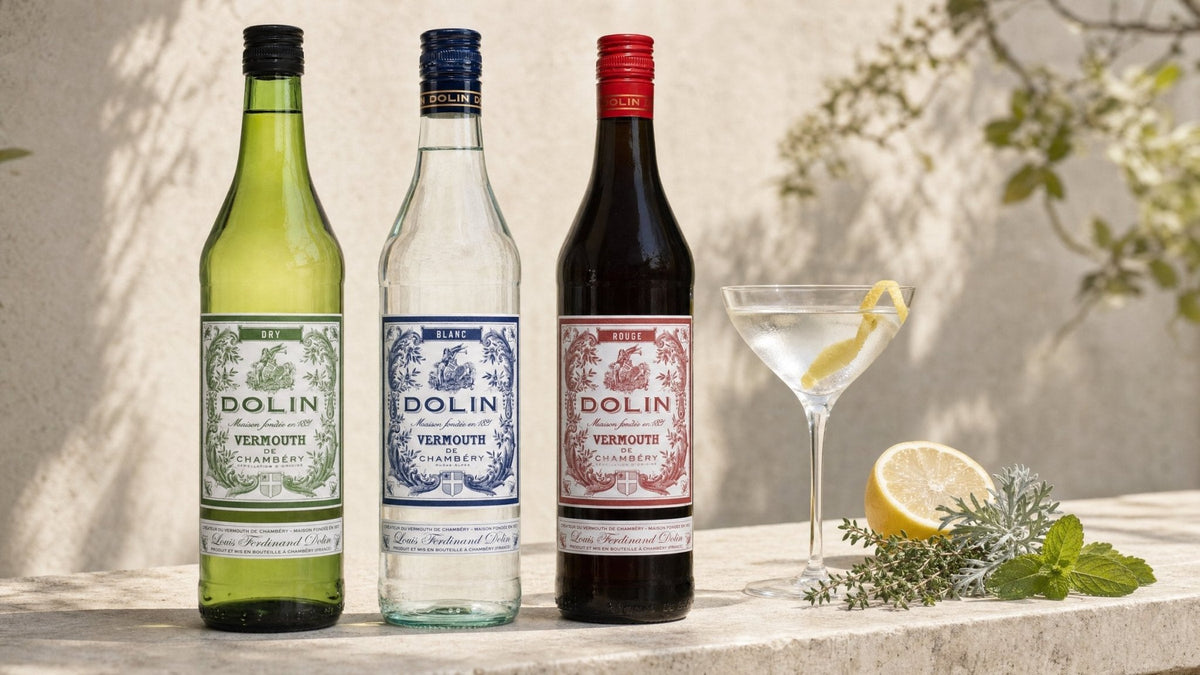
What Is Vermouth? Sweet, Dry and Blanc Vermouth Styles Explained
Vermouth is wine flavoured with wormwood and other botanicals, and usually fortified. Here is how sweet, dry and blanc styles differ, which bottle suits a Negroni or Martini, and how to store it once opened.
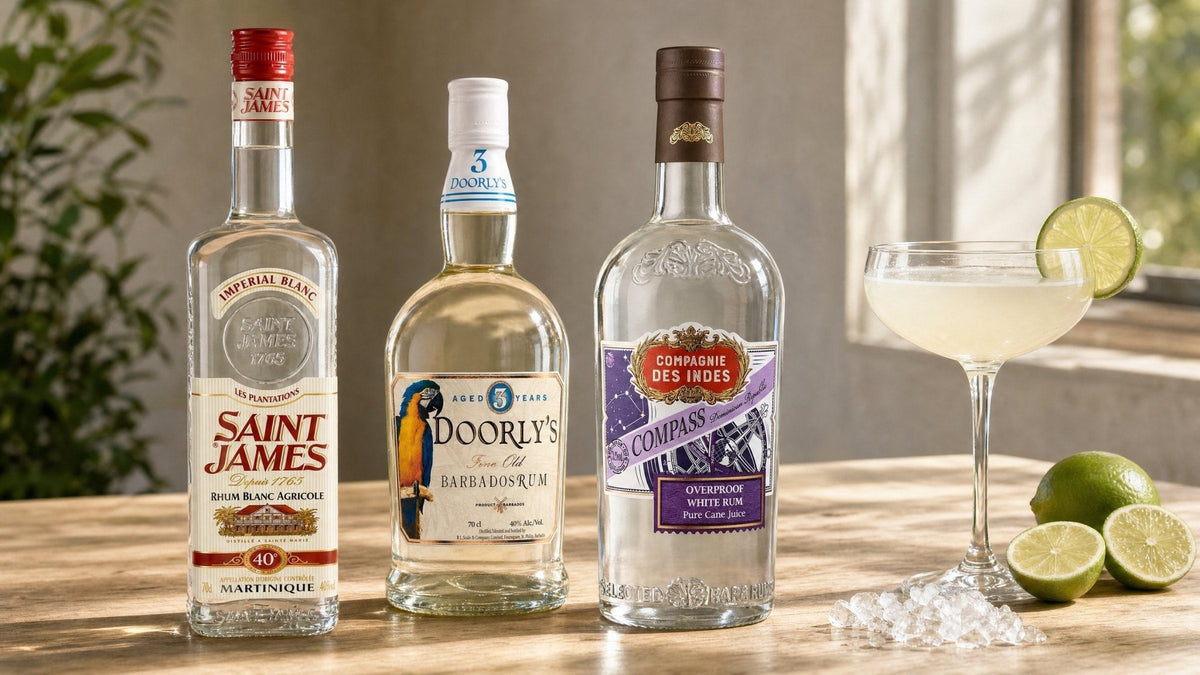
White Rum Guide: Styles, Strength and the Best Bottles to Mix
White rum is clear rum, either unaged or aged and filtered. Here is how the styles differ, what the strength on the label means, and which bottle suits your Daiquiri, Mojito or highball.
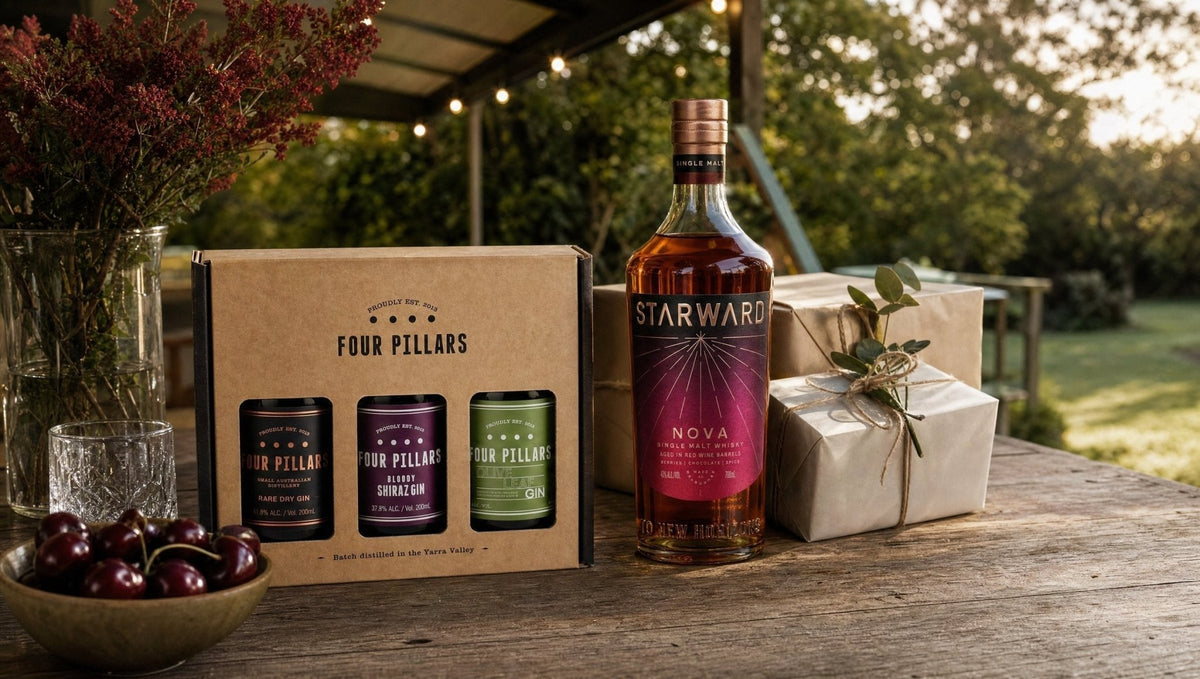
Christmas Liquor Gift Ideas: Spirits for Every Personality
The best liquor gift is the one that matches how someone already drinks. This guide sorts Christmas spirits gifts by personality, from the rum lover and the gin enthusiast to the whisky collector and the person who has everything.
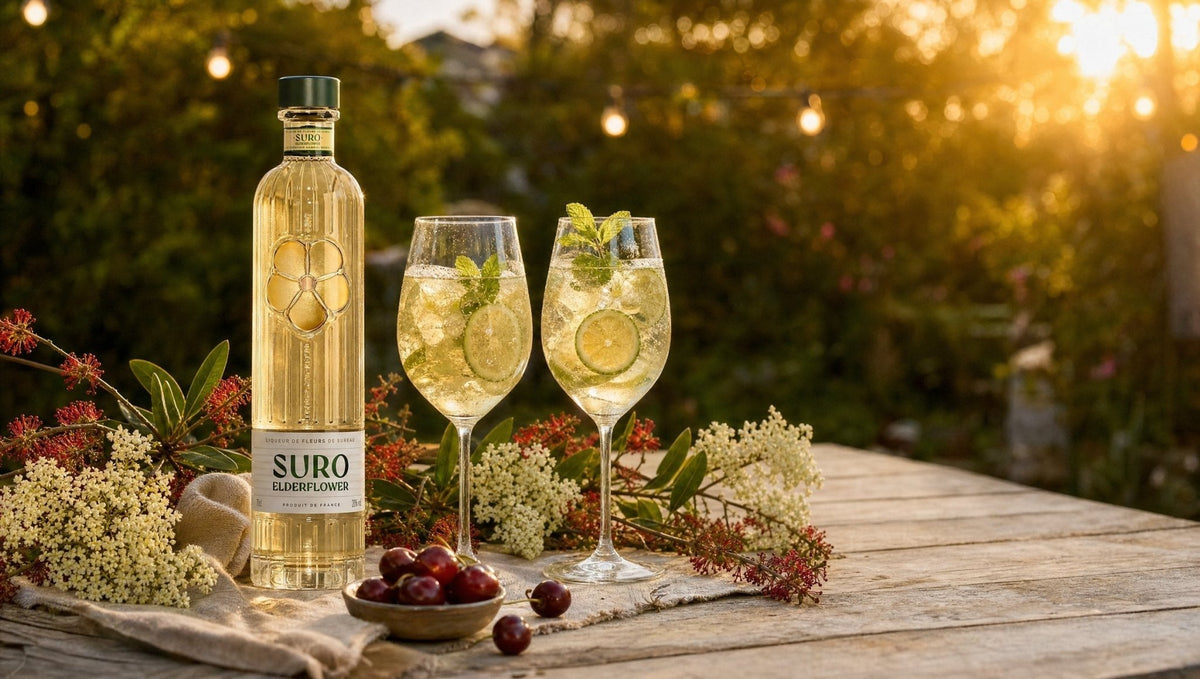
The Hugo Spritz: How to Make It at Home, and Which Elderflower Liqueur to Use
How to make a Hugo Spritz at home in millilitres, with the Suro maison serve and four elderflower liqueurs side by side. It also covers a gin Hugo, an alcohol-free Hugo and the bottles to give a Hugo fan this Christmas.
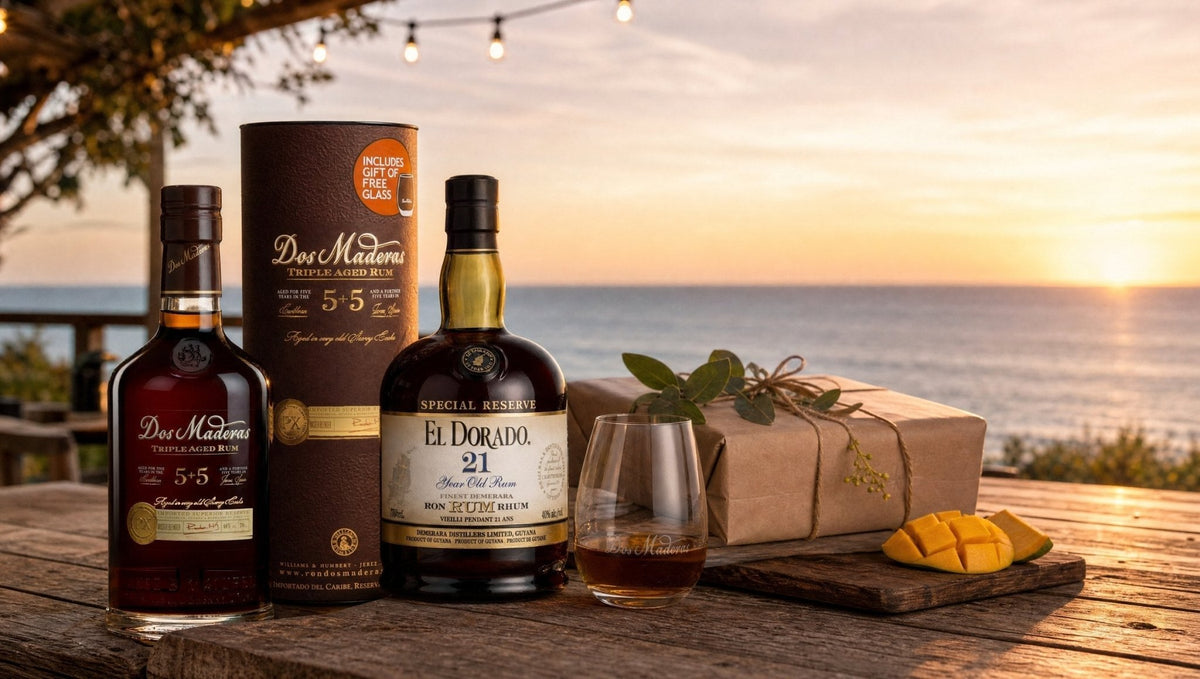
Rum for Christmas: Gift Bottles for Every Rum Drinker
Single bottles of rum to give this Christmas, from Dos Maderas 5+5, which comes in a gift pack with glassware, to old Guyana and Panama rum. Each pick says who it suits, with 2005 and 2008 vintages for milestone birthdays.
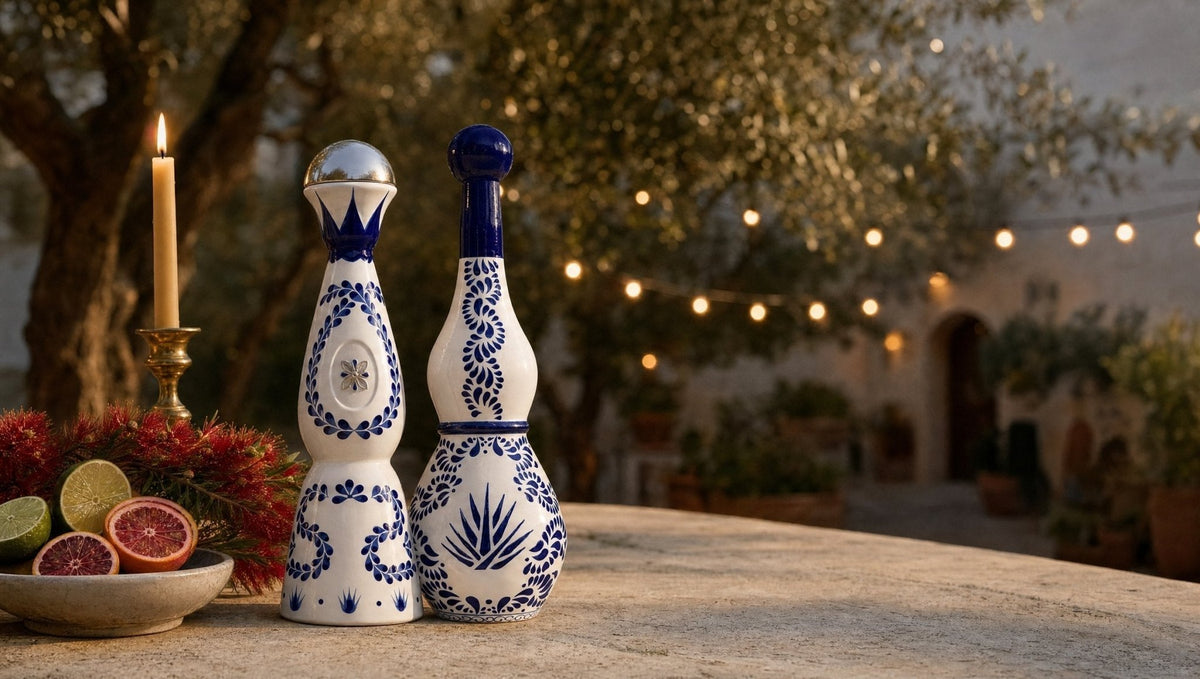
Tequila Gifts for Christmas: Clase Azul and the Hand-Painted Alternatives
Which tequila to give this Christmas, bottle by bottle: Clase Azul Reposado for the famous decanter, Gran Cofradía Reposado for a hand-painted bottle without the Clase Azul outlay, and picks for sippers, mixers and mezcal explorers.
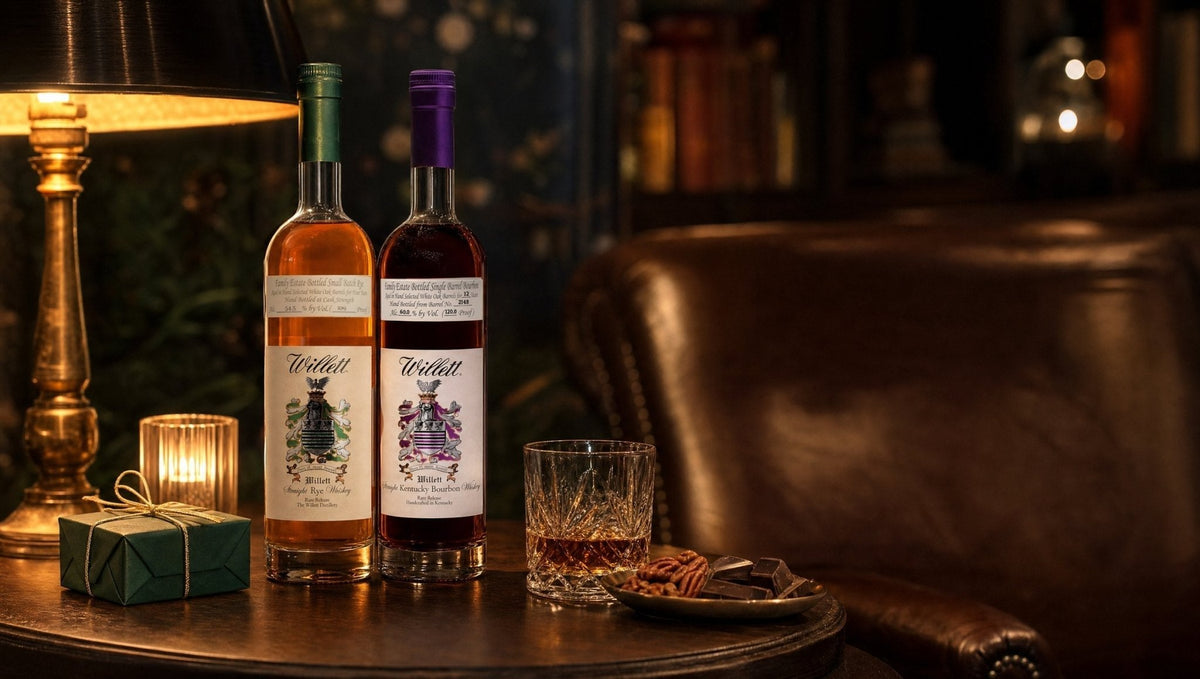
Bourbon Gifts for Christmas: Willett Family Bottles, Kentucky Classics and More
Single bourbon and rye bottles to give this Christmas, led by the Willett family labels from Bardstown, Kentucky. Each pick says who it suits, from the collector to the bourbon and cola drinker.
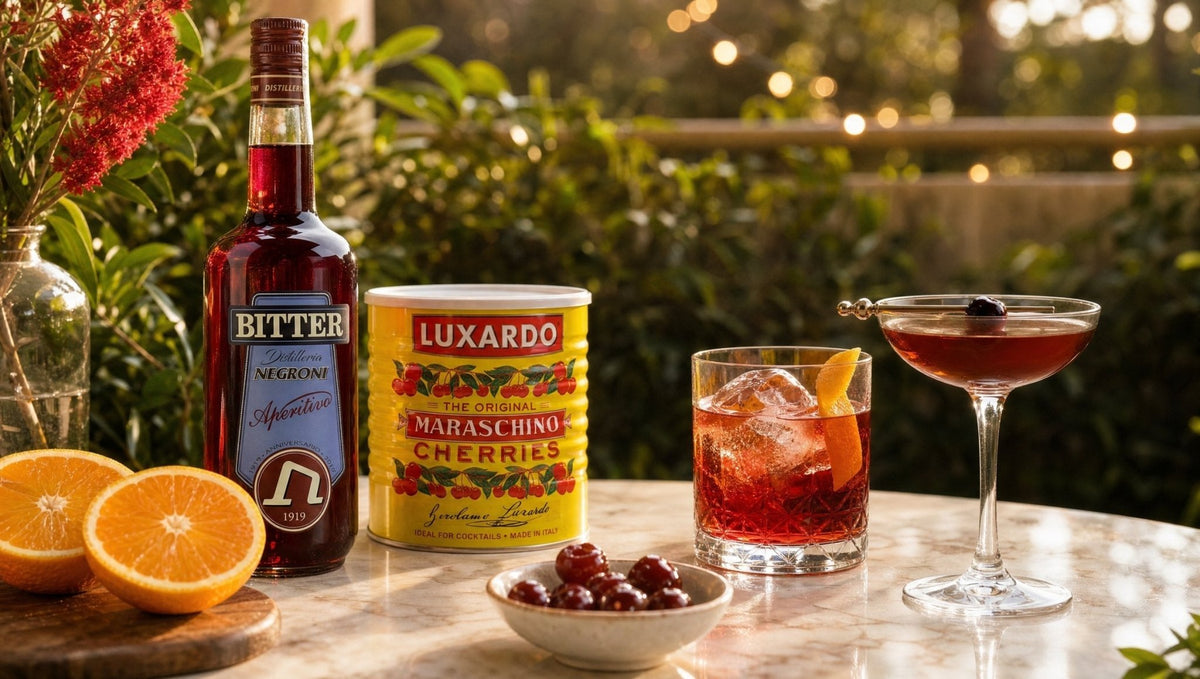
Christmas Cocktails 2026: Ten Drinks for a Hot Australian Christmas, and the Bottles to Make Them
Ten Christmas and Boxing Day cocktails for an Australian summer, each made to the IBA or producer recipe in millilitres. Every one is linked to the bottle that makes it, with Luxardo cherries for the drinks that call for a cherry.
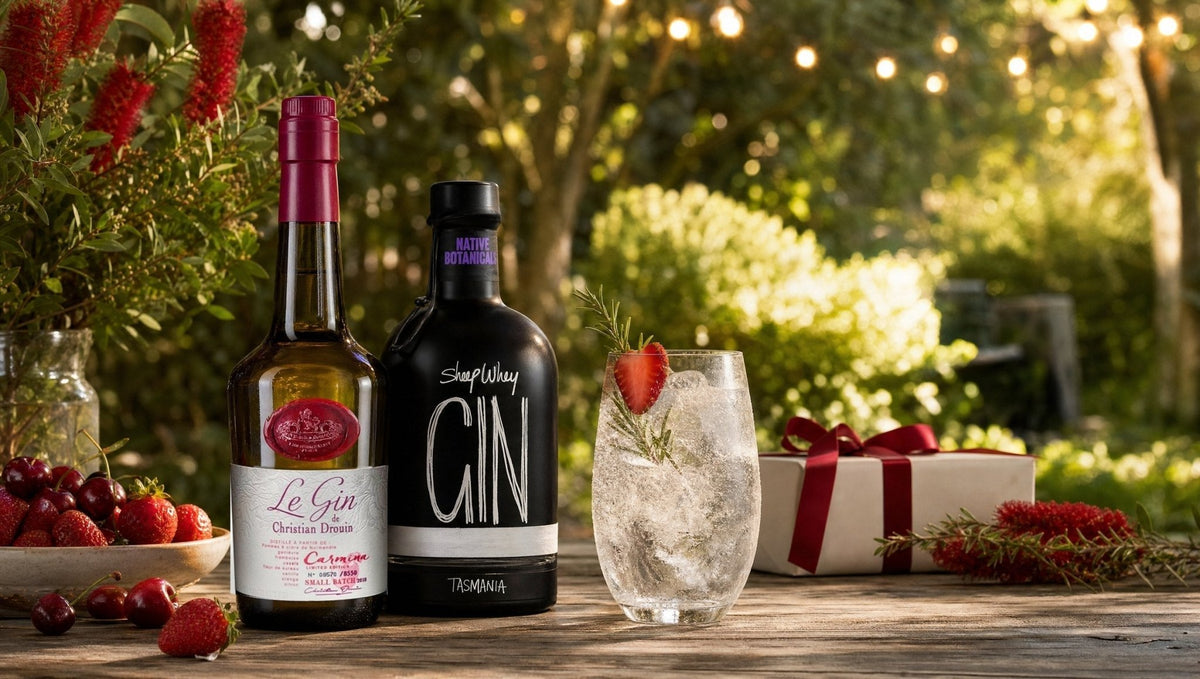
Gin Gifts for Christmas: Bottles for Every Gin Lover, From Pavlova Gin to Navy Strength
A bottle by bottle guide to gin gifts for Christmas, matching each gin to the person who will drink it. From a softer, sweeter pavlova gin to navy strength for the martini maker.
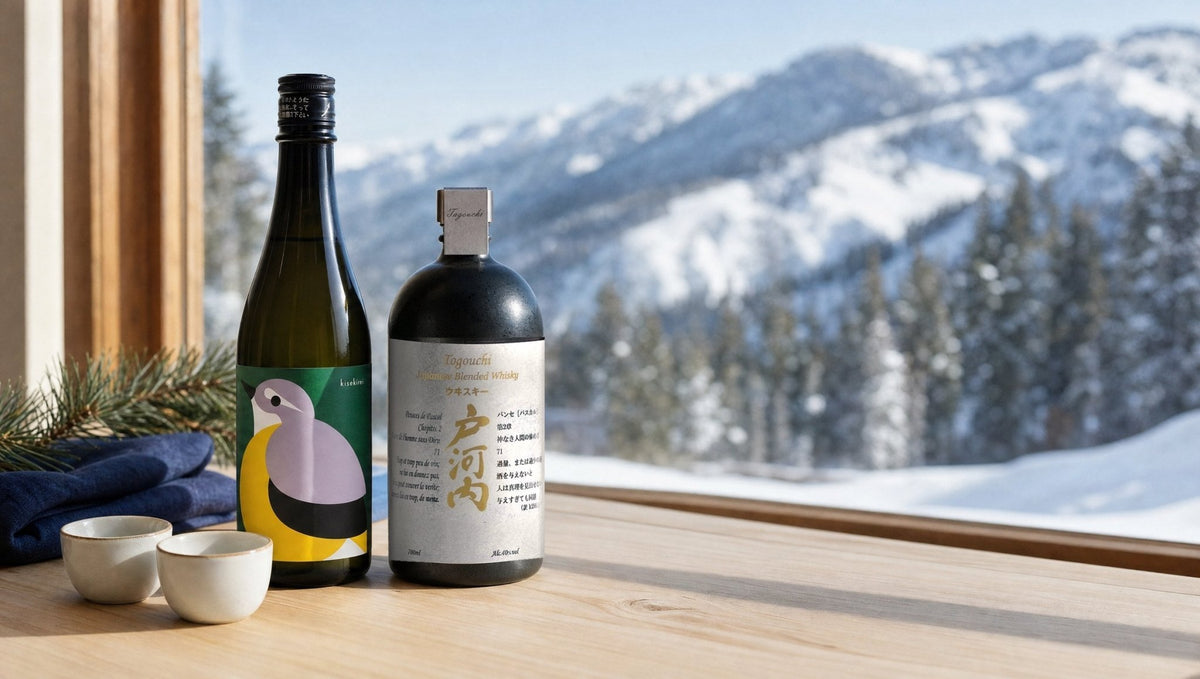
Sake Gifts and Japanese Bottles: For the Japan Lover, and the Skier Back From Hakuba
Single bottles for the person who loves Japan: Nagano sake explained in plain words, plus Japanese whisky and gin. Each pick says who it suits, from the wine drinker to the skier back from Hakuba.
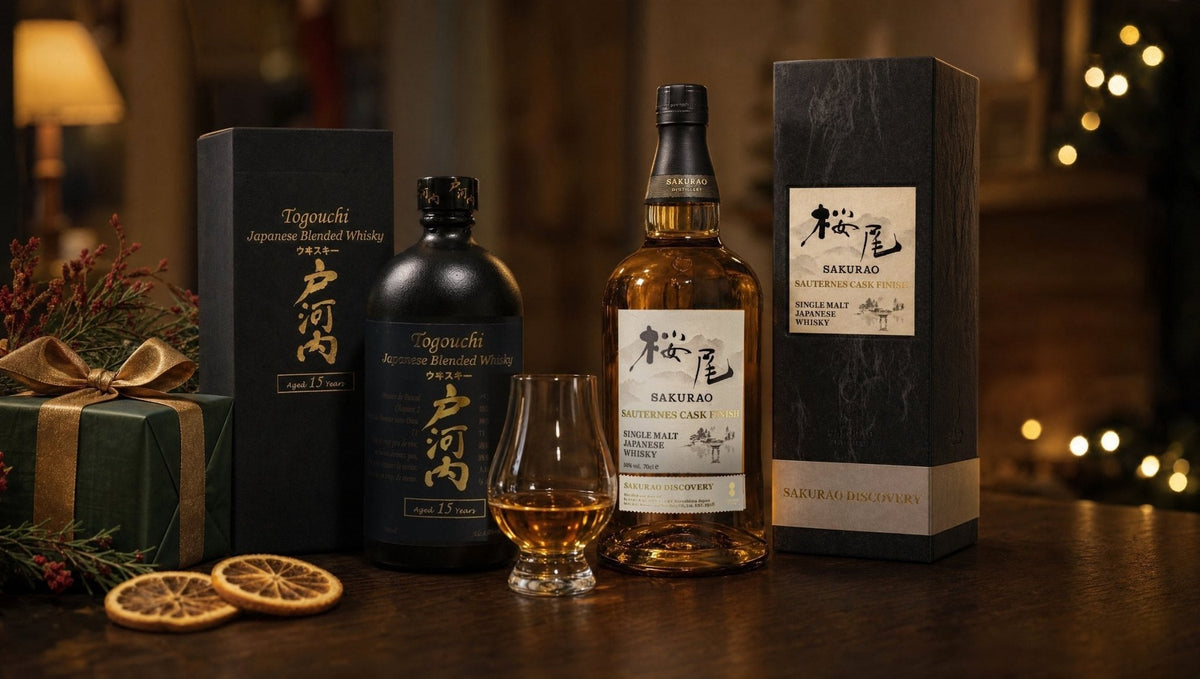
Whisky for Christmas: Which Bottle to Give, From Islay Smoke to Sherry Casks
Single bottles to give a whisky drinker this Christmas, chosen by the kind of whisky they already enjoy: smoky, sherried, Japanese or Australian. A separate section covers 2008 bottles as an 18th birthday gift, not a Christmas one.
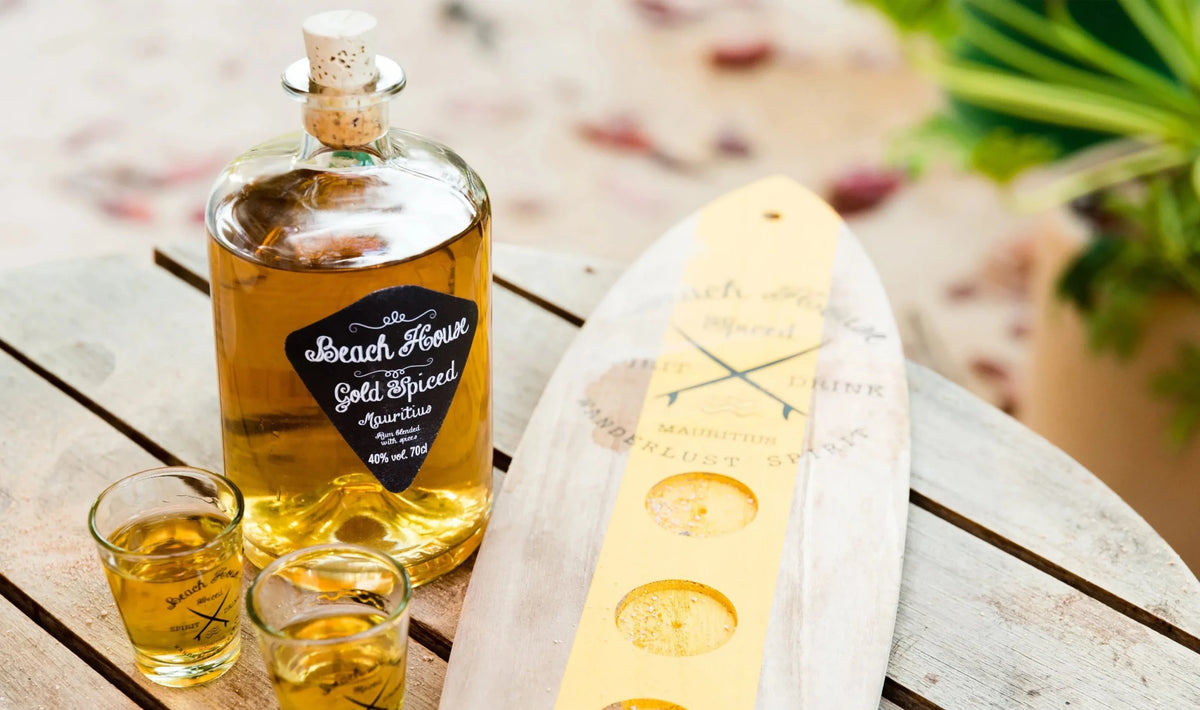
Spiced Rum and Flavoured Rum: What Is in the Bottle and Which to Buy
What separates spiced rum, flavoured rum and rum cream, what Australian food law says about strength, and which bottle to start with.
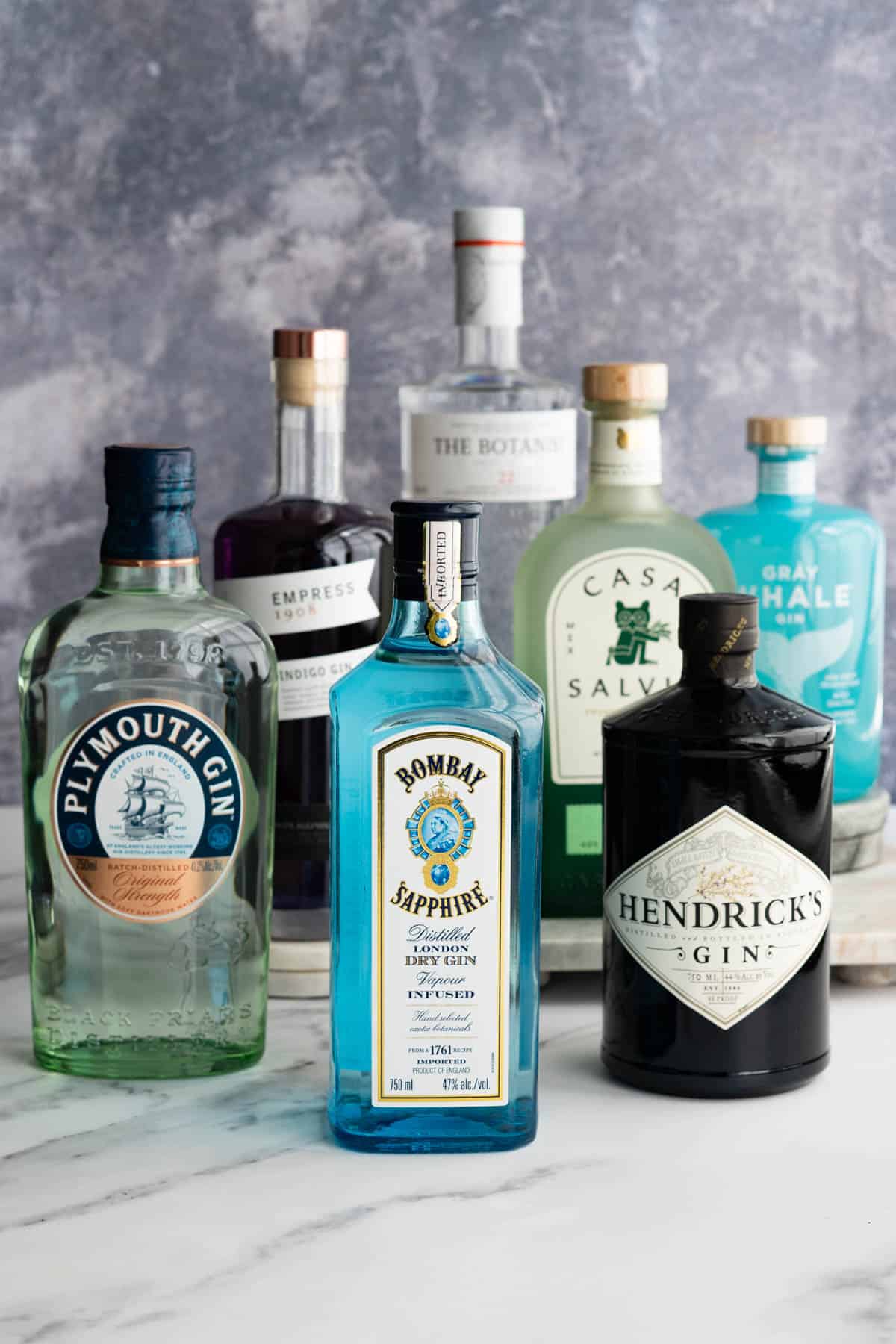
Gin Styles Explained: London Dry, Old Tom, Navy Strength and Sloe
What the style words on a gin label mean: the legal definitions of gin, distilled gin and London gin, why old tom is the sweetened one, what navy strength is and is not, why sloe gin is a liqueur, the two meanings of pink gin, and how Australian distillers use native botanicals.