

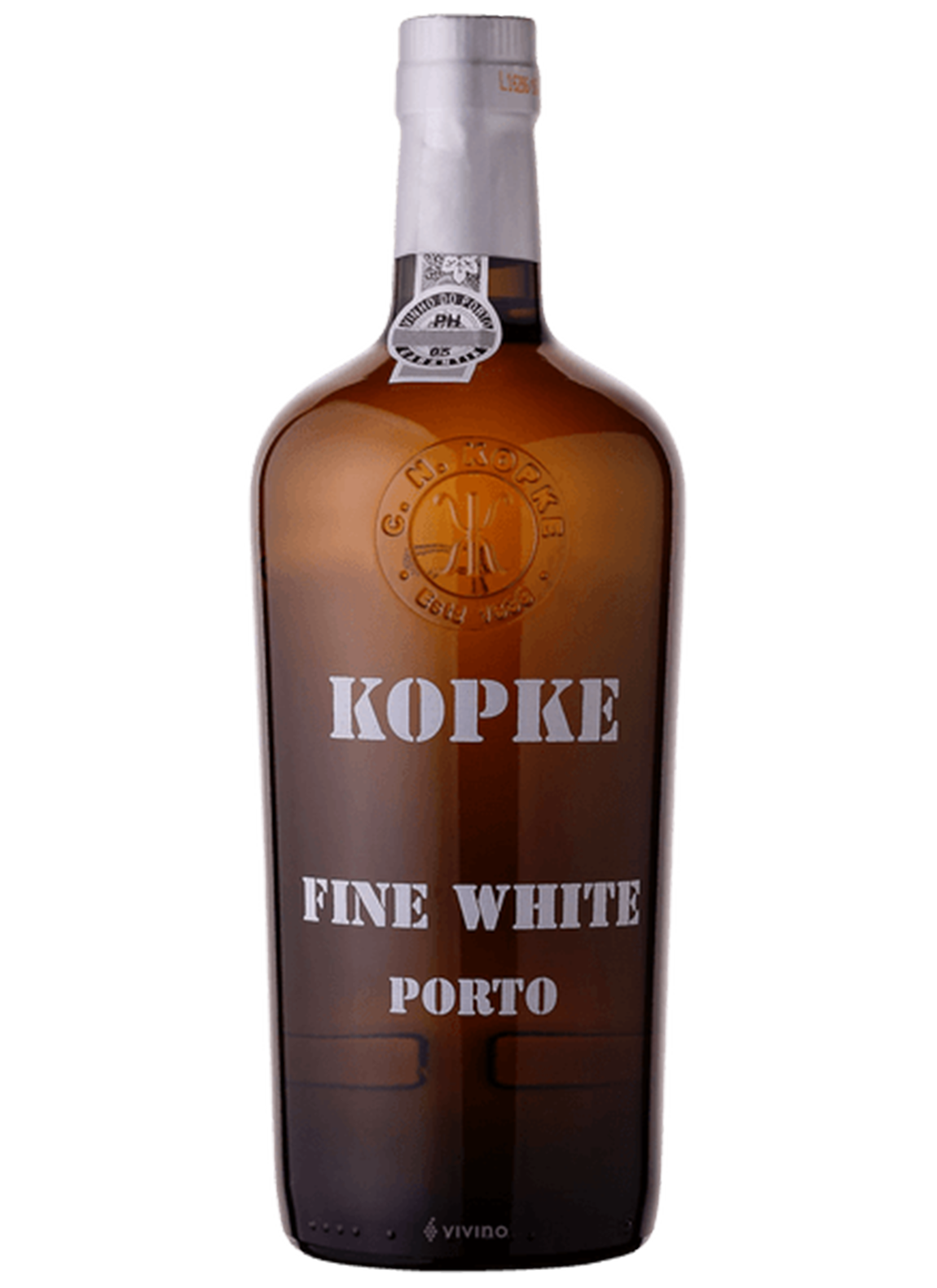
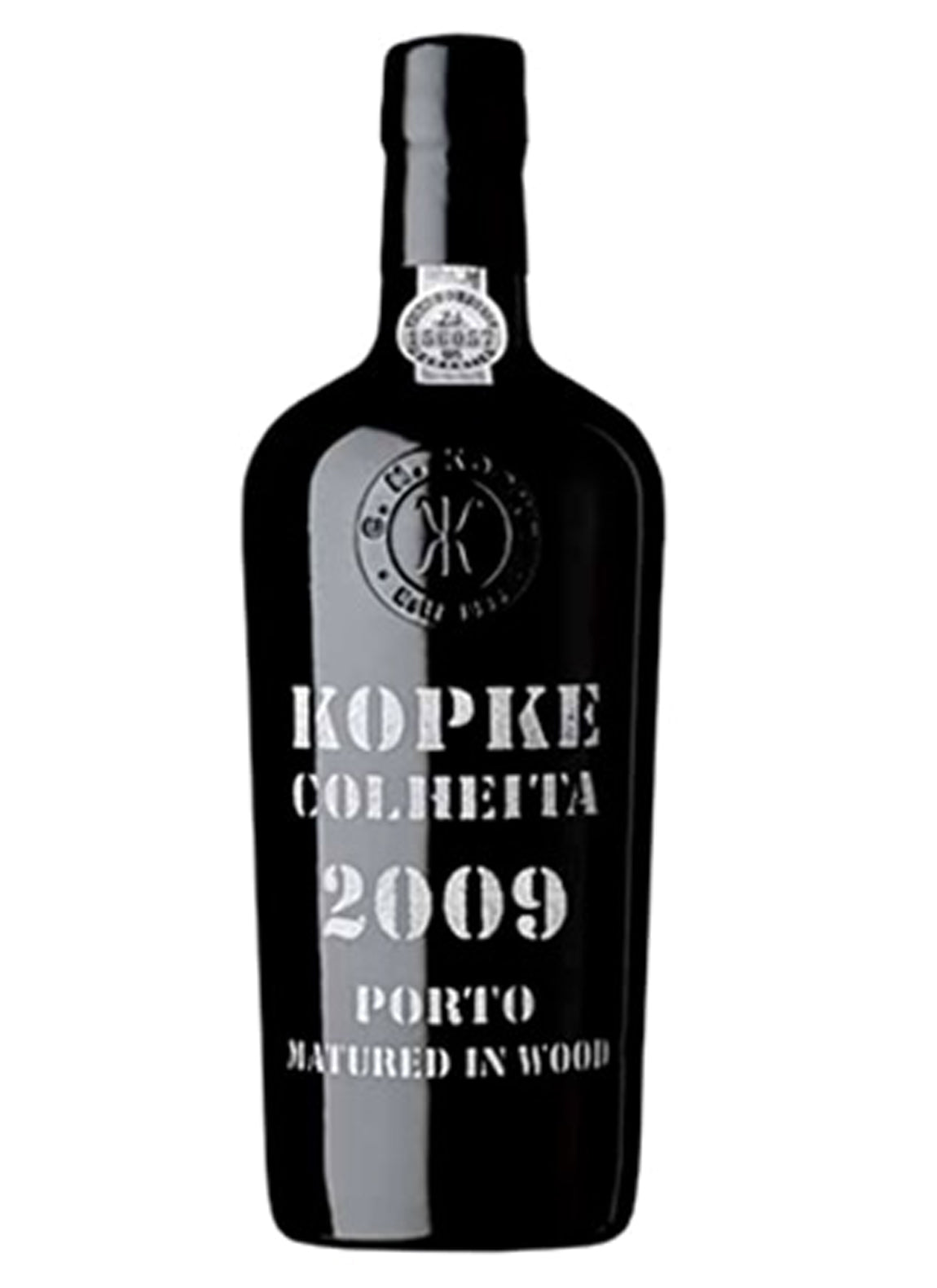
Kopke Colheita Port 750ml
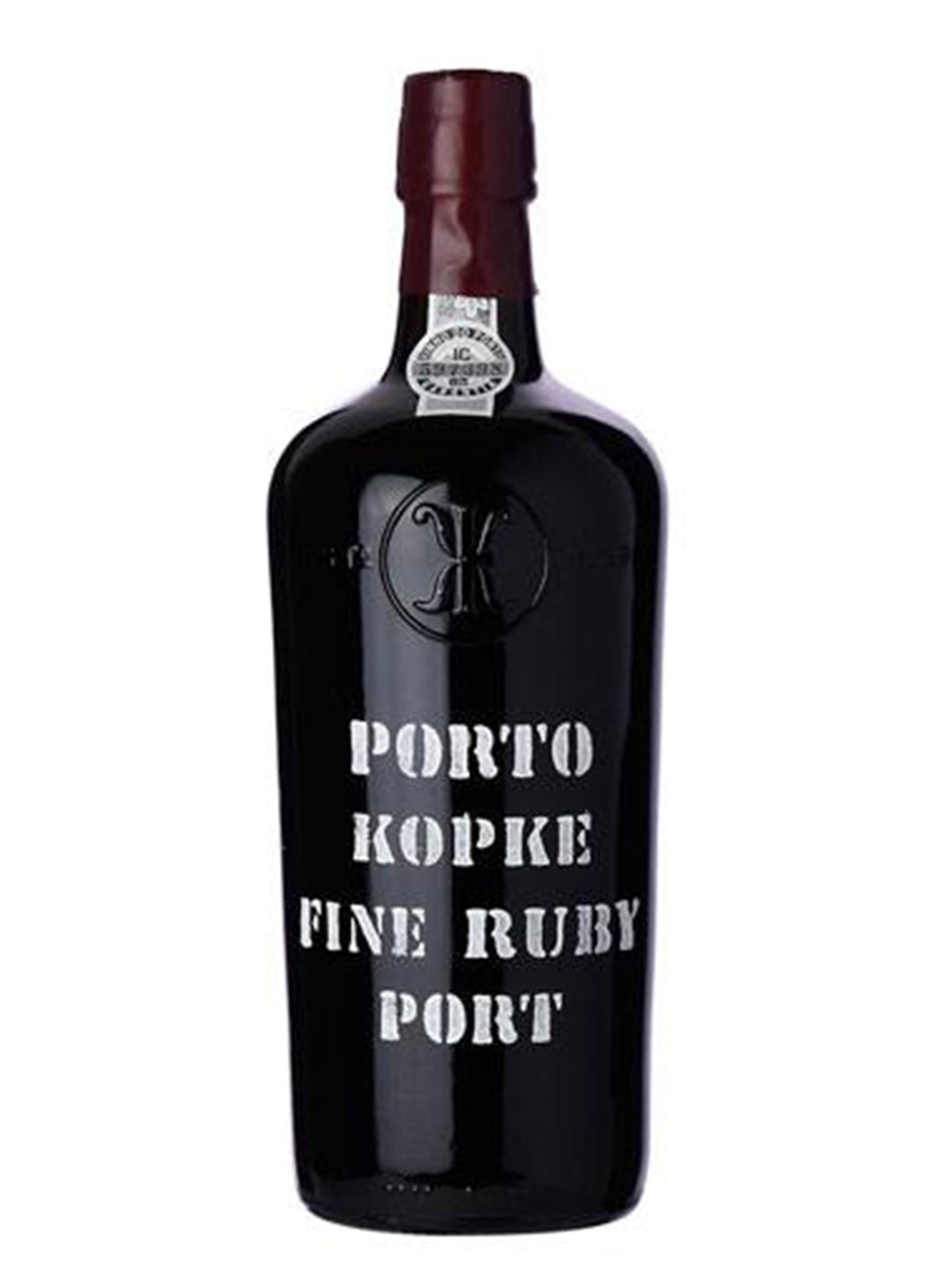
Kopke Ruby Port NV 750ml
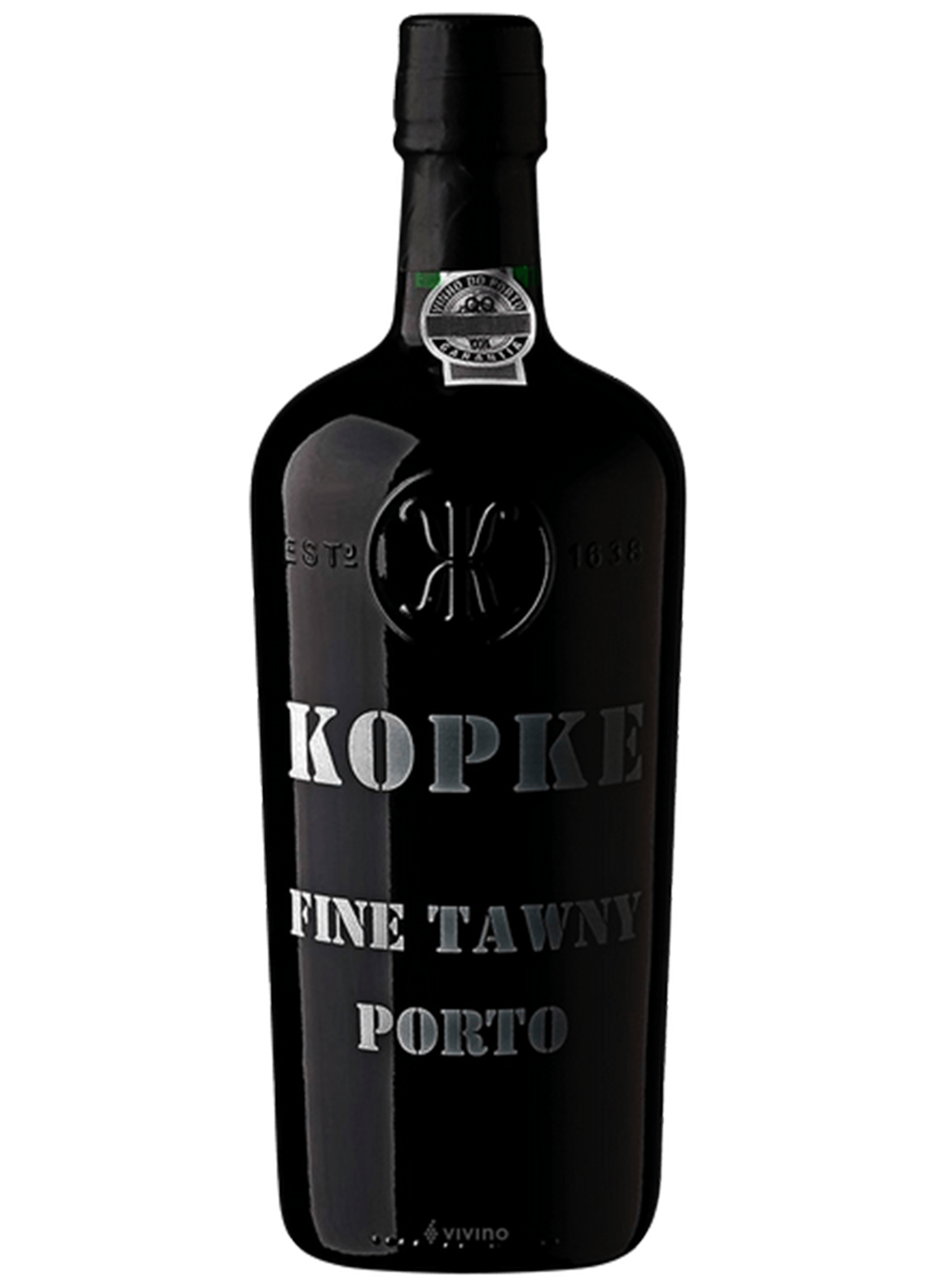
Kopke Fine Tawny Port 750ml
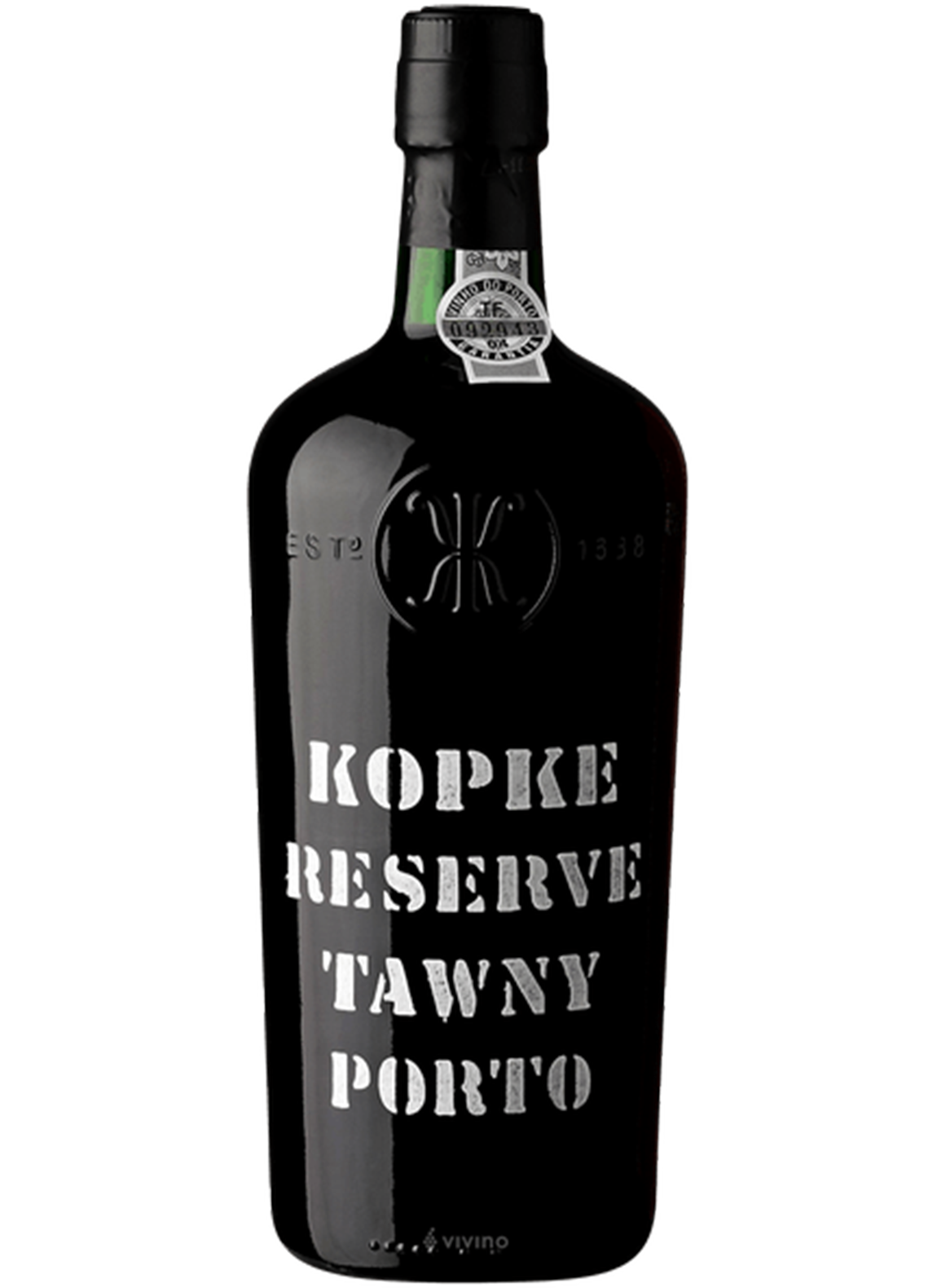
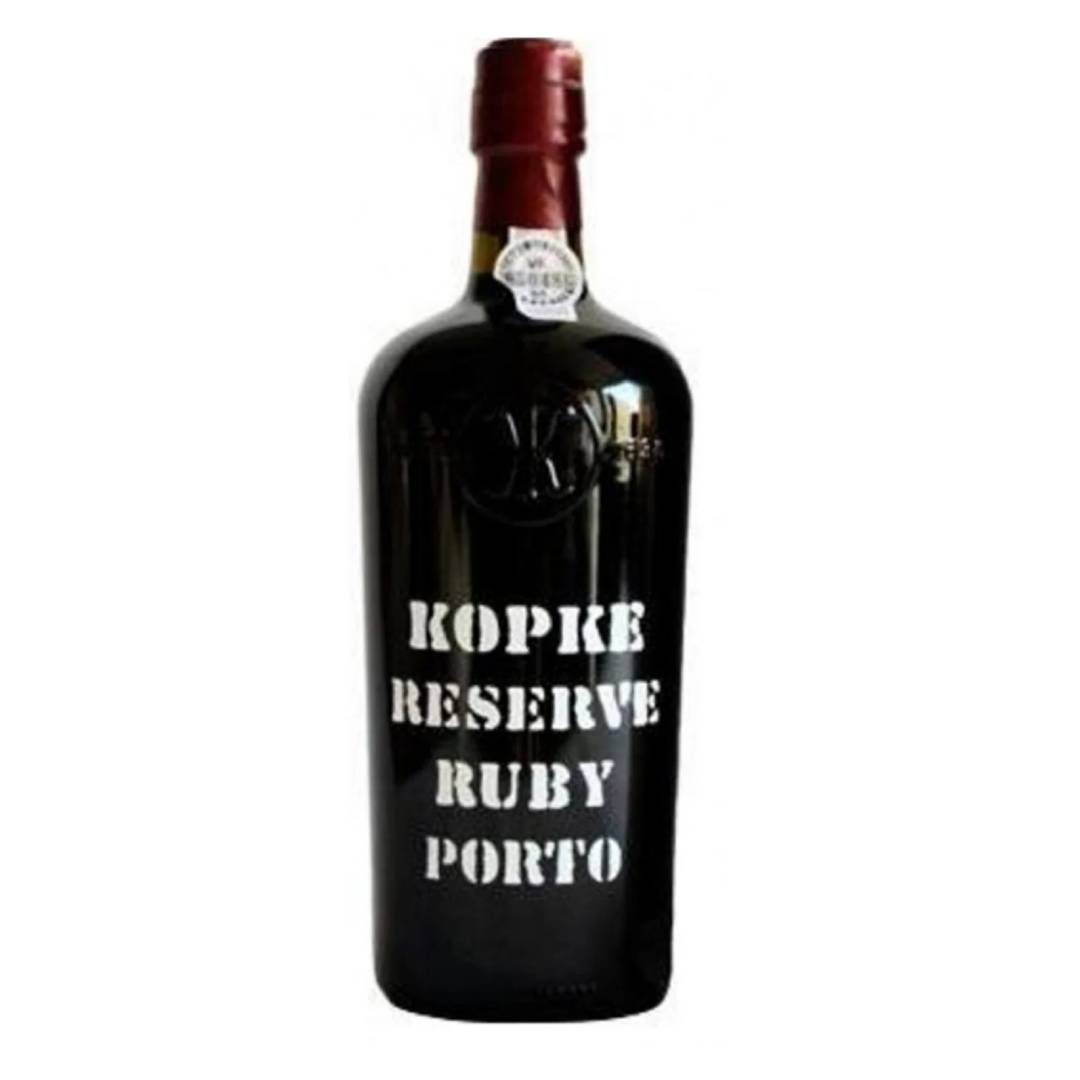
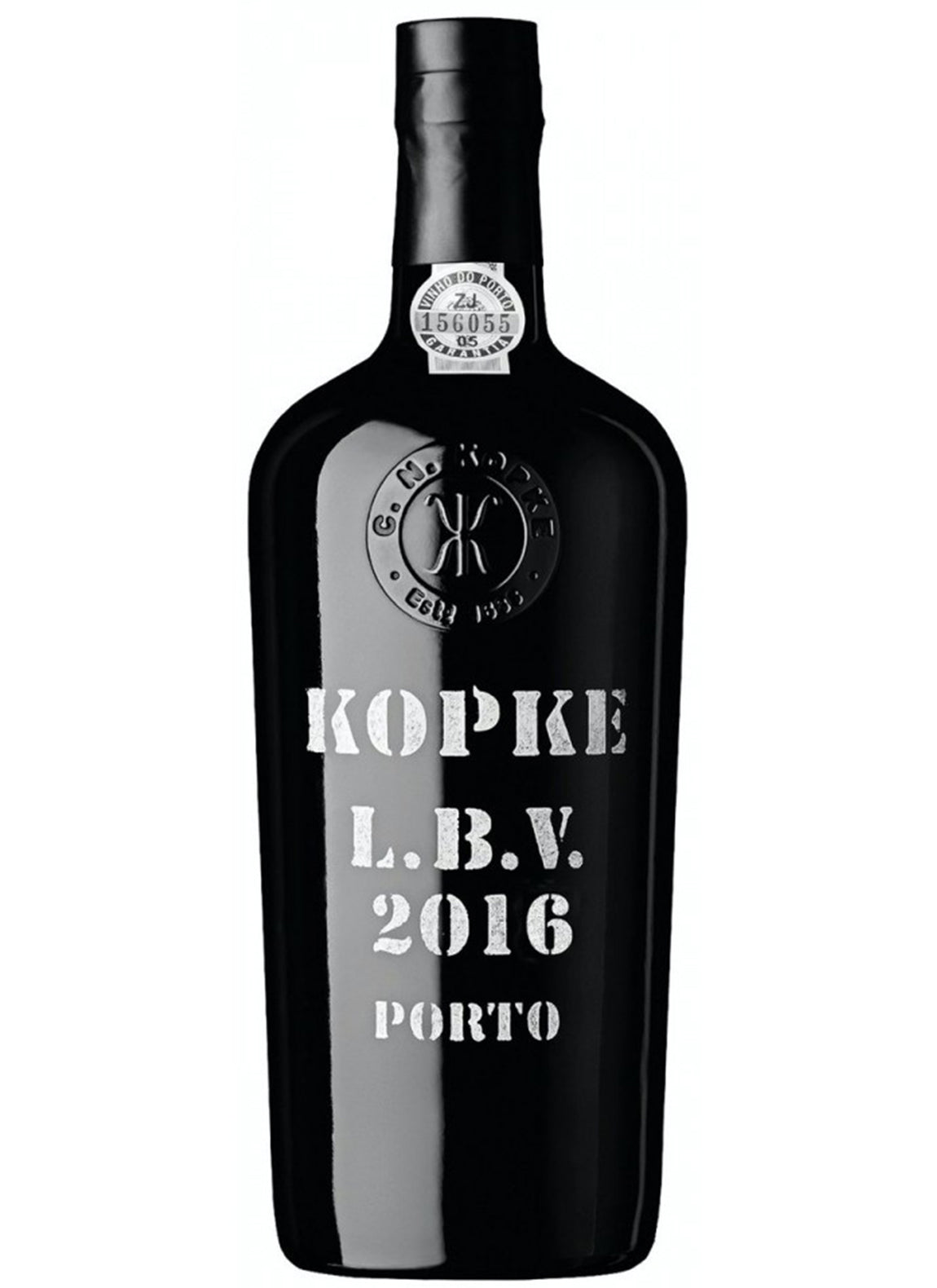
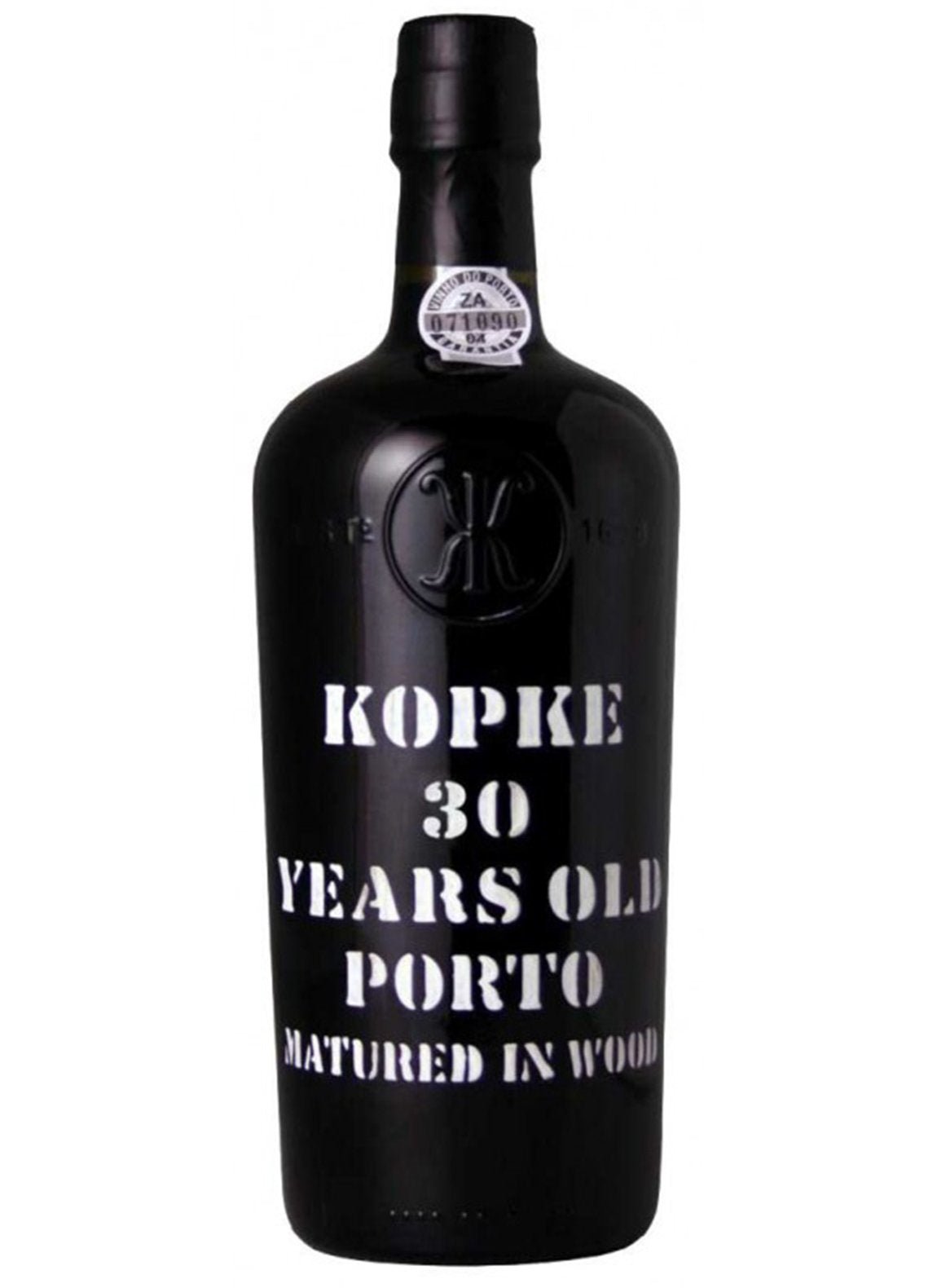
Kopke Tawny 30 year old
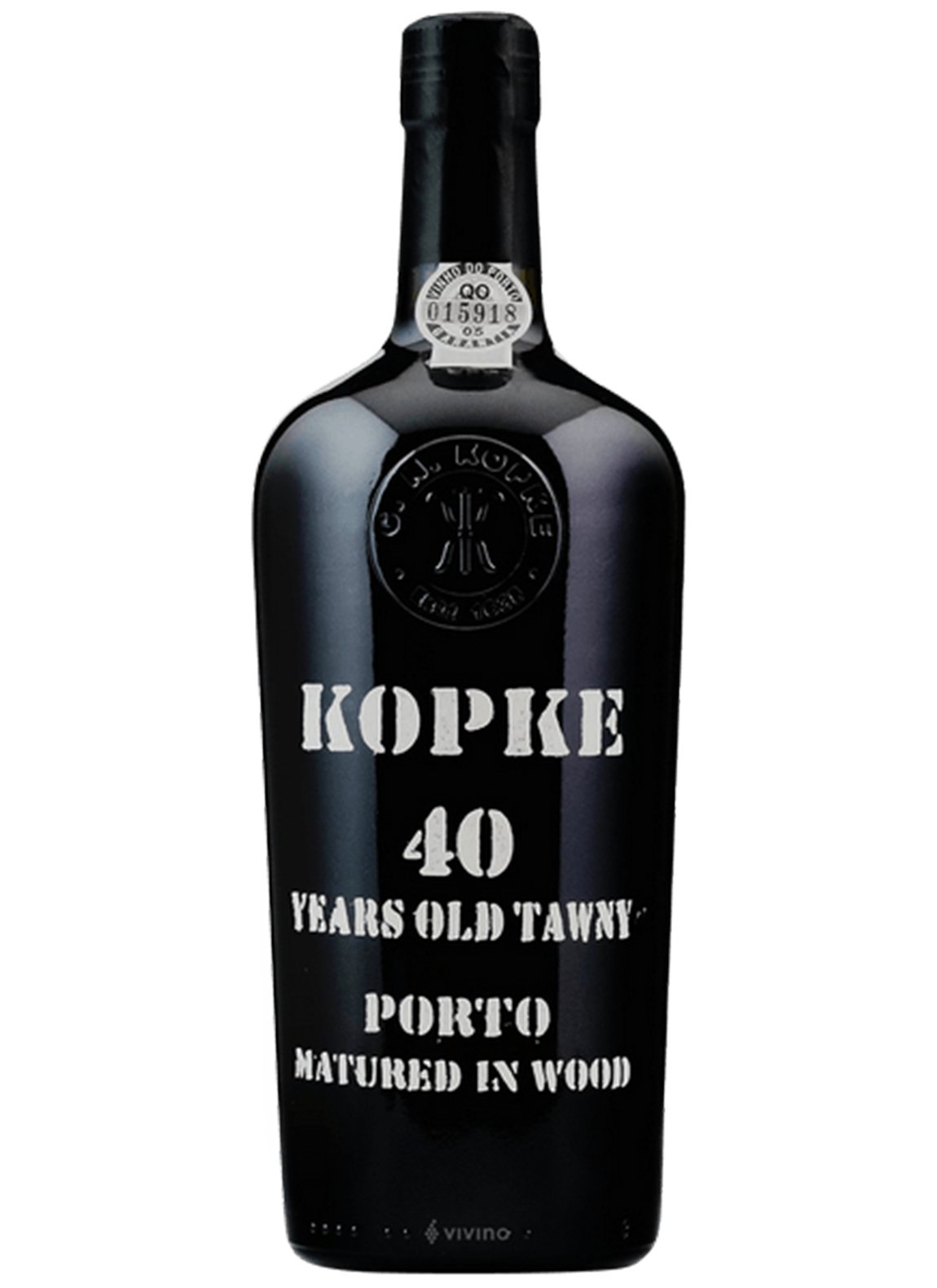
Kopke Tawny 40 year old
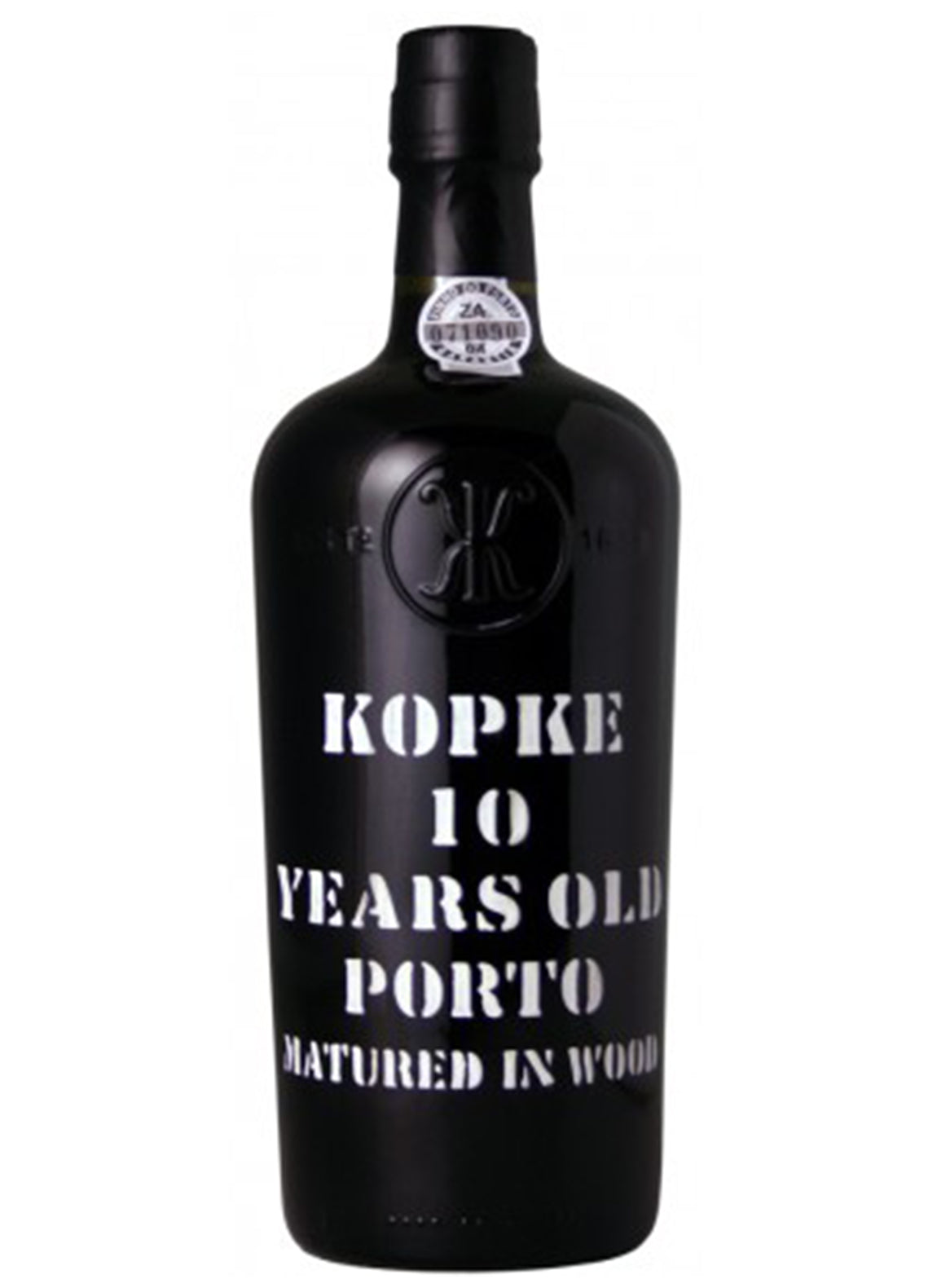
Kopke Tawny 10 Yr Old 750ml
About Portuguese Wines (Port Wine)
This is a single house range, and that is the point. Kopke has been making port since 1638, which makes it the oldest port house still operating, and it is best known for one thing above all others: Colheita.
The range runs in a clear line. White Port sits at the aperitif end. Ruby and Reserve Ruby are the young, fruit-driven styles. Late Bottled Vintage gives you something close to vintage port character without the decanting and the decade of waiting.
Then the Tawny ladder, which is where Kopke is strongest. Fine Tawny, Reserve Tawny, then the age-indicated 10, 30 and 40 Year Old. Each step up brings more of the nutty, caramelised, dried fig character that comes from years in seasoned oak casks rather than fruit preserved in a bottle.
Colheita is the house speciality and worth understanding before you buy. It is a tawny from a single declared harvest, aged in cask for at least seven years and usually far longer, then bottled ready to drink.
Kopke has its own producer page at Kopke, and if you like port then sherry works the same muscles and is on the site too.
If you are choosing between a Tawny and an LBV, our Port styles guide explains what cask ageing and bottle ageing each do to the wine.
History
Port is fortified wine from the Douro Valley in northern Portugal, and the Douro was the world's first demarcated wine region, formally bounded in 1756. The fortification, adding grape spirit part way through fermentation, stops the yeast and leaves natural sweetness behind.
Kopke was founded in 1638 by Nicolau Kopke, a German merchant representing the Hanseatic League in Portugal, which makes it the oldest port house in existence and older than the demarcation itself.
The styles divide on one question: does the wine age in glass or in wood. Ruby, LBV and Vintage age reductively in bottle and keep fresh dark fruit. Tawny and Colheita age oxidatively in cask, losing colour and picking up nuts, dried fruit, caramel and orange peel.
Colheita occupies a category of its own. It is often confused with vintage port because both carry a year, but a vintage port is bottled young and matured in glass, while a Colheita spends decades in wood before bottling. Two bottles from the same harvest can taste nothing alike.
How to drink it
Tawny and Colheita should be served cool, around 12 to 14 degrees. Half an hour in the fridge is right. Serving them at room temperature in an Australian summer flattens them completely.
Ruby, Reserve Ruby and LBV take slightly warmer, around 15 to 16.
White Port belongs over ice with tonic and a slice of lemon. It is the standard aperitif in Porto and it deserves to be far better known here.
Use a small wine glass rather than a tiny port glass. Port is aromatic and needs room.
The great advantage of tawny and Colheita is that they keep. Because they have already spent years oxidising in cask, an opened bottle holds for weeks rather than days. Ruby and LBV are less forgiving and want finishing within a week.
For food, tawny with almonds, walnuts or a hard aged cheese. Ruby and LBV with chocolate. Colheita on its own, after everything else has been cleared away.
Common questions
How do you drink port properly?
Colder than most people expect, and in a normal wine glass rather than a tiny port glass. Tawny and Colheita want about 12 to 14 degrees, which is half an hour in the fridge; served at room temperature in an Australian summer they fall flat. Ruby, Reserve Ruby and Late Bottled Vintage take slightly warmer, around 15 to 16. White Port belongs over ice with tonic and a slice of lemon.
How is port different from ordinary wine?
It is fortified. Grape spirit is added part way through fermentation, which stops the yeast before it has eaten all the sugar, so the wine keeps its natural sweetness and finishes stronger than a table wine. Everything else about port follows from that one intervention, including how long an opened bottle lasts.
What is the difference between tawny, ruby and Colheita?
Where the wine ages. Ruby, Reserve Ruby and Late Bottled Vintage age reductively in bottle and keep fresh dark fruit. Tawny ages oxidatively in cask, losing colour and picking up nuts, dried fruit, caramel and orange peel, with the 10, 30 and 40 Year Old marking how long. Colheita is a tawny from a single declared harvest, aged in cask for at least seven years and usually much longer, then bottled ready to drink.
Which is better, port or sherry?
They answer different questions. Port is sweet, red or amber and finishes a meal. Sherry runs from bone dry Fino to intensely sweet Pedro Ximenez and mostly starts one. If you like the nutty, dried fruit character of an aged tawny, the sherry that will make sense to you is an Oloroso or a Palo Cortado rather than a Fino.
Do you drink port wine straight?
Yes, and it is the normal way to drink it: neat, in a small wine glass rather than a tiny port glass, with nothing added. The one exception on this page is White Port, which belongs over ice with tonic and a slice of lemon. Because tawny and Colheita have already spent years oxidising in cask, an opened bottle holds for weeks rather than days; Ruby and Late Bottled Vintage are less forgiving and are better finished within a week.