
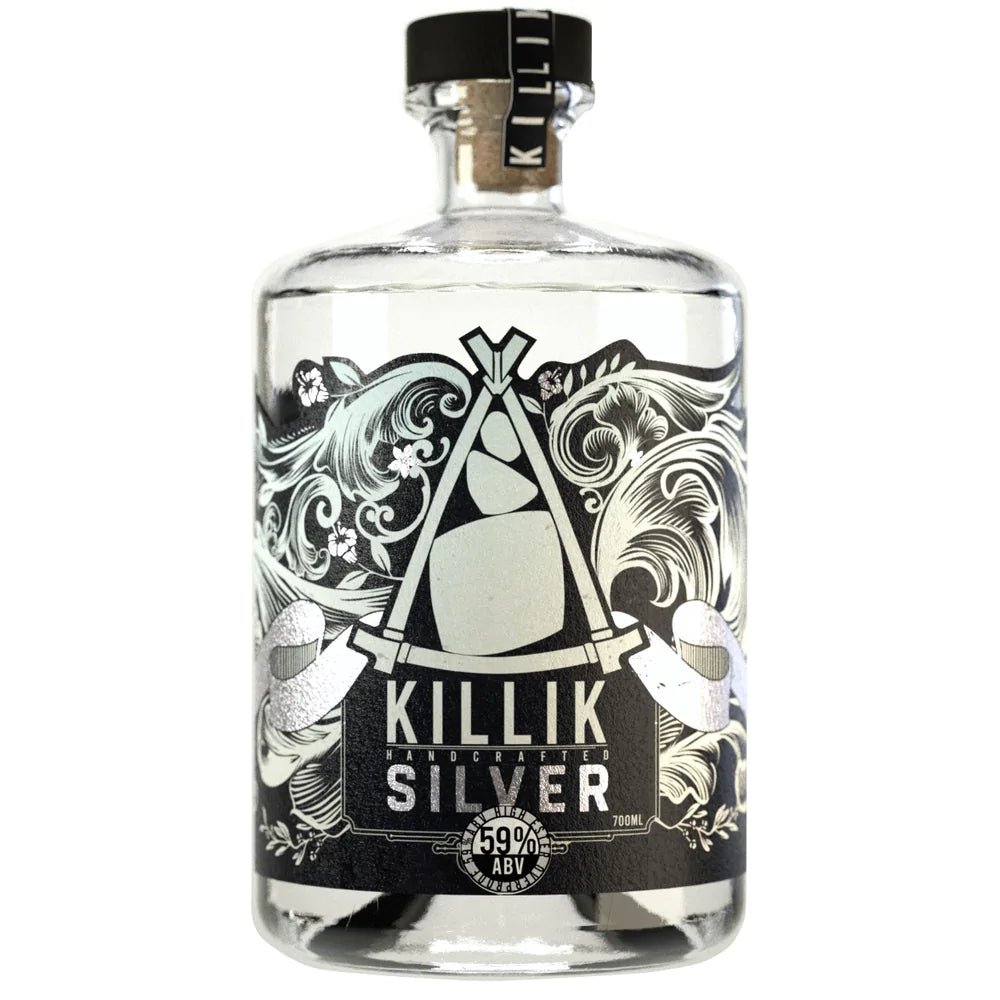
Killik Silver OP 59% 700ml
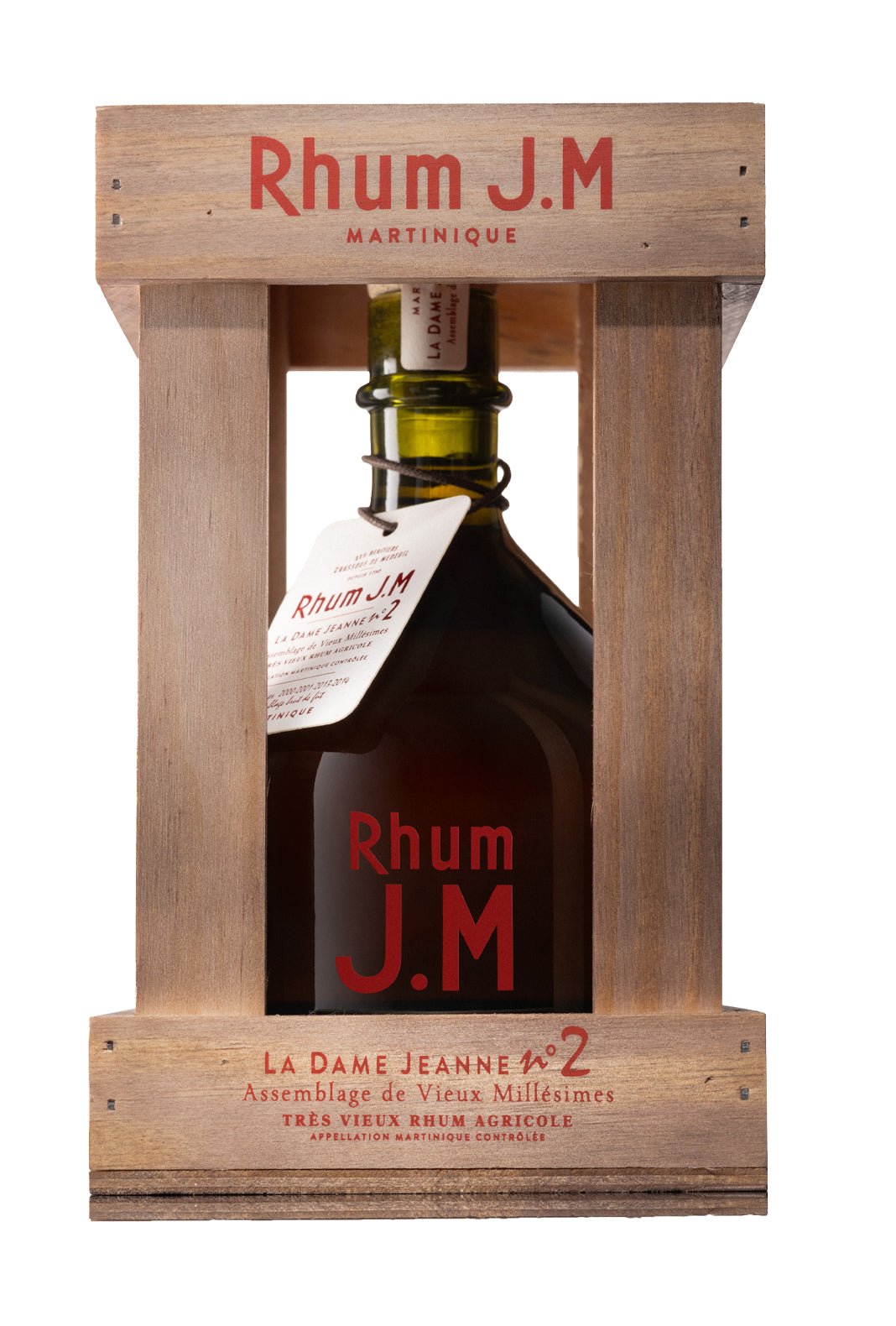
JM Rum Agricole Dame Jeanne No.2 45.9% 700ml
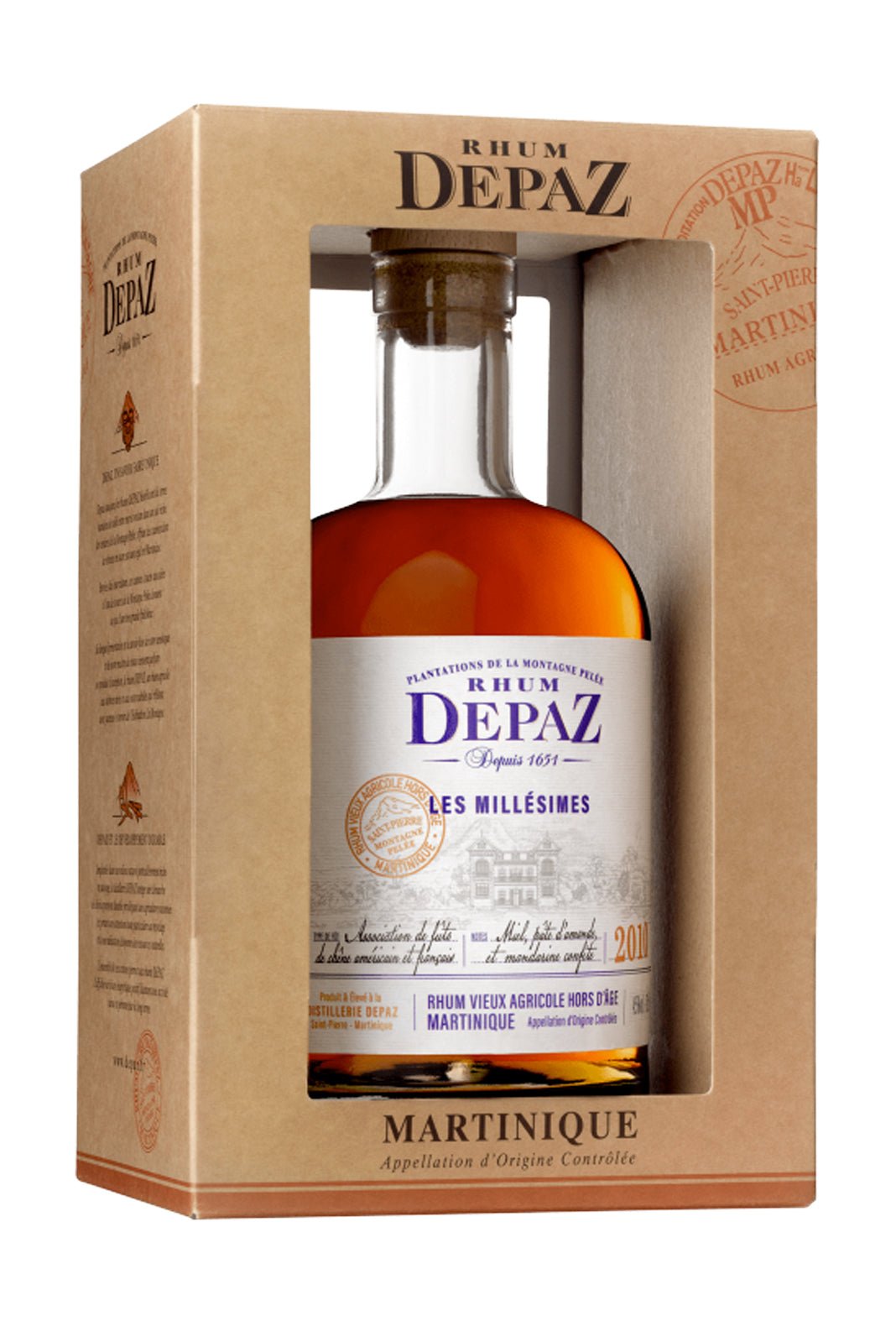
Depaz 2010 Rum Agricole 45% 700ml
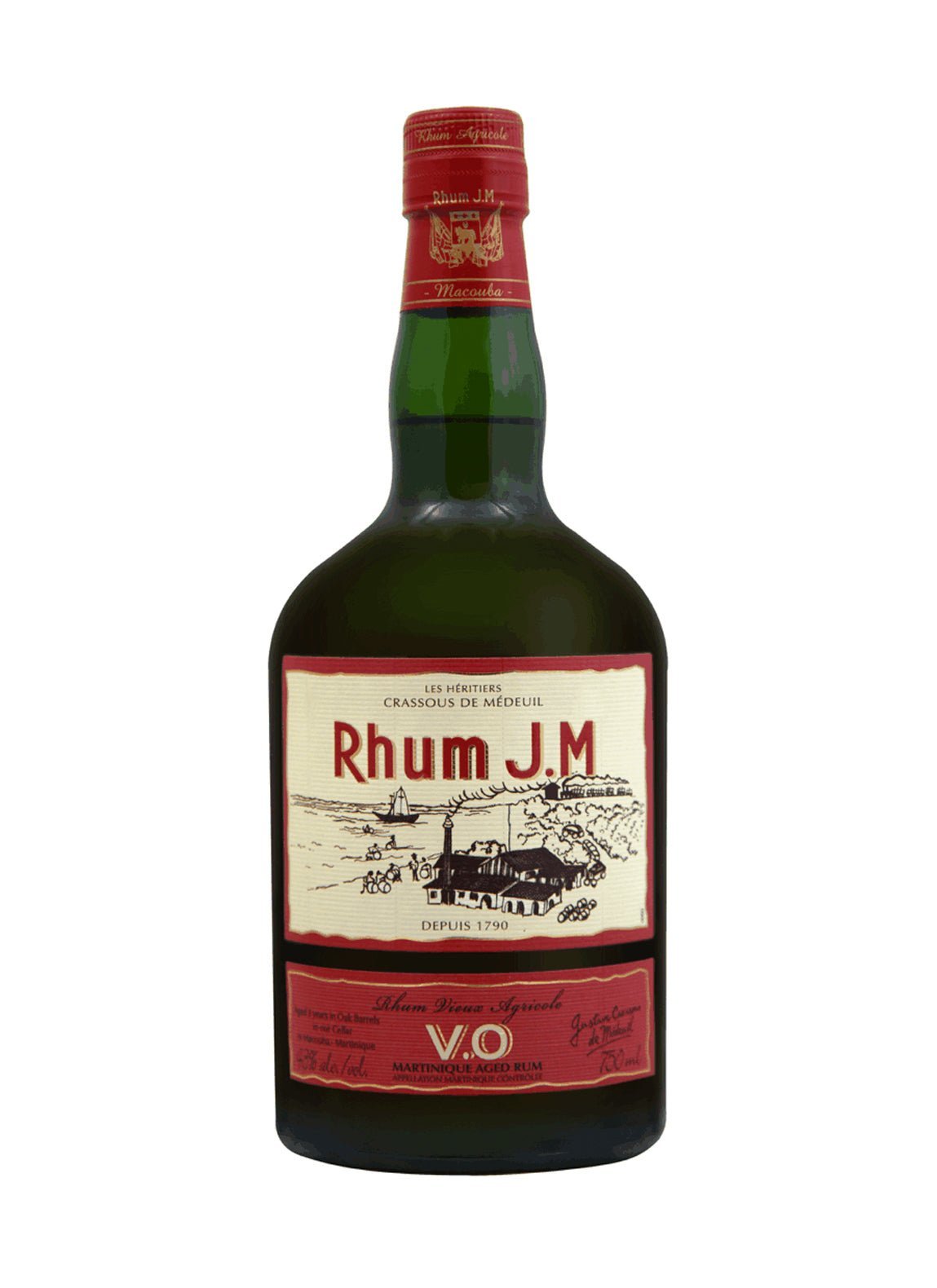
JM Rhum Vieux Vo Terr Volcan Rum 43% 700ml
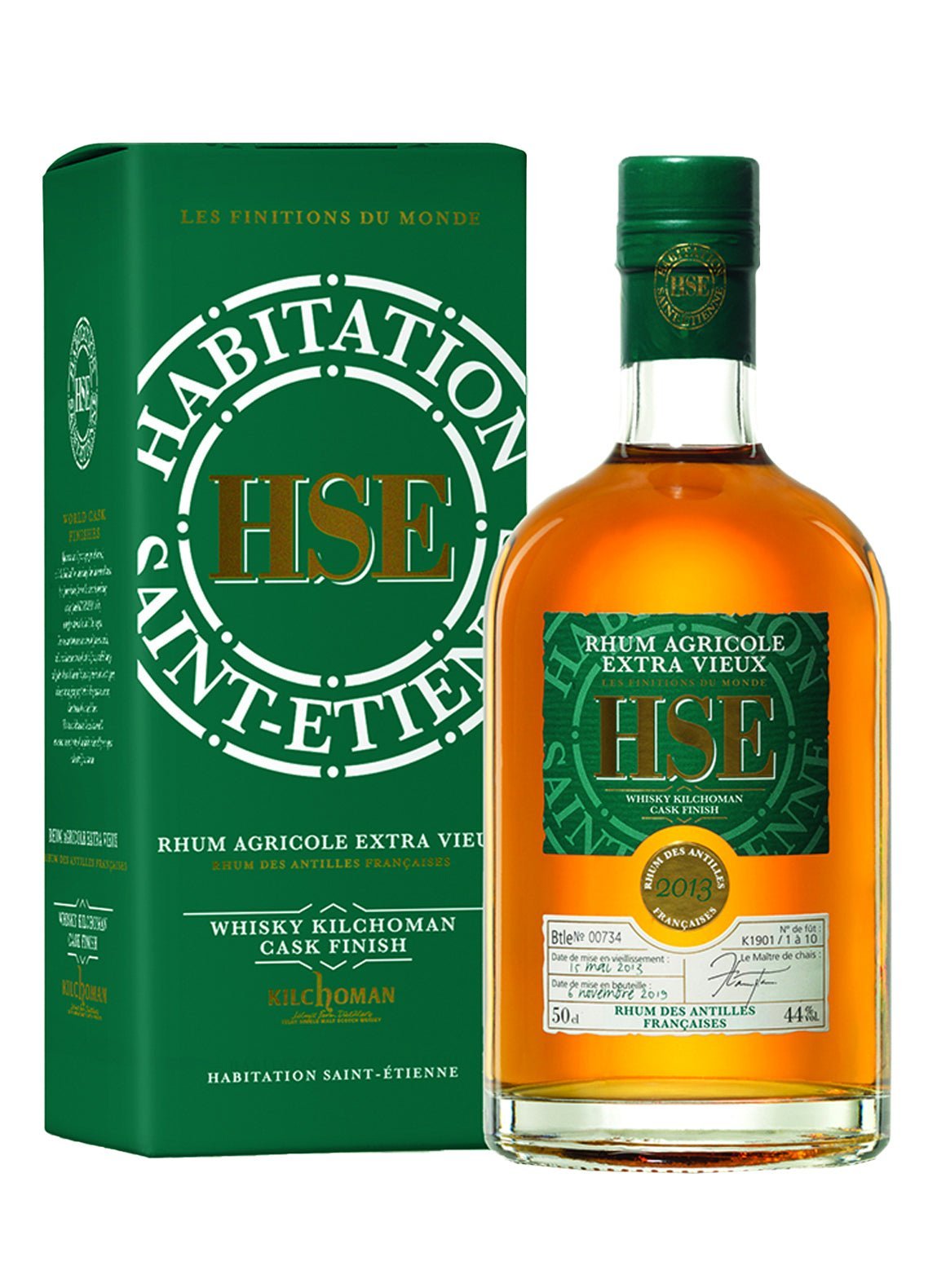
Habitation Saint Etienne 2014 Rum Islay Kilchoman 44% 500ml
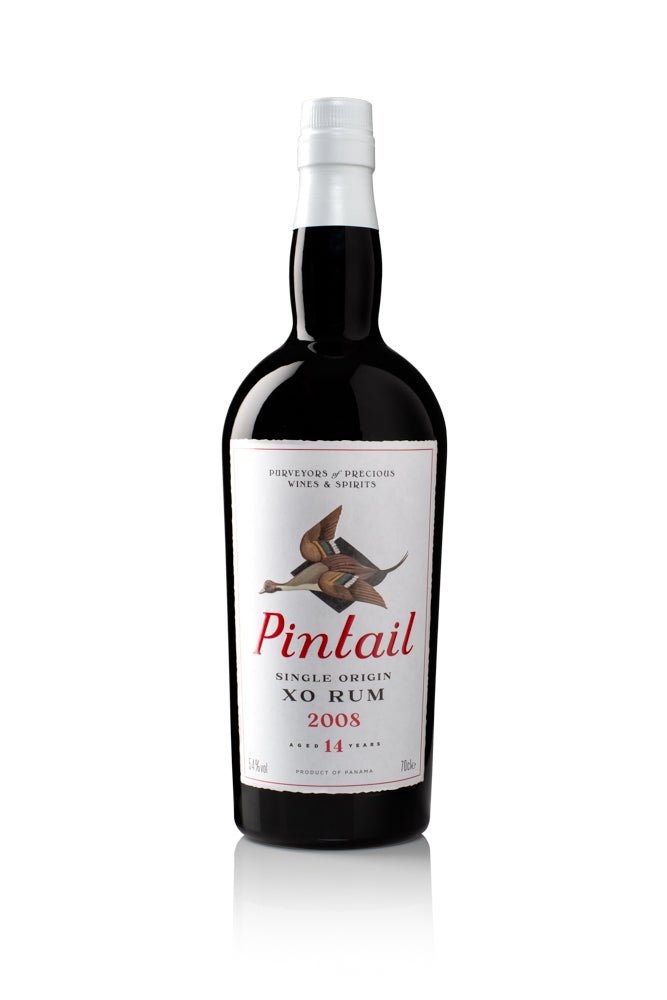
Pintail Panama XO Rum 2008 14 Year Old 700mL
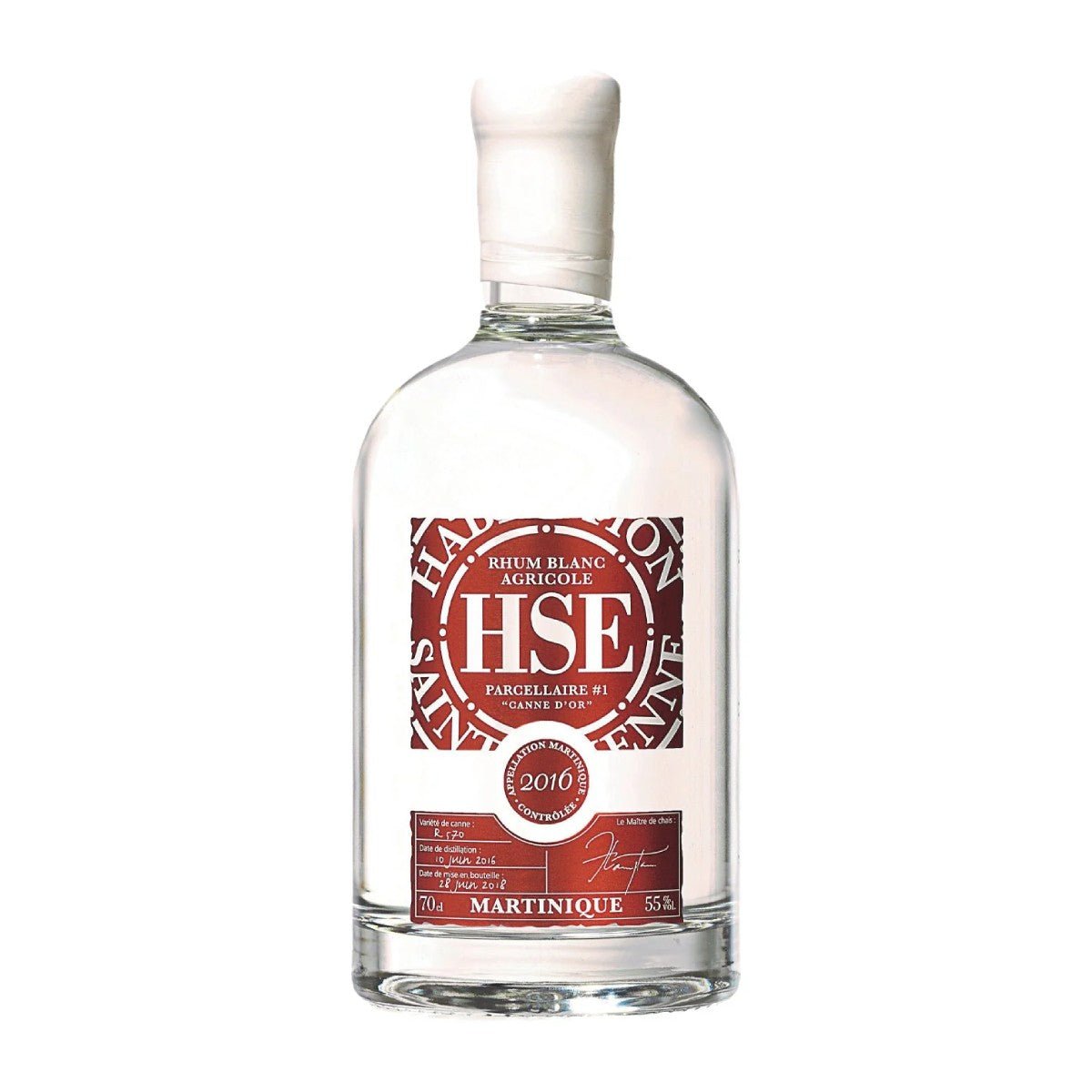
Habitation St Etienne White Rum Agricole Parcellaire 55% 700ml
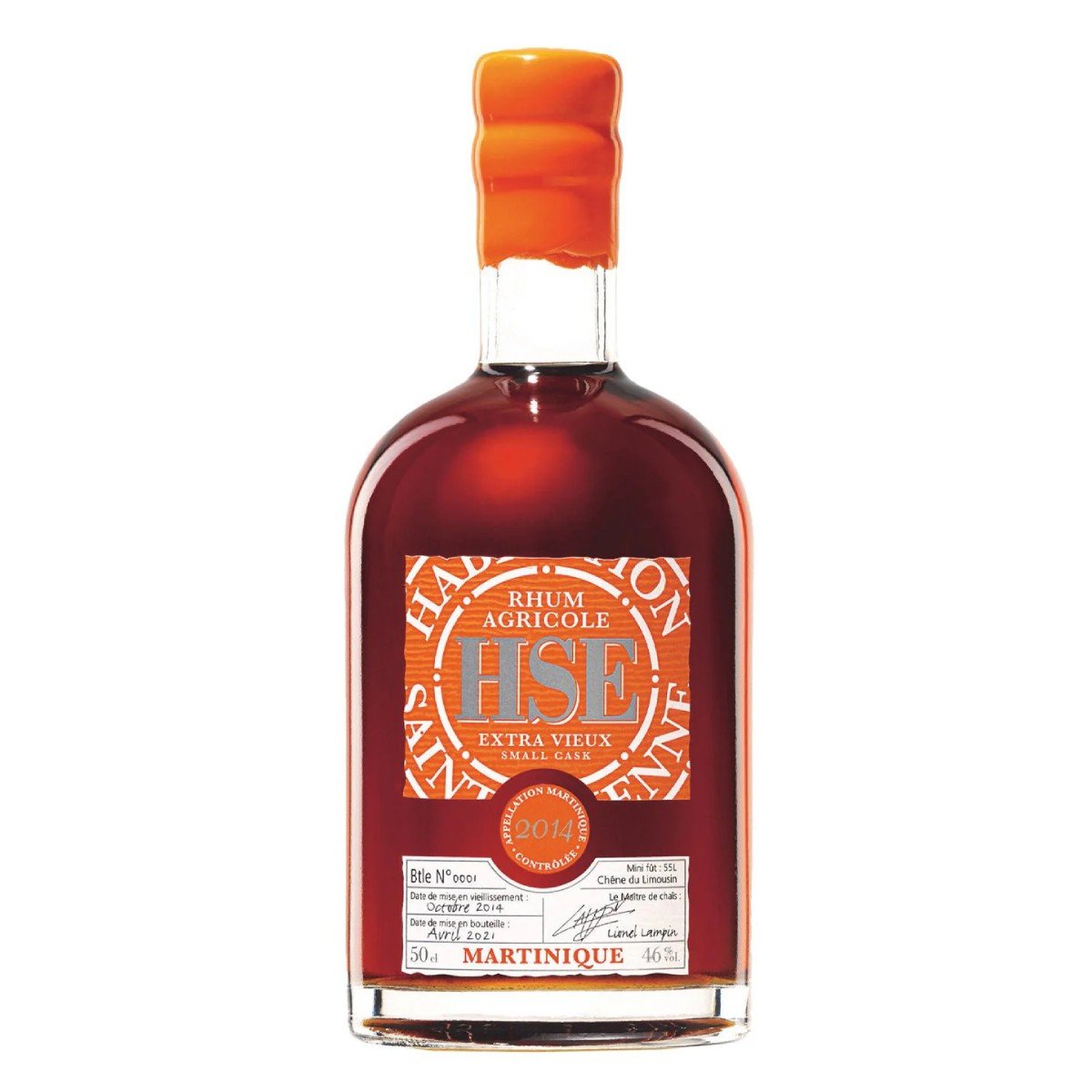
Habitation St Etienne 2014 Rum Agricole Extra Vieux Small Cask 46% 500ml
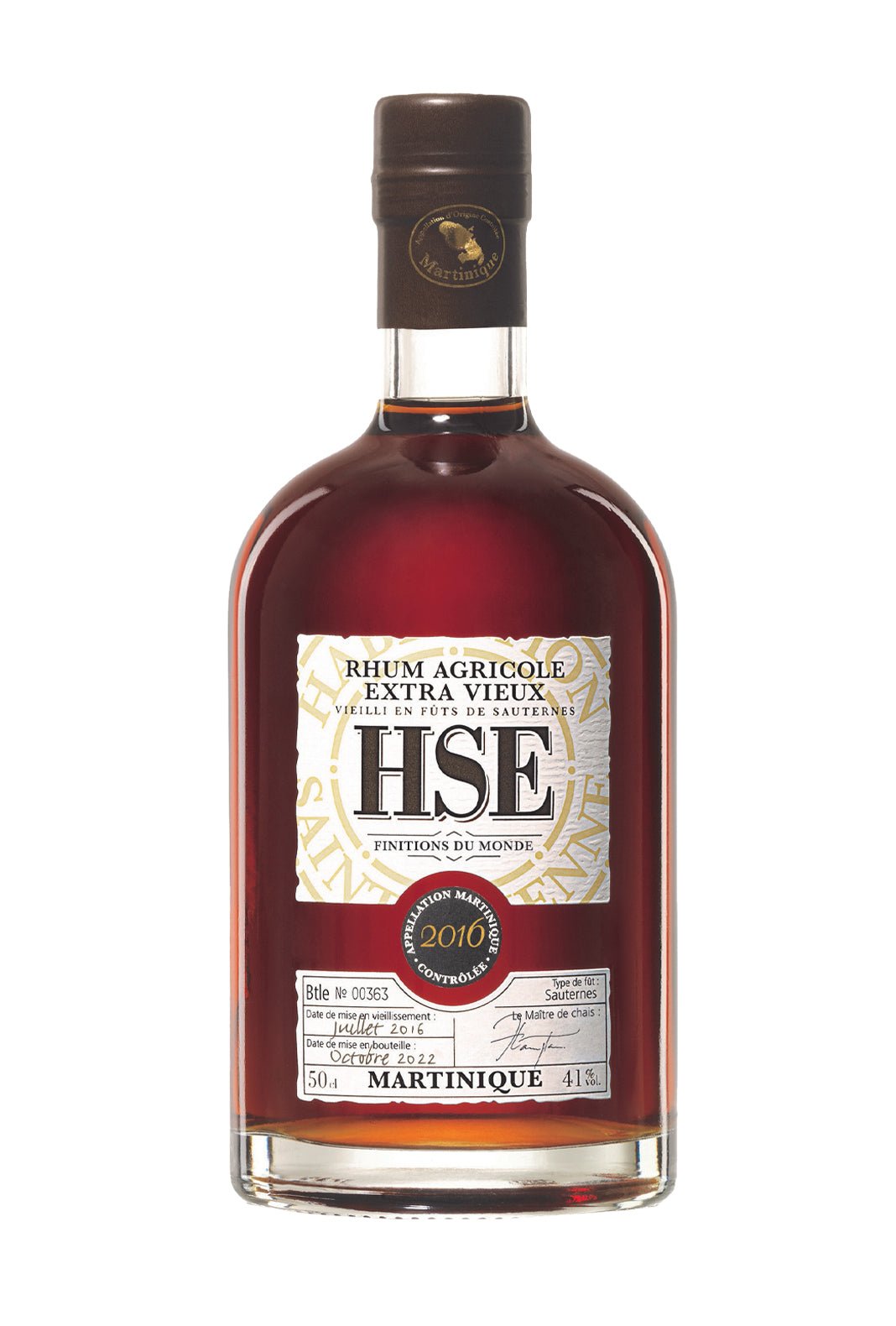
Habitation St Etienne Rum Agricole Extra Vieux 2016 Sauternes Cask 41% 500ml
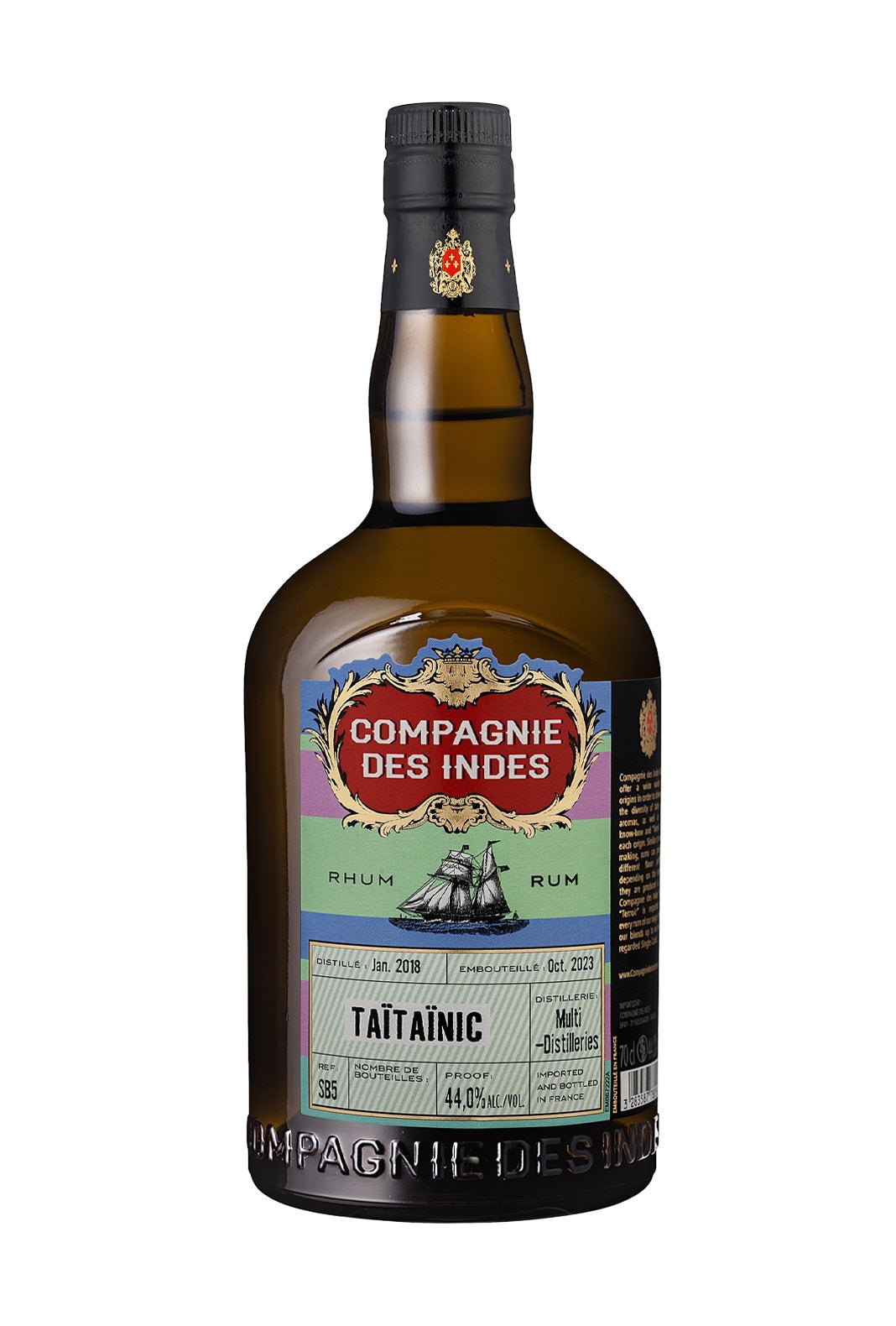
Compagnie des Indes Rum Taitainic 44% 700ml
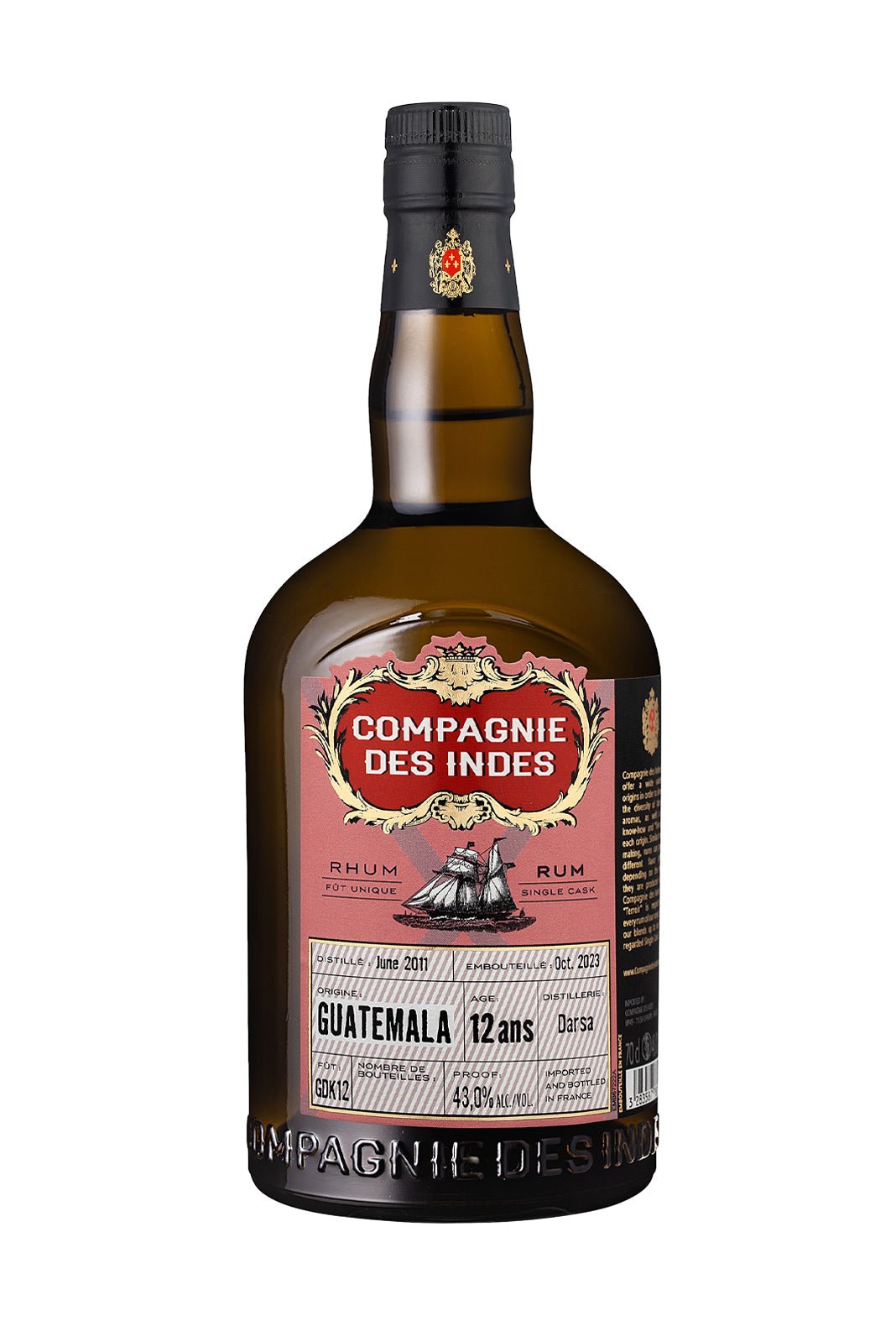
Compagnie des Indes Guatemala Rum 43% 700ml
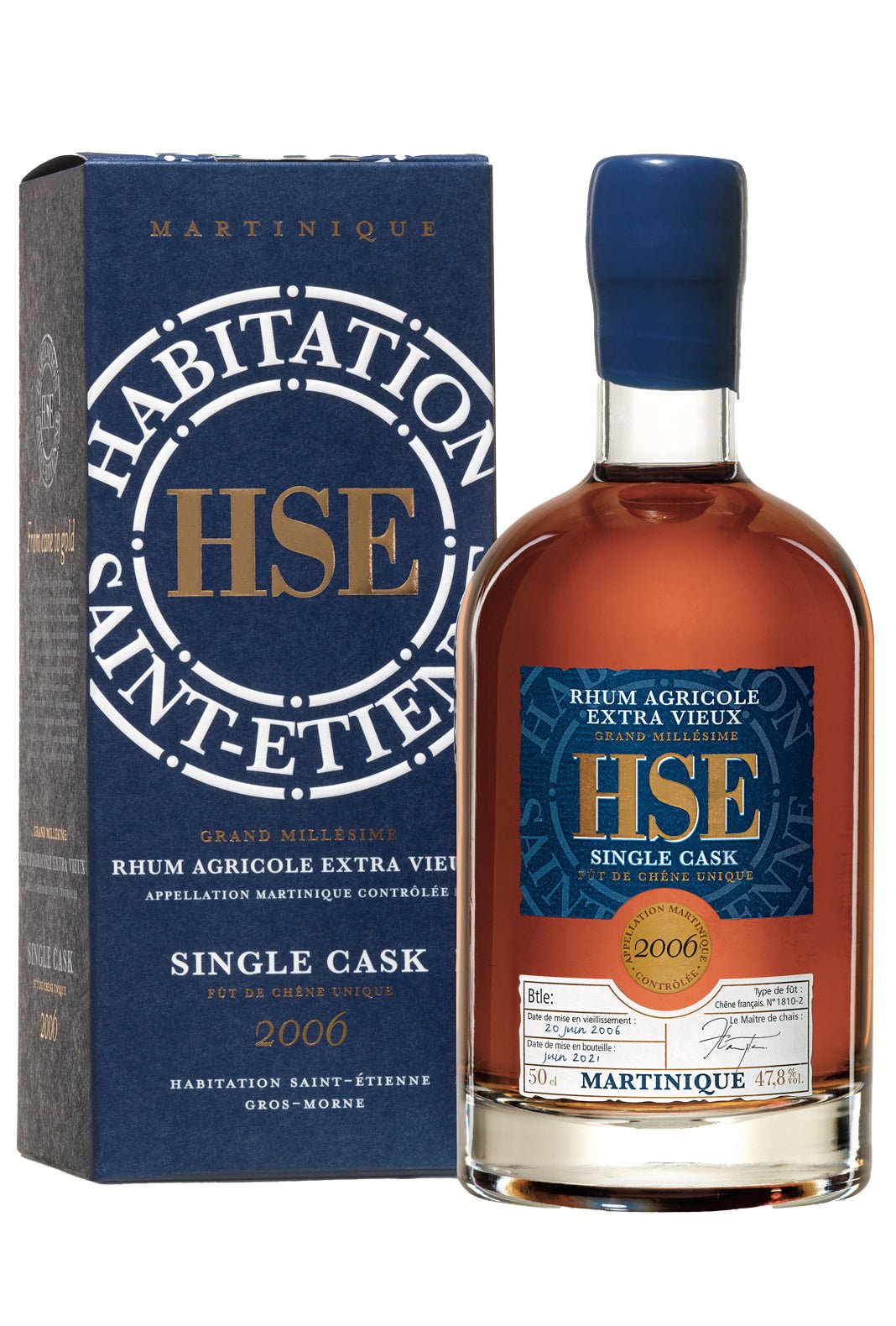
Habitation Saint Etienne2006 Rum Single Cask 47.8% 500ml
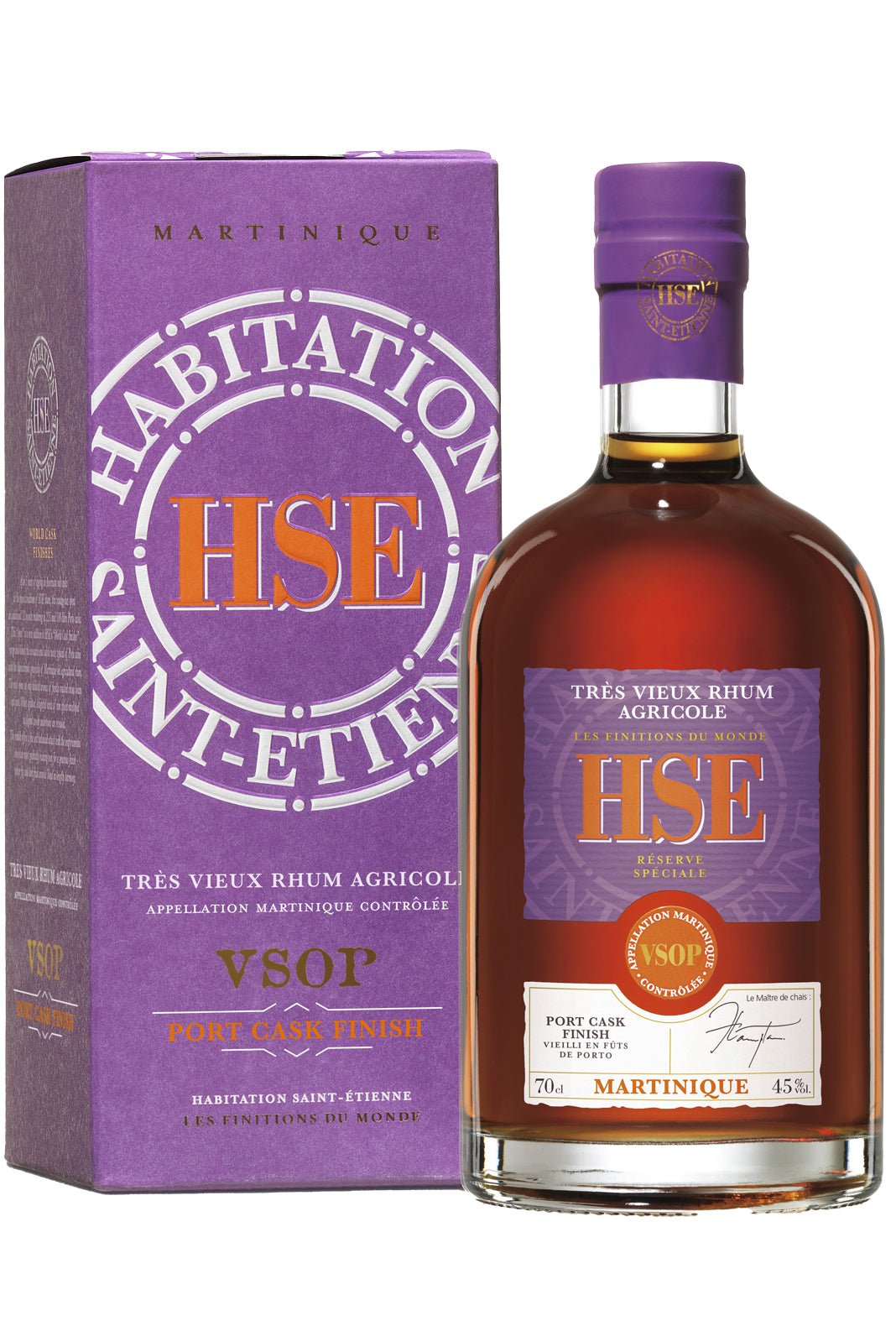
Habitation Saint Etienne Rum Agricole VSOP Porto 5 years 45% 700
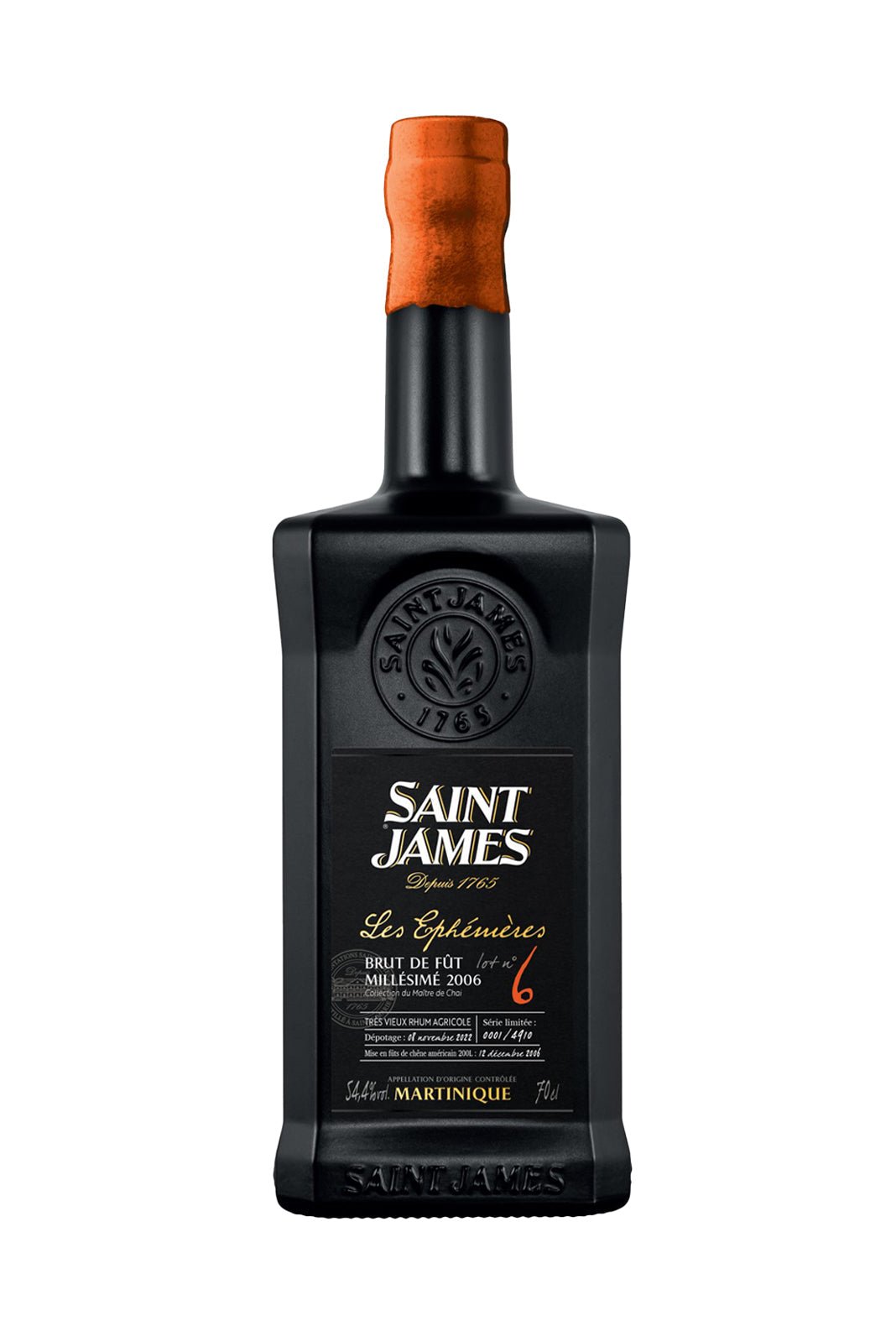
Saint James Rhum Agricole 2006 54.4% 700ml
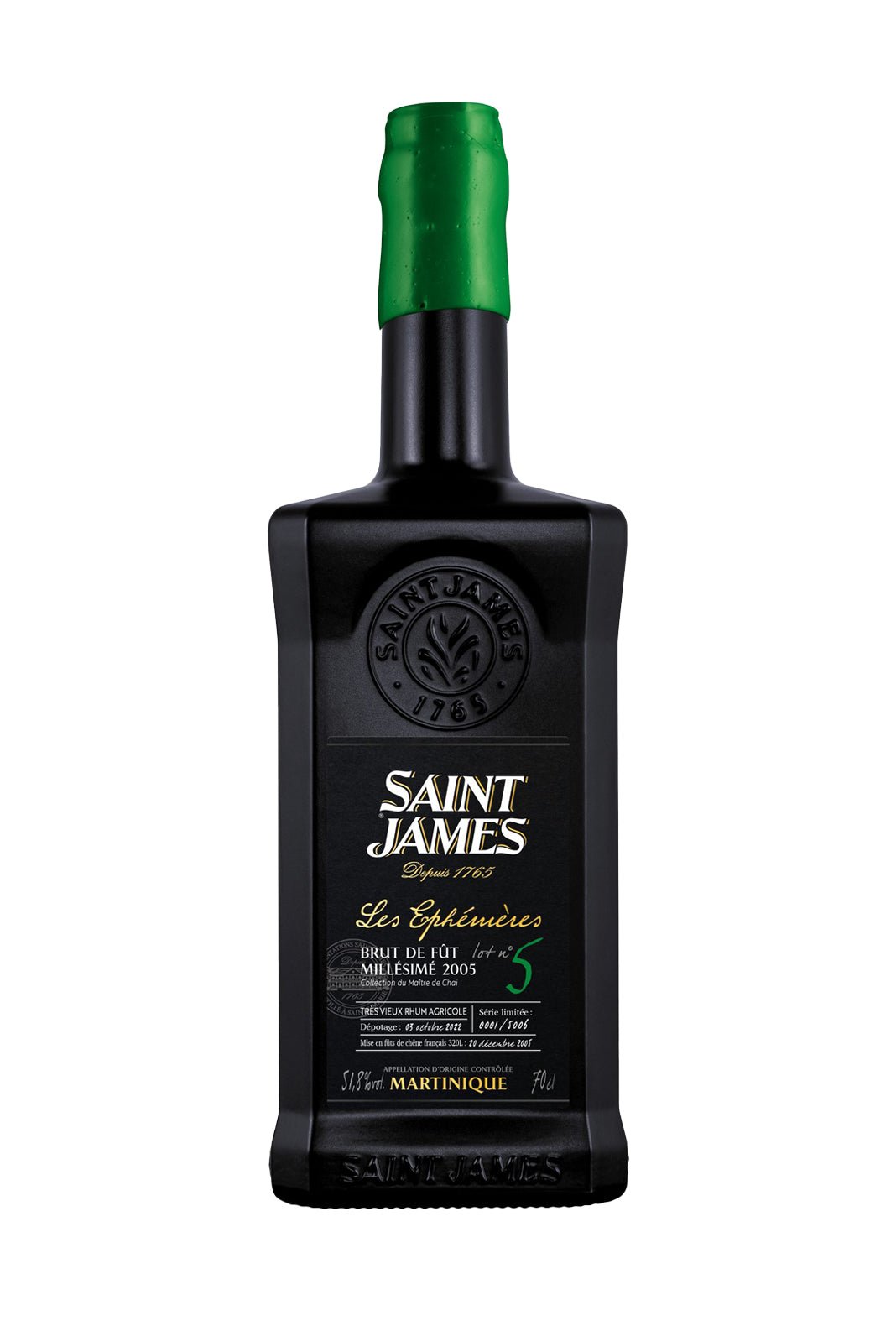
Saint James Rhum Agricole 2005 51.8% 700ml
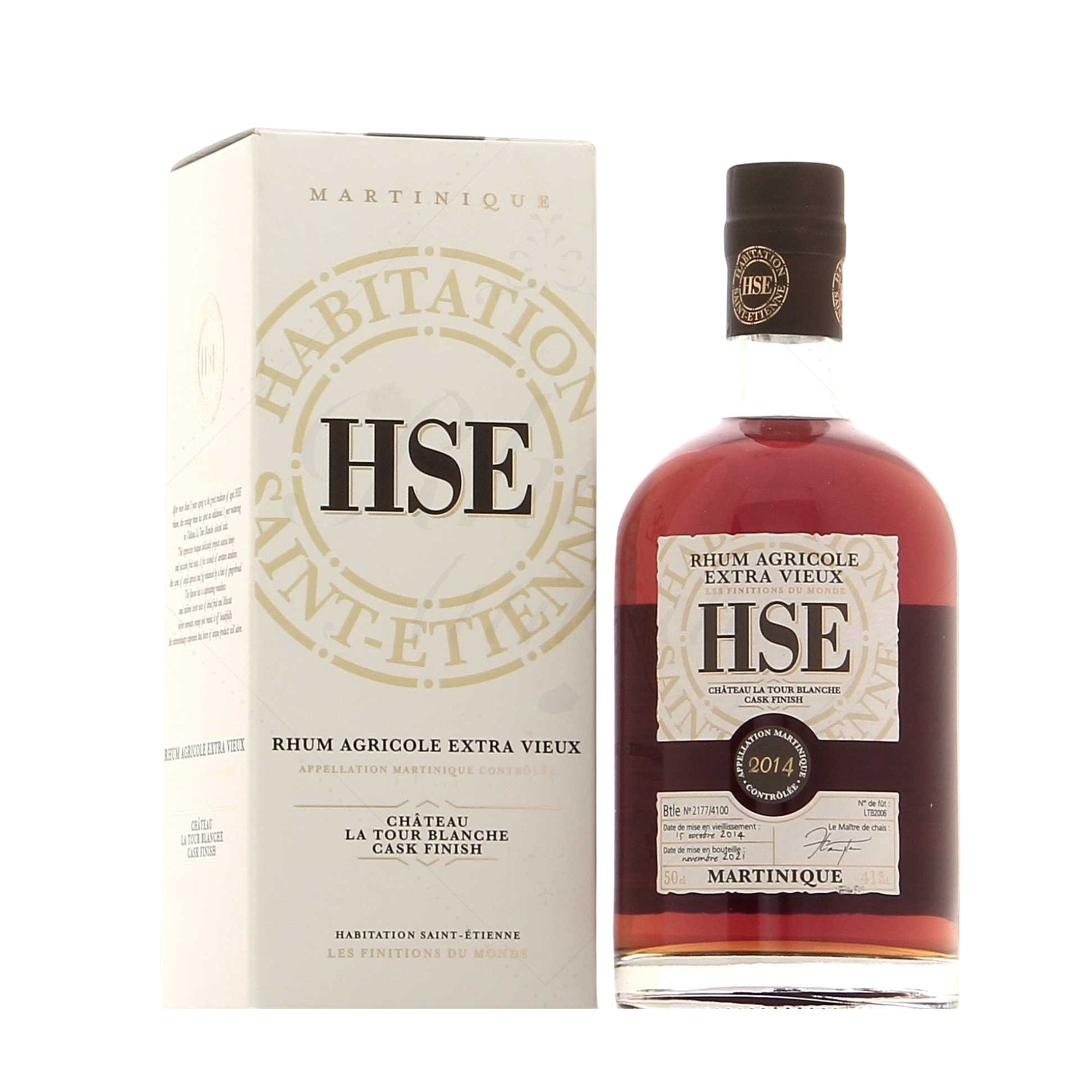
Habitation St Etienne Rum Agricole Vieux 2014 Sauternes cask 41% 500ml
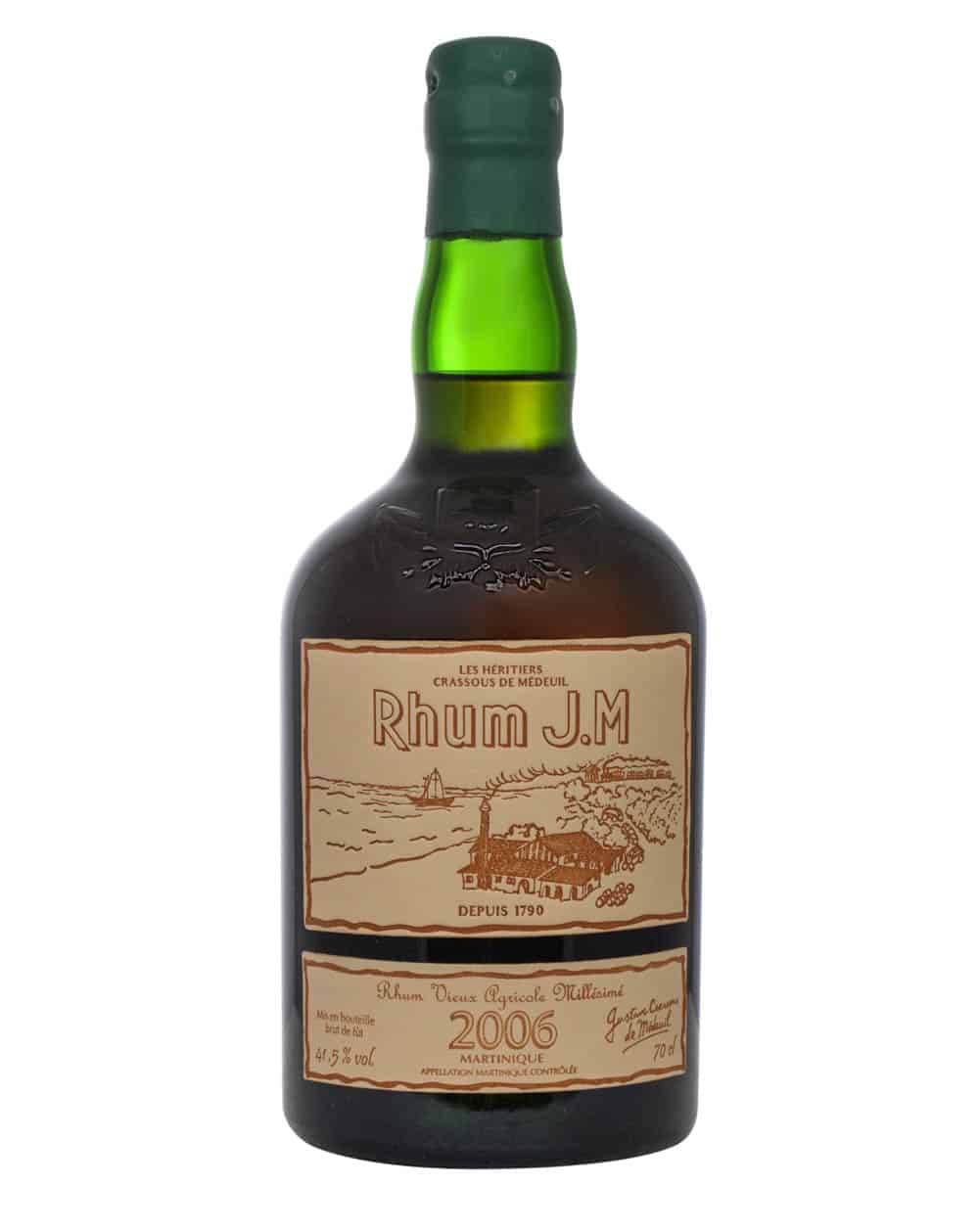
JM Rum AOC Agricole Rum 2006 41.5% 700ml
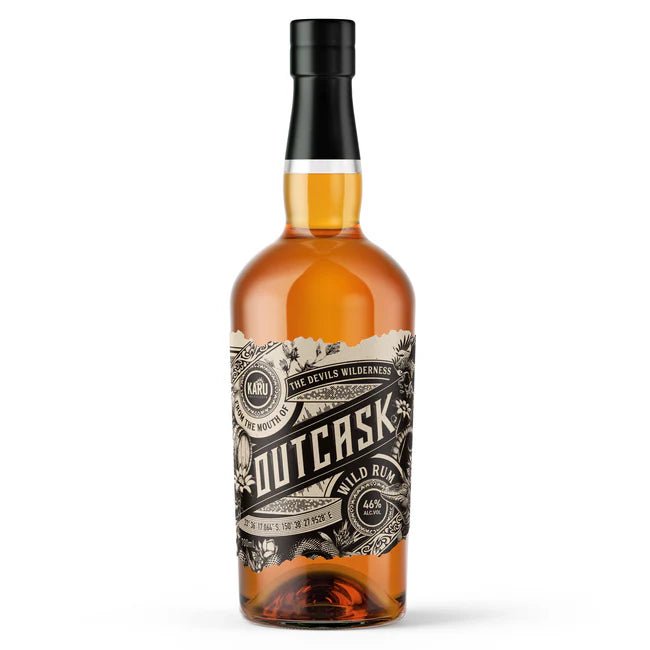
Karu Outcast Rum 700ml
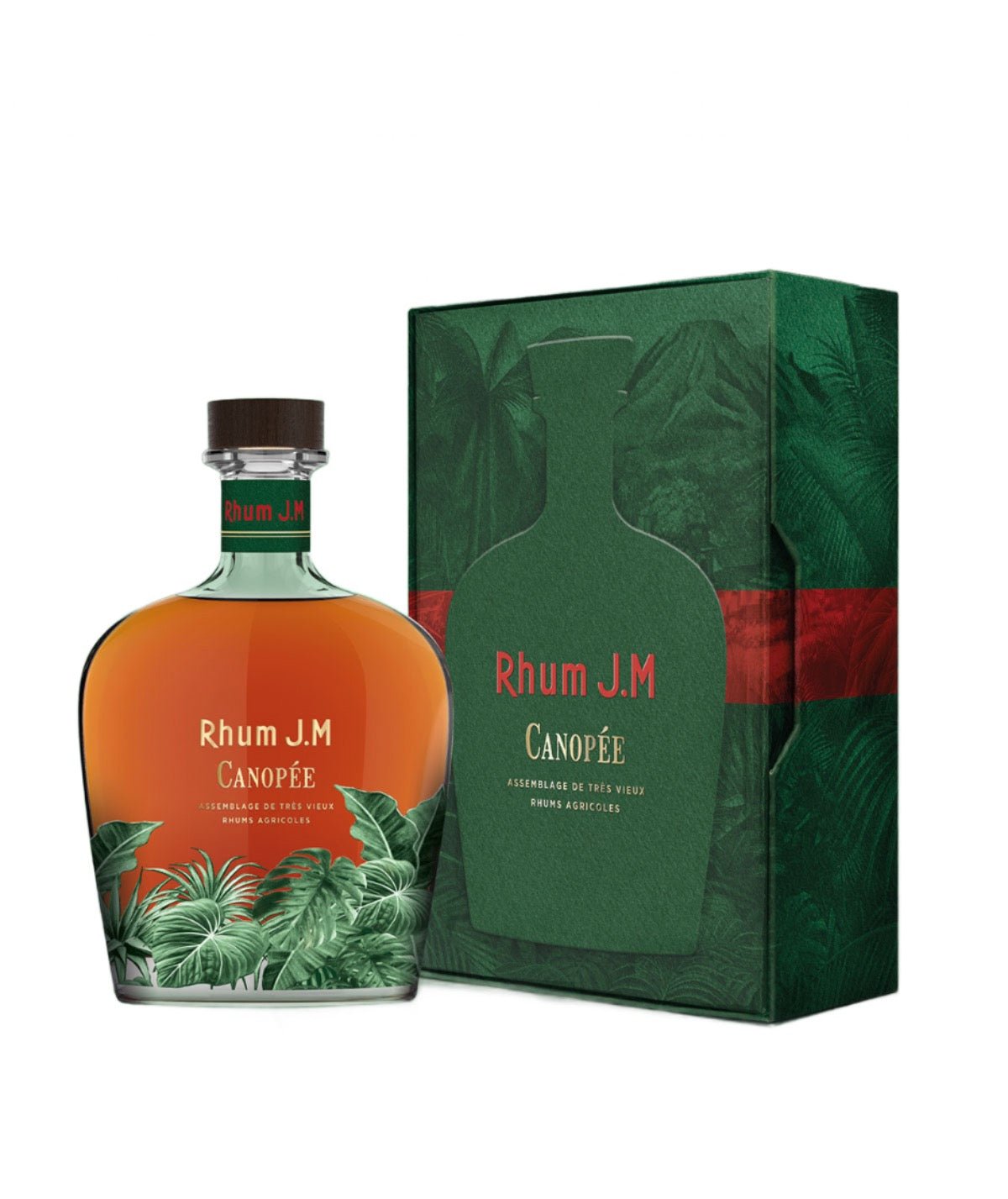
J.M Rum Vieux Canopee Carafe 46% 700ml
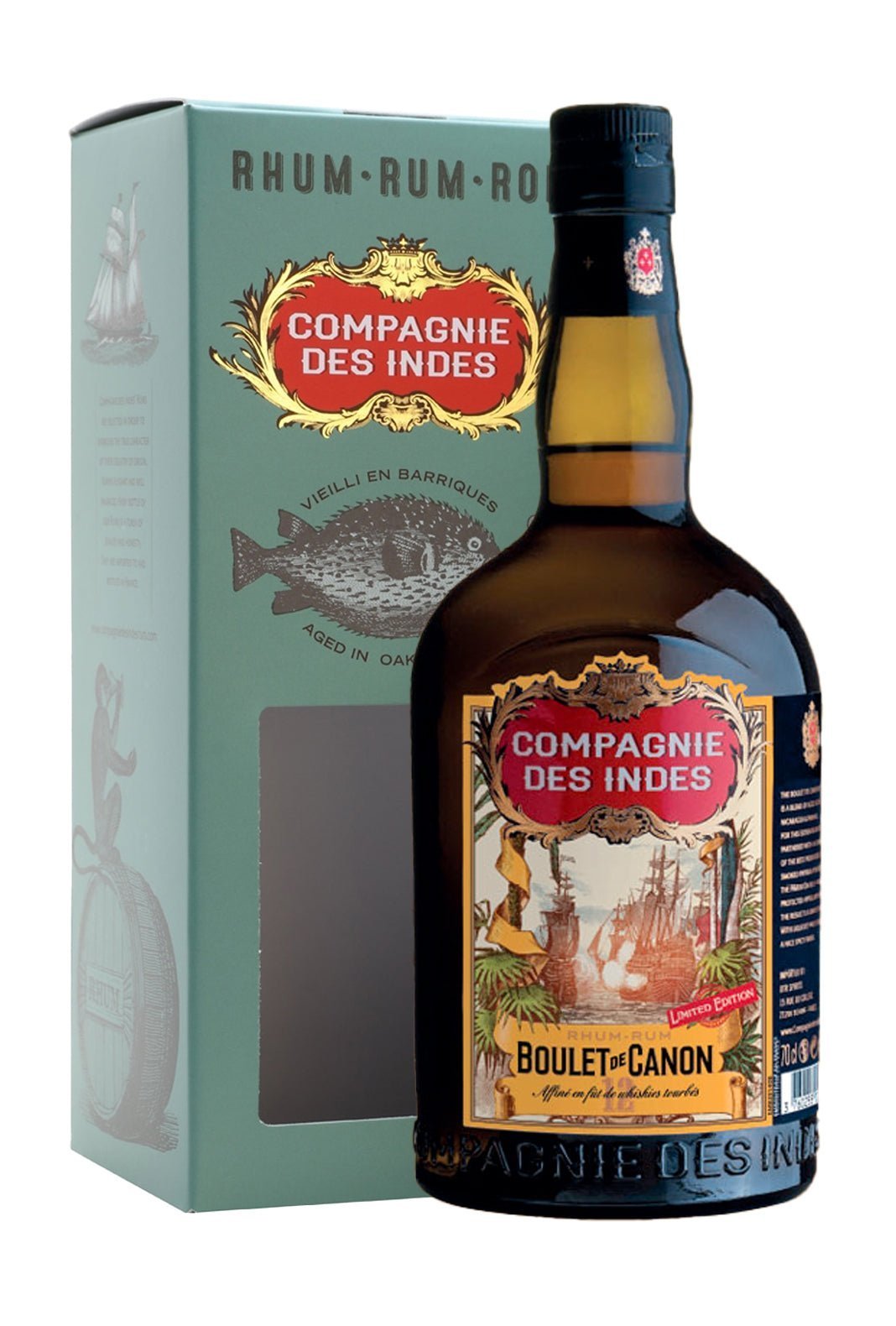
Compagnie des Indes Rum Boulet de Canon N¡12 46% 700ml
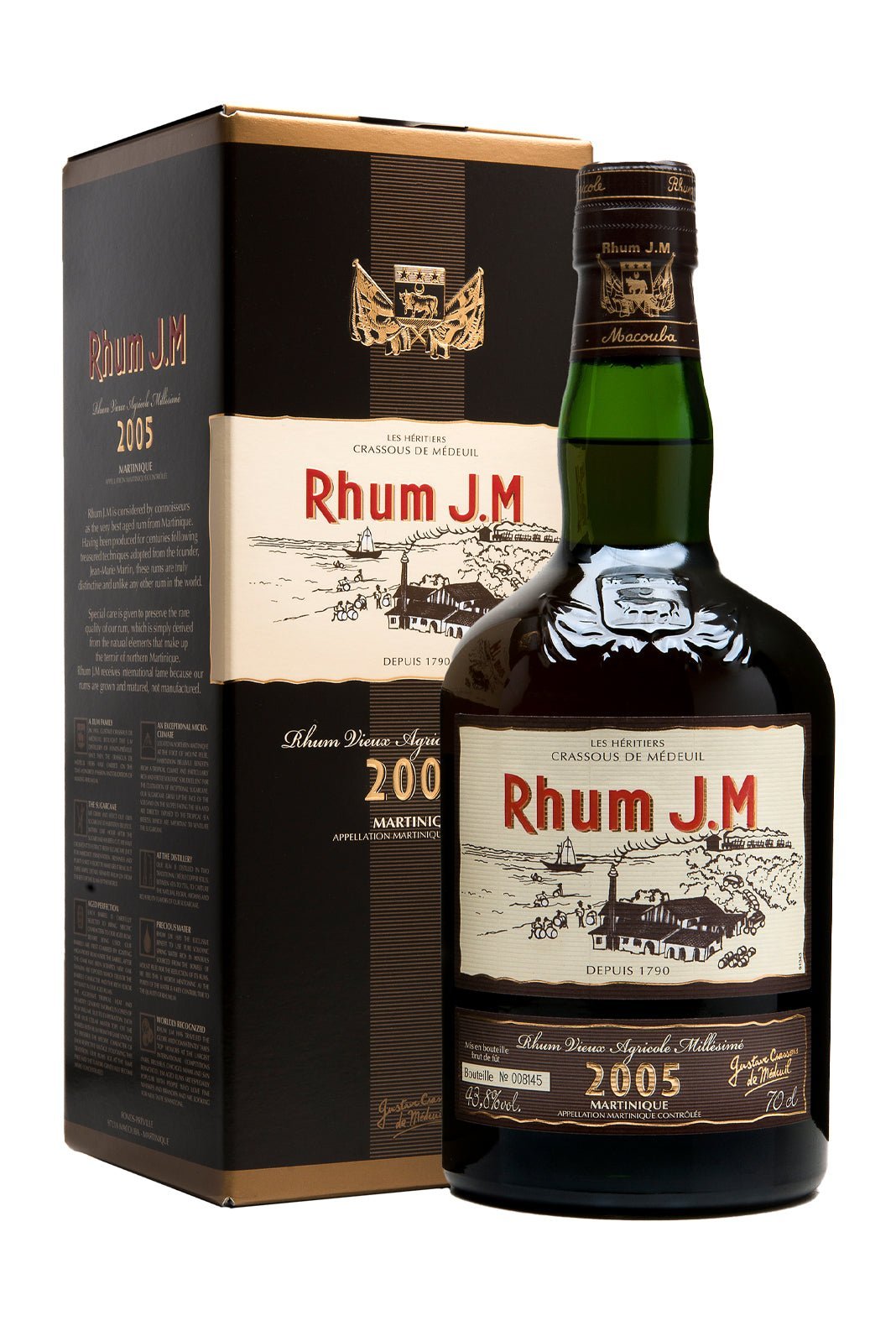
JM Rum AOC Agricole 2005 42.4% 700ml
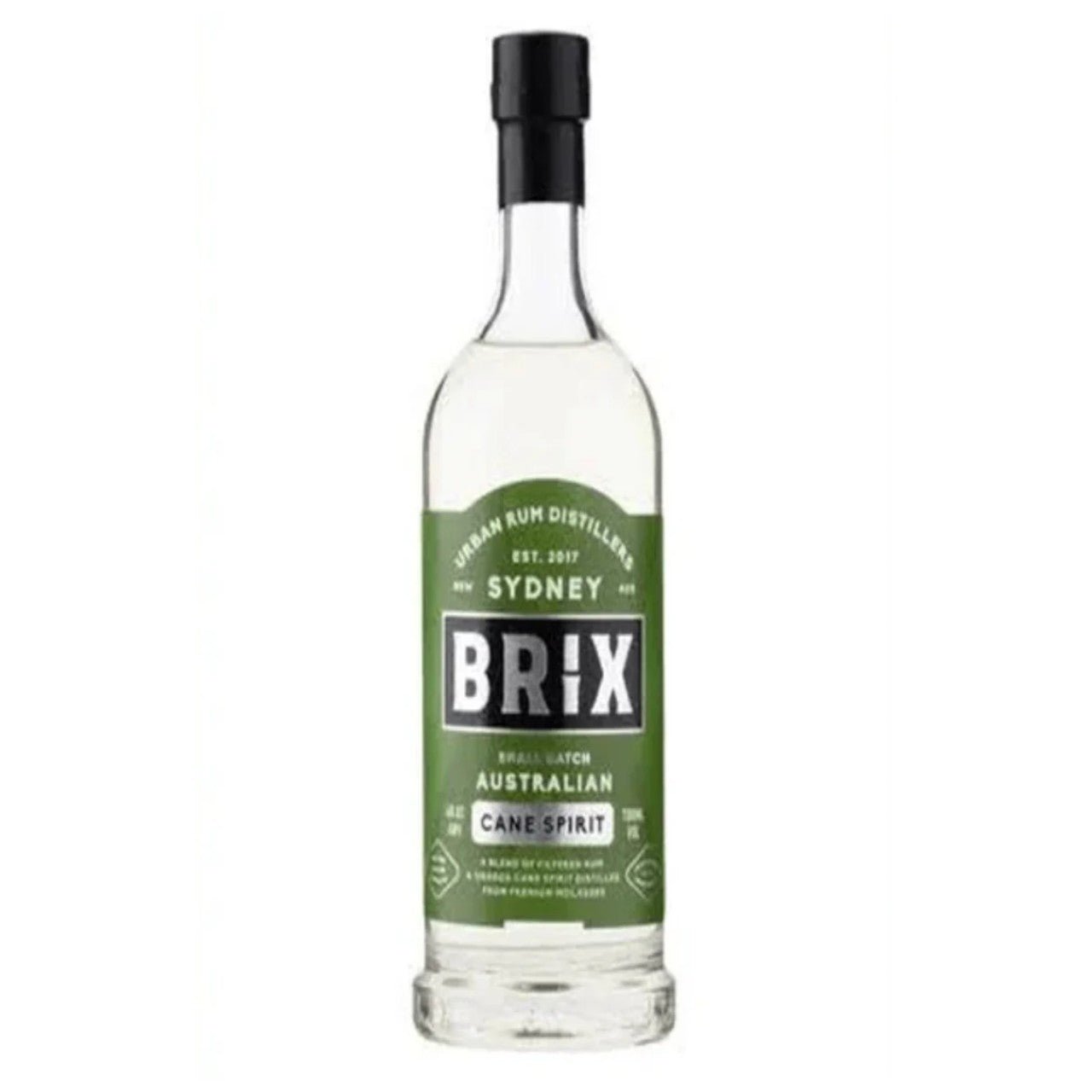
BRIX White RUM 700ML 41%
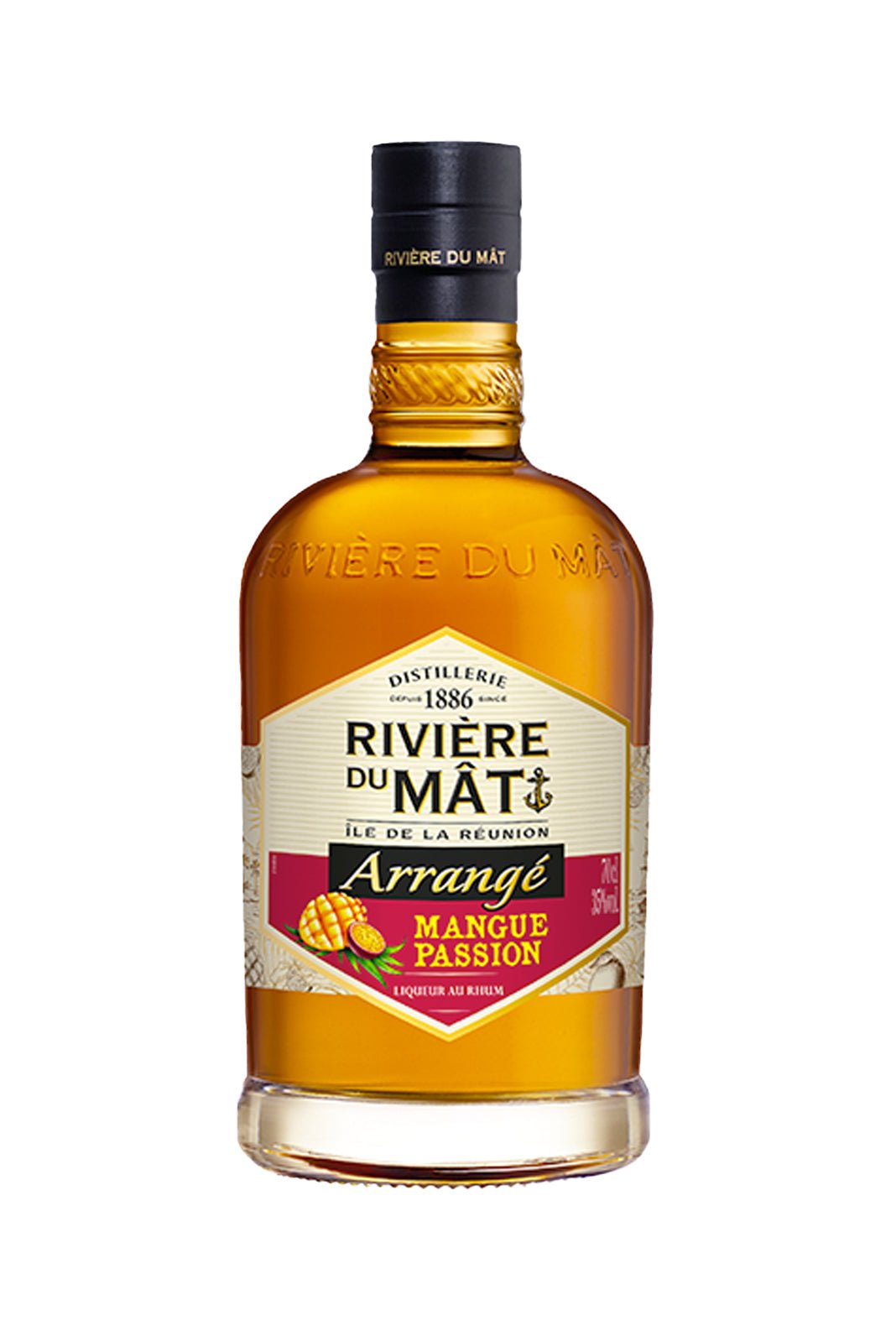
Rivière Du Mat Rum Arrange Mangue Passion (Mango-Passion) 35% 700ml
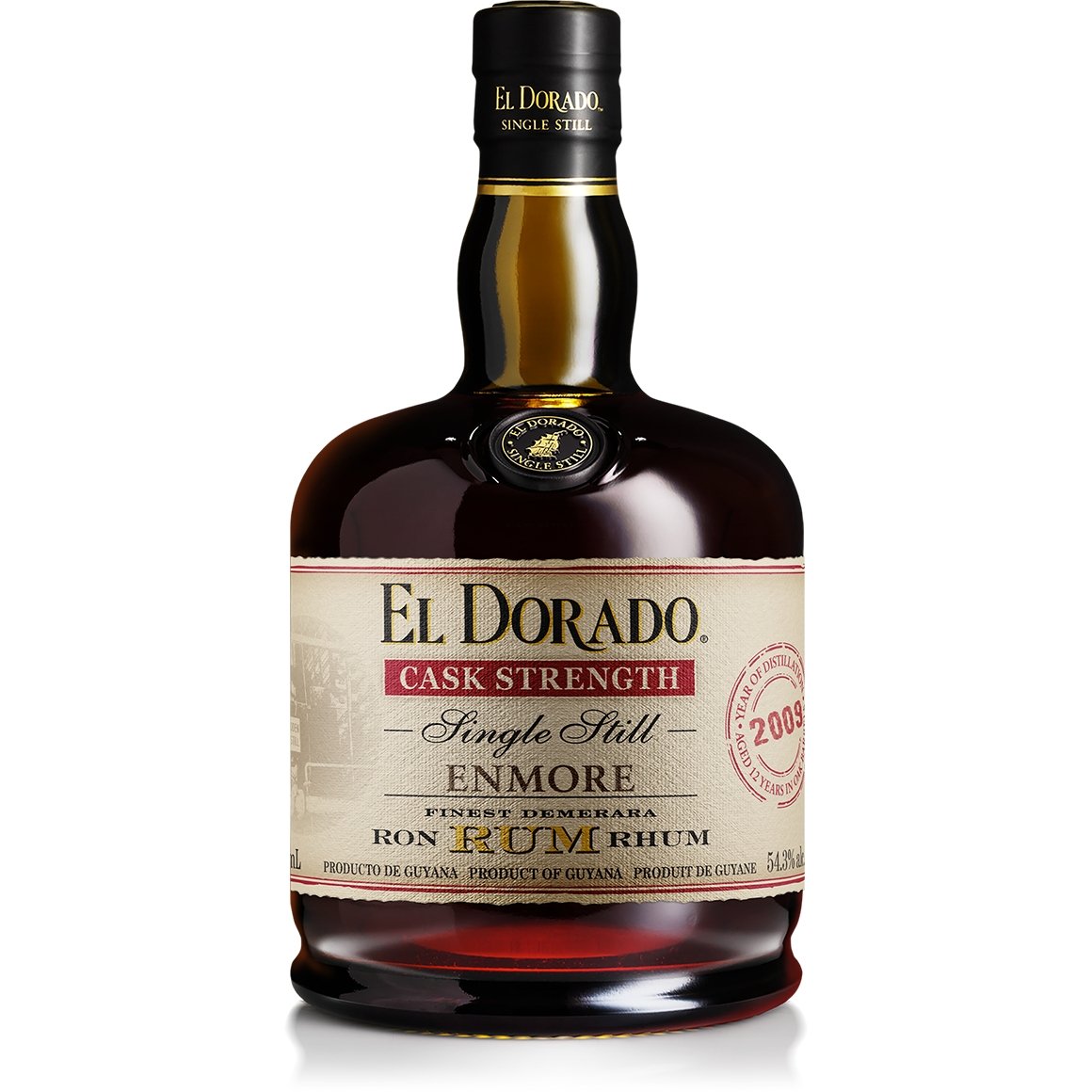
El Dorado Single Still Enmore Cask Strength
About Rums
Rum is the largest spirit category in this shop, and the easiest way through it is by origin.
Guyana means El Dorado and Demerara: heavy, sweet and unmistakable, from 3 Year through to 21, plus single still bottlings from the historic Enmore and Diamond stills.
Barbados means the Foursquare estate. Doorly's at 3, 12, 14 and XO, RL Seale 10 Year, and the Exceptional Cask series. Drier and more precise than Guyana.
Martinique means agricole, distilled from fresh cane juice under the only AOC for rum in the world. Rhum JM, Habitation Saint-Etienne, Saint James, Depaz and Neisson.
Pusser's holds the Royal Navy blend. Admiral Rodney covers St Lucia, Dos Maderas the Spanish solera style, Arcane and Beach House Mauritius, Barbancourt Haiti, and Shipwreck the flavoured end from St Kitts.
Australian rum is represented by Brix and Burdekin.
If you are new to the category, an El Dorado 8 and a Doorly's 12 side by side is the fastest education available. If you already know molasses rum, start with a JM Blanc.
Eleven bottles from across this range are tasted and ranked in our rum picks, while five reasons to explore rum is the gentler start.
History
Rum starts with sugar. Caribbean plantations from the seventeenth century produced molasses in volumes they could not use, and Barbados distillers were fermenting it by the 1650s. It became the currency of Atlantic trade, and the Royal Navy's daily ration from 1655 until 1970.
Unlike Scotch or Cognac, rum has almost no international rules. There is no minimum age, no agreed definition of what counts as a solera, and no requirement to declare added sugar. That is why the category is confusing, and why producer and origin matter more here than any label term.
Style comes from three things. The base: molasses or fresh cane juice. The still: pot for weight, column for lightness, and in Guyana a set of wooden stills that survive nowhere else. And the climate: tropical ageing removes several times more spirit per year to evaporation than a Scottish warehouse, so a tropical eight year old has aged harder than the number suggests.
Barbados, Martinique and Jamaica have each moved to define and protect their own styles. Most of the rest of the world has not.
How to drink it
Match the rum to the job.
For sipping, look at 12 years and above. El Dorado 15, Doorly's XO, Pusser's 15 Year, Foursquare's Exceptional Casks. Tulip glass, room temperature, no ice.
For a Daiquiri, use a light or moderately aged rum. Three parts rum, one part lime, half a part sugar syrup, shaken hard.
For a Ti Punch, only an agricole blanc at 50% or more will do.
For a Painkiller or a Dark and Stormy, reach for something heavy: Pusser's Gunpowder Proof or an El Dorado.
For an Old Fashioned made with rum, a Demerara 12 or 15 works beautifully with a dash of Angostura and no more than a bar spoon of syrup.
Rum does not improve once bottled, so there is no reason to hold a bottle you want to drink. Keep it upright, out of sunlight, and finish an opened bottle within a year or two.