
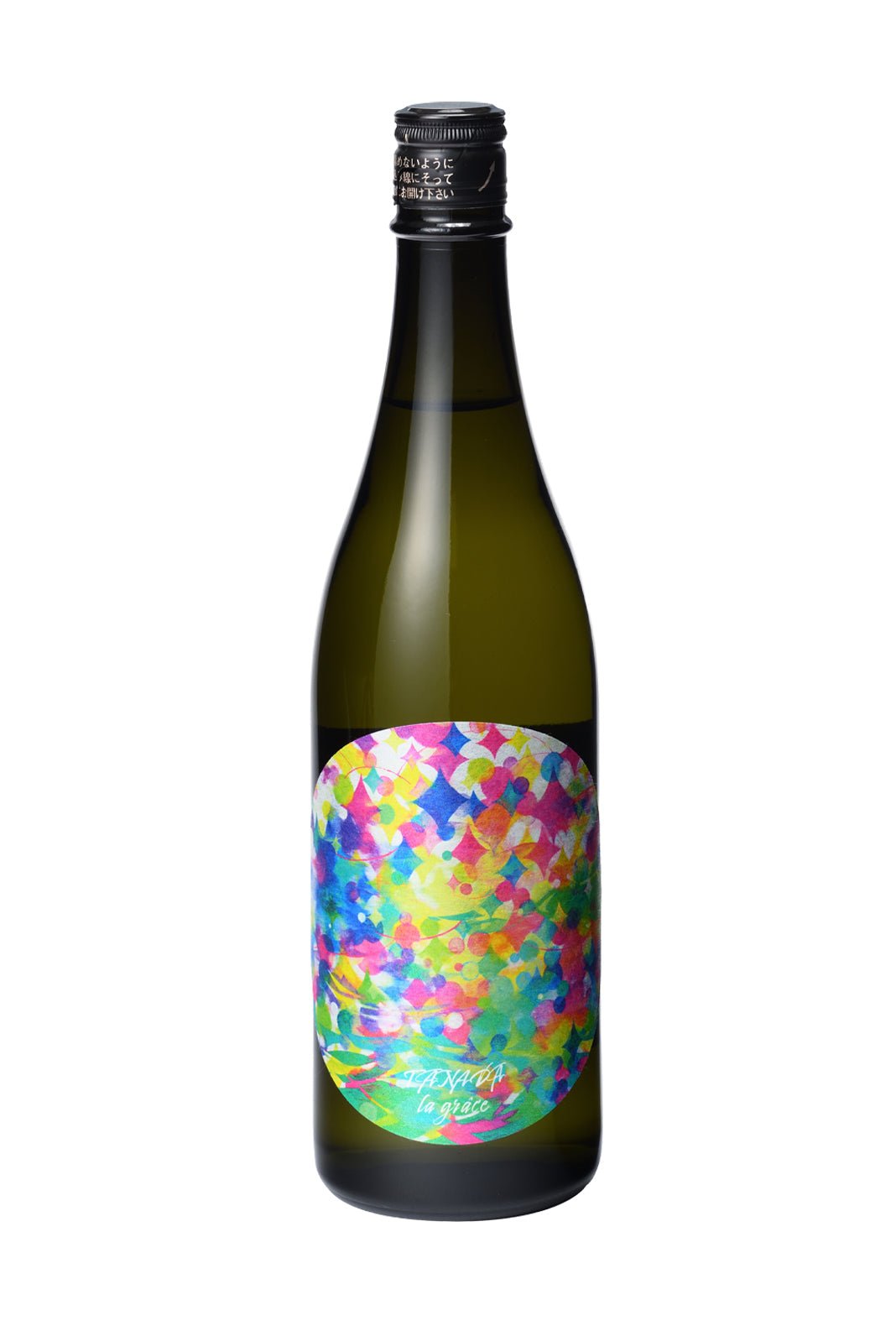
Nagano Meijo Junmai Daiginjo Tanada la Grace 16.2% 720ml
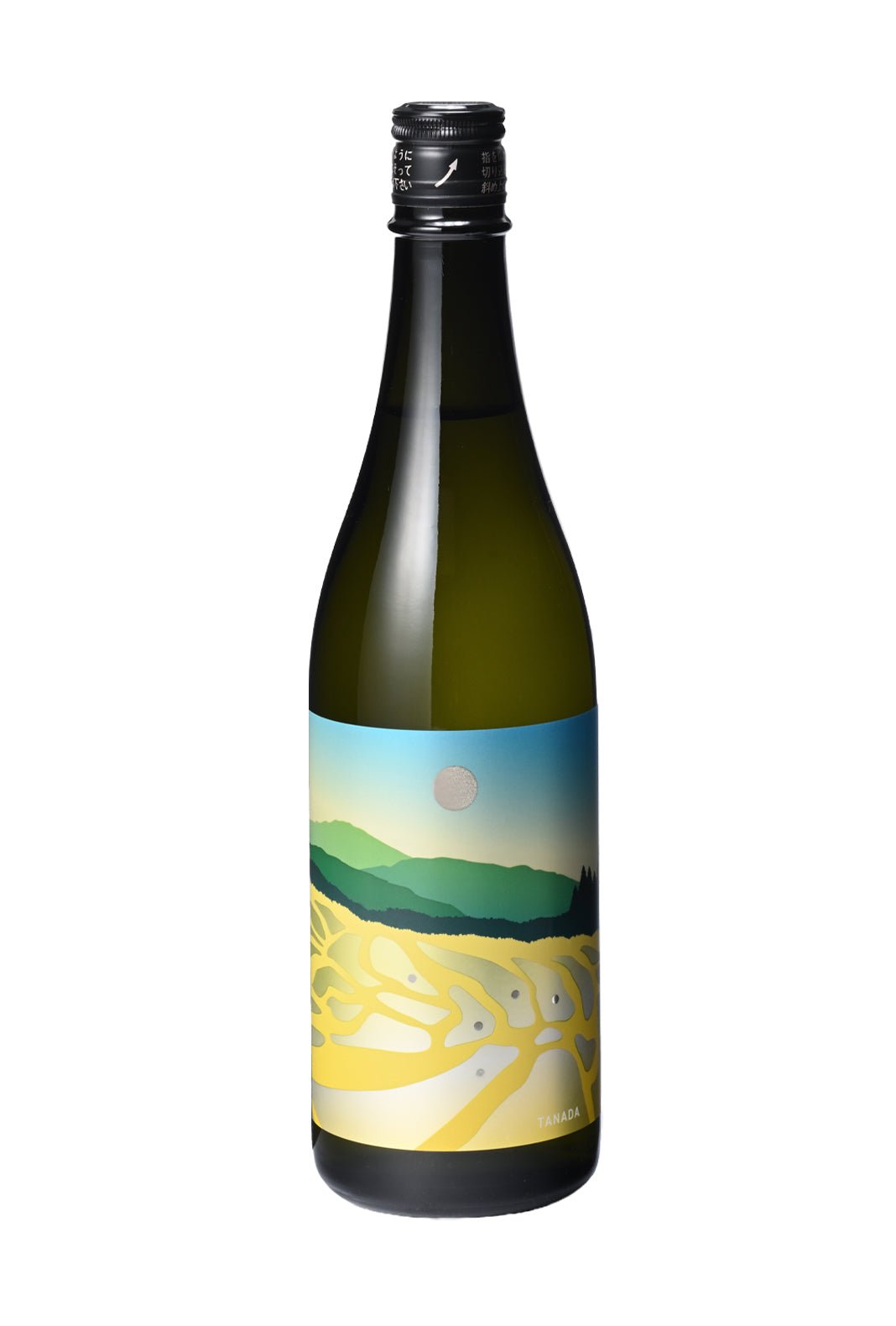
Nagano Meijo Junmai Ginjo Tanada (Modern Dry) 16.9% 720ml
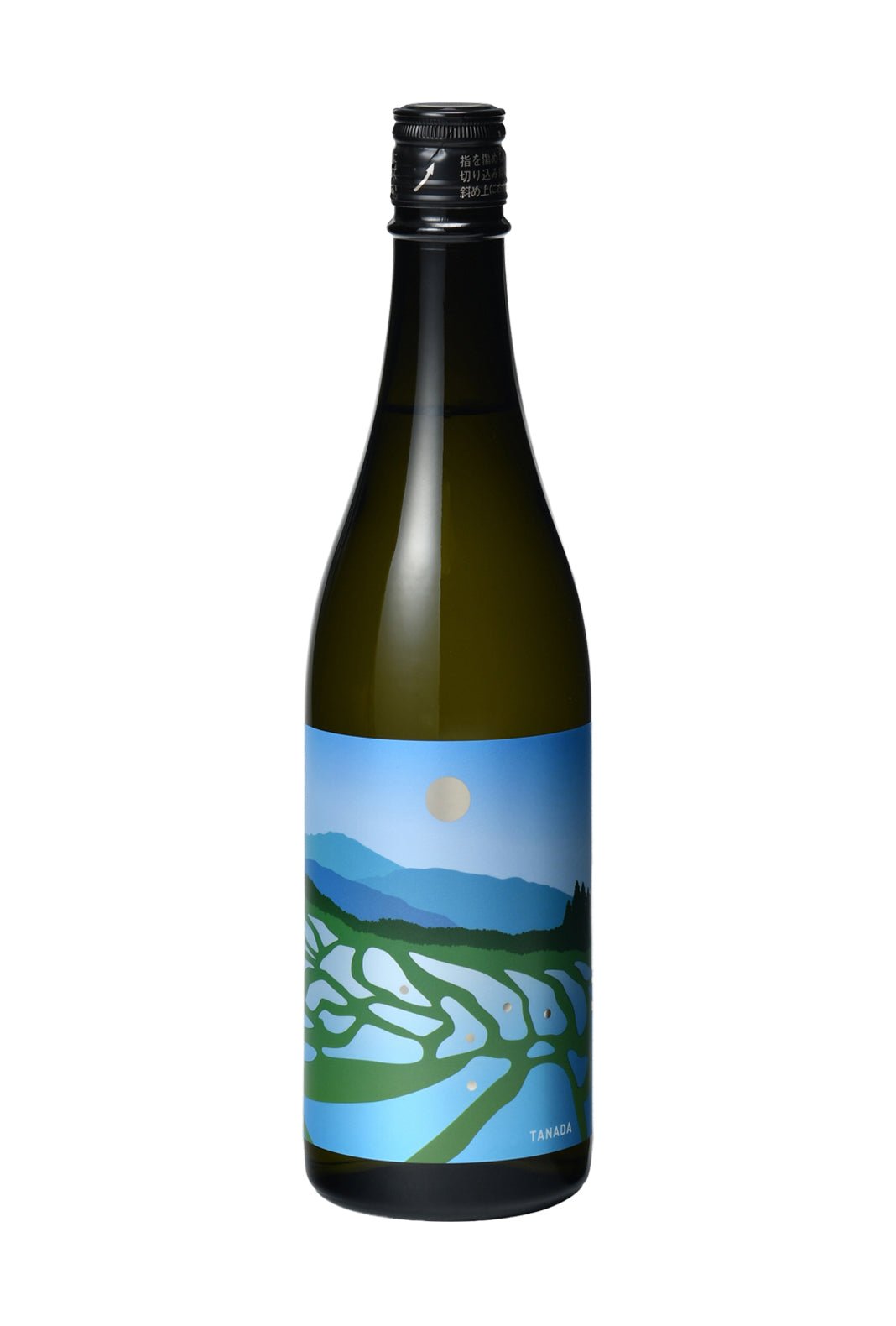
Nagano Meijo Tokubetsu Junmai Tanada 16% 720ml

Nagano Meijo Junmai Ginjo Kisekirei 15.6% 720ml
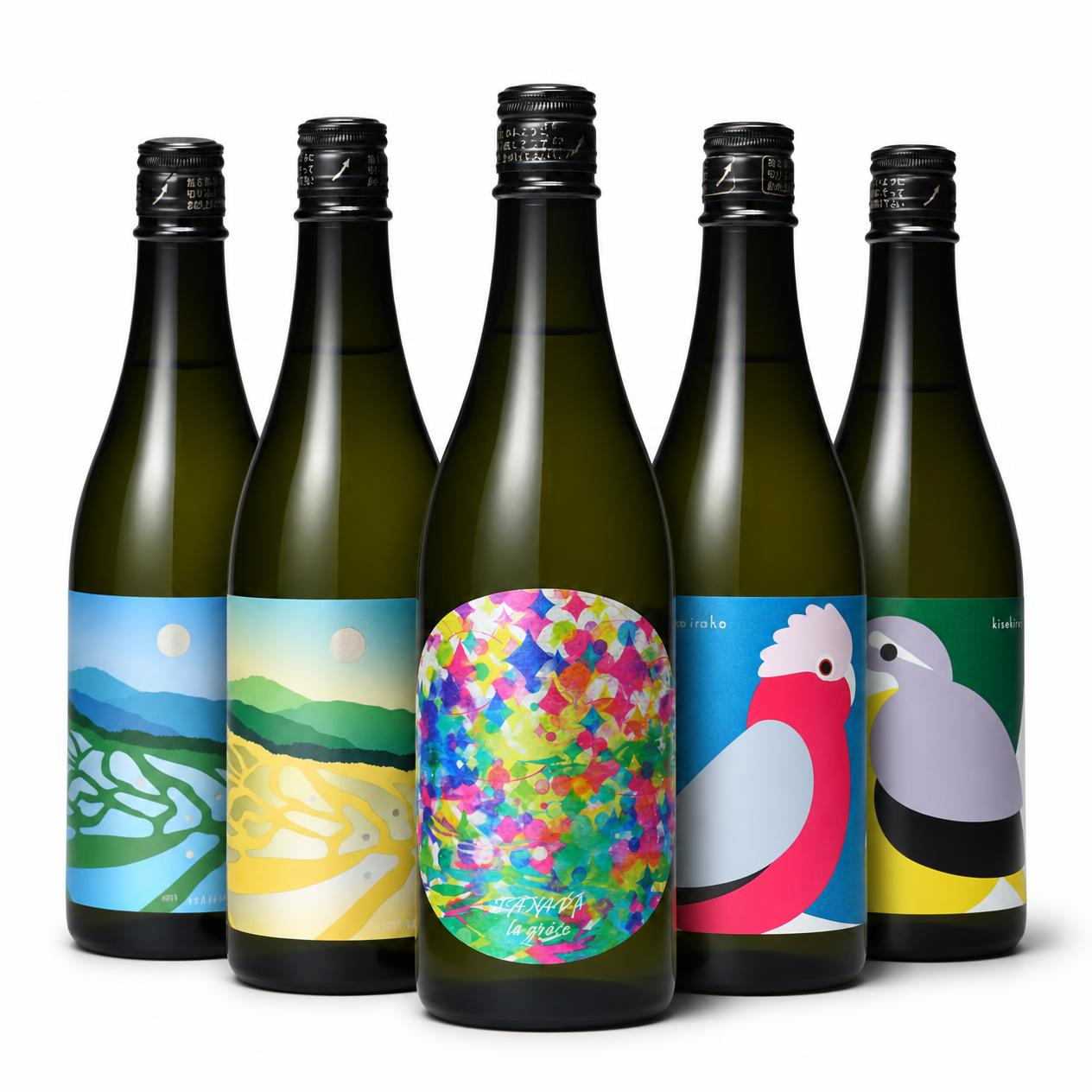
Nagano Meijo Sake 5 Pack
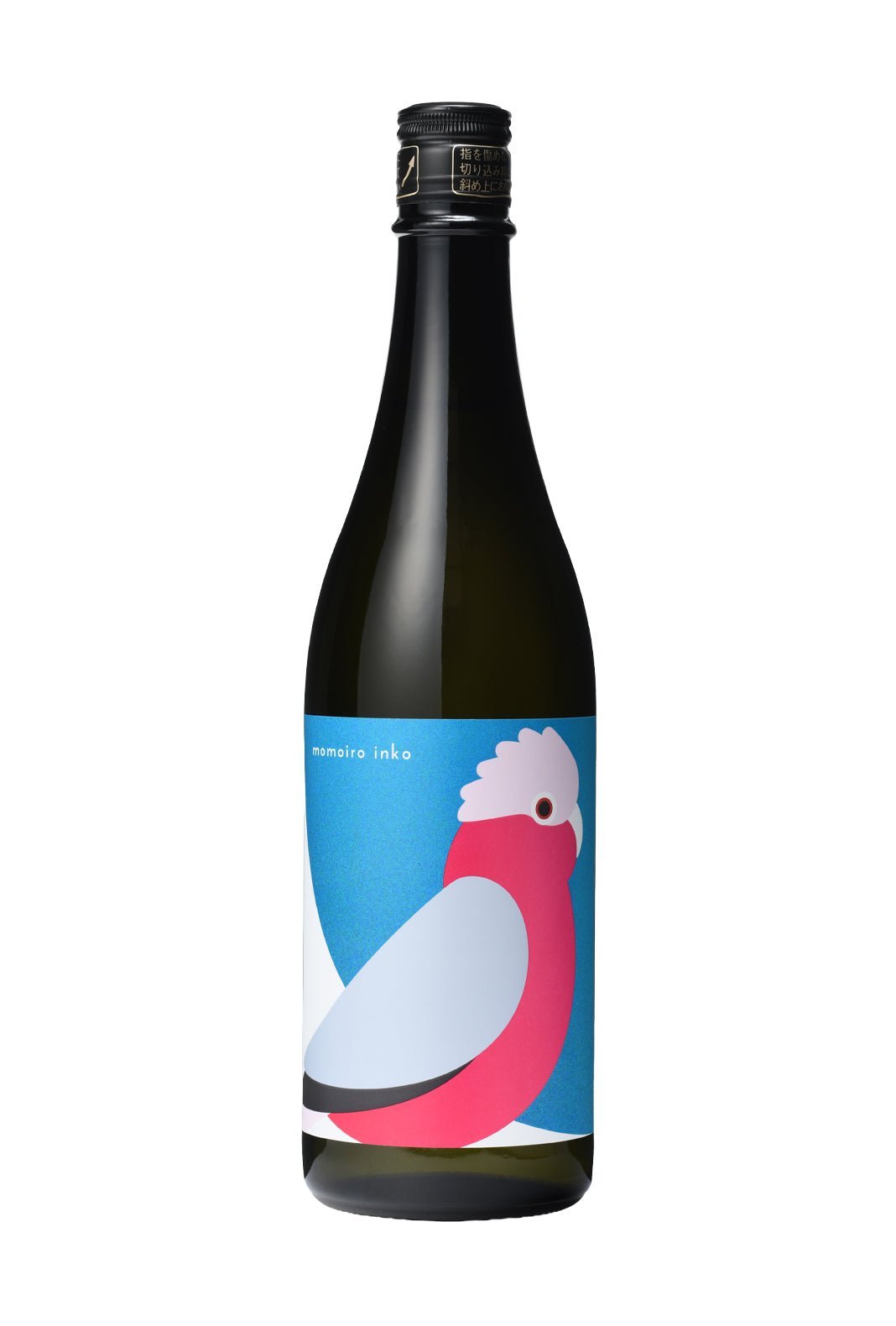
Nagano Meijo Junmai Ginjo Momoiro Inko 16.3% 720ml
About Sake
Sake is brewed rather than distilled, from rice, water, koji mould and yeast, and it sits around fifteen to seventeen per cent alcohol. The grading you see on the label is mostly about polishing. Junmai means rice, water, koji and yeast with no added distilled alcohol. Ginjo means the rice has been milled down to sixty per cent of its original size or less, daiginjo to fifty per cent or less. Every layer taken off the outside of the grain removes protein and fat and pushes the result cleaner and more aromatic.
This page is the Nagano Meijo range. Tokubetsu Junmai Tanada is the fullest and most savoury, the one to drink warm. Junmai Ginjo Tanada Modern Dry is crisp and food friendly. Junmai Ginjo Kisekirei and Momoiro Inko sit on the fragrant side, and Junmai Daiginjo Tanada la Grace is the most polished of them. Tanada is the Japanese word for terraced rice paddies cut into a hillside. The single bottles are 720ml, and there is also a five bottle pack if you would rather taste across the range than commit to one. Everything here is delivered across Australia (exc. NT).
History
Rice wine has been made in Japan for well over a thousand years, first at shrines and temples, then commercially from the Muromachi period onward. The technical leap that made modern sake possible was koji, the mould Aspergillus oryzae, which converts rice starch into fermentable sugar. Because that conversion happens at the same time as the yeast fermentation, in the same tank, sake reaches strengths no other brewed drink manages without distillation.
Nagano is a prefecture of mountains and hard winters in central Honshu, and it has more sake breweries than almost anywhere in Japan. Cold matters, because slow low temperature fermentation is what produces the fruit and flower aromatics you get in a ginjo grade sake such as Junmai Daiginjo Tanada la Grace. Soft snowmelt water matters too. Nagano also bred its own rice, Miyama Nishiki, released in 1978 and hardy enough for the region's altitude, and it remains one of the country's most planted sake rice varieties.
The ginjo style itself is recent. Precision milling machinery and low temperature yeasts turned it from a competition curiosity into something you could buy, and by the 1980s fragrant, heavily polished sake had reshaped what the drink tasted like. Drinkers who came to it through Japanese whisky tend to start here. The other shift is timing. Sake is not aged like wine, it is at its best young, so the industry moved towards fresher releases, better refrigeration and clearer bottling dates.
How to drink it
Most of this range drinks best chilled to about ten to twelve degrees, which is fridge temperature with a few minutes on the bench. Very cold flattens the aromatics on a ginjo or daiginjo. Tokubetsu Junmai is the one in the range that takes gentle warming, to around forty degrees, done by standing the decanter in hot water rather than microwaving it. Never warm a daiginjo.
Glassware is simple. A small white wine glass shows far more than the traditional ochoko cup, especially with the fragrant bottlings. Use the cups when the point is the ritual and pouring for each other, which is the actual etiquette: you fill your neighbour's cup, not your own.
Food is where sake earns its keep. It has very low acidity and high amino acid content, so it works with things that fight wine, including raw fish, oysters, egg dishes, mushrooms and anything heavy with dashi. It is also excellent with fried chicken and tempura. Once open, keep the bottle in the fridge and finish it within about a week, since oxidation dulls it quickly. If you are starting from scratch, the five bottle pack answers the question faster than reading about it, and drinkers who like dry white wines tend to land on the Modern Dry.