
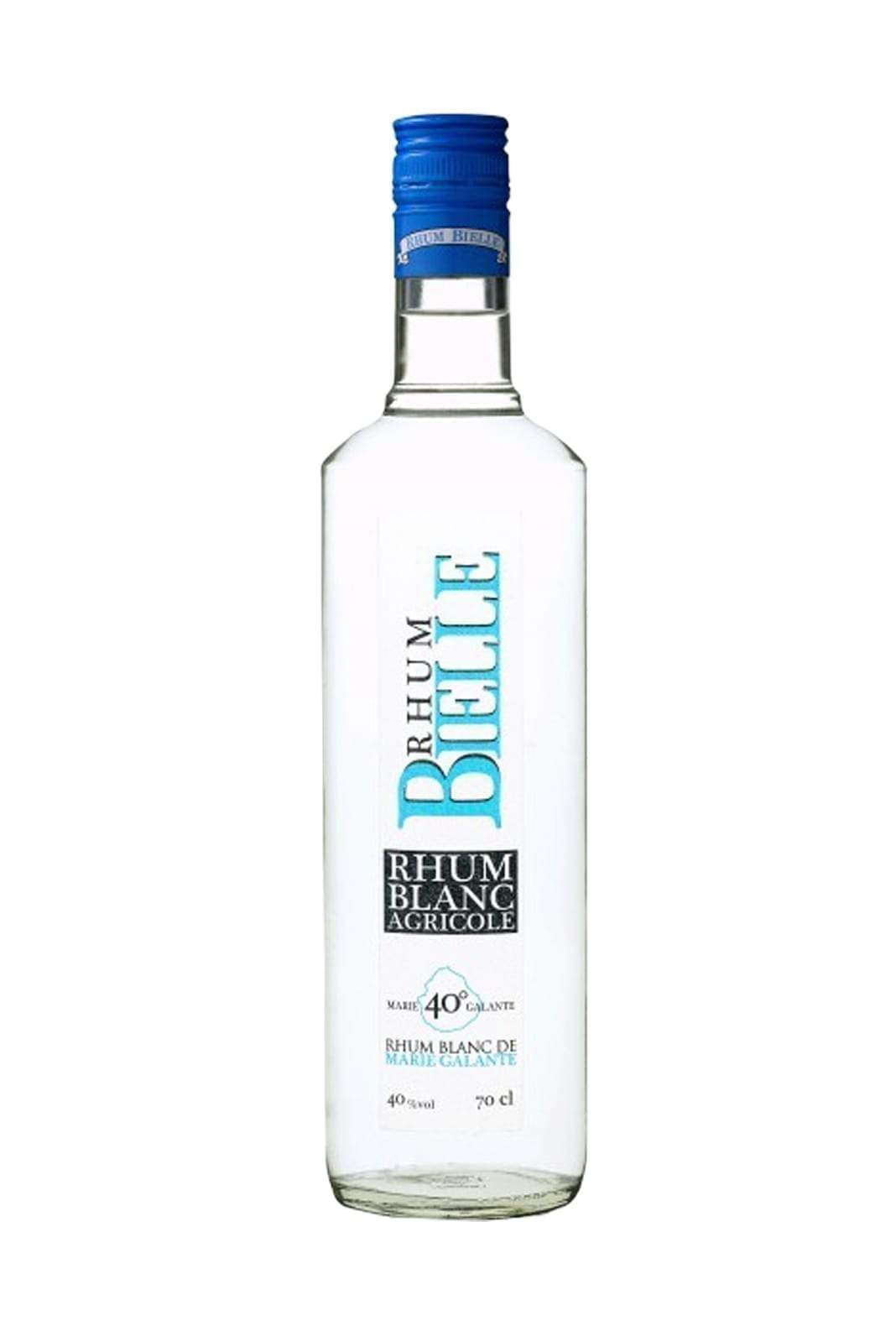
Bielle Rum Anita Blanc (White) 40% 700ml
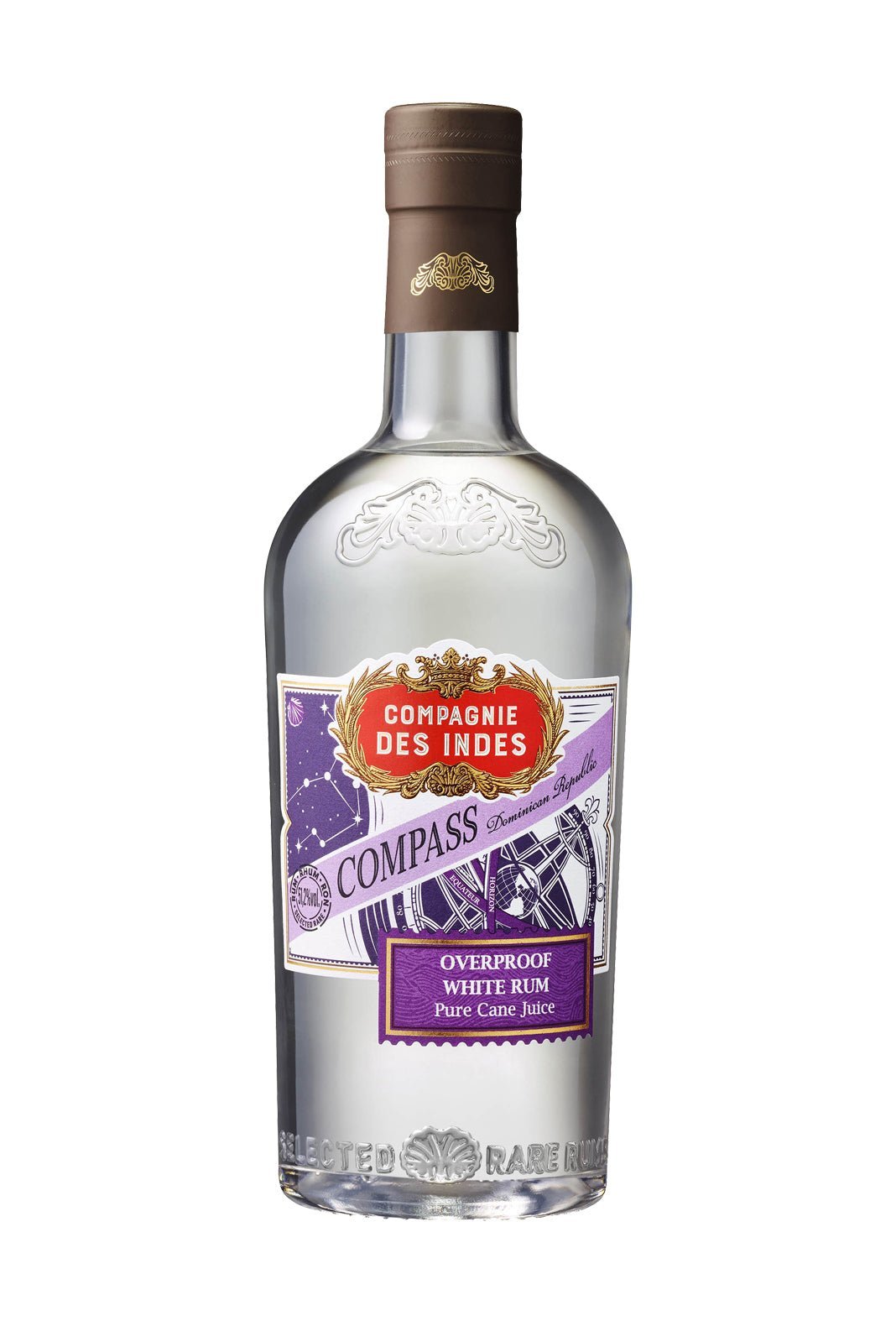
Compagnie des Indes Compass Overproof White Rum 51.2% 700ml
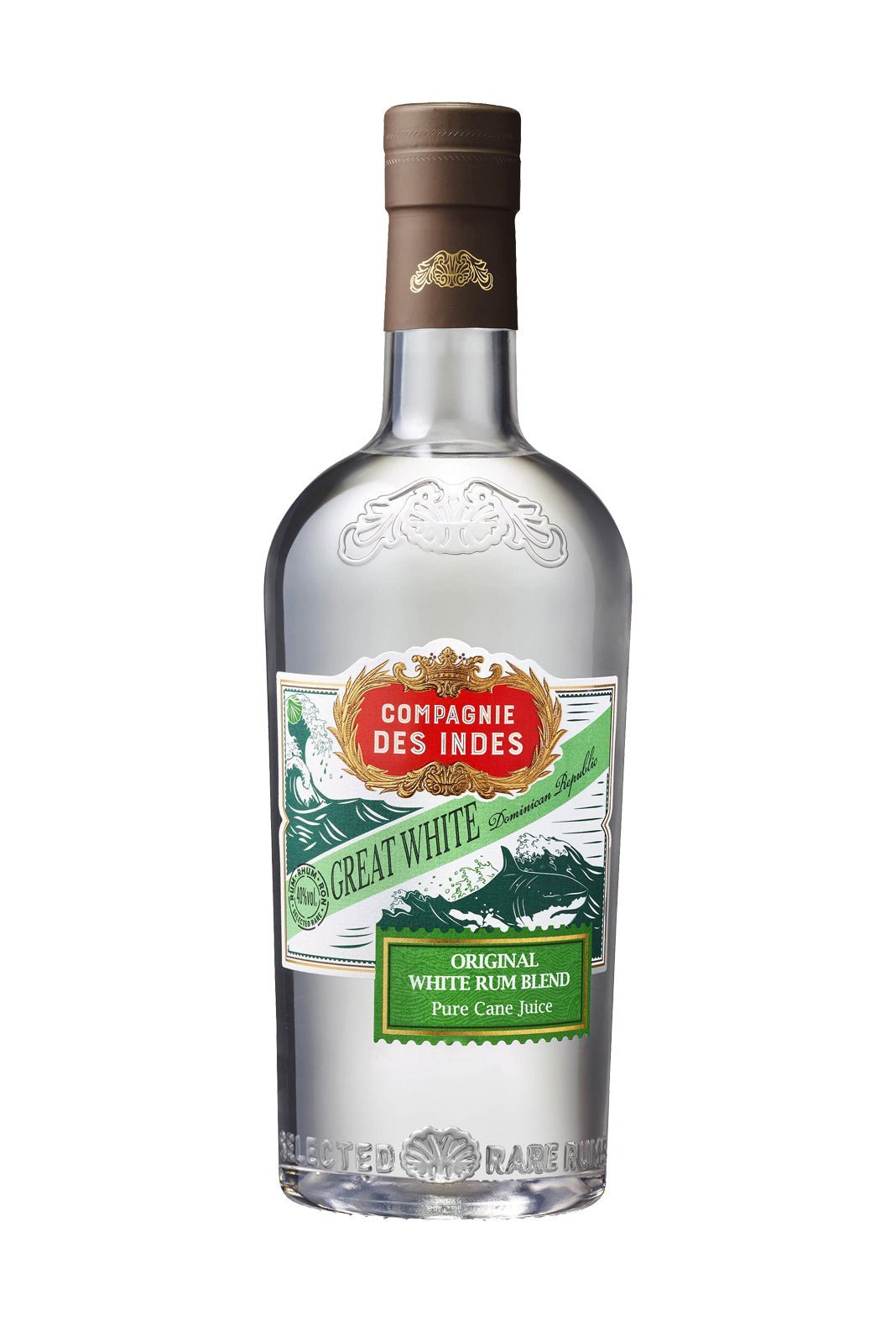
Compagnie des Indes Great White Rum 40% 700ml
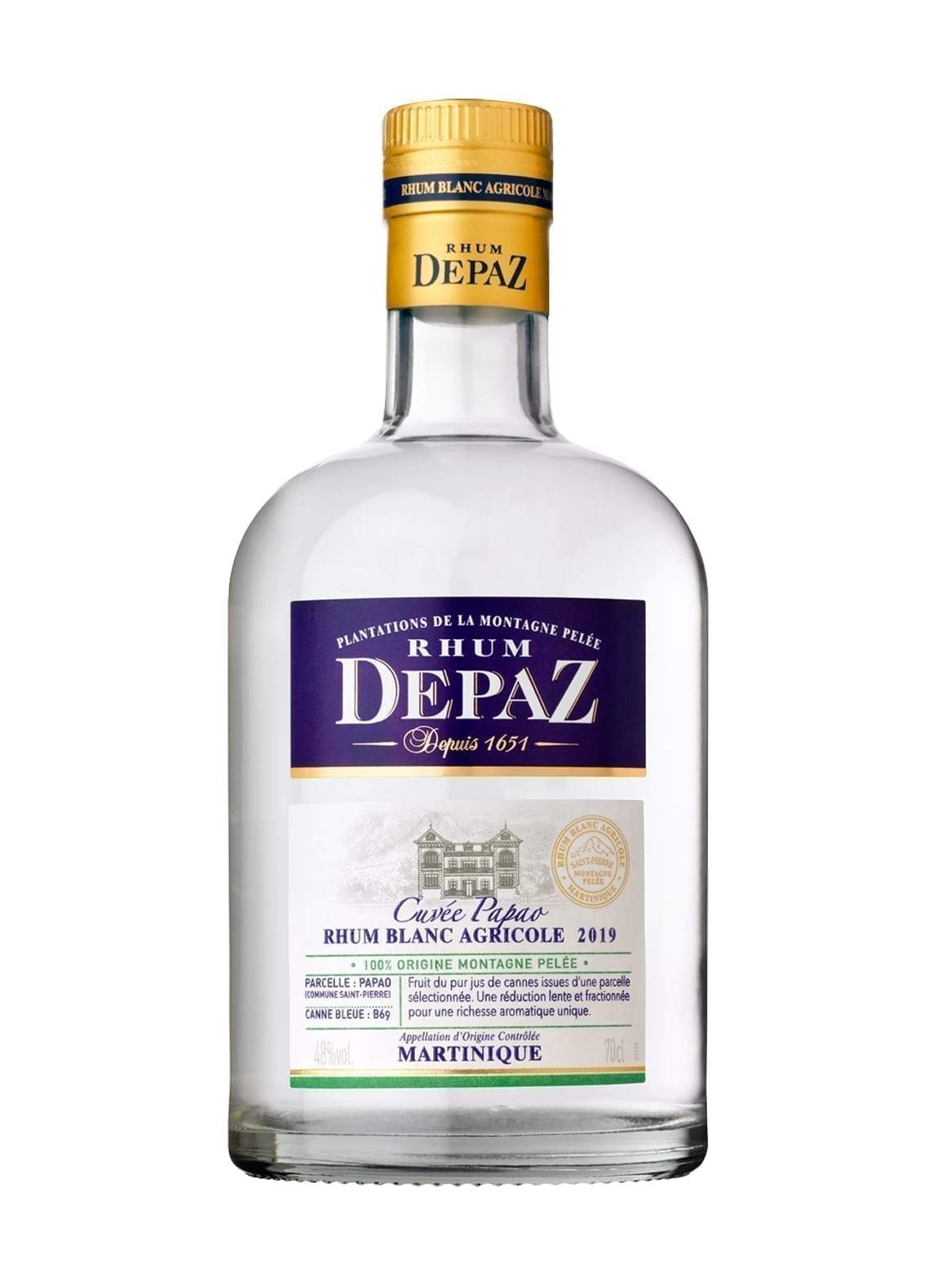
Depaz Rhum Blanc Agricole Cuvée Papao 48% 700ml
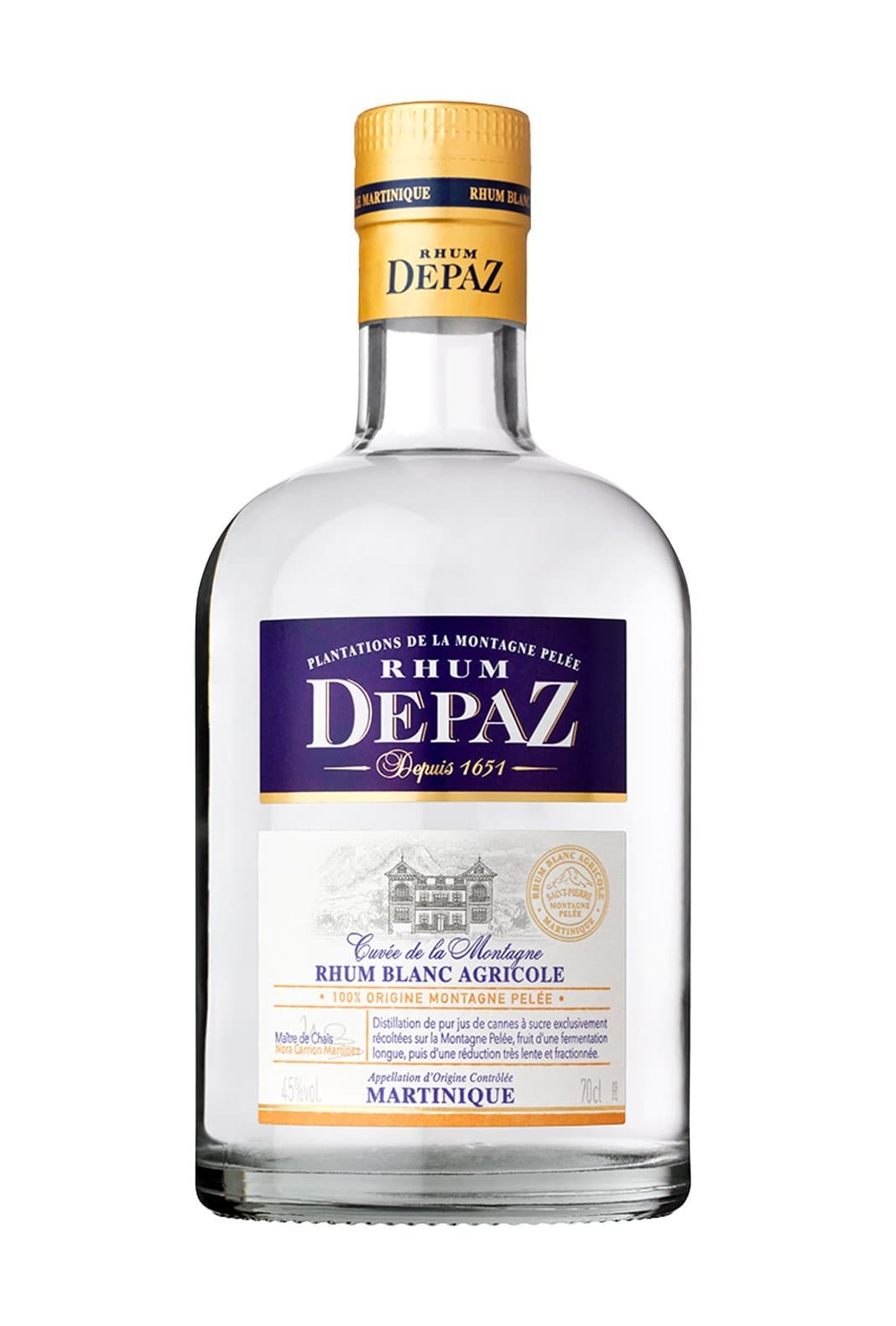
Depaz Rum Blanc (white) Montagne Pelee 45% 700ml
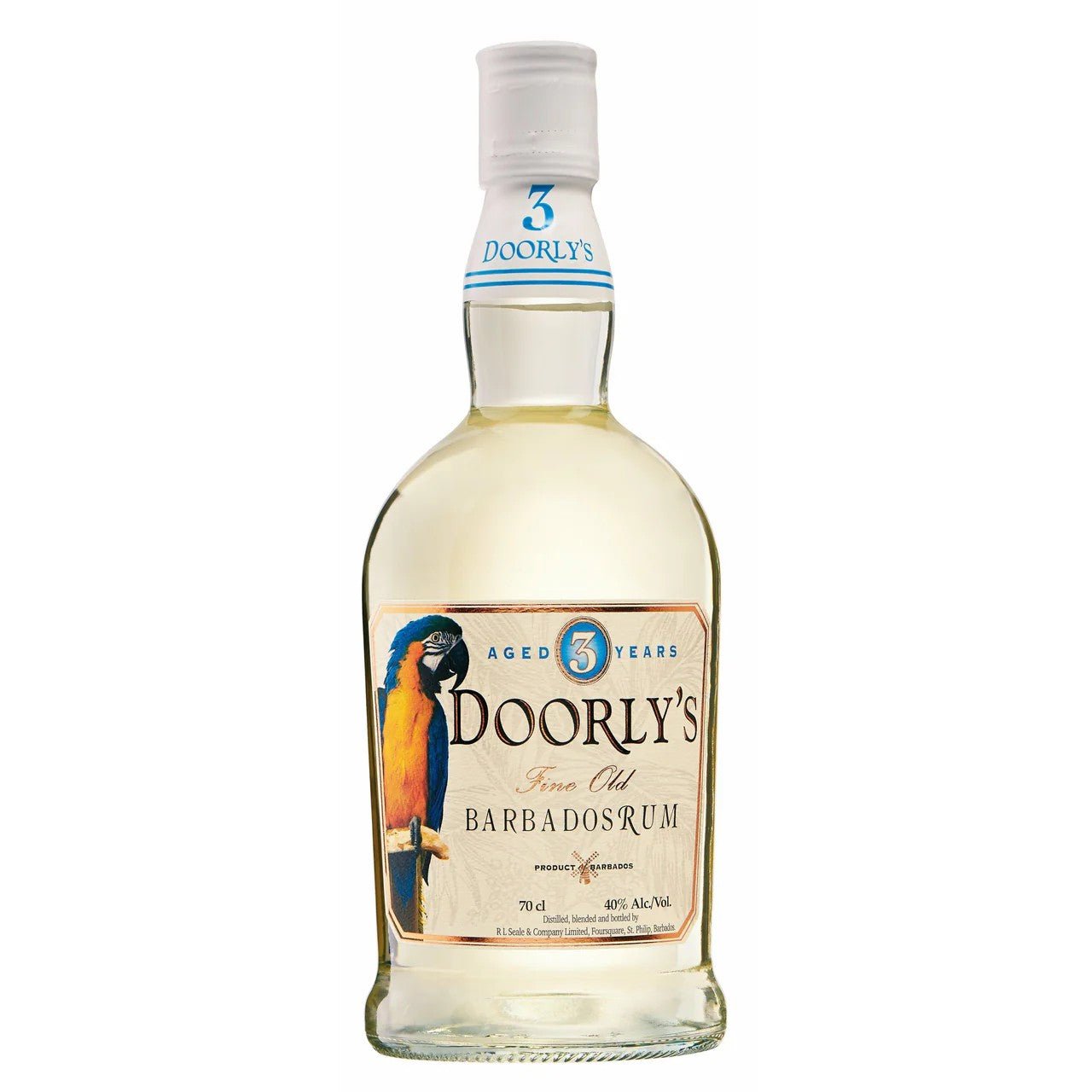
Doorly's 3yrs White Rum 47% ABV
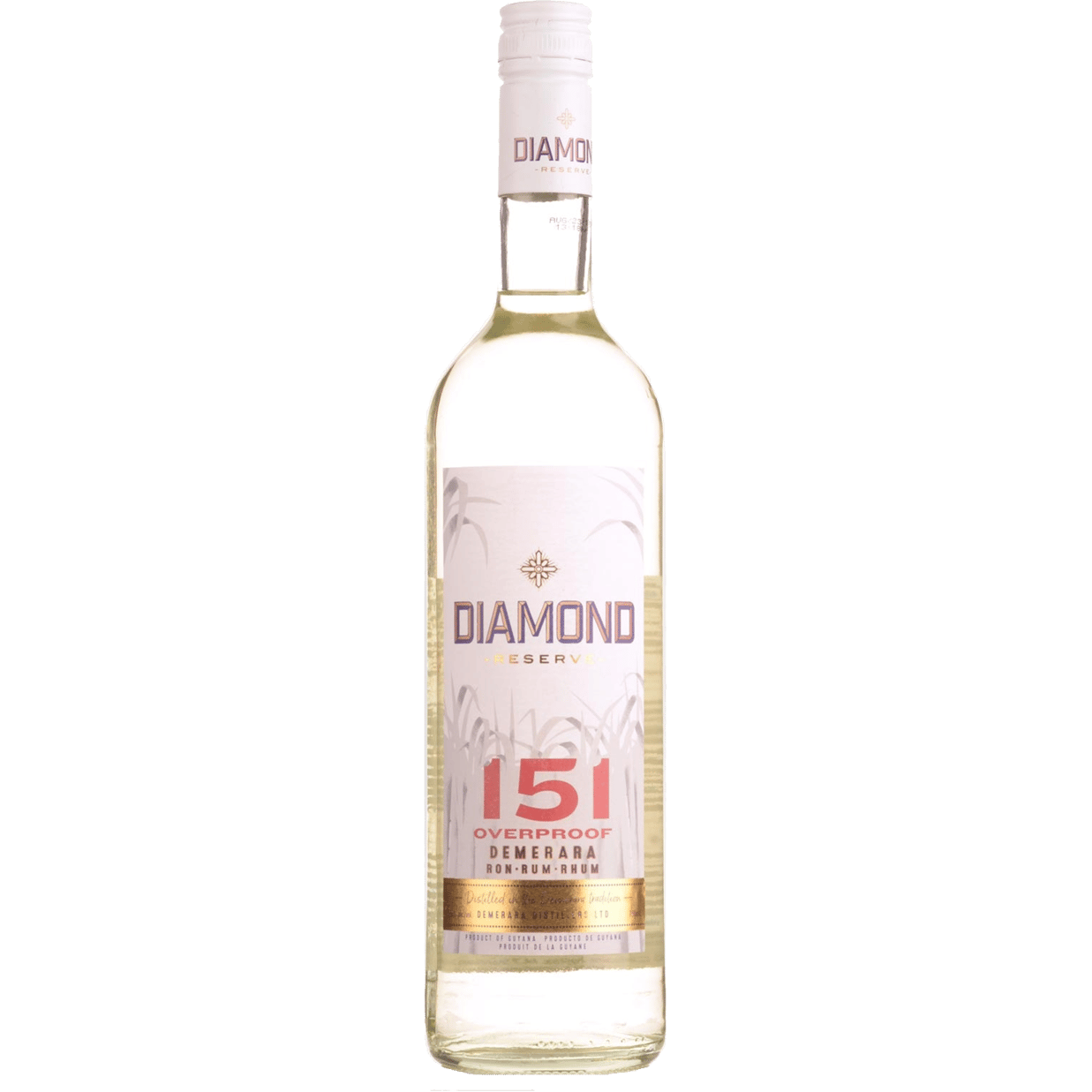
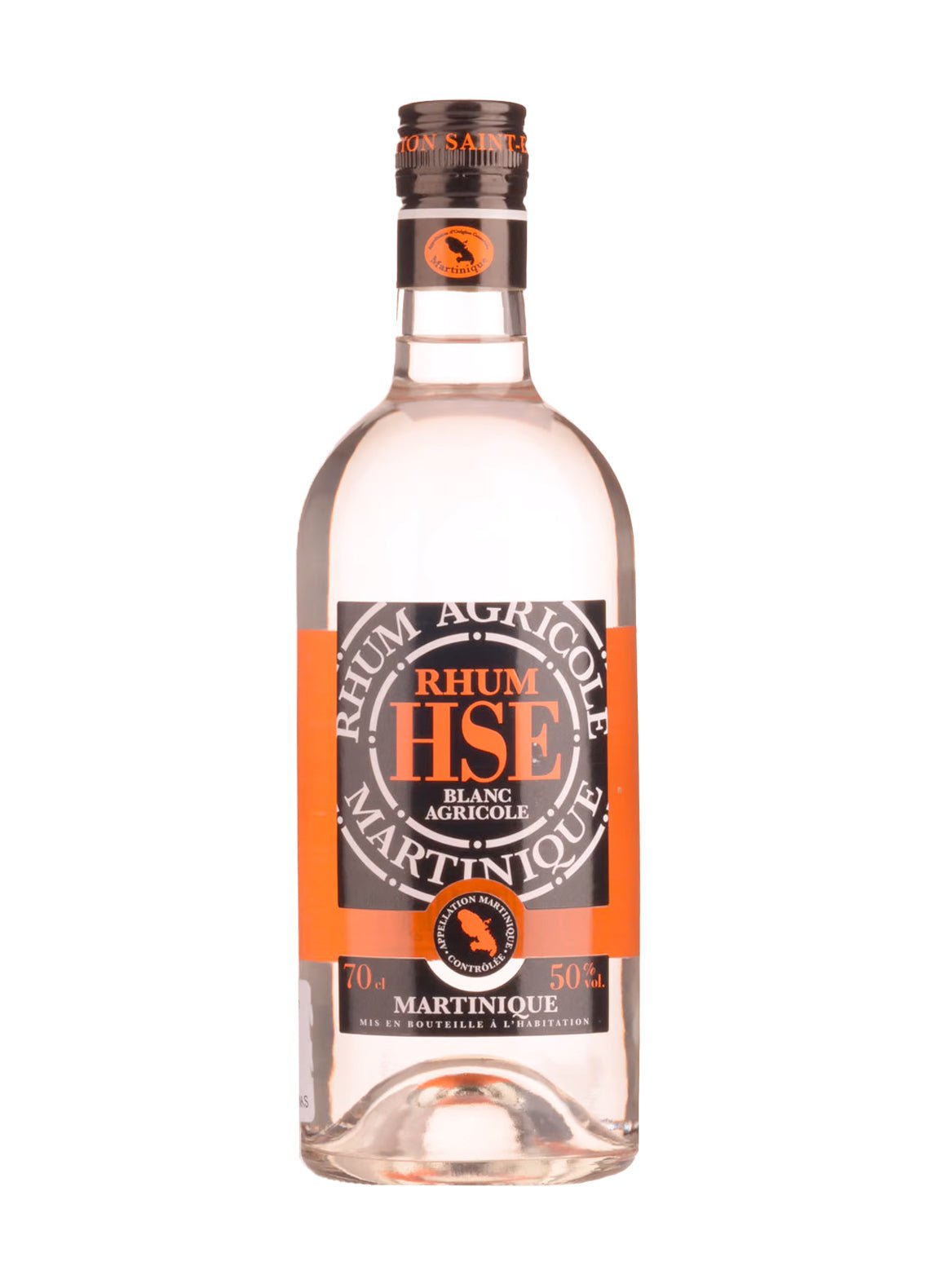
Habitation St Etienne Rum Agricole Blanc 50% 700ml
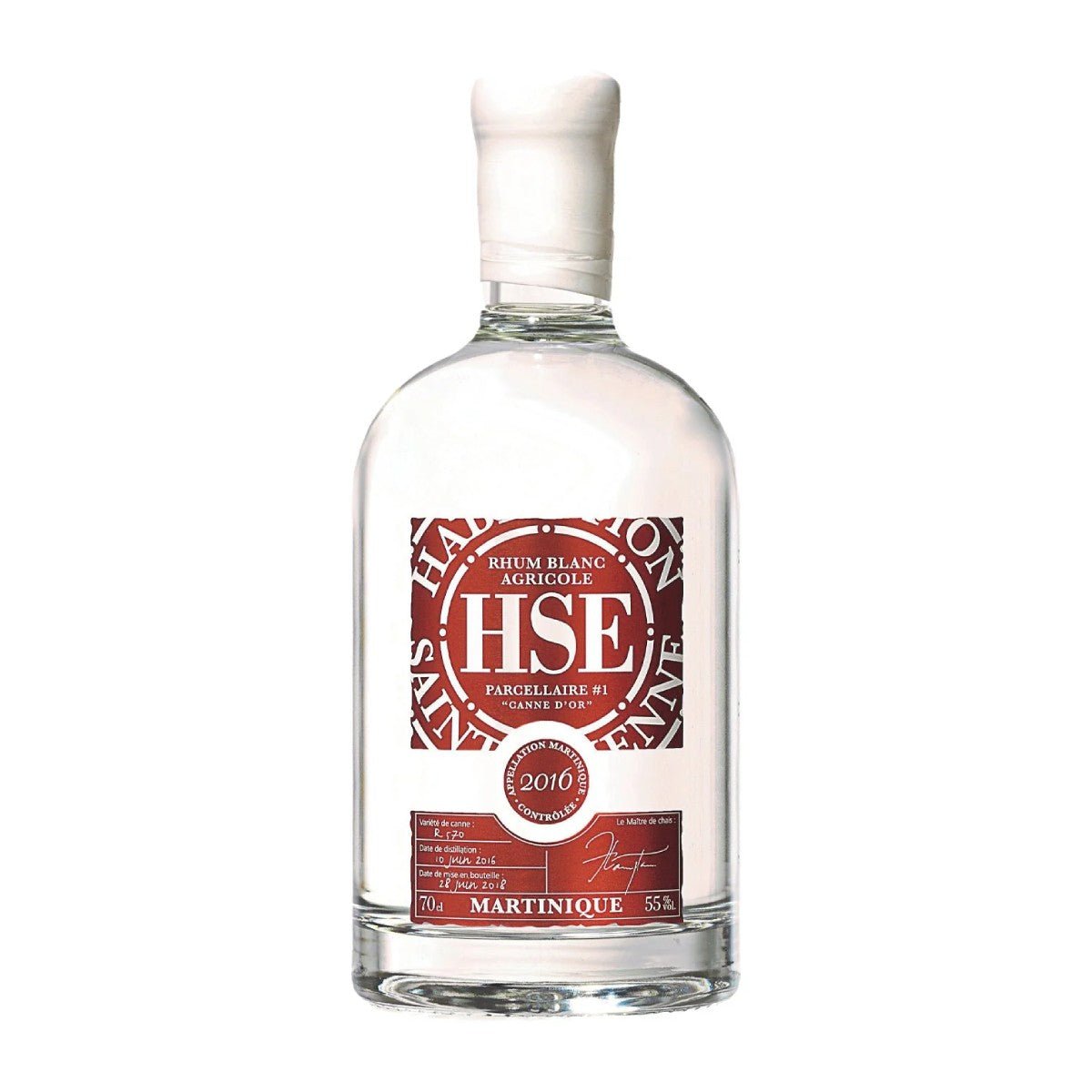
Habitation St Etienne White Rum Agricole Parcellaire 55% 700ml
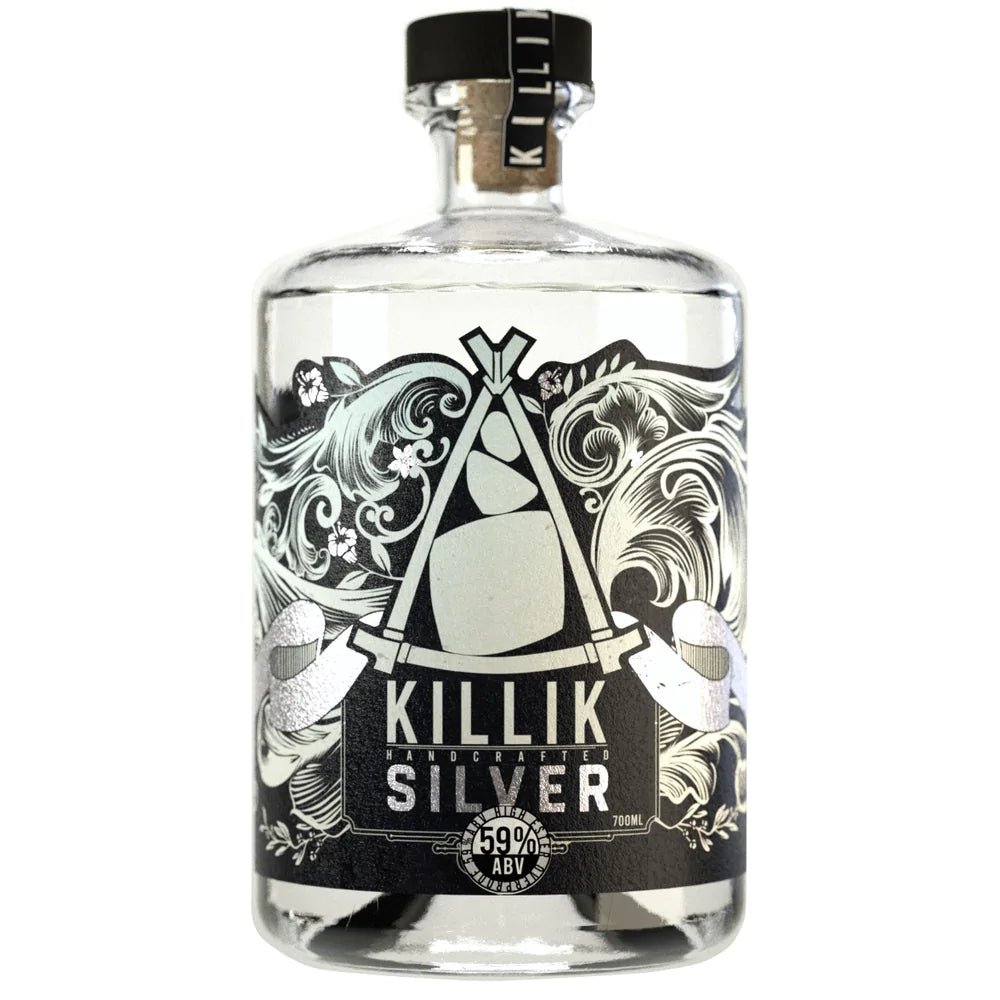
Killik Silver OP 59% 700ml
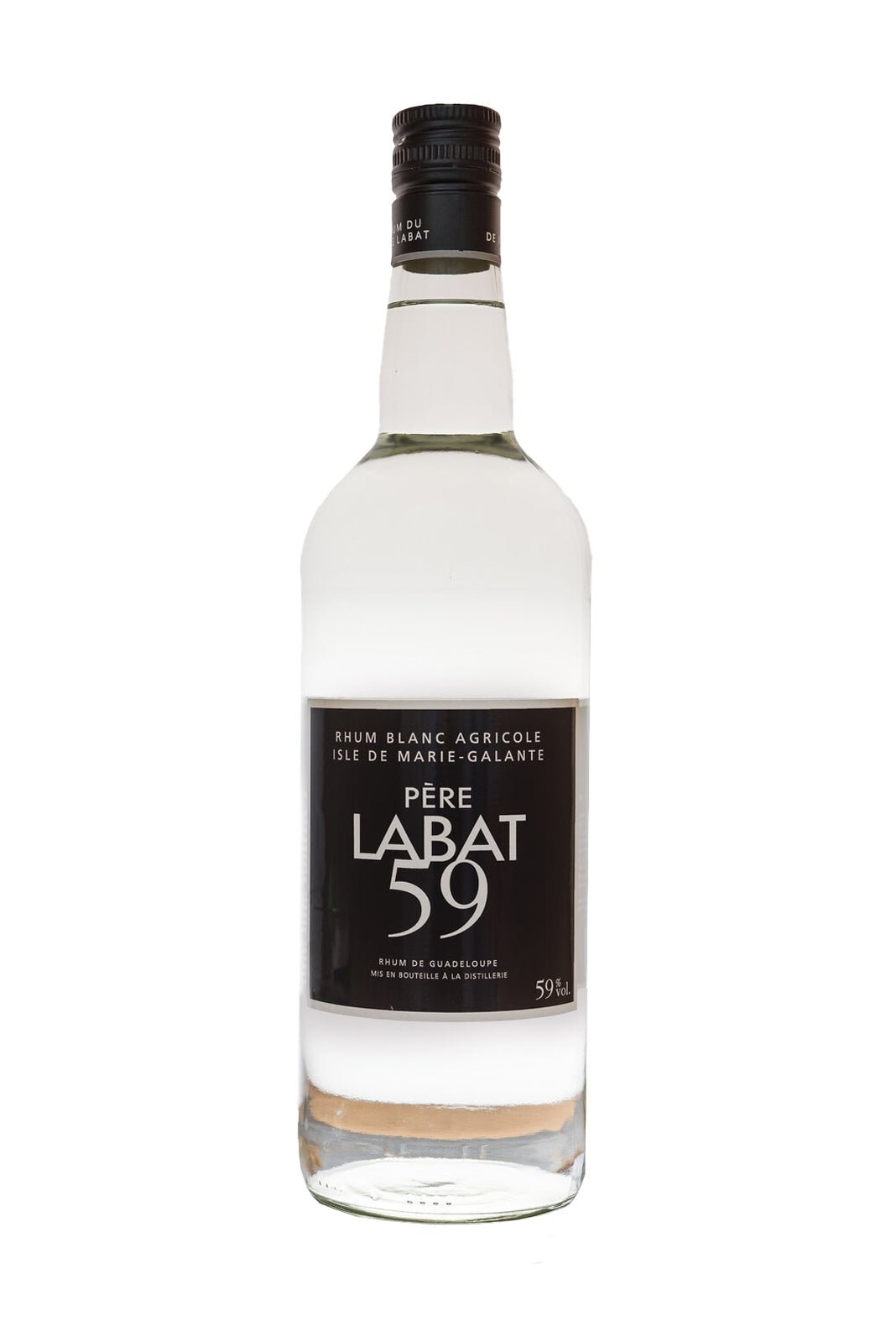
Labat Rum White Navy Strength 59% 700ml
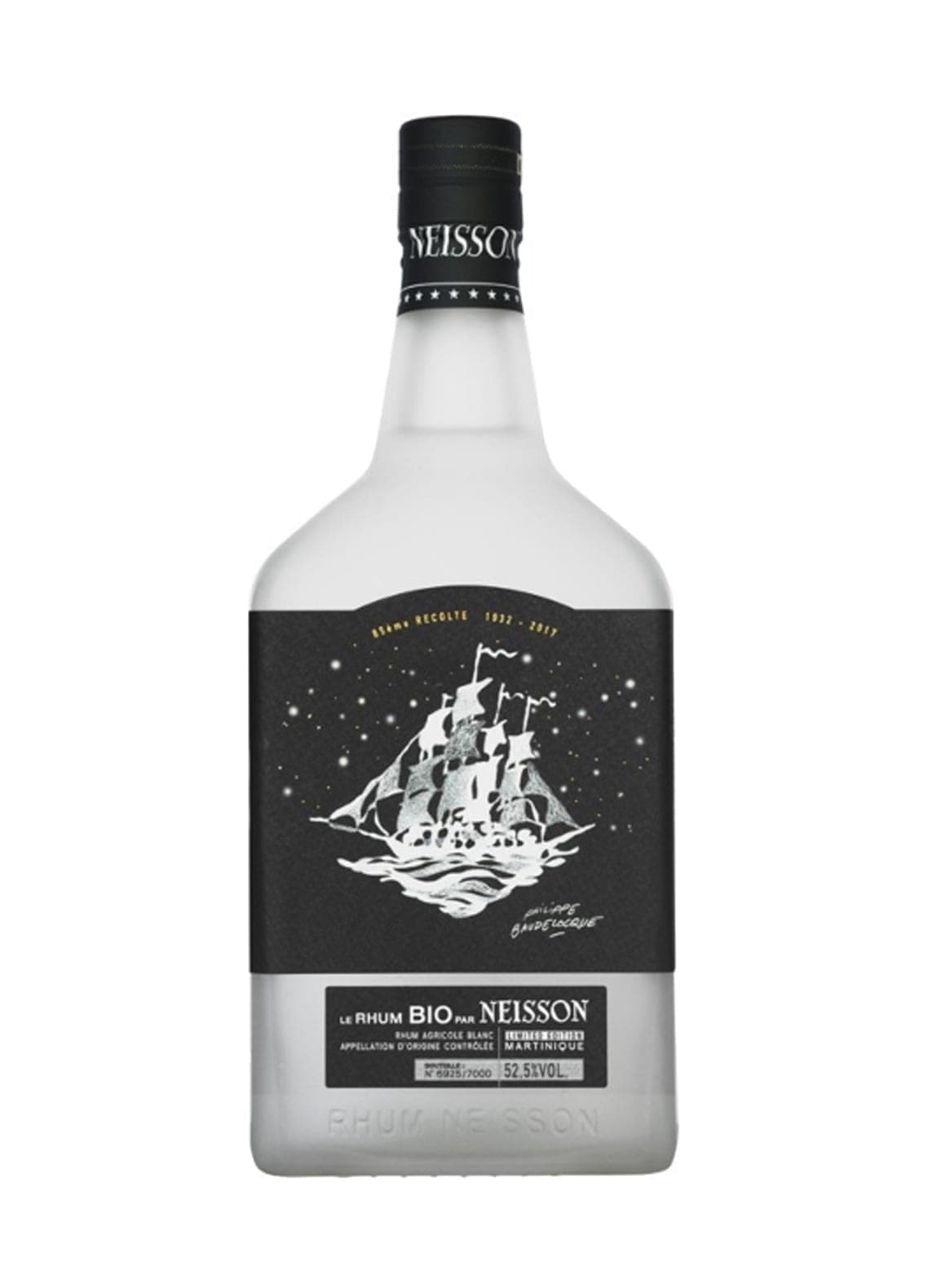
Neisson Le Bio Organic Rum 52.5% 700ml
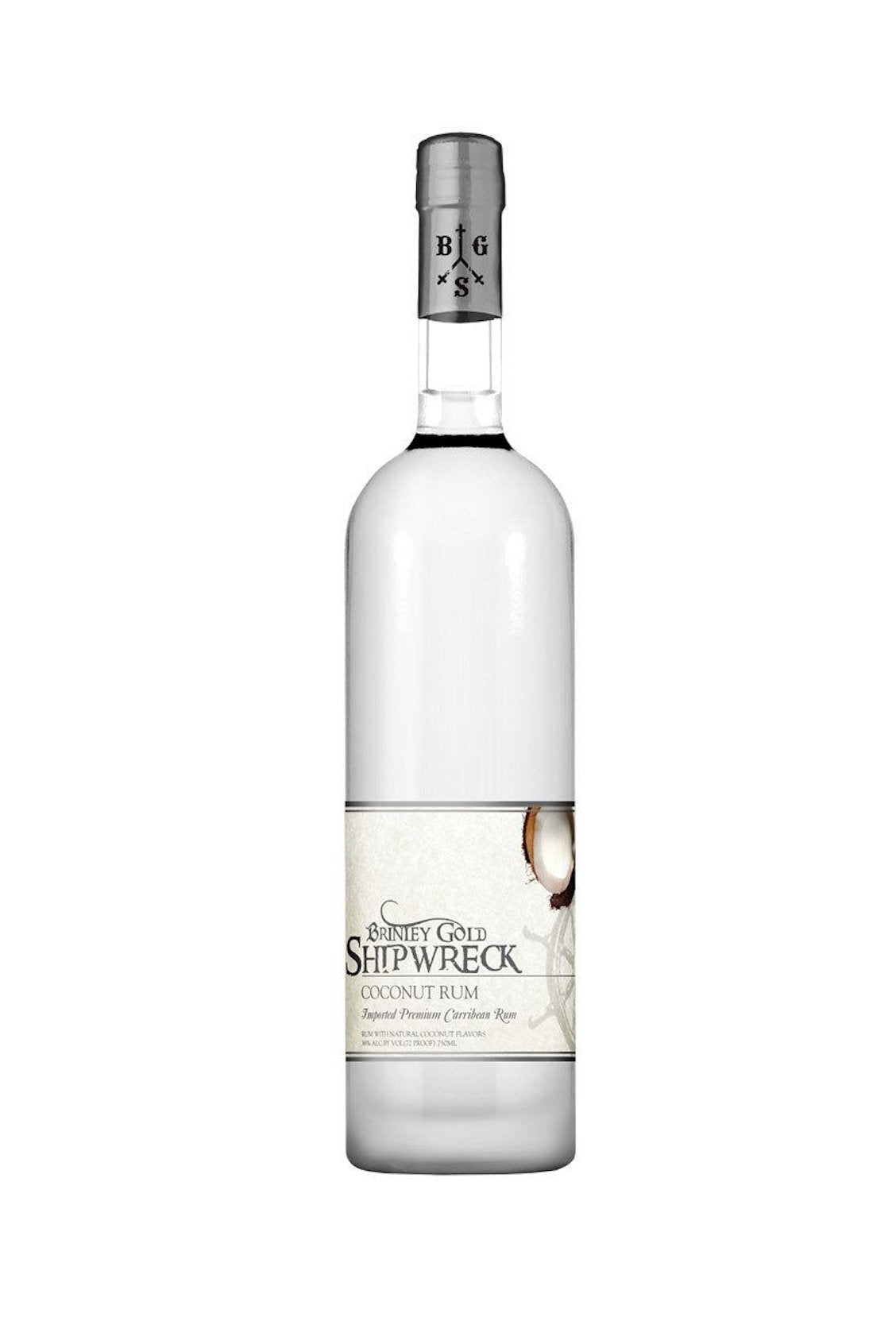

Shipwreck Coconut Rum
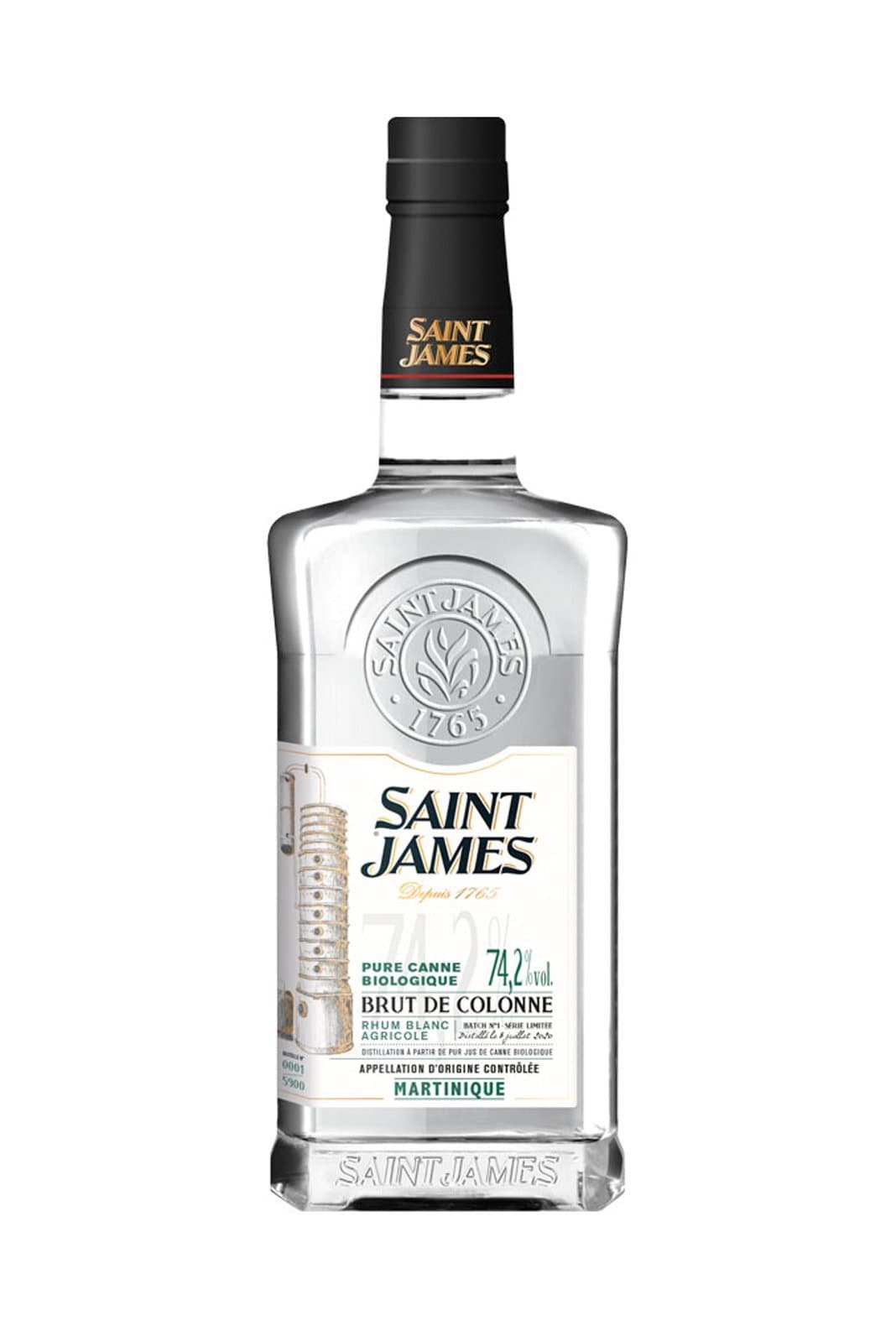
St James Organic Rum Agricole Blanc (White) 74.2% 700ml
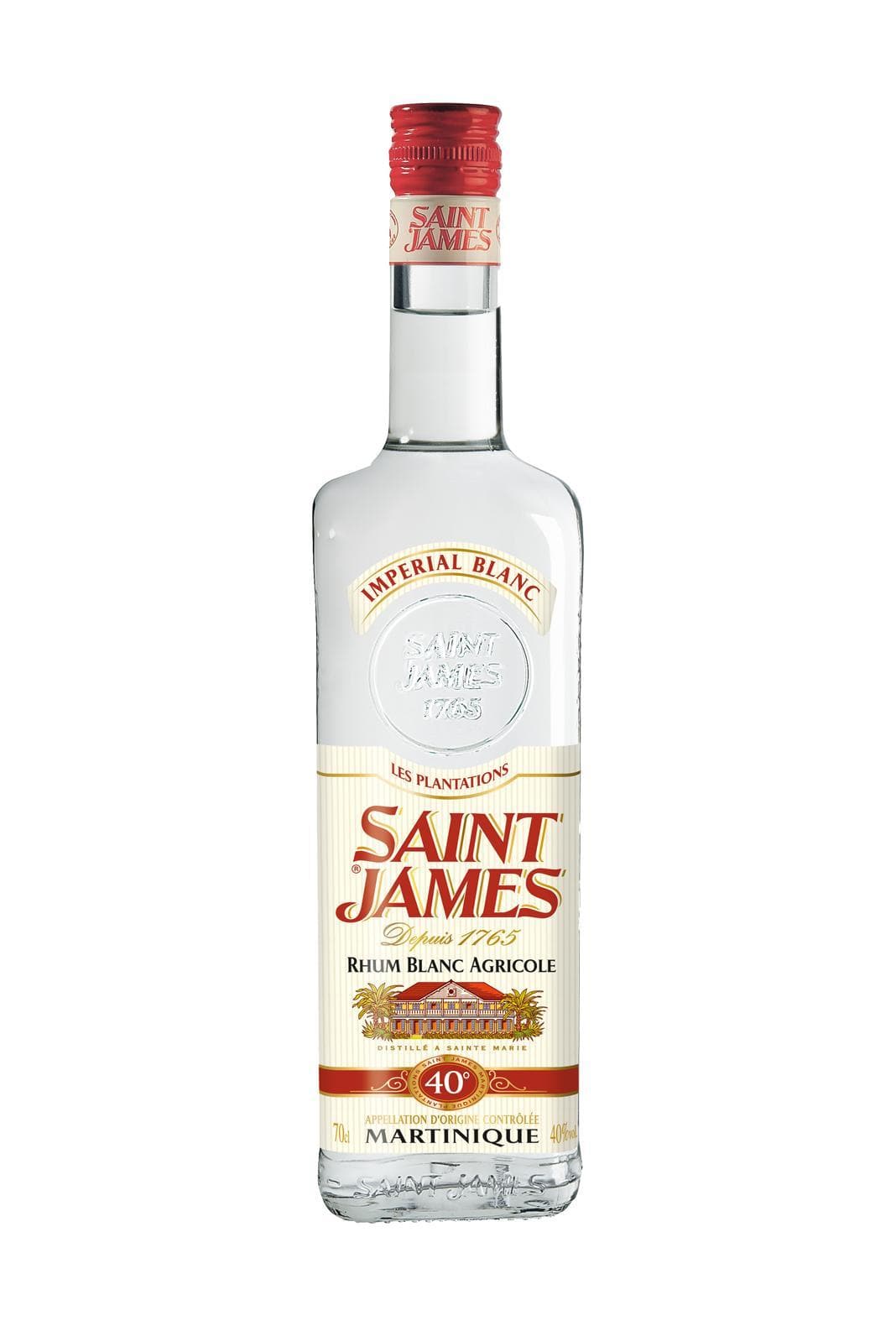
St James Rum Agricole Blanc (White) 40% 700ml
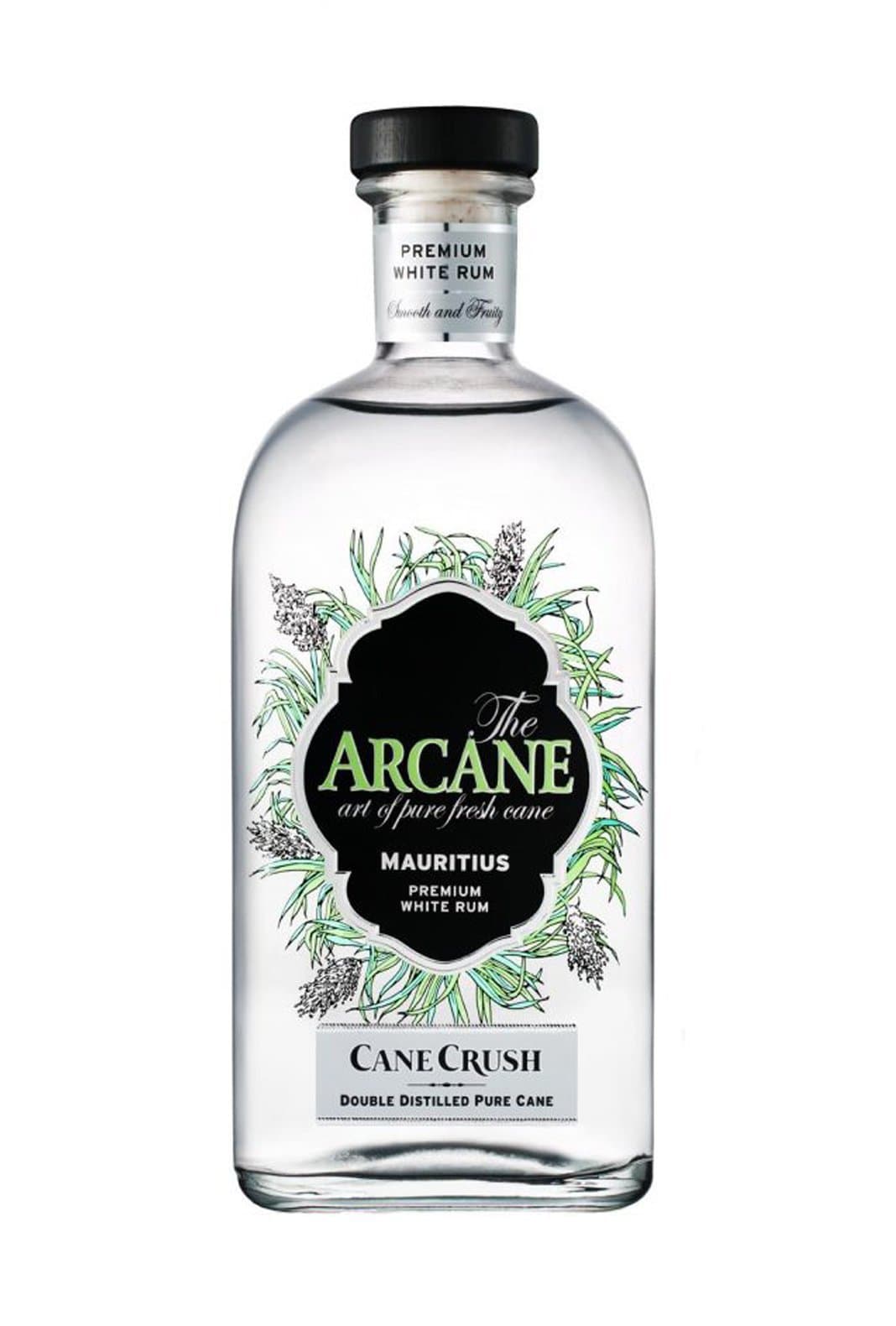
Arcane White Rum 'Cane Crush' 43.8% 700ml
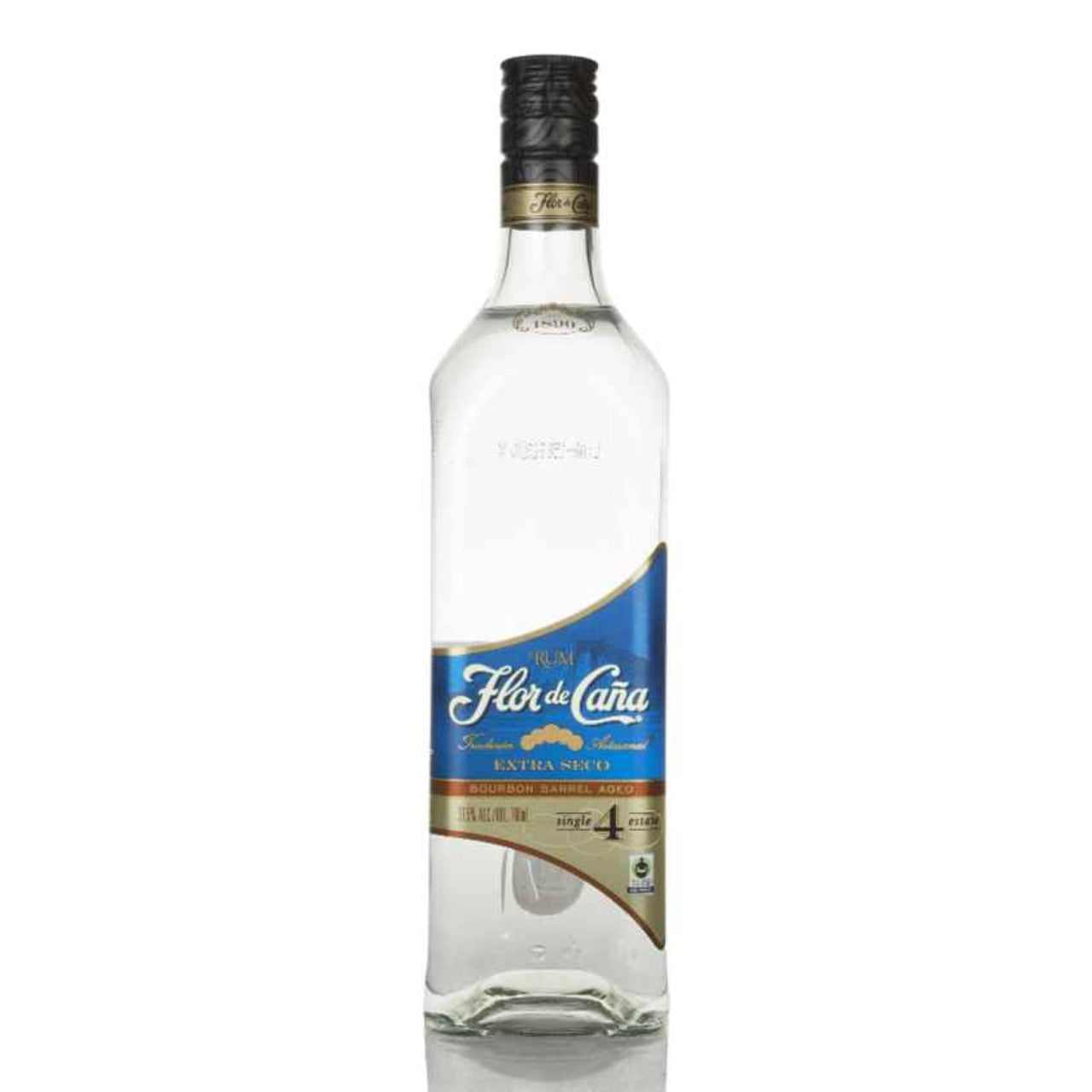
Flor de Cana 4YR Extra Seco White Rum
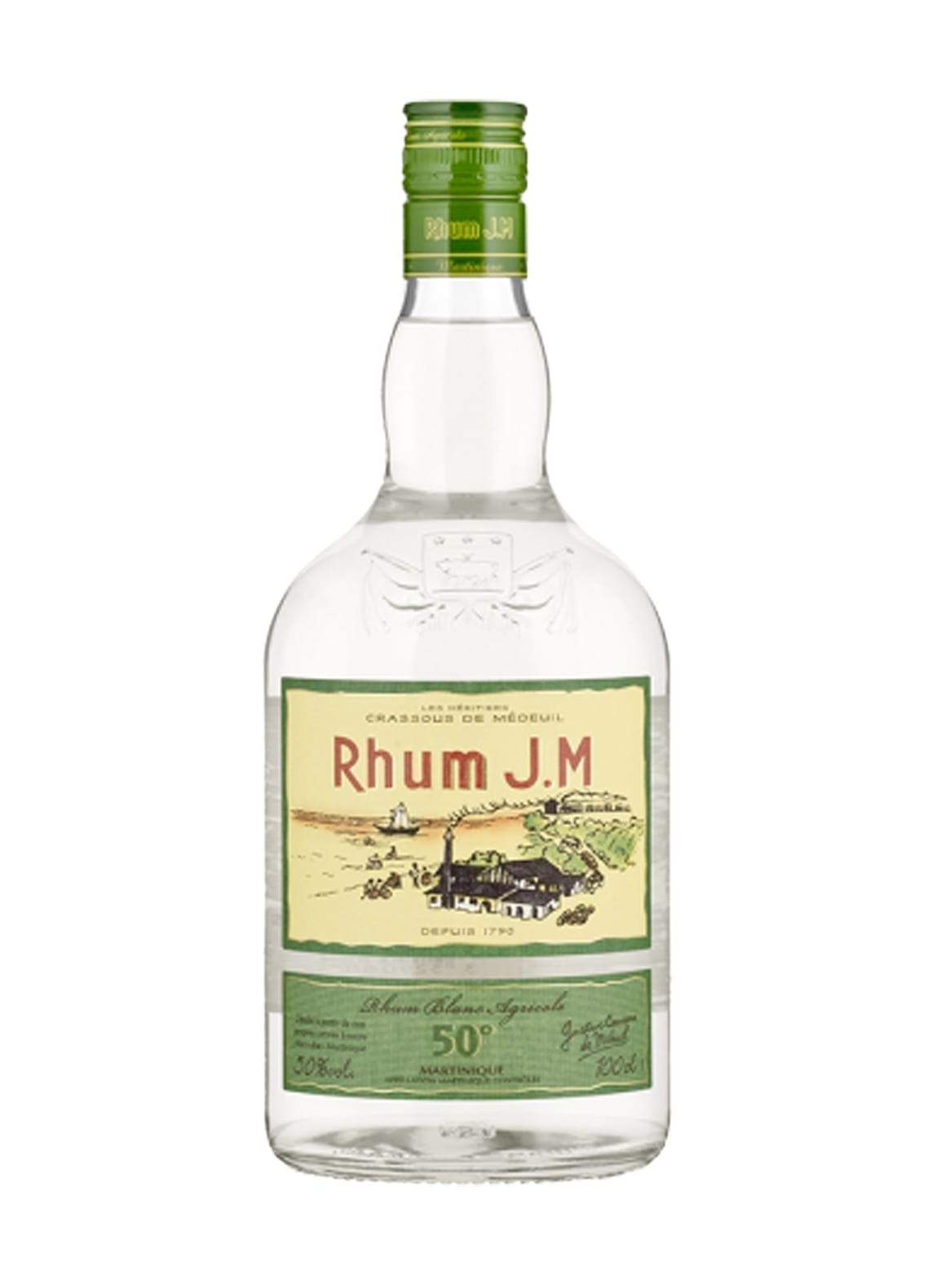
J.M Rhum Agricole Blanc (White) 50% 700ml
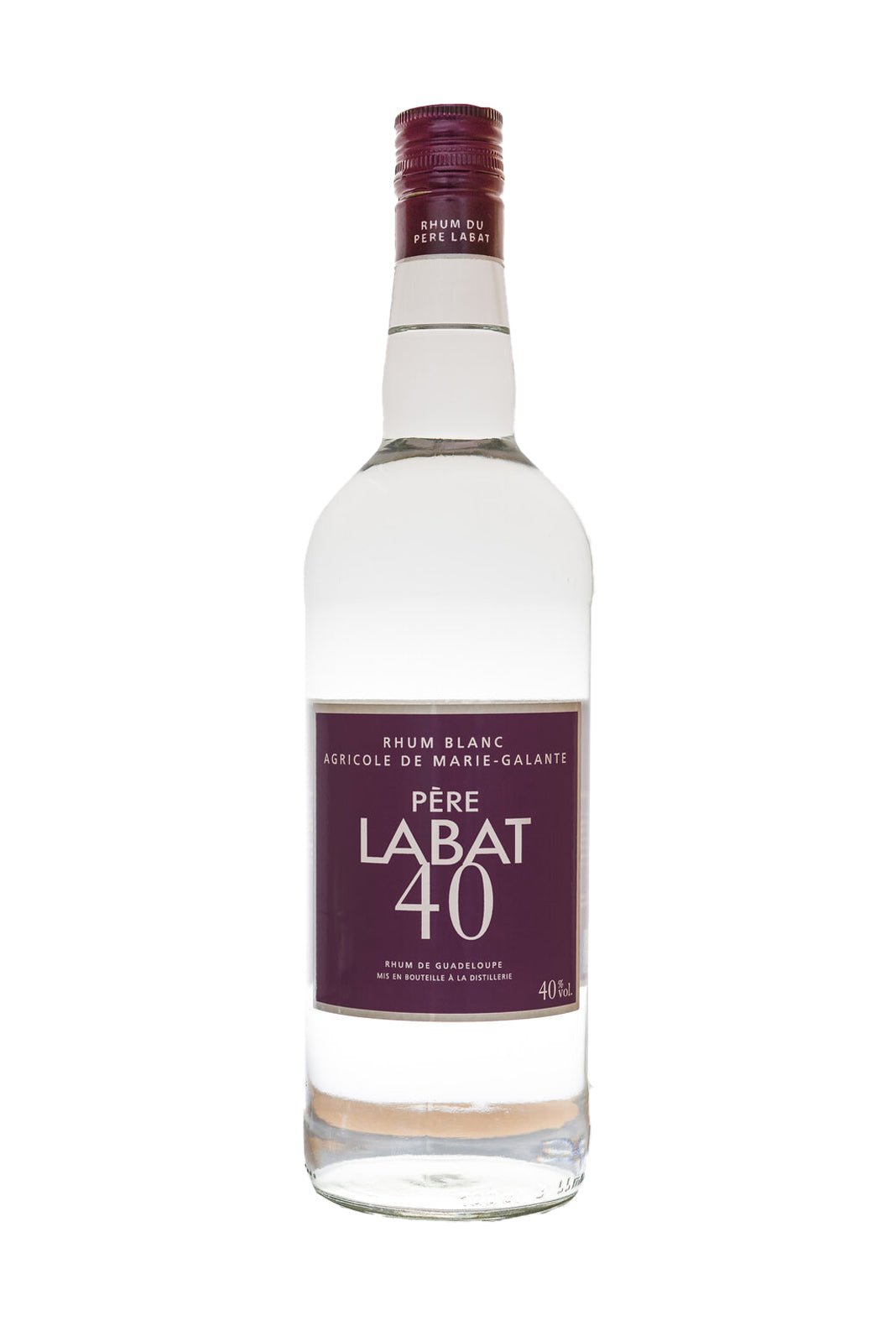
Labat Rum White Rum 40% 700ml
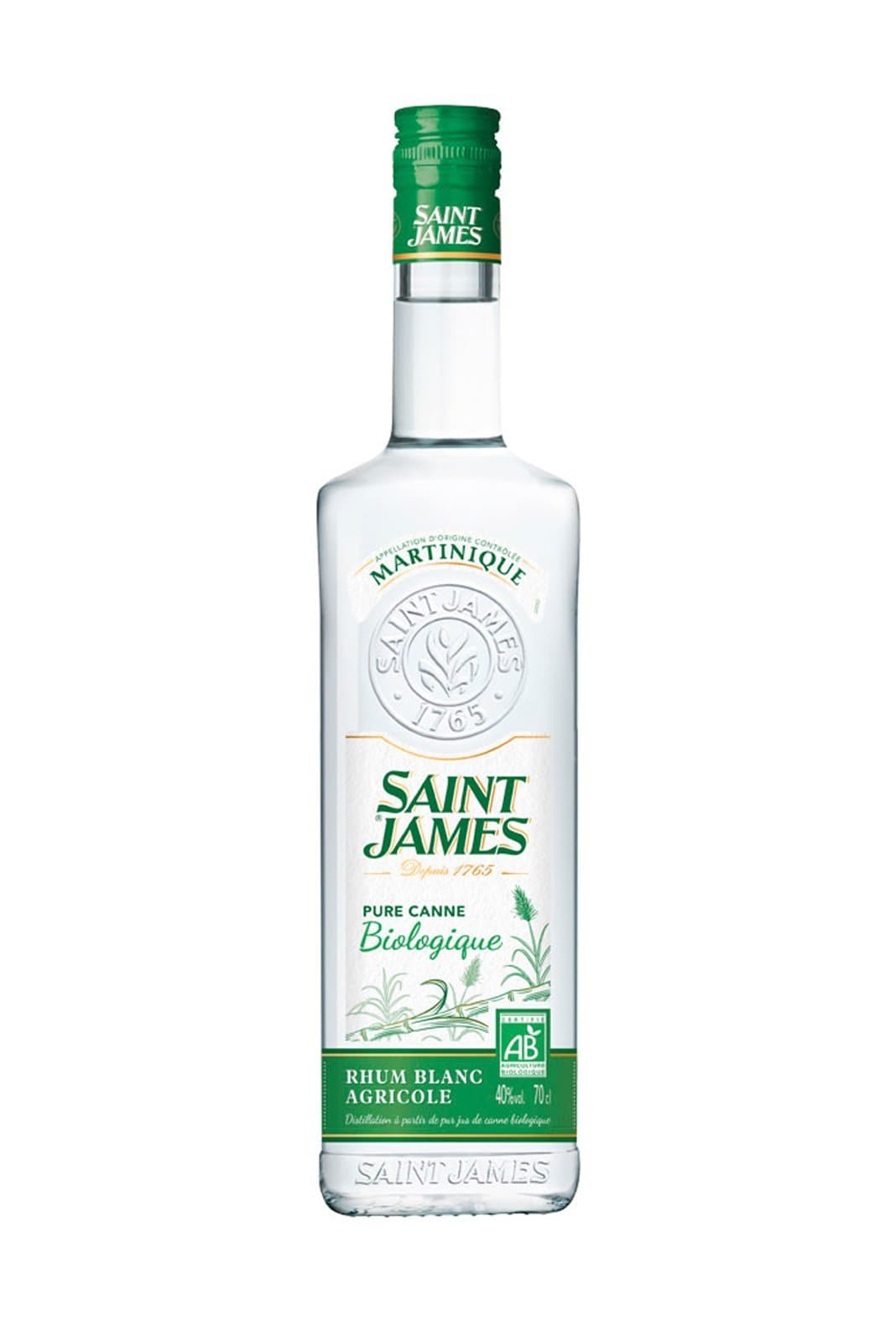
St James Organic Imperial Blanc Rum (White) 40% 700ml
About White Rum
White rum divides into two families and this page carries both.
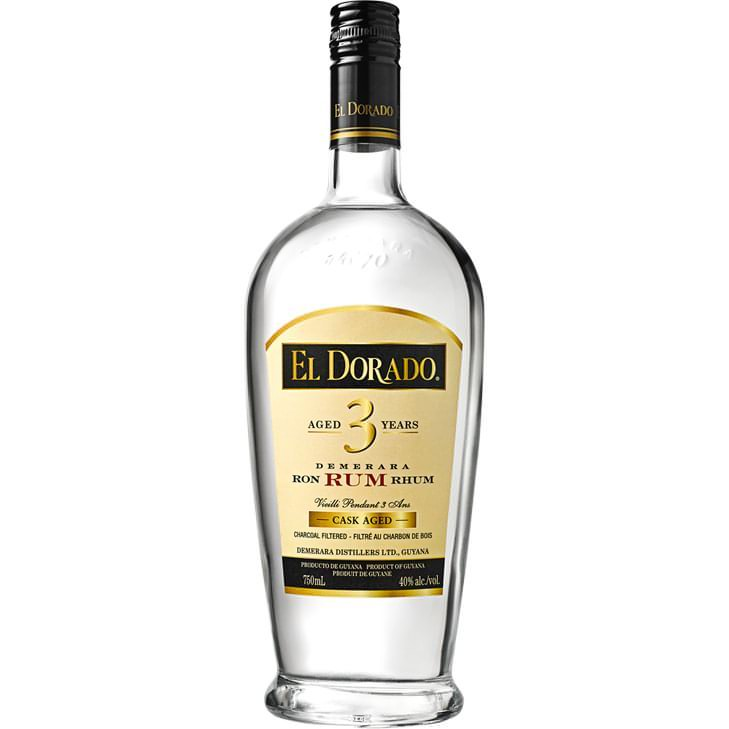
The molasses-based whites are the mixing rums most people know. El Dorado's 3 Year from Guyana, Doorly's 3 Year at 47% from Barbados, Compagnie des Indes with the Great White and the Compass Overproof, and Flor de Cana's Extra Seco. Shipwreck's Coconut sits here too, at the flavoured end.
The cane juice whites are a different drink entirely. Habitation Saint-Etienne's Blanc at 50% and the Parcellaire at 55%, Saint James Agricole Blanc and the Organic bottlings, Depaz's Blanc from the slopes of Montagne Pelee and the Cuvee Papao at 48%, Neisson's organic Le Bio at 52.5% and Labat from Guadeloupe. These are grassy, mineral and far more assertive.
The overproofs are worth calling out separately. El Dorado 151, Labat White Navy Strength at 59%, Killik Silver OP at 59% and the Saint James Organic Blanc at 74.2% are all built for tiki work and for cocktails where a standard rum vanishes.
Australia is represented by Brix in Sydney.
History
White rum is not simply young rum. Much of it is aged and then filtered through charcoal to strip the colour back out, a practice that began in the nineteenth century in Cuba when Facundo Bacardi set out to make a lighter, cleaner spirit than the heavy rums of the day.
That lighter style is what made the Daiquiri, the Mojito and the Cuba Libre possible, and it is the reason white rum became the base of so much of the classic cocktail canon.
Cane juice rum took a different route. In Martinique and the wider French Caribbean, distillers ferment fresh pressed cane juice rather than molasses, and the resulting blanc is bottled unaged at high strength precisely so the character of the cane survives. Martinique's AOC, established in 1996, sets out exactly how this must be done.
Overproof rum is older than either. Navy rum was issued above 50% because that was the strength at which spilled spirit would not spoil gunpowder, and the overproof tradition survives in Jamaica, Guyana and the French islands for punches and for religious and cultural uses.
How to drink it
The Daiquiri is the test. Three parts white rum, one part fresh lime, half a part sugar syrup, shaken hard with plenty of ice and served straight up. Nothing hides in it, which is exactly why it is worth making with a good bottle.
For a Mojito, use a molasses-based white. Muddle mint gently, do not shred it.
For a Ti Punch, only an agricole blanc will do: a lime coin, a little cane syrup and 60ml of blanc at 50% or more, stirred, no ice or one large cube.
Overproof rum should be measured rather than poured. A float on a Zombie or a Mai Tai is enough. Never pour it near a flame.
An agricole blanc is also worth trying neat, cold, in a small glass. It is a genuinely aromatic spirit and most people have never tasted one that way.
For a straightforward comparison, buy an El Dorado 3 and a Saint-Etienne Blanc. Same plant, opposite results.
Why a blanc is bottled at 50 per cent and drunk without ice takes some explaining, and our rhum agricole guide does it properly.
Common questions
What kind of rum is white rum?
Two quite different things share the name. Most white rum is molasses based, distilled on column stills and either unaged or aged and then filtered through charcoal to strip the colour back out. The other family is cane juice rum, fermented from fresh pressed cane rather than molasses and bottled unaged at high strength so the character of the cane survives. The first is clean and neutral, the second is grassy, mineral and far more assertive.
Is white rum basically vodka?
No, although a heavily filtered white rum can get close in a long drink. Vodka is distilled to be neutral. White rum keeps the sugar cane behind it, which is why a daiquiri made with a good white rum tastes of something and the same drink made with vodka does not. A cane juice blanc at 50 per cent or more is about as far from vodka as a white spirit gets.
Which is better, white or dark rum?
They do different jobs. White rum is a mixing spirit: it is what a daiquiri, a mojito and a Ti Punch are built on, and nothing hides in those drinks, which is exactly why they are worth making with a good bottle. Dark and aged rum is for sipping and for cocktails that want weight, like a rum Old Fashioned. Most people who drink rum seriously end up with one of each.
Can you drink white rum straight?
A cane juice blanc, yes, and it is worth doing. Serve it cold in a small glass: it is a genuinely aromatic spirit and most people have never tasted one that way. The molasses based mixing whites give you less back on their own. Overproof bottlings should be measured rather than poured, used as a float on a Zombie or a Mai Tai, and never poured near a flame.
What are the best white rum brands?
It depends which of the two families you want. For molasses based mixing whites, El Dorado 3 Year Old from Guyana and Doorly's 3 Year Old at 47 per cent from Barbados are the two to know. For cane juice, Habitation Saint-Etienne's Blanc at 50 per cent, Saint James Agricole Blanc and Depaz's Blanc are the Martinique benchmarks, and Neisson Le Bio is the organic one. For overproof work, El Dorado 151 and the Saint James Organic Blanc at 74.2 per cent. Brix, in Sydney, is the Australian entry.