
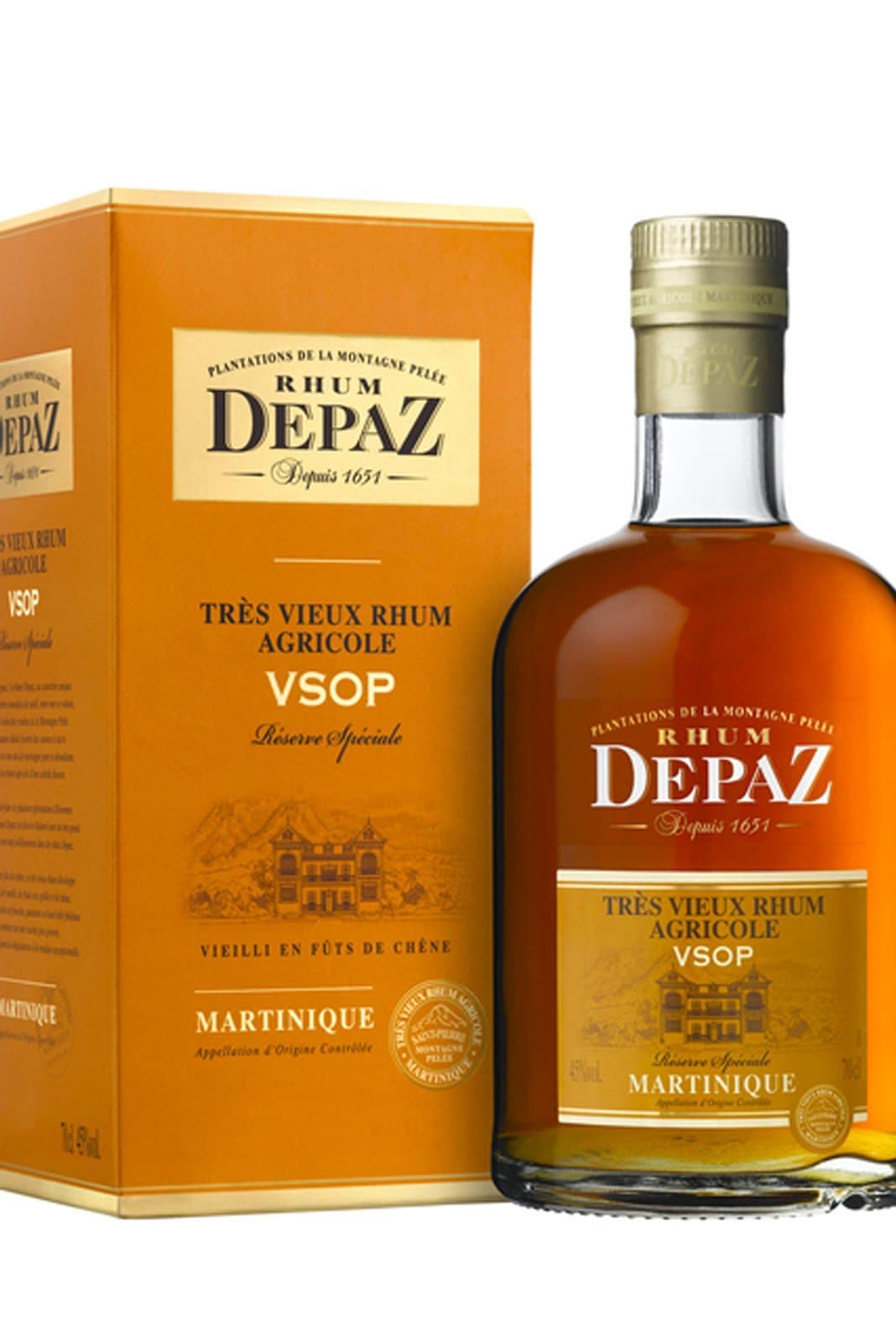
Depaz Rum Agricole Reserve Speciale VSOP Martinique 7 years 45% 700ml
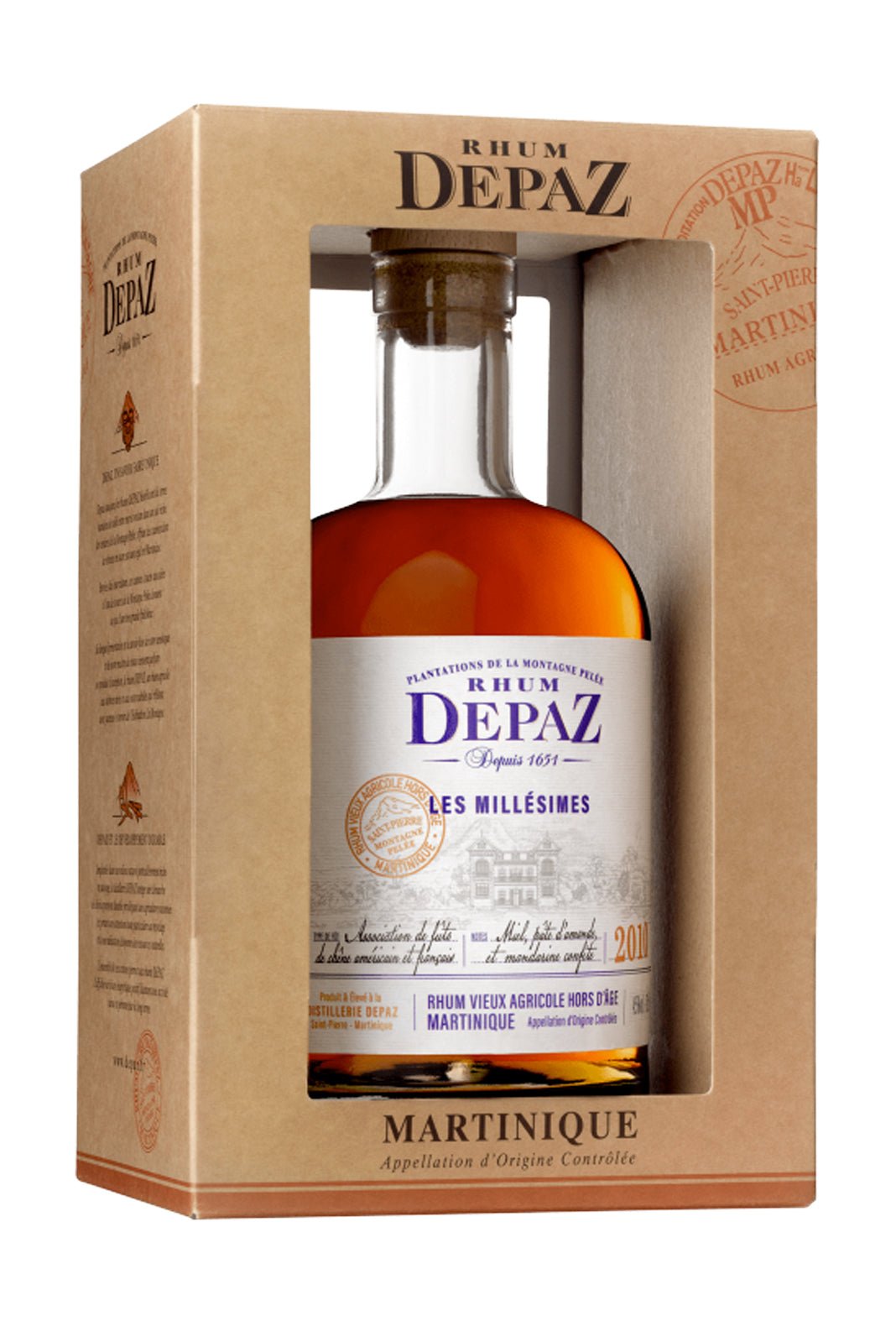
Depaz 2010 Rum Agricole 45% 700ml
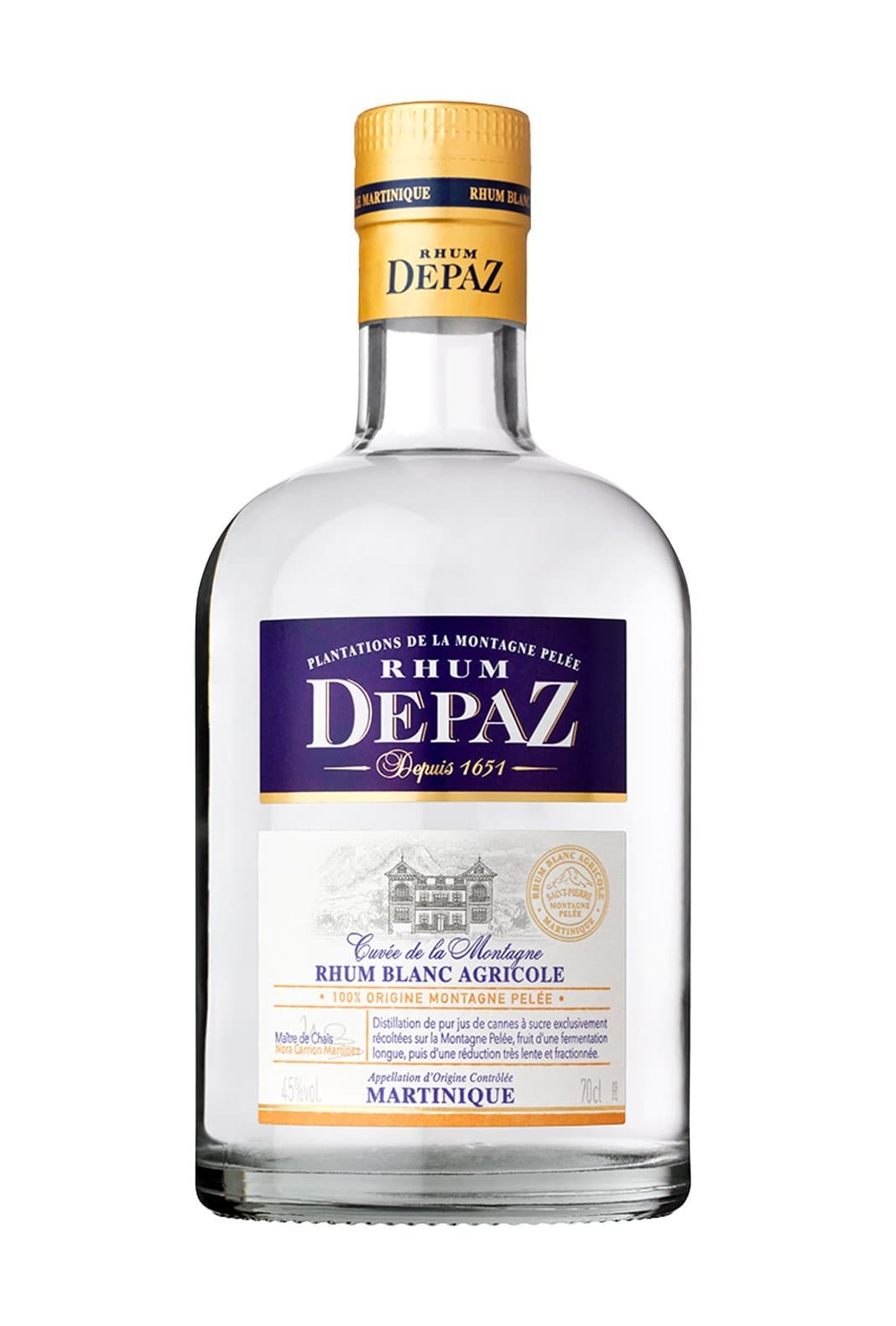
Depaz Rum Blanc (white) Montagne Pelee 45% 700ml
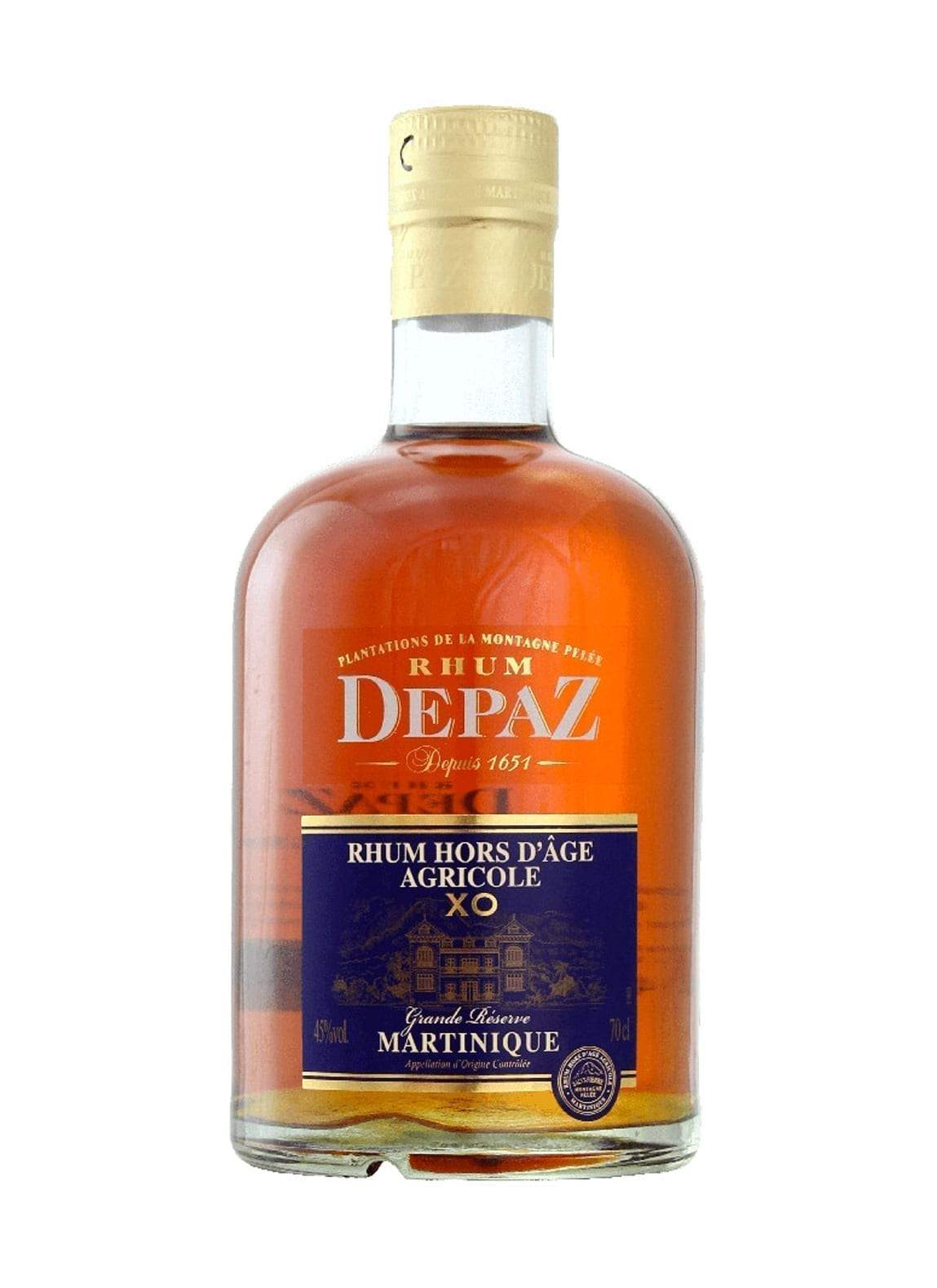
Depaz Rum Agricole XO 10 years 45% 7000ml
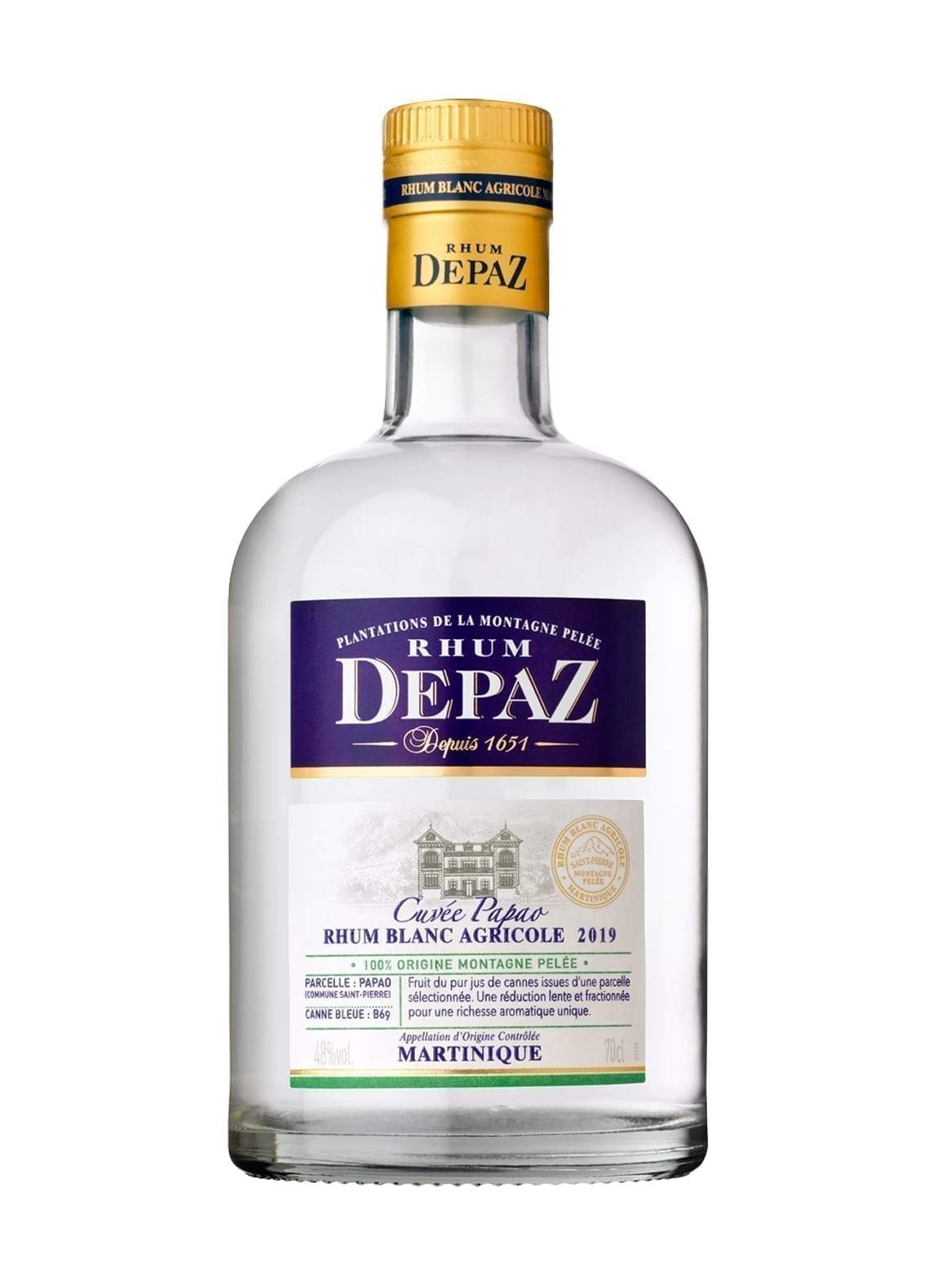
Depaz Rhum Blanc Agricole Cuvée Papao 48% 700ml
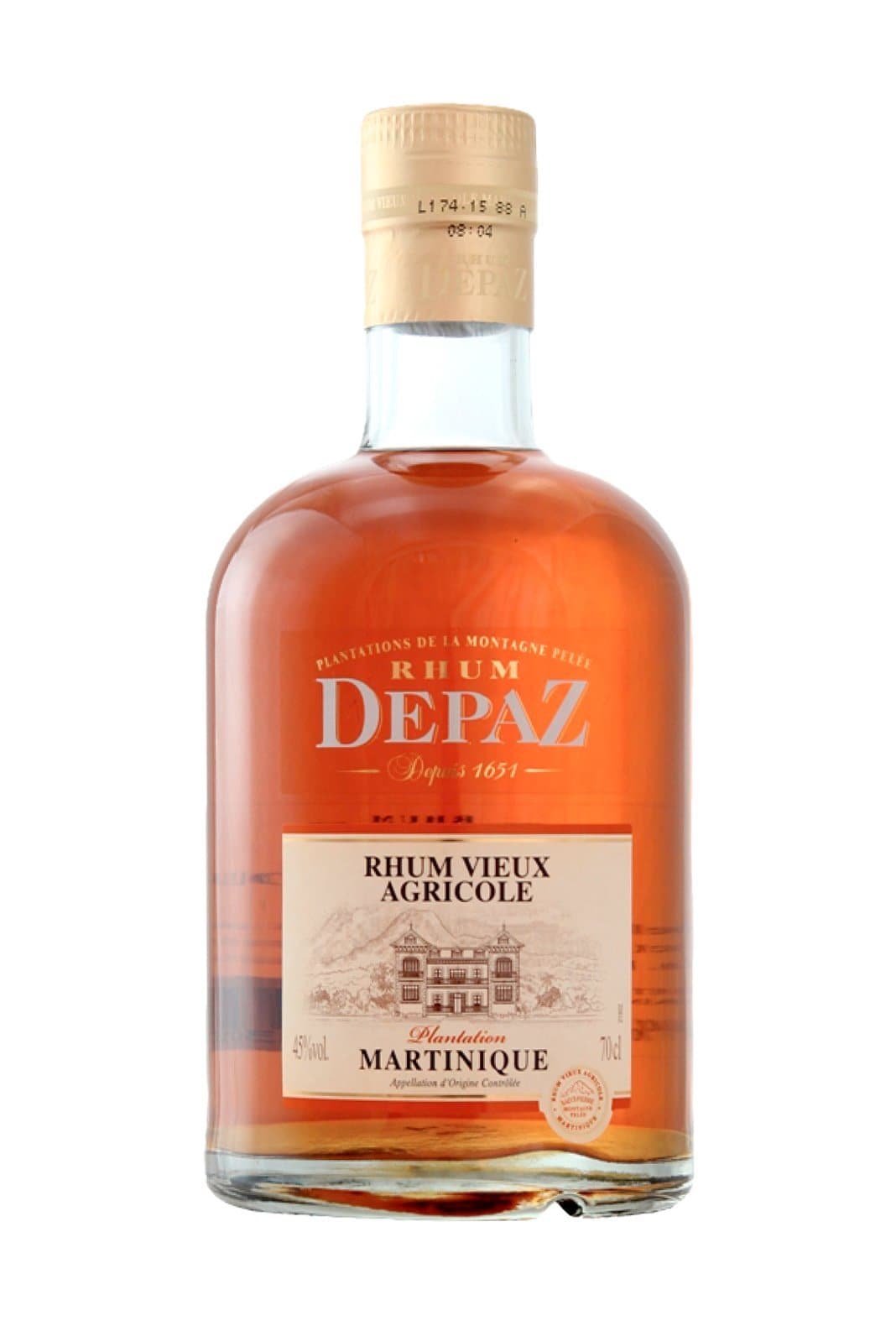
Depaz Rum Agricole Vieux (Old) Martinique 3 years 45% 700ml
About Depaz
Depaz is a single estate at Habitation La Montagne, planted on the volcanic slopes directly above Saint-Pierre in northern Martinique. The soil there is young and mineral rich, dropped by Montagne Pelee, and the estate is known for growing blue cane on it. Like all Martinique agricole, the rhum is pressed from fresh juice rather than molasses, which means the distillery only runs during the cane harvest. The white rhums are where the estate character is most obvious. Blanc Montagne Pelee at 45 percent is the everyday bottle, floral and grassy with a hard mineral edge, and Cuvee Papao at 48 percent pushes the same profile harder for anyone who mixes seriously. The aged side runs through the Reserve Speciale VSOP, a seven year old at 45 percent, up to the XO, with a 2010 vintage sitting alongside them. Everything is bottled at 45 percent or above, which is a house decision rather than an accident. If you are working through Martinique, Saint James and J.M are the other two names worth knowing.
History
On 8 May 1902 Montagne Pelee erupted and destroyed Saint-Pierre, then the largest town in Martinique, in a matter of minutes. The Depaz estate sat on the mountain and was obliterated with it. Victor Depaz survived only because he was studying in Bordeaux at the time, and he came back to replant the family land, restarting distillation from 1917 on ground that had just been resurfaced by the volcano. That ash is the reason the estate is where it is. Volcanic soil drains hard and carries minerals that ordinary Caribbean clay does not, and the cane grown on it is the source of the flinty, almost saline edge that runs through Depaz rhum even after a decade in oak. The wider technique is Martinique standard and legally defined: cane cut and crushed the same day, juice fermented for around a day and a half with no added sugar, a single pass through a creole column stopping around 70 percent alcohol, then months of resting before bottling. Aged expressions go into oak and lose several percent a year to tropical evaporation, so a seven year old rhum from Martinique has taken more from the wood than a seven year old spirit in a cool climate ever could. The AOC Martinique came into force in 1996 and codified all of it. The rest of the category sits under agricole rhum and rum.
How to drink it
Whites first. Blanc Montagne Pelee makes a proper ti punch: a coin of lime peel, a spoon of cane syrup, 50ml of rhum, stirred in a short heavy tumbler and drunk at room temperature or with a single large cube. It is also the better choice in a daiquiri than any white molasses rum, because the cane flavour survives the lime. Save Cuvee Papao for drinks with strong modifiers, where the extra three percent of alcohol keeps the rhum audible. Aged bottles want a tulip or a small wine glass at room temperature, no ice, and a few drops of water if the finish feels tight. The Reserve Speciale VSOP is the right starting bottle, old enough to show the oak and young enough that the volcanic minerality is still front and centre. For food, try aged Depaz with dark chocolate, roasted nuts, or a hard washed rind cheese, and the blanc with grilled prawns or ceviche. An open bottle at 45 percent will hold a year or two standing upright with the cap tight, away from heat and light. Compare against dark rum made from molasses to hear the difference.
More from this origin and style: