
Castellani Arbos Chianti DOCG 2024
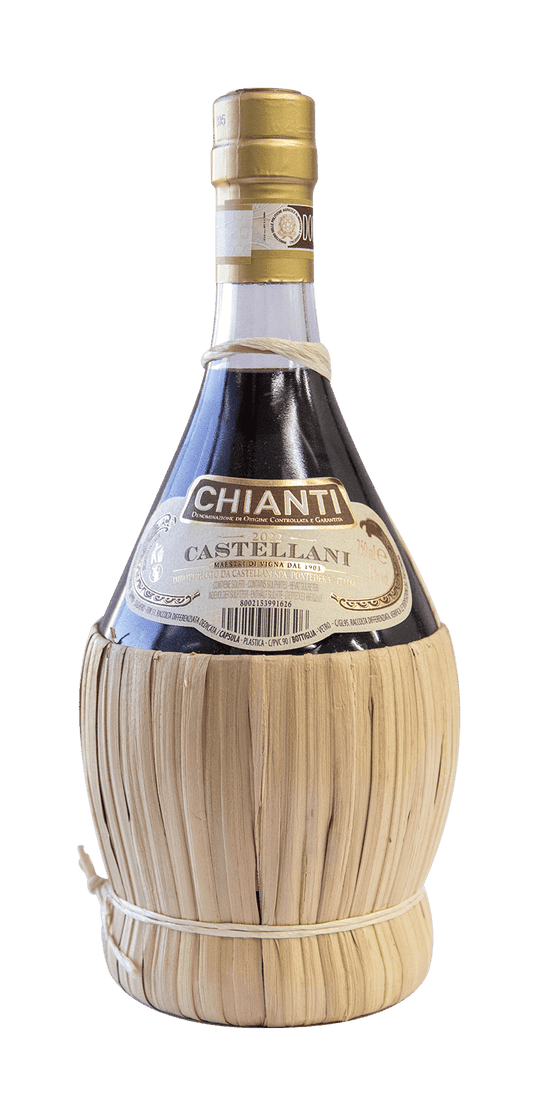
Castellani Chianti DOCG Flask 2024
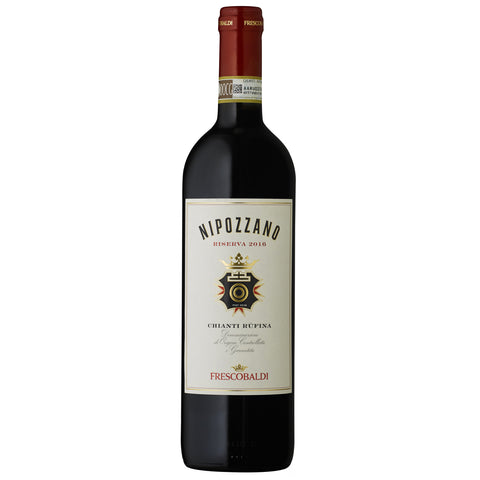
Frescobaldi Nipozzano Chianti Riserva 2021
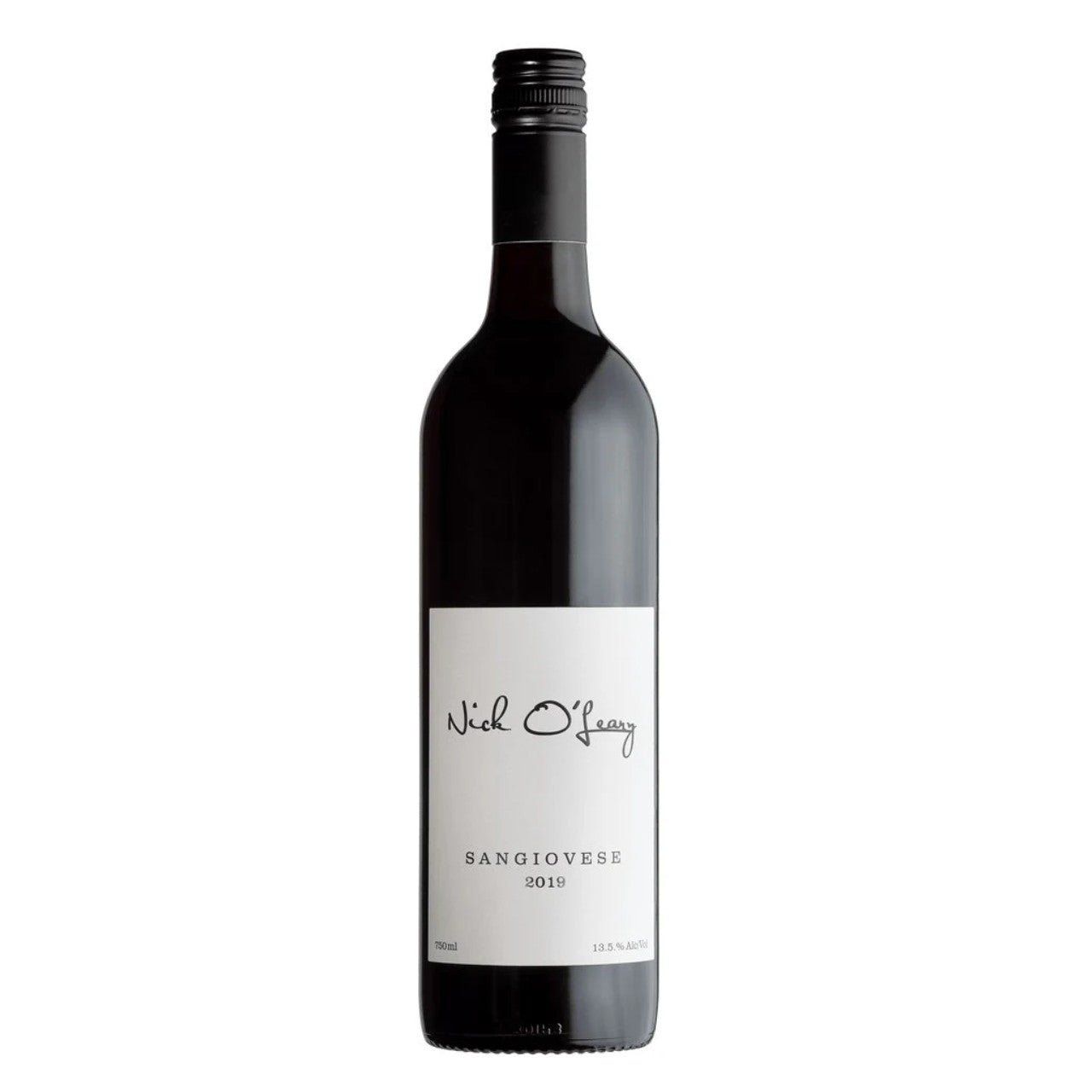
Nick O'Leary Sangiovese 750ml
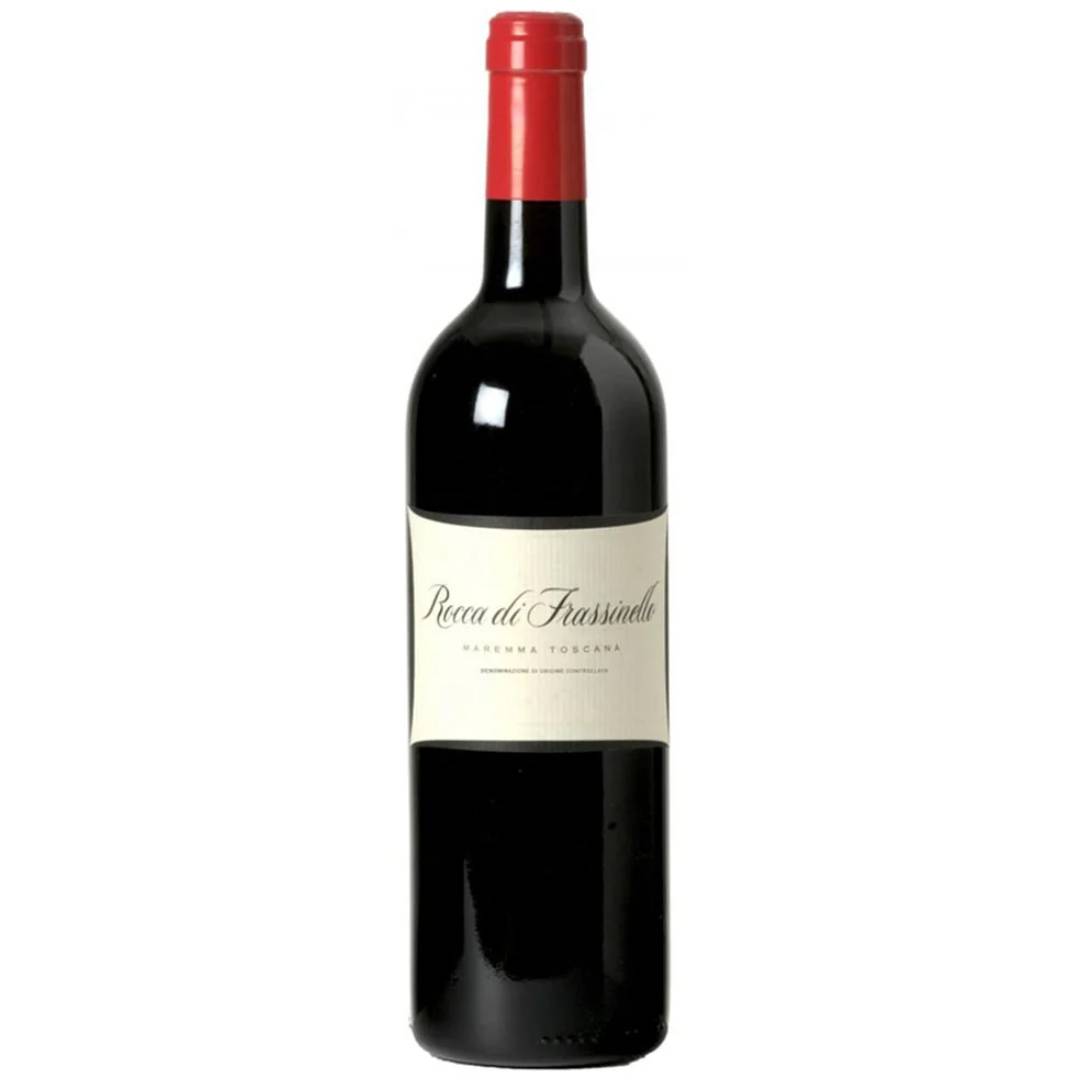
Rocca di Frassinello Maremma Toscana 2017
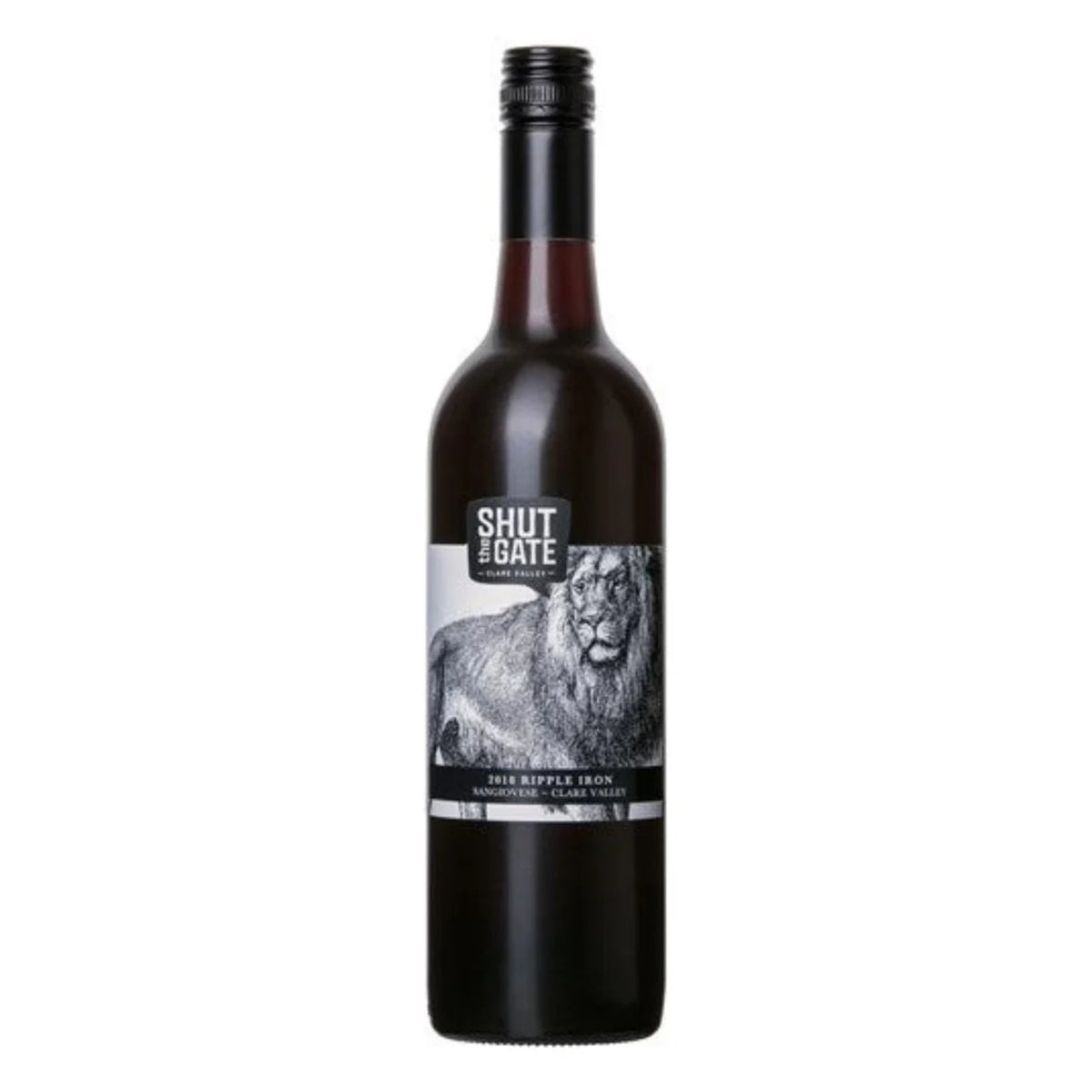
Shut the Gate Ripple Iron Sangiovese 2022
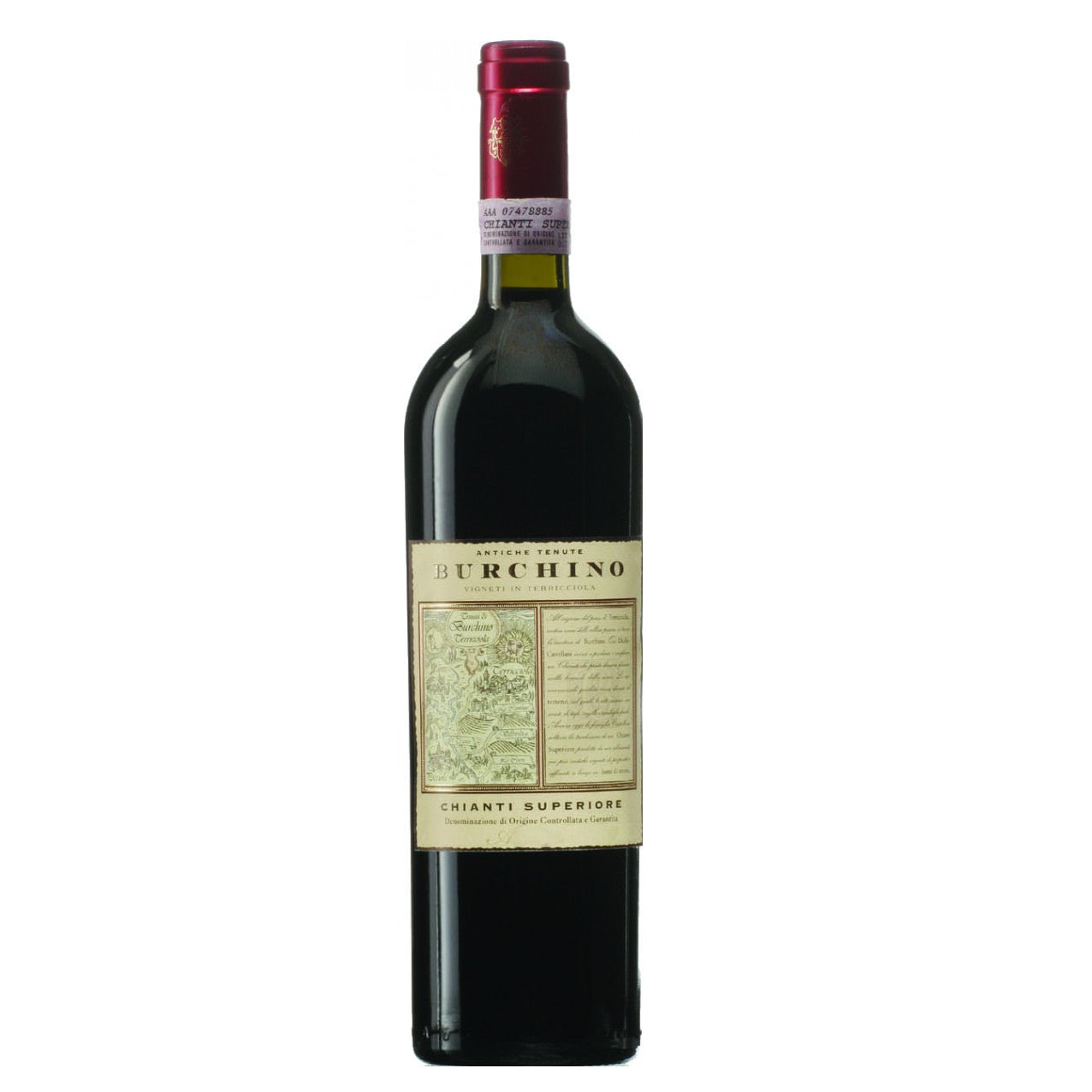
Castellani Burchino Chianti Superiore 2021
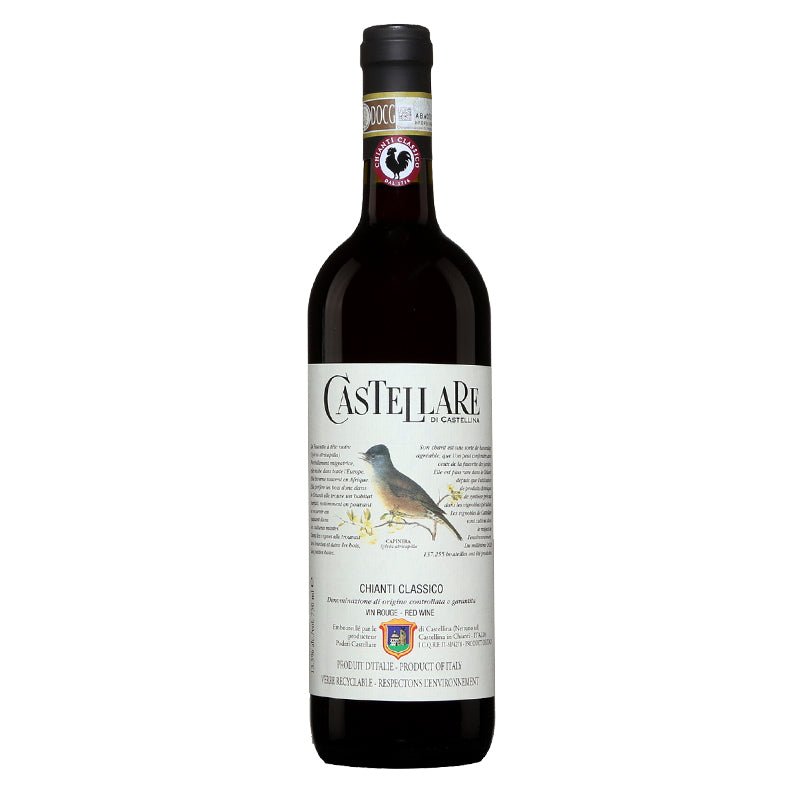
Castellare di Castellina Chianti Classico 2023
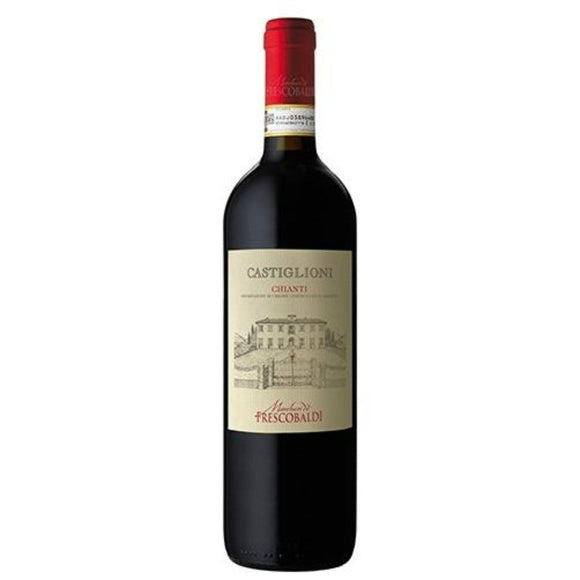
Frescobaldi Casti Chianti 2023
Montalbera Fuori Catalogo Piemonte 2020
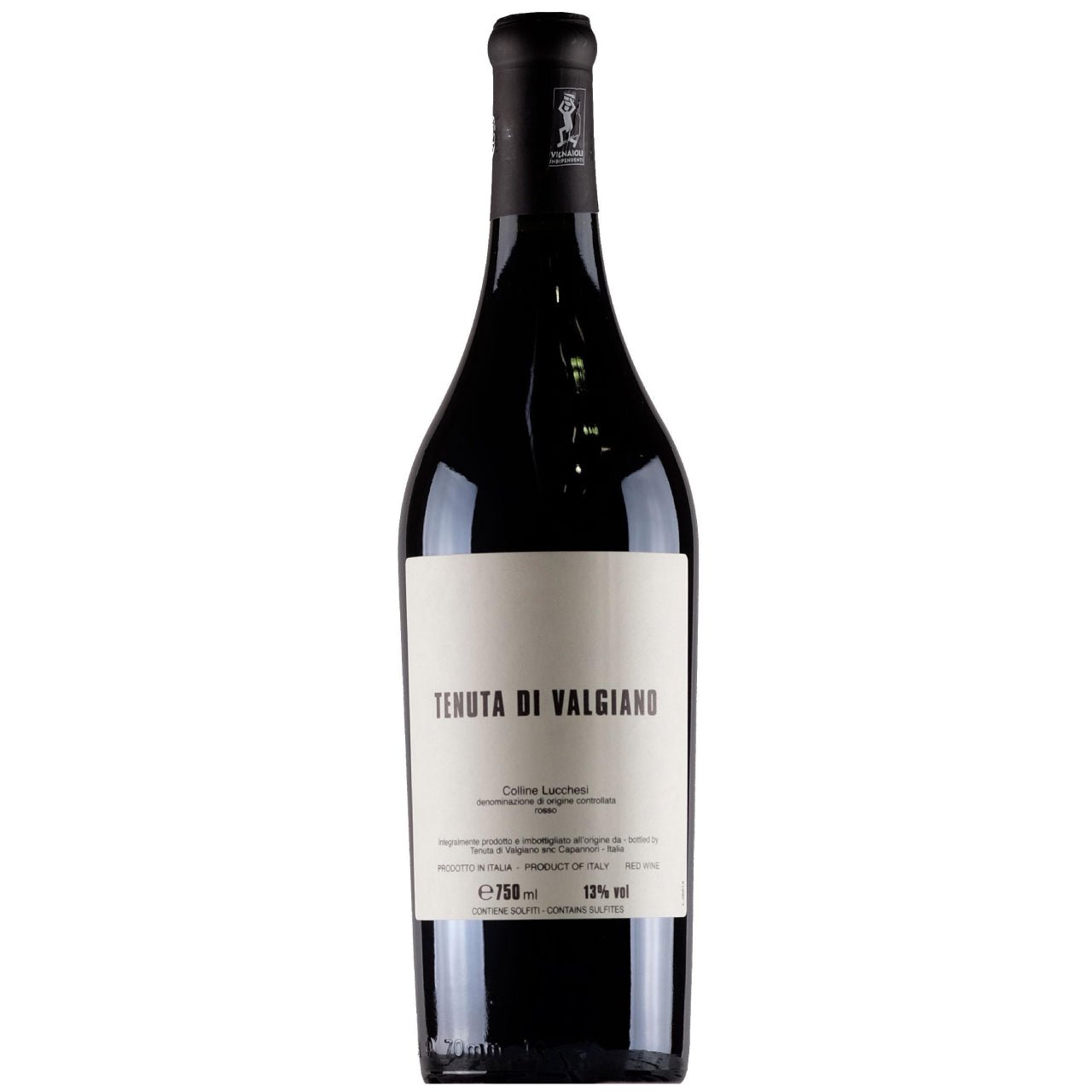
Tenuta Di Valgiano Rosso, Colline Lucchesi DOC 2015
About Sangiovese
Sangiovese is Italy's most planted grape and the backbone of Tuscan red wine. Its signature is savoury rather than sweet: sour cherry, dried herbs, tomato leaf and a dusty, gripping tannin, all carried on high acidity. That acidity is exactly why it works so well at the table.
Frescobaldi supplies most of the Tuscan bottles here, across a clear ladder of ambition. Castiglioni Chianti is the everyday expression. Nipozzano Riserva steps up from there. Castellare works in Chianti Classico, Altesino in Montalcino, and Rocca di Frassinello on the Maremma coast.
Australia has taken to the grape more successfully than to most Italian varieties, largely because it suits a warm climate without turning flabby. Nick O'Leary works with it in the Canberra District, and Shut the Gate in the Clare Valley rounds the local selection out.
Tasting an Australian bottle beside a Chianti is instructive. The Tuscan version leans savoury and dried herbal, the Australian one riper and rounder, but the sour cherry core and the firm tannin turn up in both.
Chianti and Brunello sit inside a much larger picture, and our guide to Italian wine covers Tuscany alongside the regions growing sangiovese more quietly elsewhere.
History
Sangiovese has been grown in central Italy for a very long time, with references appearing from the sixteenth century onward. The name is usually read as deriving from sanguis Jovis, the blood of Jupiter.
Chianti was formally delimited in 1716, when the Grand Duke of Tuscany defined the boundaries of the production zone, making it one of the earliest protected wine areas anywhere. In the nineteenth century Baron Bettino Ricasoli set out a recipe for the blend that dominated for over a century, and which permitted white grapes alongside the red.
That recipe eventually became a problem. By the 1970s a great deal of Chianti was thin and disappointing, and a group of producers responded by abandoning the rules entirely, planting cabernet and merlot and releasing wines as basic table wine rather than compromise on quality. The Super Tuscan movement embarrassed the authorities into reform. White grapes were phased out, minimum sangiovese proportions rose, and Chianti Classico introduced the Gran Selezione tier in 2013.
Brunello di Montalcino took a different route, built entirely on sangiovese with no blending permitted and long compulsory ageing before release. It remains the grape's most concentrated expression.
How to drink it
Serve at sixteen to eighteen degrees, which usually means a short spell in the fridge during an Australian summer. Young Chianti benefits from thirty minutes of air, and a Riserva or Brunello from considerably more.
The single most useful thing to know about sangiovese is that it is a food wine and can seem austere without something to eat. The tannin and acidity that feel severe in an empty glass are exactly what cuts through olive oil, tomato and cured meat.
That makes the pairings straightforward. Tomato based pasta, pizza, ragu, grilled lamb, roast pork, salami, hard cheese. The classic match with a tomato sauce works because both wine and dish are acidic, which is the opposite of the usual advice but holds true here.
On ageing, everyday Chianti should be drunk within a few years. Riserva and Gran Selezione will improve for a decade, and Brunello considerably longer.
Australian sangiovese is generally softer and fruitier than its Tuscan counterpart, and is made to be drunk younger.
For related pages, browse Italian wine, nebbiolo and tempranillo.