
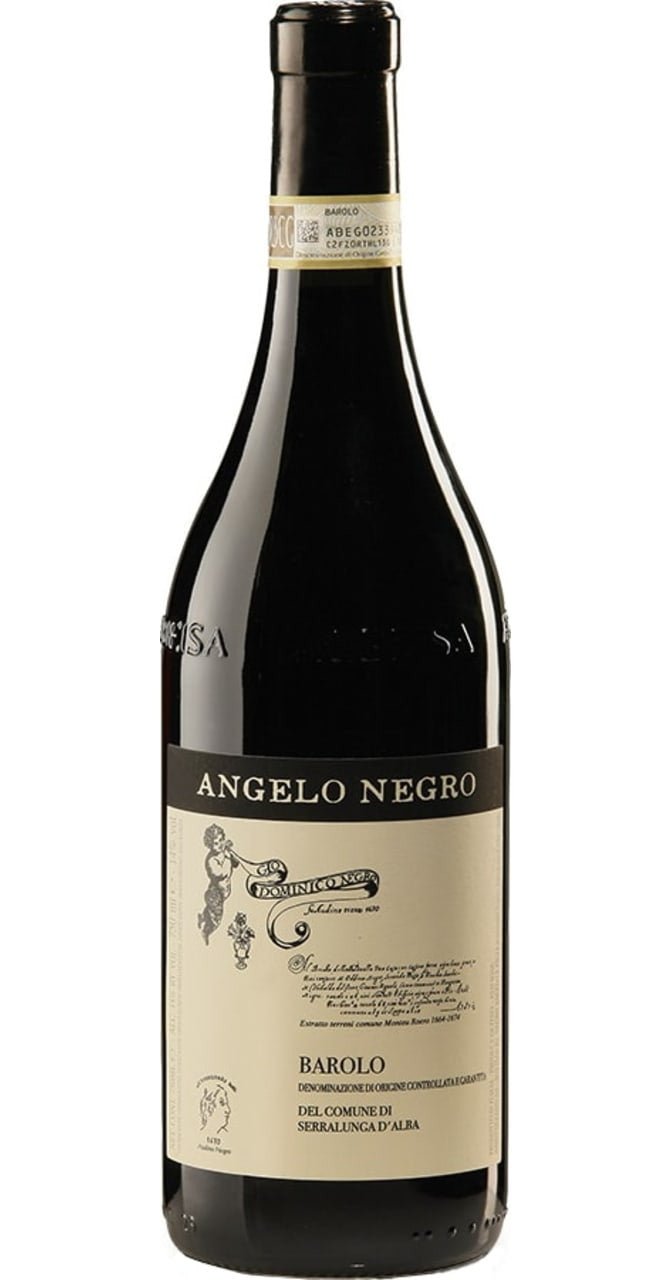
Angelo Negro Barolo Serralunga D’Alba 2019
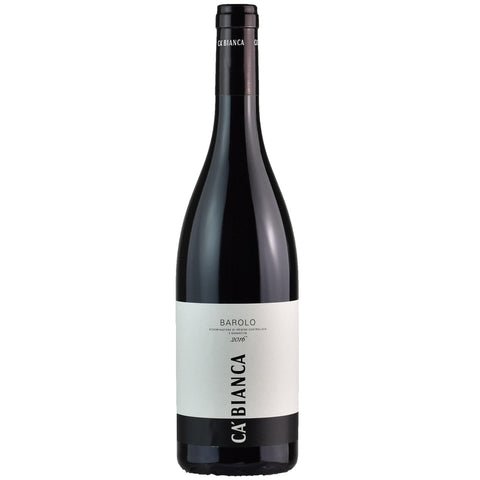
Ca Bianca Barolo DOCG 2020
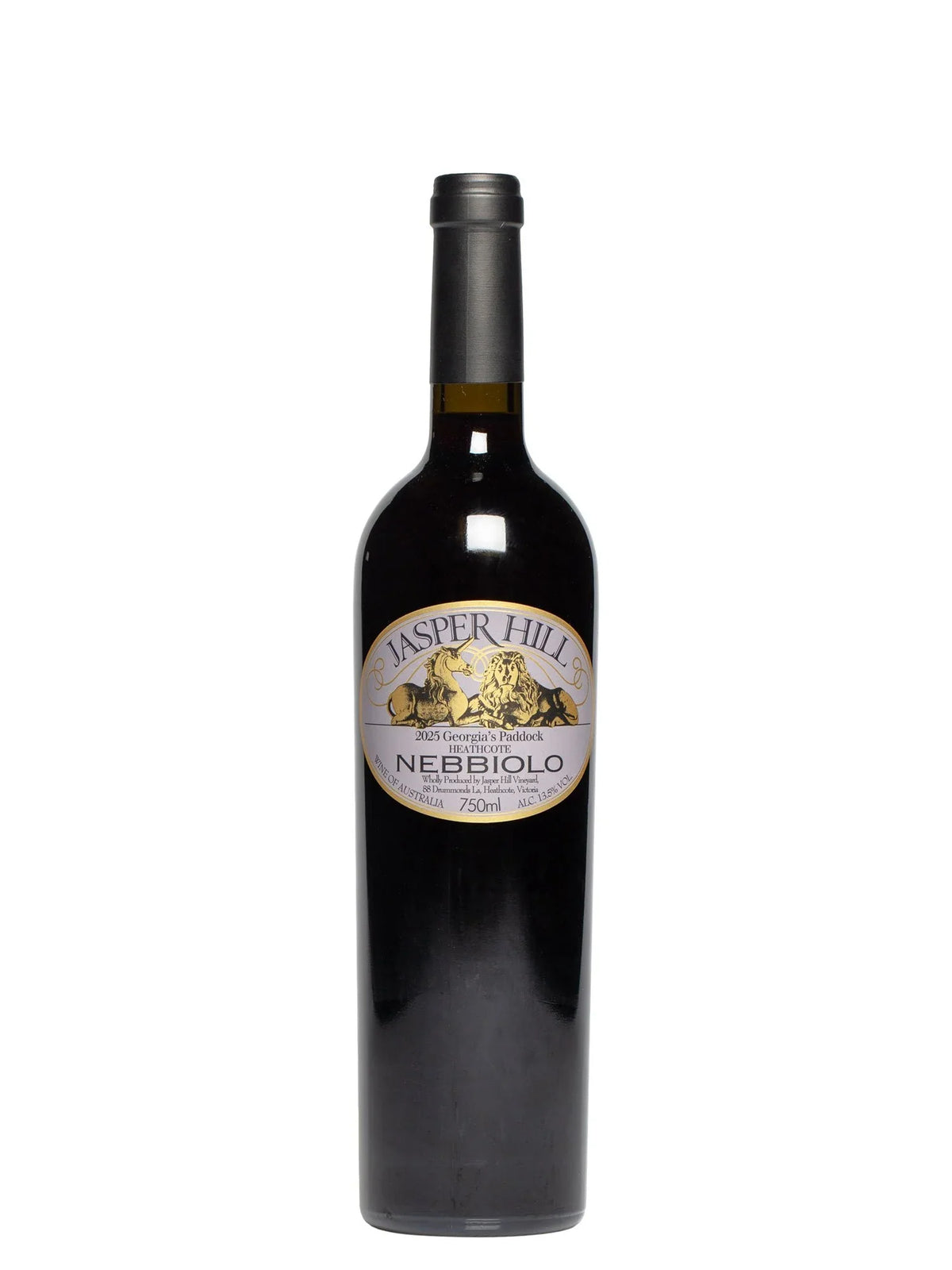
Jasper Hill Georgia's Paddock Nebbiolo 2025
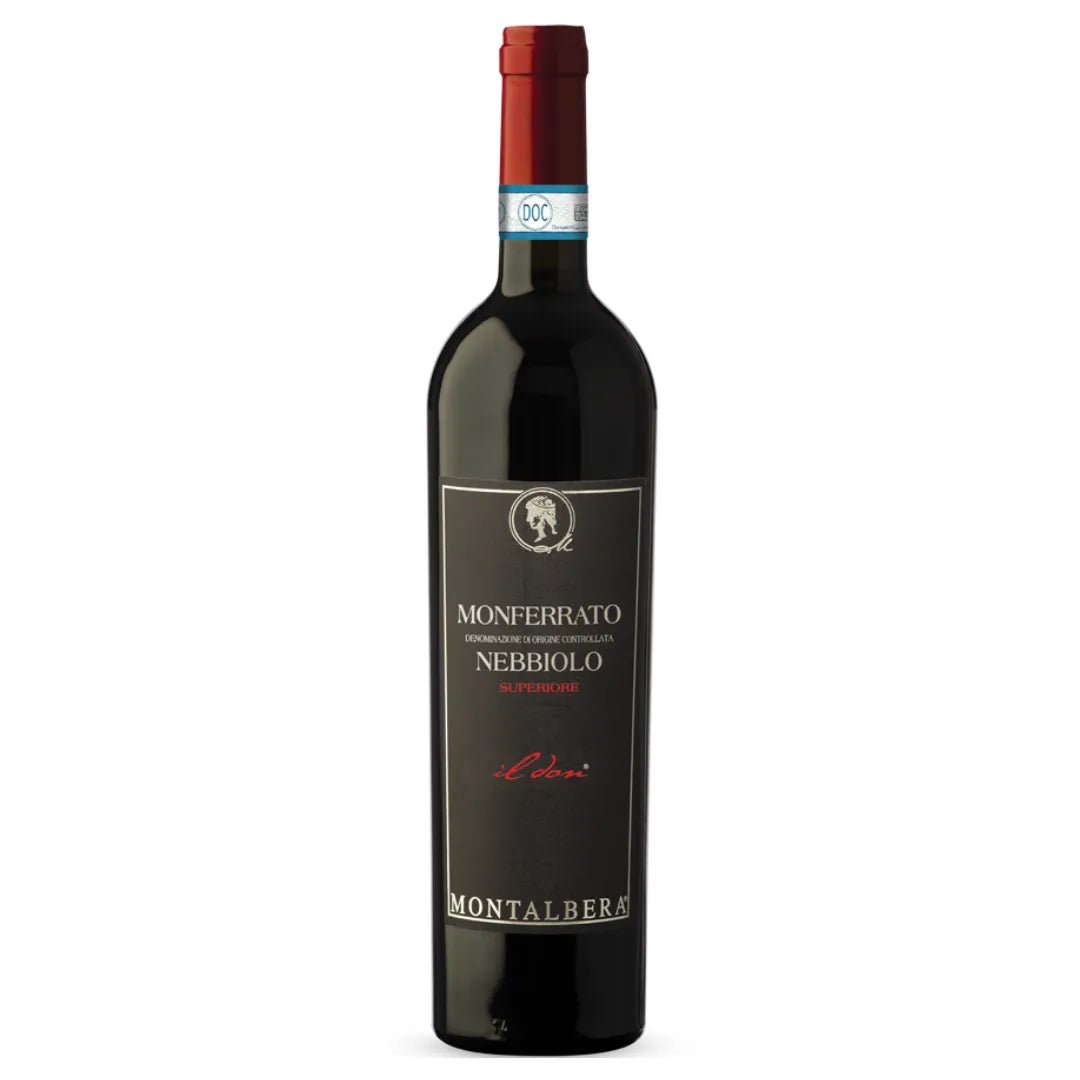
Montalbera Il Don Monferrato Nebbiolo 2022
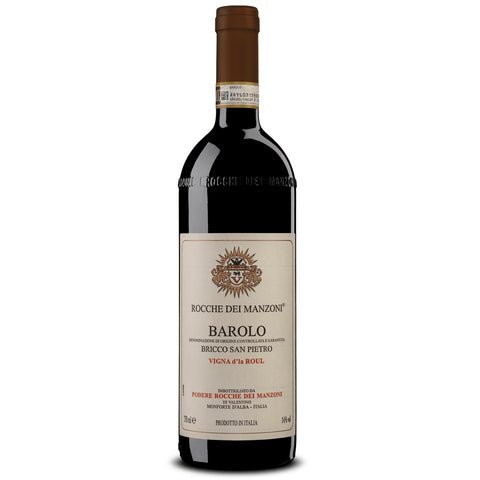
Rocche dei Manzoni Bricco San Pietro 2015
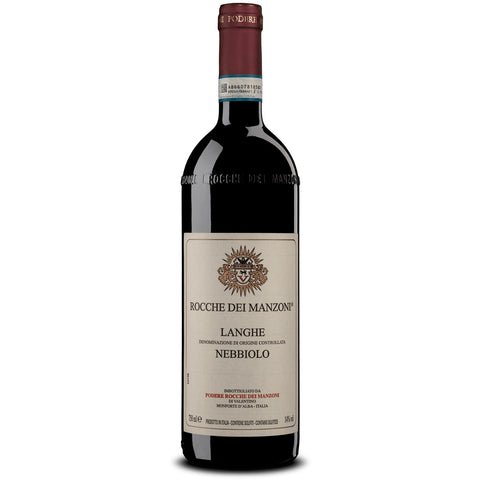
Rocche Manzoni Nebbiolo 2022
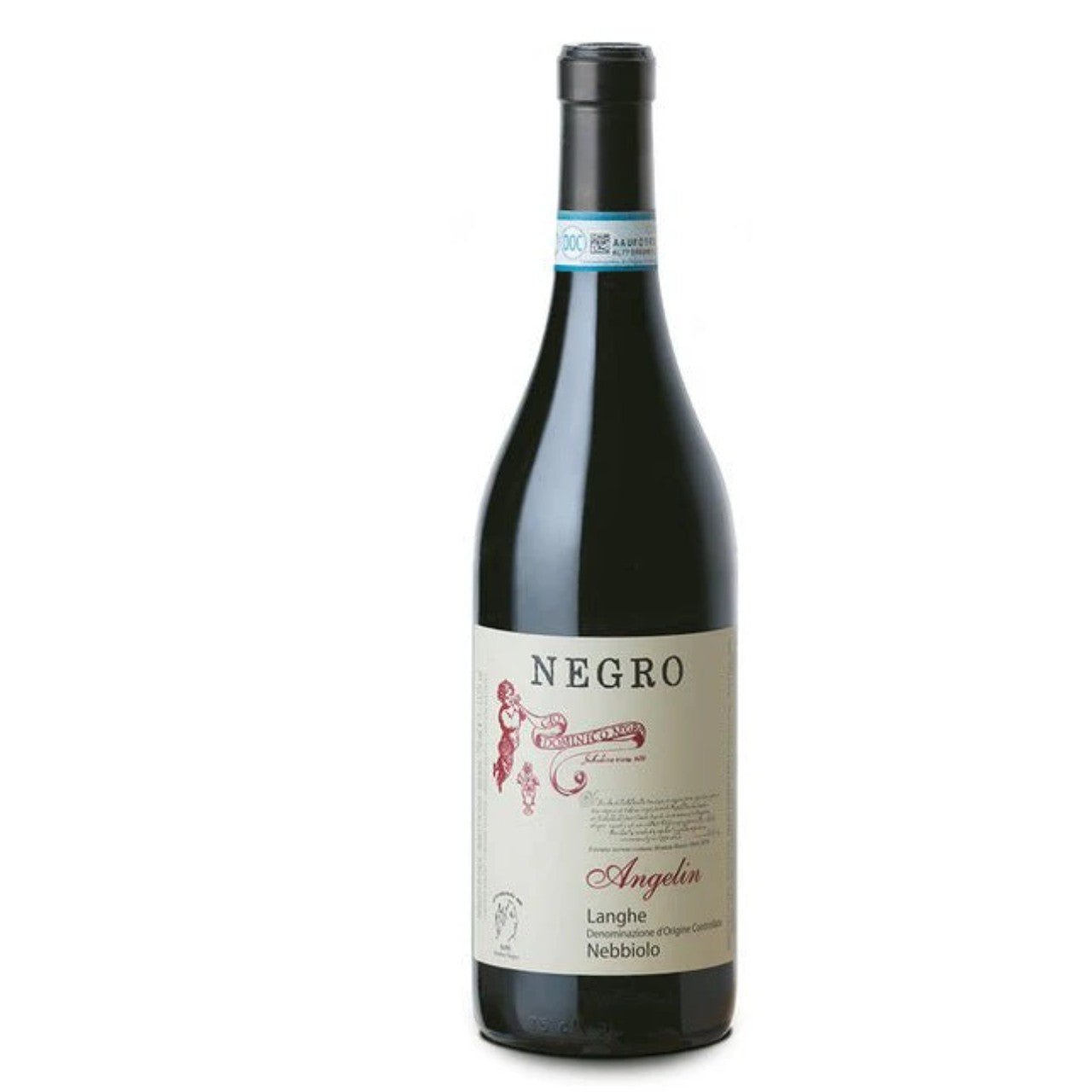
Angelo Red Wine Negro Nebbiolo 2022
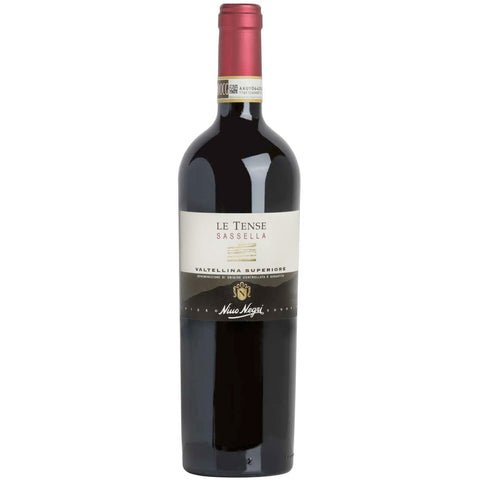
Nino Negri Valtellina Sassella DOCG La Tense 2020
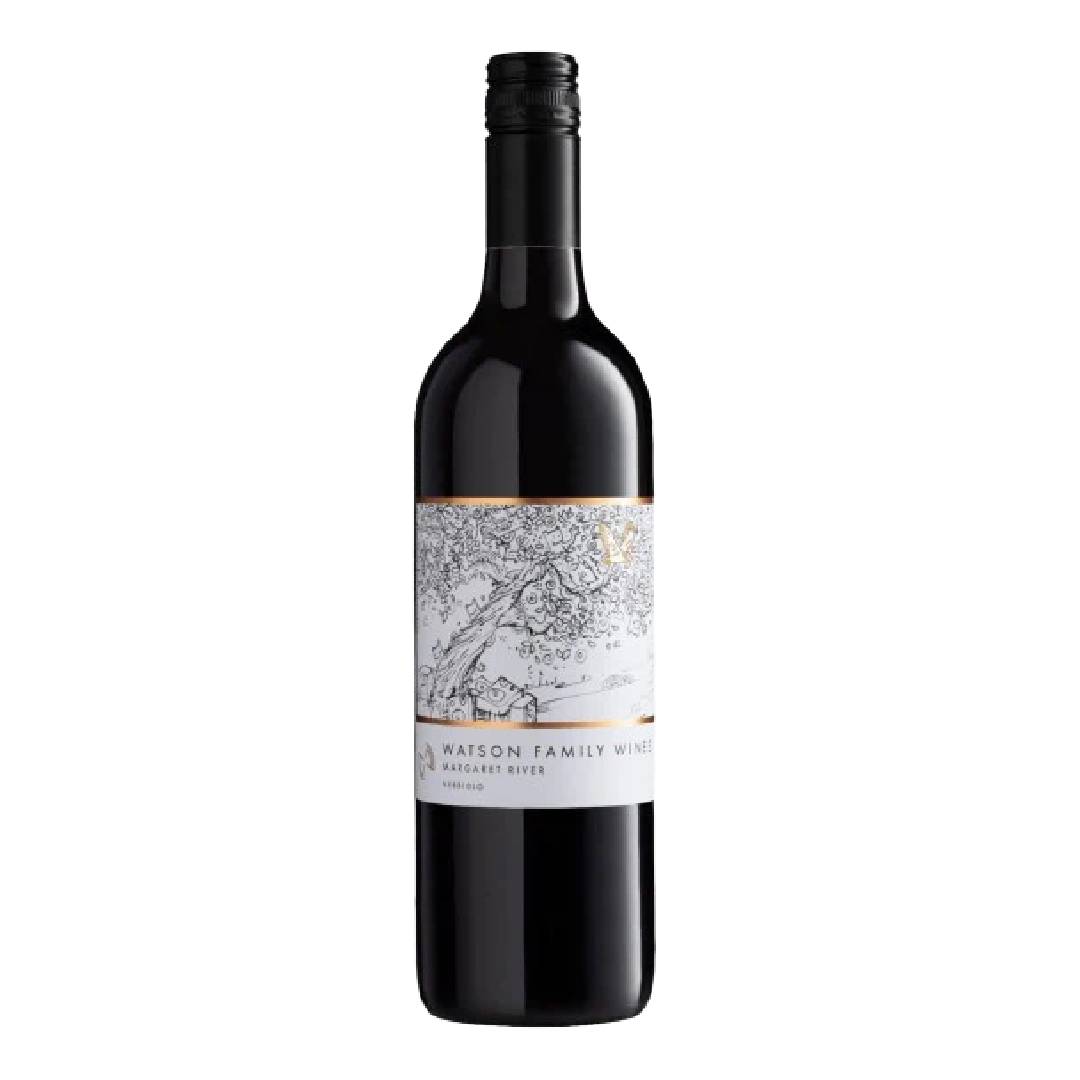
Woodlands Watson Family Nebbiolo 2018
About Nebbiolo
Nebbiolo is the grape that catches people out. It is pale in the glass, often barely darker than a pinot noir, and then it delivers tannin and acidity that few other reds come close to. Tar and roses is the standard description, and it is accurate: dried rose petal, sour cherry, leather, liquorice and something faintly medicinal.
Its home is Piedmont in north west Italy, where it produces Barolo and Barbaresco. Angelo Negro's Barolo from Serralunga d'Alba comes from one of the most structured communes in the zone, and Ca' Bianca offers another reading of it. Rocche dei Manzoni works in the Langhe.
The grape also grows outside Piedmont. In Valtellina, in the mountains of Lombardy, it is called Chiavennasca and gives a lighter, more alpine wine, represented here by Nino Negri.
Australia has a small but serious nebbiolo scene. Woodlands works with it in Margaret River.
Barolo and Barbaresco make more sense read against the rest of the country, and our guide to Italian wine puts Piedmont in that wider context.
History
Nebbiolo is documented in Piedmont from the thirteenth century, which makes it one of the longest recorded grape varieties in Italy. The name most likely derives from nebbia, the fog that settles over the Langhe hills in autumn when the grape ripens, though it has also been linked to the bloom on the skins.
Barolo as we know it dates from the middle of the nineteenth century. Before that the wine was often sweet, because the grape ripens so late that fermentation would stall in the cold. The shift to a dry, fully fermented wine is credited to work commissioned by the Marchesa Giulia Falletti of Barolo, with French oenological help.
The modern era brought a genuine argument. Through the 1980s and 1990s, so called modernists shortened maceration times and used small new French oak barrels to soften the tannin, while traditionalists kept long macerations and large old Slavonian casks. The dispute was fierce enough to be known as the Barolo Wars. It has largely settled, with most producers now sitting somewhere between the two.
The appellation rules are strict. Barolo must be aged for a minimum of thirty eight months before release, of which at least eighteen are in wood, and Riserva considerably longer. Barbaresco requires less.
How to drink it
Give it air. Nebbiolo is one of the few wines where decanting genuinely transforms the drink rather than simply making a ritual of it. An hour is a reasonable minimum for a young Barolo, and two or three does no harm. Without it the tannin dominates and the aromatics stay closed.
Serve at sixteen to eighteen degrees in a large bowled glass. Too warm and the alcohol takes over, too cold and the tannin turns harsh.
On ageing, Barolo and Barbaresco are made to be kept. A young bottle is rewarding but incomplete, and the wines typically hit their stride somewhere between eight and twenty years from vintage. Langhe Nebbiolo, Roero and Valtellina are made in a more approachable style and can be opened now.
Food matters more with this grape than most. The high tannin and acidity need fat and protein to soften against. Braised beef, osso buco, aged parmesan, truffle and mushroom risotto are the classic Piedmontese partners and they work for a reason. Avoid anything delicate: the wine will simply flatten it.
For related styles, browse Italian wine, sangiovese and pinot noir.