
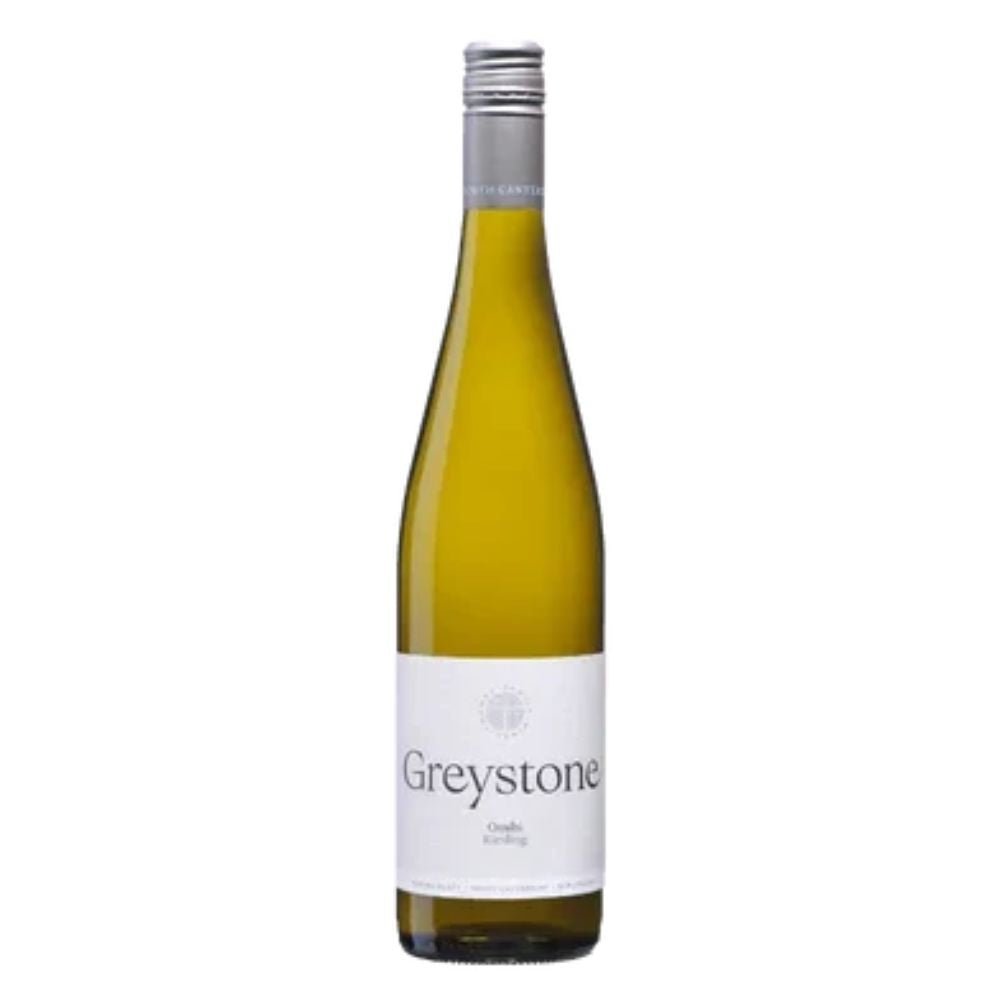
Greystone Omihi Riesling 2021
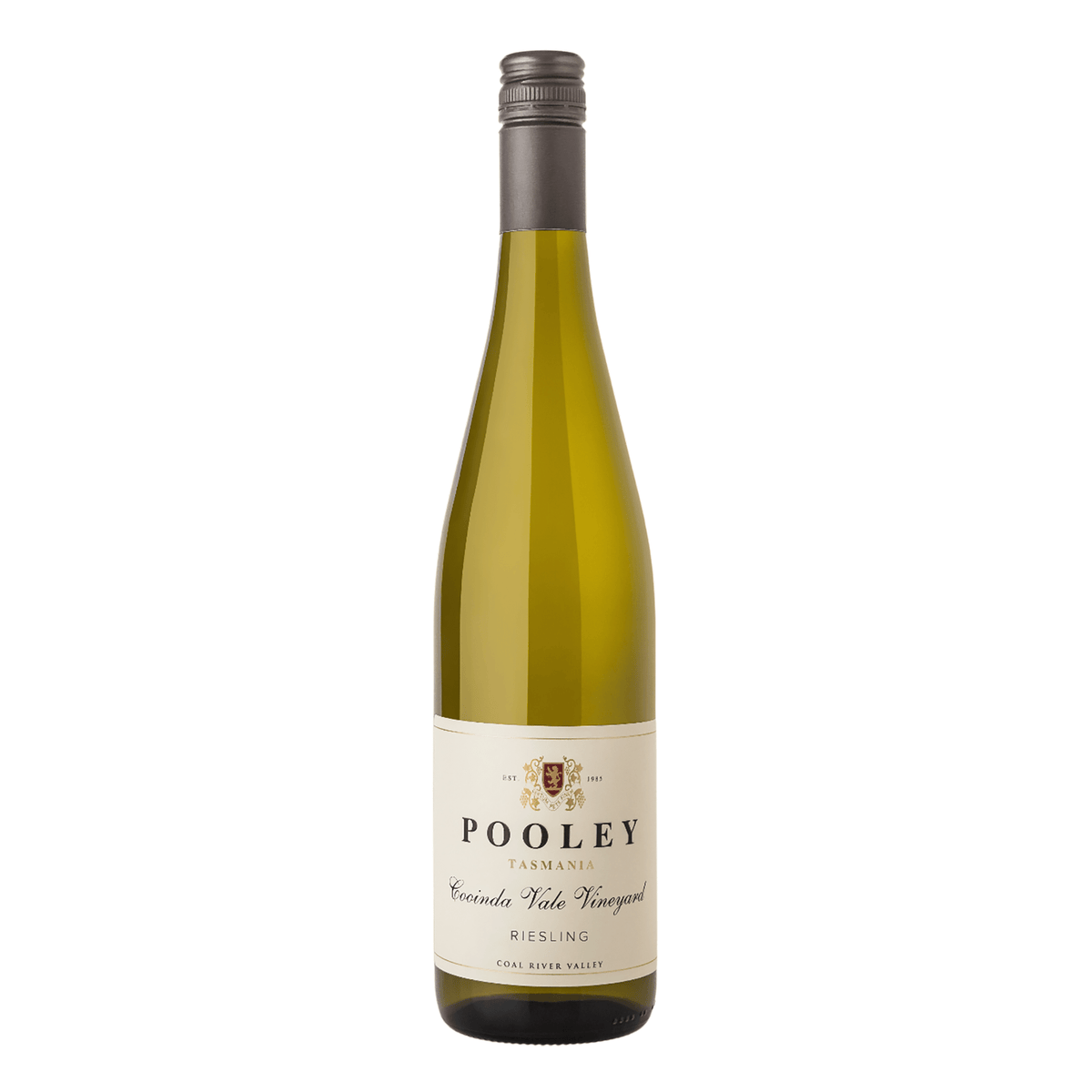
Pooley Cooinda Vale Riesling 2025
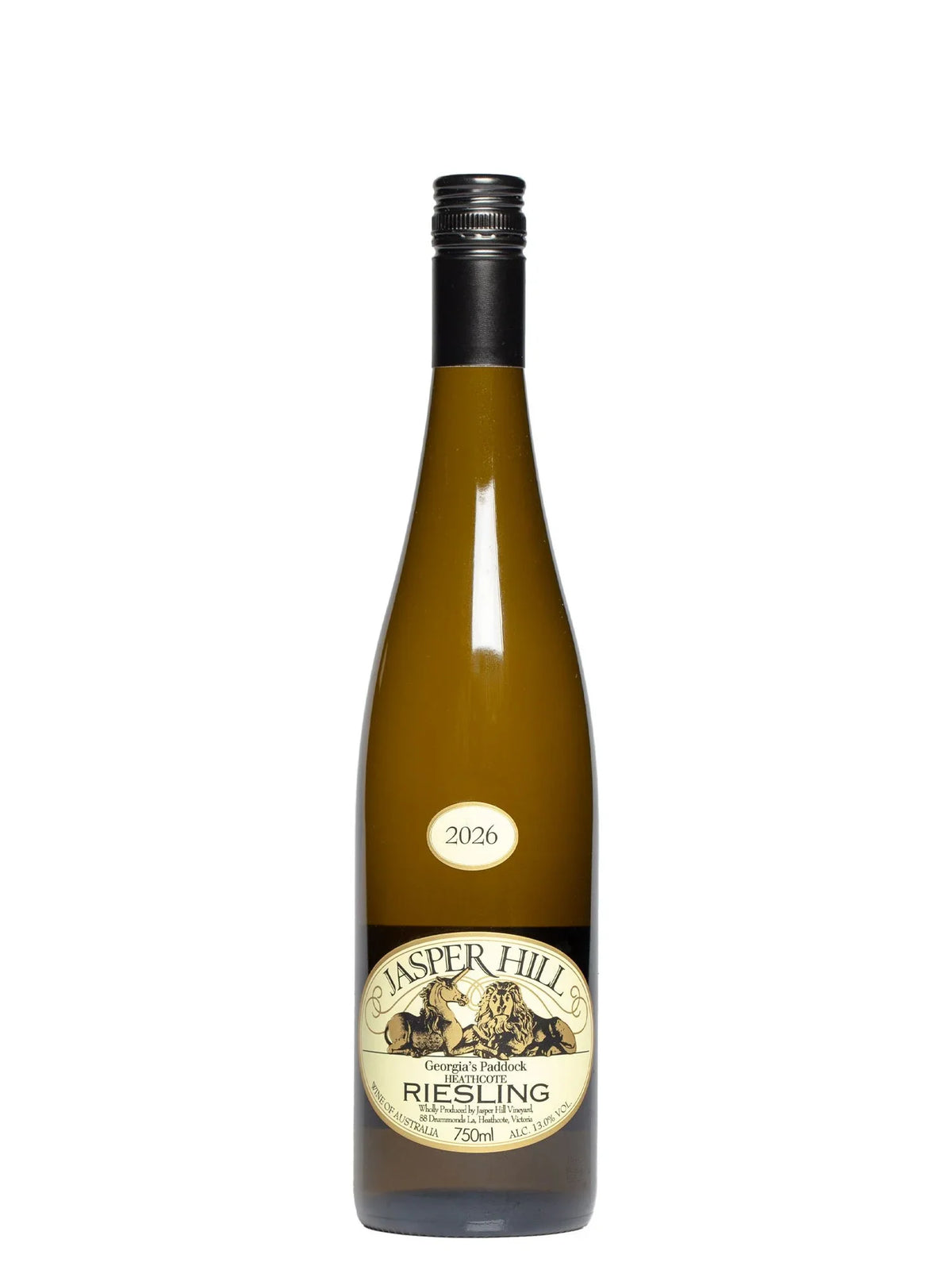
Jasper Hill Georgia's Paddock Riesling 2026
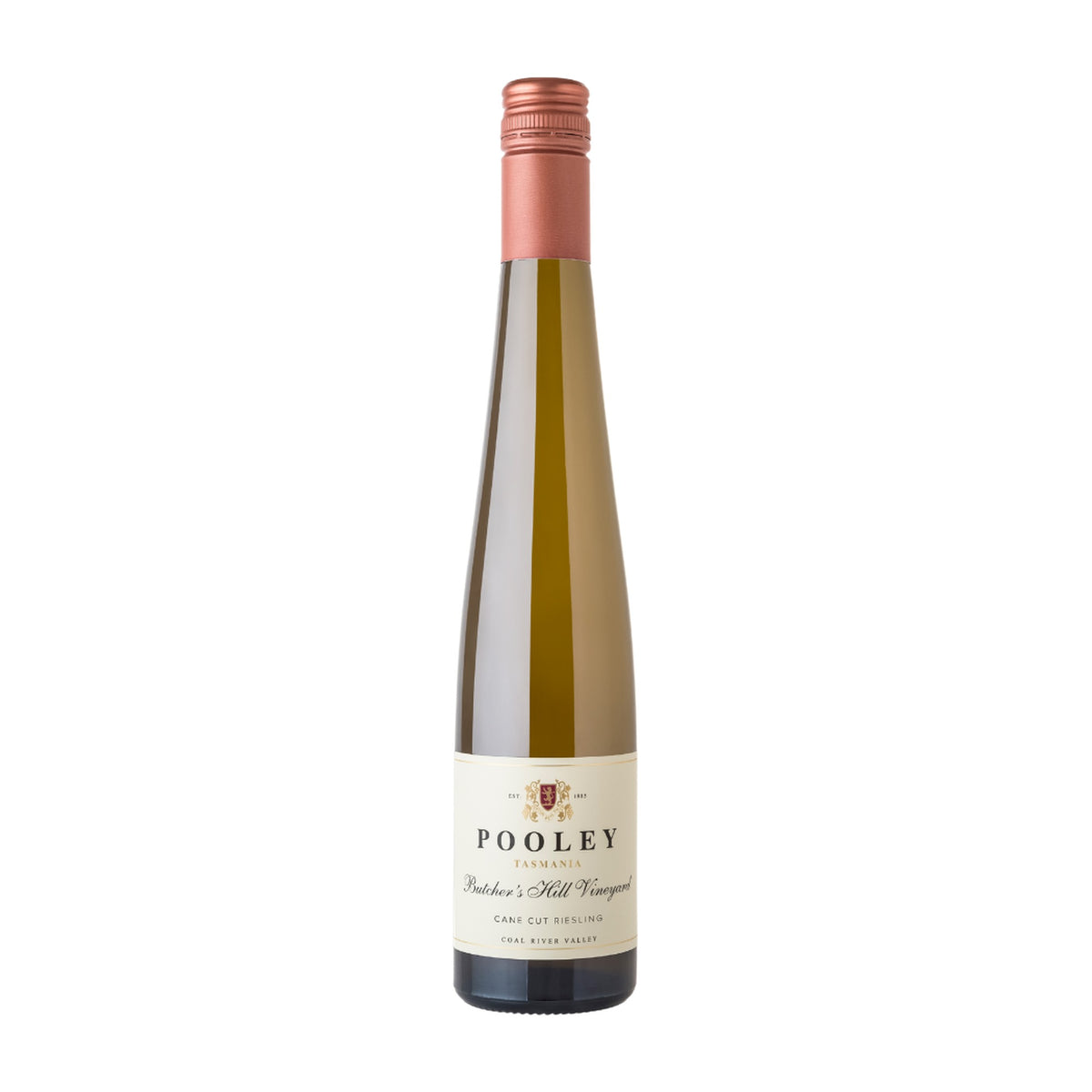
Pooley Butchers Hill Cane Cut Riesling 375ml 2025
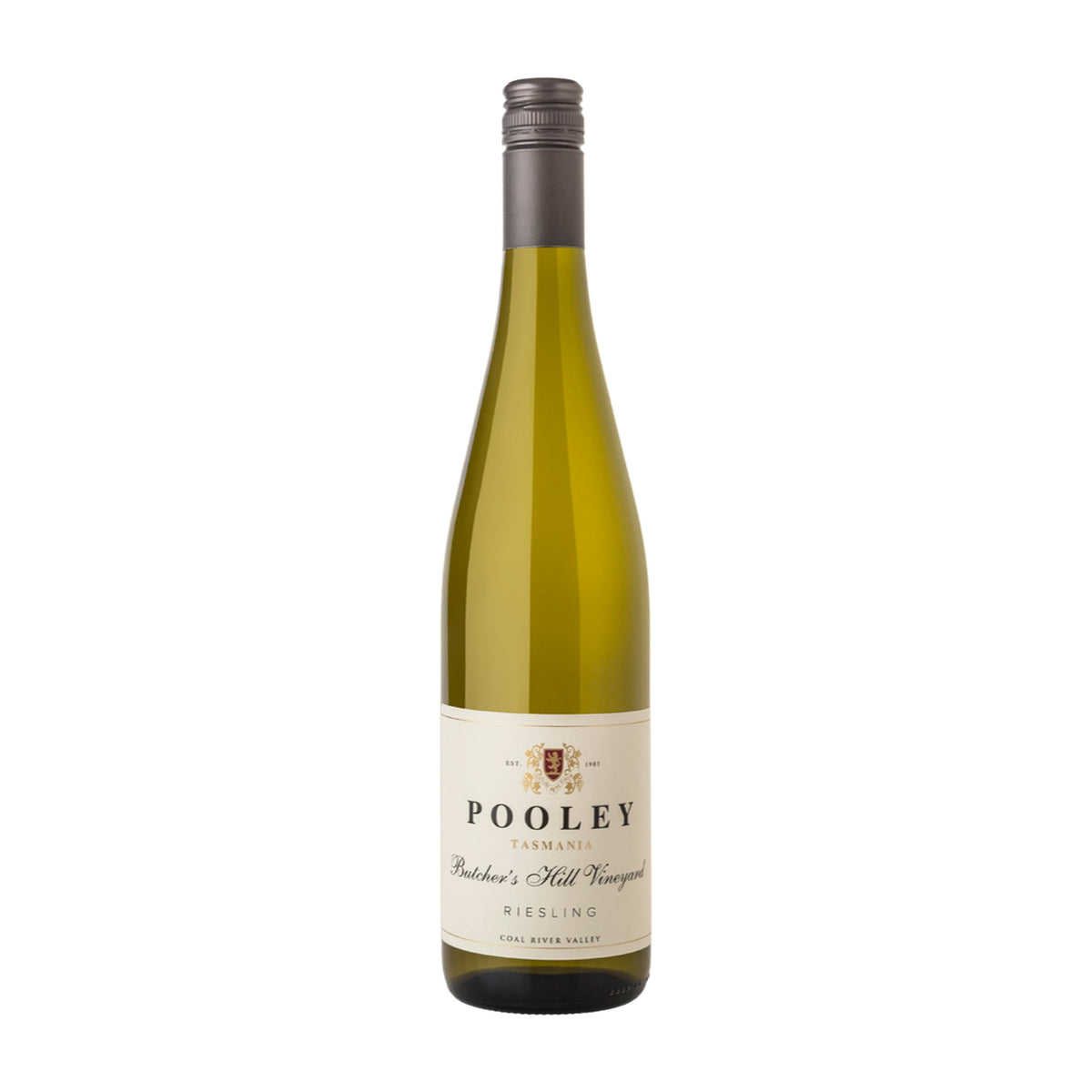
Pooley Butchers Hill Riesling 2025
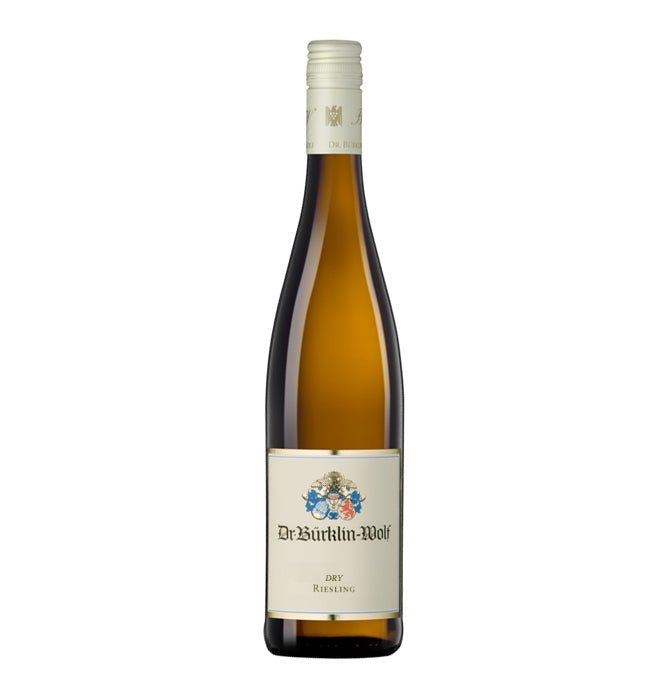
Burklin-Wolf Riesling Dry 2024
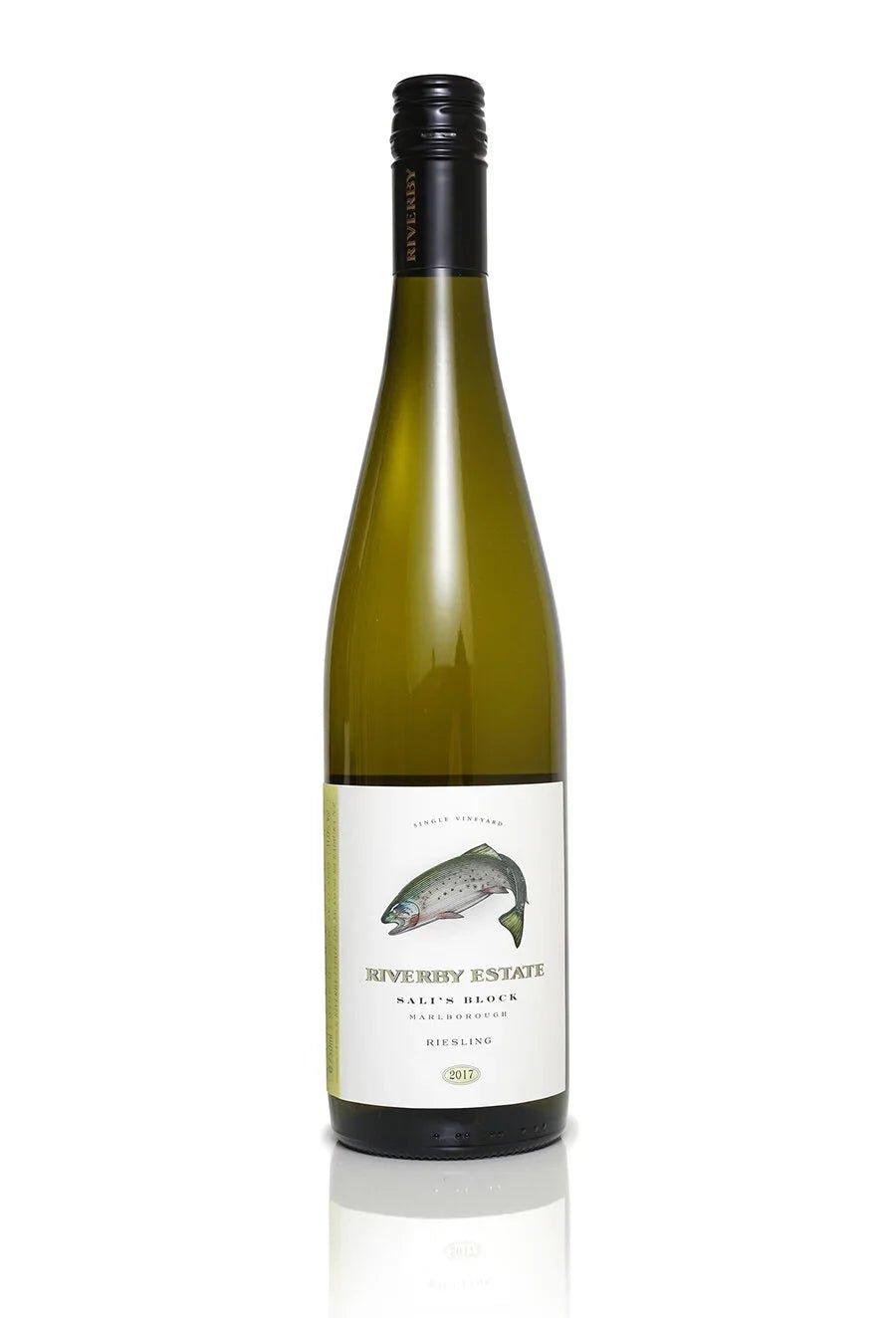
Riverby Estate Sali's Block Riesling 2024
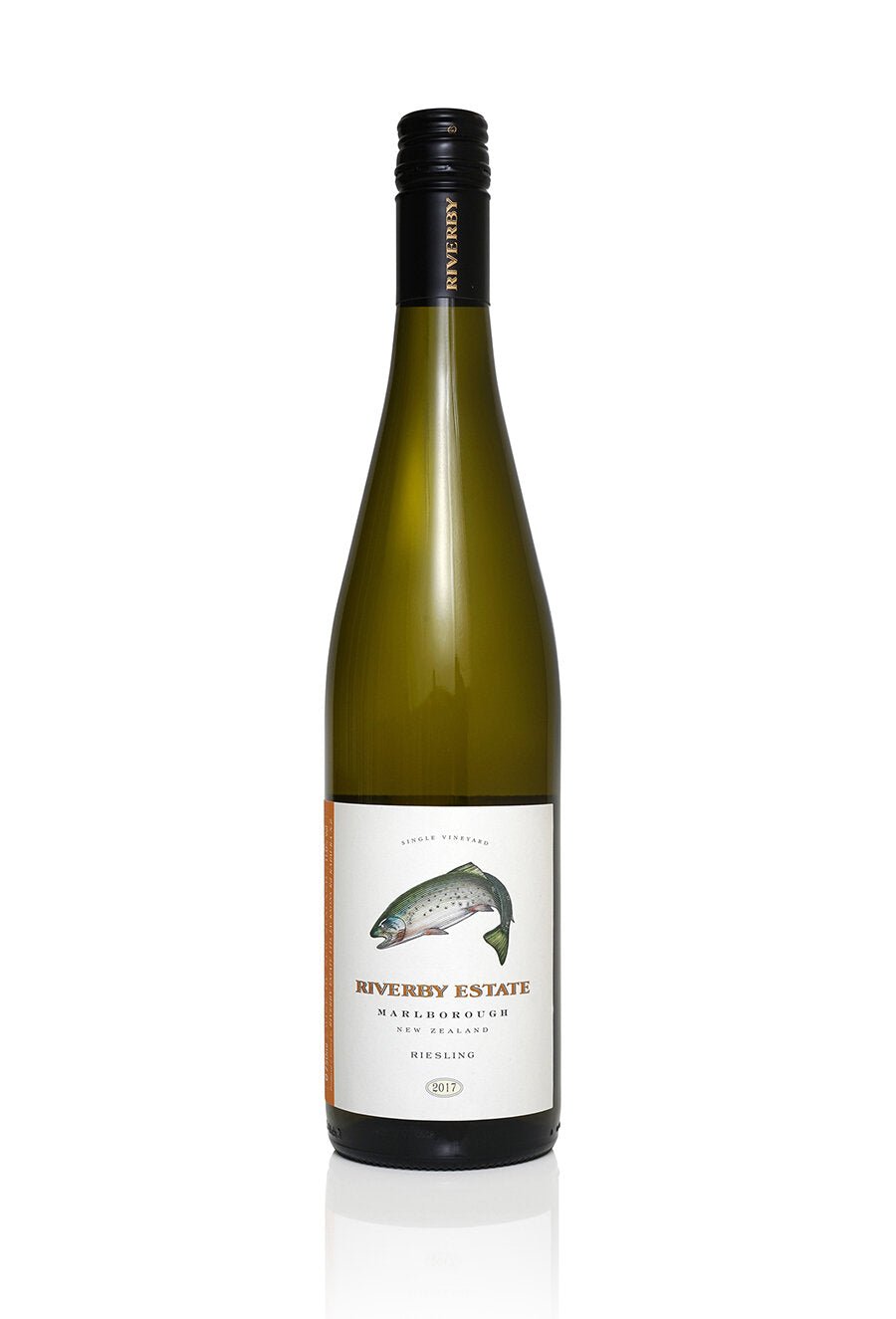
Riverby Estate Dry Riesling 2025
Mader Riesling Grand Cru Rosacker 2023
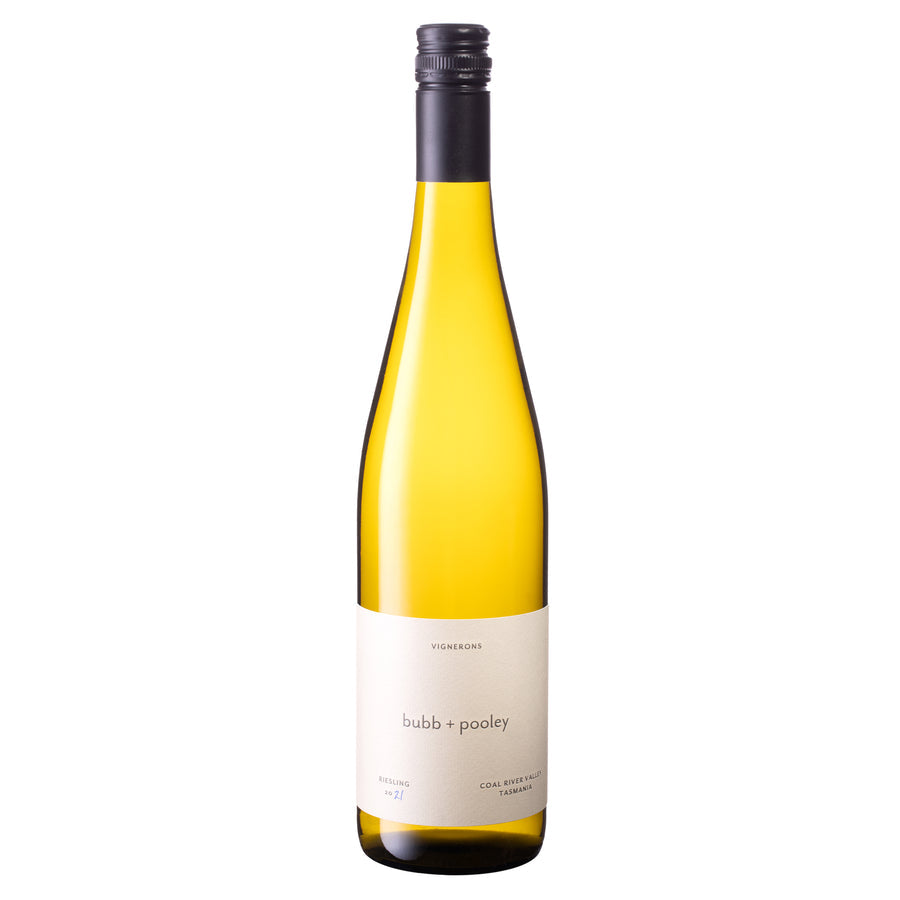
bubb+pooley Riesling 2024
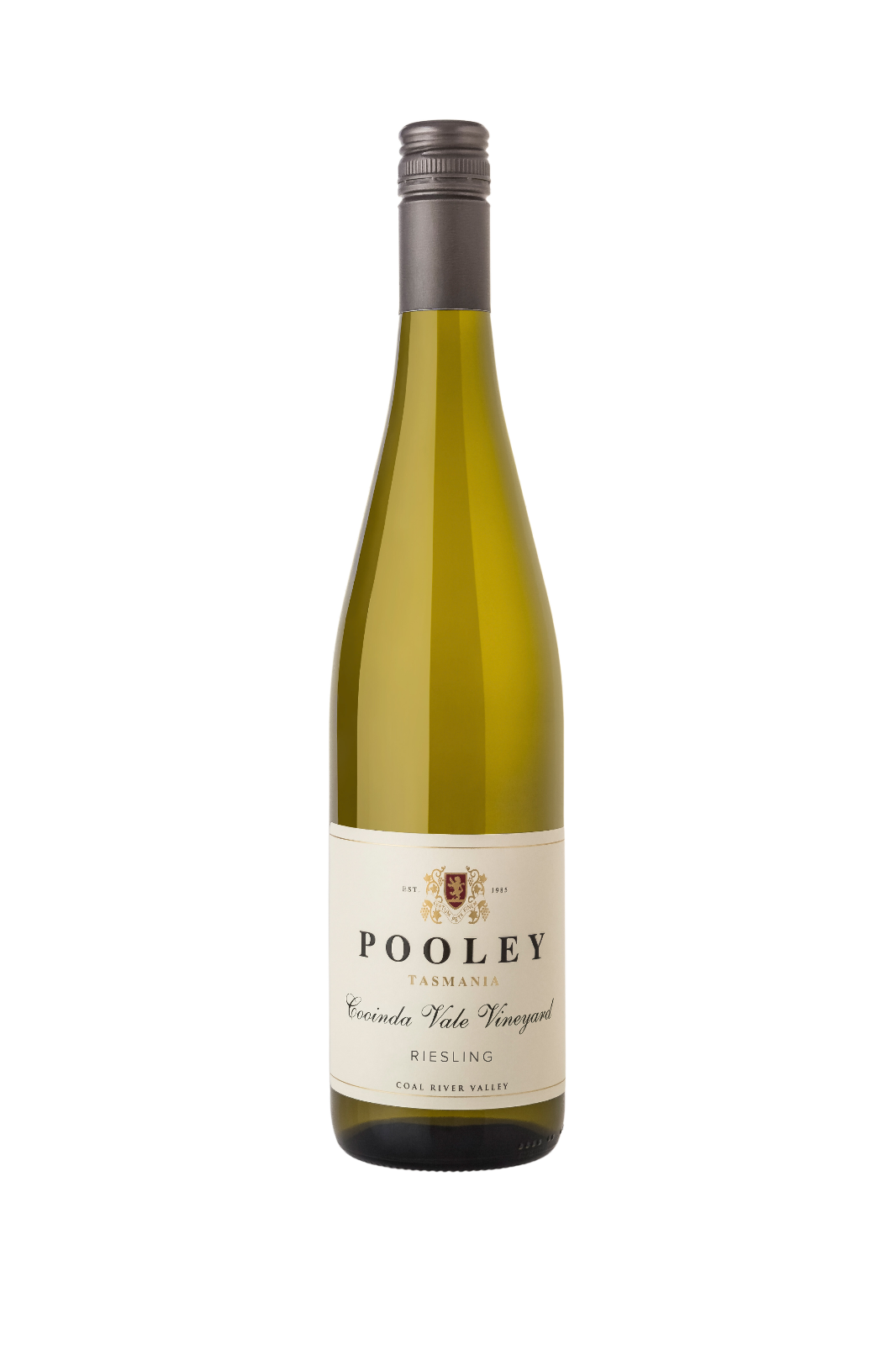
Pooley Cooinda Vale Riesling 2023
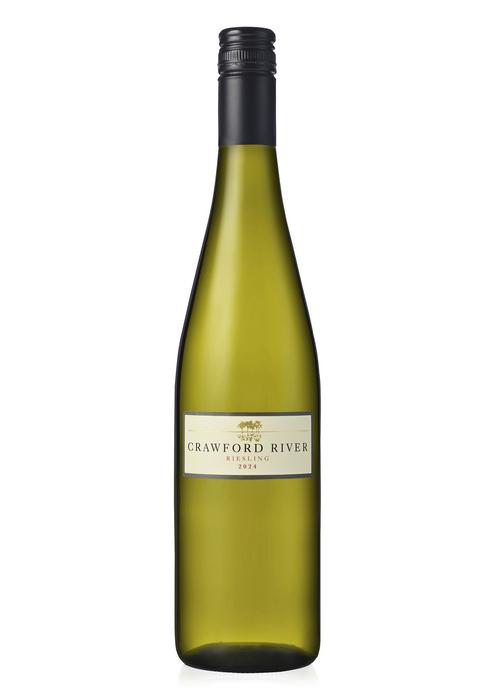
Crawford River Riesling 2024
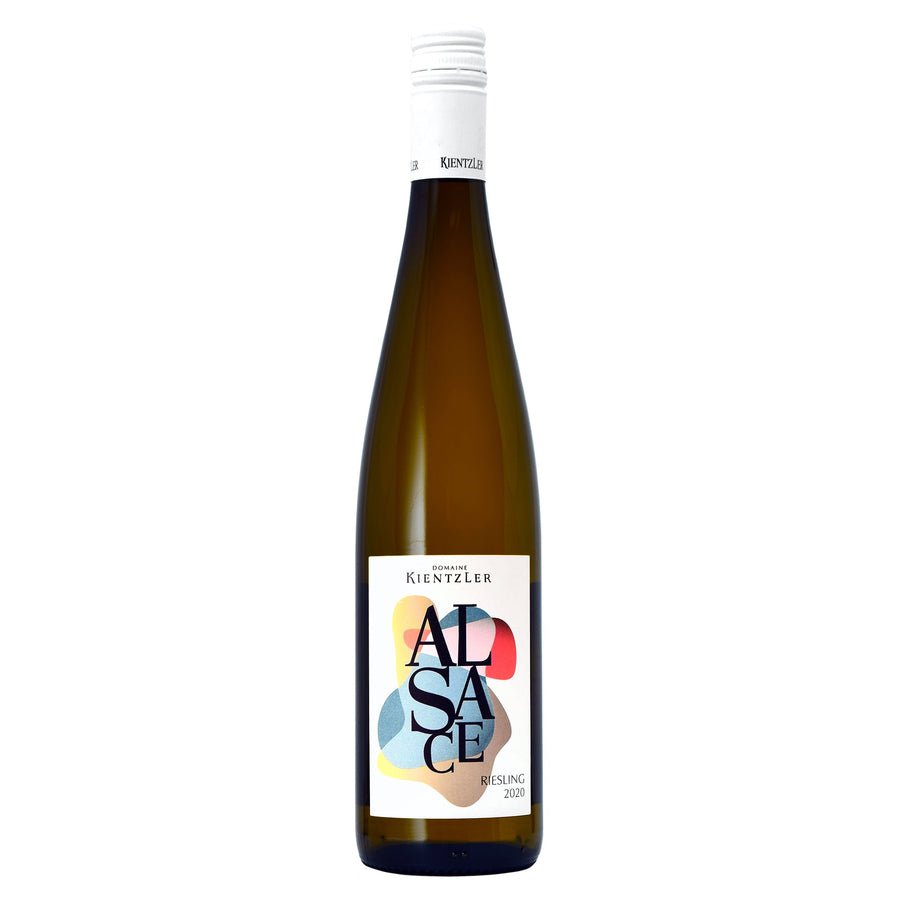
Kientzler Riesling 2022
Crawford River Strata Riesling 2024
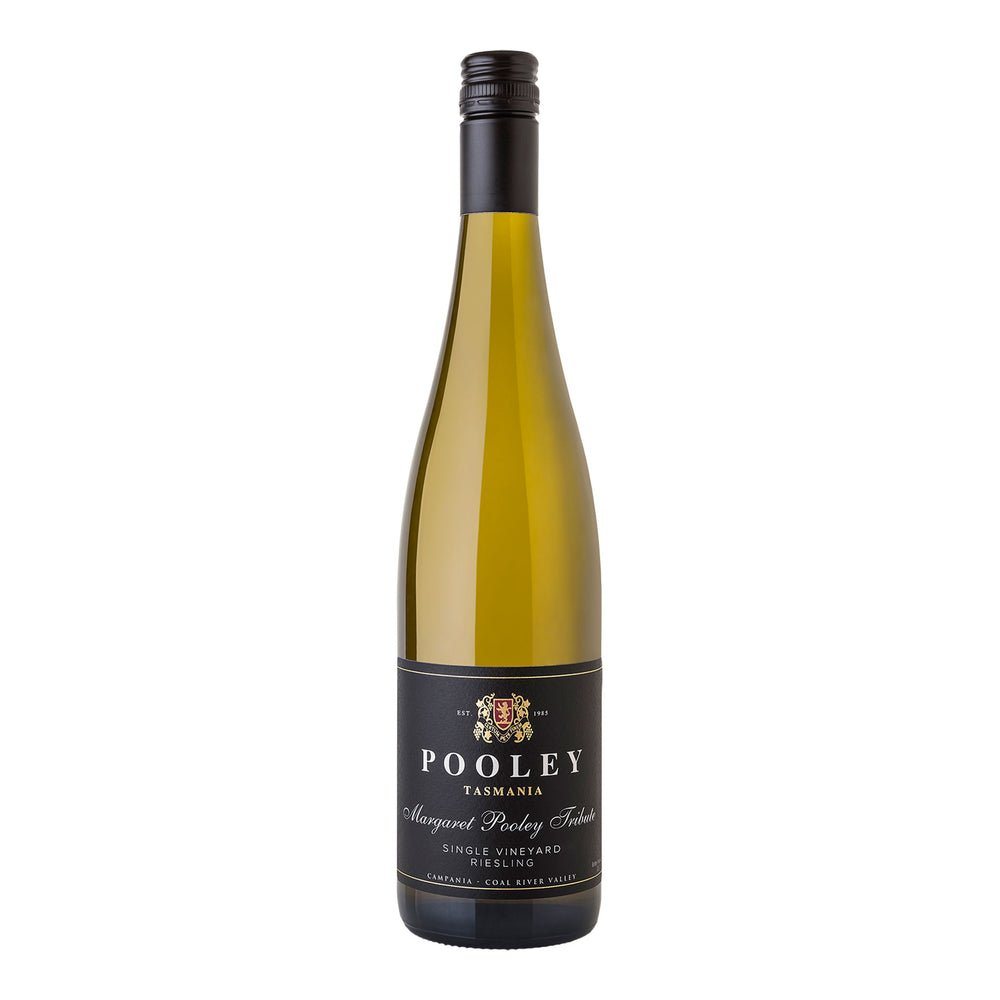
Pooley Margaret Pooley Tribute Riesling 2022
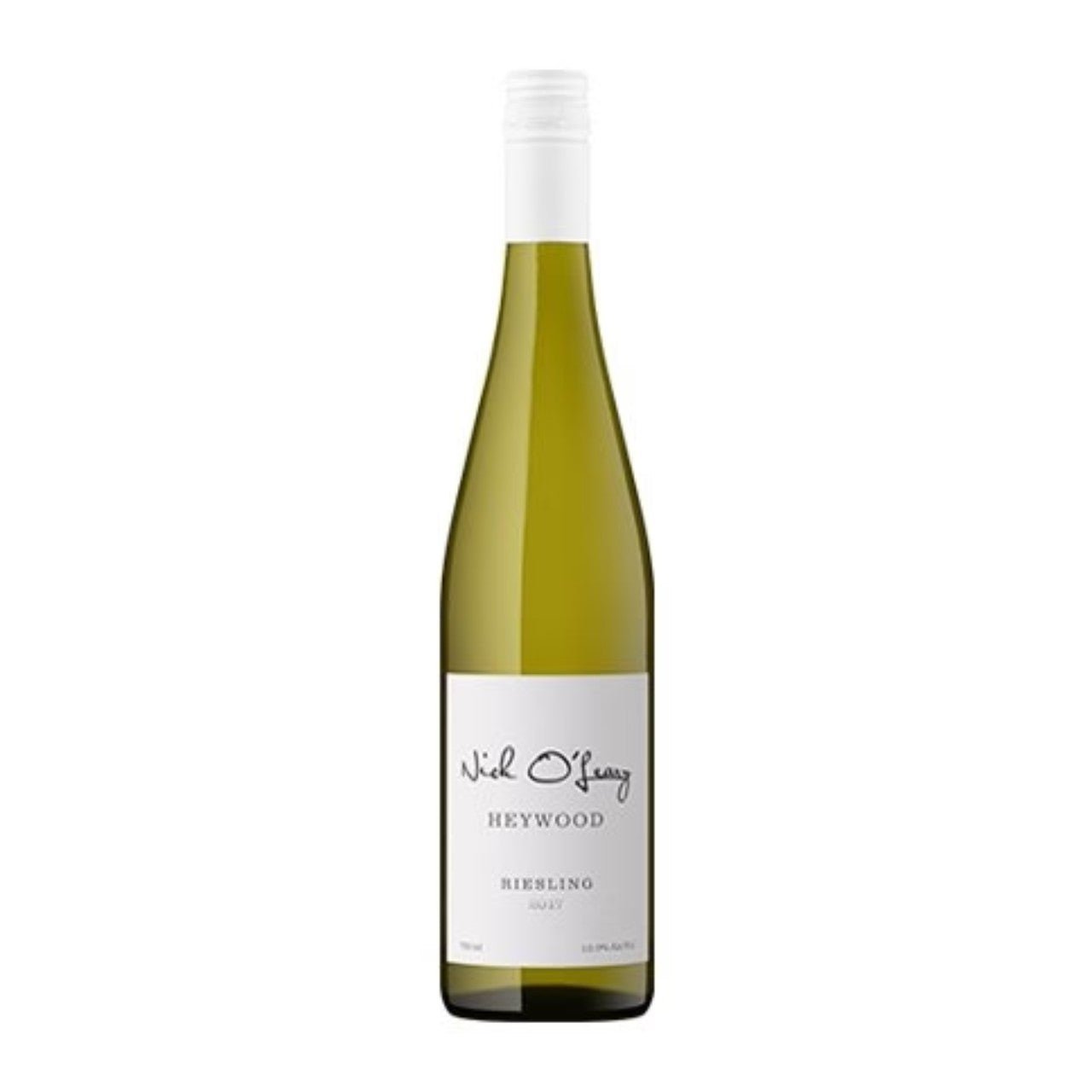
Nick O'Leary Riesling 750ml
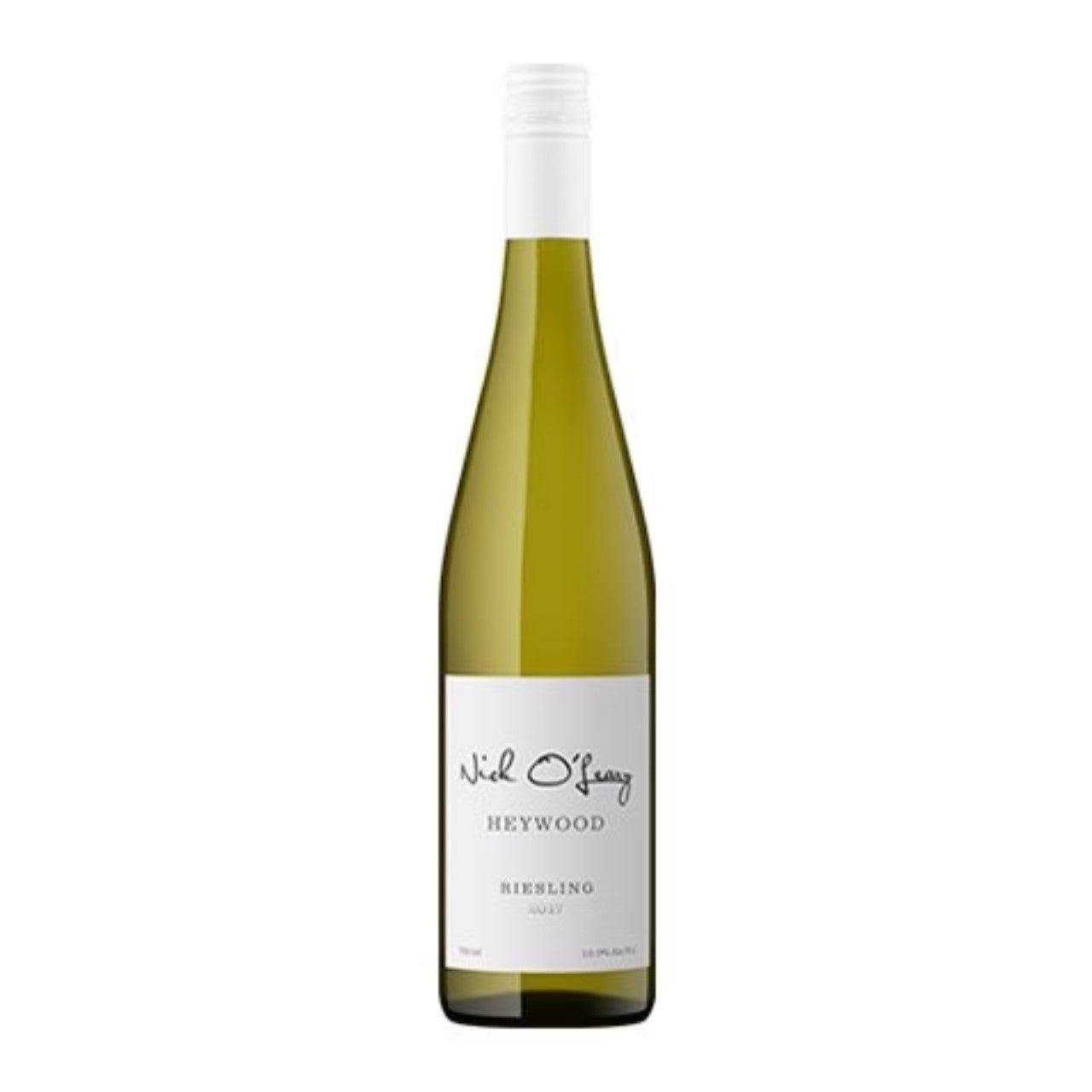
Nick O'Leary Heywood Riesling 750ml
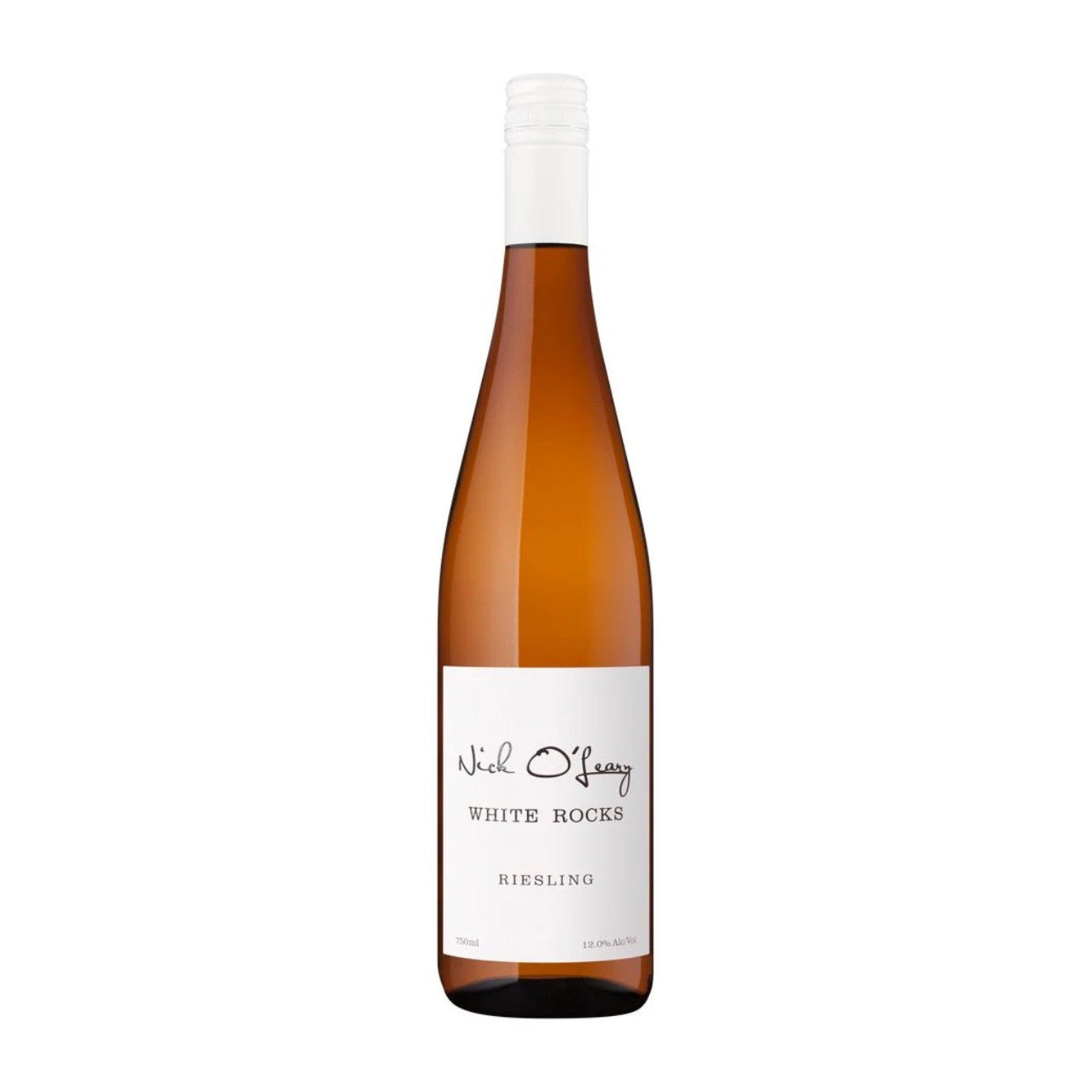
Nick O'Leary White Rocks Riesling 750ml
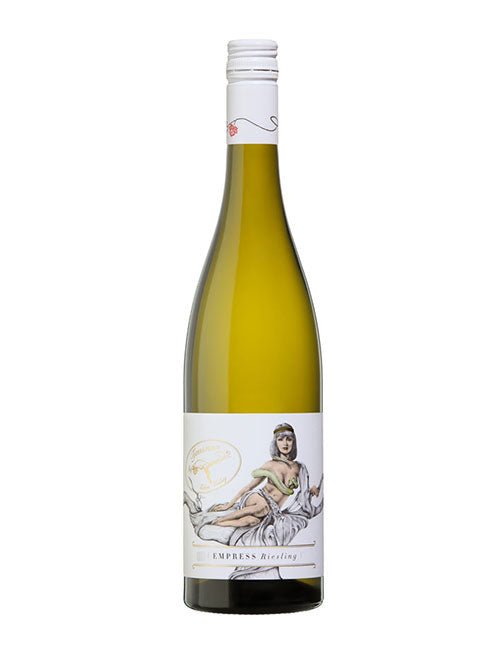
Teusner Empress Riesling 2023
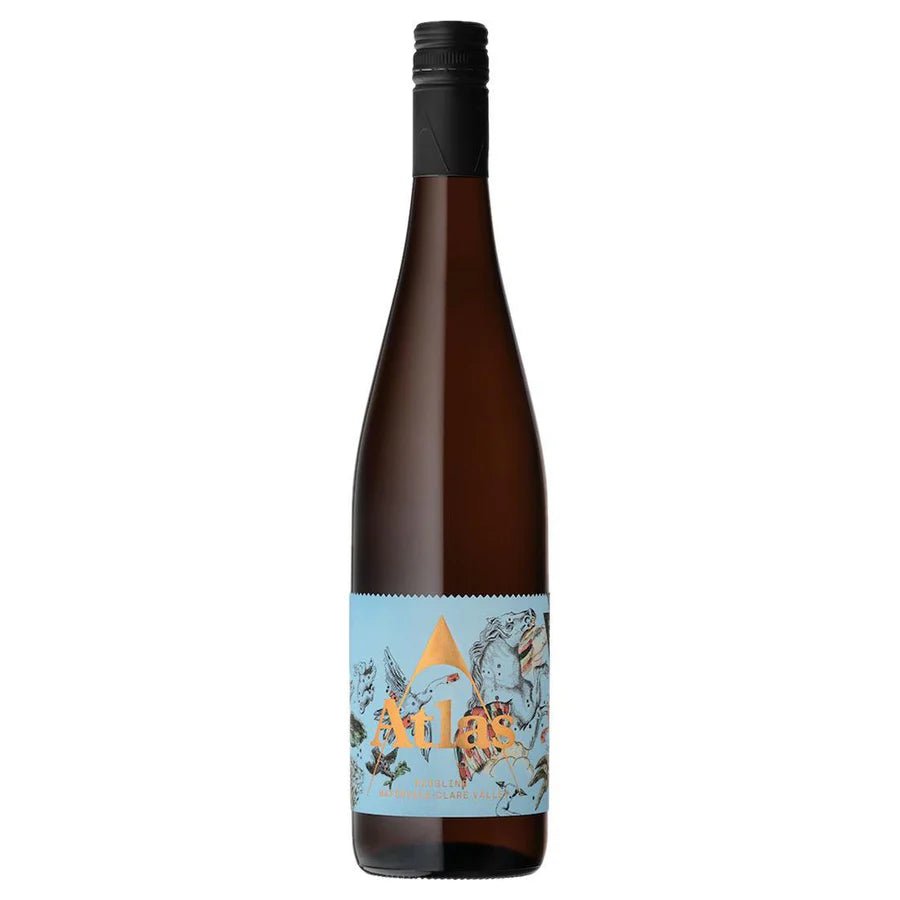
Atlas Watervale Riesling
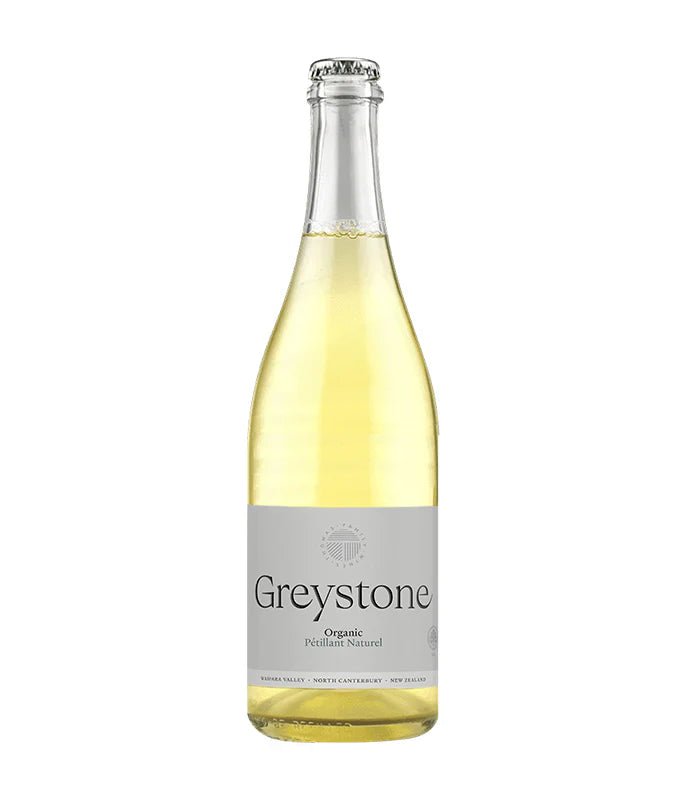
Greystone Petillant Naturel 2022
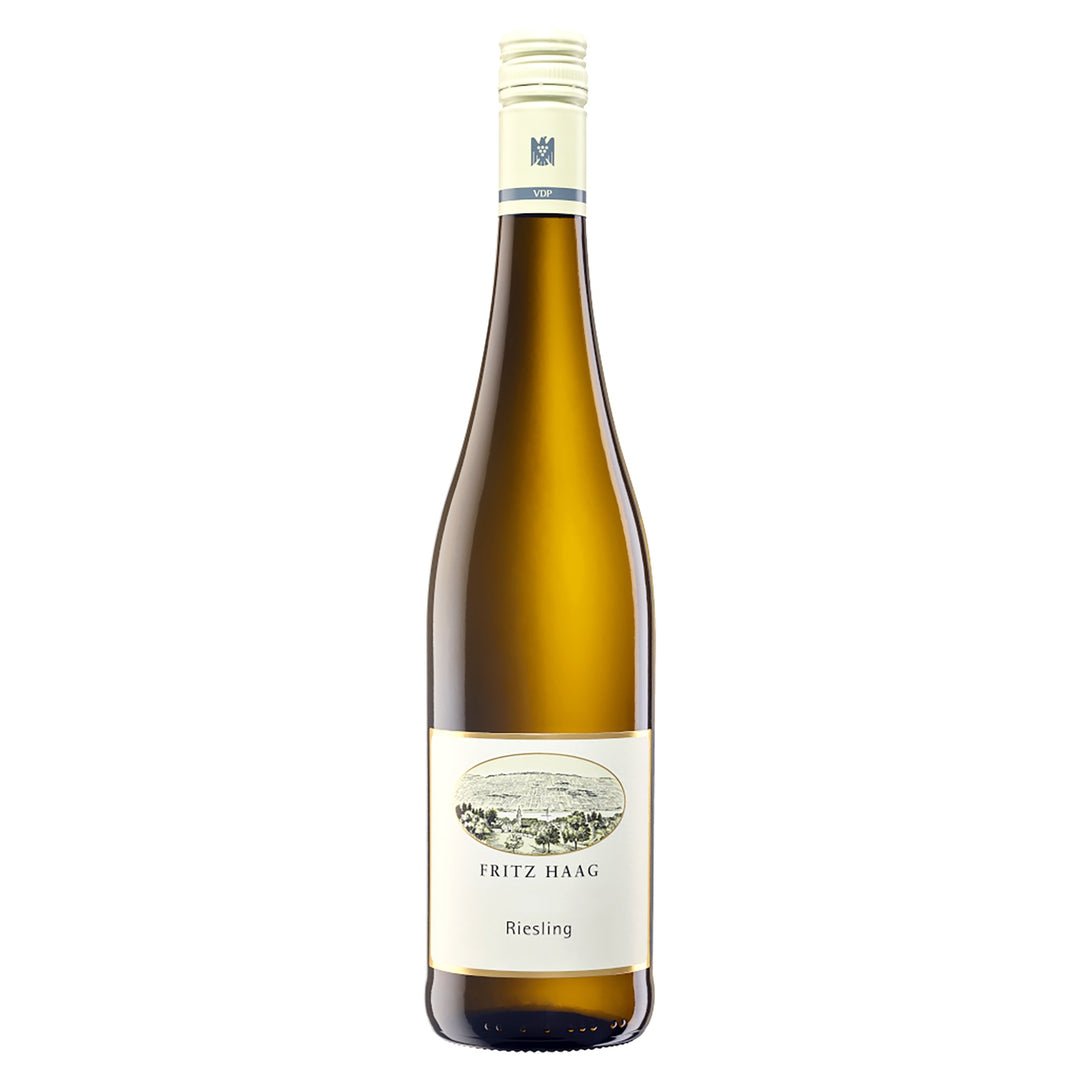
Fritz Haag Riesling Feinherb 2022
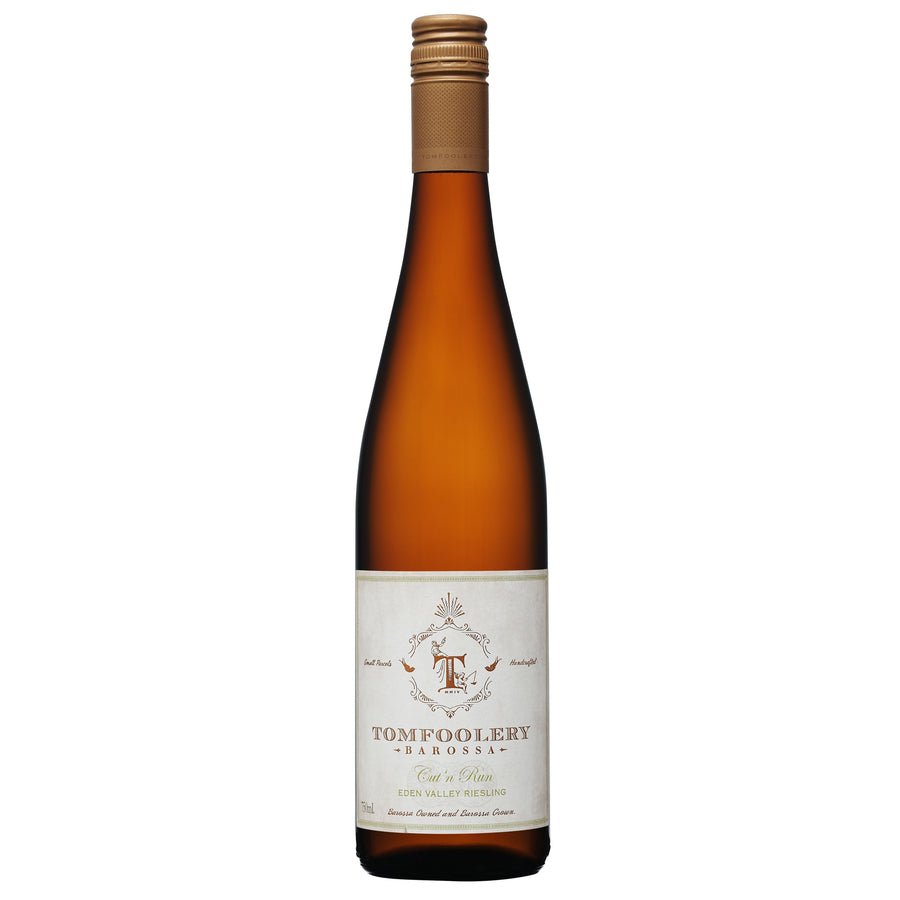
Tomfoolery Cut n Run Riesling 2024
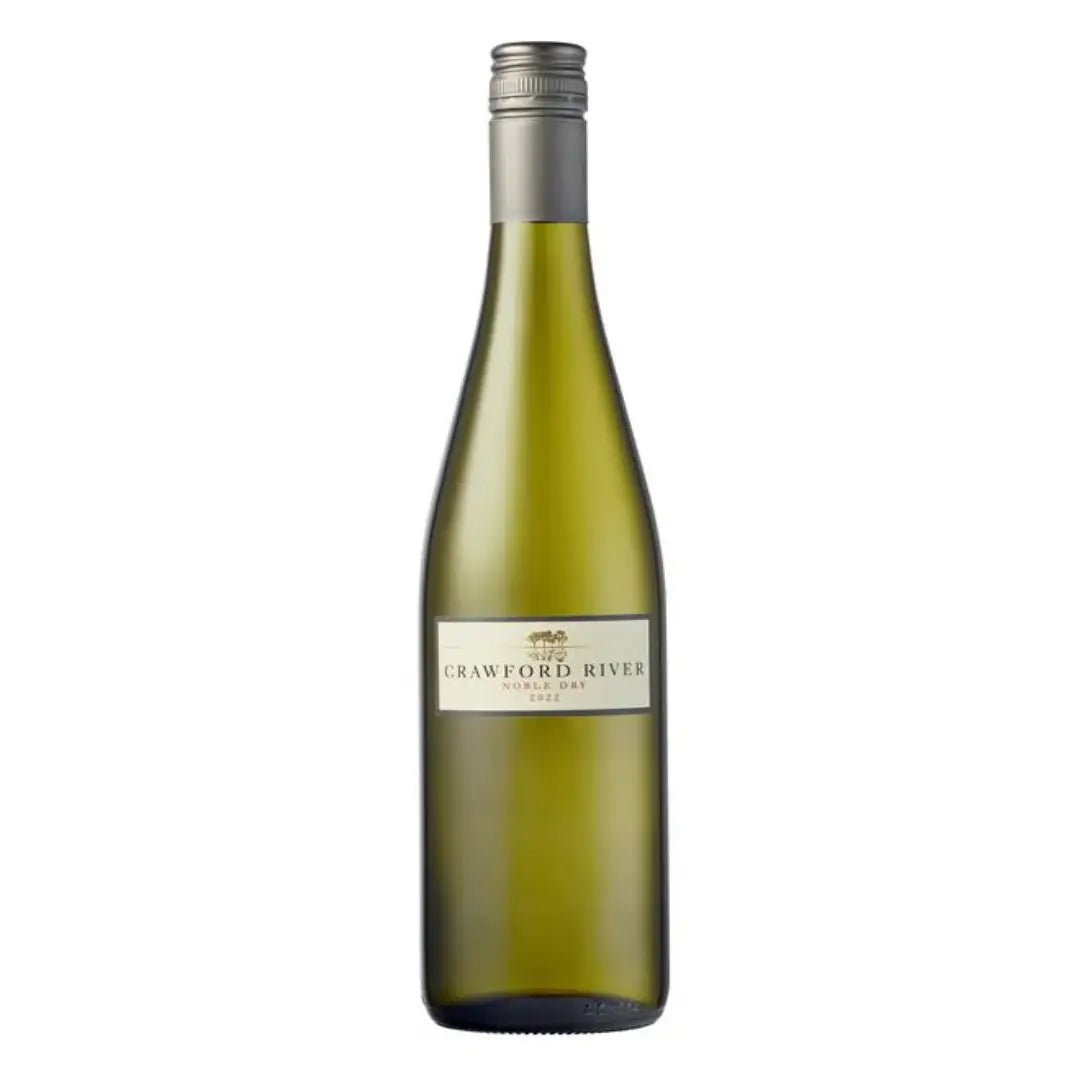
Crawford River Noble Dry Riesling 2022
About Riesling
Australian Riesling is the strength here, and it is organised by the regions that actually define it.
Clare Valley comes through Vickery, whose Watervale and Eden Valley bottlings and The Reserve are made by one of the people most responsible for the modern Australian style. Eden Valley is covered by Hutton Vale, Schild Estate and Teusner's Empress.
Tasmania is unusually deep: Pooley from the Coal River Valley across Butcher's Hill, Cooinda Vale and the Margaret Pooley Tribute, plus bubb+pooley and Riversdale.
The Great Southern in Western Australia comes through Castle Rock's Porongurup and Diletti bottlings, which is one of the coolest Riesling sites in the country. Nick O'Leary covers Canberra with three separate wines, and Crawford River works in Henty in far western Victoria, including a Noble Dry and the Strata.
Leeuwin, Reschke, Paringa Estate, Pizzini and Silent Noise fill in the rest.
Germany is represented by Fritz Haag from the Mosel and Dr Burklin-Wolf from the Pfalz. Alsace comes through Mader, including a Rosacker Grand Cru, and Kientzler. Greystone brings Omihi from New Zealand.
History
Riesling is a German grape, first recorded in the Rheingau in 1435, and it remains the variety most closely tied to a sense of place. It is late ripening, hardy in cold winters and almost transparent to soil and site, which is why two Rieslings from vineyards a few hundred metres apart can taste noticeably different.
Silesian and German settlers brought it to South Australia in the nineteenth century, and it became the country's most planted white grape long before Chardonnay existed here in any quantity. The Clare and Eden Valleys, both with altitude and cold nights, turned out to suit it exactly.
The Australian style diverged sharply from the German one. Where Mosel Riesling is often off dry with low alcohol and high acid, the Australian style is bone dry, taut and built on lime and slate rather than peach and honey.
Screwcaps changed things again. Australian producers moved to them early and comprehensively, and the reason was Riesling: the wine ages beautifully but is ruined by cork taint and premature oxidation. Aged Australian Riesling under screwcap develops toast and kerosene notes that are prized rather than faults.
How to drink it
Serve Riesling at 8 to 10 degrees. Colder than that and you lose the aromatics; warmer and dry Riesling can feel thin.
Use a normal white wine glass. A tall narrow flute is wrong for it.
Dry Australian Riesling is one of the best food wines there is. Oysters, sashimi, fish and chips, Thai and Vietnamese food, roast chicken with lemon. The acid cuts fat and the absence of oak means it does not fight chilli or ginger, which is where most white wine fails.
Off dry German Riesling is even better with heat. A little residual sugar against a hot curry is one of the great pairings and it is badly underused in Australia.
Sweeter styles, including the noble wines, belong with blue cheese or fruit tart rather than dessert on their own.
Riesling ages better than almost any white wine. A good Clare or Eden Valley bottle at ten years is a completely different and arguably better drink than at one. If you buy two, drink one now and forget the other.