
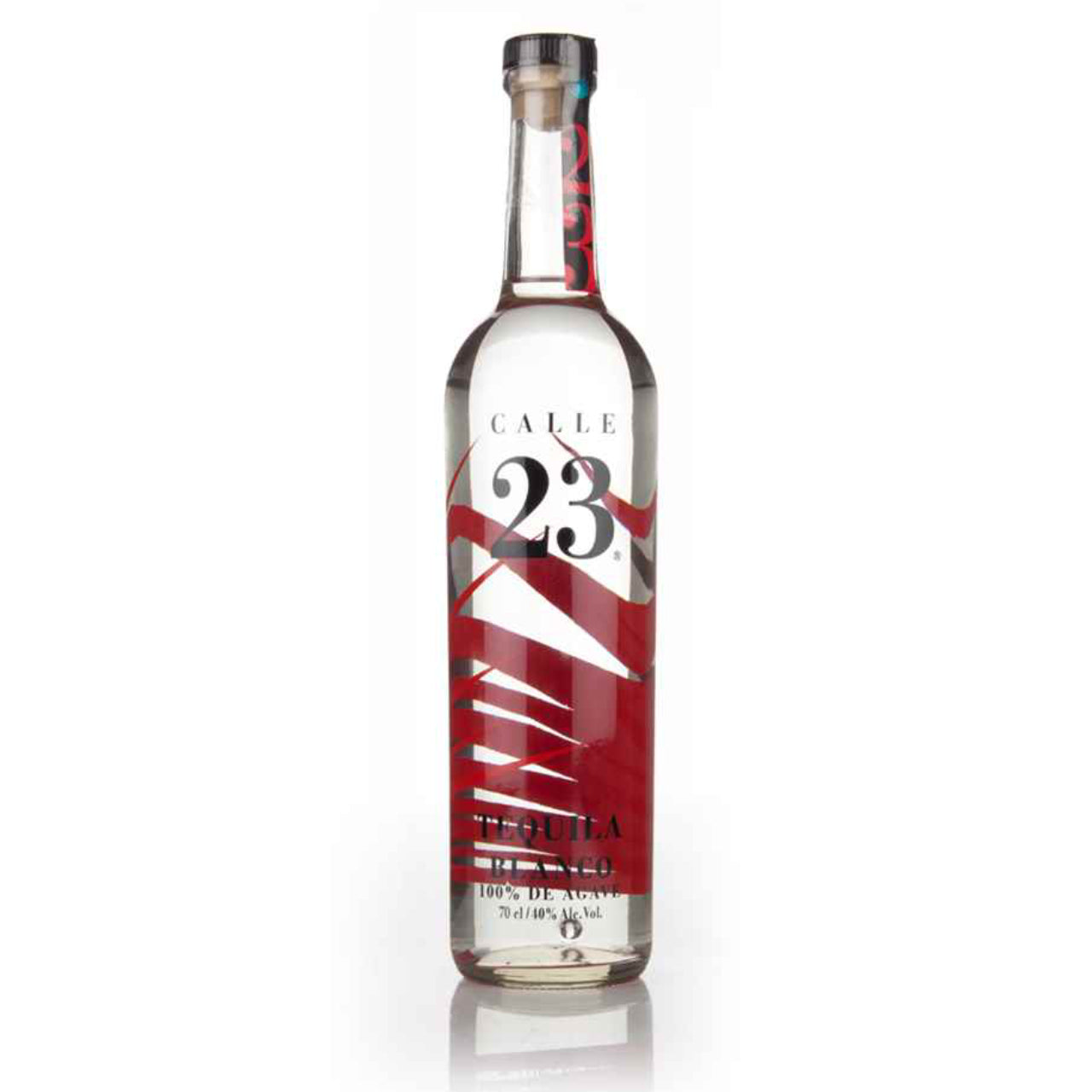
Calle 23 Blanco Tequila
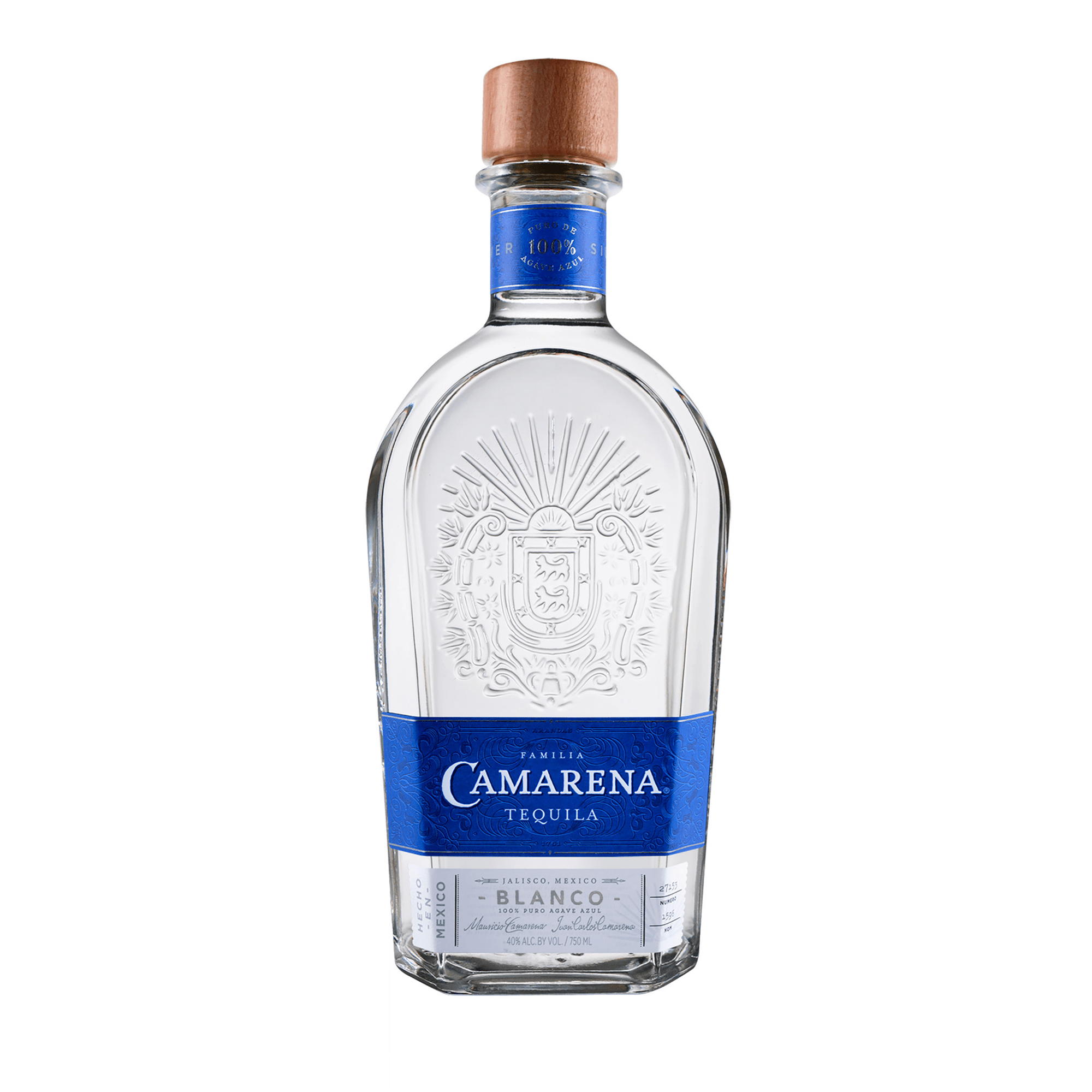
Camarena Blanco Tequila
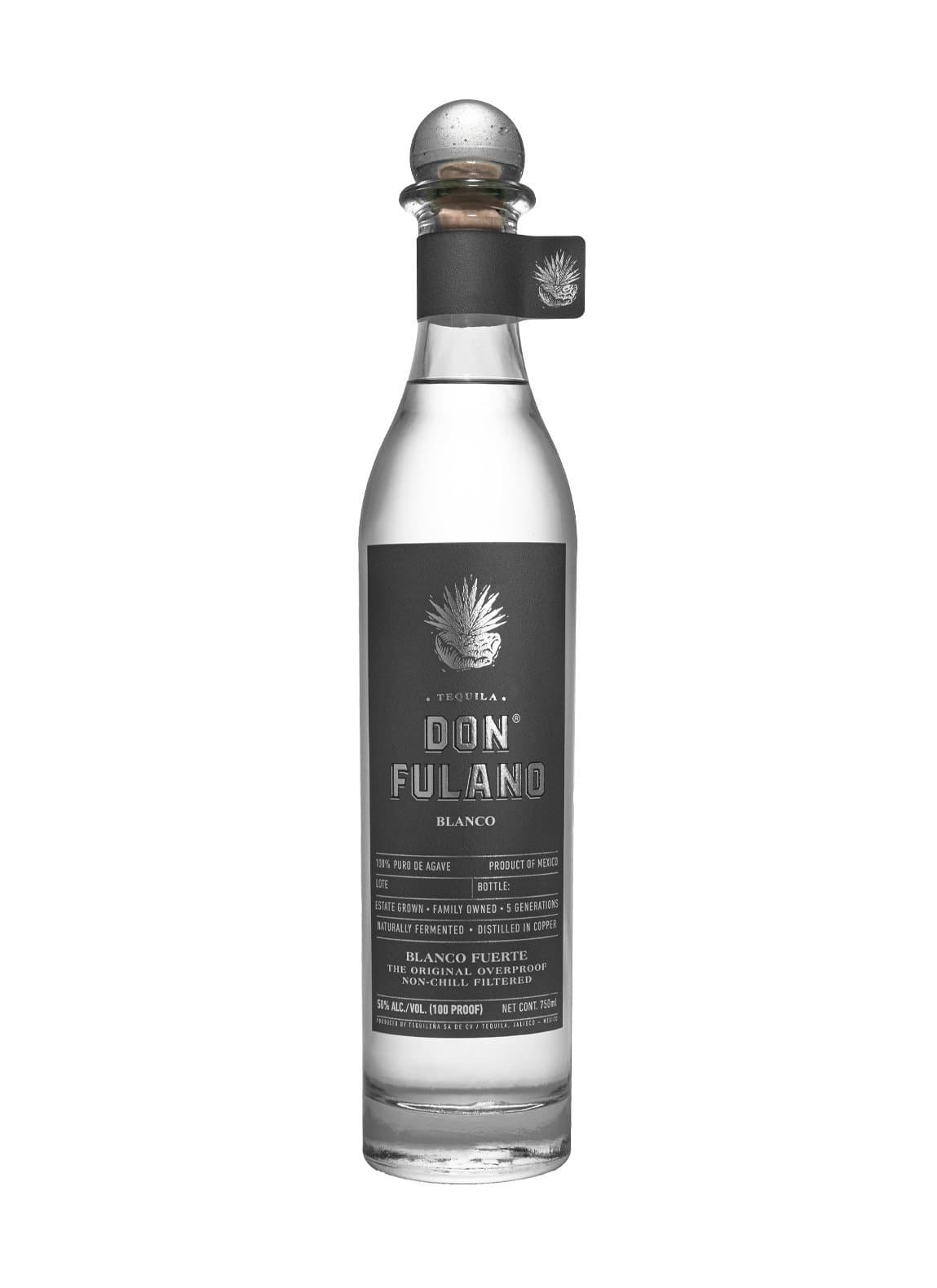
Don Fulano Fuerte 100 Proof Blanco Tequila 50% 700ml
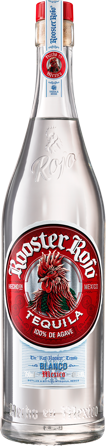
Rooster Rojo Tequila Blanco 38% 700ml
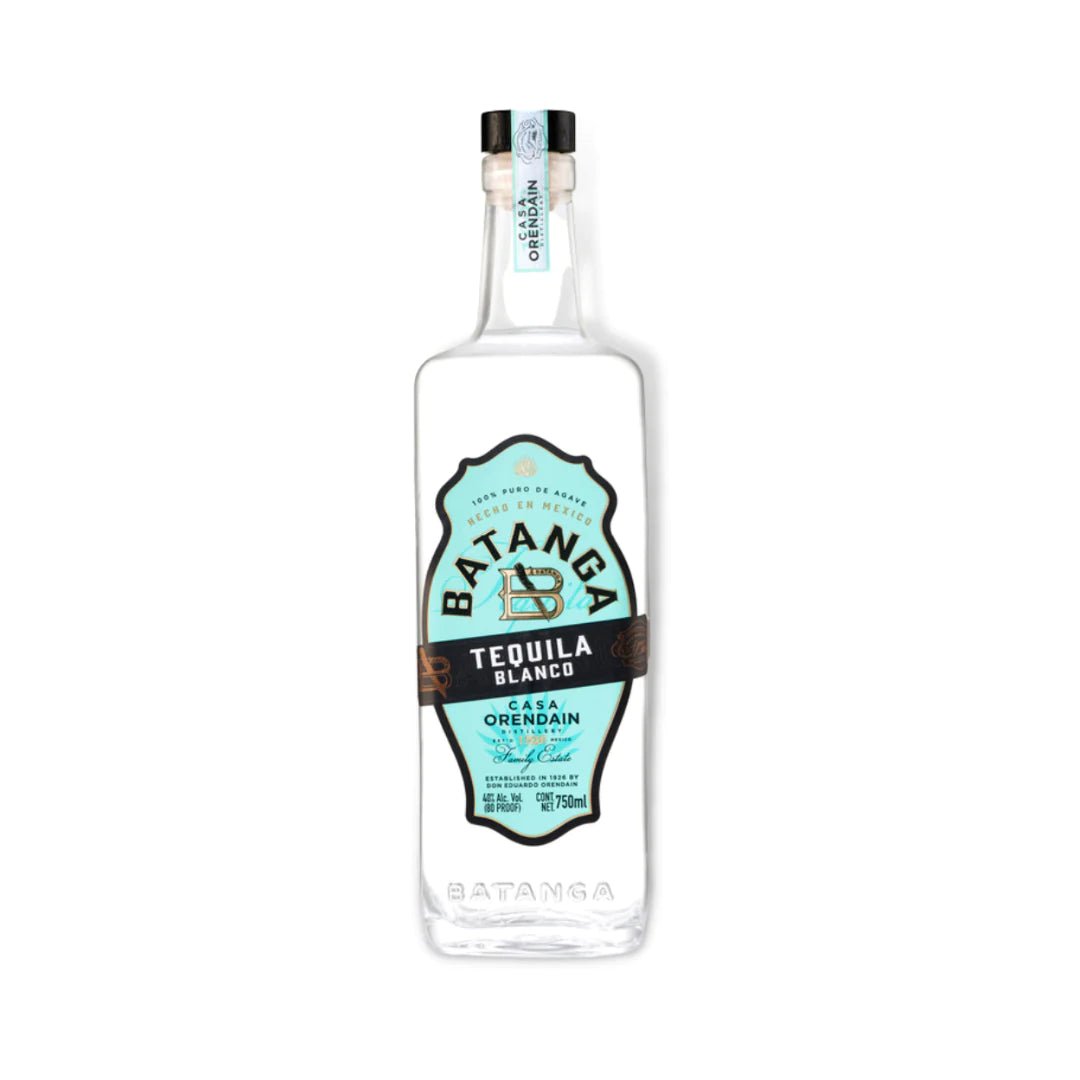
Batanga Blanco Tequila
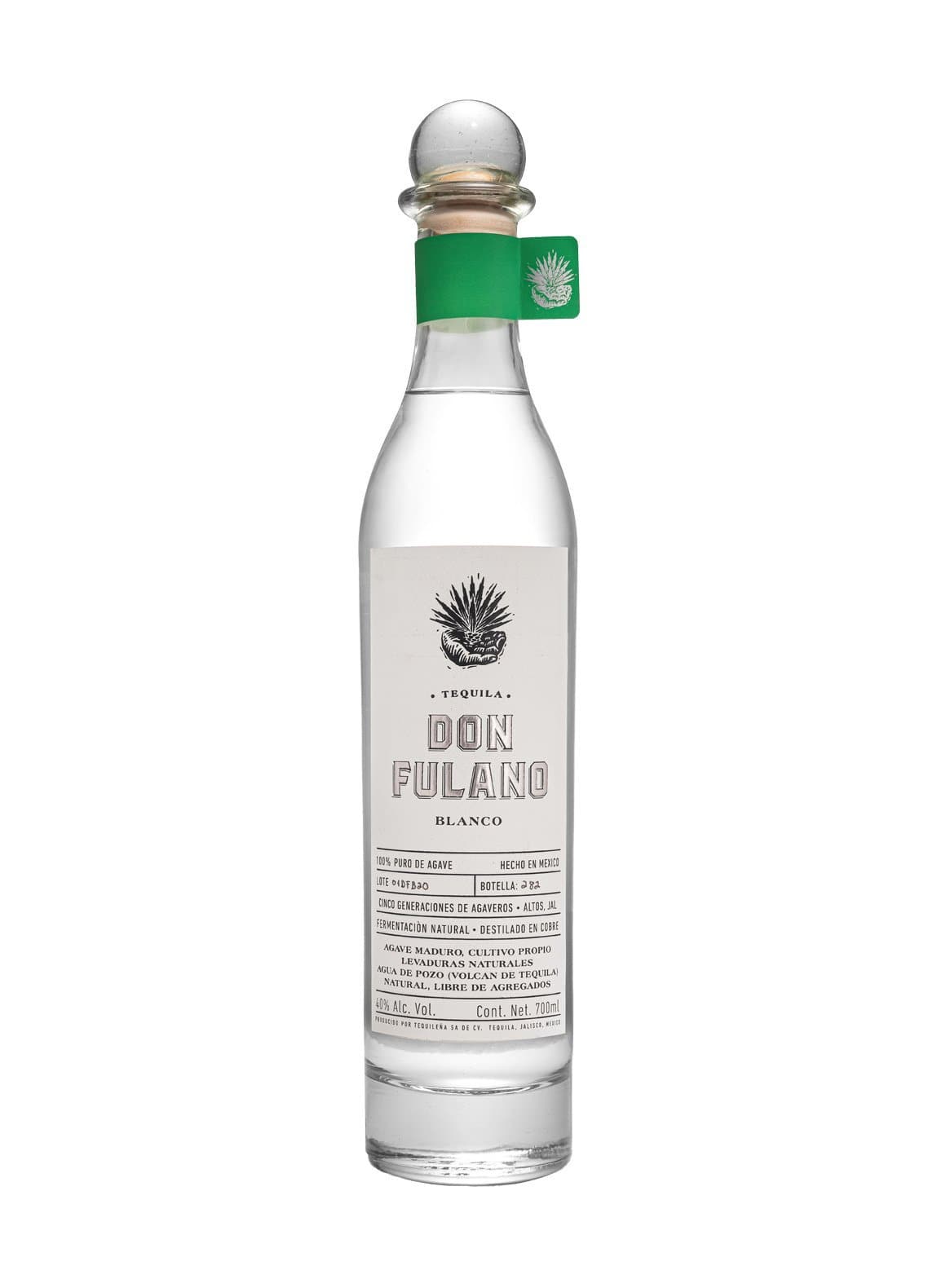
Don Fulano Blanco Tequila 40% 700ml
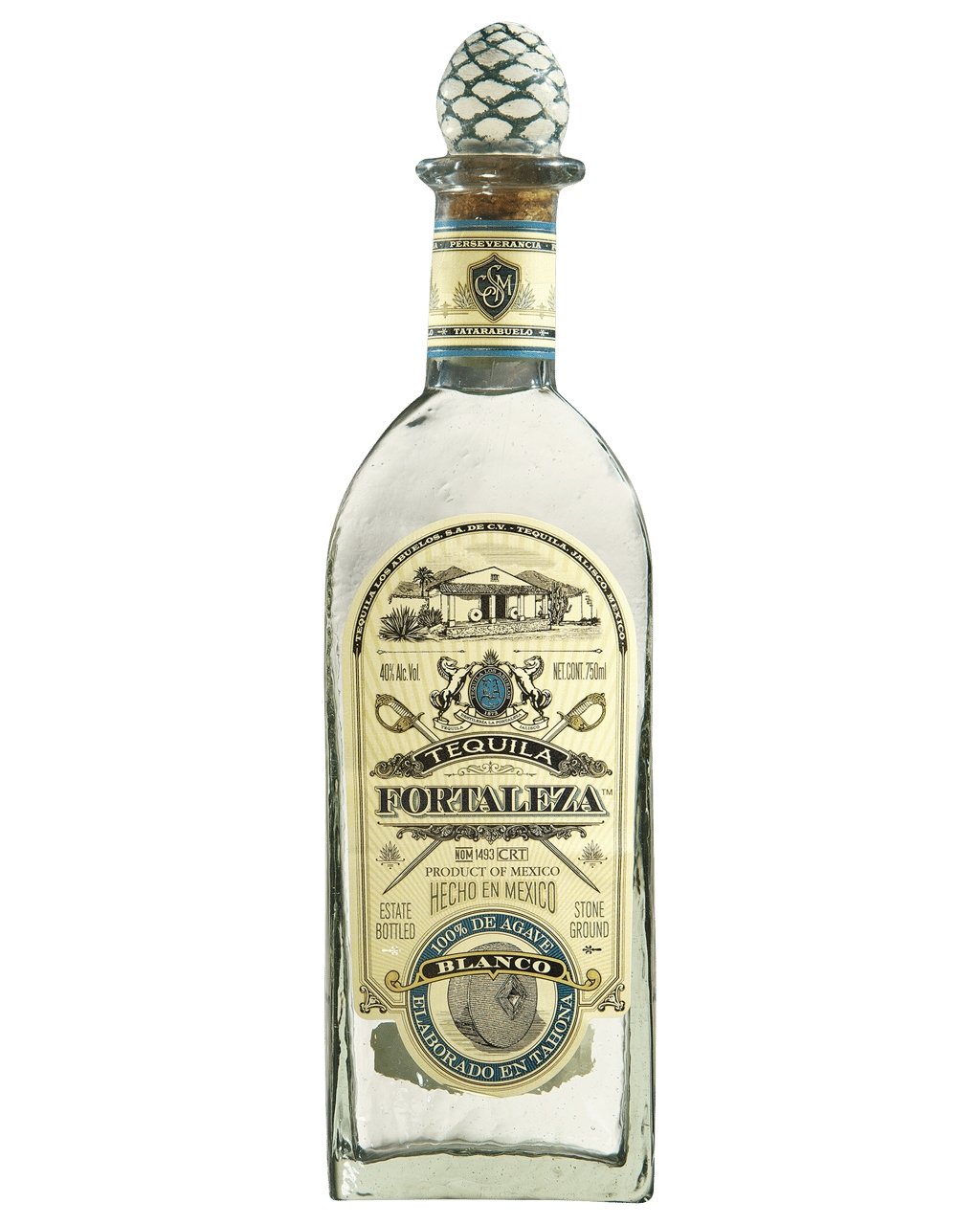
Fortaleza Blanco Tequila
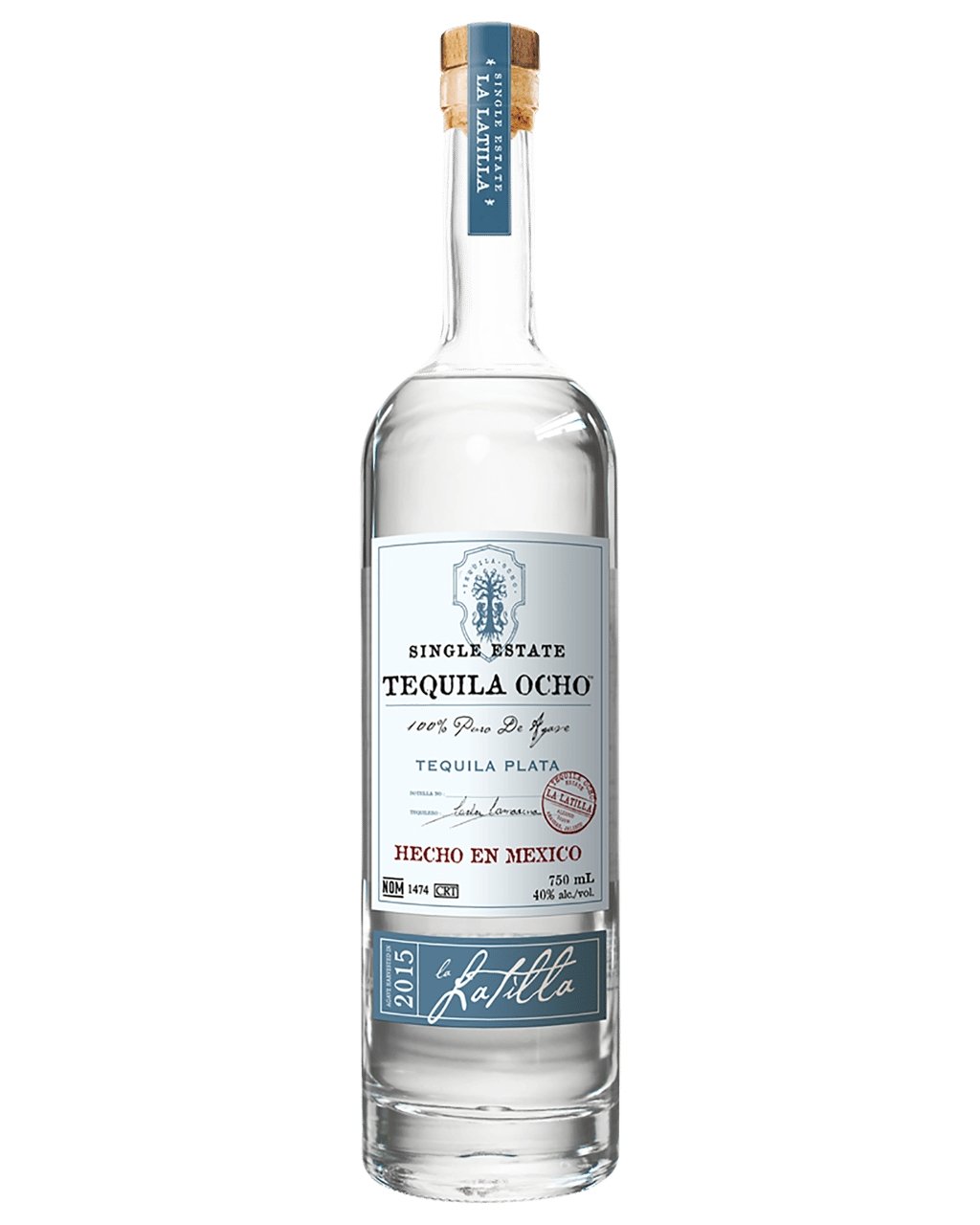
Ocho Blanco (Plata) Tequila
About Blanco Tequila
Blanco, also sold as plata or silver, is tequila bottled without ageing or after only a few weeks in stainless steel. There is no barrel to lean on, which makes it the honest category. If the agave was cooked badly or the cuts were sloppy, you will taste it. Done well it is bright and green, with cooked agave, white pepper, lime peel and a clean mineral finish.
This page carries the working bottles and the serious ones. Calle 23 Blanco is a highland tequila built by a biochemist who ferments with selected yeast strains, and it is one of the better bar blancos anywhere. Camarena Blanco is the everyday margarita bottle. Don Fulano Fuerte is bottled at 50 per cent, and that extra strength is the reason it holds its shape in a drink instead of disappearing under lime. Rooster Rojo Blanco sits at the softer end. Ocho and Fortaleza appear here too when available.
For what oak does to the same spirit, compare the reposado and anejo pages, or move sideways into smoky mezcal. Everything is delivered across Australia (exc. NT).
What 100% agave really means, how additives are allowed, and why highland and lowland agave taste different are set out in our blanco tequila guide.
History
Agave spirits in Jalisco go back to the Spanish arrival, when locals who had long fermented agave sap into pulque were shown the still. The town of Tequila gave the drink its name, and by the nineteenth century family distilleries there were shipping it north. The denomination of origin arrived in 1974 and now covers all of Jalisco plus municipalities in Guanajuato, Michoacan, Nayarit and Tamaulipas.
The process is the same everywhere and the choices inside it are what differ. Weber blue agave takes six to eight years in the ground before the leaves are cut away and the pina, the heart, is harvested. That heart is cooked to turn its inulin into fermentable sugar, either slowly in brick ovens or faster in stainless autoclaves, then crushed, fermented and twice distilled.
Two divides matter on the shelf. Highland agave from Los Altos, where Calle 23 sources, grows in red iron rich soil and tends to give sweeter, more floral spirit. Valley agave near the town of Tequila gives something drier and more peppery. The second divide is the diffuser, a high pressure shredding and extraction machine adopted for yield since the 1990s. It is legal and common, and the producers on this page who avoid it say so, because the difference in the glass is real.
How to drink it
Blanco is best cool but not frozen, roughly twelve to sixteen degrees. Straight from the freezer it goes mute. Pour it into a copita, a small tulip or a proper tequila glass and give it a minute in the glass before the first sip, since the alcohol needs a moment to blow off.
It is also the cocktail category. A margarita wants two parts tequila, one lime, three quarters of a part orange liqueur, and it wants a blanco with enough strength to survive the dilution, which is where Don Fulano Fuerte at 50 per cent earns its place. A Paloma is simpler still, blanco with grapefruit soda, lime and salt. For sipping neat, try it with ceviche, oysters, grilled prawns, fresh goat cheese or anything with lime and coriander in it.
Unaged spirit is stable, so an open bottle will sit happily for a year or more, though the fresh top notes fade after six months. Keep it upright and out of sunlight. If you are buying one bottle, Camarena Blanco covers the cocktail duties, while Calle 23 rewards drinking neat. The liqueurs range covers the orange half of a margarita.