
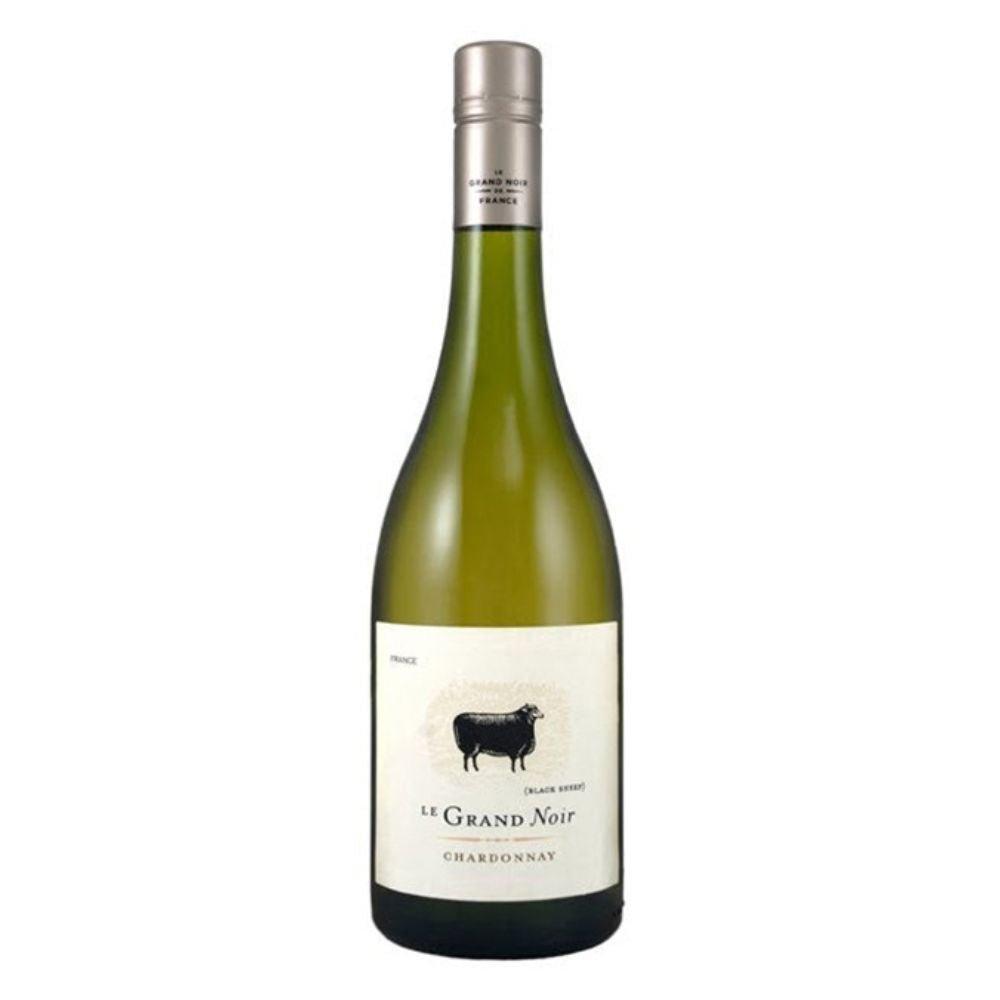
Le Grand Noir Chardonnay
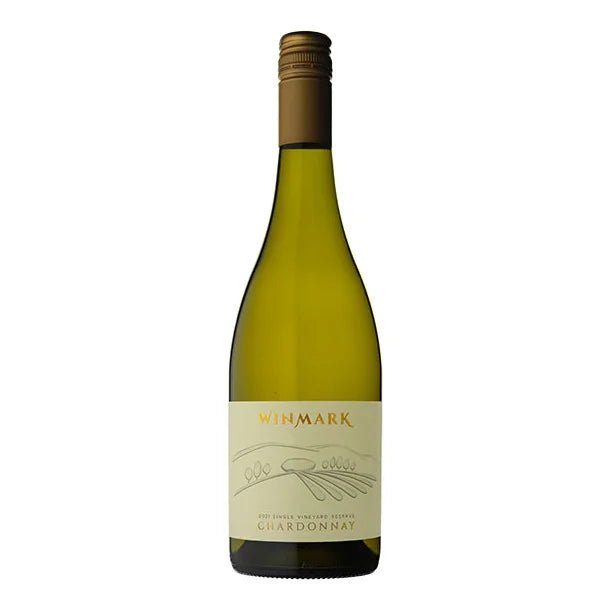
Winmark Single Vineyard Reserve Chardonnay 2022
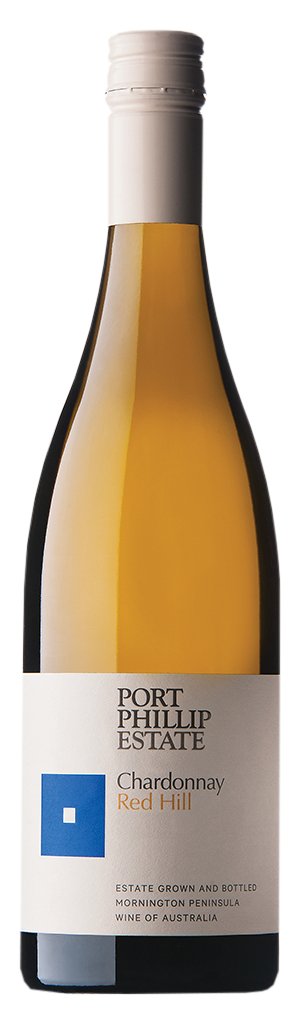
Port Phillip Estate Red Hill Chardonnay
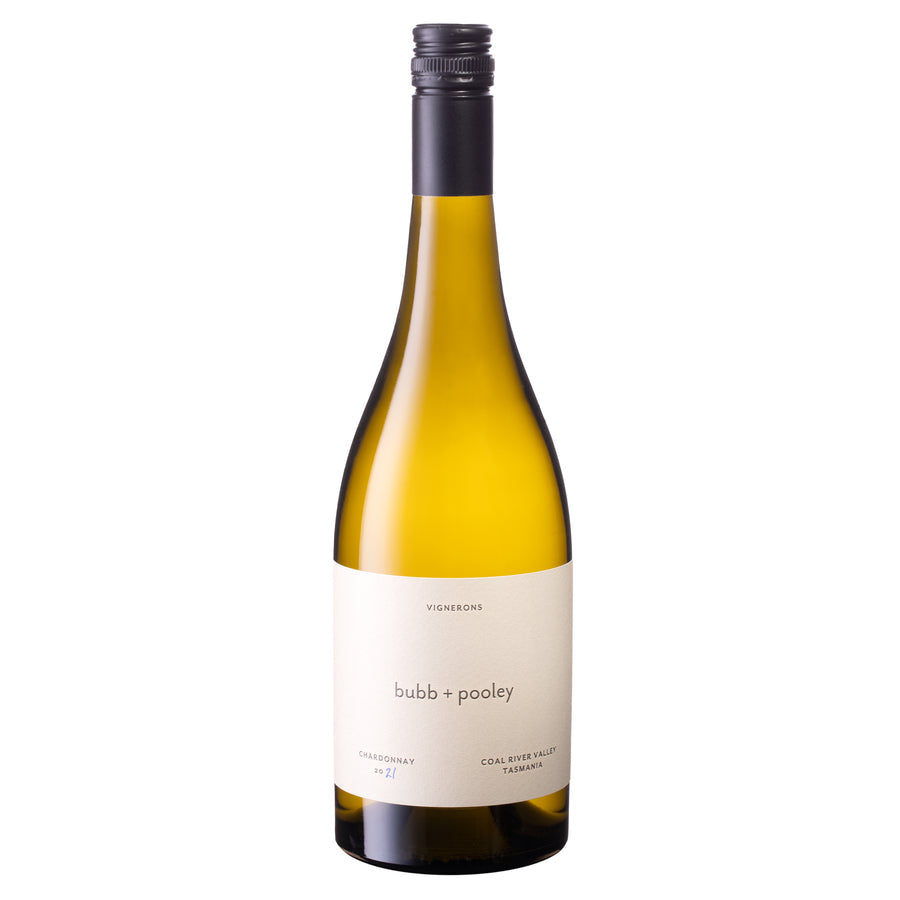
bubb+pooley Chardonnay 2024
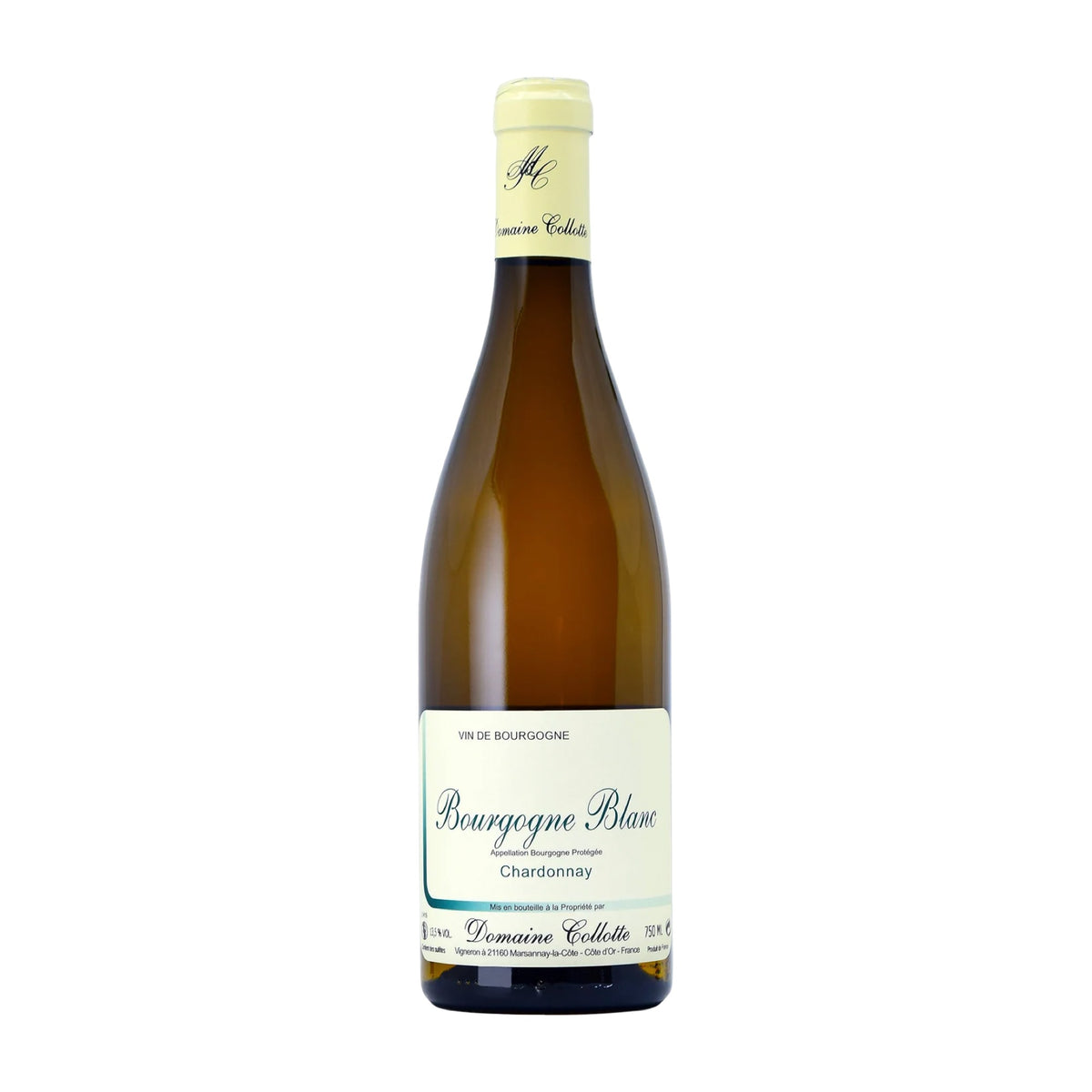
Domaine Collotte Bourgogne Blanc 2024
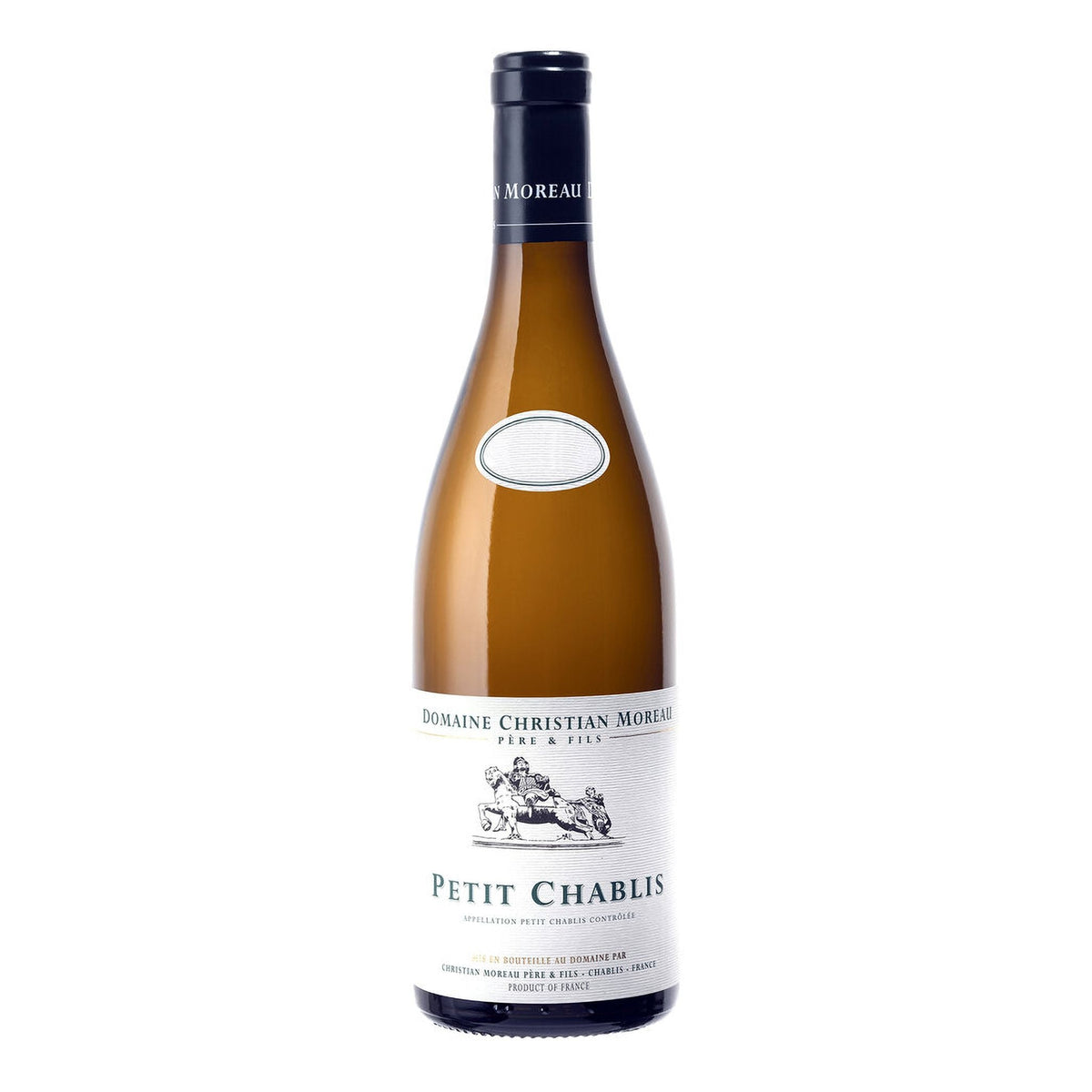
Christian Moreau Petit Chablis 2025
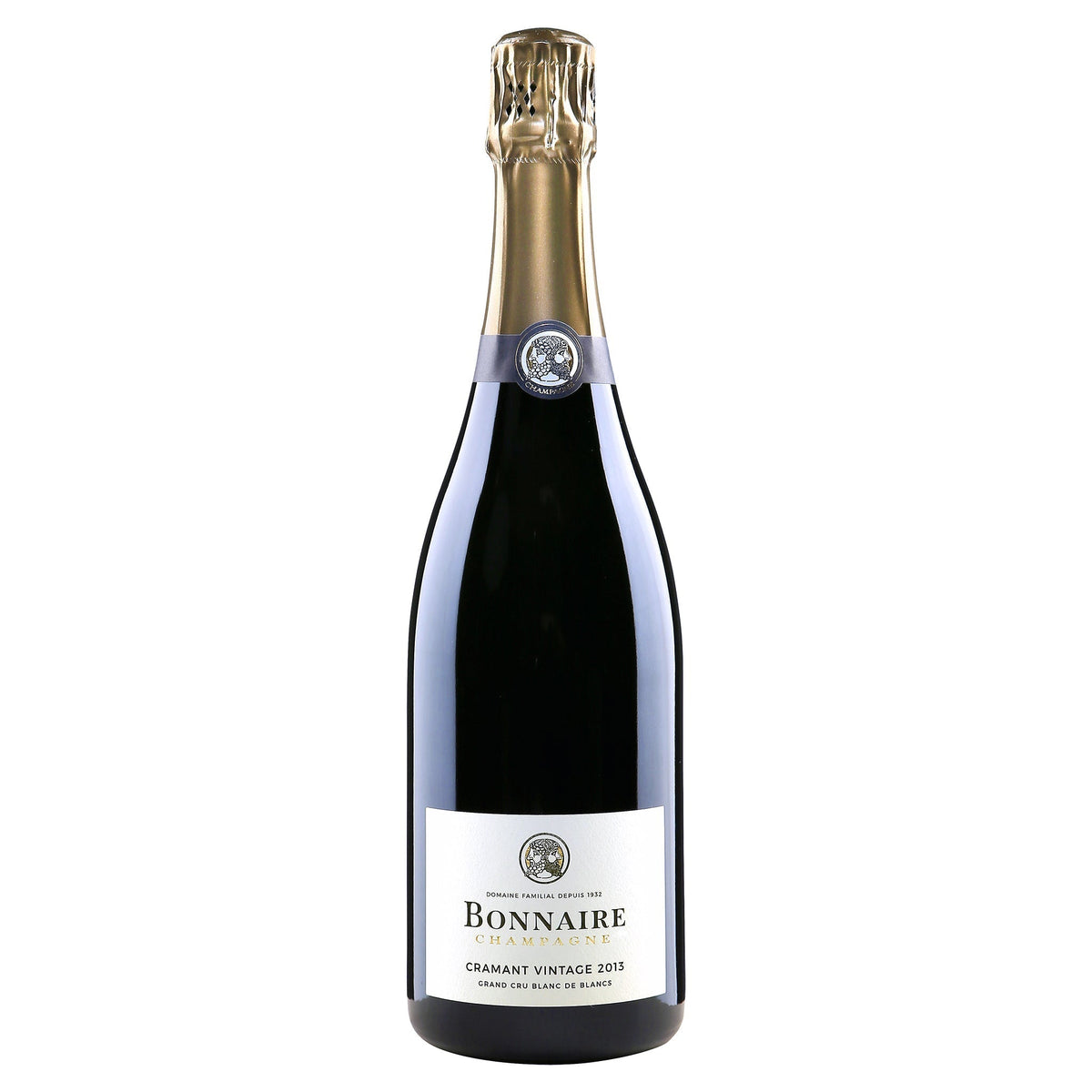
Bonnaire Cramant Grand Cru Blanc de Blancs 2014
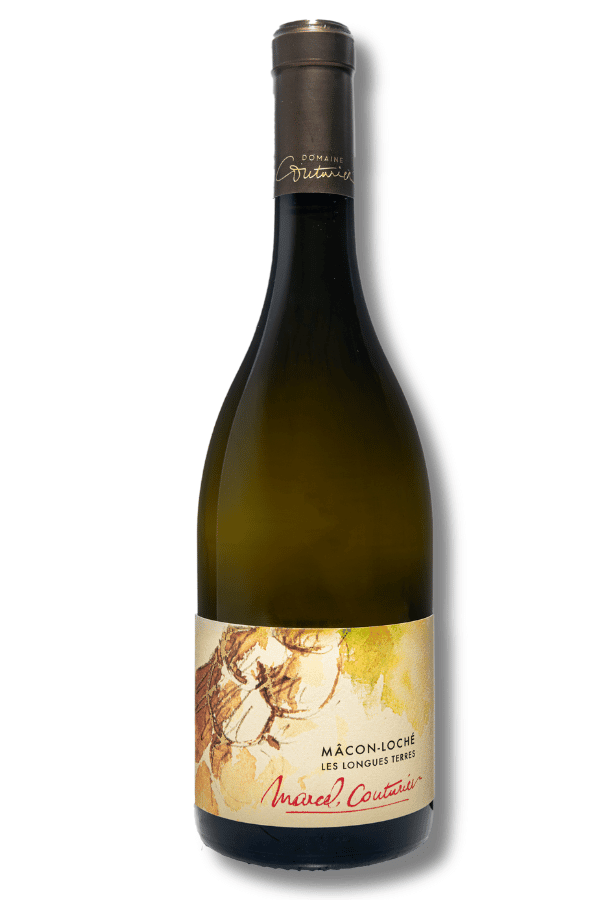
Marcel Couturier Macon-Loche Les Longues Terres 2023
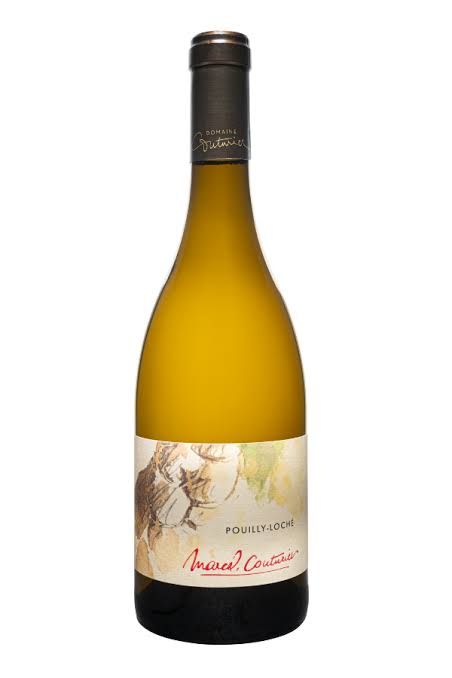
Marcel Couturier Pouilly-Loche Le Bourg 2023
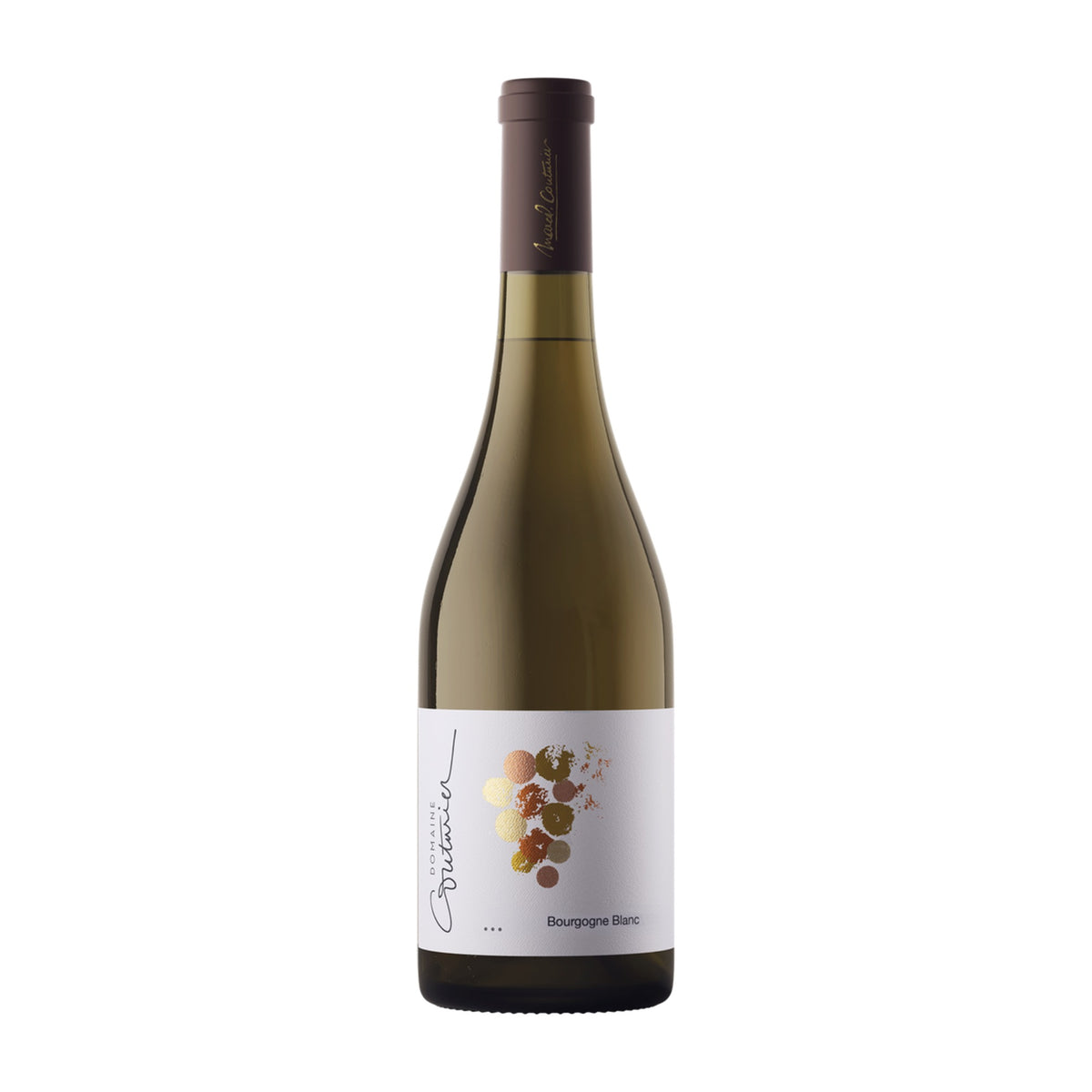
Marcel Couturier Bourgogne Blanc 2023
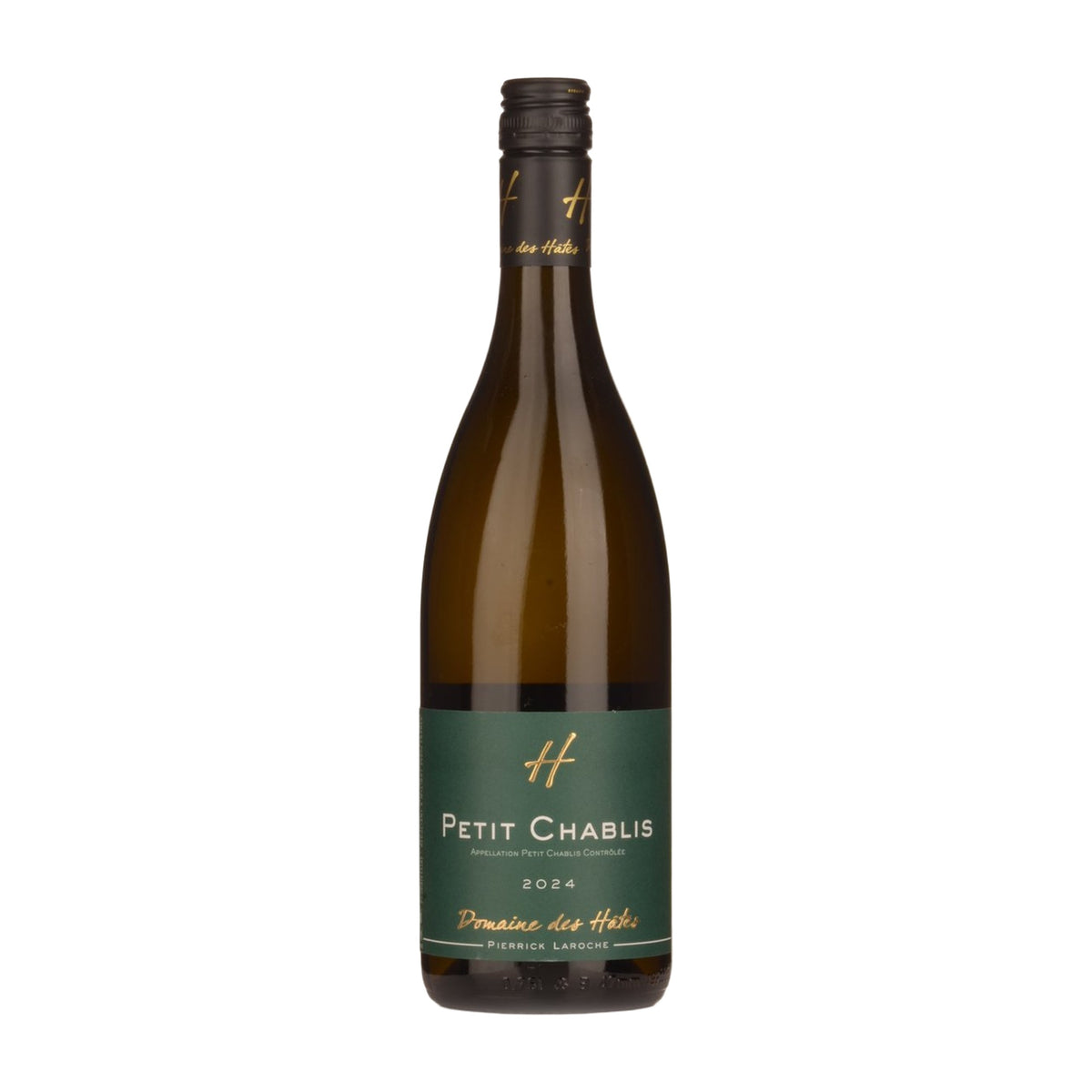
Pierrick Laroche Petit Chablis 2024
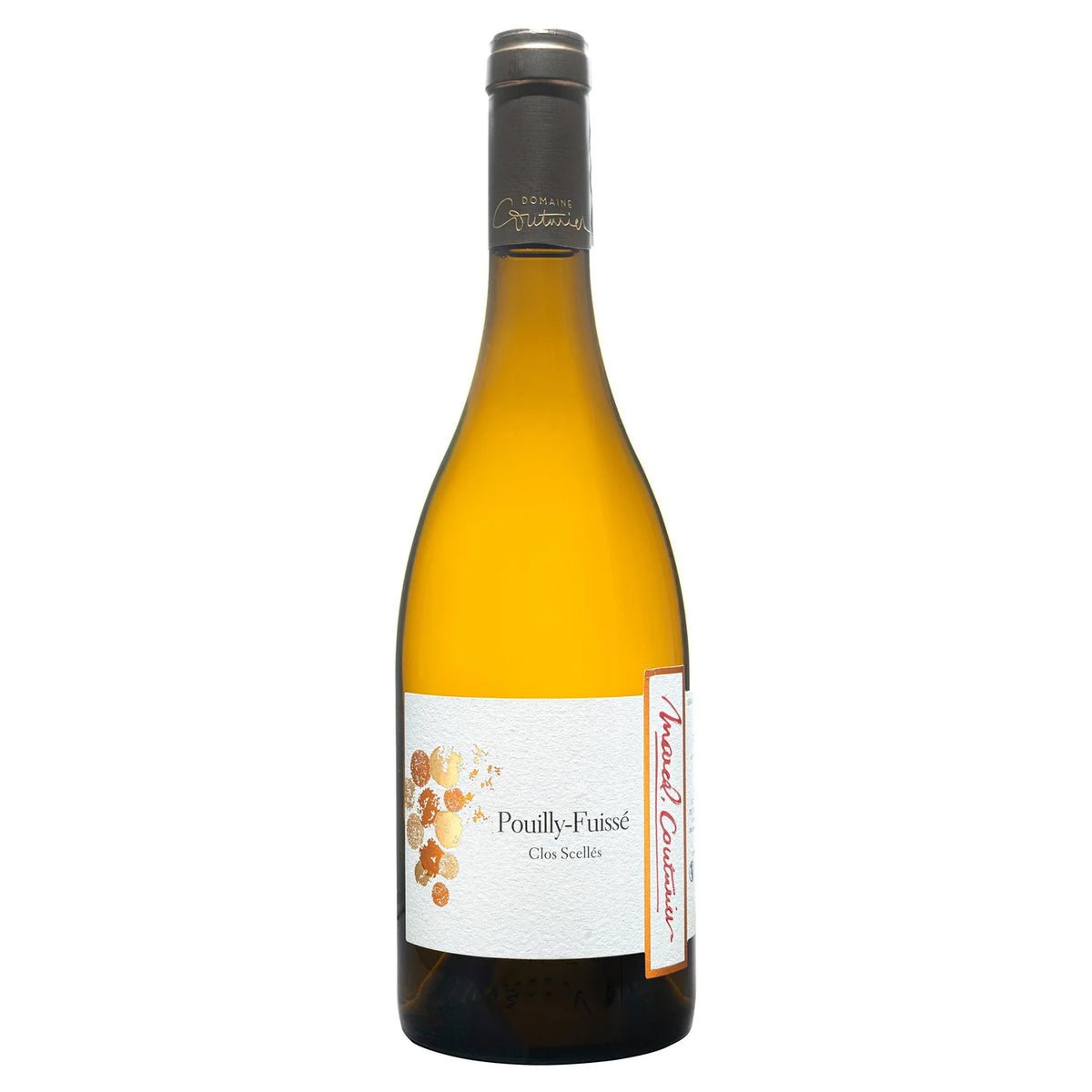
Marcel Couturier Pouilly-Fuisse Clos Scelles 2024
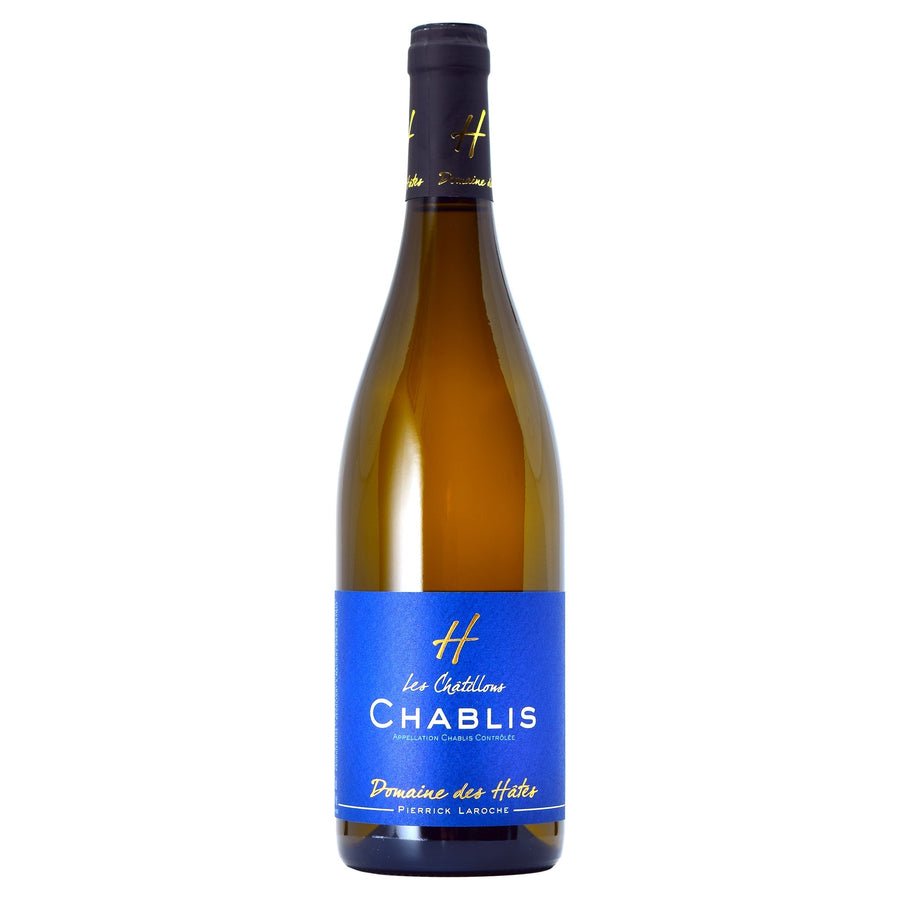
Pierrick Laroche Chablis Les Chatillons 2023
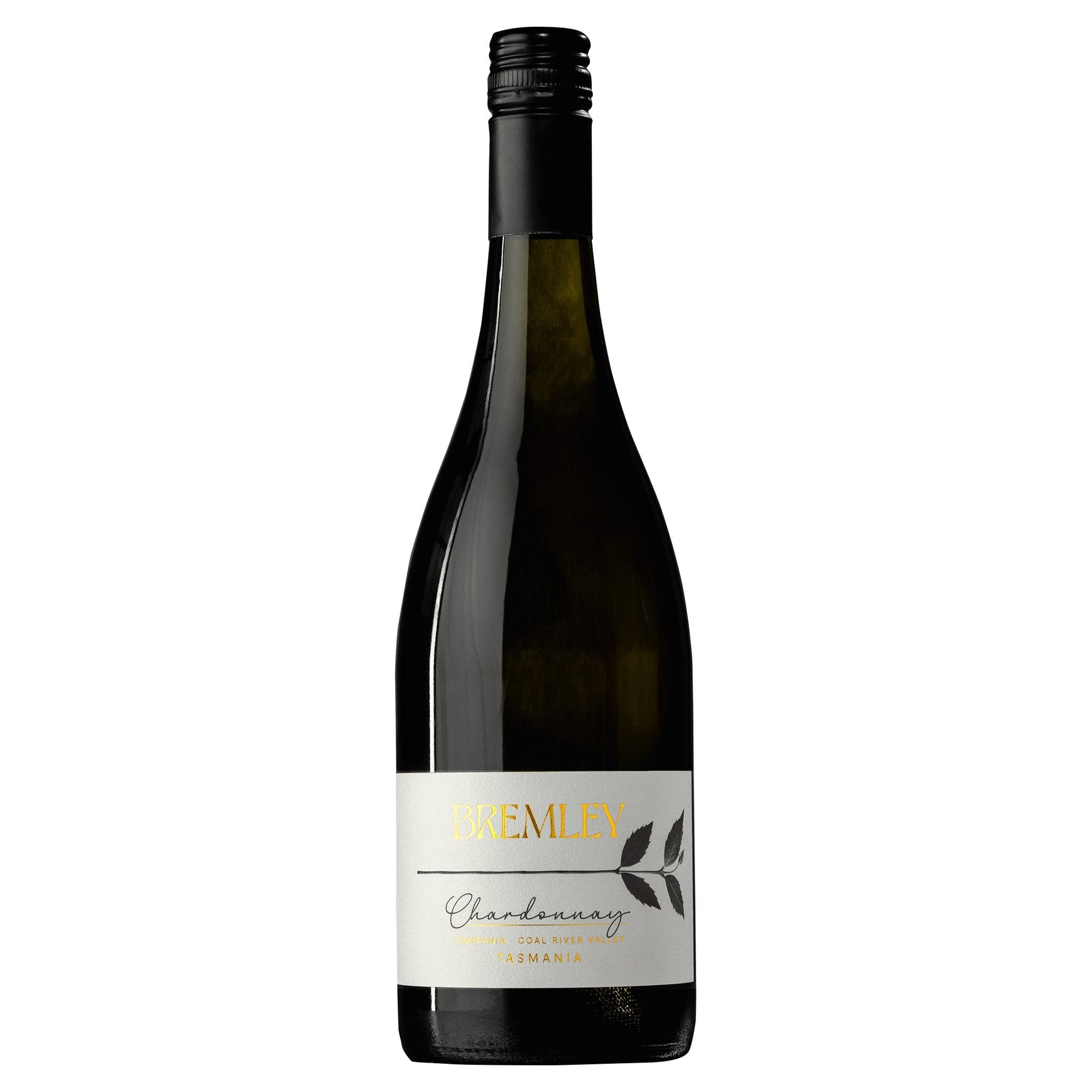
Bremley Chardonnay 2025
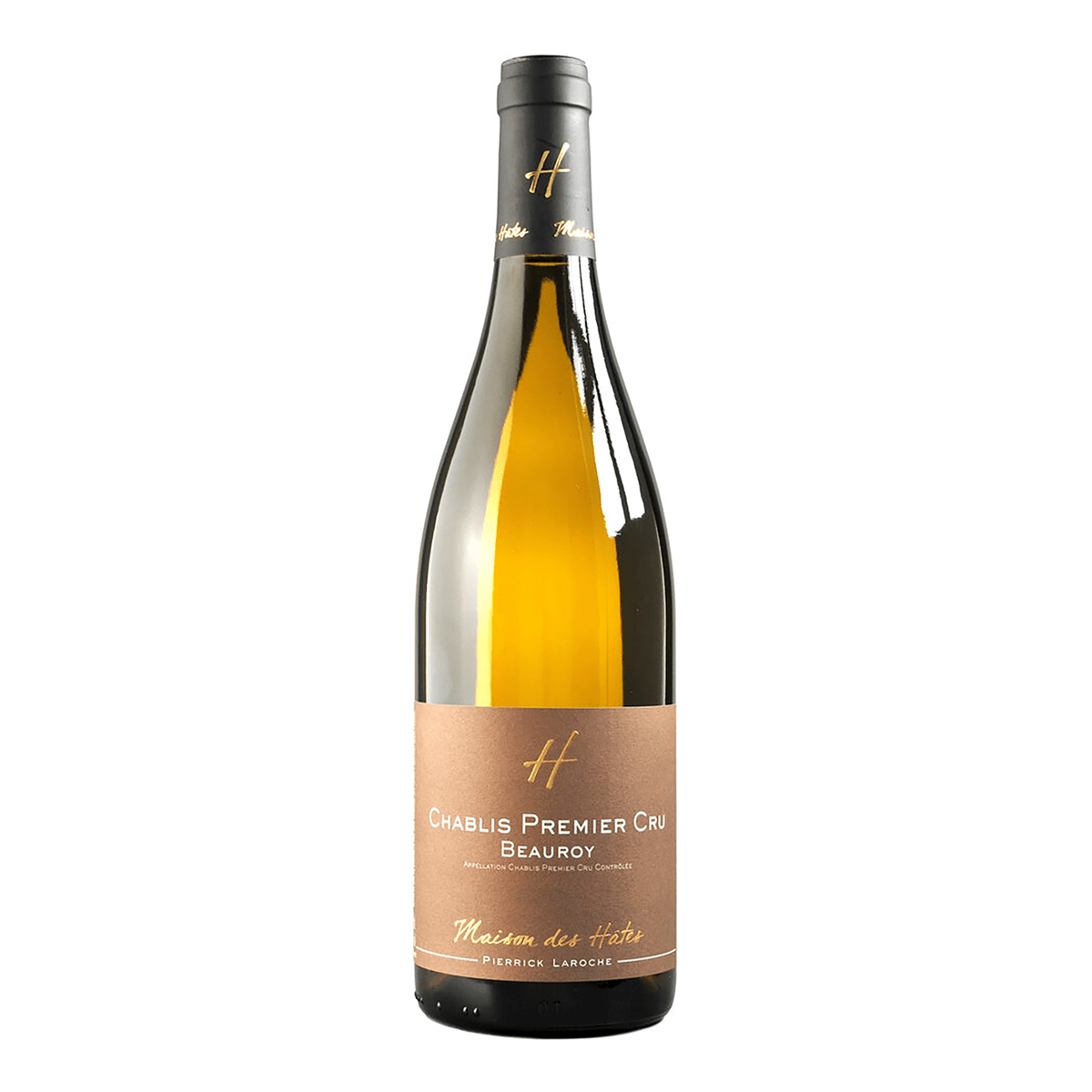
Pierrick Laroche Chablis 1er Cru Beauroy 2023
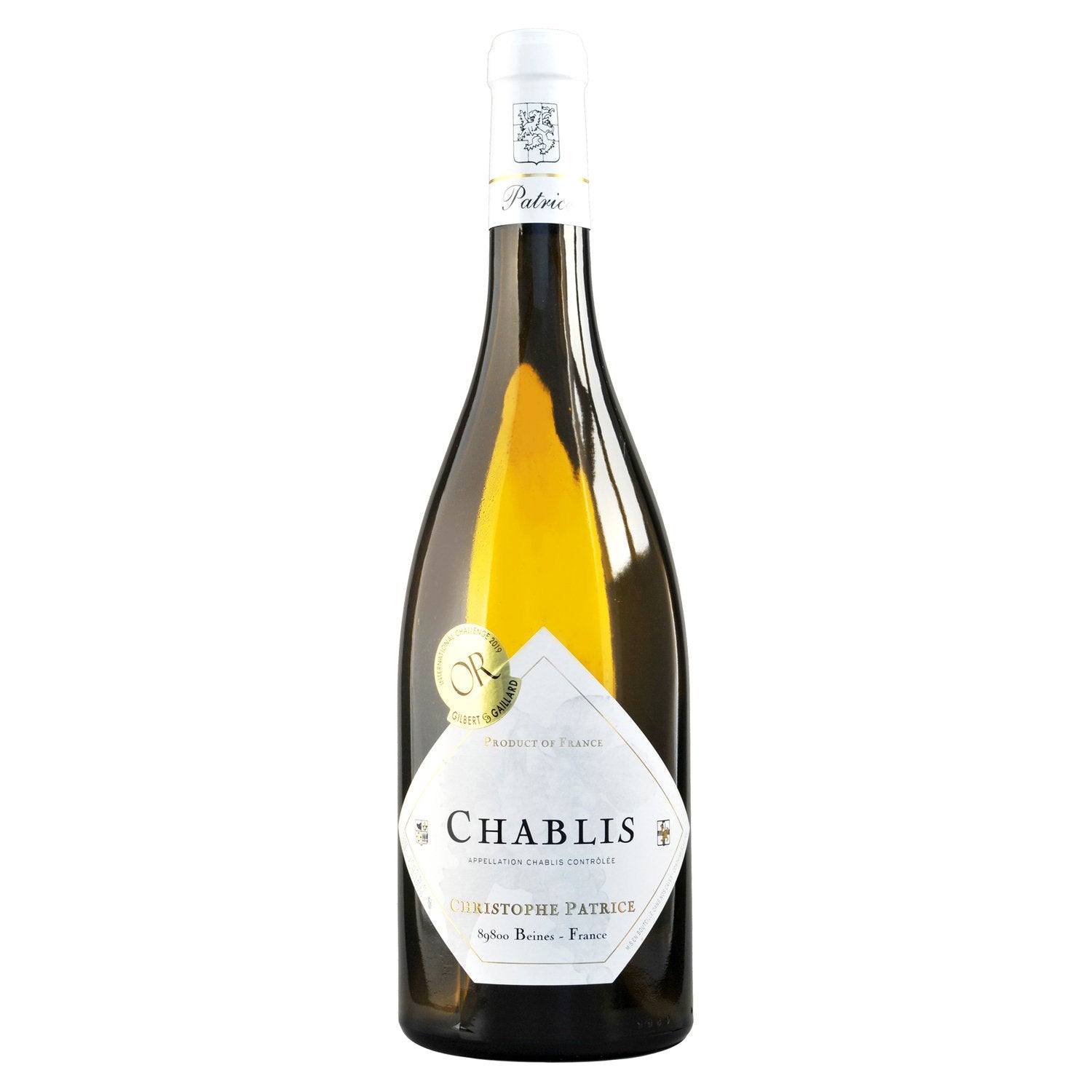
Christophe Patrice Chablis AC 2025
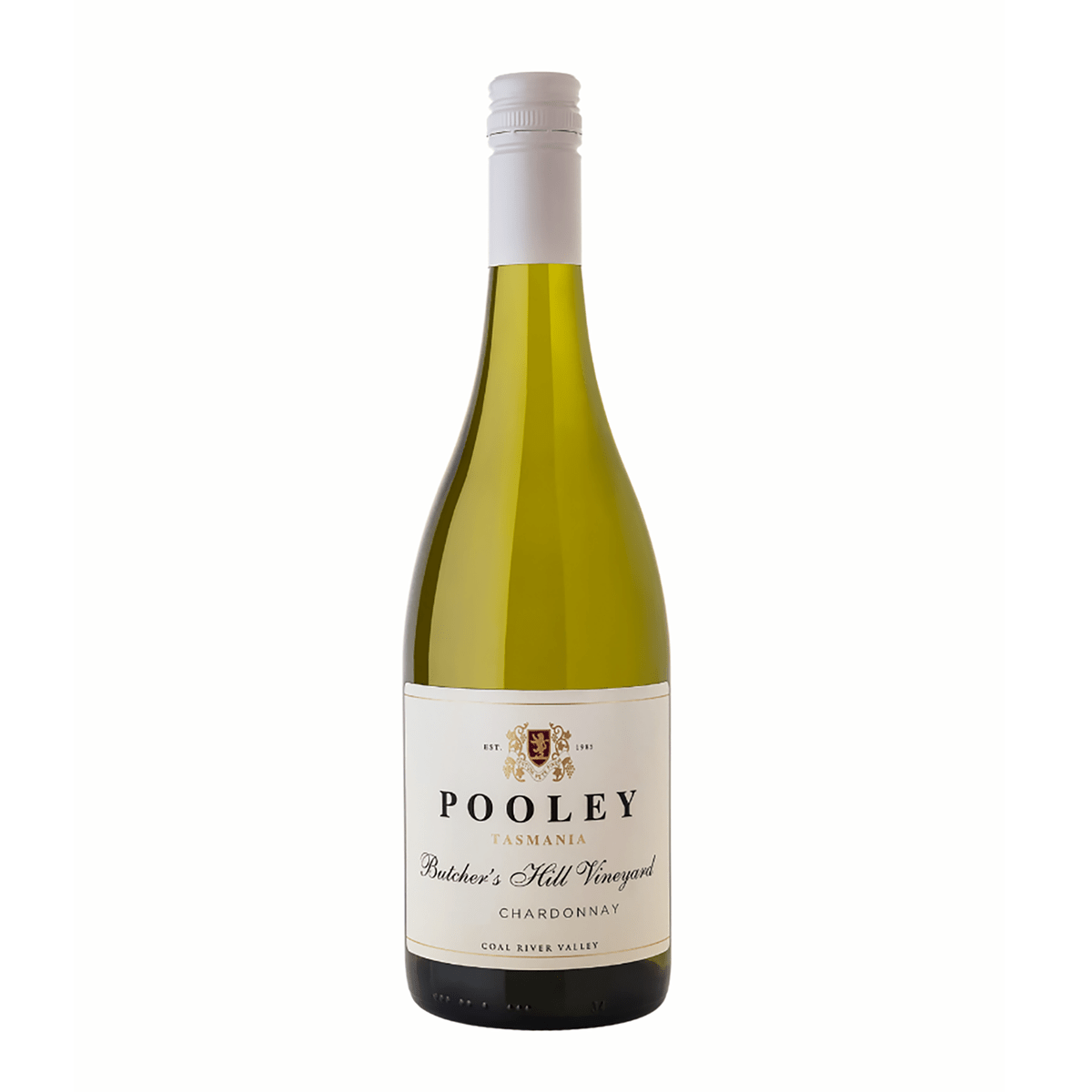
Pooley Butchers Hill Chardonnay 2025
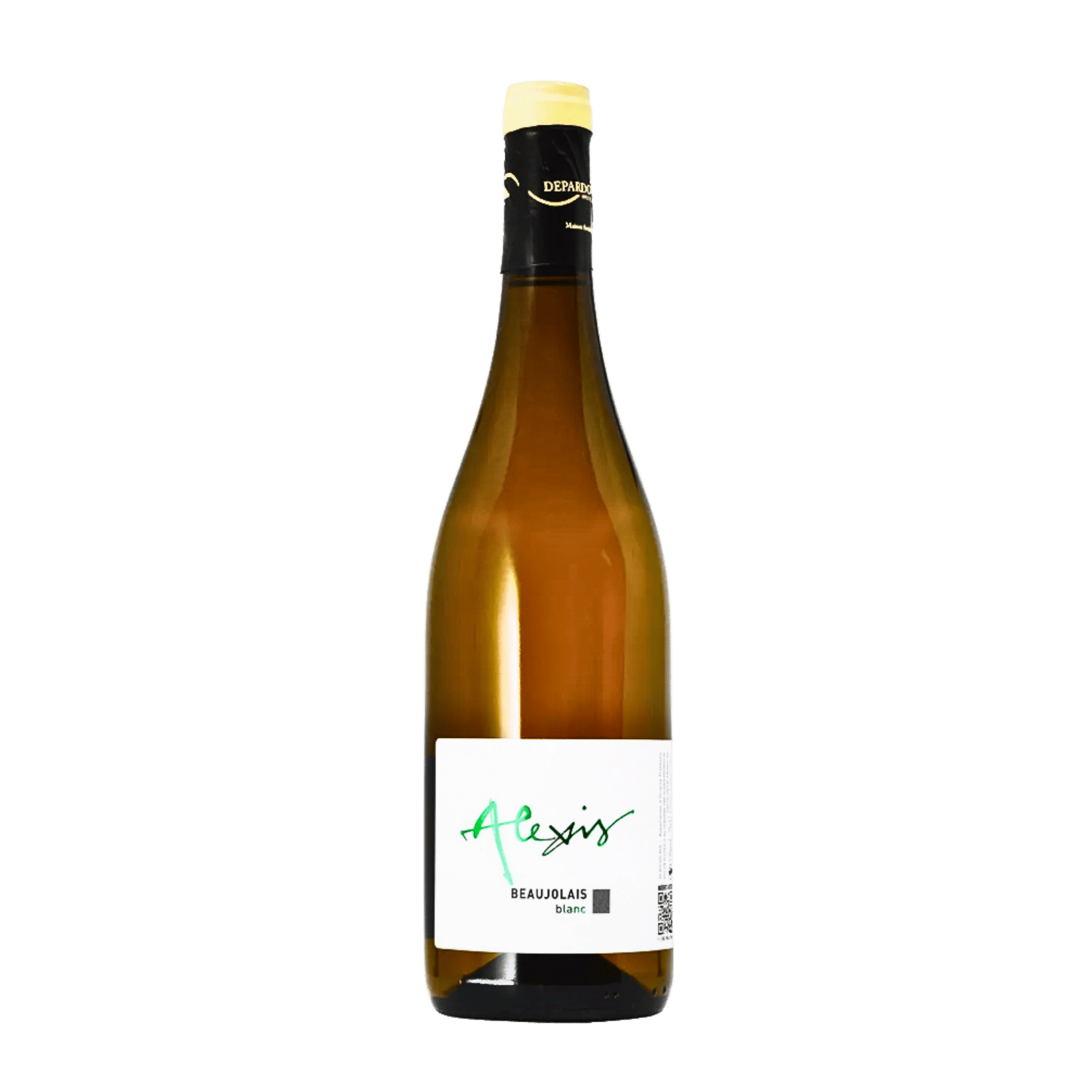
Depardon Beaujolais Blanc 'Alexis' 2024
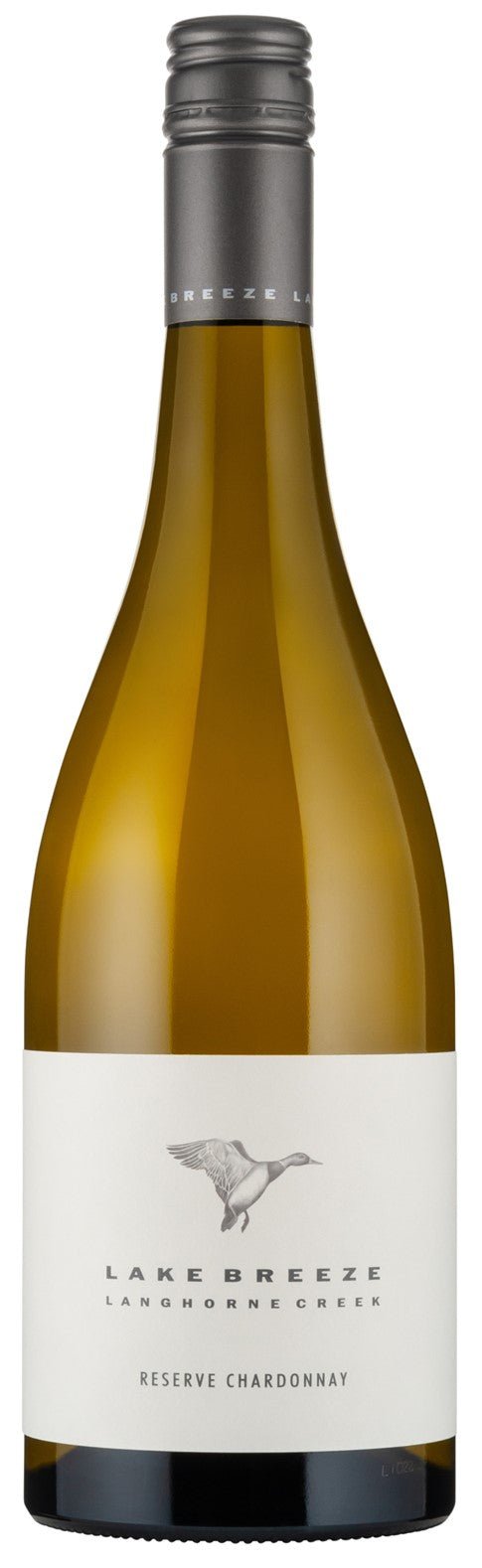
Lake Breeze Reserve Chardonnay 2024
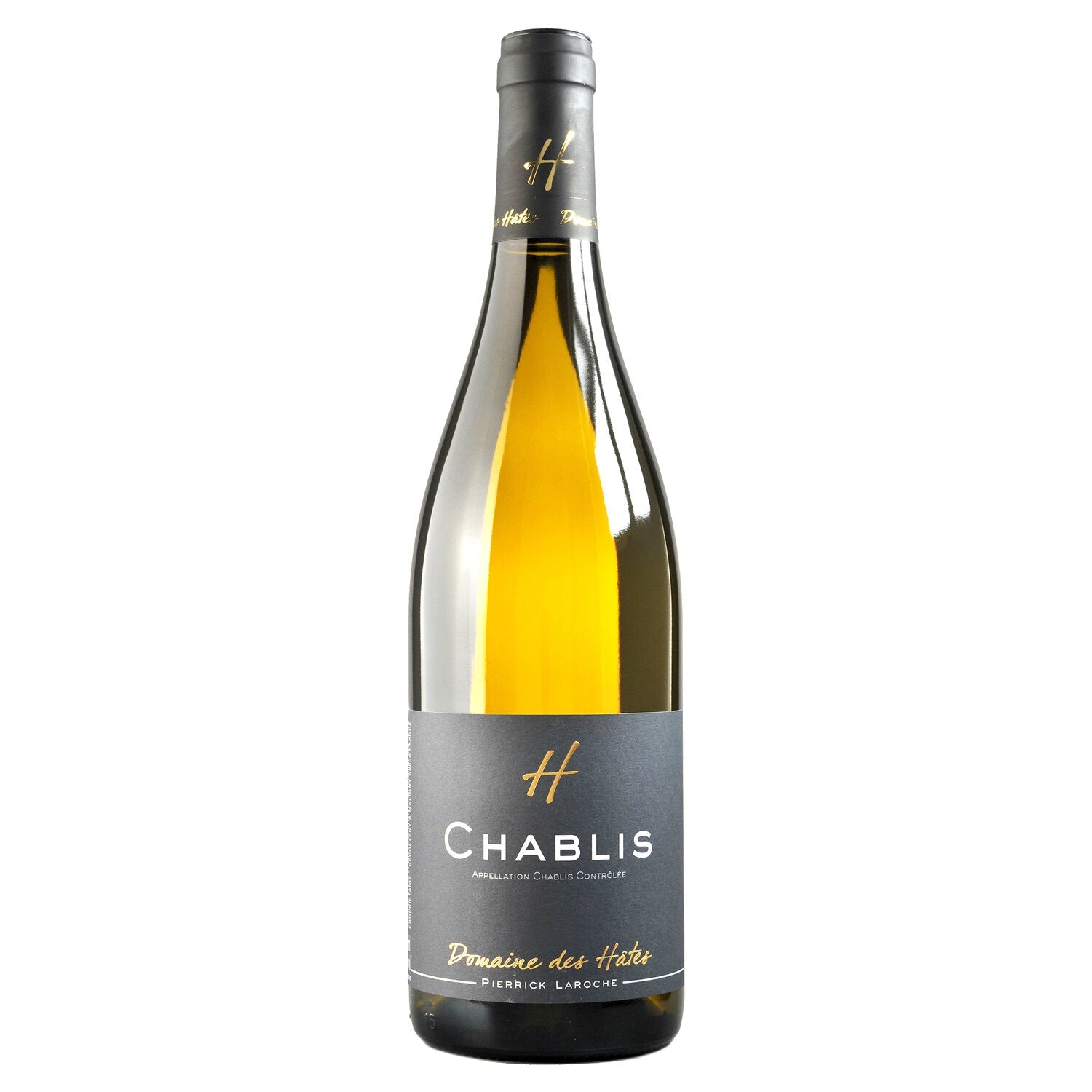
Pierrick Laroche Chablis AC 2023
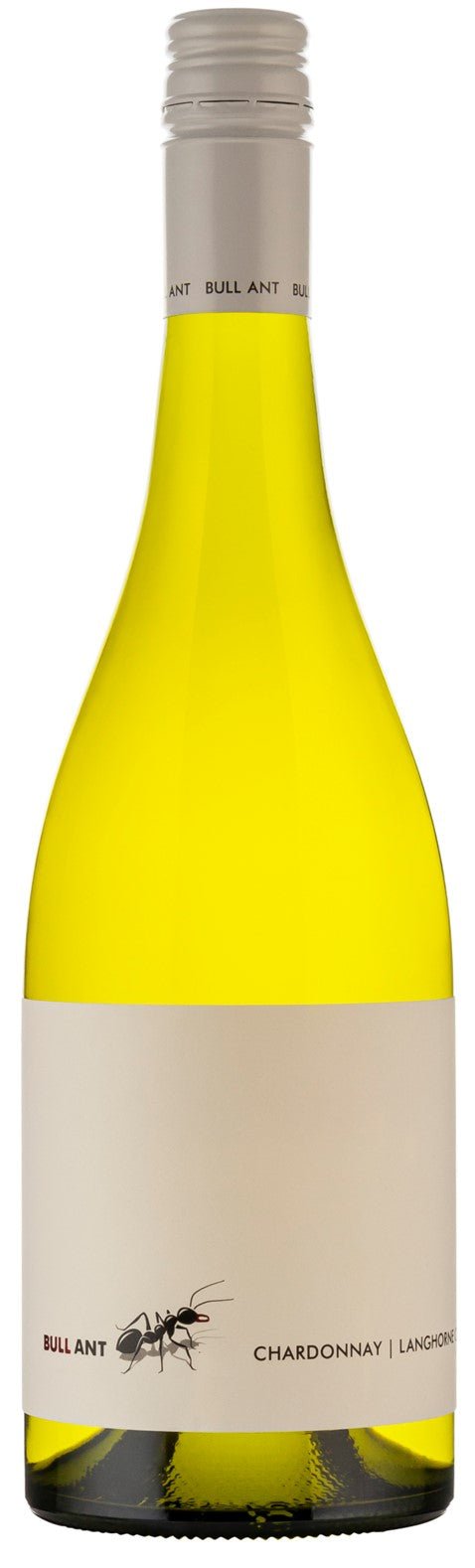
Bullant by Lake Breeze Chardonnay 2024
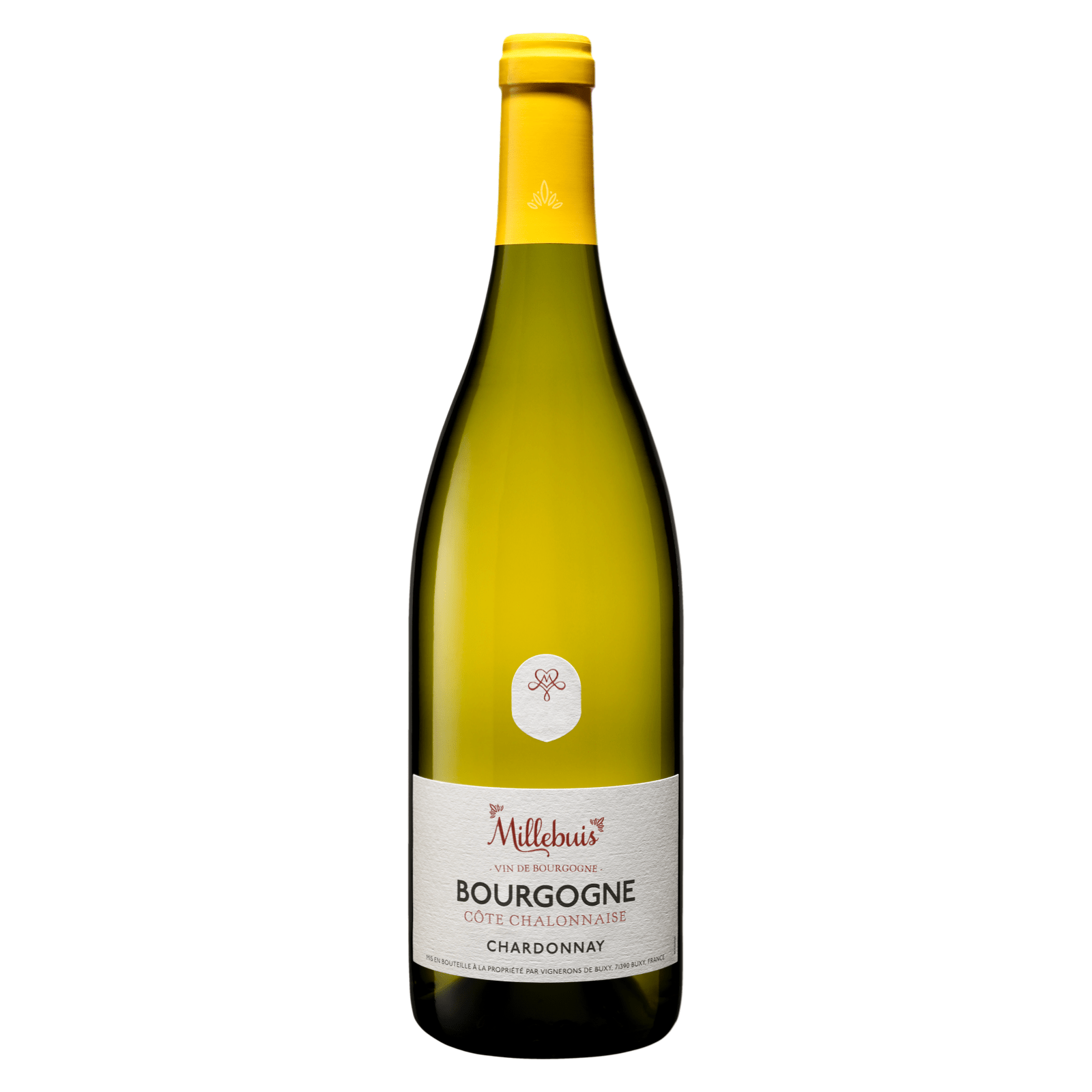
Millebuis - Bourgogne Côte Chalonnaise Blanc Chardonnay 2023 13% 750ML
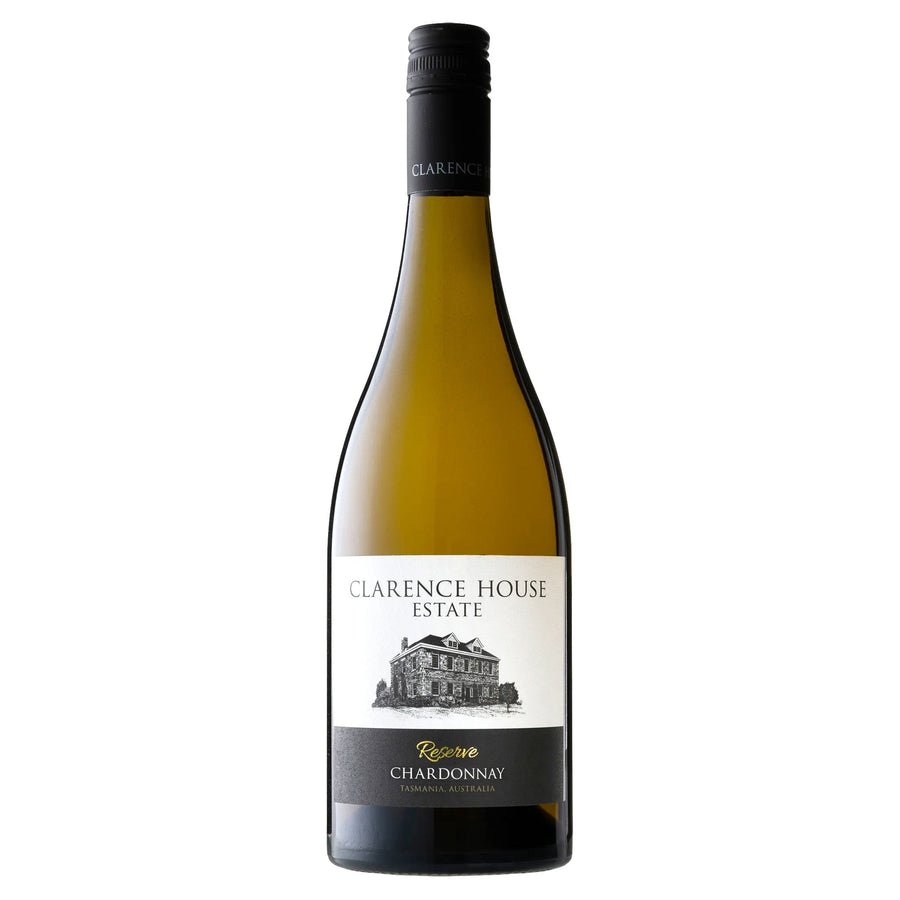
Clarence House Estate Reserve Chardonnay 2023
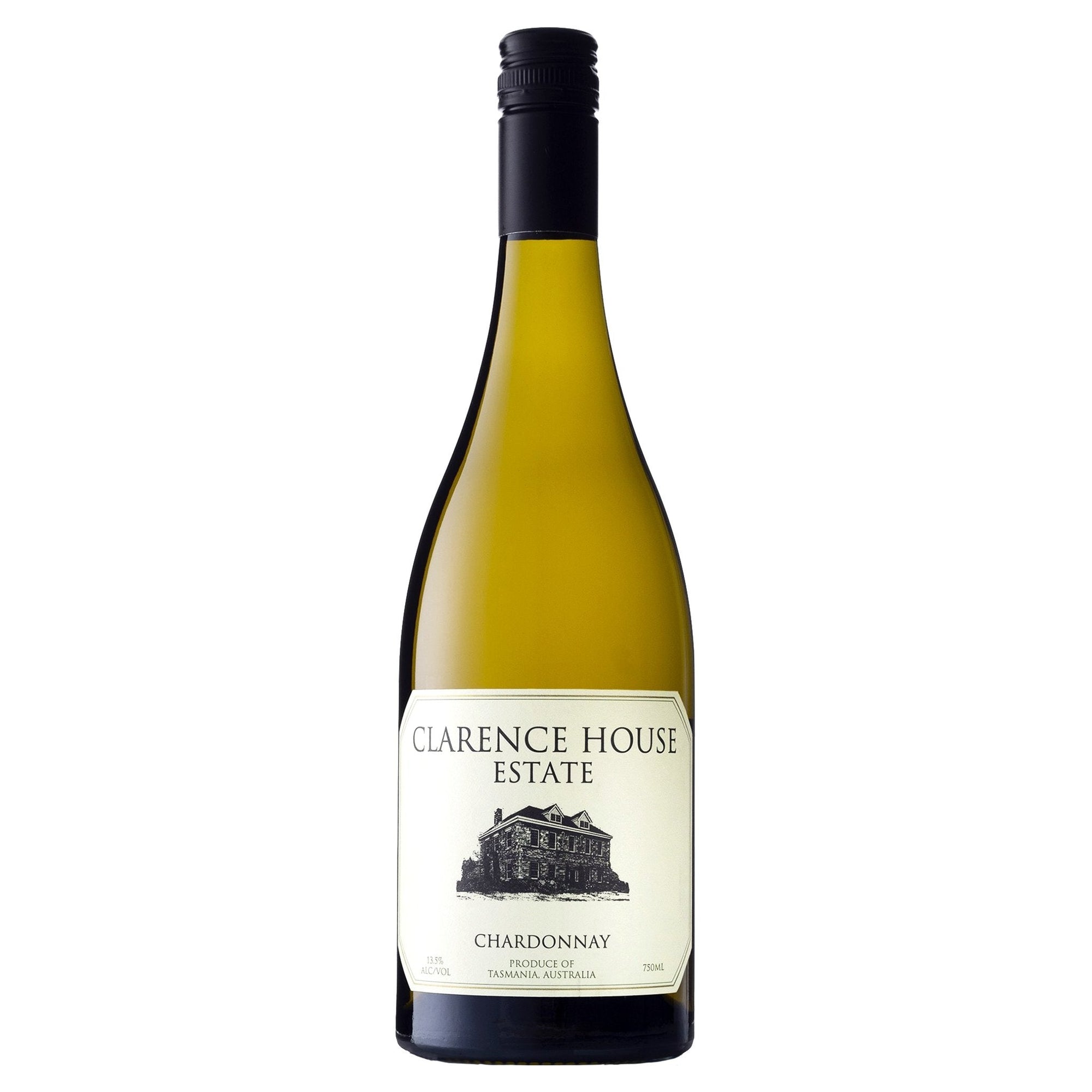
Clarence House Estate Chardonnay 2024
About Chardonnay
The French half of this range is Chablis, and it is unusually deep for an Australian retailer. Domaine de la Motte and Louis Robin account for the largest blocks. Christophe Patrice covers both Chablis and Petit Chablis, Jean-Marc Brocard and Julien Brocard bring conventional and organic bottlings including a Pet Chablis, and Pierrick Laroche and Caves Gendraud fill in the rest.
The Australian half is drawn from the cooler regions. Winmark's Single Vineyard Reserve comes from the Hunter, Port Phillip Estate's Red Hill Chardonnay from the Mornington Peninsula, Narkoojee's Reserve from Gippsland, alongside Jones Road and Lake Breeze from Langhorne Creek. Tasmania comes through Moorilla's Praxis, Clarence House Estate and bubb+pooley.
Le Grand Noir covers the entry point.
Buying one Chablis and one Australian Chardonnay at a similar price is the most instructive comparison you can make in white wine. The grape is identical. Almost nothing else is.
History
Chardonnay comes from Burgundy, where it is a natural crossing of Pinot Noir and the near-extinct Gouais Blanc. It spread because it is remarkably adaptable, ripening reliably in climates from Champagne to the Barossa, and because it takes the winemaker's decisions more readily than almost any other white grape.
Chablis sits at the northern edge of Burgundy on Kimmeridgian soil, a limestone and clay seam packed with fossilised oyster shells laid down when the area was a warm sea. Growers there generally use little or no new oak, and the wines are lean, high in acid and characteristically flinty.
Australia planted Chardonnay seriously from the 1970s and spent the 1980s and 1990s making it in a rich, heavily oaked, buttery style that eventually became a liability. The backlash was severe enough to spawn its own acronym.
What followed was one of the more complete turnarounds in modern wine. Picking moved earlier, malolactic fermentation was reined in, new oak was cut back, and by the 2010s cool-climate Australian Chardonnay from Tasmania, Margaret River and the Mornington Peninsula was being taken seriously against white Burgundy.
How to drink it
Serve Chardonnay cooler than red but warmer than most people pour it. Around 10 to 12 degrees. Straight from a cold fridge it will taste of nothing; give it ten minutes on the bench.
Use a normal white wine glass for Chablis and something with a wider bowl for richer Australian bottlings, which have more aroma to release.
Chablis and other unoaked styles are the better match for oysters, raw fish, goat's cheese and anything with lemon. The Kimmeridgian minerality and shellfish pairing is not marketing, it works.
Richer, partly oaked Chardonnay wants roast chicken, pork, creamy pasta or grilled scallops. It can handle butter in a way a Sauvignon Blanc cannot.
Most everyday Chardonnay is best in its first three or four years. Premier Cru Chablis and the better Australian single vineyard wines will hold and improve for eight to ten, developing nutty, honeyed notes as the fruit recedes.