
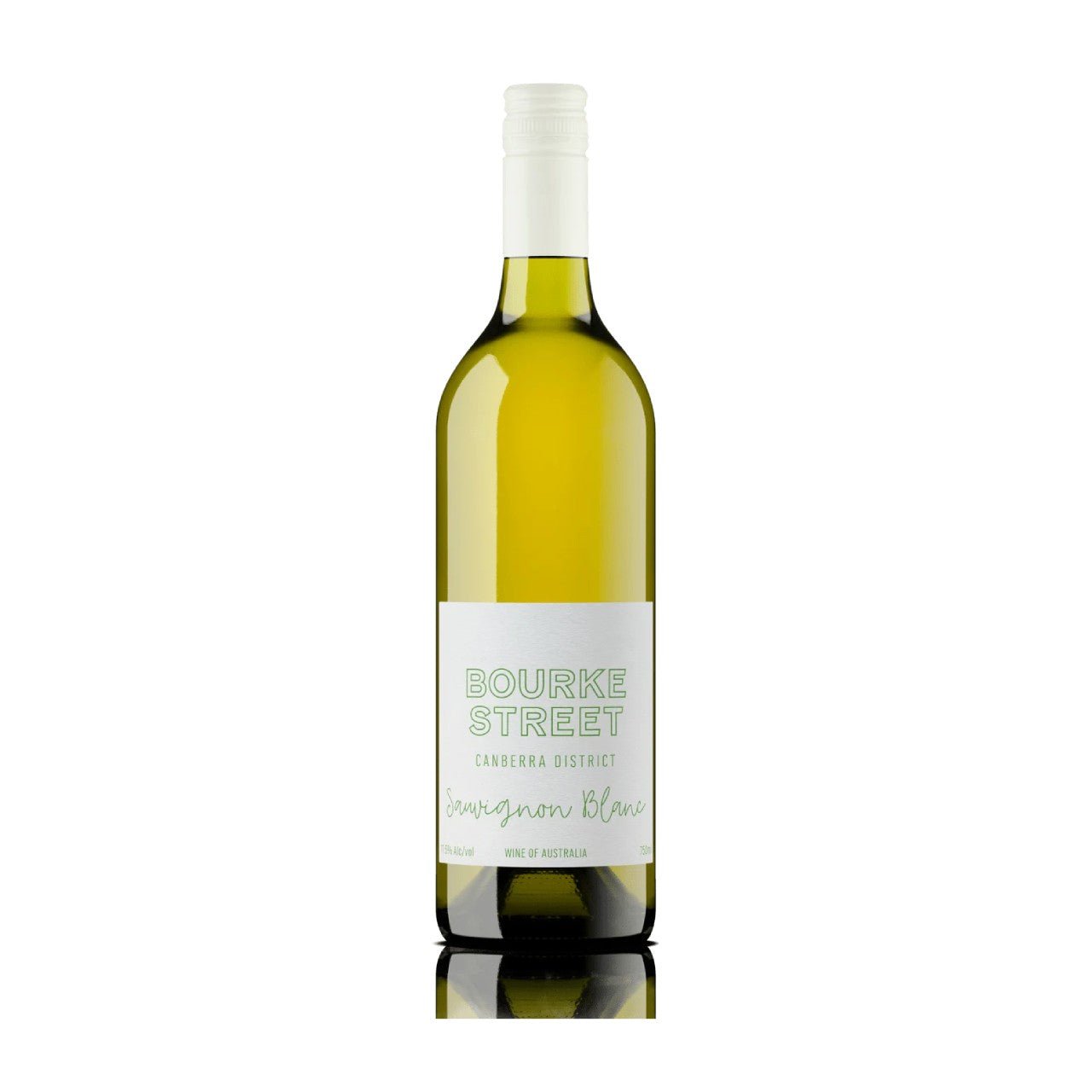
Bourke Street Sauvignon Blanc 750ml
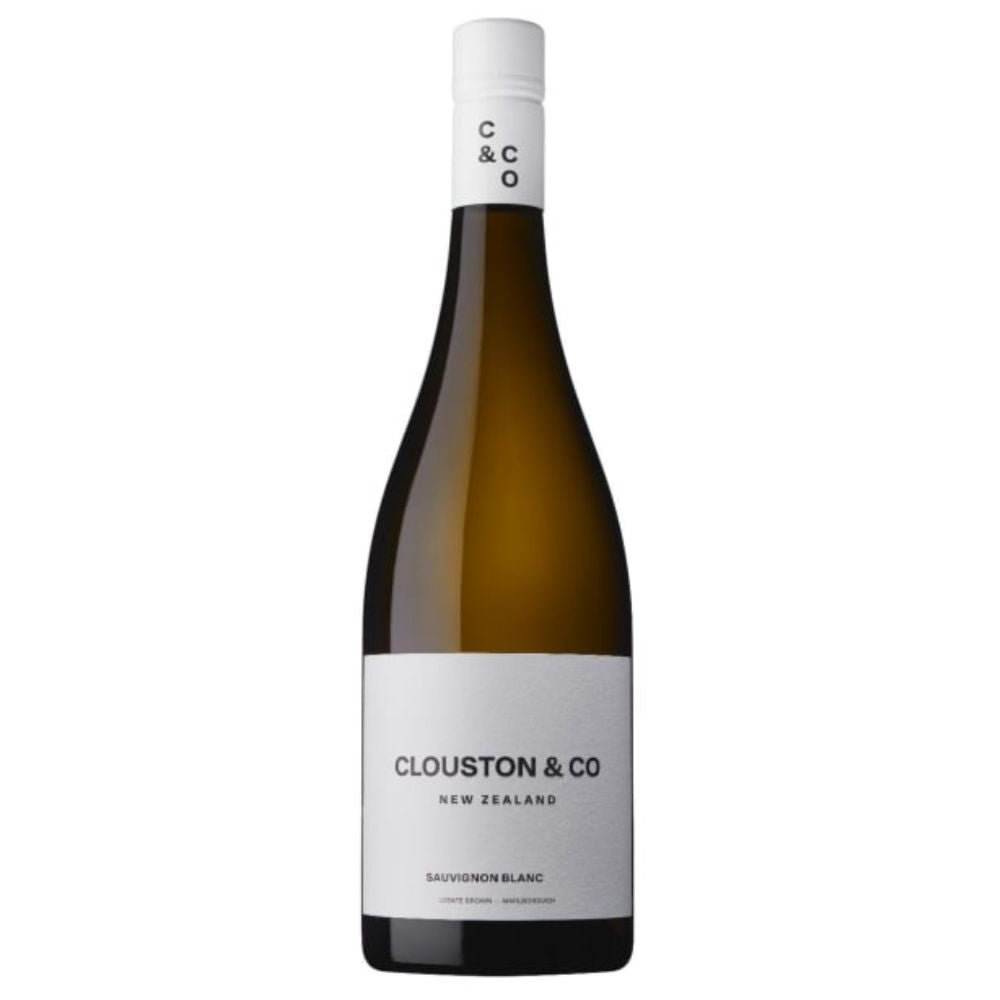
Clouston & Co Sauvignon Blanc
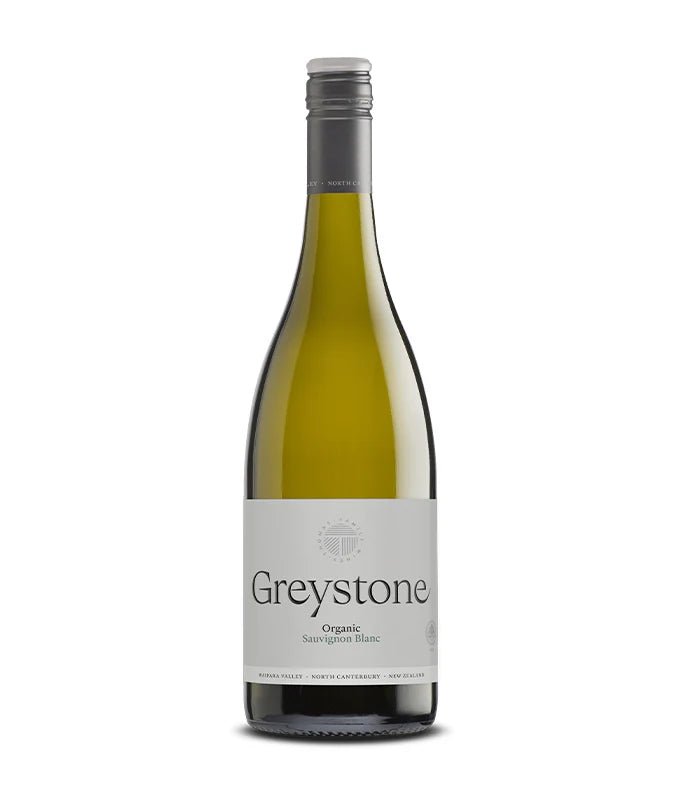
Greystone Sauvignon Blanc 2023
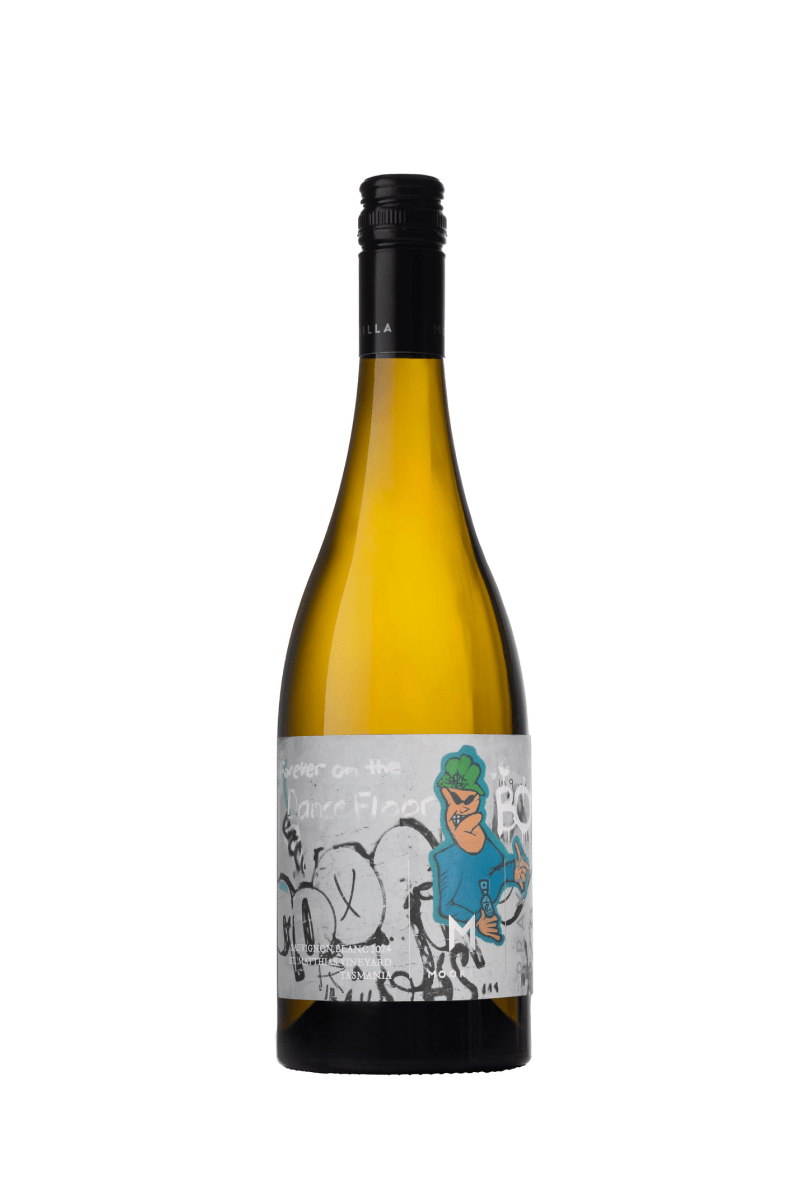
Moorilla Estate Praxis Sauvignon Blanc 2024
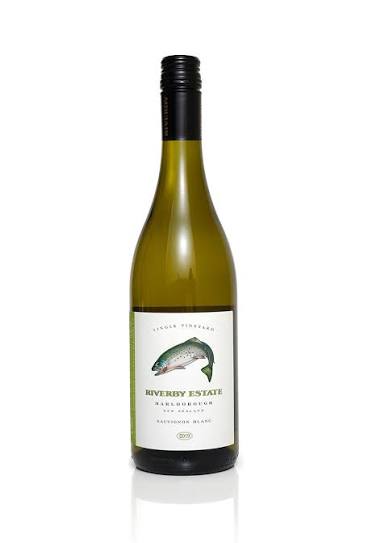
Riverby Estate Sauvignon Blanc 2025
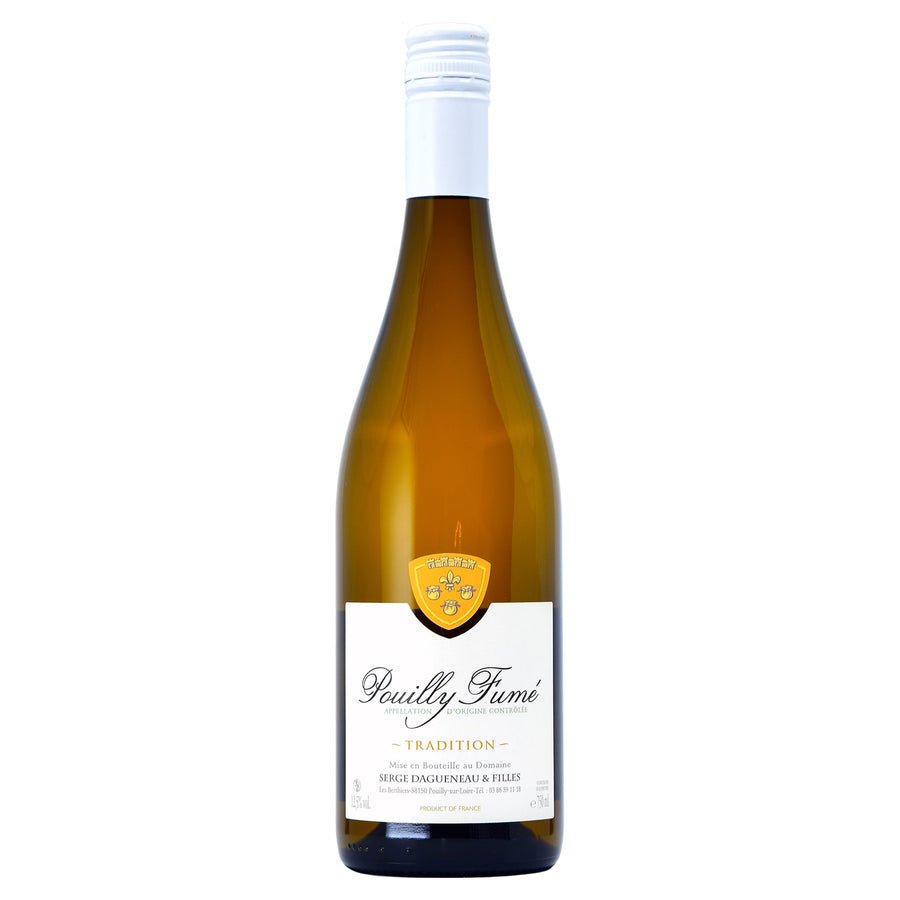
Dageneau Pouilly Fume 2022
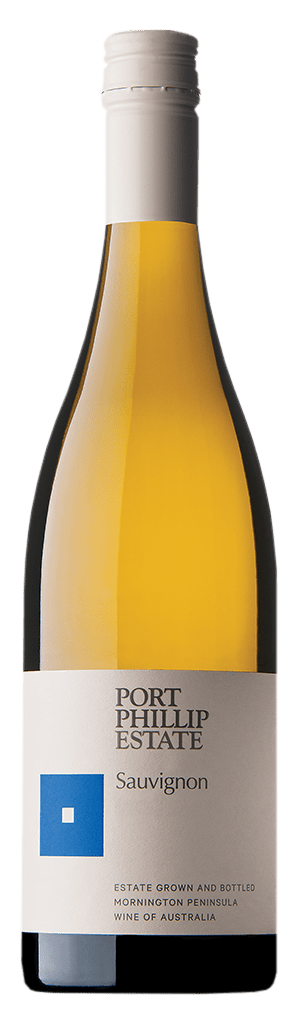
Port Phillip Estate Sauvignon Blanc 2023
About Sauvignon Blanc
The Australian side leans on Margaret River, where Leeuwin bottles a Siblings, an Art Series and the Classic Dry White, and Flametree adds an Embers Semillon Sauvignon Blanc. Blending with Semillon is the regional signature and it makes for a rounder, more textured wine than straight Sauvignon.
Cooler sites are well covered: Moorilla's Praxis from Tasmania, Port Phillip Estate from the Mornington Peninsula, Clyde Park from Geelong, Jones Road, Rob Dolan from the Yarra including a late harvest and a half bottle, Wood Park's Wild's Gully from the north east, Howard Vineyard's Block Q from the Adelaide Hills and Riversdale from Tasmania. Fox Creek and Reschke round it out.
New Zealand comes through Greystone, Clouston & Co and Mahi from Marlborough, which is the style most Australians picture when they hear the grape.
France is the interesting part. Didier Dagueneau's Pouilly-Fume is one of the most respected white wines of the Loire, made by a producer who spent his career arguing that Sauvignon Blanc could be a serious wine. Domaine Tariquet covers Gascony.
Crawford River's Beta blends it with Semillon in the Bordeaux manner.
History
Sauvignon Blanc comes from the Loire Valley and Bordeaux, and its name comes from sauvage, wild, which is how it grew before it was cultivated. It is one half of the parentage of Cabernet Sauvignon.
In the Loire it produces Sancerre and Pouilly-Fume, wines built on flint, chalk and restraint. In Bordeaux it is blended with Semillon, both for dry white and for the sweet wines of Sauternes.
New Zealand rewrote the grape entirely. The first Marlborough plantings went in during the 1970s, and by the 1990s the region had produced a style so distinctive, all passionfruit, gooseberry and cut grass, that it became the international reference point. It is one of very few cases where a new world region defined a variety more than its homeland.
Australia sat somewhere between the two and eventually found its own answer in blending. The Margaret River Semillon Sauvignon Blanc, usually with some barrel work, gives texture and length that straight Sauvignon can lack, and it is now the country's most convincing contribution to the grape.
How to drink it
Serve it cold but not frozen, 8 to 10 degrees. Straight from a cold fridge the aromatics disappear, which is a shame in a grape that is mostly aromatics.
Use a standard white wine glass. Nothing exotic is required.
Marlborough styles are best young, within two years, and go with goat's cheese, asparagus, green salads and anything with fresh herbs. The classic pairing is goat's cheese from the Loire, and it works because both have the same high acid and grassy edge.
Loire styles are more mineral and less tropical and suit shellfish, white fish and oysters.
The Margaret River Semillon blends, especially those with barrel work, can handle richer food: chicken, pork, creamy pasta.
Most Sauvignon Blanc is made to drink now and does not improve with keeping. The exceptions are the barrel-fermented Loire wines and the better Semillon blends, which will hold for five years or more and gain texture.