
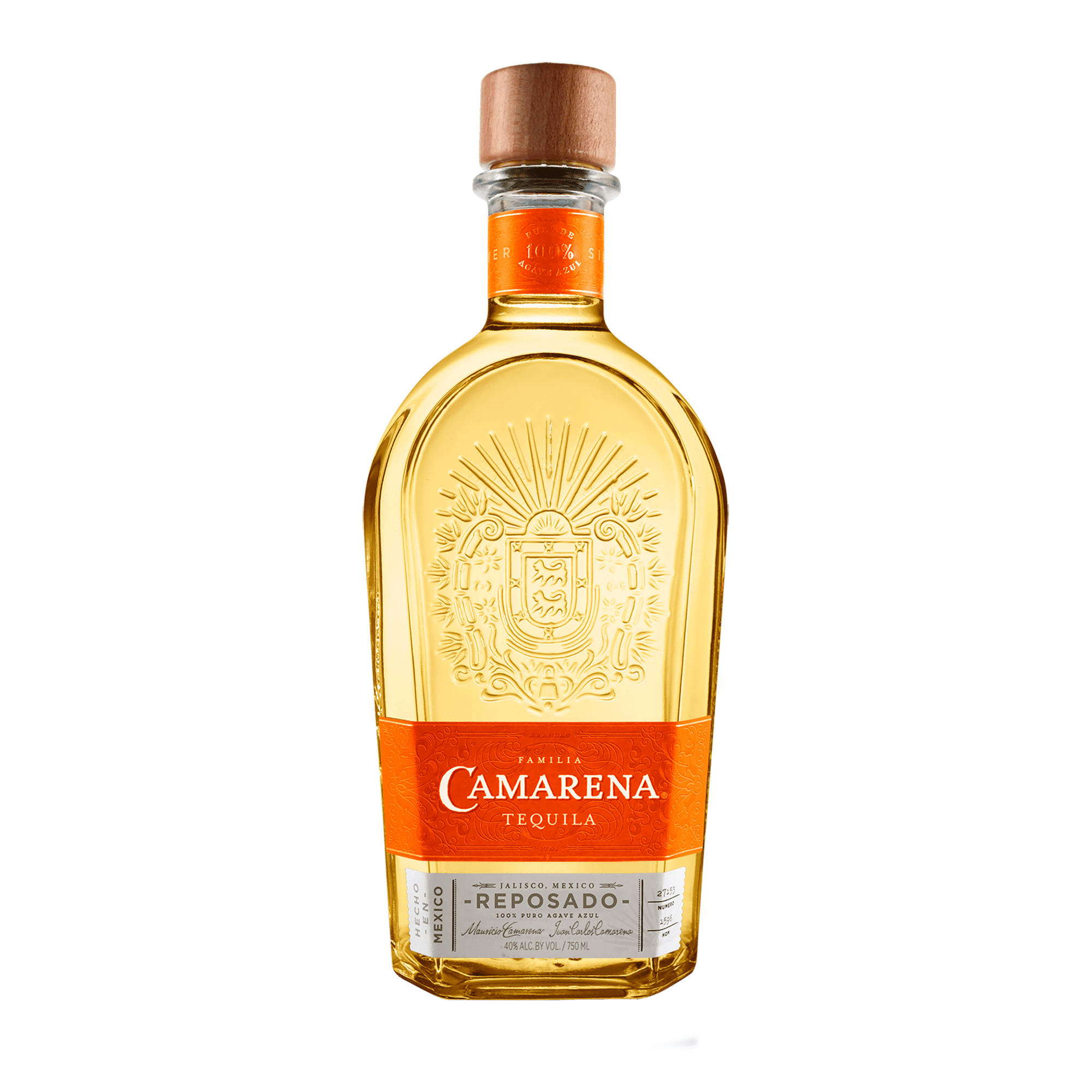
Camarena Reposado Tequila
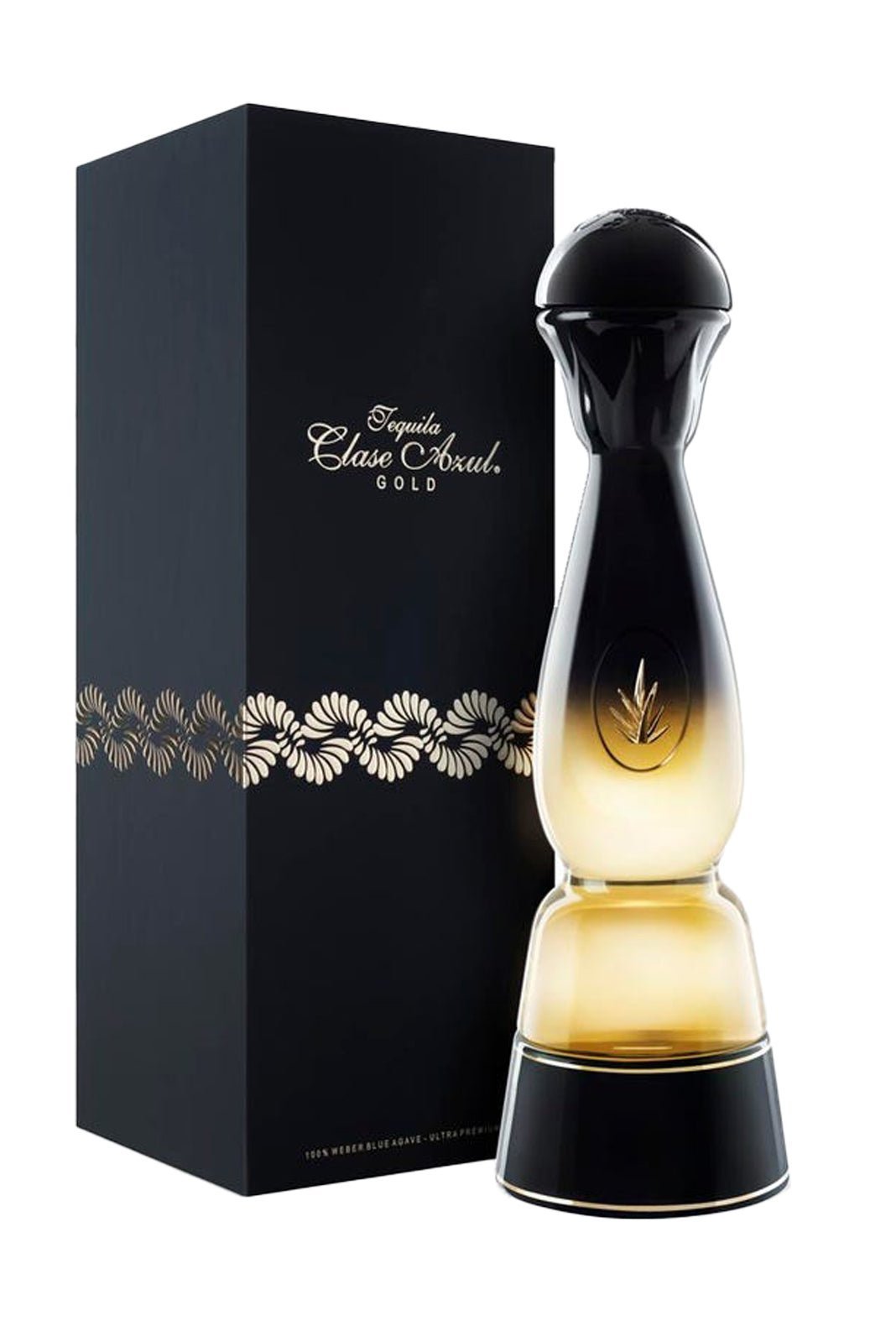
Clase Azul Gold Limited Edition Tequila 750ml
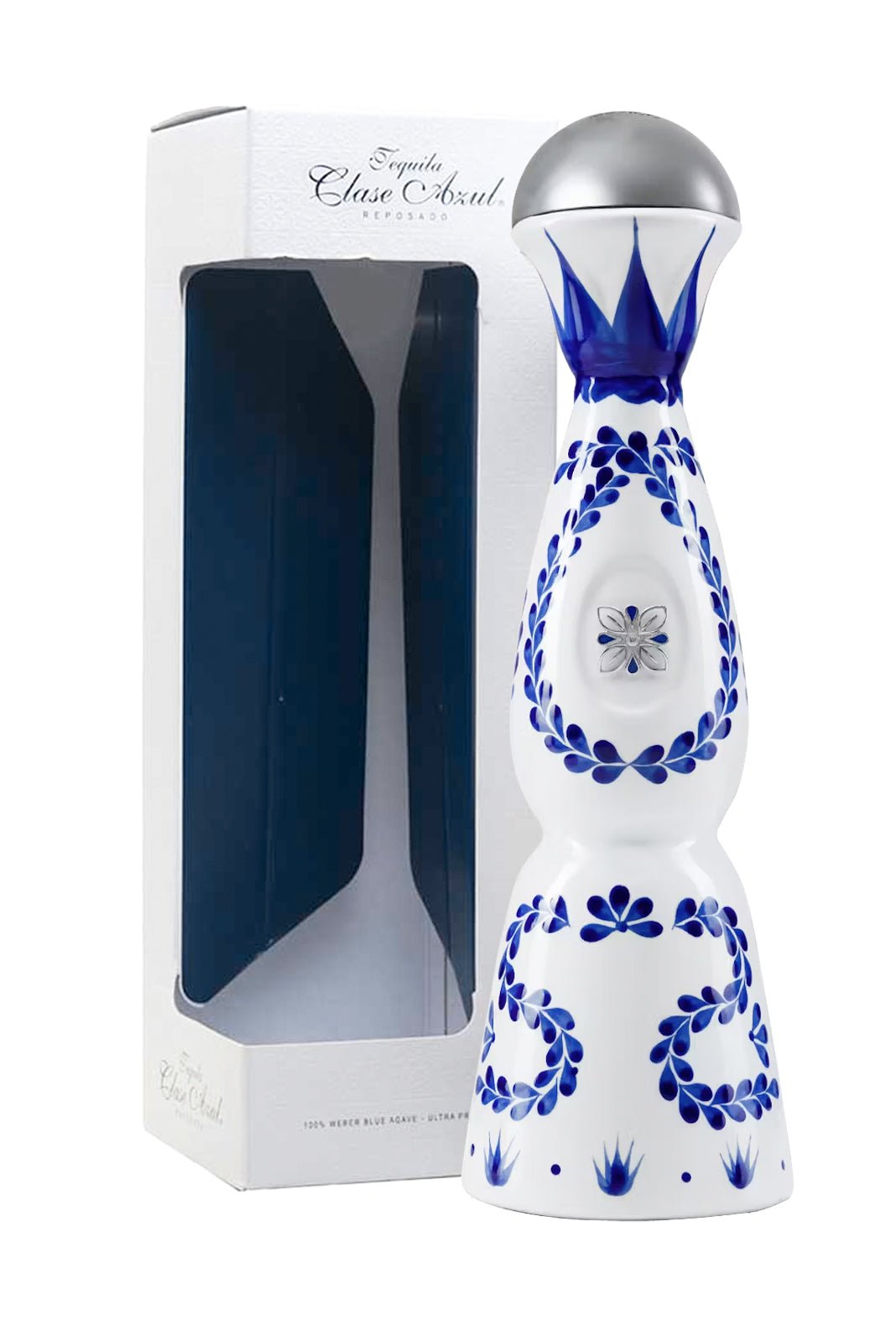
Clase Azul Tequila Reposado 750ml
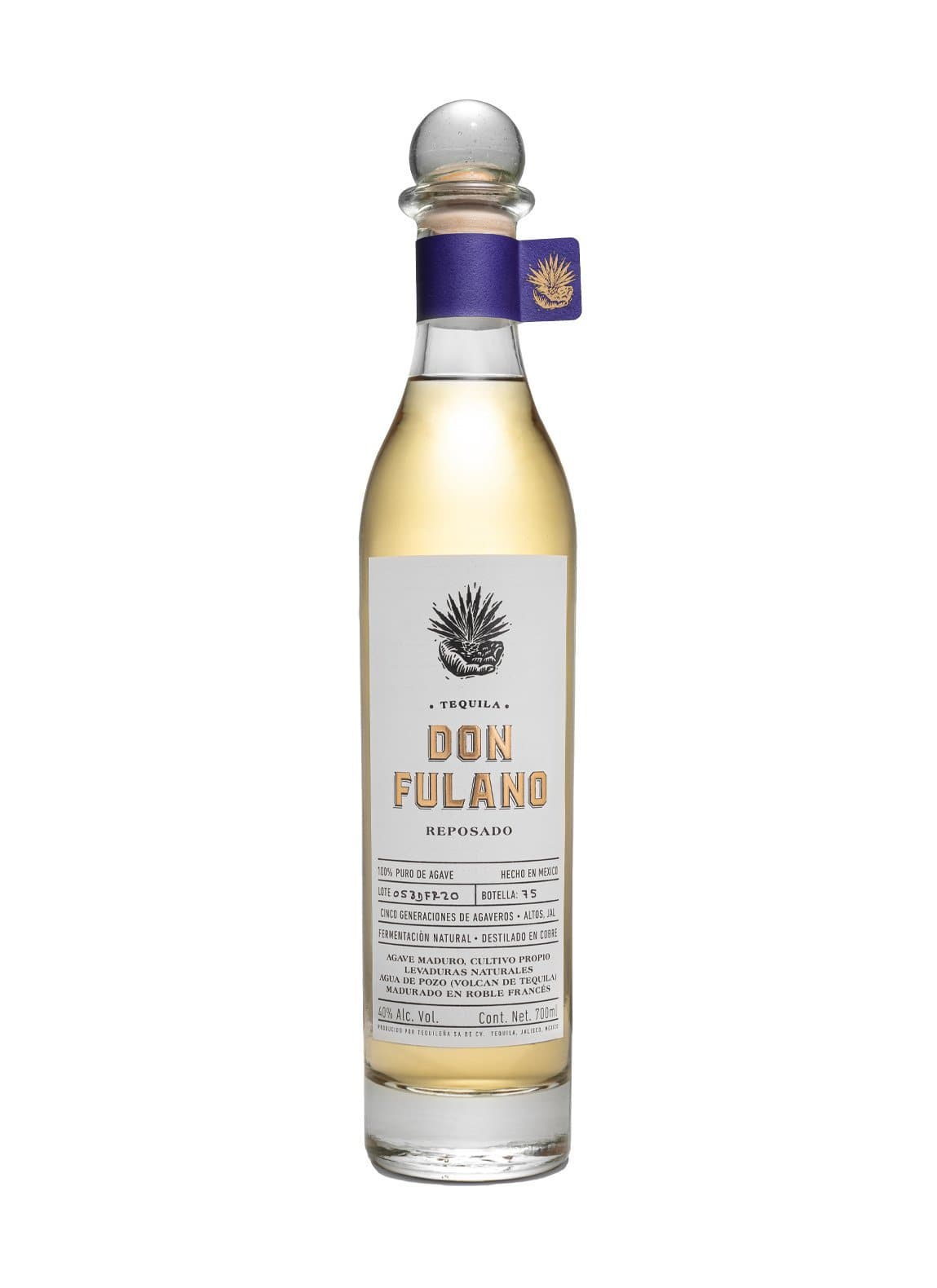
Don Fulano Reposado Tequila 40% 700ml
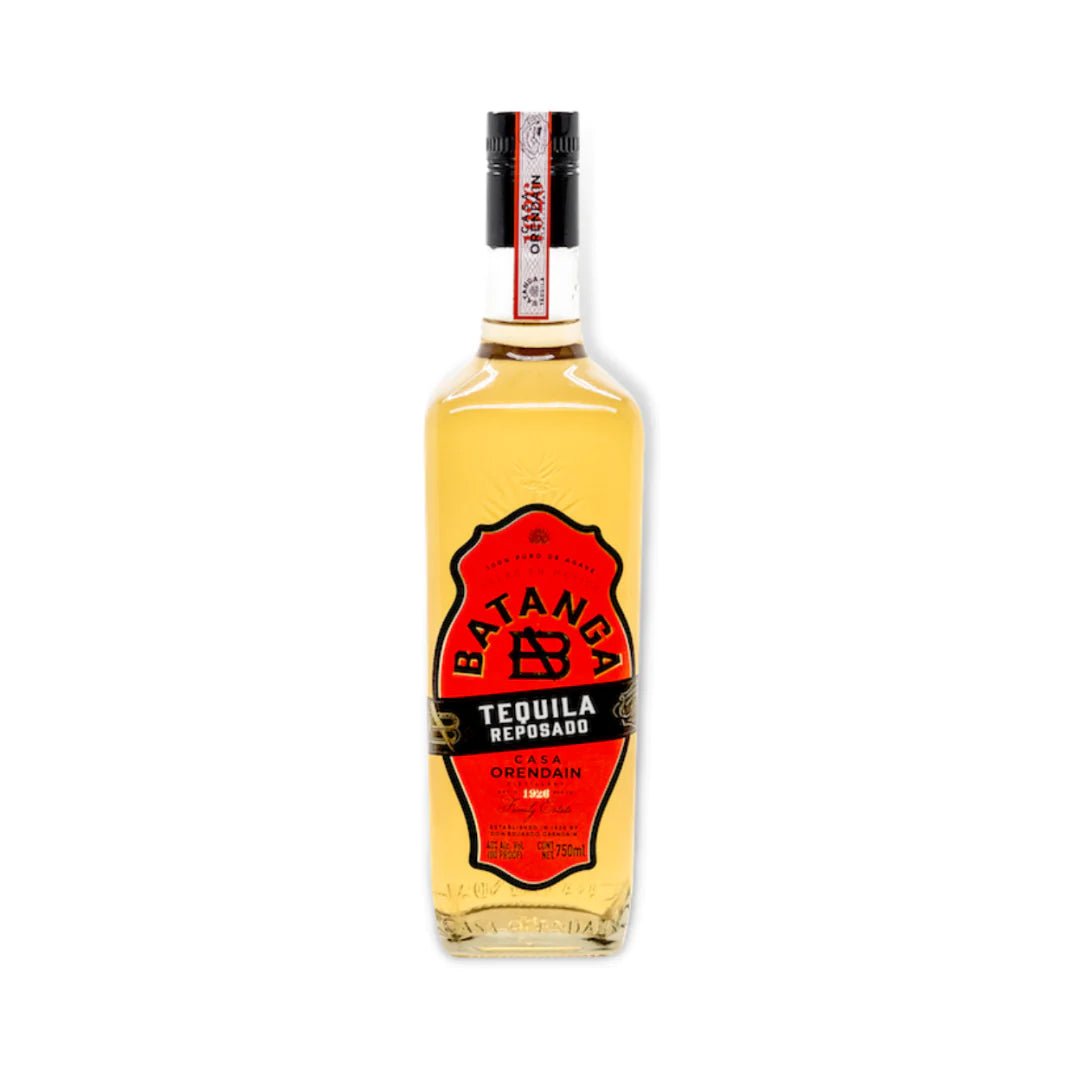
Batanga Reposado Tequila
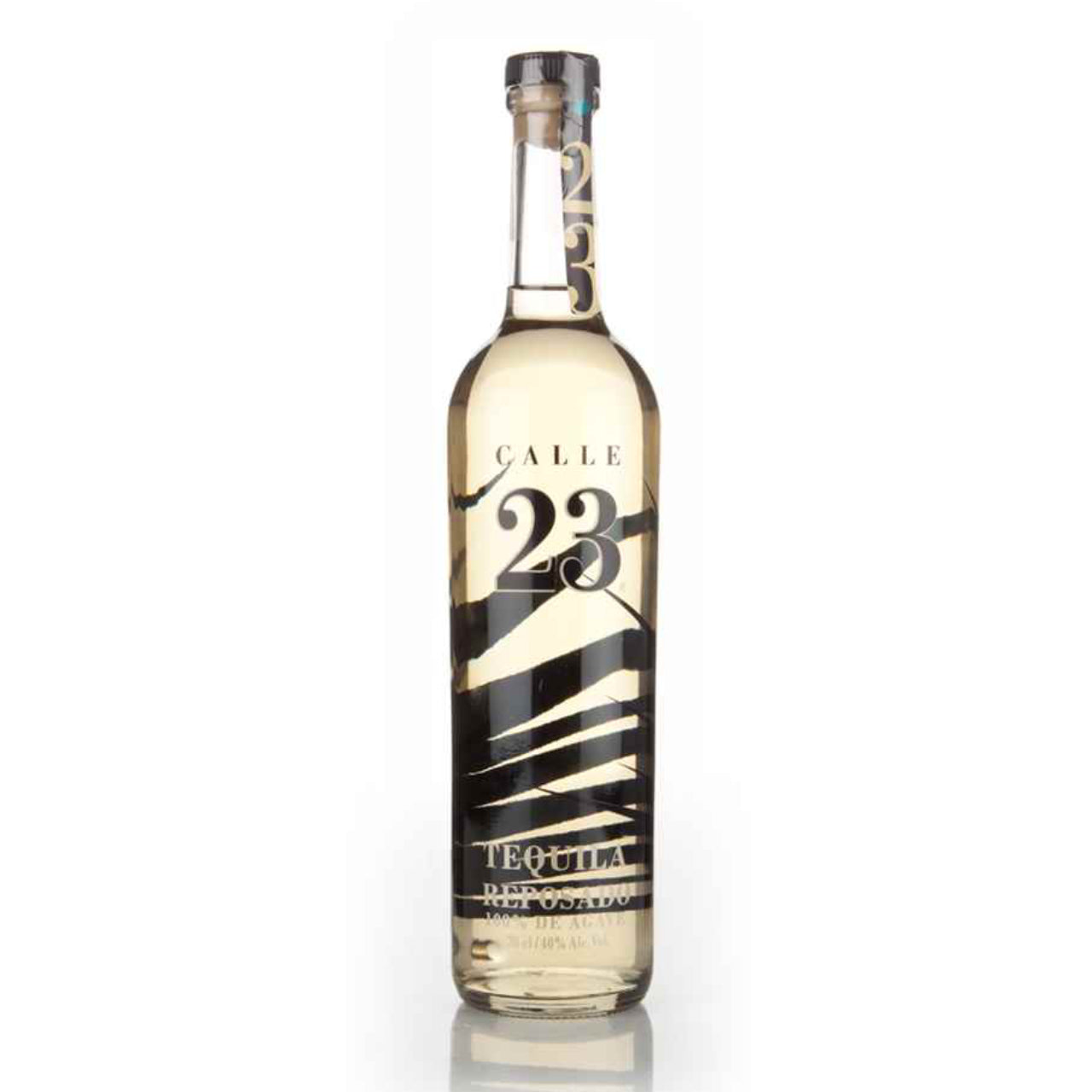
Calle 23 Reposado Tequila
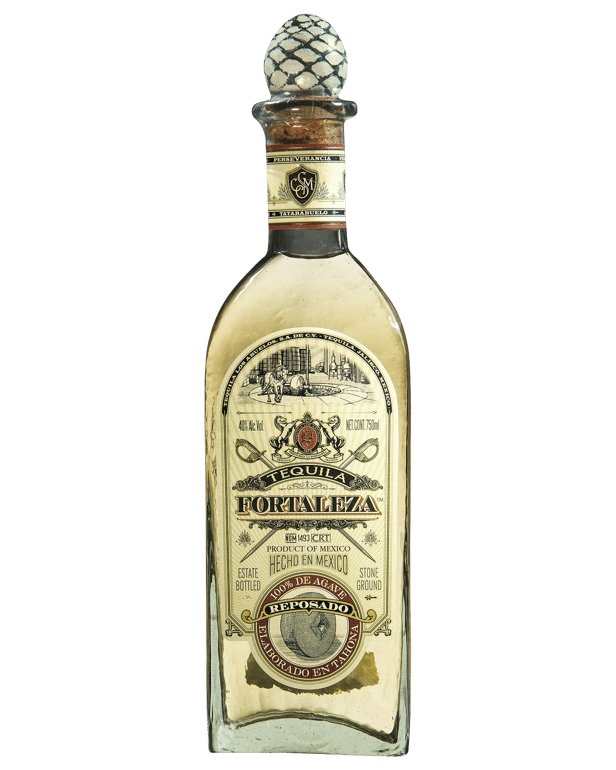
Fortaleza Reposado Tequila
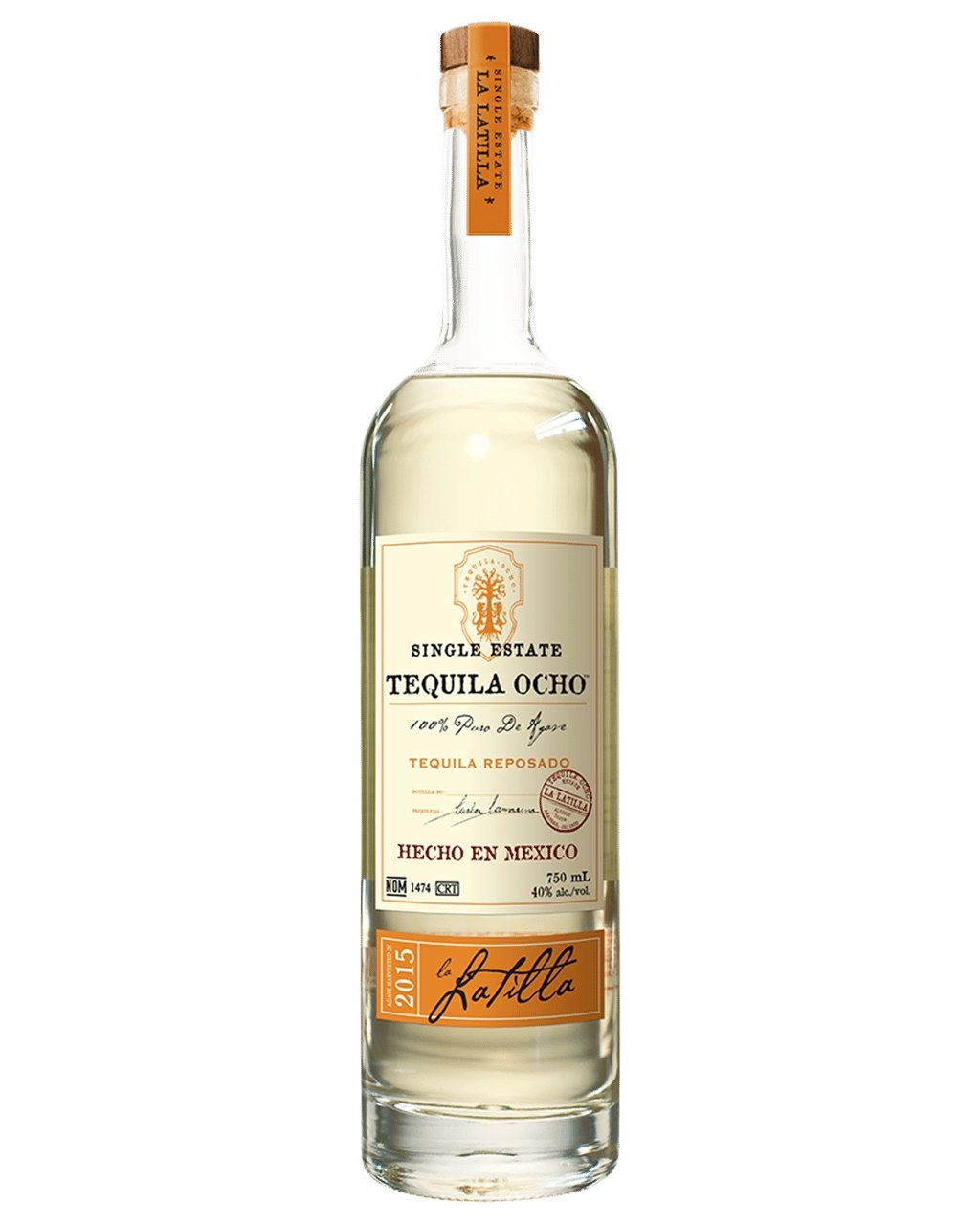
Ocho Reposado Tequila
About Reposado Tequila
Reposado is tequila held in oak for at least two months and no more than a year. That window is the whole idea. A few months of wood takes the sharp edge off a blanco and lifts a little vanilla, caramel and baking spice out of the barrel, but it stops well short of the dried fruit and tannin you get from a full year or more. Cooked agave still runs the show.
The page covers both ends of the style, the everyday bottles and the showpieces. Camarena Reposado is the practical bottle, good neat and good in a drink. Don Fulano Reposado is the connoisseur's pick here, dry and structured, made by the Fonseca family from highland agave. Clase Azul Reposado is the one people recognise across a room, sold in a hand painted ceramic decanter made in Santa Maria Canchesda, and Clase Azul Gold is its limited edition sibling, a blend of unaged and aged tequilas in a gold finished decanter. Calle 23, Ocho, Batanga and Fortaleza appear as stock allows.
Either side of this style sit the blanco and anejo pages, and the full tequila range is delivered across Australia (exc. NT).
History
Resting tequila in wood started as a practical matter. Distillers kept spirit in barrels because barrels were what they had for storage and transport, and they noticed the tequila that waited tasted better than the tequila that did not. Only later did the regulations turn that habit into a named category, with reposado defined by a minimum of two months in oak and a maximum of one year.
Most reposado goes into used American oak, often ex bourbon barrels, because they give vanilla and coconut without the heavy tannin of new wood. Some houses use French oak, ex whisky or ex sherry casks for a different effect. Barrel size matters too, since a smaller barrel means more wood contact per litre and faster change, which is why a young tequila from a small cask can taste older than its months.
Clase Azul, founded in 1997, did something different by making the vessel part of the product. Each decanter is thrown and hand painted by artisans in Mexico, which turned the reposado into a gifting bottle as much as a drinking one. At the other end, houses like Don Fulano and Fortaleza kept the focus on what happens before the barrel, with slow cooking and careful fermentation, on the argument that oak should tidy a good spirit rather than rescue a poor one.
How to drink it
Pour reposado neat at cool room temperature into a copita or small tulip. It is the most forgiving tequila for people who normally drink whisky, since there is enough oak to feel familiar and enough agave to be interesting. A single small ice cube is defensible here in a way it is not with blanco, though it will mute the agave within a few minutes.
In cocktails it makes a rounder margarita and a much better Tommy's, and it is the natural base for an agave Old Fashioned with agave syrup and orange bitters in place of sugar. Food wise it likes grilled chicken and pork, tacos al pastor, roast pumpkin, mild aged cheese and salted caramel.
An open bottle is fine for a year or more, though anything above half empty loses freshness faster, so decant the last third into a smaller bottle if you drink slowly. Start with Camarena Reposado to learn the style, move to Don Fulano Reposado when you want detail, and keep Clase Azul for the table where the decanter is doing half the work. For a smokier version of the same ritual, the mezcal page is next door.