
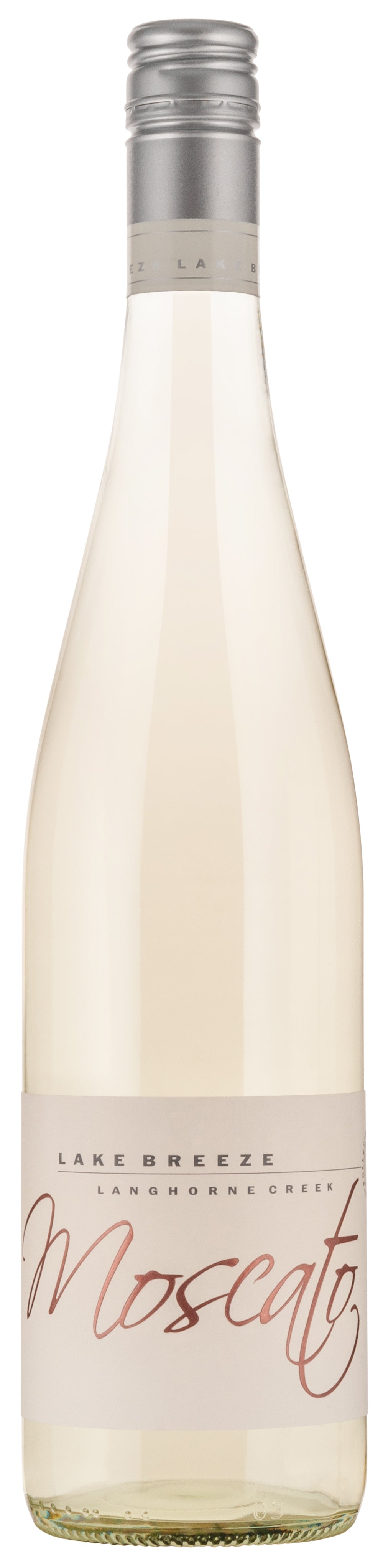
Lake Breeze Moscato 2026
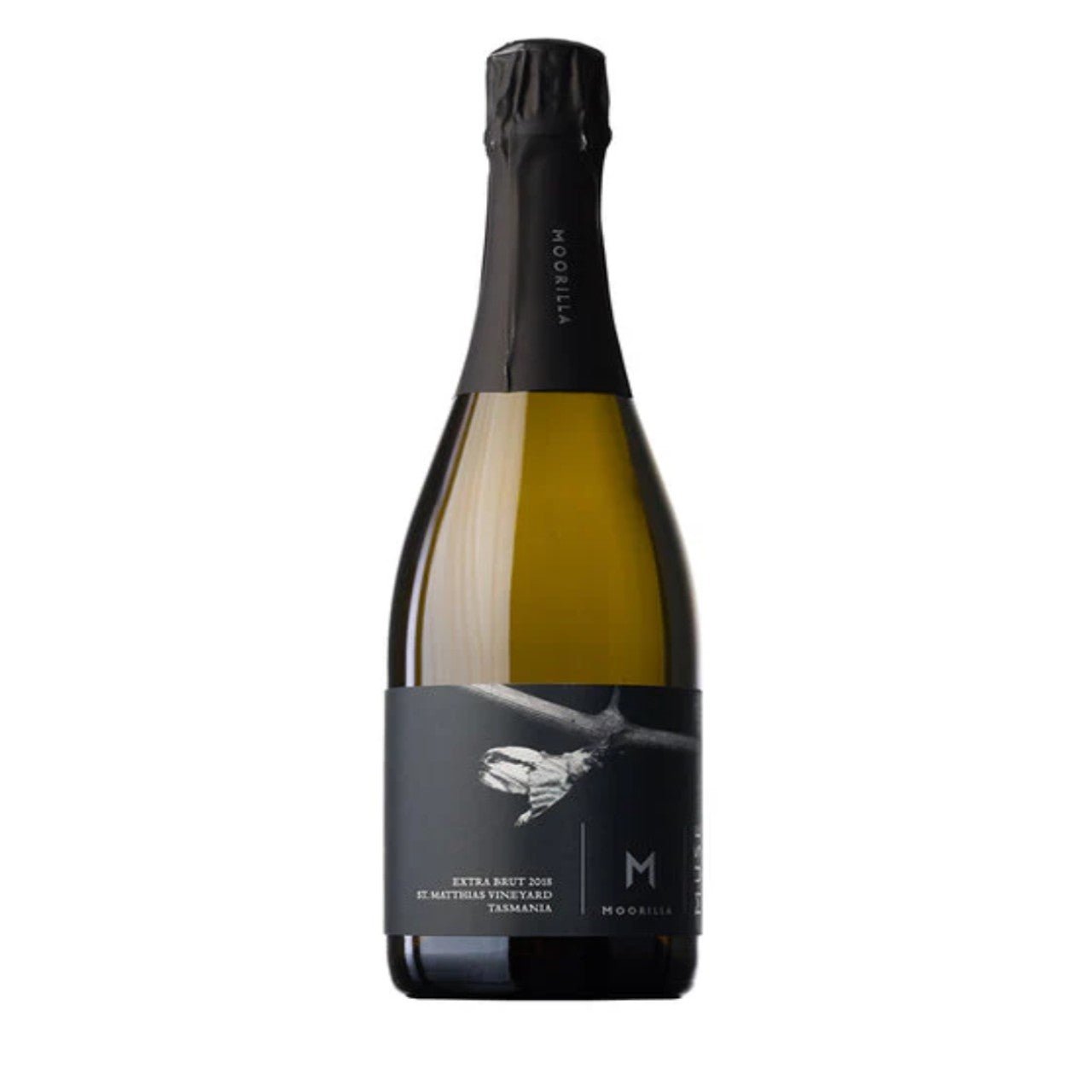
Moorilla Muse Extra Brut 2018
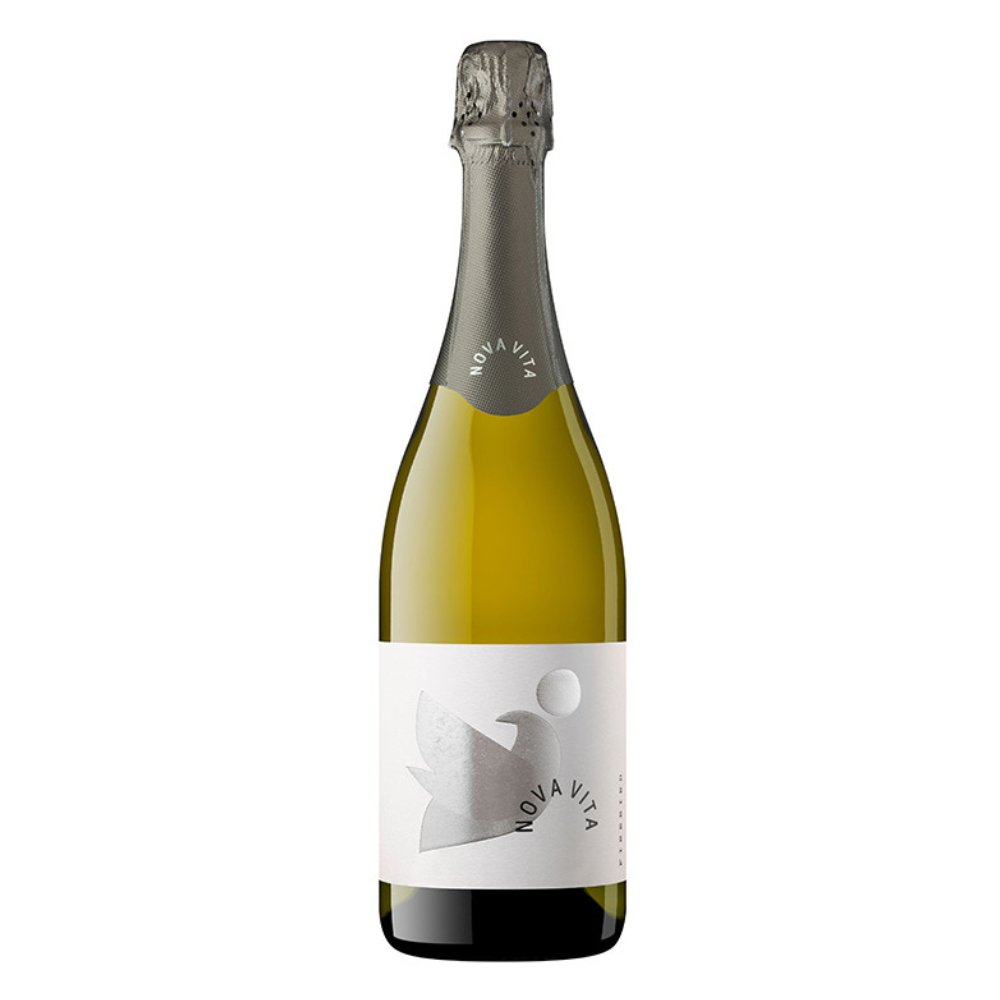
Nova Vita Firebird Sparkling Pinot Noir Chardonnay
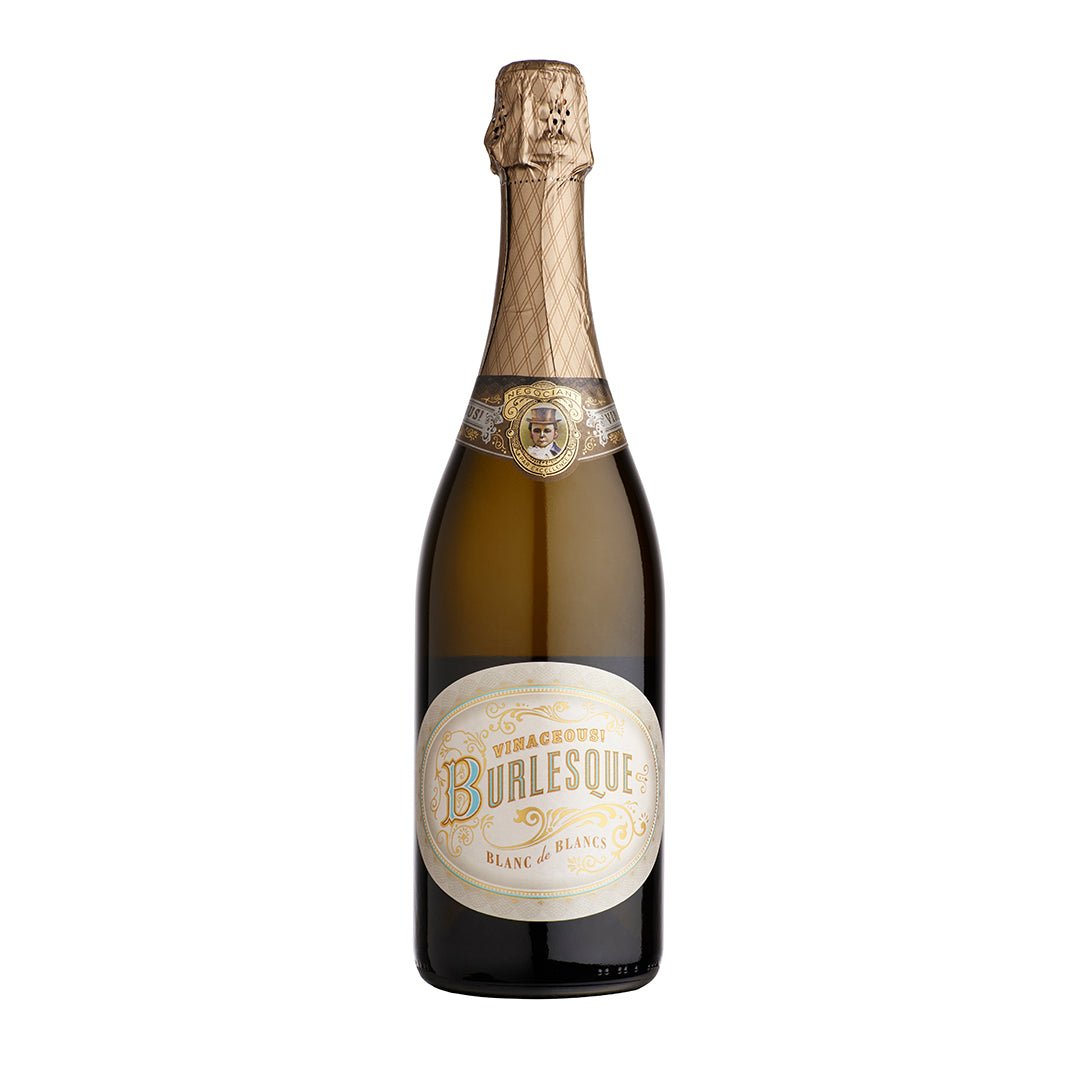
Vinaceous Burlesque Sparkling
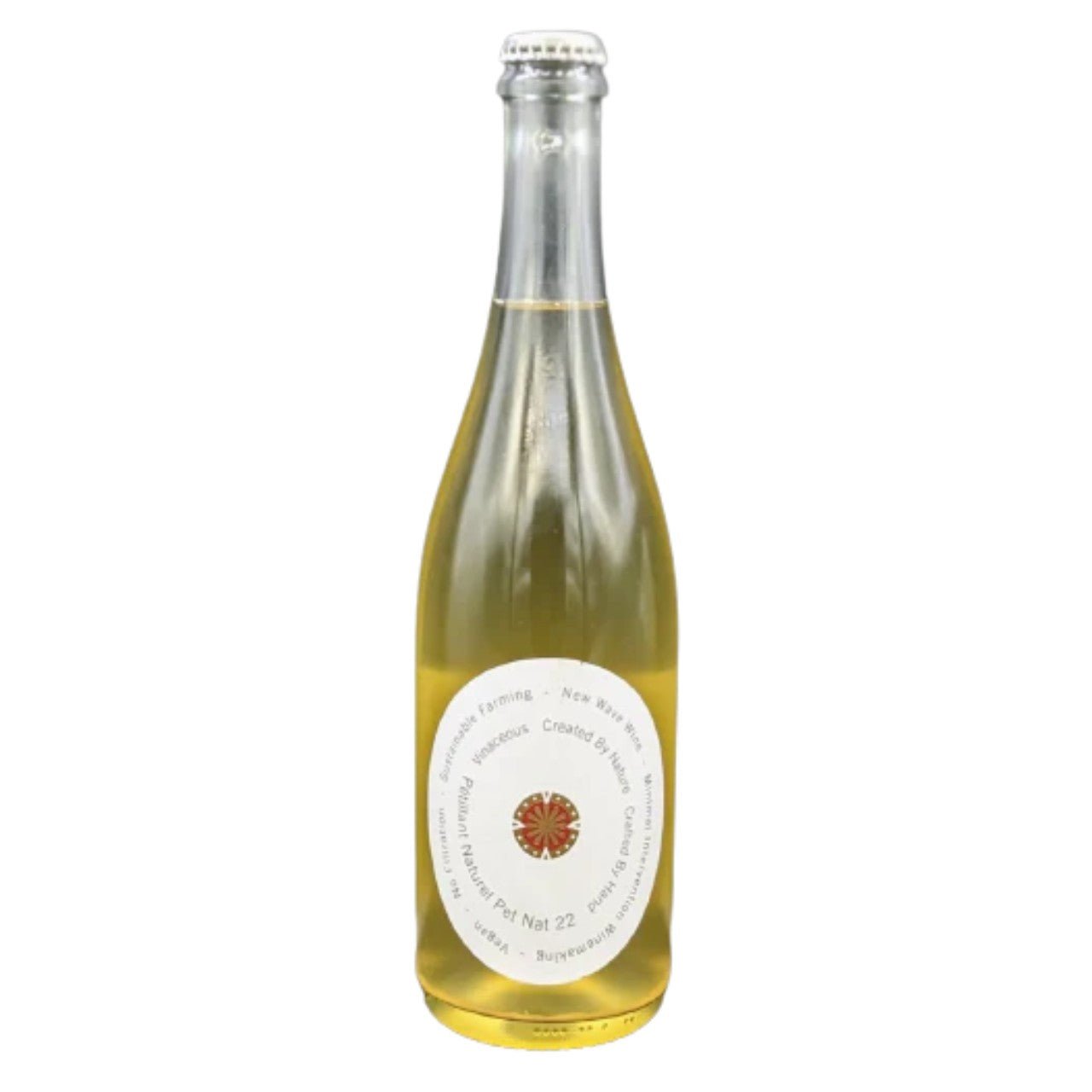
Vinaceous Pet Nat 2022
About Australian Sparkling
Australian sparkling wine is not one thing, and this collection deliberately keeps the different strands together so you can see how far apart they sit.
At the serious end are the cool climate traditional method wines. Tasmania has become the country's best source of sparkling base fruit because it holds acidity that mainland regions lose, and Moorilla from the Derwent Valley is represented here. Other cool climate producers work in the same idiom.
Then there is prosecco. The King Valley in north east Victoria grows Glera and makes it in the tank method. It is a lighter, more immediate style and it has become one of the most popular categories in the country.
Pet nat sits in a third camp. Made by bottling the wine before its first fermentation has finished, it is cloudier, less predictable and usually lower in alcohol.
And then there is sparkling shiraz, which exists almost nowhere else: red, dry, full bodied and traditionally drunk at Christmas.
History
Australia has been making sparkling wine since the nineteenth century, but the modern industry dates from the 1980s, when producers began planting Chardonnay and Pinot Noir in genuinely cool sites specifically for sparkling base wine rather than repurposing whatever was left over from table wine.
Tasmania was the decisive move. Its climate produces fruit with the natural acidity and low sugar that traditional method wine requires, and the state now supplies base wine well beyond its own labels.
Sparkling shiraz has a much older and stranger history. It began in the late nineteenth century as an attempt to make a red sparkling wine in the Champagne mould, using the grape that grew best locally. It never caught on anywhere else, and it survived in Australia as a Christmas tradition, which is when most of it is still drunk.
Prosecco arrived far more recently. Glera was planted in the King Valley around the turn of the century by growers with northern Italian family connections, and the category has grown quickly since.
Pet nat is the newest arrival, part of a broader move toward minimal intervention winemaking. The technique itself is ancient, predating the traditional method, but its current popularity is very recent.
The second fermentation most of these wines depend on was refined in one region above all, and our Champagne guide walks through how it works.
How to drink it
Match the temperature to the style. Traditional method wines from Tasmania and the Adelaide Hills are best around eight to ten degrees, cold enough to be refreshing but warm enough to show texture. Prosecco and pet nat want to be colder, six to eight. Sparkling shiraz is the exception and should be served only lightly chilled, around twelve, because too much cold flattens the fruit and exaggerates the tannin.
Open pet nat carefully. It is bottled before fermentation finishes, and pressure varies from bottle to bottle. Chill it thoroughly first, keep it upright for a day beforehand if you can, and open it over a sink. Some sediment is normal and is not a fault.
Sparkling shiraz is a food wine rather than an aperitif. It handles Christmas ham, roast turkey, glazed pork and anything smoky far better than a white sparkling wine does, and it is one of the few wines that copes with a hot Australian December lunch.
For the imported comparison, browse Prosecco, Champagne and the wider sparkling range, or explore Australian wine more broadly.