
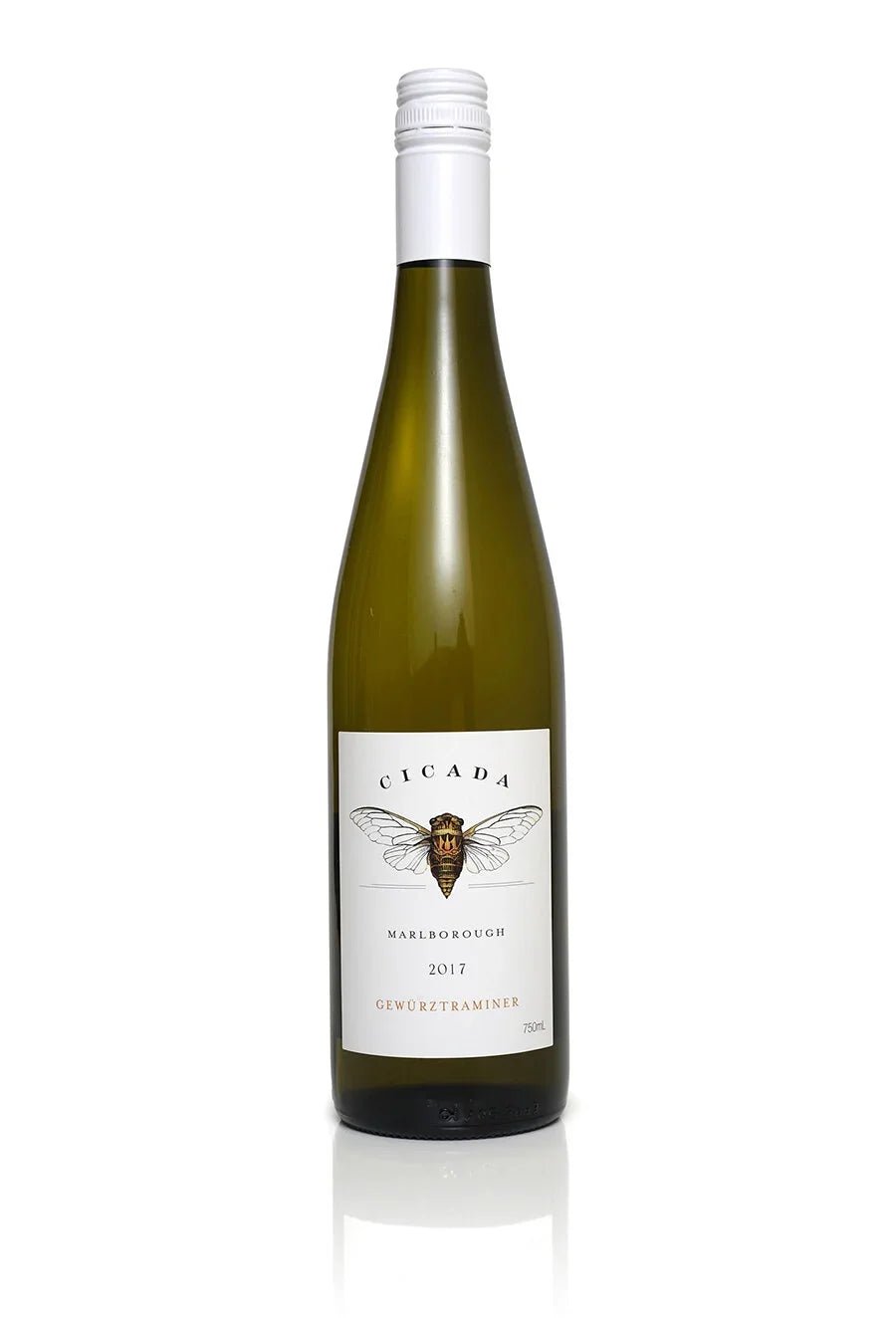
Cicada Gewurztraminer 2025
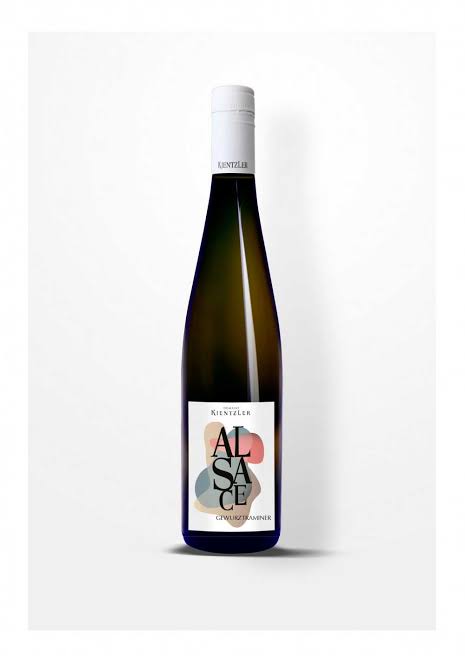
Kientzler Gewurztraminer 2023
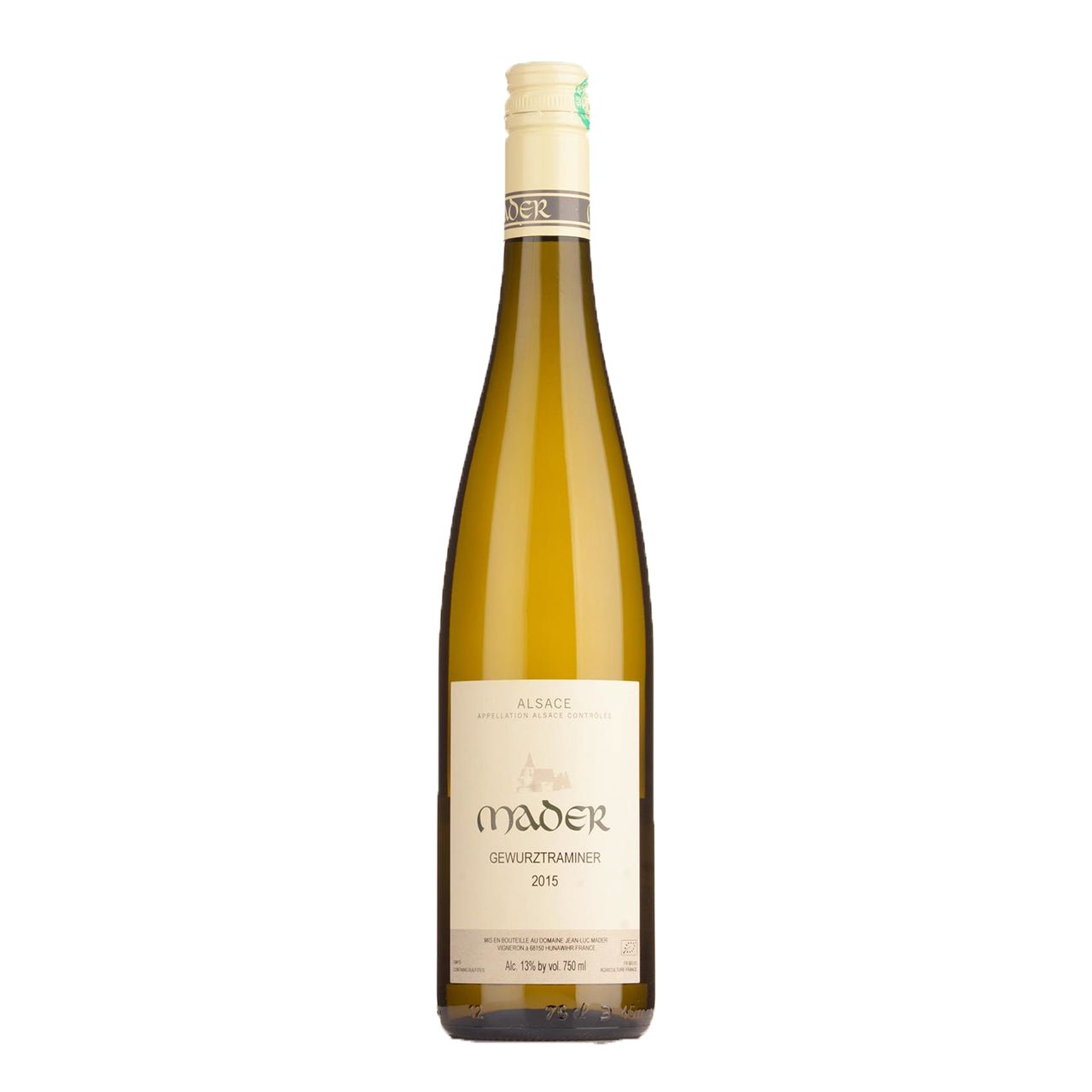
Mader Gewurztraminer 2021
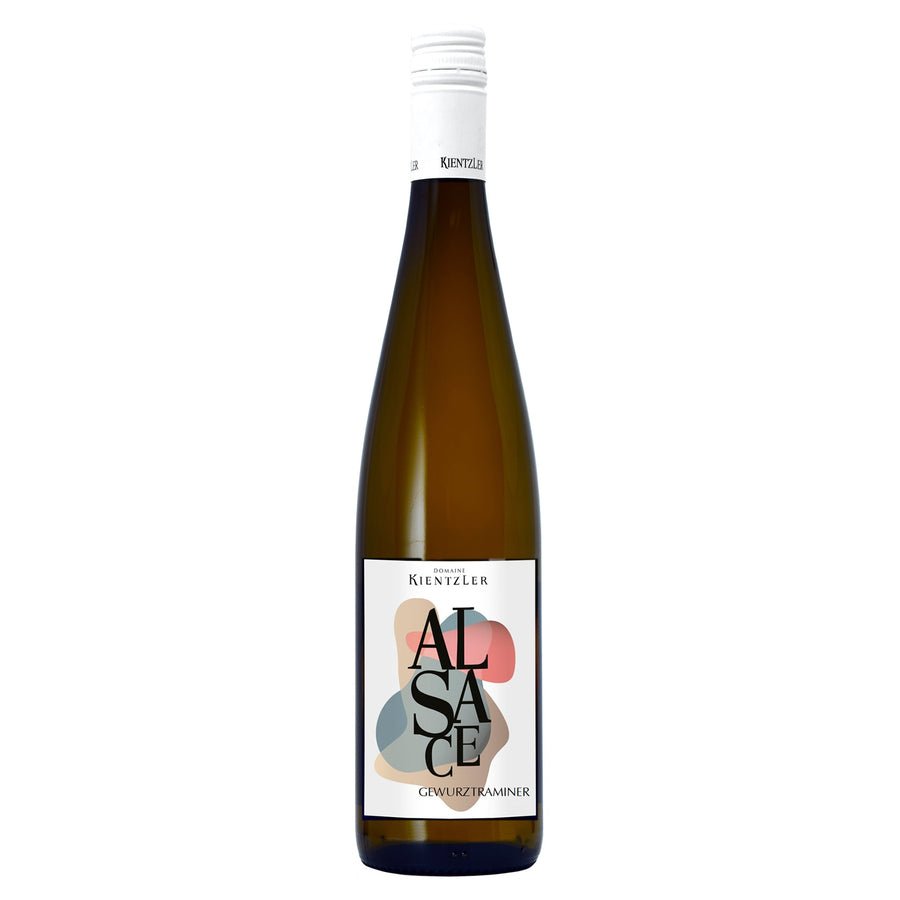
Kientzler Gewurztraminer 22
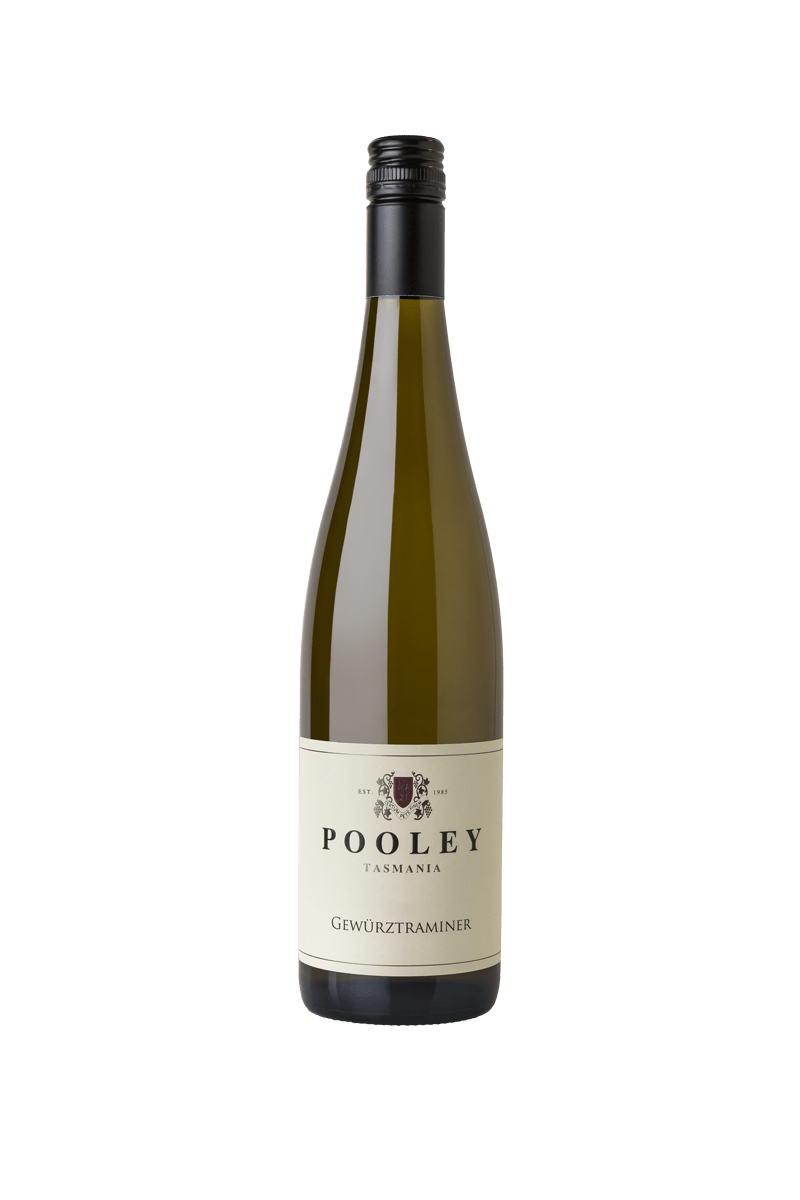
Pooley Gewurztraminer 2024
Tramin Gewurztraminer 2023
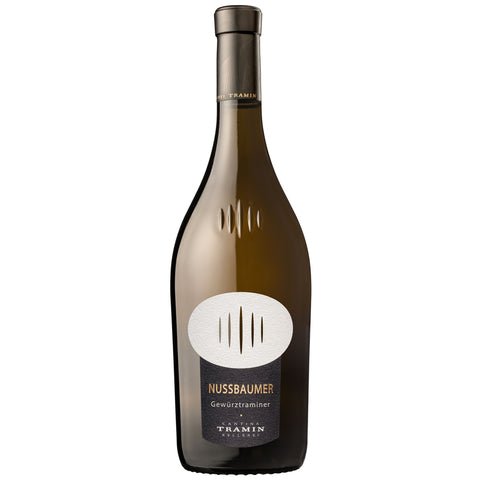
Tramin Gewurztraminer Nussbaumer 2020
About Gewürztraminer
Gewurztraminer is the most immediately recognisable white grape there is. Pour a glass blind and most people land on lychee, rose petal and ginger within seconds, because the wine is loaded with rose oxide, the same compound that gives lychees their perfume. The page covers the three places that do it best. From Alsace, Kientzler Gewurztraminer comes from Ribeauville, a village better known for its steep marl and limestone Riesling sites, and Mader Gewurztraminer from Hunawihr just down the road. From Italy, Tramin Gewurztraminer and the single vineyard Nussbaumer come from the Alto Adige village that gave the grape its name. From Tasmania, Pooley Gewurztraminer from the Coal River Valley shows the cooler, tighter Australian reading of the style. The Alto Adige bottles tend to be drier and more mineral, the Alsace ones broader and often with a little residual sugar, and the difference is worth tasting side by side. The same growers make excellent Riesling, and the wider French range is in French wines.
History
Traminer takes its name from Tramin, or Termeno, a village on the wine road south of Bolzano in Alto Adige, where records of the grape go back to the Middle Ages. Gewurztraminer is a pink berried, aromatic mutation of that older Traminer, selected and propagated through the nineteenth century, and gewurz simply means spice in German. The colour of the skins matters more than it sounds. Because the berries are pink, even a gently pressed white wine picks up a faint copper tint and a certain phenolic grip on the finish, which is part of why the wine feels weighty in the mouth. The grape buds early, ripens early and loses acidity quickly, so picking date decides everything. A week late gives a flabby wine at fifteen percent alcohol, a week early gives no perfume at all. Alsace, which spent much of the period between 1871 and 1945 under German rule, rebuilt after the Second World War around varietal labelling and quality replanting, naming Gewurztraminer one of its four noble grapes. The grand cru appellation followed in 1975, and the two late harvest categories, vendanges tardives and selection de grains nobles, were legally defined in 1984. In Alto Adige, the Tramin cooperative was founded in 1898 and its Nussbaumer bottling from vines above Termeno did more than anything else to re establish the grape's reputation in its birthplace. Neighbouring Italian wines from the region share that Alpine precision.
How to drink it
Serve Gewurztraminer at 10 to 12 degrees. Straight out of a cold fridge it goes mute, and above about 14 degrees the alcohol takes over, so take it out ten minutes before pouring. Use a tulip shaped white wine glass with a bowl wide enough to swirl. This is one of the great food wines of the world once you accept that it does not behave like other whites. The Alsace classic is Munster cheese, and it holds up to anything washed rind or blue. Beyond that, pork with ginger or apple, duck, smoked fish, onion tart, and South East Asian food built on lemongrass, coriander and coconut. Curries and Thai salads that destroy a Sauvignon Blanc are exactly where it comes into its own. Be aware that a bottle labelled as dry may still carry several grams of sugar, especially from Alsace, which is what lets it handle chilli. Opened bottles hold well for three or four days in the fridge with the cap on, and good examples from Alsace grand cru sites can age ten years or more, going towards ginger, marmalade and smoke. Start with Mader 2021 for the classic Alsace shape, or Kientzler Riesling if you want the same house in a drier register. More whites sit in white wines.