
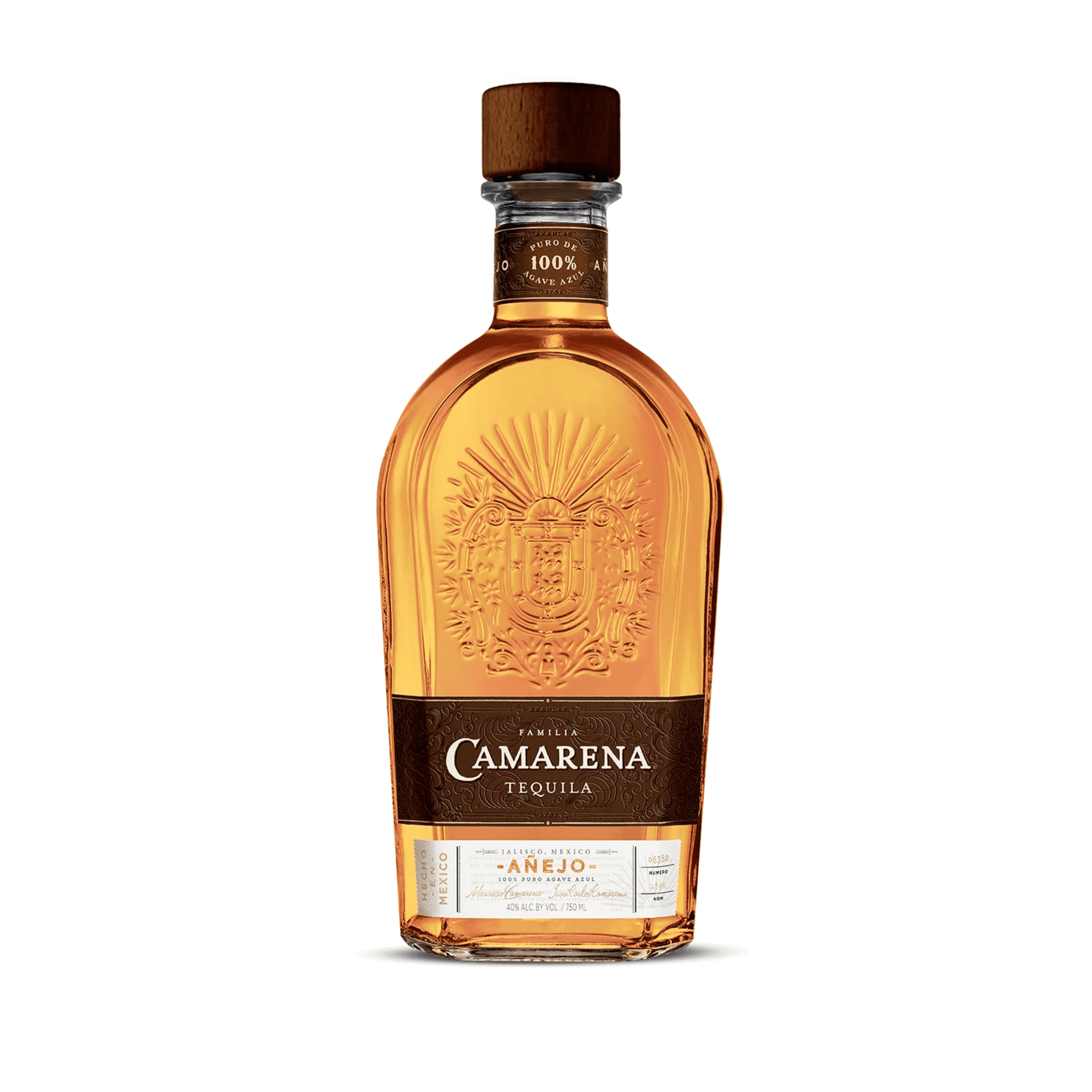
Camarena Anejo Tequila
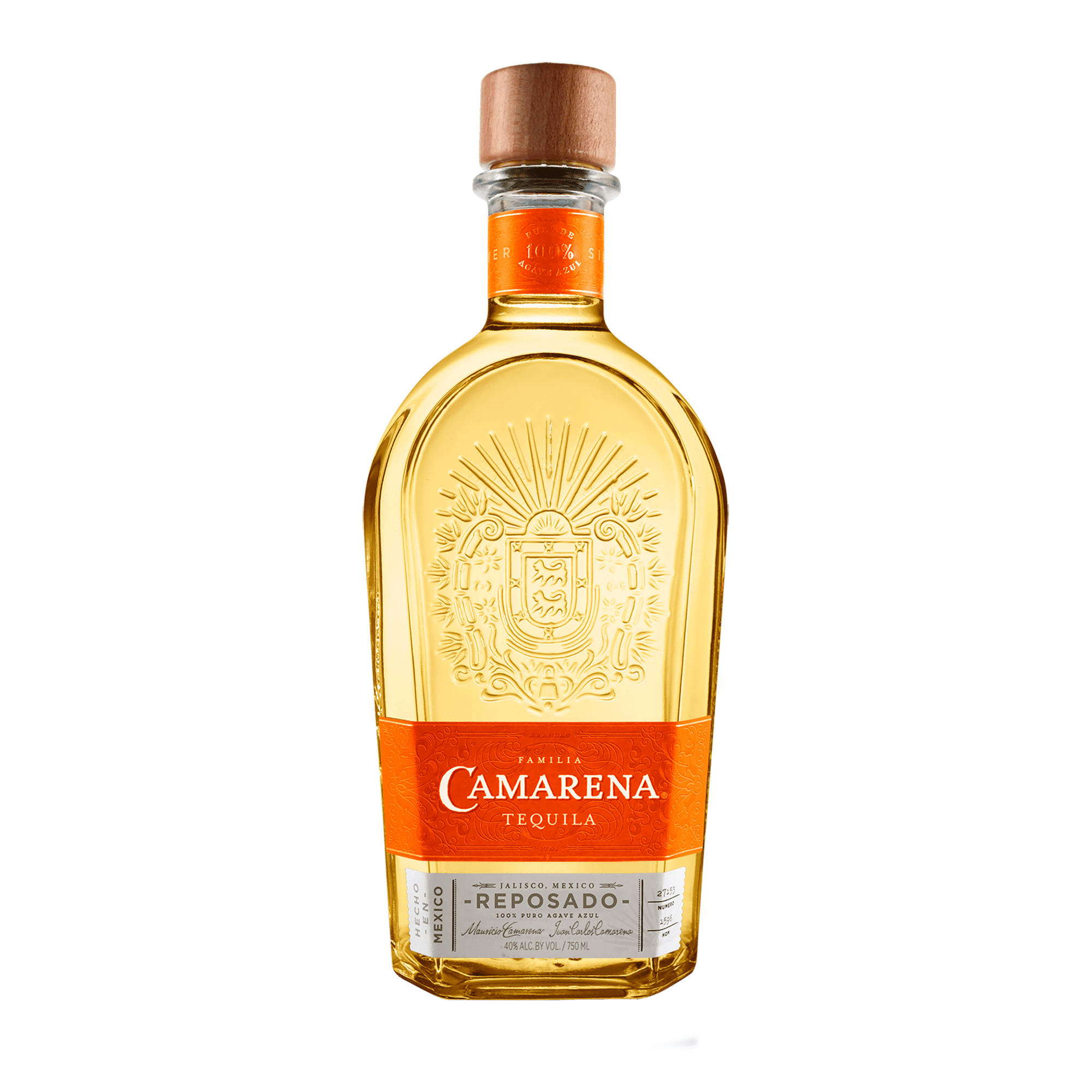
Camarena Reposado Tequila
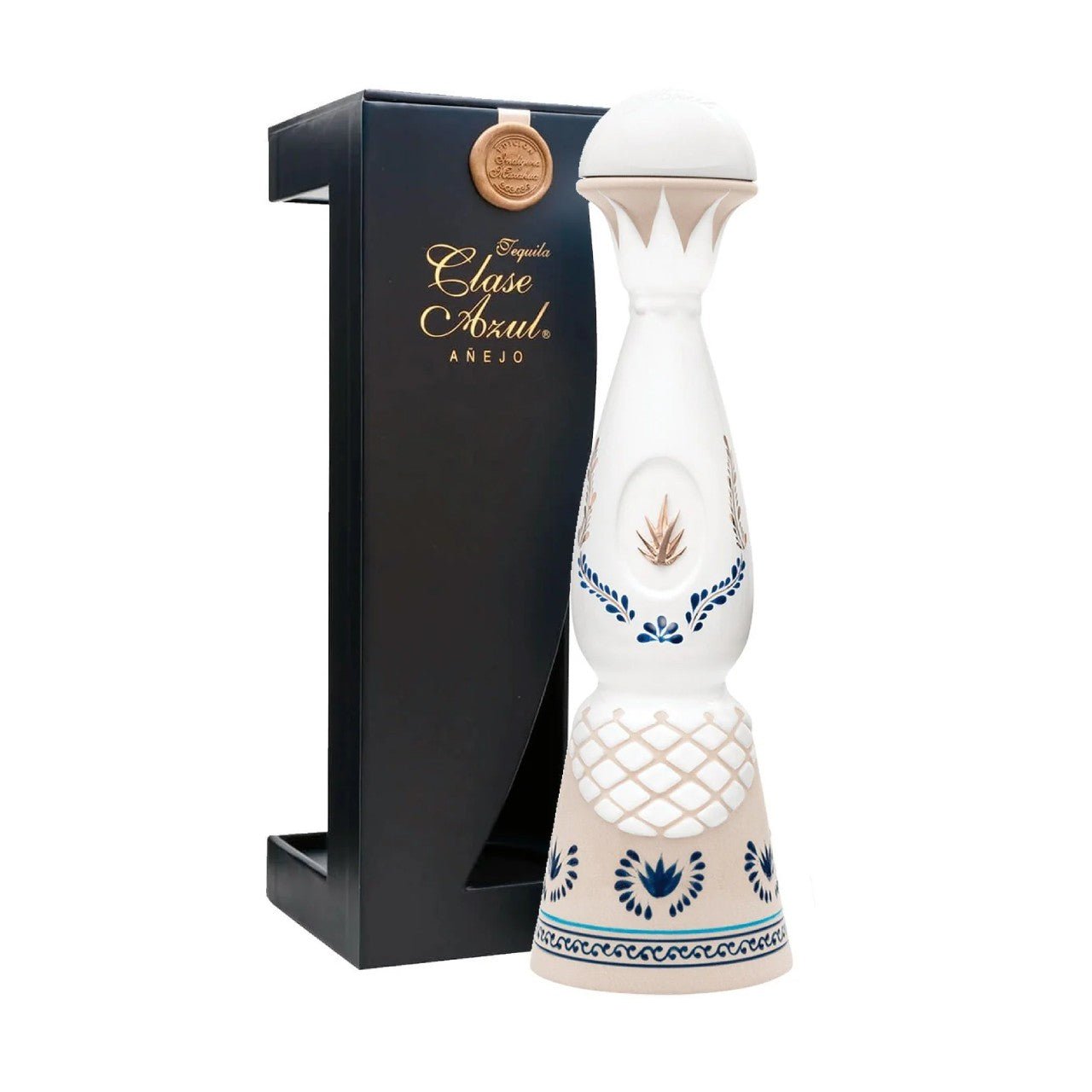
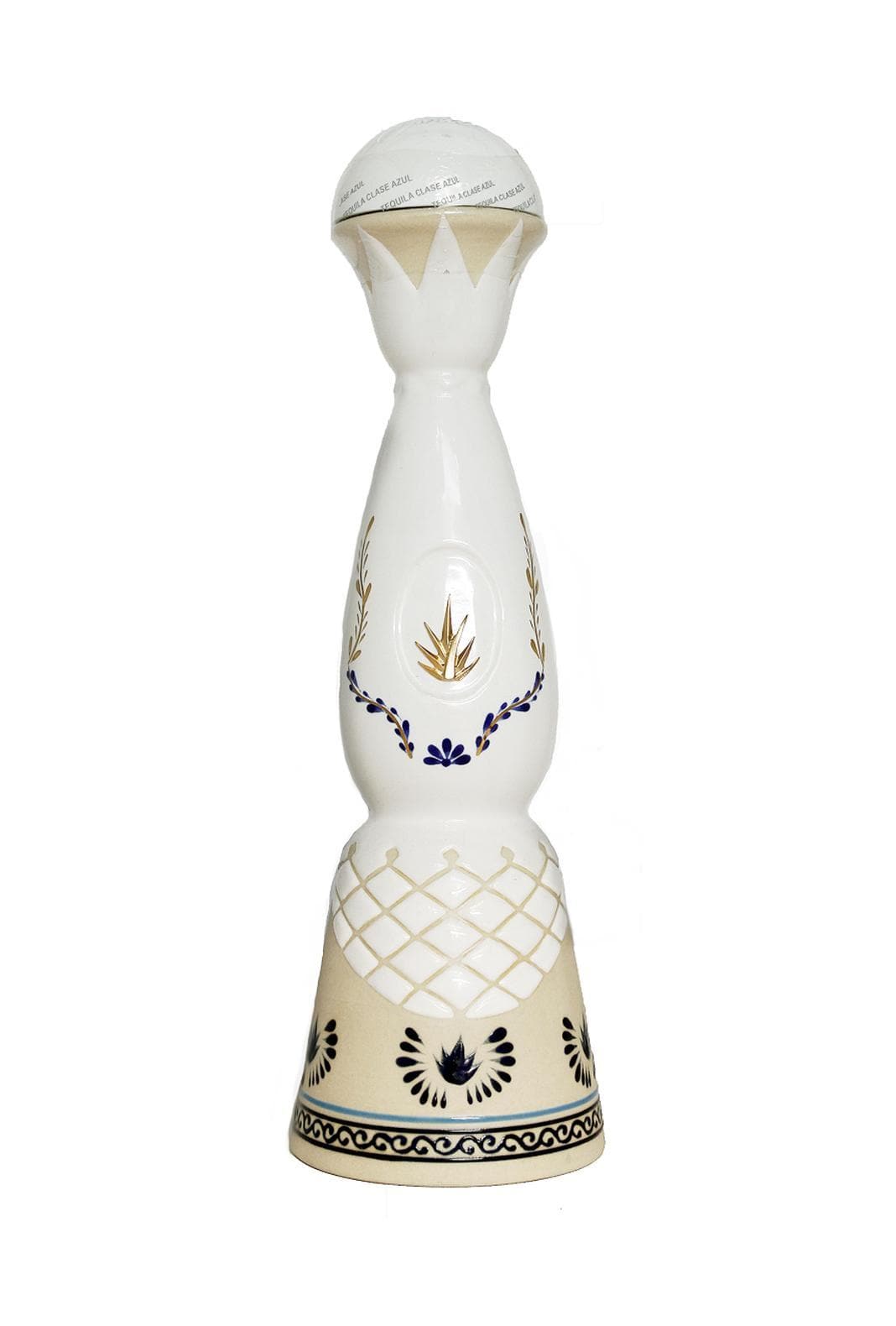
Clase Azul Tequila Anejo 40% 750ml
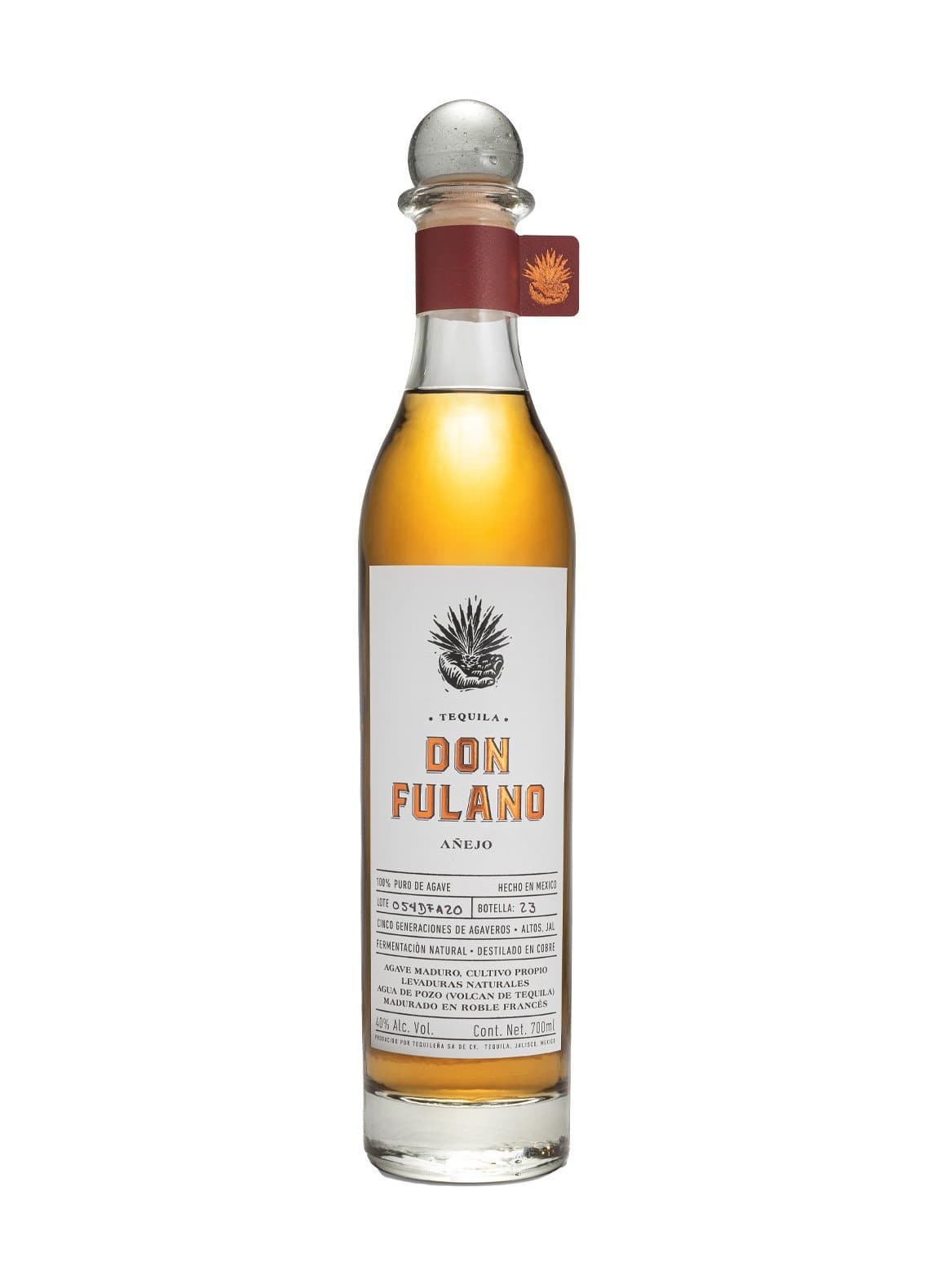
Don Fulano Añejo Tequila 40% 700ml
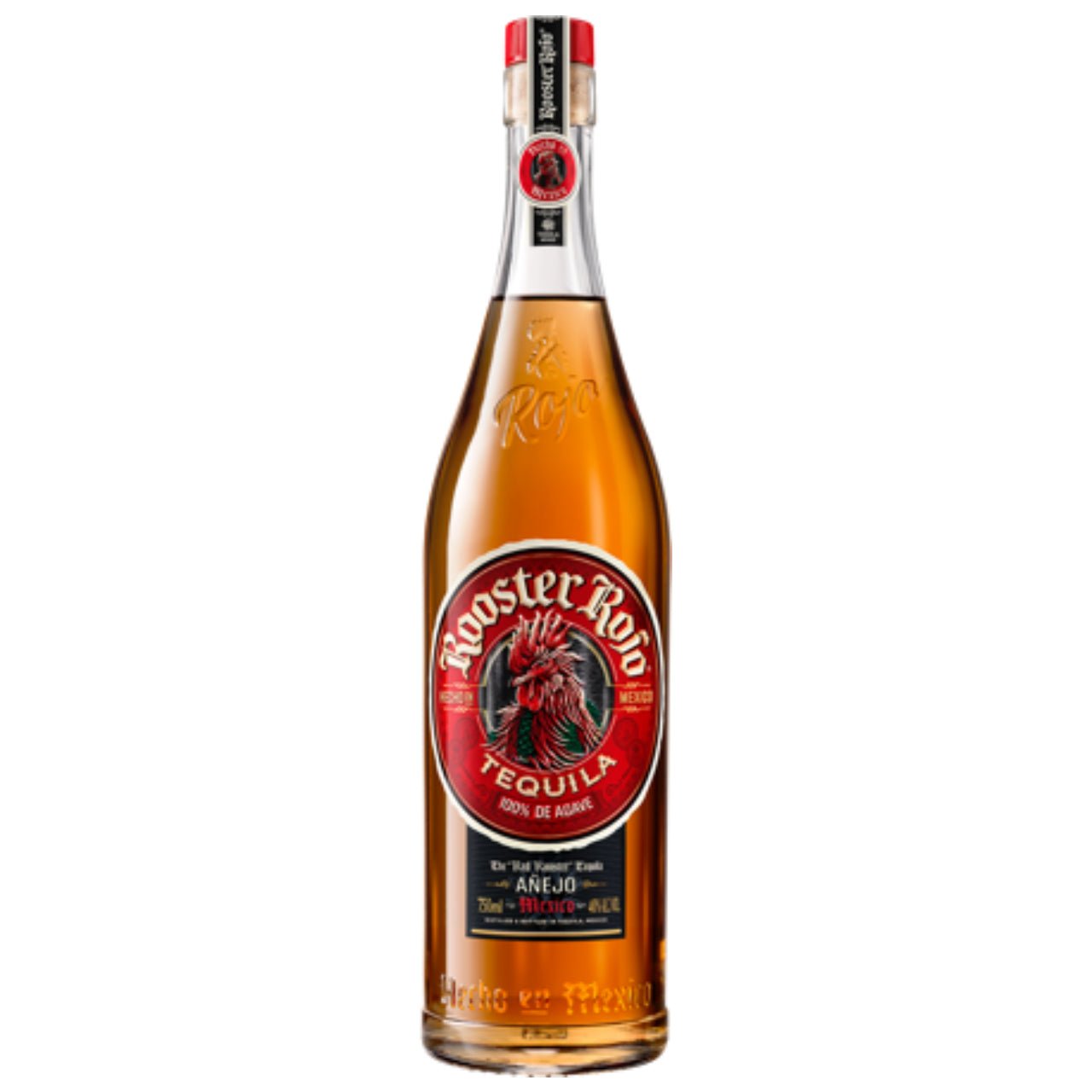
Rooster Rojo Tequila Anejo 38% 700ml
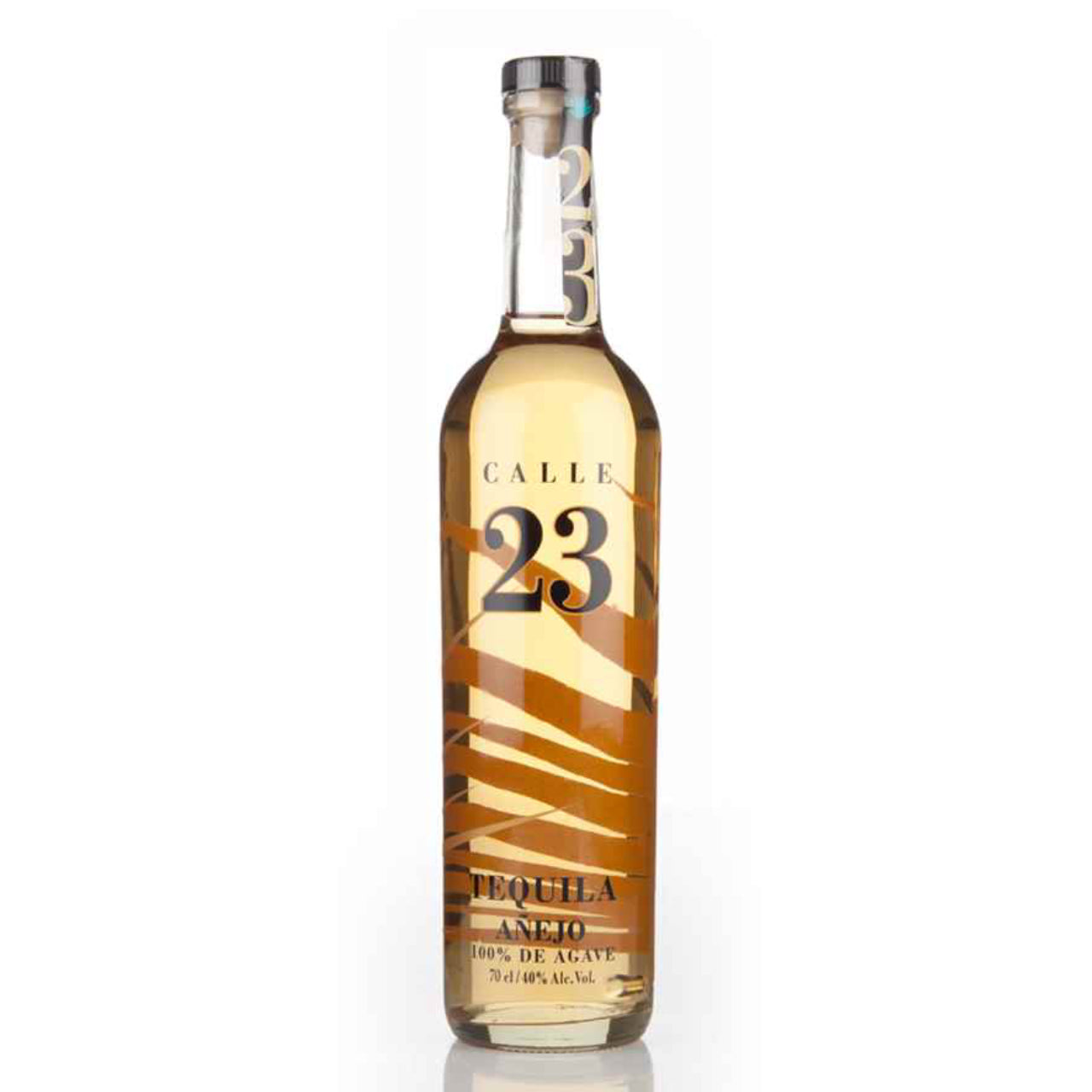
Calle 23 Anejo Tequila
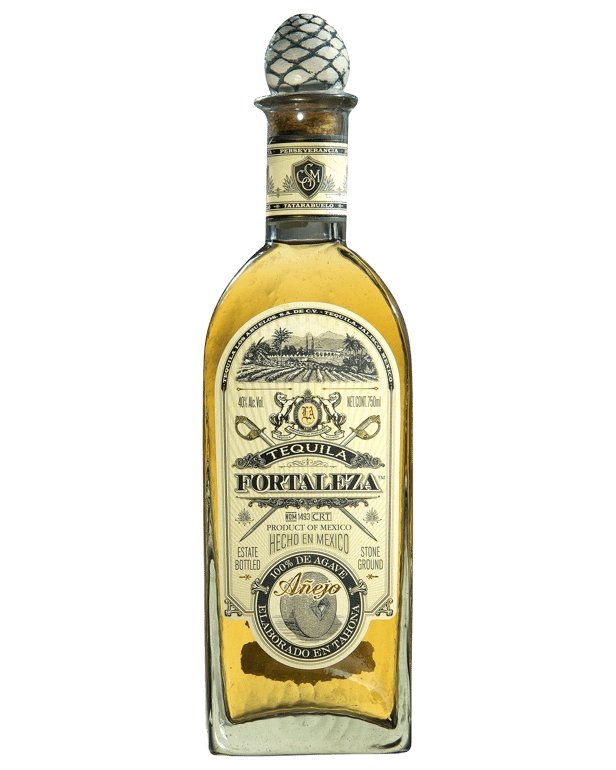
Fortaleza Anejo Tequila
About Anejo Tequila
Anejo is tequila that has rested in oak barrels of 600 litres or less for one to three years, made from Weber blue agave grown inside the protected zone covering Jalisco and parts of four other states. The wood does not remake the spirit so much as slow it down. Cooked agave, black pepper and citrus are all still there, now carrying vanilla, dried fruit and a longer, softer finish.
The bottles here run across the whole style. Camarena Anejo is the straightforward way in, with obvious barrel sweetness. Don Fulano Anejo, from the Fonseca family, leans dry and savoury and drinks closer to a good brandy than to a mixing tequila. Clase Azul Anejo arrives in the hand painted ceramic decanter the house is known for. Calle 23, founded by French biochemist Sophie Decobecq, and Fortaleza, made at the old Sauza family site in the town of Tequila, fill the ground between them.
If the oak here reads as too heavy, the shorter aged reposado and unaged blanco pages sit alongside this one, and the wider tequila range is delivered across Australia (exc. NT).
History
Tequila was given its denomination of origin in 1974, and the regulatory council that polices it, the CRT, was set up two decades later. The ageing ladder everyone now quotes comes from that framework. Reposado needs two months in oak, anejo needs a full year, and extra anejo, a category only added in 2006, needs three. Anejo also has a ceiling on barrel size, which is why almost all of it lands in ex bourbon American oak barrels rather than large vats.
For most of the twentieth century the barrel was doing repair work. Cheap tequila was mixto, only fifty one per cent agave, and oak covered the difference. The modern picture is different. One hundred per cent agave is now the mark of quality, and ageing is used to add rather than to hide, which is why a bottling like Rooster Rojo Anejo still tastes clearly of agave.
Production method matters more than the label suggests. Agave hearts cooked slowly in brick ovens and crushed under a stone tahona, the way Fortaleza works, give a heavier, earthier spirit than the autoclave and roller mill route. Highland agave from Los Altos tends to read sweeter and more citric, valley agave more mineral and peppery. Oak then sits over the top of that difference rather than erasing it.
How to drink it
Serve anejo neat at cool room temperature, around eighteen degrees. Ice shuts down the aromatics fast, so if you want it colder, chill the glass instead of the spirit. Use a small tulip or a copita rather than a shot glass, because the whole point of ageing is aroma and a straight sided glass throws it away. Salt and lime belong with cheap mixto and will flatten anything on this page.
Food works better than most people expect. Aged tequila handles grilled beef, mole, slow cooked pork, aged cheddar and manchego, and dark chocolate at seventy per cent or higher. It also makes a very good Old Fashioned, where the sugar and bitters sit against agave rather than grain, and it will carry a Manhattan if you pour it in place of the rye.
An opened bottle holds up for a year or two if the cap is sealed properly. Once it drops below half, oxygen starts to dull it, so finish it or move it to a smaller bottle. Start with Camarena Anejo if you are new to the style and want sweetness and easy oak, or go to Don Fulano Anejo if you already drink whisky or cognac neat and want something drier.