
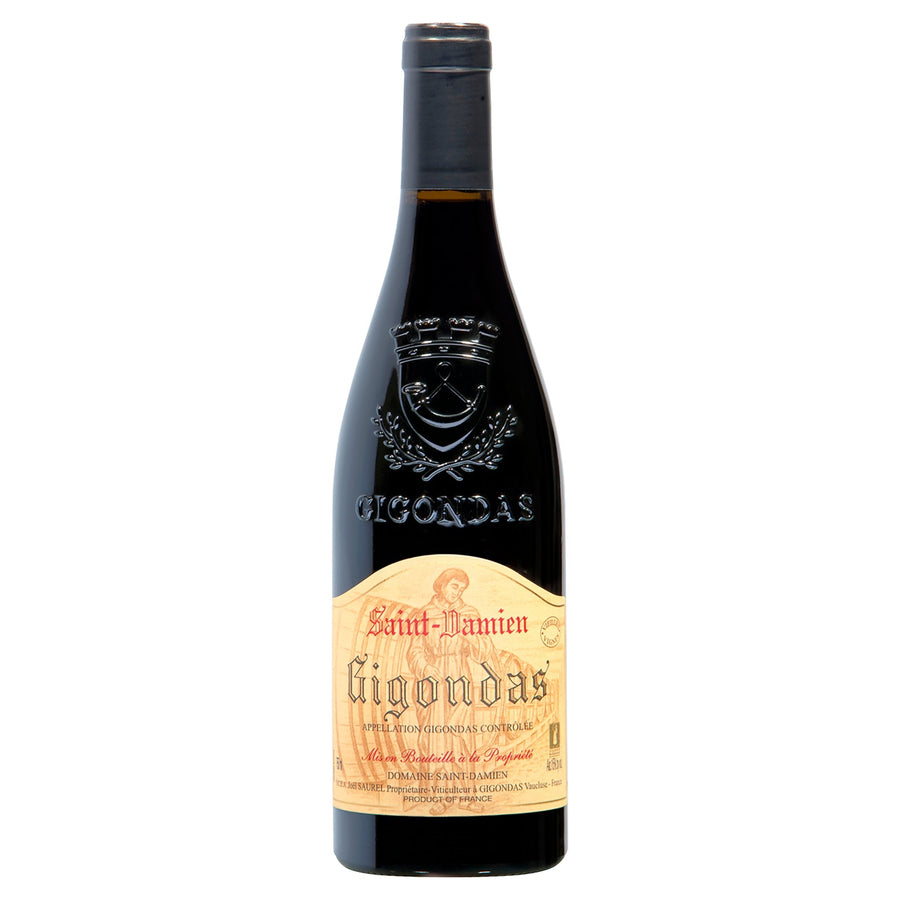
Saint Damien Gigondas Vieilles Vignes 2023
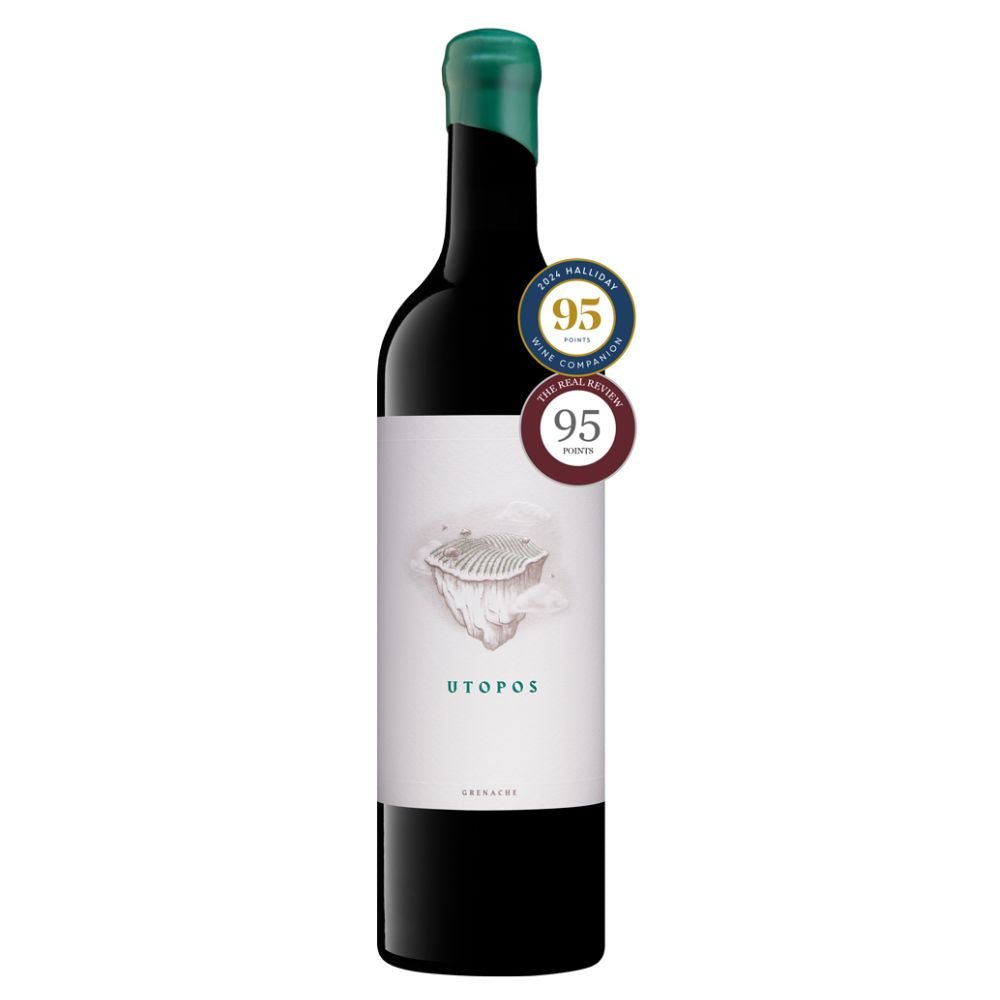
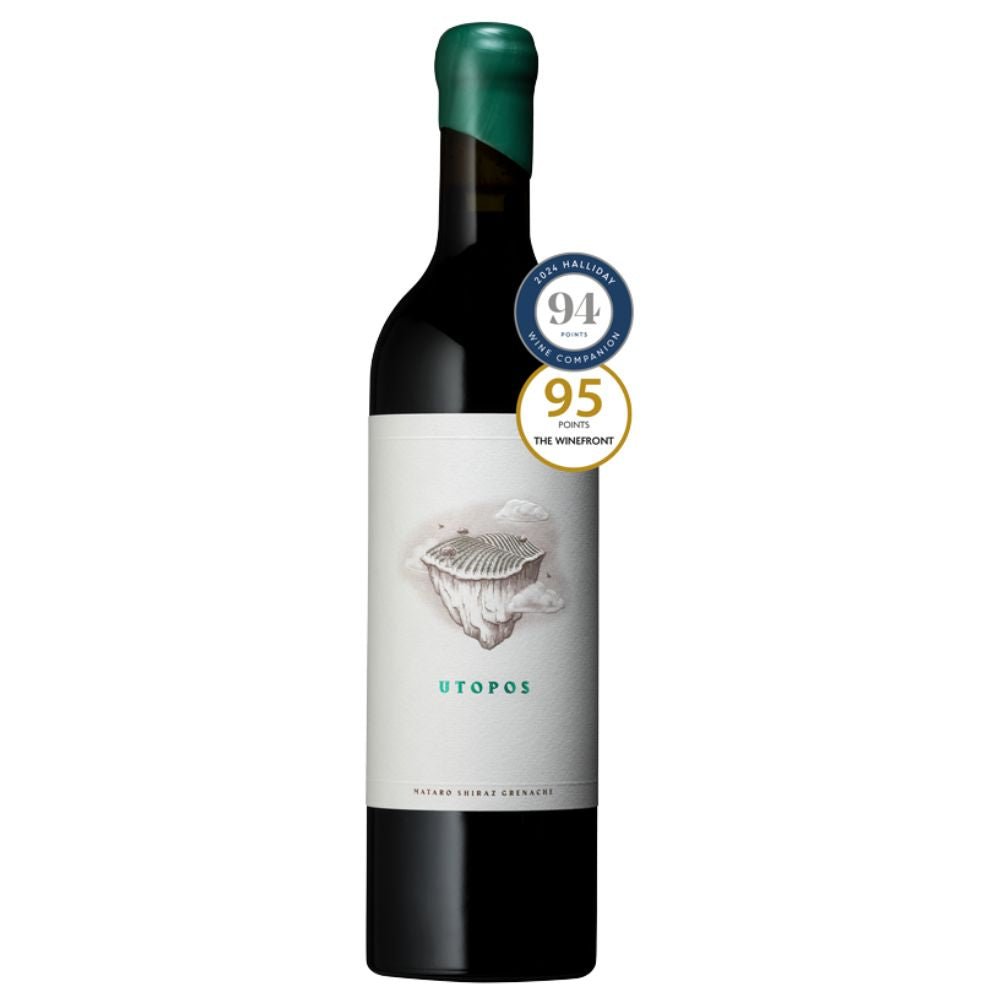
Utopos Grenache 2022
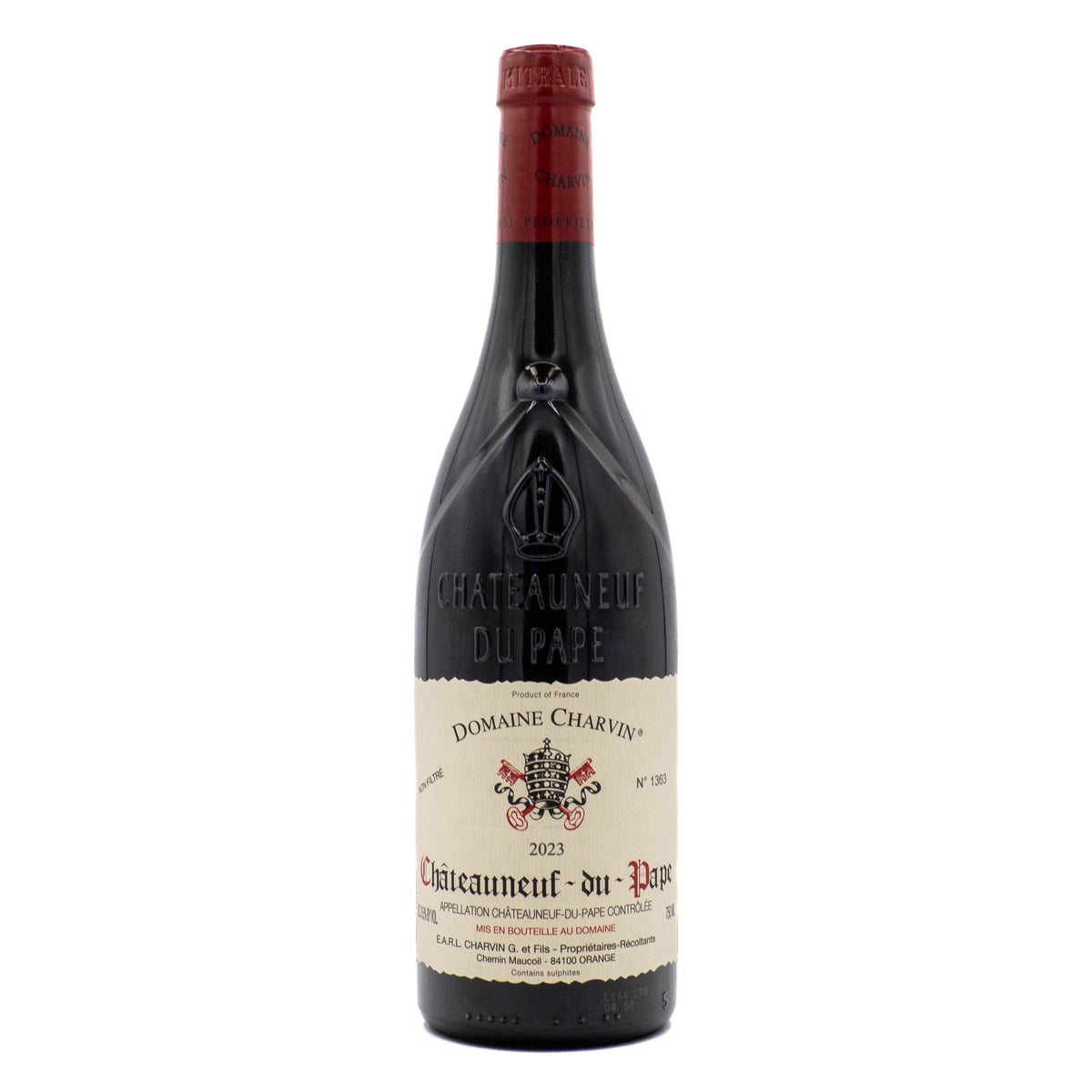
Charvin Chateauneuf-du-Pape 2023
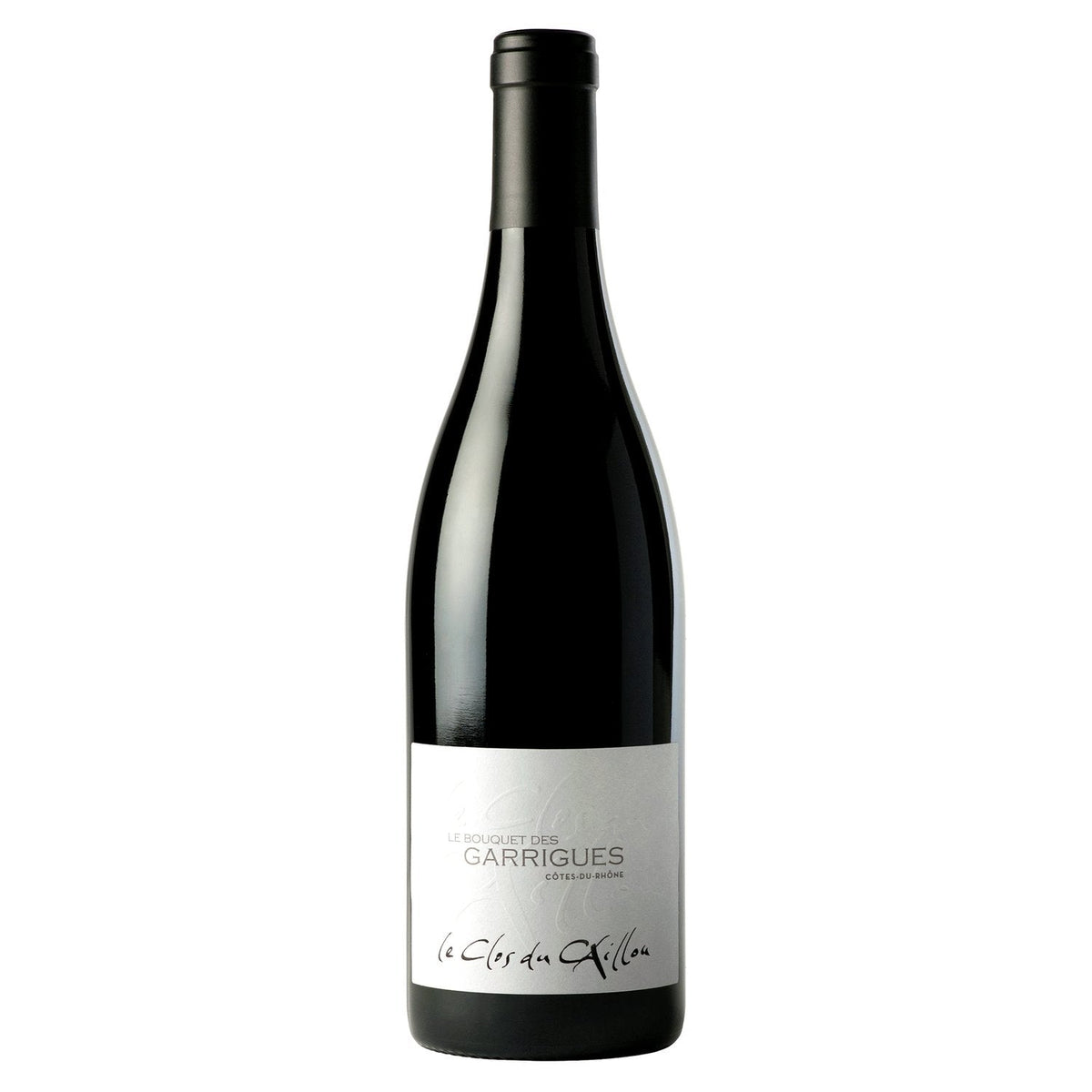
Clos du Caillou Cotes du Rhone Bouquet des Garrigues 2022
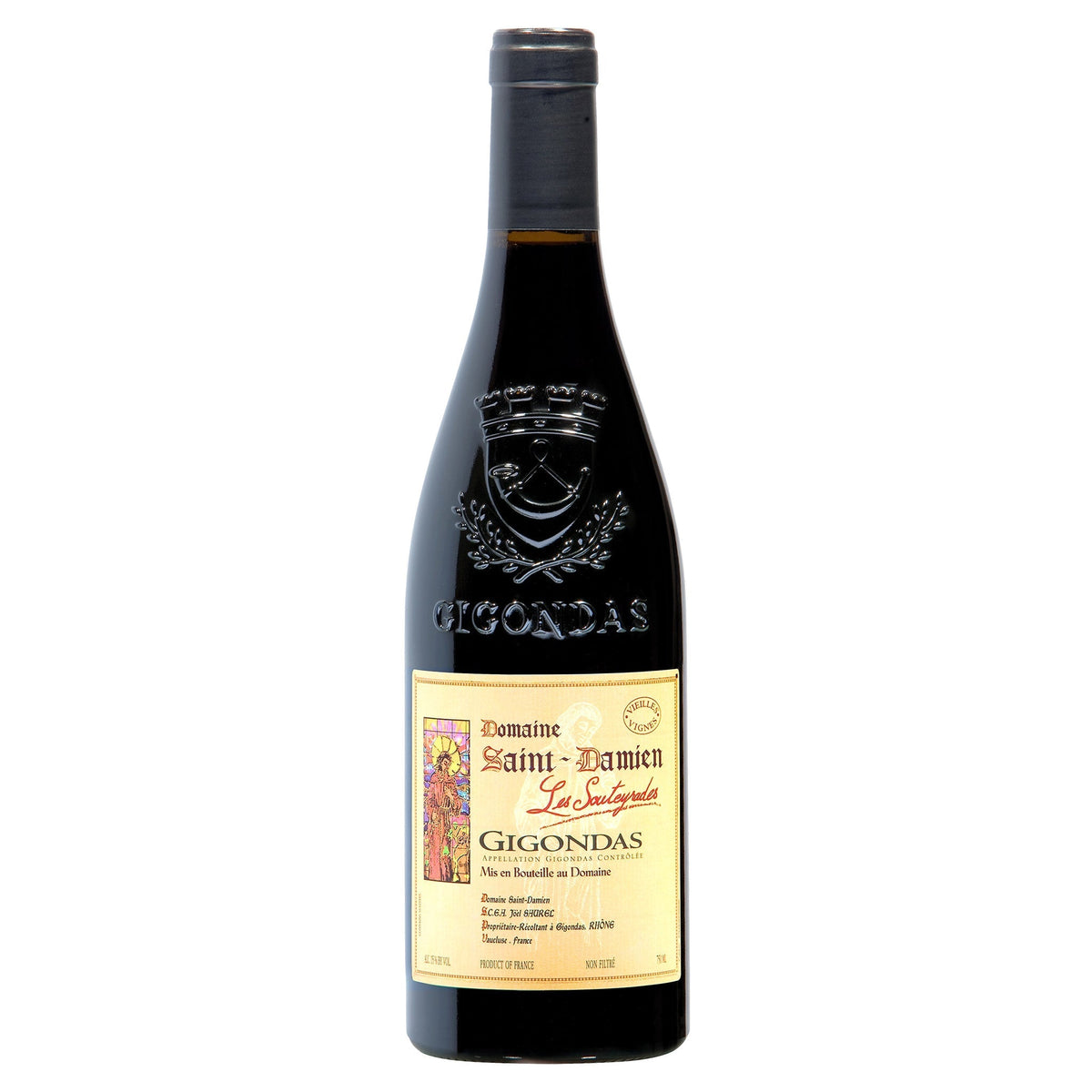
Saint Damien Gigondas Les Souteyrades 2024
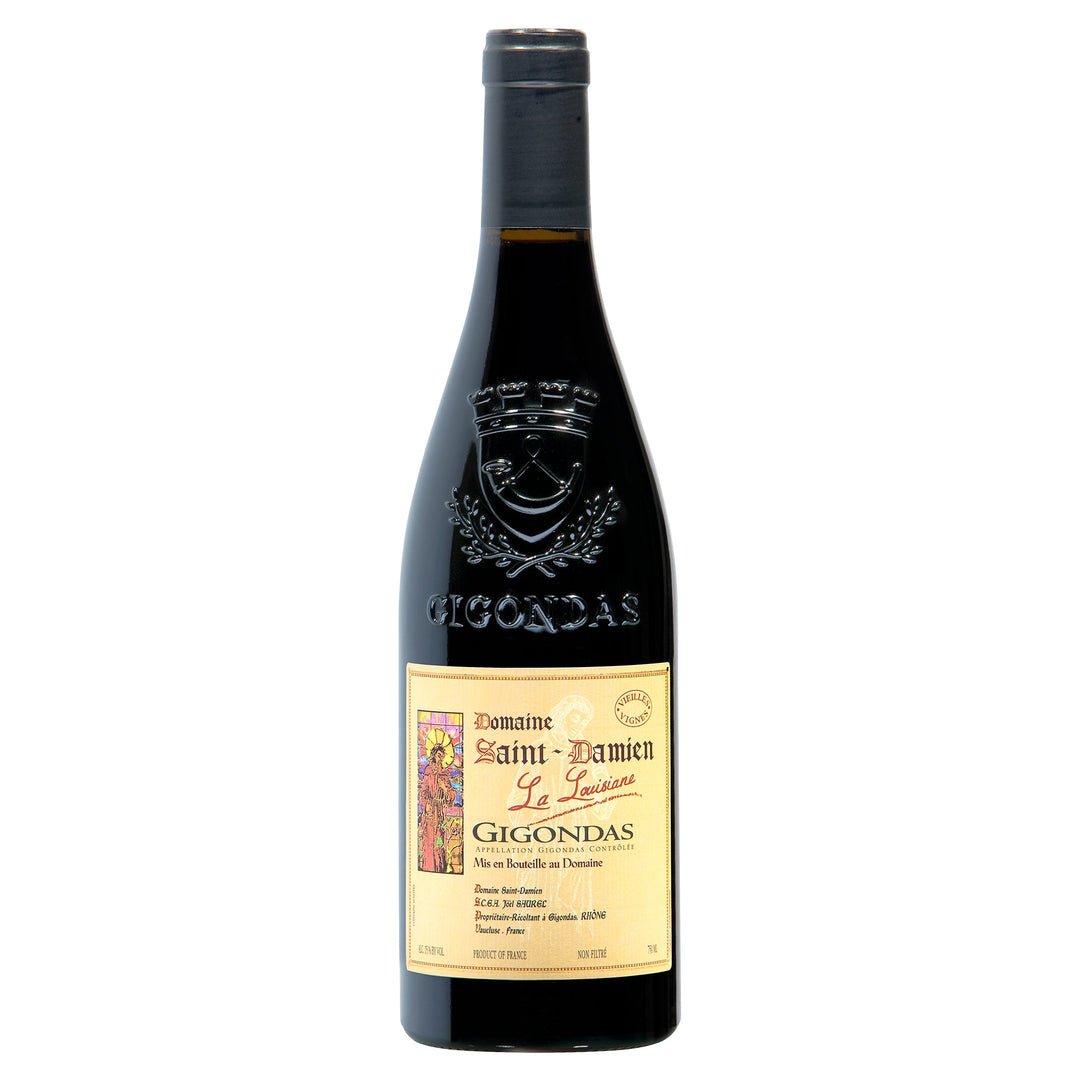
Saint Damien Gigondas La Louisiane 2023
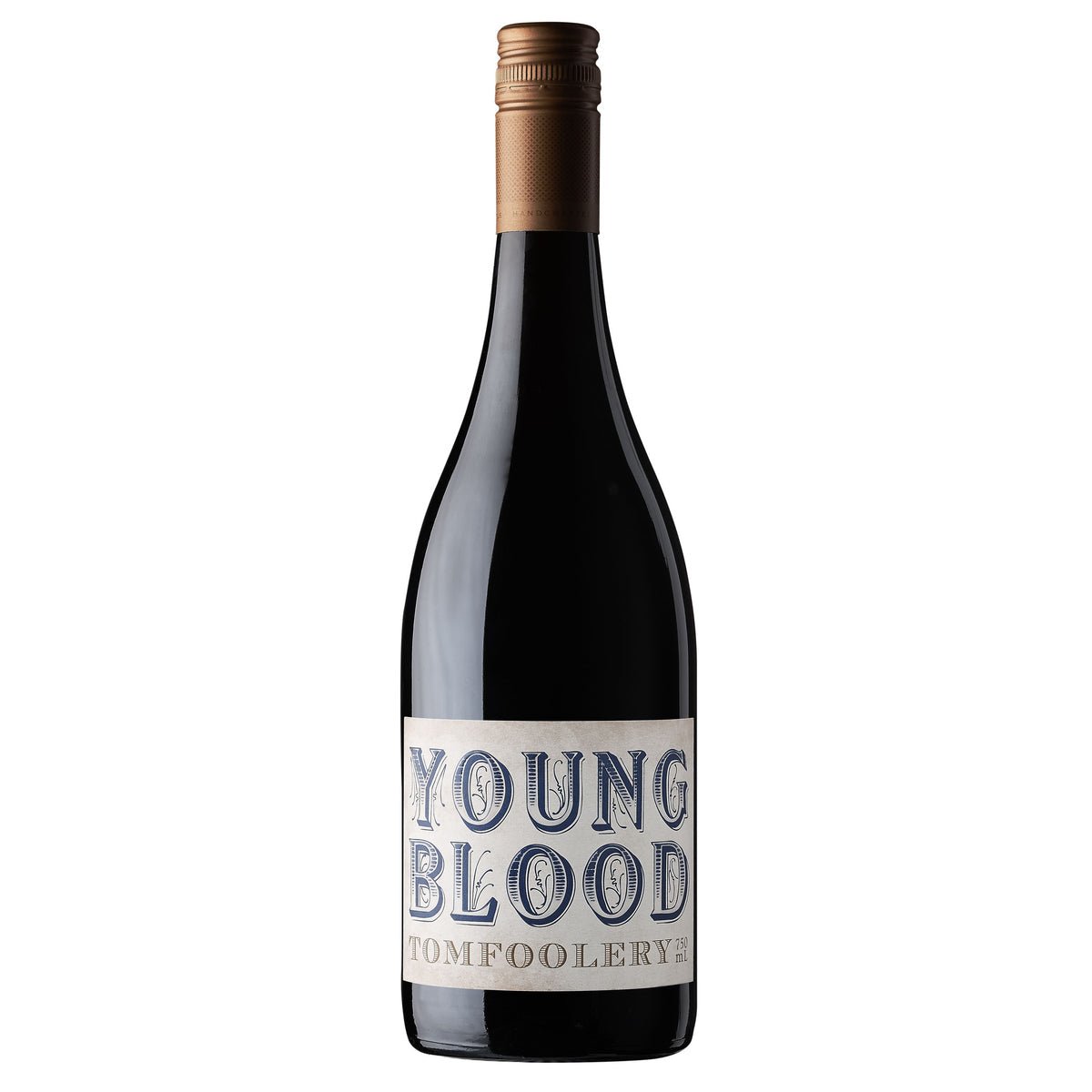
Tomfoolery Young Blood Grenache 2024
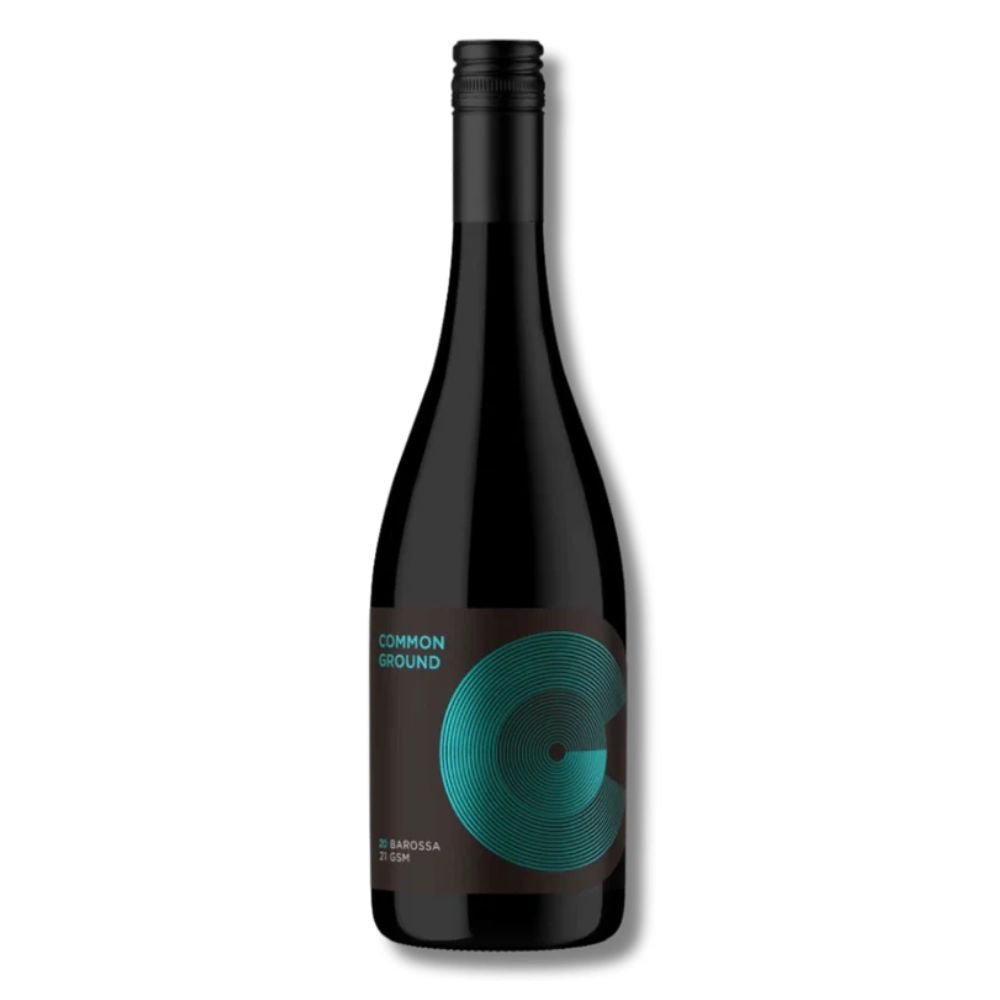
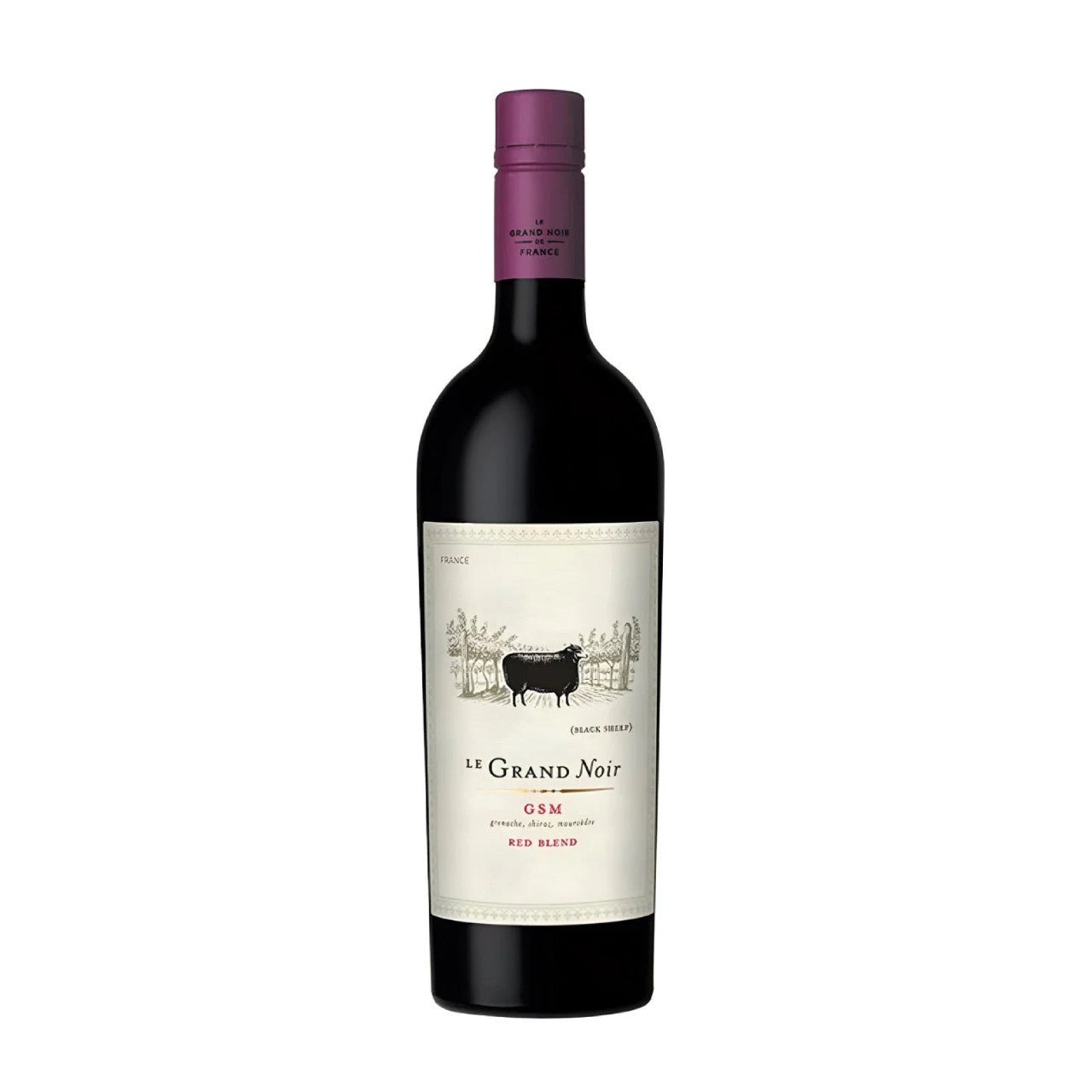
Le Grand Noir GSM 2021
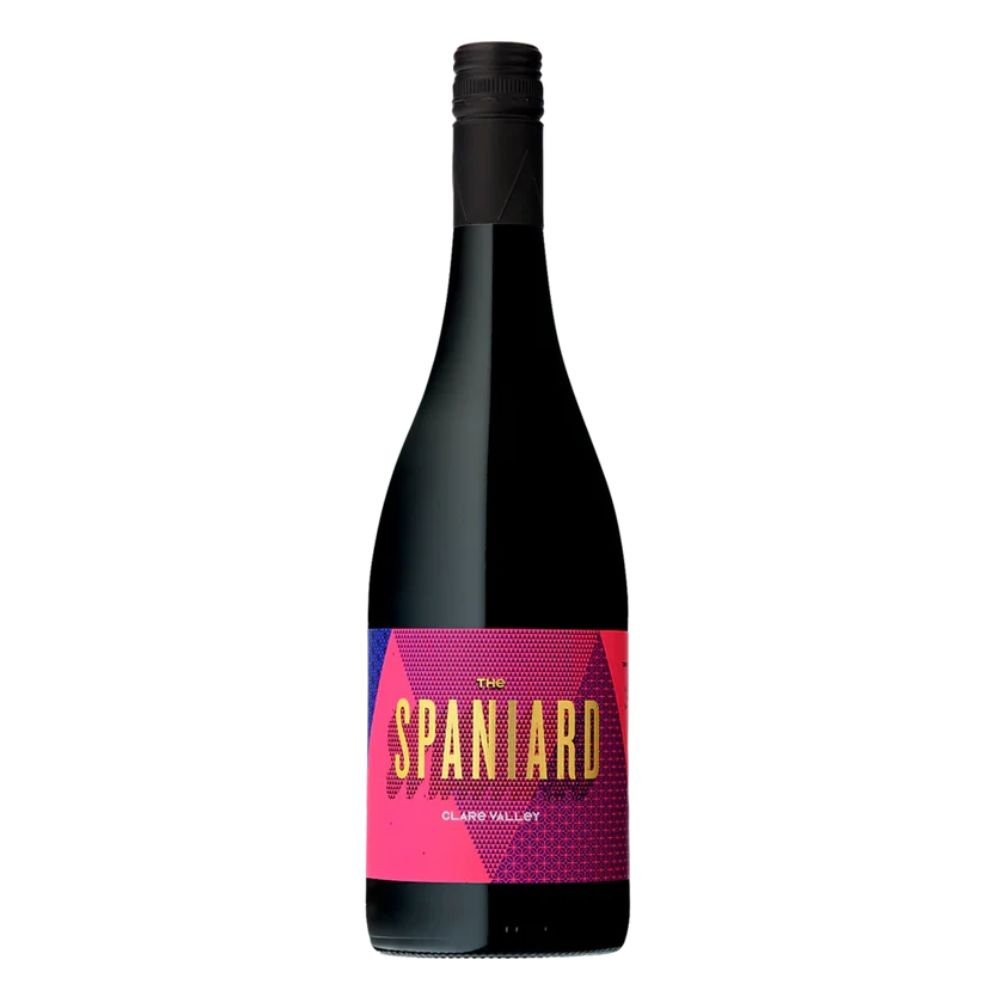
Atlas The Spaniard TMG
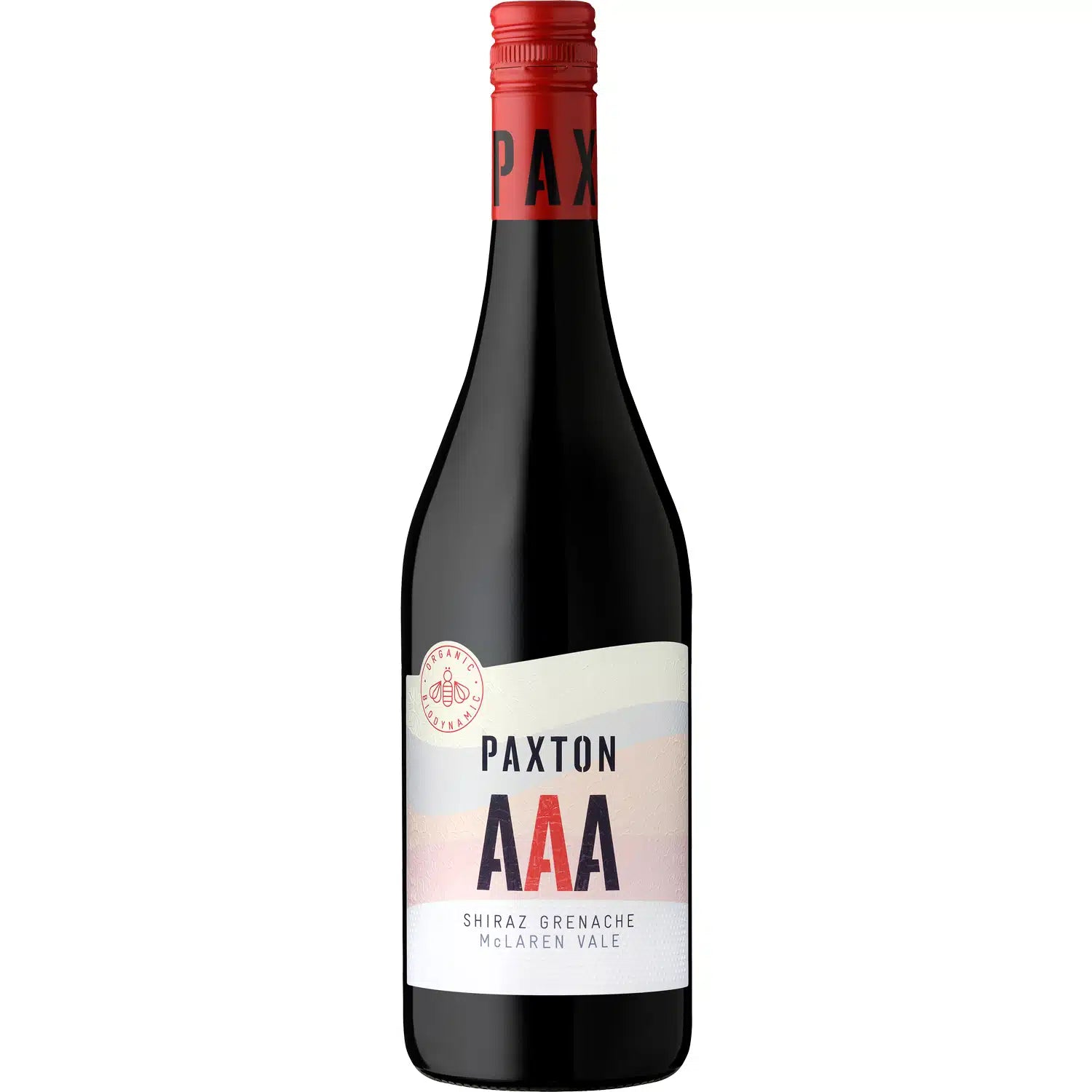
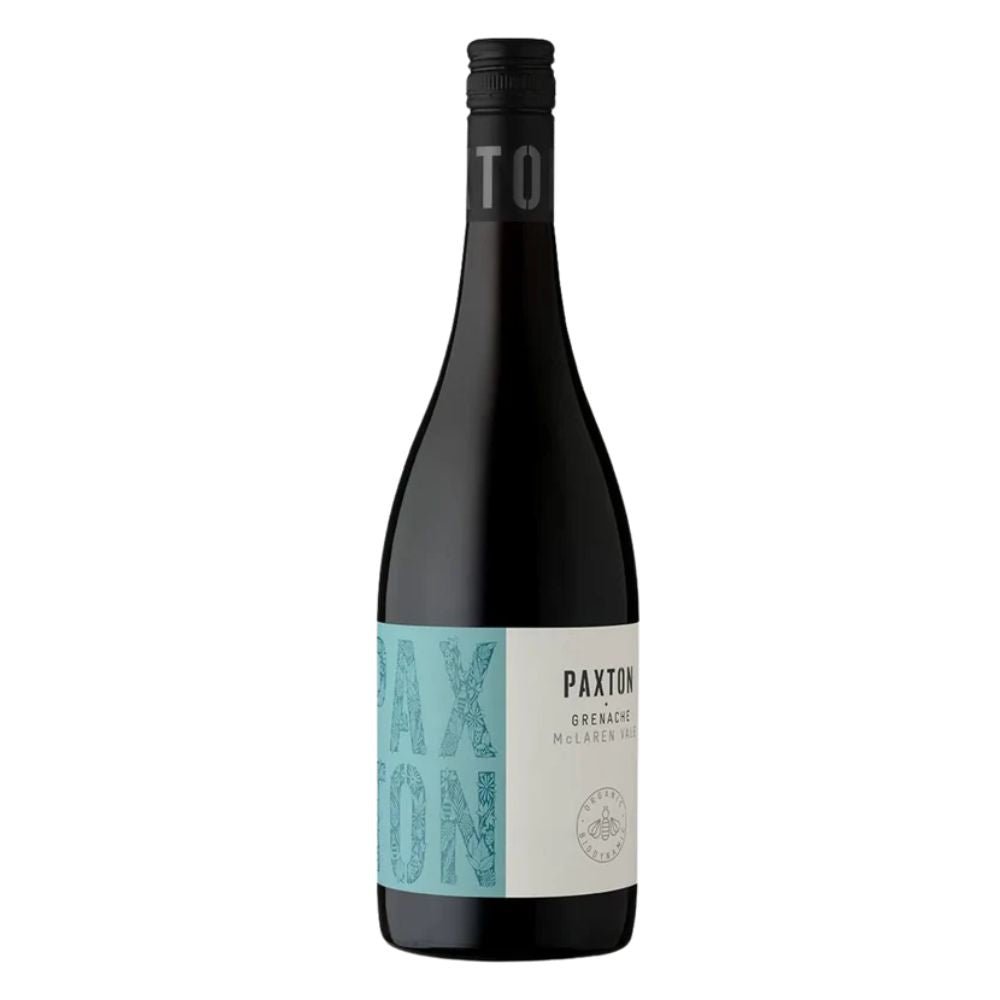
Paxton AAA Shiraz Grenache
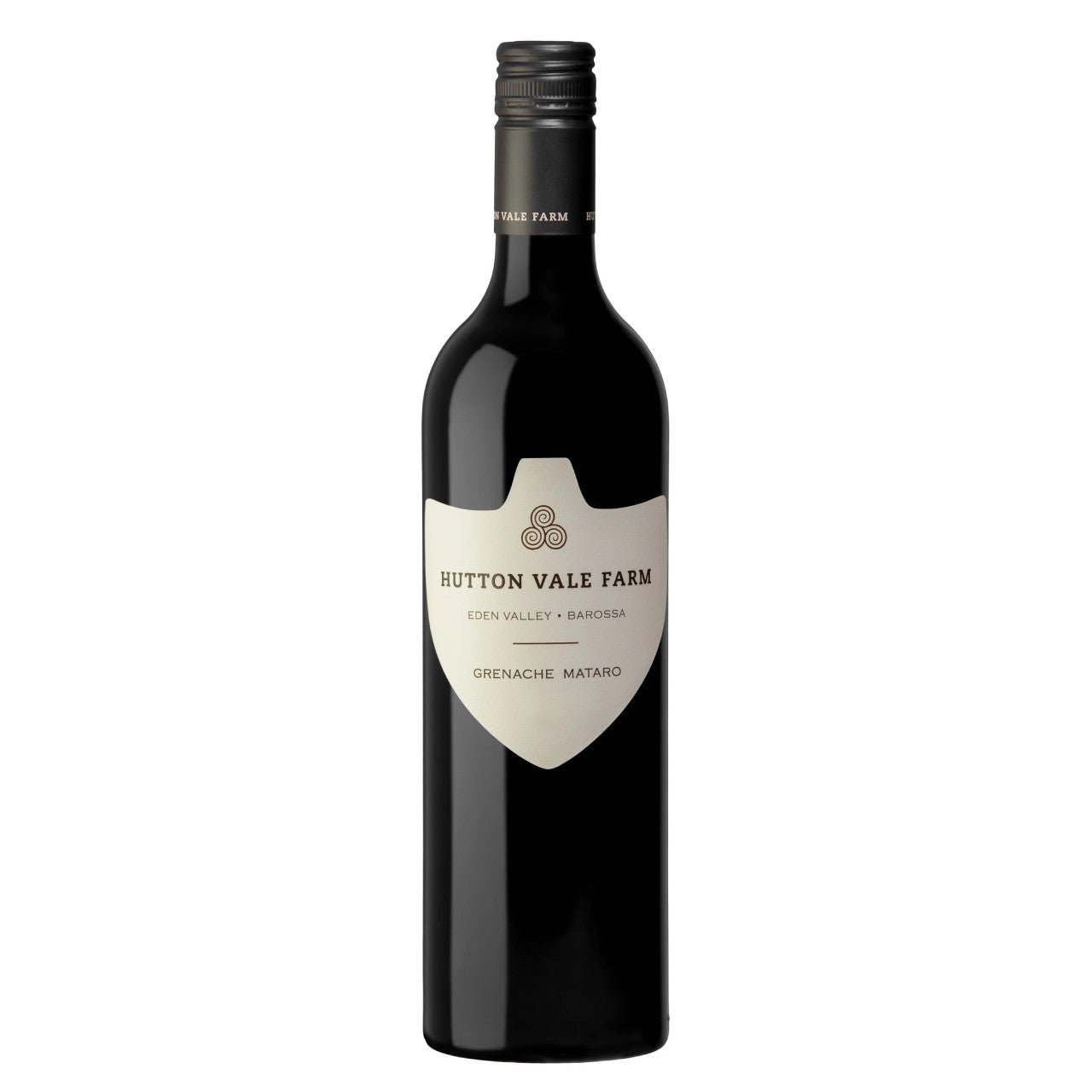
Hutton Vale Farm Grenache Mataro 2017
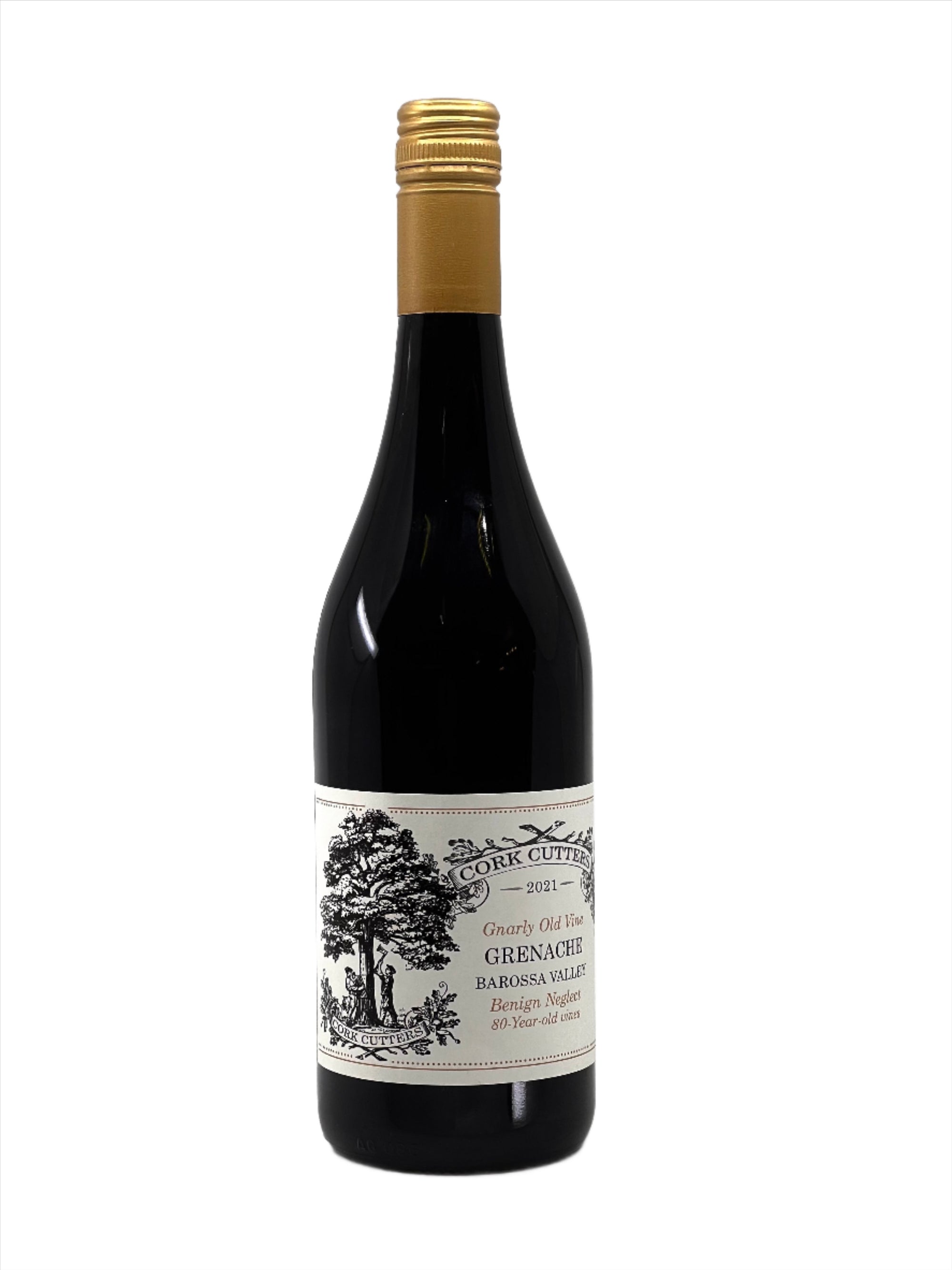
Cork Cutters Grenache 2021
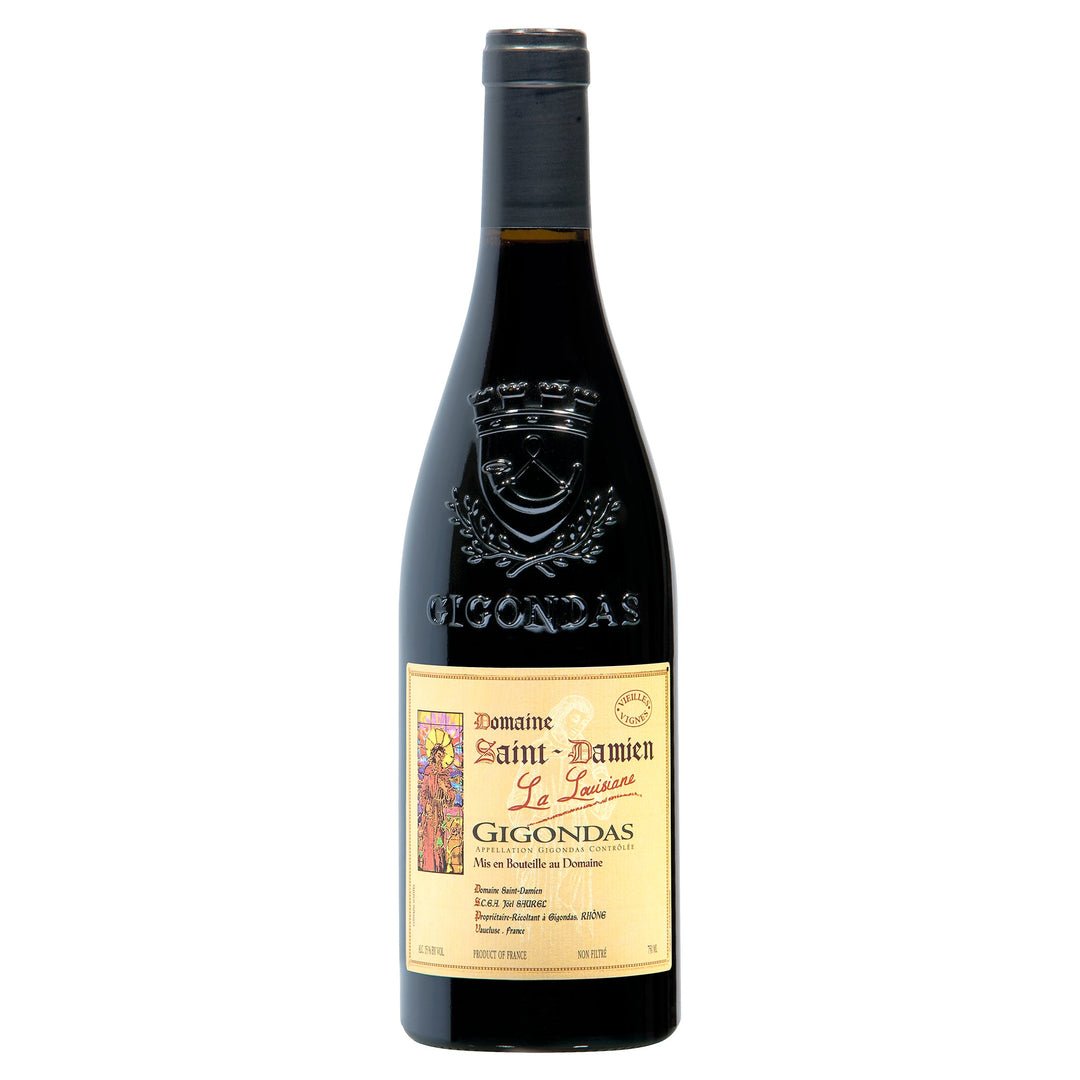
Saint Damien Gigondas La Louisiane 2022
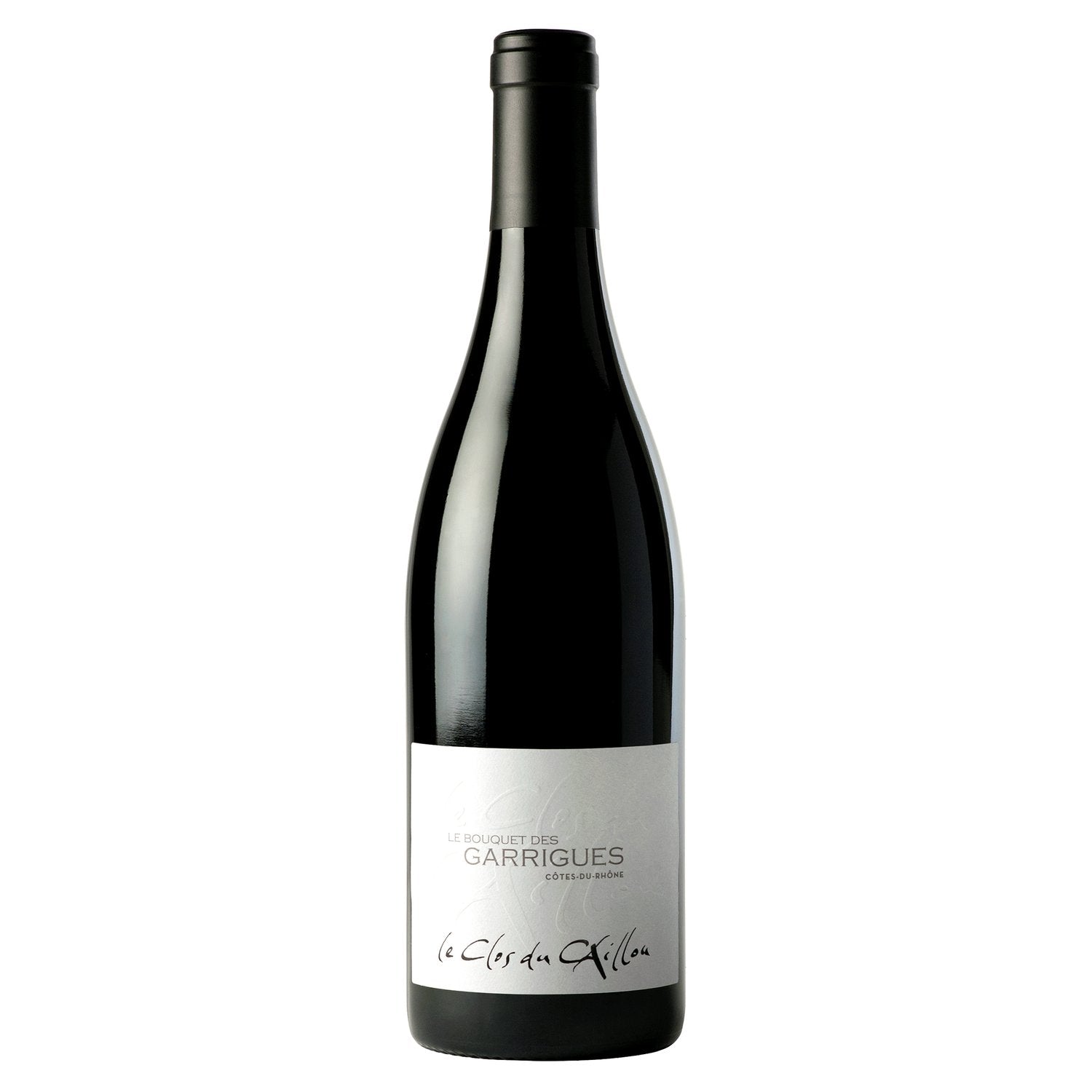
Clos du Caillou Côtes du Rhône Le Bouquet des Garrigues 2020
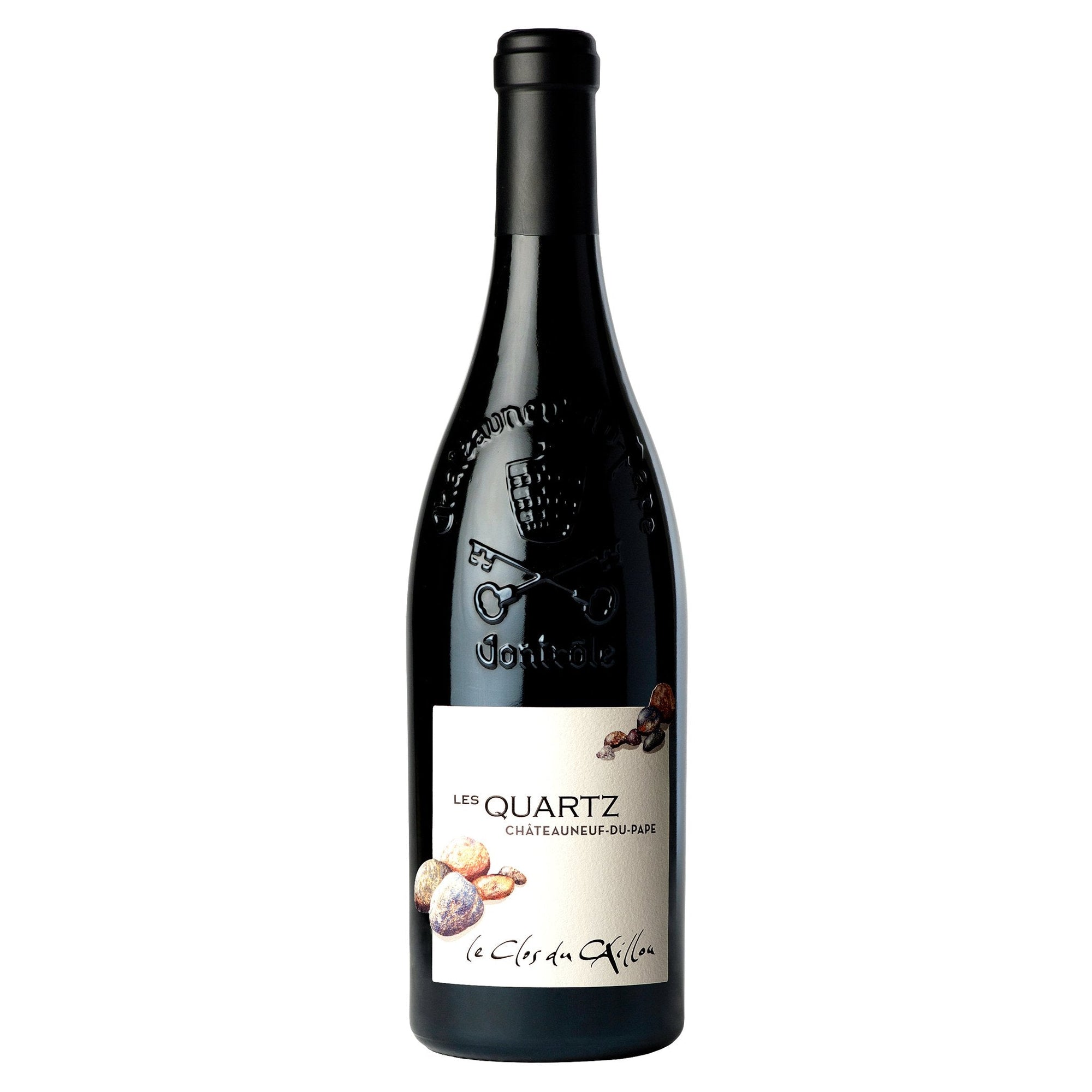
Clos du Caillou Châteauneuf-du-Pape Les Quartz 2021
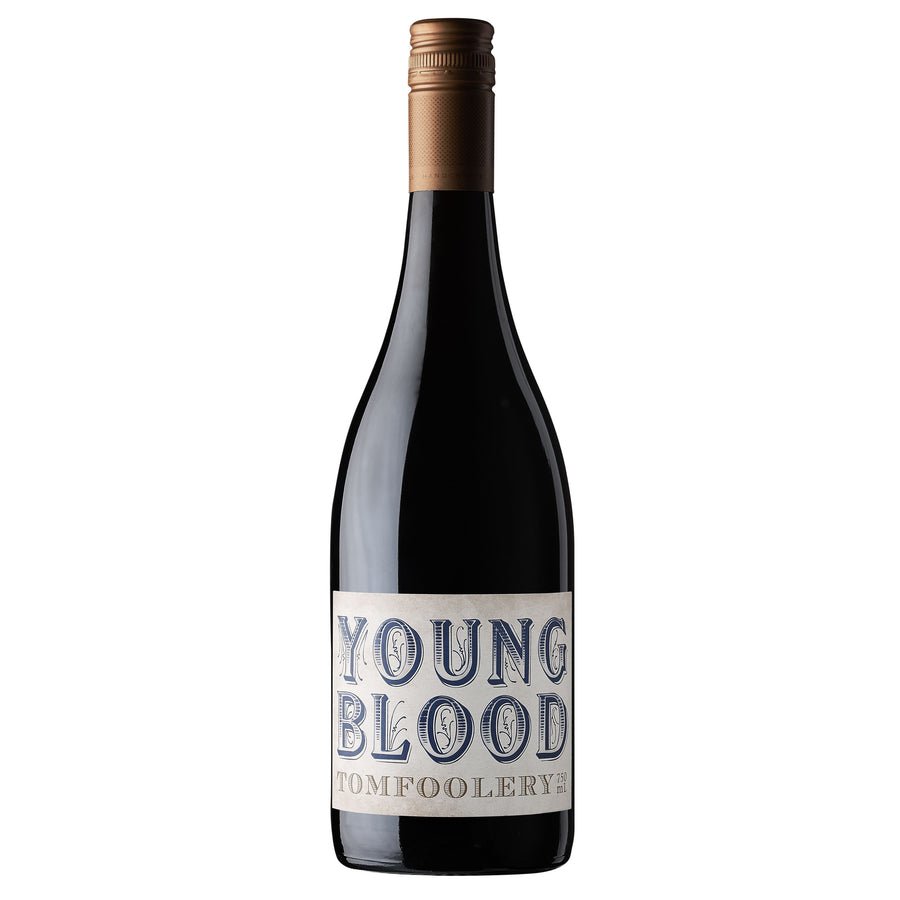
Tomfoolery Red Wine Young Blood Grenache 2023
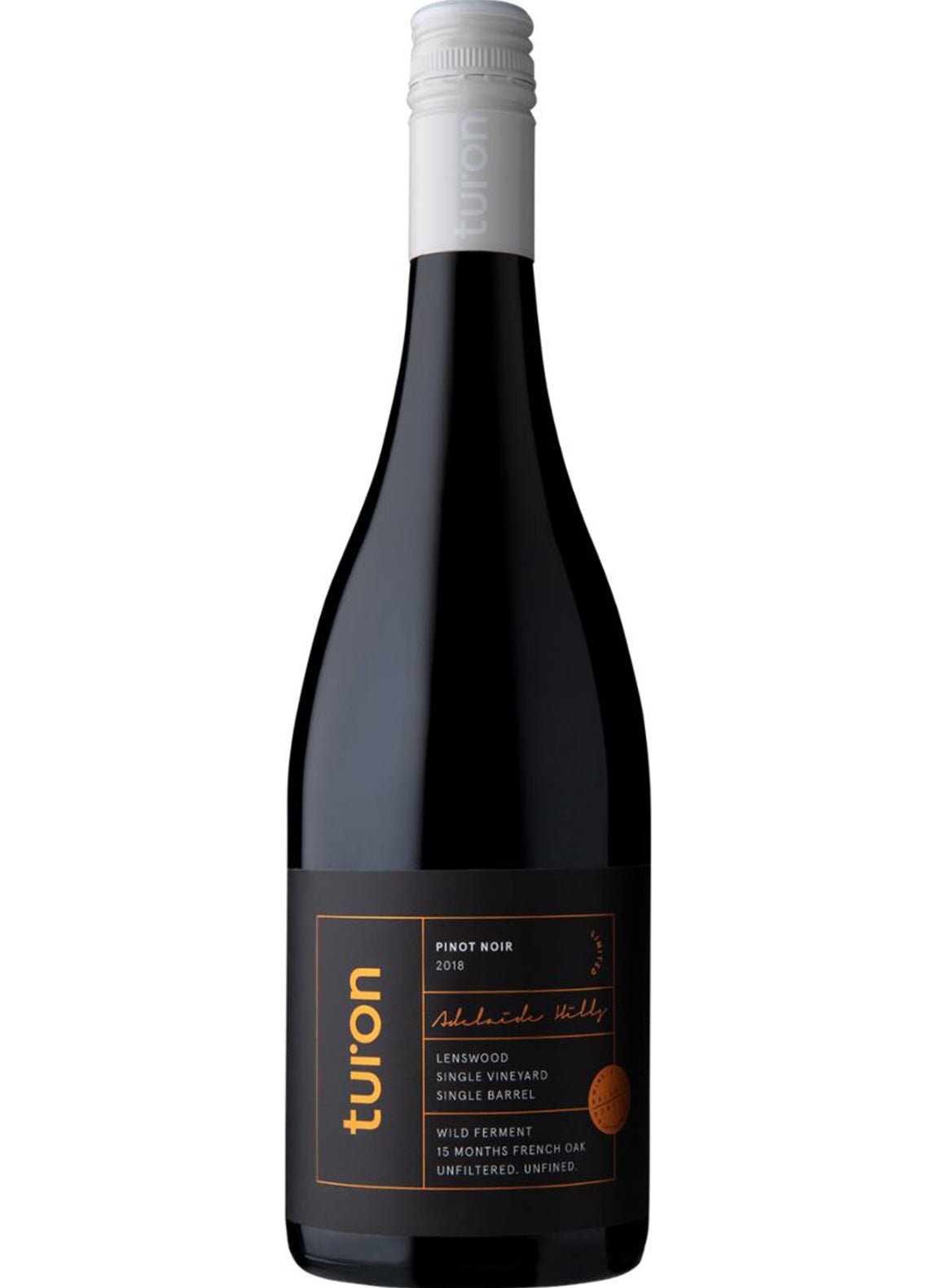
Turon Project Grenache 2020
About Grenache
The Australian side is where most people will start. Teusner's The G and the Avatar Grenache Mataro Shiraz, Paxton's straight Grenache and the AAA Shiraz Grenache, Schild Estate's Edgar Reserve, Hutton Vale Farm's Grenache Mataro, Utopos, Three Dark Horses and Tomfoolery's Young Blood. Between them they cover the Barossa and McLaren Vale, which hold some of the oldest Grenache vines anywhere in the world.
GSM, the Grenache Shiraz Mourvedre blend, is the other Australian tradition and it is well represented through Fox Creek's Postmaster, Tellurian, Common Ground, Le Grand Noir and Cork Cutters.
France is where the grape is taken most seriously. Saint Damien makes Gigondas, including a Vieilles Vignes from old vines, and Clos du Caillou covers both Cotes du Rhone and Chateauneuf-du-Pape with Les Quartz. These are the wines Australian Grenache is measured against.
Sardinia contributes Cantine Argiolas' Cannonau di Sardegna, which is the same grape again under its Italian name.
Grenache also makes some of the best rose there is, and the Fox Creek, Tellurian and Ete bottlings are here.
History
Grenache is one of the most planted red grapes in the world and one of the least famous, largely because for most of its history it went into blends without being named.
Its origin is Spanish, as Garnacha, most likely in Aragon, and it spread across the Mediterranean from there: to Roussillon and the southern Rhone as Grenache, to Sardinia as Cannonau, where local growers have long argued it originated with them.
It ripens late and to high sugar, which means high alcohol, and it has thin skins and low tannin, which means pale colour and a soft mouthfeel. Those traits are exactly why it was blended: Syrah brought colour and structure, Mourvedre brought grip, and the GSM blend of the southern Rhone became the template.
Australia planted it early and used it mostly for fortified wine and bulk blends. When those markets collapsed, a great deal of old bush vine Grenache was pulled out. What survived, particularly in the Barossa and McLaren Vale, is now some of the oldest Grenache on earth, and over the past fifteen years growers have started bottling it on its own.
How to drink it
Grenache is the red most improved by chilling. Serve it at 14 to 16 degrees, which means half an hour in the fridge. Warm Grenache tastes of alcohol and little else; cool Grenache tastes of raspberry, red cherry and dried herbs.
Use a large bowled glass. Like Pinot Noir, this is a wine you smell more than you chew.
Do not over-decant. The tannins are soft already and long aeration flattens it. Twenty minutes is plenty for anything young.
For food it is remarkably flexible because the tannin is low. Roast lamb with rosemary, charcuterie, tomato-based pasta, grilled vegetables, tagine. It handles spice better than Cabernet or Shiraz.
GSM blends have more structure and take heavier food.
Straight Grenache is generally made to drink within five years and the old vine bottlings will hold ten. Chateauneuf-du-Pape is the exception and rewards proper cellaring.
Grenache rose should be drunk cold and young, in the year it was released.