
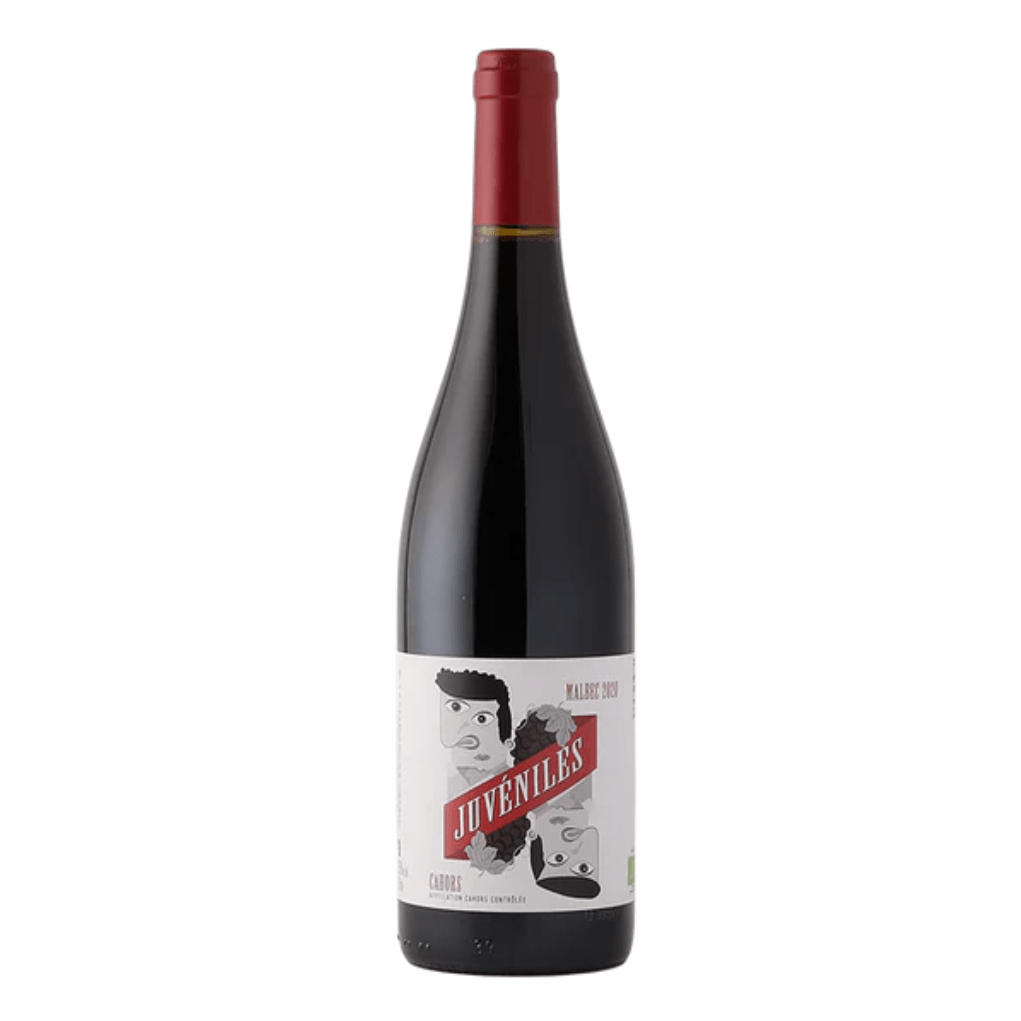
Cedre Juveniles Cahors 2021
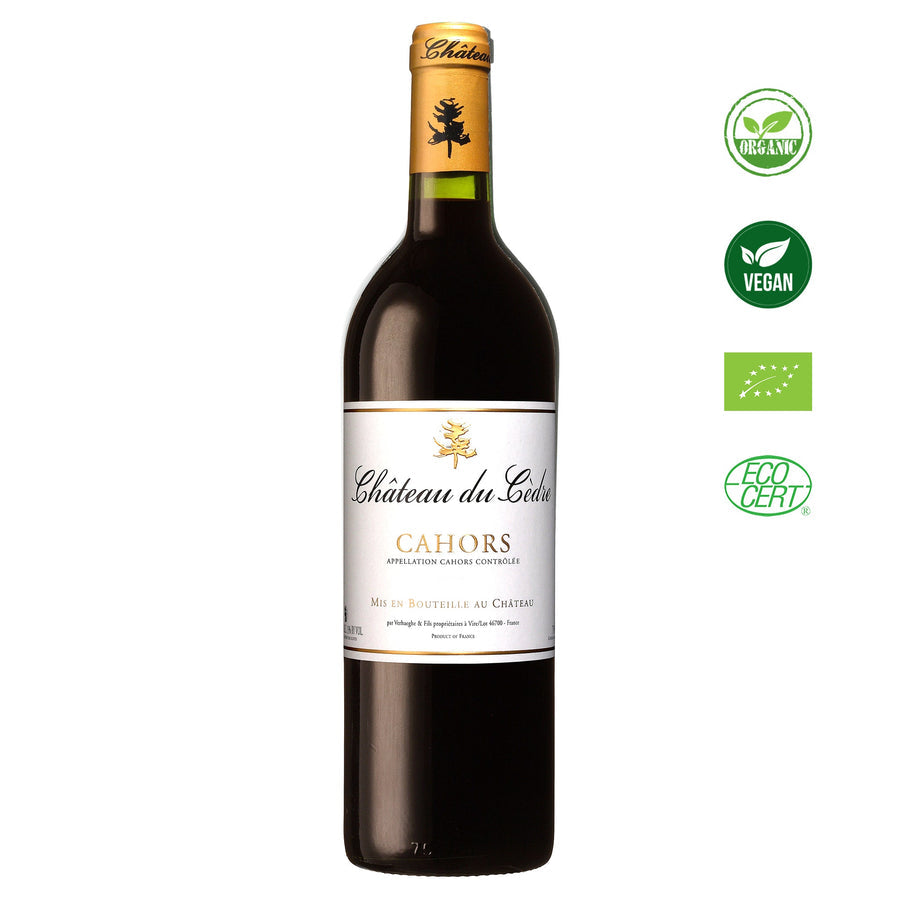
Chateau du Cedre Cahors 2022
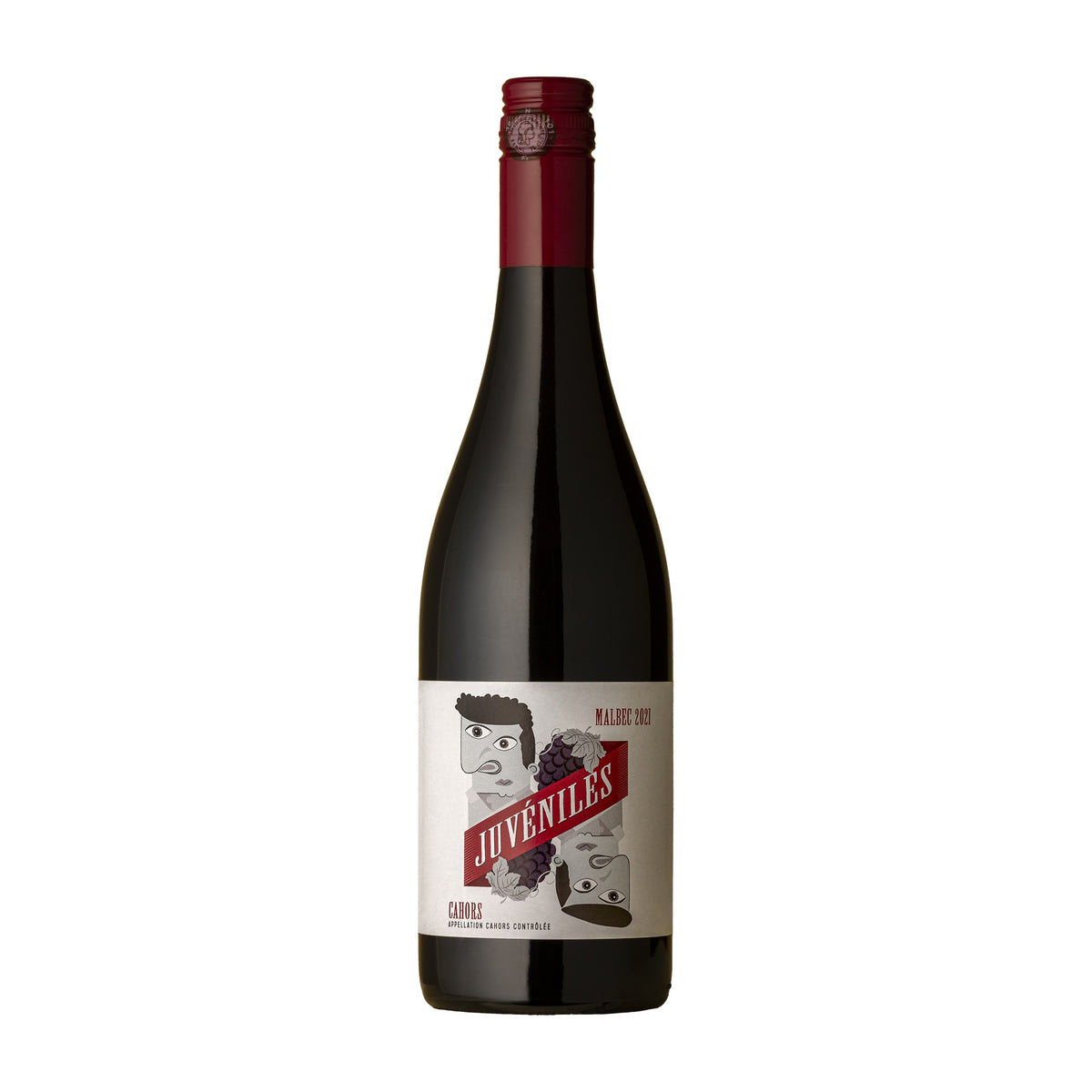
Chateau du Cedre Juveniles Cahors 2023
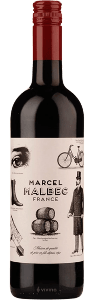
Chateau du Cedre Marcel Malbec 2023
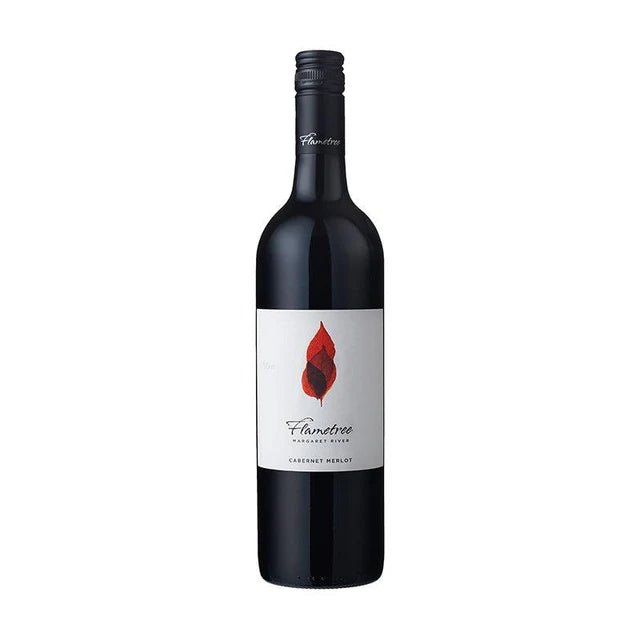
Flametree Cabernet Merlot
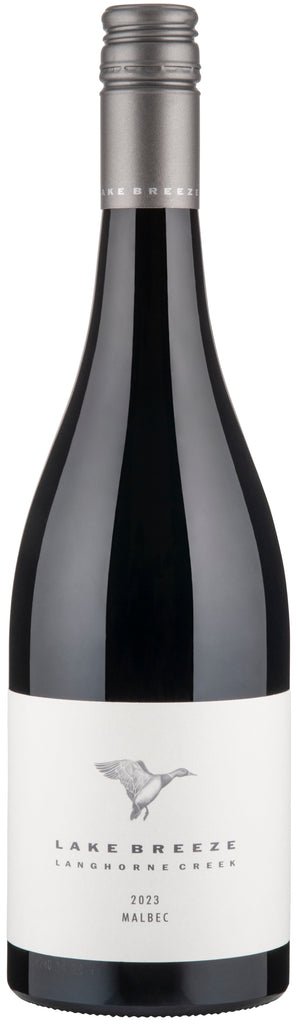
Lake Breeze Malbec 2023
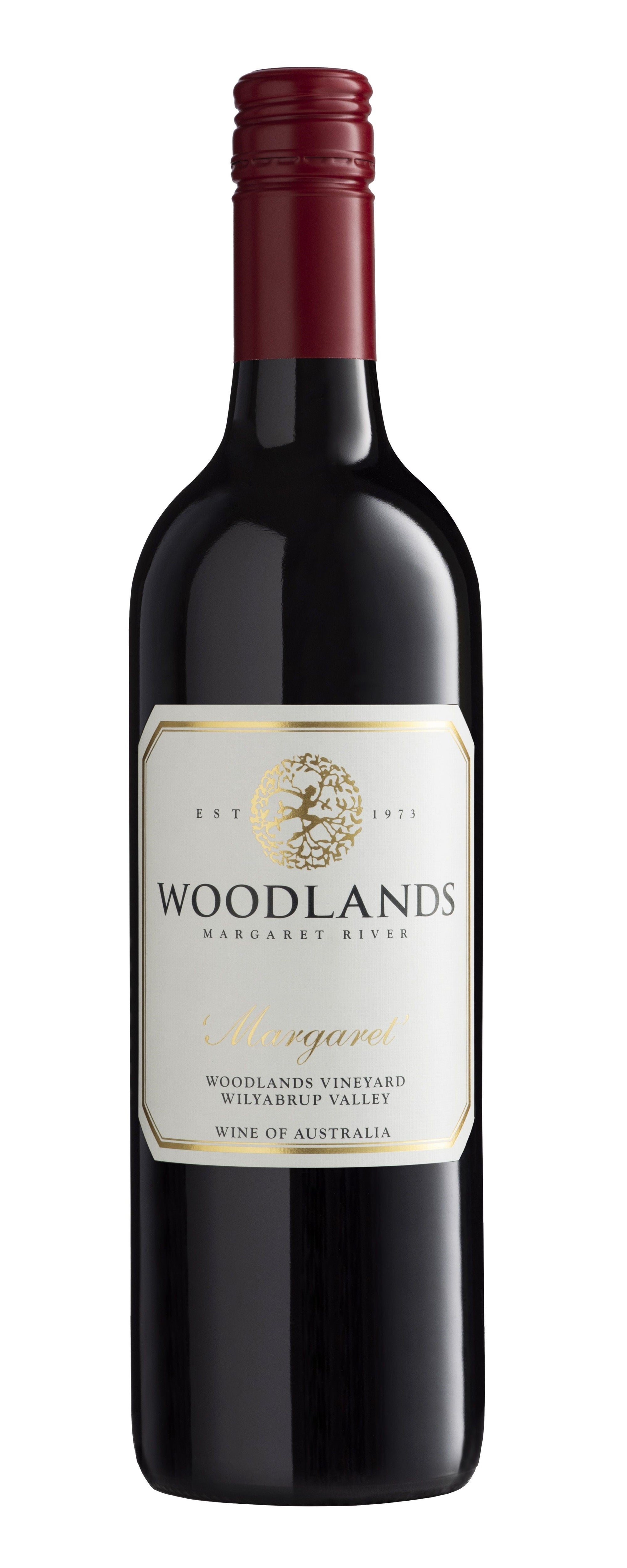
Woodlands 'Margaret' Cabernet Merlot Malbec 2021
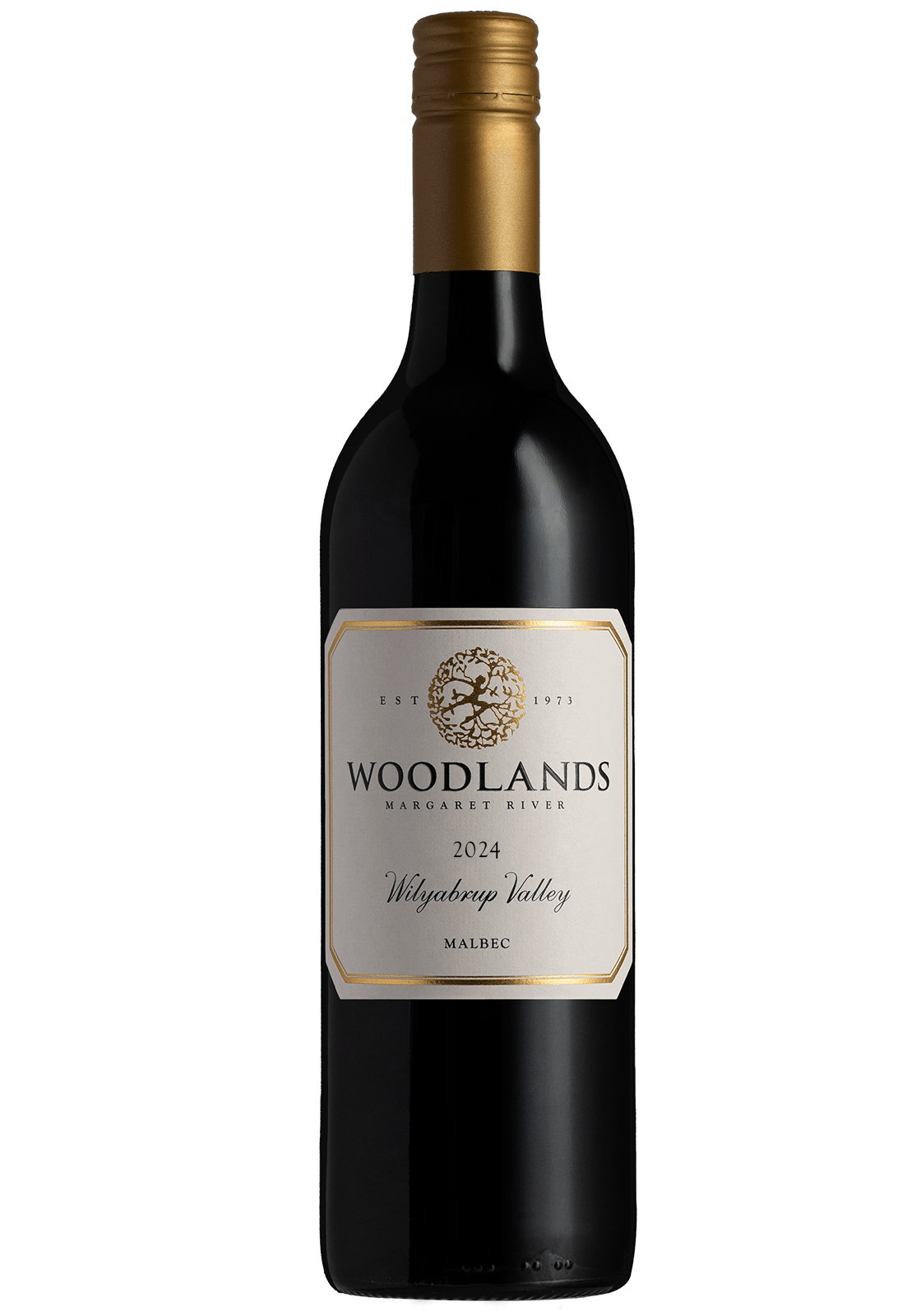
Woodlands Wilyabrup Valley Malbec 2024
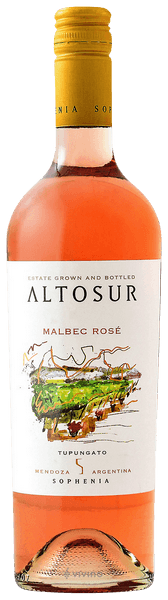
Altosur Malbec Rose 21
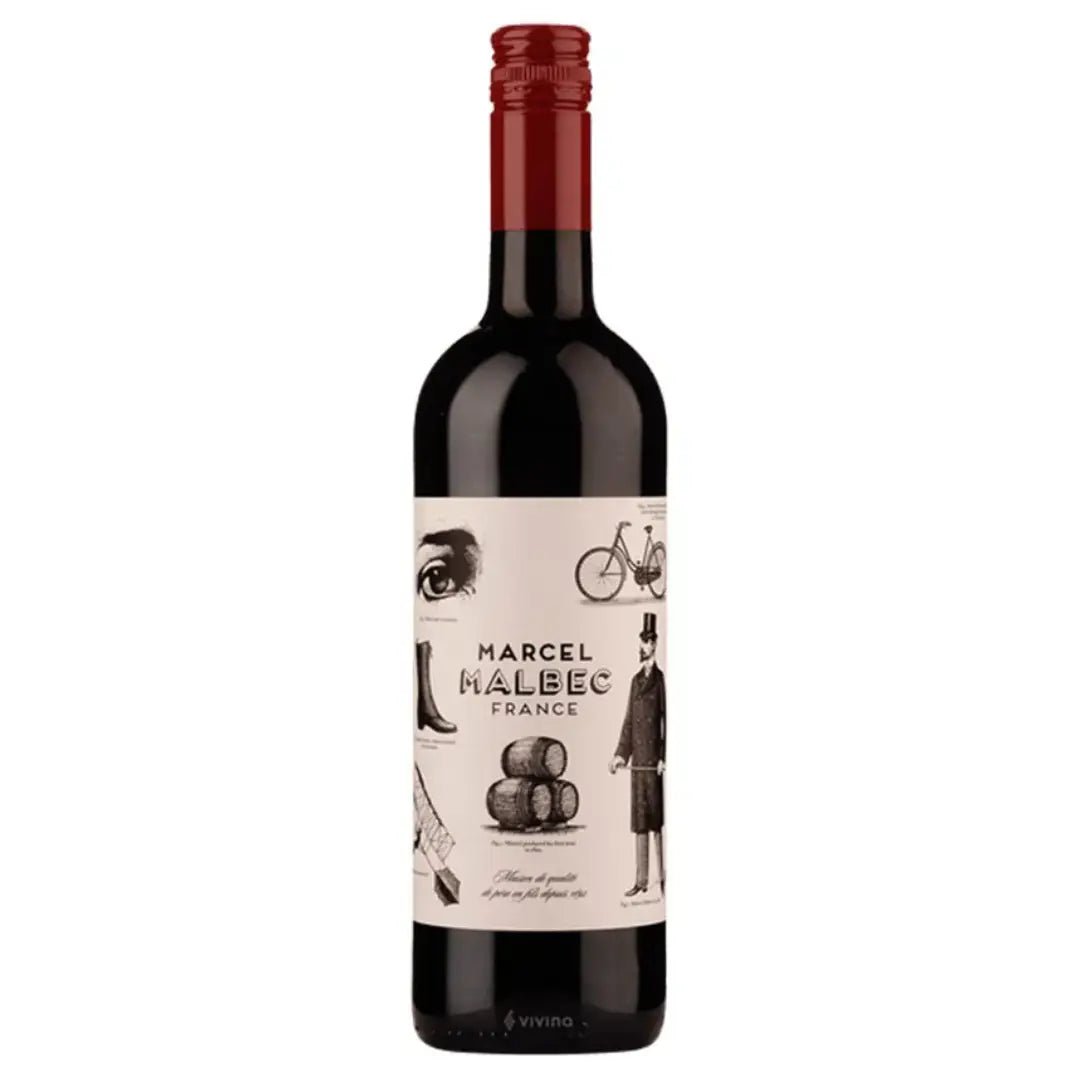
Cedre Marcel Malbec 2022
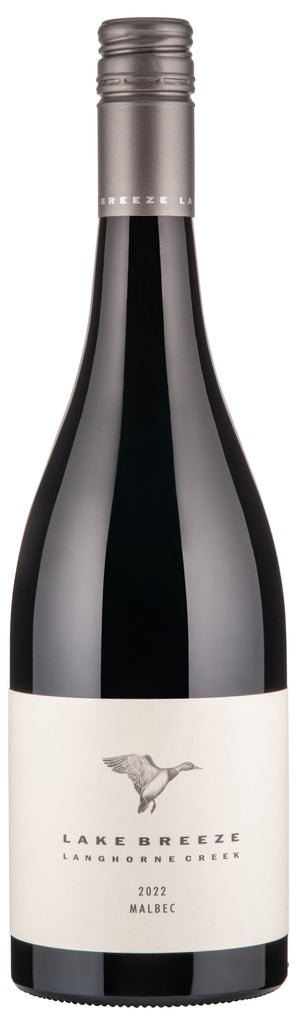
Lake Breeze Malbec 2022
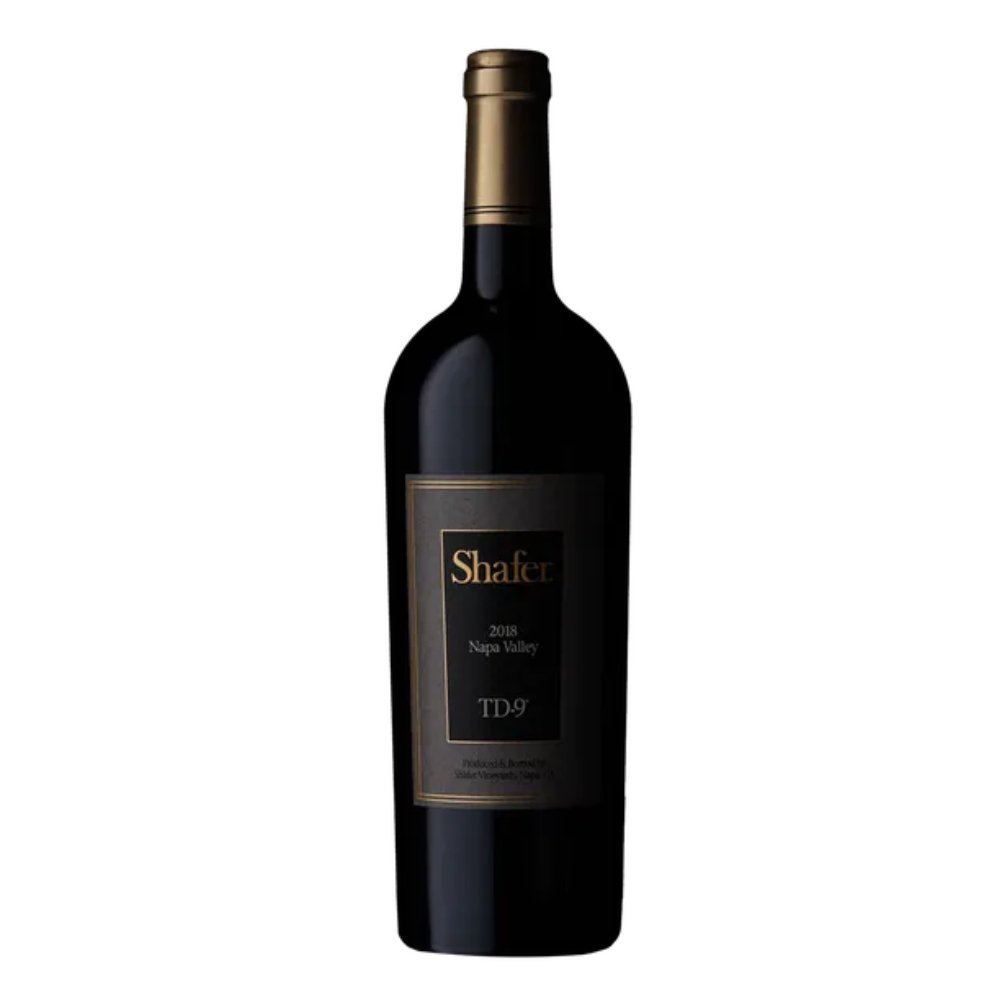
Shafer TD-9 Merlot Cabernet 2018
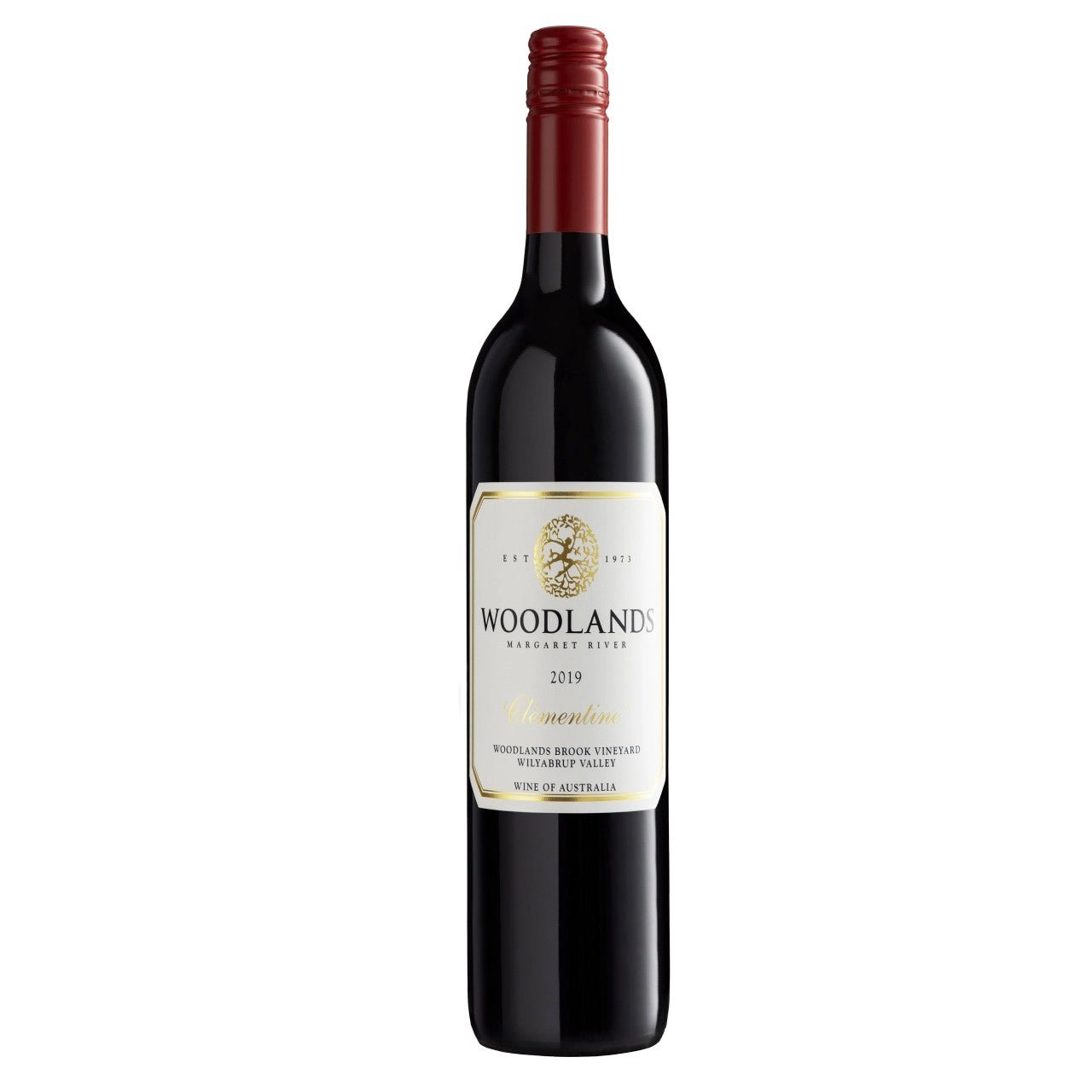
Woodlands ‘Clementine’ Cabernet Malbec Merlot 2019
About Malbec
Most people meet malbec through Argentina, but this range is built around its French homeland and its Australian expression, which are both quite different propositions.
Cahors, in south west France, is where the grape originated and where it is still called Cot or Auxerrois. Cahors malbec is darker, more savoury and considerably more structured than the Argentine version: black fruit, violets, graphite and firm tannin rather than plush sweetness. Chateau du Cedre is one of the appellation's leading estates and appears here across several wines, including the more approachable Juveniles and Marcel.
Australia has grown malbec for a long time, mostly as a blending partner for cabernet, and it is only recently that varietal bottlings have become common. Woodlands makes one in Margaret River and Lake Breeze makes another.
The blends are worth attention rather than dismissal. Woodlands Margaret uses malbec the way Bordeaux traditionally did, as a small proportion adding colour and perfume to a cabernet base.
History
Malbec is one of the six grapes permitted in Bordeaux, and for much of the nineteenth century it was widely planted there and across the south west. Cahors, upriver on the Lot, built an entire reputation on it, and the wine was known historically as the black wine of Cahors for its depth of colour.
Two disasters changed that. Phylloxera destroyed the vineyards in the late nineteenth century, and the frost of February 1956 devastated what had been replanted. Growers in Bordeaux largely gave up on the variety in favour of merlot and cabernet, which were hardier and more reliable. Cahors rebuilt slowly and only regained appellation status in 1971.
Argentina is the reason the grape survived as a global force. Cuttings were taken to Mendoza in the middle of the nineteenth century, and the combination of altitude, sunshine and dry air produced a softer, riper and more immediately appealing style. By the 1990s Argentine malbec had become an international category in its own right.
In Australia the grape arrived early and was used mainly for blending, particularly in South Australia, where it added colour and mid palate weight to cabernet. Varietal Australian malbec is a much more recent development.
How to drink it
Serve at sixteen to eighteen degrees. Cahors in particular is tannic enough to feel severe if served warm, and a short spell in the fridge on a hot day helps considerably.
Decant young Cahors for at least an hour. It is a wine built for ageing and it will be tight on opening. Australian malbec and the softer Cedre bottlings need much less.
On ageing, good Cahors will improve for ten to fifteen years and softens substantially in that time. Australian varietal malbec is generally made for earlier drinking.
Use a large bowled glass, and expect the wine to stain it. Malbec has among the deepest colour of any red variety.
The food pairing is not subtle and does not need to be. Malbec wants grilled and charred red meat, which is why it became the national wine of a country built on beef. Steak, lamb chops, sausages, anything from a barbecue. Cahors also handles duck confit and cassoulet, which are the local dishes it grew up with.
Related pages: French wine, merlot and cabernet sauvignon.