
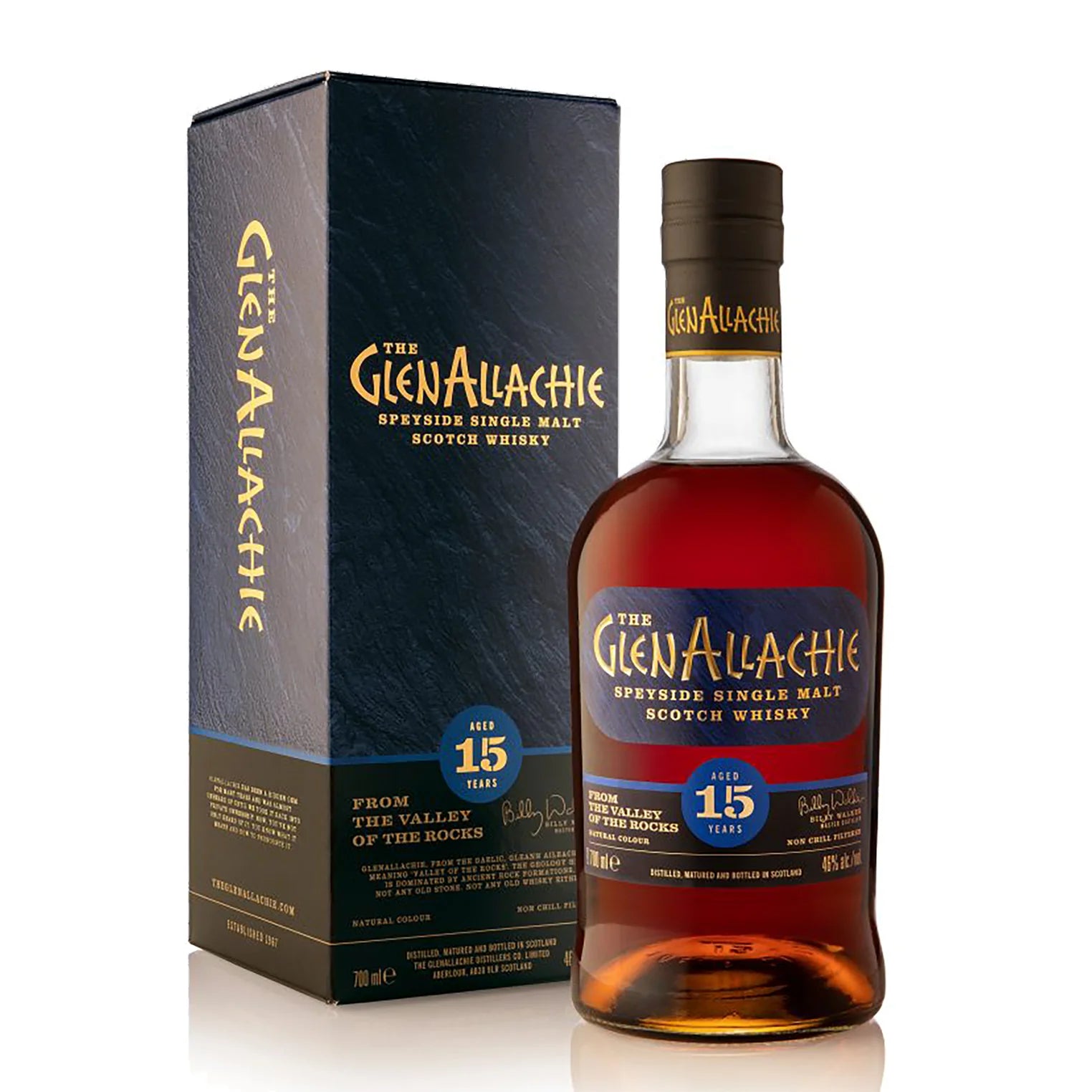
GlenAllachie 15YR Whisky
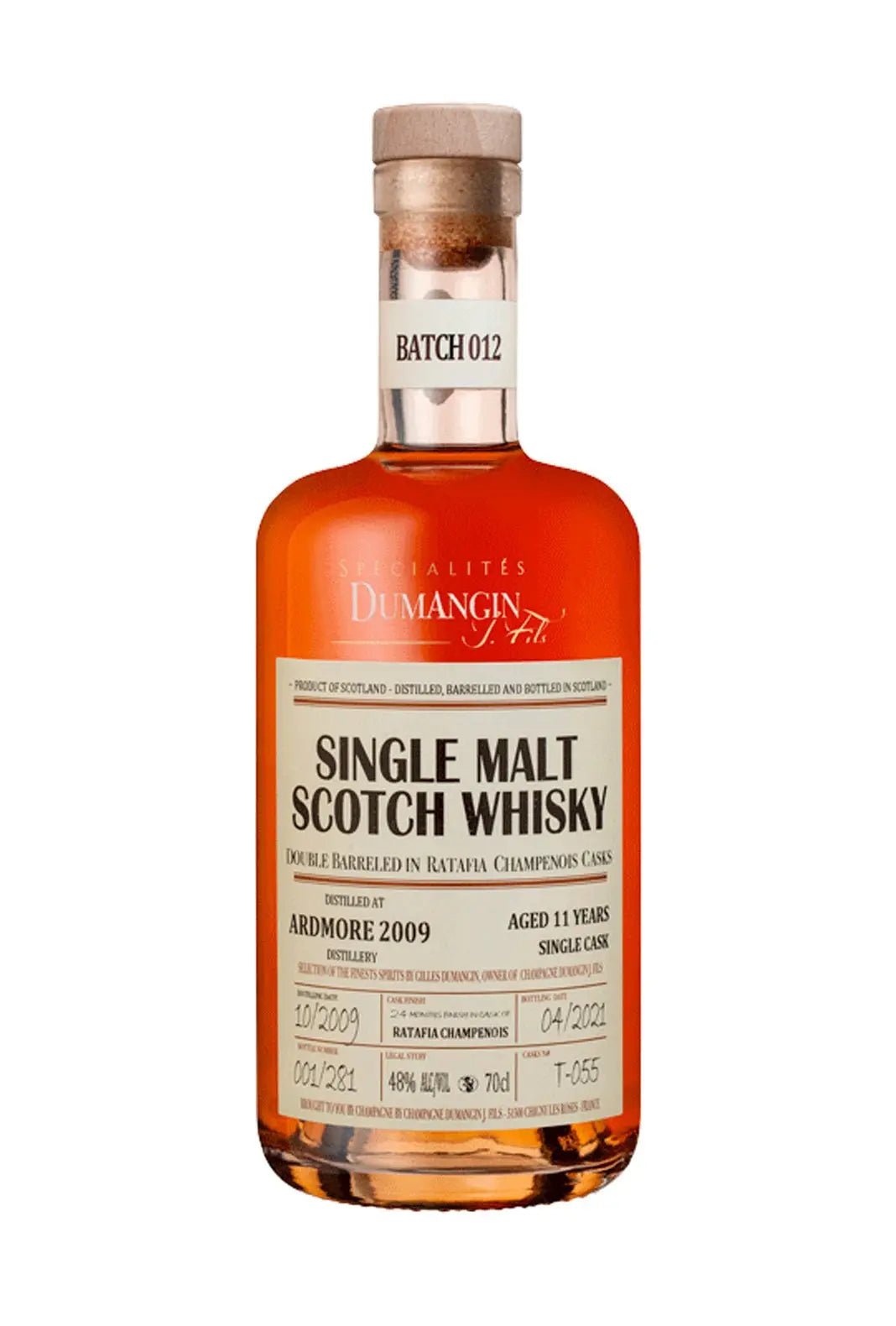
Batch 012 Ardmore (Scotland) 2009 Single Malt Whisky 48% 700ml
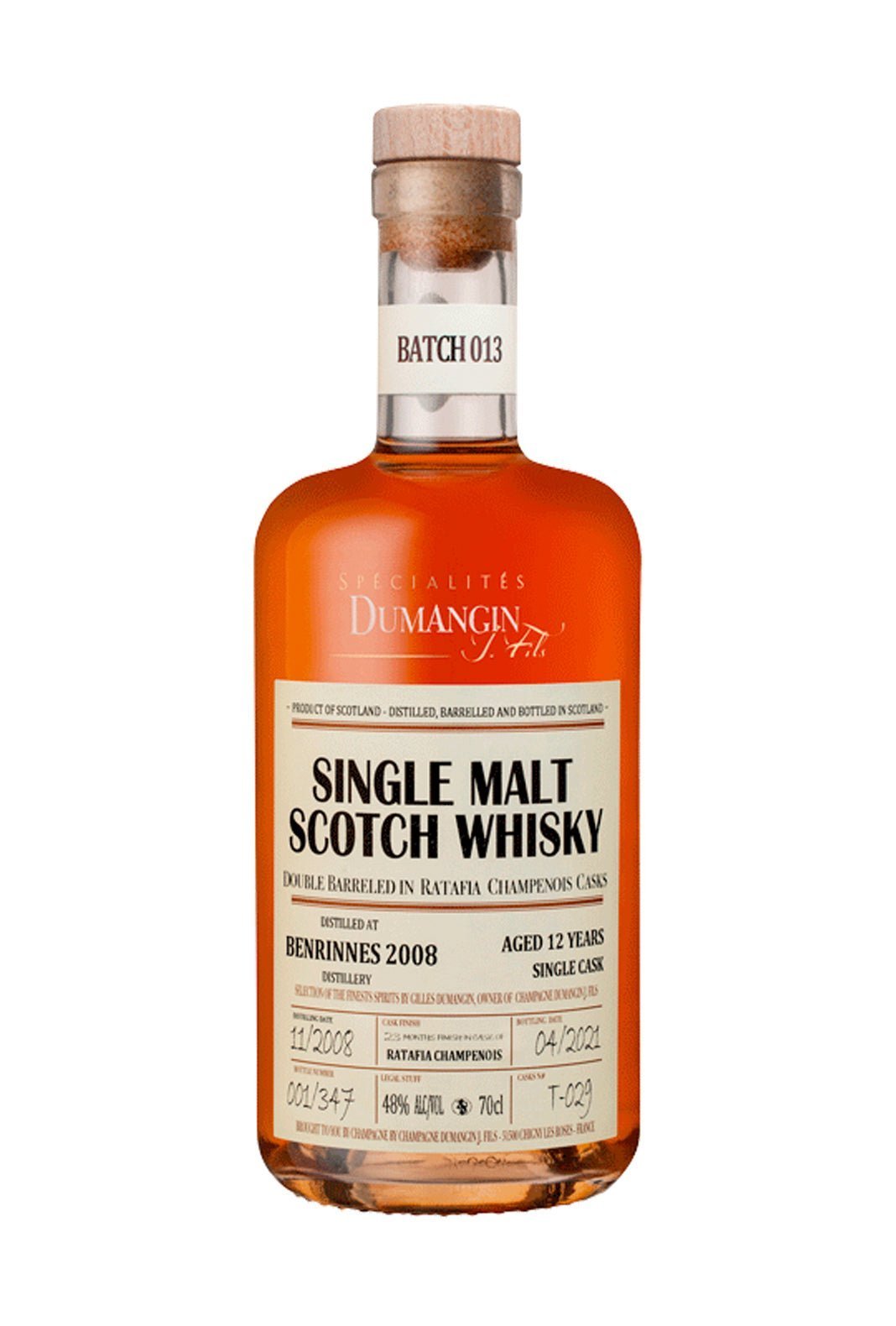
Batch 013 Benrinnes (Scotland) 2008 Single Malt Whisky 48% 700ml
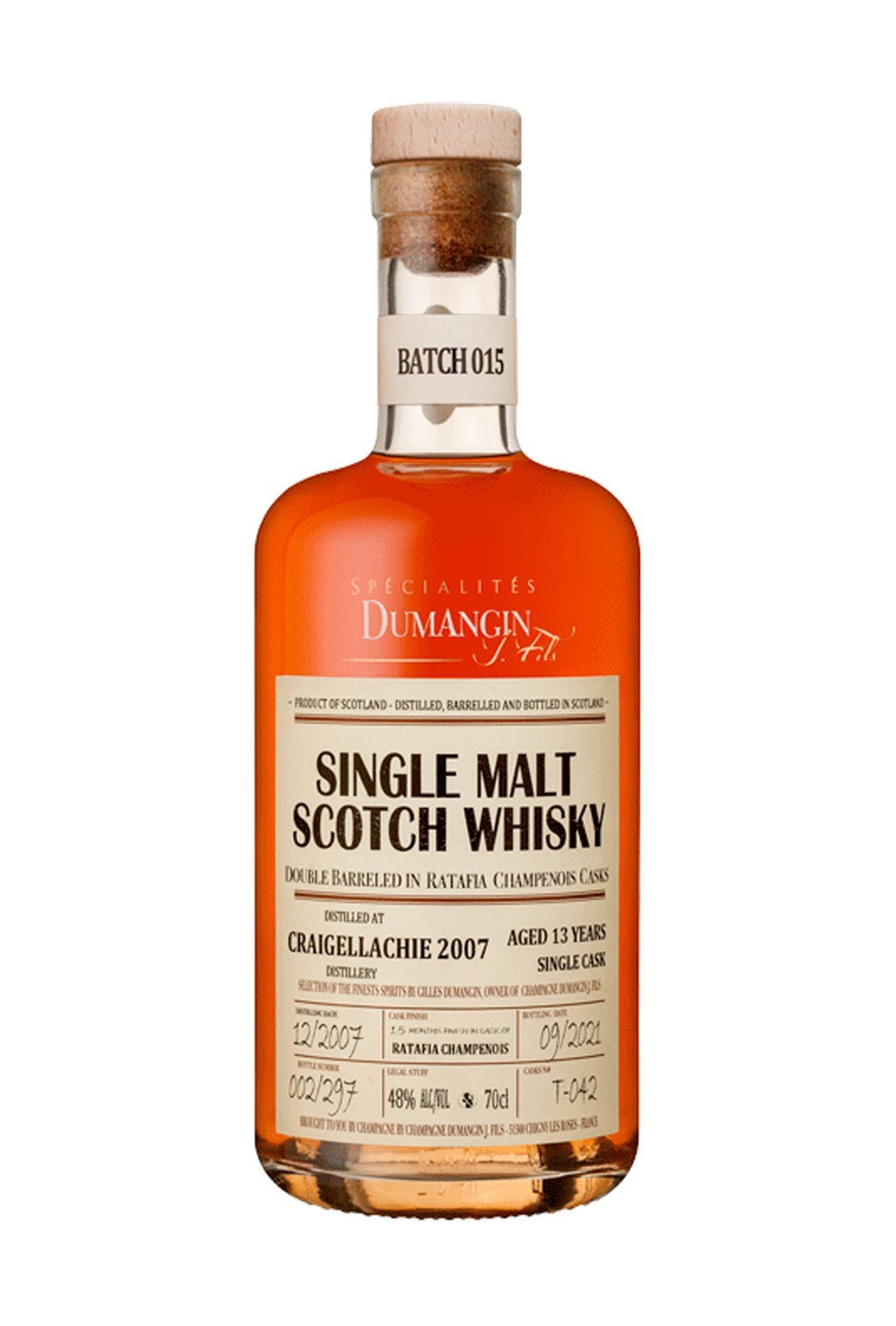
Batch 015 Craigellachie (Scotland) 2007 Single Malt Whisky 48% 700ml
About Scotch Whisky
This is not a supermarket Scotch shelf. It sits at the peated, cask strength and independently bottled end of the category, and most of it is single malt.
The Islay side is led by Port Charlotte, Bruichladdich's heavily peated single malt, which the distillery describes as having a signature dry peat and barbecue smoke character. Three are here, at 8, 12 and 13 years old, and all three are bottled above 60 per cent. Caol Ila appears through La Maison du Whisky's The Ten series as a 2007 medium peated Islay single malt.
The independent bottlings are the other half of the page, and they span more than one region. Ardmore 2009, Benrinnes 2008 and Craigellachie 2007 come through the Batch series at 48 per cent, and Jean Boyer bottles Craigellachie, Aultmore 2009 and a peated Tormore. Two of them are peated: Ardmore, which is a Highland distillery, and the Jean Boyer Tormore. An independent bottler buys casks from working distilleries and bottles them without the distillery's own house style imposed on top, which is why an independent release can taste quite unlike the official bottling from the same site.
GlenAllachie 15 Year Old at 46 per cent and two Eden Mill single malts complete it.
For the wider range see single malts and blends, peated whisky, and the full whisky collection.
History
Scotch is one of the most tightly defined spirits in the world. The Scotch Whisky Regulations 2009 require it to be matured only in Scotland, only in oak casks of a capacity not exceeding 700 litres, for a period of not less than three years, and bottled at a minimum strength of 40 per cent. Single malt Scotch whisky must be distilled at a single distillery from water and malted barley without any other cereal, in pot stills.
Peat is older than any of those rules. Before coal was widely available, distillers dried malted barley over peat fires and the smoke carried into the spirit. What began as the only fuel to hand became a regional signature, and Islay is where it survived most emphatically.
Independent bottling is almost as old as the industry. Merchants bought casks from distilleries, matured them in their own warehouses and sold them under their own names at a time when few distilleries bottled anything themselves. The practice never stopped, which is why a bottle can name a distillery on the front while the distillery had no hand in the release.
Cask strength bottling is the newer habit. It exists because drinkers asked for the whisky as it left the wood rather than reduced to a standard number, and it hands the dilution decision to the person drinking it.
How to drink it
Pour a small measure into a tulip glass and give it a minute before the first nose. At 60 per cent and above the alcohol arrives first and everything else follows once it has had air.
Water is not a compromise on a cask strength whisky, it is part of the method. Add it a few drops at a time. Port Charlotte at 63.8 per cent tastes like a different whisky at 50, and finding the point where the smoke separates from the sweetness is the whole exercise.
Ice suits peated whisky less well than it suits bourbon. Cold suppresses aromatics, and on an Islay malt the aromatics are the point. If you want it cold, use one large cube and drink it before it has melted away.
With food, peated whisky and oysters is a genuinely good pairing rather than a novelty, and smoked fish, blue cheese and dark chocolate all work.
For a highball, use a lightly peated or unpeated malt, three parts soda to one part whisky, in a tall glass filled to the top with ice. It is a better use of a 48 per cent independent bottling on a hot afternoon than most people expect.