
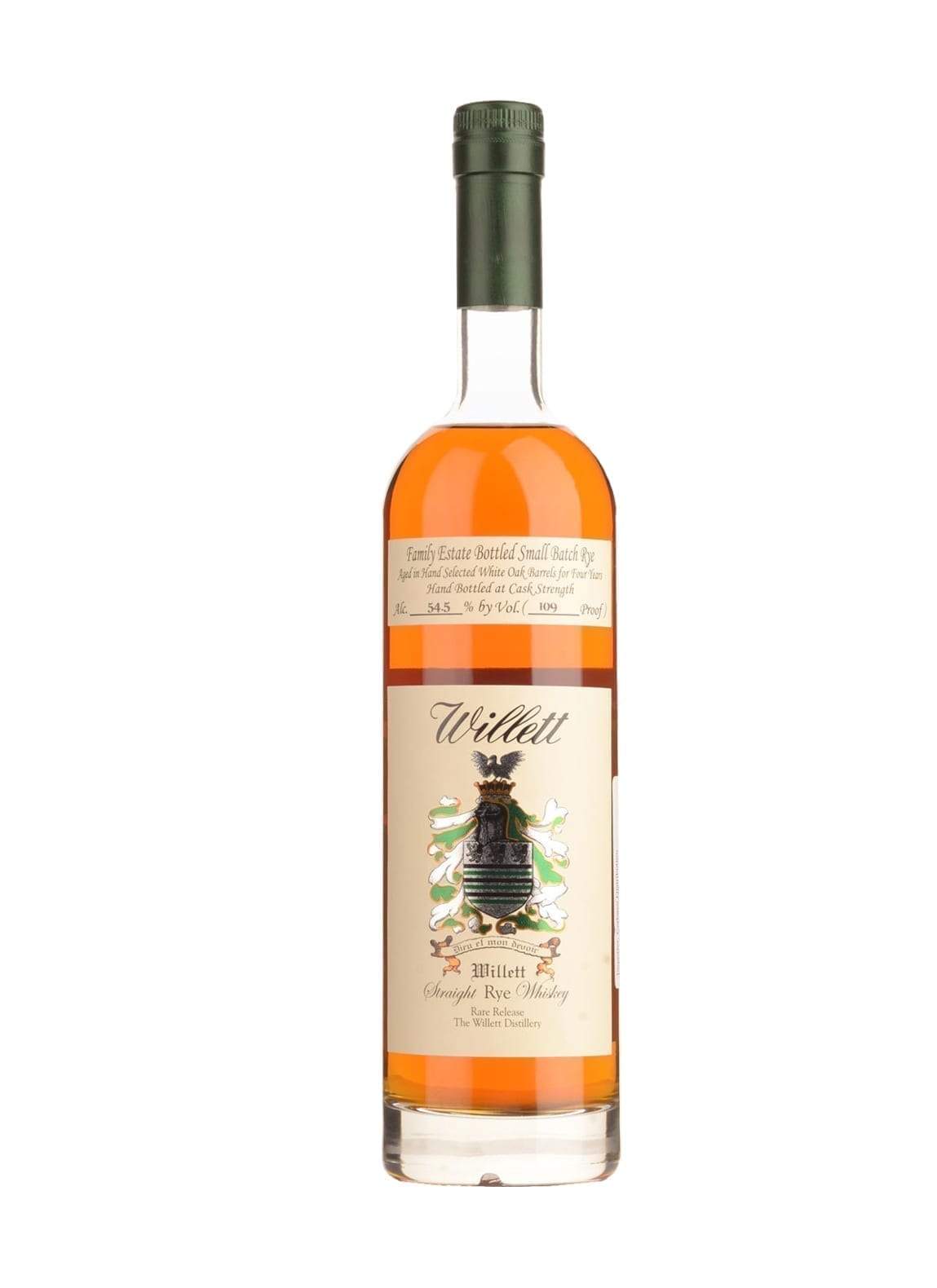
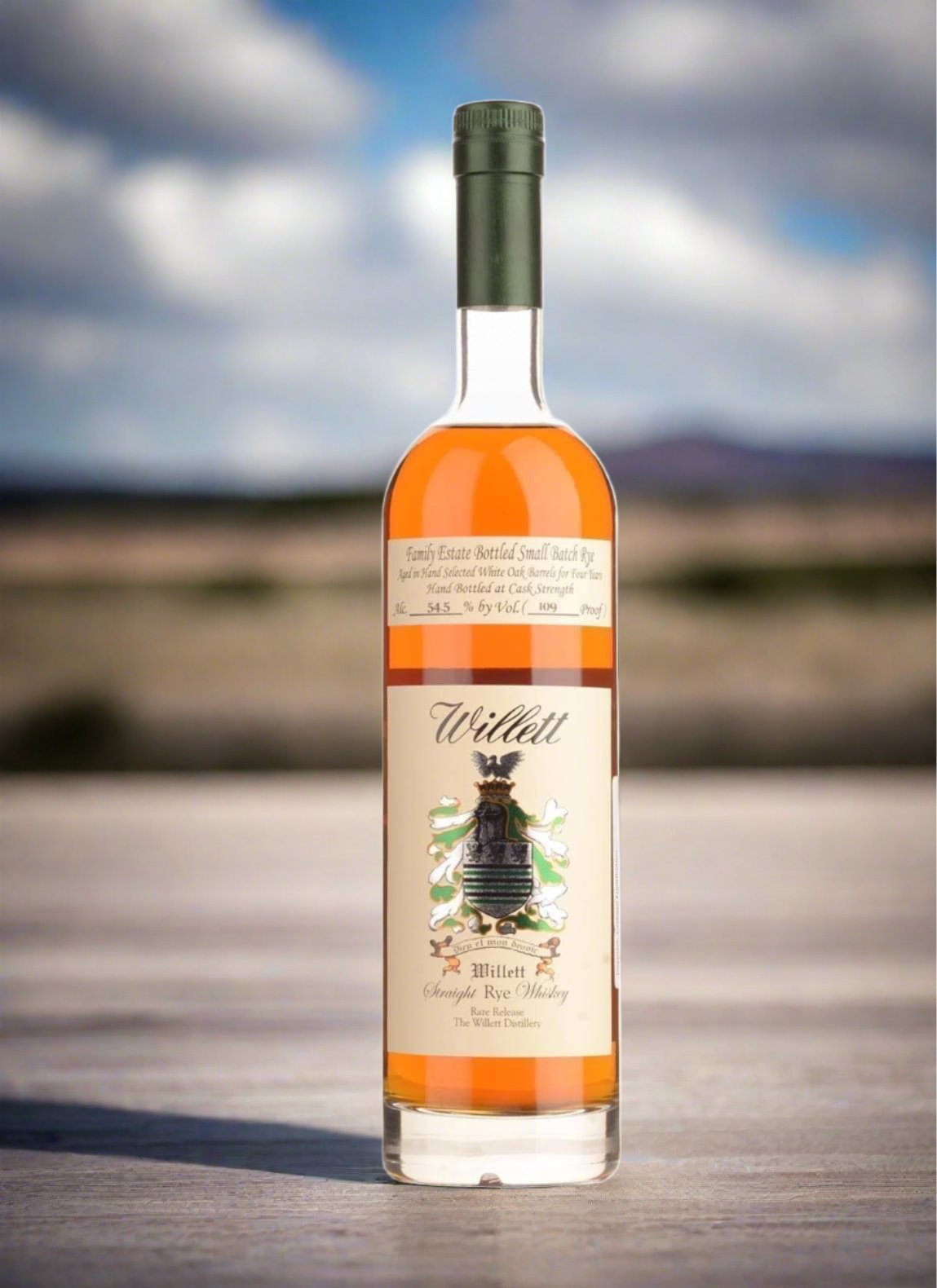
Willett Family Rye Whiskey 4 years Small Batch 54.5% 750ml
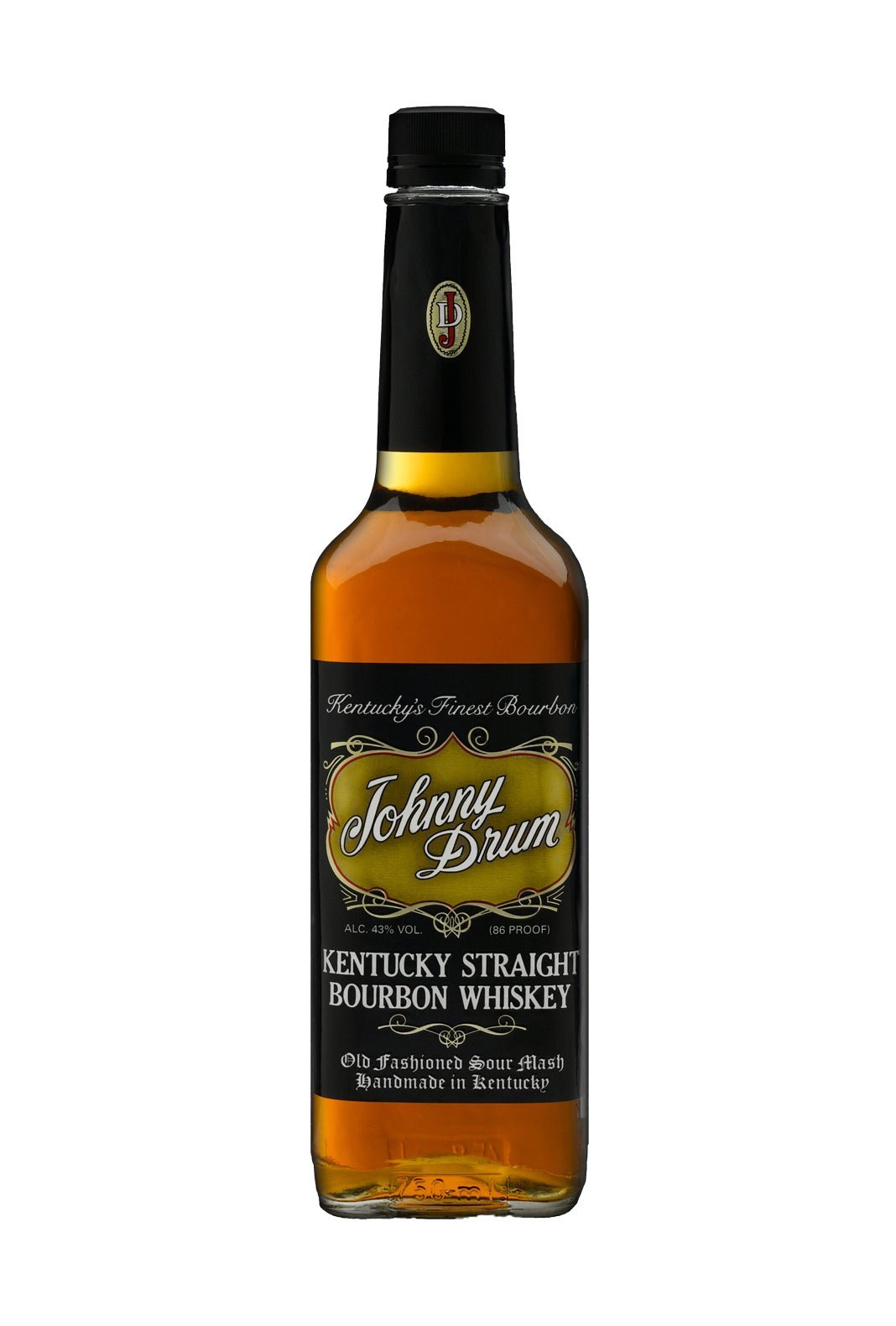
Willett Johnny Drum Black Label Bourbon 43% 750ml
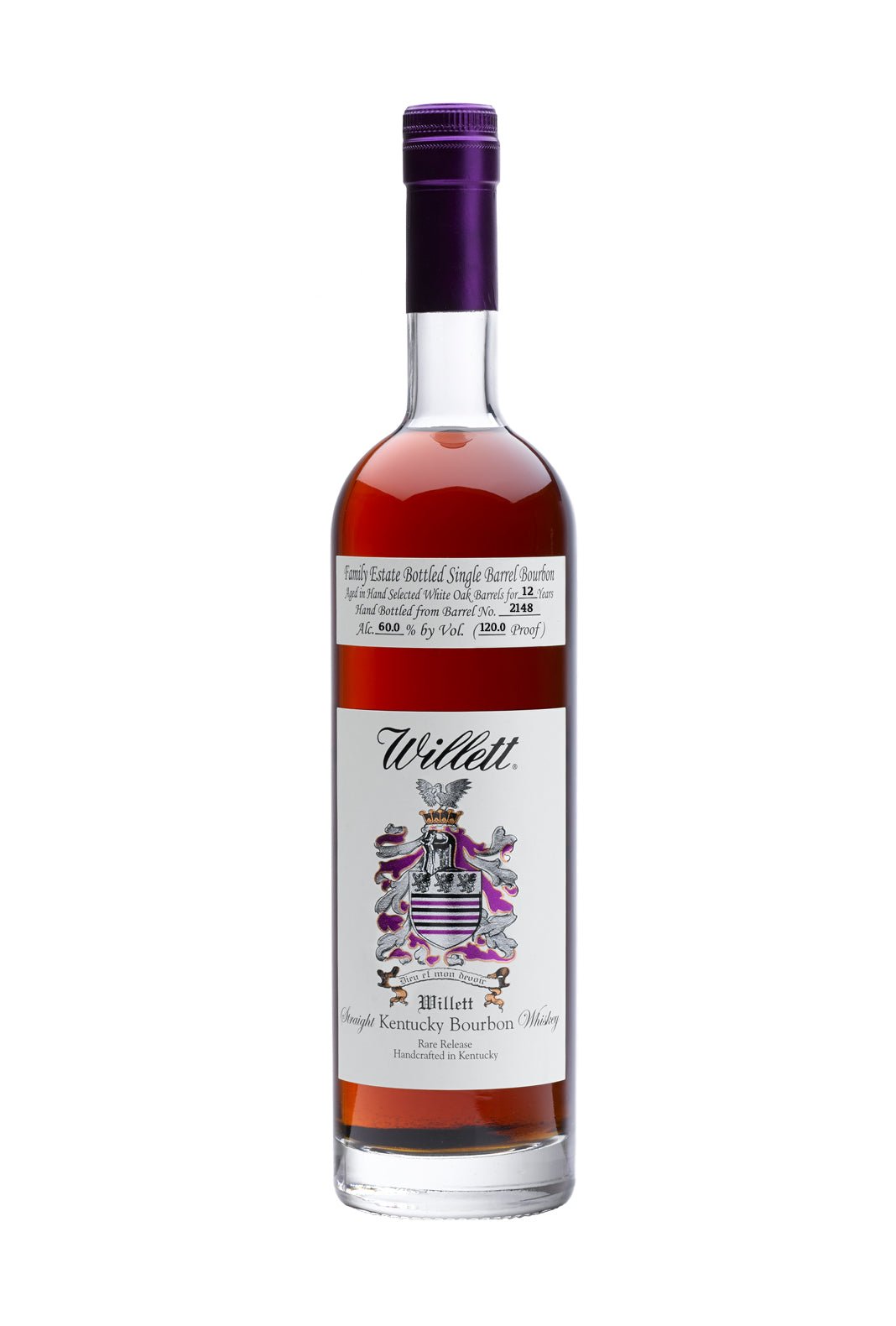
Willett 12 Year Bourbon Special Edition 60% 750ml
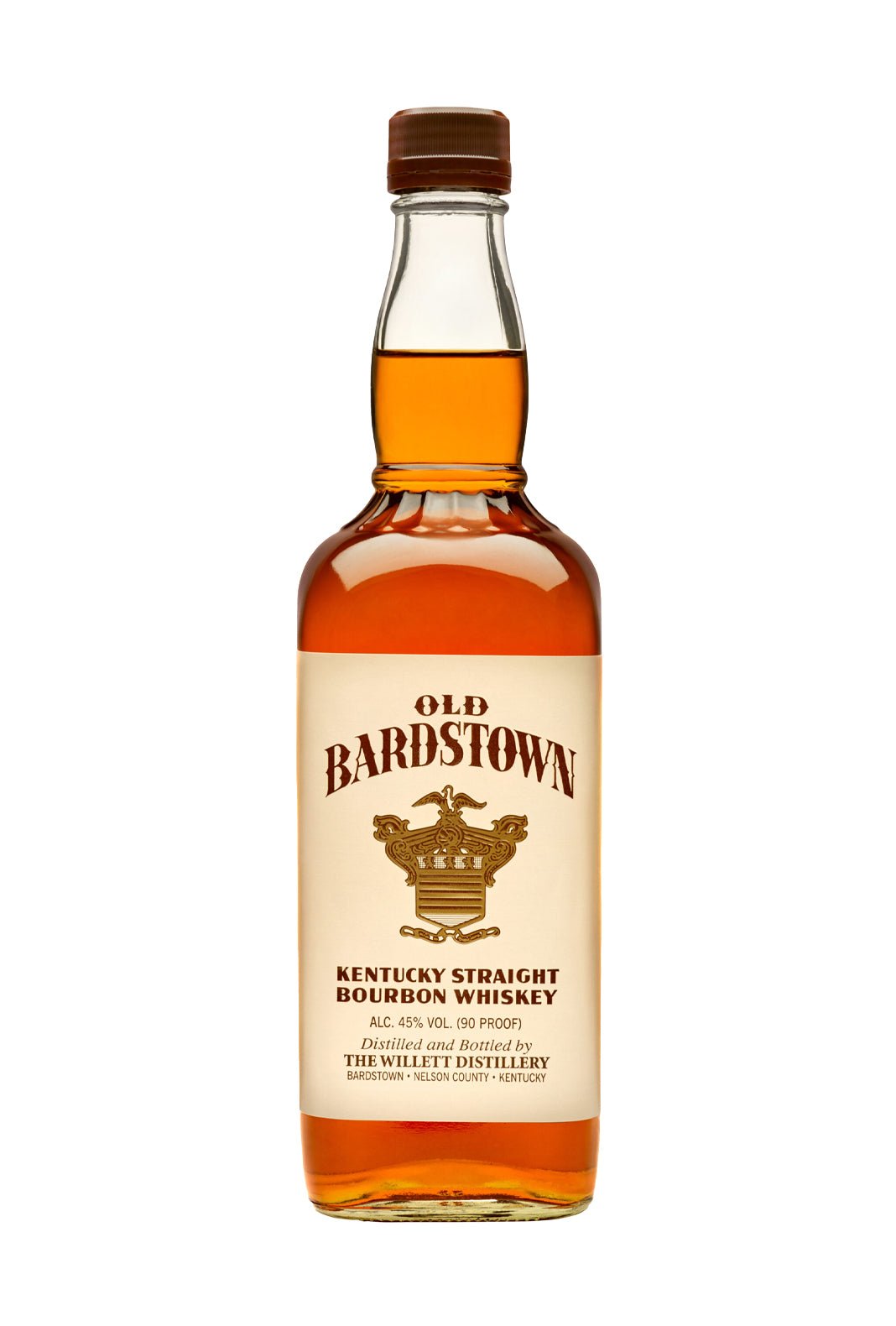
Willett Old Bardstown 45% 750ml
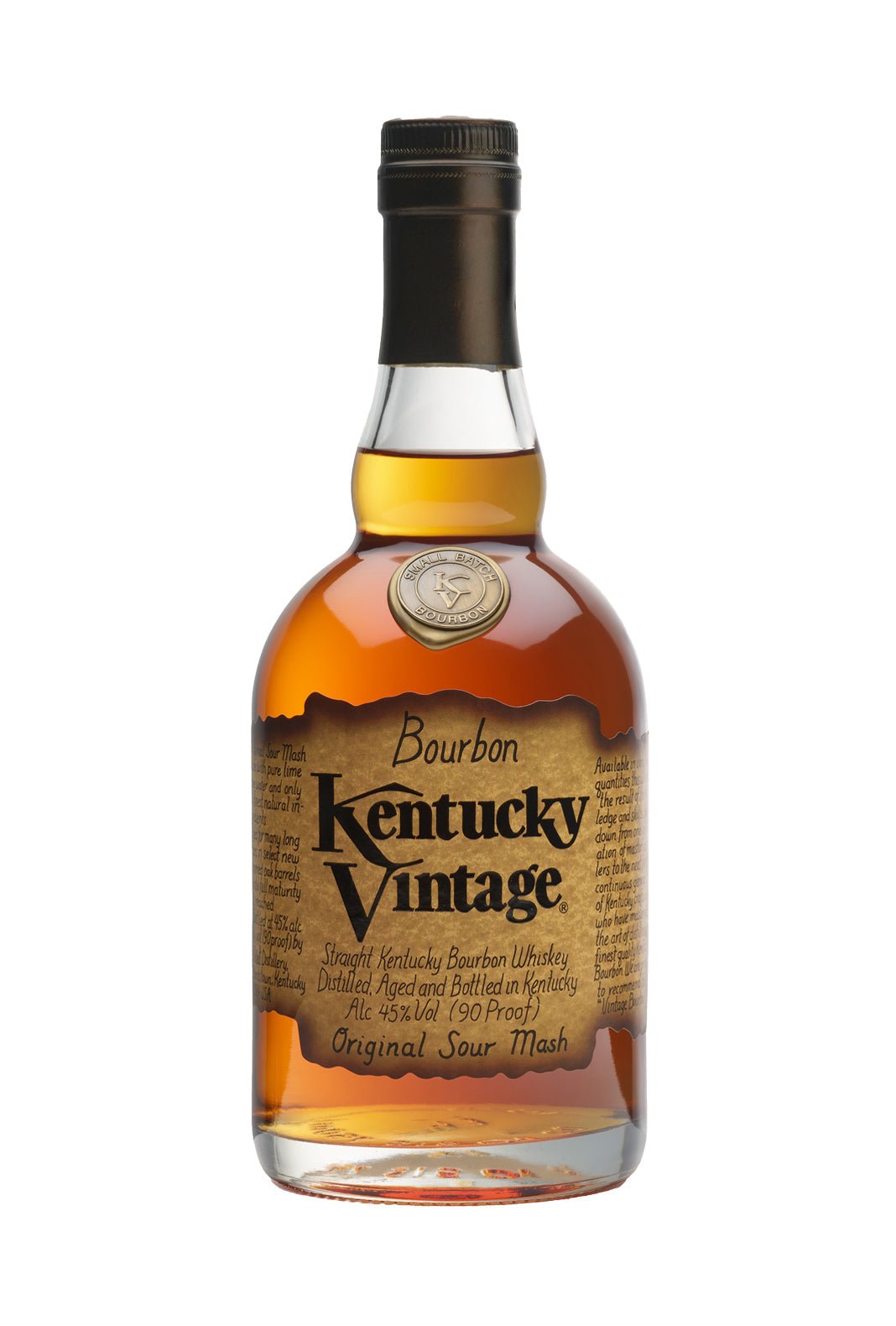
Willett Kentucky Vintage Bourbon 45% 750ml
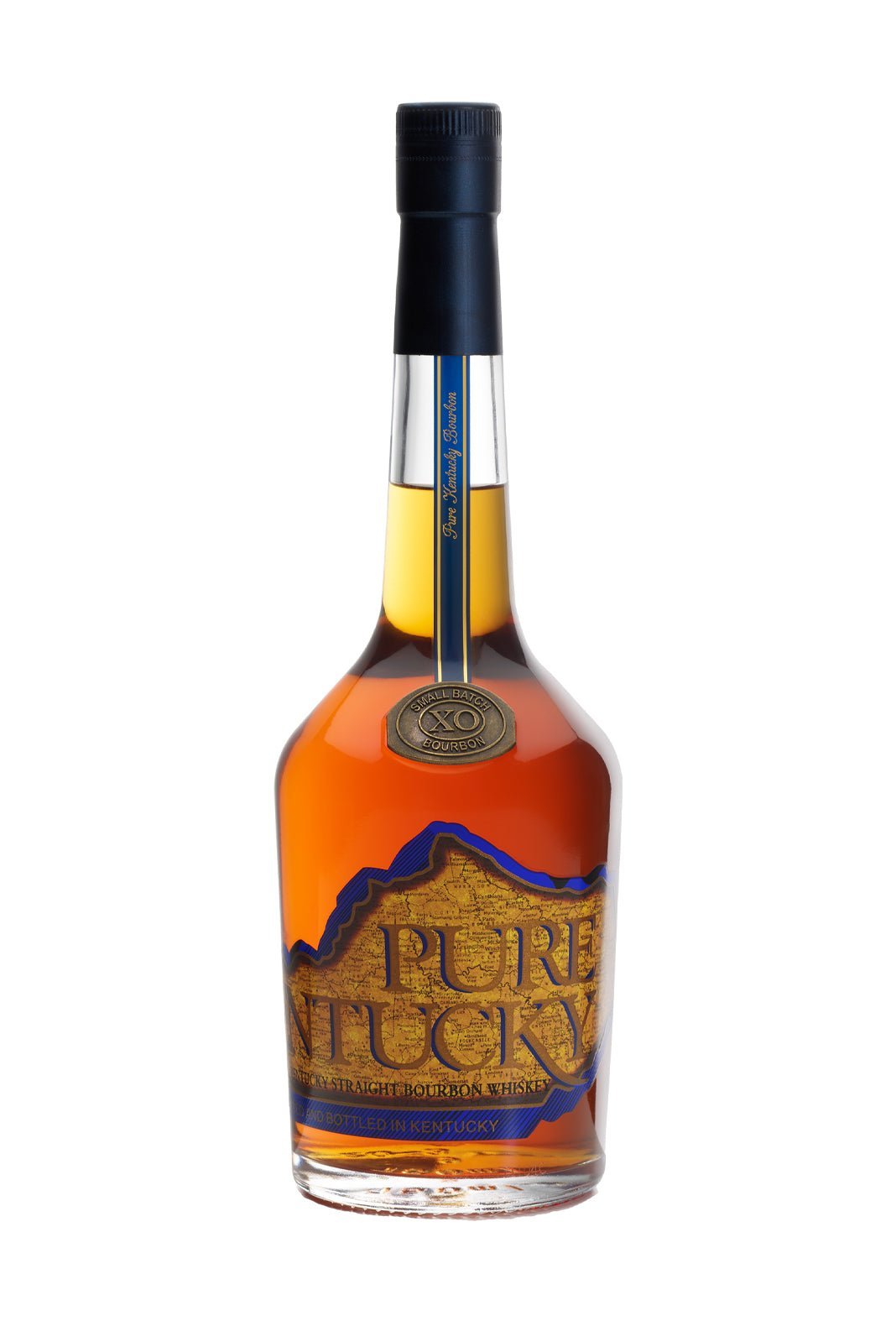
Willett Pure Kentucky Bourbon 53.5% 750ml
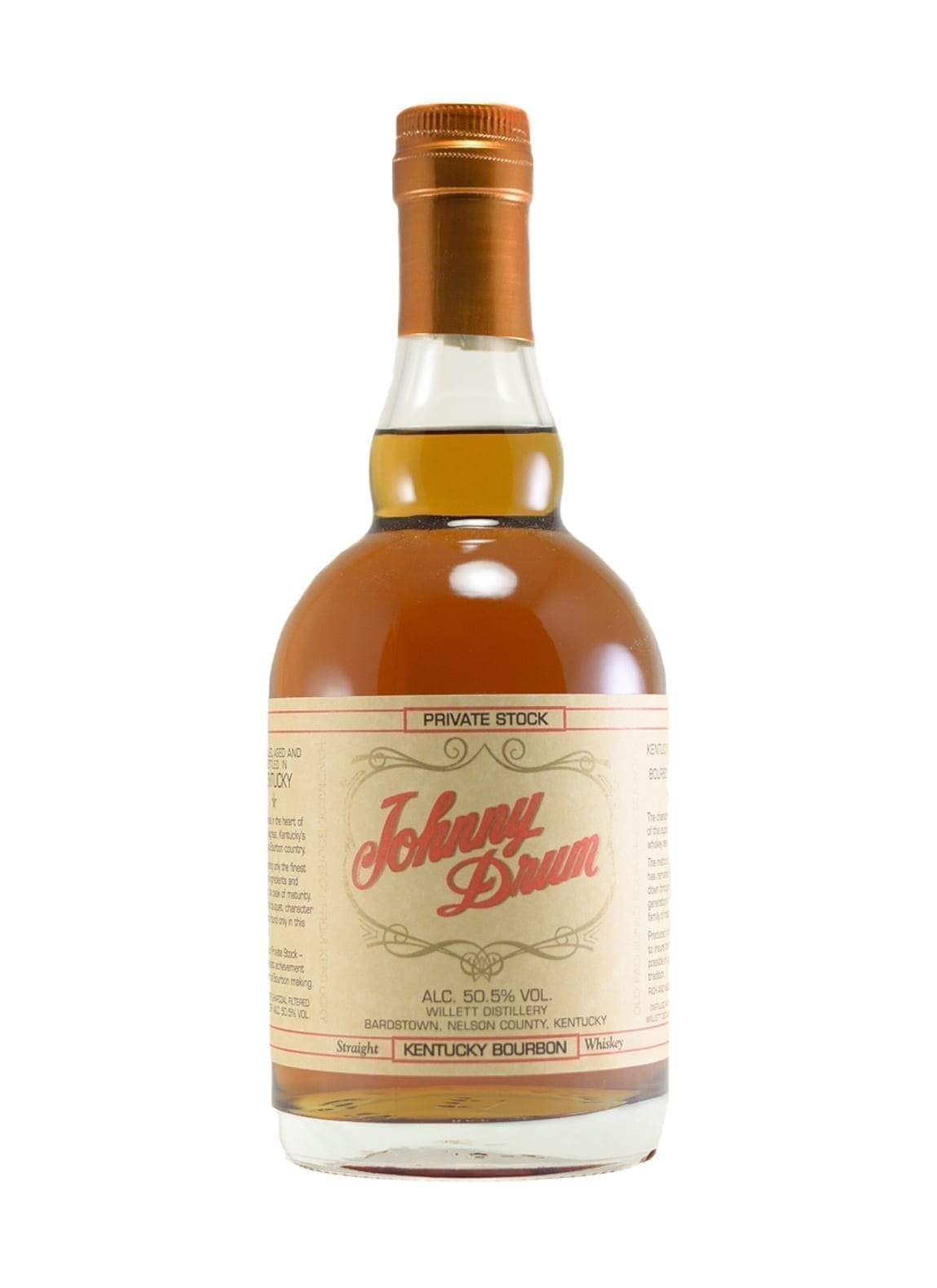
Johnny Drum Private Stock Bourbon 50.5% 750ml
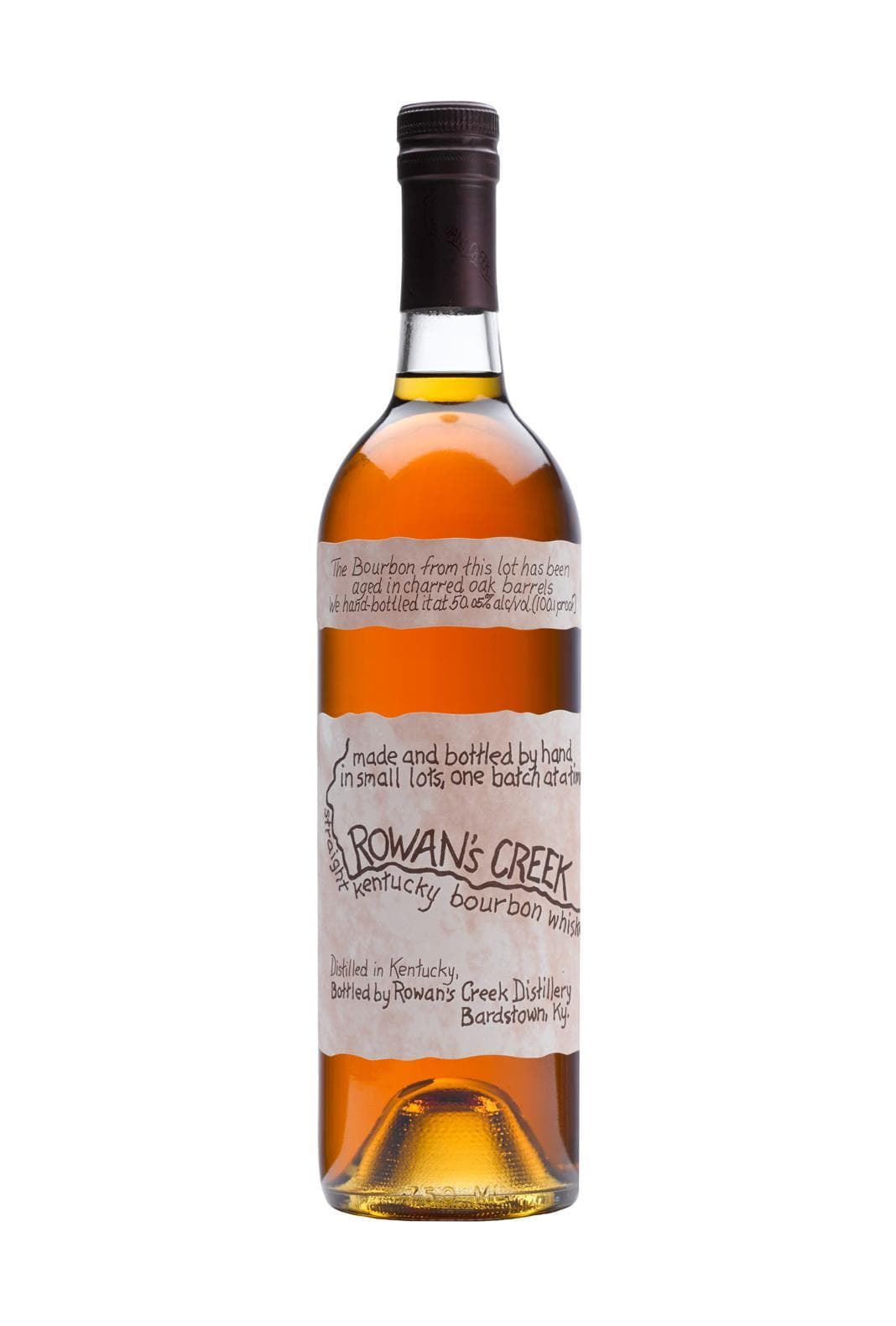
Rowans Creek Bourbon 50.05% 750ml
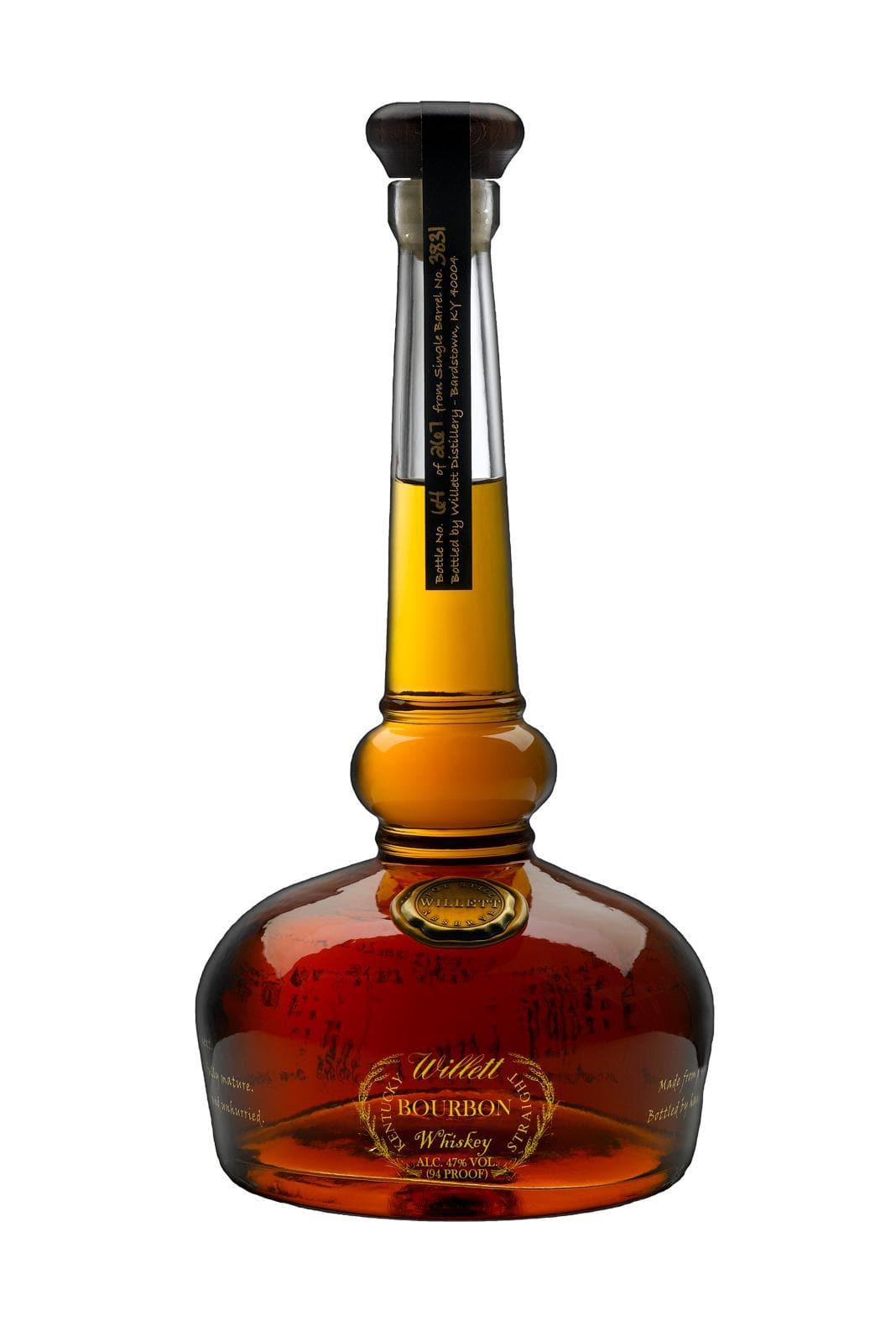
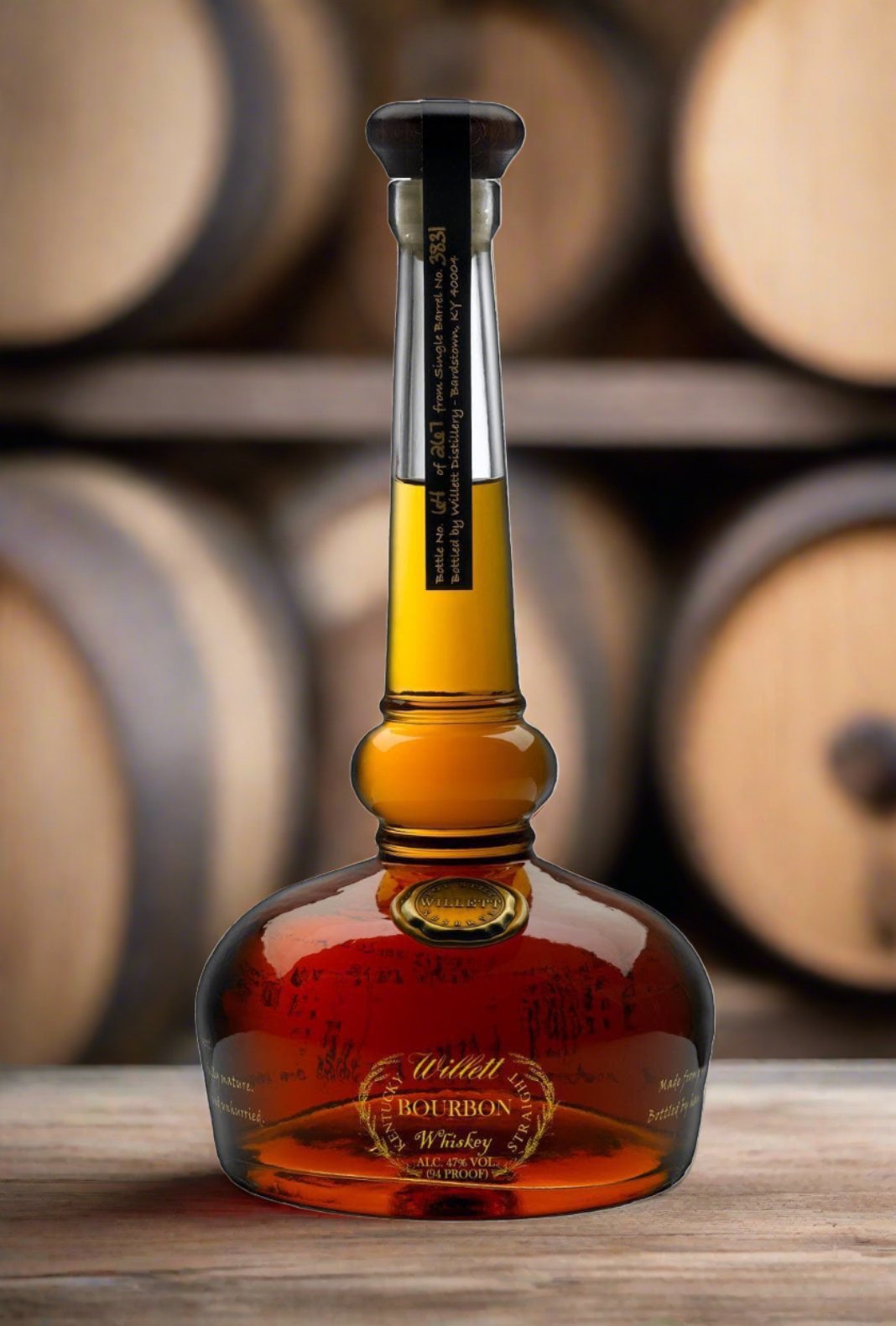
Willett Family Kentucky Straight Bourbon Whiskey Pot Still Reserve 47% 750ml
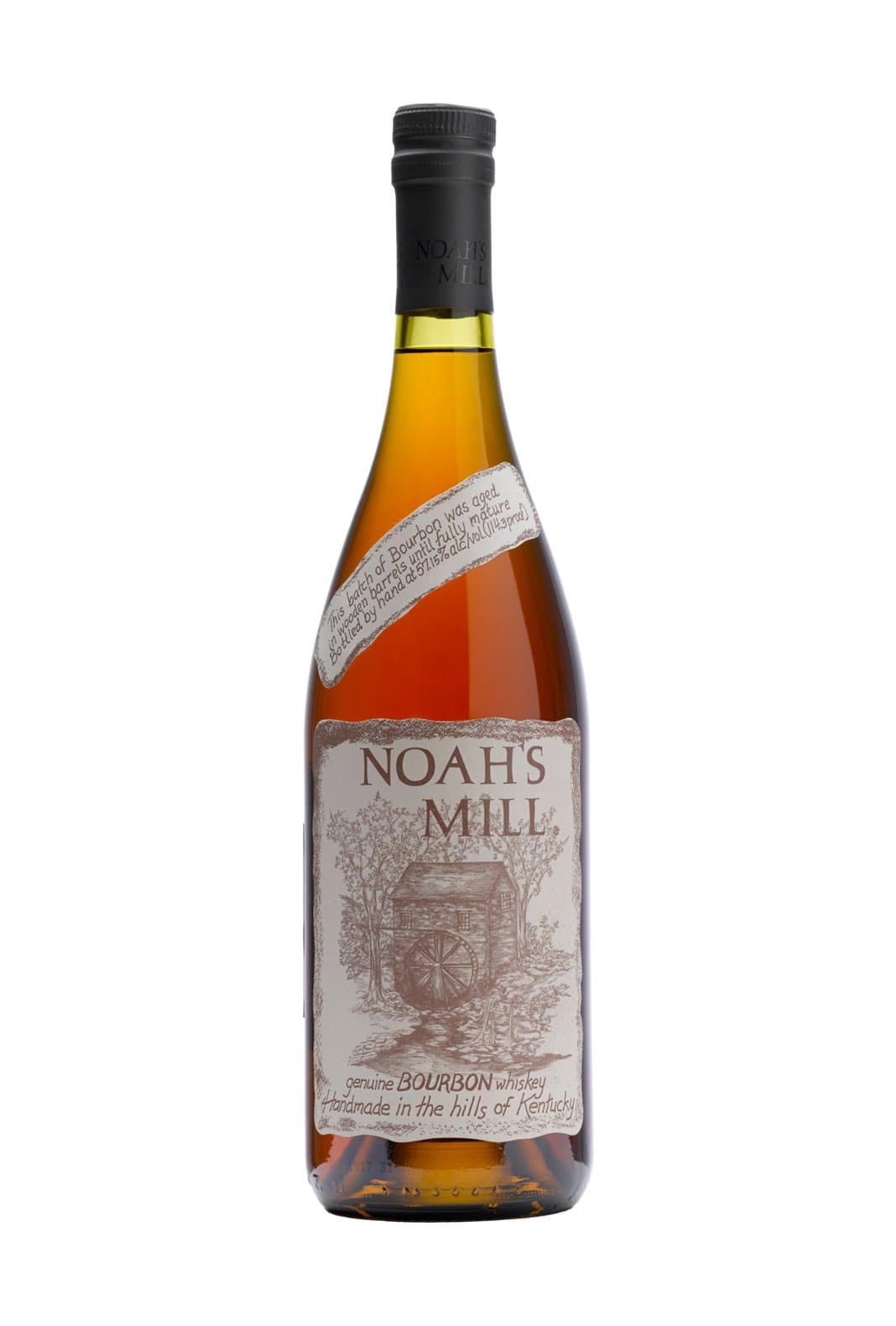
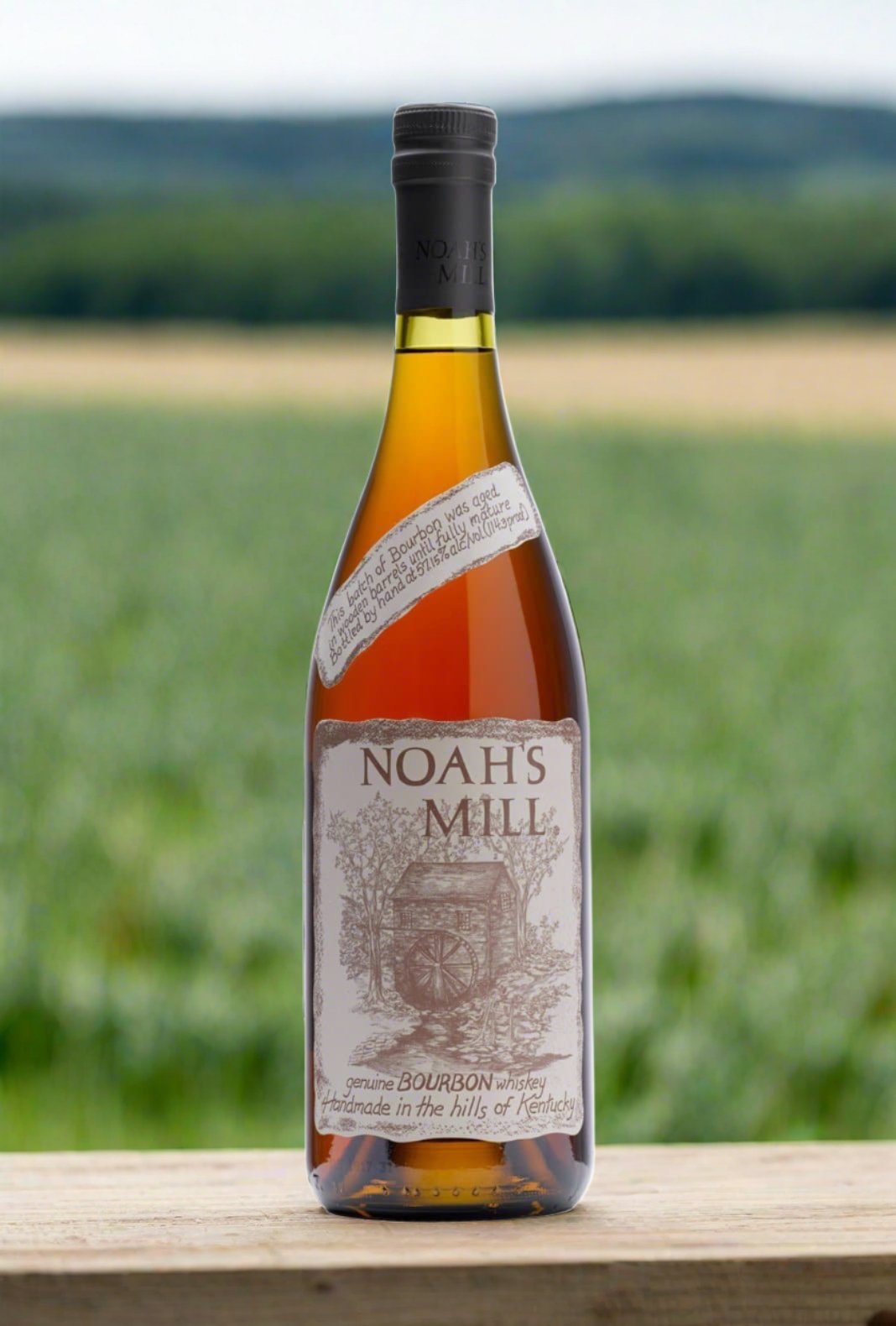
Noah's Mill Bourbon 57.15% 750ml
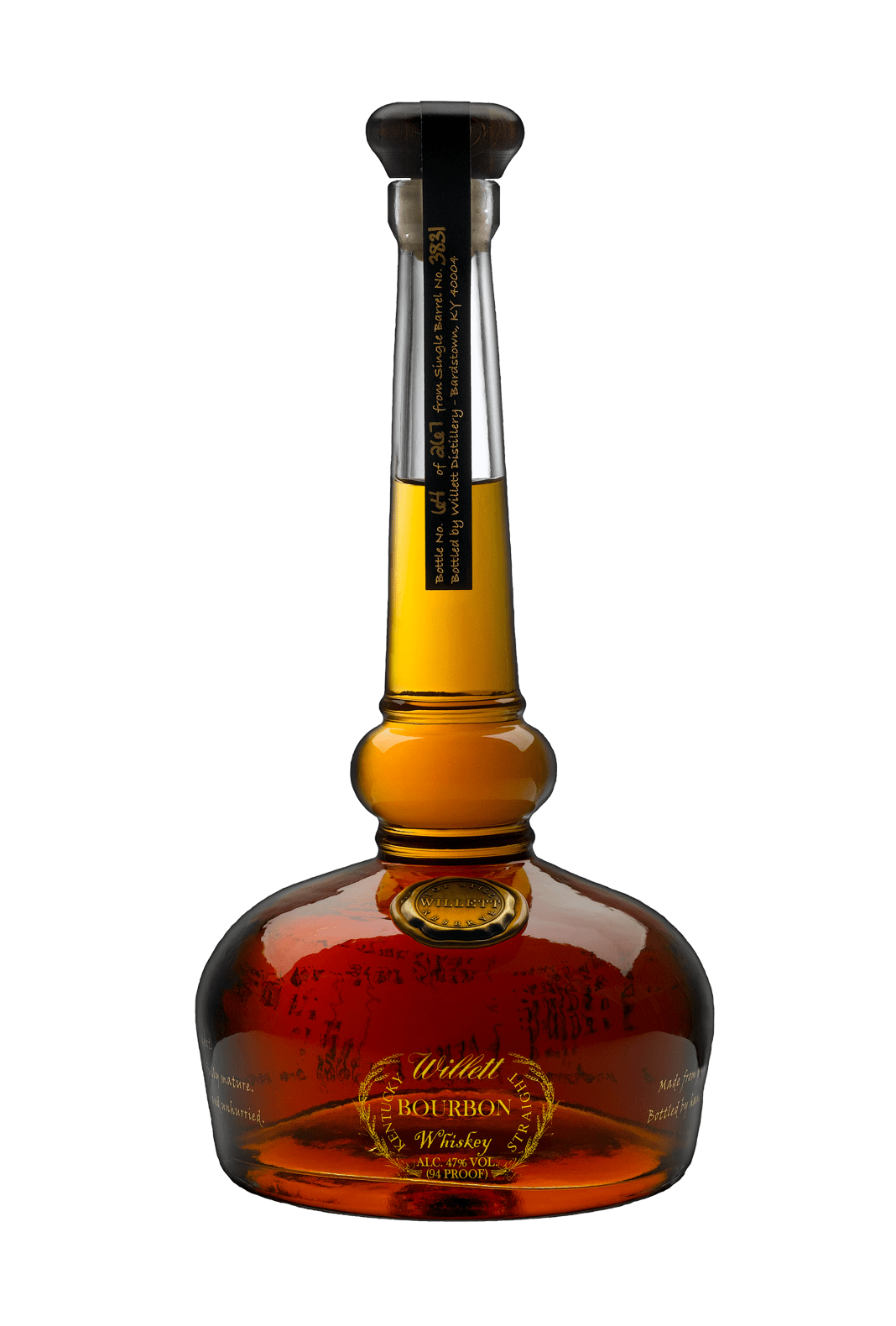
Willett Bourbon Pot Still Reserve 47% 1.75L
About Willett
Willett is a working family distillery on a hill outside Bardstown, Kentucky, and the labels on this page come from two different chapters of the same business. Some are old merchant brands the family built by buying mature barrels from neighbouring distilleries and blending them in small batches. Others come from Willett's own stills, running again since 2012. The house preference is clear either way: small batches, generous strength, and bottling proofs held steady from release to release rather than moving with each barrel.
The high proof end is where most people start. Noah's Mill at 57.15 per cent and Rowan's Creek at 50.05 per cent are the classic pair, one broad and oaky, the other softer and more floral. Neither is barrel proof, and that is the point: those figures are fixed, so a bottle bought this year tastes like the last one. Pure Kentucky sits between them at 53.5 per cent. Kentucky Vintage and Old Bardstown come in at 45 per cent and are the ones to mix with. Johnny Drum runs as Black Label at 43 per cent and Private Stock at 50.5, and Willett Family Rye covers the spicier side. A 12 Year Special Edition at 60 per cent sits above them for anyone chasing the oldest stock. Browse the wider bourbon range, all delivered across Australia (exc. NT).
History
Thompson Willett founded the distillery outside Bardstown in 1936, his father Lambert having spent a working life in Kentucky whiskey before him. The first batch of Kentucky bourbon ran in the spring of 1937. The family distilled for decades, then hit the same wall that flattened most of Kentucky: America stopped drinking brown spirit in the 1970s, warehouses were full of whiskey nobody wanted, and Willett tried converting production to fuel alcohol during the energy crisis. That venture failed and the stills went quiet.
The revival came through marriage. Even Kulsveen, a Norwegian who had married Thompson's daughter Martha, took over the site in 1984 and founded Kentucky Bourbon Distillers. For nearly thirty years the business did not distil at all. It bought mature barrels from other Kentucky producers, selected and blended them, and released them under the family's old brand names, which is how Noah's Mill, Rowan's Creek, Johnny Drum and Pure Kentucky earned their reputations. That model made Willett one of the most respected independent bottlers in America long before it made its own spirit.
Distilling restarted in January 2012 with a new pot still, and the company took back the Willett Distillery name. Bottles carrying the distinctive pot still shaped decanter are the flagship of that era, and one of them appears in our carafes selection. The broader whisky range puts it in context.
How to drink it
Much of this range is bottled at high proof, so water is a tool rather than a compromise. Use a Glencairn or a small tulip, pour a short measure, and add water a few drops at a time. Noah's Mill will change character three or four times on the way down to about 45 per cent, and following that shift slowly teaches you more about bourbon than any tasting note. If you prefer ice, use one large cube rather than a handful of small ones so the dilution happens at a pace you can track.
For mixing, Old Bardstown at 45 per cent is the sensible Old Fashioned bourbon, sweet enough that it needs very little sugar. Willett Family Rye at 54.5 per cent makes a Manhattan with real backbone, though pull the vermouth back slightly because the spirit is strong. With food, bourbon prefers smoke and salt to sugar: brisket, aged cheddar, toasted pecans. Serve at room temperature, never chilled, since cold shuts down the corn sweetness.
Start with Pure Kentucky if you want the house style in one bottle. Bourbon does not spoil once opened, but a bottle left a third full loses sweetness and aroma over a year or two, so store it upright, out of the light, and drink it rather than hoard it.
More from this origin and style: