
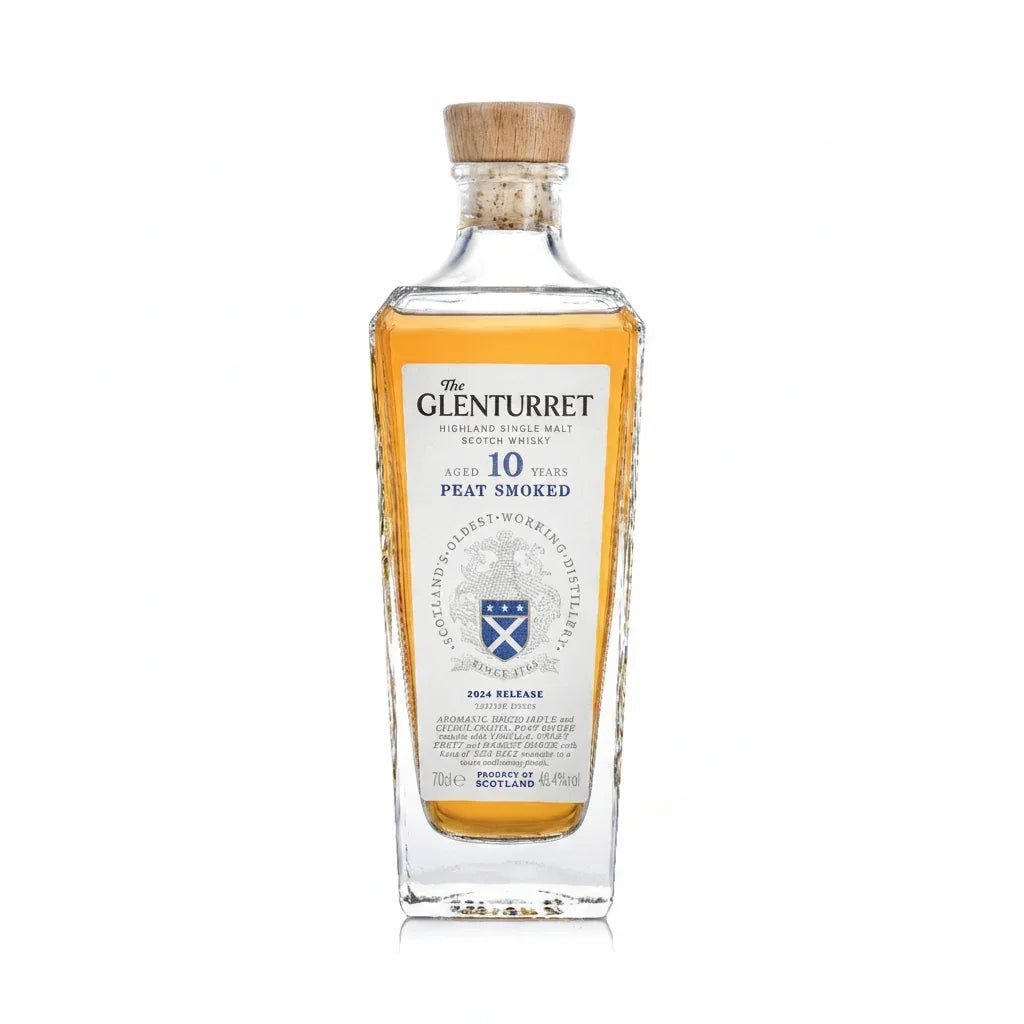
The Glenturret 10 Year Old Peat Smoked 2025 release 48.4% ABV 700ml
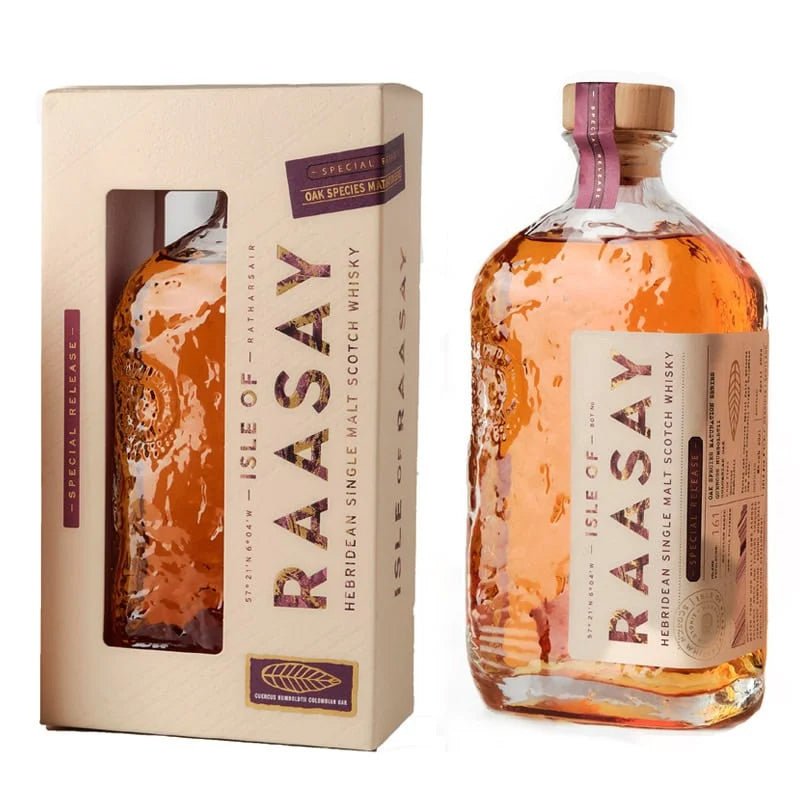
Raasay Peated Columbian Oak Matured 2024 release Single Malt Whisky 700mL 50.7%
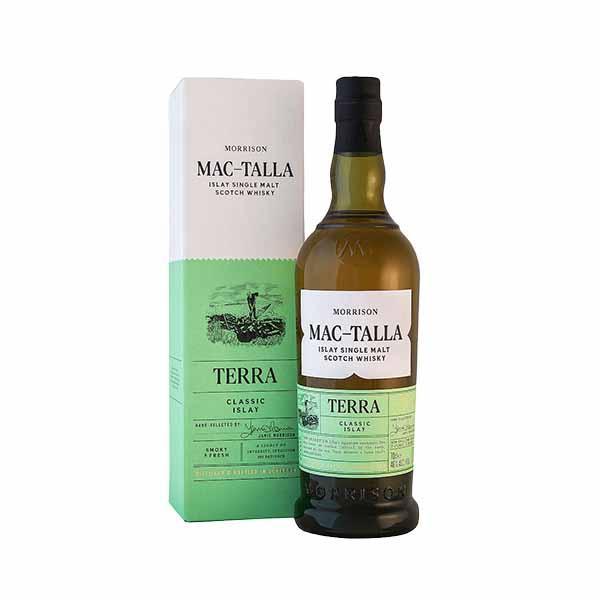
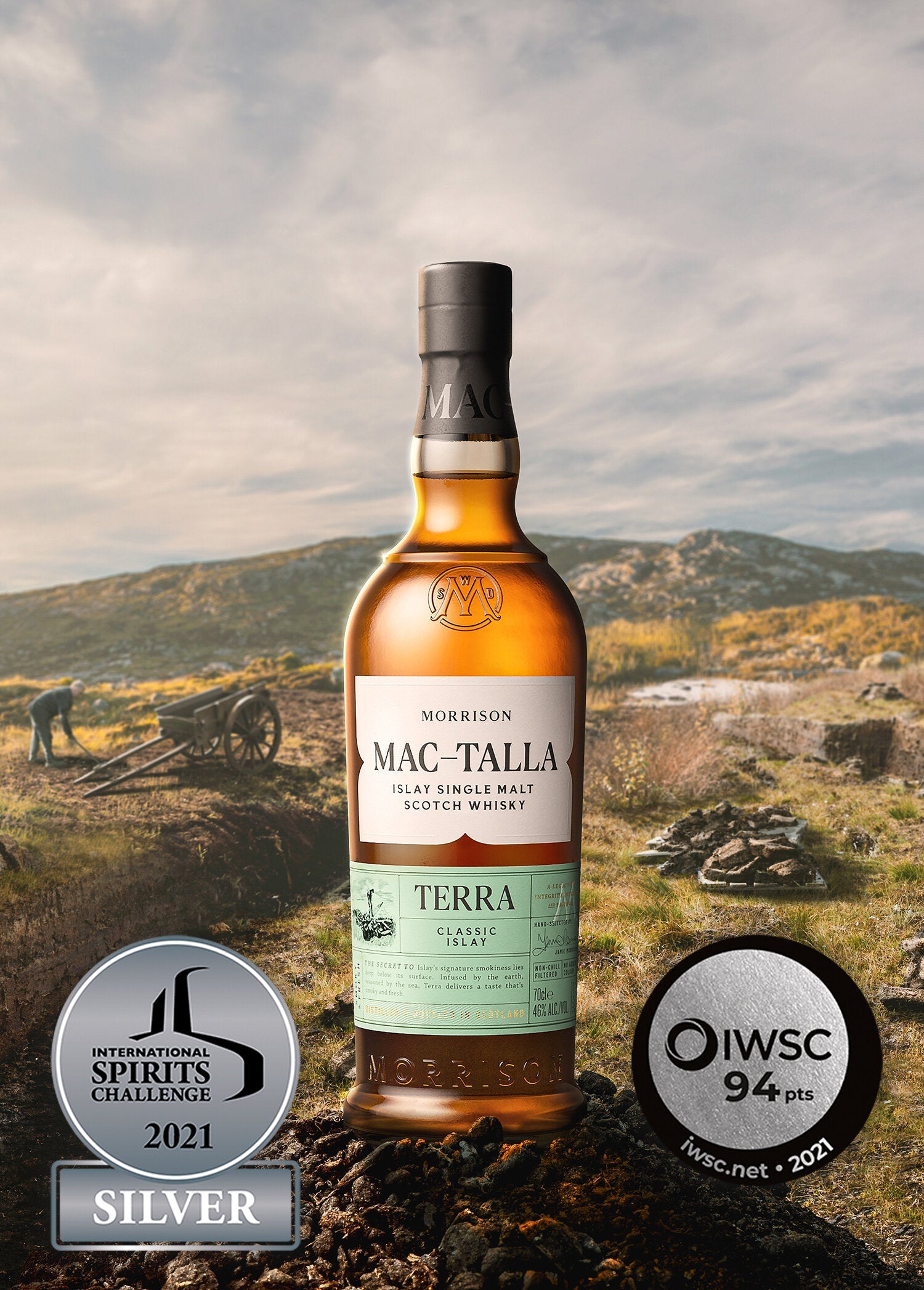
Mac-Talla 'Terra' Islay Single Malt Scotch Whisky 700mL
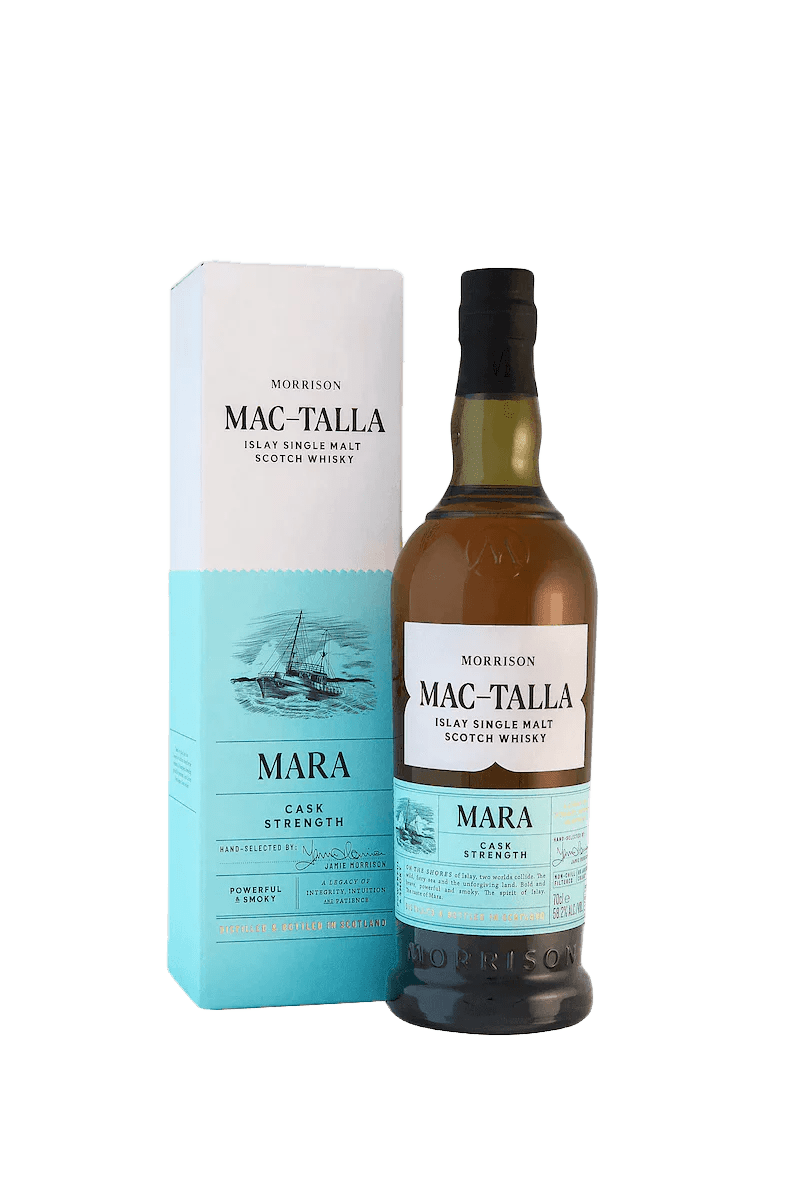
Mac-Talla 'Mara' Cask Strength Islay Single Malt Scotch Whisky 700ml
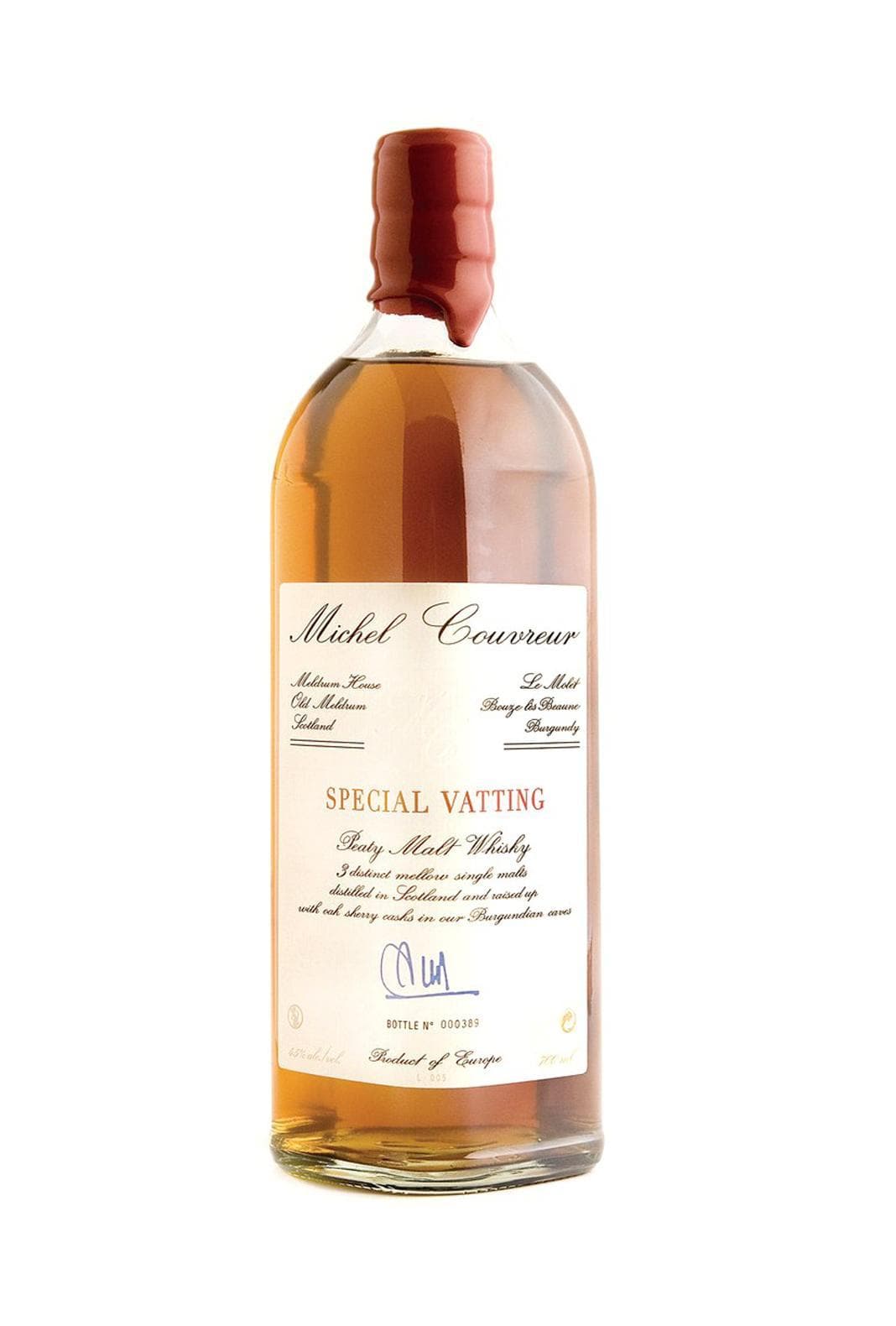
Michel Couvreur Whisky Special Vatting 45% 700ml
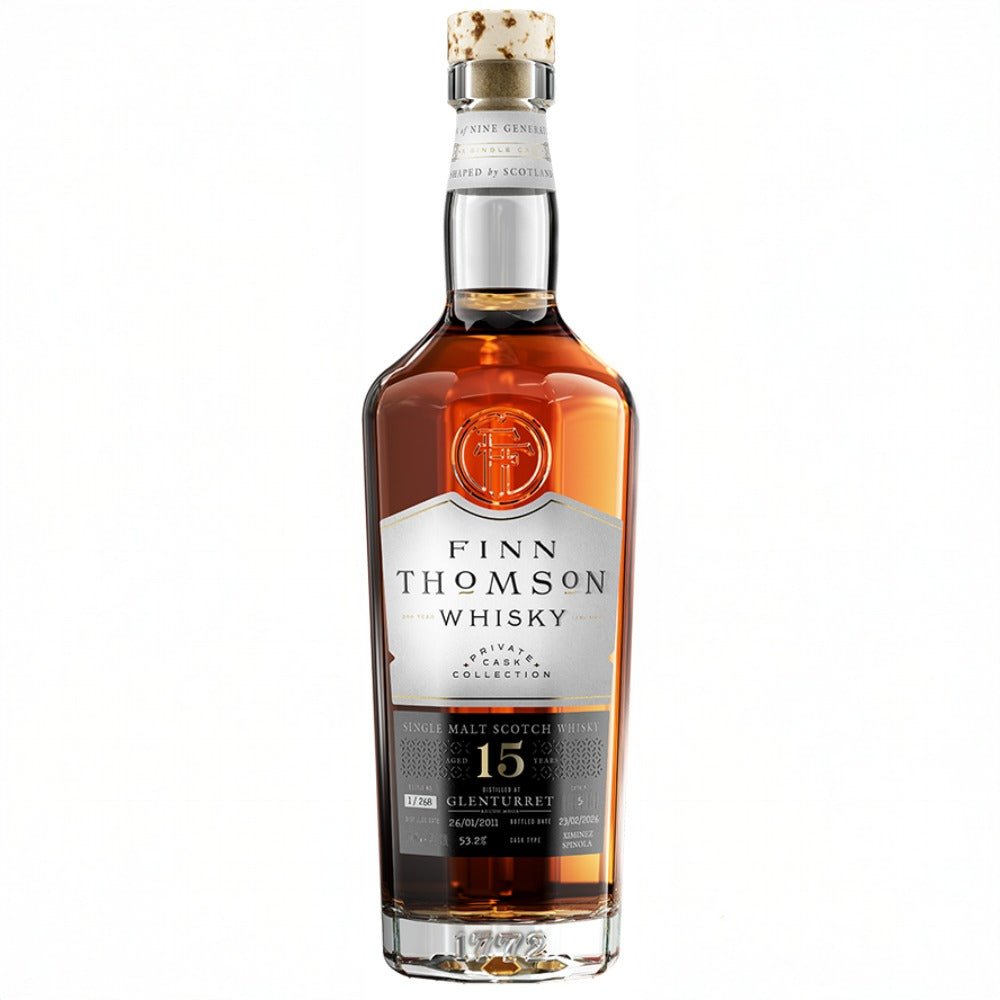
Finn Thomson Whisky - Glen Turret 2011 Sherry Cask 15YO 53.2%
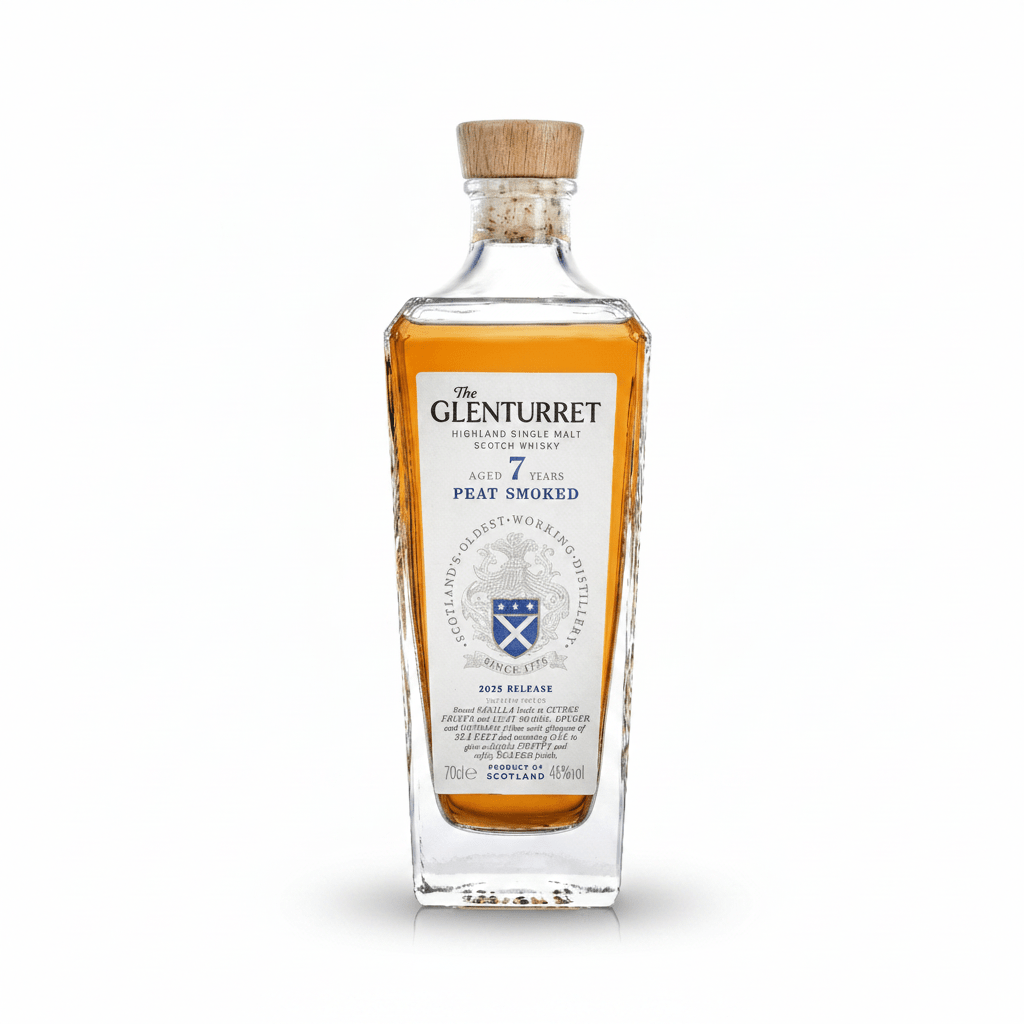
The Glenturret 7 Year Old Peat Smoked 2025 release 46% ABV 700ml
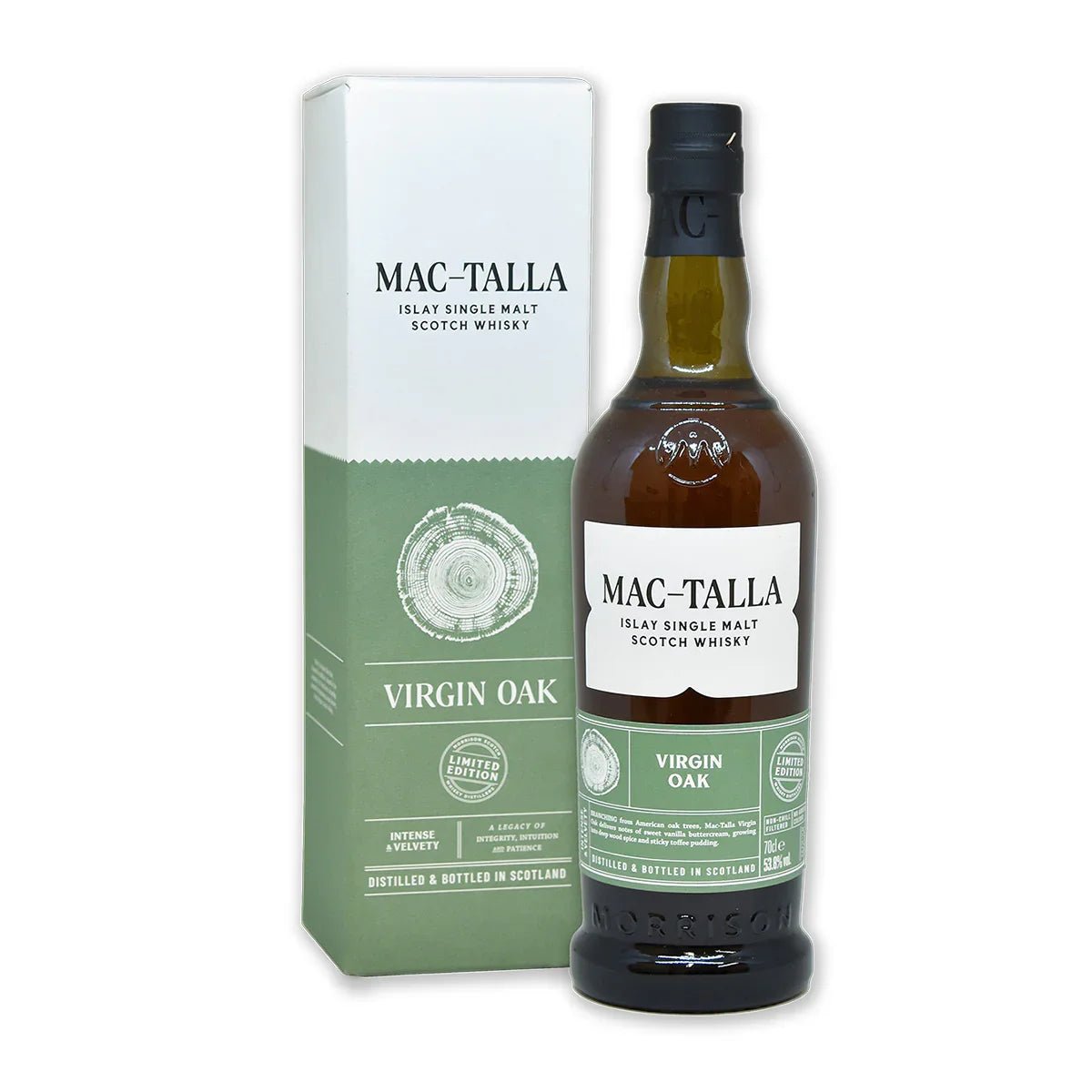
Mac-Talla 'Virgin Oak' 2025 Limited Edition Islay Scotch Whisky 700ml
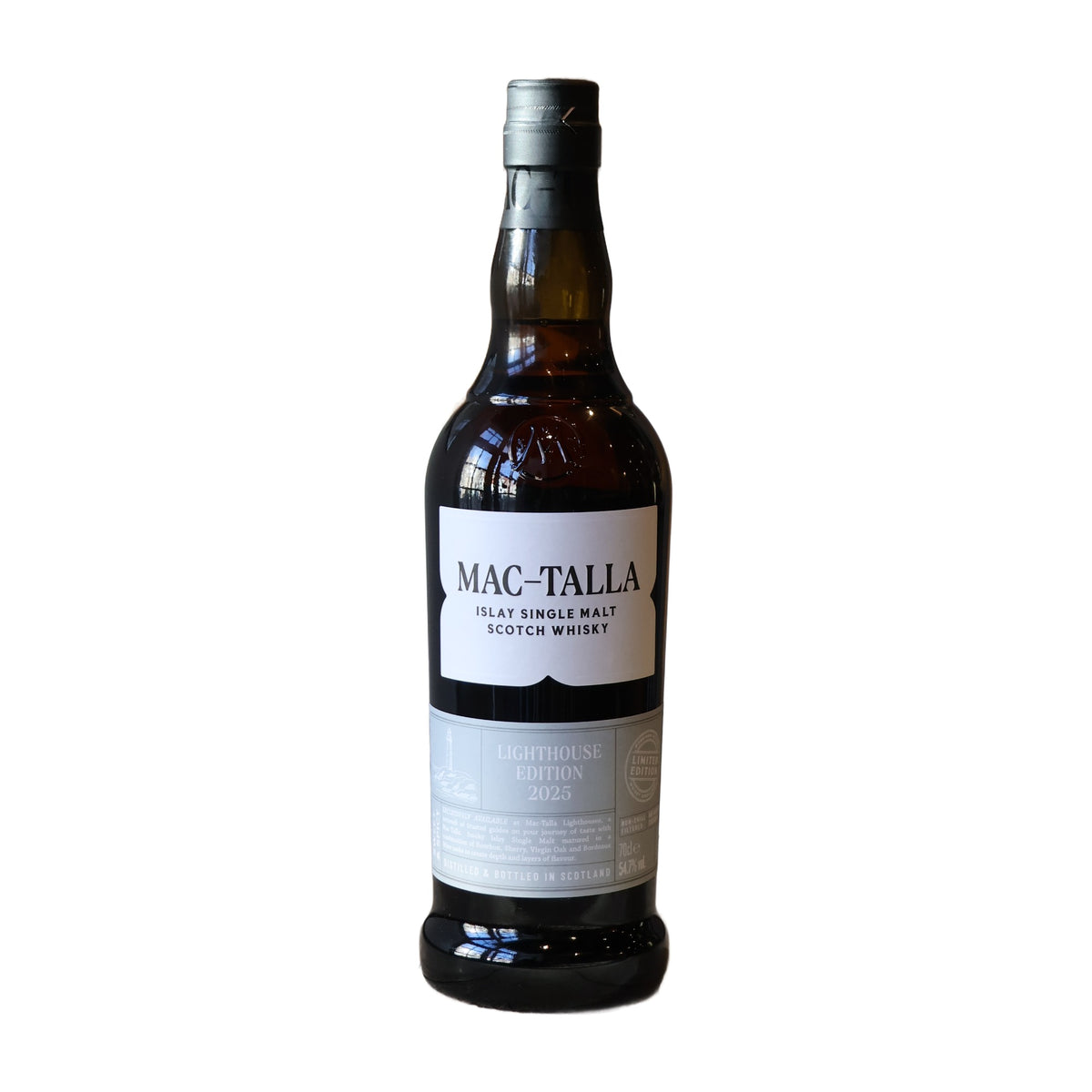
Mac-Talla Lighthouse Edition 2025 Islay Single Malt Scotch Whisky
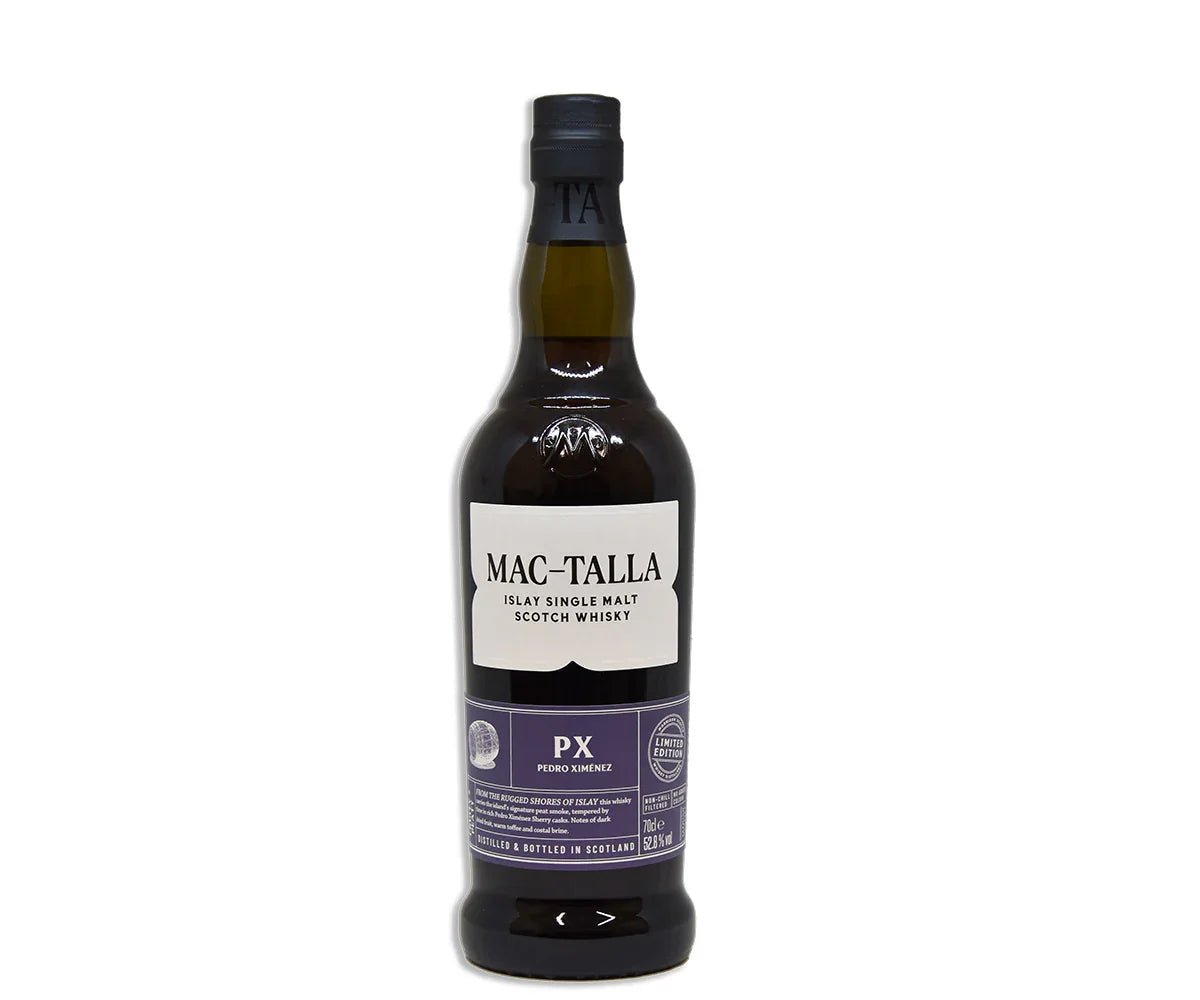
Mac-Talla SM Pedro Ximénez 2026 Limited Edition Islay Scotch Whisky 700ml 52.8%
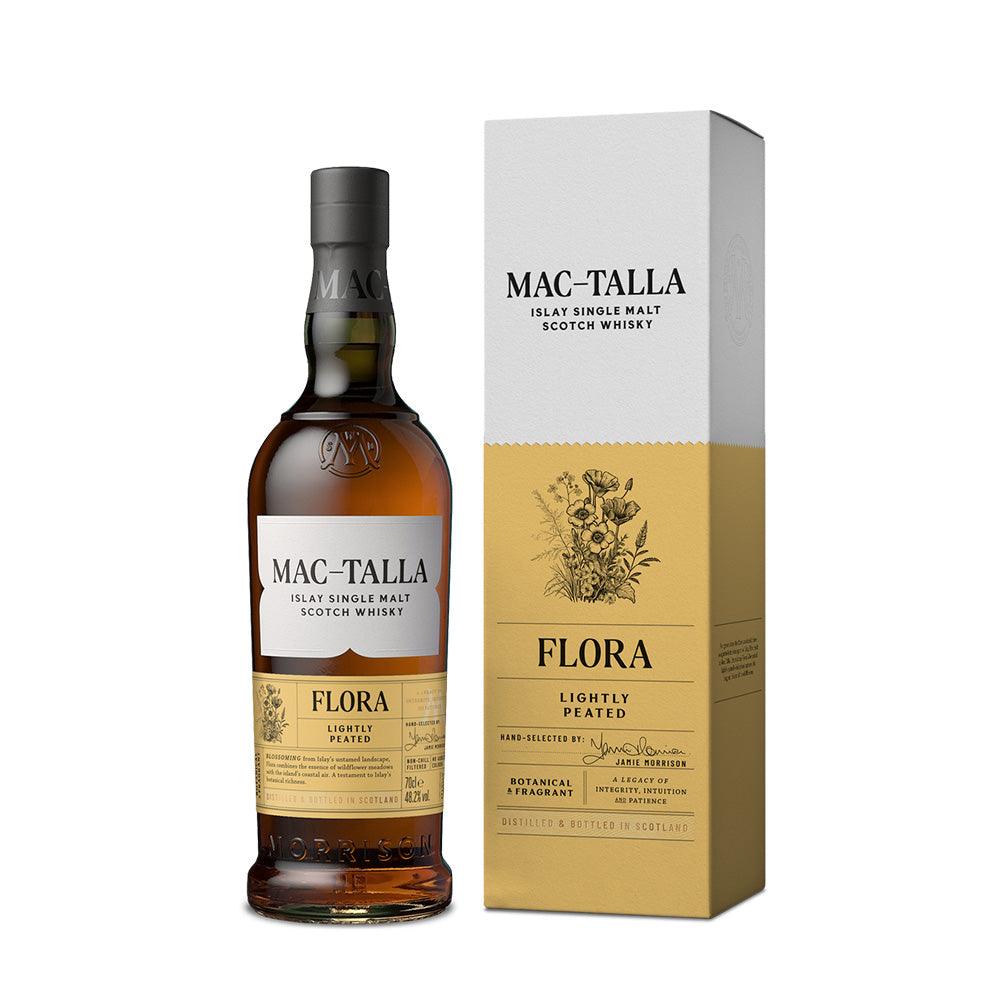
Mac-Talla 'Flora' Lightly Peated Islay Single Malt Scotch Whisky 700ml
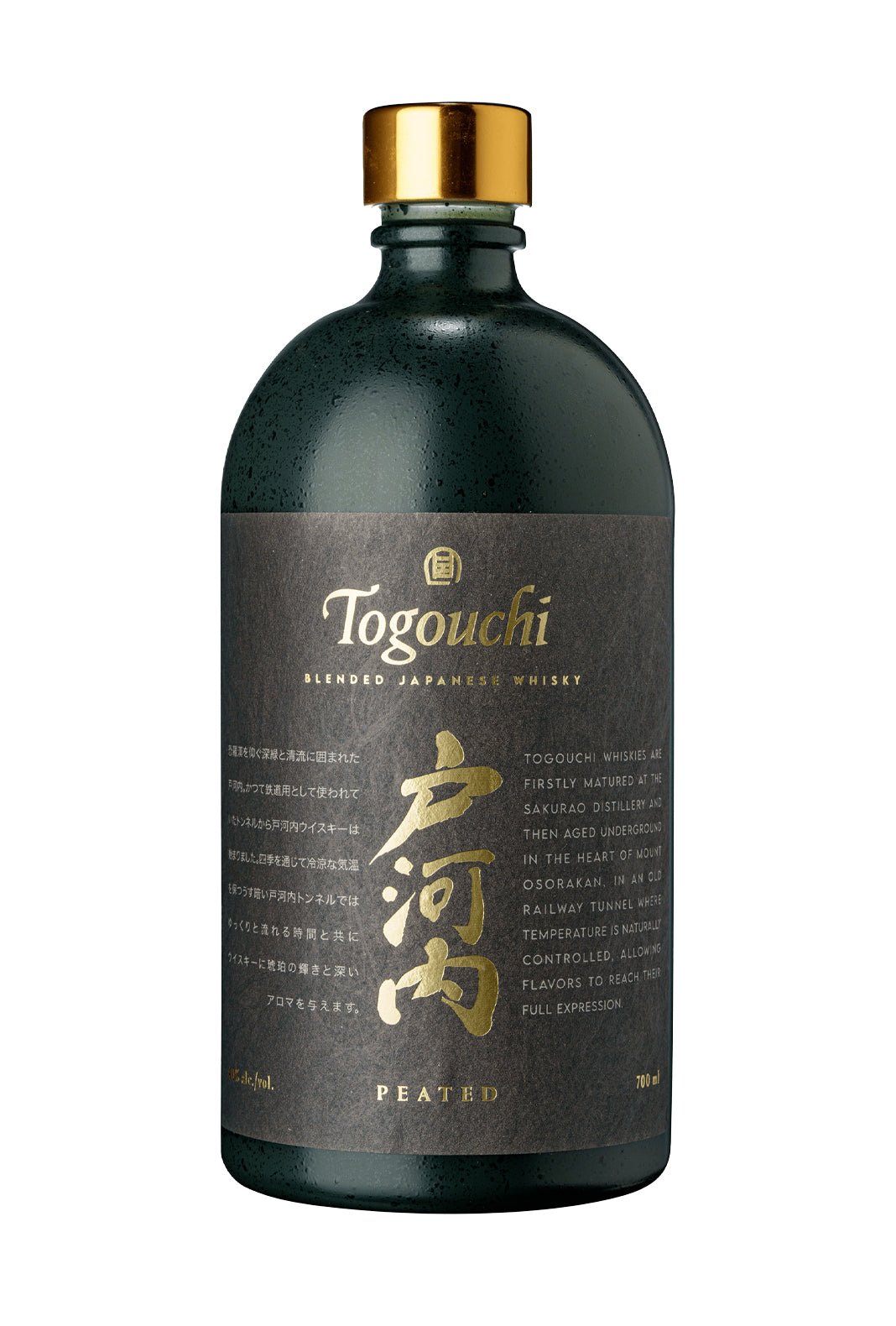
Togouchi Whisky Peated 40% 700ml
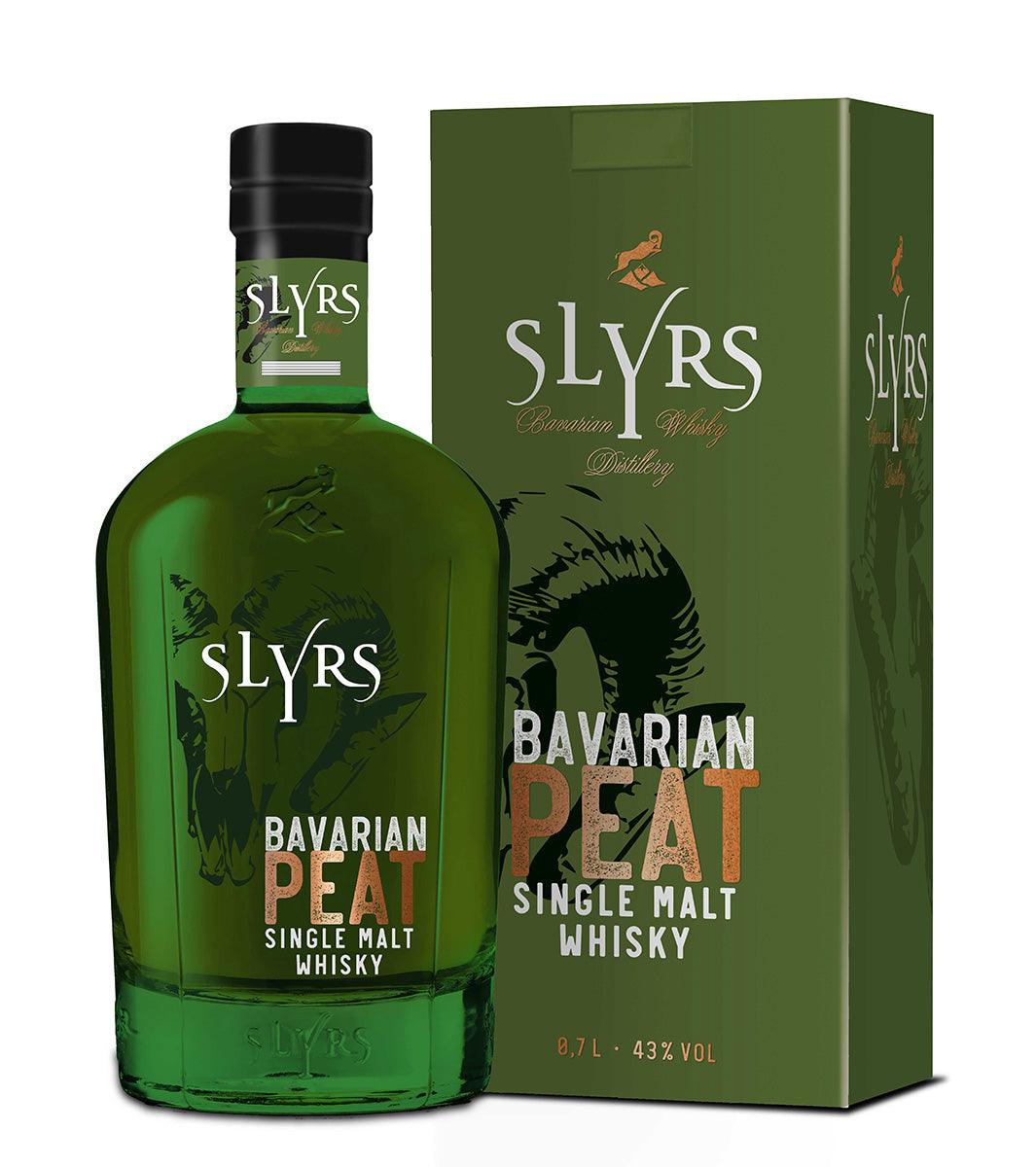
Slyrs Bavarian Peat Single Malt Whisky 700mL
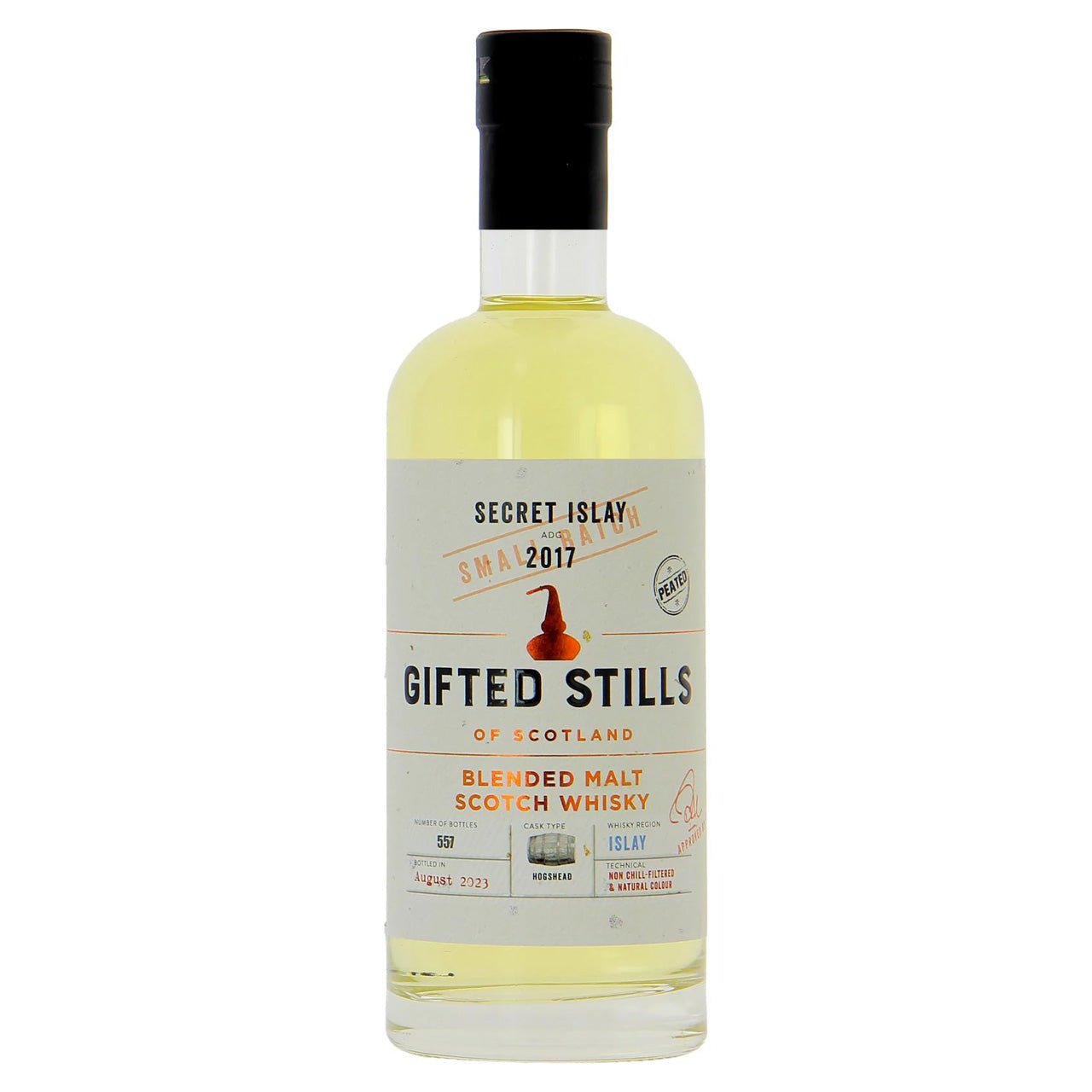
Jean Boyer Secret Islay ADG 2017 Blended Malt Scotch Whisky 43% 700ml
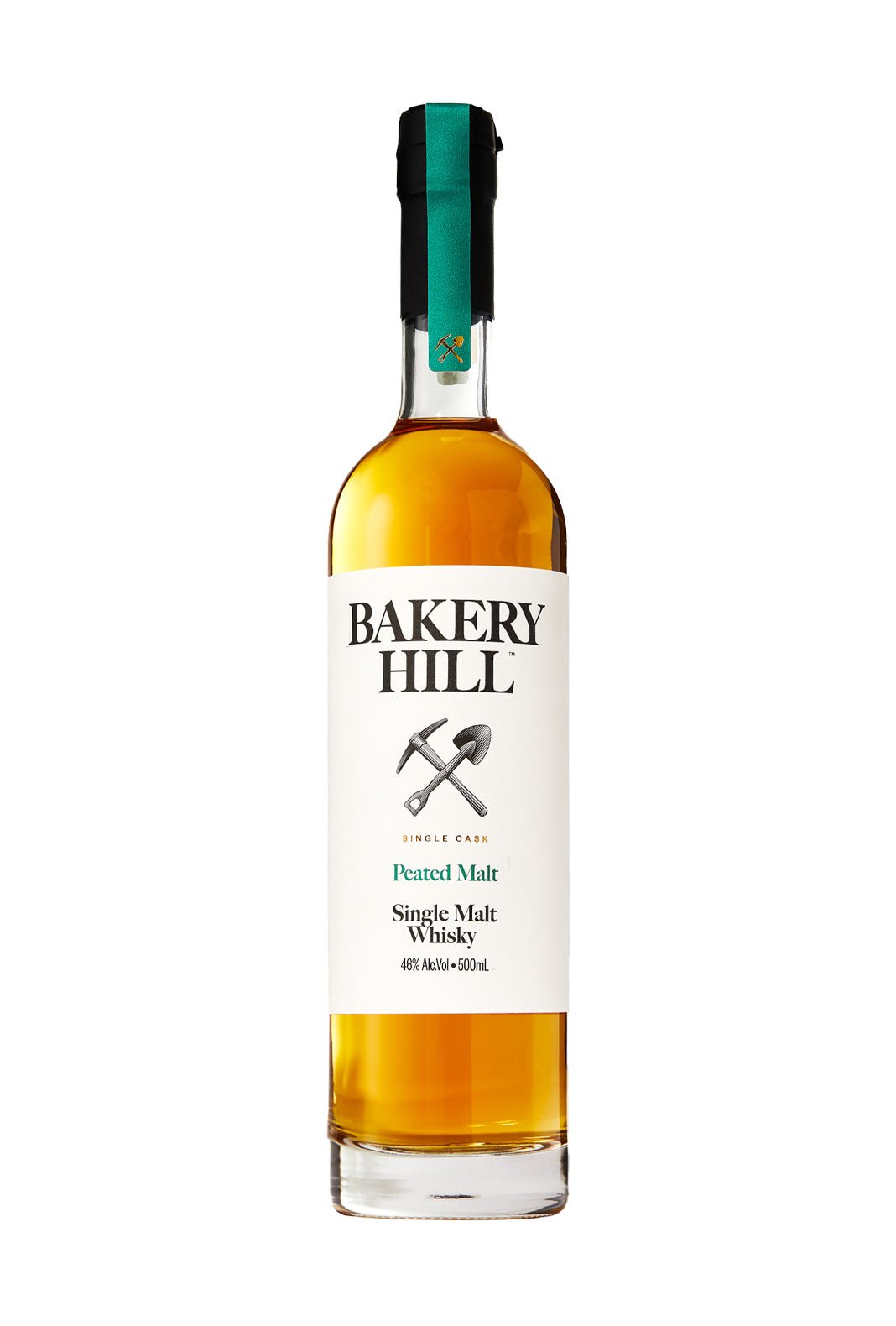
Bakery Hill Peated Malt Cask Strength 60% 500ml
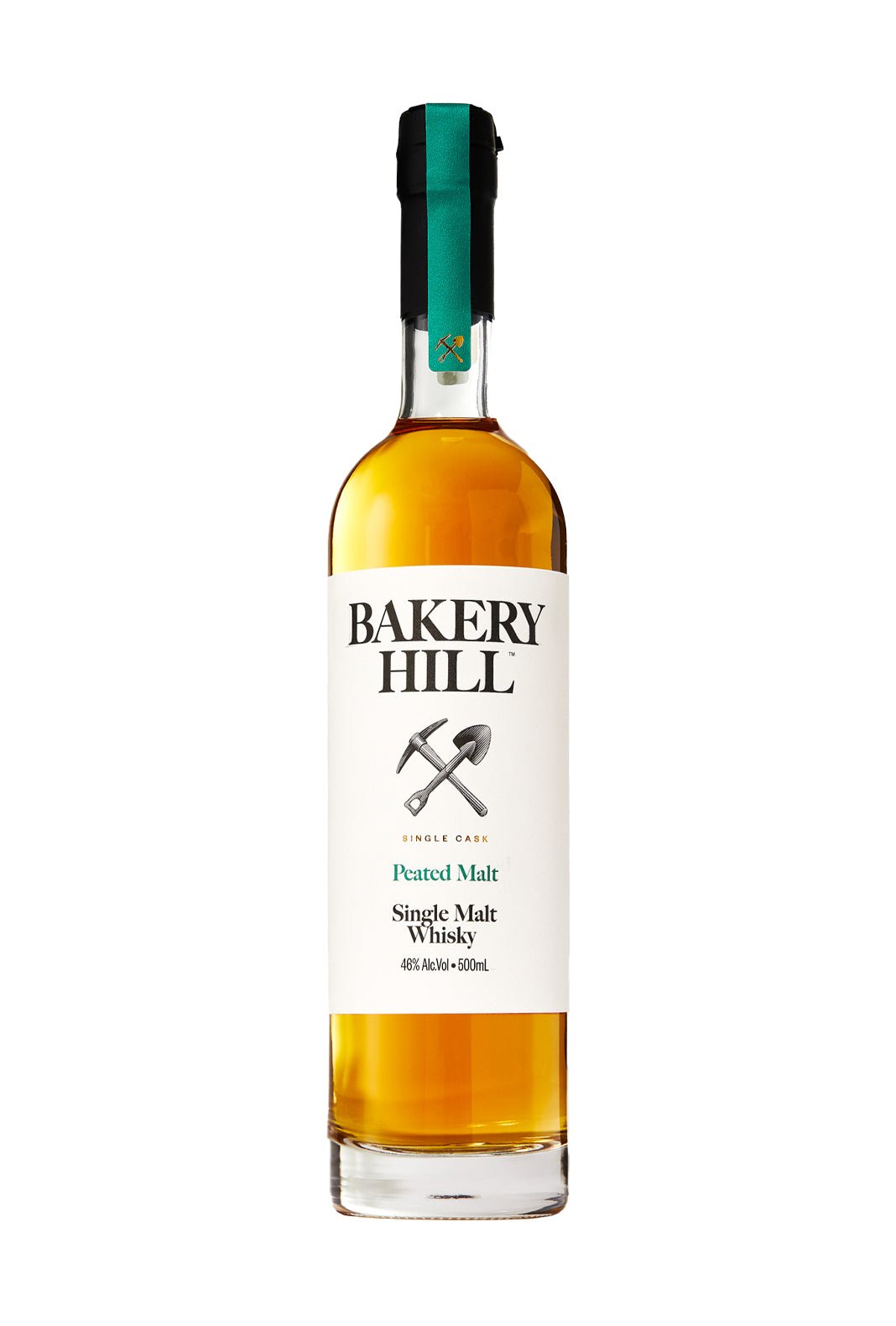
Bakery Hill Peated Single Malt Whisky 46% 500ml
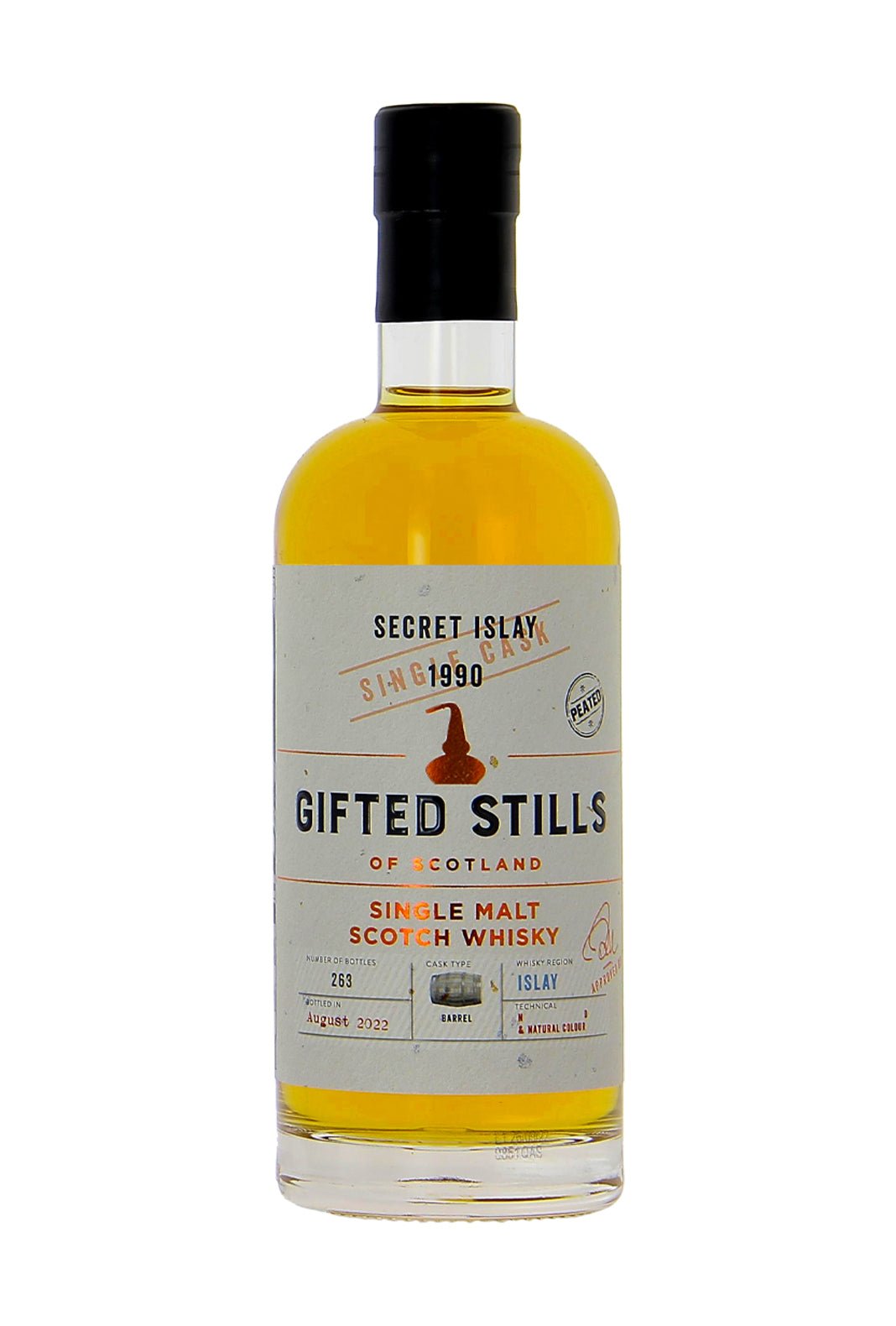
Secret Islay ADG 1990/2022 Whisky Jean Boyer 50.7% 700ml
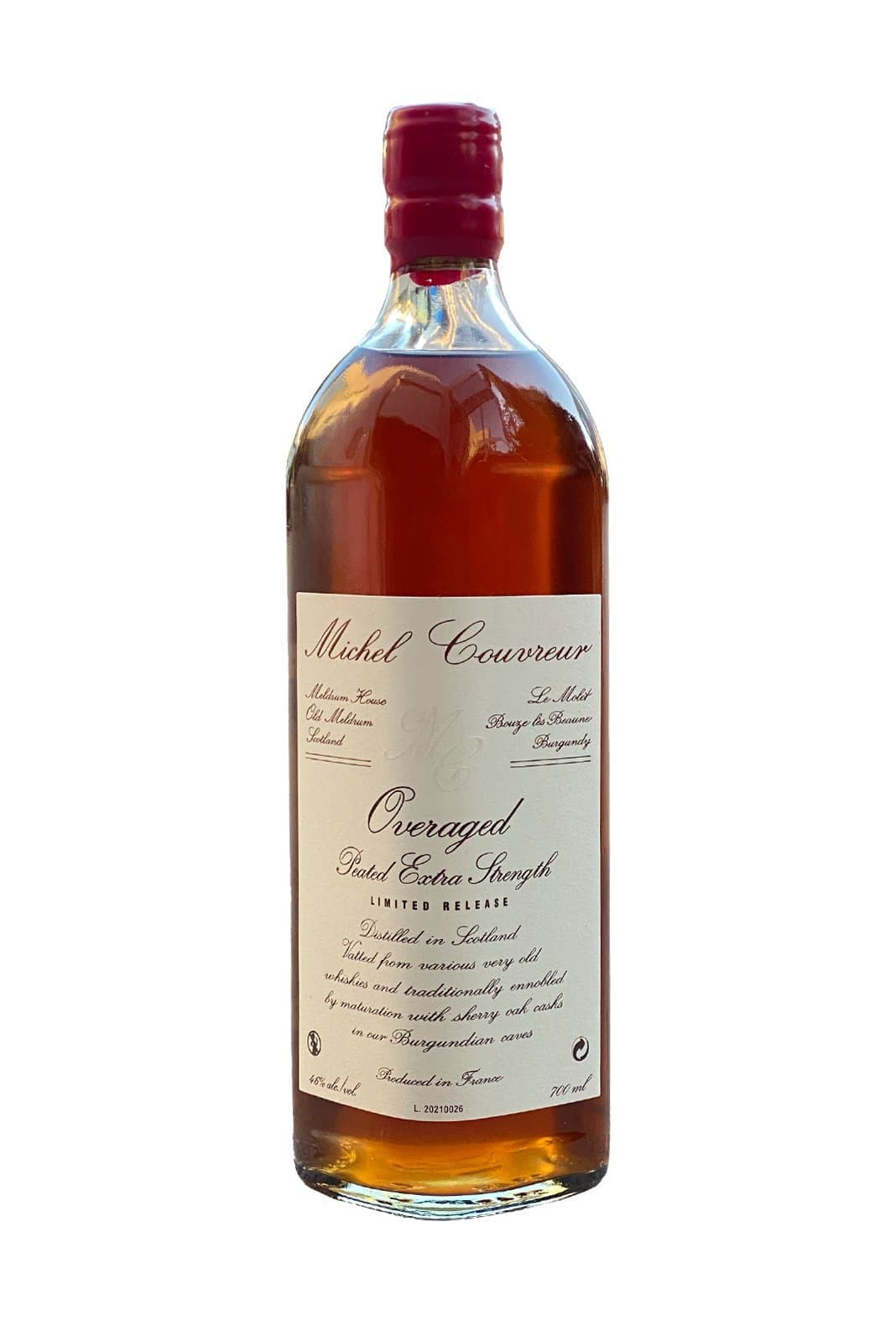
Michel Couvreur Whisky Peated Malt Overaged 46% 700ml
About Peated Whisky
The Isle of Raasay is the reason this page exists. Five peated expressions are listed: the Na Sia 5 Year Old series finished separately in ex-Bordeaux, ex-Rye and virgin Chinkapin oak, a Peated ex-PX Quarter Cask, and the Peated Columbian Oak 2024 release at 50.7%. Being able to taste the same peated spirit across five different casks is not something you can usually do from one shop.
Mac-Talla covers Islay proper. Terra is the entry point, Mara is the cask strength version and Flora is the lightly peated one.
Bakery Hill, from Victoria, makes the Australian case: a Peated Single Malt at 46% and a Peated Malt Cask Strength at 60%, both in 500ml.
Slyrs bottles a Bavarian Peat single malt, and Togouchi a peated Japanese whisky, which is the softest smoke here.
Jean Boyer's Secret Islay is an independent bottling for anyone who enjoys guessing the distillery.
Bunnahabhain, Caol Ila and Glann ar Mor all made our best whiskies to try, with notes on how much smoke each one actually carries.
History
Peat is partially decomposed vegetation, compressed in waterlogged ground over thousands of years. On Islay and across the Scottish islands it was the only fuel available in quantity, so it was used to dry malted barley over a fire. The smoke settled into the grain and carried through into the spirit. What began as necessity became the defining flavour of a region.
The smoke compounds are phenols, measured in parts per million in the malted barley. A heavily peated Islay malt might be malted at 40 to 50ppm, though a good deal is lost in production, so the figure on a bottle is not what reaches your glass.
Peat is not one flavour. Islay peat is coastal, formed with seaweed and salt, which is where the medicinal, maritime character comes from. Highland and island peats are more heather and moss. Bavarian and Australian peat bogs produce something different again, usually earthier and less iodine-driven.
That variation is the interesting part of this category now. Distillers well outside Scotland are peating their malt, and the results do not taste like imitation Islay. They taste like their own place.
How to drink it
Peated whisky rewards patience more than most. Pour it into a Glencairn or a tulip glass and leave it for five minutes before going near it, otherwise the smoke sits over everything else.
A few drops of still water genuinely help, particularly with the cask strength bottlings here at 60% and above. Water breaks the surface tension and releases aromatics that alcohol was holding down. Add it a drop at a time. You can always add more.
No ice. Chilling suppresses exactly the aromatics you are trying to find.
For food, peated whisky and oysters is a famous pairing and it works. Smoked salmon, blue cheese and dark chocolate all hold up. Anything delicate will not.
If you are new to peat, start with the Togouchi or the Mac-Talla Flora rather than a cask strength Islay. Working up gradually is more enjoyable than being ambushed.
A useful exercise: pour the Raasay ex-Bordeaux and the ex-Rye side by side. Same spirit, same age, same peating. Only the wood differs, and the difference is enormous.