
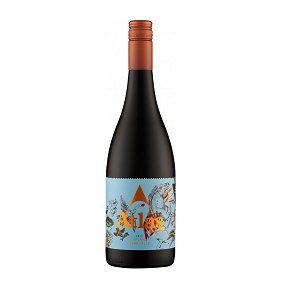
Atlas Clare Valley Shiraz
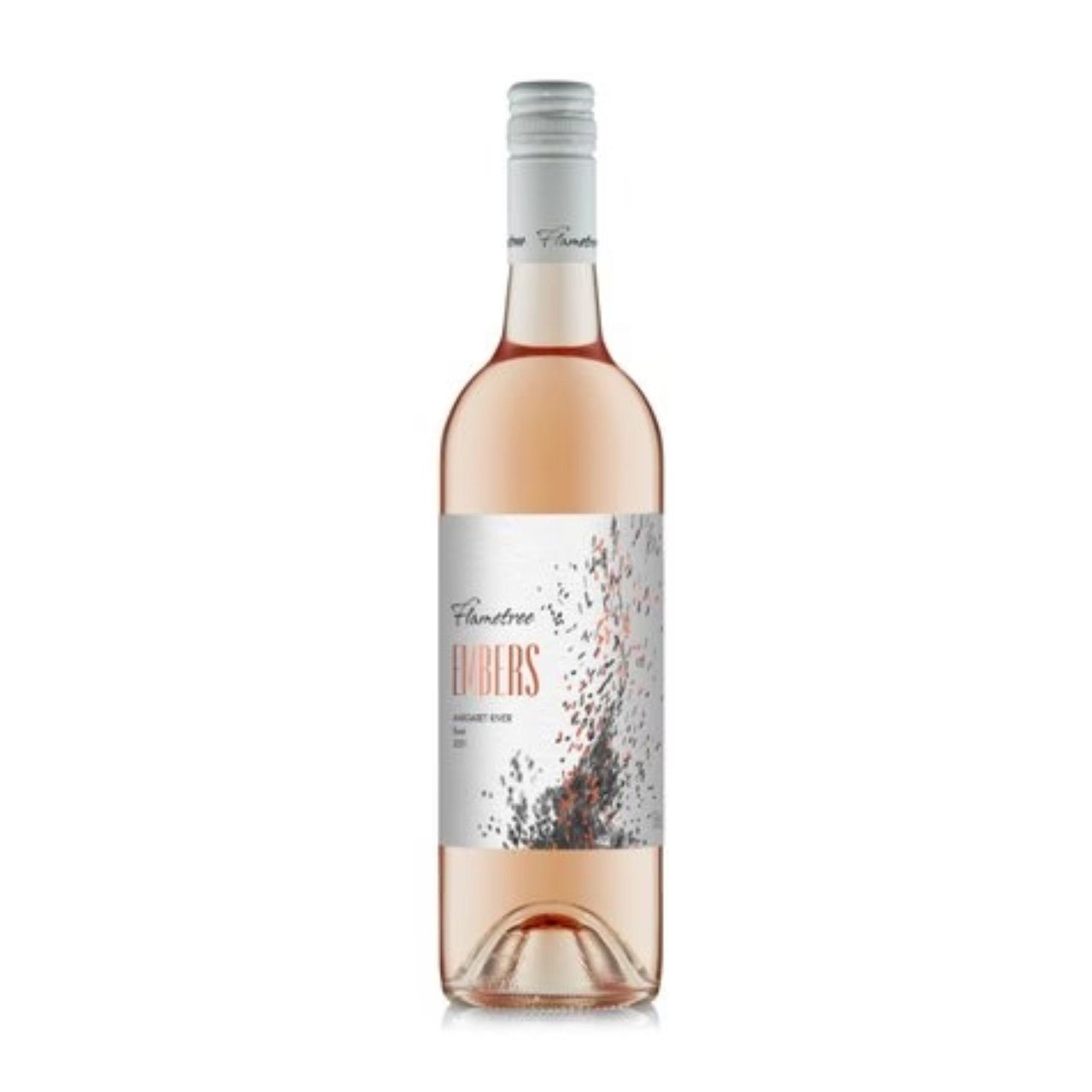
Flametree Embers Rose 2022

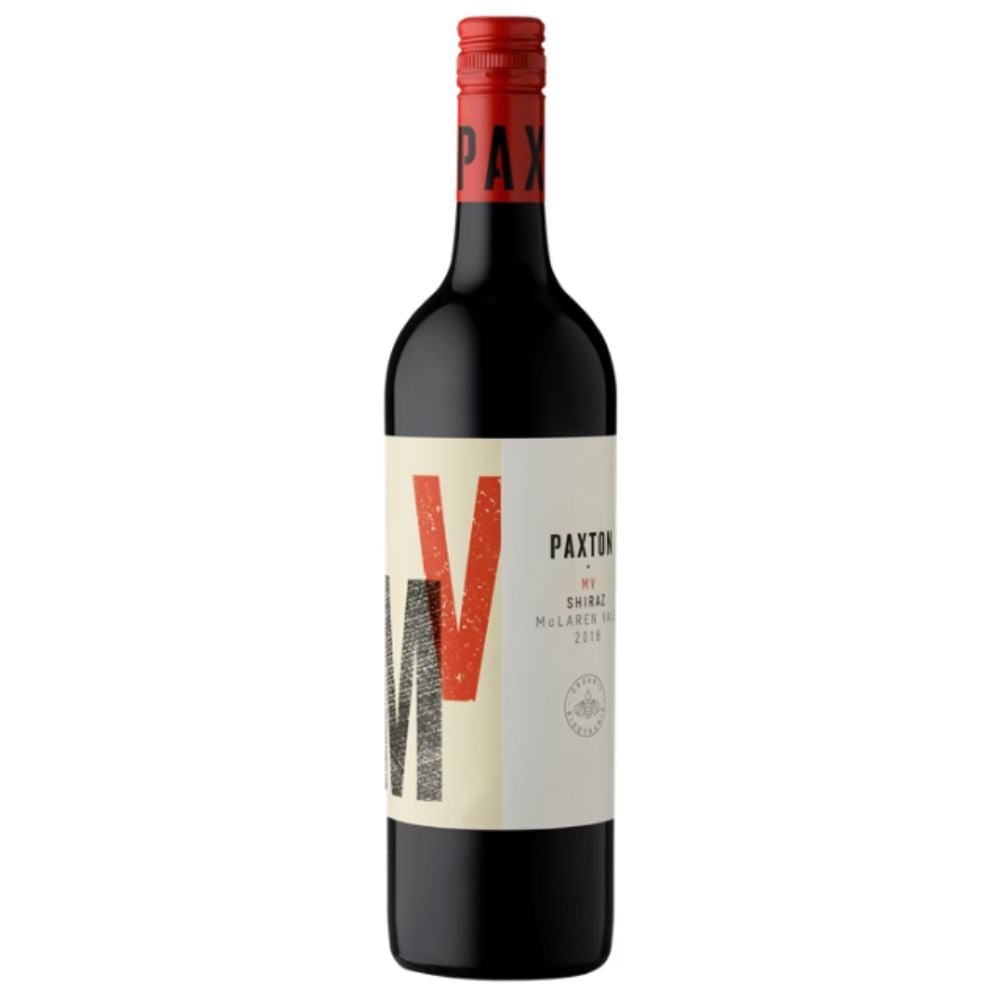
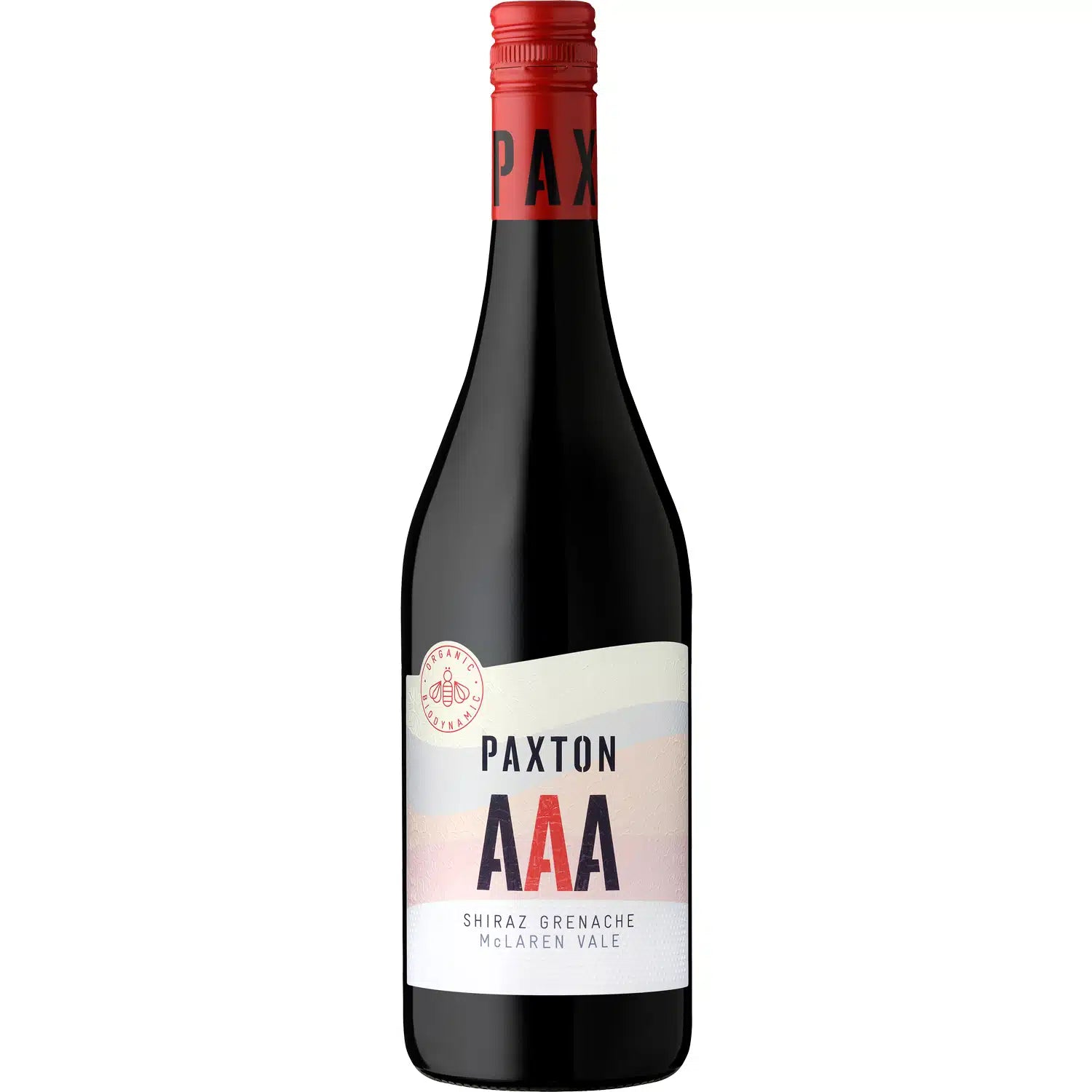
Paxton AAA Shiraz Grenache
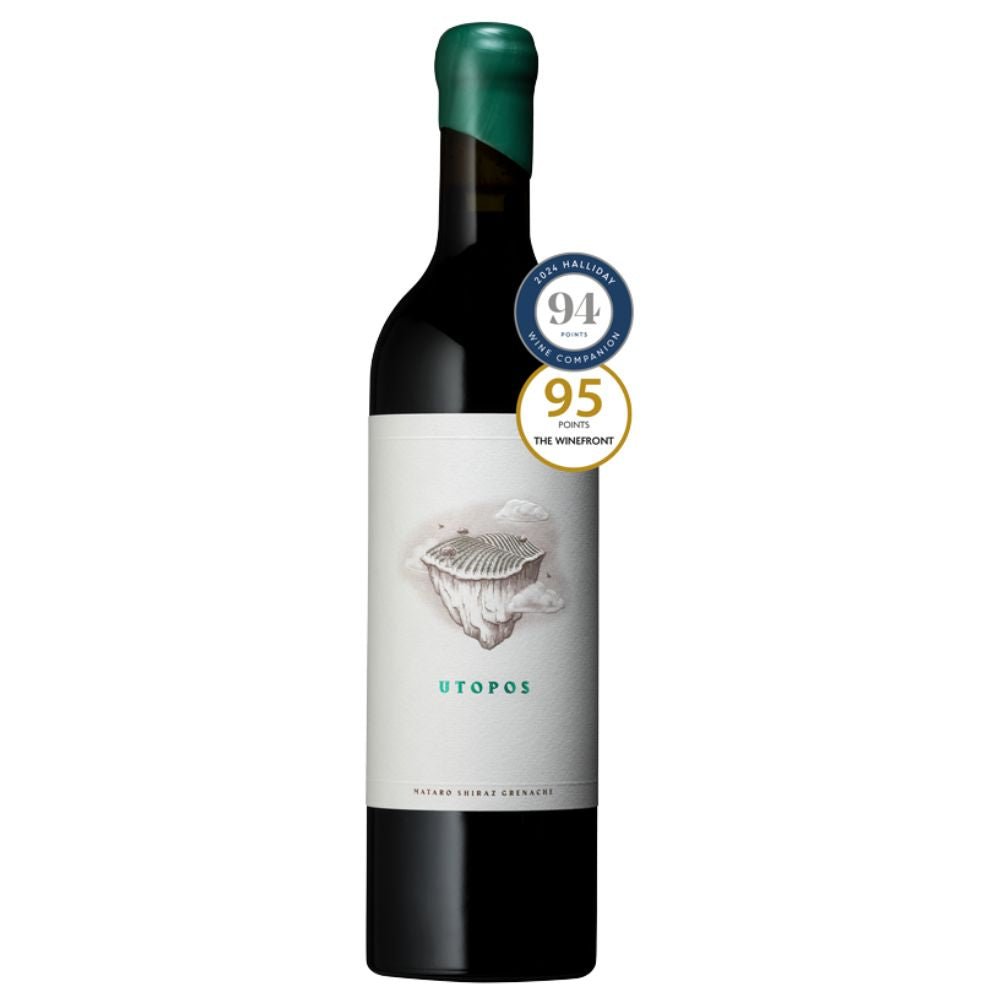
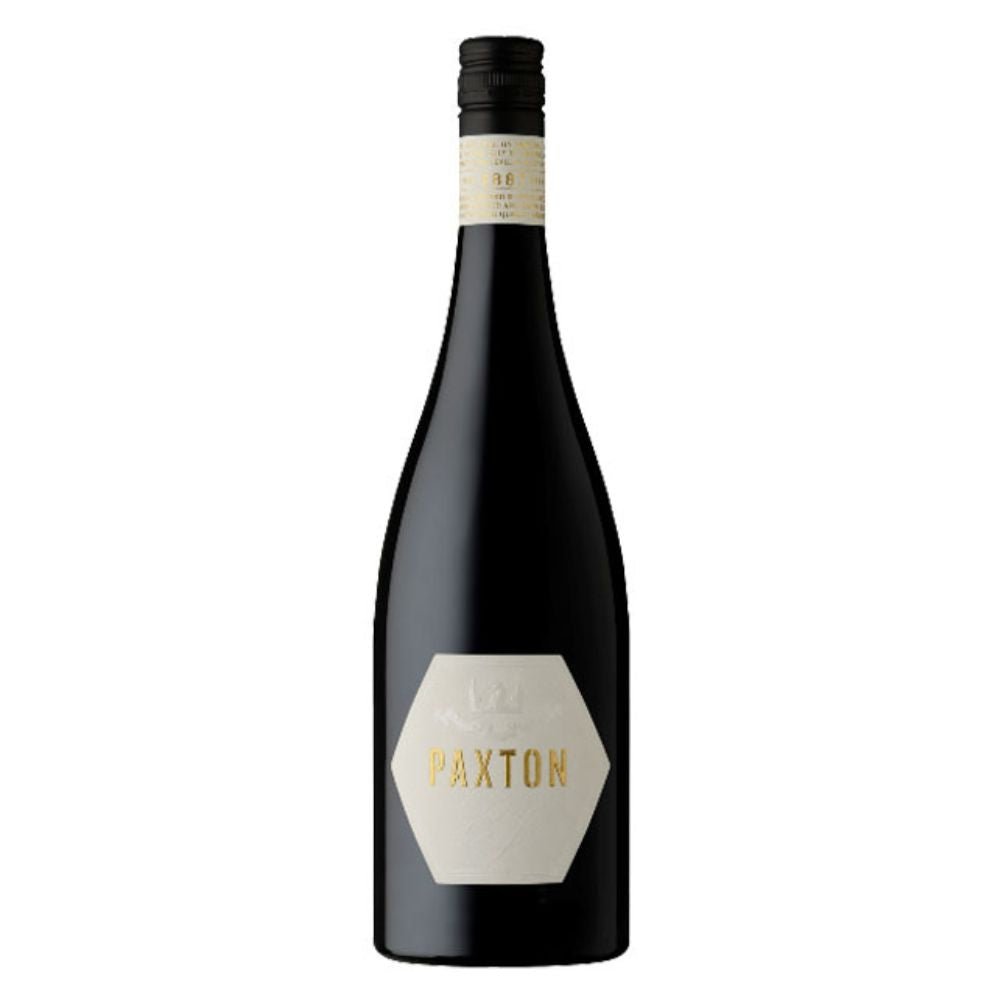
Paxton Elizabeth Jean Shiraz 2020
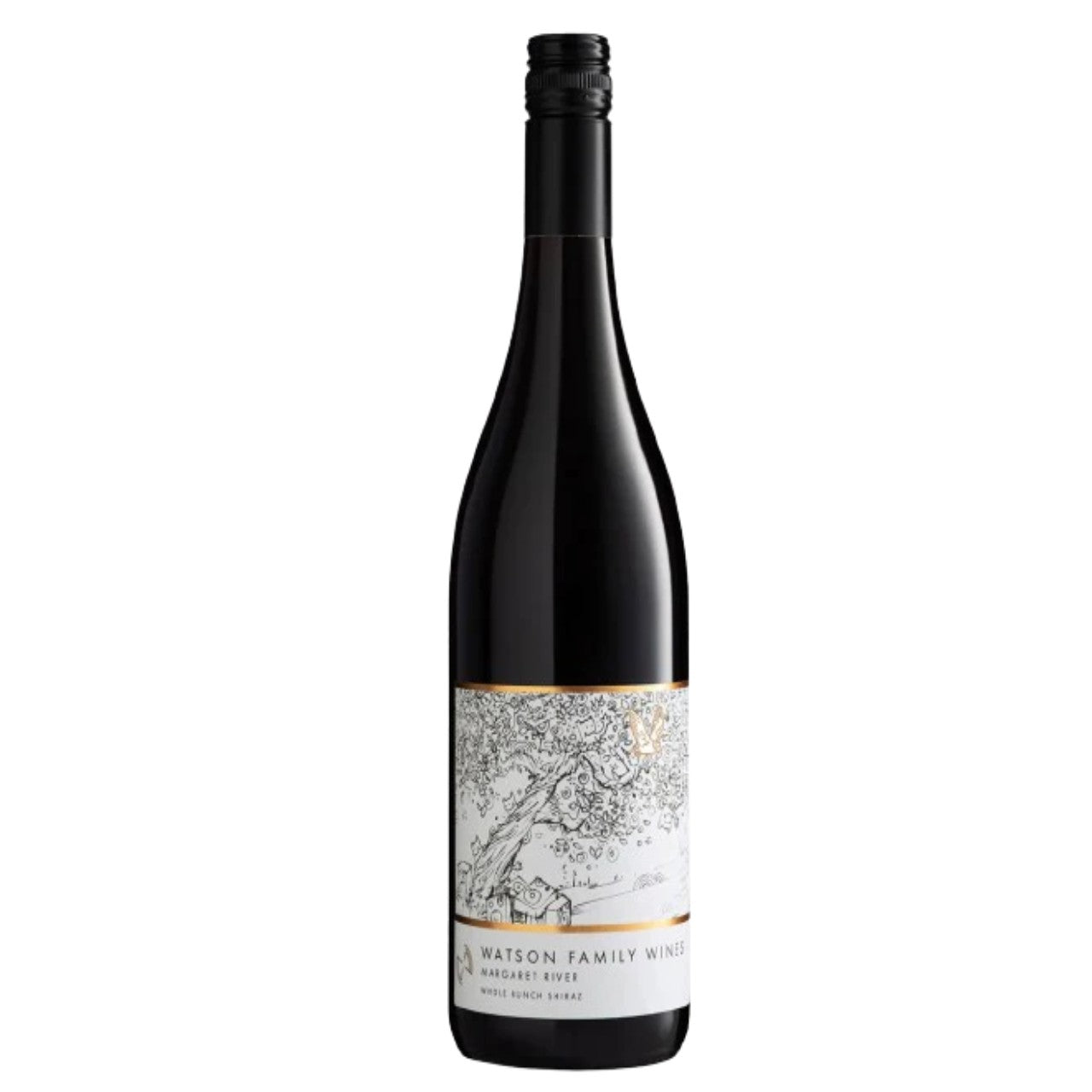
Woodlands Watson Family Whole Bunch Shiraz 2019
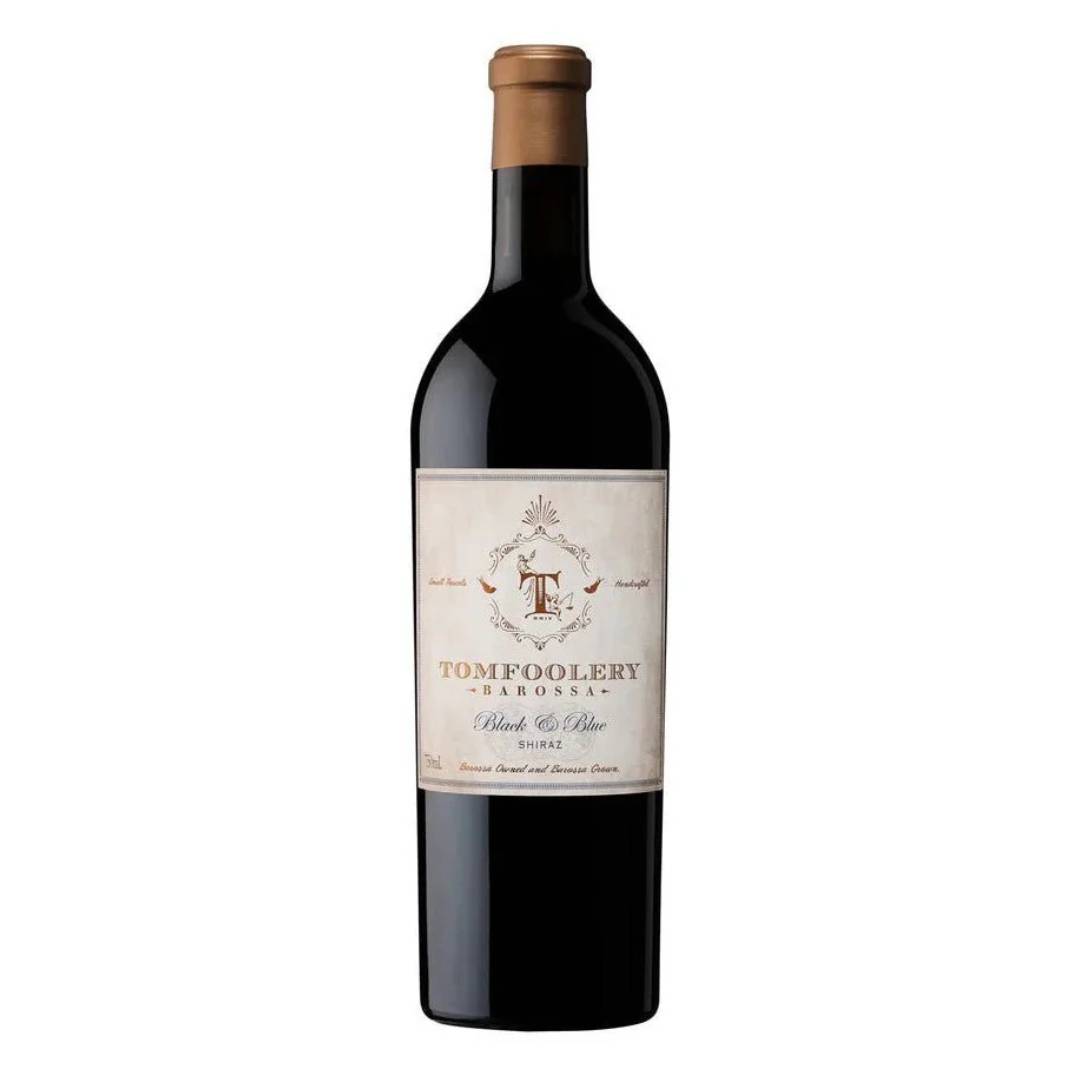
Tomfoolery Black and Blue Shiraz 2023
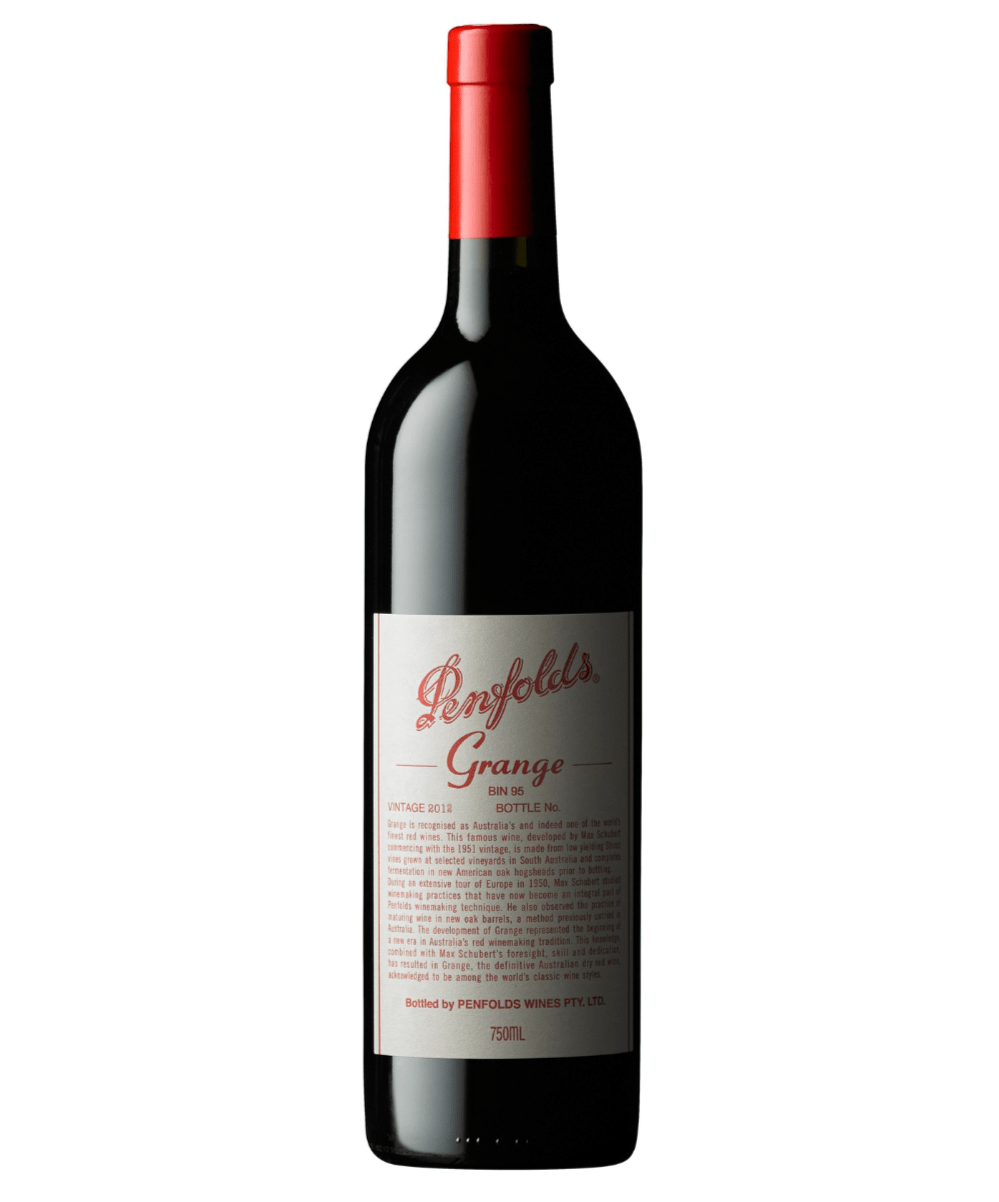
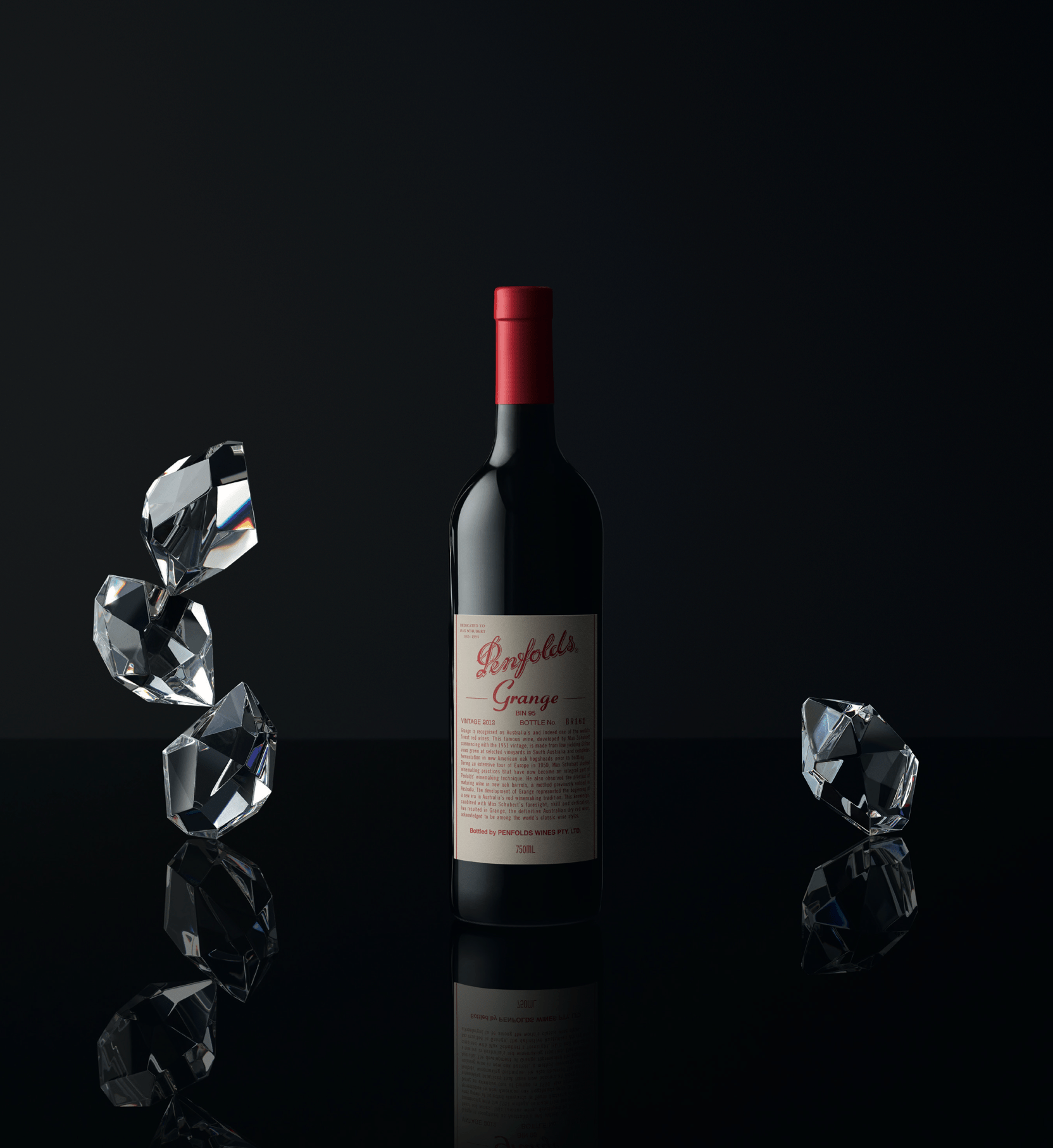
Penfolds Grange 2012
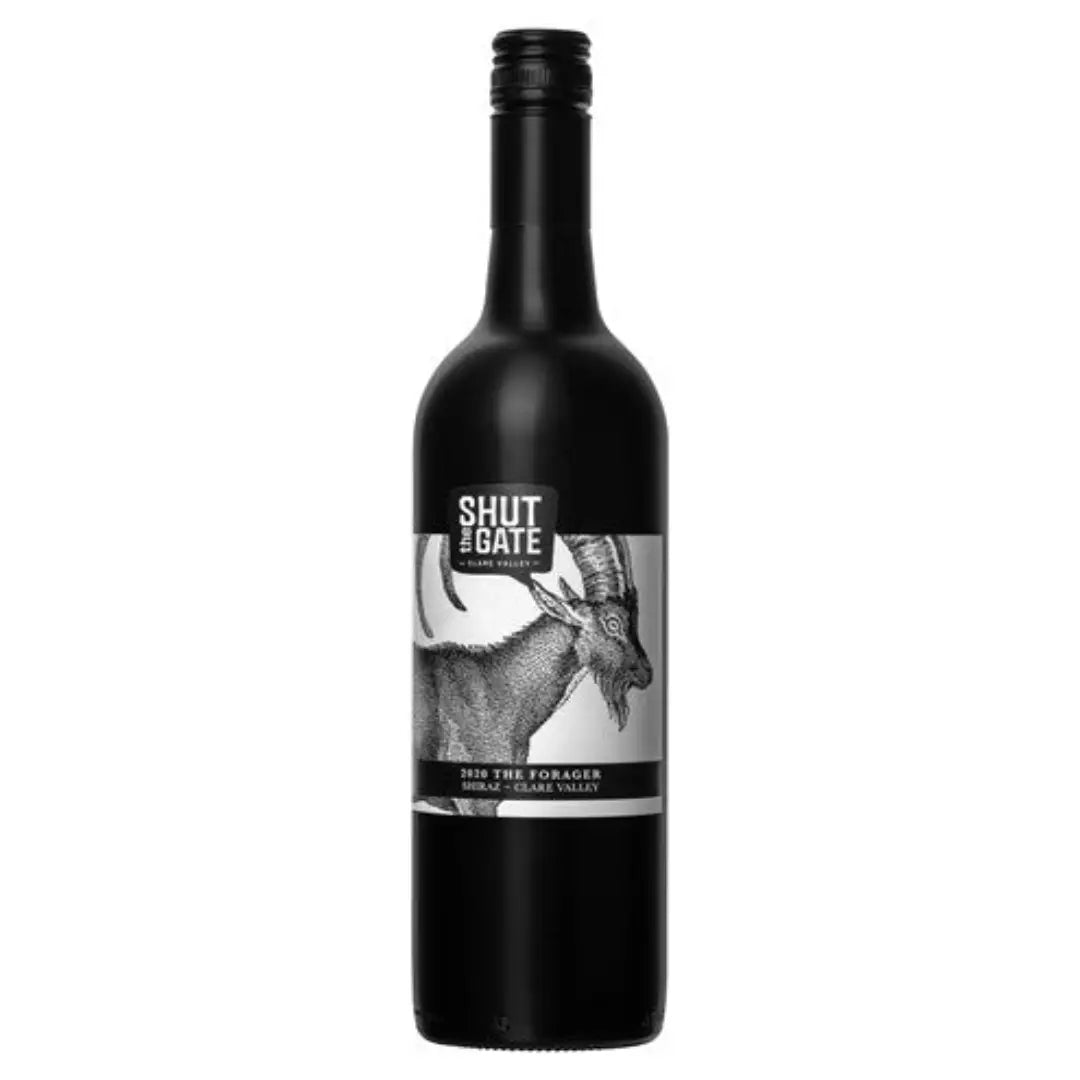
Shut the Gate Forager Shiraz 2022
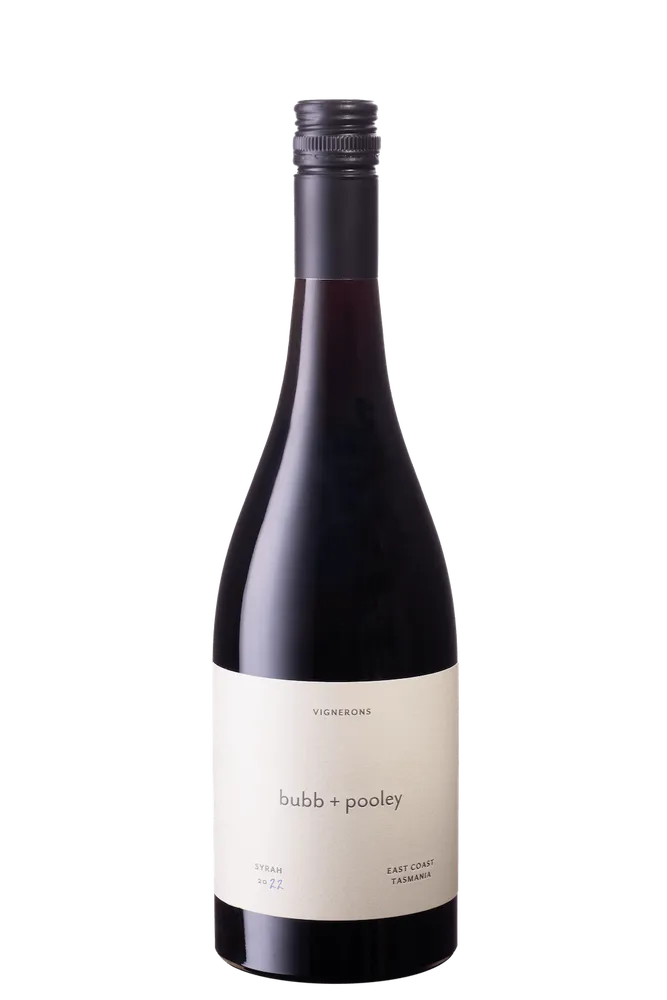
bubb+pooley Syrah 2023
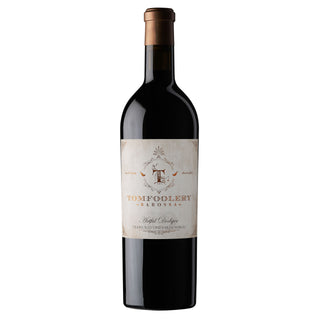
Tomfoolery Artful Dodger Shiraz 2022
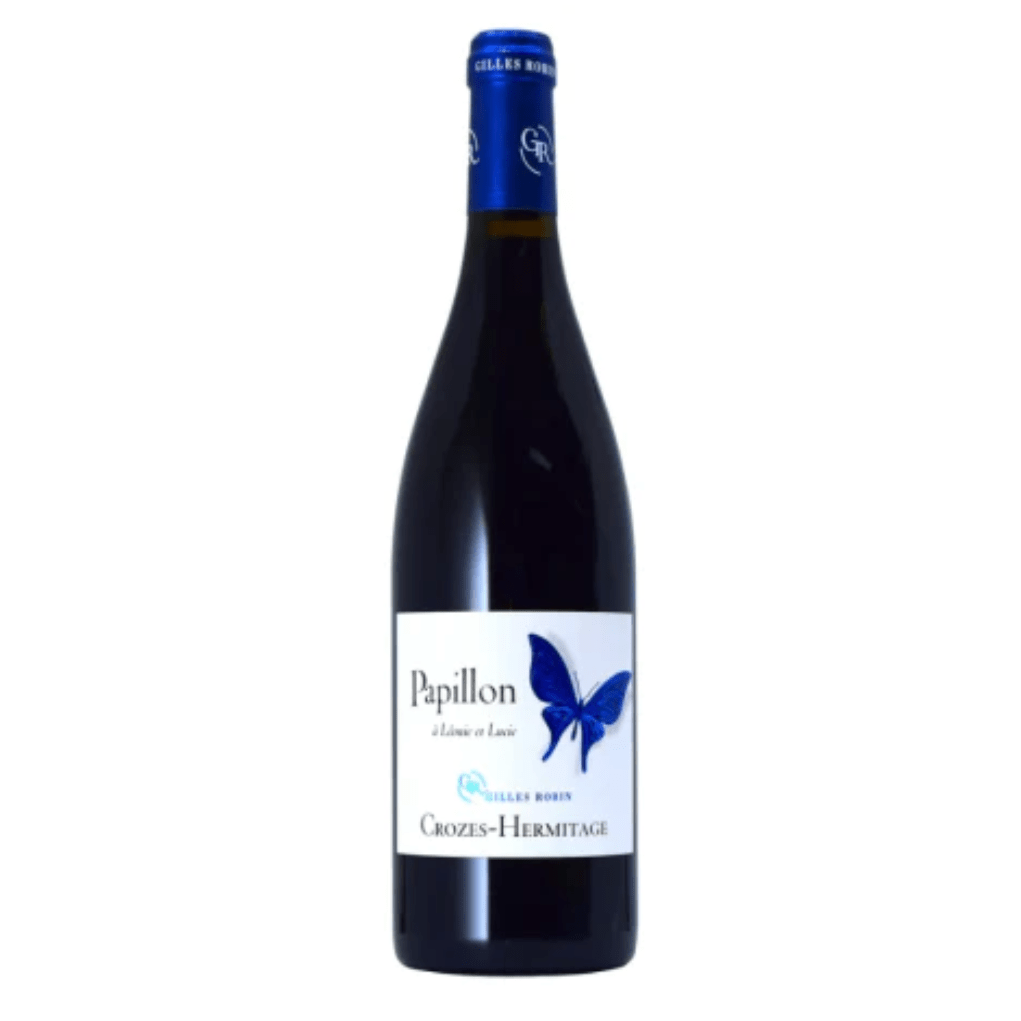
Giles Robin Papillon Crozes Hermitage 2022
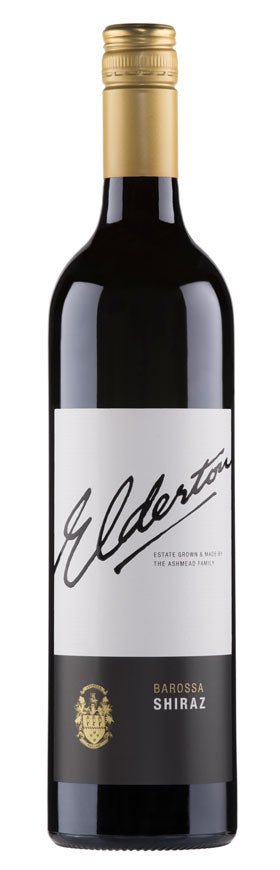
Elderton Estate Shiraz 2022
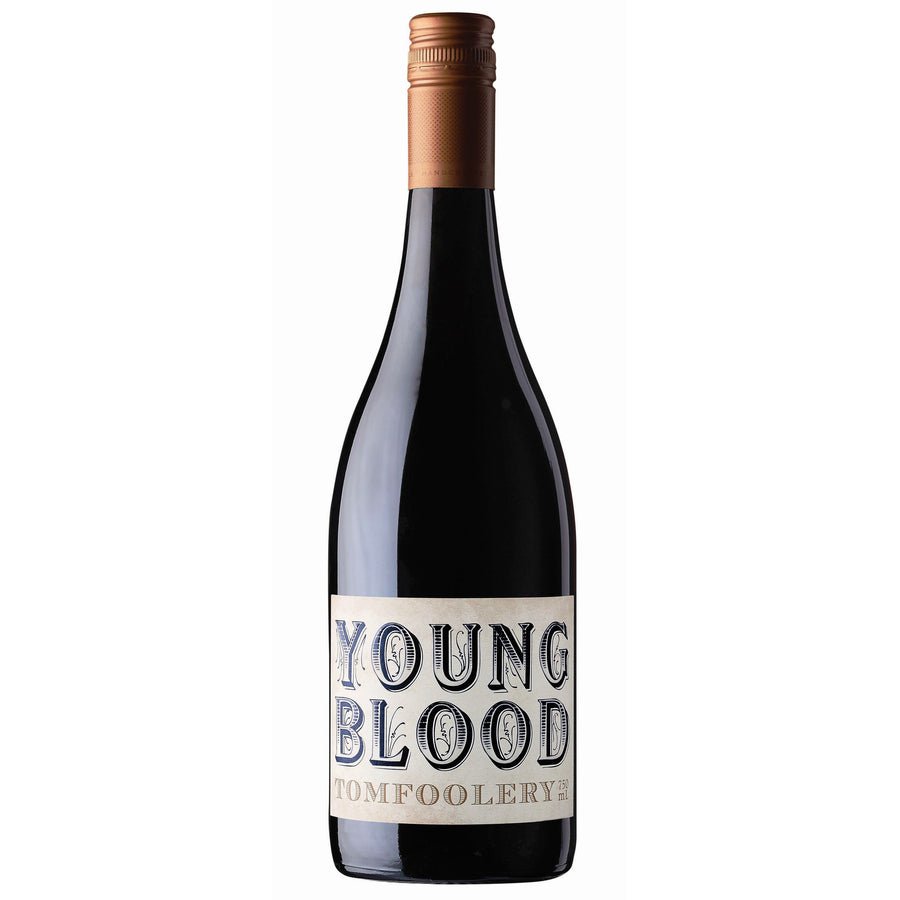
Tomfoolery Young Blood Mataro Shiraz Grenache 2023
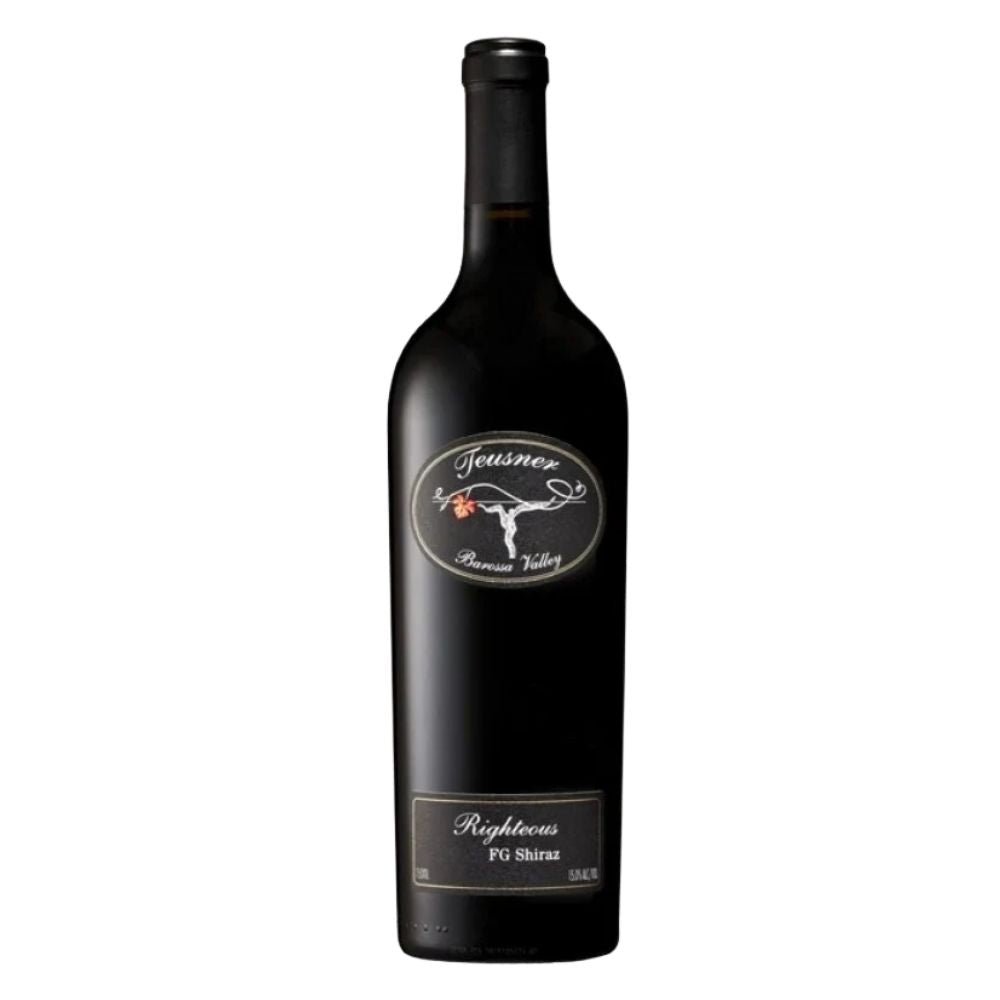
Teusner Righteous FG Shiraz 2021
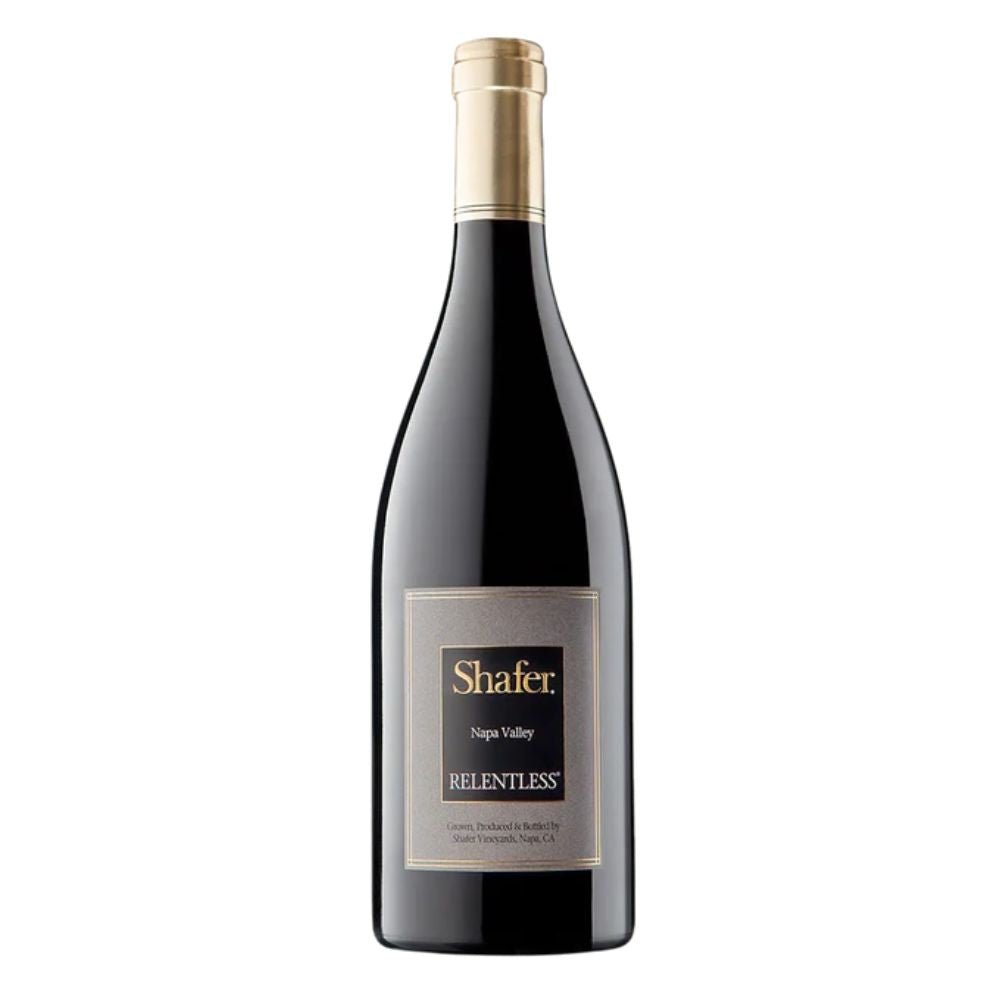
Shafer Relentless Syrah 2017
About Shiraz
The Barossa end is covered by Teusner and Schild Estate. Teusner's Albert Shiraz is a good measure of contemporary Barossa: ripe but not heavy. Schild Estate runs from the Estate Shiraz up to the Moorooroo, which comes off some of the oldest vines in the valley. Elderton and Hutton Vale Farm fill in around them.
McLaren Vale runs through Fox Creek, with McLaren Shiraz, Short Row and the Reserve, and through Geoff Merrill, whose Jacko's and Reserve bottlings are made in a deliberately older, more restrained style than most of the region.
The cooler-climate wines are where the range gets interesting. Helen's Hill Hilltop Syrah from the Yarra Valley, Clyde Park from Geelong, Jasper Hill from Heathcote and Tellurian's organic Heathcote fruit all sit at the peppery, medium-bodied end that gets labelled Syrah rather than Shiraz.
Cork Cutters covers the GSM blend. The range spans everyday drinking through to single vineyard wines built to cellar.
Barossa, McLaren Vale and Heathcote each give shiraz a different shape, and our Australian wine guide explains what to expect from each of them.
History
Shiraz and Syrah are the same grape. It is native to the northern Rhone in France, where DNA work in the 1990s established its parentage as a cross between two obscure French varieties, Dureza and Mondeuse Blanche, settling a long argument about supposed Persian origins.
James Busby brought cuttings to Australia in 1832, and the vines took to South Australia so completely that some of the world's oldest continuously producing Shiraz vineyards are now in the Barossa Valley, planted in the 1840s and never touched by phylloxera. Europe lost almost everything of that age to the louse. Australia did not.
For much of the twentieth century Australian Shiraz was blended into fortified wine or sold as burgundy. Penfolds Grange, first made in 1951, changed that by proving the grape could produce a wine that aged for decades.
The last twenty years have brought a second shift. Growers in Heathcote, the Yarra Valley, the Grampians and Geelong began picking earlier and using less new oak, producing a lighter, more peppery wine and often labelling it Syrah to signal the difference.
How to drink it
Serve Shiraz at about 16 to 18 degrees. Australian houses in summer sit well above that, so twenty minutes in the fridge before pouring will do more for a Barossa Shiraz than any amount of decanting.
Full-bodied Barossa and McLaren Vale wines benefit from an hour in a decanter, particularly anything with age. Cooler-climate Syrah generally does not need it.
Use a large bowled glass. The aromatics here are the point: black pepper and violet in the cool-climate wines, blackberry, plum and chocolate in the warm ones.
For food, the classic pairing is lamb, and it is classic for a reason. Beyond that, anything from the barbecue, aged cheddar, or a slow-cooked beef cheek. Peppery Syrah handles duck and mushroom dishes that would flatten a bigger wine.
Most everyday Shiraz is made to drink now. The single vineyard wines, and certainly the Moorooroo, will improve for a decade or more if you have somewhere dark and reasonably cool to keep it.