
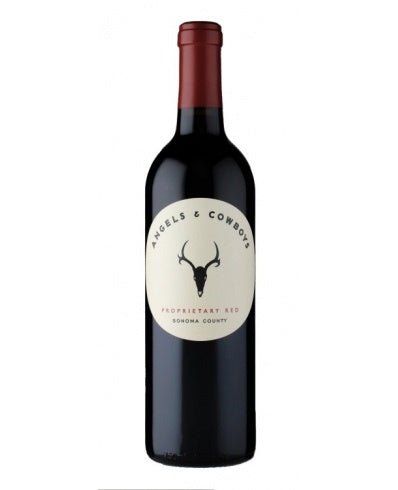
Angels & Cowboys Proprietary Red Blend
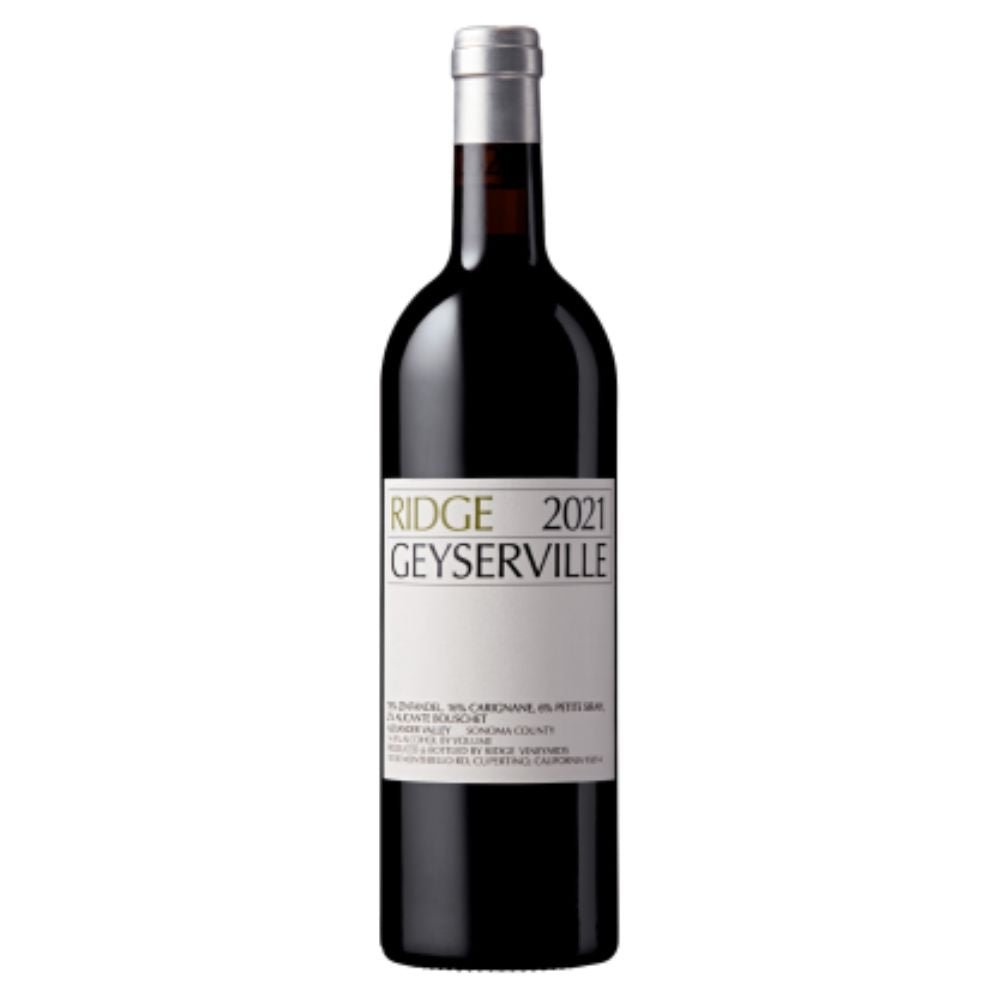
Ridge Geyserville Zinfandel Blend 2021
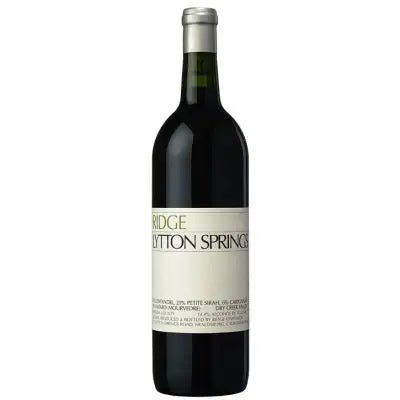
Ridge Lytton Springs Zinfandel Blend 2021
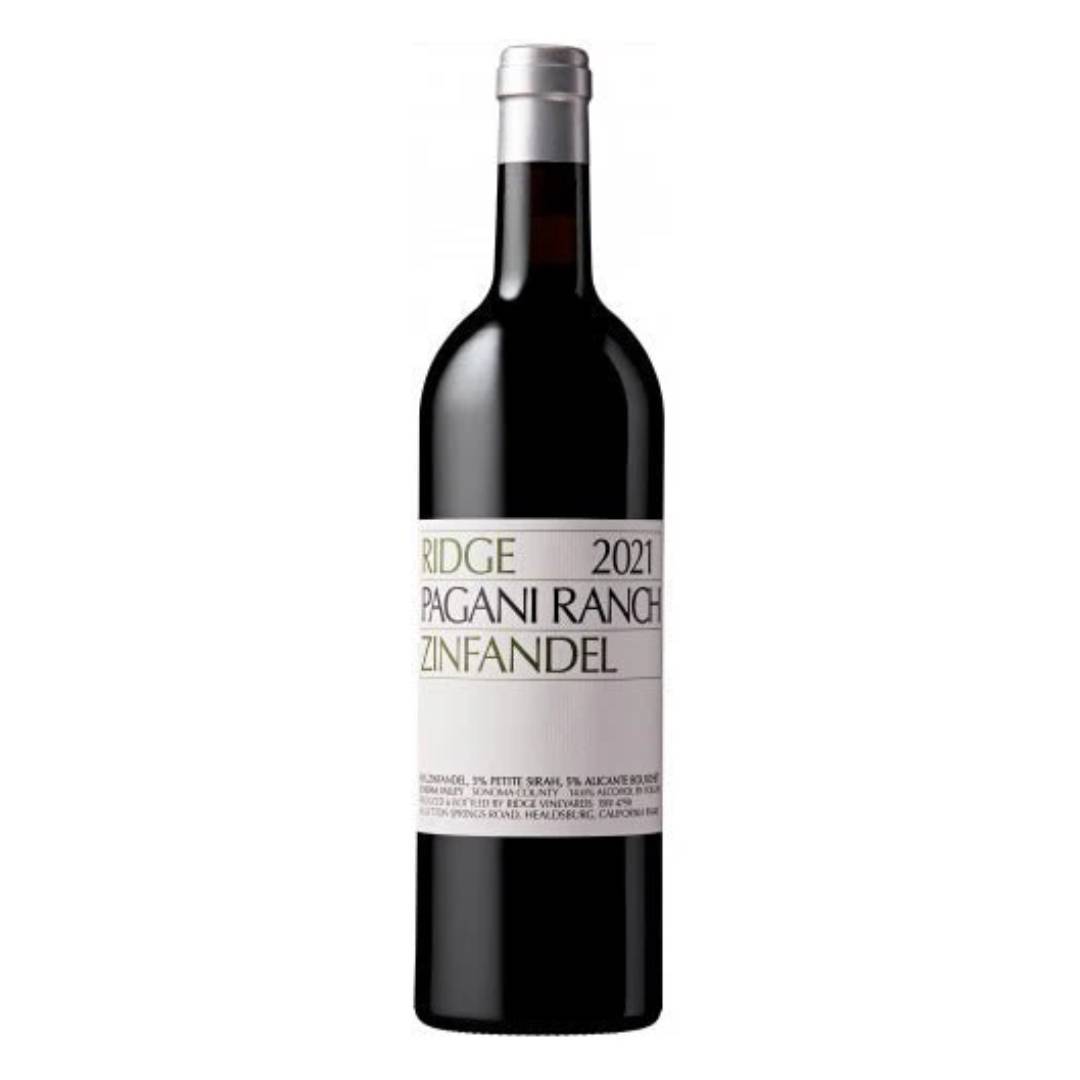
Ridge Pagani Ranch Zinfandel 2021
About Zinfandel
This page is built around Ridge Vineyards, the Californian producer that has done more than any other to argue that Zinfandel belongs in the same conversation as Cabernet and Pinot Noir. Ridge Geyserville 2021 comes from Alexander Valley, Lytton Springs 2021 from Dry Creek Valley, and Pagani Ranch 2021 from Sonoma Valley. Two of the three are labelled Zinfandel blend rather than Zinfandel, and that is not marketing. These are old interplanted field blends where Petite Sirah, Carignane, Mataro, Grenache and Alicante Bouschet grow between the Zinfandel rows and are picked and fermented together, and when Zinfandel falls under the seventy five percent required for varietal labelling in the United States the wine cannot legally be called one. Ridge prints the full breakdown on every back label, which makes these bottles unusually useful for learning what each grape contributes. Geyserville tends to be perfumed and red fruited, Lytton Springs darker and firmer, Pagani Ranch the most intense of the three from very old vines. Angels & Cowboys Proprietary Red Blend offers a rounder, more immediate version. The rest of the country sits in American wines.
History
For most of the twentieth century nobody could say where Zinfandel came from. DNA work at the University of California, Davis settled it, first matching the grape to Primitivo in Puglia in the 1990s and then in 2001 tracing both back to Crljenak Kastelanski, an almost extinct Croatian variety also known as Tribidrag. The vine reached the American east coast as a nursery curiosity in the 1820s and travelled to California with the Gold Rush, where it became the workhorse red of the state. Growers planted it as bush vines in mixed field blends as insurance, since the other varieties ripened at different times and evened out difficult years. Prohibition should have killed those vineyards. It did not, because home winemaking survived as a legal exemption and Californian grapes were railed east to families making their own wine. Zinfandel was a poor traveller for that trade, thin skinned and tight bunched and quick to rot in a warm freight car, so growers planted tougher varieties like Alicante Bouschet for the journey. The old Zinfandel blocks came through in spite of the eastern grape trade rather than because of it. The next rescue was stranger. In the 1970s a stuck fermentation at Sutter Home produced a pink, sweetish wine sold as White Zinfandel, and its enormous commercial success paid for the survival of century old vines that would otherwise have been pulled out. Ridge went the other way, with Paul Draper joining in 1969 and pursuing minimal intervention winemaking and air dried American oak. Its Geyserville and Lytton Springs blocks include vines planted in the nineteenth century, which is why they taste like nothing else in red wines.
How to drink it
Zinfandel is generous and warm, usually somewhere around fourteen and a half to fifteen percent alcohol, so temperature control matters more than with lighter reds. Serve it at 16 to 18 degrees, which in an Australian summer means twenty minutes in the fridge before pouring. Use a large bowled glass and decant the Ridge bottles for thirty to sixty minutes, since young field blends are tightly wound on opening and the tannin from Petite Sirah takes air to soften. Food should have some char, fat or smoke. Barbecued lamb, brisket, pork ribs, sausages, mushroom dishes and aged cheddar all work, and the fruit sweetness handles a spiced rub or a tomato based sauce better than a Bordeaux blend would. Avoid delicate fish and anything with a sharp vinegar dressing. Recorked in the fridge, an open bottle is good for three days and often better on day two. On cellaring, top Sonoma Zinfandel is much longer lived than its reputation suggests, and Geyserville in particular will hold for fifteen years or more, shifting from bramble fruit into leather and dried herbs. Start with Lytton Springs, then compare it against a warm climate Shiraz to see how differently two ripe reds can carry alcohol.