
Guides and tasting notes
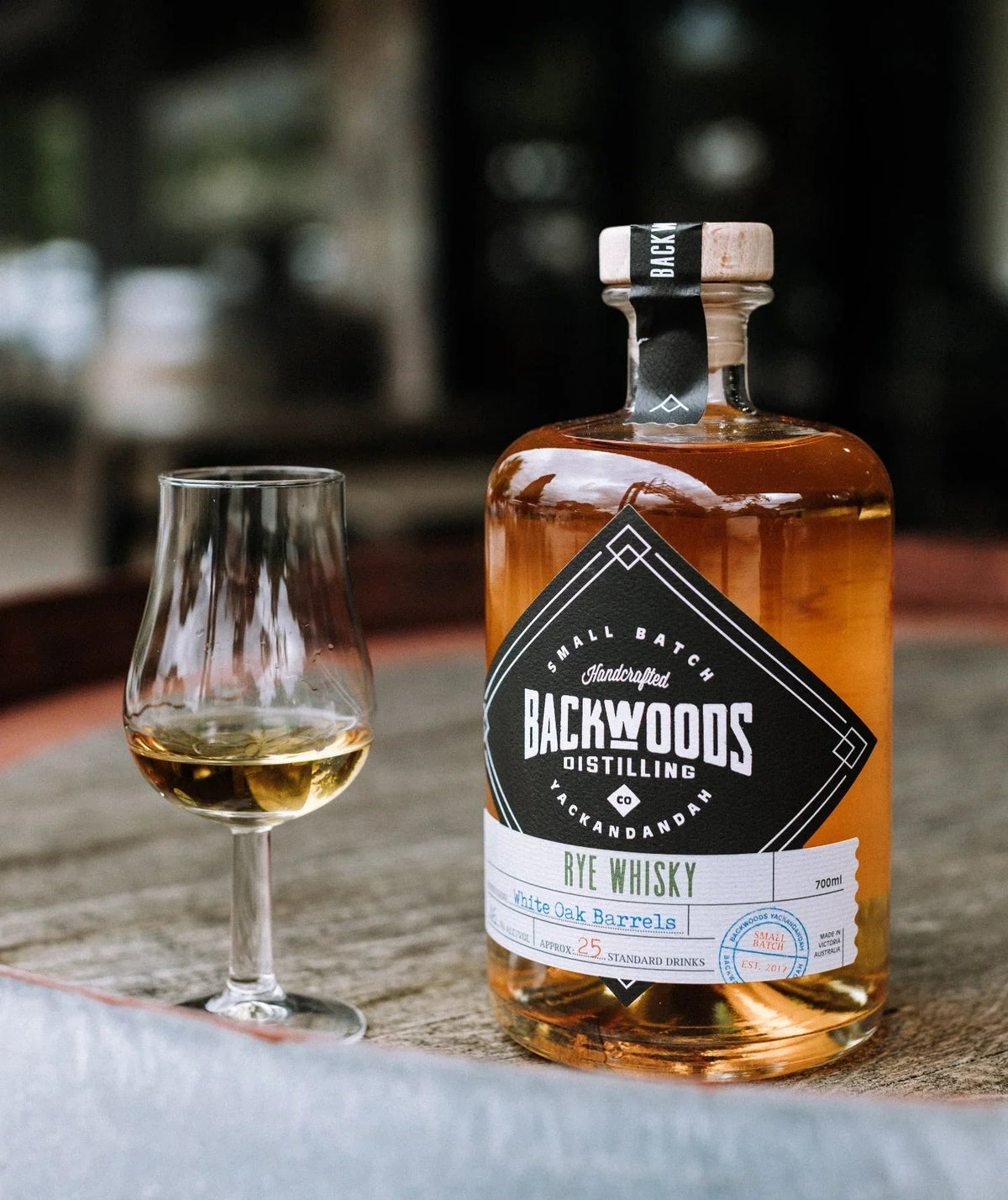
Rye Whiskey Explained: What Makes a Rye and What to Buy
What the word rye means on American, Canadian, Australian and European labels, how rye tastes next to bourbon, and three classic rye cocktails to make at home.
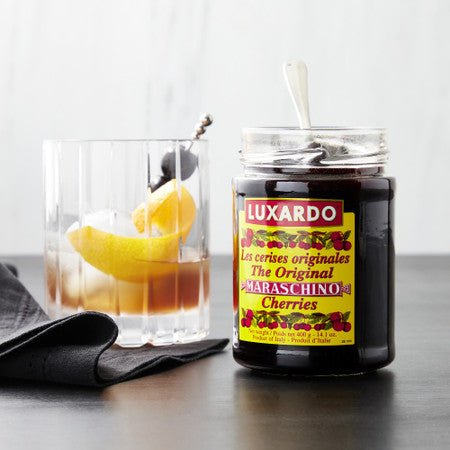
Cocktail Cherries Explained: Luxardo Maraschino Cherries vs the Bright Red Kind
Why a Luxardo Maraschino cherry is a different thing from the bright red candied kind, how Luxardo makes them from its own marasca cherries, and how to use them in cocktails and desserts.
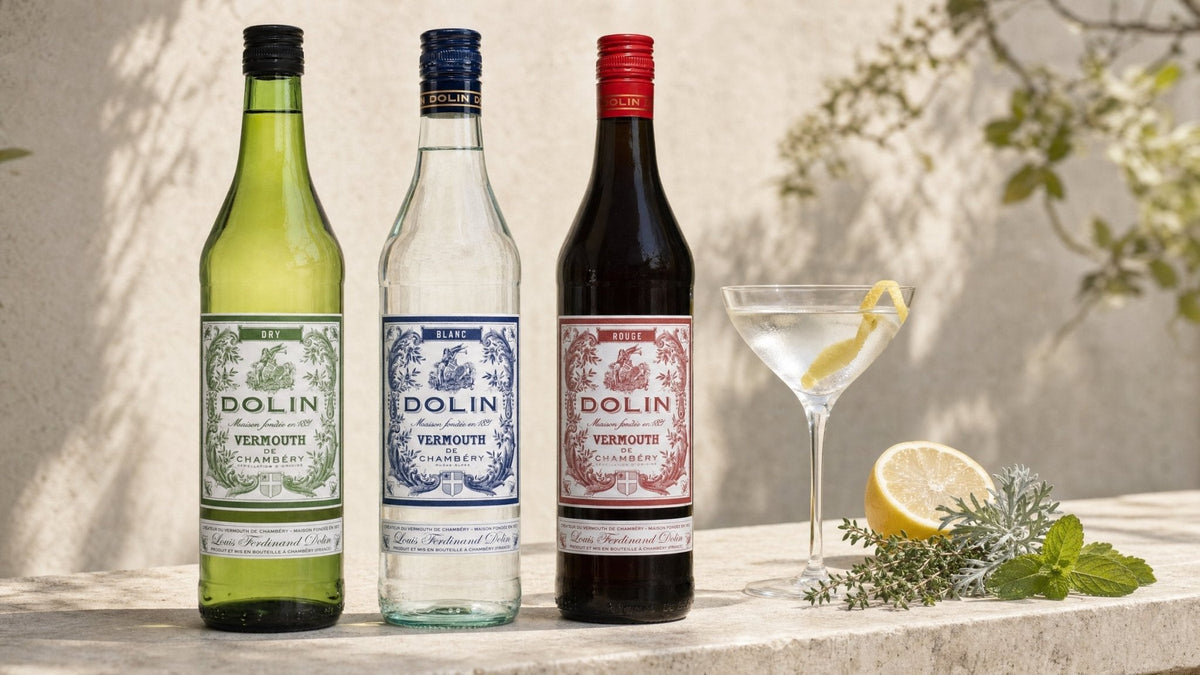
What Is Vermouth? Sweet, Dry and Blanc Vermouth Styles Explained
Vermouth is wine flavoured with wormwood and other botanicals, and usually fortified. Here is how sweet, dry and blanc styles differ, which bottle suits a Negroni or Martini, and how to store it once opened.
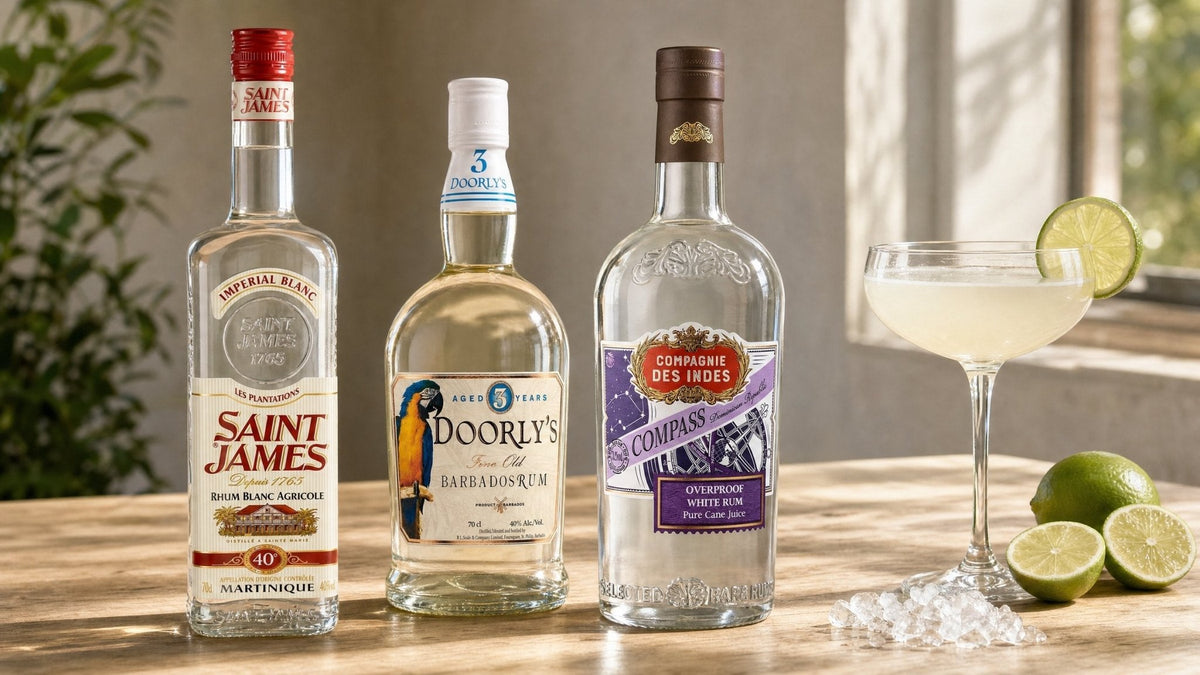
White Rum Guide: Styles, Strength and the Best Bottles to Mix
White rum is clear rum, either unaged or aged and filtered. Here is how the styles differ, what the strength on the label means, and which bottle suits your Daiquiri, Mojito or highball.
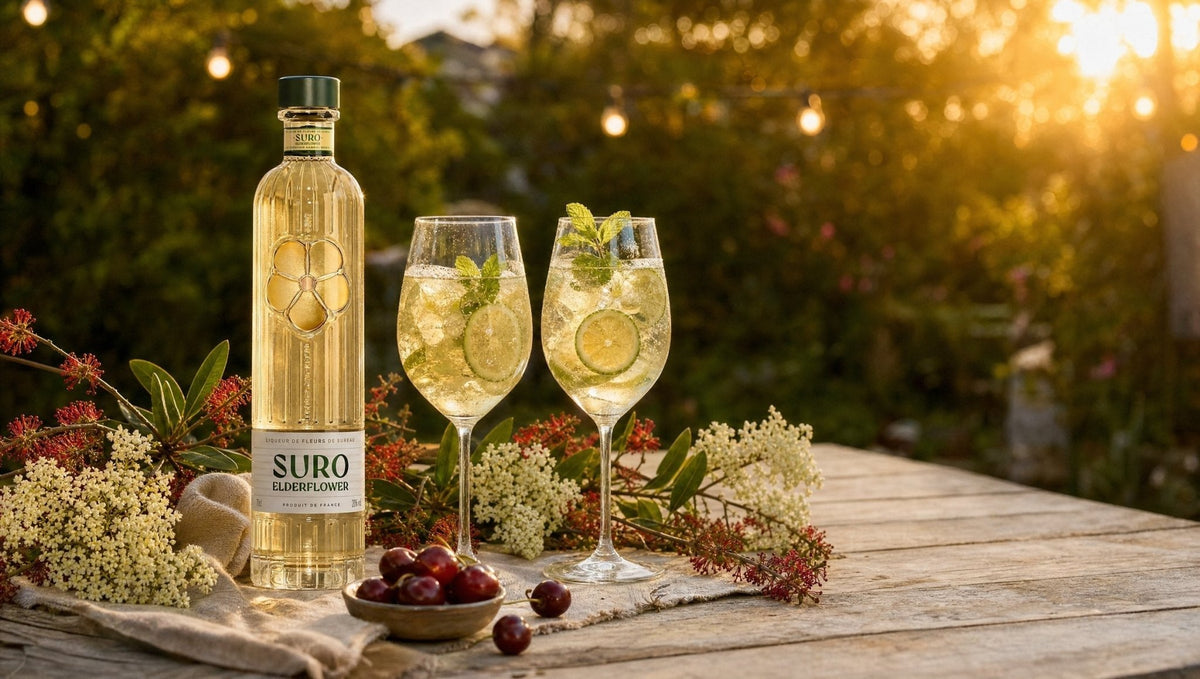
The Hugo Spritz: How to Make It at Home, and Which Elderflower Liqueur to Use
How to make a Hugo Spritz at home in millilitres, with the Suro maison serve and four elderflower liqueurs side by side. It also covers a gin Hugo, an alcohol-free Hugo and the bottles to give a Hugo fan this Christmas.
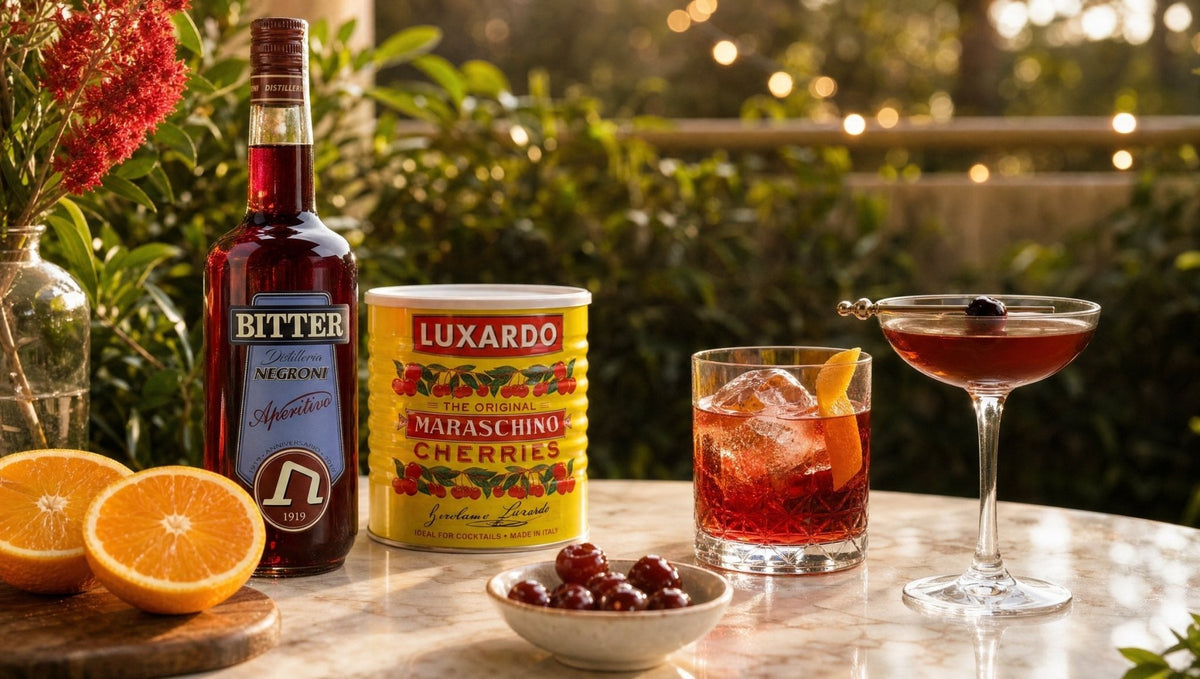
Christmas Cocktails 2026: Ten Drinks for a Hot Australian Christmas, and the Bottles to Make Them
Ten Christmas and Boxing Day cocktails for an Australian summer, each made to the IBA or producer recipe in millilitres. Every one is linked to the bottle that makes it, with Luxardo cherries for the drinks that call for a cherry.
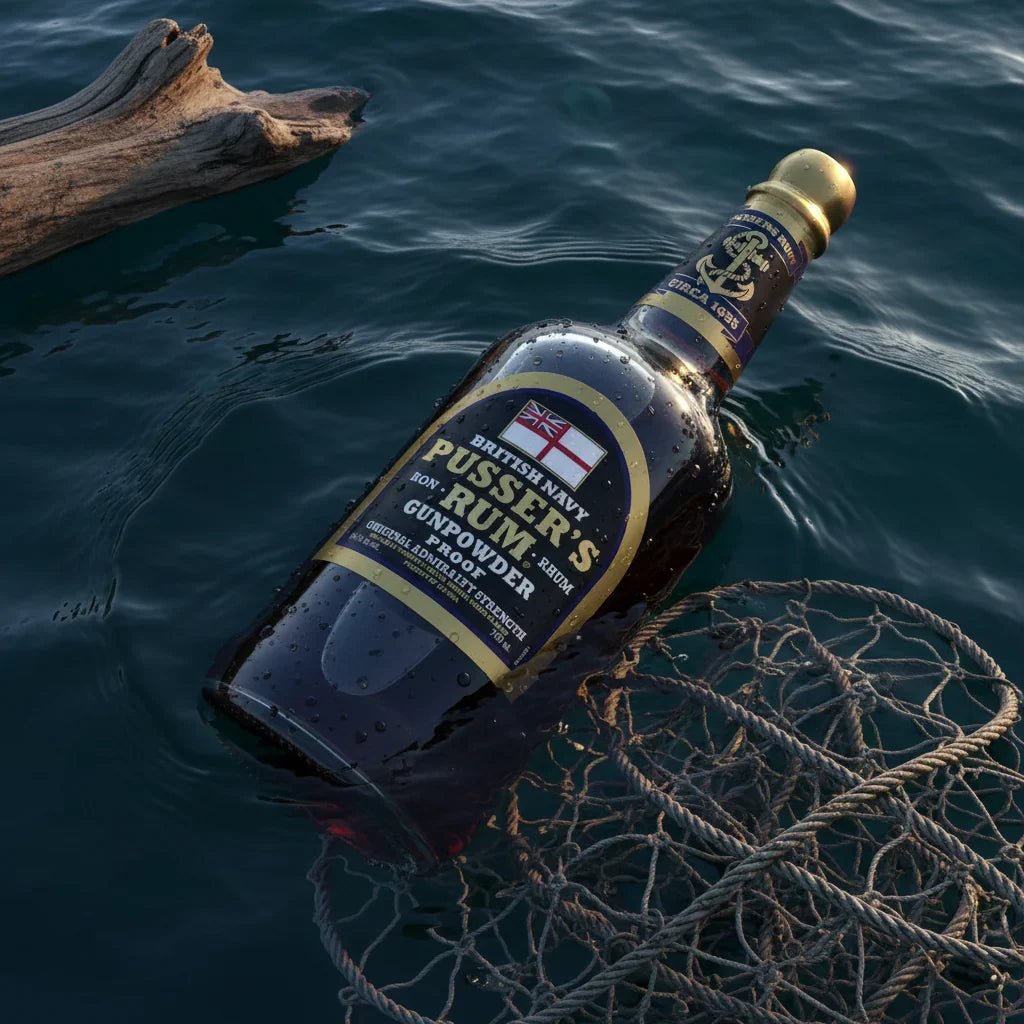
What Is Navy Rum? Pusser's, the Daily Tot and Black Tot Day
Navy rum is not a marketing term. It refers to a specific blend, a specific strength and a ration that ended on 31 July 1970. Here is what the label actually means.