
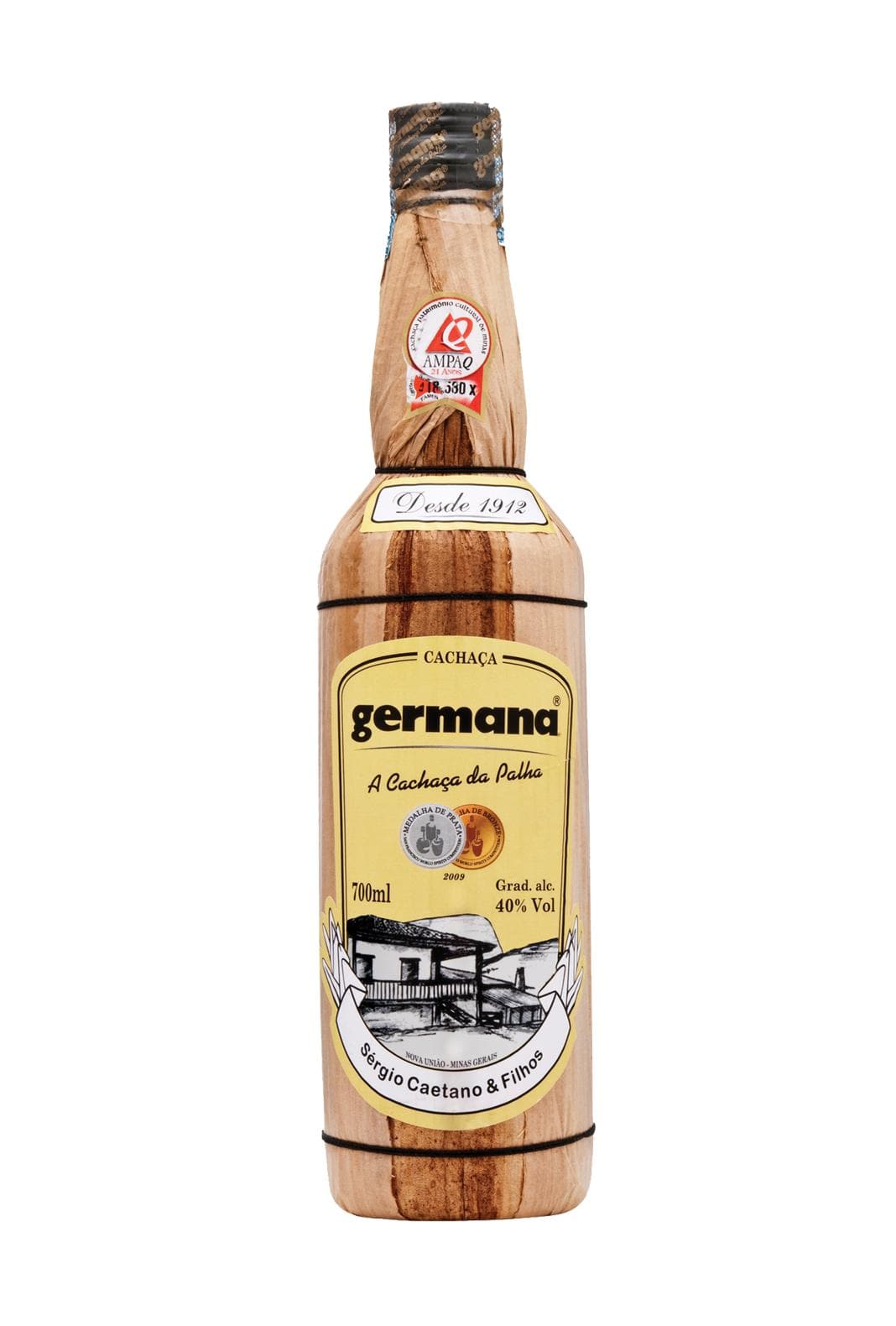
Germana Cachaca 2 Years 40% 700ml
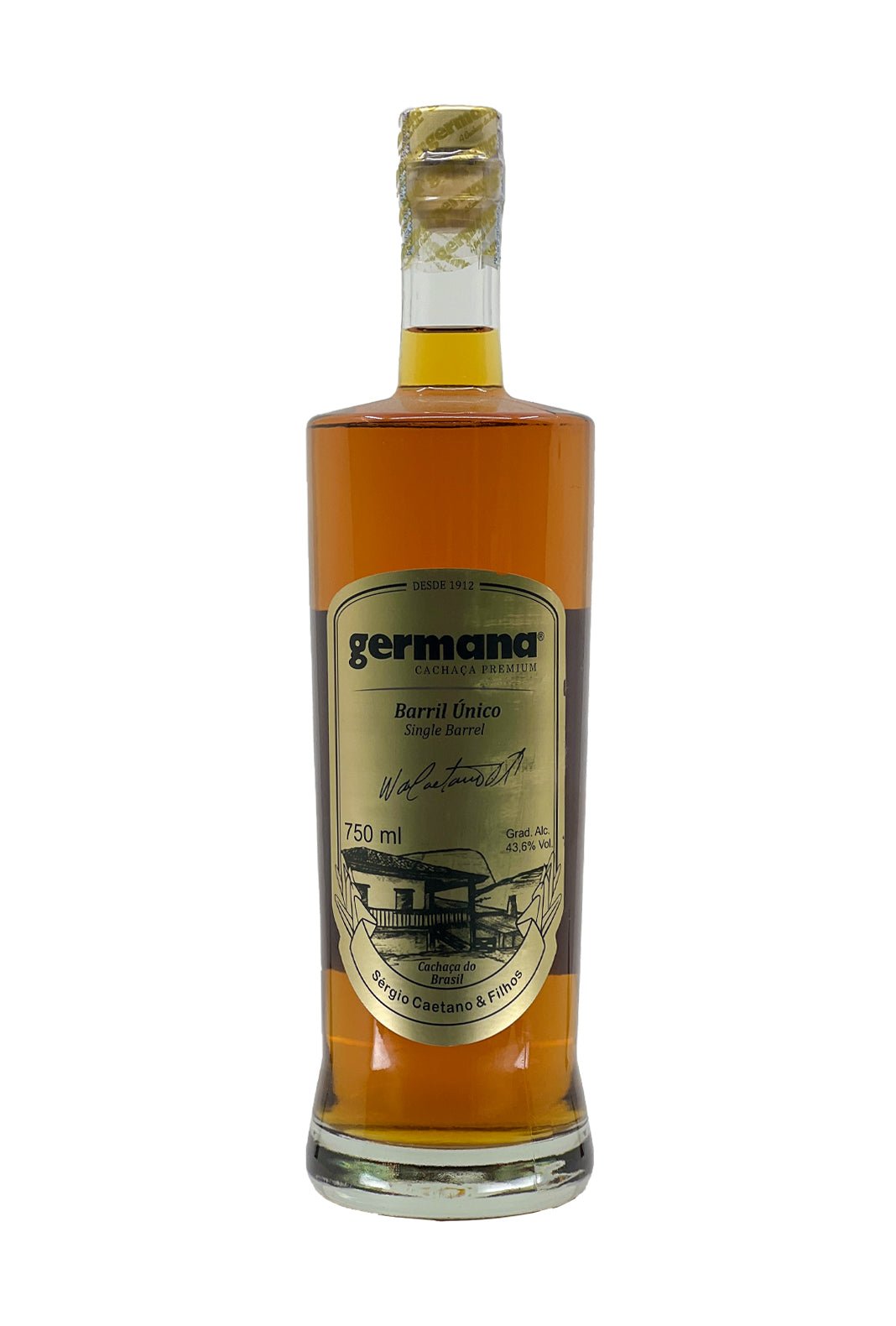
Germana Cachaca Single Barrel 43.6% 700ml
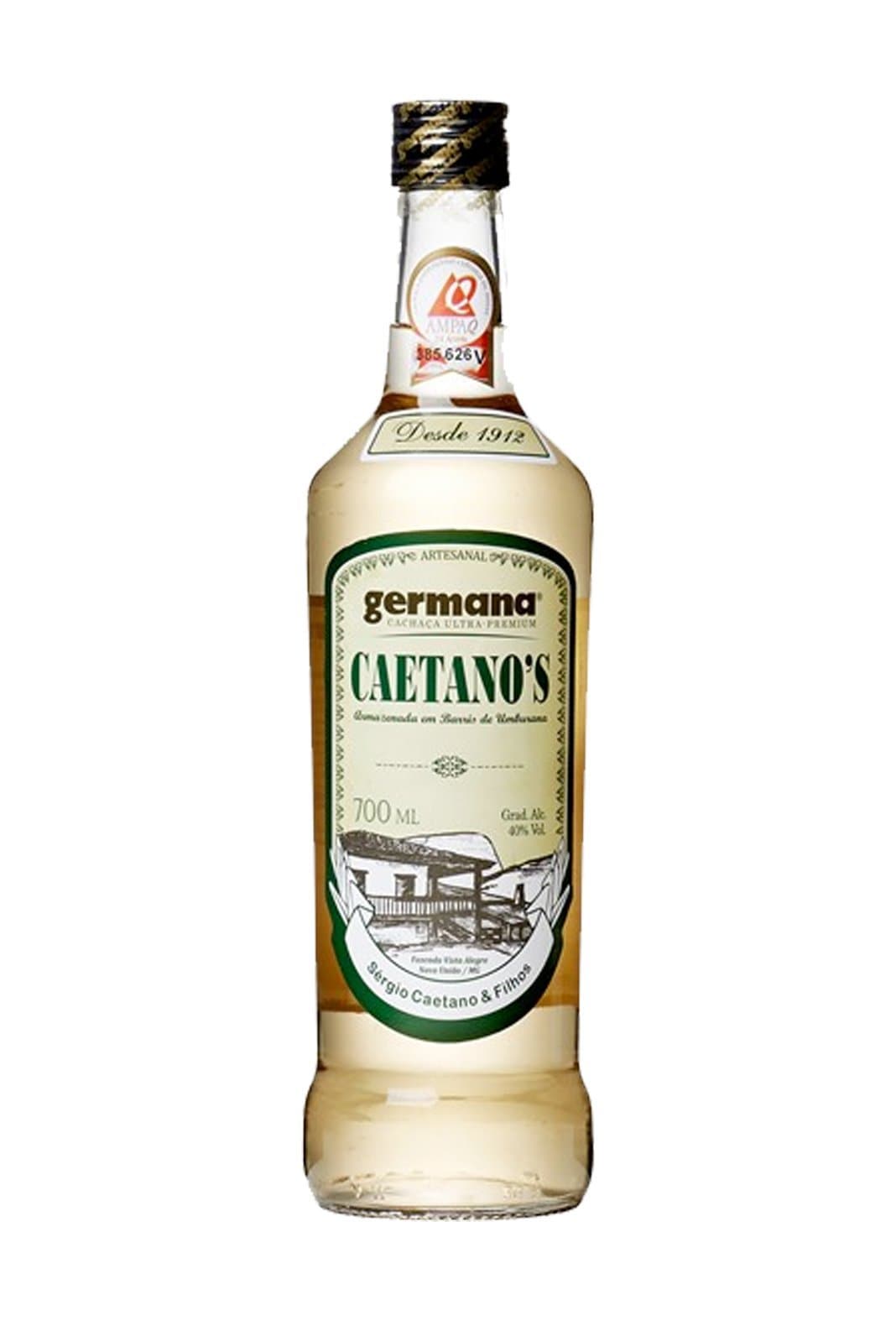
Germana Cachaca Caetano's Umburana wood cask 40% 700ml
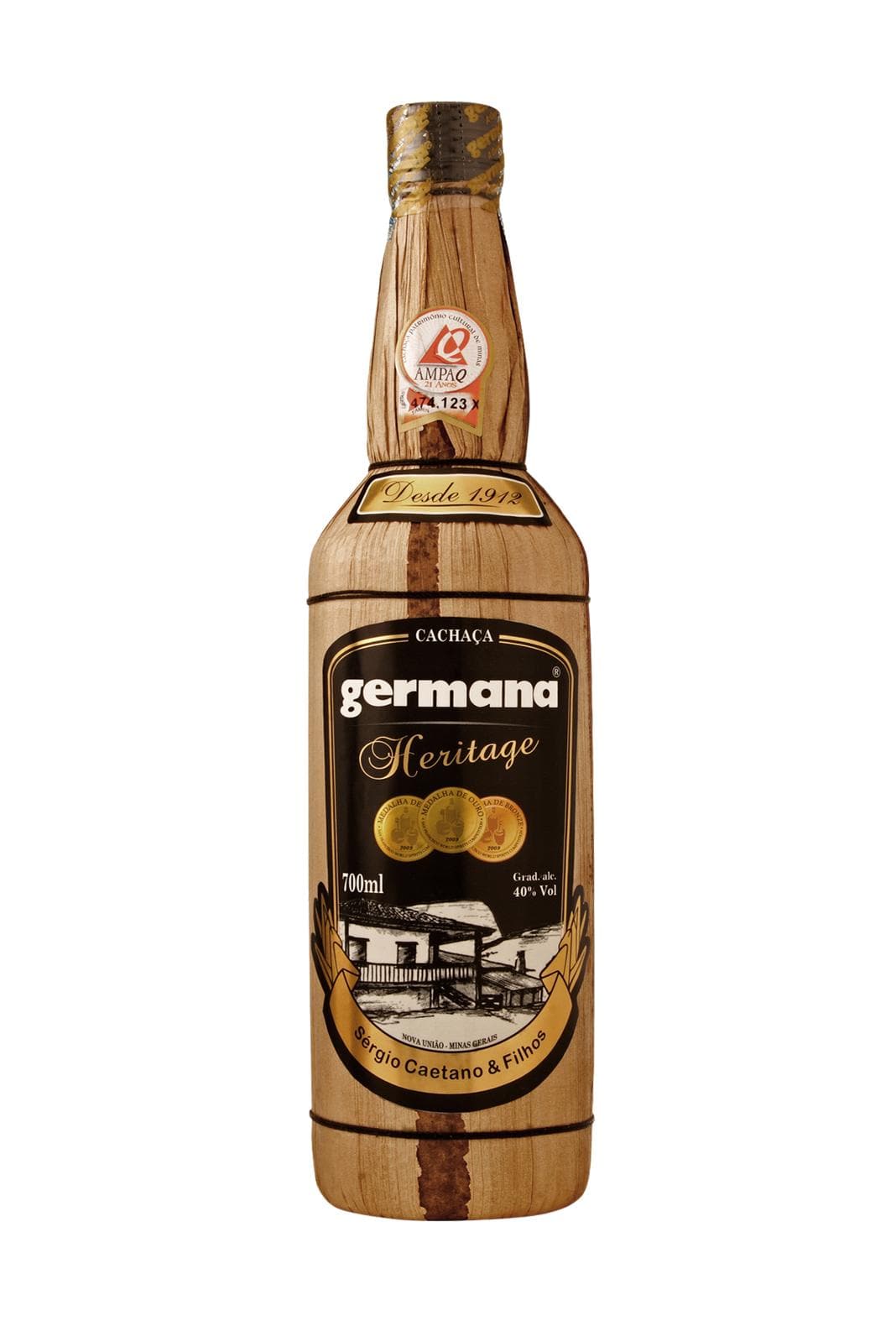
Germana Cachaca Heritage 10 years 40% 700ml
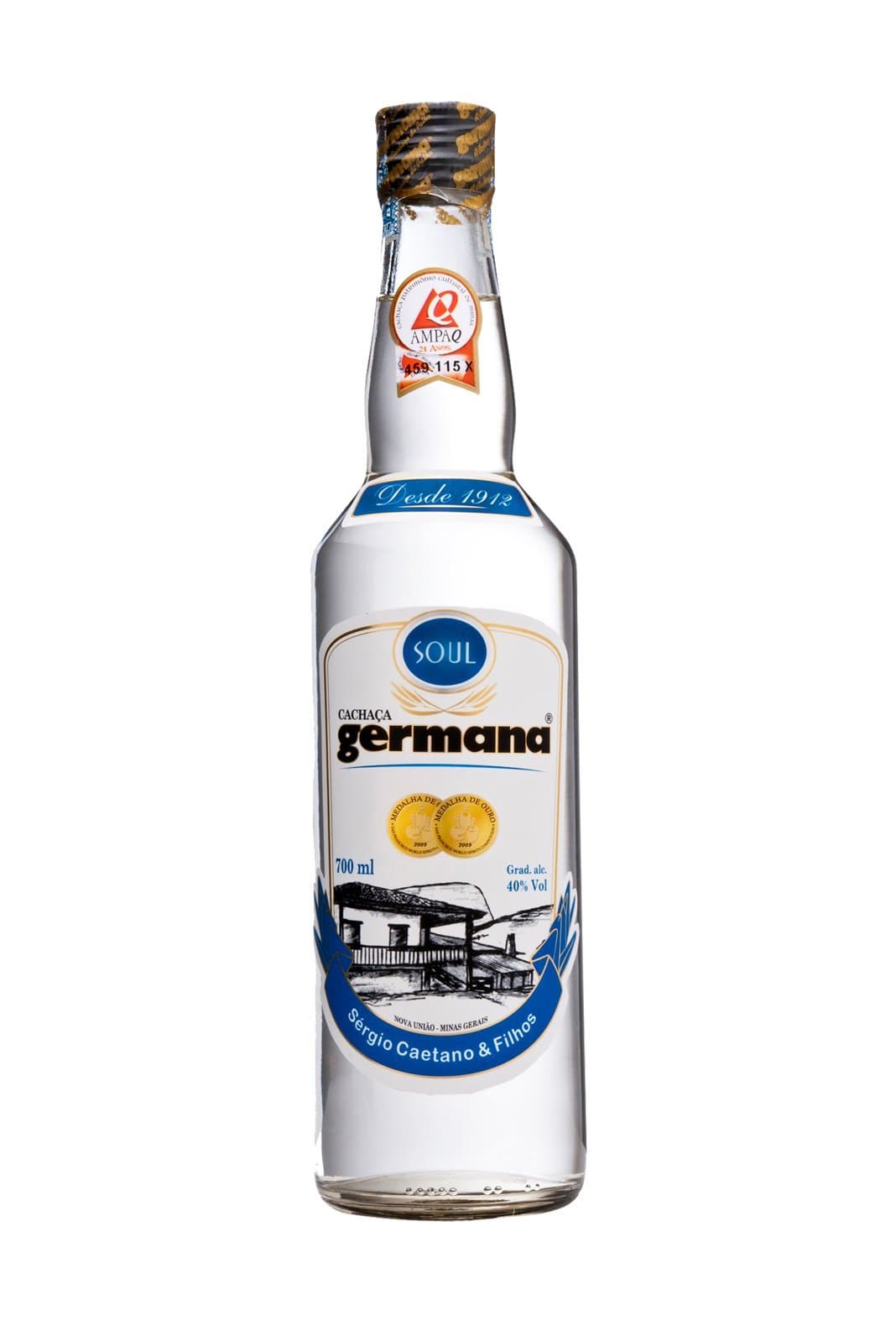
Germana Cachaca Soul (White) 40% 700ml
About Germana
Liquor Wine Cave lists the Germana cachaca range in Australia, including Germana Soul, the 2 Year, Caetano's umburana cask, the Heritage at ten years and the Single Barrel.
Cachaca is Brazil's own cane spirit, distilled from fresh sugarcane juice rather than from molasses, which makes it a cousin of agricole rhum rather than of the molasses rums most Australians know. Germana makes it at Nova Uniao in Minas Gerais, from cane cut by hand on the family farm and pressed the same day, distilled in direct fired copper pot stills fuelled by the dried cane fibre left over from pressing.
Most cachaca sold outside Brazil is industrial column still spirit built for mixing. Germana is not that, and the range is where the difference shows.
Soul is the white, rested in stainless steel rather than in wood, and it is the Caipirinha bottle. The 2 Year is oak aged and amber. Caetano's spends two years in umburana, a Brazilian hardwood that gives cinnamon and sweet spice notes no oak produces. Heritage carries ten years, mostly oak with a finish in balsamo. The Single Barrel is the collector's bottle of the set.
The cachaca page carries the category and the rum range sits alongside it.
History
Germana was founded in 1912 by Sergio Caetano at Nova Uniao in Minas Gerais, and the distillery has stayed with the same family since. Minas Gerais is the Brazilian state most associated with artisanal cachaca, and the pattern there is small farm production rather than industrial scale.
The method has changed very little. Cane is cut by hand rather than burnt and machine harvested, pressed on the day it is cut, fermented, then distilled in copper pot stills over direct fire. The fuel is the bagasse, the dried cane fibre left after pressing, so the crop heats its own still.
Ageing is where cachaca diverges most from rum. Brazilian distillers have a long habit of using native hardwoods rather than only oak, and each wood does something different. Umburana gives spice and a sweet cinnamon note. Balsamo is softer and resinous. Oak does what oak does anywhere. Germana uses all three across its range, which is unusual to find in one house available outside Brazil.
If you have drunk aged rum but never aged cachaca, Caetano's is the clearest illustration of the difference, and the dark rum page is the obvious place to find something to set against it.
How to drink it
Germana cachaca belongs in a Caipirinha before anything else. Half a lime cut into quarters, two teaspoons of sugar, muddled in the glass, then filled with crushed ice and cachaca and stirred. Use Germana Soul, the unaged bottle, because the wood aged ones fight the lime rather than help it.
The aged bottlings are for sipping, and they reward being treated as brandy rather than as rum. Room temperature, a small tulip glass, no ice. The 2 Year and Caetano's are the place to start. Caetano's in particular tastes of cinnamon and sweet spice from the umburana wood, which surprises people expecting something rum like.
Heritage and the Single Barrel are after dinner bottles. Give them ten minutes in the glass before you judge them.
A Batida is the other classic. Cachaca shaken with fruit juice, usually passionfruit, lime or coconut, and a little condensed milk in the Brazilian version. The white bottle again.
At the table, aged cachaca handles dark chocolate, dulce de leche, roasted nuts and strong coffee. The white works with ceviche, grilled prawns and anything sharp and citrusy.
Stored upright and out of the light, an opened bottle holds its character for a year or more.
More from this origin and style: