
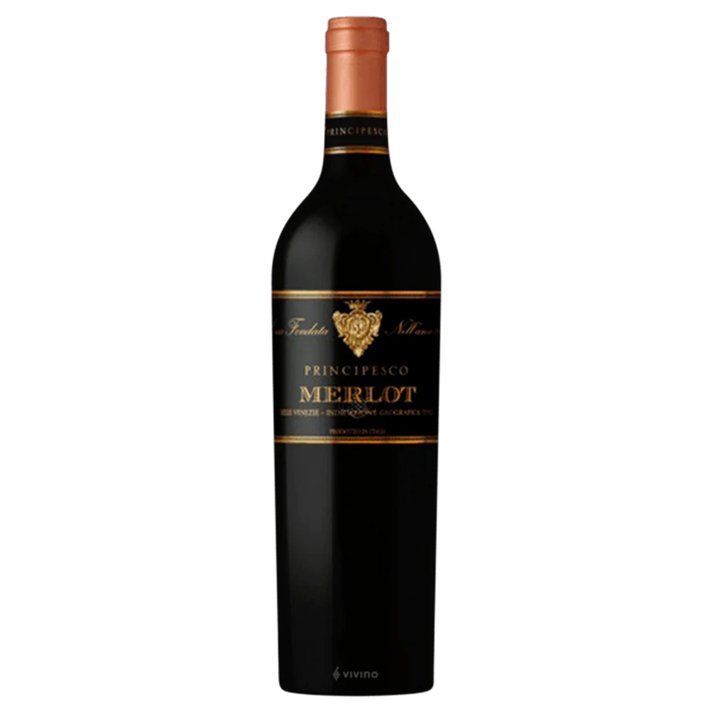
Castellani Principesco Merlot 2021
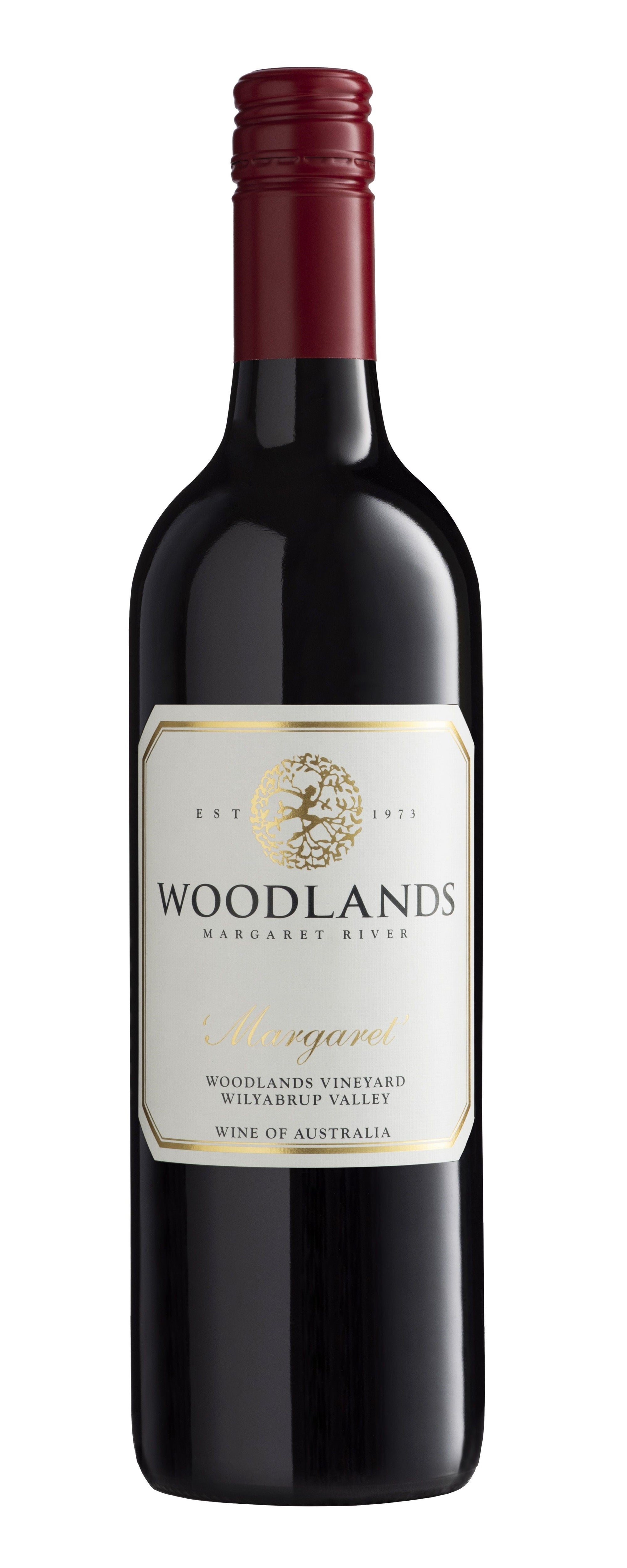
Woodlands 'Margaret' Cabernet Merlot Malbec 2021
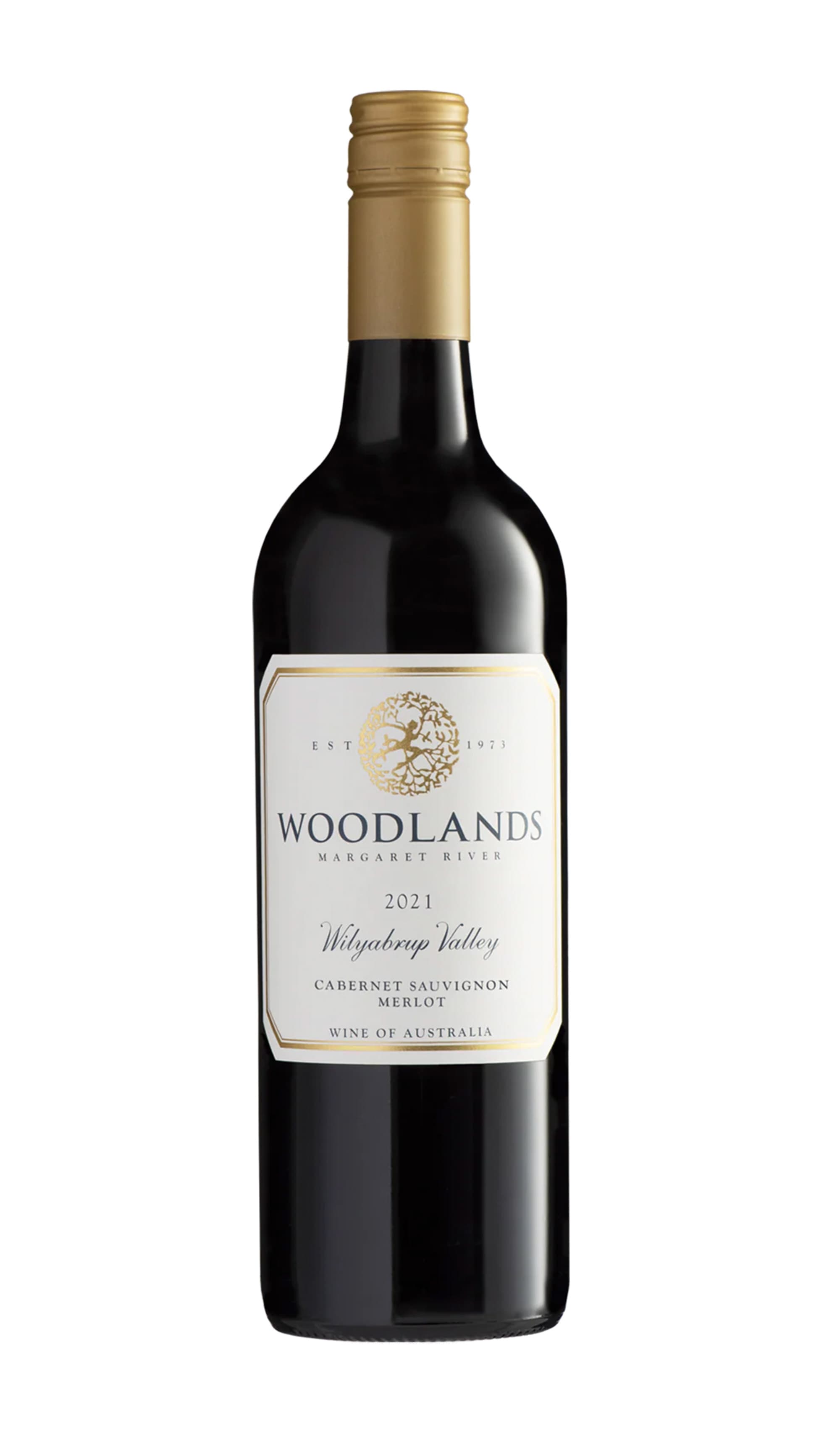
Woodlands Wilyabrup Cabernet Merlot 2022
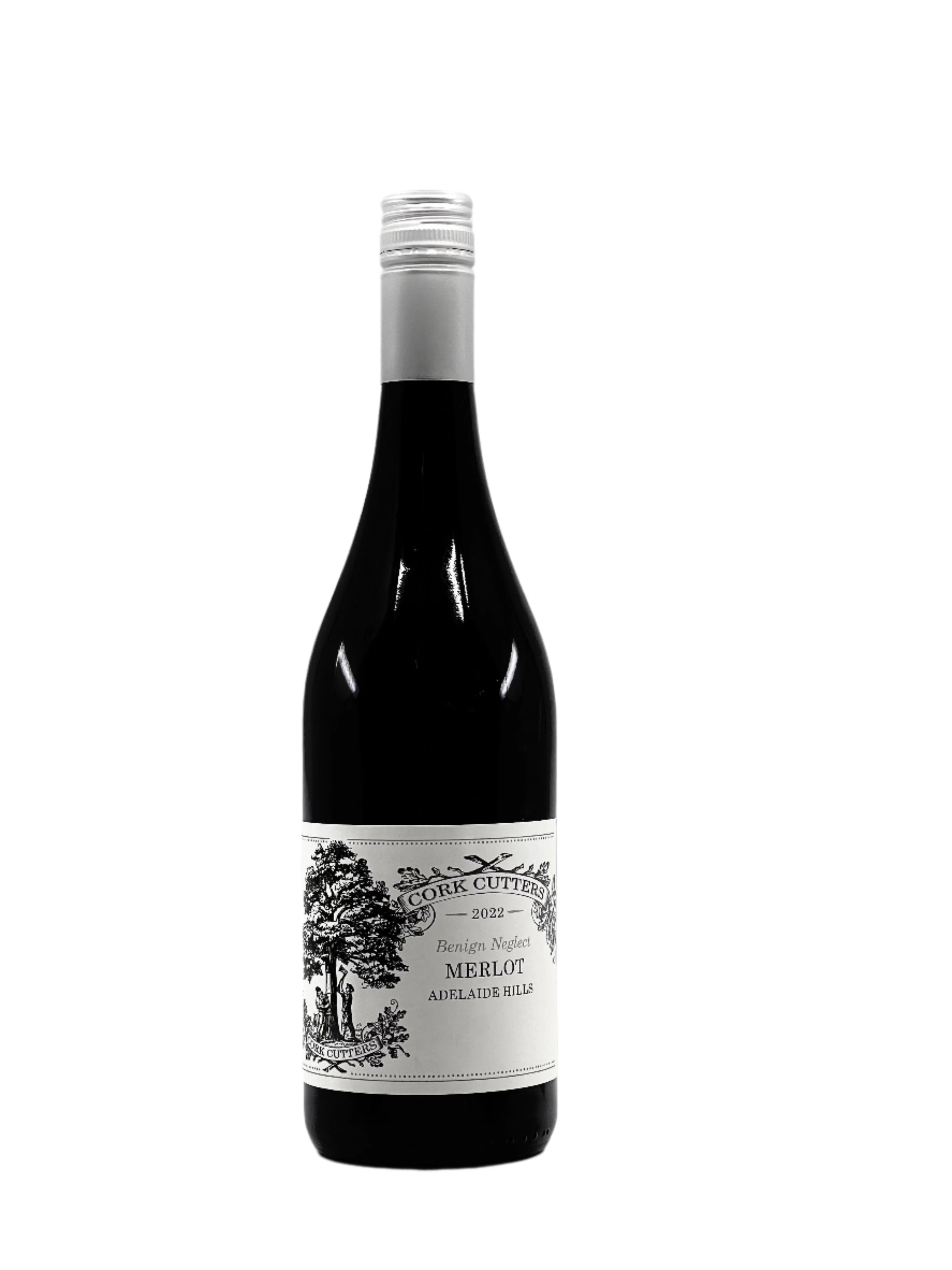
Cork Cutters Merlot 2022
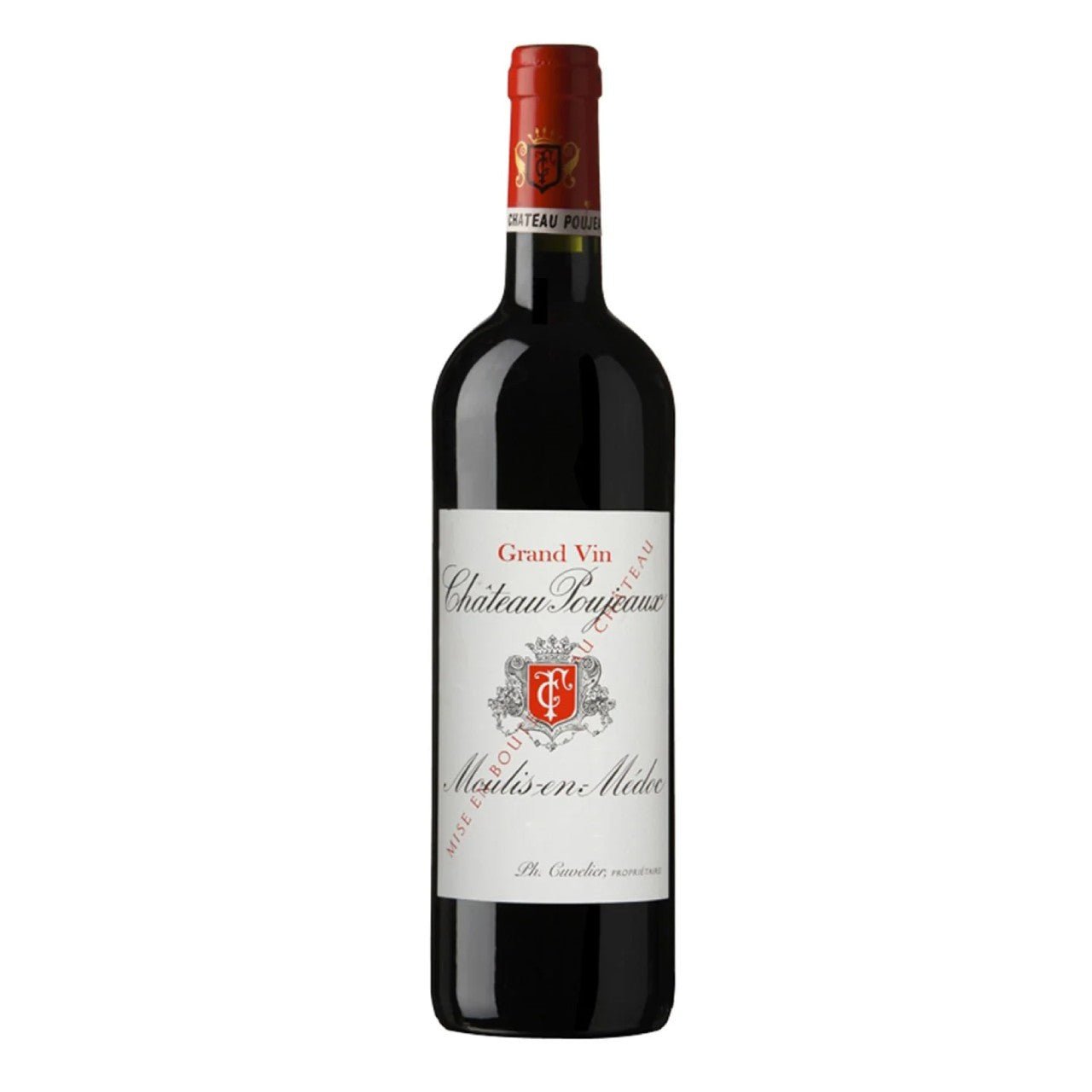
Chateau Poujeaux 2015
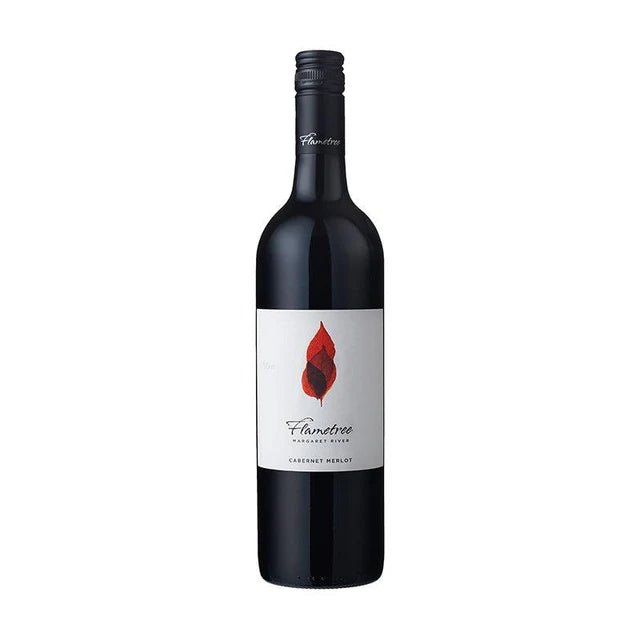
Flametree Cabernet Merlot
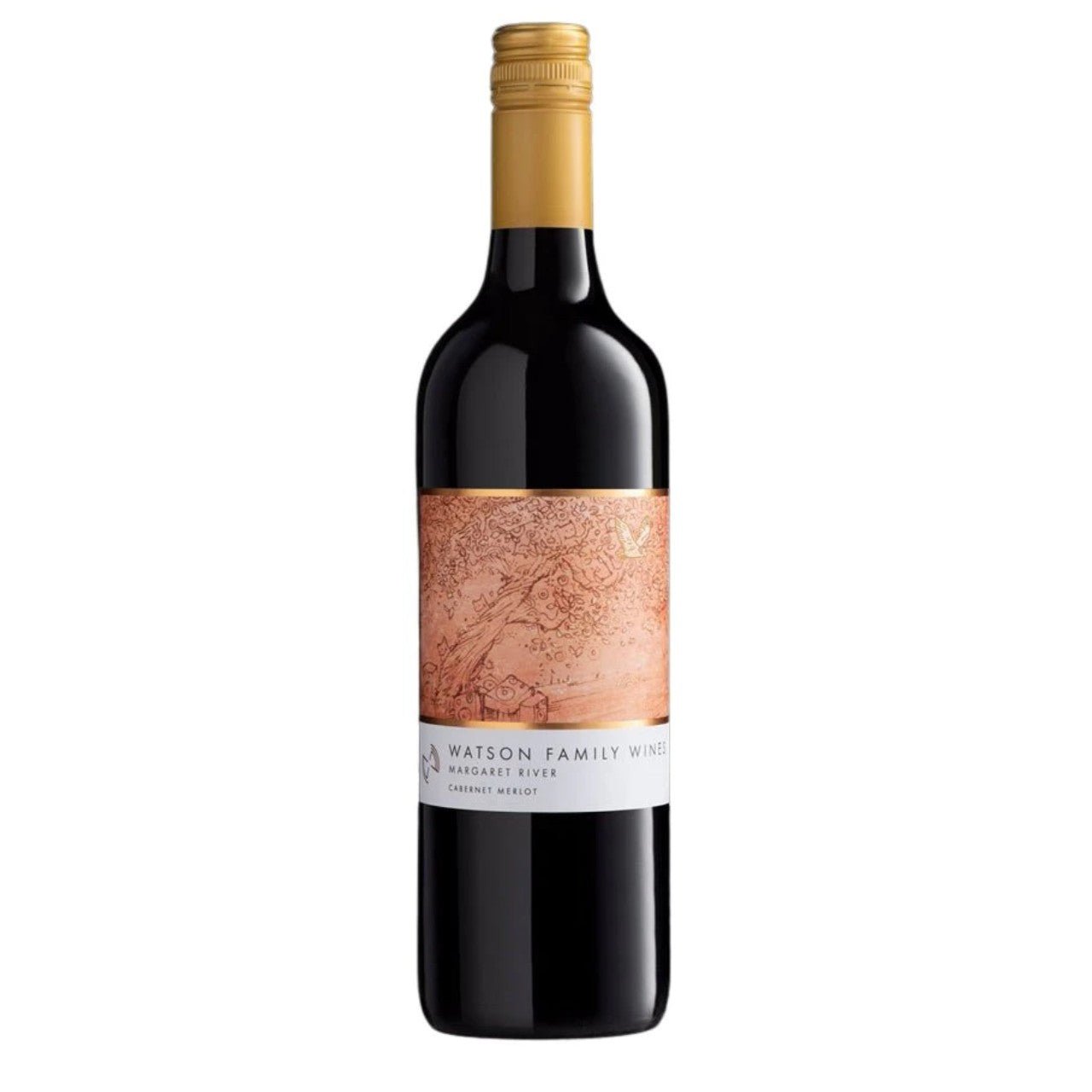
Woodlands Watson Family Cabernet Merlot 2018
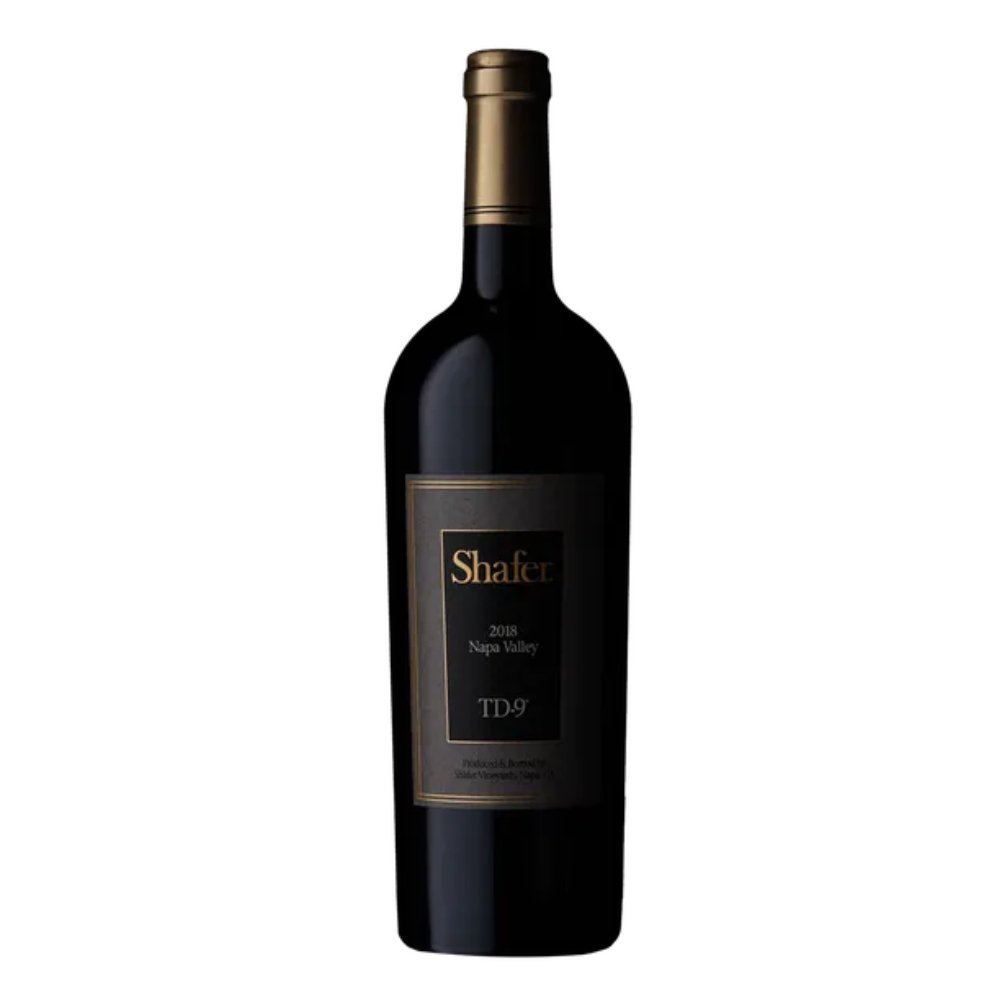
Shafer TD-9 Merlot Cabernet 2018
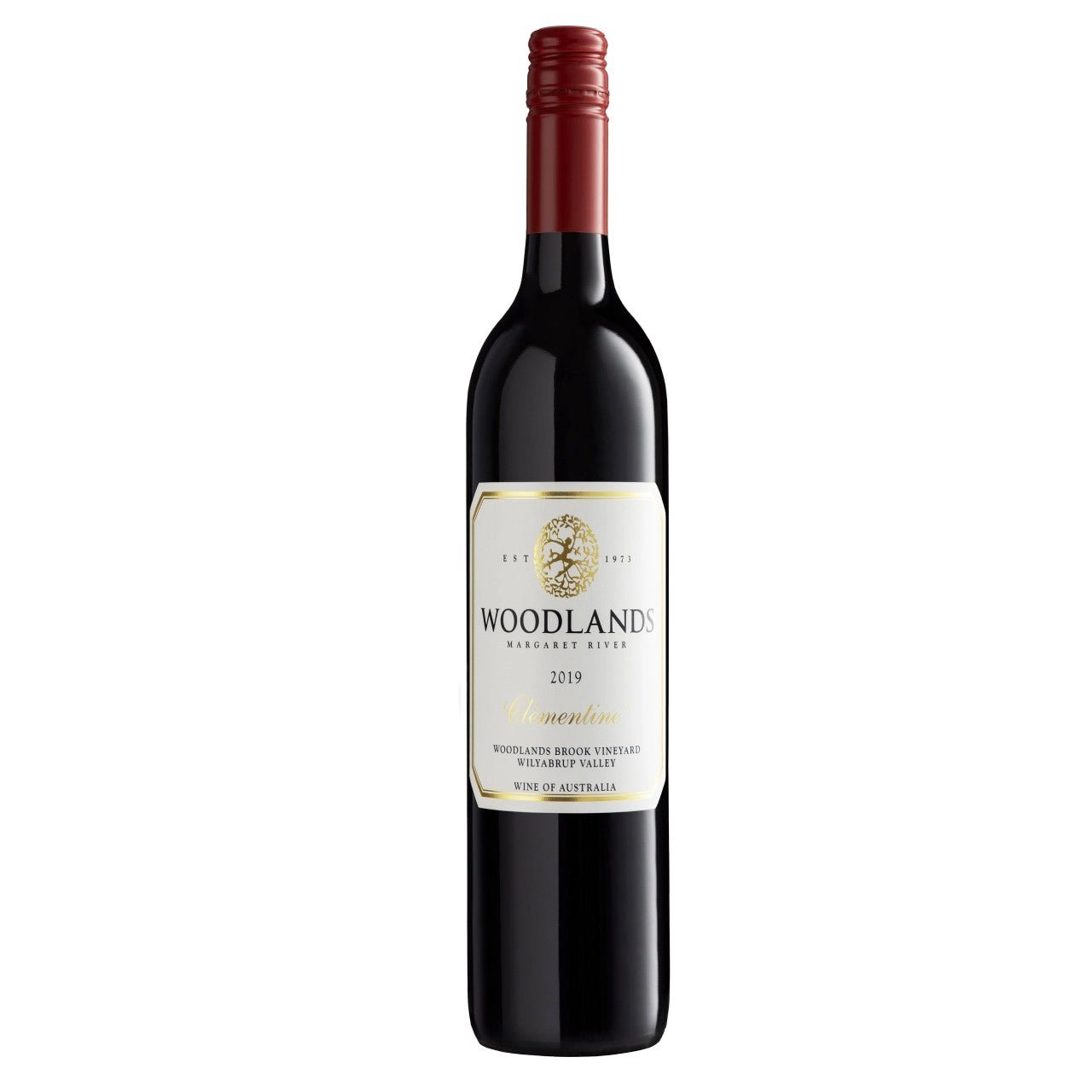
Woodlands ‘Clementine’ Cabernet Malbec Merlot 2019
About Merlot
Merlot is the most widely planted grape in Bordeaux and one of the most misunderstood wines on any shelf. Its reputation for blandness comes from a period of mass planting in warm regions, where it was picked ripe and made soft, and it says very little about what the grape does when it is grown properly.
Well made merlot gives plum, black cherry, chocolate and a savoury, tobacco edge, with tannin that is rounder and softer than cabernet sauvignon. It ripens earlier and more reliably, which is why it dominates on Bordeaux's right bank where the soils are cooler and heavier.
France is represented here by Chateau Poujeaux in Moulis and Chateau St Georges near Saint-Emilion.
The Australian bottles come from regions where the grape has something to work with. Woodlands works in Margaret River, and Cork Cutters makes a straight varietal merlot.
Several bottles here are cabernet merlot blends, including Flametree from Margaret River, which is how the two grapes are most often used together.
History
Merlot is first recorded in Bordeaux in the late eighteenth century, and its name is usually traced to merle, the French for blackbird, either for the colour of the grape or for the birds' fondness for it.
Its role in Bordeaux is structural. Cabernet sauvignon ripens late and needs the warm gravel soils of the left bank. Merlot ripens earlier and copes with the cooler clay of the right bank, which is why Pomerol and Saint-Emilion are merlot dominated while the Medoc is not. In blends, merlot fills the middle of the palate and softens cabernet's tannin.
The grape spread worldwide through the twentieth century and became enormously popular, particularly in the United States, where it was marketed as an easy alternative to cabernet. Overplanting in unsuitable sites produced a great deal of dilute wine.
Then in 2004 a single line of dialogue in the film Sideways, in which the protagonist refuses to drink merlot, did measurable damage to sales in the United States. It is one of the clearest examples of popular culture moving a wine market, and the category has taken two decades to recover.
Australian merlot has quietly improved throughout, particularly in Coonawarra and Margaret River.
How to drink it
Serve at sixteen to eighteen degrees. Merlot's softer tannin means it is more forgiving than cabernet if served slightly warm, but the alcohol still shows if you go much above that.
It generally needs less decanting than cabernet or nebbiolo. Thirty minutes of air is enough for most bottles, and older Bordeaux may need none at all beyond careful pouring off any sediment.
On ageing, everyday merlot is made for immediate drinking. Serious right bank Bordeaux and good Coonawarra and Margaret River bottles will develop for ten to fifteen years, gaining tobacco, leather and truffle notes.
The softer structure makes merlot one of the most useful reds at a mixed table. It goes with roast chicken and pork as comfortably as it does with beef, which is not true of a firm cabernet. It also handles mushroom dishes, lentils, and cheeses that would be overwhelmed by something more tannic.
If you have written merlot off, a Coonawarra or a right bank Bordeaux is the bottle likely to change your mind.
Related pages: cabernet sauvignon, malbec and French wine.