
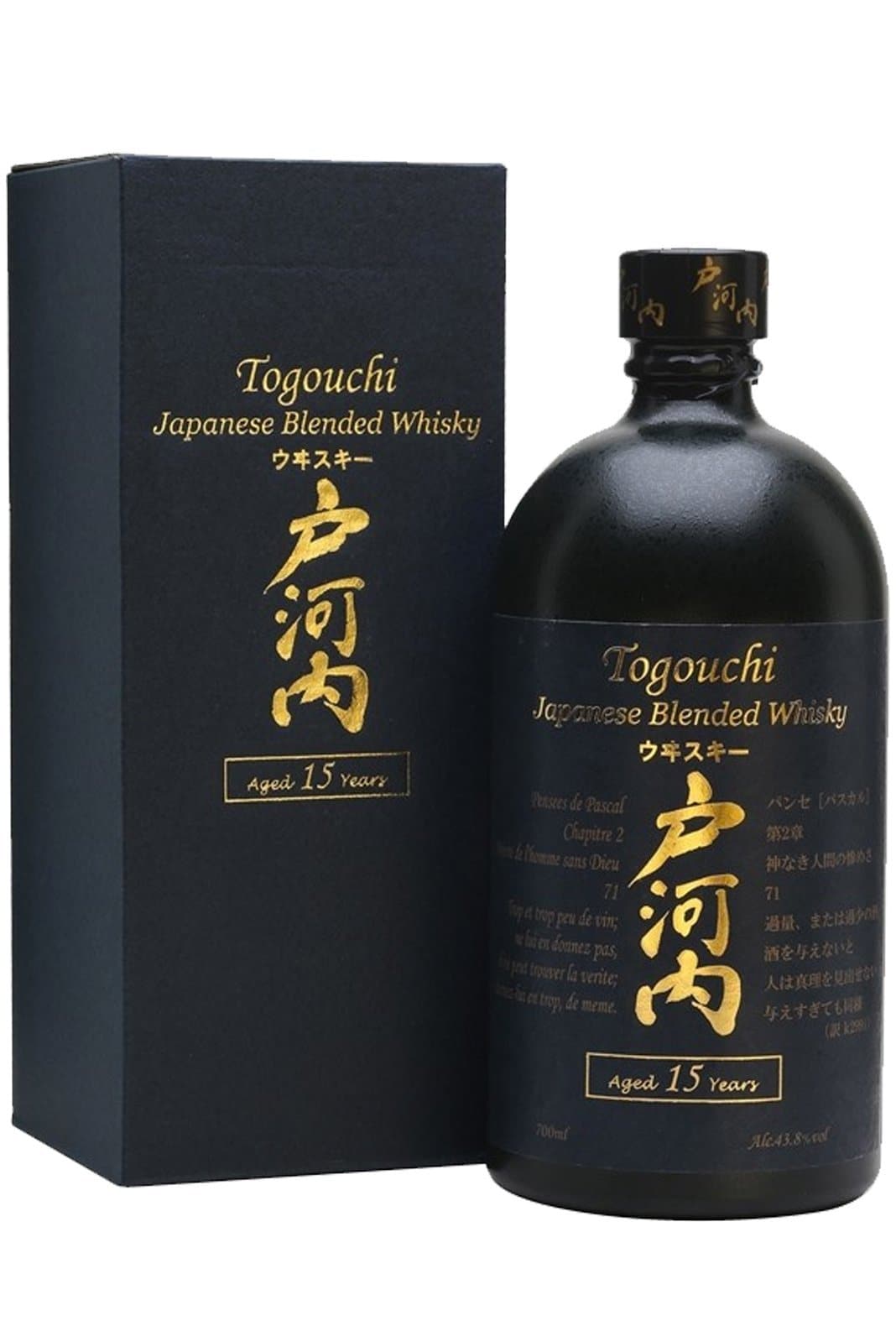
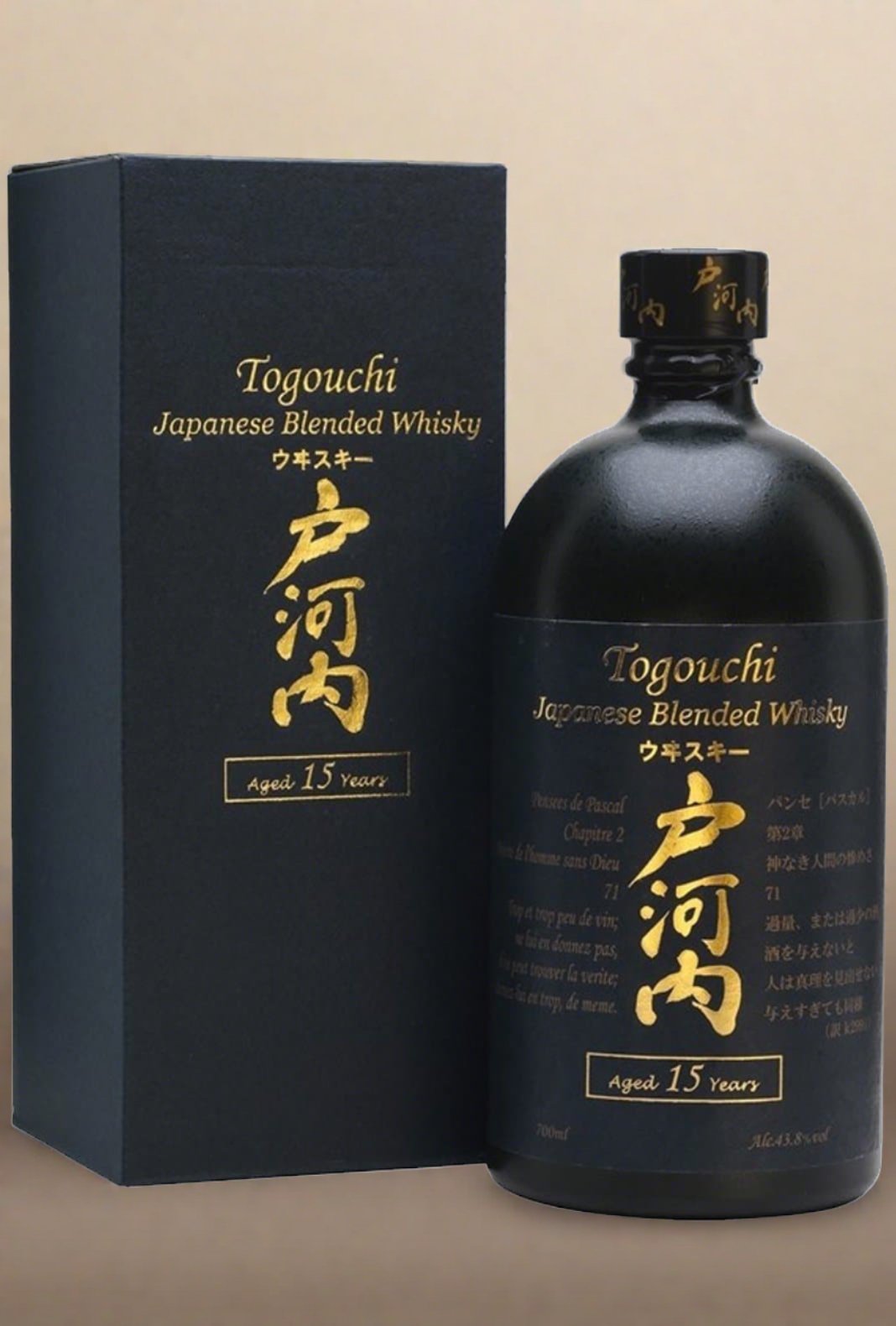
Togouchi 15 years Japanese Whisky 43.8% 700ml
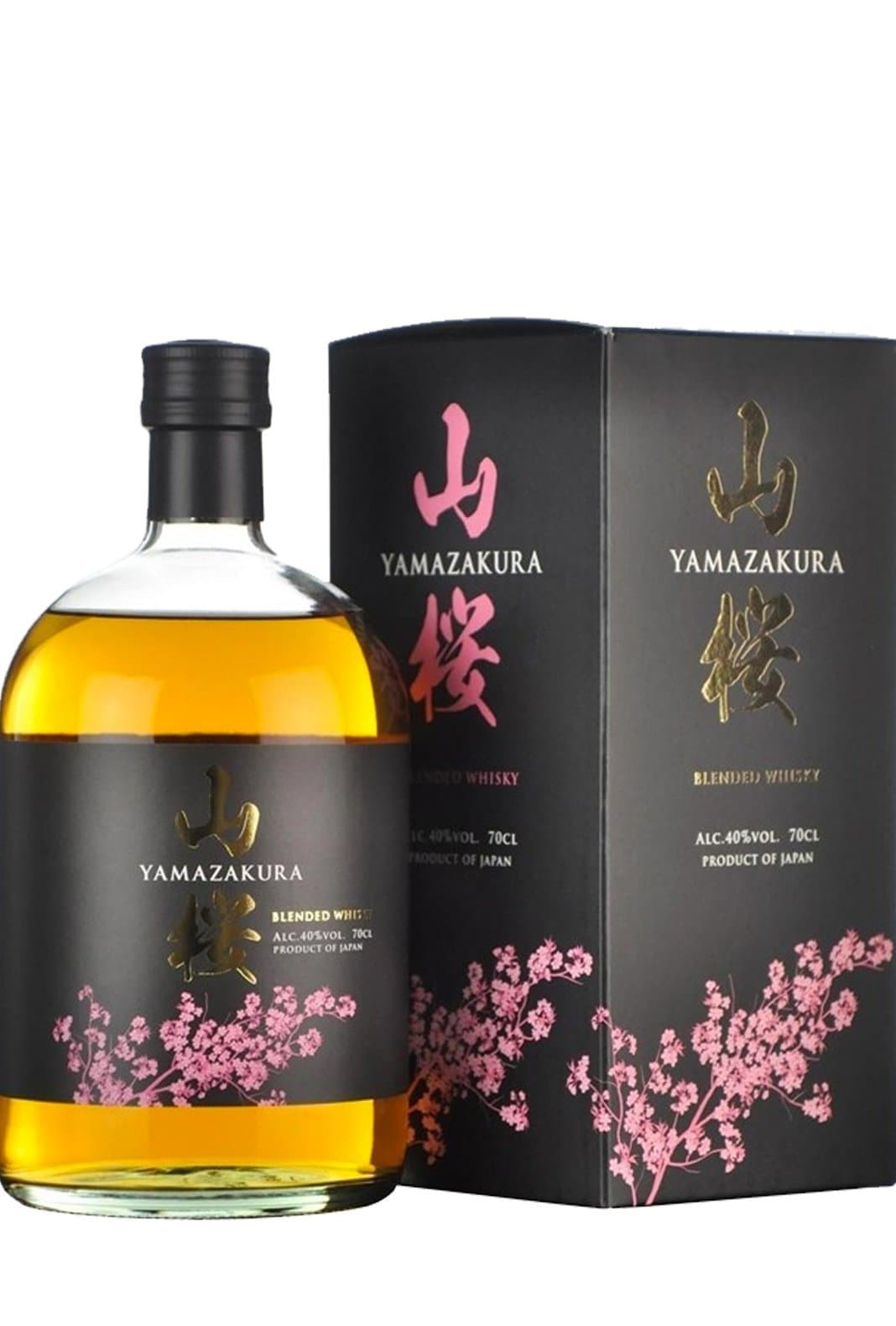
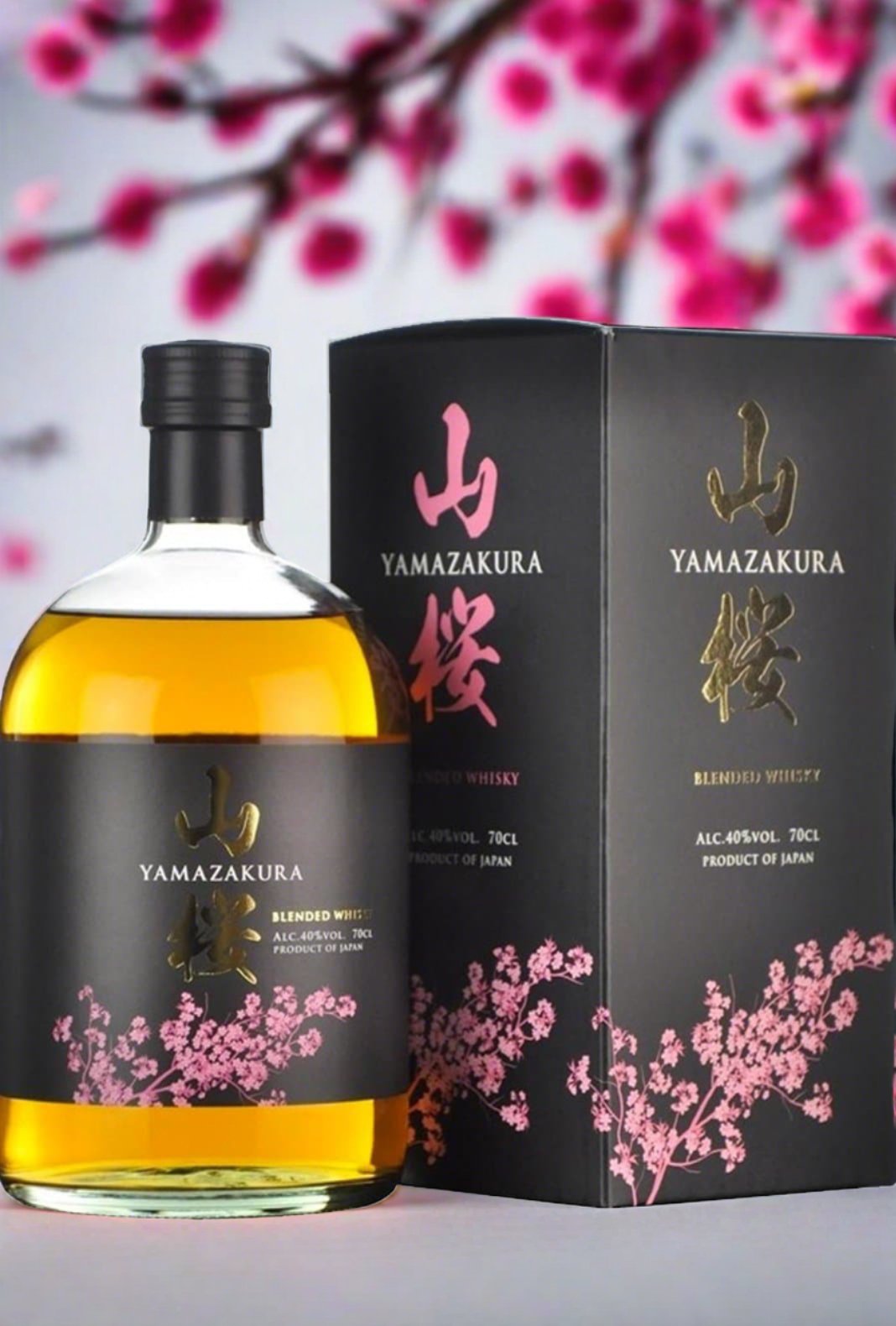
Yamazakura Blend Japanese Whisky 40% 500ml
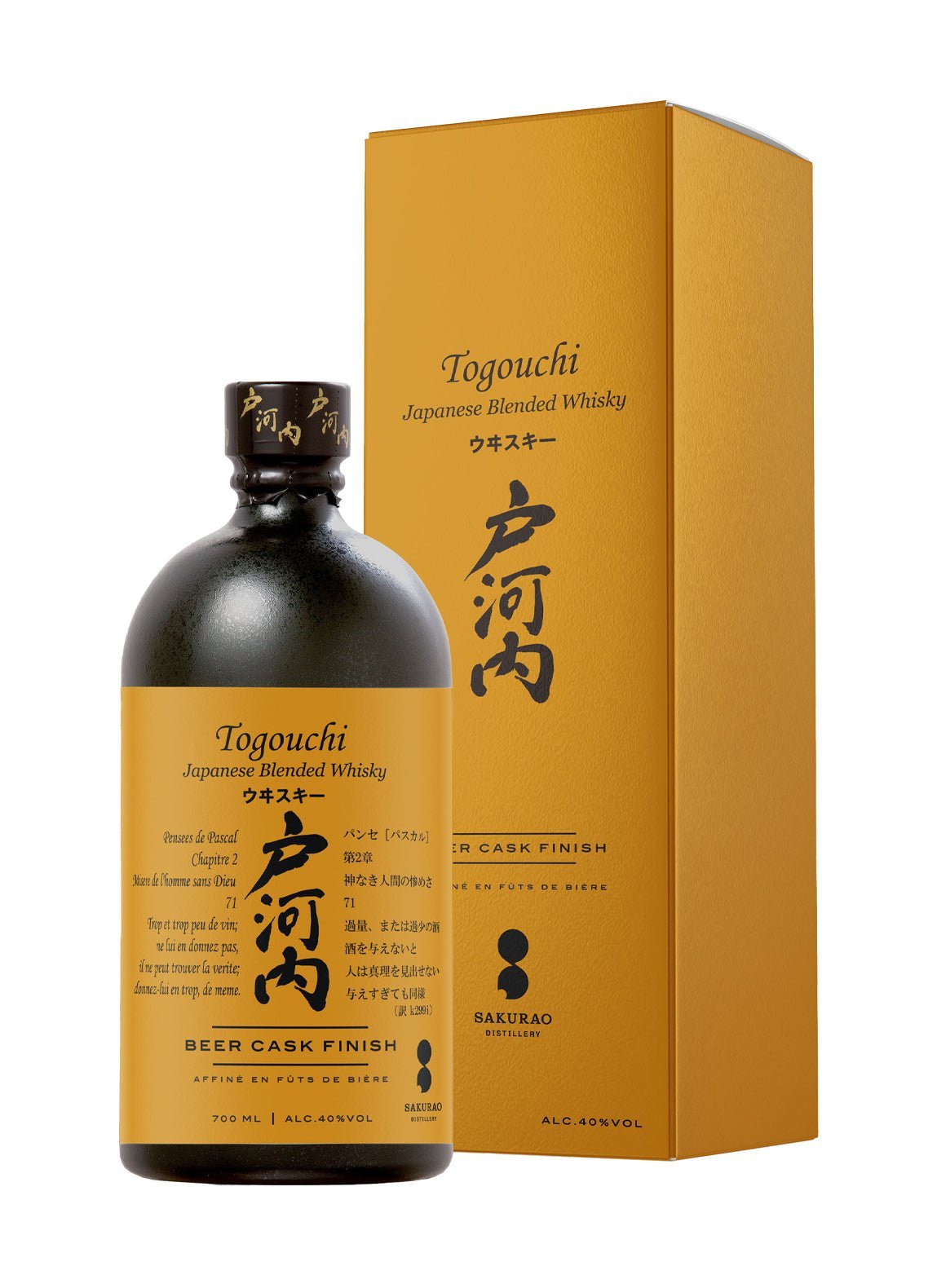
Togouchi Blended Beer Cask Finish Japanese Whisky 40% 700ml
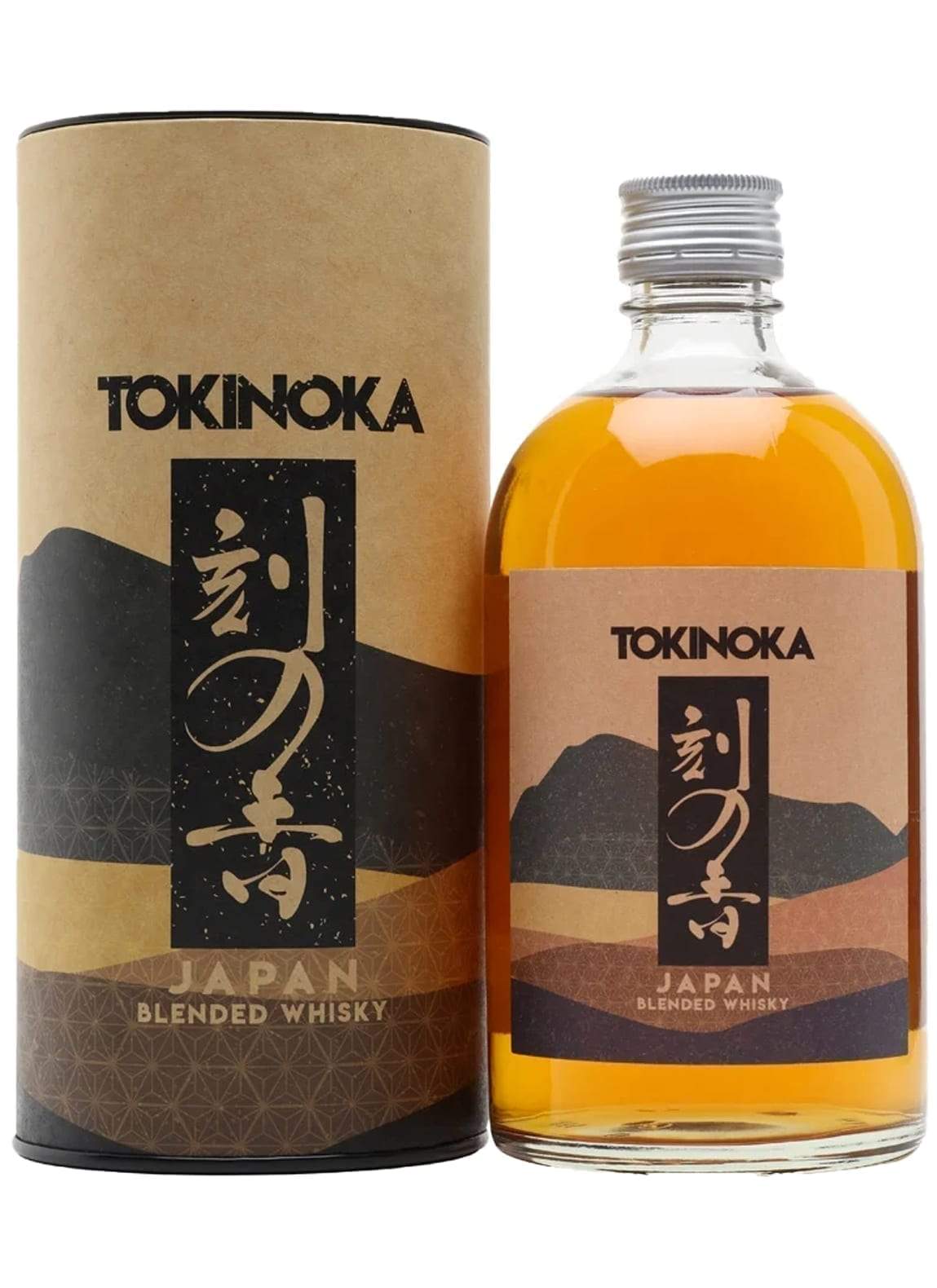
Tokinoka Blended Japanese Whisky 40% 500ml
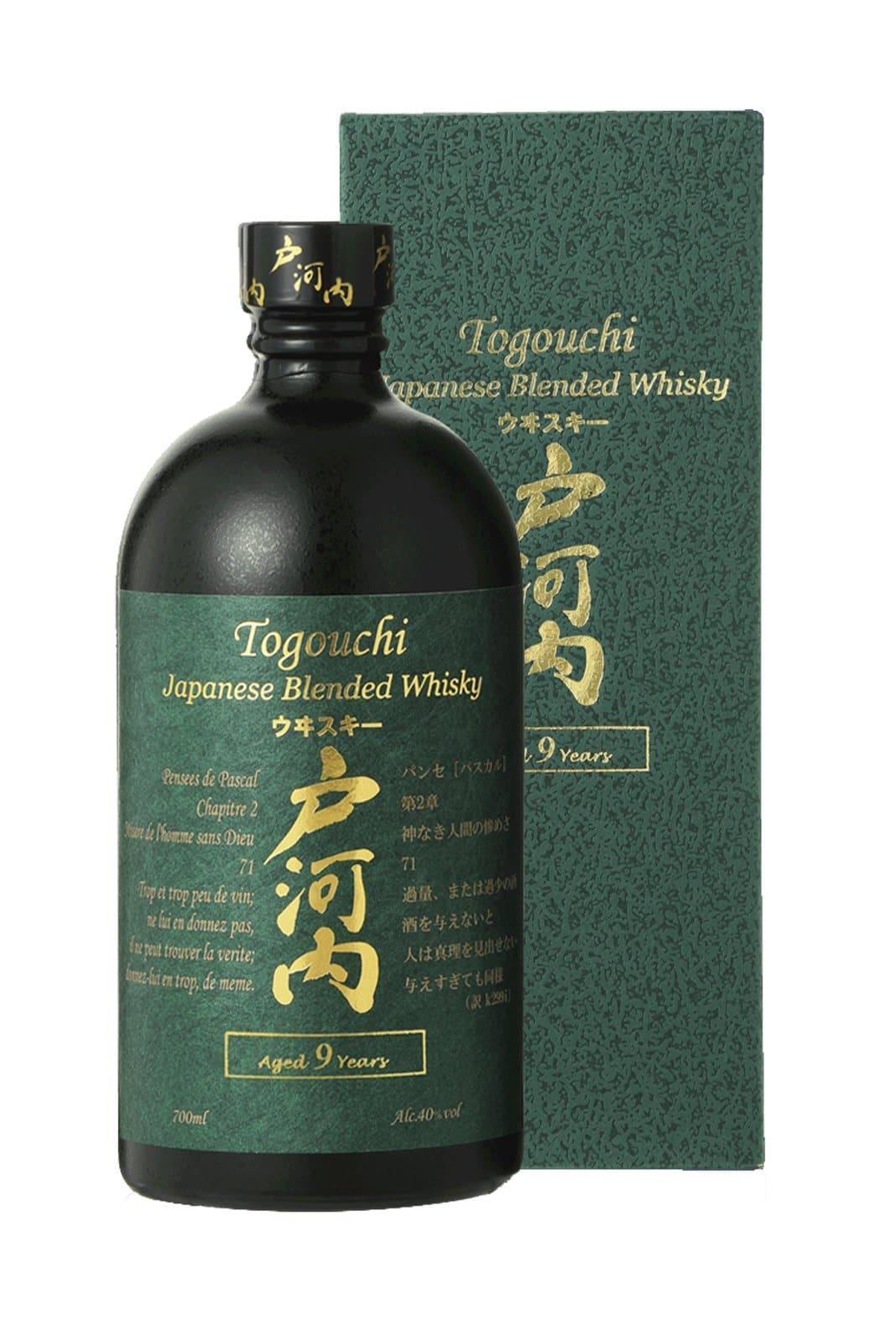
Togouchi 9 years Japanese Whisky 40% 700ml
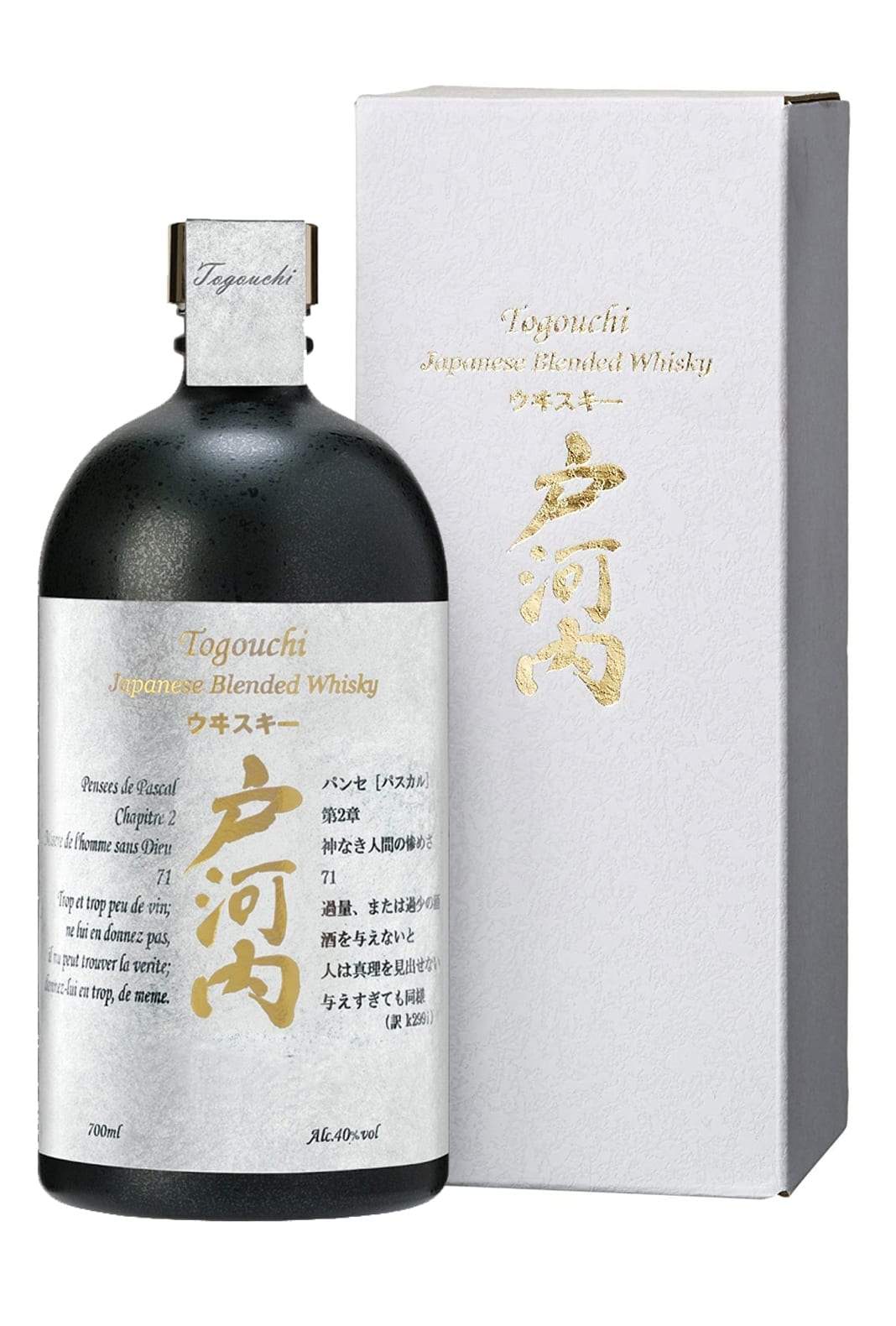
Togouchi Premium Japanese Whisky 40% 700ml
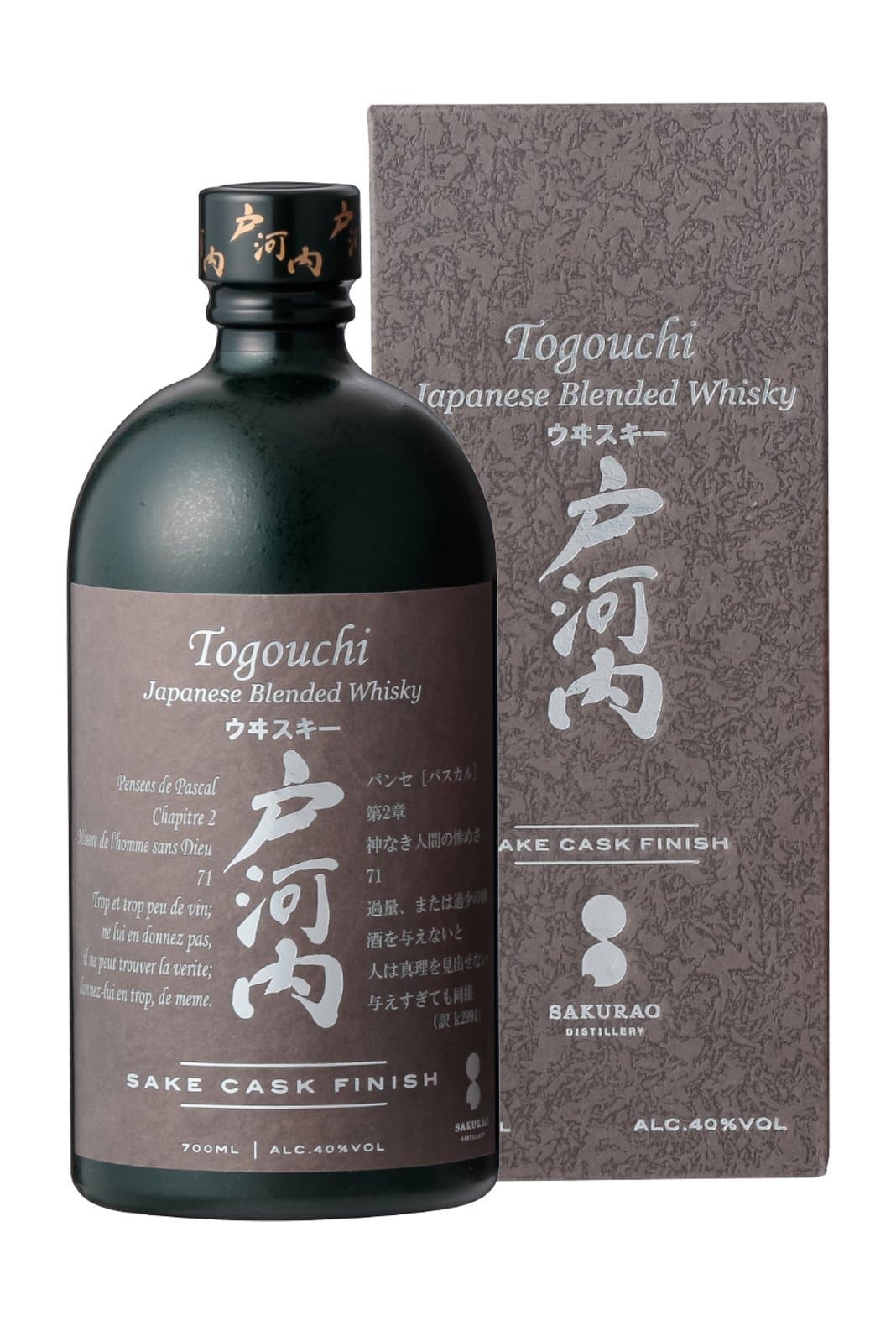
Togouchi Sake Cask Finish Japanese Whisky 40% 700ml
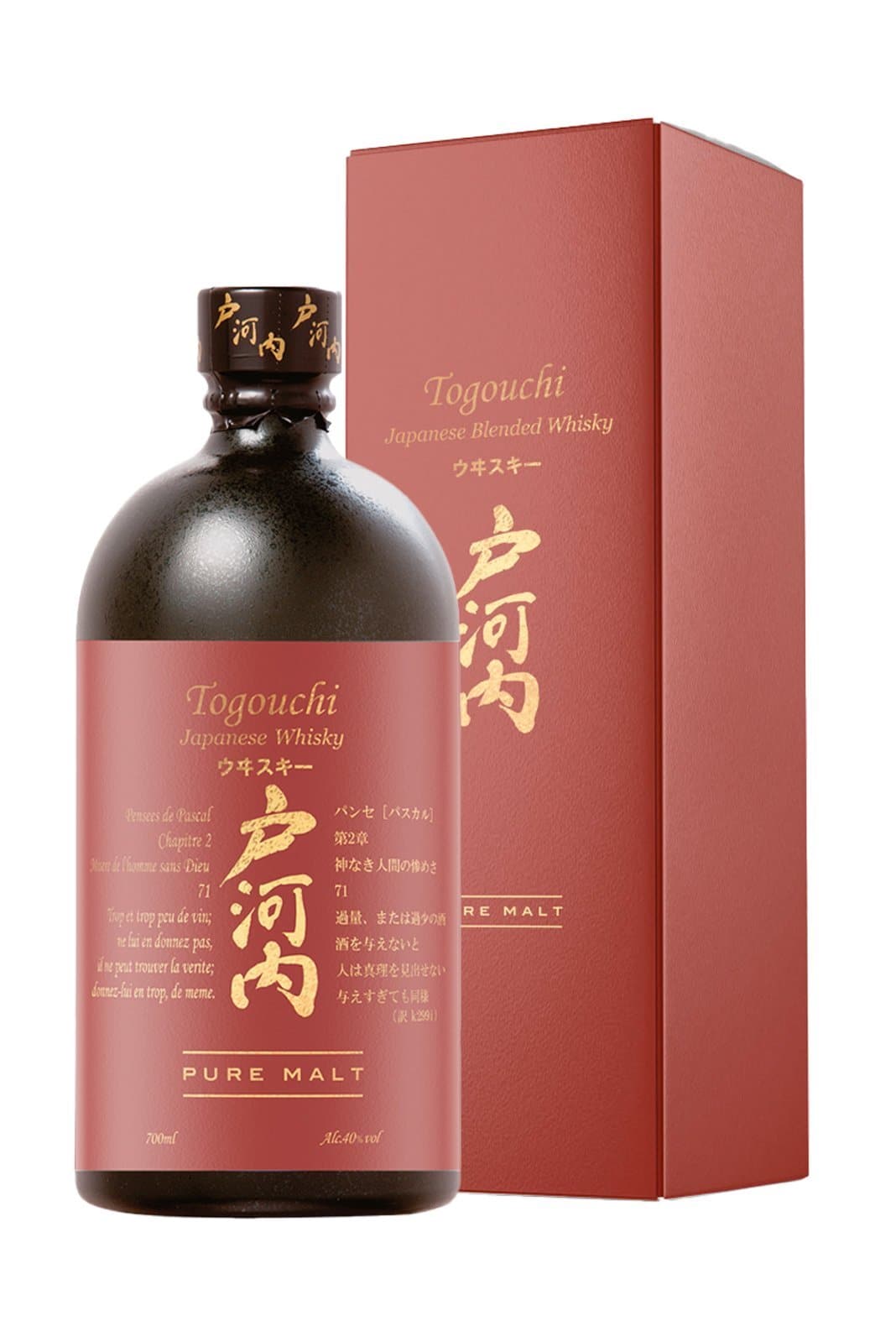
Togouchi Pure Malt Japanese Whisky 40% 700ml
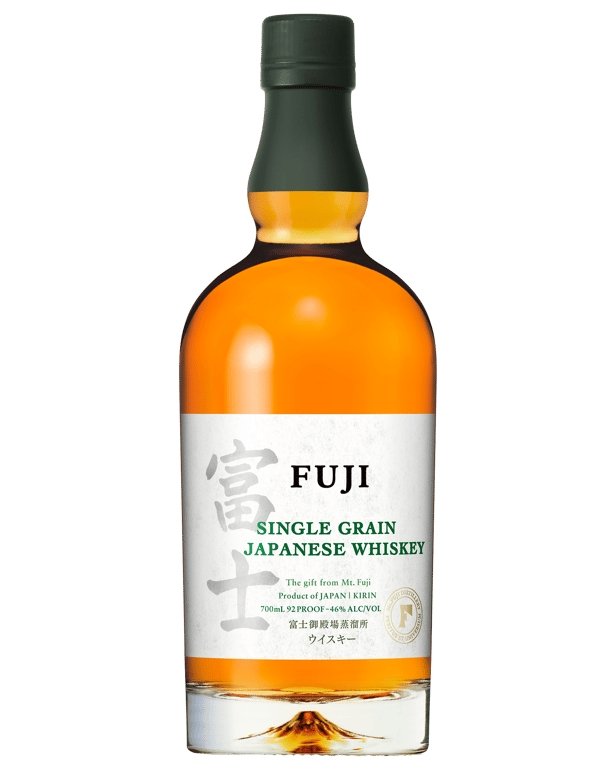
Fuji Single Grain Whiskey
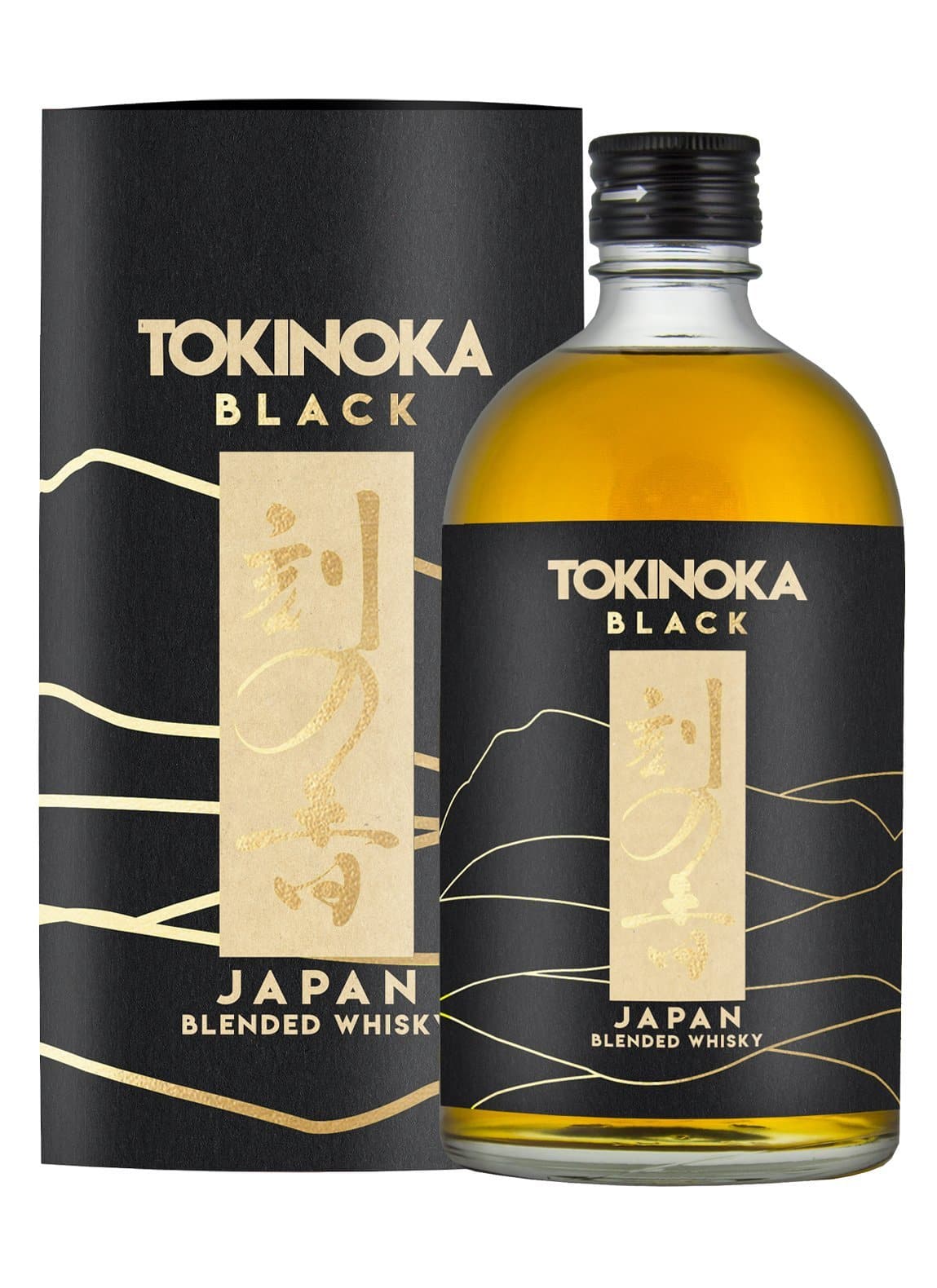
Tokinoka Black Blended Japanese Whisky 50% 500ml
About Japanese Whisky
Japanese whisky here is mostly blended, and the interesting variable is the cask.
Togouchi accounts for most of the range, from Hatsukaichi in Hiroshima Prefecture. The Premium and the Kiwami sit at the everyday end, the 9 Year Old and the 15 Year Old carry age statements, and two bottlings are defined by their finishing wood: the Beer Cask Finish and the Sake Cask Finish. A cask that previously held sake or beer leaves something behind that the original maturation could not, and these two are the clearest demonstration of it on the page. A Pure Malt sits alongside them.
Tokinoka comes from White Oak Distillery at Akashi in two versions, the standard at 40 per cent and the Black at 50 per cent, both in 500ml bottles. Yamazakura's Blend is made at Koriyama and is also a 500ml bottle. Fuji contributes a Single Grain from Gotemba, which is a different thing again: grain whisky distilled in column stills rather than malt in pot stills. Nikka is here with the Black Deep Blend, Night Cruise, at 45 per cent.
Togouchi has a page of its own at Togouchi, and the wider range sits inside whisky.
History
Whisky making in Japan began in the 1920s. Masataka Taketsuru studied distilling in Scotland and returned to help build the first purpose built Japanese distillery, Yamazaki, which started production in 1924. The template was Scottish from the outset: malted barley, pot stills, oak casks and patient maturation.
For most of the twentieth century the audience was domestic and the dominant format was the blend, drunk long and cold rather than neat. That is still the single most useful thing to know about the category, and it is why the highball suits these bottles so well.
International attention arrived in the 2000s, and demand quickly outran the whisky that had been laid down decades earlier. Age statements became scarce, which is why so much of what is available now is blended and carries no age.
The cask finish is one answer to that. Rather than more years, a distiller adds a second wood for the last part of maturation, and the character of what that cask held before comes through. Togouchi finishes in sake casks and in beer casks, and both bottlings are on this page.
Togouchi matures its whisky inside a disused railway tunnel near Hiroshima, a story told in full in our profile of the distillery.
How to drink it
The highball first. Japanese whisky suits it better than almost anything else. One part whisky to three or four parts chilled soda, in a tall glass packed with ice, stirred once and no more. Togouchi Premium and the Yamazakura Blend both work well, and at that ratio even the 500ml bottles, the Yamazakura and the two Tokinoka, go further than you would think.
Neat, use a small tulip glass and no ice. The Sake Cask Finish is the one to try this way, because the finishing wood is subtle and cold is the first thing that takes it away.
Tokinoka Black at 50 per cent takes water well, a few drops at a time.
On the rocks, use one large cube rather than several small ones. Japanese bartending makes a great deal of ice, and the reason is simple: a large clear cube melts slowly and dilutes less.
With food, a highball cuts through salt and fried food better than beer does. Neat whisky belongs after the meal rather than during it.
If you buy the Beer Cask Finish, pour it beside a standard blend and taste them together. The difference is not subtle.