
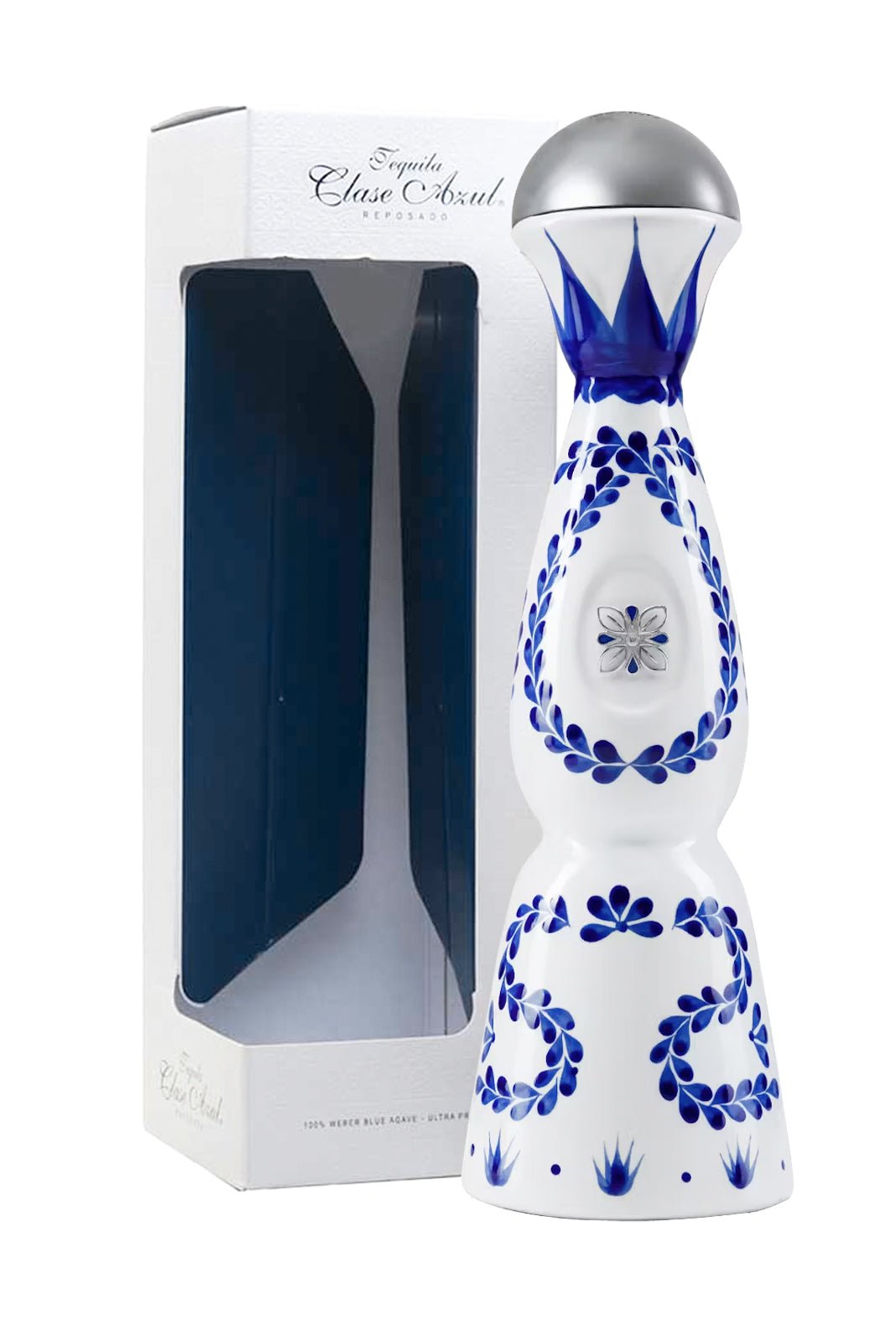
Clase Azul Tequila Reposado 750ml
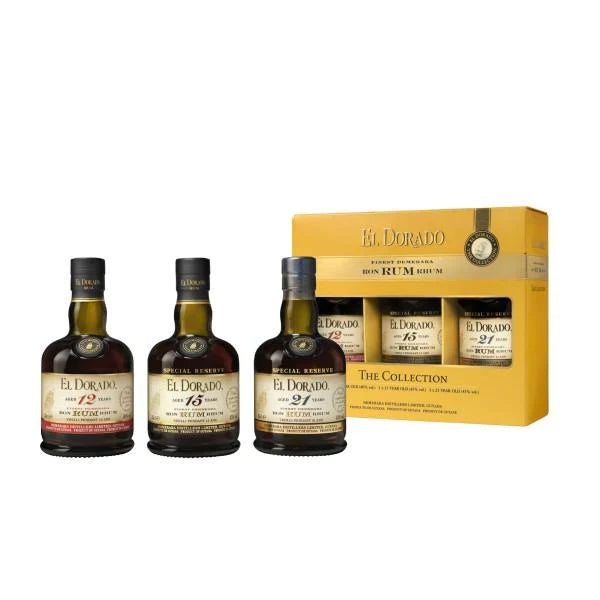
El Dorado Gift Pack Super Premium Rum
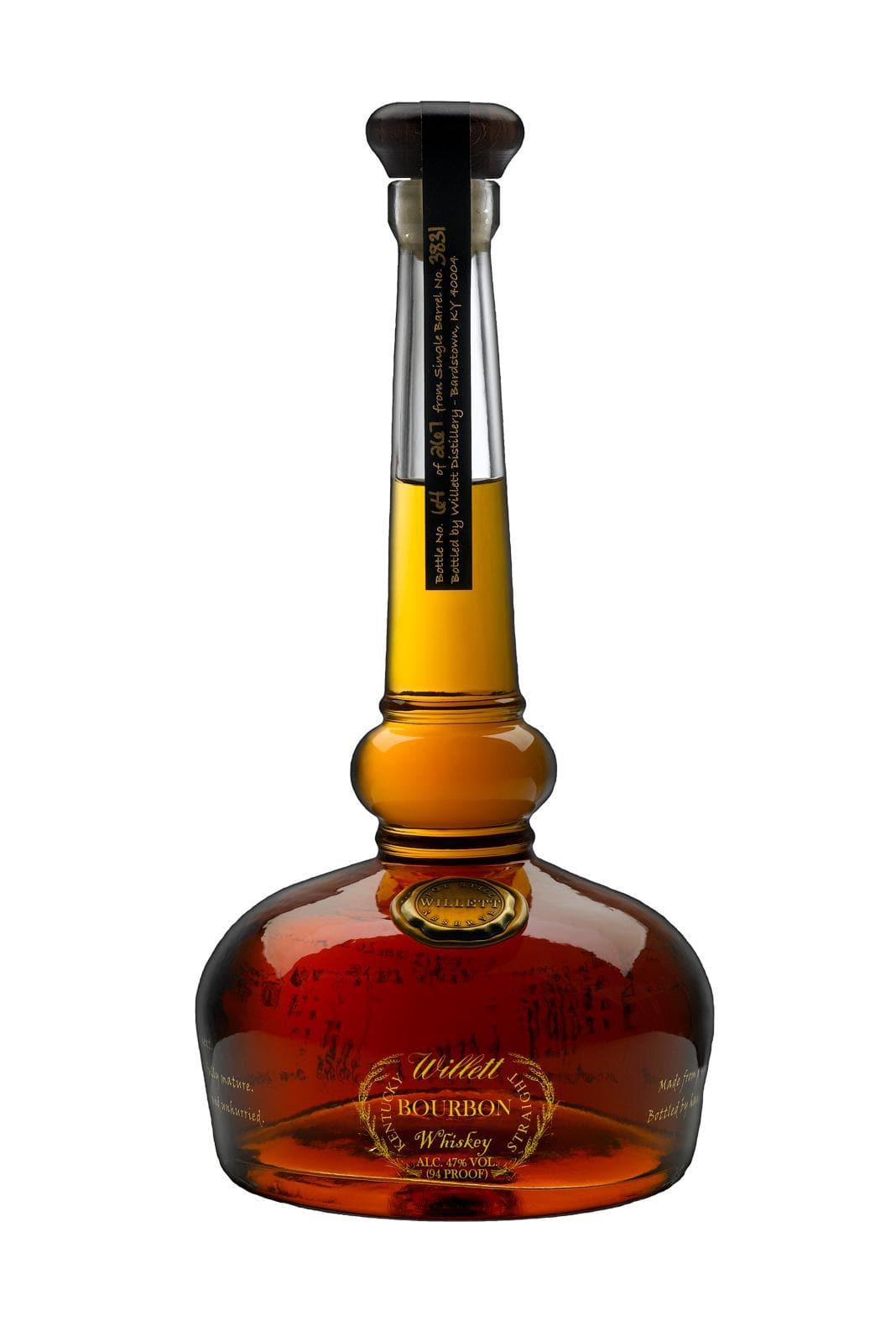
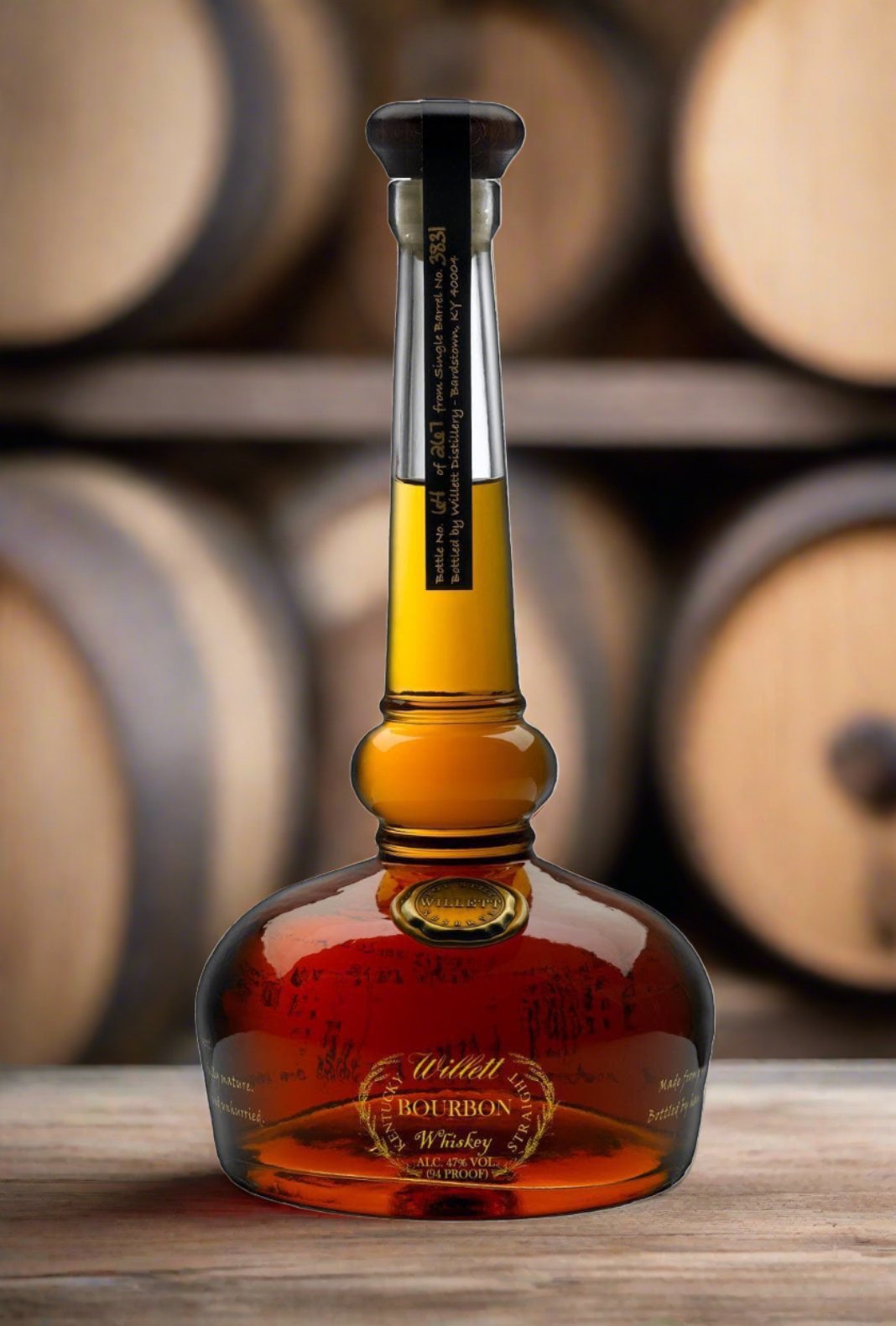
Willett Family Kentucky Straight Bourbon Whiskey Pot Still Reserve 47% 750ml
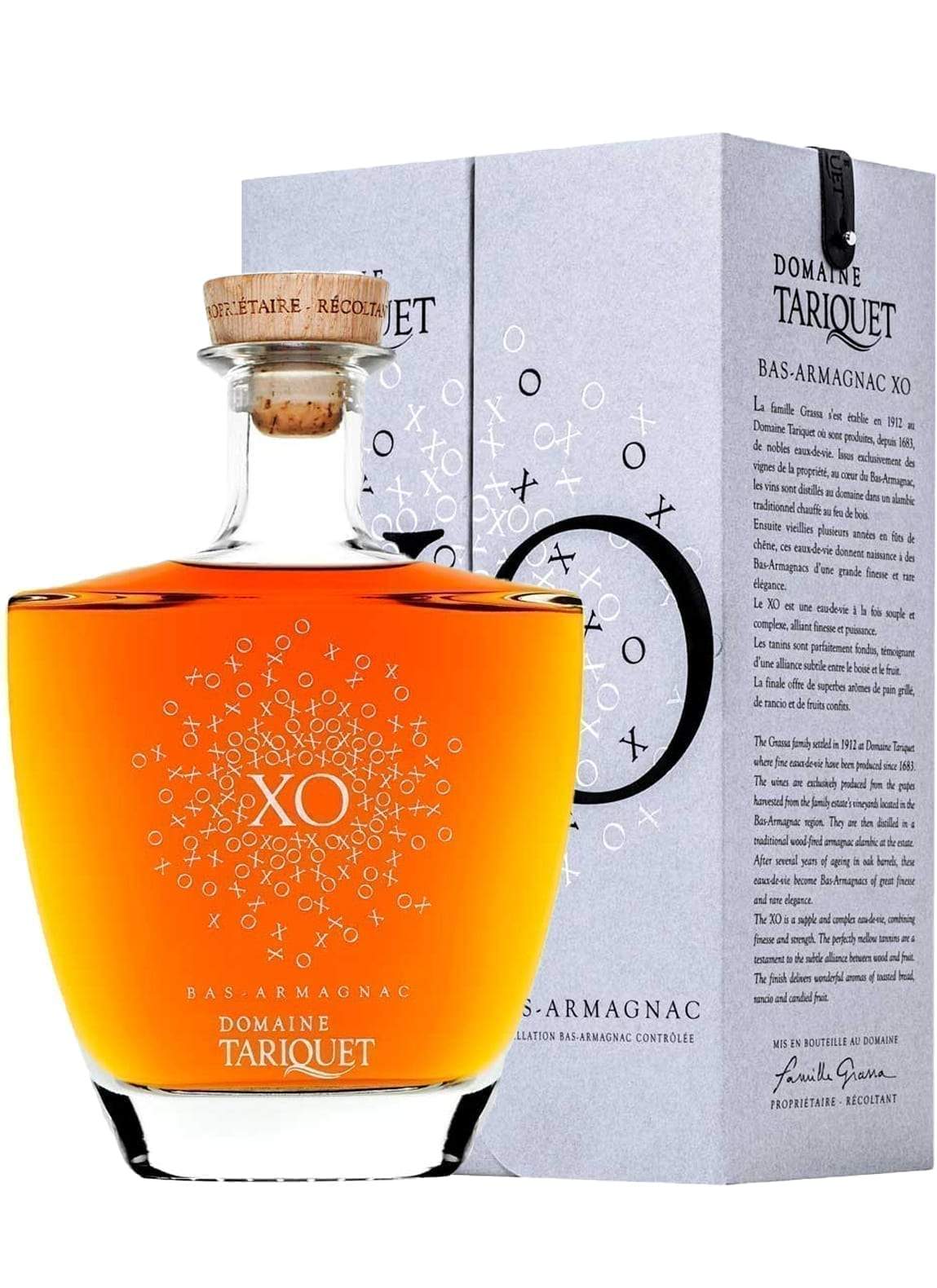
Domaine Tariquet Bas Armagnac XO 15 years Equilibre 40% 700ml
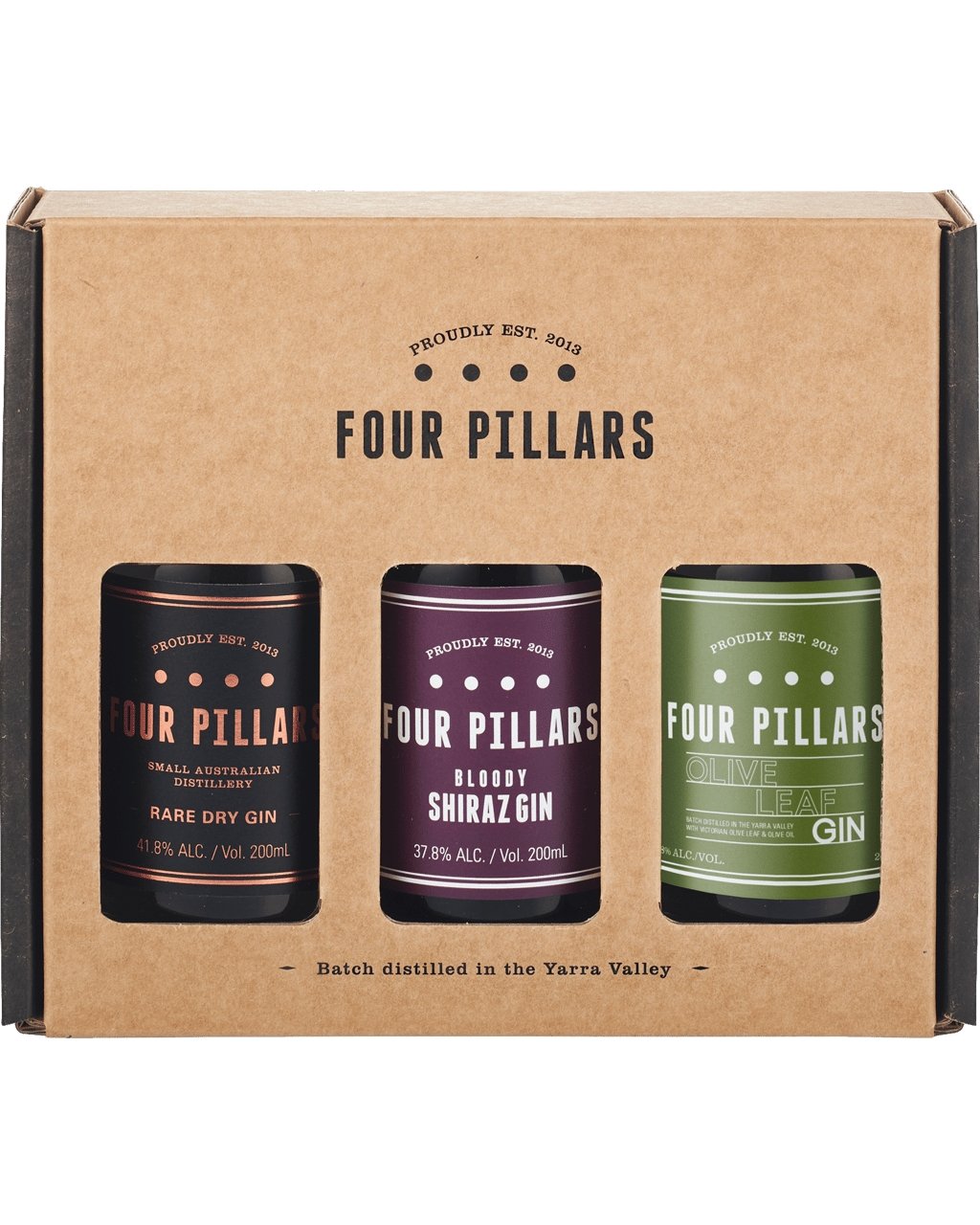
Four Pillars Gin Gift Pack
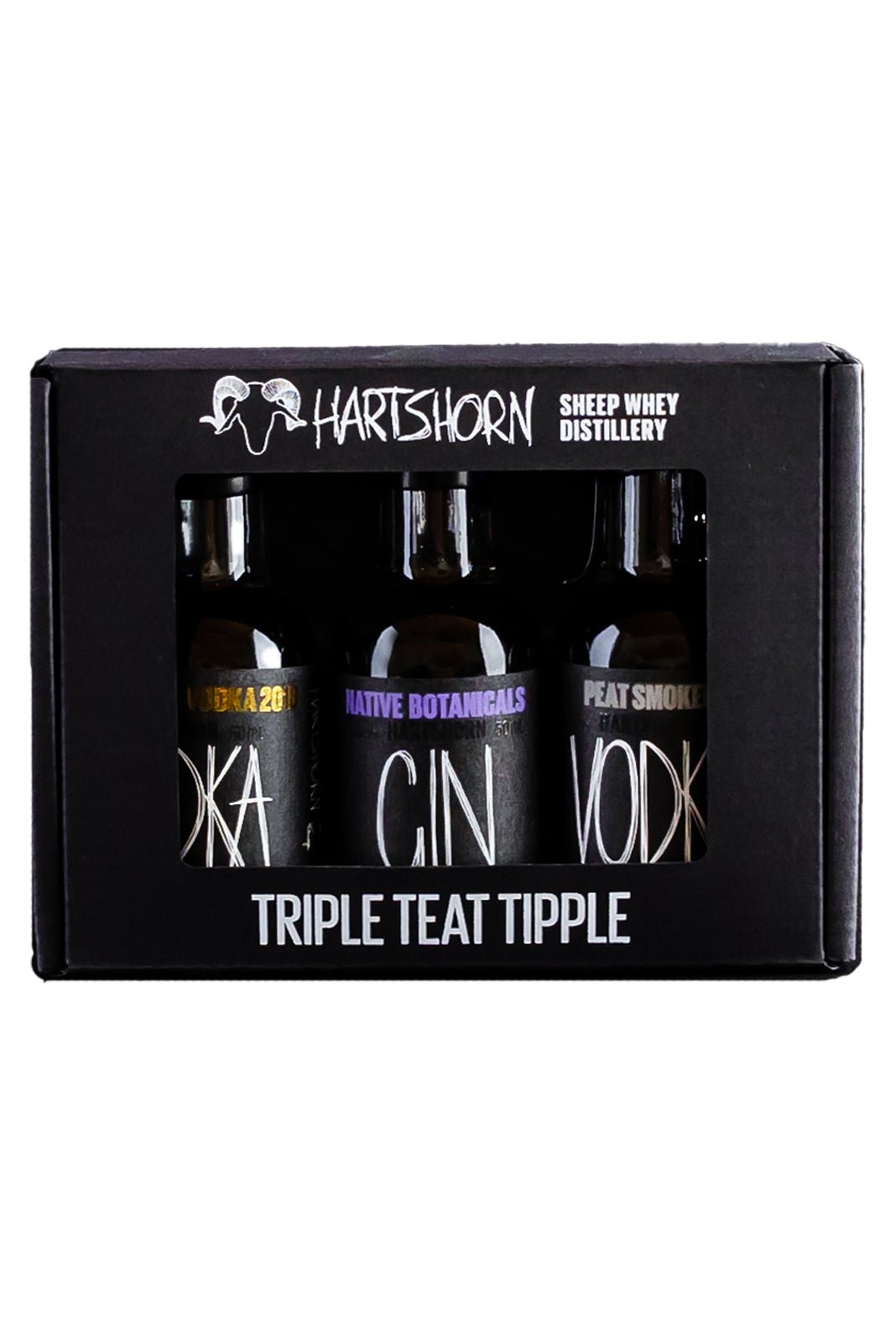
Hartshorn Trio Original vodka, Gin, Peated vodka 50ml
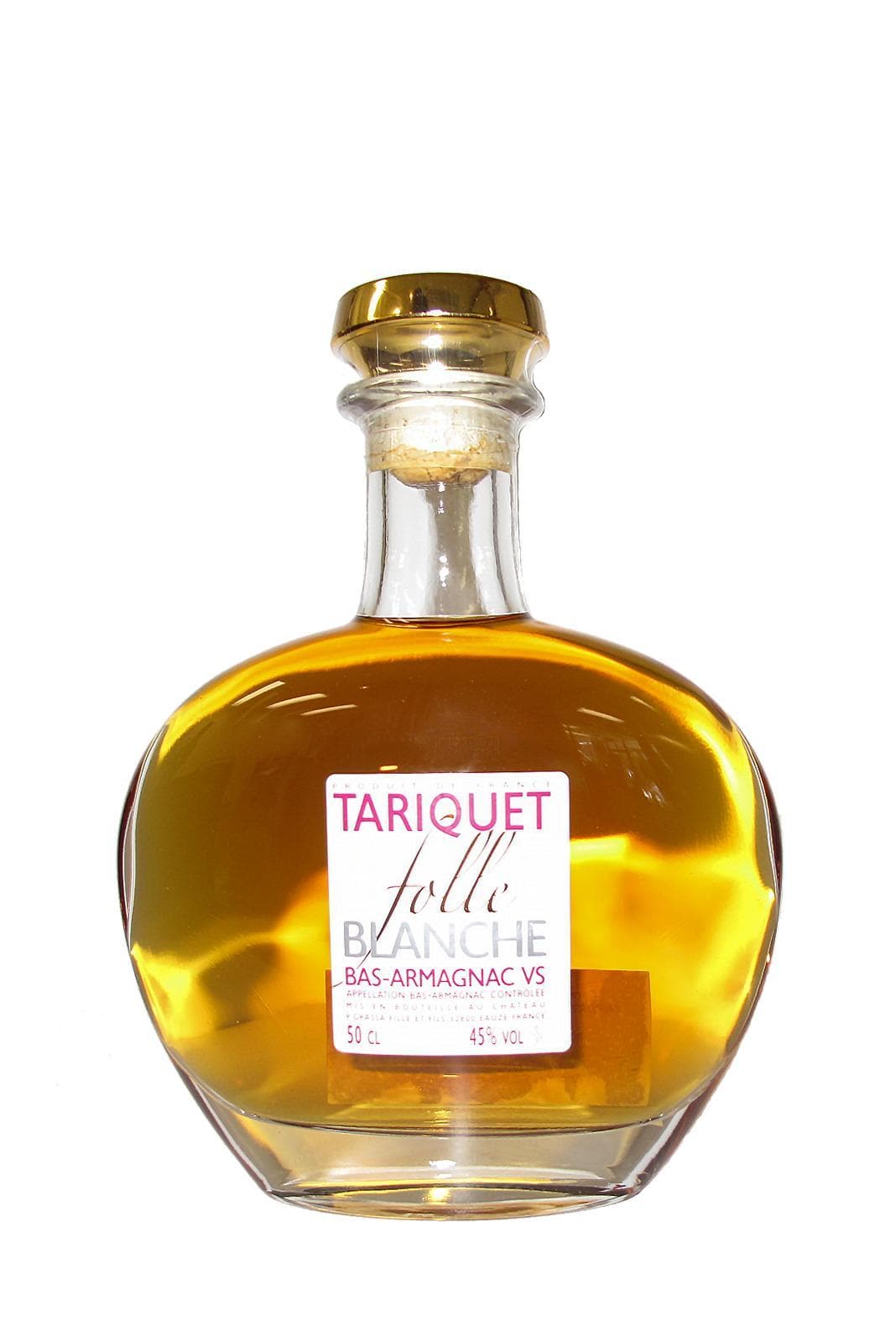
Domaine Tariquet Bas Armagnac 5 years Folle Blanche Carafe 45% 500ml
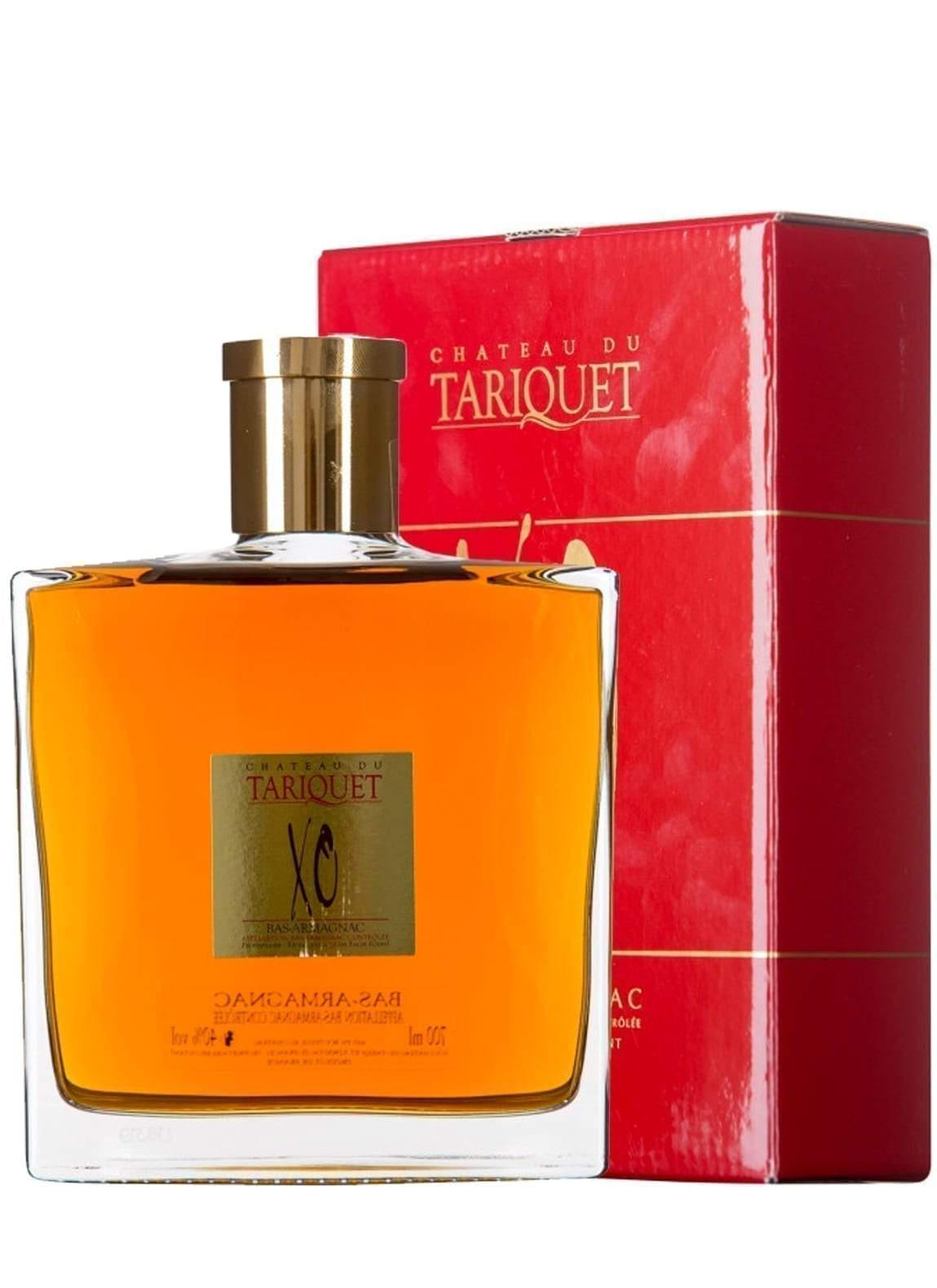
Domaine du Tariquet Bas Armagnac XO Chance 15 years Carafe 40% 700ml
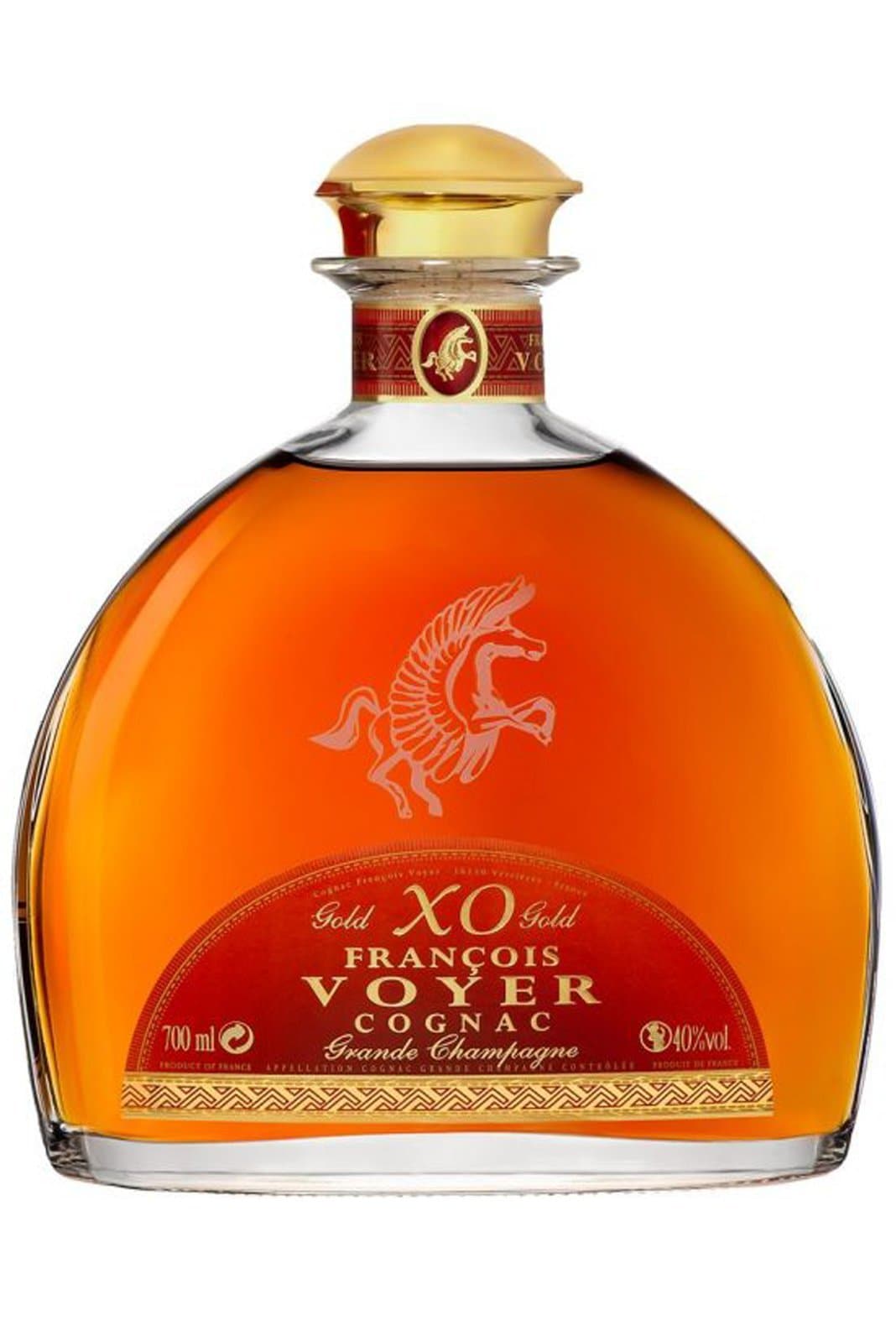
Francois Voyer XO Gold 20-30 years Grande Champagne Cognac Carafe 40% 700ml
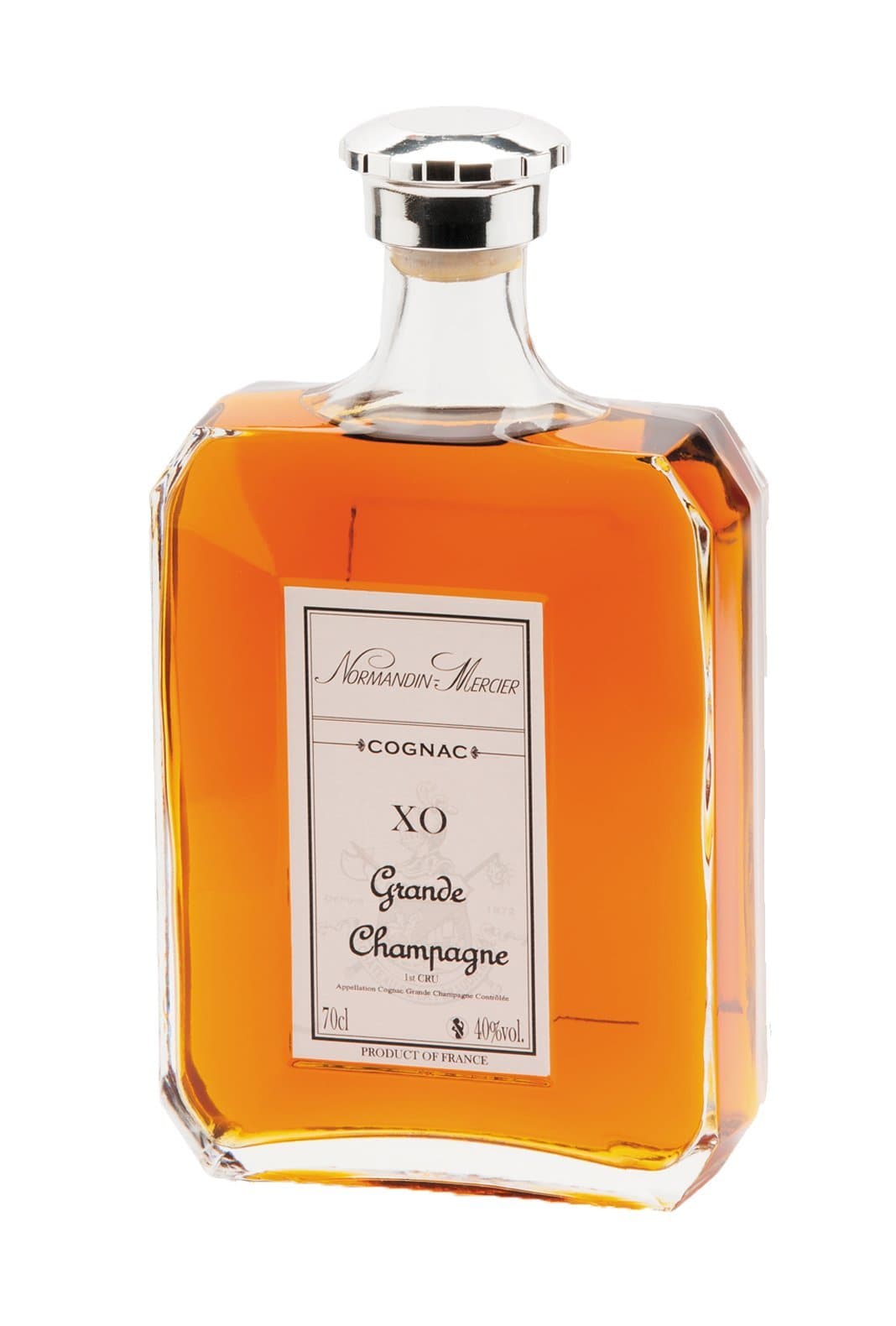
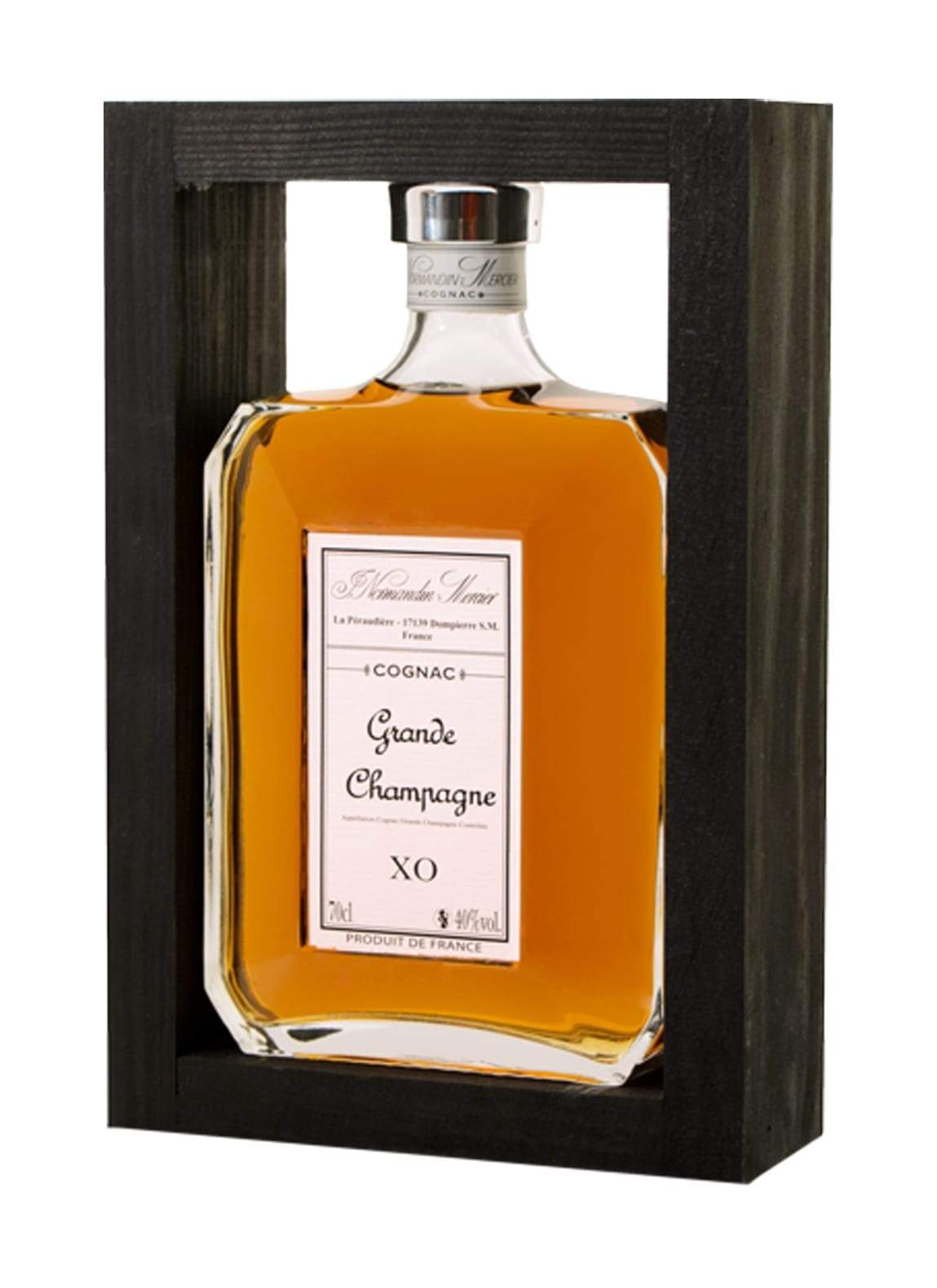
Normandin-Mercier Cognac XO 30 years Grande Champagne Carafe 40% 700ml
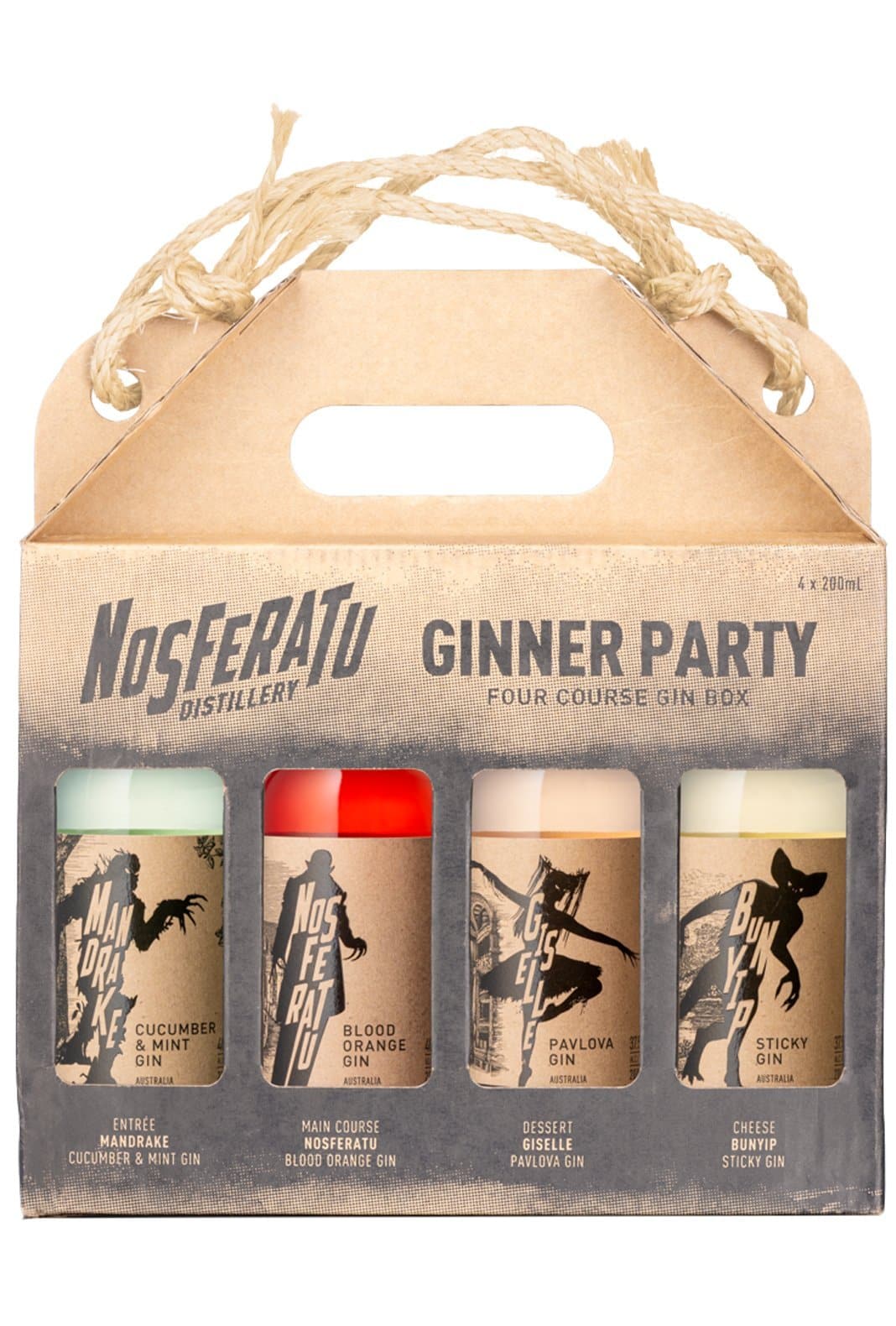
Nosferatu Ginner pack 4x200ml
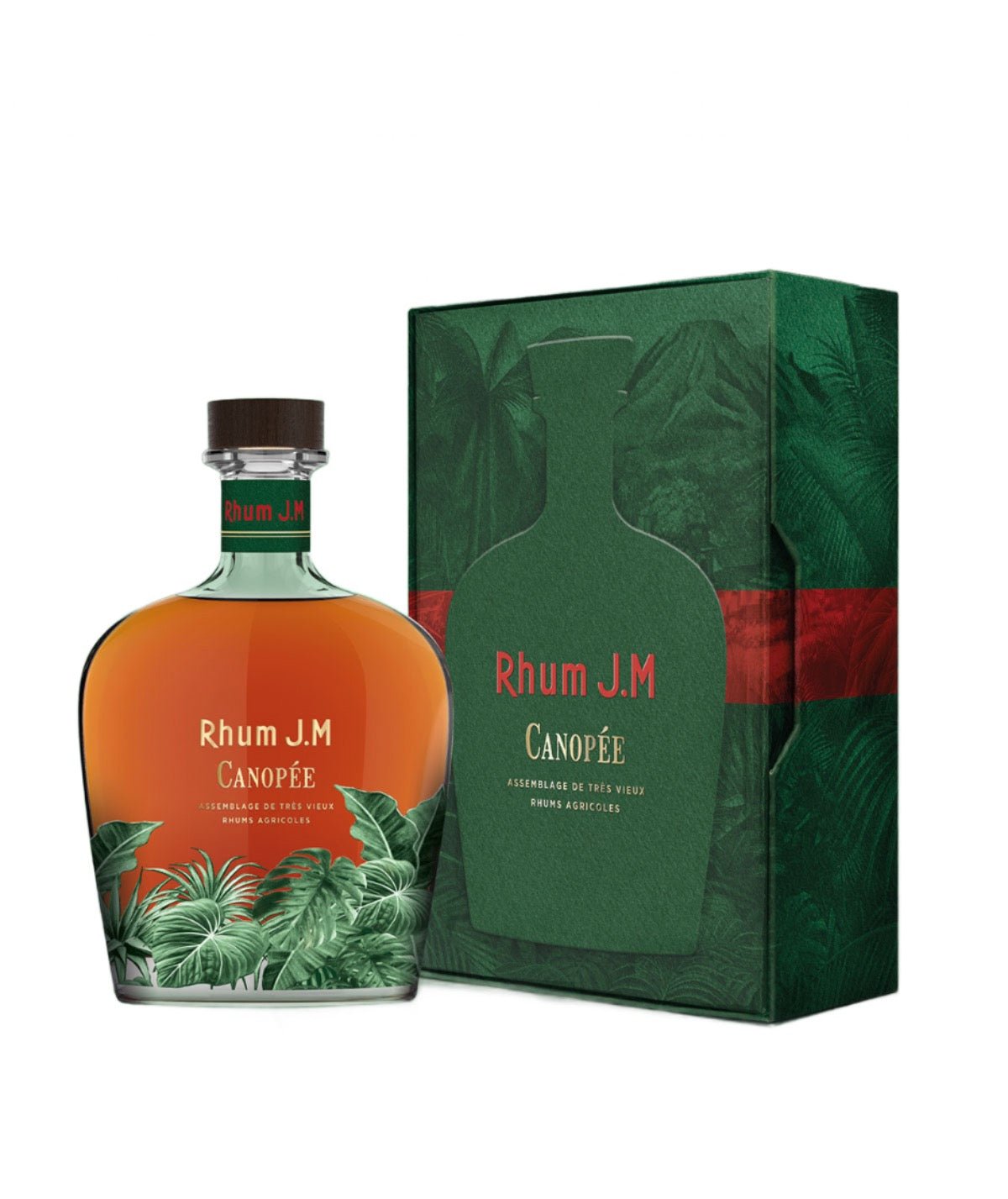
J.M Rum Vieux Canopee Carafe 46% 700ml
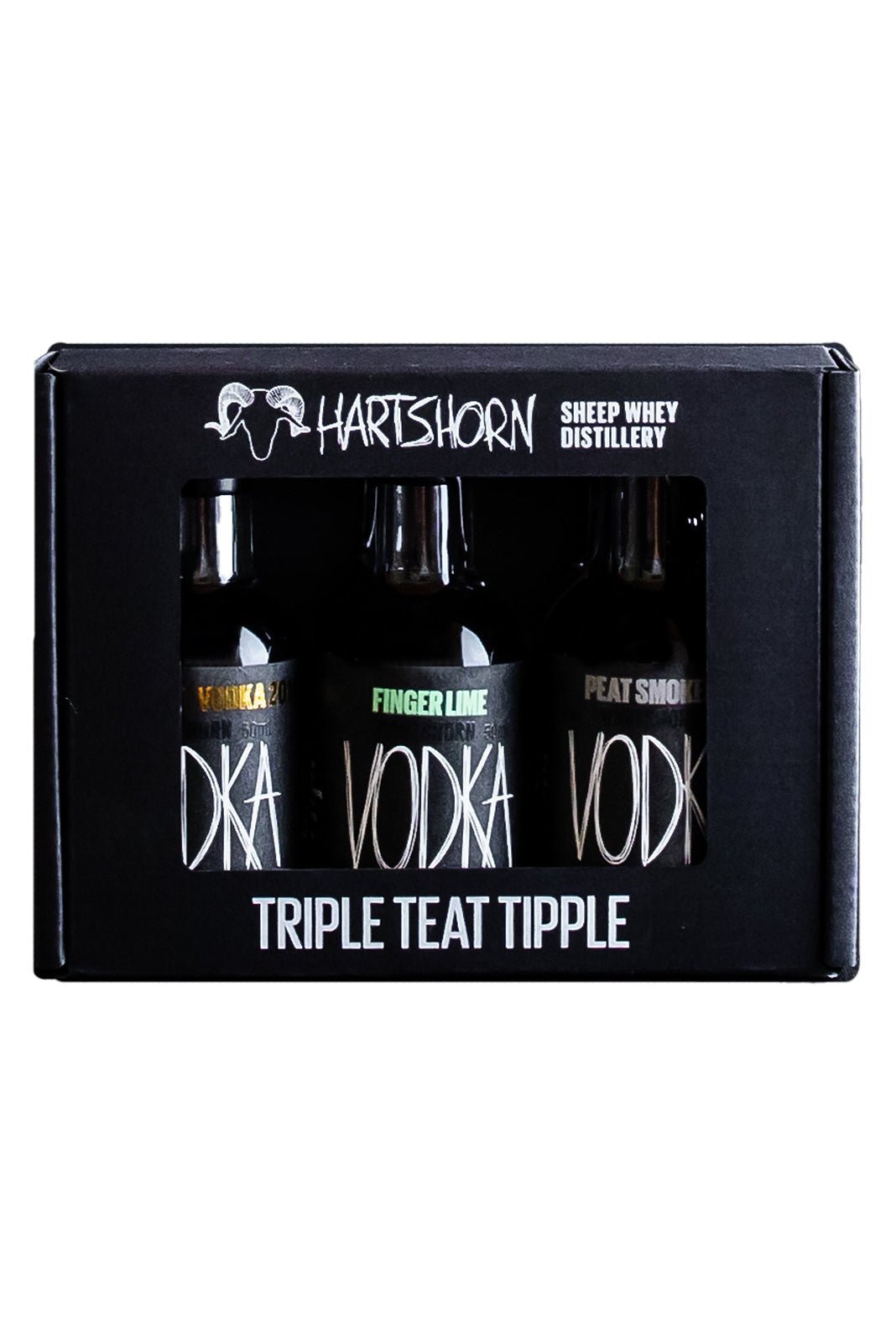
Hartshorn Trio Original, Finger Lime, Peated Vodka Gift Pack 3 x 50ml
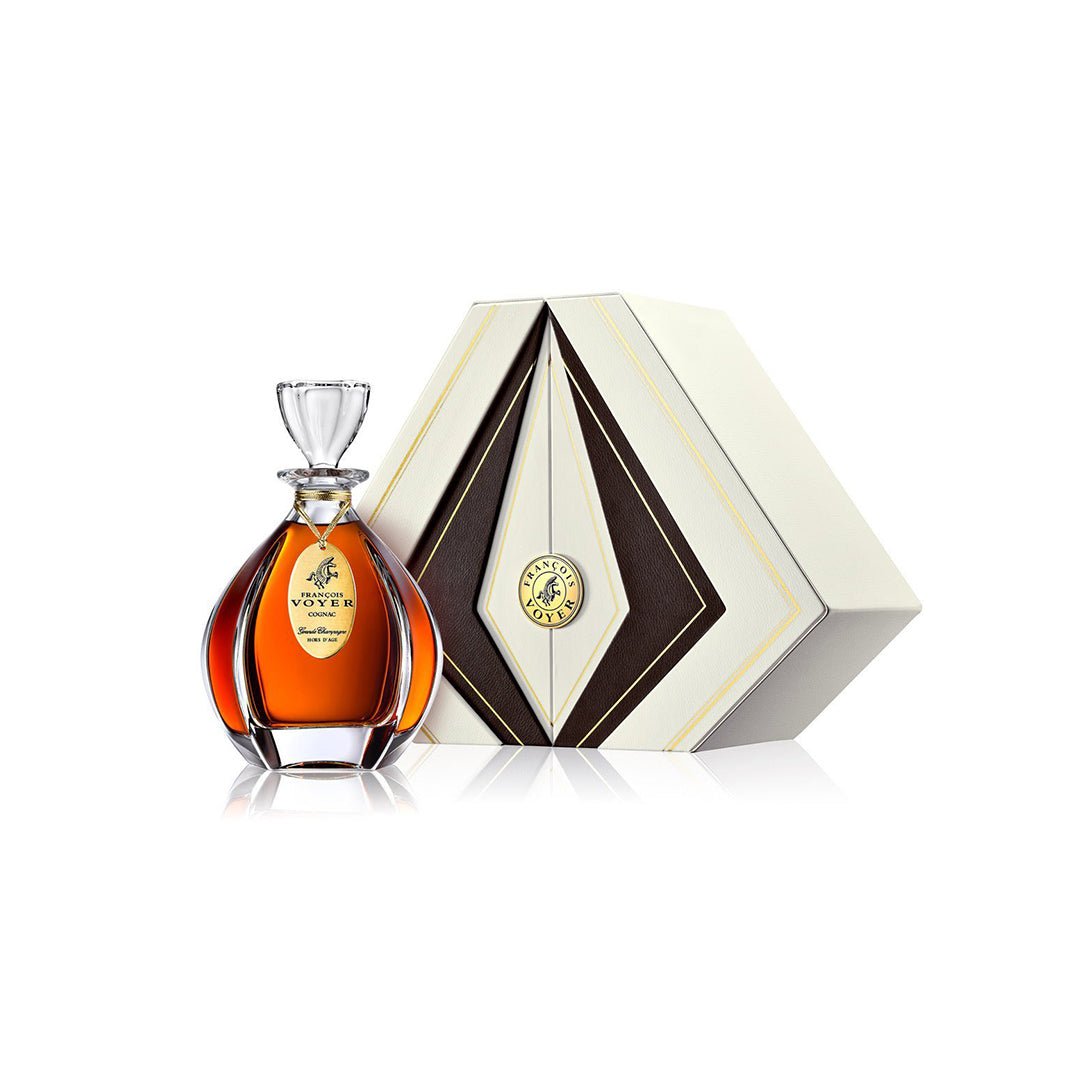
Francois Voyer Cristal Grand Champagne Cognac 30-40 years 43% 700ml
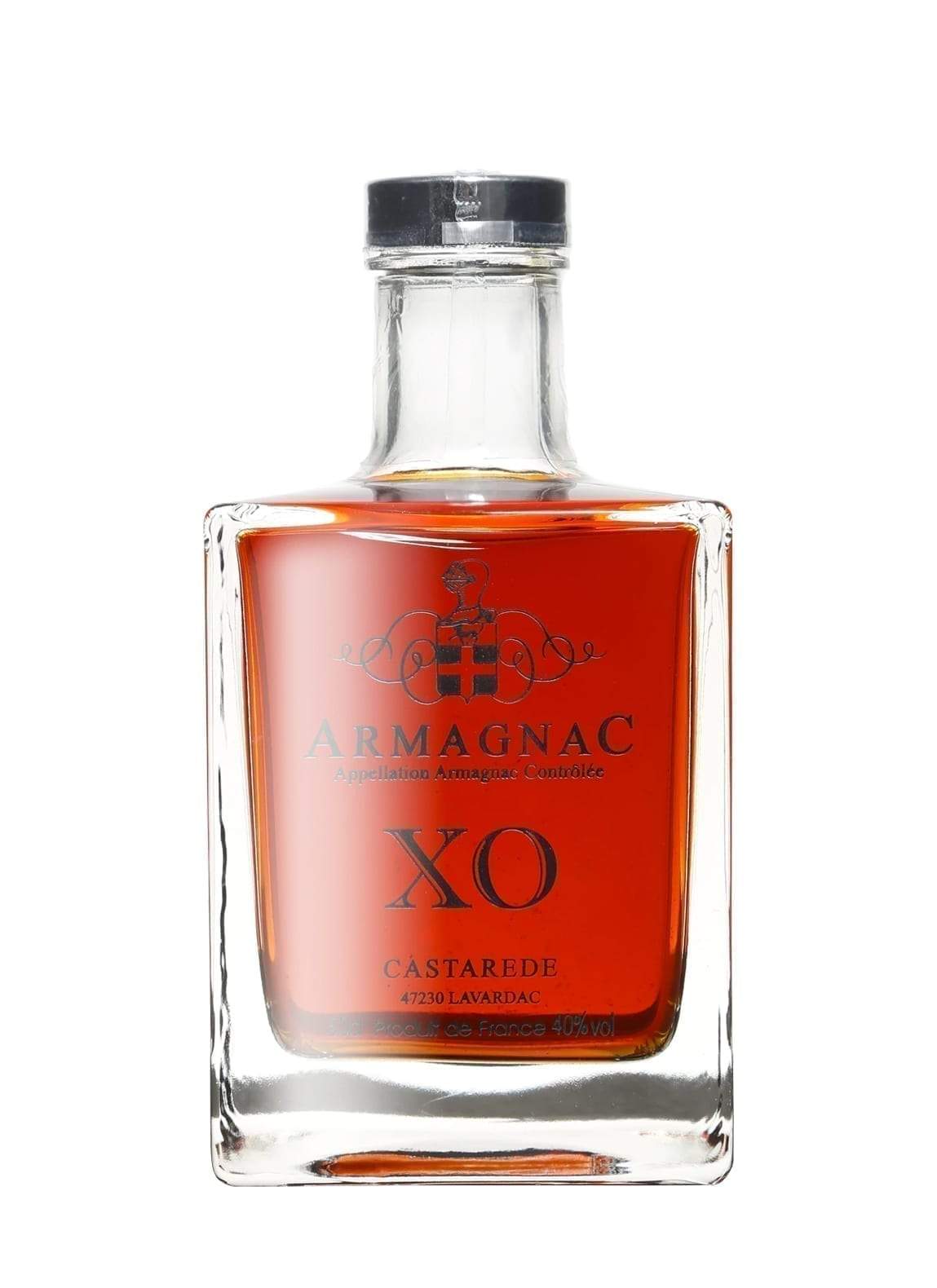
Castarede Armagnac XO 20 years Carafe 40% 500ml
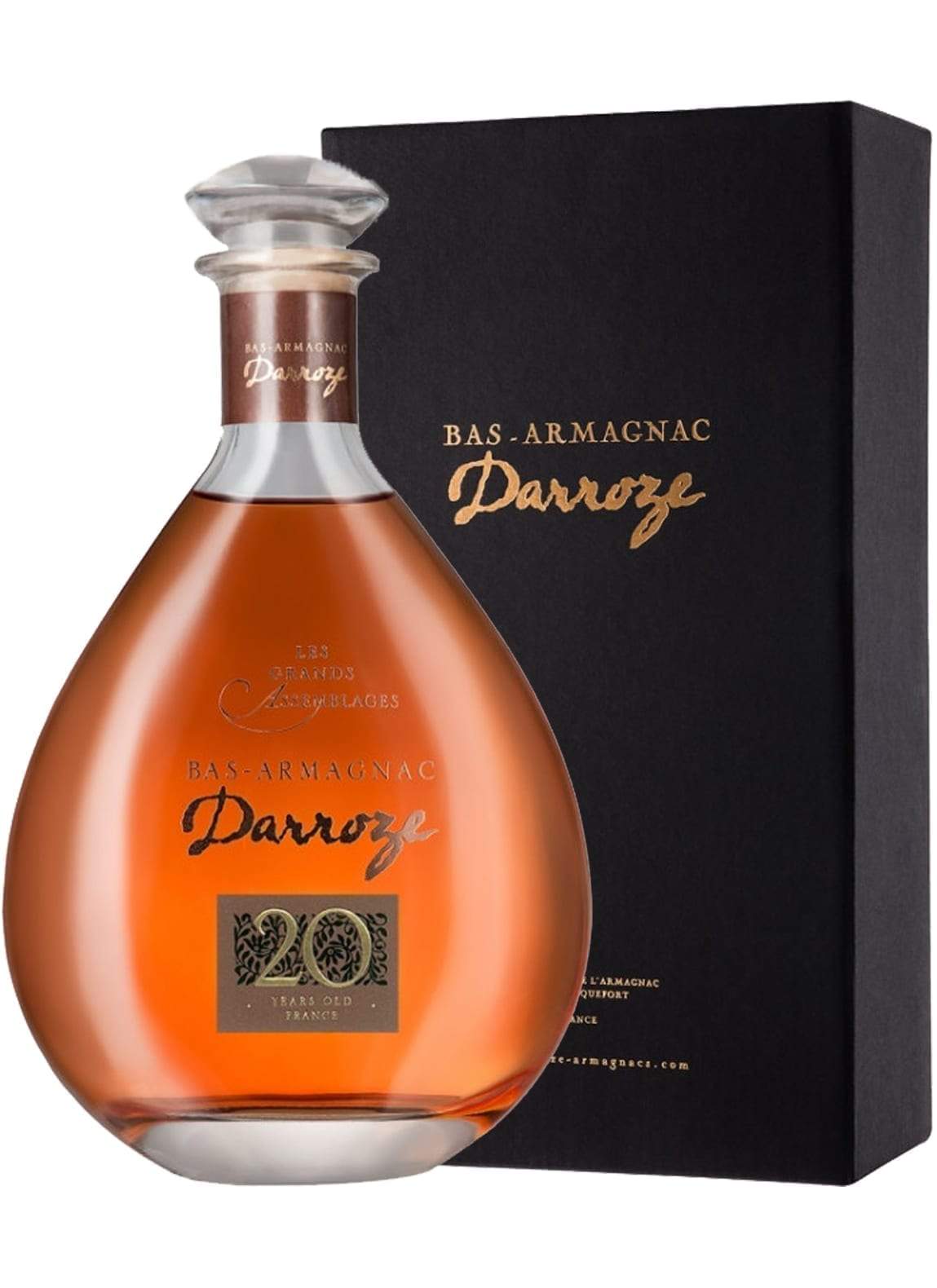
Darroze Grand Bas Armagnac Les Grands Assemblages 20 years Carafe 43% 700ml
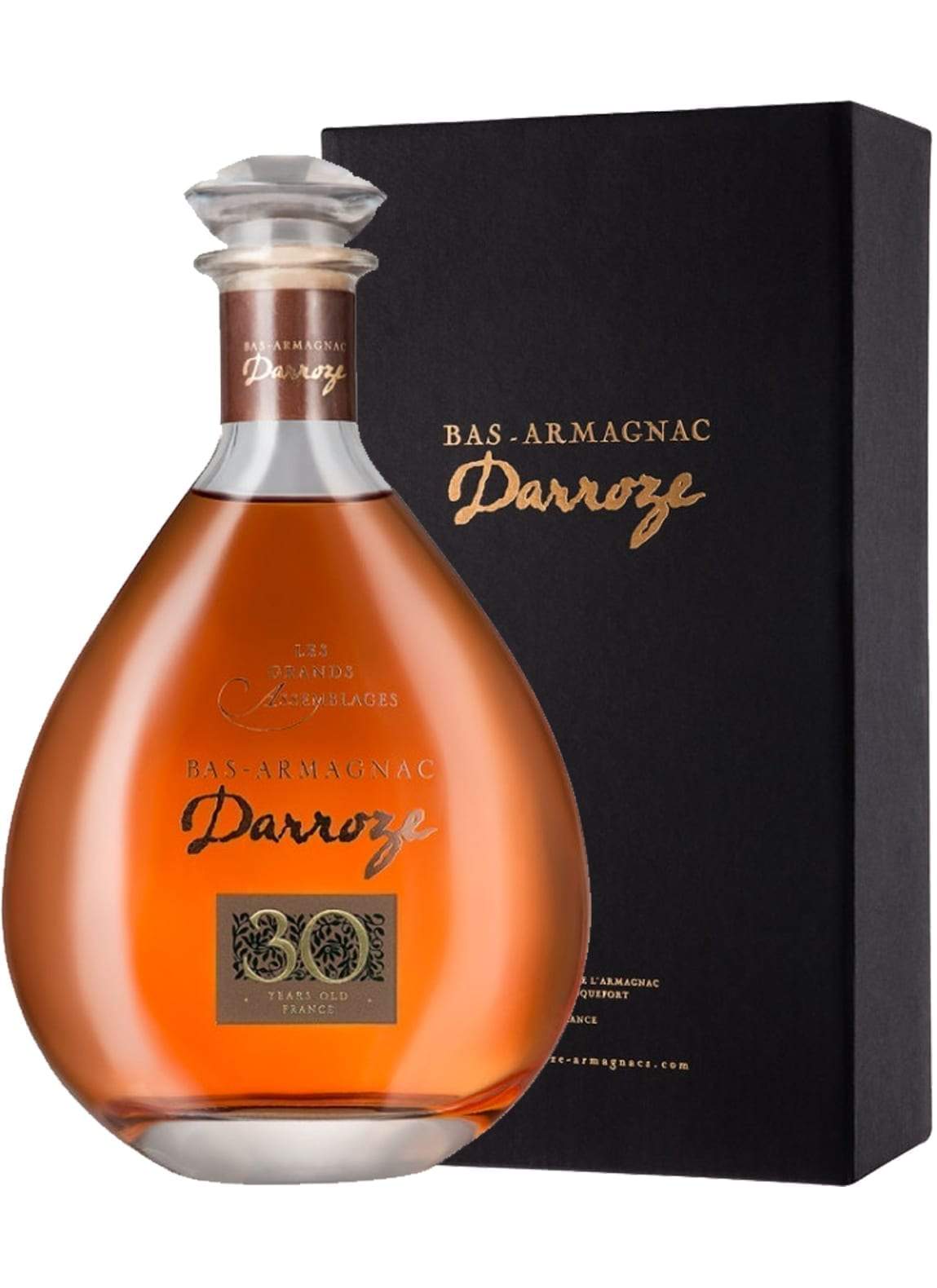
Darroze Grand Bas Armagnac Les Grands Assemblages 30 years Carafe 43% 700ml
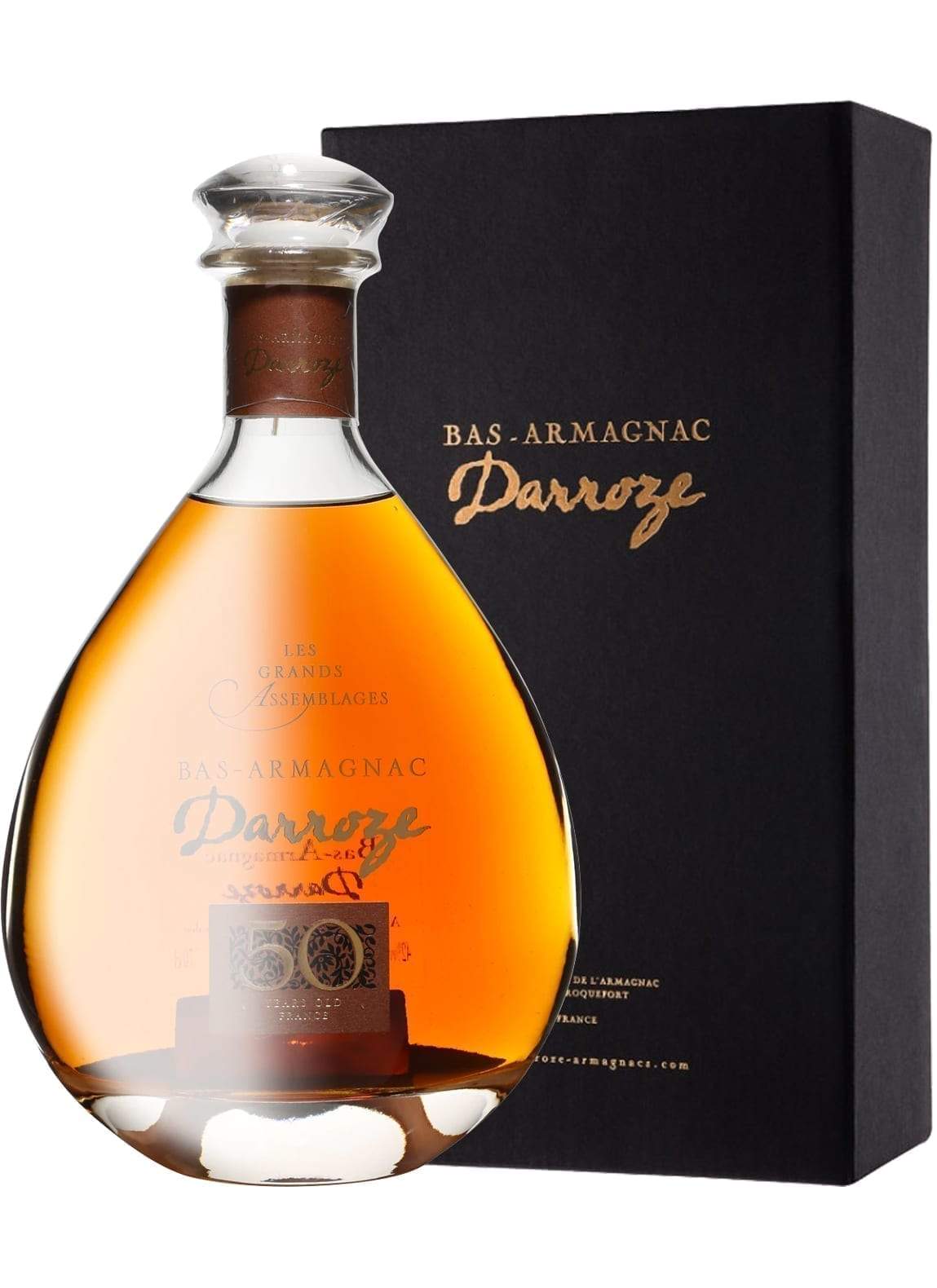
Darroze Grand Bas Armagnac Les Grands Assemblages 50 years Carafe 42% 700ml
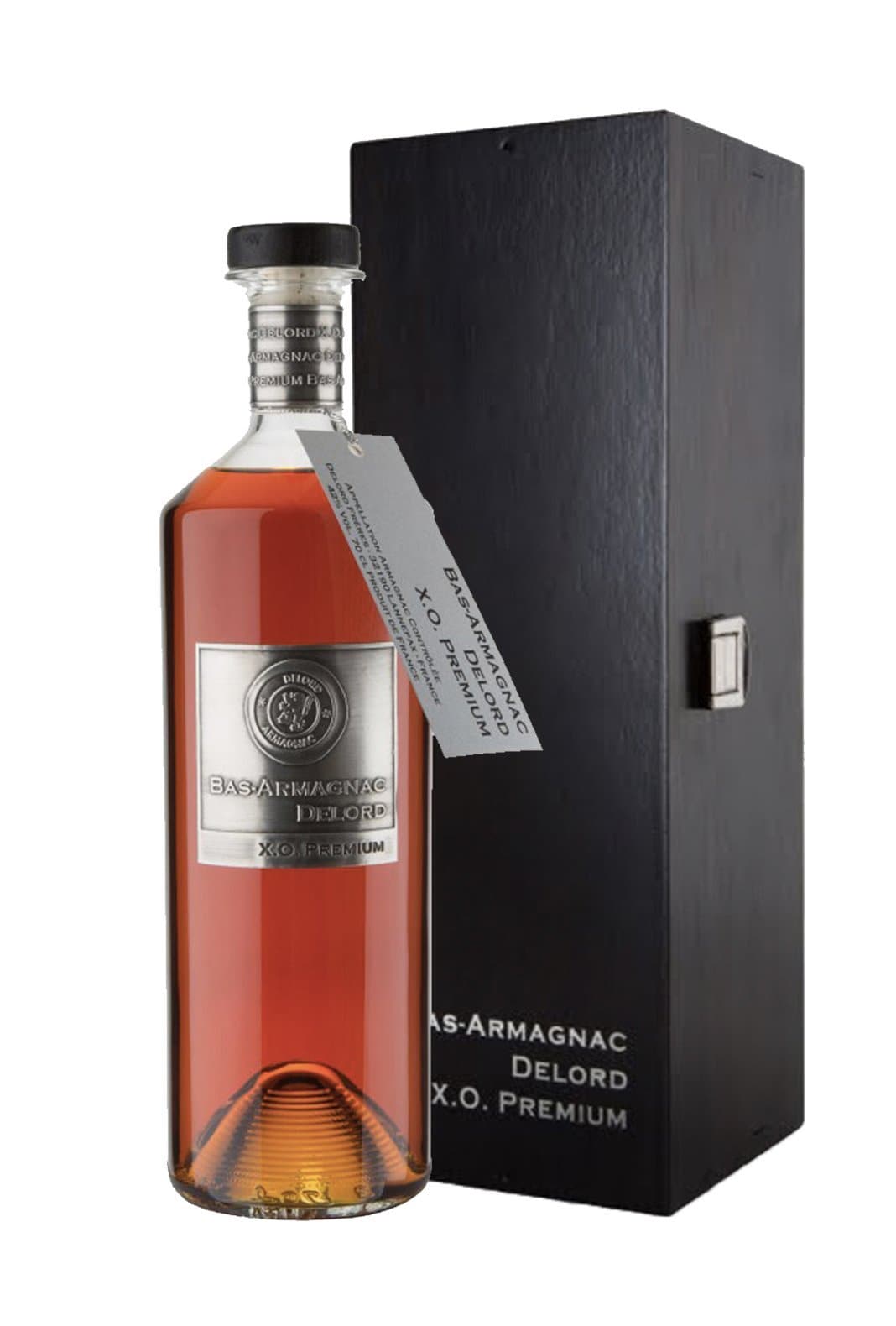
Delord Bas Armagnac XO Premium 25-40 years 42% 700ml
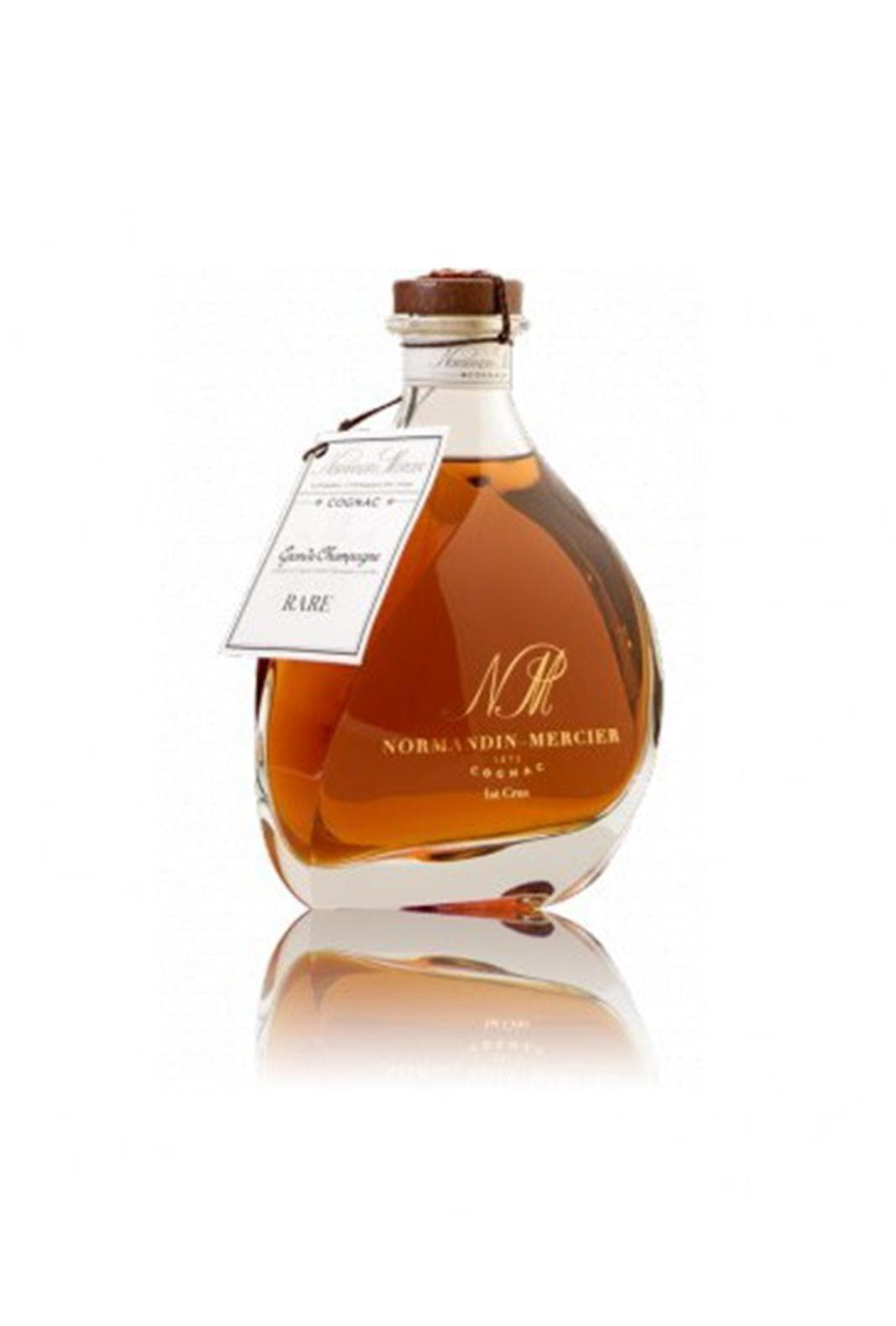
Normandin-Mercier Cognac 'Rare' 50 years Grand Champagne 42% 700ml CARAFE
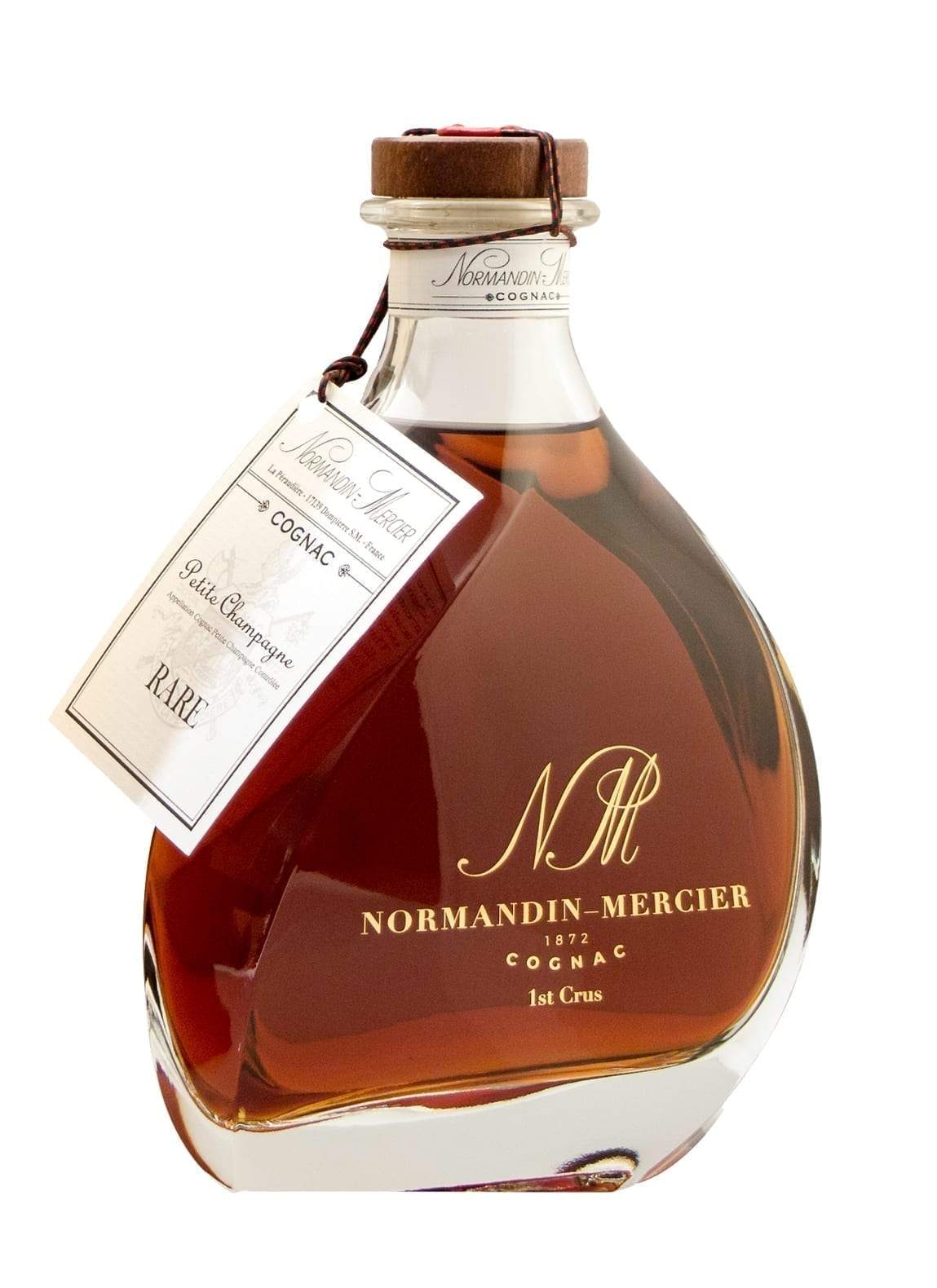
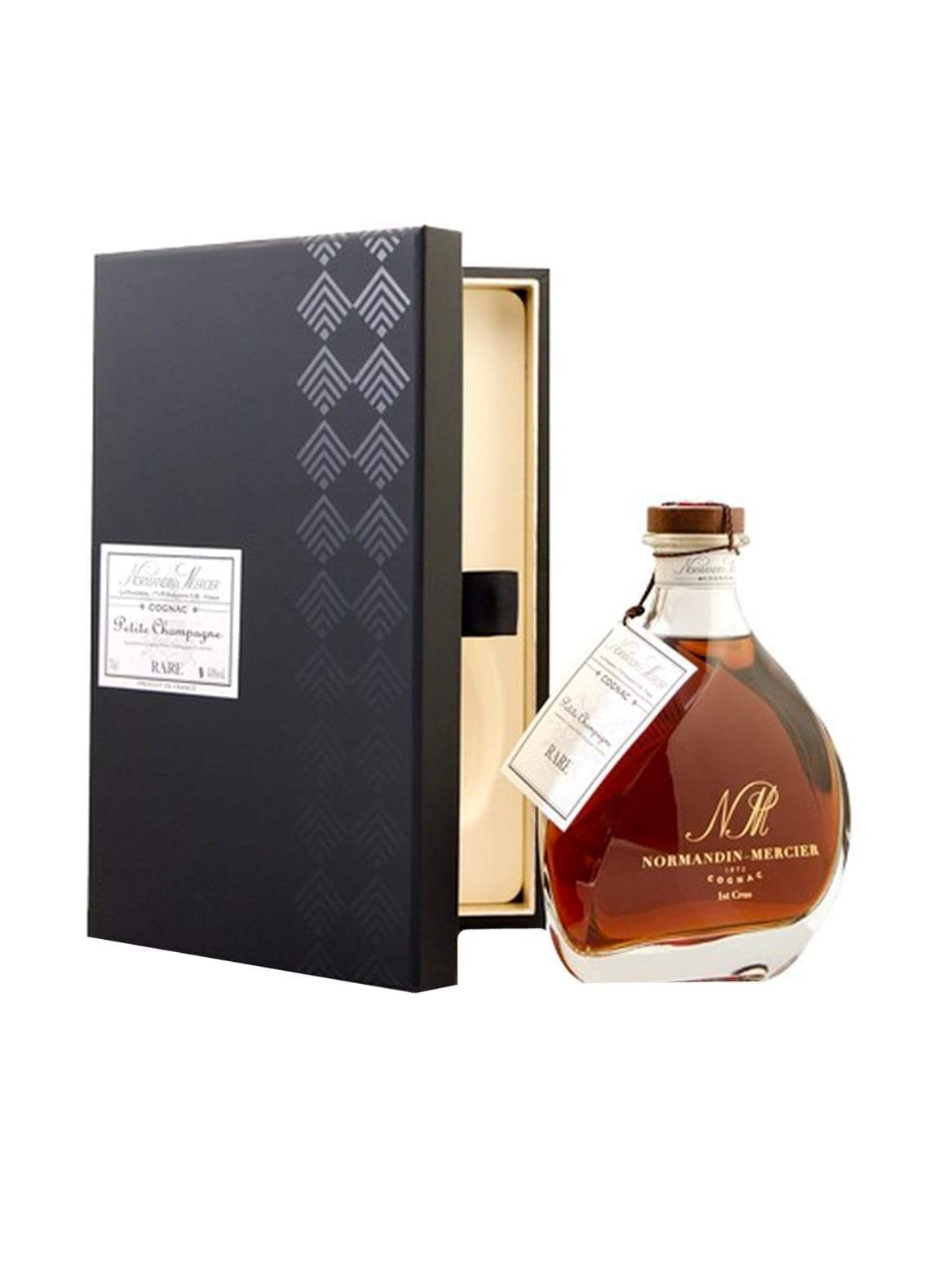
Normandin-Mercier Cognac 'Rare' 50 years Petite Champagne 44% 700ml CARAFE
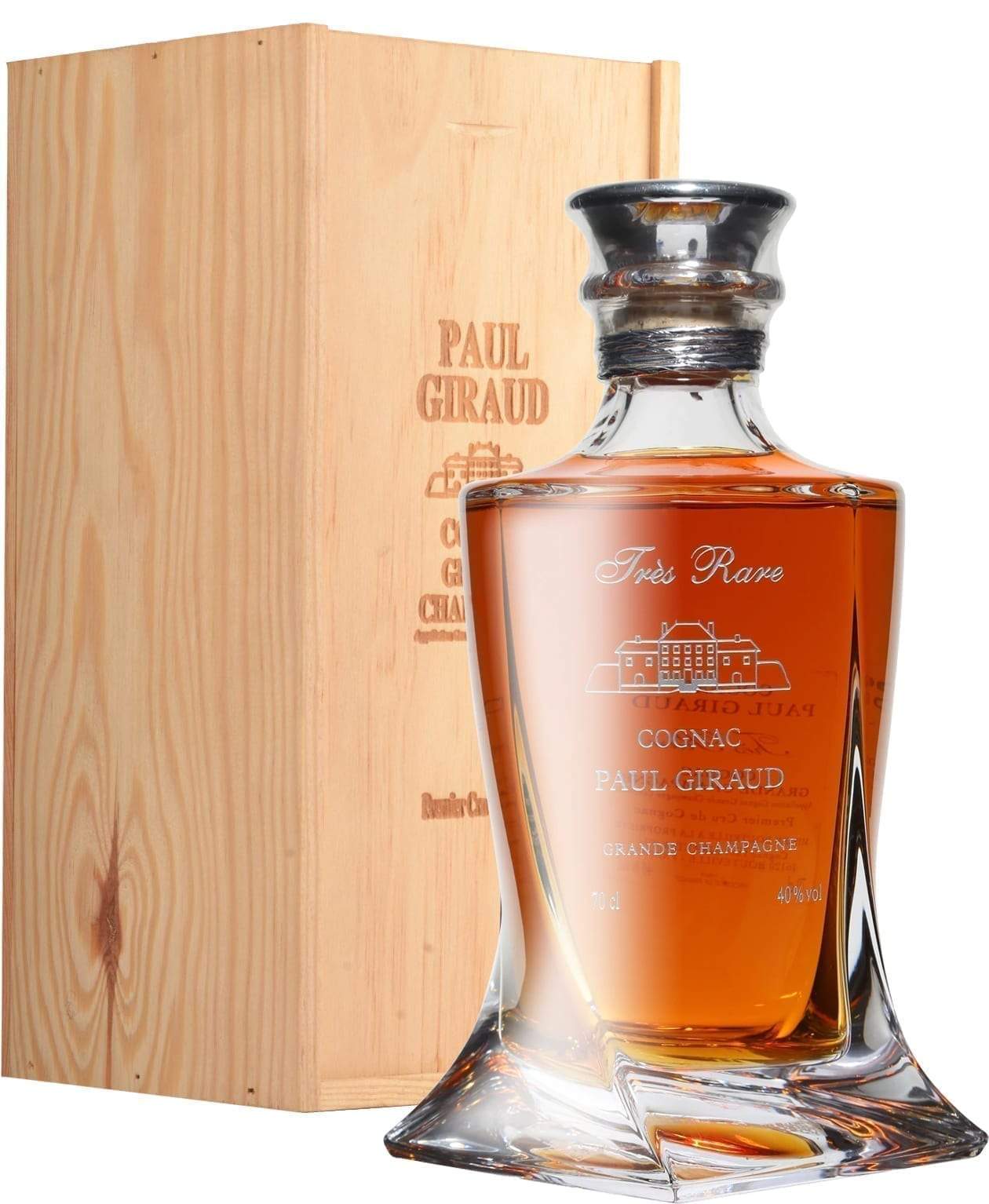
Paul Giraud Cognac Tres Rare 58 years 'Quadro Carafe' Grande Champagne 40% 700ml
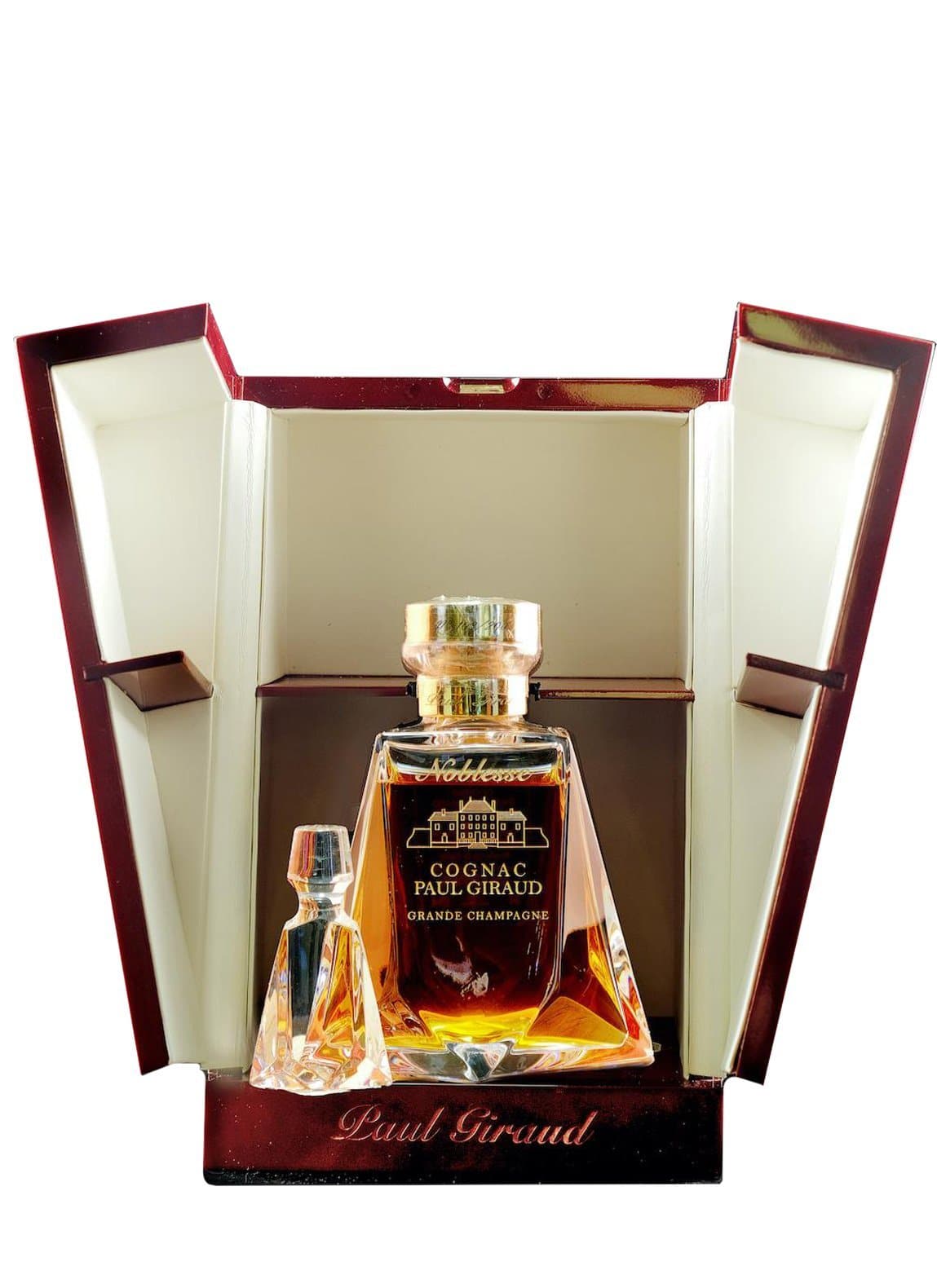
Paul Giraud Noblesse Grand Champagne Cognac 40% 500ml
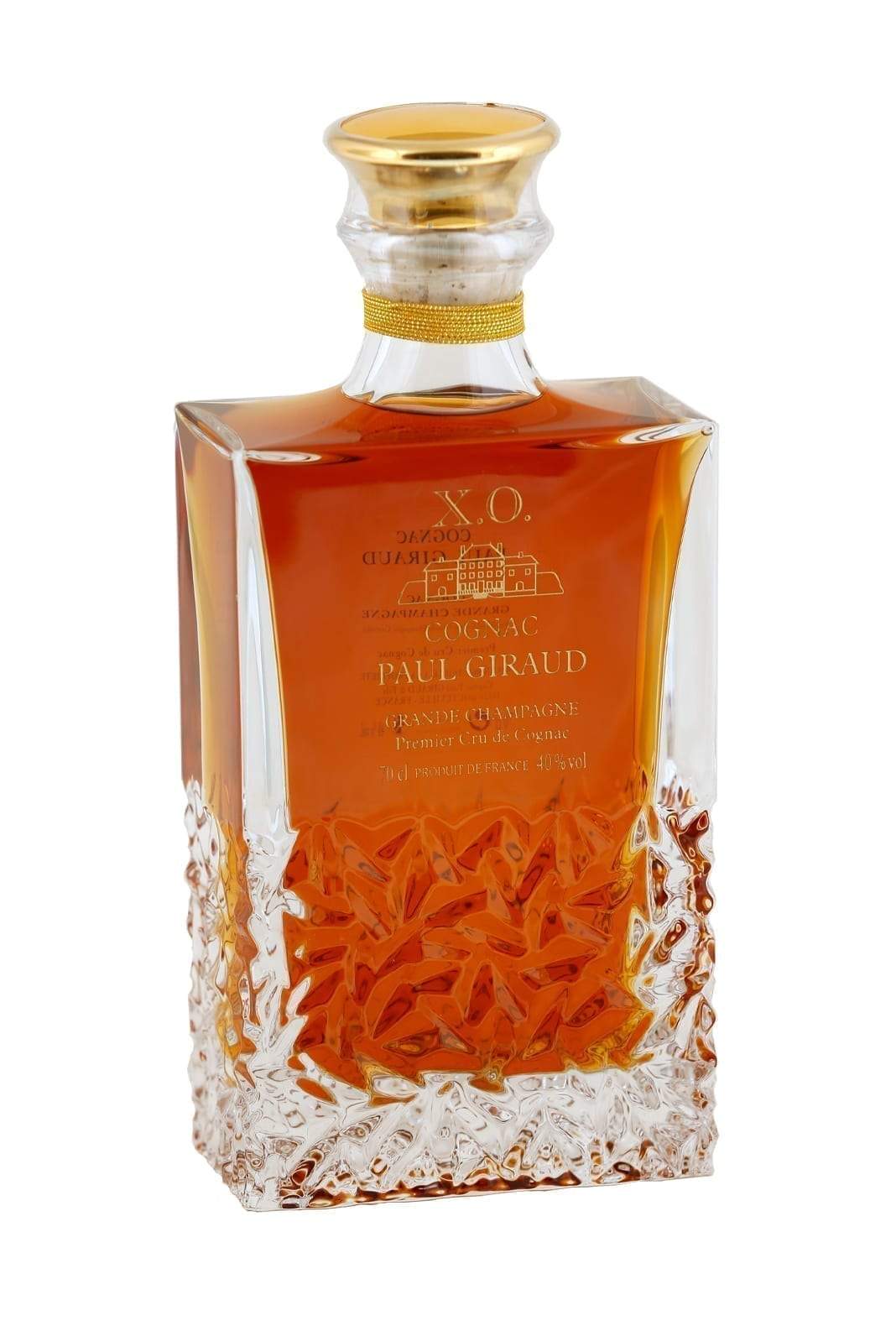
Paul Giraud XO Nicolette 25 years 40% 700ml
About Christmas
This page gathers the bottles and packs that work as presents, which is a different job from a bottle that works on a Tuesday. Three kinds of thing sit here. First, tasting packs and sampler sets, for the person who would rather try five things than commit to one: the Hartshorn Trio of Tasmanian vodkas, the Nosferatu Ginner Pack of four 200ml bottles, the Four Pillars gift pack with Rare Dry, Bloody Shiraz and Olive Leaf, and the Nagano Meijo sake five pack.
Second, advent boxes built to be opened one door at a time through December, across whisky, gin and French classics, plus a limited edition aperitif tasting box. These are seasonal and land in the run up to the season, so check back as the year turns.
Third, bottles that carry themselves as an object. The El Dorado super premium rum pack and Clase Azul Reposado in its hand painted ceramic decanter do that easily, as does anything from the carafes selection, where old cognac and Armagnac come in glass worth keeping. Everything is delivered across Australia (exc. NT).
History
Giving drink at midwinter is older than the holiday attached to it. Medieval England had wassail, a spiced ale drunk from a shared bowl and carried house to house between Christmas and Twelfth Night, and in cider country people still go out to the orchards in January to wassail the apple trees. Mulled wine goes back further again, to the Roman conditum paradoxum, wine cooked with honey and pepper. The Victorians revived it hard, and Dickens put a bowl of smoking bishop, port mulled with roasted oranges, into the last pages of A Christmas Carol, which did more for the drink than any recipe book.
The advent calendar is younger and specifically German. Lutheran families in the nineteenth century counted the days to Christmas by chalking lines on a door or lighting candles, and Gerhard Lang printed the first commercial version in Munich in 1908, a sheet of small pictures to be cut out and pasted on day by day. Doors that opened came in the 1920s, and chocolate behind them not until 1958. The drinks version borrows the structure for a better reason than novelty: a small measure a day lets you taste a whole category side by side over weeks, which is how people actually learn what they like.
Brandy on the pudding has a practical origin too. Setting spirit alight burns off very little alcohol but warms and caramelises the sugar crust, and it was also a way of showing off an expensive import, which is roughly how aged brandy became the British end of a long meal.
How to drink it
An Australian Christmas is hot, which changes the running order. Start cold and light and work towards the heavy things after the meal, not before it. Sparkling out of the fridge, whites at eight to ten degrees, and reds pulled down to about sixteen degrees with twenty minutes in the fridge, because a red served at Australian room temperature tastes of nothing but alcohol. Keep a jug of water on the table and refill it as often as the glasses.
Gin and tequila carry the pre lunch hour better than whisky does in the heat. A gin from the Four Pillars pack with plenty of ice and good tonic, or Clase Azul Reposado sipped neat at room temperature in a small tulip, not a shot glass. Save the aged spirits for after the pudding, poured short, in a glass warmed by the hand rather than a flame.
If you are giving rather than pouring, match the format to the person. A sampler pack suits someone still working out their taste; a single old bottle suits someone who already knows it. Open bottles of spirit keep for a year or more upright and out of the sun, so nothing needs finishing on the day. Fortified wine is the exception, so drink an opened port within a month. See more in gin, rum and tequila.