
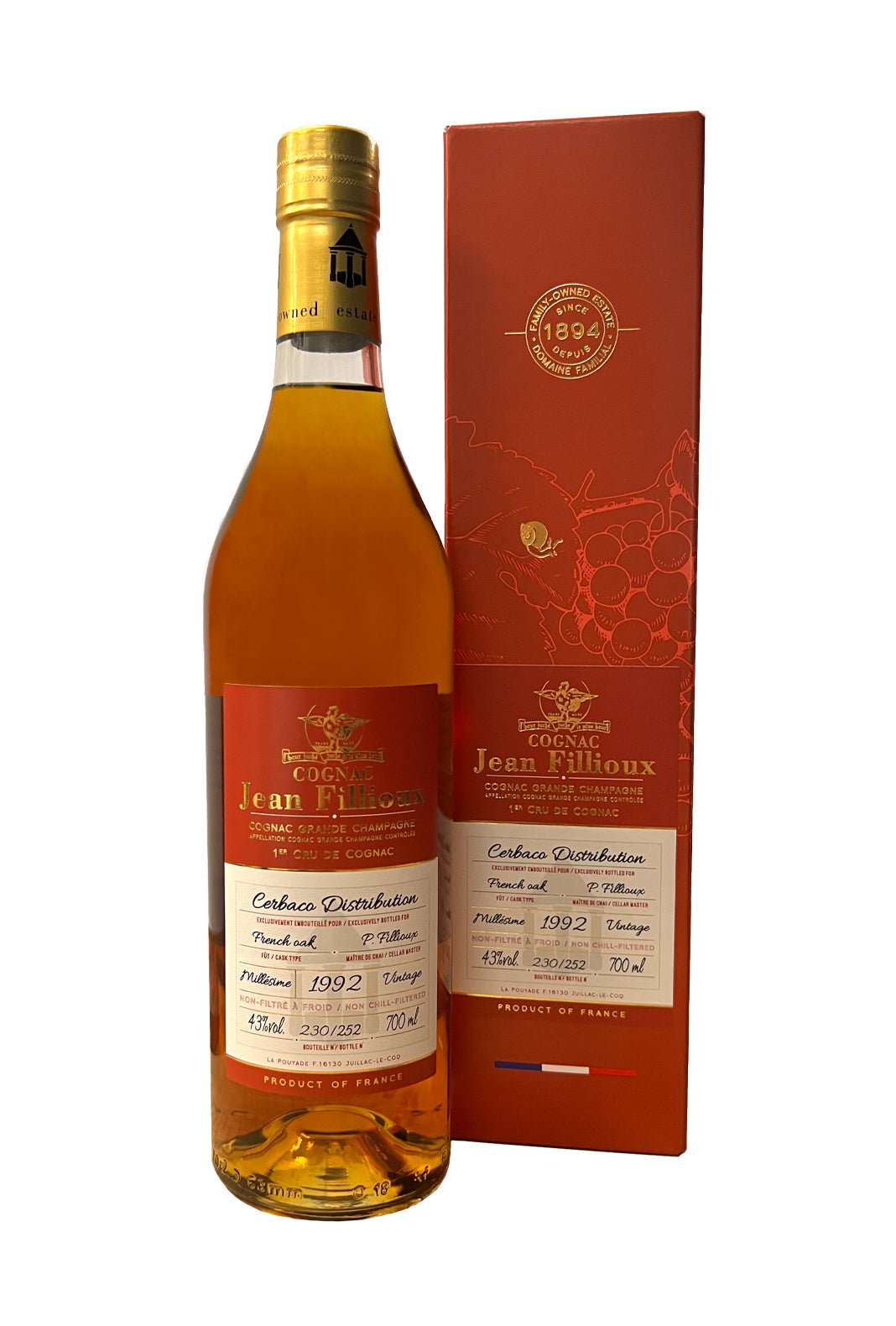
Jean Fillioux 1992 Cognac Grande Champagne 43% 700ml
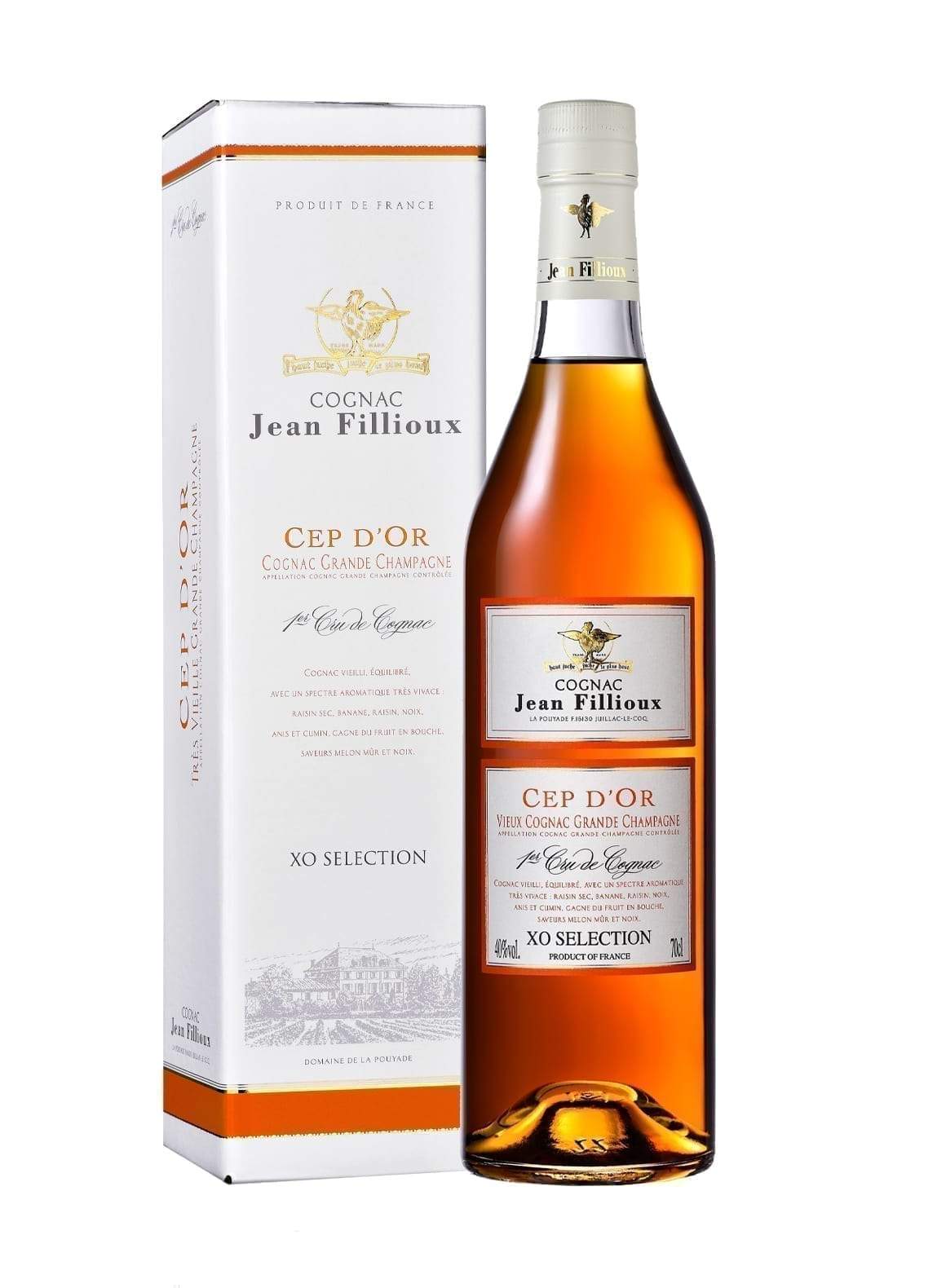
Jean Fillioux Cognac 'Cep d'Or' XO Grande Champagne 1er Cru 13-15 years 40% 700ml
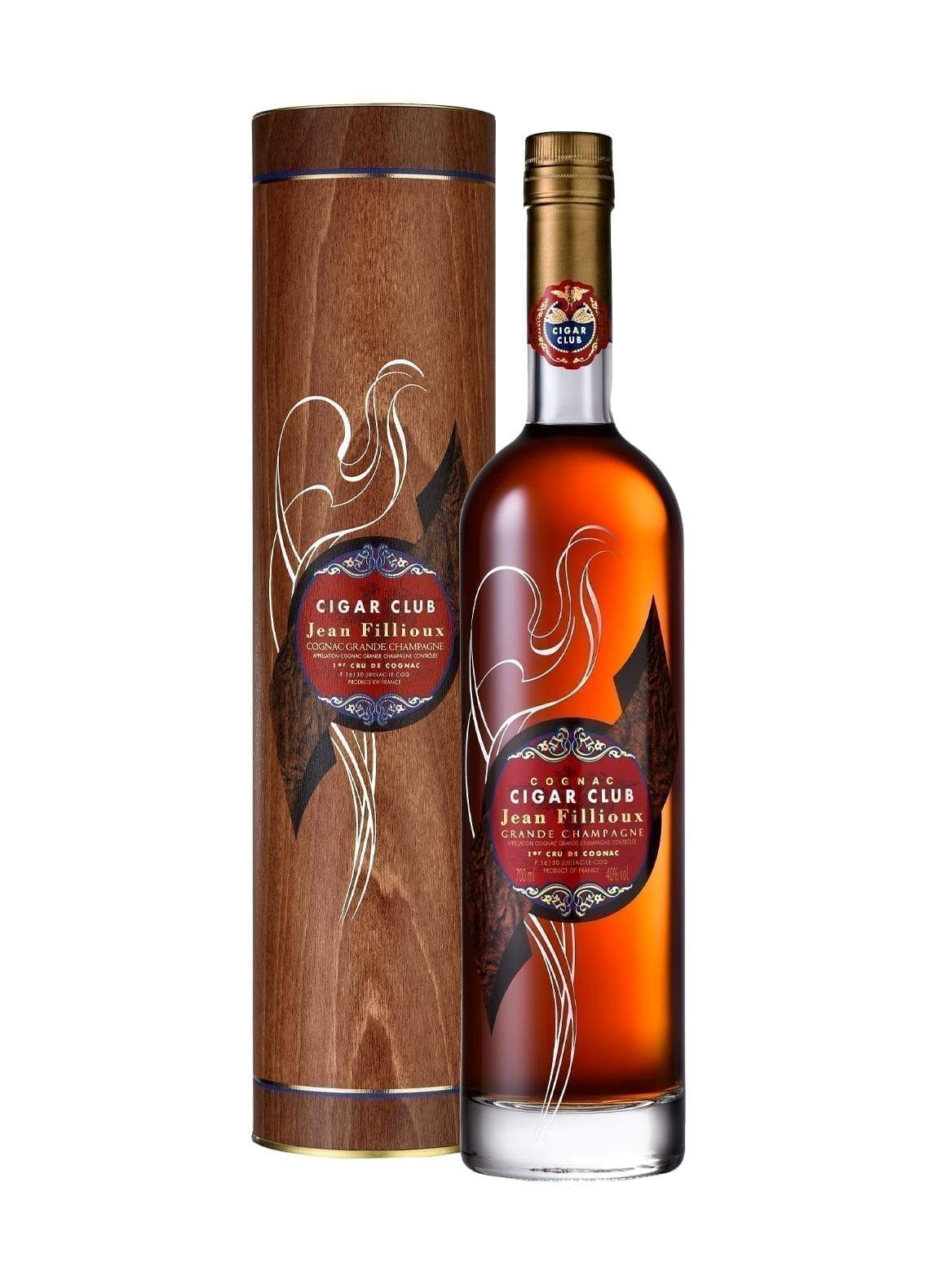
Jean Fillioux Cognac 'Cigar Club' Grande Champagne 1er Cru 35 years 40% 700ml
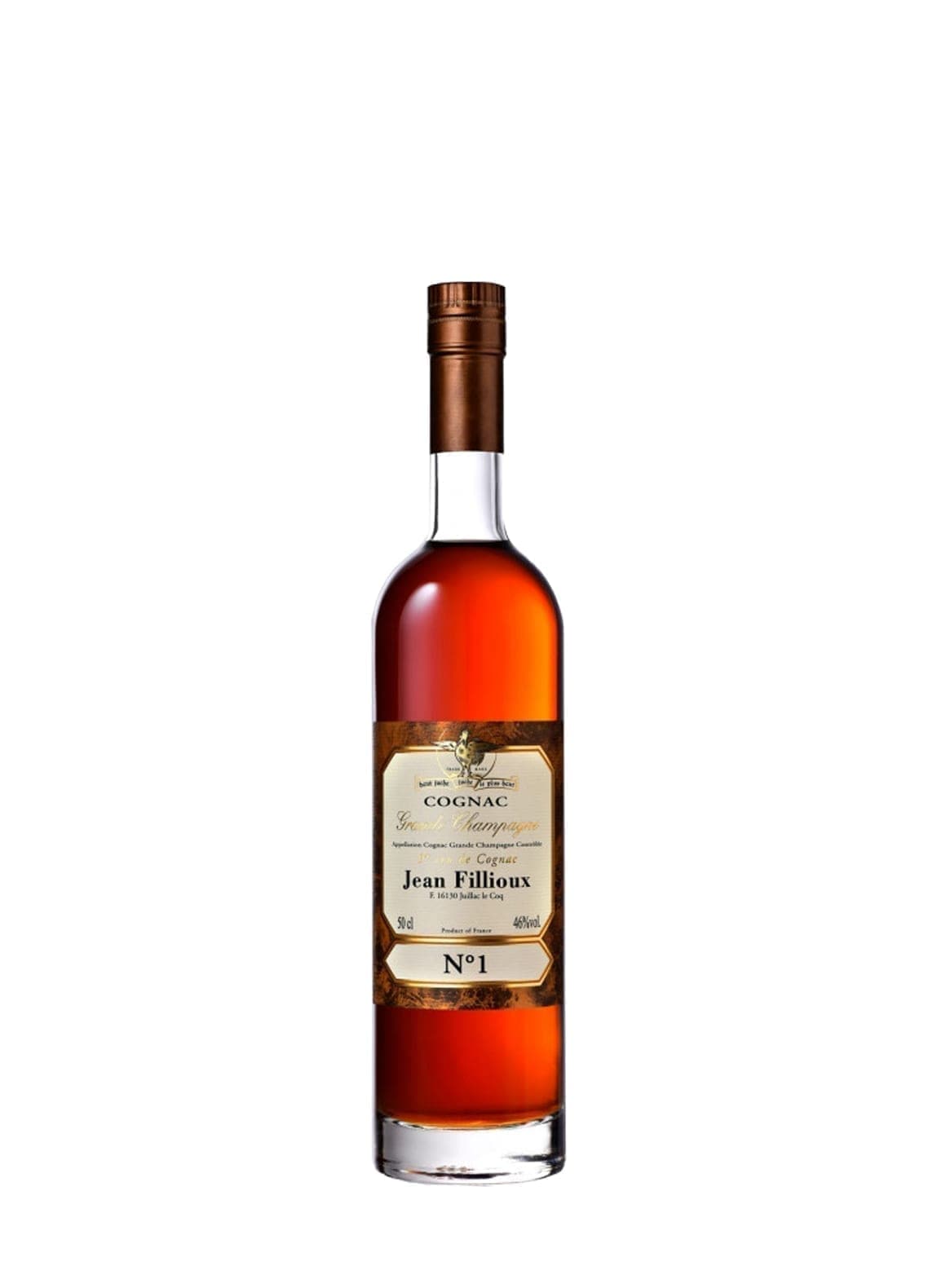
Jean Fillioux Cognac Numero 1 Grande Champagne 60 years 46% 500ml
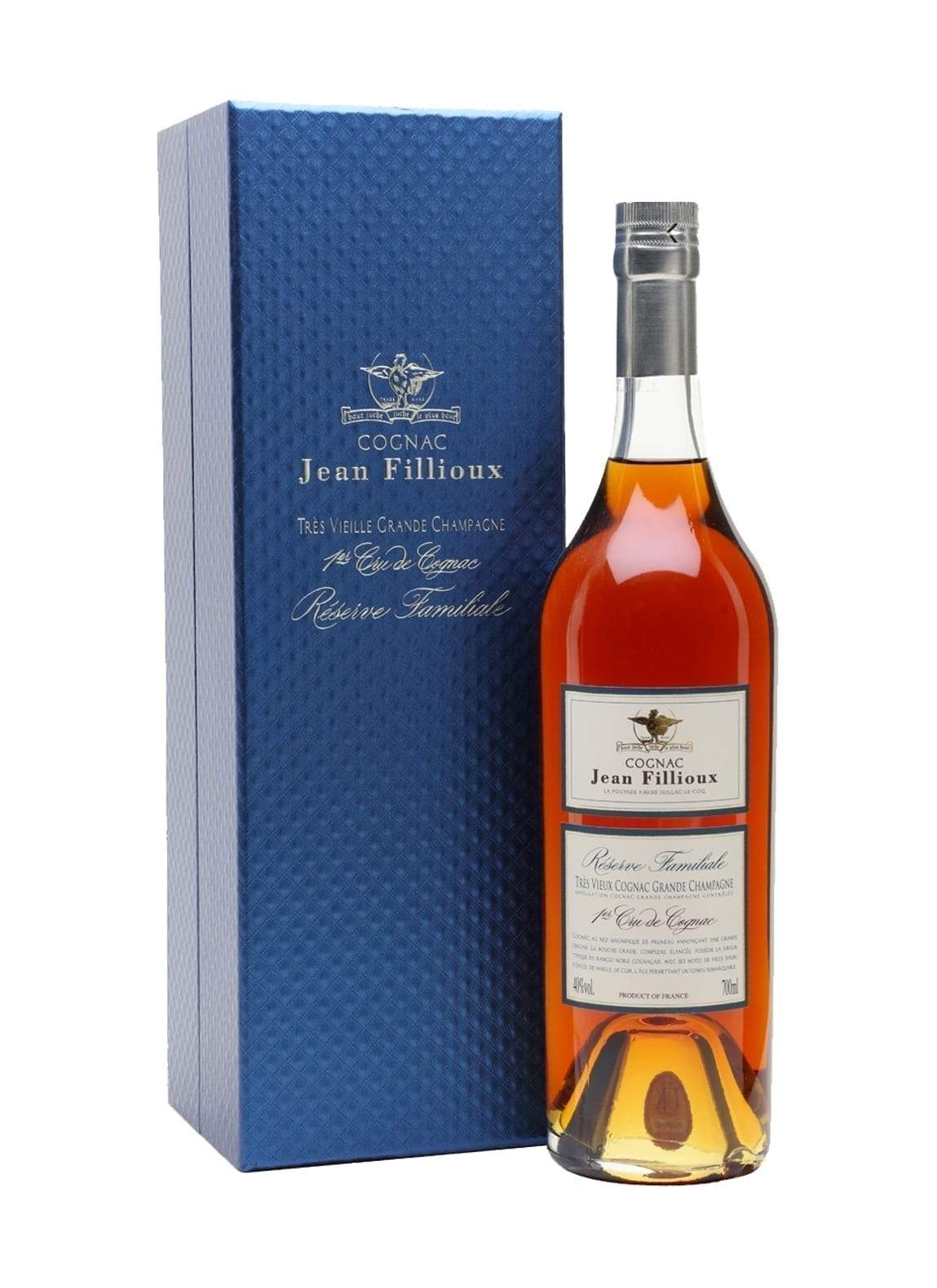
Jean Fillioux Cognac 'Reserve Familiale' Grande Champagne 1er Cru 50 years+ 40% 700ml
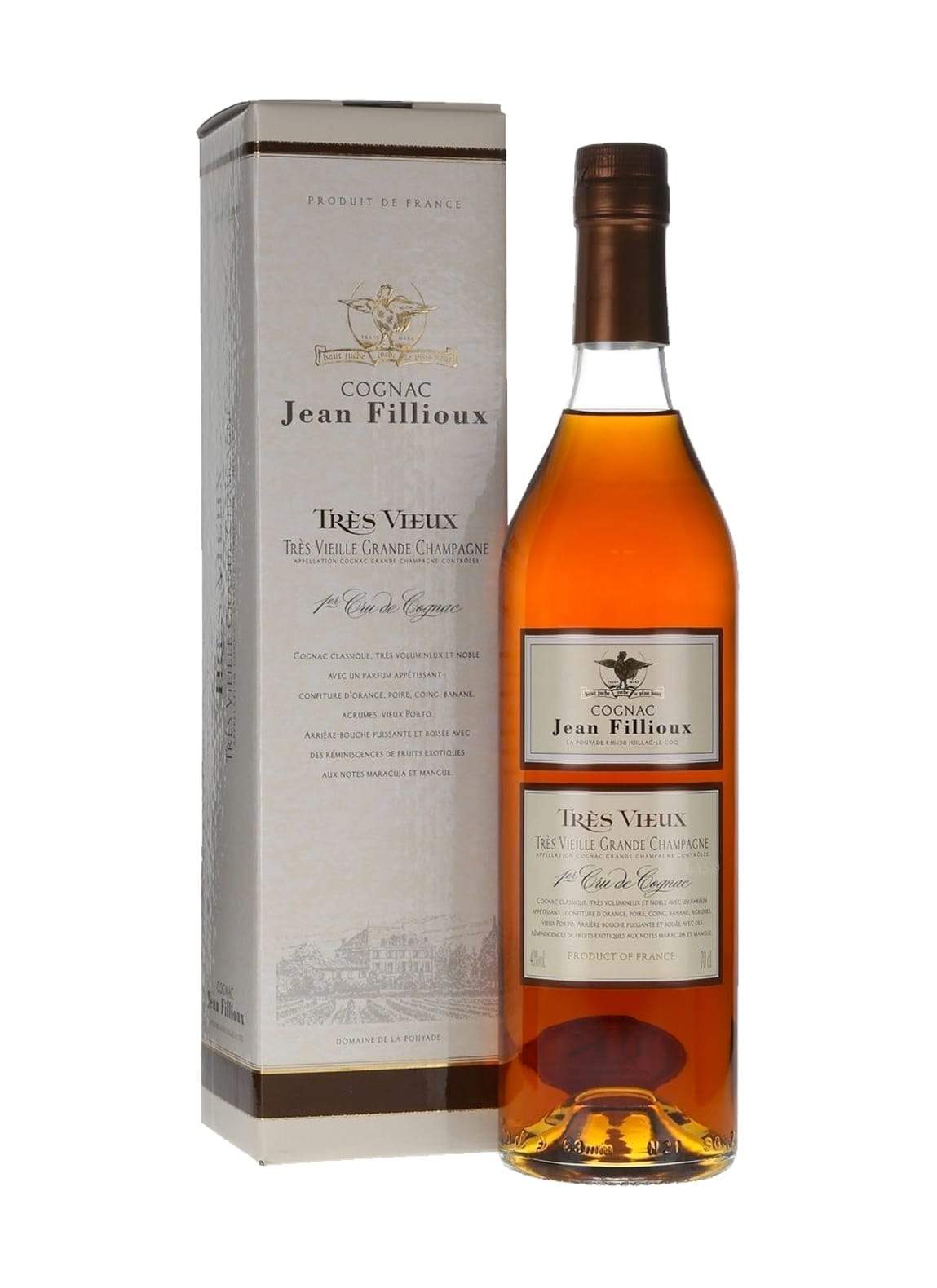
Jean Fillioux Cognac GC XO 25-30 years Tres Vieux 40% 700ml
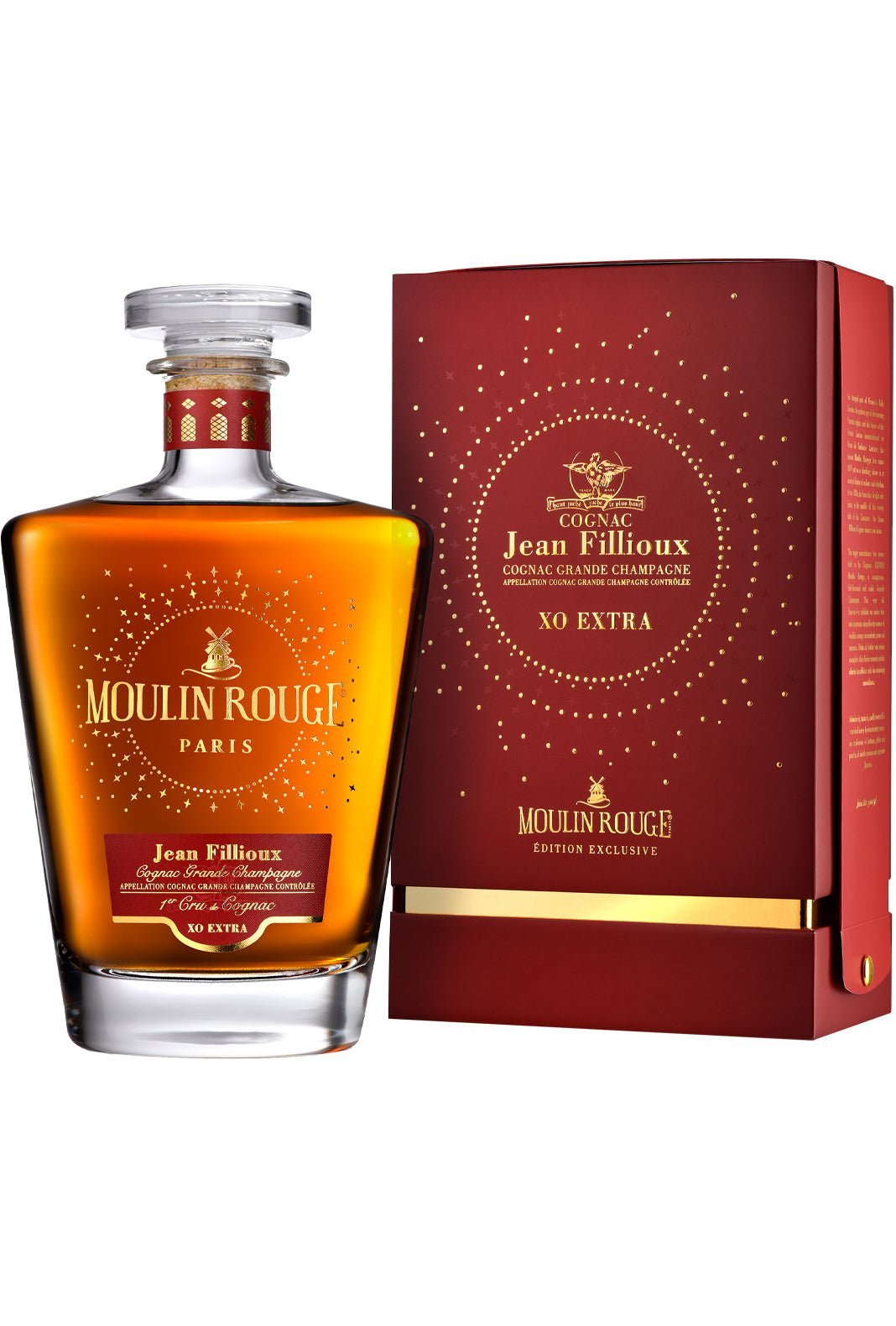
Jean Fillioux Moulin Rouge 30 Years Grand Champagne Cognac 40% 700ml
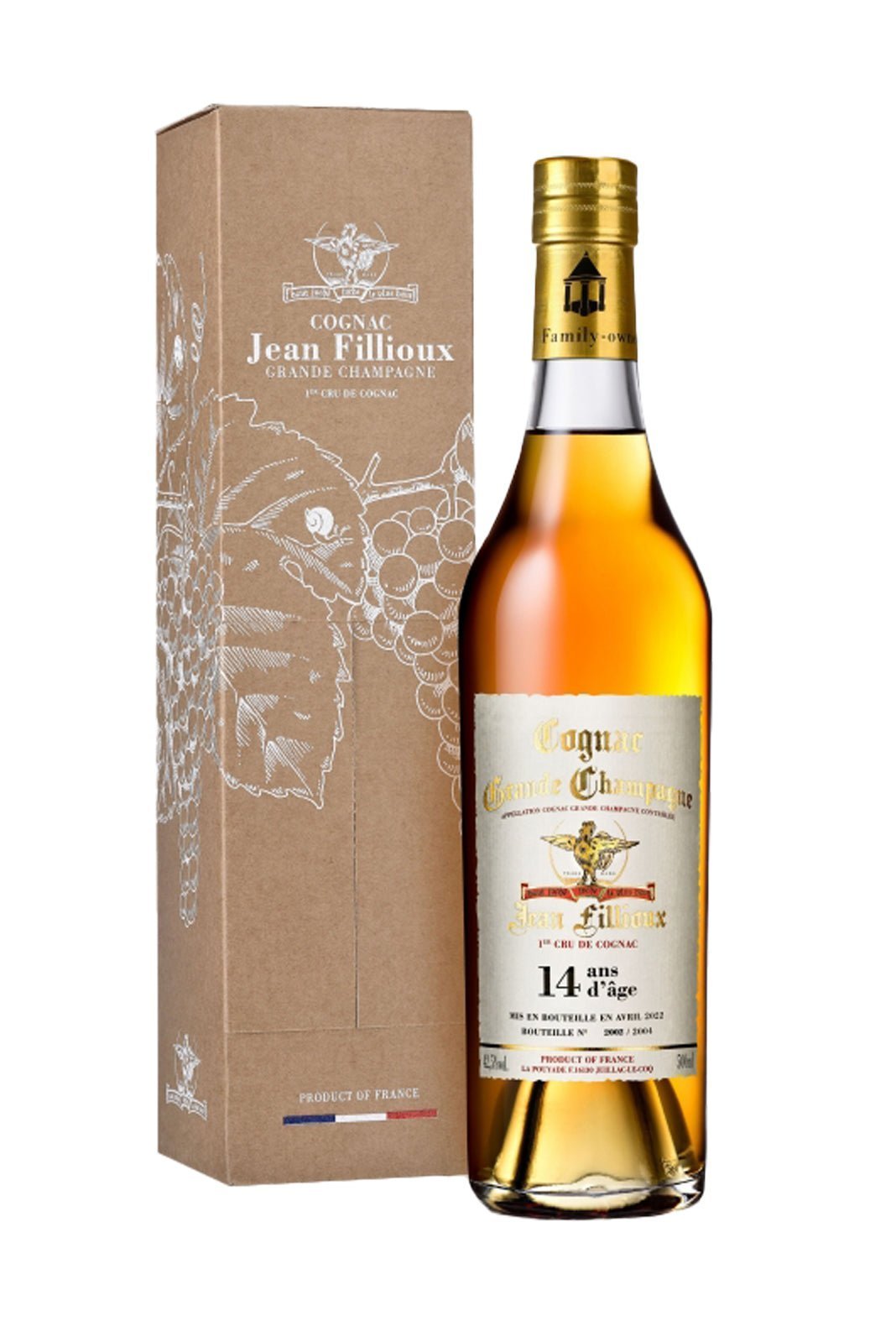
Jean Fillioux Grande Champagne Cognac 14 years 42.5% 500ml
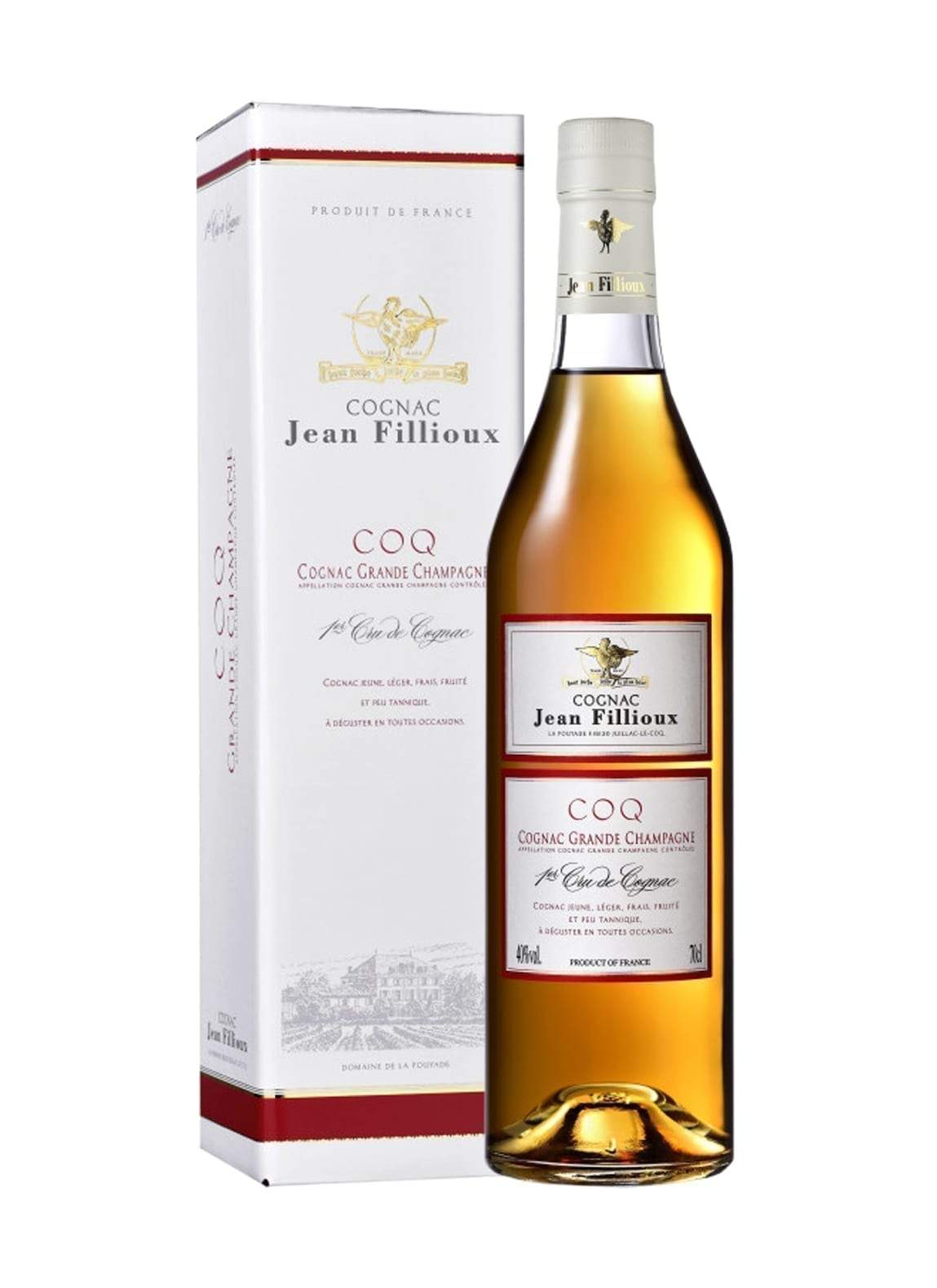
Jean Fillioux Cognac 'COQ' Grande Champagne 1er Cru 3-4 years 40% 700ml
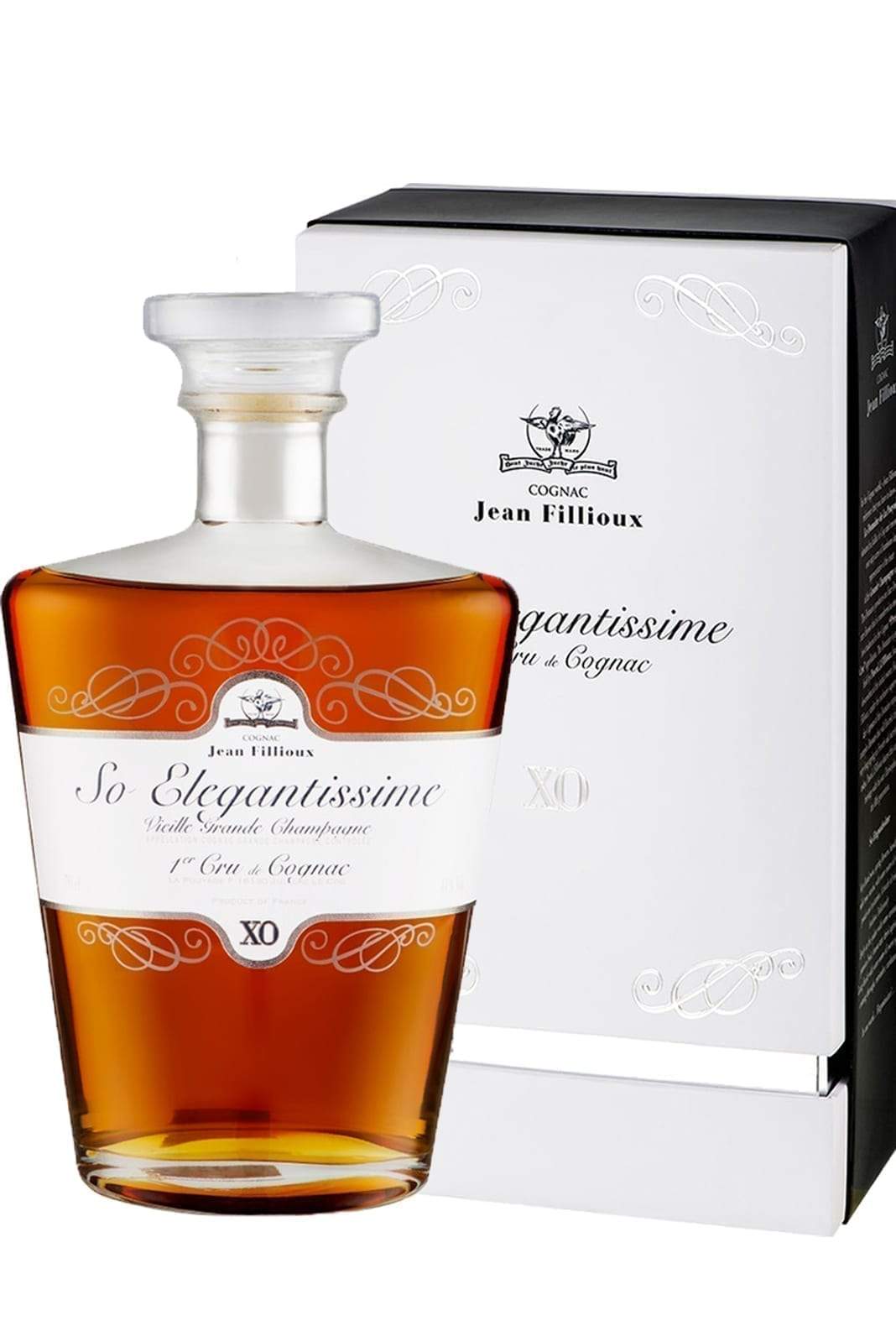
Jean Fillioux Cognac So Elegantissime XO Carafe 41% 700ml
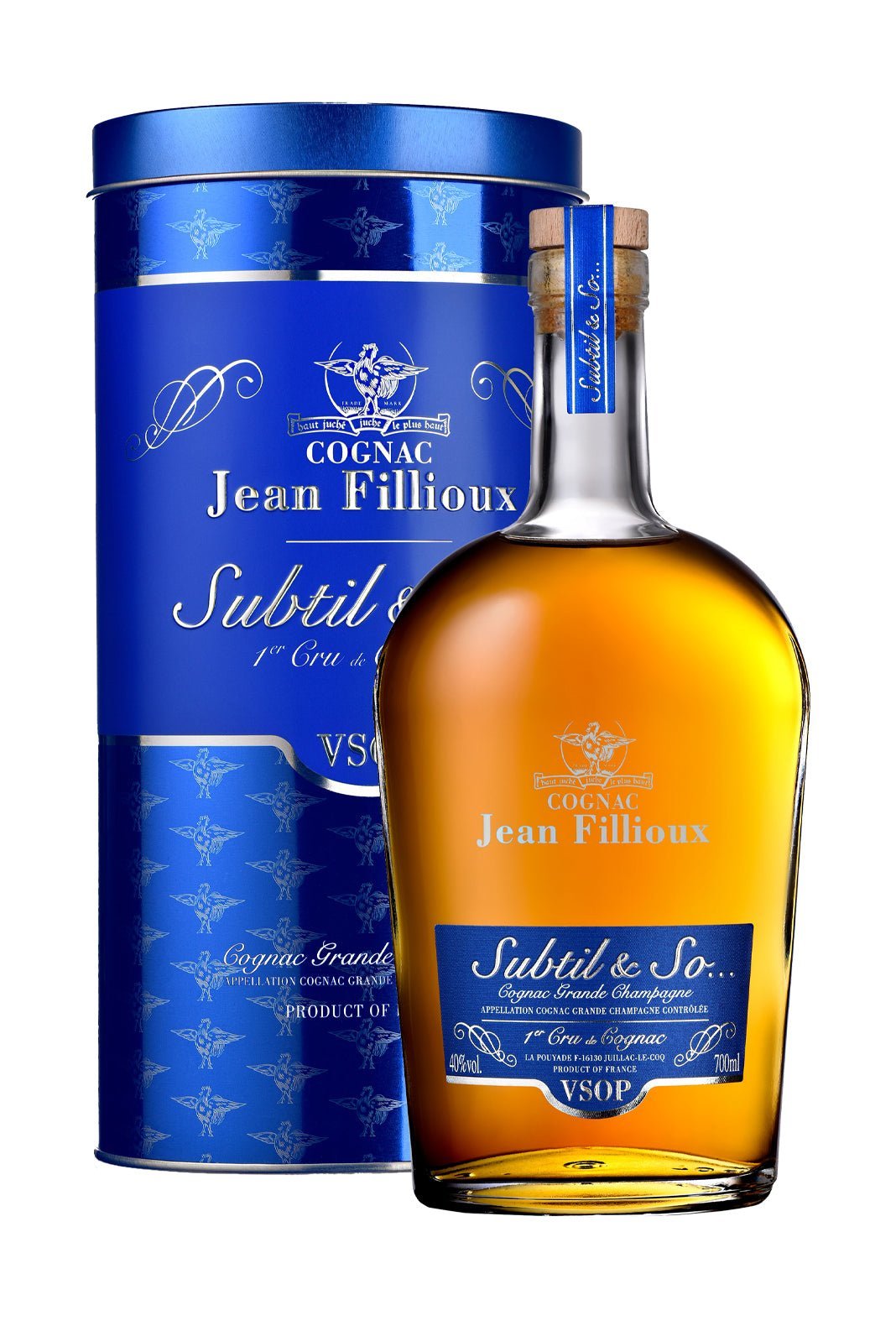
Jean Fillioux Subtil & So Cognac VSOP Grand Champagne 40% 700ml
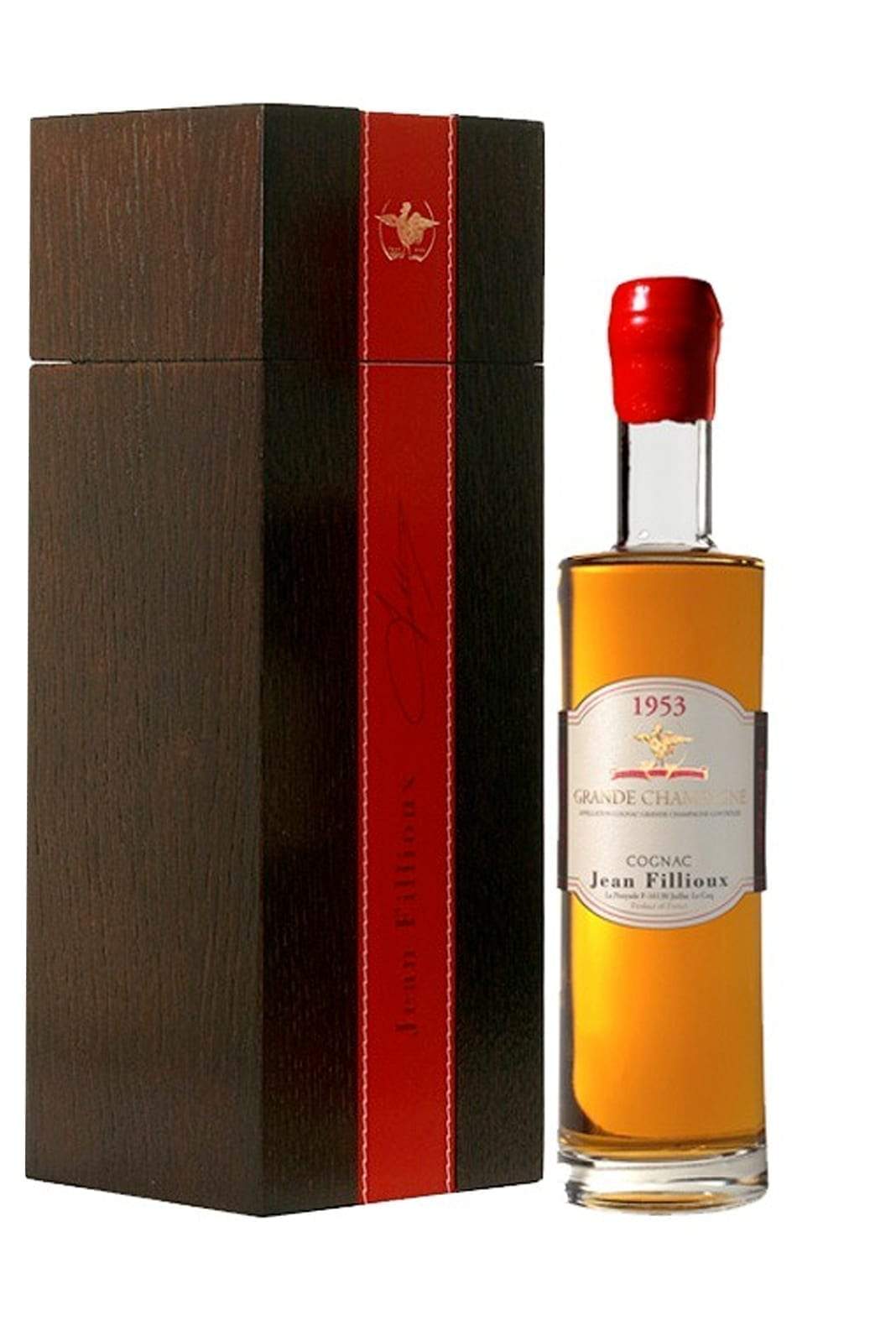
Jean Fillioux 1953 Cognac 42% 350ml
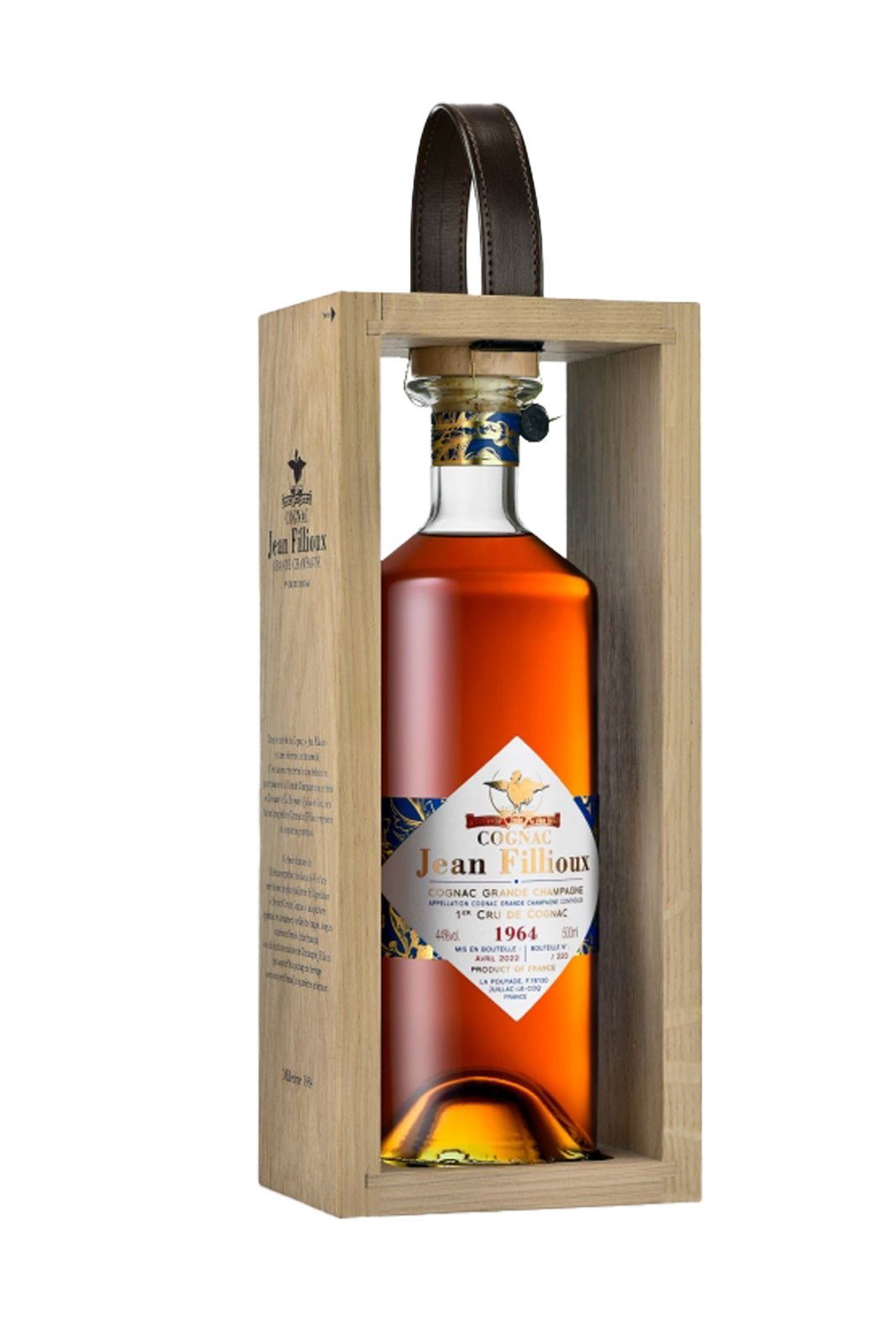
Jean Fillioux Grande Champagne Cognac 1964 44% 500ml
About Jean Fillioux
Jean Fillioux is a single estate house in Grande Champagne, the innermost cru of the Cognac region, and everything on this page comes from that one place. There is no bought-in eau de vie and no blending across crus, which is rarer than the shelf suggests.
The range is built as a ladder rather than a spread, and the age climbs a long way. COQ sits at three to four years and is the one to mix with. Subtil and So VSOP follows, then Cep d'Or XO at thirteen to fifteen and the 14 year.
Above them the house works in decades. Tres Vieux XO runs twenty five to thirty years, Moulin Rouge at thirty, Cigar Club at thirty five and built with the weight to hold up against smoke, Reserve Familiale at fifty, and Numero 1 at around sixty. The So Elegantissime XO carafe sits alongside them as the gift bottle of the range.
Single vintages run beside the main line, including bottlings from 1953, 1964 and 1992. There is a longer piece on the house at about Jean Fillioux.
History
The Fillioux family has been distilling at Le Pouyaud in Juillac-le-Coq since the 1880s, and the house has stayed in the same hands across five generations. That continuity is the point rather than a marketing line: the cellar holds stocks laid down by men who never met the people now bottling them.
Grande Champagne is the reason the wine tastes as it does. Its soil is soft chalk, which holds water through dry summers and produces thin, sharp, low alcohol wine, exactly the wrong thing to drink and exactly the right thing to distil. Cognac from this cru is slow to mature and famously long lived, which is why serious houses here bottle at ages other regions cannot reach.
Fillioux distils on the lees in traditional Charentais copper pot stills and ages in Limousin oak. The house has historically leaned towards long ageing and low intervention, avoiding heavy caramel and sugar adjustment, which is why the older bottlings taste dry rather than sweet.
Grande Champagne cognac and Armagnac are the two ends of French brandy. If you want the comparison, our cognac collection covers the wider category.
How to drink it
Serve it at room temperature in a tulip glass, never a balloon. The wide bowl of a traditional cognac snifter concentrates alcohol vapour at the nose and closes the aromatics down, which is the single most common mistake made with this drink.
Do not warm the glass over a flame. Cognac at body temperature is enough, and heat drives off exactly what you paid for.
Match the bottle to the occasion honestly. COQ and Subtil and So are for mixing, and a Sidecar or a cognac and tonic made with either is a legitimate use rather than a waste. From Reserve Familiale upward, drink it neat and slowly, and give the glass ten minutes before deciding what you think.
The very old bottlings, Moulin Rouge and Numero 1, develop what the region calls rancio, a savoury, nutty, almost mushroom note that only appears after decades in wood. It is an acquired taste and it is the whole reason people chase old cognac.
An opened bottle holds well for a year or more if it stays upright and out of light. Store it standing, never on its side, because high strength spirit degrades a cork.
Compare with Armagnac or the wider brandy range.
More from this origin and style: