
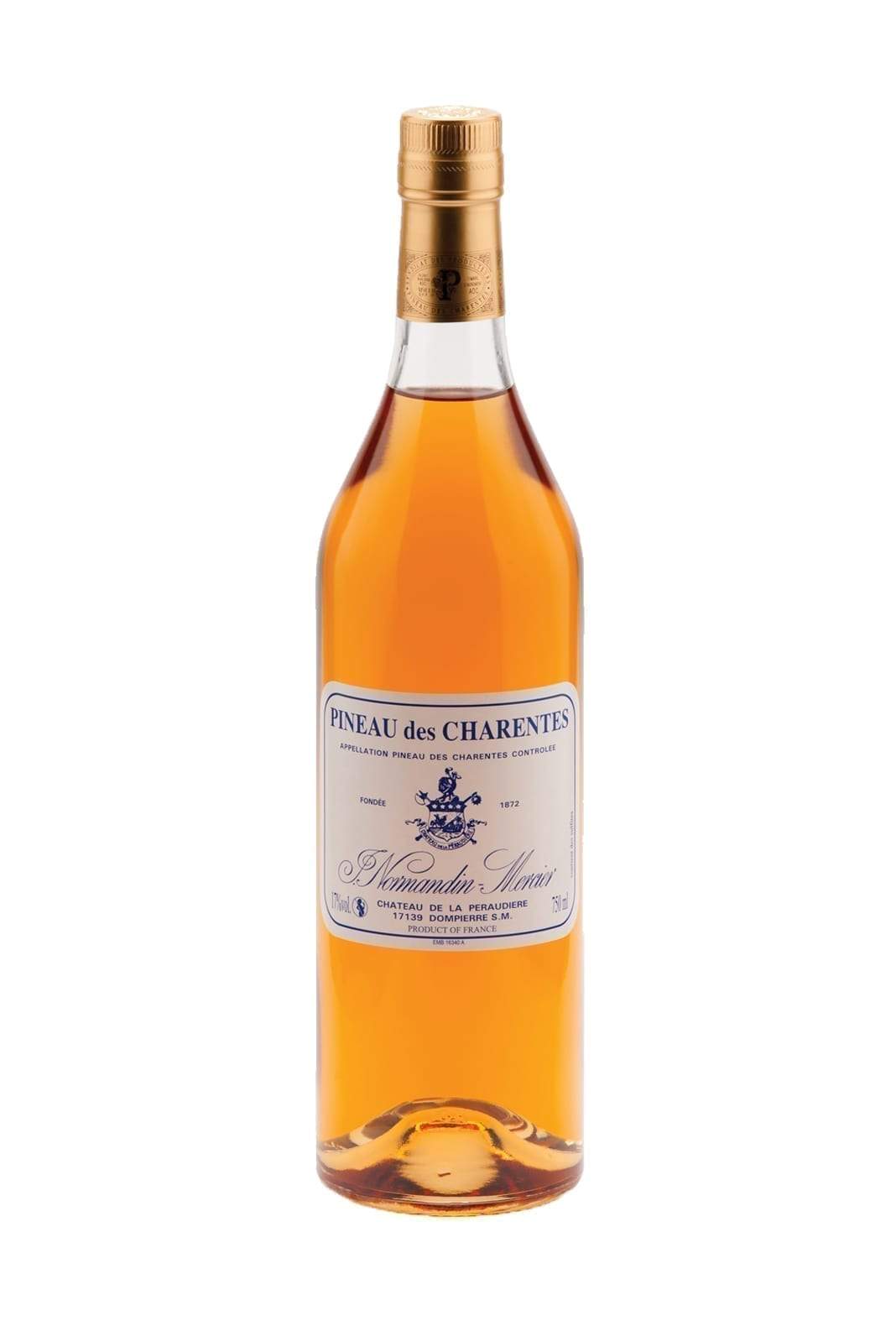
Normandin-Mercier Aperitif Pineau des Charentes Blanc (White) 17% 750ml
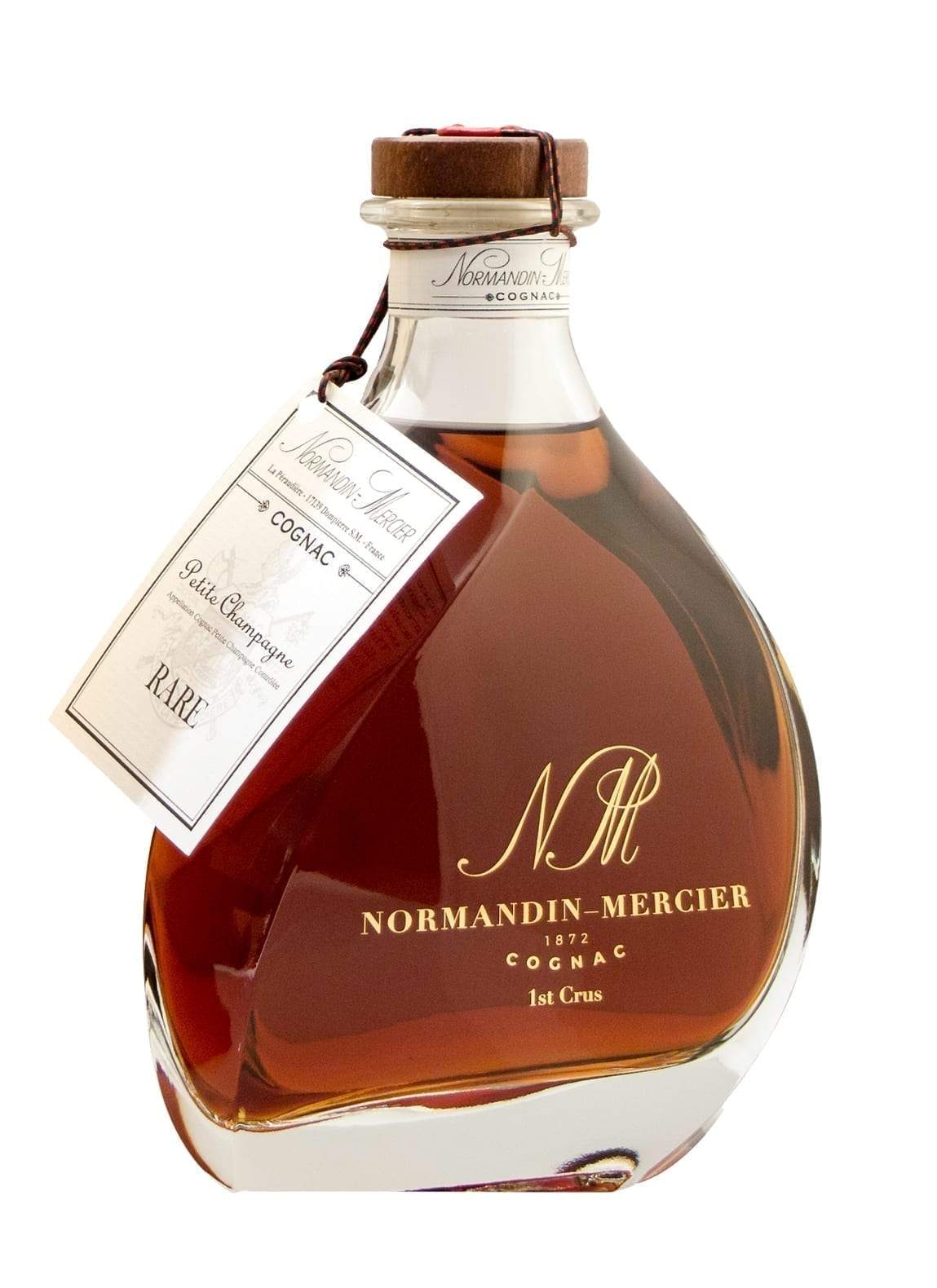
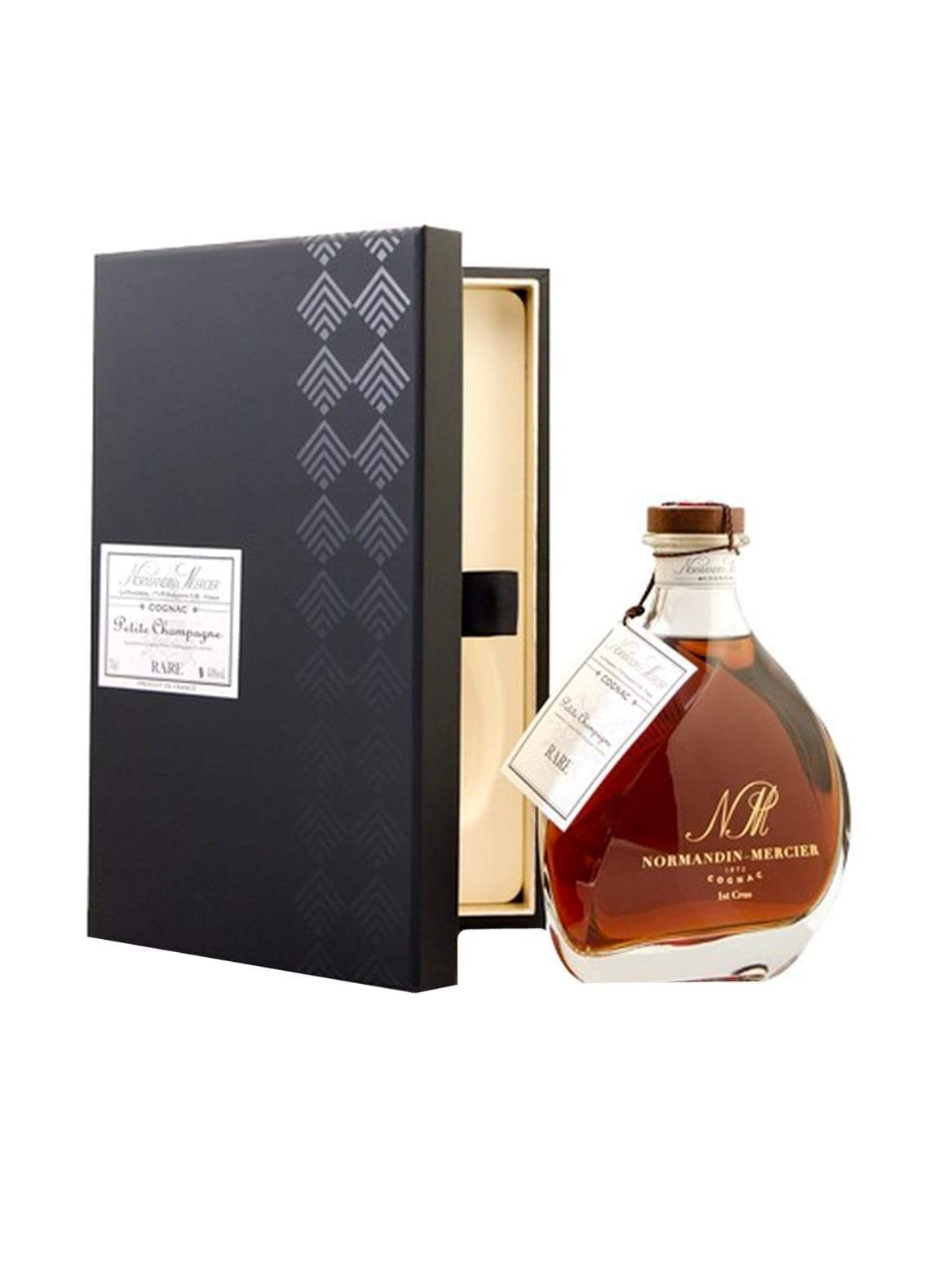
Normandin-Mercier Cognac 'Rare' 50 years Petite Champagne 44% 700ml CARAFE
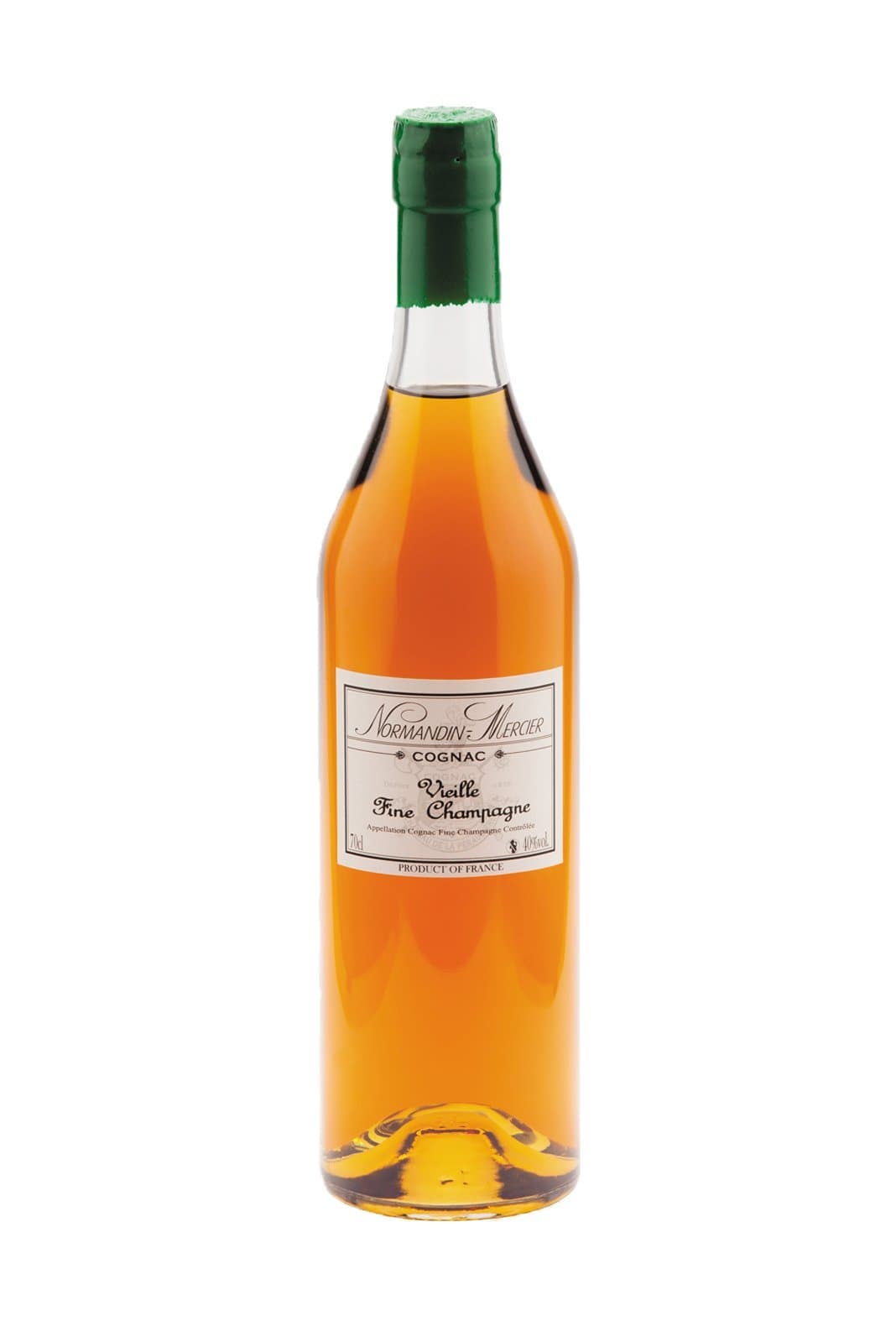
Normandin-Mercier Cognac 15 years Vieille Fine Champagne 40% 700ml
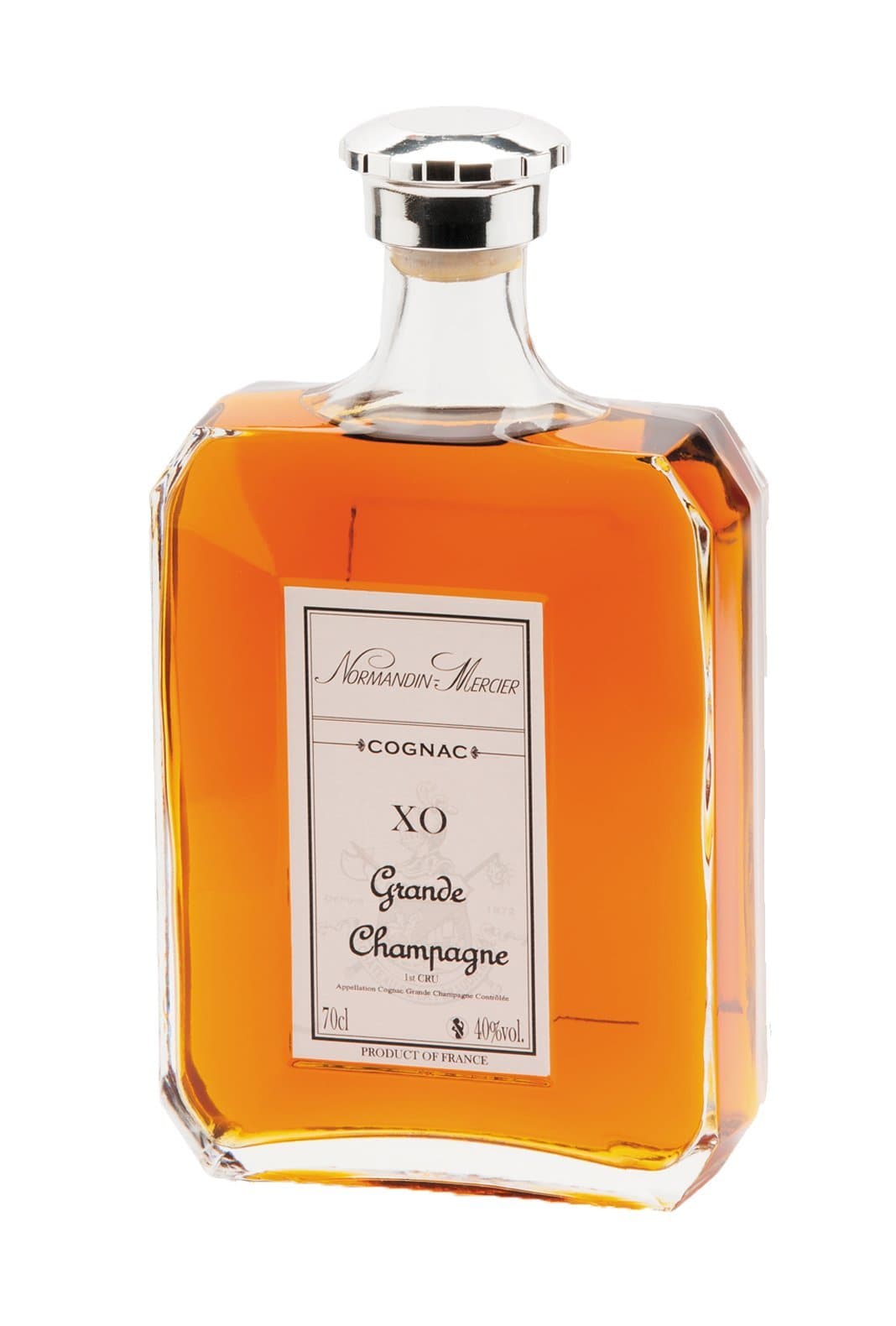
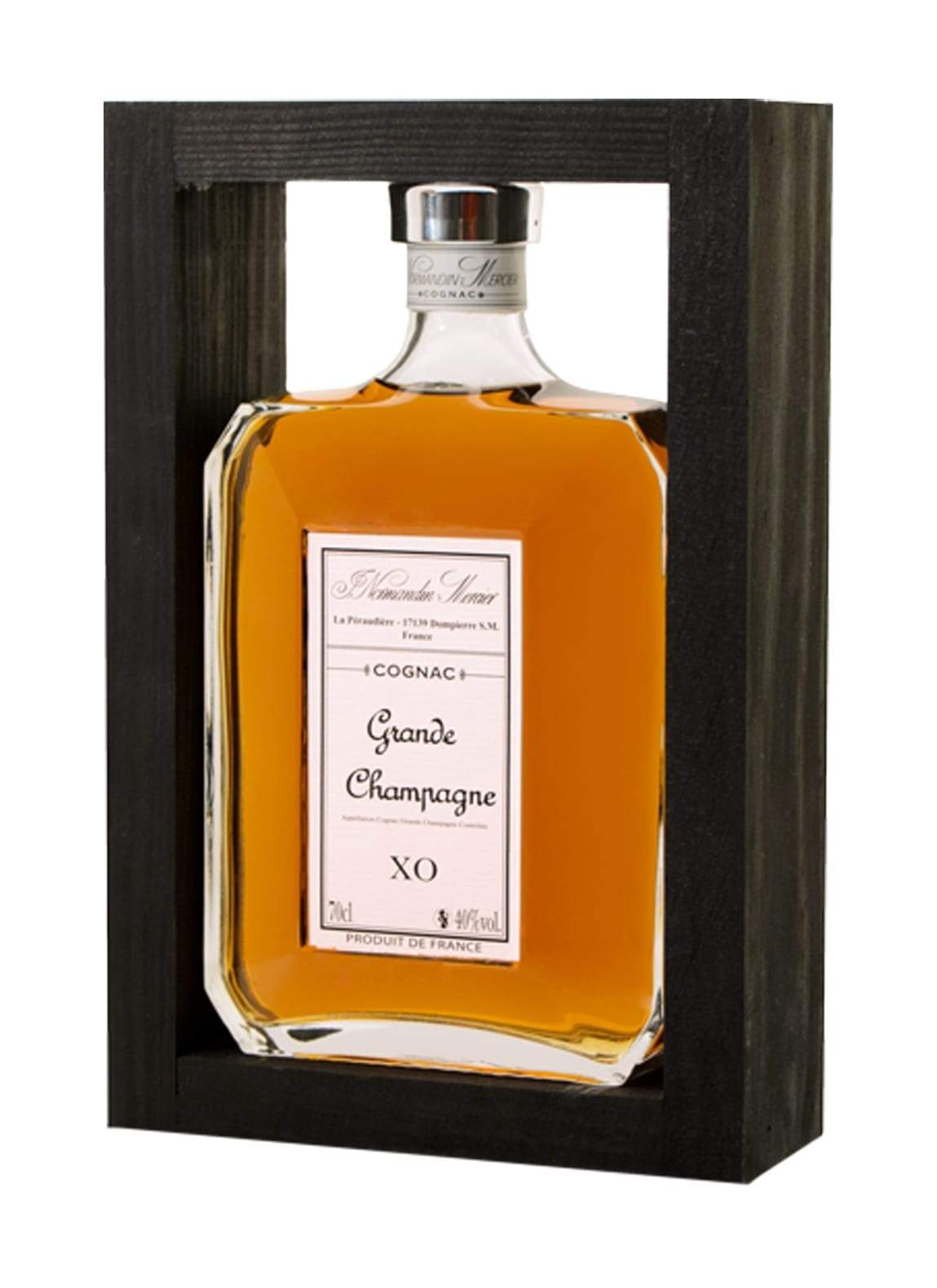
Normandin-Mercier Cognac XO 30 years Grande Champagne Carafe 40% 700ml
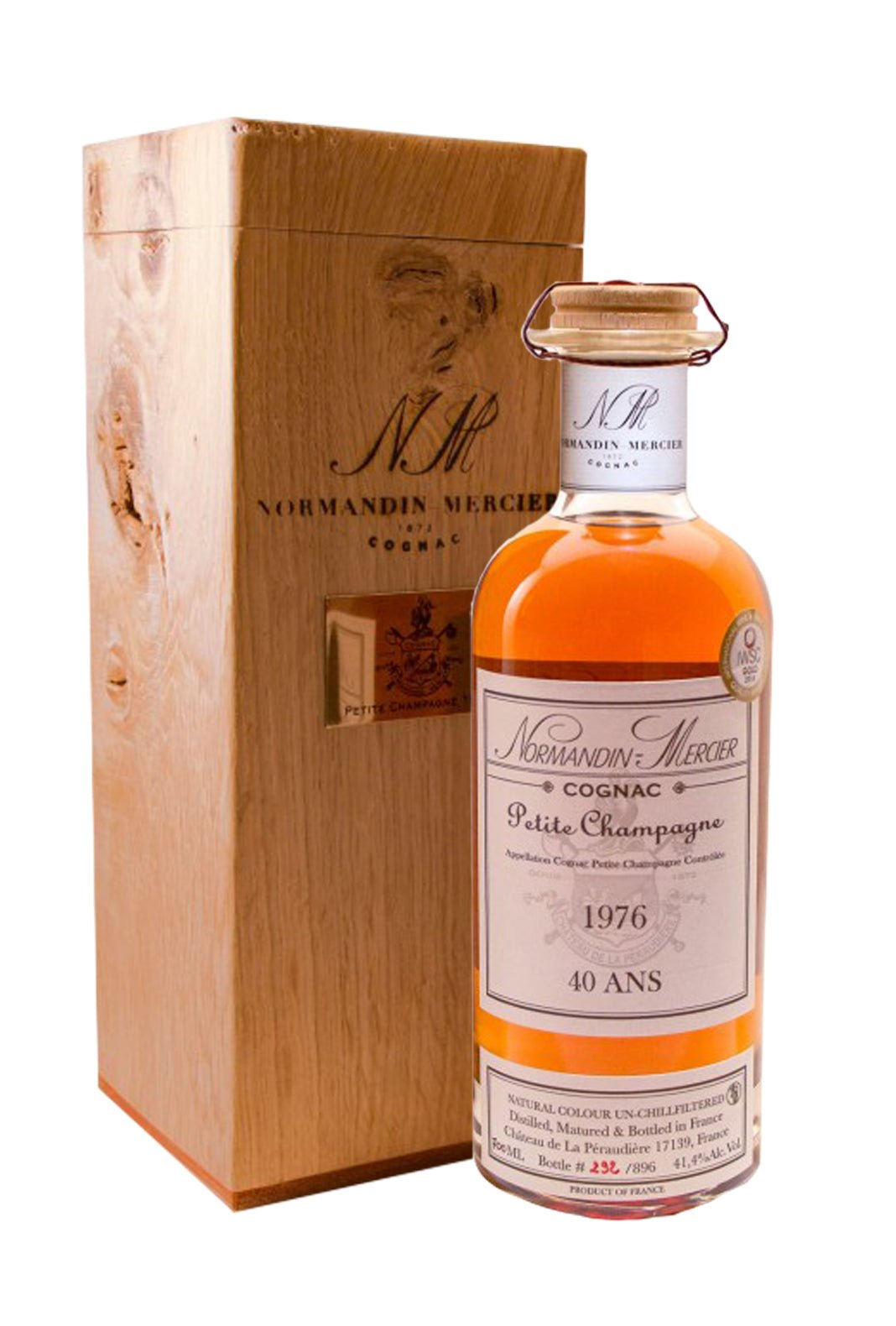
Normandin-Mercier Cognac Petite Champagne 1976 41.4% 500ml
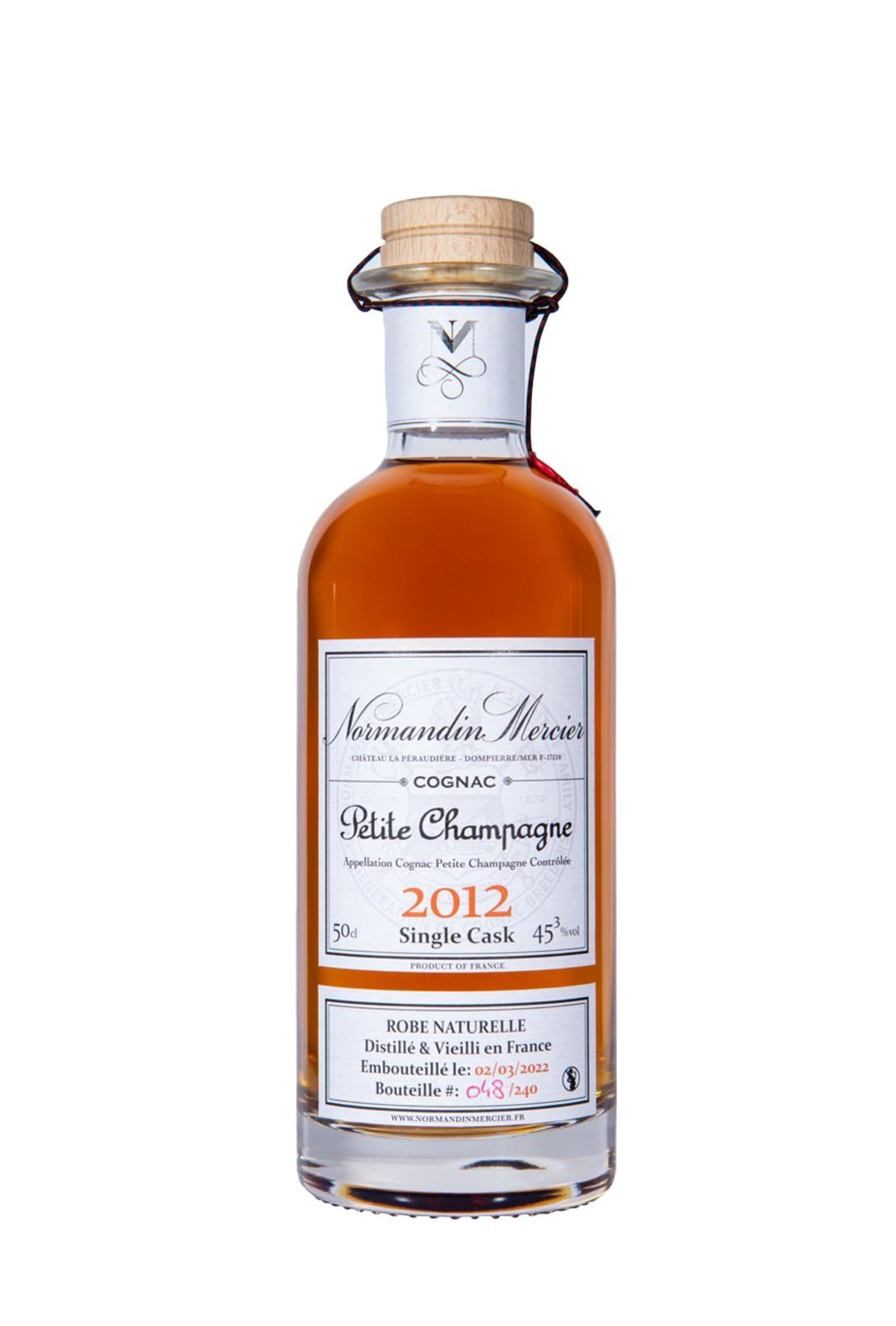
Normandin Mercier Cognac PC 2012 45.3% 500ml
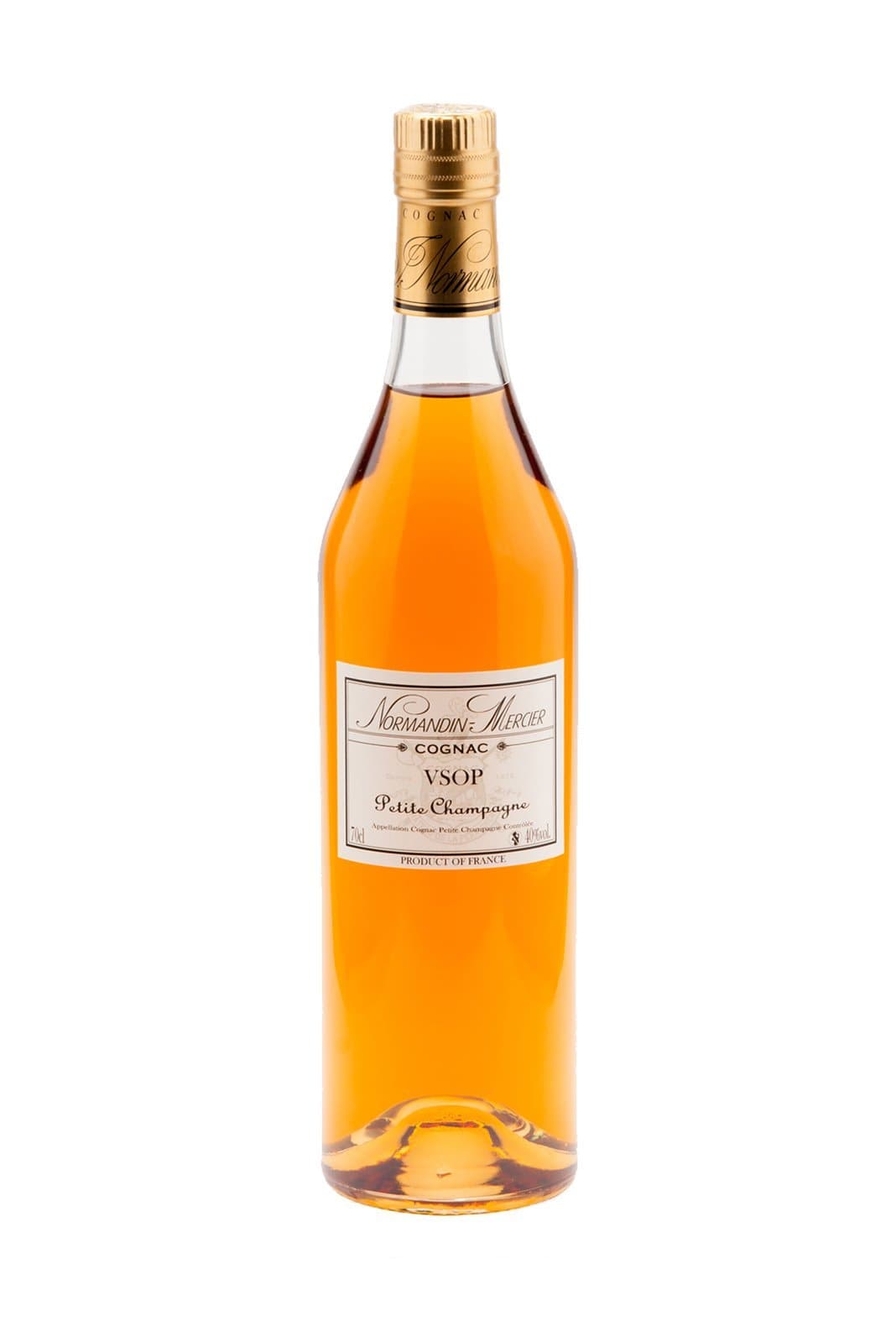
Normandin-Mercier Cognac VSOP 7 years Petite Champagne 40% 700ml
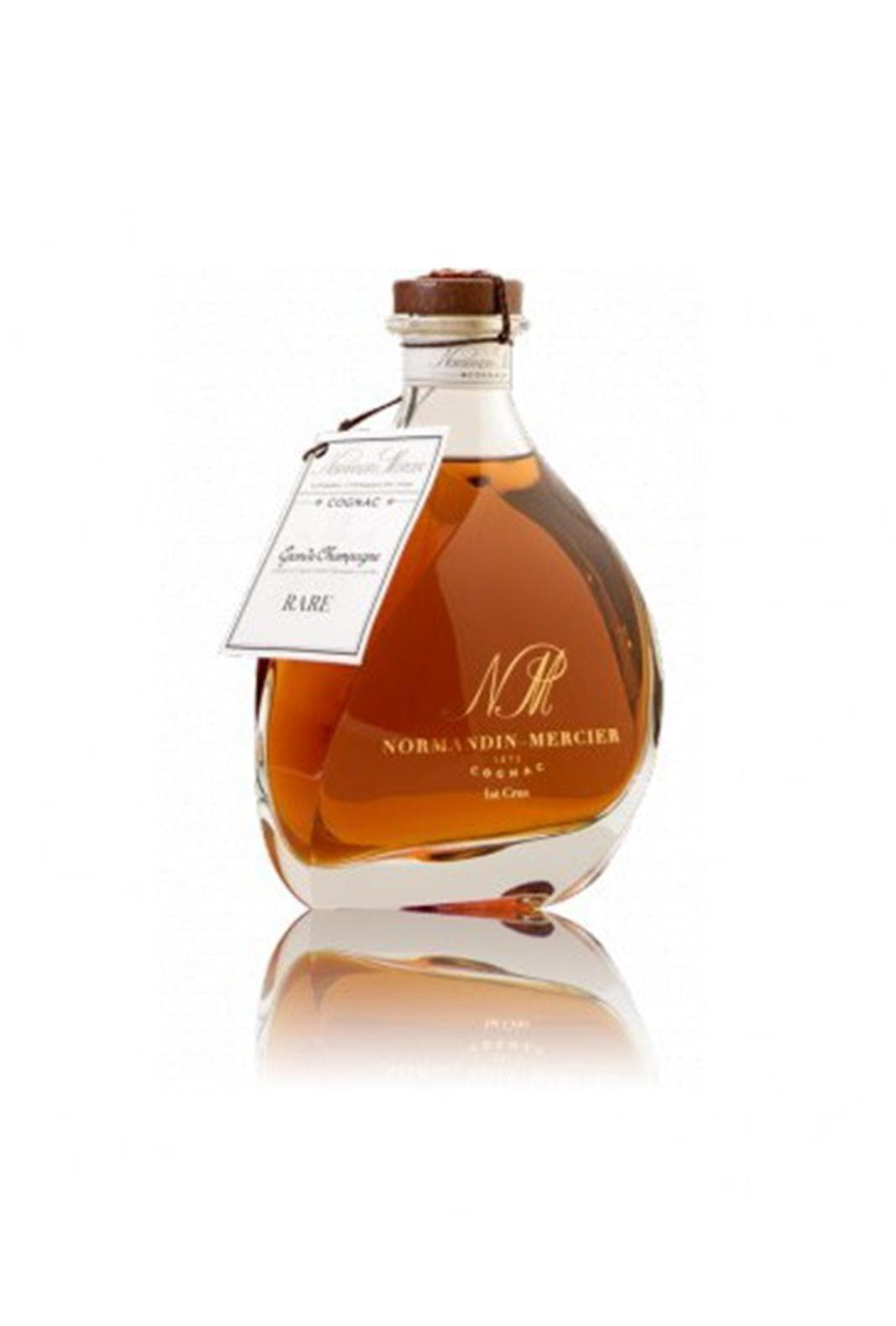
Normandin-Mercier Cognac 'Rare' 50 years Grand Champagne 42% 700ml CARAFE
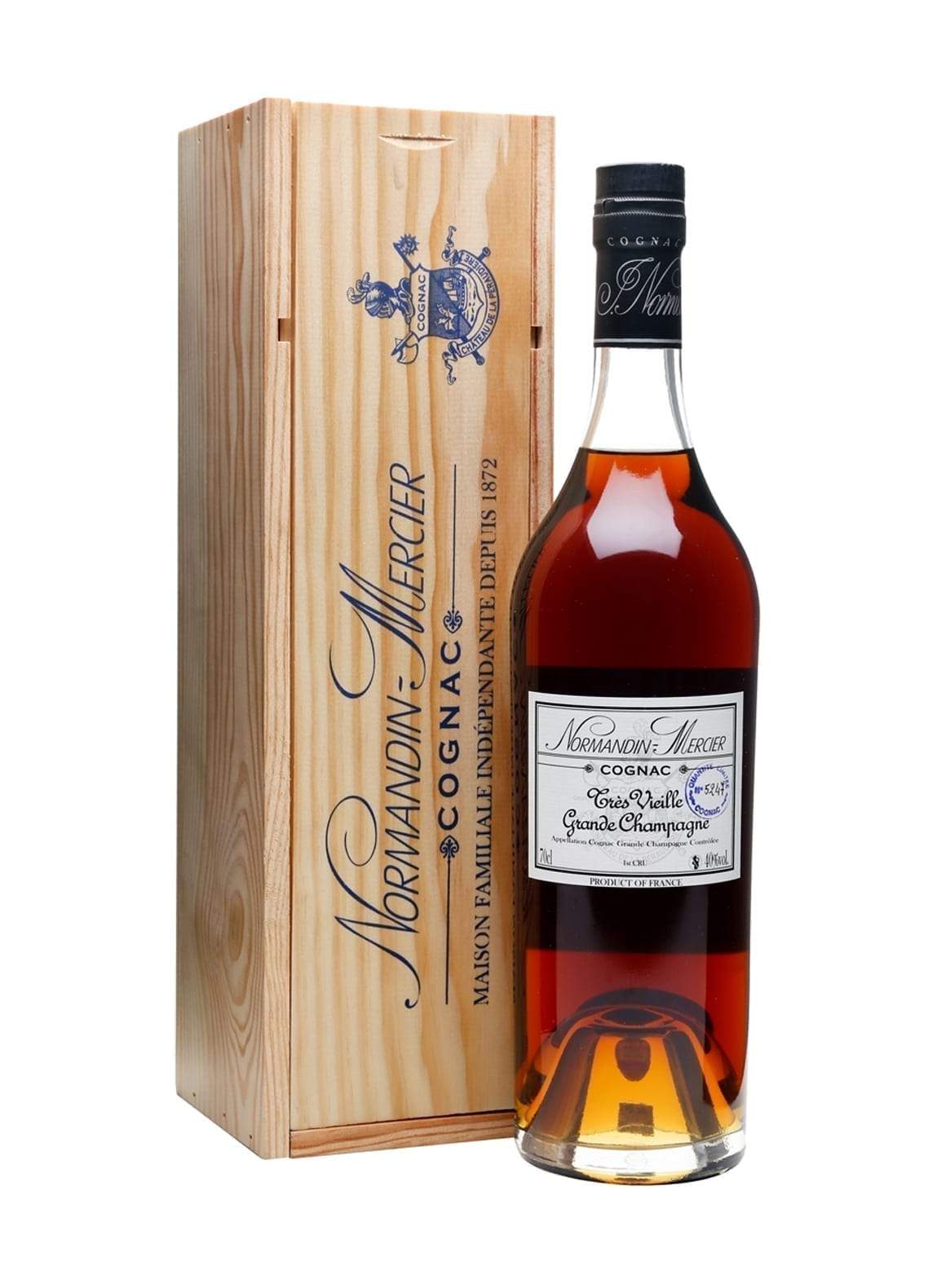
Normandin-Mercier Cognac Tres Vieille 100 years+ (1880-1914) Grand Champagne 40% 700ml
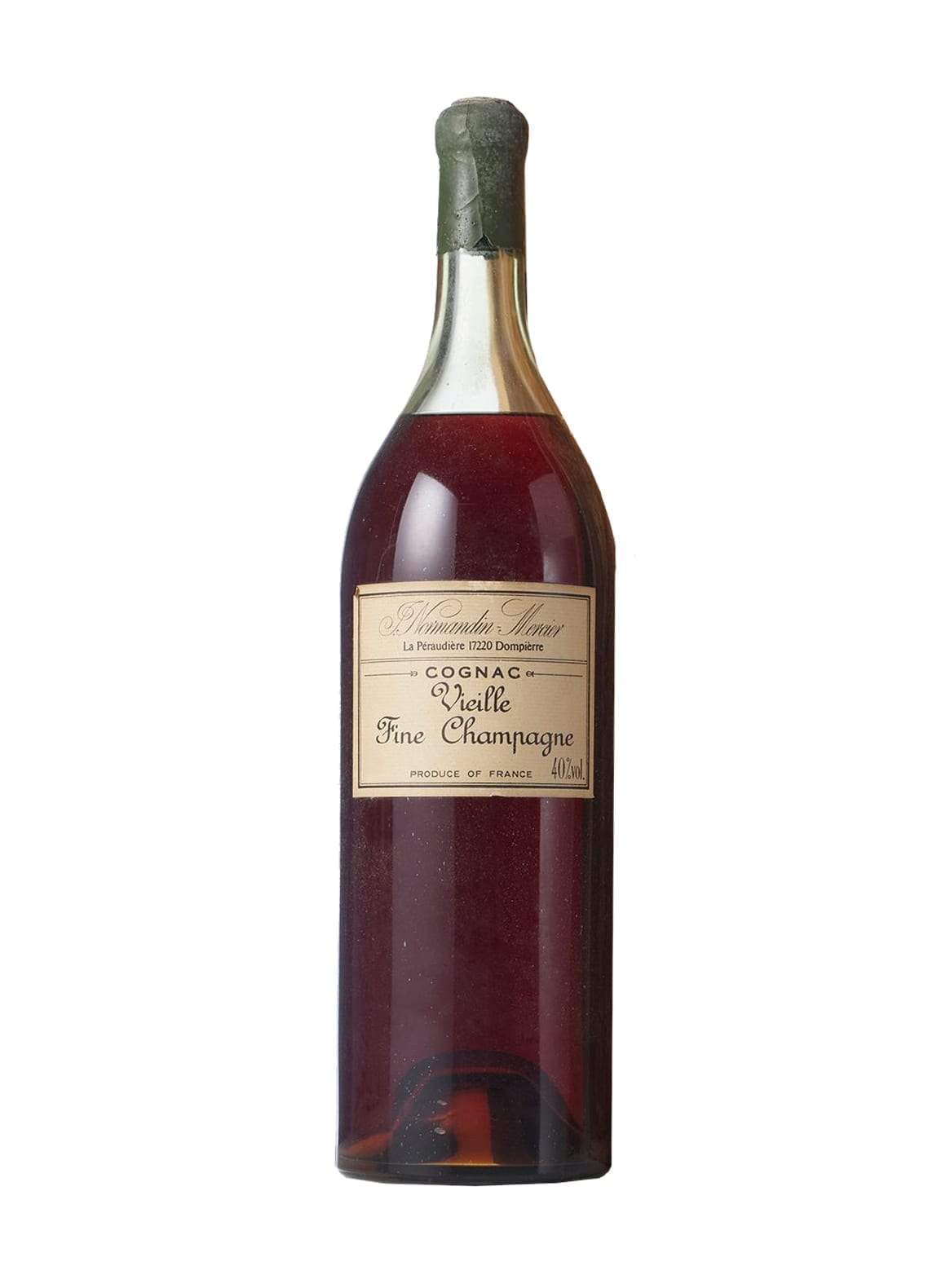
Normandin-Mercier Cognac 15 years Vieille Fine Champagne Magnum 40% 1500ml
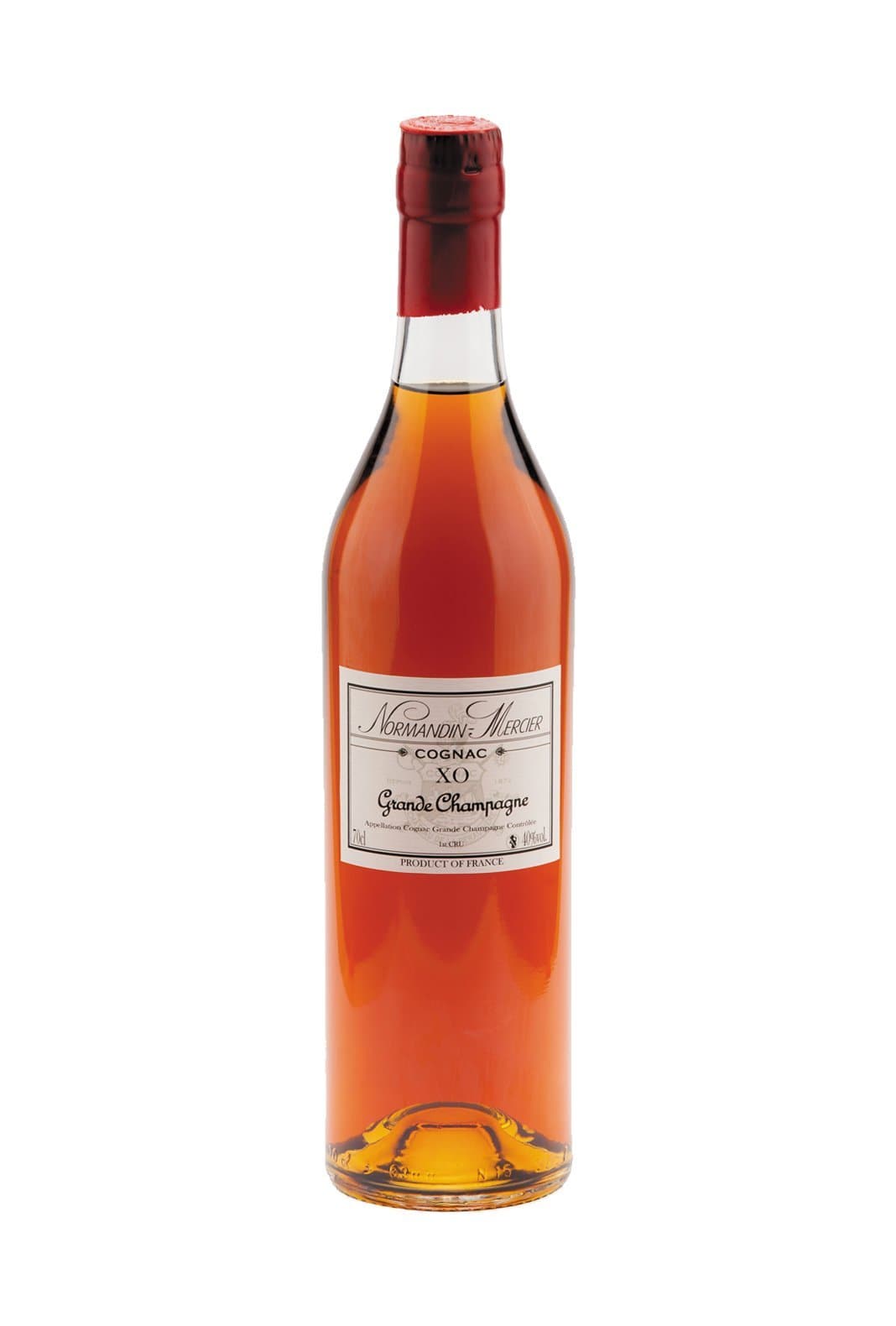
Normandin-Mercier Cognac XO 30 years Grande Champagne 40% 700ml
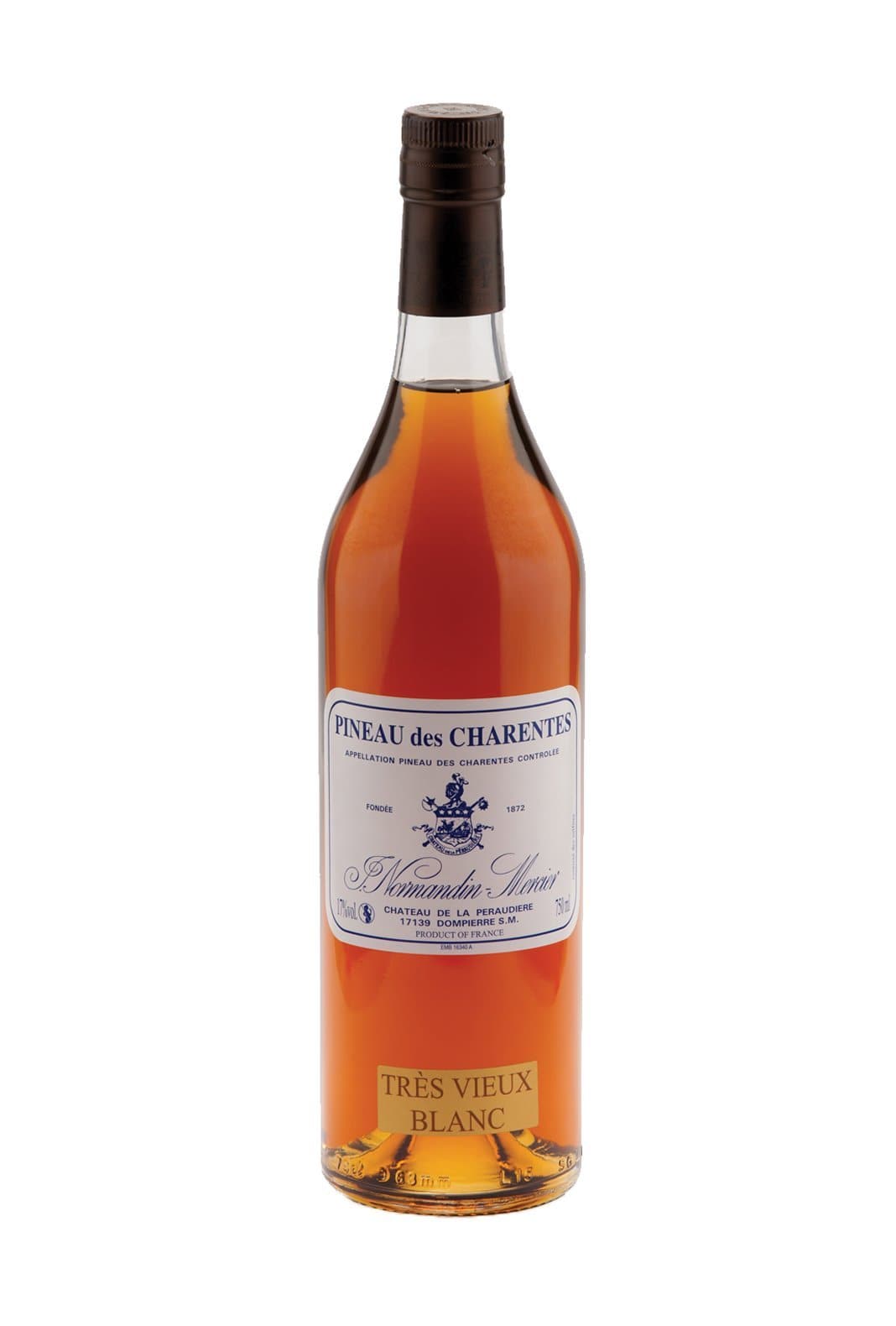
Normandin-Mercier Aperitif Pineau des Charentes Blanc (White) Tres Vieux 12 years 17% 750ml
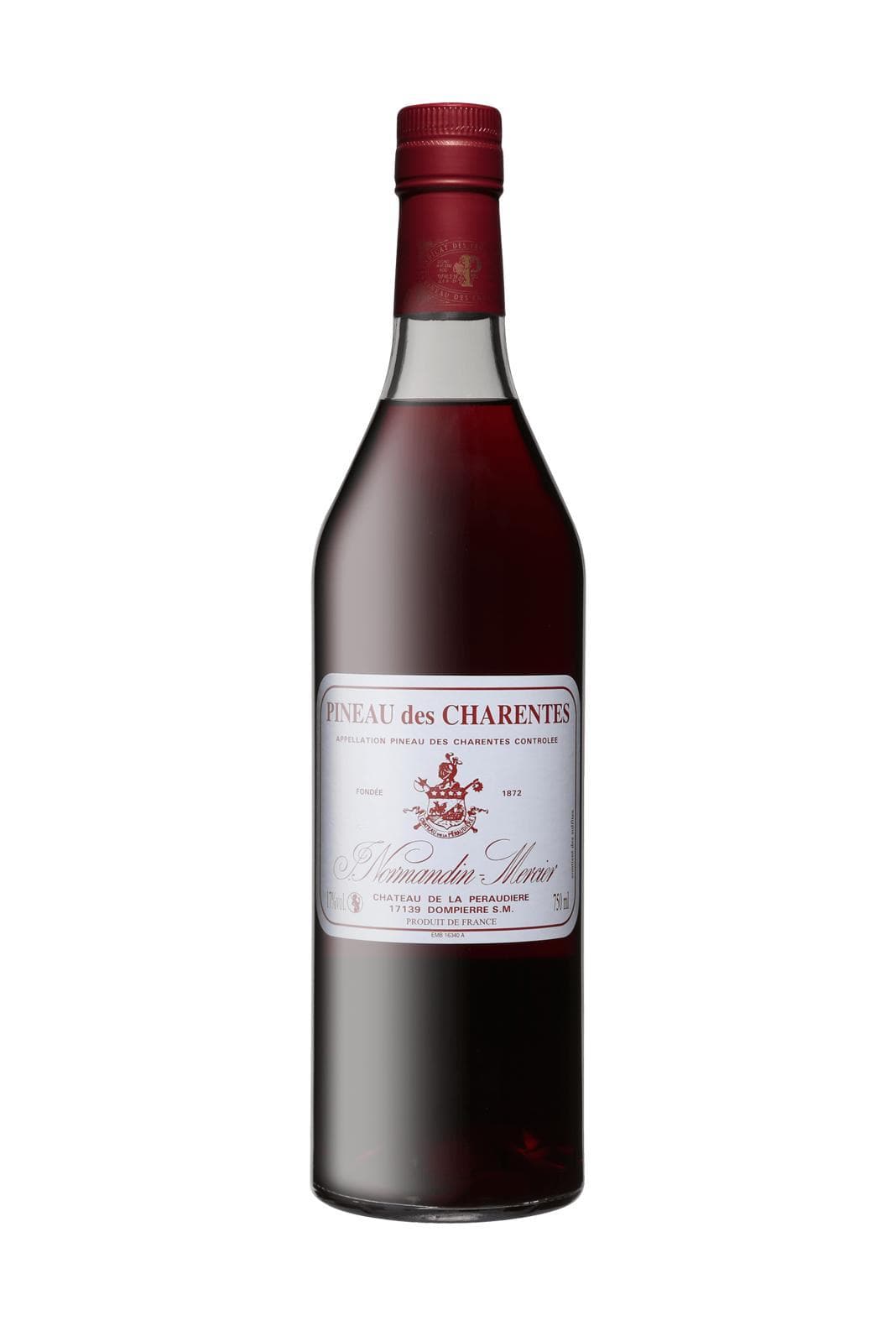
Normandin-Mercier Aperitif Pineau des Charentes Rouge (Red) 4 years17% 750ml
About Normandin-Mercier
Normandin-Mercier is a small family house that does something structurally unusual: it distils in the Charente and then ages its cognac at Chateau de Peu near La Rochelle, within reach of the Atlantic. Damp, cool cellar air slows evaporation and softens the spirit, and the house style follows directly from that.
The range leans towards Petite Champagne, the cru immediately outside Grande Champagne, which tends to give a rounder and slightly more floral spirit that comes good a little earlier.
VSOP at seven years is the entry point. Vieille Fine Champagne at fifteen is the one most people settle on. XO at thirty years steps into Grande Champagne, and Rare at fifty sits near the top.
Two bottlings sit beyond the normal range: single vintages from 1976 and 2012, and a Tres Vieille assembled from spirit distilled between 1880 and 1914.
The house also makes Pineau des Charentes in both colours, including a twelve year old white. These are fortified aperitifs rather than spirits and are best treated as such.
History
The house dates to 1872 and has stayed with the same family since, which in Cognac terms makes it a survivor rather than a curiosity. Most independent houses of that era were absorbed by the large blending companies during the twentieth century.
Its defining decision is geographic. Cognac is distilled in the Charente but Normandin-Mercier matures at Dompierre-sur-Mer, close to the sea. Humidity in a cellar governs how a spirit loses alcohol: dry air takes water and pushes strength up, damp air takes alcohol and pulls strength down. Maturing in a damp maritime cellar therefore produces a softer, lower strength, rounder spirit at any given age, and it is why these bottlings often taste older and gentler than the number on the label.
The crus matter too. Petite Champagne rings Grande Champagne and shares much of its chalk, giving similar finesse with slightly less staying power and a little more early charm. Fine Champagne is a permitted blend of the two, with at least half from Grande Champagne.
For the drier, more structured counterpart, see Armagnac. The full cognac range sits alongside.
How to drink it
Tulip glass, room temperature, no heat. The balloon snifter and the little warming stand both belong in a cupboard: they concentrate alcohol and flatten everything you actually want to smell.
VSOP is the mixing bottle. It makes a good Sidecar and an even better cognac and tonic, which is how a great deal of cognac is now drunk in France in summer.
From fifteen years upward, drink it neat and give it time. Because these are aged in damp maritime cellars, they arrive softer and more approachable than an inland cognac of the same age, so they need less coaxing, but ten minutes in the glass still repays you.
The Rare 50 Year and the Tres Vieille are after dinner bottles and should be treated as an event rather than a habit. Look for rancio, the savoury walnut and dried mushroom note that only decades in oak produce.
Pineau des Charentes is a fortified aperitif, not a digestif. Serve it cold, around eight to ten degrees, with charcuterie or melon. Keep an opened bottle in the fridge.
Store spirits upright and out of direct light. Browse French aperitifs or the wider brandy range.
More from this origin and style: