
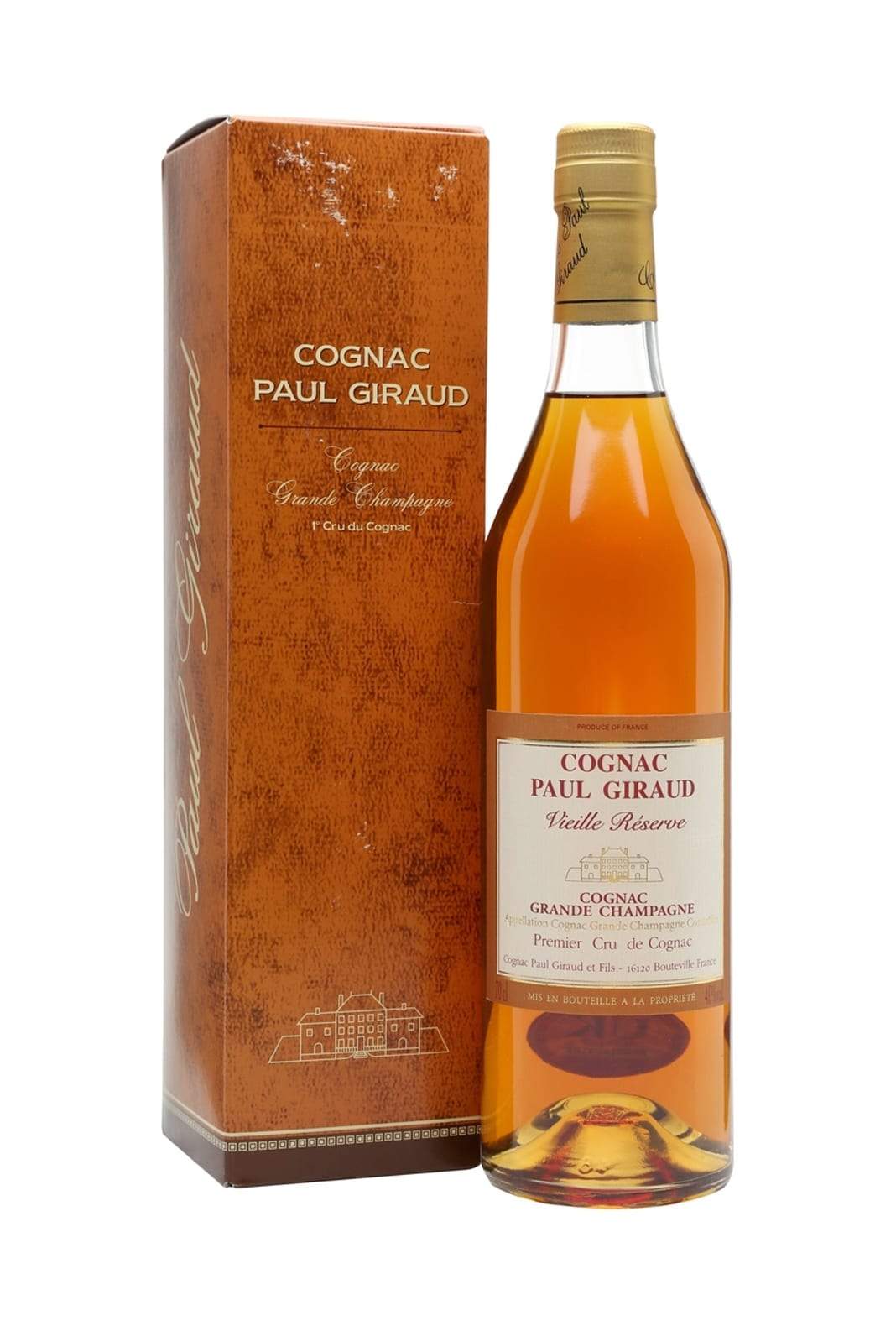
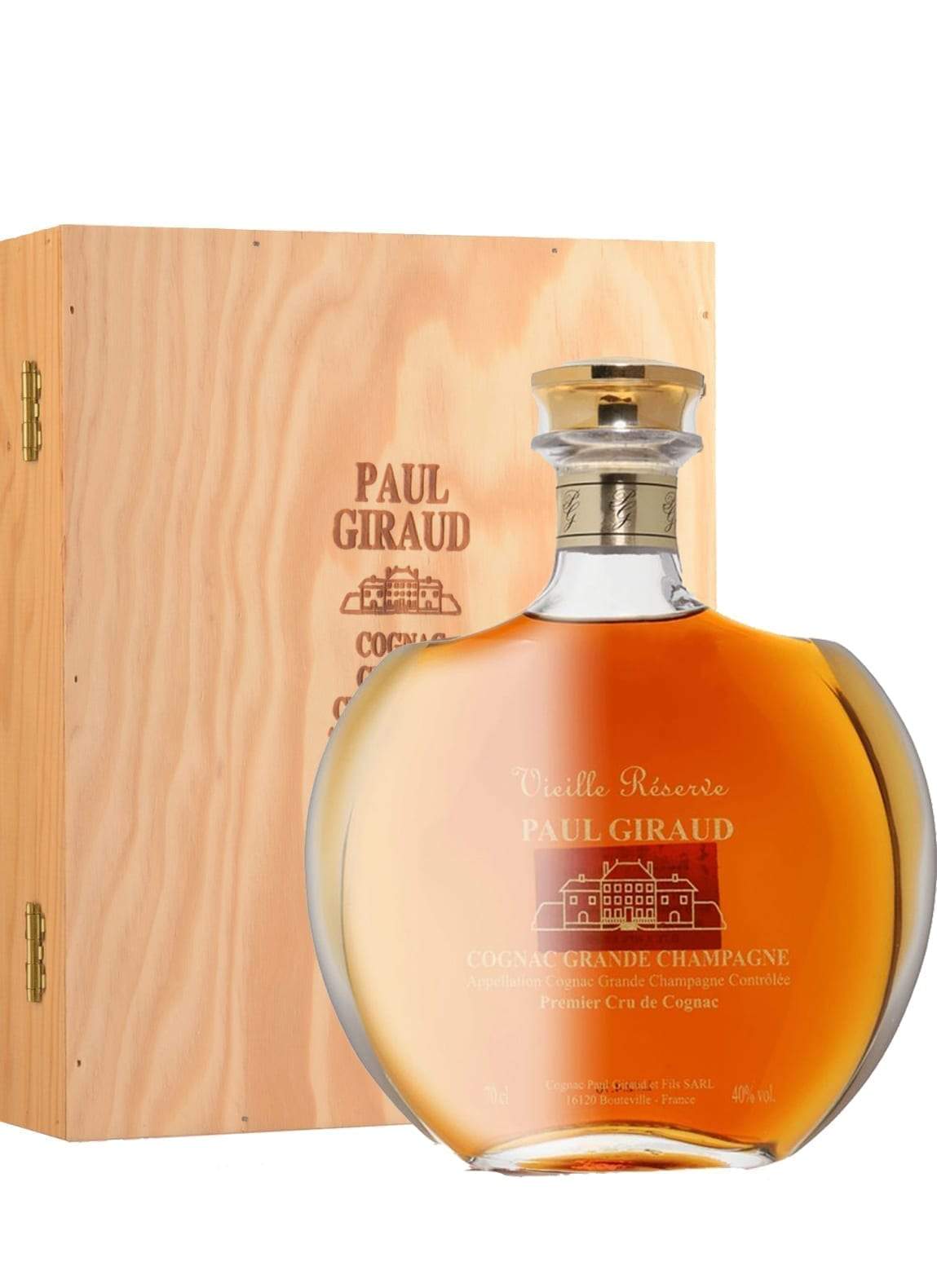
Paul Giraud Cognac Vieille Reserve 25 years Grande Champagne 40% 700ml
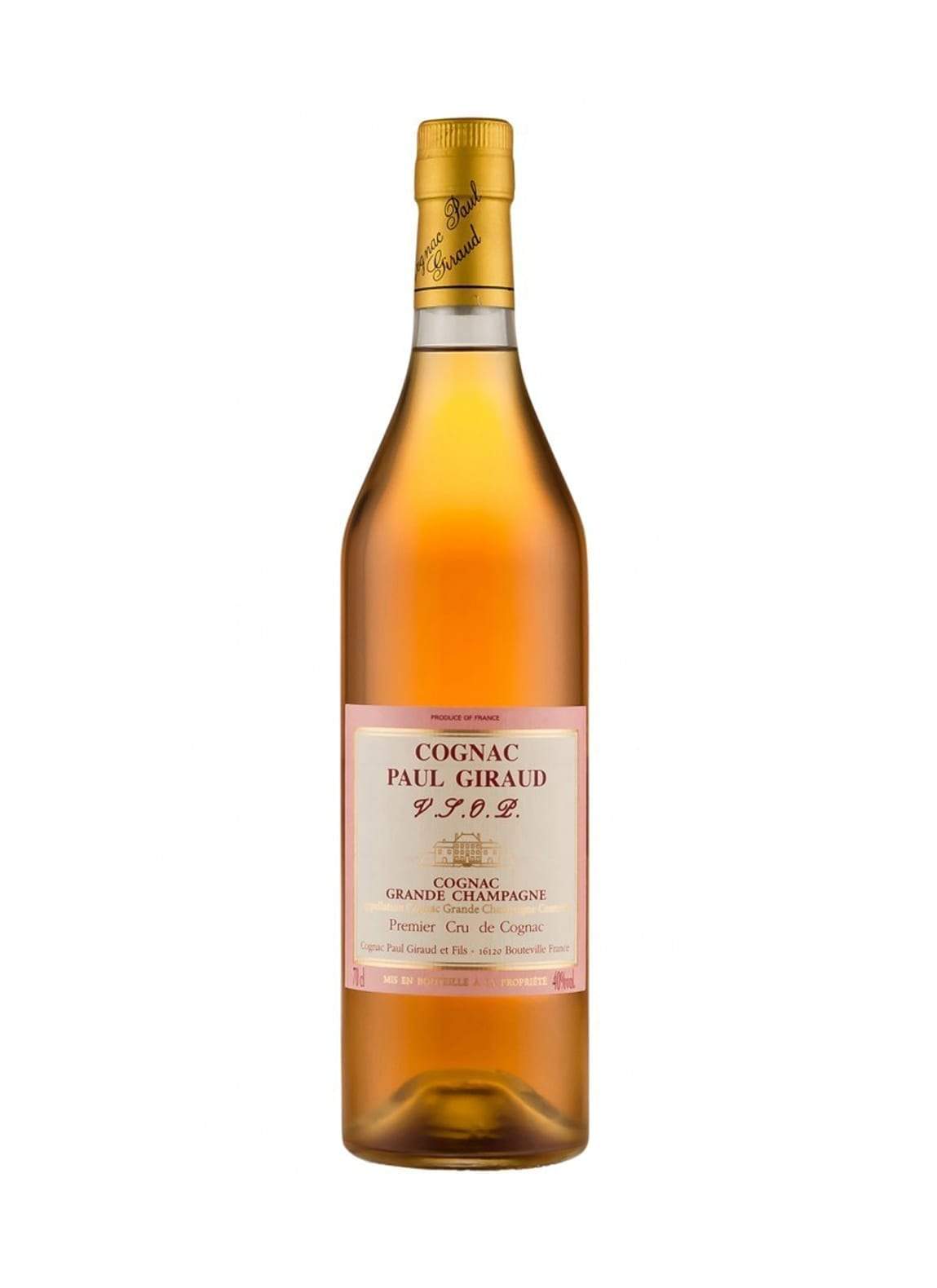
Paul Giraud Cognac VSOP 8 years Grande Champagne 40% 700ml
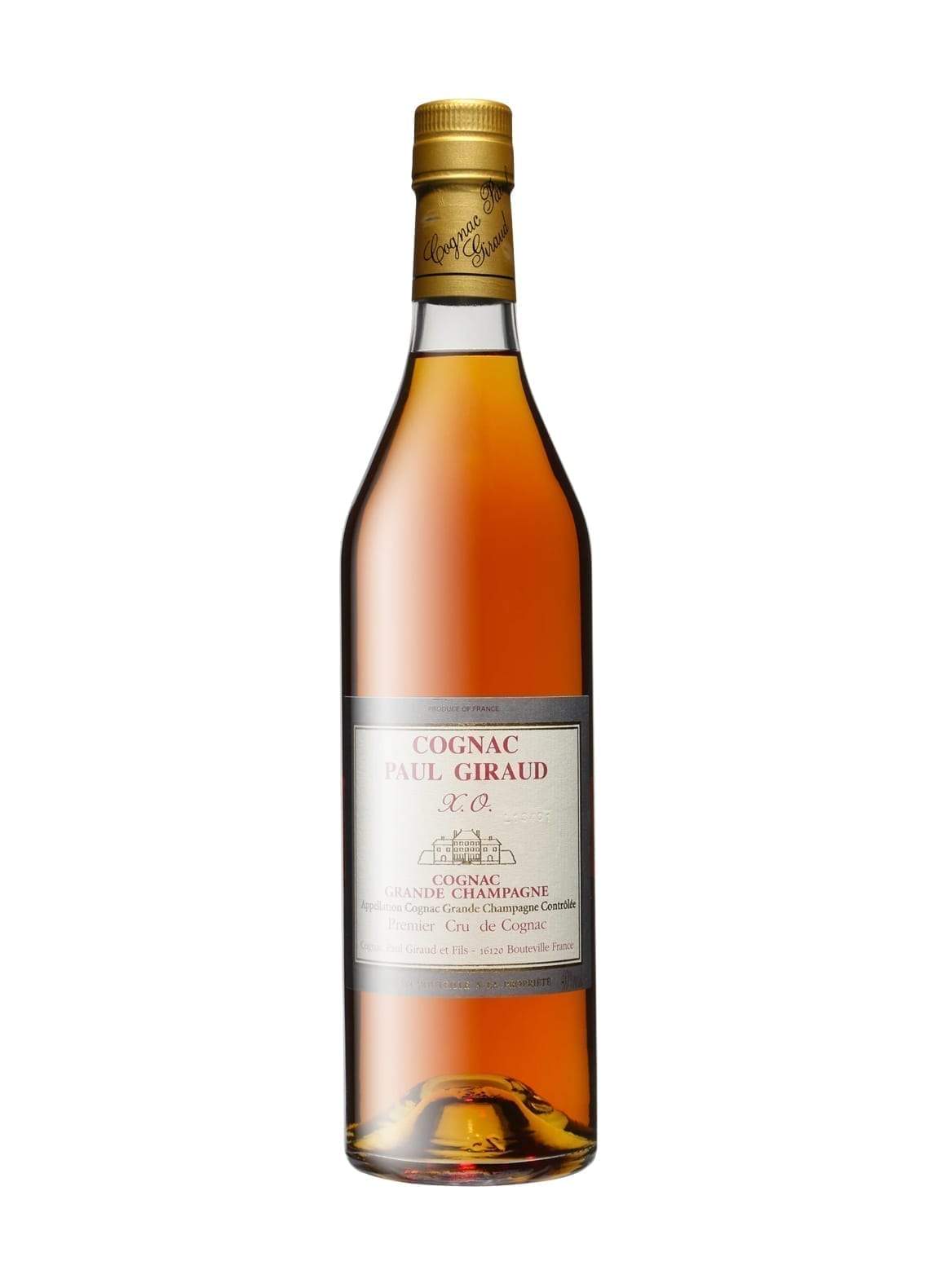
Paul Giraud Cognac XO 25 years Grande Champagne 40% 700ml
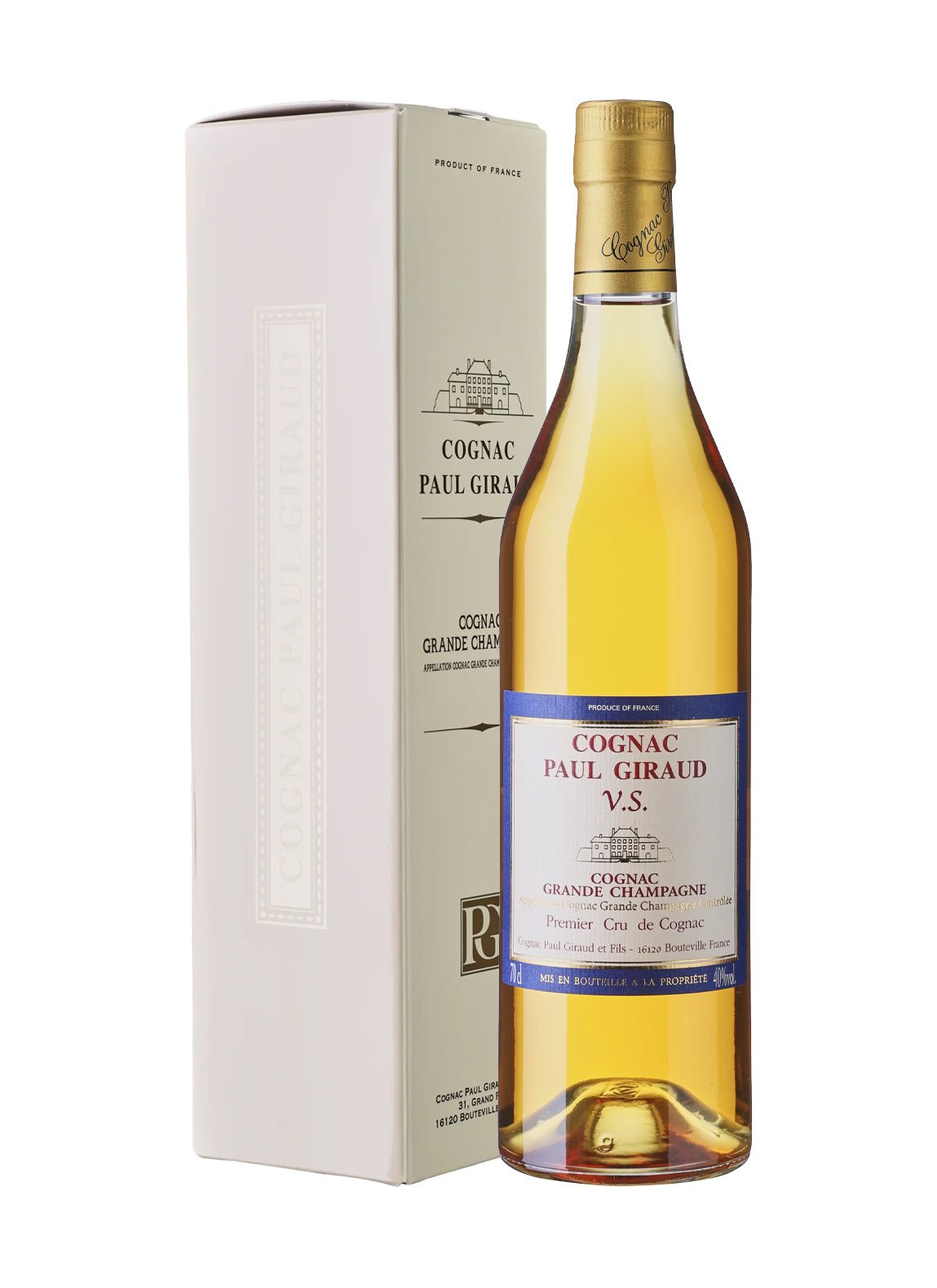
Paul Giraud VS Cognac Grande Champagne 40% 700ml
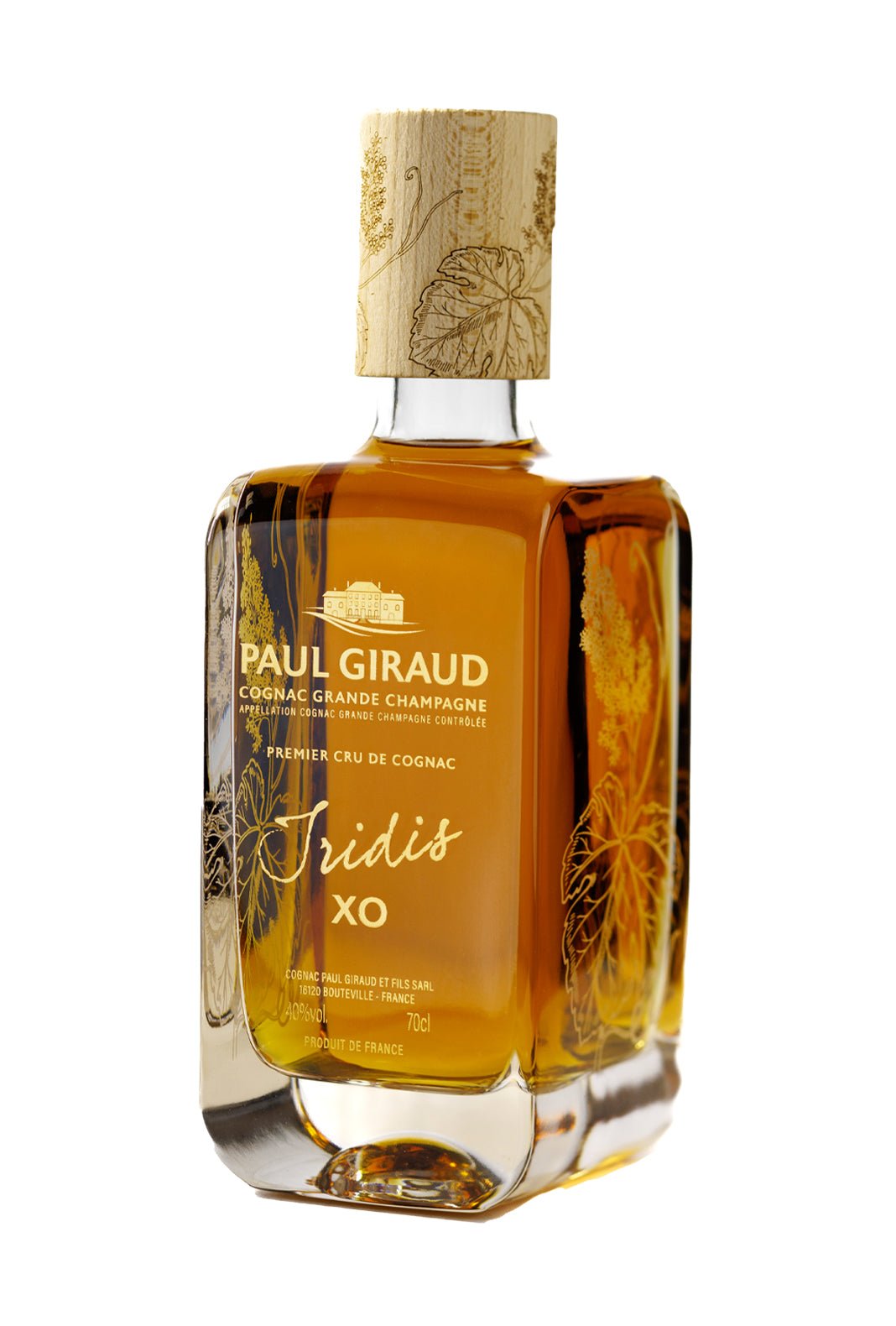
Paul Giraud XO Irisdis 25 yrs 40% 700ml
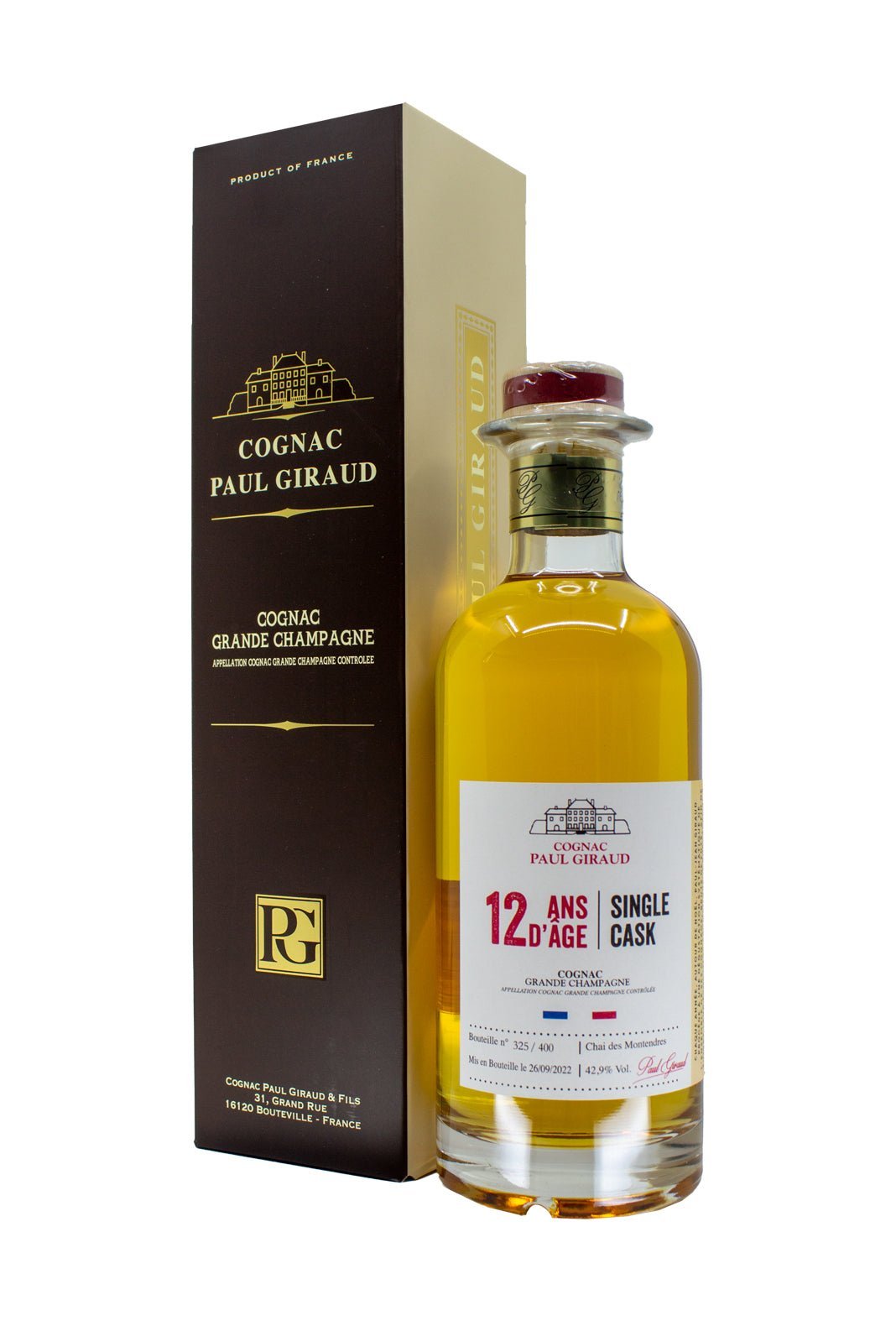
Paul Giraud Cognac Grand Champagne 12 years 40% 500ml
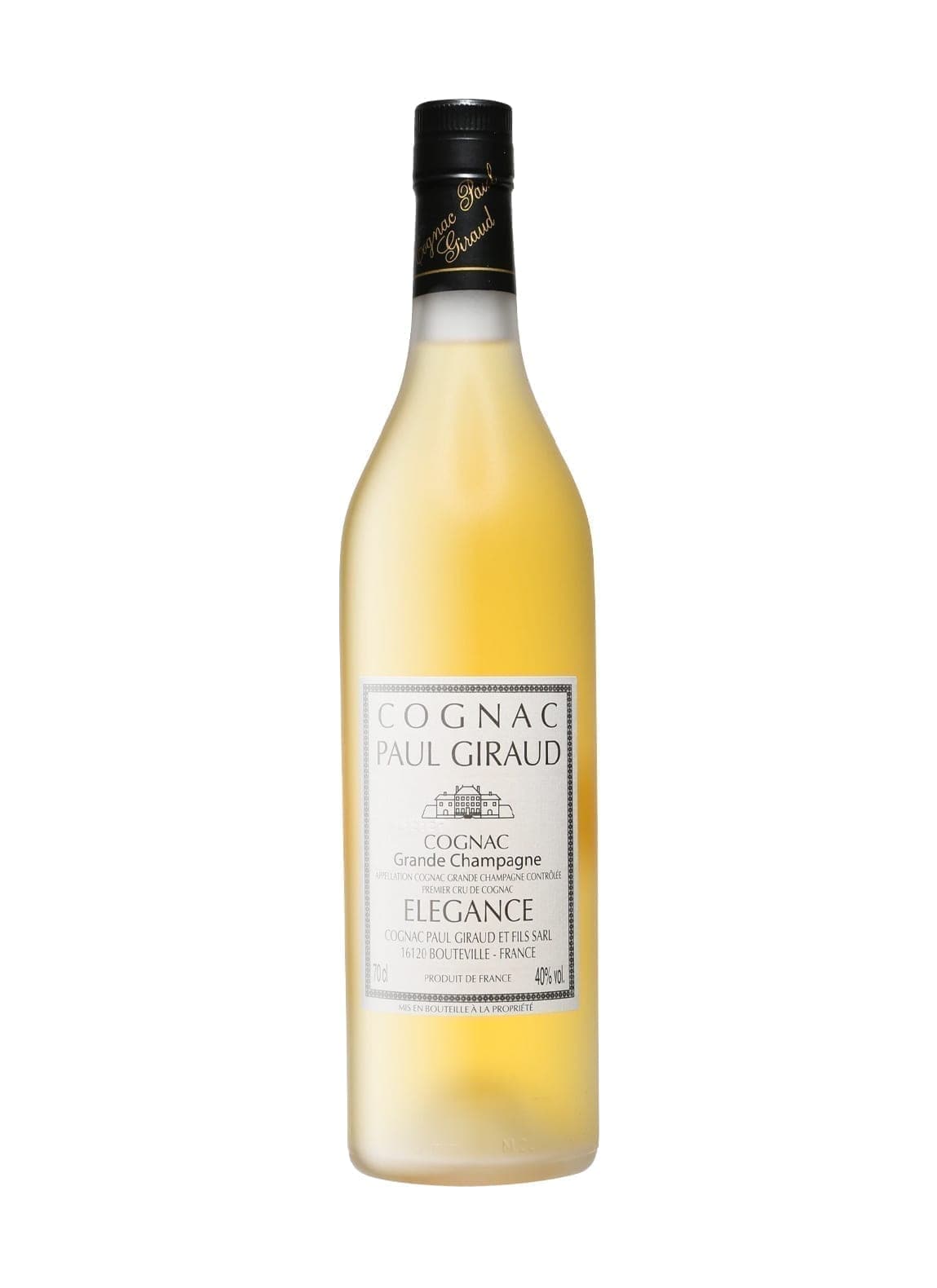
Paul Giraud Cognac 'Elegance' Grande Champagne (for cocktails) 40% 700ml
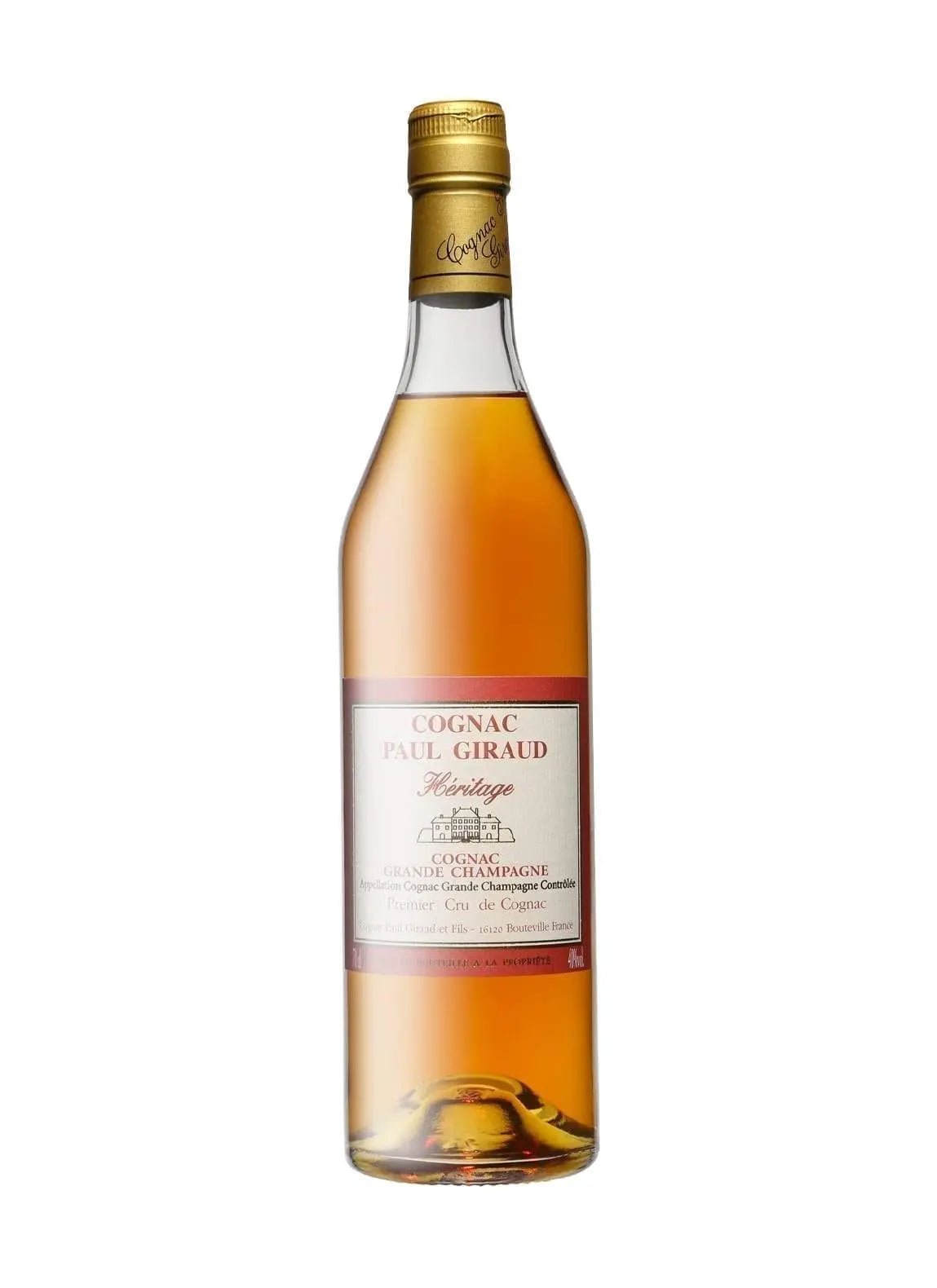
Paul Giraud Cognac Heritage 60 years Grande Champagne 40% 700ml
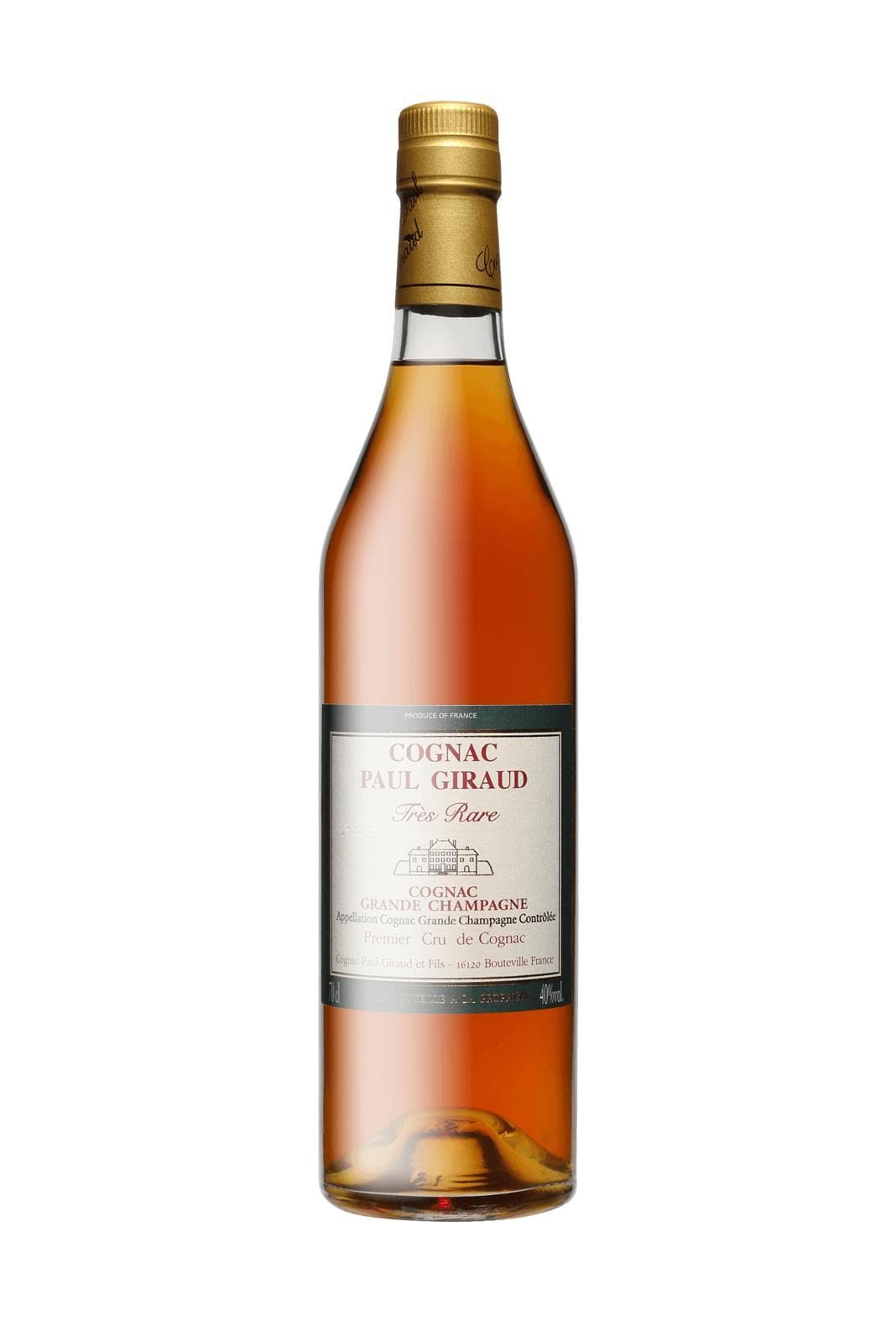
Paul Giraud Cognac Grand Champagne 58 years Tres Rare 40% 700ml
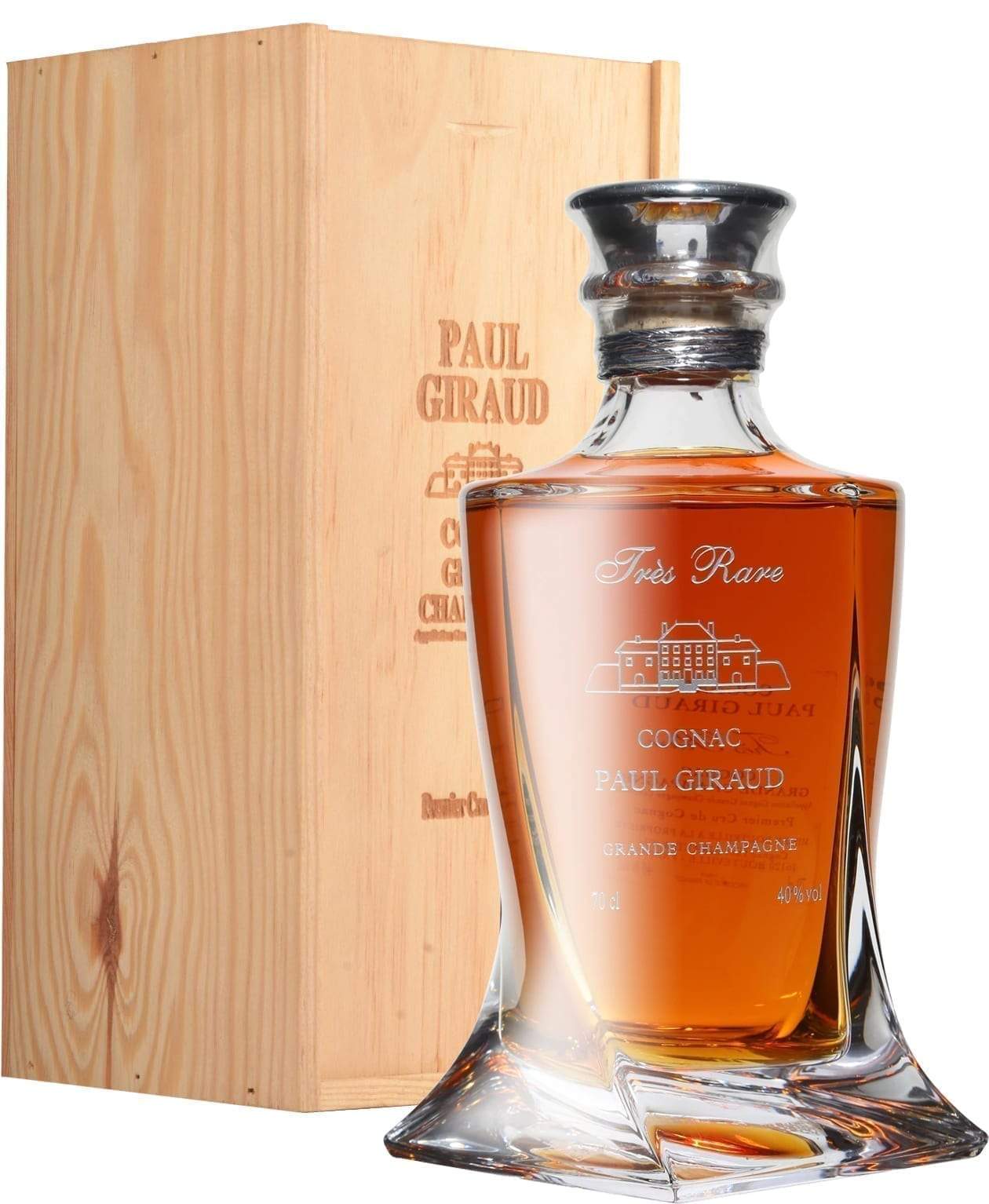
Paul Giraud Cognac Tres Rare 58 years 'Quadro Carafe' Grande Champagne 40% 700ml
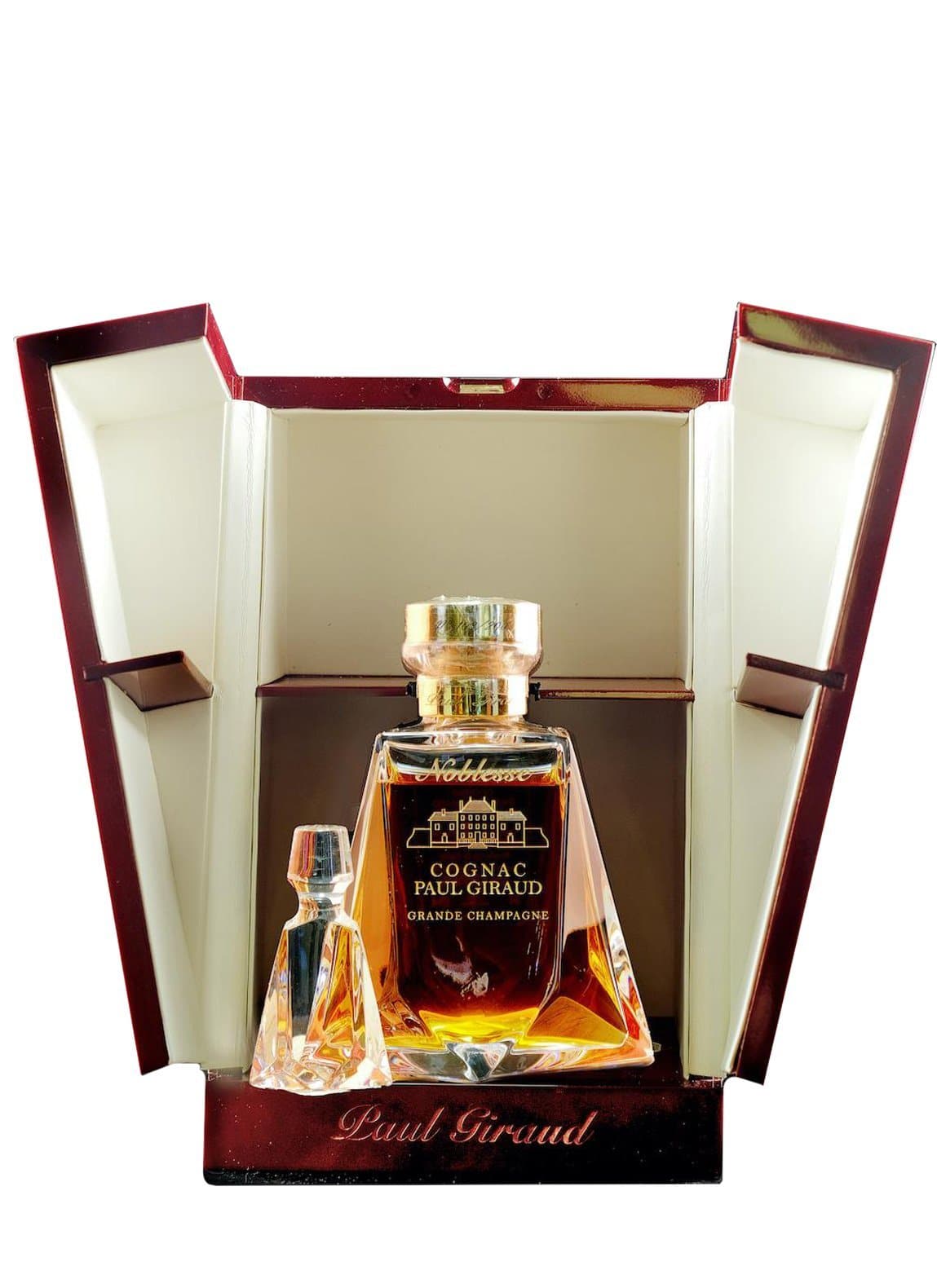
Paul Giraud Noblesse Grand Champagne Cognac 40% 500ml
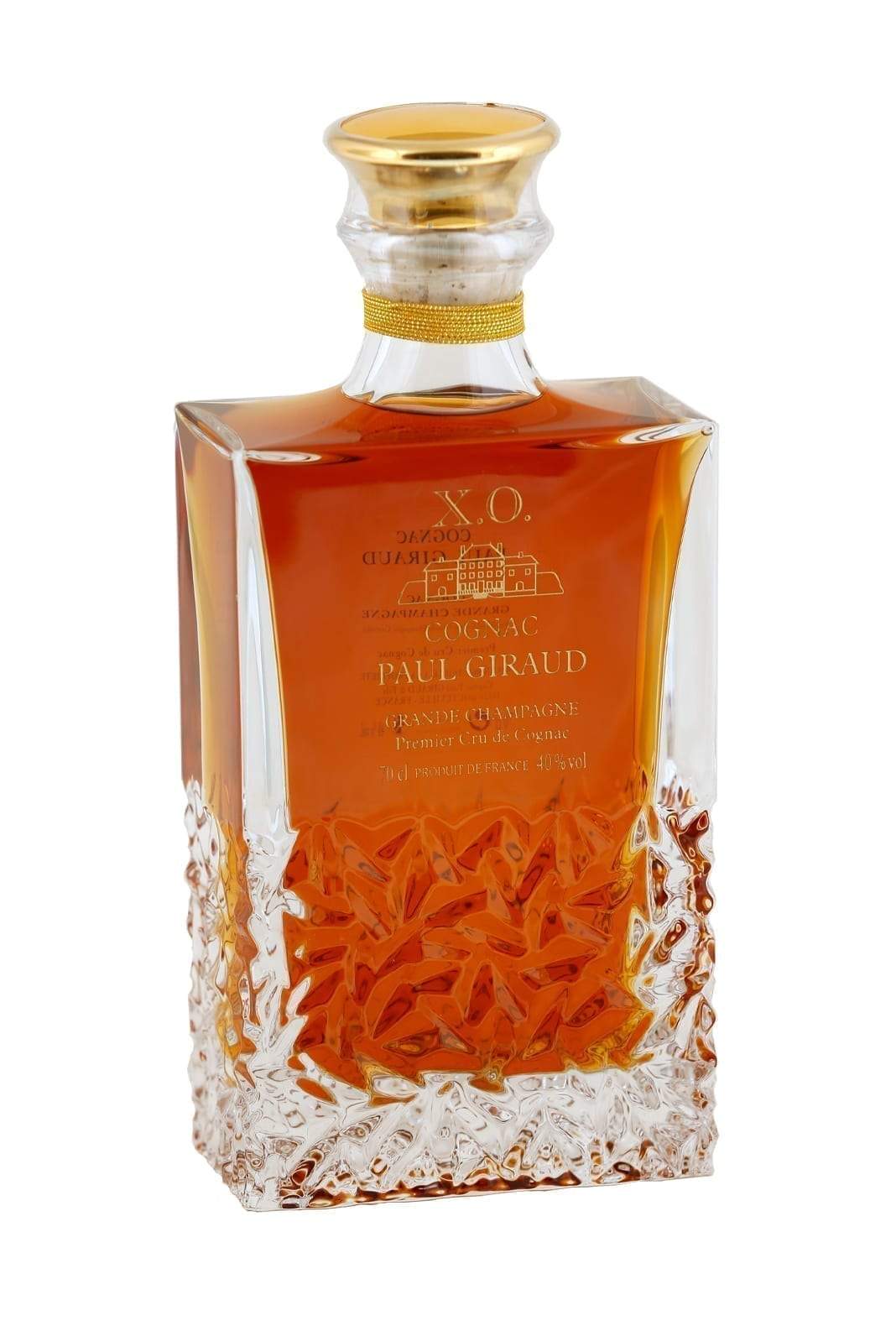
Paul Giraud XO Nicolette 25 years 40% 700ml
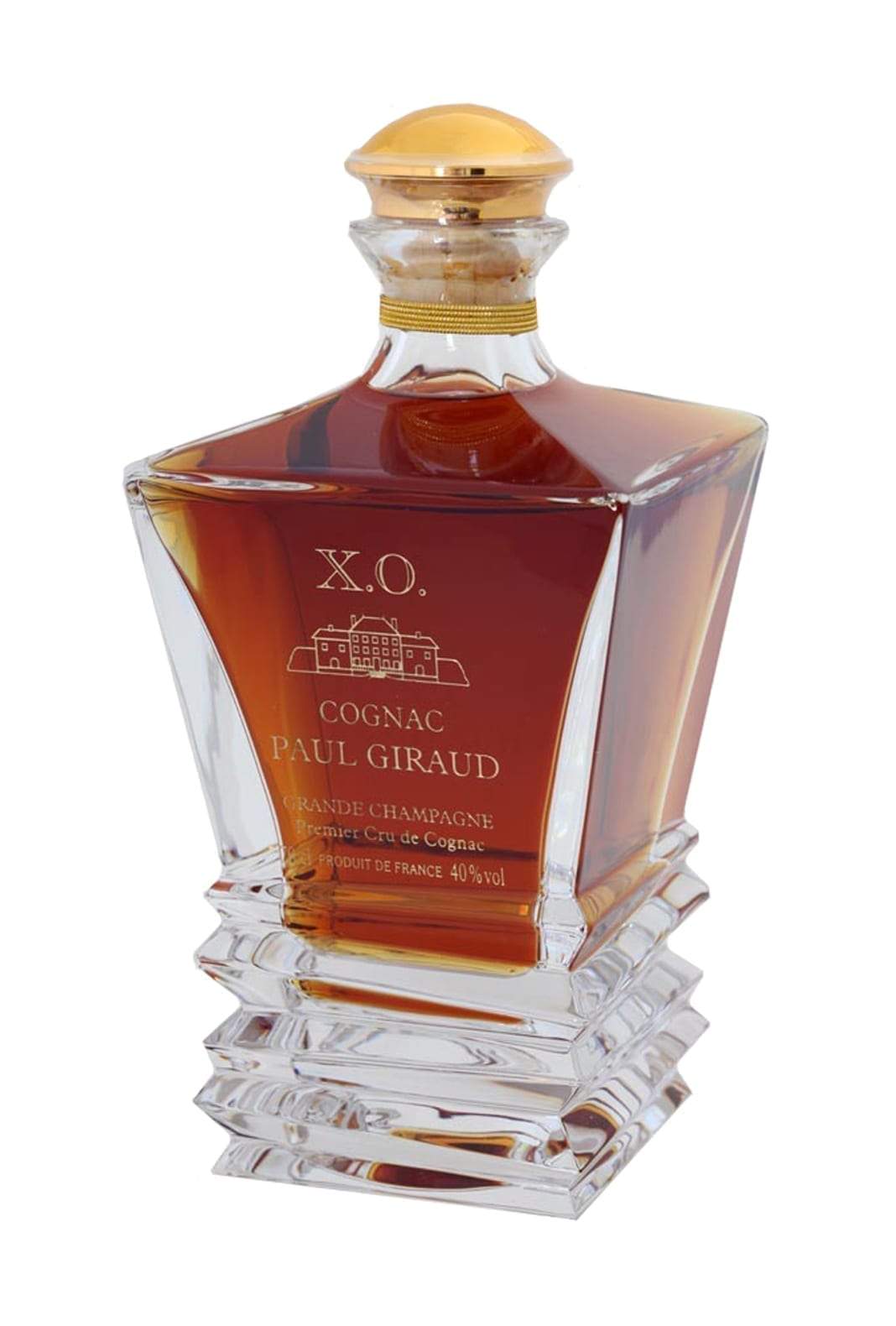
Paul Giraud XO Rocky 25 years 40% 700ml
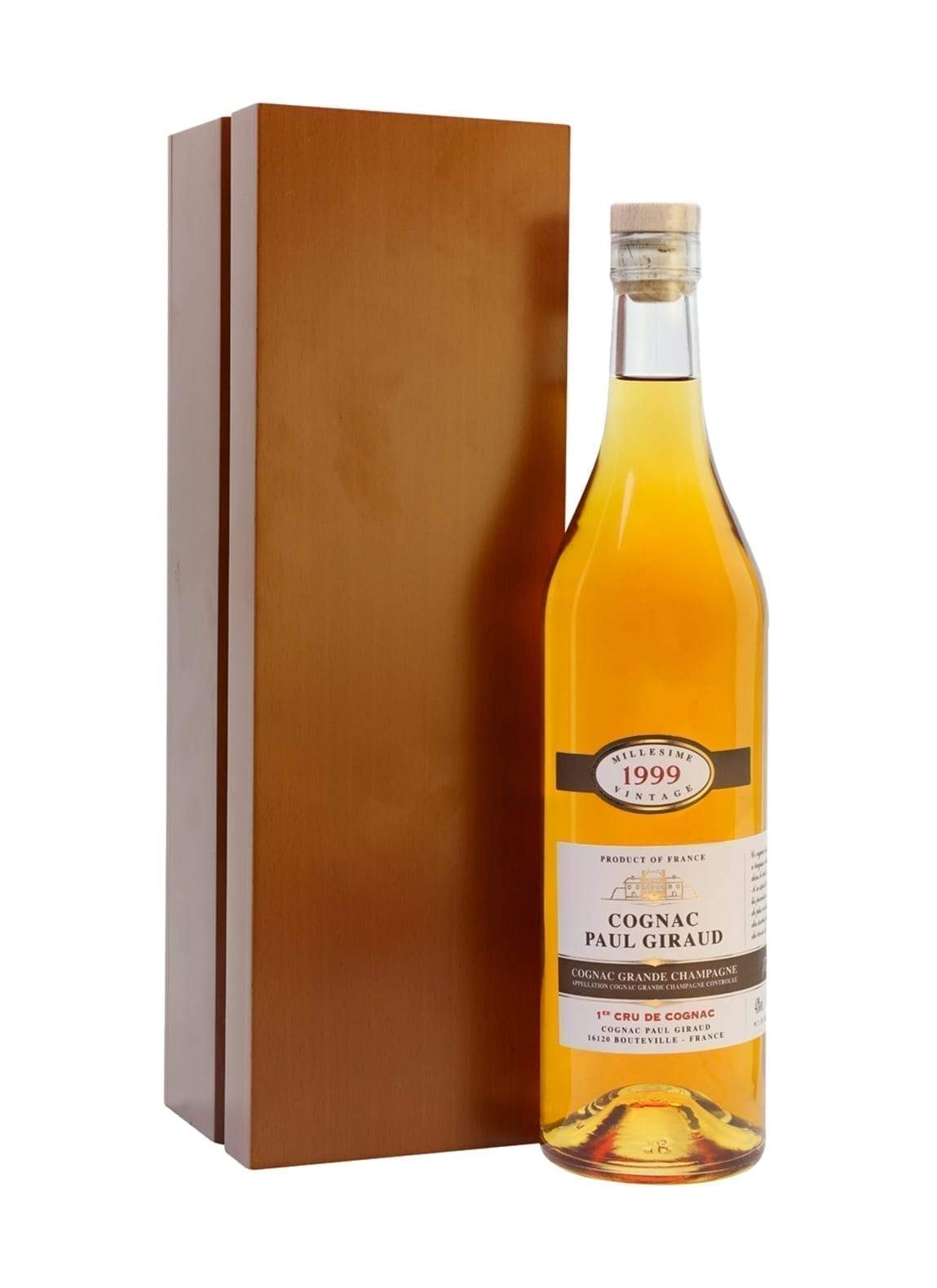
Paul Giraud Cognac 1999 40% 700ml
Paul Giraud Cognac Grande Champagne XO Heylante 25yrs 40% 700ml
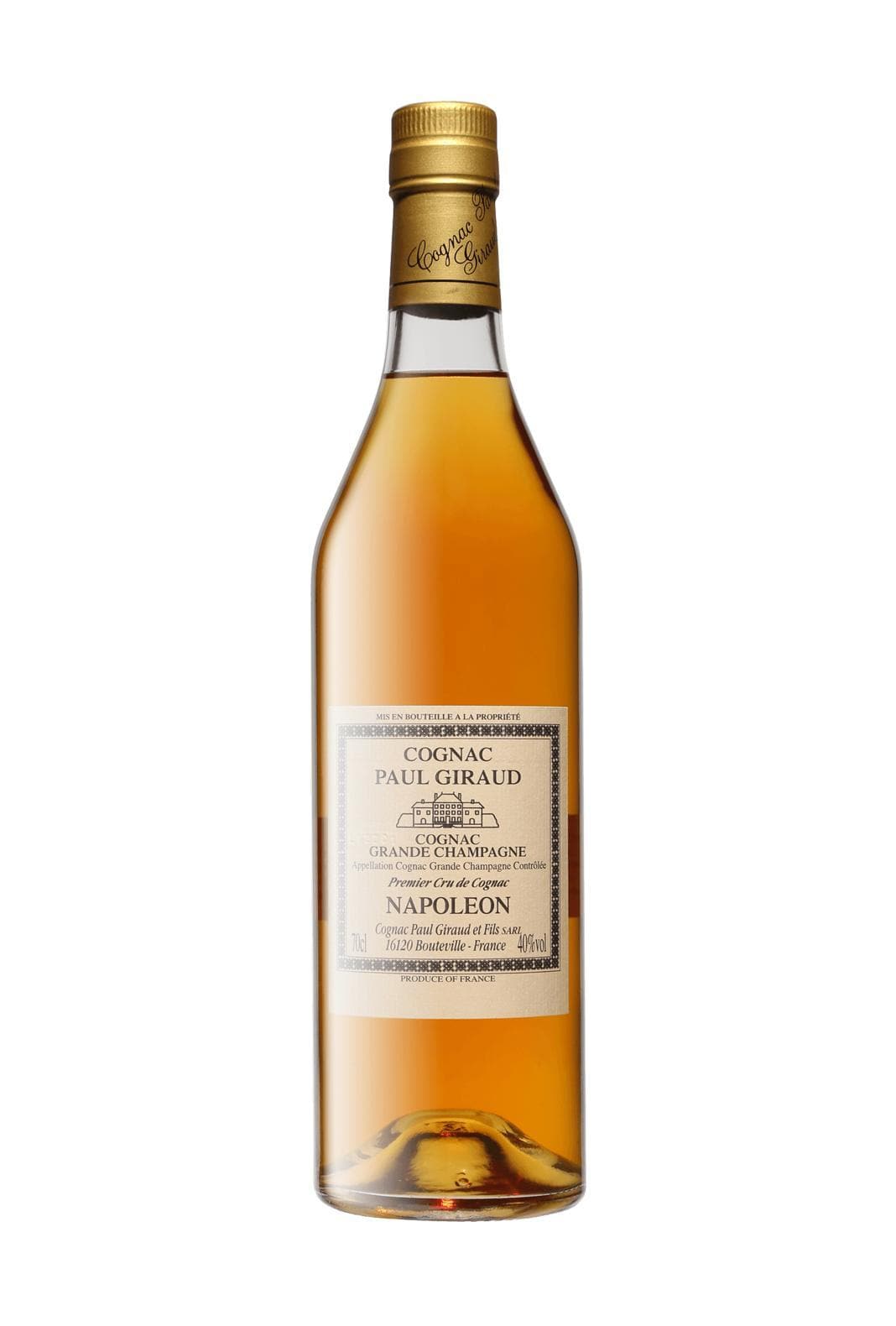
Paul Giraud Cognac Napoleon 15 years Grande Champagne 40% 700ml
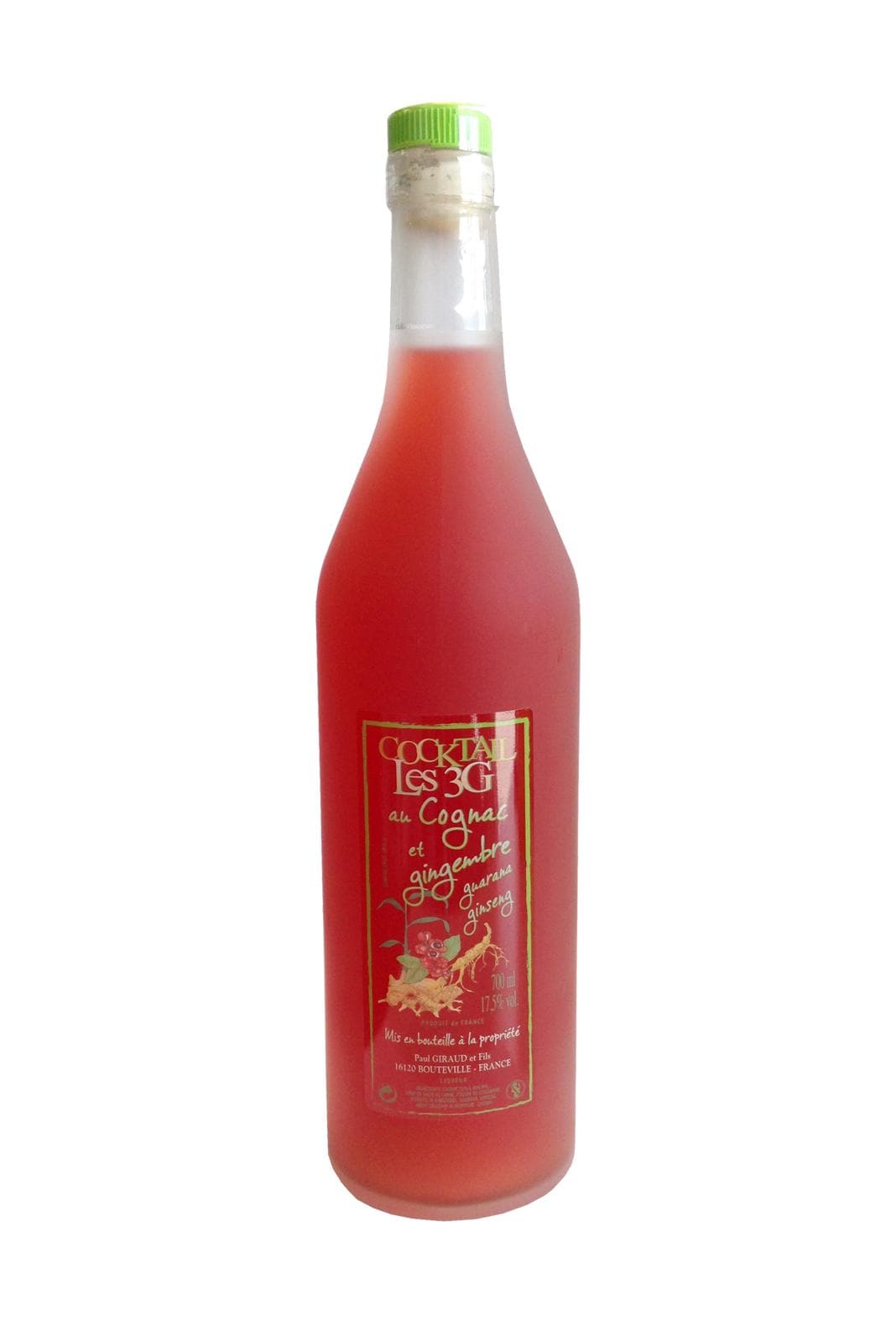
Paul Giraud Liqueur Gingembre (Ginger + Grande Champagne Cognac) 17.5% 700ml
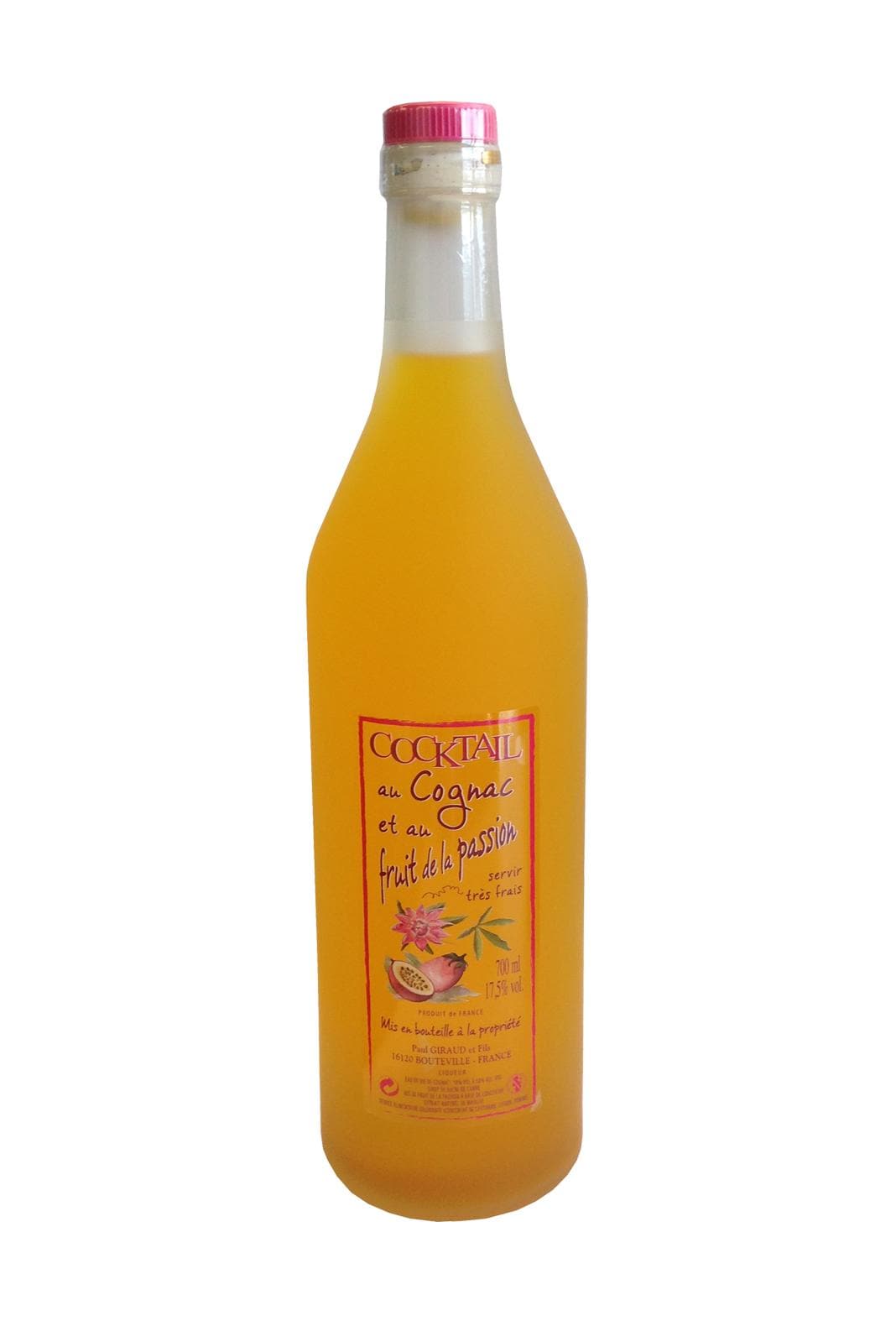
Paul Giraud Fruit de la Passion (Passion Fruit + Grande Champagne Cognac) 17.5% 700ml
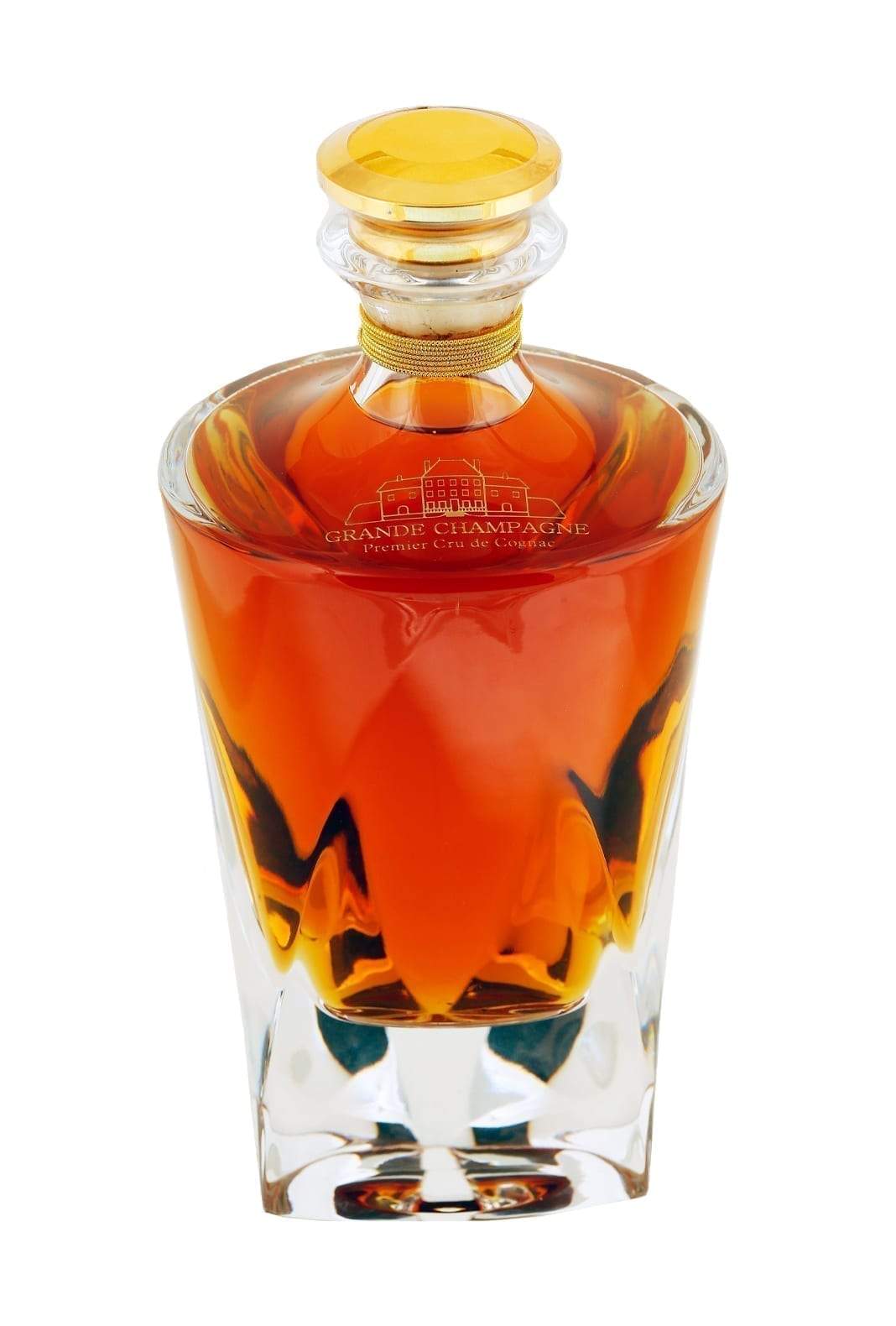
Paul Giraud XO Diamant 25 years 40% 700ml
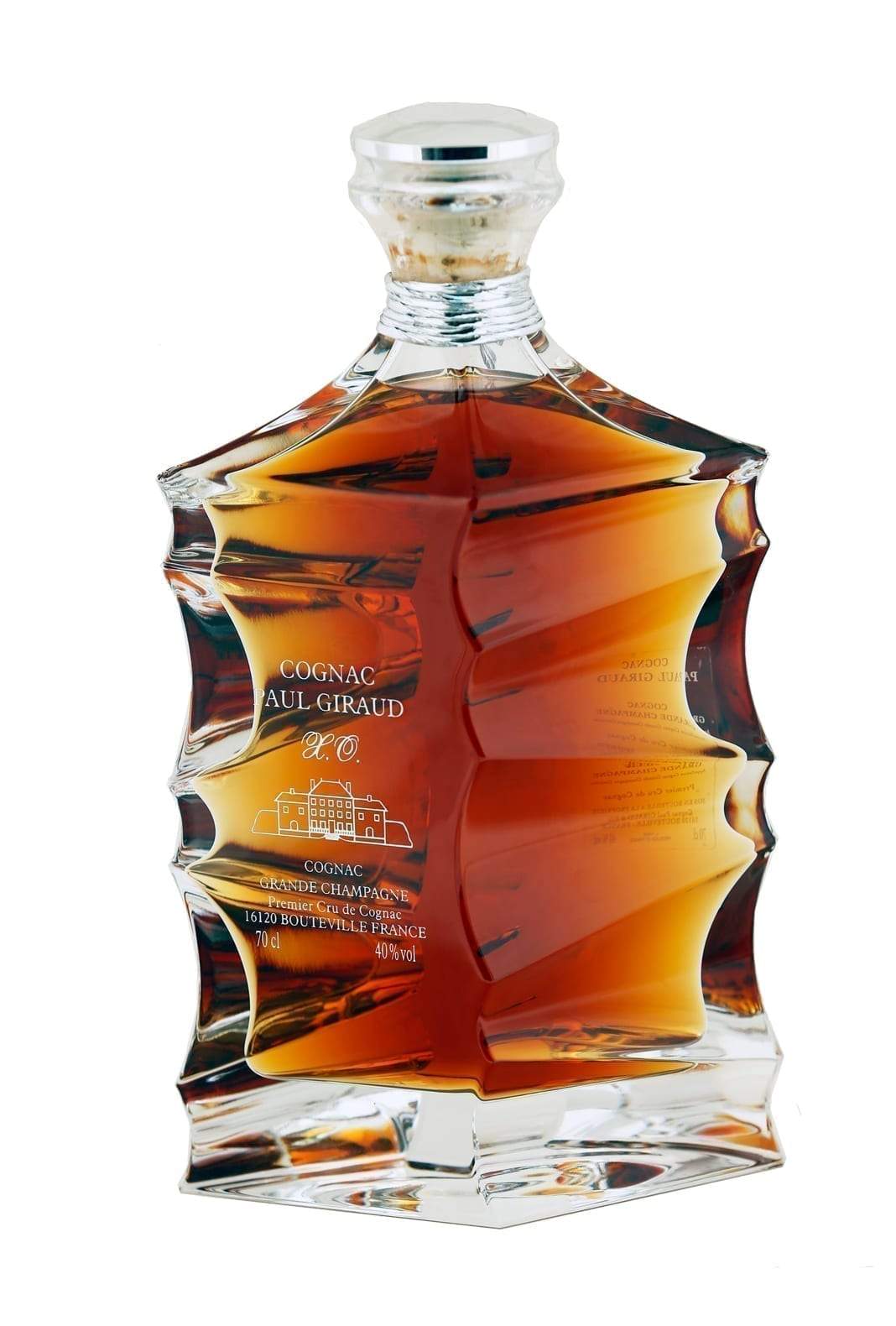
Paul Giraud XO Sail 25 years 40% 600ml
About Paul Giraud
Paul Giraud is a grower distiller rather than a blending house. The family farms vineyards at Bouteville and Saint Meme les Carrieres, both inside Grande Champagne, and presses, ferments, distils and ages the lot without buying eaux de vie from brokers. The cognacs take no caramel colouring, which is why the older bottlings often look paler than their age suggests. Colour here comes from the cask alone.
The page carries the full ladder. The VS and the Elegance, which the house built for cocktails, sit at the young end. The VSOP 8 Years and the Napoleon 15 Years show the estate at its most typical, all orchard fruit and chalky length. Above them sit the XO 25 Years, the Vieille Reserve, a set of 25 year old decanter releases named Irisdis, Nicolette, Rocky and Sail, and at the summit the Tres Rare 58 Years and the Heritage. Everything is delivered across Australia (exc. NT). For context, browse the wider cognac selection or the full brandy range.
History
Cognac exists because Dutch merchants wanted wine that would survive a sea voyage, so they burnt it down to spirit. The trade stuck, the spirit outgrew the wine, and a decree of 1909 fixed the boundaries of the production area. The six crus inside those boundaries came later, drawn up in 1938. Grande Champagne was mapped over the deepest Campanian chalk, the seam that runs through Segonzac and Bouteville, and it is the innermost of the six and the most highly regarded.
That chalk is the whole argument. It holds winter rain and releases it slowly, so vines keep working through a dry Charentais summer and ripen fruit that stays high in acid and low in sugar. The resulting wine is thin and sour to drink and close to perfect to distil. Folle Blanche did the job until phylloxera destroyed the vineyards in the 1870s; Ugni Blanc replaced it because it grafted well and kept that acidity.
Grande Champagne spirit is famously slow. Straight off the second pass of the Charentais pot still it is tight and austere, and it needs decades in Limousin oak before the florality and the rancio arrive. That is why the cru is judged on its old bottles rather than its young ones, and why a house like Giraud has to tie up stock for a working lifetime to have anything like the Heritage to sell. Further south in Gascony, armagnac took a different road, distilling once to a lower strength for a richer, earlier drinking spirit.
How to drink it
Serve cognac at room temperature and leave the flame under the glass in the 1970s where it belongs. Heat drives off the delicate top notes and pushes alcohol vapour at your nose. Use a tulip or a copita rather than a wide balloon; the narrower rim gathers the aromatics instead of letting them escape.
Pour about 30ml and give it five minutes in the glass before the first sip, because Grande Champagne opens noticeably with a little air. A few drops of water on anything at 40 per cent will lift the fruit if the spirit feels tight. The XO is the clearest demonstration: leave it a quarter of an hour and the oak settles back while the dried fruit and rancio come forward.
At the table, cognac handles roast duck, aged Comte, walnuts, dark chocolate and anything with cooked stone fruit. Younger bottles belong in a Sidecar or a Sazerac, which is exactly what the Elegance was made for. The 12 Years in the 500ml bottle is a sensible first purchase if you want to know what the estate tastes like before committing to an XO.
An opened bottle is stable for a year or two if you store it upright, away from light and heat. Once it drops below a third full the extra air in the bottle starts to flatten it, so decant the last of a treasured bottle into a smaller vessel or one of our carafes.
More from this origin and style: